Two Must-See 2Museums When Visiting Kagoshima
I think a lot of people have come from “the article about KIrishima shrine festival”. If that’s the case (and even if it isn’t), there are some museums you should definitely visit when you go to Kagoshima—both to prepare for your trip and to reflect on it afterward. I’d like to introduce two of them.
Reimeikan Museum
Location; 7-2 Shiroyama-cho, Kagoshima City, Kagoshima Prefecture
Access; ・Get off at the “City Hall” stop on the streetcar or bus, then walk about 5 minutes
・Get off at the “Satsuma Righteous Samurai Monument” stop on the Kagoshima City View, and it’s right there
For those coming from Kagoshima Chuo Station,
Exit the main entrance of JR Kagoshima Chuo Station, and you’ll see the “Kagoshima Chuo Ekimae” stop for the Kagoshima City Tram directly in front of you.
Take the “City Tram Line 1” bound for Reimeikan; the destination is “Kagoshima Ekimae.”
official https://www.kagoshima-kankou.com/for/attractions/10514
Let’s go in
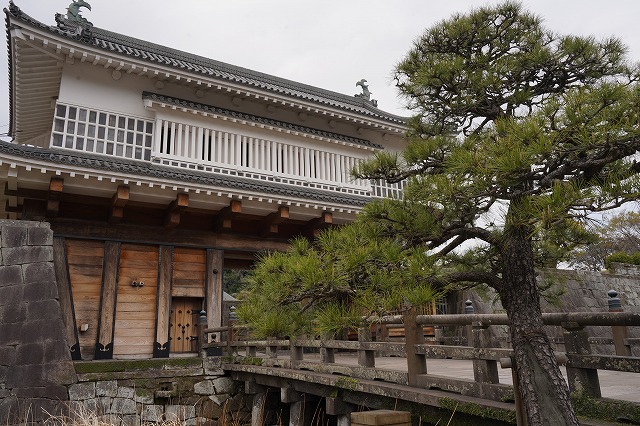
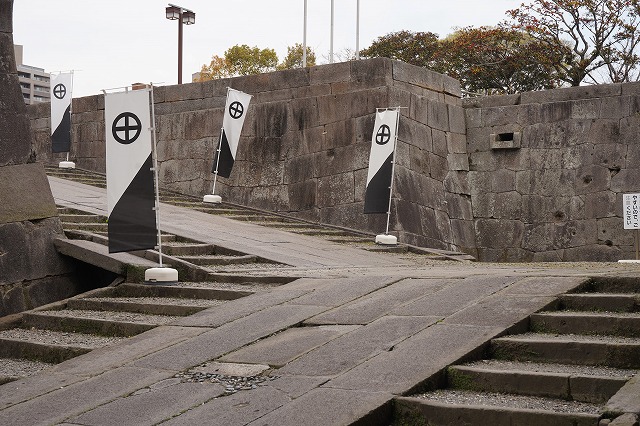
This is where the castle of the Shimazu clan, the feudal lords who once ruled this region, once stood. That is why there is such an impressive gate here.
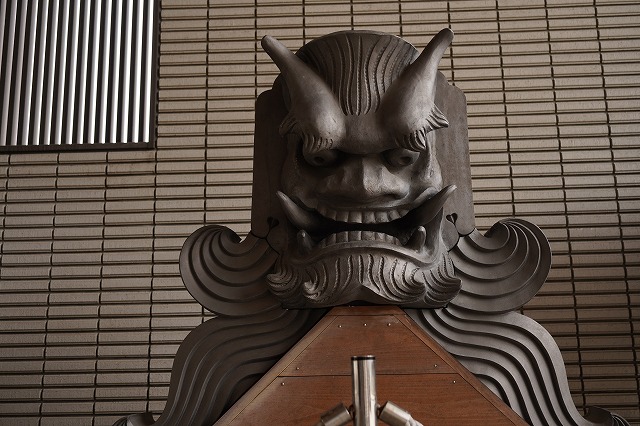
At the entrance to Reimeikan, a massive demon-faced roof tile greets visitors.
Spirit of the Rice Fields
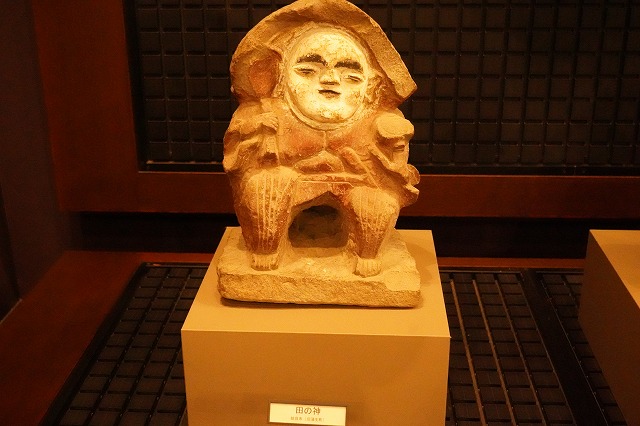
Once you’re inside, go up to the second floor.
This is the area where ethnographic materials are on display.
A statue of the spirit of the rice fields is on display here. In fact, there are several replica statues lined up around the museum as well.
Furthermore, these statues of the rice field spirit can only be seen in Kagoshima.
Typically, throughout Japan, people have entrusted their wishes to Buddhist statues known as “Jizō.” Here in Kagoshima, however, as if to serve as a substitute, ordinary people erect statues of the rice field deity.
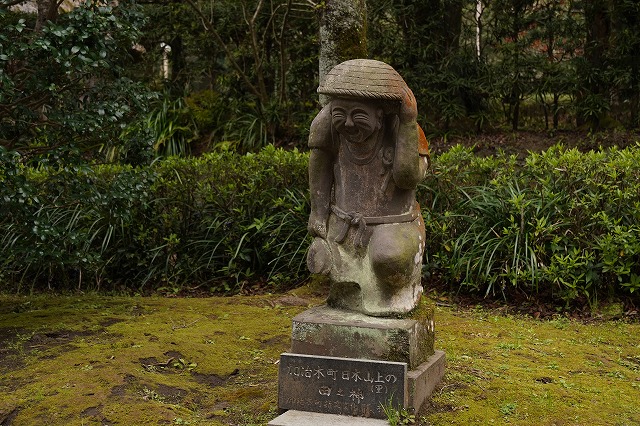
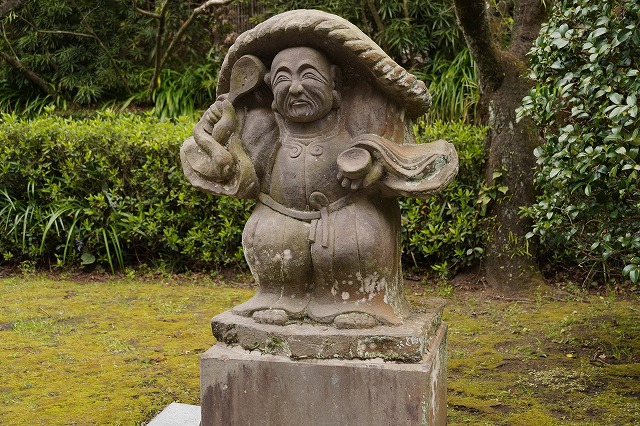
That’s why, even though they’re called “gods,” they all have unique and approachable appearances.
Various Groups of Masks
Masks of Spirit of rice field
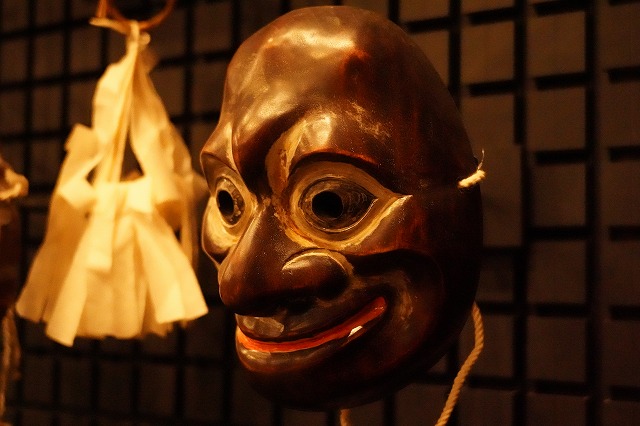
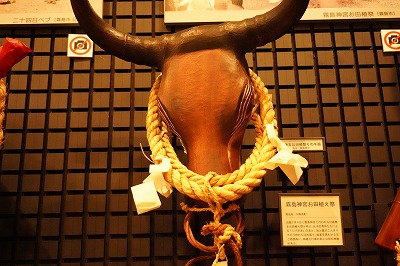
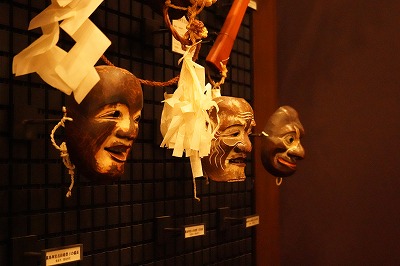
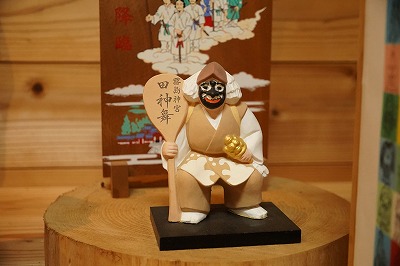
First up: the masked figures that appear at Kirishima Shrine
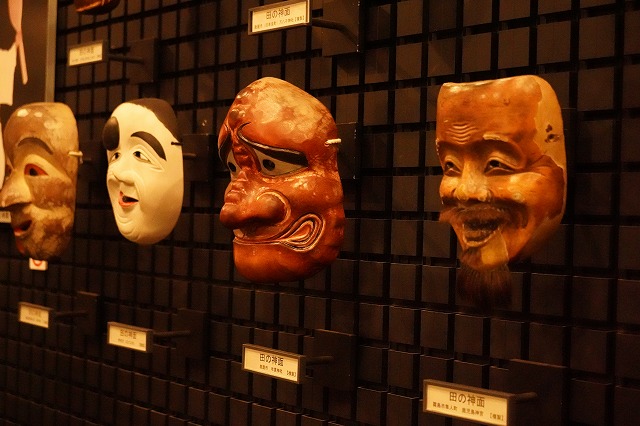
Festivals featuring the rice field deity are held in various places. The masks used in these festivals are all unique; there is no single standard design, and they are incredibly diverse.
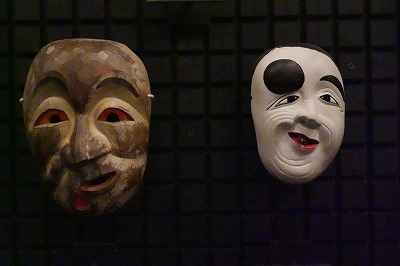
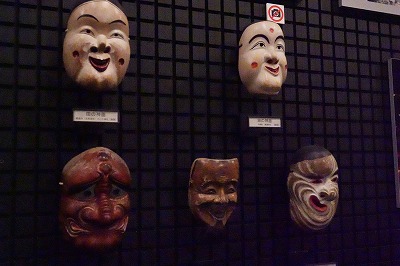
The Visiting Gods of the Remote Islands
Kagoshima Prefecture is located at the southernmost tip of the Kyushu region, but beyond it lie a string of islands stretching all the way to Okinawa Prefecture.
It is no exaggeration to say that the various deities who appear on these remote islands enrich the diversity of Kagoshima Prefecture’s mask traditions.
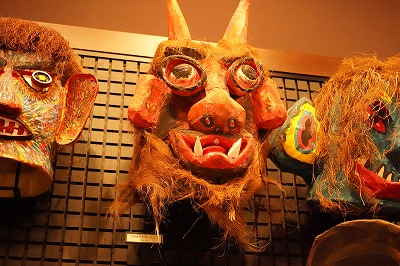
The masks that appear on Kuroshima island. What does it represent?
Mishima town official https://mishimamura.com/education-culture-history/omaturi/
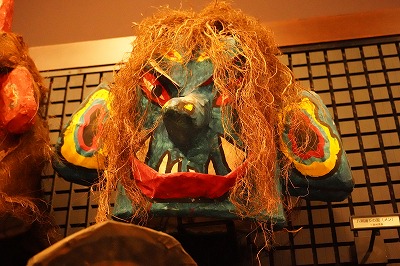
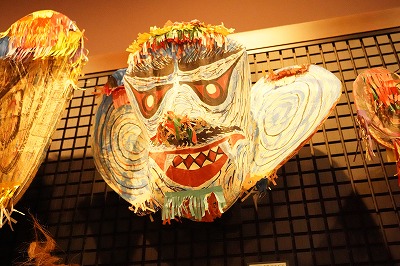
“Takamen,” a character featured in the Harvest Dance on Takeshima Island in Mishima Village.
These dances are featured in the Hassaku Odori festival on both Kuroshima and Takeshima. The festival is held on August 31 on Kuroshima and on September 1 on Takeshima.
Kagoshima travel https://www.kagoshima-kankou.com/feature/sizenkouen/10
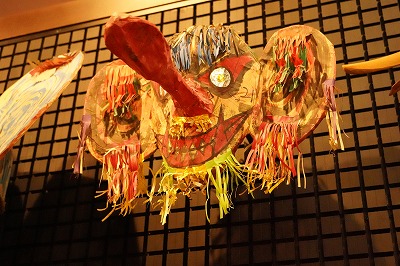
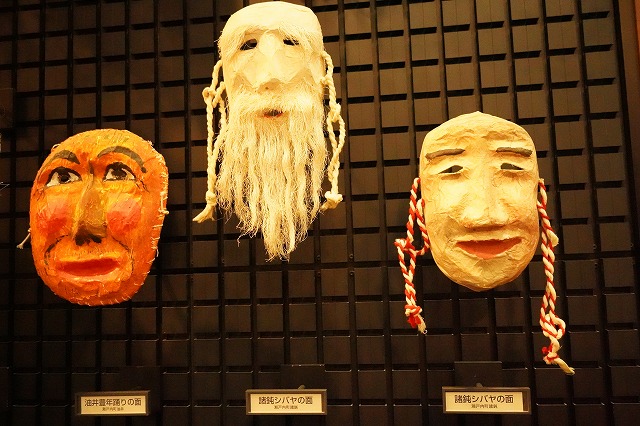
The “Shodon Shibaya” can be seen in Setouchi Town on Kakeroma Island. It consists of dance and theater. It is primarily performed during the festivals held on the 15th day of the 8th month and the 9th day of the 9th month of the lunar calendar.
Kagoshima official https://www.pref.kagoshima.jp/ab10/kyoiku-bunka/bunka/museum/shichoson/setouti/shodon.html
The three on the left are the Men Odori (Mask Dances) of Tanegashima island. More than 20 dancers wearing paper masks perform to the beat of drums and cymbals to give thanks for a bountiful harvest. Held on the third Sunday in October.
official https://www.furusato-tanegashima.net/ky-geinou/kg-menodori.html
On the right is the “Yui Mask Dance” from Amami Oshima island. It is a dance that incorporates theatrical elements. It takes place on the 15th day of the 8th month of the lunar calendar.
kagoshima official https://www.pref.kagoshima.jp/ab10/kyoiku-bunka/bunka/museum/shichoson/nishinoomote/menodori.html
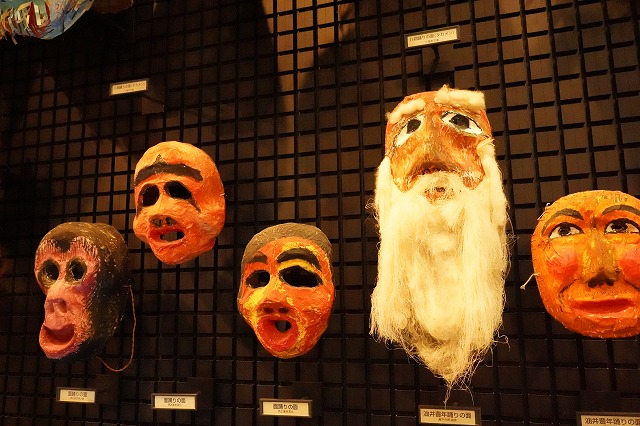
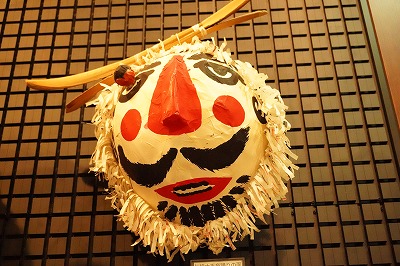
On the left is a mask featured in Yoron’s “Yoron Fifteenth-Night Festival.” It’s a massive mask that reaches down to the chest when worn.
cf. https://discoverdeeperjapan.com/2025/03/19/yoron-jugoya-festival/
On the right is “Toshidon,” the god of the year who visits every home at the end of the year on Koshikijima island.
cf (japanese) https://www.pref.kagoshima.jp/ab10/kyoiku-bunka/bunka/museum/shichoson/satumasendai/doshidon.html
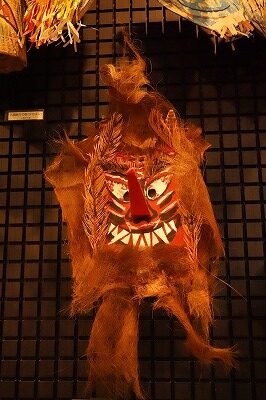
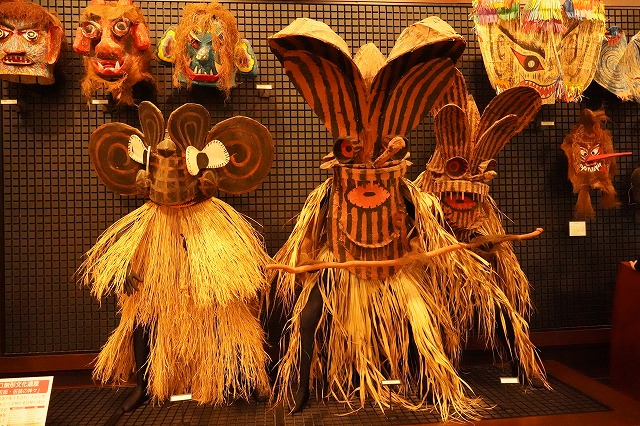
And these are the strangest visiting deities—not just in Kagoshima, but in all of Japan. On the left is “Mendon,” and on the right is “Boze.”
Boze appears on Akuseki Island on the 16th day of the 7th month of the lunar calendar, while Mendon appears on Iwo Island on the 1st or 2nd day of the 8th month of the lunar calendar. They are mysterious deities who burst into the Bon dance celebrations.
cf. https://discoverdeeperjapan.com/2021/08/30/boze-the-strangest-visiting-deity/
mendon(japanese) https://matsurito.jp/matsuri/iotohassakutaikoodori/index.html
Tengu museum
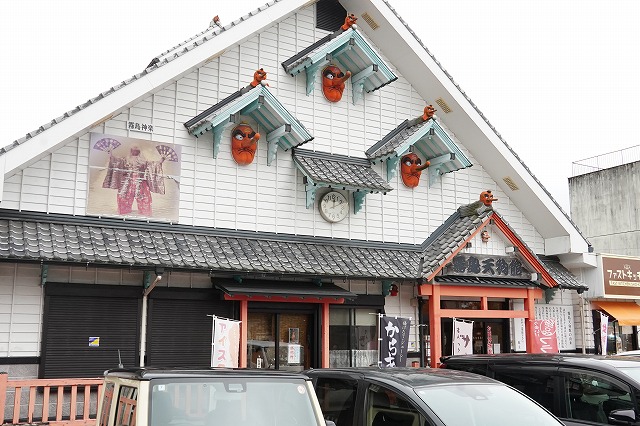
If you visit Kirishima Shrine, this is a place you definitely shouldn’t miss: the Tengu Museum.
It’s right in front of the approach to Kirishima Shrine, and since it’s a rather eye-catching building, you’ll spot it right away.
Trip.com https://jp.trip.com/travel-guide/attraction/kirishima/kirishima-tengu-kan-50687381/
What is Tengu ?
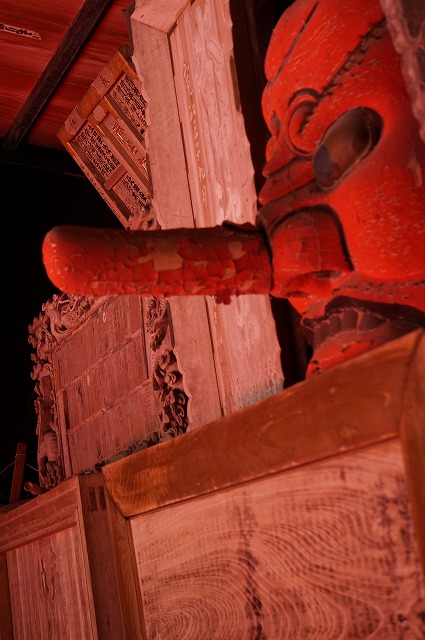
Before we get into that, let’s briefly review what a tengu is.
According to ancient texts, Sarutahiko is described as having a red face and a high nose; his appearance was identical to that of the tengu, who appeared later.
Since ancient times, people have feared tengu as powerful demons that bring misfortune and cause natural disasters and wars.
In addition, there is also a deity named Sarutahiko. These two are actually completely different entities, but the reason they are often confused is that they look alike. According to ancient texts, Sarutahiko is described as having a red face and a high nose; his appearance was identical to that of the tengu, who appeared later.
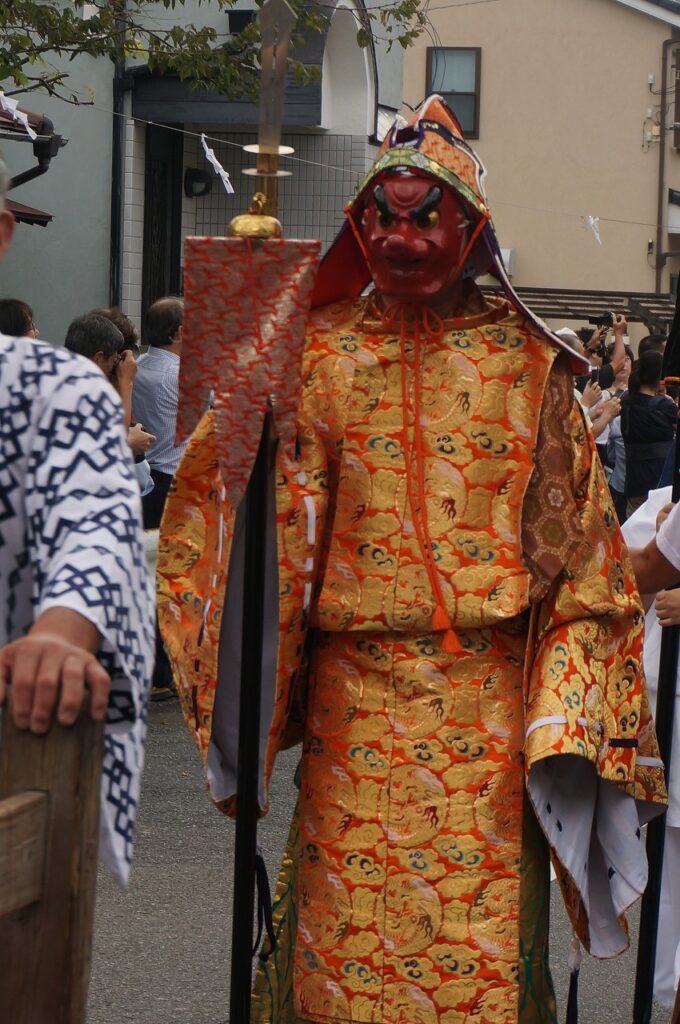
Let’s go inside and take a look
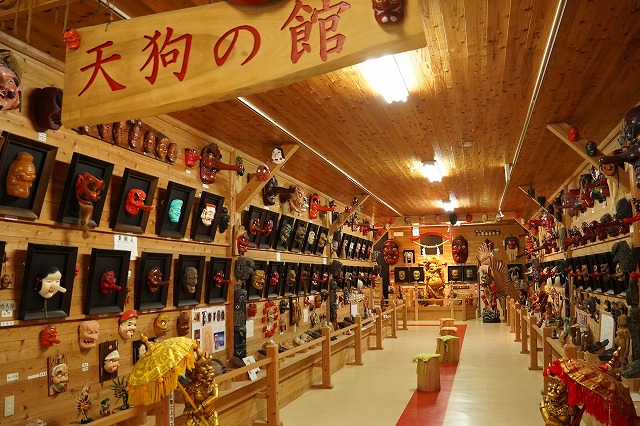
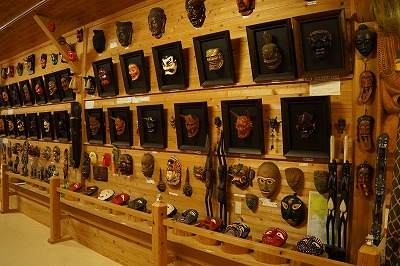
Inside, there is an overwhelming number of masks on display.
I heard that the previous director collected these all by himself.
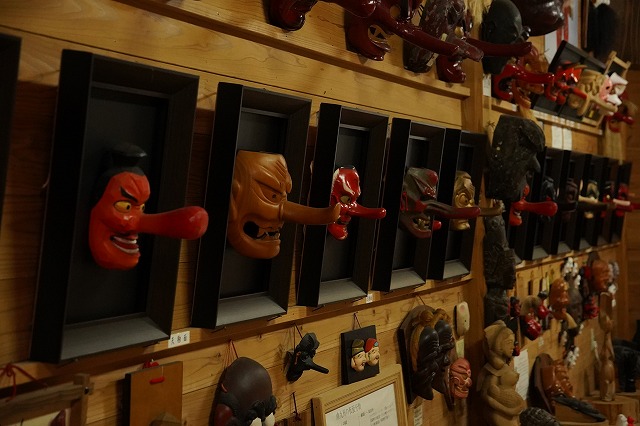
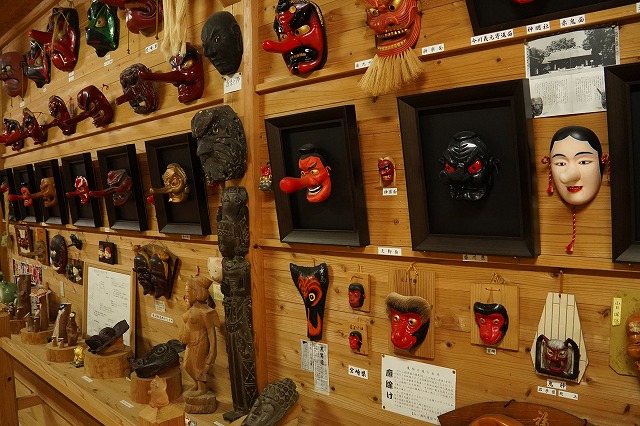
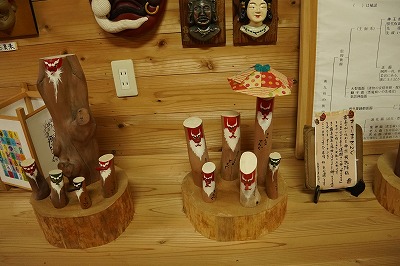
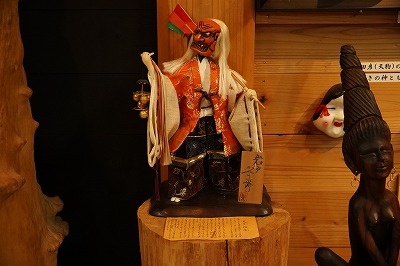
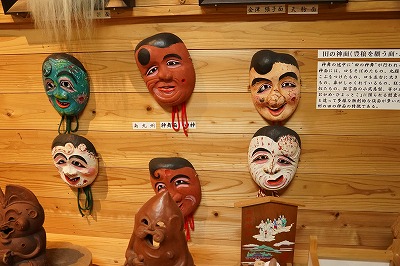
It’s not just tengu on display. It feels like they’ve gathered every mask imaginable. Not just masks, but related merchandise as well.
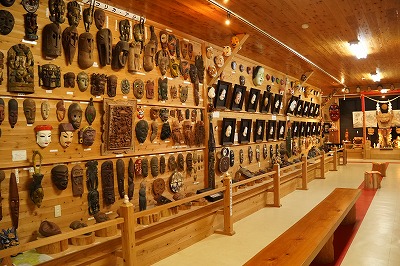
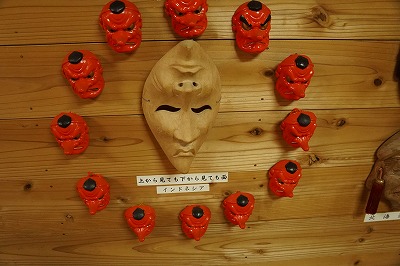
Even masks from overseas. At this point, I really couldn’t say.
Well, I guess you could only call it sheer determination.
If you ever visit Kirishima Shrine, be sure to stop by. I hear they also have a Buddha statue that brings good luck.