Tochigi 栃木 ~A Town of Warehouses with Three Delights
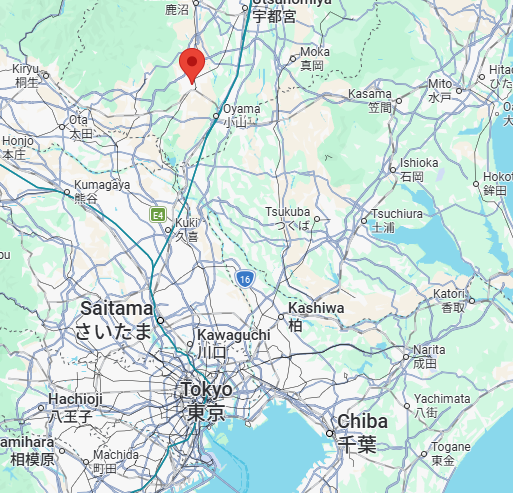
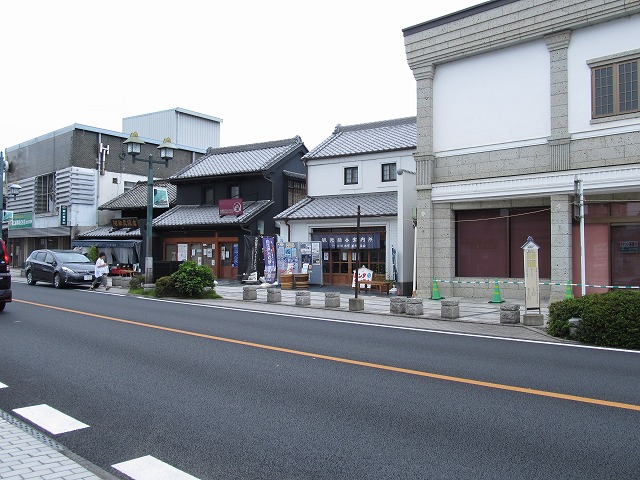
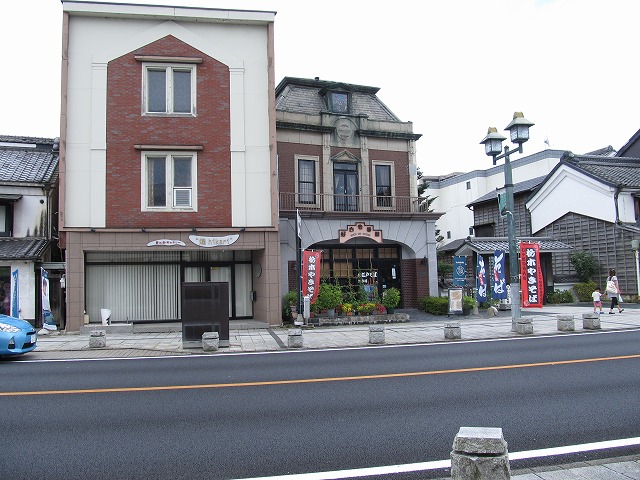
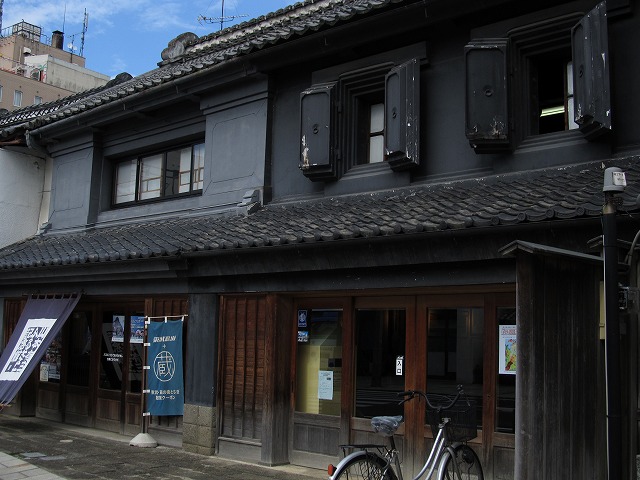
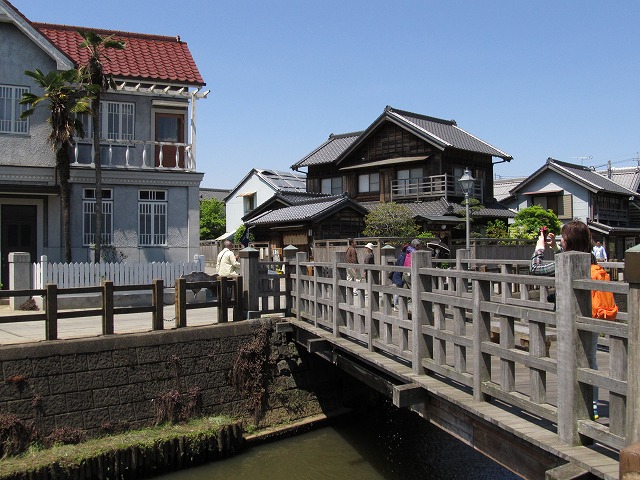
“Tochigi? I’ve never heard of that place.” If asked, most people would probably answer that way. Of course, it’s a town in Tochigi Prefecture, but it’s not the prefectural capital. It’s a town that bears the name “Tochigi” yet isn’t the heart of the prefecture. But… this town, located about an hour from Tokyo, was a town of warehouses with three types of charm.
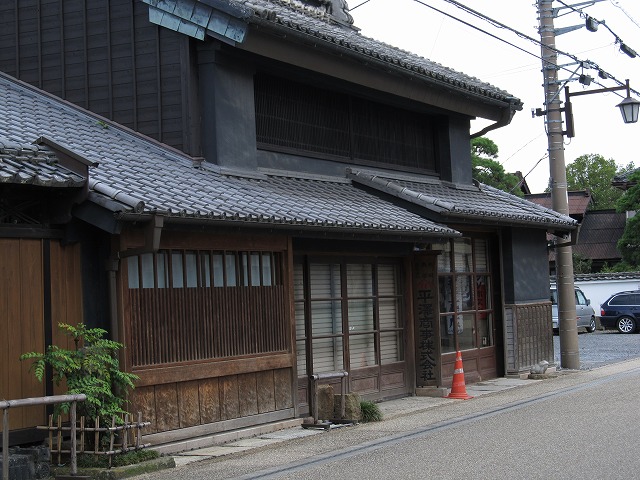
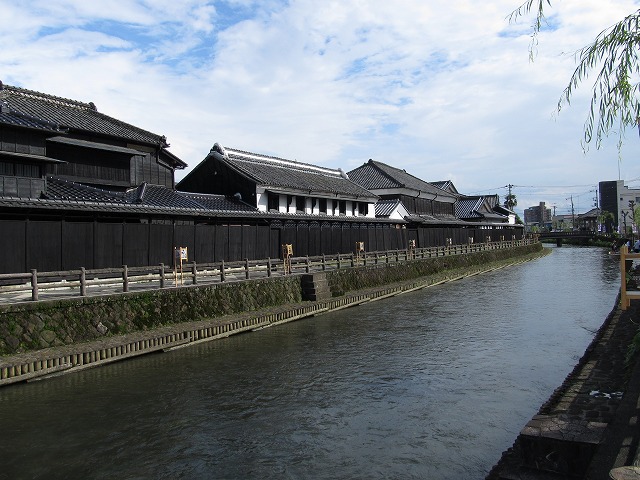
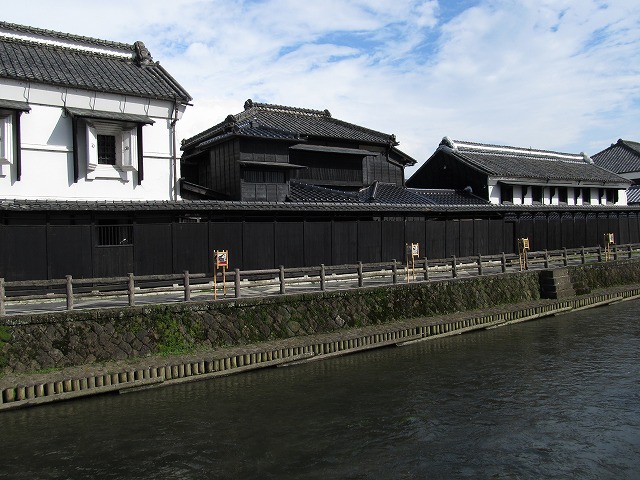
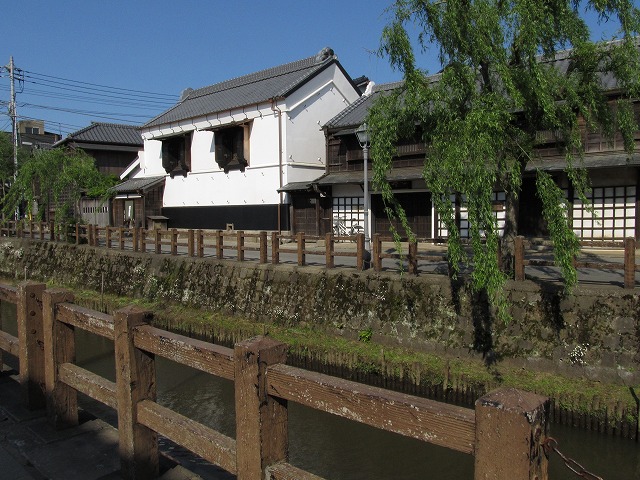
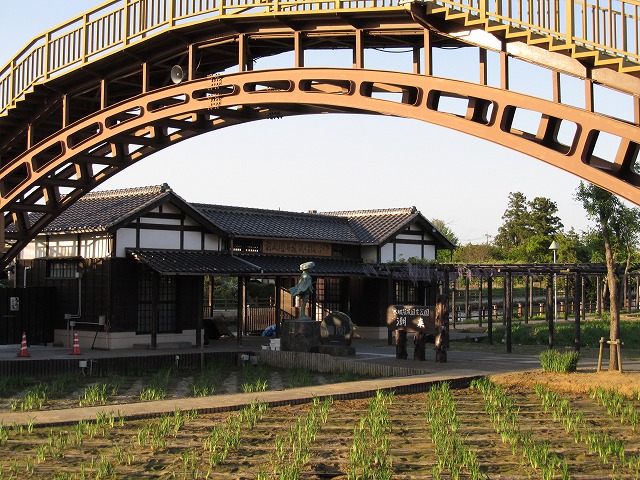
This town has been designated as a Preservation District for Important Groups of Traditional Buildings.
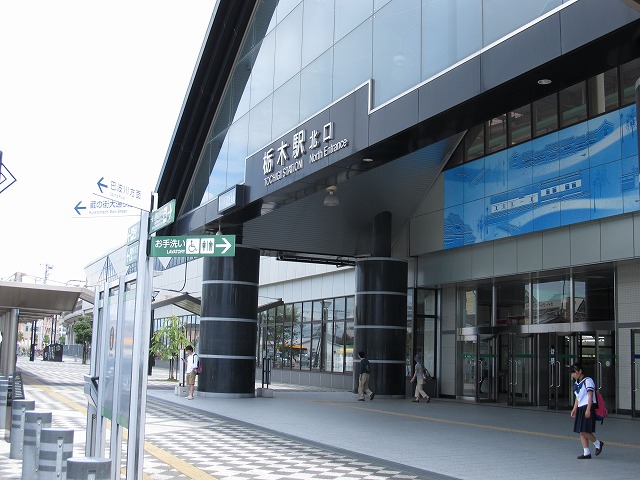
Your journey begins at Tochigi Station. There are several information signs, but here, you’ll start by heading down Main Street.
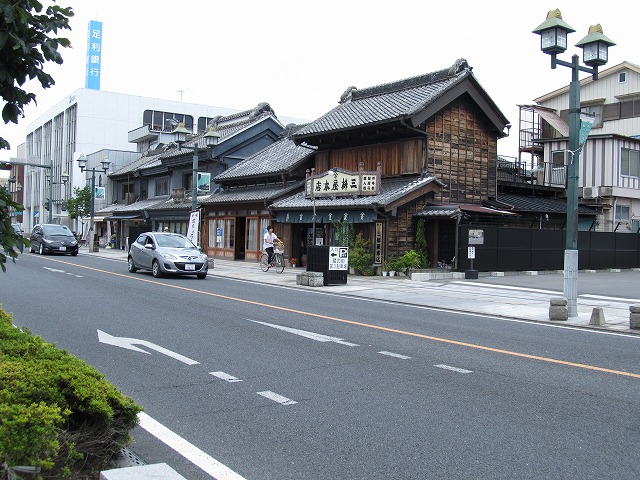
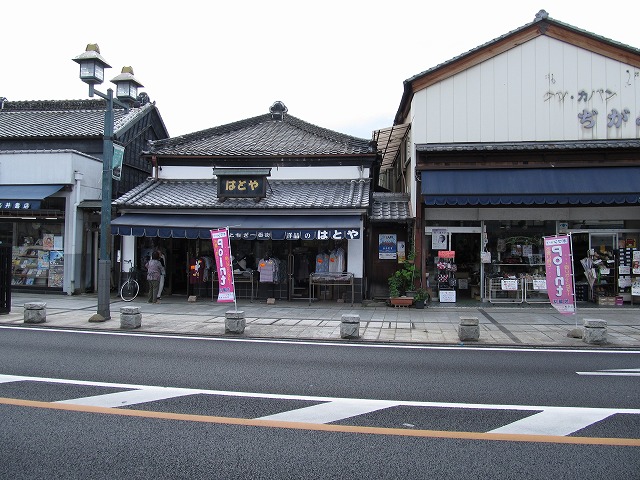
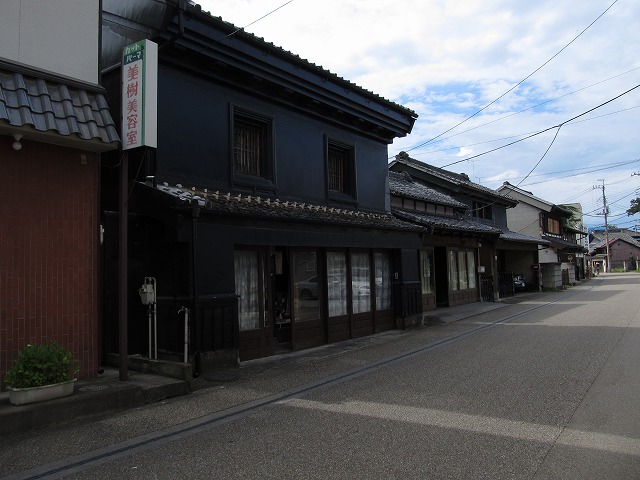
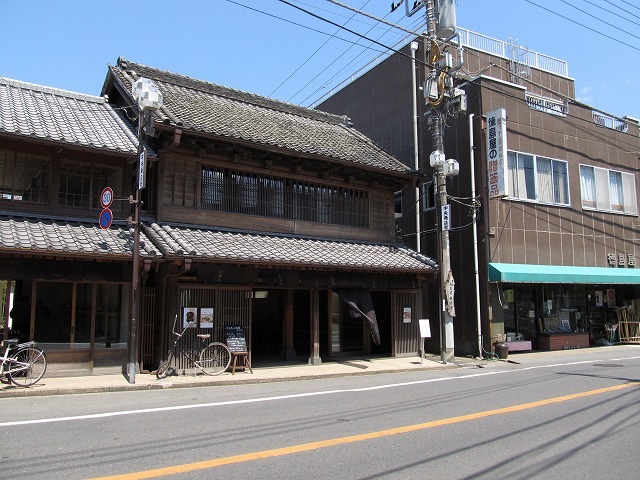
The main street stretching straight from the station looks much like any other street in town. However, if you look closely, you’ll notice that older buildings are scattered among the modern ones.
2. Important Preservation District for Groups of Traditional Buildings
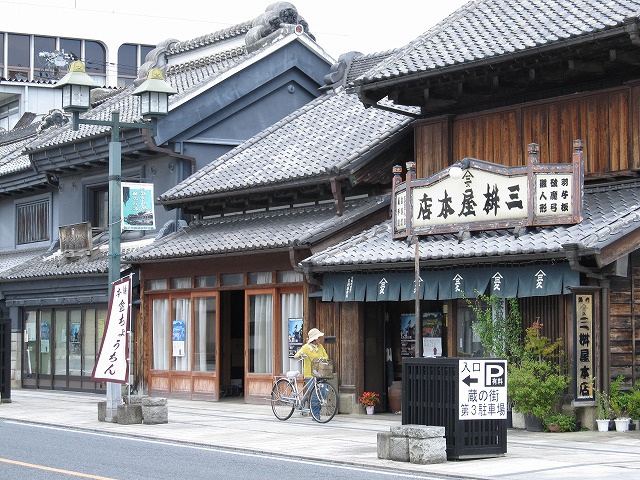
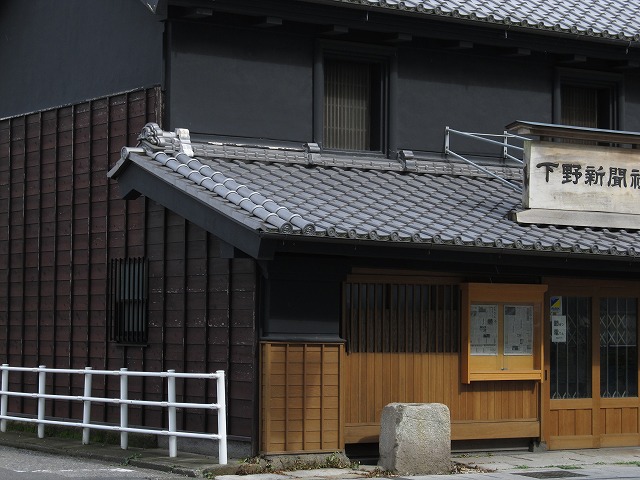
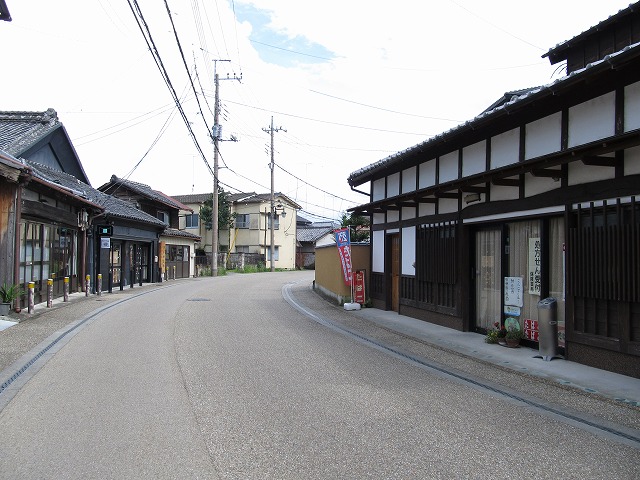
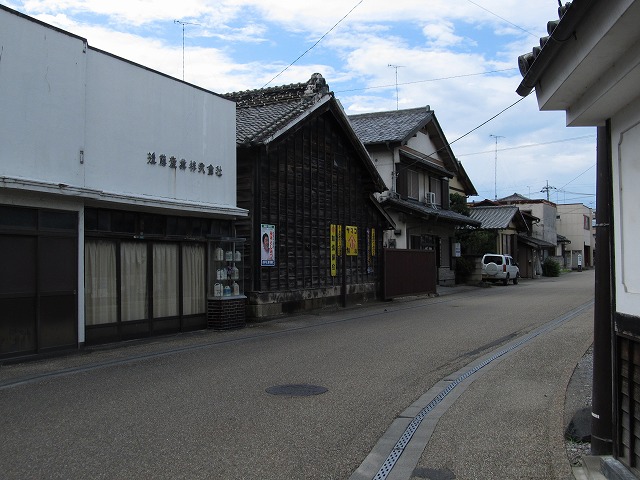
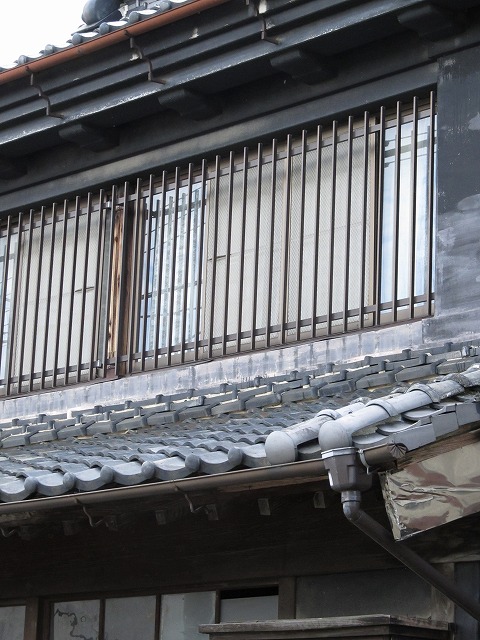
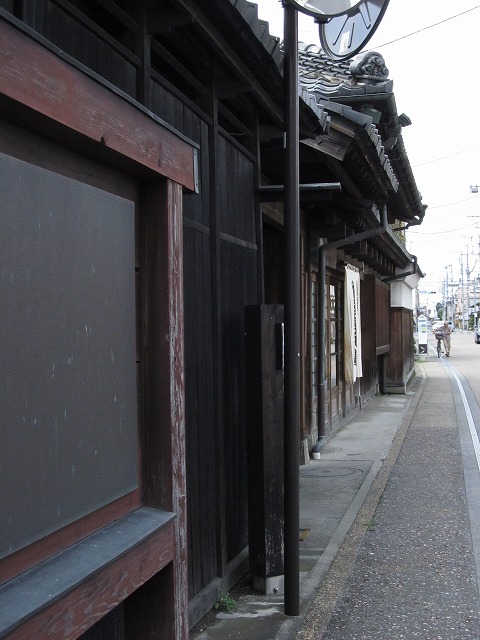
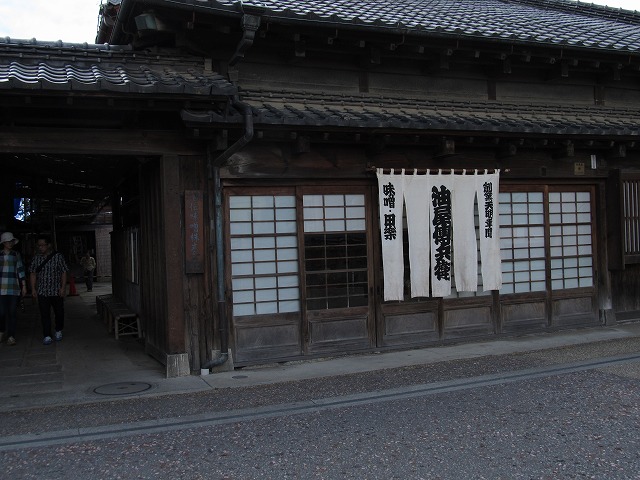
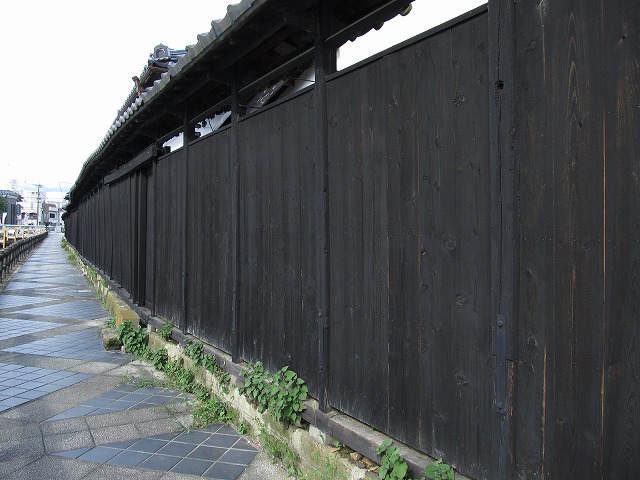
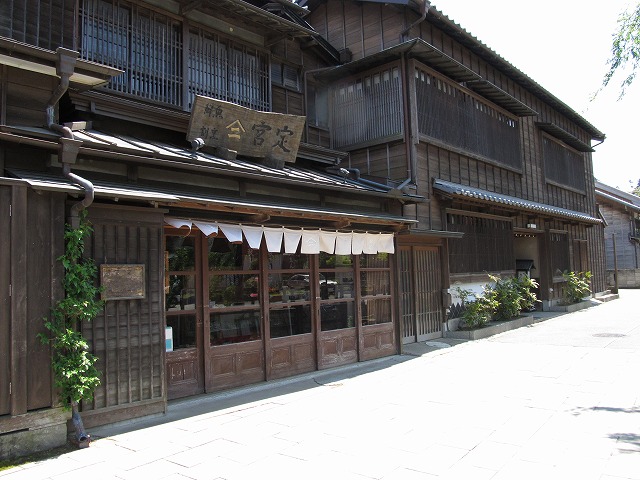
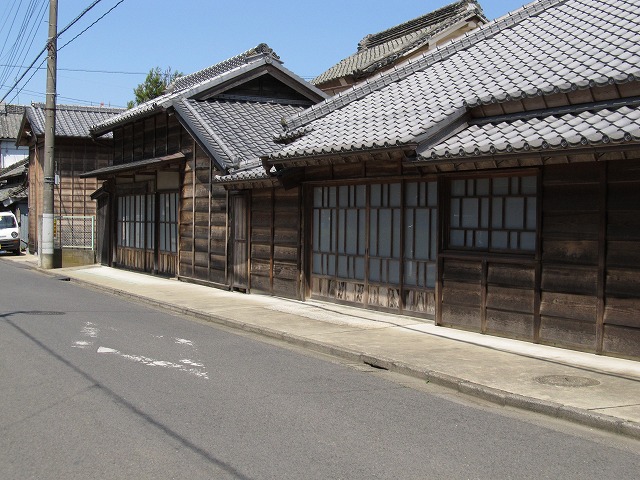
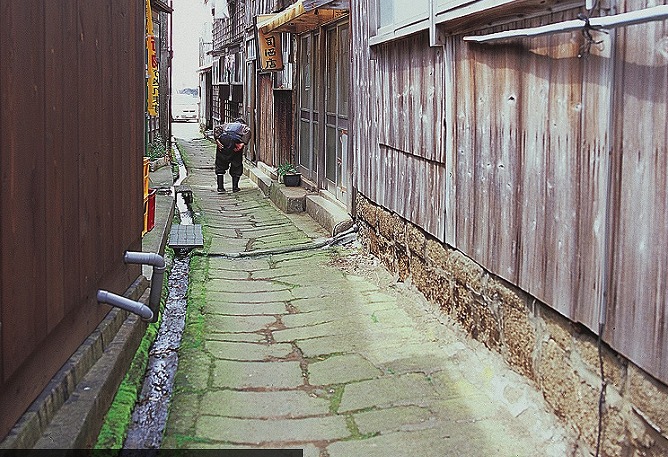
After soaking up the atmosphere of this town of storehouses on Main Street, try walking down the street just past the slight left turn. This is a trace of an old highway that was once maintained for imperial messengers traveling to Nikko. This roadside area is designated as an Important Preservation District for Groups of Traditional Buildings.
After seeing those imposing storehouses, you might feel a little unsatisfied. This is what the Japanese landscape looked like until not too long ago.
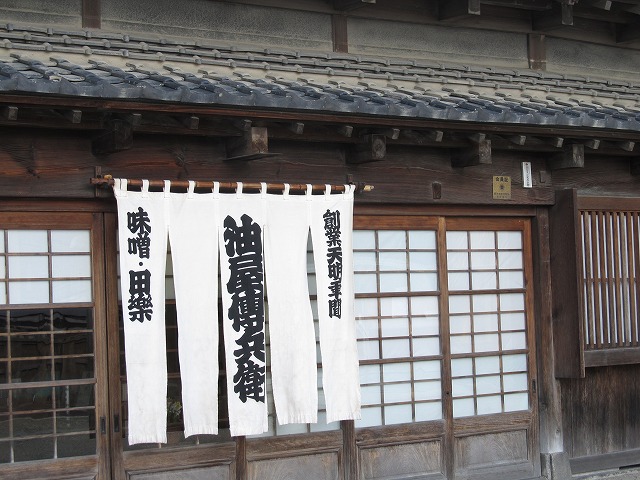
If you come across a shop that has been making and selling miso (味噌 soybean paste) since the late 18th century, turn back. You can also enjoy craft beer and other beverages here, in addition to soybean paste products. official (Japanese) https://abudenmiso.wixsite.com/website
3. Talk about Tochigi, that’s the view
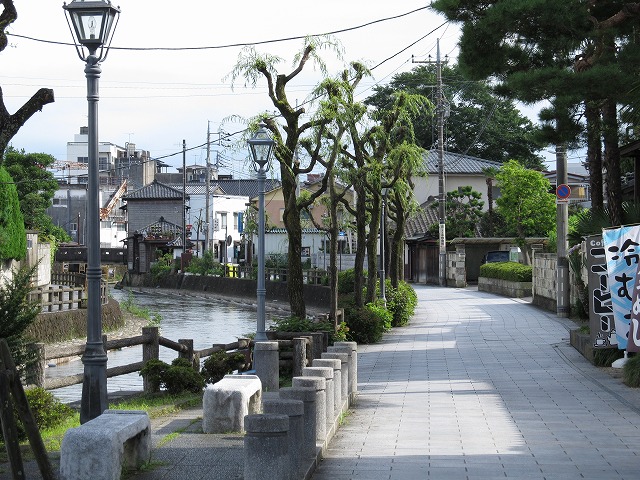
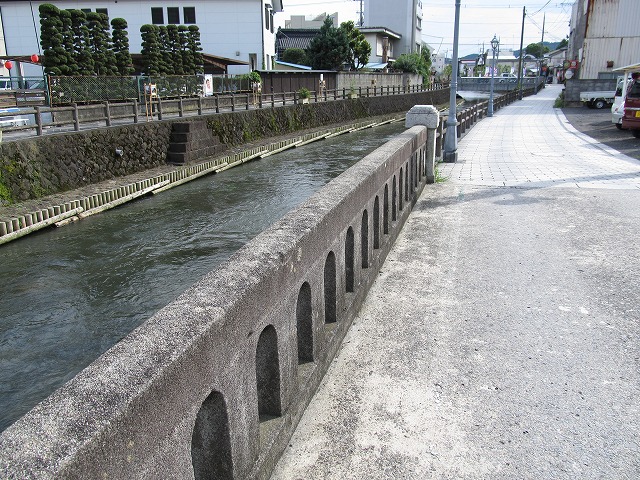
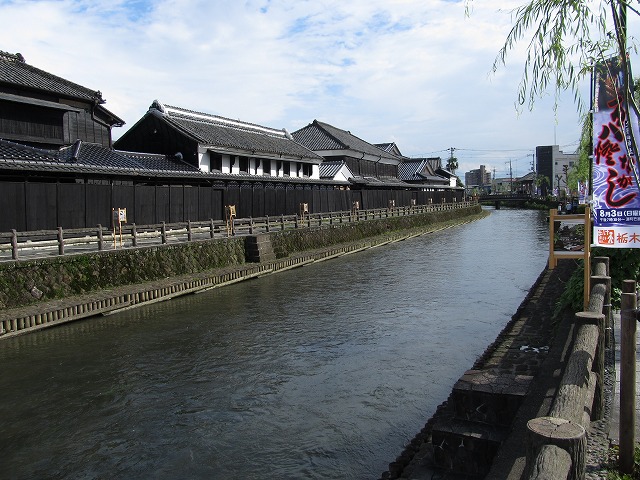
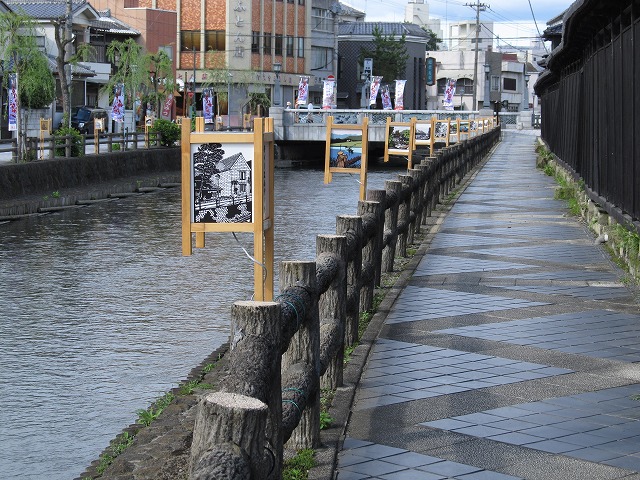
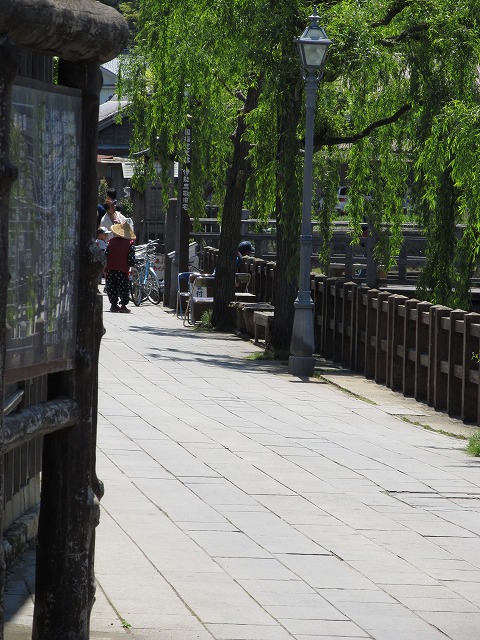
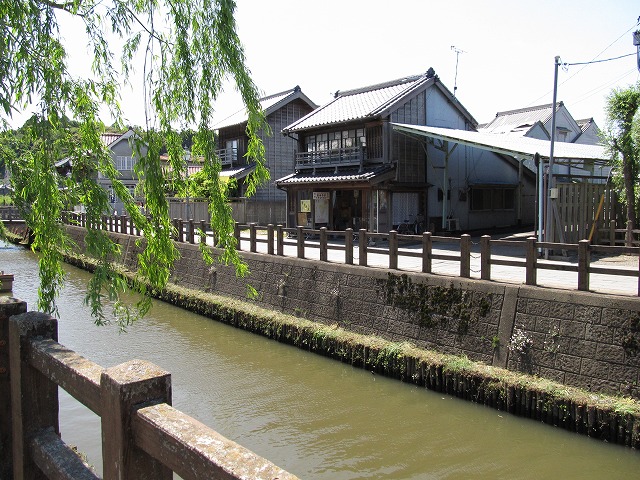
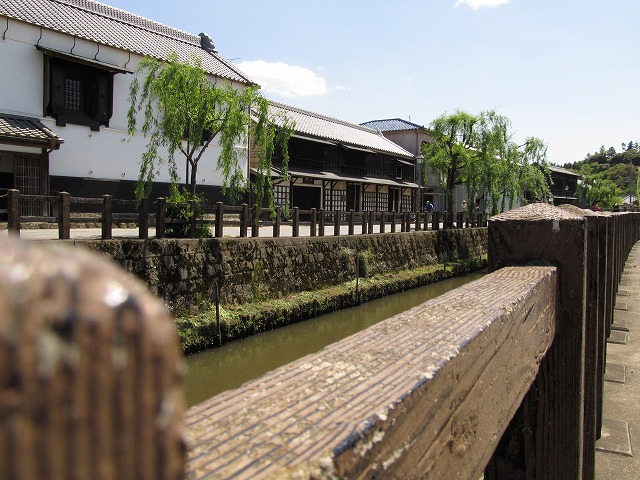
On the way back to the station, instead of taking Main Street, you might want to try the path along the river that runs alongside it. If you stroll along for a while, letting the river breeze blow through you….
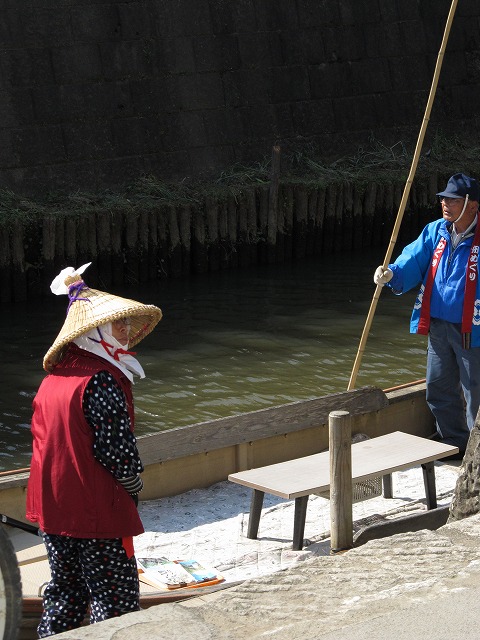
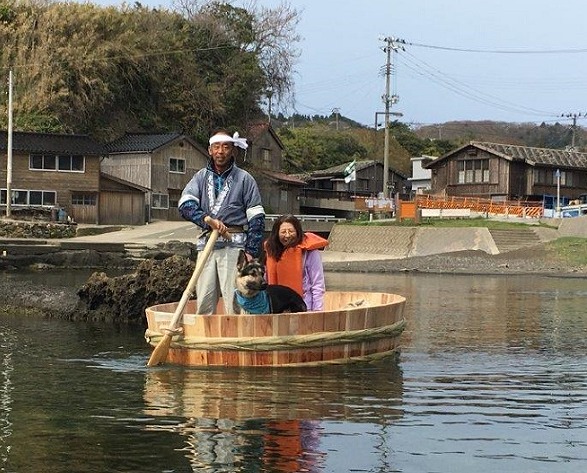
That little song from the boatman has you feeling a little tipsy. If you’re in the mood, it’s also nice to hop on a small boat to clear your head.
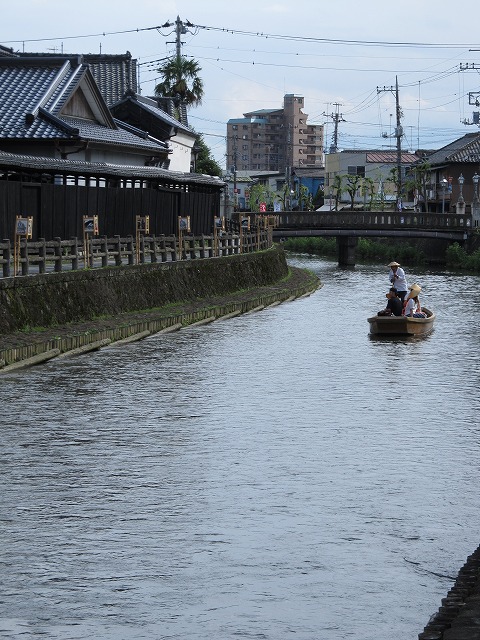
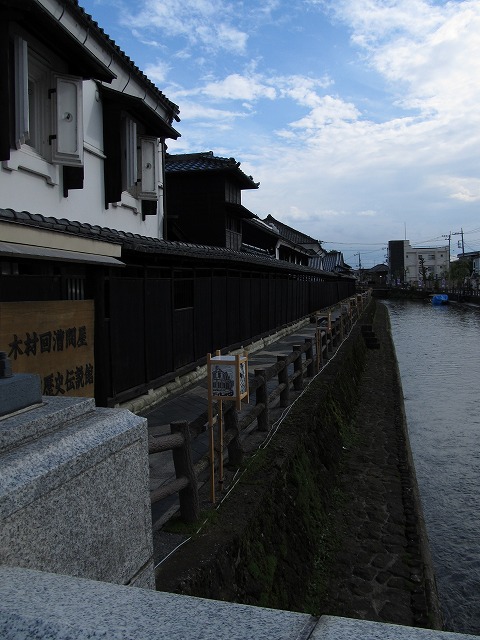
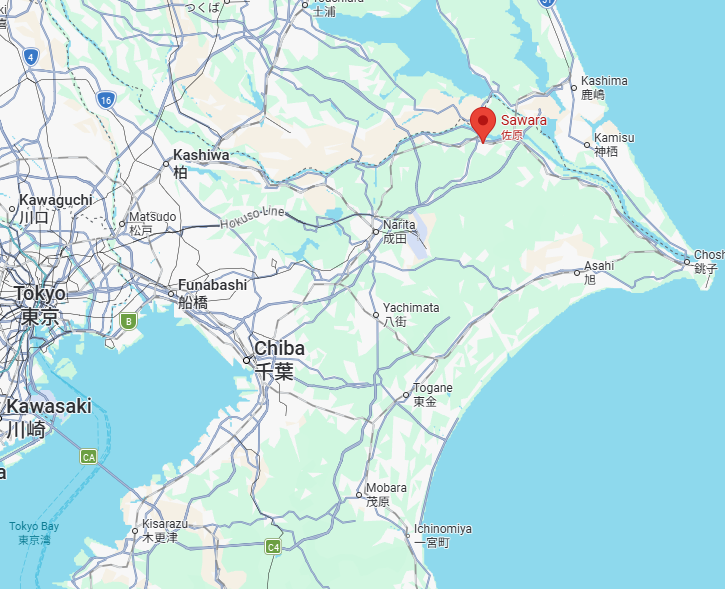
Sawara 佐原 ~old town by the river
Sawara, Katori City, Chiba Prefecture Access :It takes about 70 minutes by rapid train on the JR Sobu-Narita Line from Tokyo to Narita, and then about 30 minutes on a local train from there. It’s about a 5-minute walk from Keisei Narita Station to JR Narita Station.
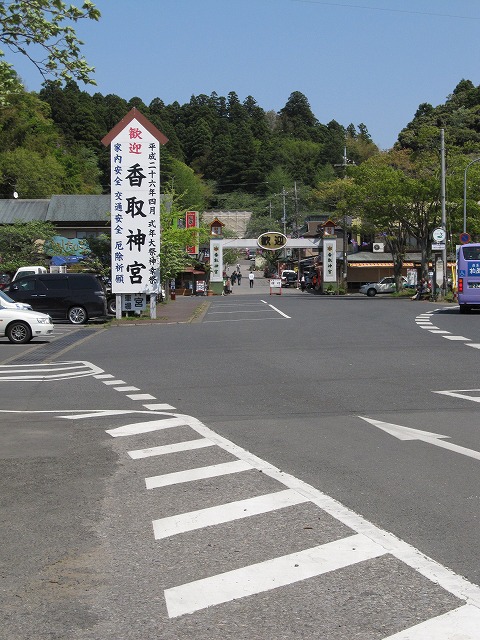
This town has been designated as an Important Preservation District for Groups of Traditional Buildings. It originally flourished as a town near the gates of the nearby Katori Shrine. Later, the town grew in importance as a commercial hub that took advantage of water transportation on the Tone River. At the height of its prosperity, the saying went, “If you want to see Edo, come to Sawara.” Even today, traces of that prosperity can be seen here and there. Official https://www.suigo-sawara.ne.jp/abroad.html?
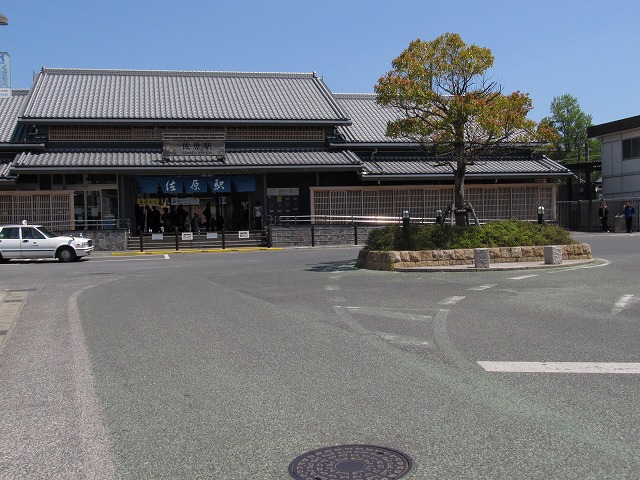
The tour starts at JR Sawara Station. You can get information at the tourist information center in front of the station. Bicycle rentals are also available.
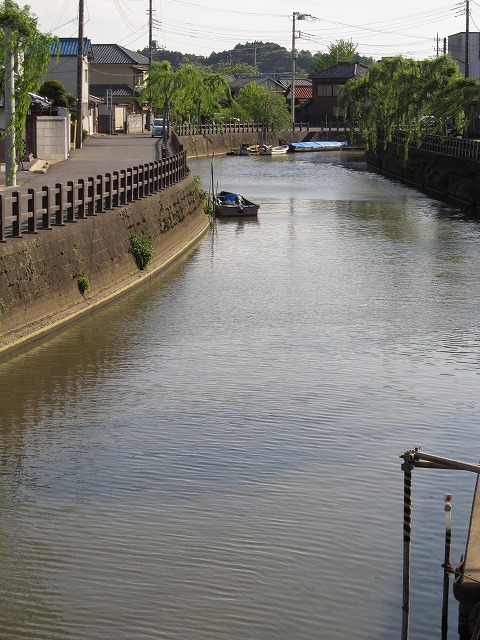
The highlight of this town is the row of houses lining the Onogawa River. However, the area along the road leading there is also lined with plenty of old buildings.
You can also take a sightseeing boat tour along the river.
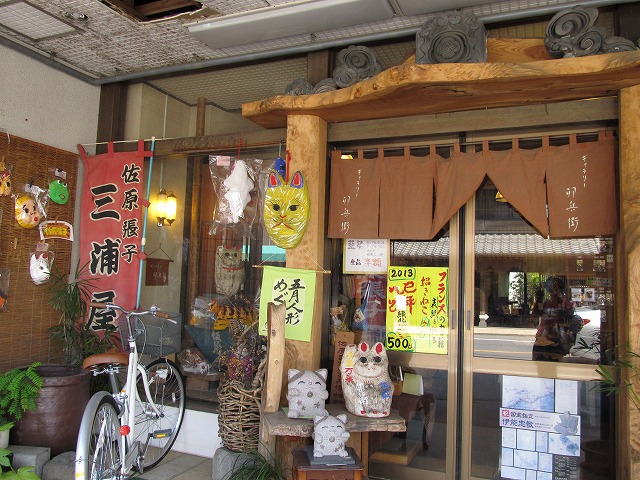
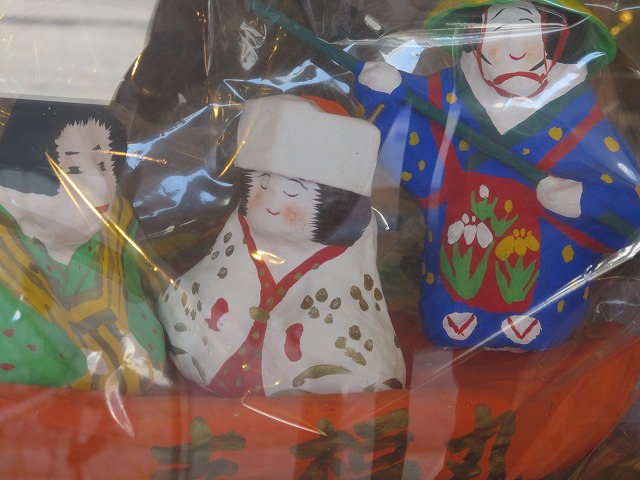
A cute handmade paper-mache doll might make a nice souvenir.
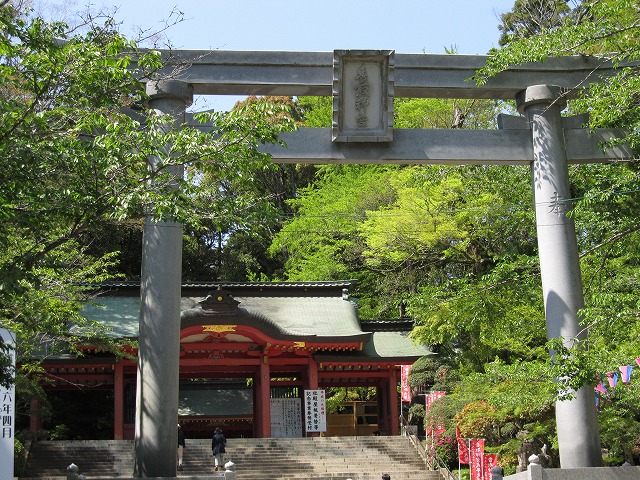
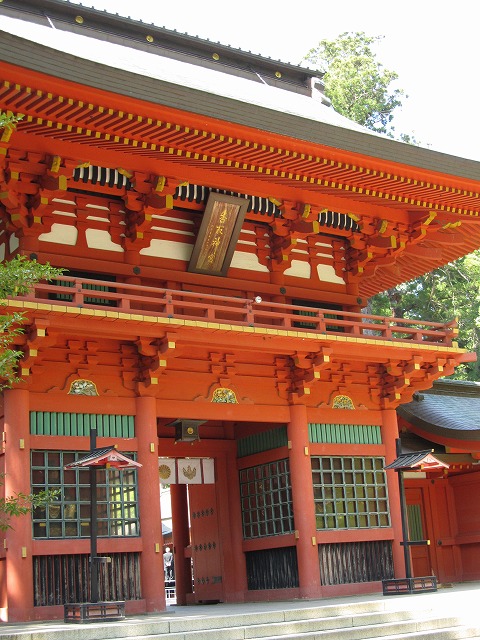
You should definitely make a short detour to visit Katori Shrine. Along with neighboring Kashima Shrine, it enshrines the god of martial arts. Together with Ise Shrine, it is one of the most prestigious shrines in Japan. It takes about 30 minutes to walk from JR Katori Station, so it’s best to take a bus or taxi from Sawara. Buses run about once an hour. The ride takes about 10 to 15 minutes.
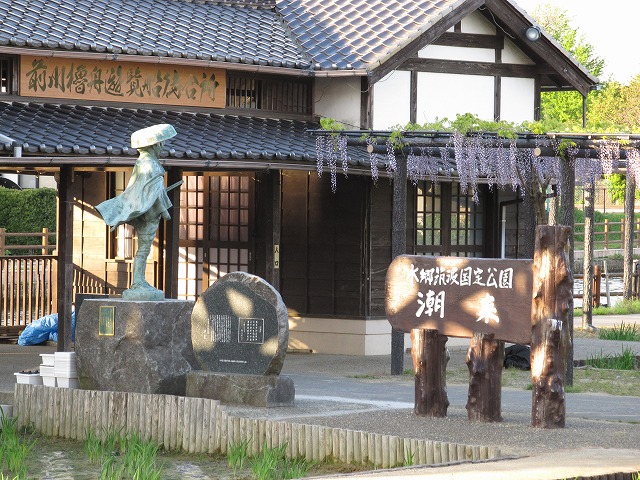
If you’re visiting in June, you can’t miss the Irises Park in Itako. Shuttle buses run from Sawara Station during the Ayame Festival. Chiba prefecture site https://www.visitchiba.jp/things/ayame-park/
A Journey to Meet the Rice Field Gods: The Roots of Japan~ Kirishima shrine festival 霧島神宮お田植え祭
A great revolution once took place in Japan that transformed society as a whole. That revolution was the introduction of rice cultivation. Rice became the standard by which people measured their wealth. The wealthy were those who could afford to eat rice. For a long time, Japan was a feudal society, and rice production served as a measure of the power of local lords. It was not until the mid-19th century that rice ceased to be the standard.
Naturally, people have always held the god of rice cultivation in the highest regard and loved him dearly. This god is known as “Inari”. As a result, there are countless shrines named Inari throughout Japan. The most famous of these is Fushimi Inari in Kyoto.
Surprisingly, however, there are very few deities dedicated specifically to rice paddies. Kagoshima Prefecture is one of the few places where such a deity exists—in fact, it’s the only place where it can be found. What kind of being is this deity of the rice paddies? We set out to find the answer at Kirishima 霧島Jingu, Kagoshima’s central shrine.
Date :The 4th day of the 2nd month of the lunar calendar Location :2608-5 Kirishima-Taguchi, Kirishima City, Kagoshima Prefecture Access :Access bus from Kagoshima Airport to Kirishima Shrine: Departs at 9:30 a.m., arrives at 10:15 a.m. (as of 2026) or From Kagoshima Chuo Station to Kirishima Jingu Station (Limited Express Kirishima), then by bus or taxi. It is about 6 kilometers from the station to the shrine.
Kagoshima Prefecture is the southernmost point of Japan, excluding Okinawa. For example, from Tokyo, it takes two hours by plane plus 30 minutes by bus. By Shinkansen, it takes six and a half hours. But that’s not the end of it. It takes about an hour by limited express train from downtown Kagoshima to Kirishima-Jingu Station. Don’t be fooled by the station name—it’s still another 6 kilometers from there.
The view of Sakurajima island from Kagoshima City
Limited Express Kirishima
Kirishima Jingu Station
You’ll need to take a bus or a taxi, but keep in mind that the train and bus schedules don’t always connect seamlessly. Fortunately, there’s a bus at 9:51, so I’ll make it in time (as of 2026). According to the information the author researched in advance, the Shinto ceremony was set to begin at 10:00 a.m. and the main event at 11:00 a.m., so I arrived a little after 10:00 a.m. However, even though it’s early morning, there’s already a line of visitors. It certainly lives up to its reputation as one of Kyushu’s most famous shrines (and a power spot). kirishima shrine https://www.kagoshima-kankou.com/for/attractions/10113
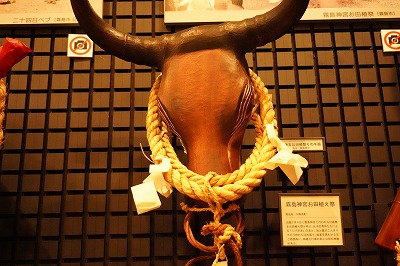
A cow welcomes you
You can’t enter the venue until the Shinto ceremony is over. Think that’s a waste of time? Not at all—they’ve got that covered. A cow will greet you. This is the cow that will appear in the farming ceremony to be held later.
The ceremony begins
When the time comes, the barriers blocking access to the plaza behind the main hall are removed, and visitors are allowed to enter. First, two groups carrying large trees run around the venue, led by oxen. Afterward, they scatter the leaves from the trees all around. This is meant to represent a rice paddy.
The farmers appear
Here comes a farmer and his wife. They are about to start plowing the field.
They plow the fields by having oxen pull farm implements. This is the very same rural landscape that could once be seen throughout Japan. Just 100 years ago, this is what it was like everywhere in Japan. Or maybe that was true not just in Japan, but all over the world.
First, they have the ox pull the plow to begin plowing the field. However, this ox is a real handful. It suddenly starts running, comes to a complete standstill, or sometimes even charges toward the spectators. In short, it’s completely out of control. This is where the cow takes center stage. “Grandma, this cow won’t listen to me. Isn’t she over there?” “My, what a troublesome cow!”
The dialogue between the two characters, as well as the lines spoken by the Rice Field God who appears later, are all in the Kagoshima dialect. For this reason, a handout (in Japanese) explaining the general meaning of what they are saying is distributed—though you can generally understand the essentials even without it. Eventually, the two exit the stage while patting their waists. “Hey, I’m heading back now. I’ll make some tea, so come back soon, okay?” As they say this, they both exit the stage.
And now, today’s star, the god of the Fields, finally makes his appearance.
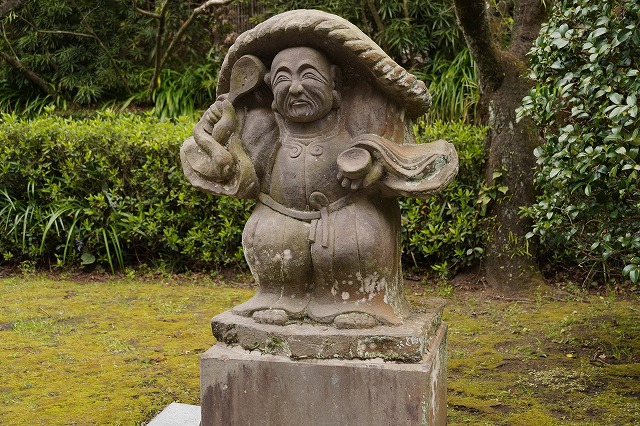
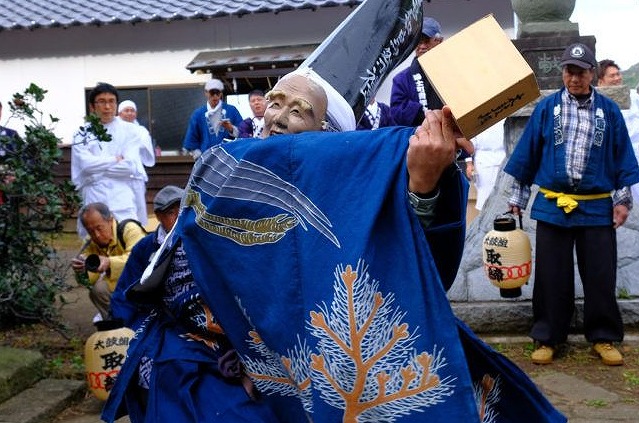
The god of the Fields makes his entrance—not in a grand manner, but slowly and quietly—and stands there with giving impression of broad mind. He wears shabby clothes and holds a large rice paddle and a bell in his hands. Then he delivers his speech in a very strong Kagoshima dialect. “Well, today is the Rice Planting Festival at Kirishima Shrine, so I got invited and came out.” He says something along those lines.
He explained the origin of the rice paddle he was holding, described his own appearance, and said something along the lines of, “If everyone works hard starting early in the morning, we’ll get a bountiful rice harvest.” This god has a friendly face and speaks with a thick dialect. Just look at him, and you’ll understand. Even though he’s a god, people’s small, everyday wishes gave birth to the god of the rice fields.
This god is not a god who guides. He is a god who accompanies.
Commemorative Photo
Each part lasts about 20 minutes. With a priest’s ceremony and other events interspersed throughout, the event ends shortly after 11:30. After that, the characters will all gather at the entrance to pose for a commemorative photo.
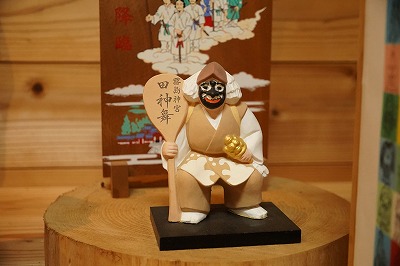
Don’t you think this sculpture has a certain warmth that makes you readily accept that this is what the “God of the Rice Fields” is supposed to be, while also conveying a sense of vast, boundless expanse?
Ending
After that, the author took the bus again to the station, waited an hour, and then took the limited express back to downtown Kagoshima. Actually, if you’ve made it all the way to Kagoshima City and Kirishima Shrine, there’s a place this sight really want you to visit. It’s a place where you can gain a deeper understanding of the rice field deities. Unfortunately, however, we’ve run out of space here. Please check out the next article for more. cf. https://discoverdeeperjapan.com/2026/06/21/two-must-see-2museums-when-visiting-kagoshima/
Two Must-See 2Museums When Visiting Kagoshima
I think a lot of people have come from “the article about KIrishima shrine festival”. If that’s the case (and even if it isn’t), there are some museums you should definitely visit when you go to Kagoshima—both to prepare for your trip and to reflect on it afterward. I’d like to introduce two of them.
Reimeikan Museum
Location; 7-2 Shiroyama-cho, Kagoshima City, Kagoshima Prefecture Access; ・Get off at the “City Hall” stop on the streetcar or bus, then walk about 5 minutes ・Get off at the “Satsuma Righteous Samurai Monument” stop on the Kagoshima City View, and it’s right there
For those coming from Kagoshima Chuo Station,
Exit the main entrance of JR Kagoshima Chuo Station, and you’ll see the “Kagoshima Chuo Ekimae” stop for the Kagoshima City Tram directly in front of you.
Take the “City Tram Line 1” bound for Reimeikan; the destination is “Kagoshima Ekimae.”
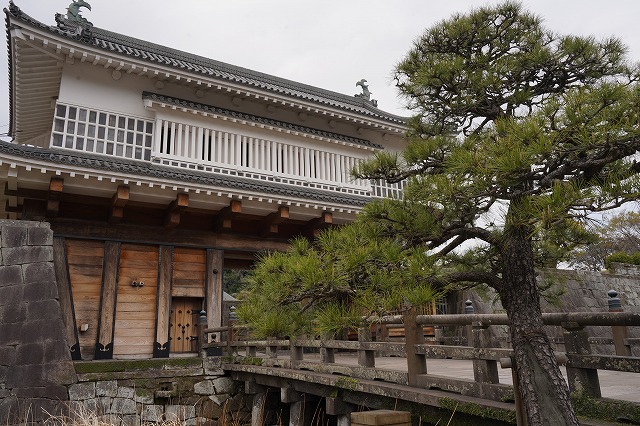
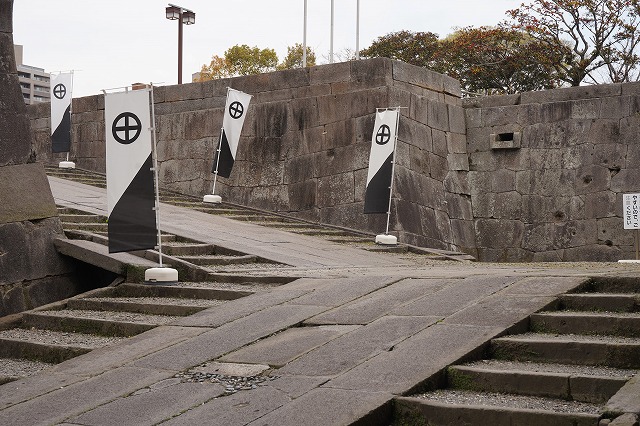
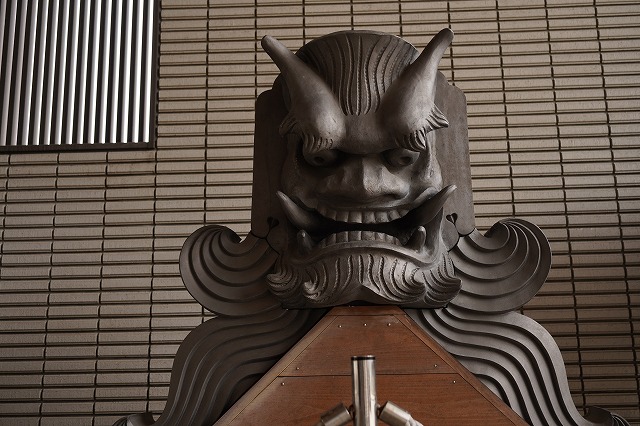
This is where the castle of the Shimazu clan, the feudal lords who once ruled this region, once stood. That is why there is such an impressive gate here. At the entrance to Reimeikan, a massive demon-faced roof tile greets visitors.
Spirit of the Rice Fields
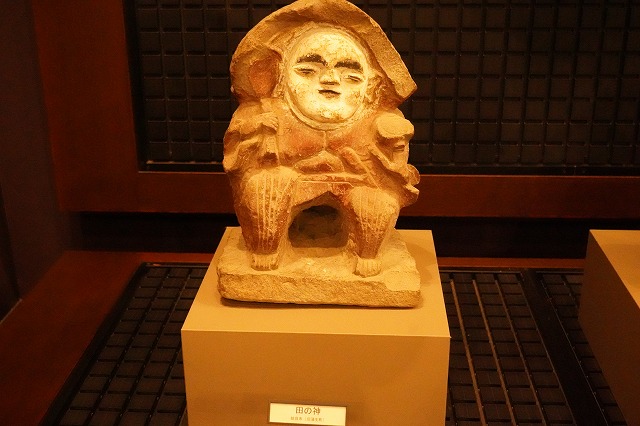
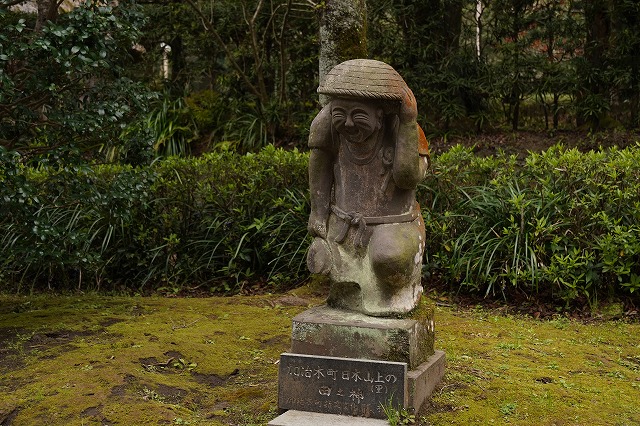
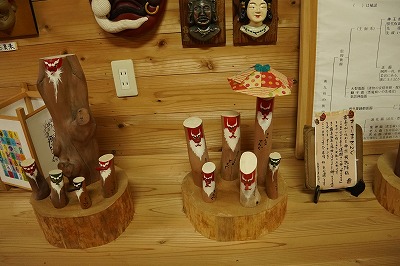
Once you’re inside, go up to the second floor. This is the area where ethnographic materials are on display. A statue of the spirit of the rice fields is on display here. In fact, there are several replica statues lined up around the museum as well. Furthermore, these statues of the rice field spirit can only be seen in Kagoshima. Typically, throughout Japan, people have entrusted their wishes to Buddhist statues known as “Jizō.” Here in Kagoshima, however, as if to serve as a substitute, ordinary people erect statues of the rice field deity.
That’s why, even though they’re called “gods,” they all have unique and approachable appearances.
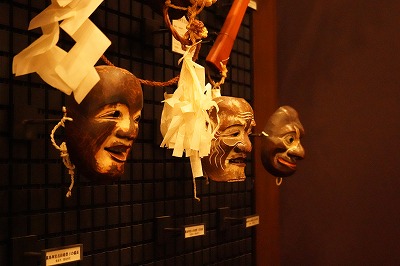
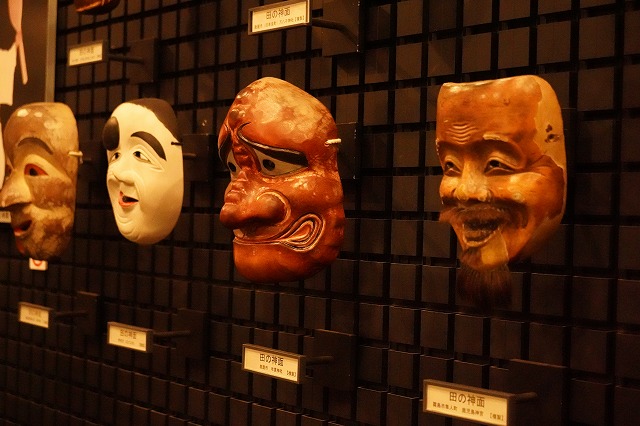
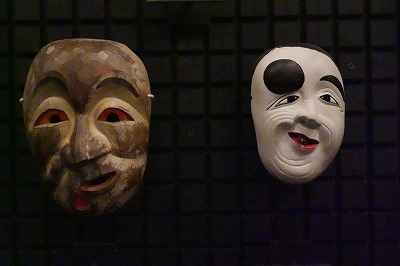
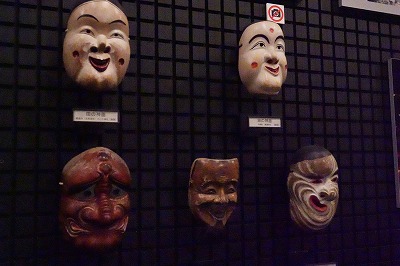
Various Groups of Masks
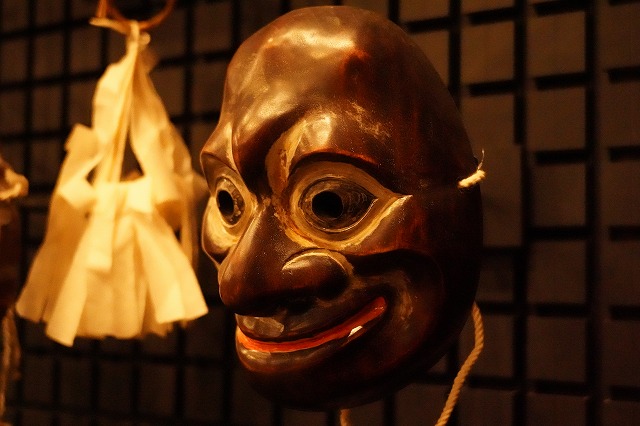
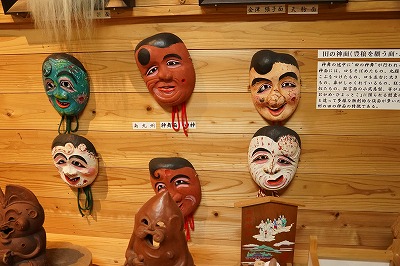
Masks of Spirit of rice field
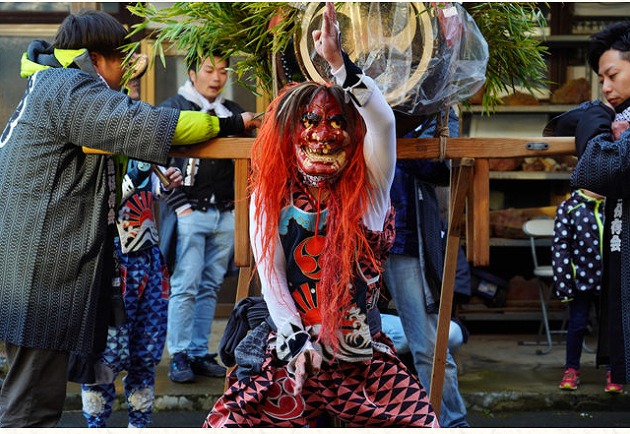
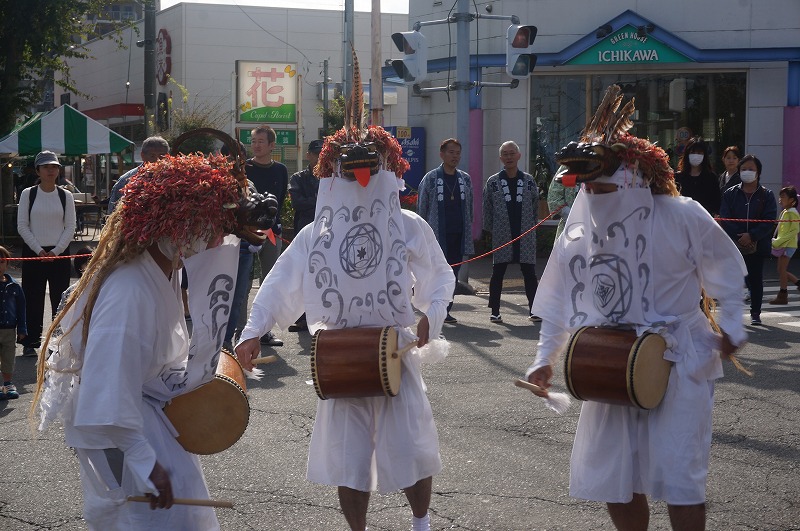
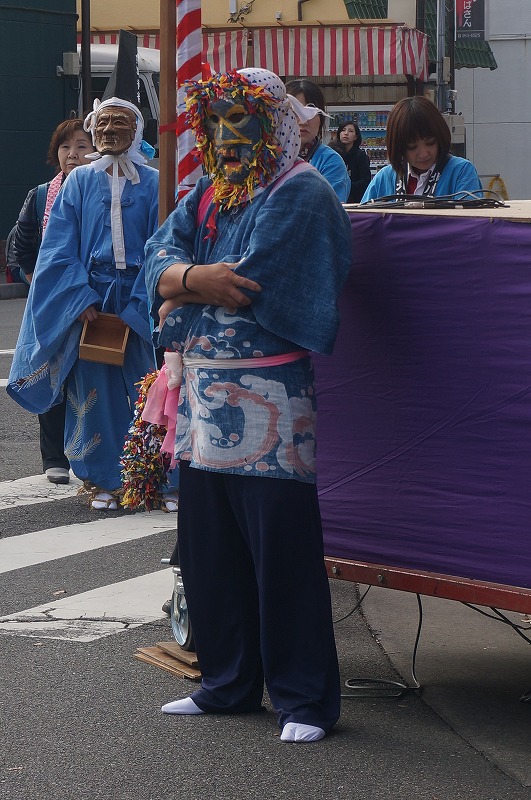
First up: the masked figures that appear at Kirishima Shrine
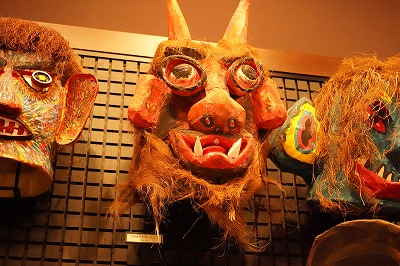
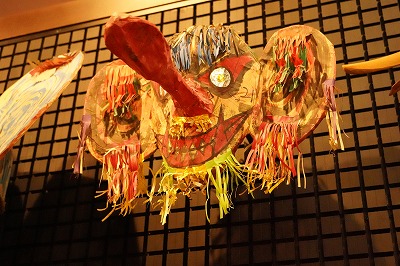
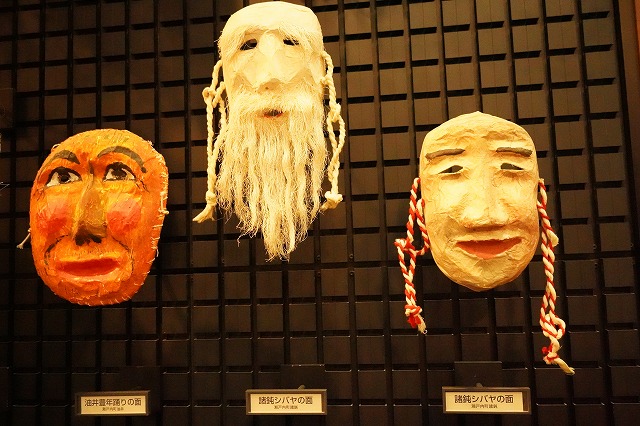
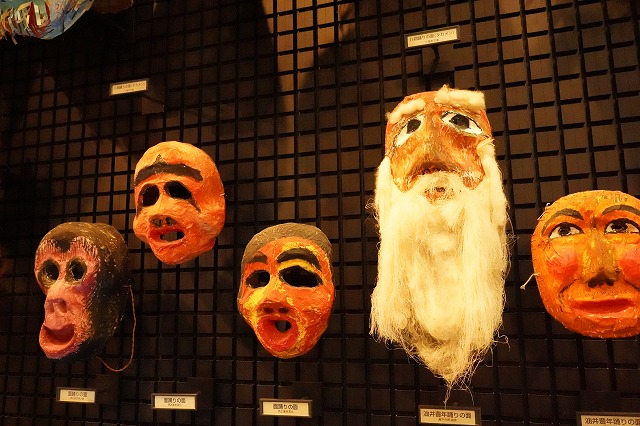
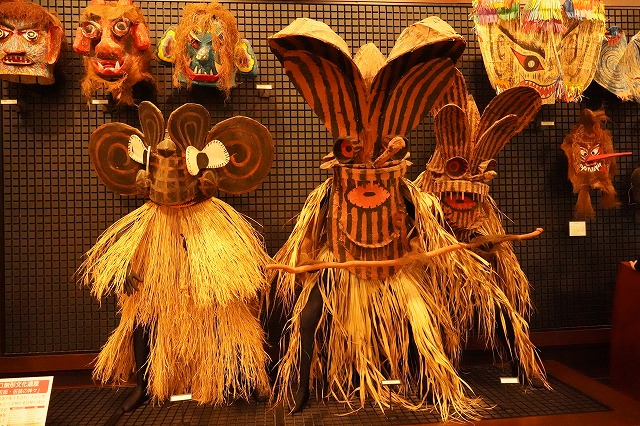
Festivals featuring the rice field deity are held in various places. The masks used in these festivals are all unique; there is no single standard design, and they are incredibly diverse.
The Visiting Gods of the Remote Islands
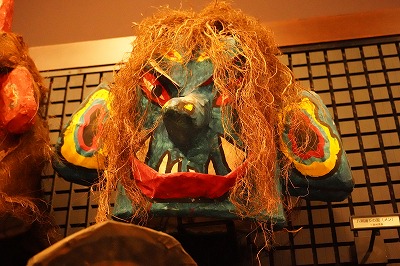
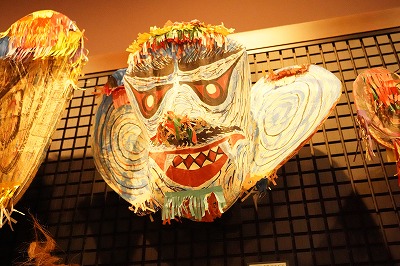
Kagoshima Prefecture is located at the southernmost tip of the Kyushu region, but beyond it lie a string of islands stretching all the way to Okinawa Prefecture. It is no exaggeration to say that the various deities who appear on these remote islands enrich the diversity of Kagoshima Prefecture’s mask traditions.
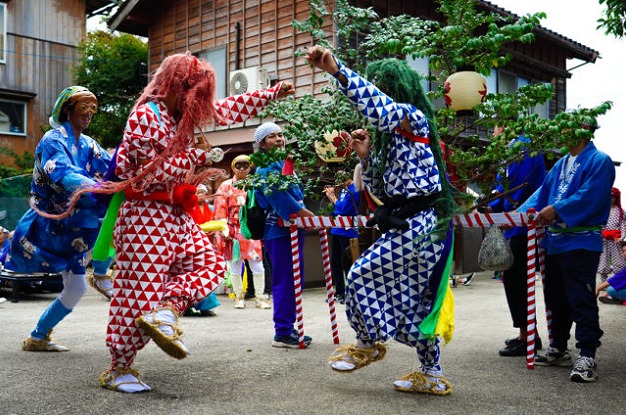
“Takamen,” a character featured in the Harvest Dance on Takeshima Island in Mishima Village. These dances are featured in the Hassaku Odori festival on both Kuroshima and Takeshima. The festival is held on August 31 on Kuroshima and on September 1 on Takeshima. Kagoshima travel https://www.kagoshima-kankou.com/feature/sizenkouen/10
The three on the left are the Men Odori (Mask Dances) of Tanegashima island. More than 20 dancers wearing paper masks perform to the beat of drums and cymbals to give thanks for a bountiful harvest. Held on the third Sunday in October. official https://www.furusato-tanegashima.net/ky-geinou/kg-menodori.html
And these are the strangest visiting deities—not just in Kagoshima, but in all of Japan. On the left is “Mendon,” and on the right is “Boze.” Boze appears on Akuseki Island on the 16th day of the 7th month of the lunar calendar, while Mendon appears on Iwo Island on the 1st or 2nd day of the 8th month of the lunar calendar. They are mysterious deities who burst into the Bon dance celebrations. cf. https://discoverdeeperjapan.com/2021/08/30/boze-the-strangest-visiting-deity/
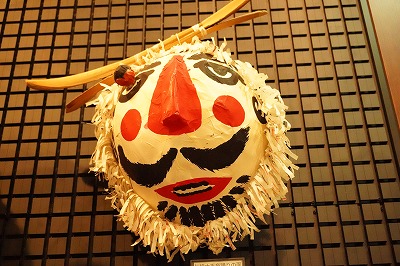
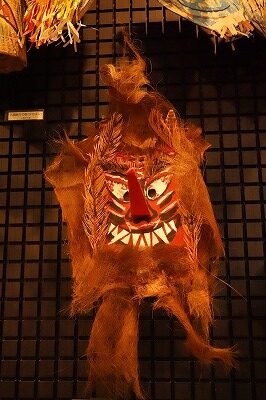
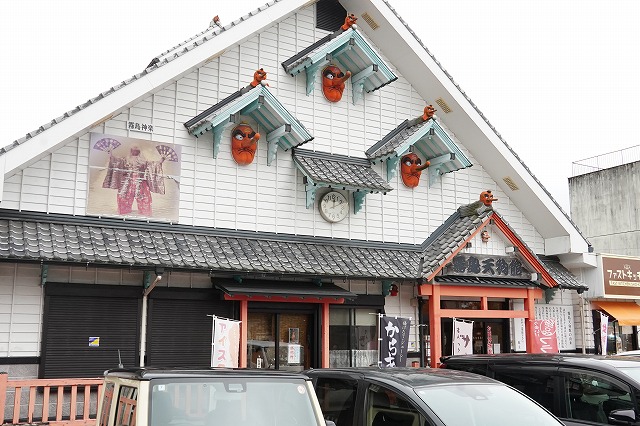
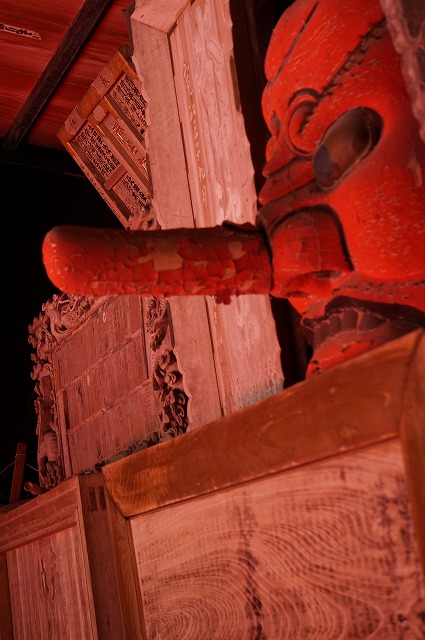
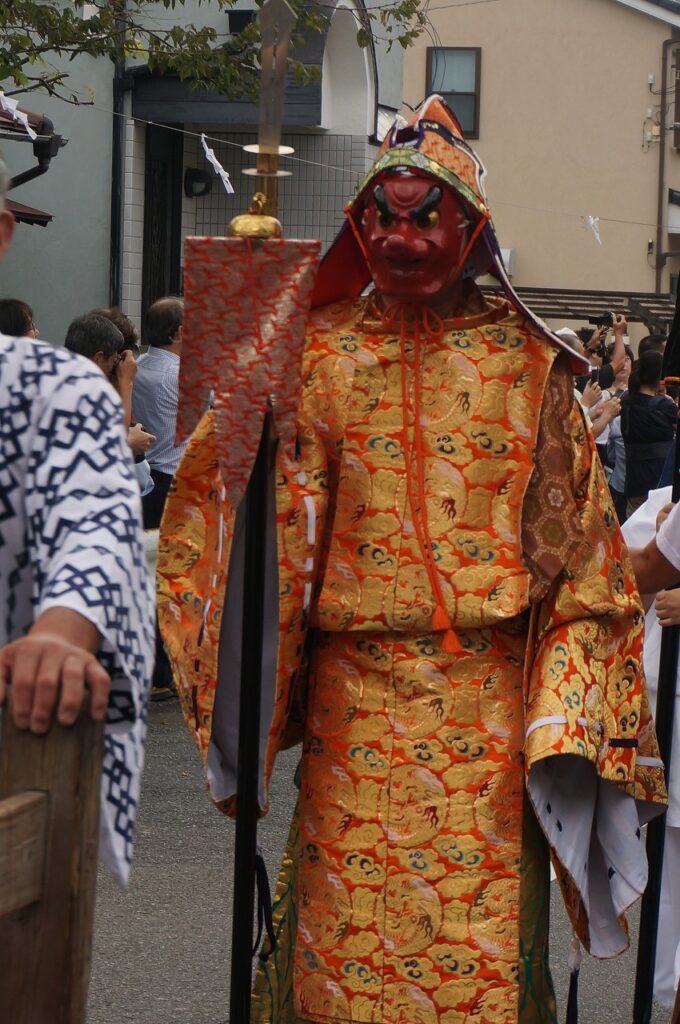
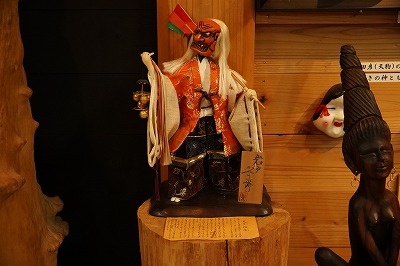
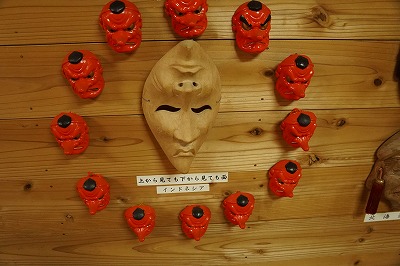
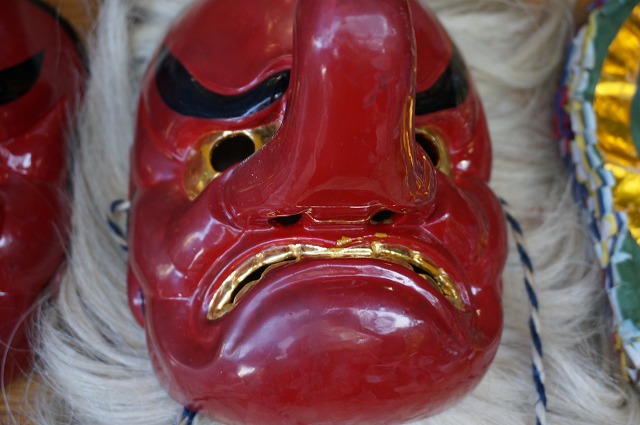
Before we get into that, let’s briefly review what a tengu is. According to ancient texts, Sarutahiko is described as having a red face and a high nose; his appearance was identical to that of the tengu, who appeared later. Since ancient times, people have feared tengu as powerful demons that bring misfortune and cause natural disasters and wars.
In addition, there is also a deity named Sarutahiko. These two are actually completely different entities, but the reason they are often confused is that they look alike. According to ancient texts, Sarutahiko is described as having a red face and a high nose; his appearance was identical to that of the tengu, who appeared later.
Sarutahiko
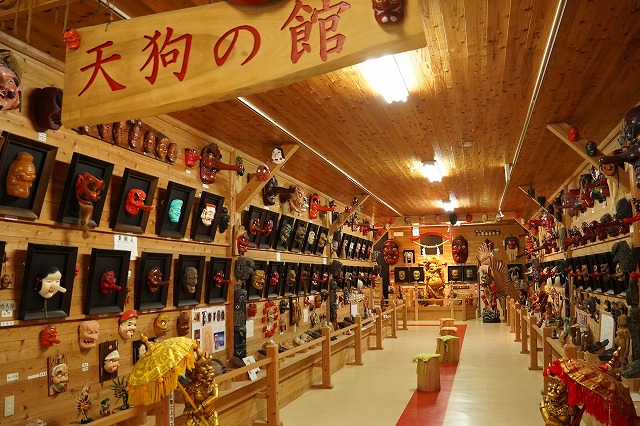
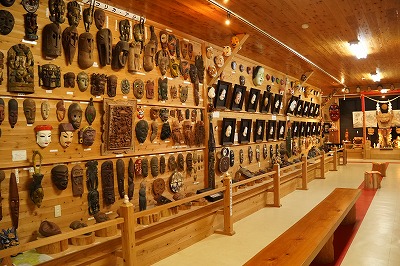
Let’s go inside and take a look
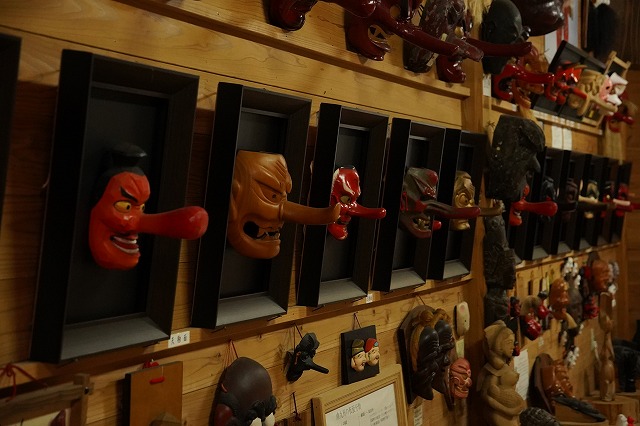
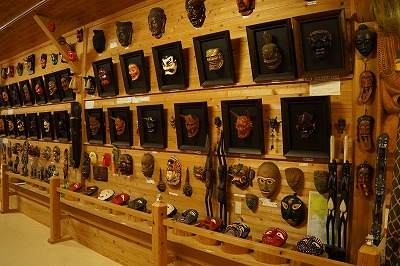
Inside, there is an overwhelming number of masks on display. I heard that the previous director collected these all by himself.
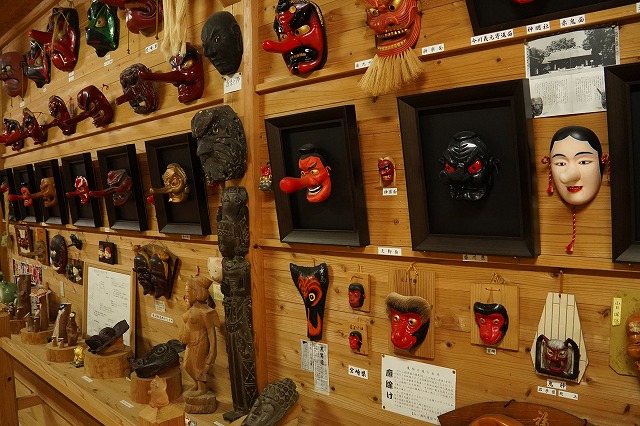
It’s not just tengu on display. It feels like they’ve gathered every mask imaginable. Not just masks, but related merchandise as well.
Even masks from overseas. At this point, I really couldn’t say.
Well, I guess you could only call it sheer determination. If you ever visit Kirishima Shrine, be sure to stop by. I hear they also have a Buddha statue that brings good luck.
The Island Where Demons Dance~Oni-daiko (Ondeko) 佐渡の鬼太鼓
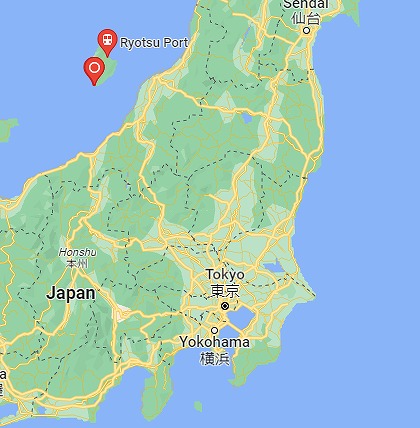
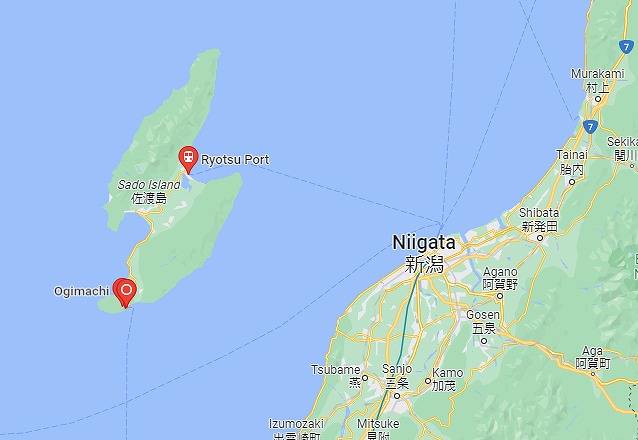
Date: Spring through fall (peaks in April and October) Location: Sado 佐渡 Island City, Niigata Prefecture Access: From various locations to Niigata 新潟 Station or Niigata Airport. From there, take a bus to Niigata Port, from where there are steamers to Sado Island. From Tokyo, it takes about 2.5 to 3 hours by Shinkansen to Niigata Port. There is also a way to get there from Naoetsu 直江津 via Naoetsu Port. From Niigata Port, you can go to Ryotsu 両津 Port, and from Naoetsu, you can go to Ogi 小木 Port, which are different arrival points.
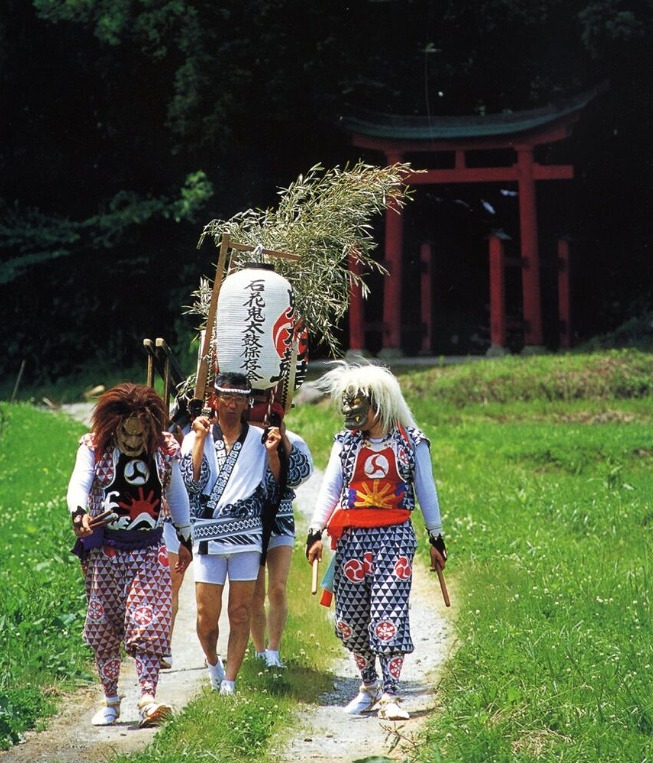
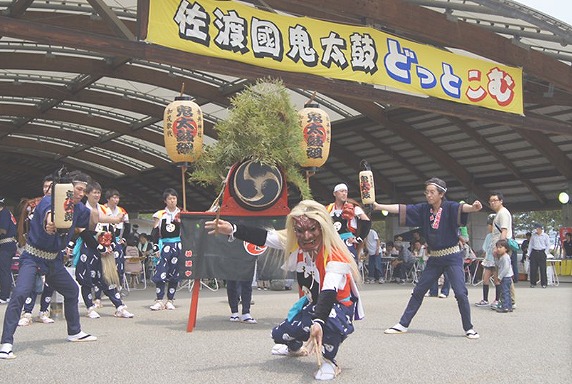
There is an island where groups of drummers go from house to house. And they are demons, no less. That name is Sado Island. Across from Tokyo lies Niigata Prefecture. From there, it’s another 30-minute to one-hour boat ride. It is the second-largest island in Japan, after Okinawa. There is a day on that island when demons visit every home. And the people look forward to it with anticipation. They say the demons are messengers of the gods. They are called oni, and the act of them beating drums is known as “Oni taiko (ogre drums).”People say this island is a treasure trove of performing arts. Among them, the most representative is this “Oni Taiko.” The locals also call it “ondeko. From spring to fall, the sound of taiko drums echoes throughout the island, and Oni dance in the air. There are more than 120 of them. It is true that the island is as large as the 23 wards of Tokyo, or about half the size of Osaka, but there are still many of them. Let’s take a look at what kind of Oni-daiko the islanders love so much.
Oni-daiko is an extremely simple art form consisting of a single drum, a drummer, and a dancer, the Oni. Oni Taiko festivals do not have a mikoshi (portable shrine) or pull a dashi around as in regular festivals. Instead, they do something called kadozuke 門付け. Kado means gate, and tsuke means to drop in, which means to visit each door. This is an old custom in which performers go from house to house to bless their families and in return receive a reward. In the past, many performers earned their money that way, but nowadays, the main purpose is to walk around blessing each house as God’s representative, rather than for remuneration. There is Ise Kagura centered in Mie Prefecture and a group of kagura performers who still travel over a wide area in Iwate Prefecture in the Tohoku region. Therefore, even if you go to the shrine on the day of the festival, there is nothing there. After the first and last dedication at the shrine, the group goes out to the community.
A day at Oni Taiko starts early in the morning. First, the group heads to a shrine. There they dedicate first formal dance. After that, they go to the village and perform the dance from door to door. Sometimes there are more than 100 houses in a village. When a group of taiko drummers arrives, people entertain them by preparing hospitality. If requested, a designated dancer other than oni may also dance. In addition, the masks may be displayed there for a time in the house where the original masks were made, or a special dance may be performed. After visiting all the houses, they return to the shrine to perform the dedication dance. It is not unusual for the dance to end around 10:00 p.m. This is why young people are always needed for the physical strength of the dancers.
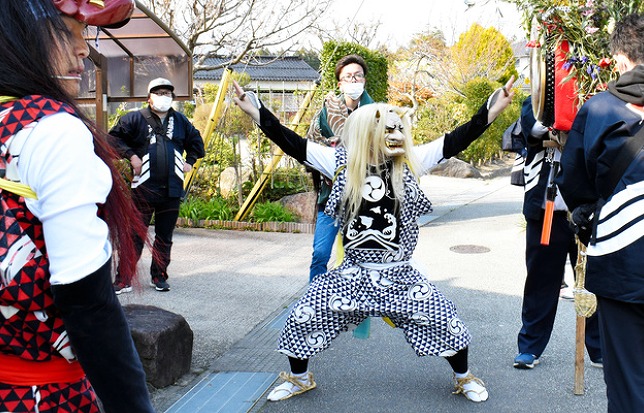
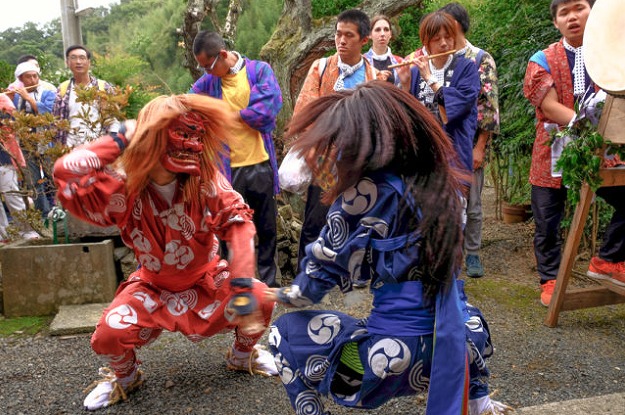
There are several classifications of oni taiko according to the way it is performed. There are three major categories, and five more detailed categories are often used. In order to avoid complications, we will inquire about three types. Types include the Maehama type, Aikawa type, and Kuninaka type, named after the region. The most commonly seen is the Kuninaka type , in which two Oni, A (open-mouthed, not “ei”) and Um (closed-mouthed), dance alternately. This type is about 60% of the total. It is a form that was adopted by masters who learned Noh in the past. Therefore, the basic movement is to use a slip. The dance is also characterized by the intensity of the “A” and the quietness of the “Um”. Sometimes Shishi ( lions) is involved, which makes the dance more dynamic. Maehama type is two oni facing each other and dancing. Sometimes a dancer wearing a mask with only the upper half of his face, called Rouso, joins them. The roso is the highest-ranking dancer in the group. And the Aikawa type is often seen in the northwestern part of the island. Here, oni appear but do not dance. They just stand there with a spear. Instead, a dancer wearing an old man’s mask dances with a square to hold beans.
Representative Oni-daiko
Niibo-funashimo(新穂舟下)
There are four shrines with the same name, Hiyoshi Shrine, in the Shinbo area, and oni taiko drums are dedicated to one of these shrines at a festival on April 13. Kuninaka style with two oni dancing with their mouths open “a” and mouth closed “un”. When the drums are set up, they begin to beat the drums from the back side. One by one, oni dance to the rhythm of the taiko drum, with their steps based on the rhythm of the drum. The oni tries to beat the drum, but two lions appear as if to prevent them from doing so. The oni calm them down, brush them off, and move toward the taiko drum.
It is dedicated to the autumn festival of Kumano Shrine in the district located facing the mainland. The Maehama style features two oni, one red and one blue, dancing relative to each other at the same time. A lion also makes an appearance, but it is a large lion that can hold seven adults. In addition, there is an instructor named Roso, who wears a mask with only the upper half of his face. Roso sometimes dances, and sometimes looks down on the whole group to keep it together.
It goes around all the houses and comes back to the shrine again at the end, and the lion’s climb up the stairs that takes place at that time is worth seeing. Not only do they climb up, but the front tries to go up while the back tries to go back down. The lion’s hesitation is what makes the performance so powerful.
The Aikawa style of Onidaiko, which began in the Aikawa district, is named Onidaiko, but despite the name, the Oni (demons) do nothing. Or, not even Oni. The main actor is an old man (a virtuous old man), holding a bean-throwing square in his hand, which can often be seen in Setsubun 節分 (a ceremony held in February to drive away evil spirits). For example, in the Aikawa district, the birthplace of the festival, two people holding long swords simply stand there. Only the ogo (master) dances to the rhythm of the taiko drums.
Kita-Kawachi Matsuri (北川内祭り)
In addition, there are composite style festivals. For example, in the Kitakawachi district, three lion dancers appear before a bean-throwing Okina. The three lion dances are no different in content from the lion dances that can usually be seen mainly in the Kanto area.
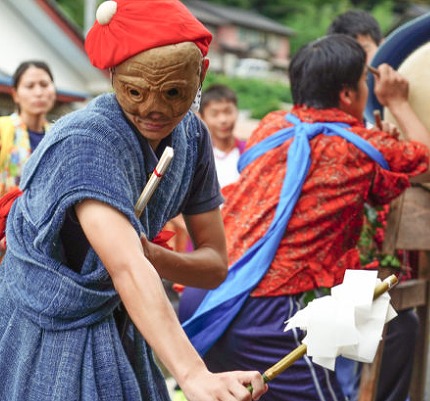
Add to that the mysterious mask of “Tsuburo”. Tsuburo appears between the lions. After that, the old man makes his appearance.
There are many other types of oni taiko with distinctive characteristics, such as the one-legged dancing style. It is no exaggeration to say that there are as many different oni taiko as there are districts and festivals. Sado is also a region that has handed down a variety of performing arts, not only oni taiko. Every year at the end of May, a festival is held to bring together all of Sado’s performing arts. Sado is an island where old Japan can be seen everywhere, and it is well worth a visit.
The Lion(Shishi) play dice exposition? ~The lion dance at Suge 菅の獅子舞
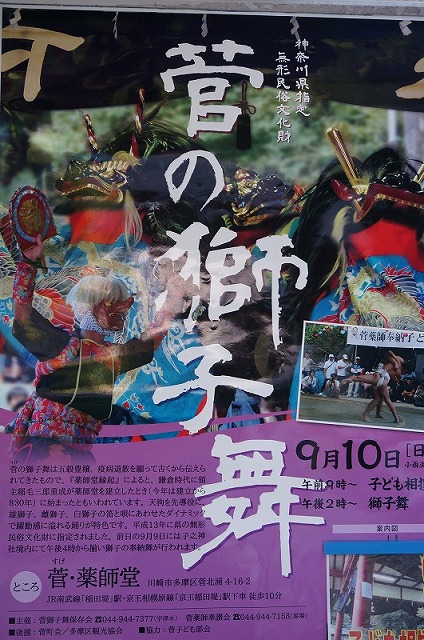
When people hear the term “traditional performing arts,” many tend to shy away from them, imagining them to be stuffy and formal. However, they were originally a form of entertainment for people in the past. Naturally, they have evolved over time to better engage their audiences. For this reason, it is not merely a dance; it incorporates various narrative elements. A classic example is the story of two lions competing for a single female. However, here in the Suga district, it is said that tengu and lions drink sake and play dice. Apparently, this is an extremely rare performance even on a national scale. Yet it was imbued with the sentiments of people passed down through the ages.
Date: Sunday close to September 12 Location: Suge Yakushido, 4-16-2 Suga Kitaura, Tama-ku, Kawasaki-city, Kanagawa, Japan Access: 10 minutes walk from Inadazutsumi Station on JR or Keio Line.
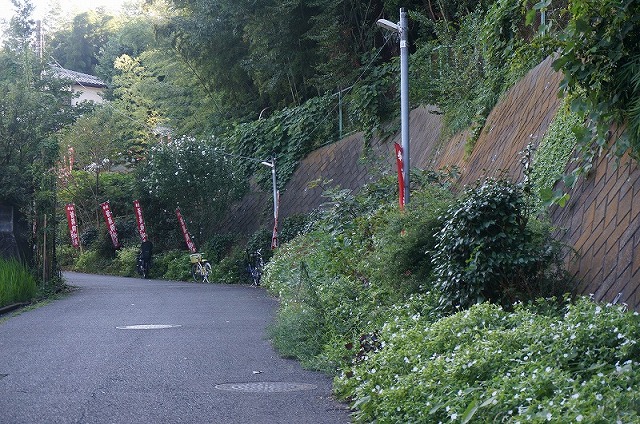
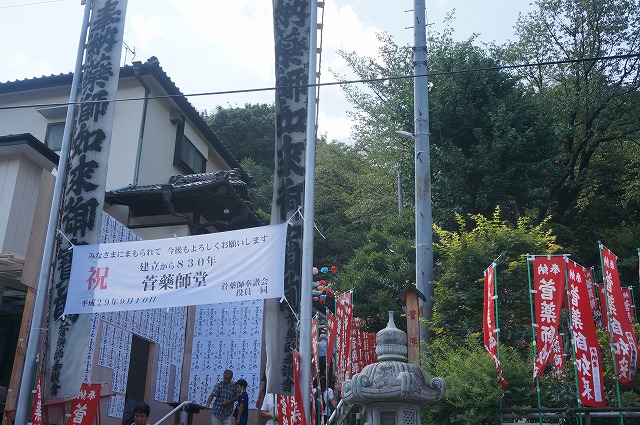
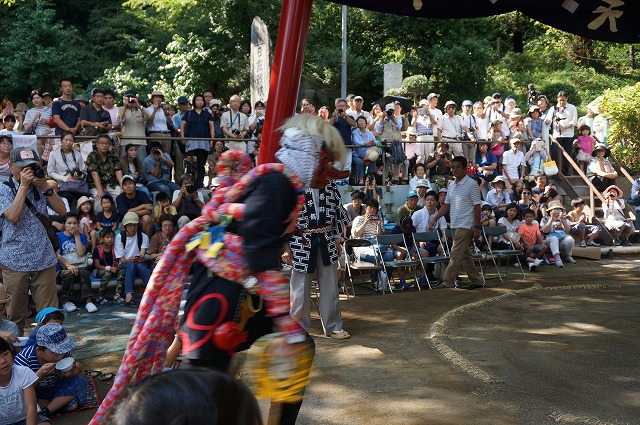
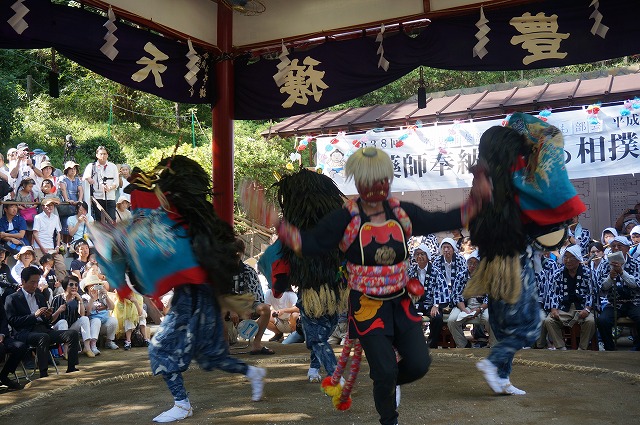
Inada-zutsumi can be reached in 4 or 50 minutes from Shinjuku, Tokyo. Despite its proximity, the Tama River flows nearby, and there is even a promenade for forest bathing in the surrounding area. Nice place to live. The area in front of the station is bustling, but the slope leading up to Yakushido, where today’s event will take place, is a short hike away from the hustle and bustle of the city. The event started at 2:00 p.m., but the grounds were quite crowded, and spectators crowded around the ring, which served as the stage for the event. The reason for this is that a children’s sumo tournament is always held before the lion dance.
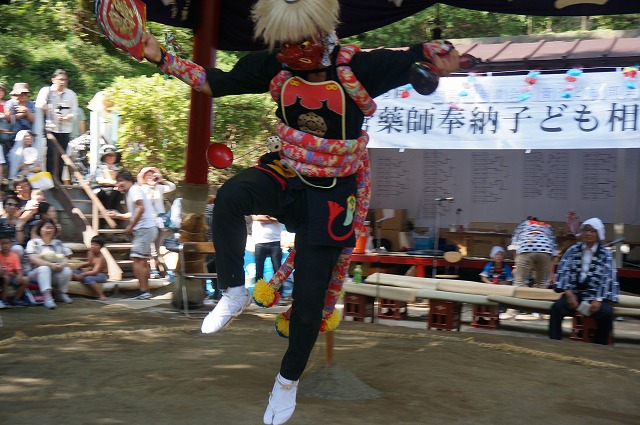
A tengu comes rushing in
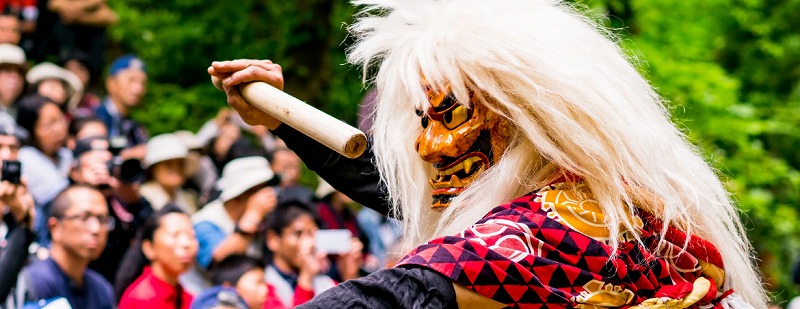
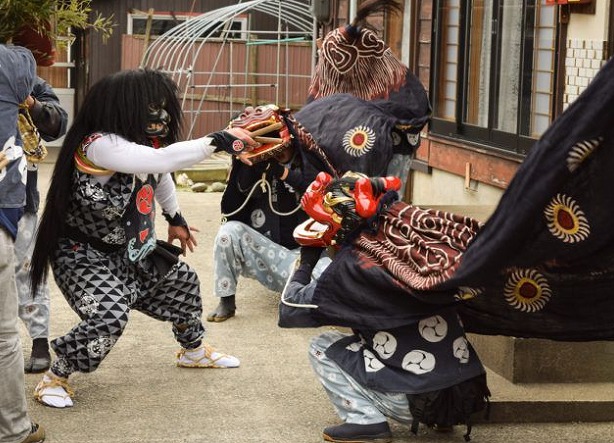
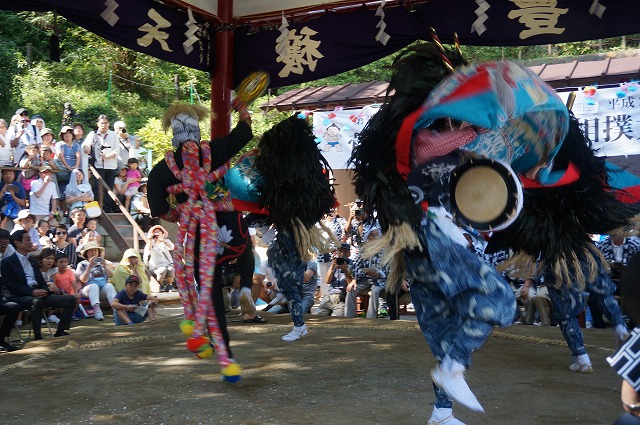
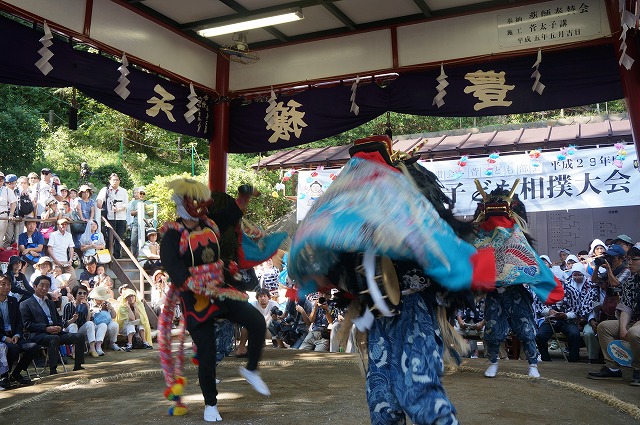
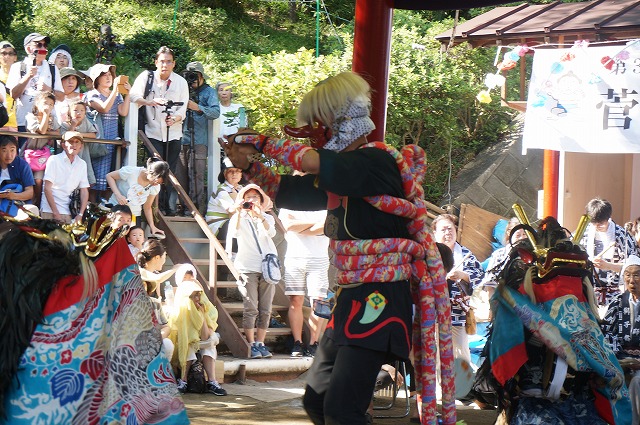
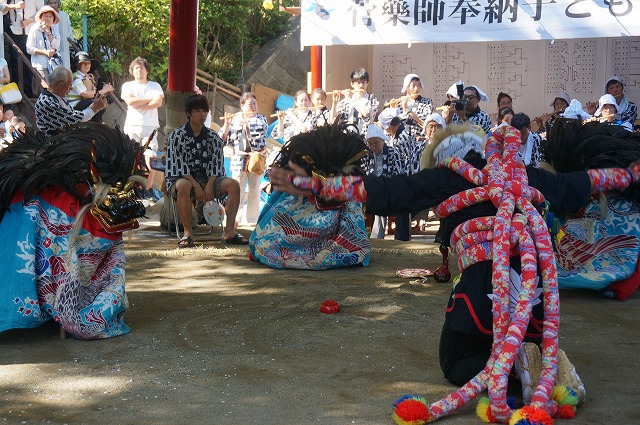
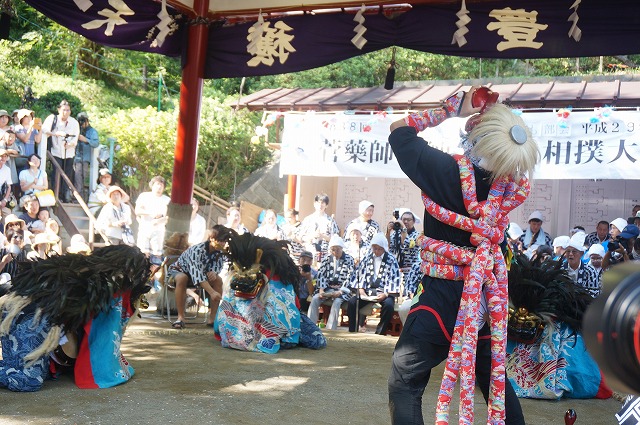
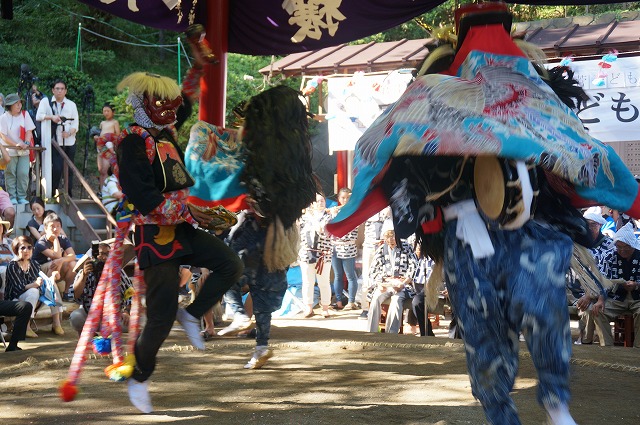
When the time comes, the lions, the stars of the show, arrive to the accompaniment of a slightly sad melody. First of all, a tengu (a kind of long-nosed goblin) jumps into the ring on the stage with great energy. The tengu then repeats this action three times. He comes in, goes back out, and then again. As one would expect, after repeating it three times, the tengu gets tired of it, but on the third time, it scatters confetti. The bright colors of the confetti are a brilliant performance that catches the audience by surprise.
And the lions are coming too
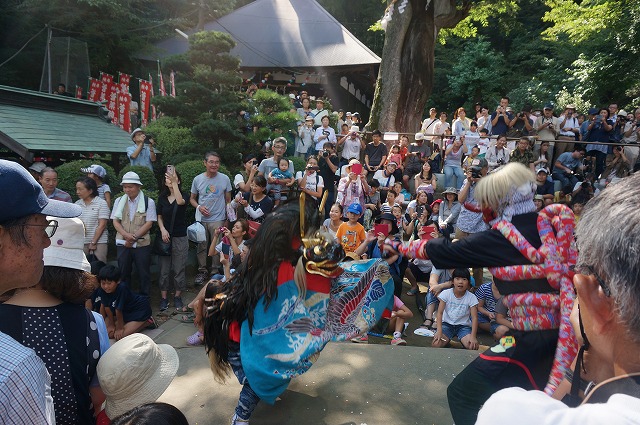
Following the tengu, the lions enter. The tengu welcomes them. In this case, the tengu plays a roll called sakibar先払い, which means to purify the place for the lions, the main performers, and to announce the appearance of them.
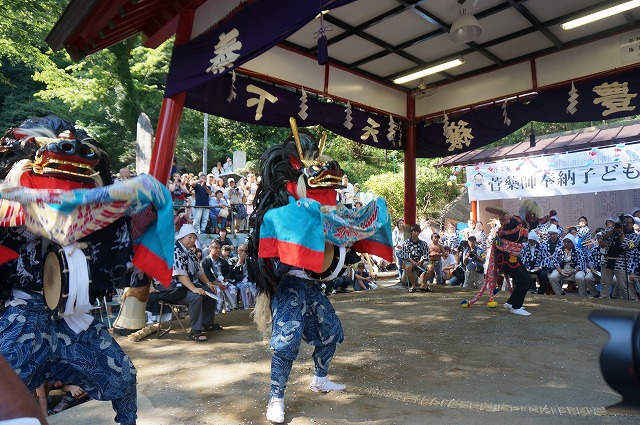
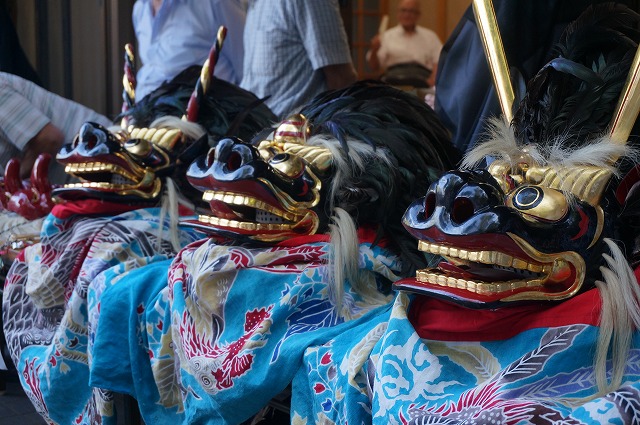
From left to right: “Kyujishi”, “Mejishi”, “Ojishi”.
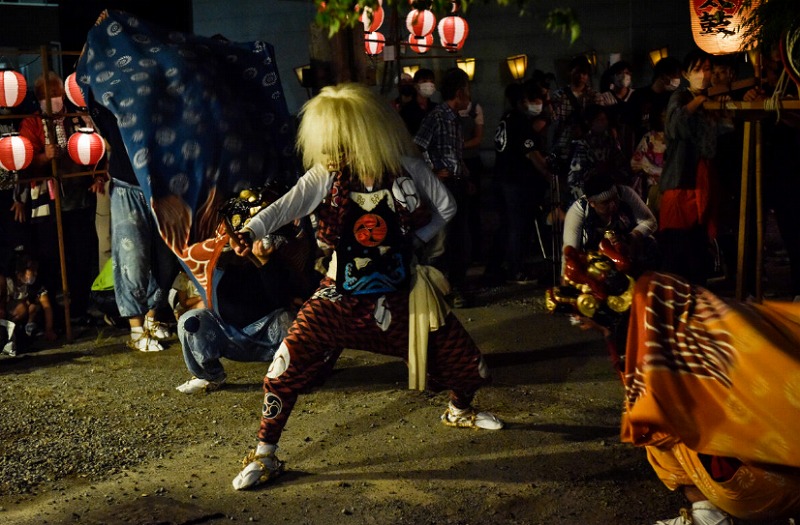
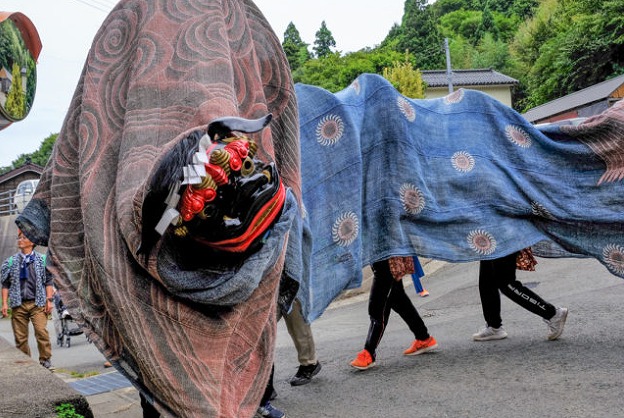
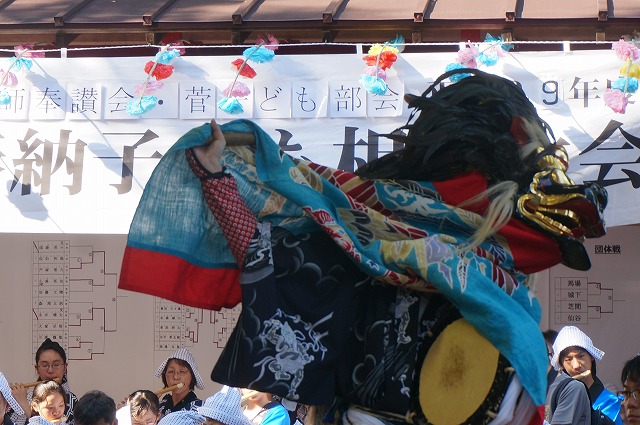
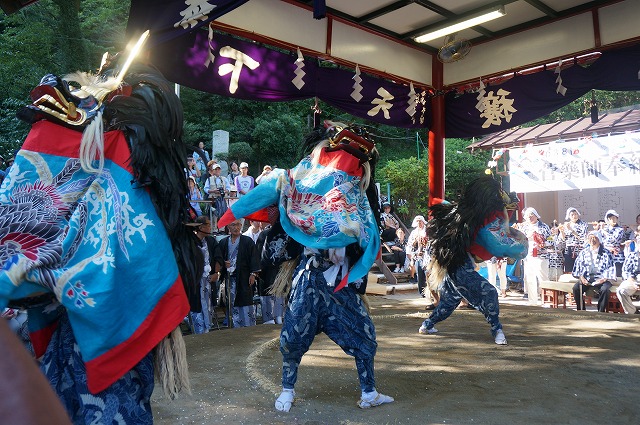
The lions dressed in bright blue, patterned curtains, and their manes are magnificent. The main “ojishi 雄獅子” has gold horns, while the “kyujishi 臼獅子” has red and black twisted horns. And “mejishi 雌獅子” has no horns. It is a typical form of the three lion dances.
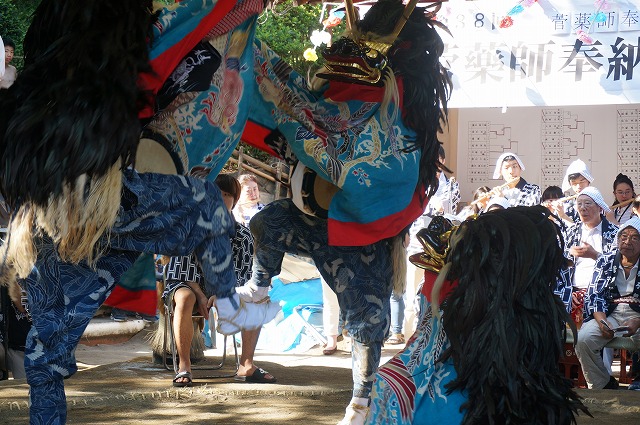
The lions here have many strenuous movements that involve standing and sitting on their feet and legs. The lion’s head and drums together weigh about 6.5 kg. It is not hard to imagine how hard it must be to dance with the lion’s head on while the summer heat still lingers, even in September. The reservationists say that only the young people can perform this kind of work. Therefore, daily promotional activities, such as visiting elementary schools and other places to teach lion dance, are essential. Fortunately, there seem to be enough children to hold children’s sumo tournaments, so there seems to be no problem with successors.
Incidentally, the lion dance first appeared in literature in the early 12th century. However, after a period of interruption, it was revived in its present form in the late 18th century and continues to be performed today.
The Tengu proposes a game of dice to the lions
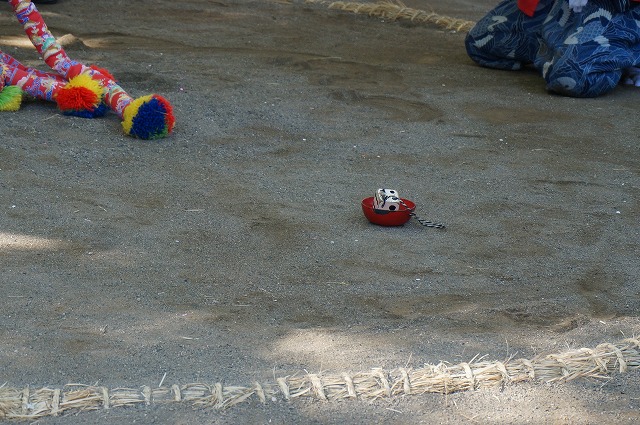
Then comes a rare scene rarely seen in ordinary lion dances. The lions sit in a circle. The tengu then offers them dice. In short, the tengu proposes to play a gambling game with the dice. In fact, this tengu is a man of mischief, gambling, and drinking.
An ill-advised Tengu is punished by the lion he tricked
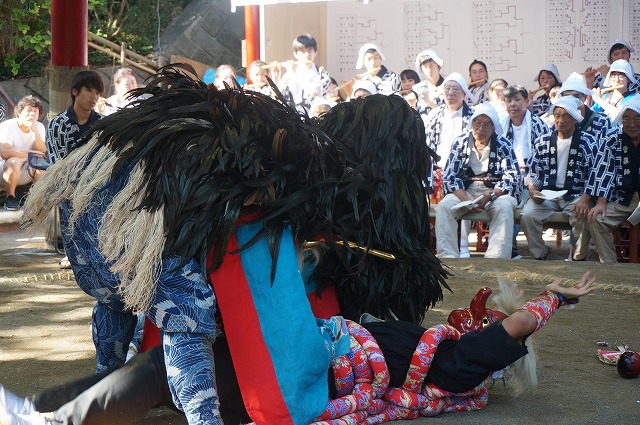
This is followed by the well-known performance “Mejishi kakushi” (Mejishi hiding), which is a little different from the others. The usual presentation of this performance is that the female lioness disappears and the two lions search for her, and the lioness who finds her first tries to monopolize her, which happens.Here, however, the Mejishi (female lioness) is set as the wife of the Ojishi (male lion). It begins with a tengu doing something wrong and hiding the female lioness from the Ojishi. Then the Ojishi, misunderstanding the situation, starts taking it out on the Kyujishi, and they start a fight.
Naturally, in the end, the lions realize that they have misunderstood and punish the tengu to the hilt. In any case, the tengu is a rare villain here.
Nevertheless, they are working so hard that the lion dance would not be possible without the efforts of these tengu. They were drenched in sweat as they were applauded at the end. Please take a look at this unusual lion dance.
Ending
Kanagawa Prefecture, next to Tokyo, is as small in area as Tokyo, but its population is the second largest, surpassing the regional centers of Osaka and Aichi. More than 30 million in Yokohama, the prefectural capital. The neighboring city of Kawasaki, the area of this report, has a population of 15 million. Even though it is a bit out of the center of the city, it is surprising how the lion dance has been handed down in such a place.
That said, a shortage of successors remains a problem even in areas like this. To address this, the person in charge explains that they have been raising awareness among elementary school students, and as a result, quite a few young people are now stepping up to take on the role.
They also reportedly lifted several restrictions. One of these was the rule that only the eldest son could perform. However, they retained the tradition of all members passing the torch at the same time. They are, after all, the friends who created this lion dance together. That bond will likely last a lifetime. The lion dance carries with it the sentiments of those who came before us and of the people who carry on the tradition today.