A Supporting Role in a Slightly Odd, Mysterious Festival That Continues in a Major City?—The Shōjō of Kasadera 笠寺の猩々
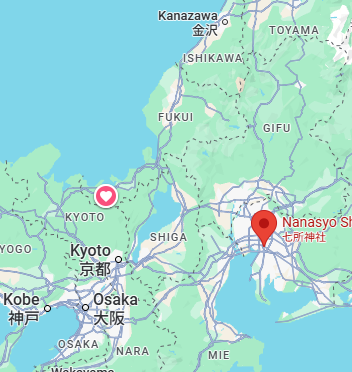
Date; The second Saturday and Sunday of October every year
Location; 12 Tenma, Kasadera-cho, Minami Ward, Nagoya City, Aichi Prefecture
Access; Get off at “Honkasadera” Station on the Meitetsu Nagoya Main Line; 11-minute walk
Get off at “Kasadera” Station on the JR Tokaido Line; 15-minute walk
All of these stations are about 20 minutes from Nagoya Station.
Nagoya Station is accessible via the Shinkansen, which takes about an hour and a half from Tokyo and about an hour from Osaka.
That creature appears in the big city of Nagoya
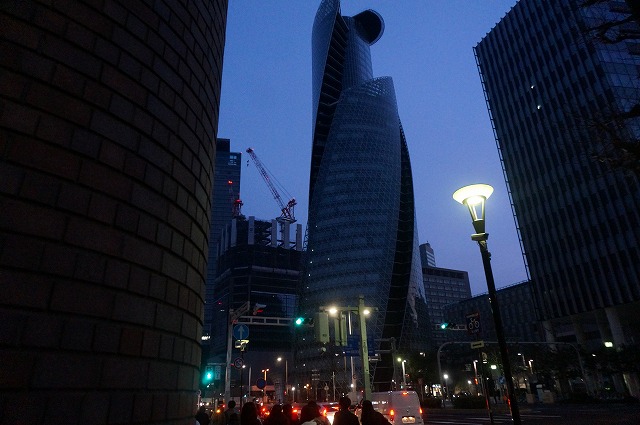
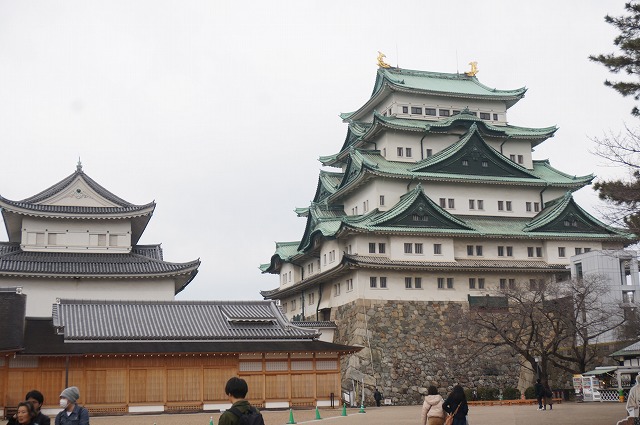
Nagoya is the capital of Aichi Prefecture and a major city with a population of approximately 2.3 million, making it the fourth-largest city in Japan after Tokyo, Yokohama, and Osaka. It is the core city of the Chubu region, Japan’s third-largest metropolitan area after the Tokyo metropolitan area and the Kansai region centered on Osaka. Aichi Prefecture is also home to Toyota.
Typically, traditional performing arts tend not to be preserved very well in urban areas with high population turnover. However, here in the Nagoya area, it is said that mysterious creatures parade through the streets during festivals. What’s more, the records date back about 250 years.
So, I headed straight to a place called Kasadera, where I heard there was a festival.
Find the Shōjō
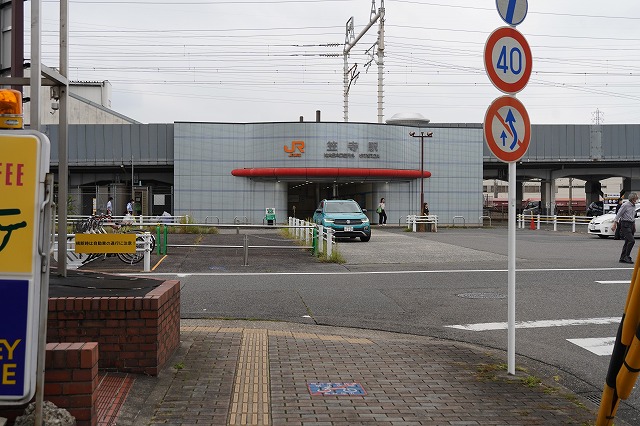
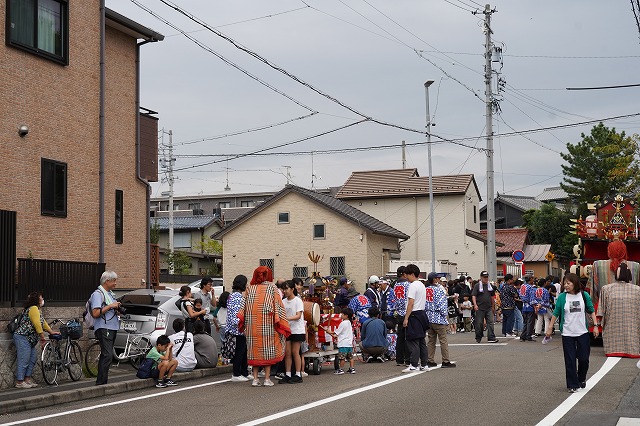
The name “Kasadera” comes from a temple and is located along the Old Tōkaidō (a historic highway that was once the busiest in the region). It is also close to Nagoya and features venues such as a concert hall, so the station sees a high volume of passengers during events.
This time, it’s not a temple, but a festival at a shrine called Nanasho Shrine. When I headed in that direction from the station…
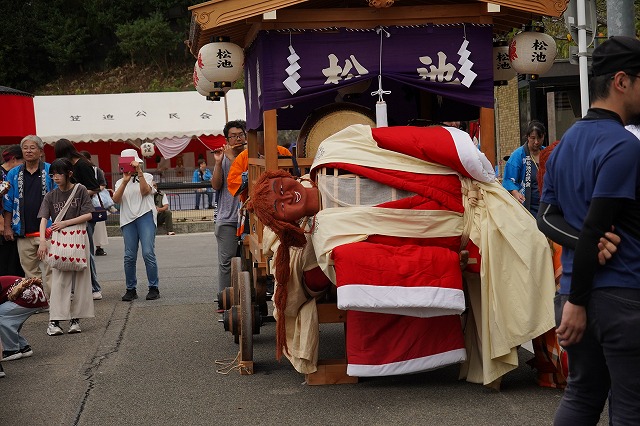
There it was. A mysterious creature, the Shōjō.
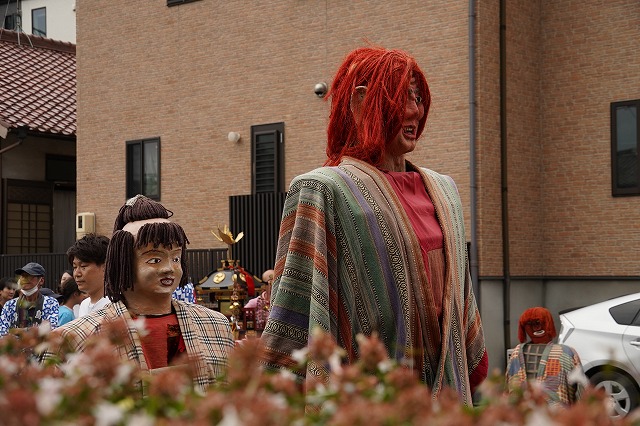
Here stands Shōjō, a mysterious giant who really catches the eye.
A shōjō is a type of supernatural creature originating in China; it is said to be covered in red fur, speak human language, and have a particular fondness for alcohol. It is said to bring happiness to people and has been featured in Noh plays.
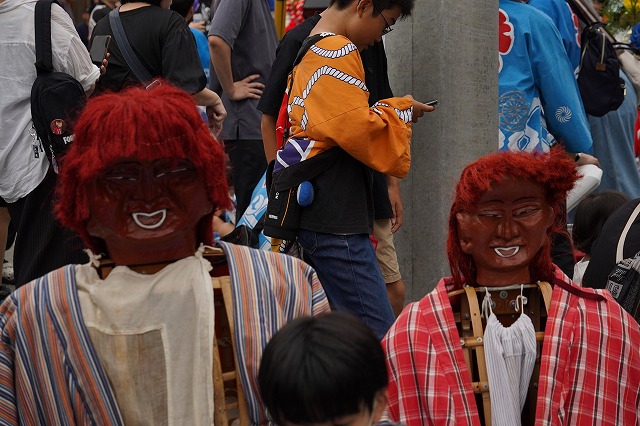
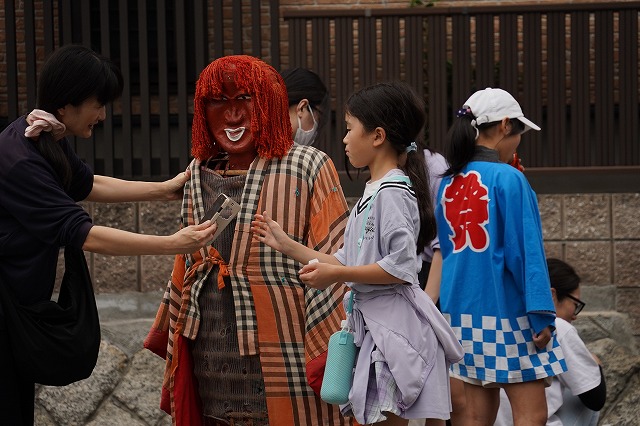
Records indicate that the Shōjō first appeared at festivals in this area around the 18th century, but it is unclear why they began to make appearances.
It is said that the current Shōjō are ones made by artisans during the Meiji era (1861~1912), which are still in use today after undergoing repairs.Still, it’s a strange and somehow humorous creature.
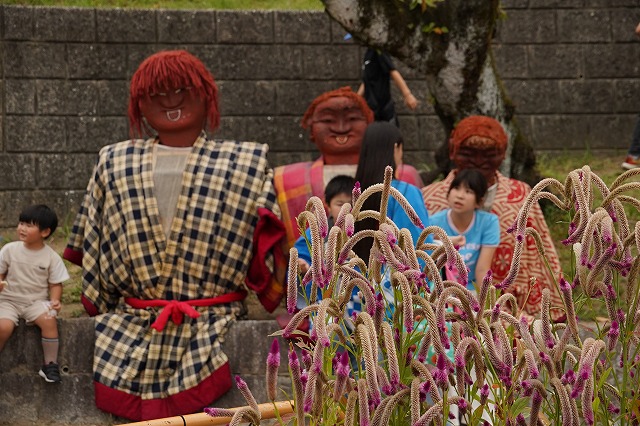
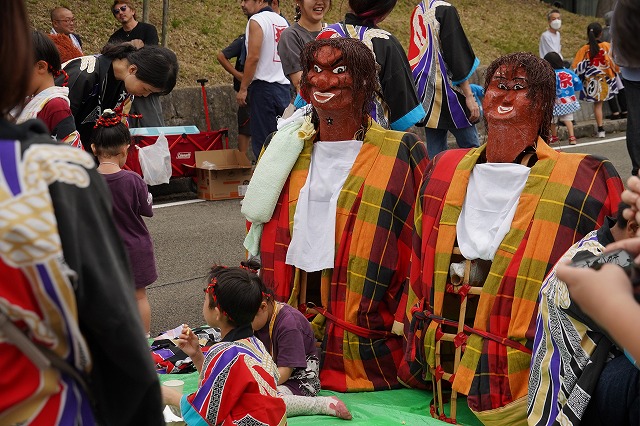
Some are sleeping, while others are spending time with their children. Still others have been invited to a party.
When this moves, it becomes even funnier.
The Walking Shōjō
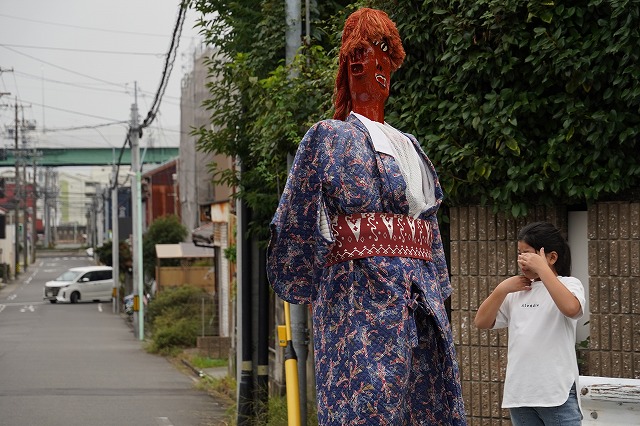
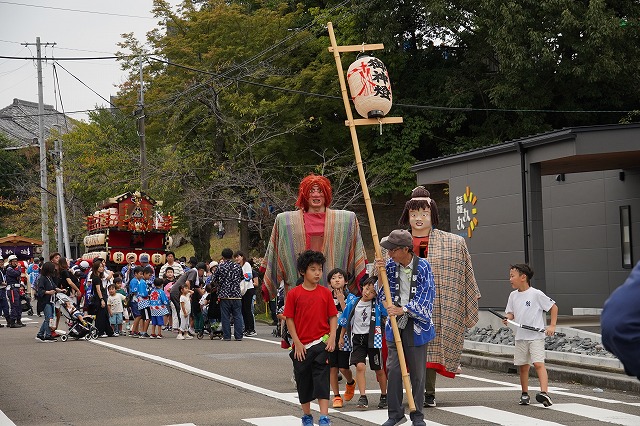
The body is large. Plus, its legs are short relative to its body.
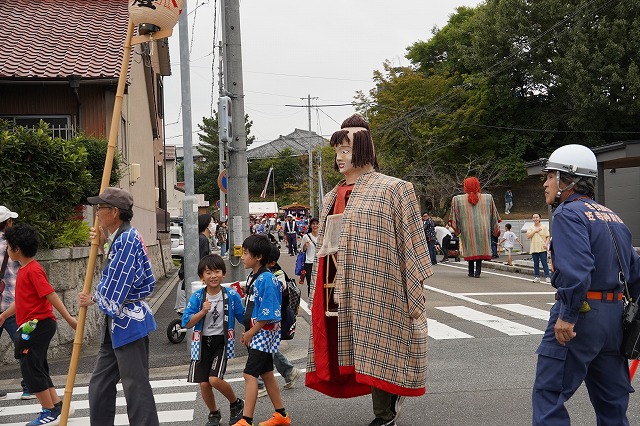
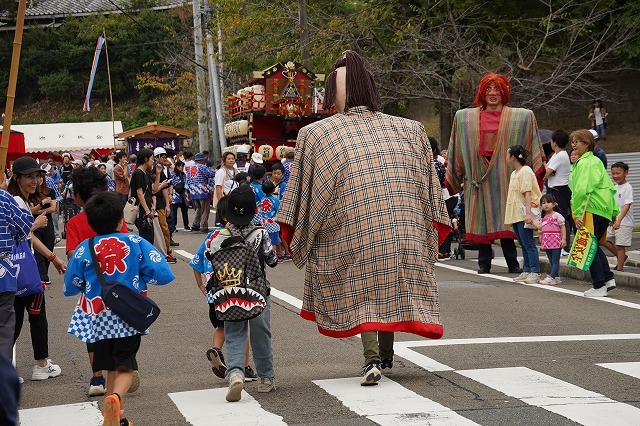
Thank you for your hard work, security guard.
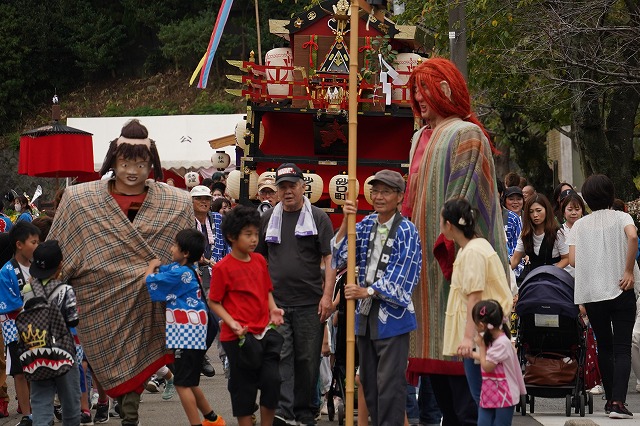
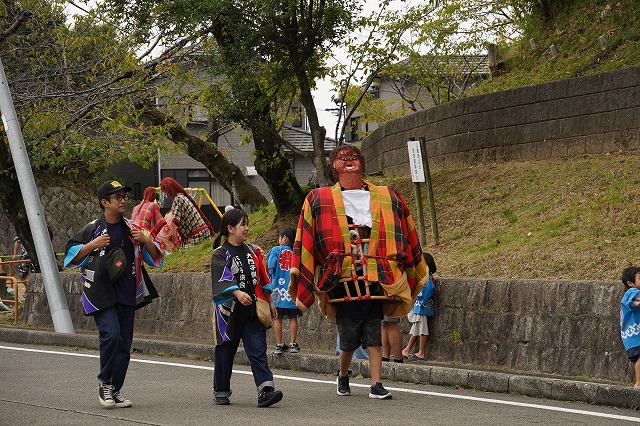
As you’ve probably noticed, the giant body is made of woven bamboo and is worn like a costume. The face is right around the belly area. So when a child wears it, it looks small, but when an adult puts it on, they become a giant.
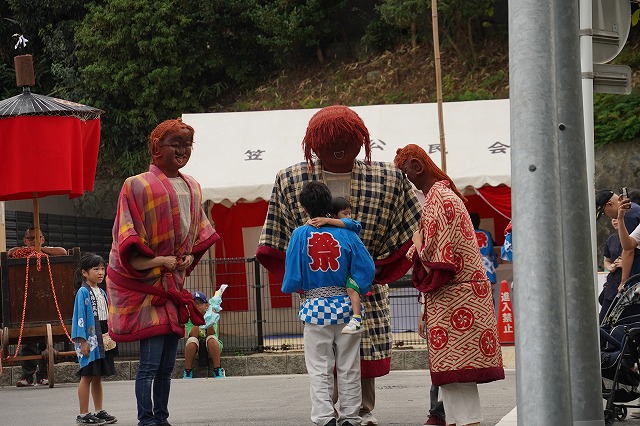
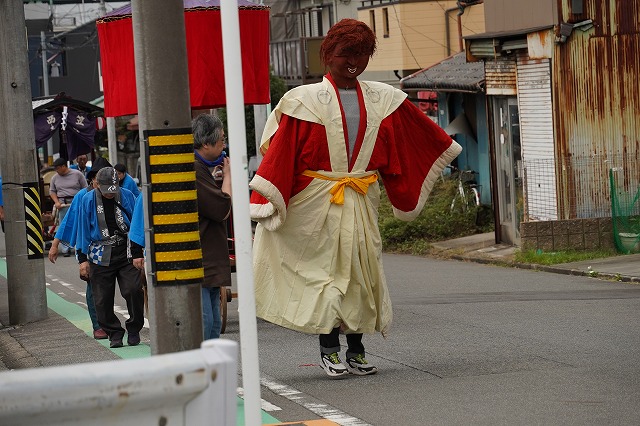
Shōjō are very popular with children. During breaks and other times, children put on small Shōjō to take memorable photos.
Happy times fly by
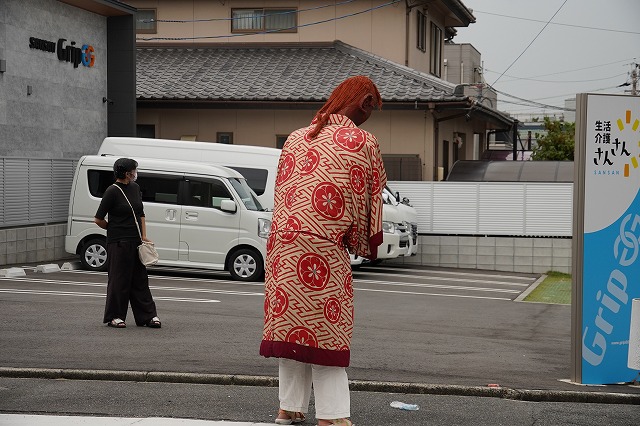
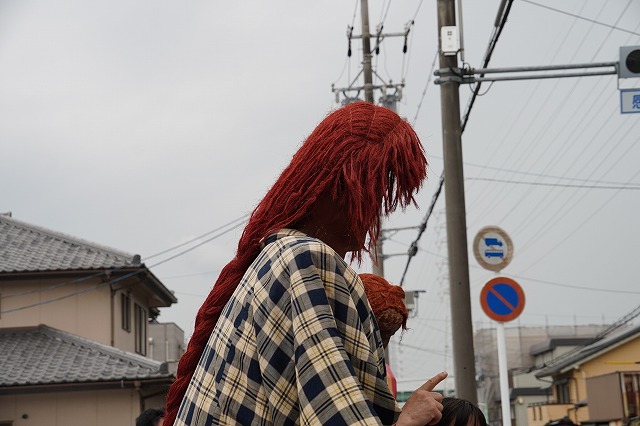
“Huh? Did I get lost?” “Is this the right way?” They even make audience imagine a conversation like that.
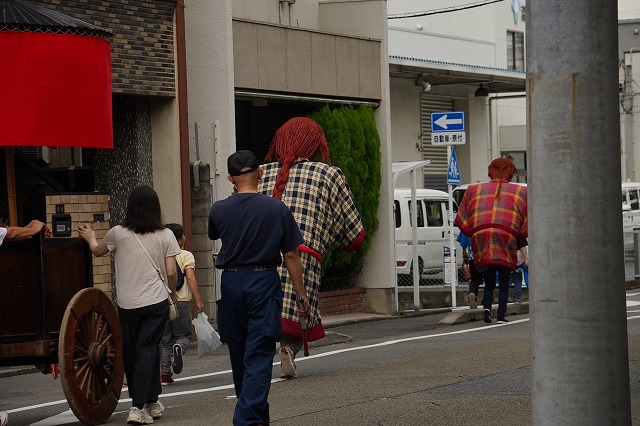
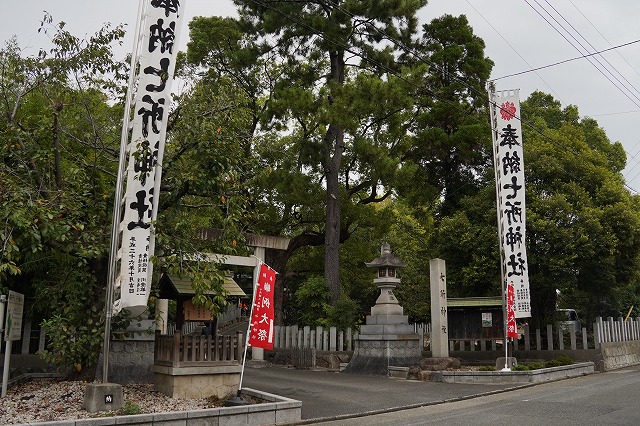
The group will first pay their respects at Nanasho Shrine before heading to the community center.
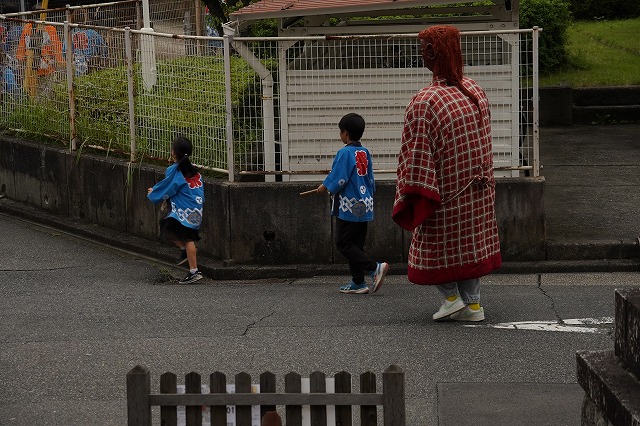
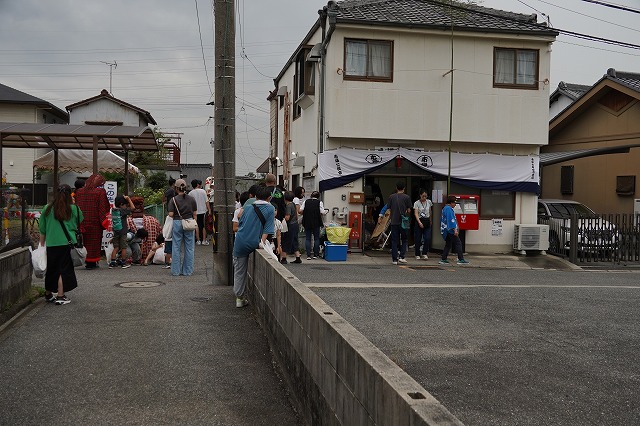
Due to certain circumstances, my visit this time took place in the afternoon—from 2:00 to about 3:30—so it was a short visit, but I thoroughly enjoyed myself. Anyway, you’ll really understand just how strange and quirky this is when you see it with your own eyes.
The Shōjō appear not only here but in other places as well, so if you get the chance, be sure to check them out at least once.
Reference
For your reference, here’s a brief overview of some of the festivals featuring the Shōjō.
Nagakusa Tenjin Shrine Doburoku Festival
44 Hongo, Nagakusa-cho, Obu City From “Nagoya” Station on the JR Tokaido Main Line, get off at “Kyowa” Station. February 25 or the Sunday immediately preceding it
Funatsu Shrine Festival
1 Funatsu, Nawa-cho, Tokai City The fourth Sunday of September and the day before, every year Get off at “Nawa Station” on the Meitetsu Tokoname Line; 11-minute walk https://www.tokaikanko.com/event/syoujyoumetta/
Arimatsu Tenman Shrine Autumn Festival
10 Yonezuka, Narumi-chō, Midori Ward, Nagoya the first Sunday in October Get off at Arimatsu Station on the Meitetsu Nagoya Main Line (approx. 10-minute walk)
Approx. 20 minutes from Nagoya Station
Hikami anego shrine
1-3 Hishikami-yama, Takata-cho Midori Ward, Nagoya City First Sunday in October
others
Hoshimiya shrine (4th, October) , Nanasho shrine in Okehazama (10th~11th October)
https://www.mc.ccnw.ne.jp/tatami/syoujyo-photo.midori.htm