Watch an Ancient Mask Parade in the Historic Capital ~ Gigaku parade at Yakushiji temple 薬師寺伎楽
Date; Every year on May 5
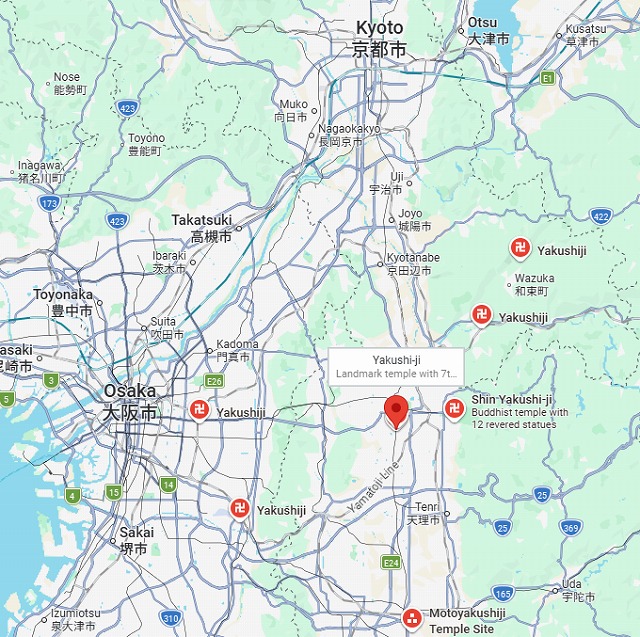
Location; 457 Nishinokyo-cho, Nara City, Nara Prefecture
Access; A 1-minute walk from Kintetsu Nishinokyo Station
Approximately 40 minutes from Kintetsu Kyoto Station or Kintetsu Osaka-Namba Station to Nishinokyo Station via Yamato-Saidaiji
Kintetsu Yamato-Saidaiji Station
—Bound for Kashihara Jingu-mae / Tenri—
Nishinokyo Station
Yakushiji temple official https://yakushiji.or.jp/en/
about Gigaku mask https://discoverdeeperjapan.com/2020/06/07/the-most-detailed-japanese-traditional-mask/
This article is based on information as of May 5, 2018.
Nara, the Ancient Capital
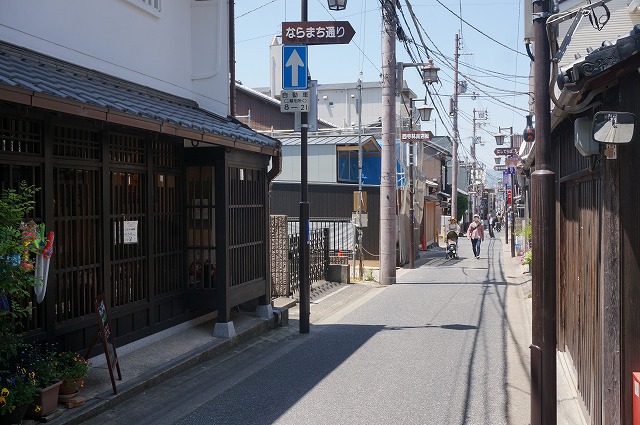
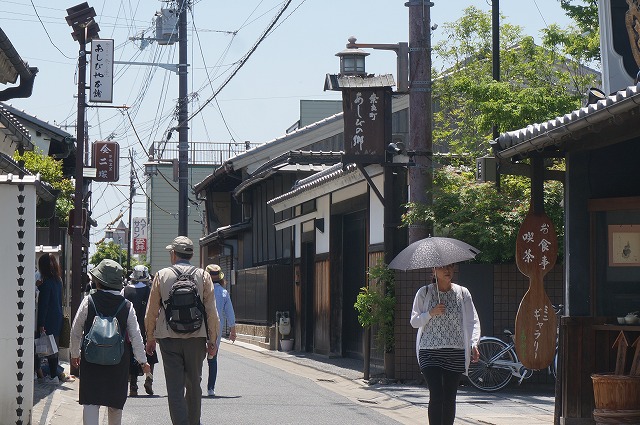
Nara is a curious place. Although it boasts a history even longer than Kyoto’s, it lags far behind in terms of its current presence. People from Kyoto casually remark to residents of other cities, “Our history is in a league of its own,” yet they seem to completely overlook Nara. That said, Nara doesn’t go out of its way to assert itself on this point either. While Osaka, Kyoto, and Kobe see fierce competition among the Hankyu, Hanshin, Nankai, and Keihan railways, in Nara—aside from JR—only Kintetsu seems willing to operate.
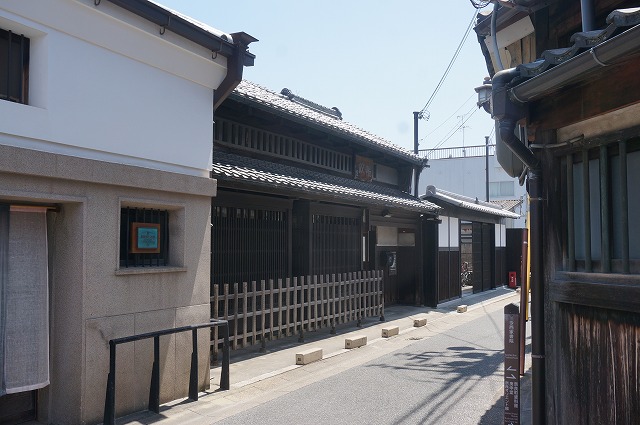
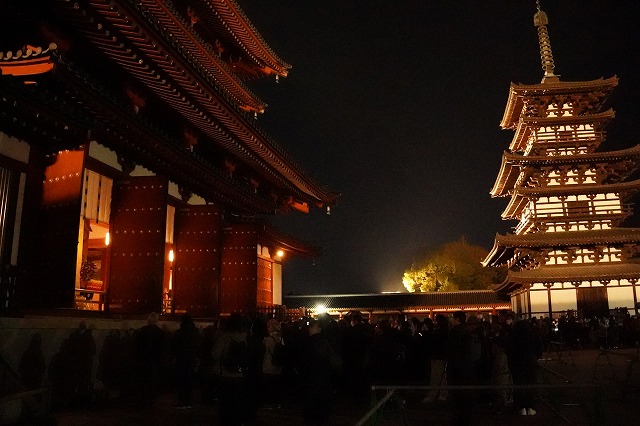
There’s a certain mid-afternoon languor in the air, and it almost seems as if the city has forgotten all about tourism. It’s a place so laid-back that it wouldn’t be surprising to see deer leisurely grazing right in the middle of the city. What’s more, it’s surprising to learn that those deer are actually wild—they have no connection whatsoever to Nara Prefecture, Nara City, or even temples like Tōdai-ji or Kōfuku-ji.
Gigaku Mask Parade
One reason might be that, unlike Kyoto, the city center is concentrated around Nara Station, while other areas are scattered farther away, and there is no hub connecting them. To reach Yakushi-ji Temple, the setting for today’s event, you have to take a train from Nara Station.
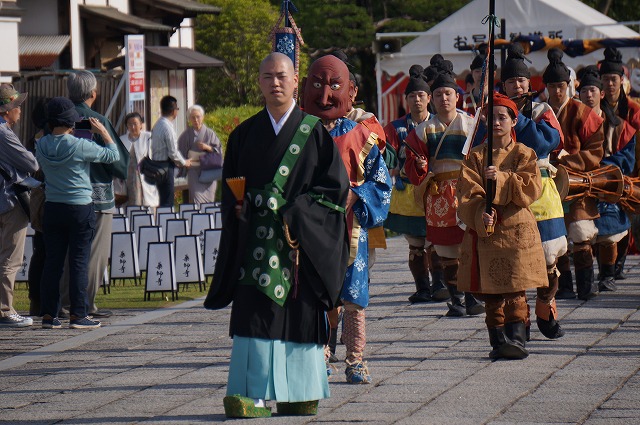
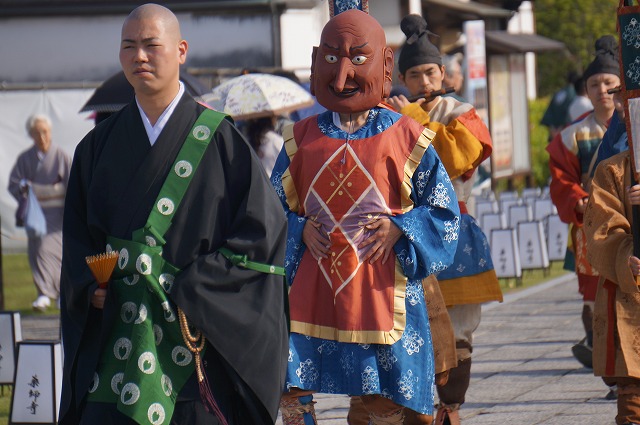
At 4:00 p.m., the Gigaku mask parade finally begins.
Gigaku is a performing art that was introduced from the continent along with the arrival of Buddhism in ancient times; it is thought to have been used to convey Buddhist teachings in an understandable way.
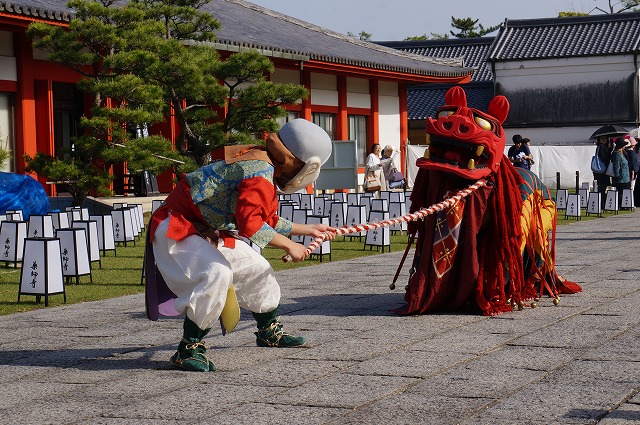
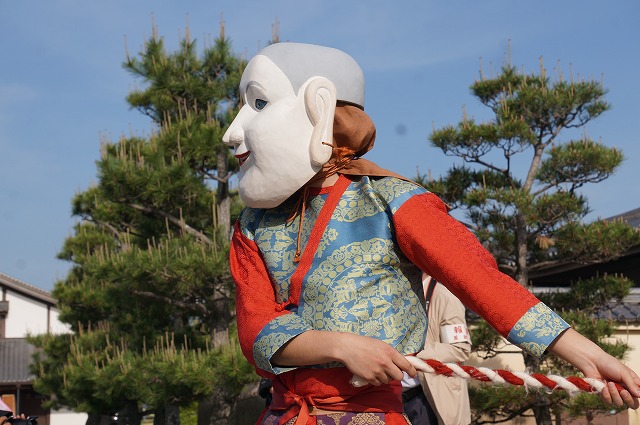
The reason it is thought that way is that, in fact, only the masks of Gigaku have survived, while the art form itself ceased to exist in ancient times. Furthermore, there are very few records of it, and not even a mask remains on the original continent from which it came. For this reason, its true nature remains unknown.
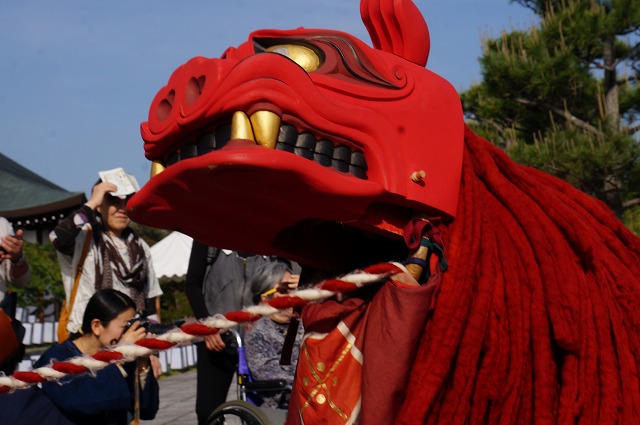
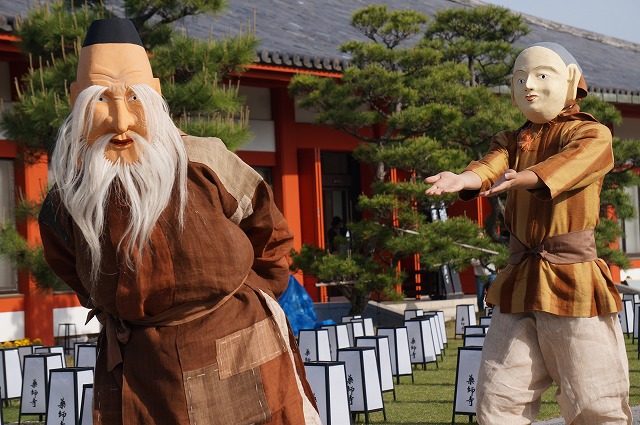
The precursor to the modern lion dance. Known as the “lion walking the road,” it appears very simple and strongly animal-like when compared to the modern lion dance.
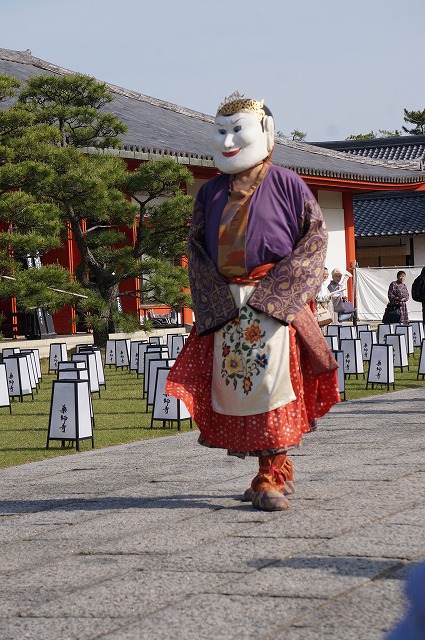
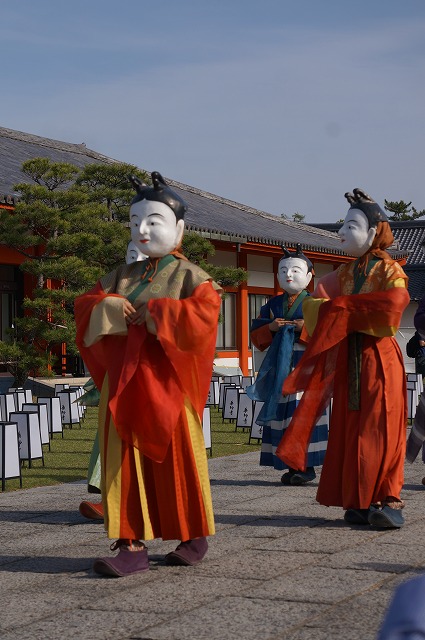
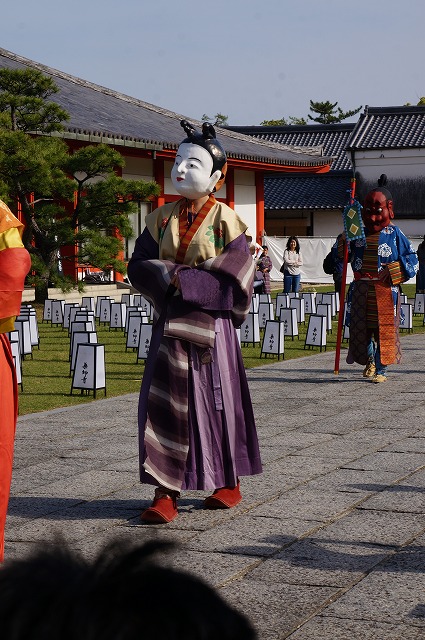
Go-ō and Go-jo. Go was one of the states that once existed in China. Its Chinese name is Wu.
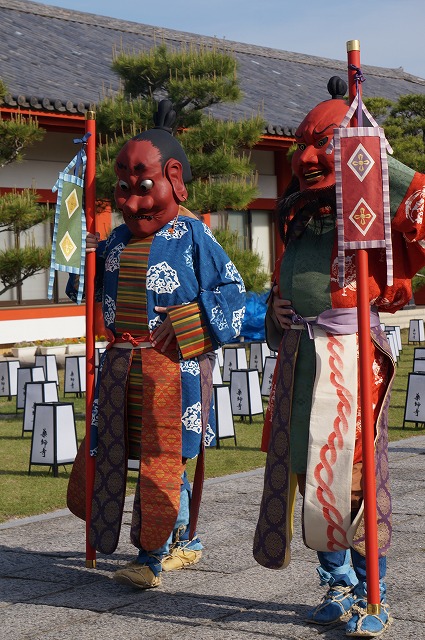
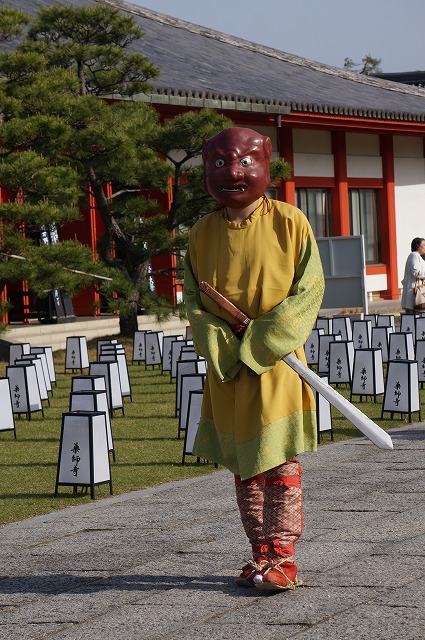
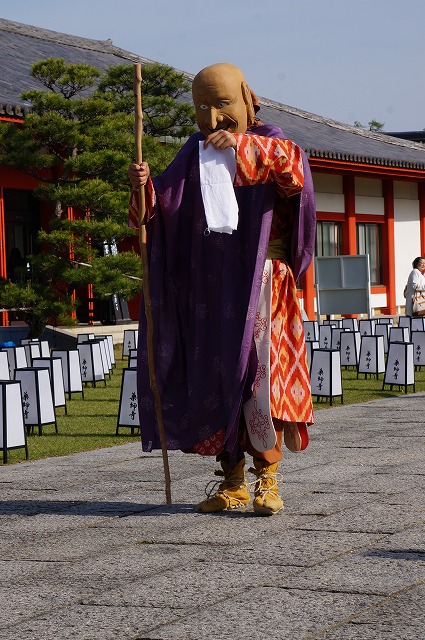
Both the Kongō and the Rikishi are guardians of Buddhism. Even today, it is common to find two statues of Kongō Rikishi enshrined at the entrance to Japanese temples.
Konron (known as Kunlun in China), on the other hand, is portrayed as an enemy of Buddhism. It is said to have originally represented barbarian tribes. The practice of denigrating foreign peoples by depicting them in beast-like forms was common in various regions throughout ancient times.
A Brahmin is a high-ranking Buddhist monk in India.
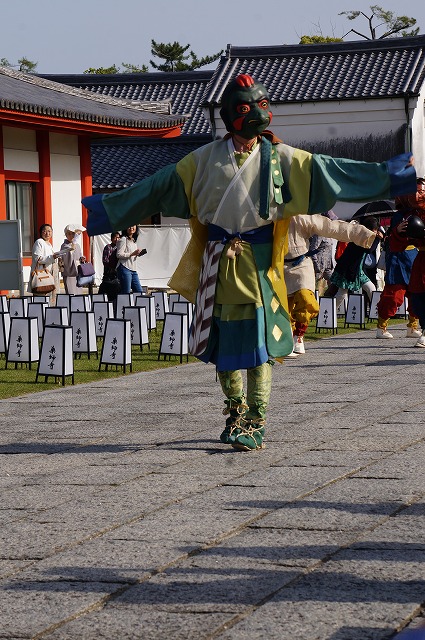
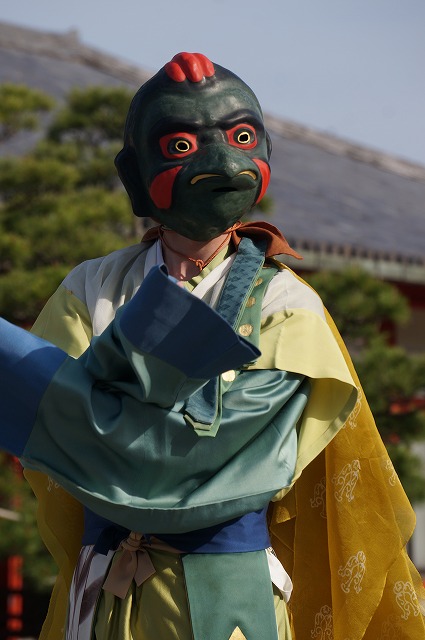
The name “Karura” is derived from the Garuda bird that appears in Indian folklore. In Japan, it is also said to be the prototype of the crow tengu.
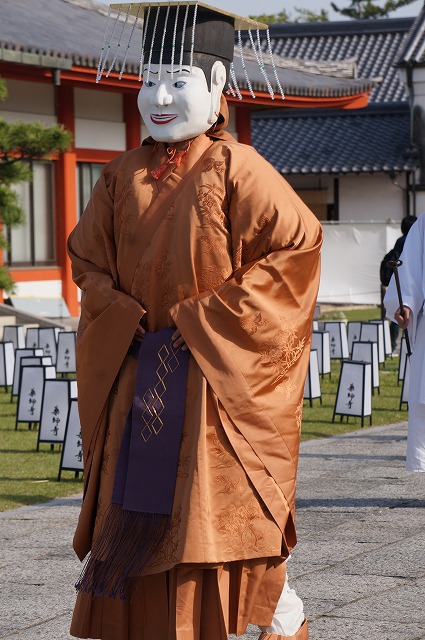
The costumes and masks were reconstructed by experts in their respective fields based on surviving artifacts. Since Tenri University played a central role in the project, the parade is performed by Tenri University students.
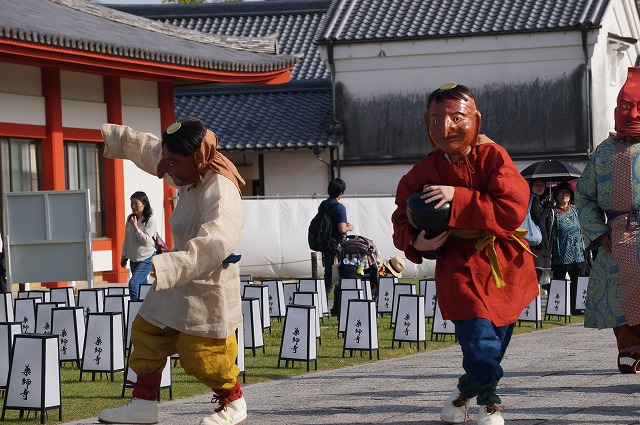
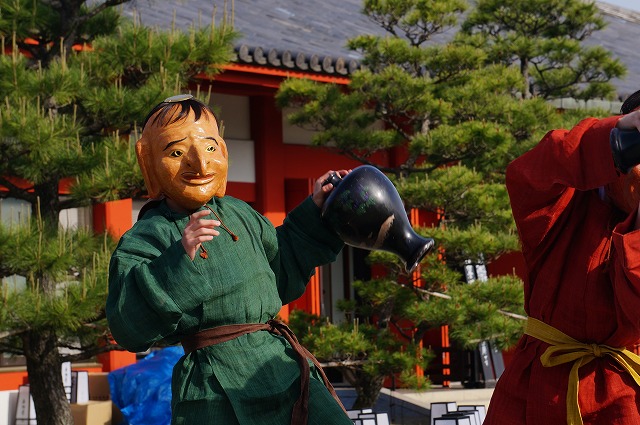
“Suikojū” means “a servant who is drunk.” It is also said that the term originally referred to a people from the west.
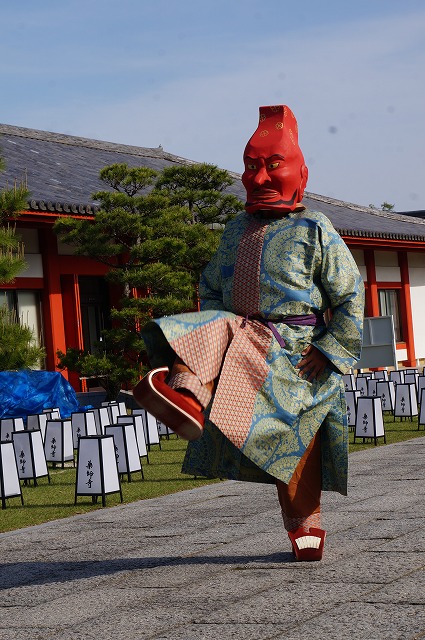
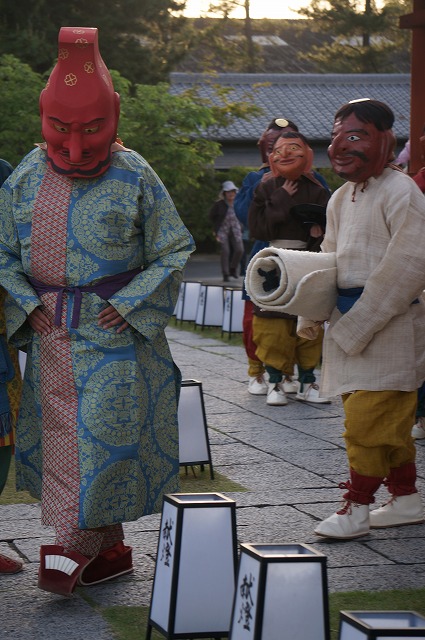
That king is the “Suiko-o King.” His face is bright red. Unlike modern masks, this one covers his entire head, which makes him look comical, but he isn’t actually being silly—it’s simply the mask as it has been preserved.
Grand festival of Genjo Sanzo
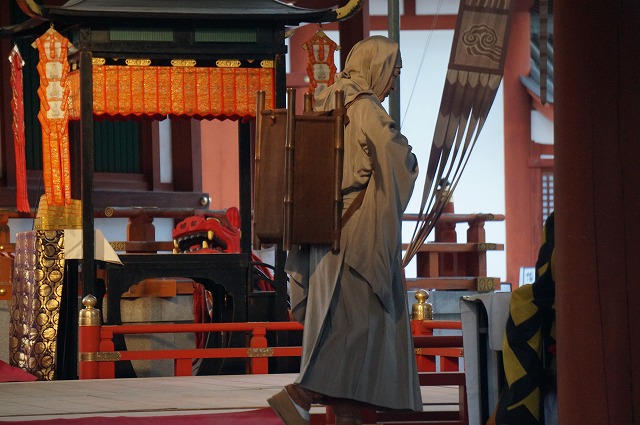
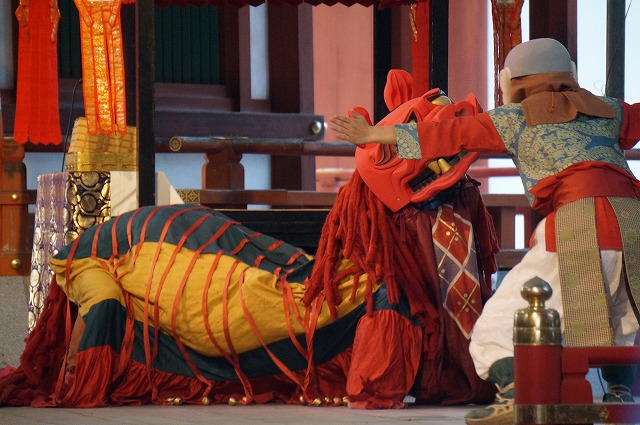
Actually, this is part of a religious ceremony called the “Genjō Sanzo Grand Festival.” In Chinese, Xuanzang
Xuanzang was a monk who once traveled to India in search of Buddhist scriptures. He is famous from the Chinese story Journey to the West.
After the parade, an original story depicting Xuanzang’s hardships will be performed inside. However, only those involved are allowed inside.
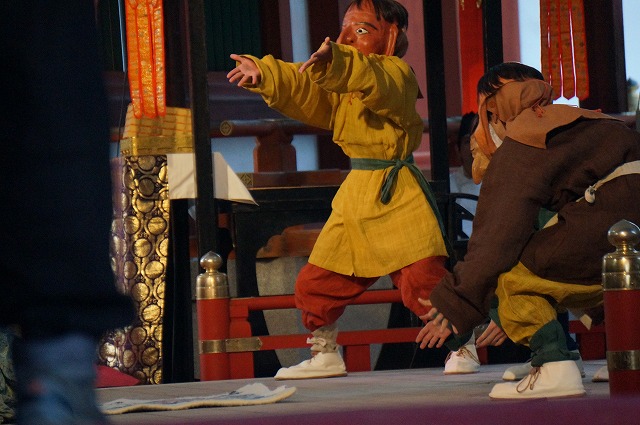
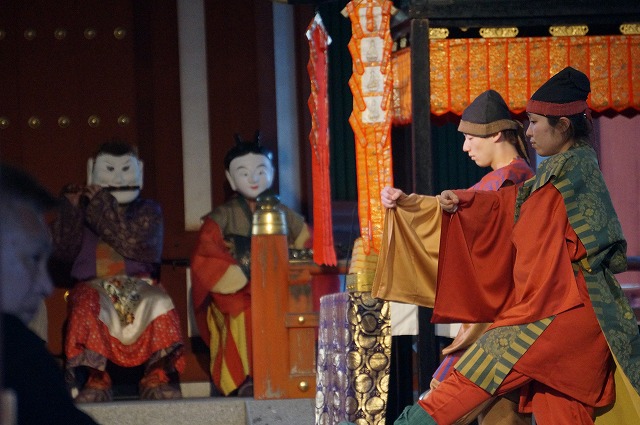
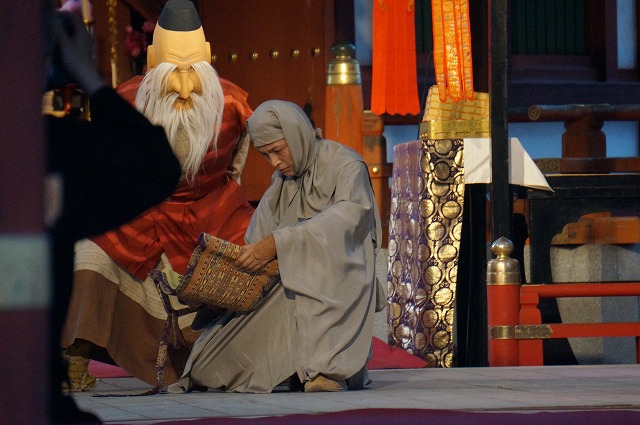
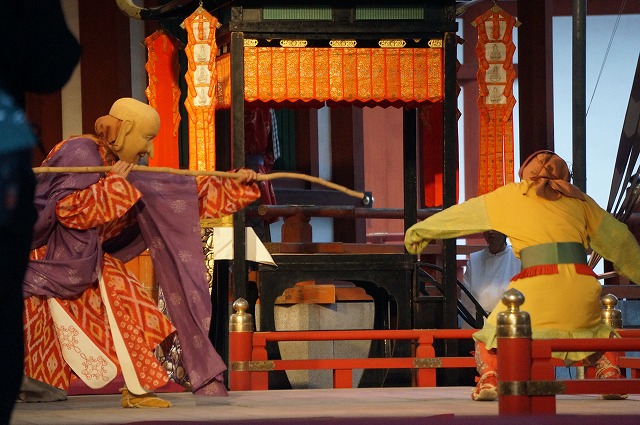
Outsiders can look in from the outside. It used to be held in a large venue set up outside, but now it takes this form.
Mandou-e 万灯会 ~Evening of Many Lanterns
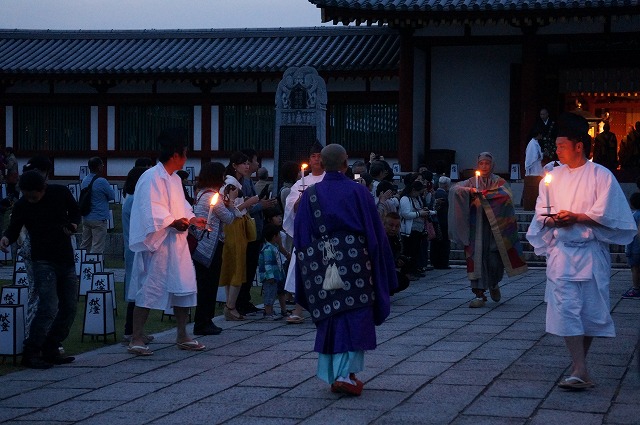
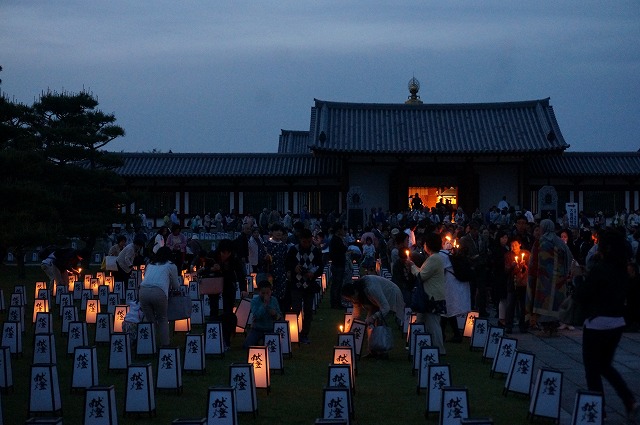
It was already past 7:00, and it was beginning to get dark. The actor playing Xuanzang lit the first fire, and the participants followed suit, each lighting their own.
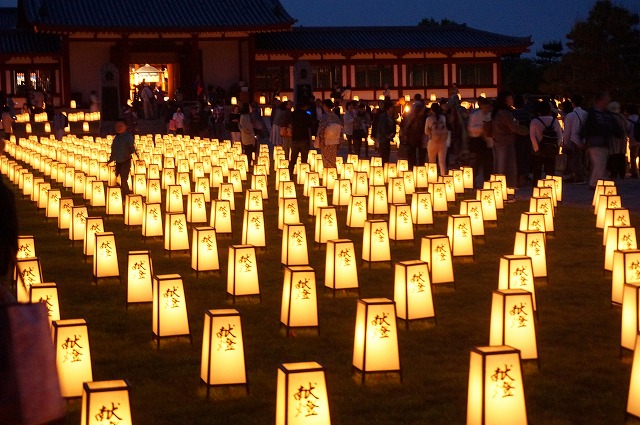
As people loses theirselves in the fantasy of the masks, peoples thought drift to ancient times, and the night in Nara draws to a close.