Watching the “Oni” dance in Kashima City ~2 “Menburyu” at Otonari district 音成面浮立
Date; The second Sunday in September
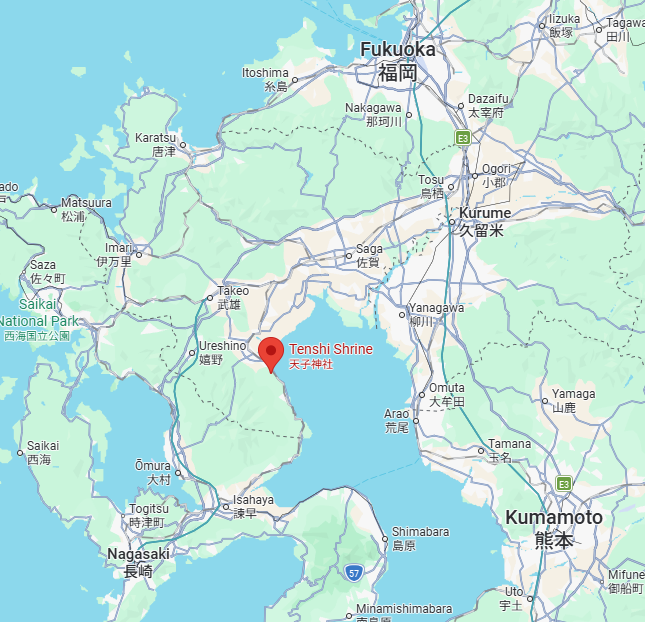
Location; Tenshi Shrine, Otonari, Nanaura, Kashima City, Saga Prefecture
Access; If you’re taking the bus, get off at Hizen-Nanaura Station; if you’re taking the train, it’s about a 10-minute walk from Hizen-Nanaura Station.
Kashim city official https://saga-kashima-kankou.com/feature/1870
*Although the place name is “Otonari,” this traditional performing art is often referred to as “Otonashi,” a name derived from an older place name.
This article is based on a visit on September 13, 2026.
This day is Menbryu Day
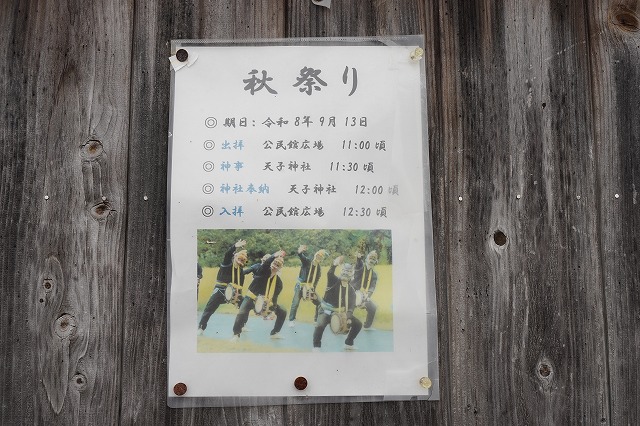
On this day, various Menbryu events take place throughout this area. Starting in the morning, three events—in Iida, Hougaura, and Otonari—are held at staggered times. The reason for staggering the times is apparently because the Shinto priests serve at multiple shrines simultaneously.
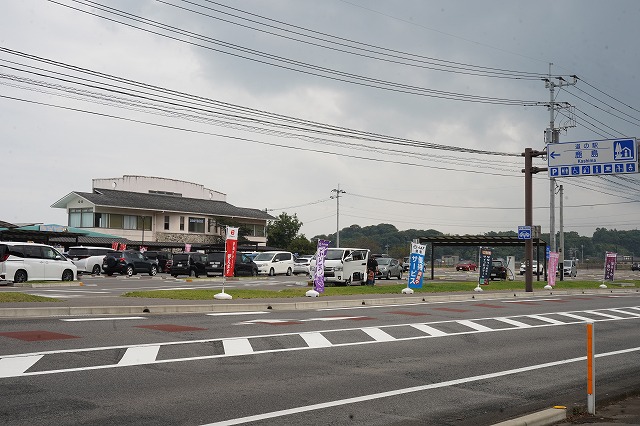
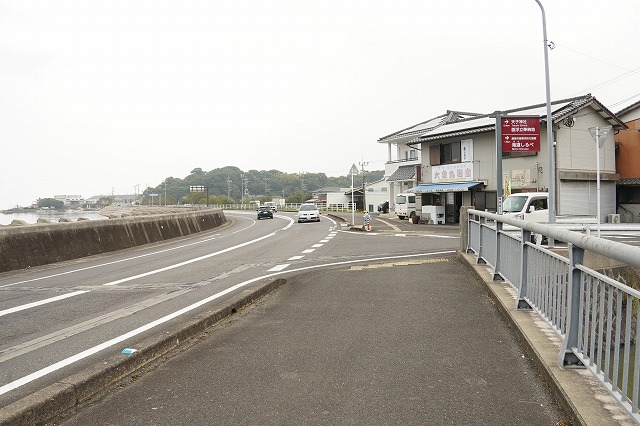
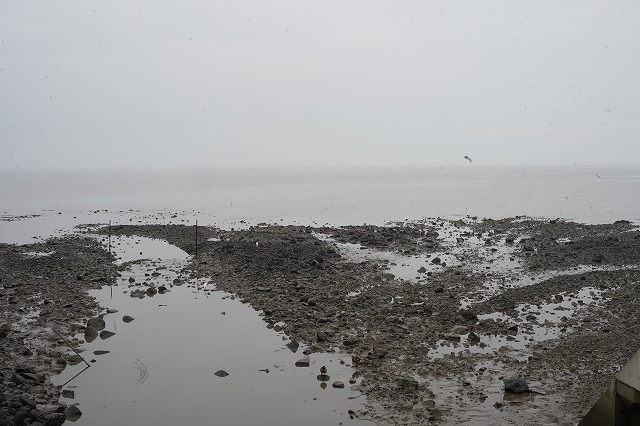
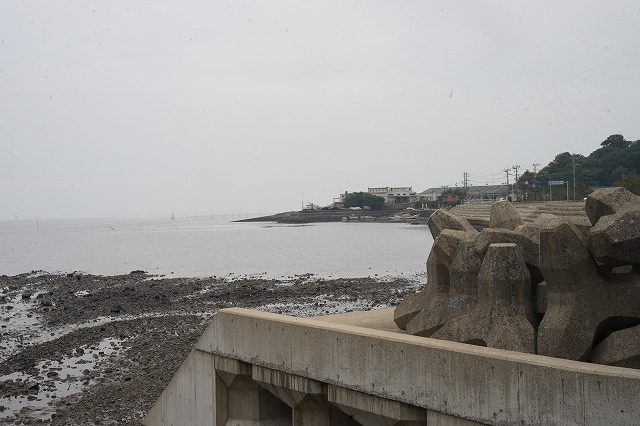
After visiting Hougaura, I walked toward Nanaura Station and headed to the next area, Otonari. It takes about 30 minutes on foot. Following the coastal road with a view of the tidal flats, I came to the roadside station “Kashima.” The Otonari area lies just beyond that.
In the plaza below the shrine
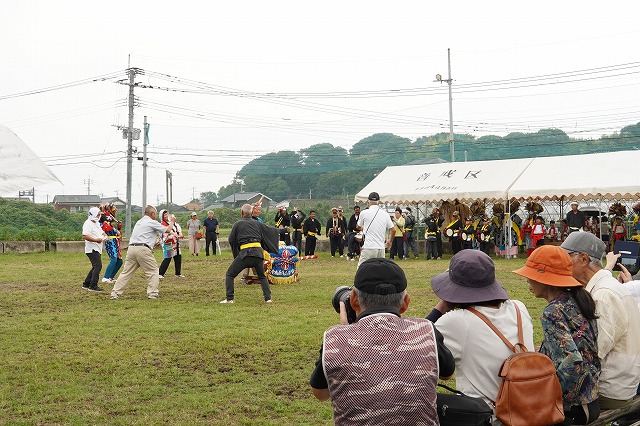
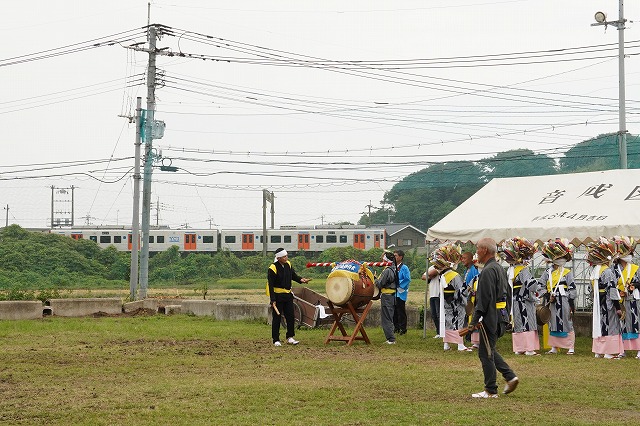
Fortunately, the rain that had been feared didn’t fall, and preparations for the performance starting at 11:00 a.m. are complete in the spacious plaza.
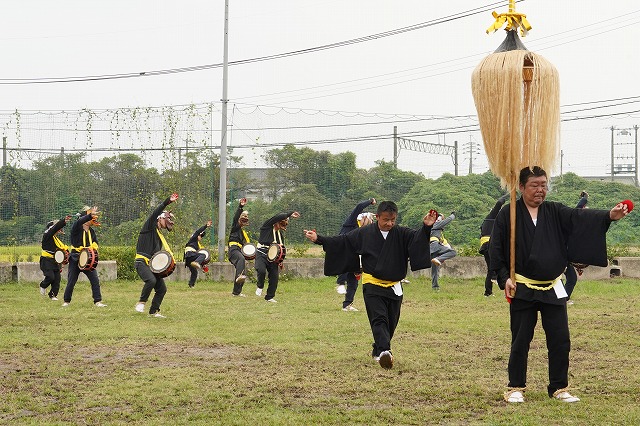
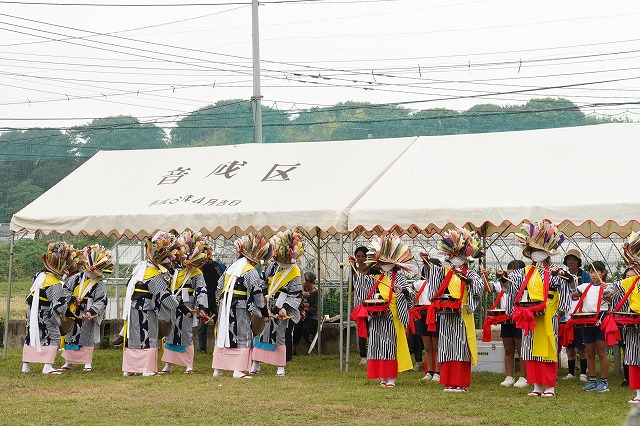
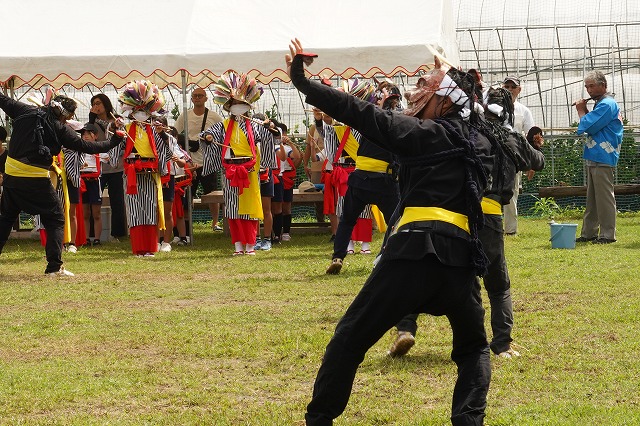
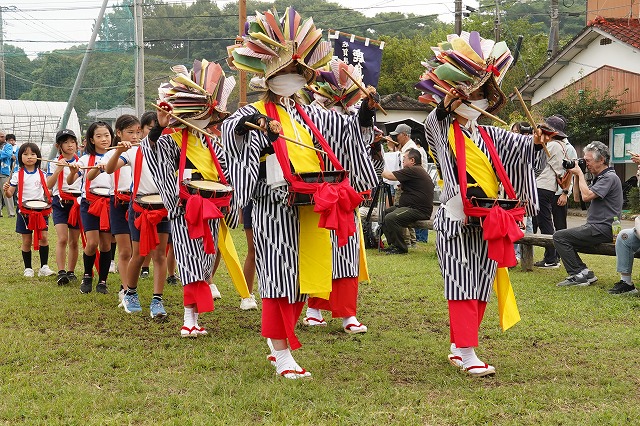
Just as in the “Hōgaura” performance, a group called the “Torige” performs first, while women known as the “Kaneuchi” stand on the sidelines.
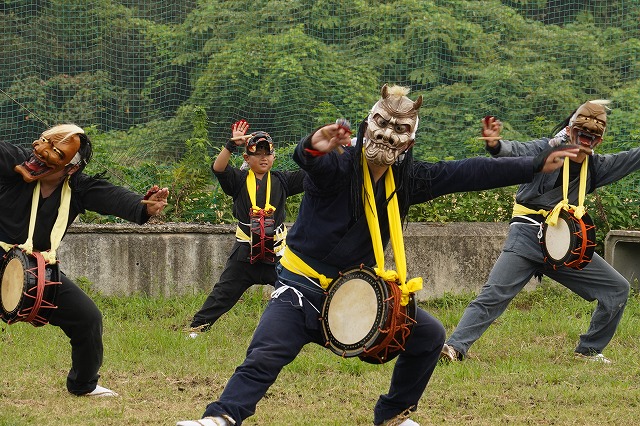
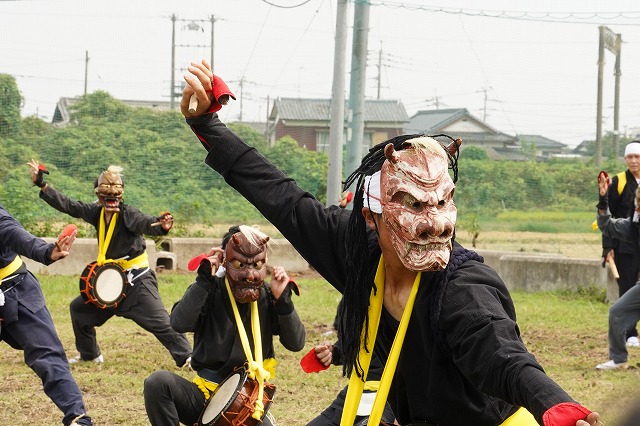
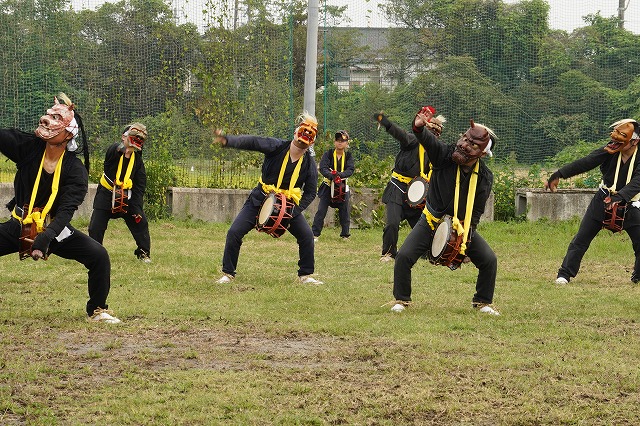
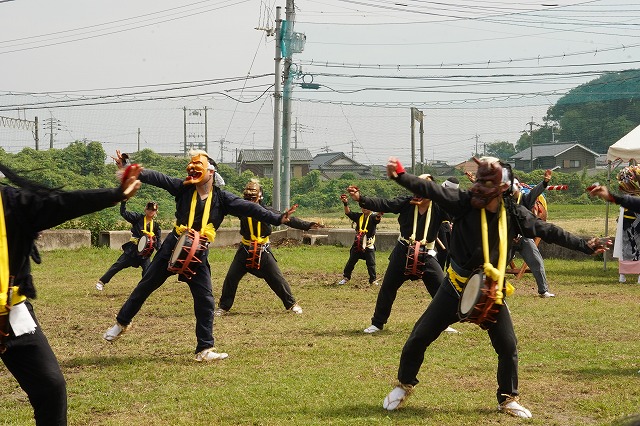
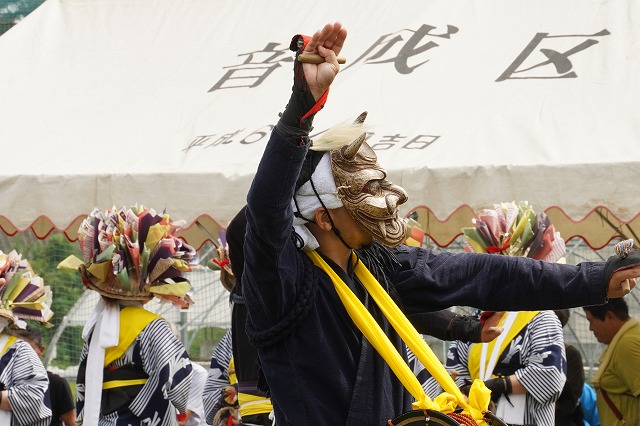
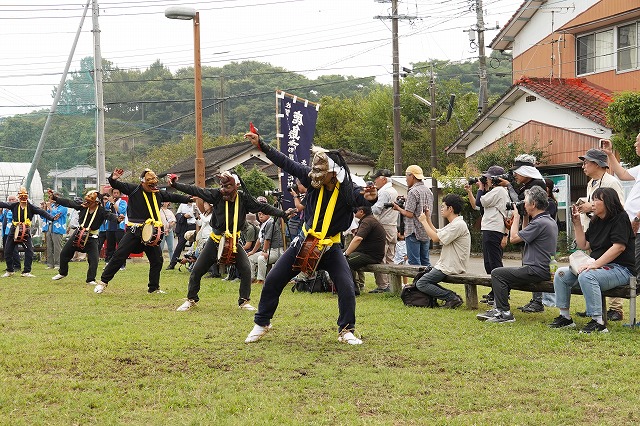
Compared to Hōgura, the costumes are all black and subdued, and the music occasionally becomes quieter, giving the performance a very solemn atmosphere. It is said that this version is closer to the original form.
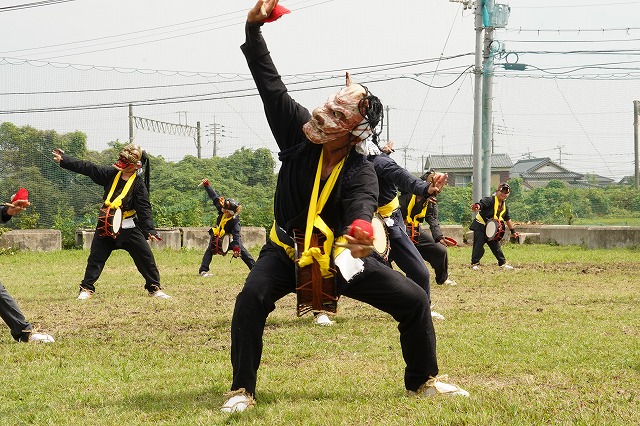
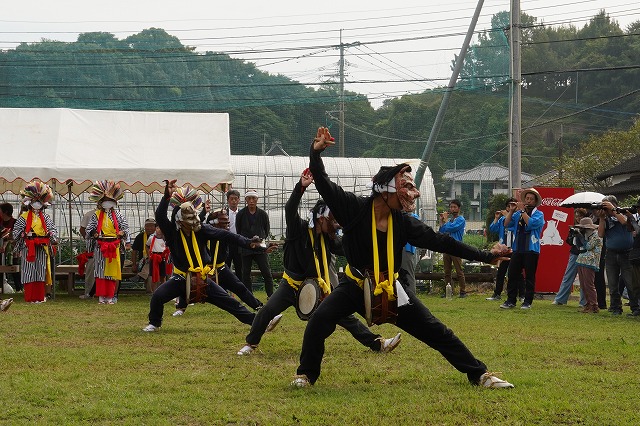
Going down the road ~”MIchiyuki”
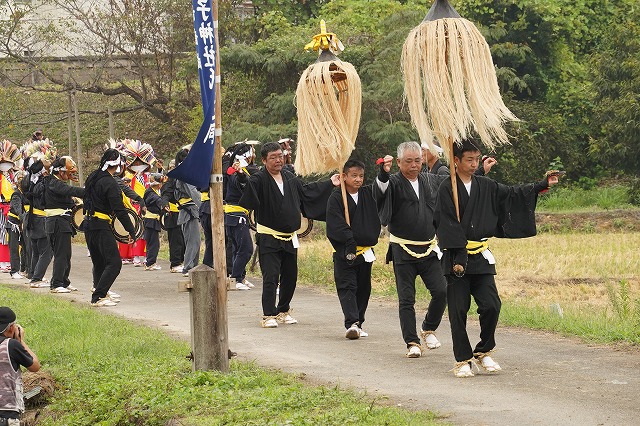
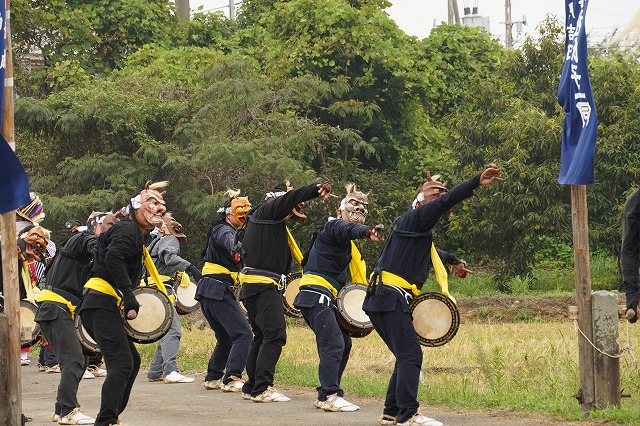
“Michiyuki” could be considered, in a sense, the highlight of the Menburyu performance. The group proceeds along the path leading to the shrine. According to one scholar’s theory, this represents the advance of the Oni (ogres) who challenged the gods to battle.
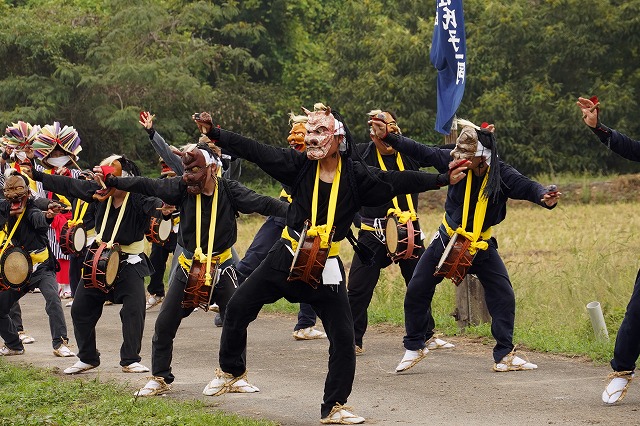
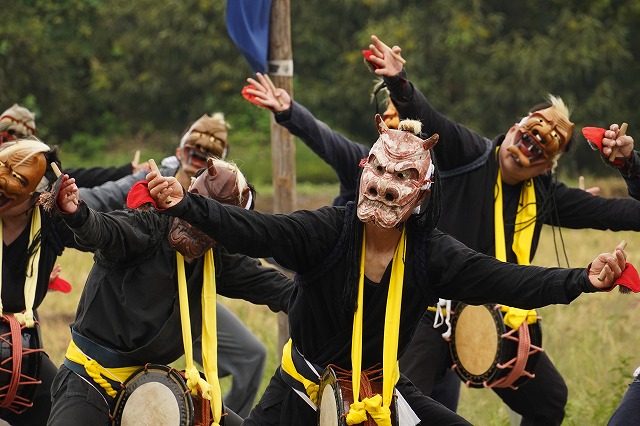
Demons making their way along a narrow path between the fields. There’s simply no way to truly experience the atmosphere of this scene except by seeing it live. It’s no wonder it’s so popular with photographers. About 15 minutes.
At the shrine
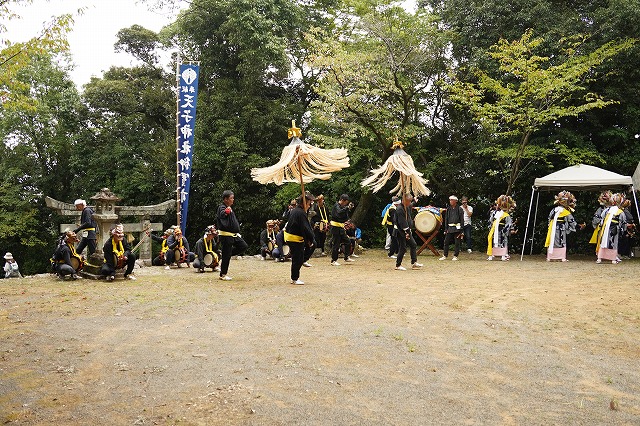
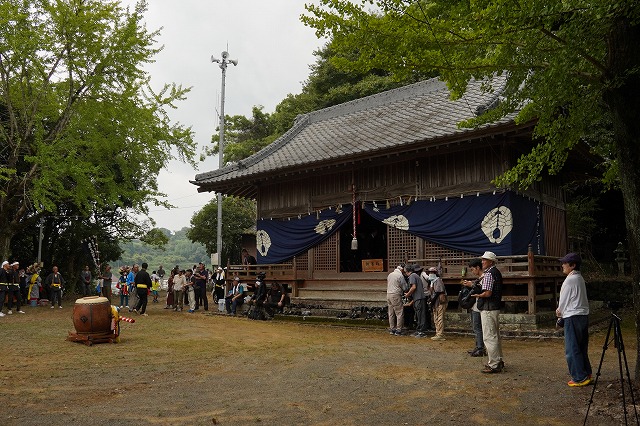
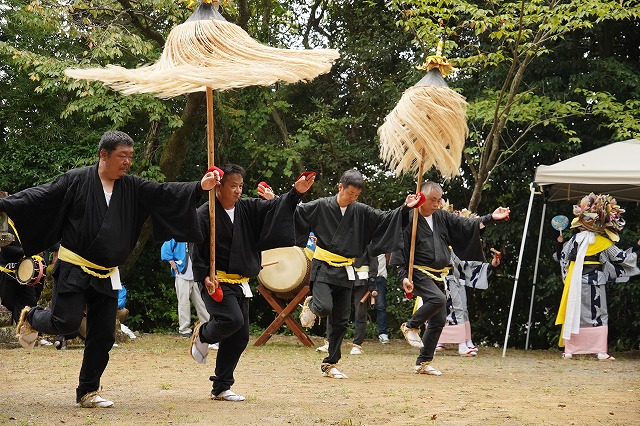
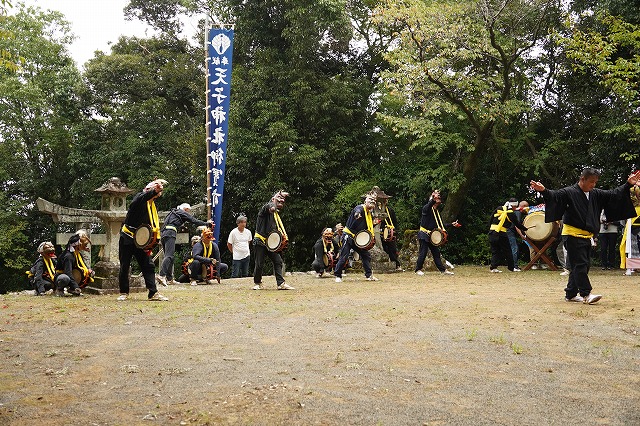
They moved back to the shrine grounds. It was past noon.
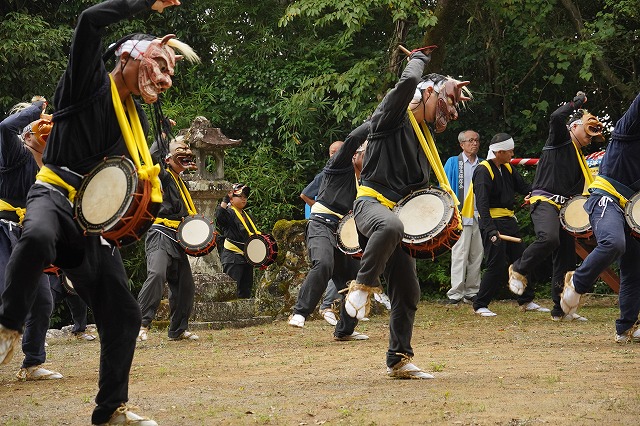
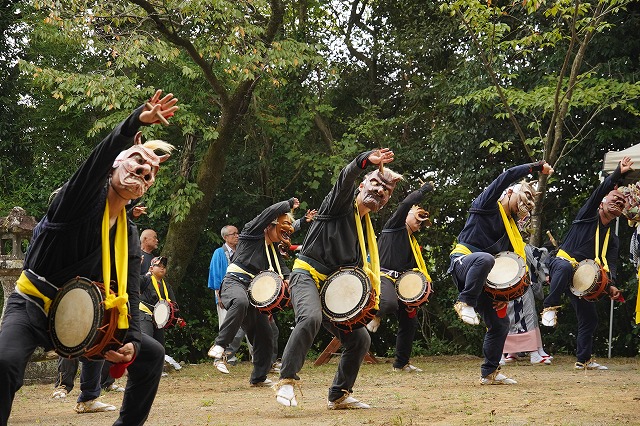
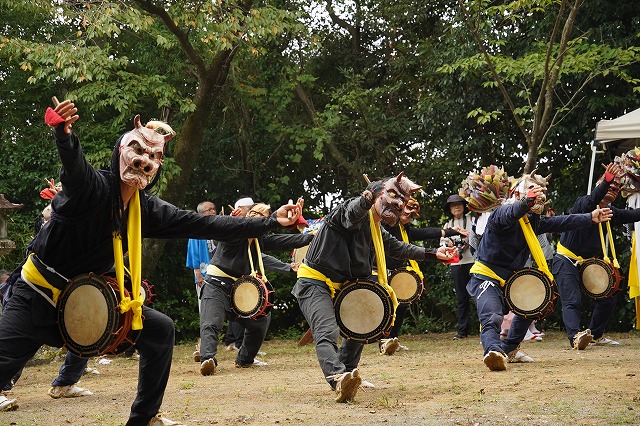
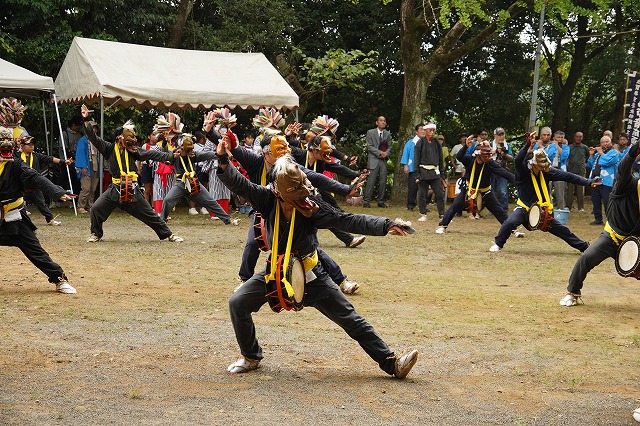
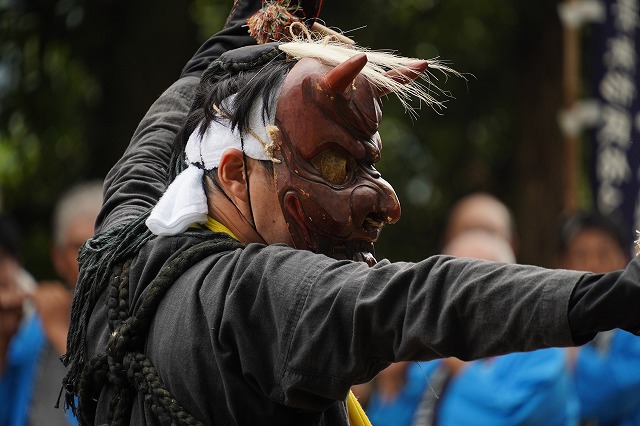
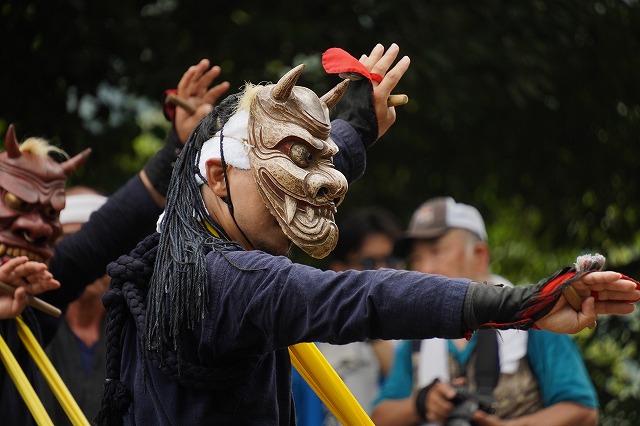
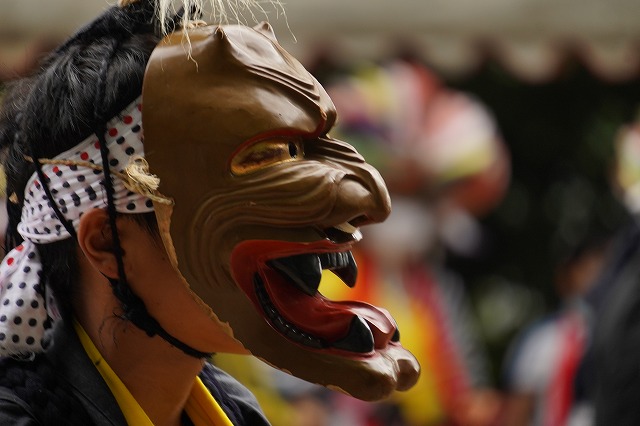
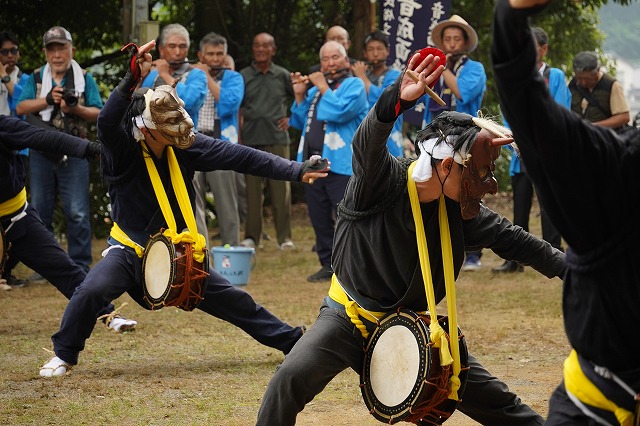
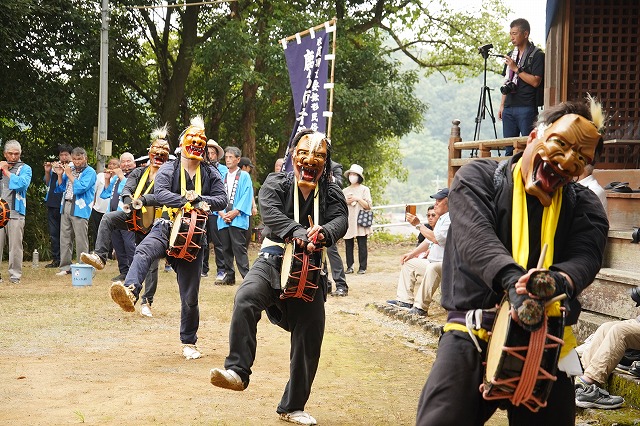
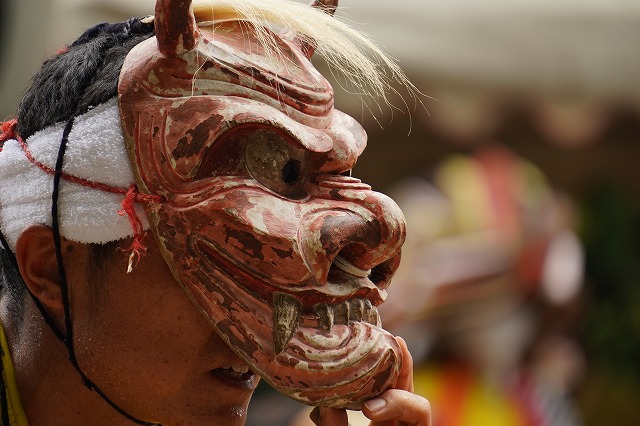
It took about an hour, with a break in between. Although the days of intense heat were already behind them, the dancers were drenched in sweat. It was 1:00 p.m. After this, they would perform one more time to bring the festive day to a close.
Ocean of Treasures, Forever
Although “Hōgoura” is currently written as “Mother Sea,” it is said that in the past, the character for “treasure” was used, and it was read as “Hōgoura.”
And here in the Sea of Ariake, it is said that the ecosystem is beginning to change because the bay has been closed off. Although local residents are opposed to this, the government remains unmoved. In any case, I can’t help but hope that this place will remain a treasure trove of the sea for as long as possible.