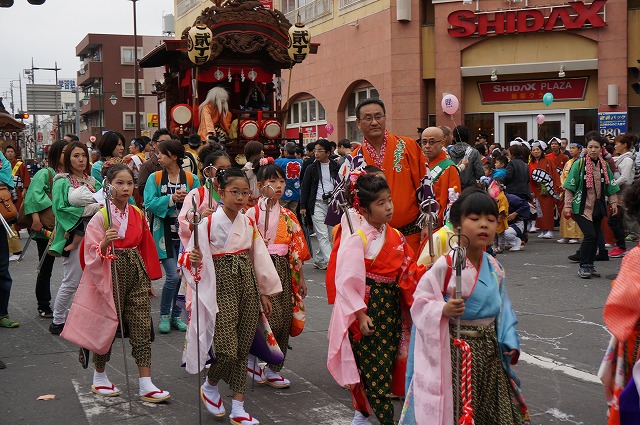
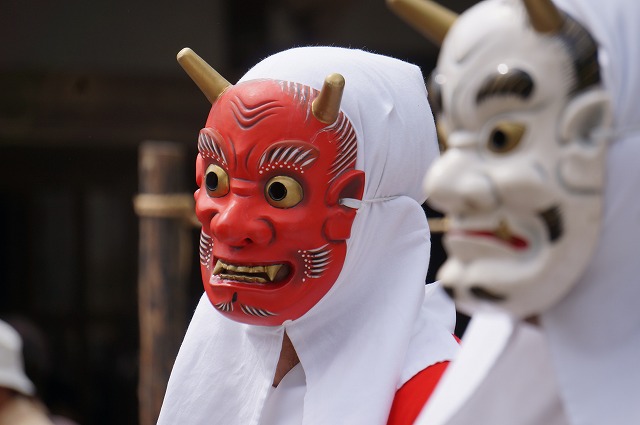
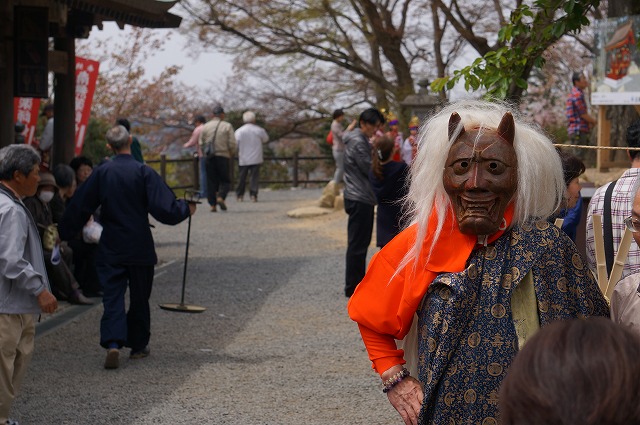
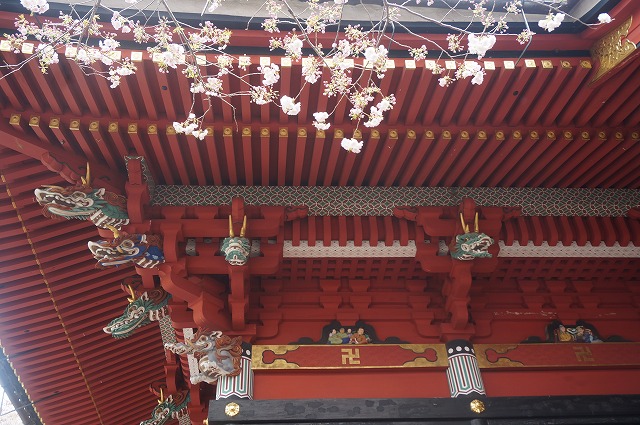
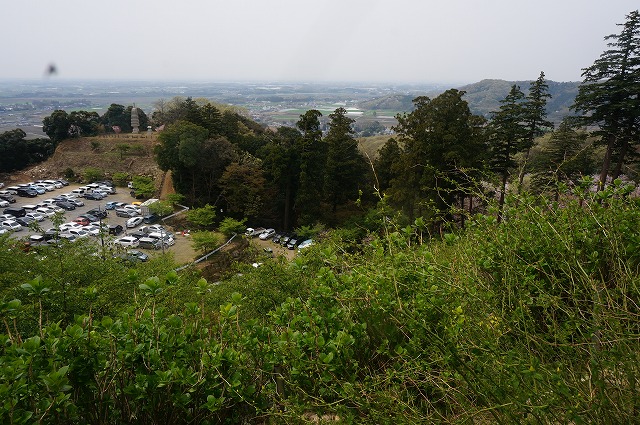
A Showdown of Masked Characters ~Hannou festival 飯能祭り


Date; The first Saturday and Sunday in November
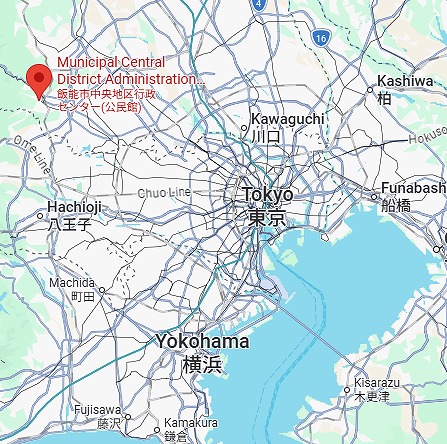
Location; Hanno, Hanno City, Saitama Prefecture The city centre area stretching from the North Exit of Hanno Station on the Seibu Ikebukuro Line and the West Exit of Higashi-Hanno Station on the JR Hachiko Line to the Hanno City Central District Administrative Centre
Access; Right next to the North Exit of Hanno Station on the Seibu Ikebukuro Line; a 2-minute walk from the West Exit of Higashi-Hanno Station on the JR Hachiko Line It takes about one hour to one and a half hours to get to Hanno Station from Tokyo or Ikebukuro.

This article is based on a visit of 4th, November, 2025.

Hanno official https://hanno-tourism.jp/en/

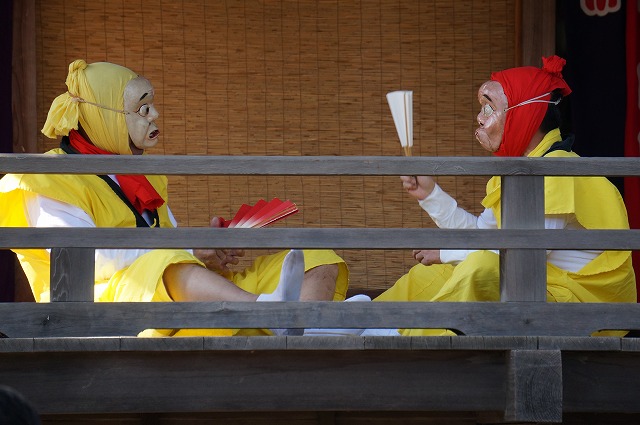
As it’s a festival, let’s have these two—who also appeared during the Ōme Grand Festival—guide us once again.

What? Who’s that? If that’s you, please click here. https://discoverdeeperjapan.com/2020/04/26/part-2iidama-shrine-daidai-kagura/

https://discoverdeeperjapan.com/2020/05/25/__trashed-2/

Hey, did you know? Apparently there’s a festival in Hanno.

Well, when I hear the word ‘festival’, I simply can’t resist going.
Hey, how are you? Actually, I’ve heard there’s a festival coming up in Hanno. Fancy popping along?

If there’s a bit of a drink to be had, I’m up for it.

Right, it’s a deal.

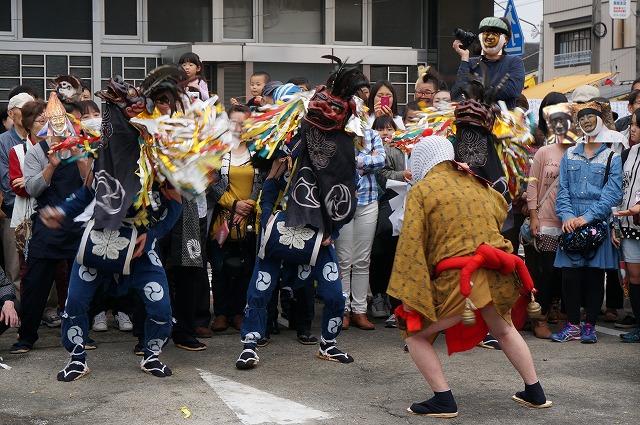
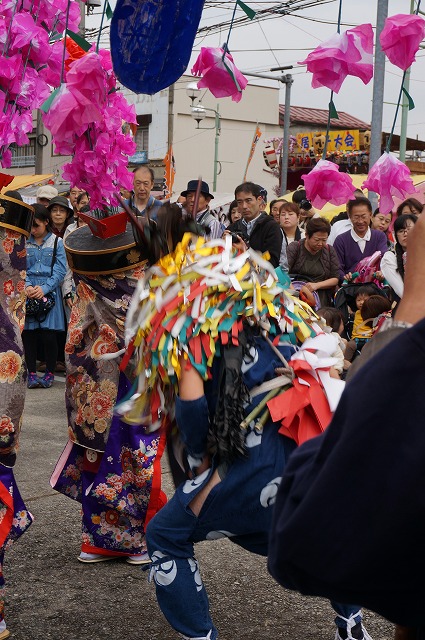
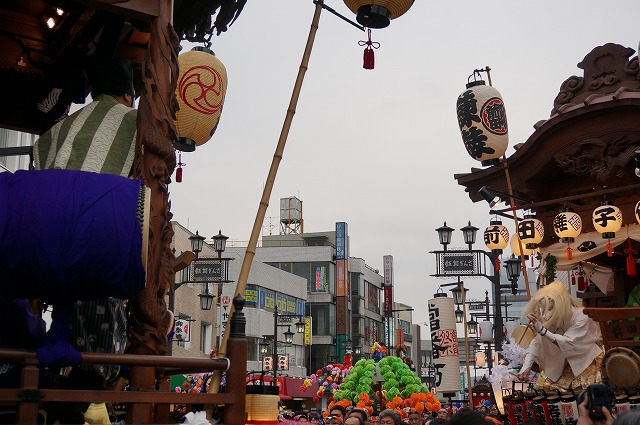
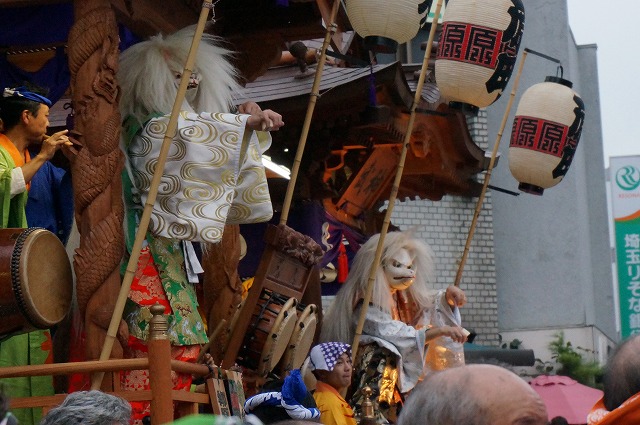
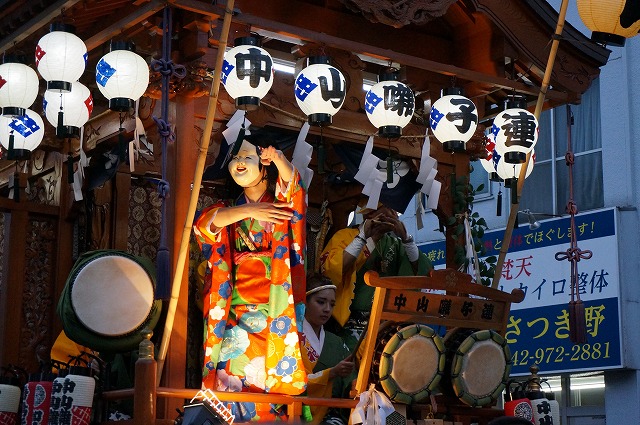
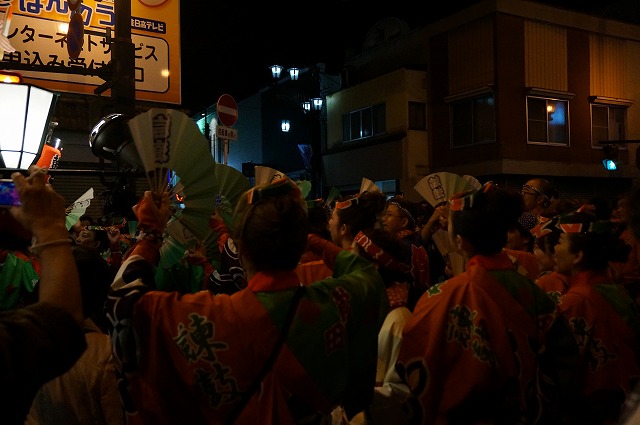
Masked characters are dancing
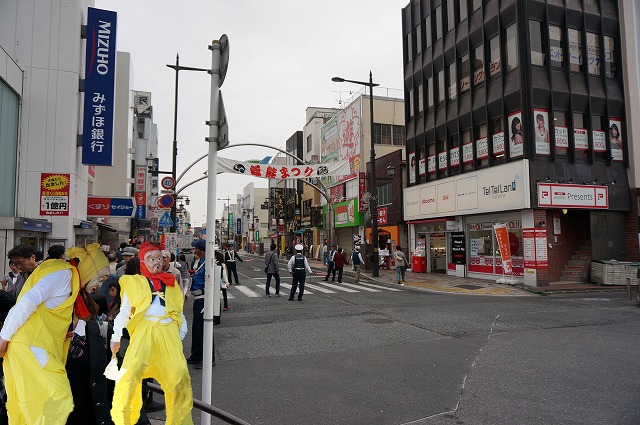
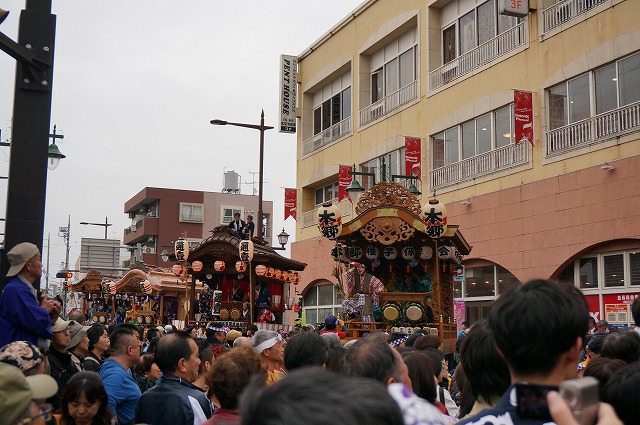
That’s quite a crowd, isn’t it?
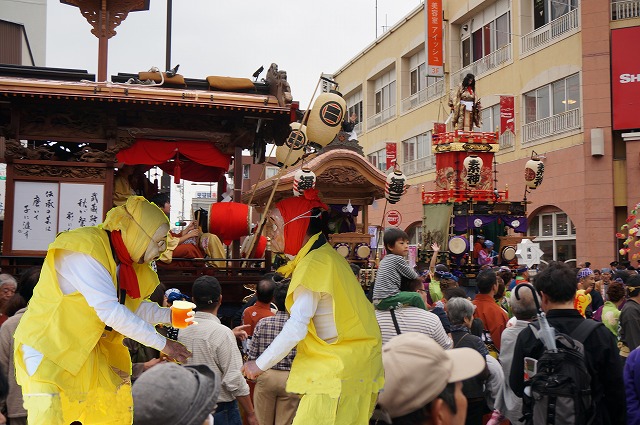
Oh, I see—you’ve already started drinking without me realising?
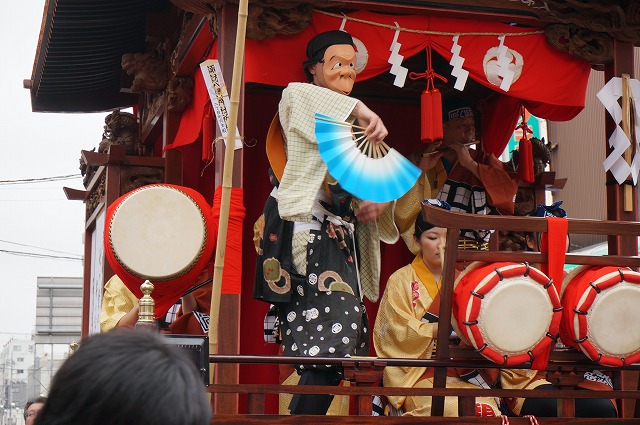
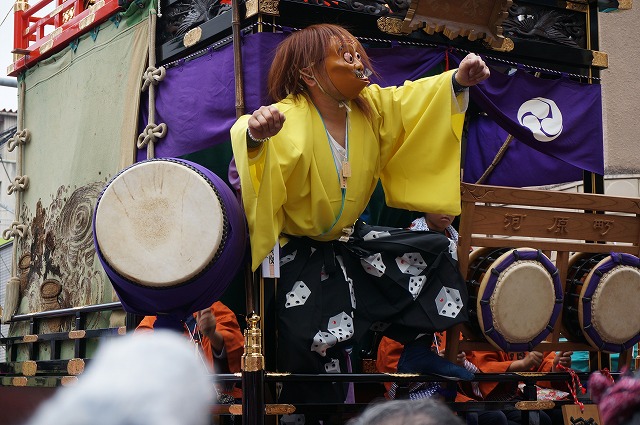
Are you having fun?
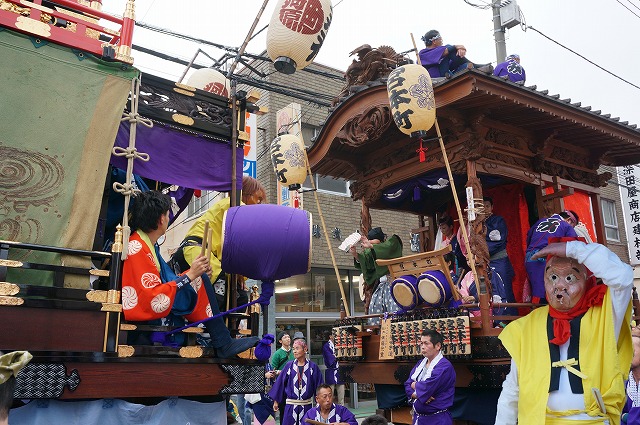
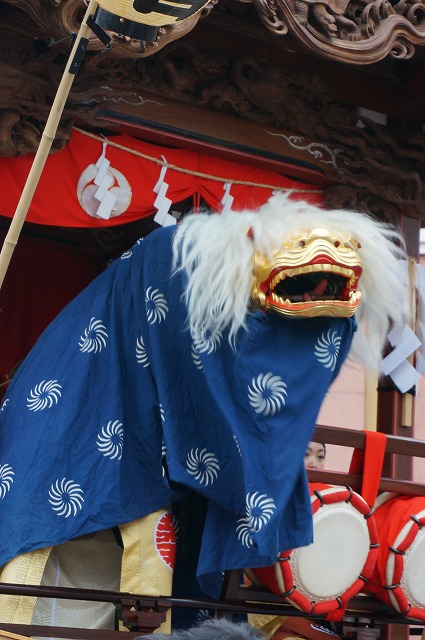
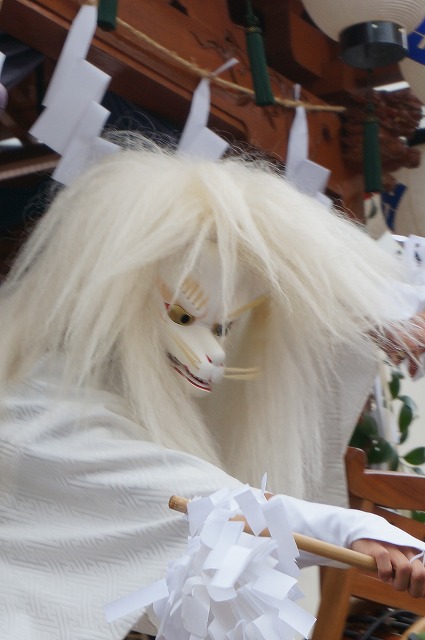
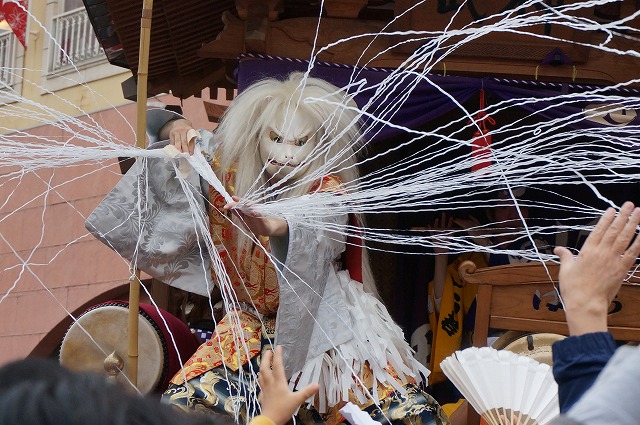
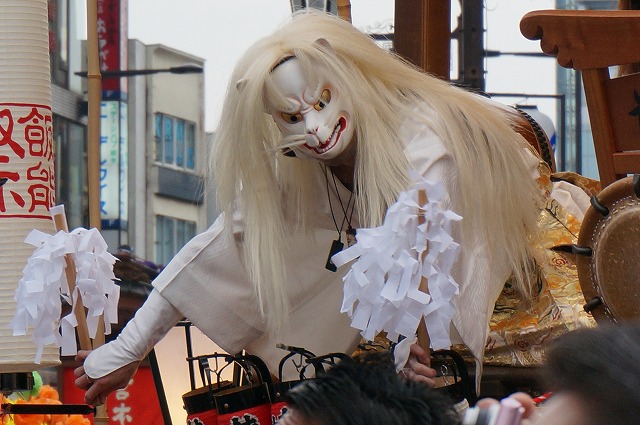
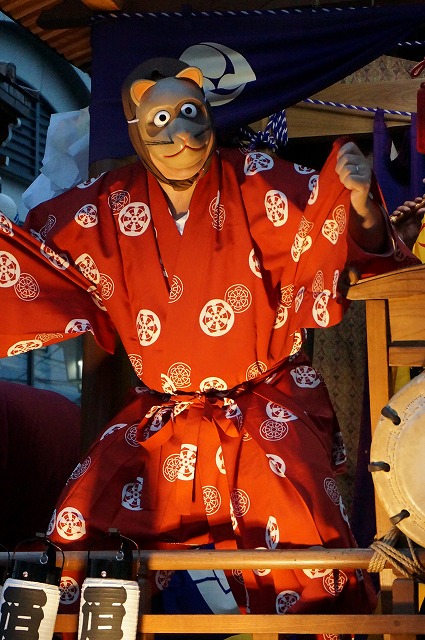
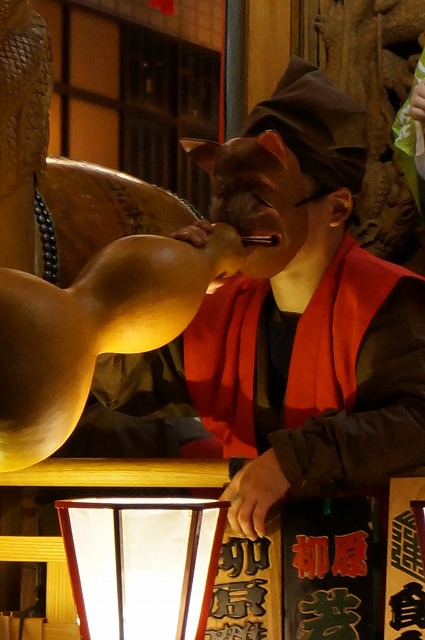
There are lions and foxes alike. What a lively lot.
Oops…
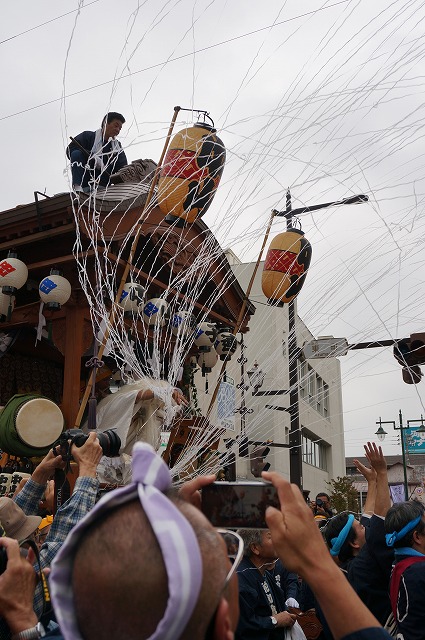
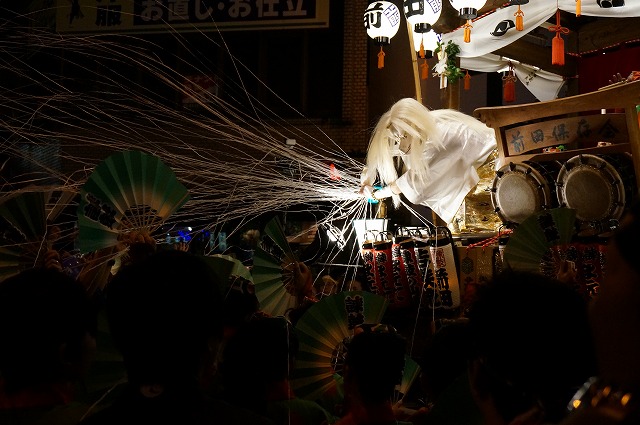
That fox has spined a web.

I was so startled I spilled my sake.

Ha ha ha, it’s just like a festival, isn’t it?
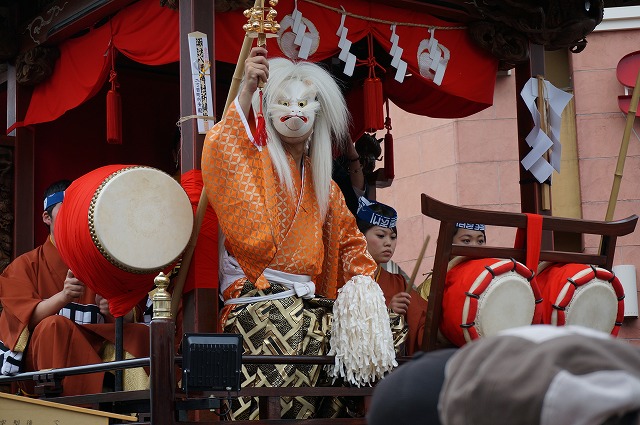
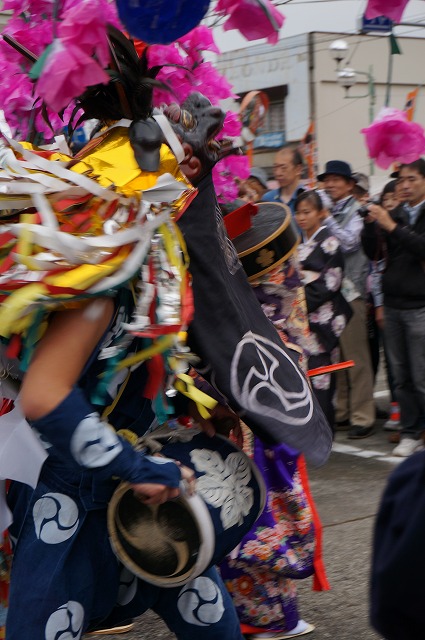
Three lion dance of Suwa Hachiman shrine
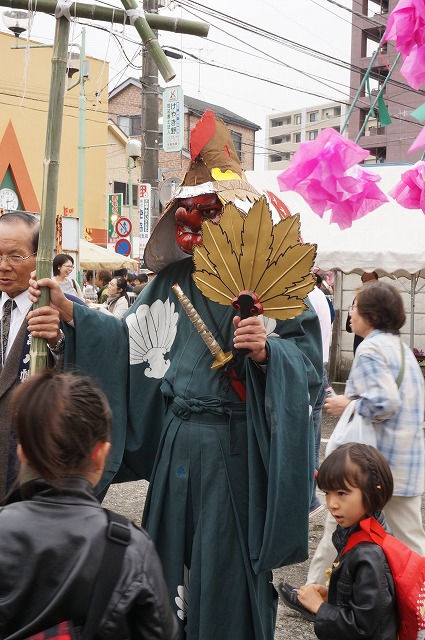
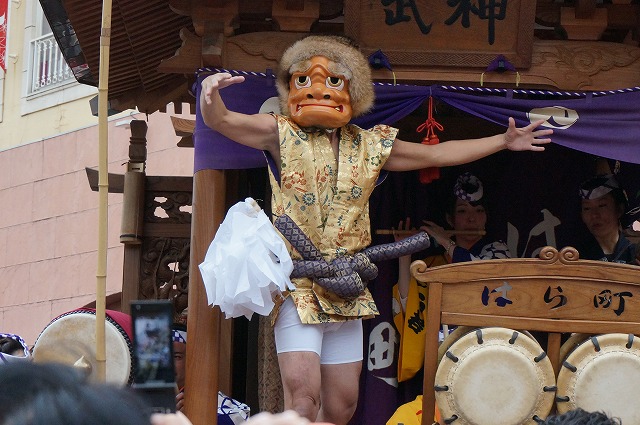
Oh look, there’s a tengu standing over there. He’s up to something.

Look at that bright red face of his. I bet he’s had one too many.

You idiot—it’s a given that Tengu and the deity Sarutahiko have red faces to begin with.
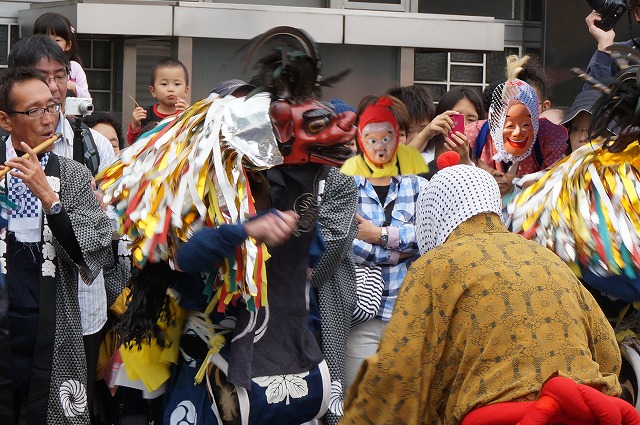
They’re performing a lion dance, aren’t they? It’s quite a spirited dance.
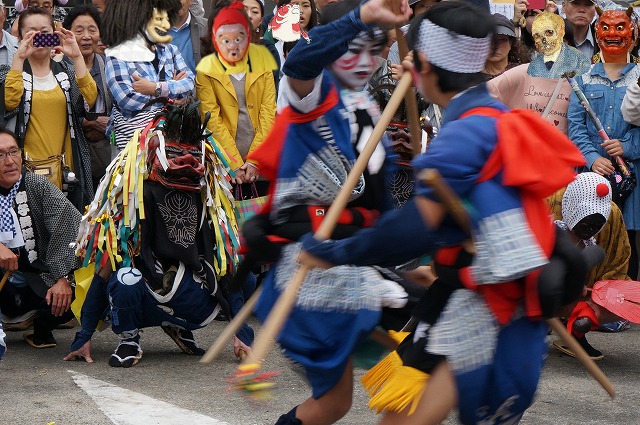
Well, I reckon he’s definitely been drinking.
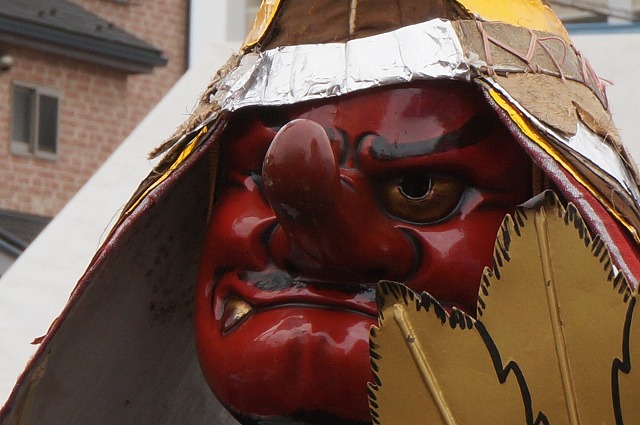
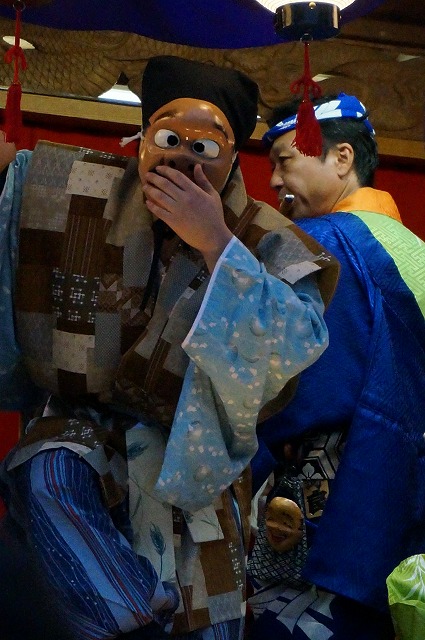
Masked characters, here and there
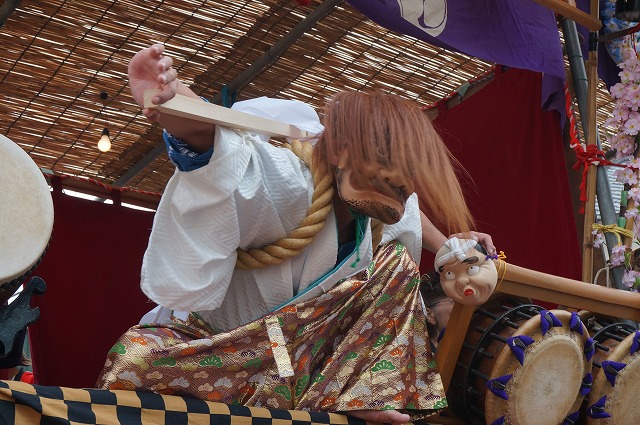
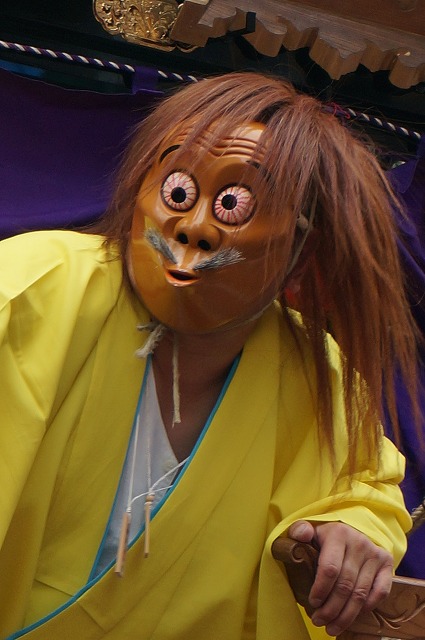
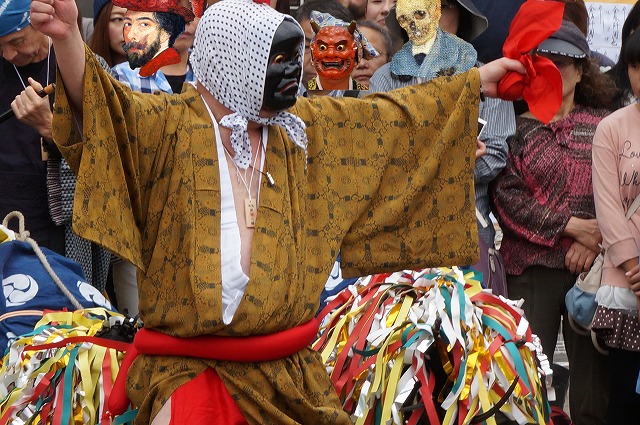
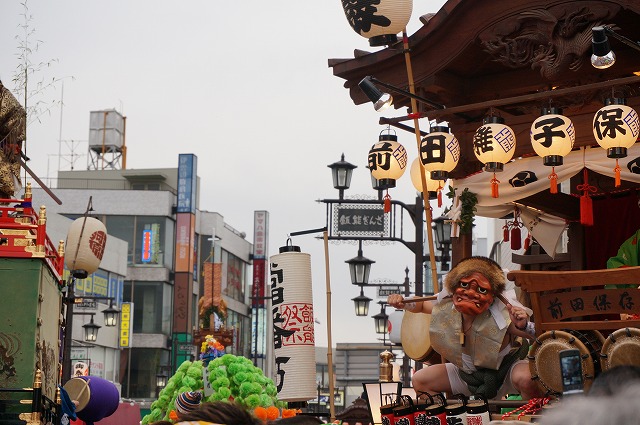
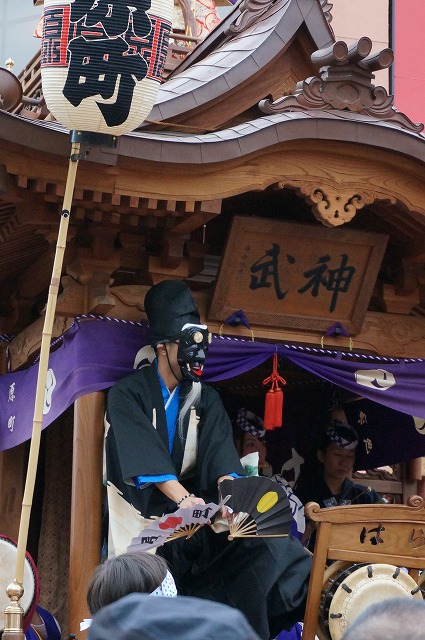
Gedo 外道

When it comes to the Hanno Festival, the ‘Gedo’ is quite famous, isn’t it?
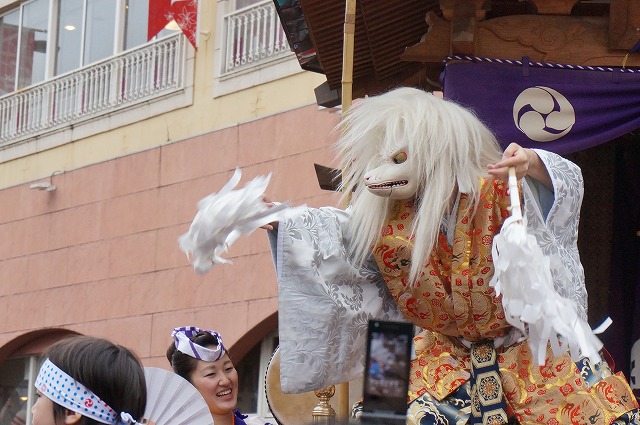
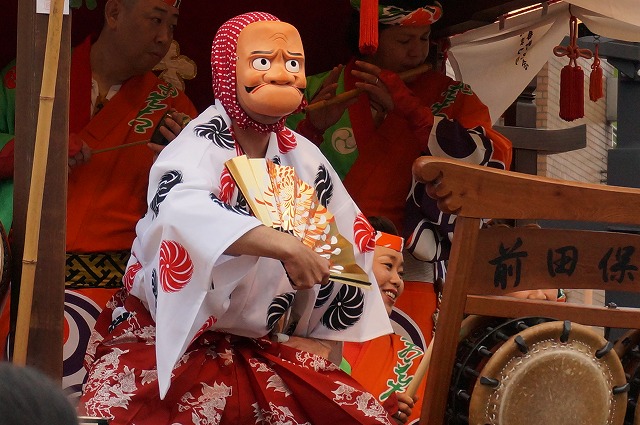
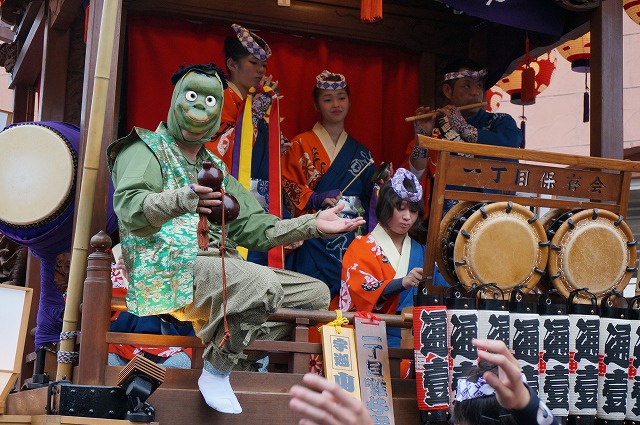
Kappa 河童

Is everyone having a jolly good time?
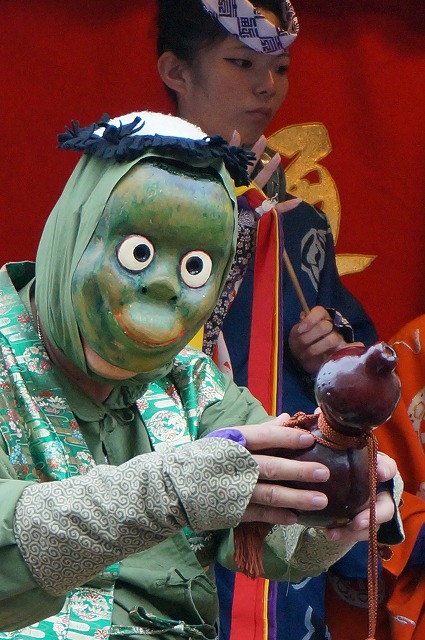
What do you say, fancy a drink?

I’m heading over there now.
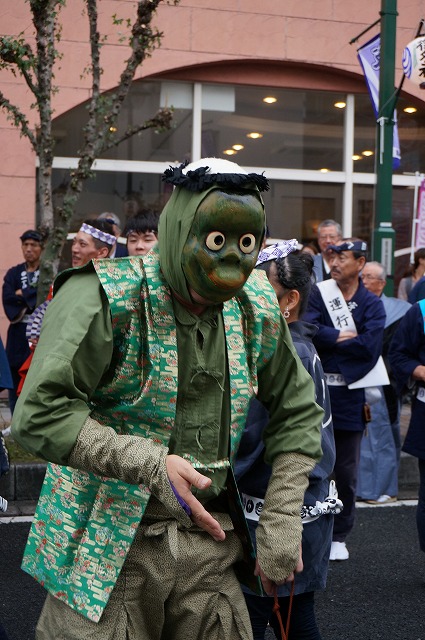
It’s a festival today -that’s just how it should be!

Oh well, I suppose there’s no helping it.
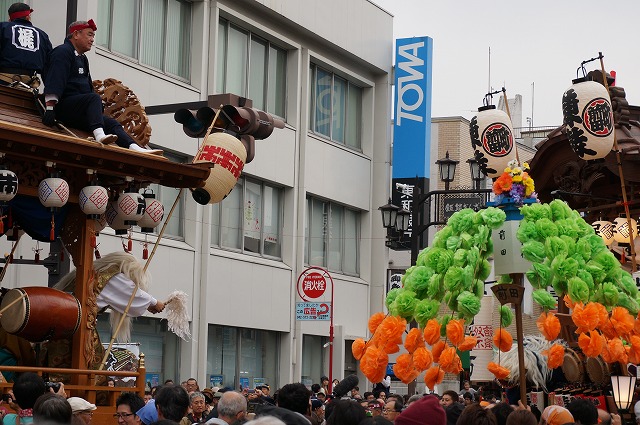
I’d love for you to see his brilliant fan-wielding too.
It makes my head spin!

Hey, look at him—he looks like he’s about to be sick, doesn’t he?

Hello there, I’ve got myself thoroughly drunk too.
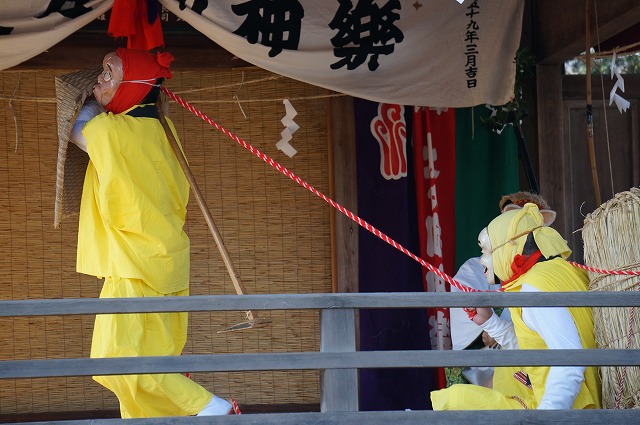
Right then, let’s head home.
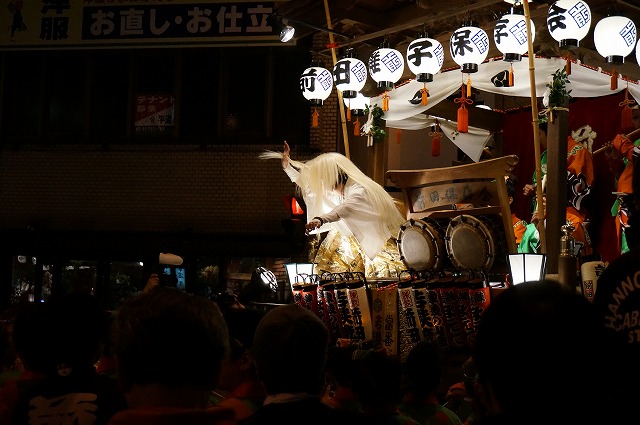
Come back again—I’ll be waiting for you anytime.
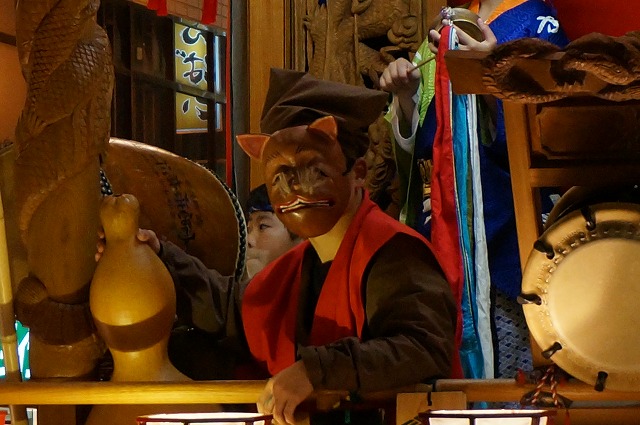


Madara, a mysterious deity of unknown origin, banishes evil ~Madara festival マダラ鬼神祭


Date; The second Sunday in April every year
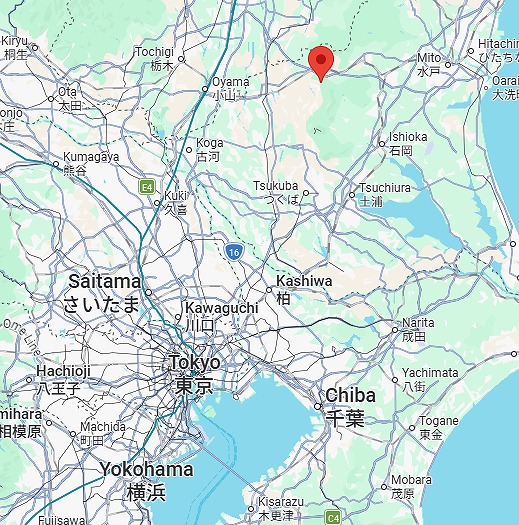
Location; Amabiki kannon 1 Honoki, Sakurashi City, Ibaraki Prefecture
Access; From Iwase Station on the JR Mito Line, take the city bus on Saturdays and holidays to Amabiki Kannon (20 minutes)

or 15-minute taxi ride (6 km) from Iwase Station on the JR Mito Line
Sakuragawa city official (Japanese) https://www.kankou-sakuragawa.jp/page/page000045.html
Amabiki kannnon insttagram https://www.instagram.com/p/DWr7FQ0k0Nm/

This article is based on a visit on Sunday, April 10, 2016.

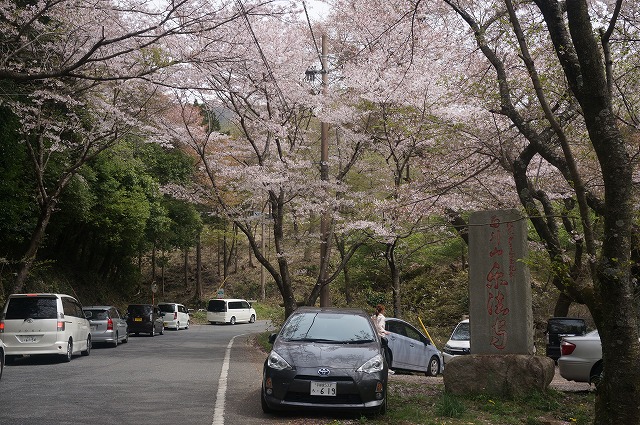
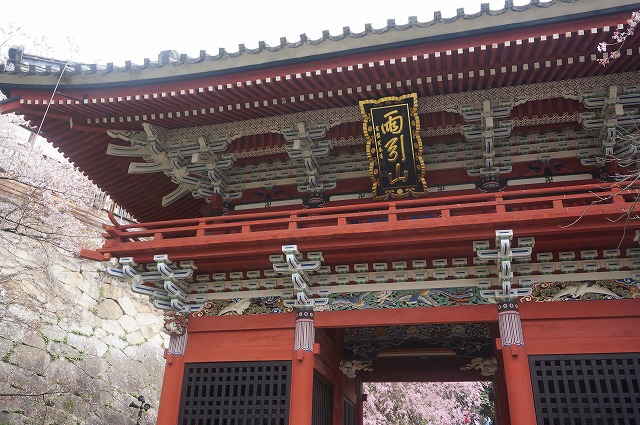
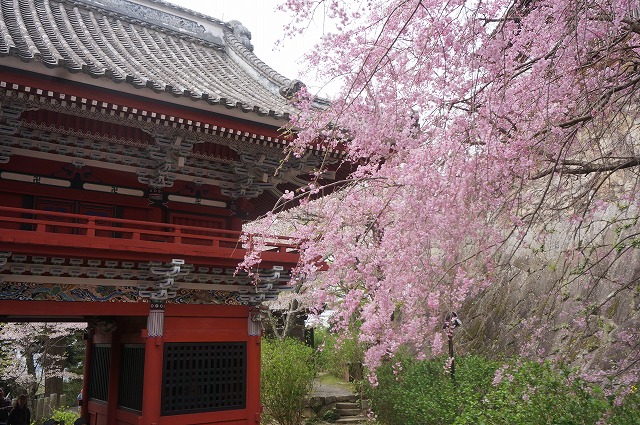
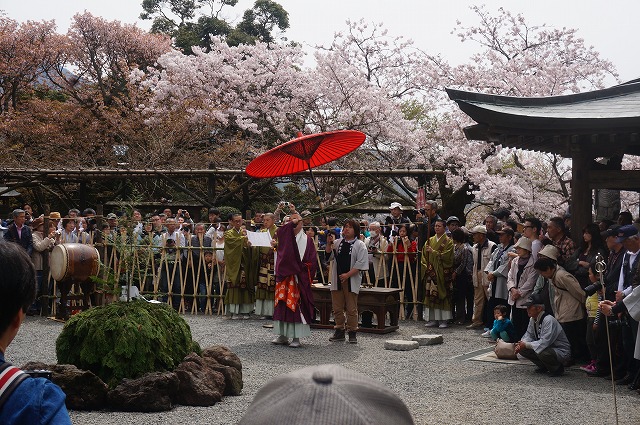
Amabiki Kannon Temple under the falling cherry blossom

Since Amabiki Kannon is a short distance from the station, you’ll need to take a taxi or a bus. One inn near the station offer public bike rentals, but since there aren’t many available, you’ll need to make a reservation in advance.
Takasago Inn http://☎0296-75-2165
Cycling Ibaraki https://cycling.pref.ibaraki.jp/ringring/rental/

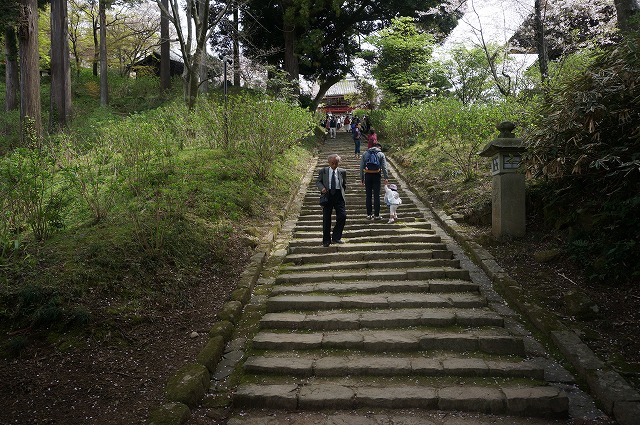
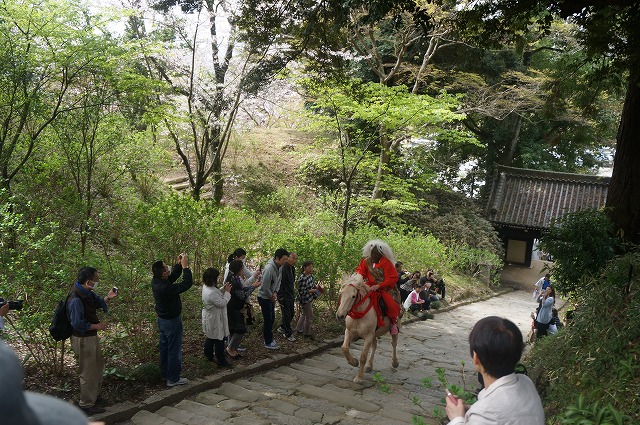
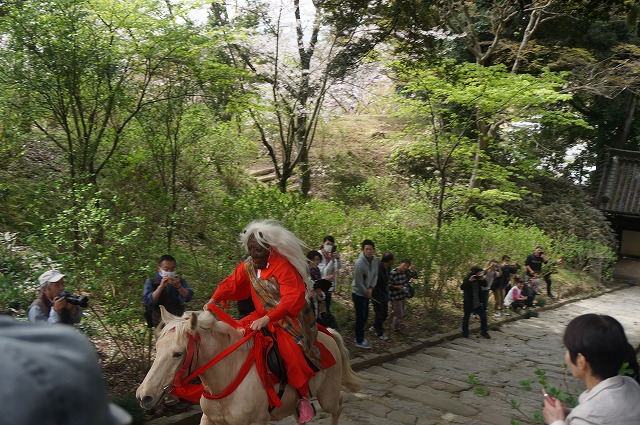
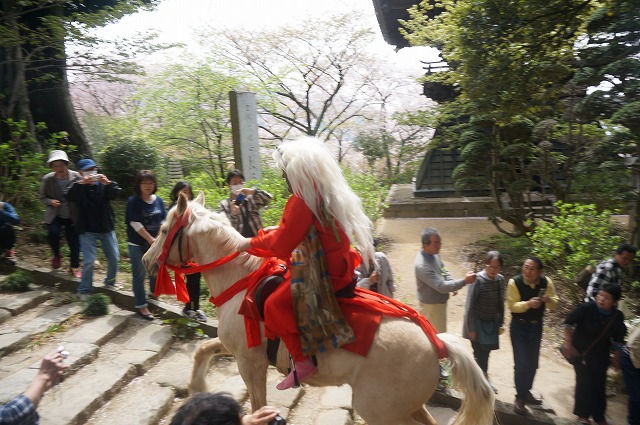
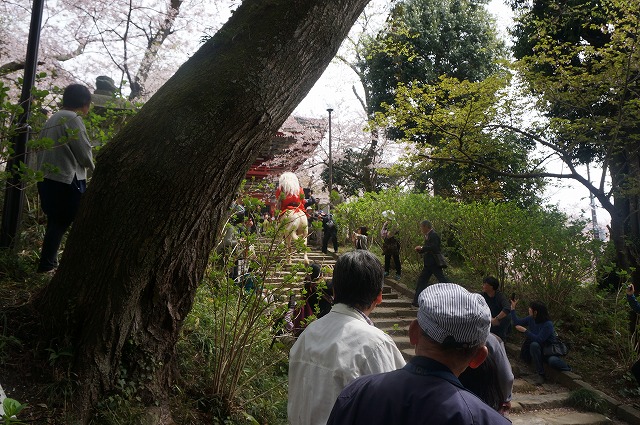
At 11:00, the Madara diety first rushes up the stairs in one go, riding a white horse.

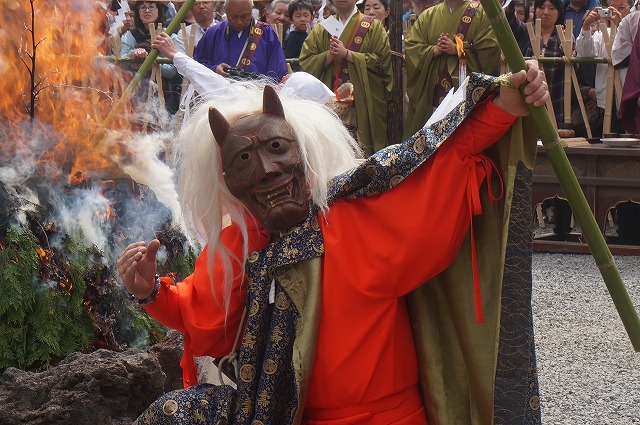
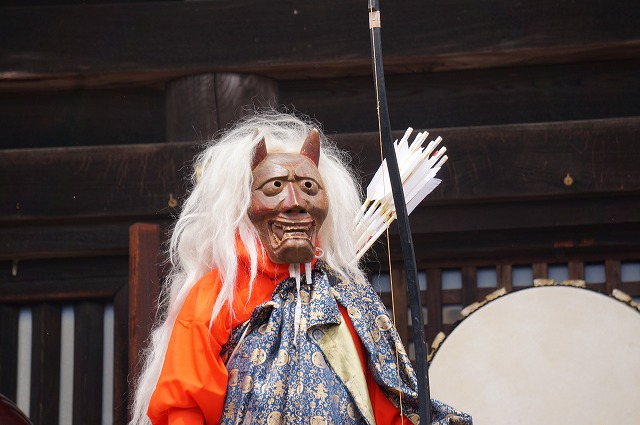
The Madara deity is still a rare deity even in Japan and is not typically worshipped openly. It is, so to speak, a “hidden” deity. Only two places—Amabiki Kannon-ji temple here and Kōryū-ji temple in Kyoto—prominently feature the Madara deity.

According to legend, long ago, when the temple’s founder was traveling by ship and it seemed as if the vessel was about to be shipwrecked, the Madara deity guided the ship, allowing the journey to end safely. Later, when the temple was destroyed by fire during a time of war, it is said that figures with the faces of demons worked night after night to rebuild it. This, it is said, is the reason why this temple holds a festival to honor the Madara deity.

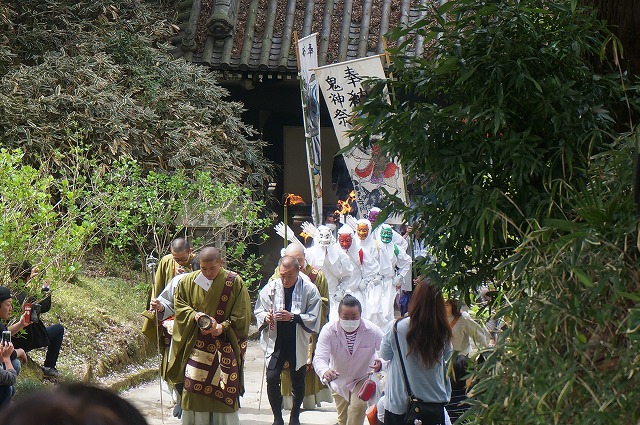
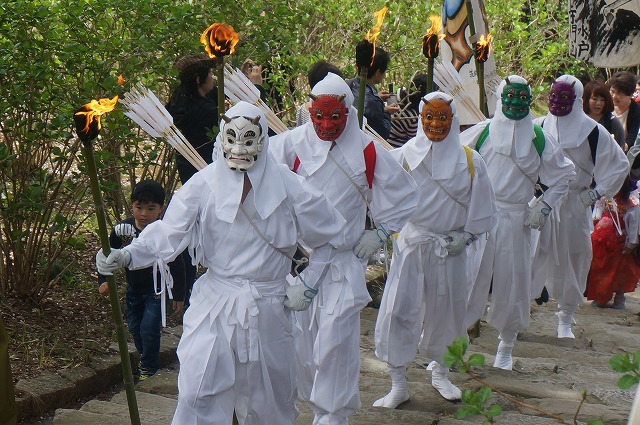
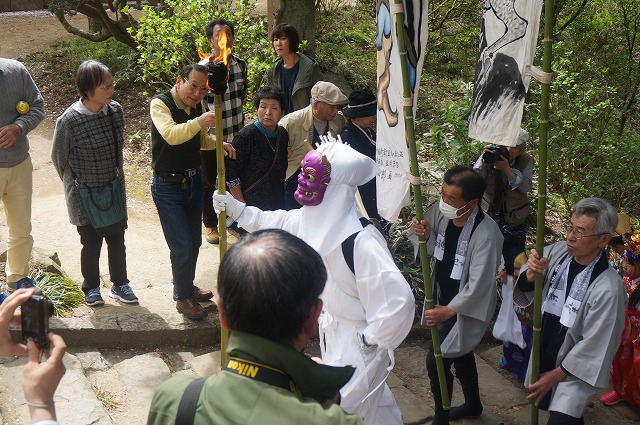
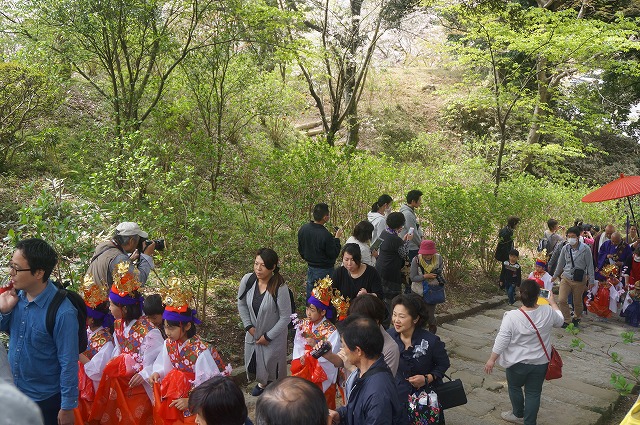
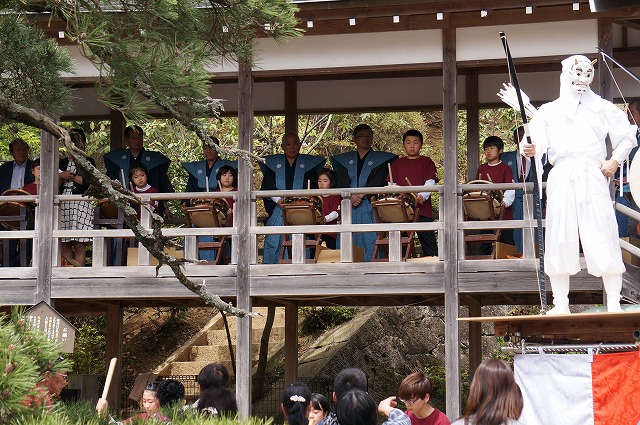
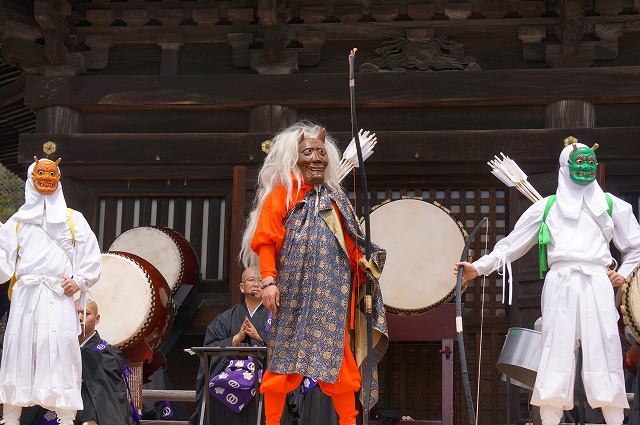
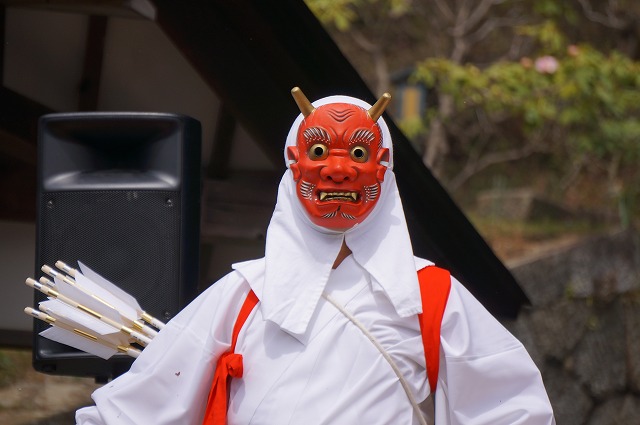
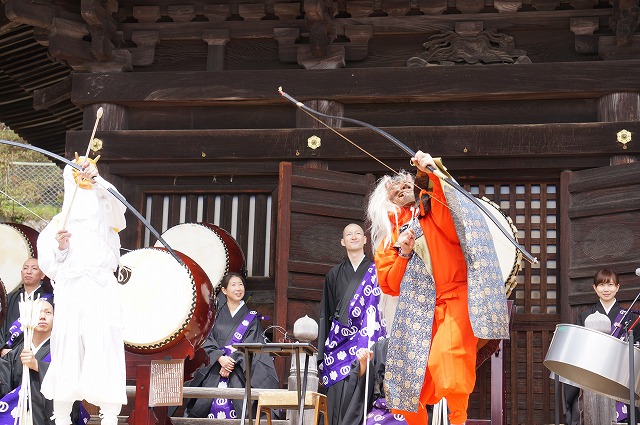
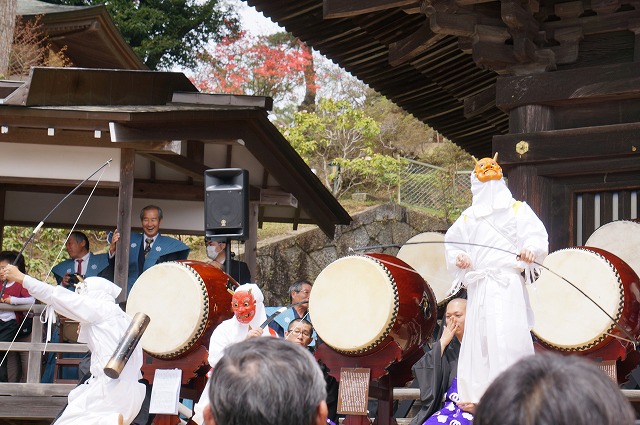
Led by a monk, five ogres and a child performer also make their way up the stairs.

The Dance of the Madara deity and ogres

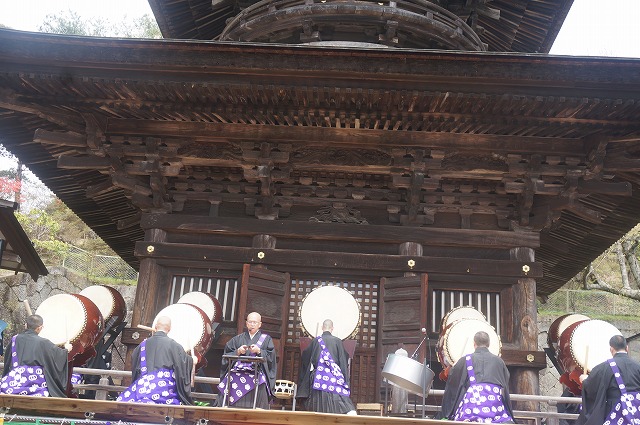
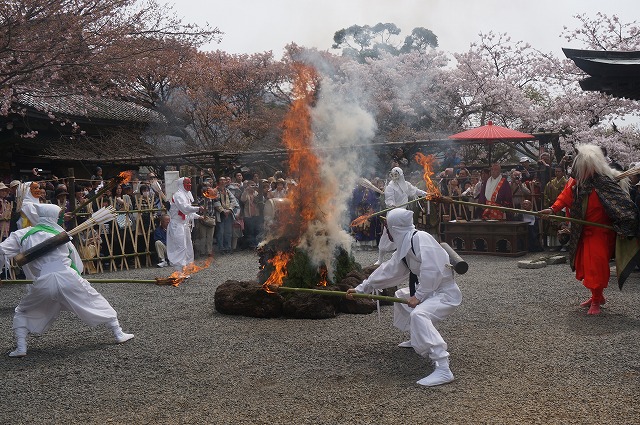
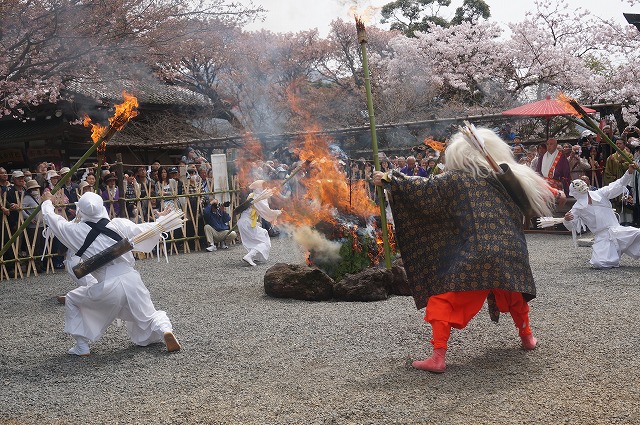
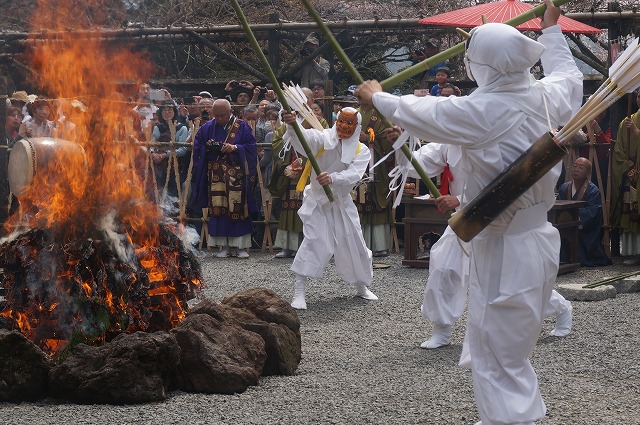
11:30 a.m. Amid the sound of the monks’ drums, a fire for the goma ritual is lit inside a bamboo frame. A goma ritual is a Buddhist religious ceremony in which a fire is lit and wooden tablets inscribed with wishes are cast into it.
Right now, in the face of the raging flames, at the signal from the Madara deity, the ogres’ wild dance begins.

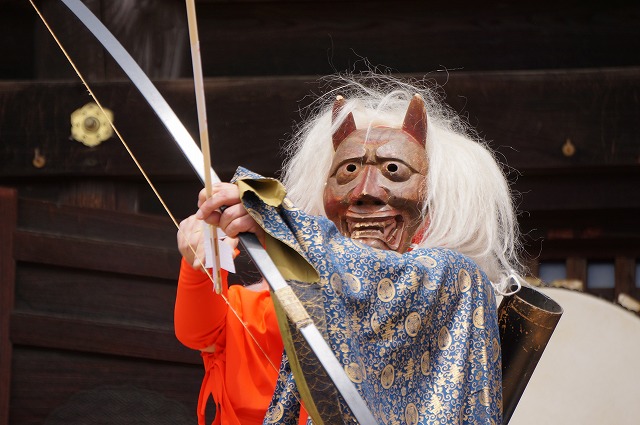
Finally, they release arrows to banish the evil spirit.

Gathered in front of the main hall, the Madara deity and the ogres fire a total of 49 arrows, one after another, each said to possess the power to ward off evil. People scramble to catch the arrows because they are said to bring good fortune and benefits.

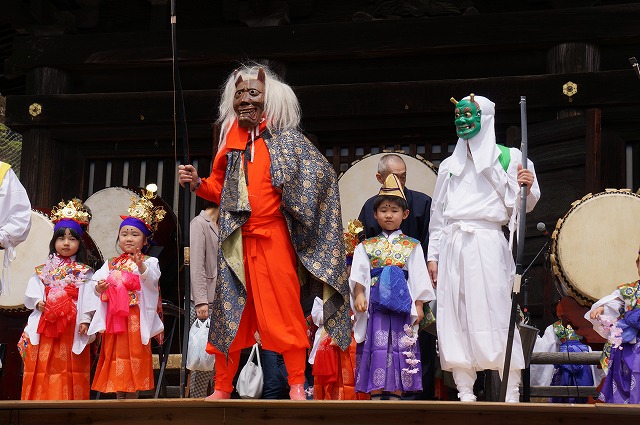
12:30 p.m. Once everything is over, the ogres even pose for commemorative photos. The people head down the mountain, each wishing for their own happiness.


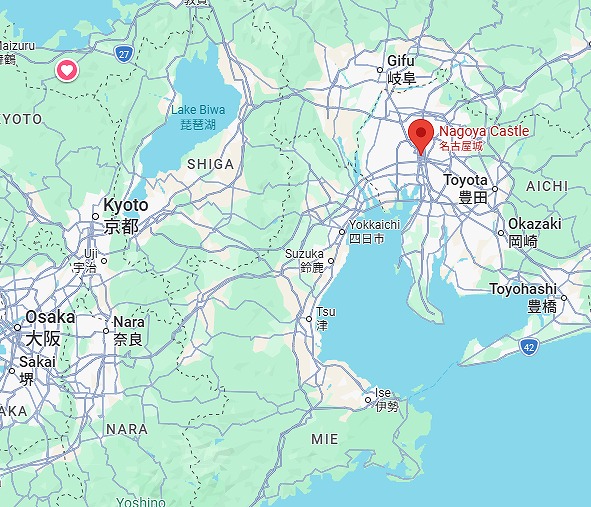
Nagoya castle ~ 名古屋城


Location; Honmaru, Naka Ward, Nagoya City, Aichi Prefecture
Access; Subway

Meijo Line: Get off at “Nagoya-jo” Station; 5-minute walk from Exit 7

Tsurumai Line: Get off at “Asama-cho” Station; 12-minute walk from Exit 1

Meitetsu 

Seto Line: Get off at “Higashi-Ote” Station; 15-minute walk

City Bus

Sakae Route 13 (Sakae–Yasui-cho Nishi): Get off at “Nagoya Castle Main Gate” (right there)

Nagoya Sightseeing Route Bus “Meaguru”: Get off at “Nagoya Castle” (right there)

Get off at “Nagoya Castle East/City Hall” and walk 6 minutes

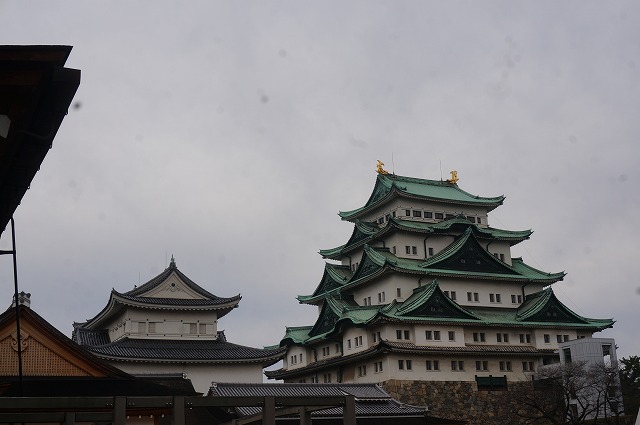
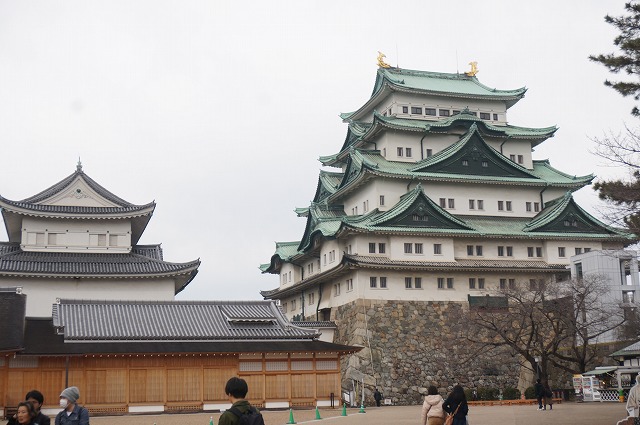
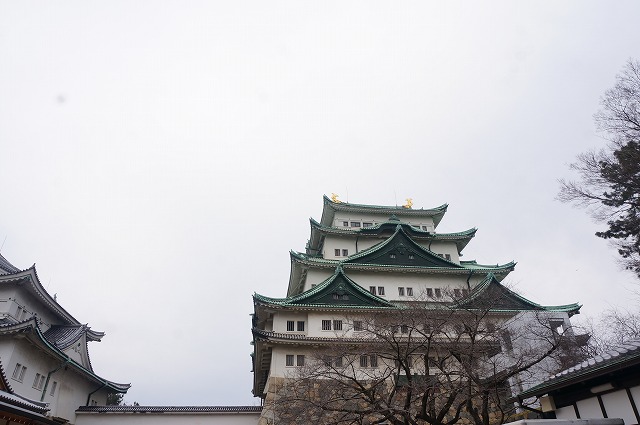
It was the first castle to be designated a National Treasure

As you walk from the station, you’ll find yourself in a world straight out of a fairy tale. First up is a narrow alley lined with shops in a traditional Japanese-style district. Here, you’ll find shops selling Nagoya specialties and other local delicacies.
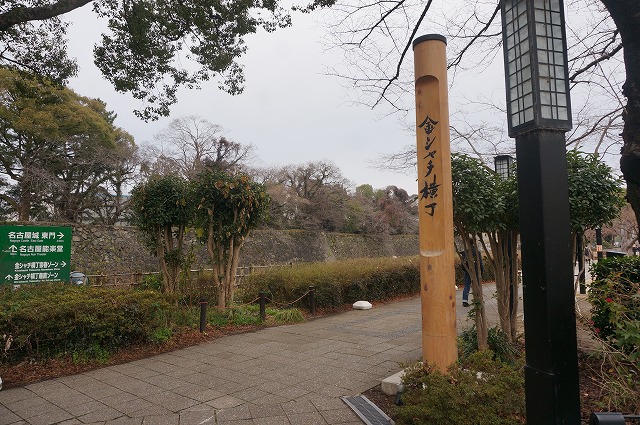
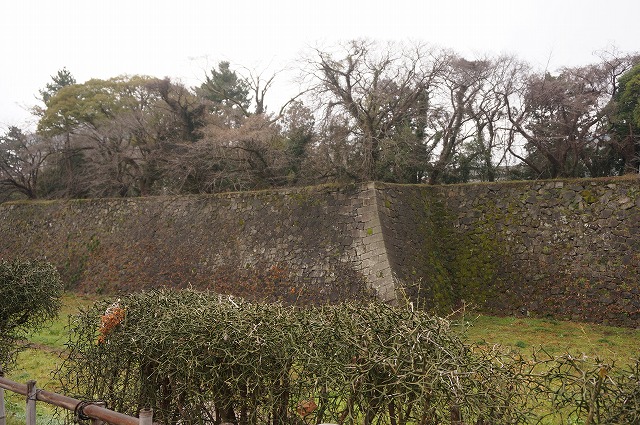
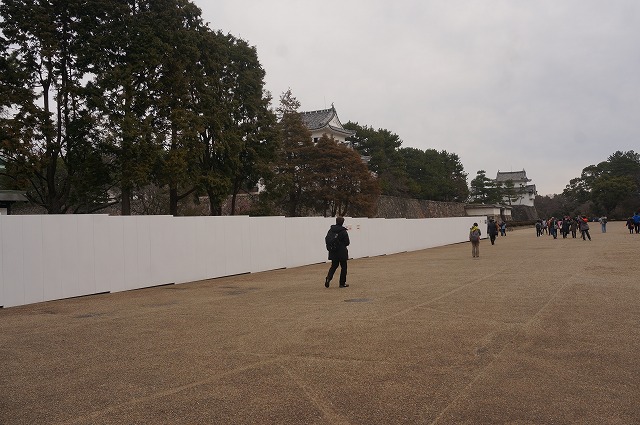
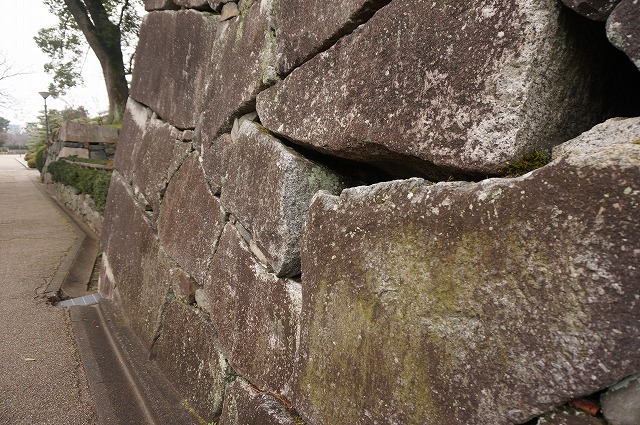
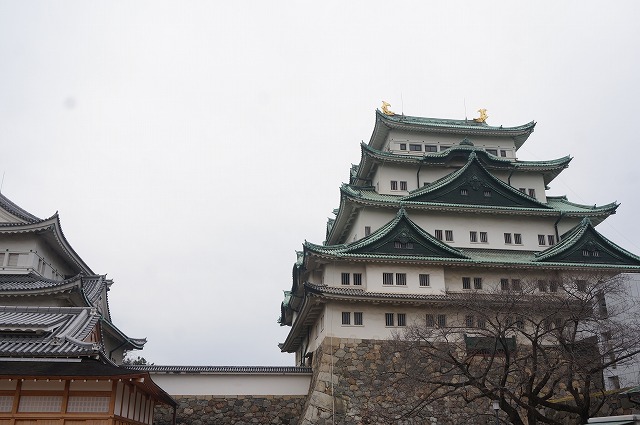
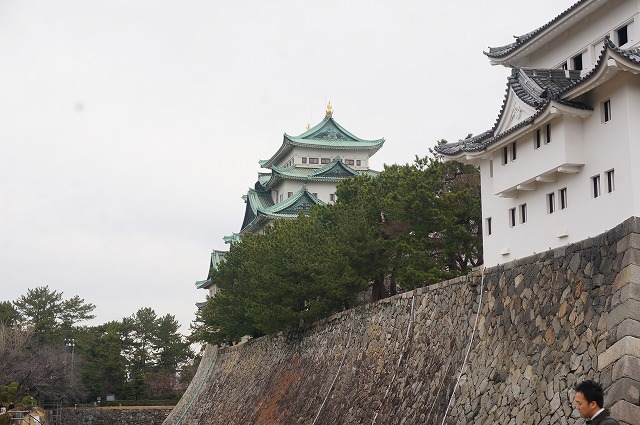
The castle grounds are vast. As you walk down the long path, you’ll see the magnificent stone walls.

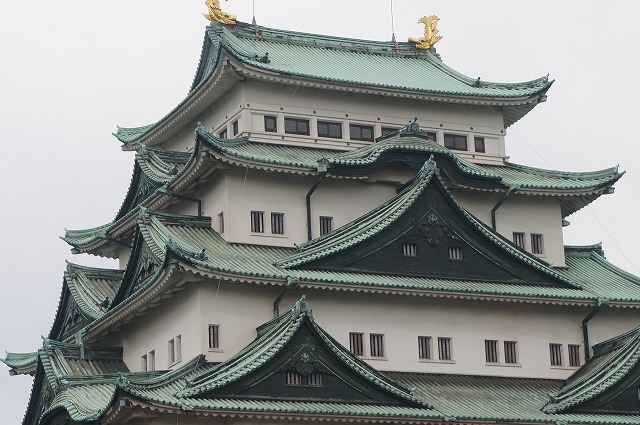
It was the first castle architecture to be designated a National Treasure, but unfortunately, it was destroyed by fire during the war. As a result, the current structure is a faithful wooden reconstruction built after the war.

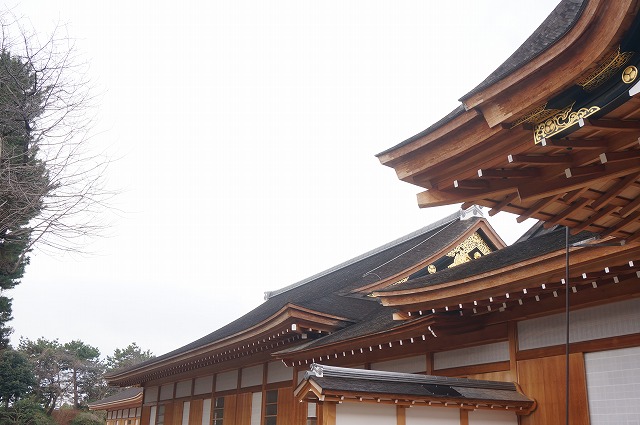
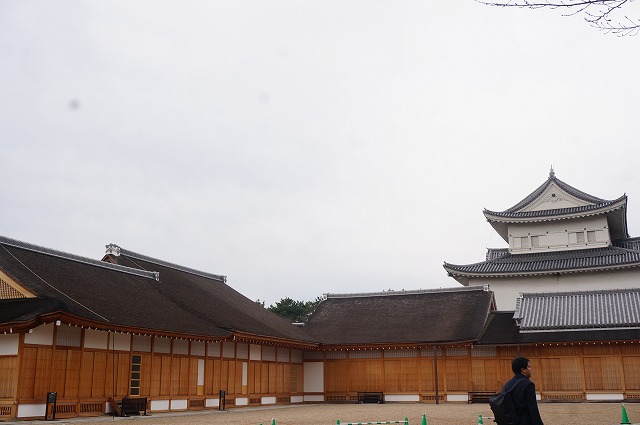
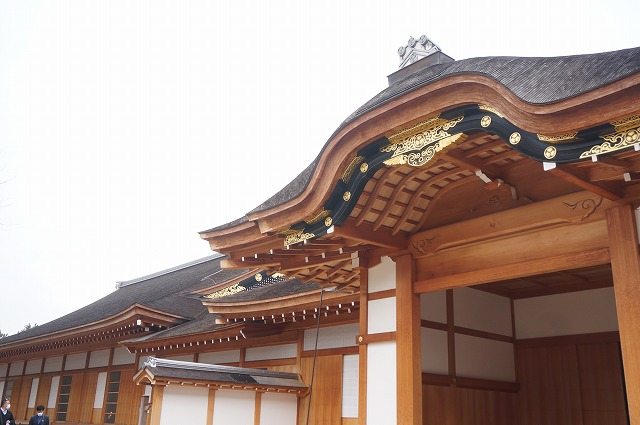
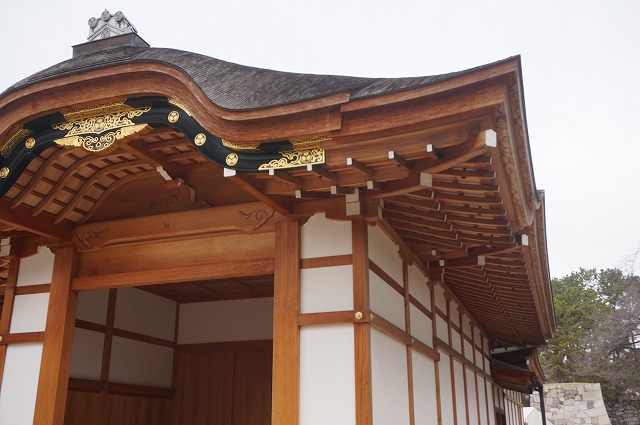
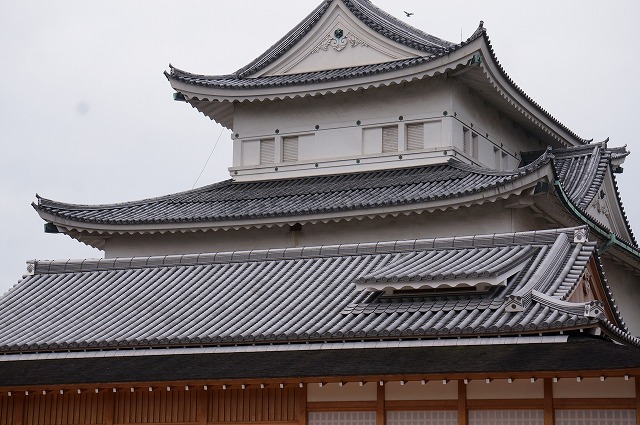
Not only the castle keep but also the Honmaru Palace has been beautifully reconstructed.

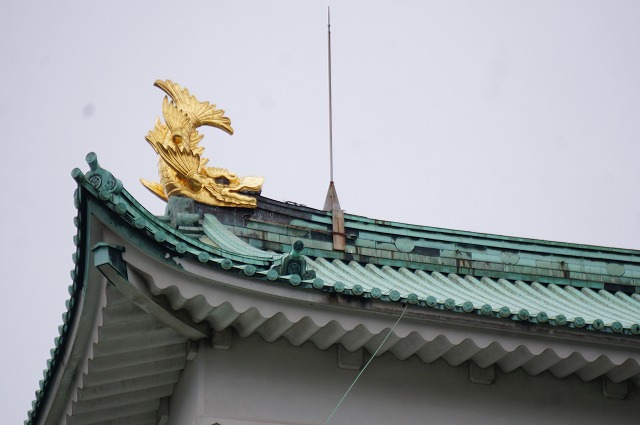
The golden, fish-shaped figure at the top of the castle keep is called a shachihoko. A shachihoko has the body of a fish and the head of a dragon or a tiger. Because fires were once common, the castle was adorned with this legendary creature said to spout water.

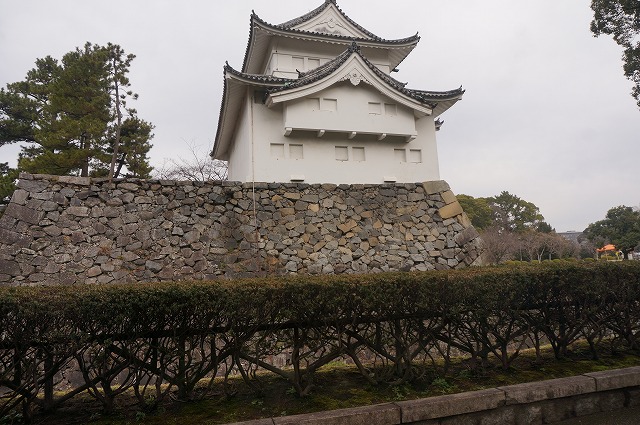
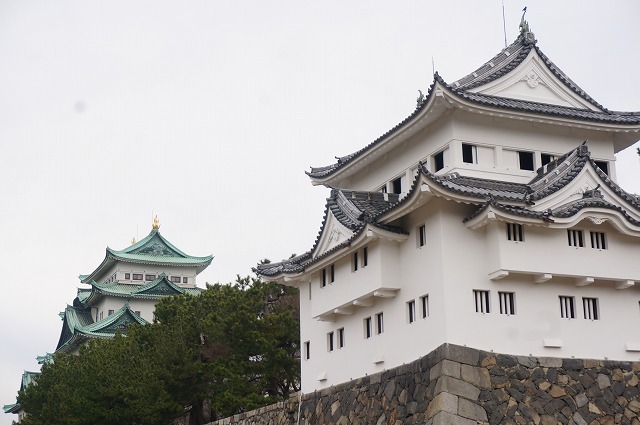
What stories do these watchtowers, preserved just as they were back then, have to tell us?

Nagoya castle official https://www.nagoyajo.city.nagoya.jp/

visit Nagoya https://www.nagoya-info.jp/en/spot/detail/1/


Seeing a Oni in the Kobe Area ~Myouhouji -temple 妙法寺


Date; January 3rd every year
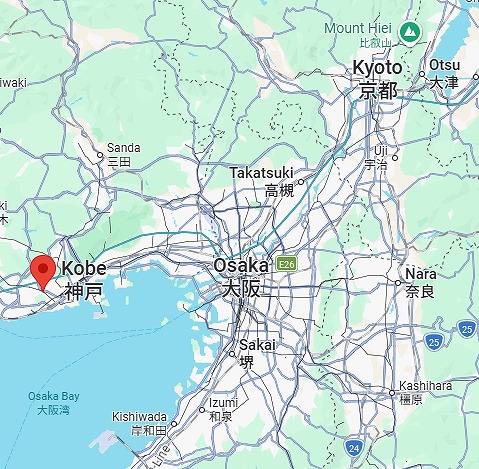
Location; Myōhō-ji temple 1286 Bishamon-yama, Myōhō-ji, Suma Ward, Kobe City, Hyogo Prefecture
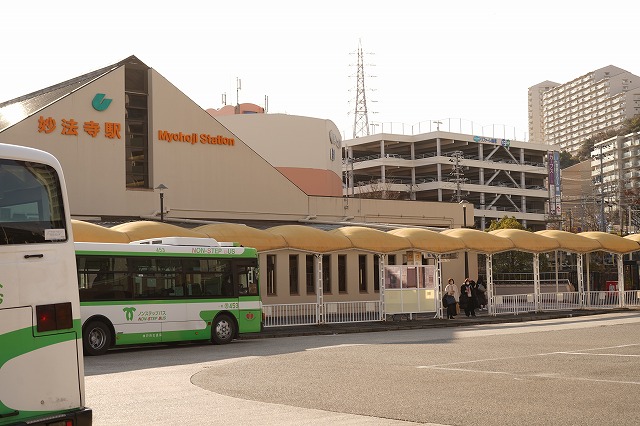
Access; About a 10-minute walk from Myōhōji Subway Station It takes about 30 minutes by subway to get to Myōhō-ji from Sannomiya, in central Kobe.

The gate to Kansai https://www.the-kansai-guide.com/en/directory/item/20241/

The Oni of Hyogo Prefecture

Nagata shrine

Jourakuji temple

Shoufukuji temple

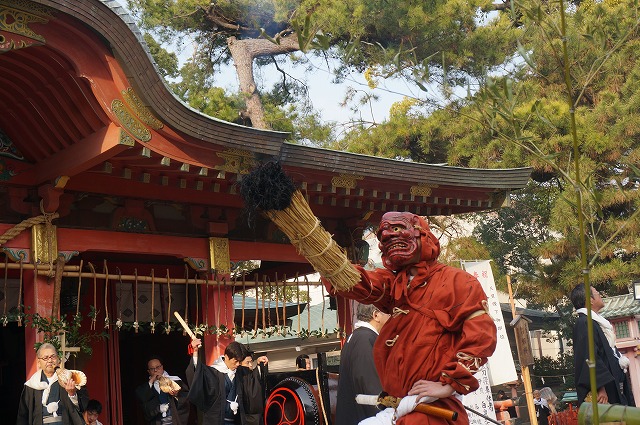
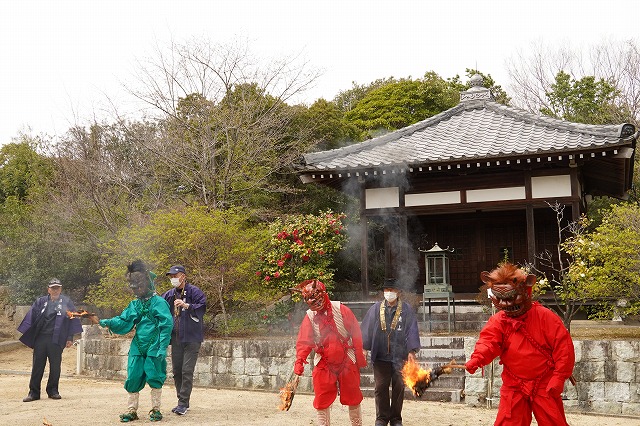
In Hyogo Prefecture, you can see rituals to drive away demons in various locations from January through March. To those familiar with Japanese people and Japanese culture, this may seem strange.
Tsuina refers to a ritual performed at the imperial court to drive away demons. Also known as “Oni-yarai,” it originally was a ceremony held on New Year’s Eve in the ancient Chinese imperial court.
There is also a festival called Setsubun. “Setsubun” literally means “the dividing point of the seasons.” While today it refers exclusively to February 3, in the past, the day before each of the “beginning of spring,” “beginning of summer,” “beginning of autumn,” and “beginning of winter” was called “Setsubun.”
The arrival of spring marks the beginning of a new year, and since it is a season that is especially eagerly anticipated, the term “Setsubun” is now used exclusively to refer to the period immediately before the start of spring. For this reason, while you can see rituals to drive away demons in various places on February 3, the Tsuina (a ritual to ward off evil spirits) is not necessarily performed on Setsubun.
There are plenty of events scheduled throughout the Kobe area, especially in early January.

https://discoverdeeperjapan.com/2023/02/19/seven-oni-bring-happiness-setubun-at-kobe/

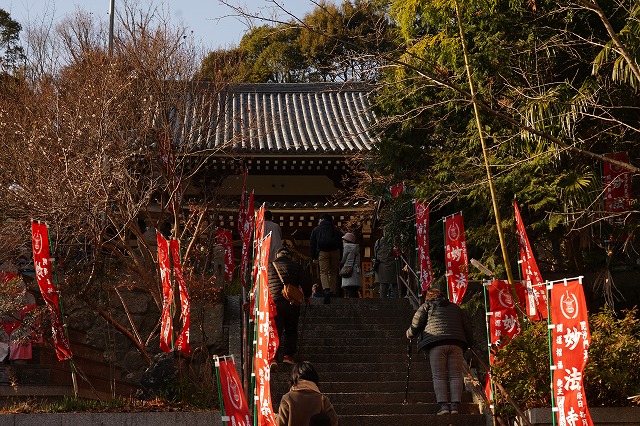
Myouhouji temple

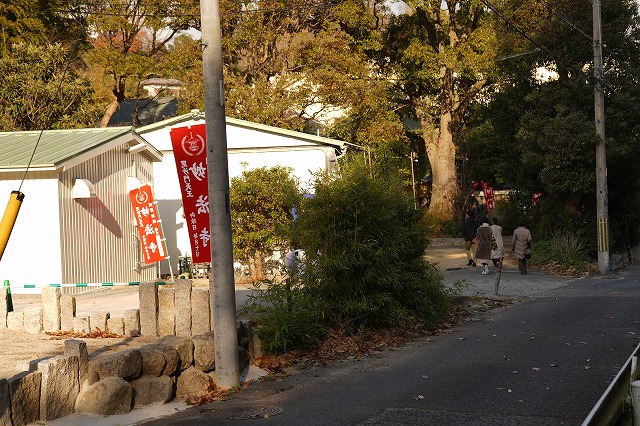
It’s about a 30-minute ride on the municipal subway from Sannomiya, Kobe’s downtown area. From there, it’s a short walk. Sannomiya is one stop away from Shin-Kobe Station on the Shinkansen.

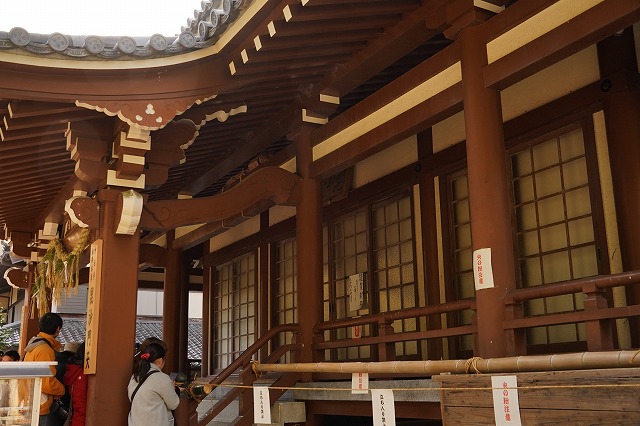
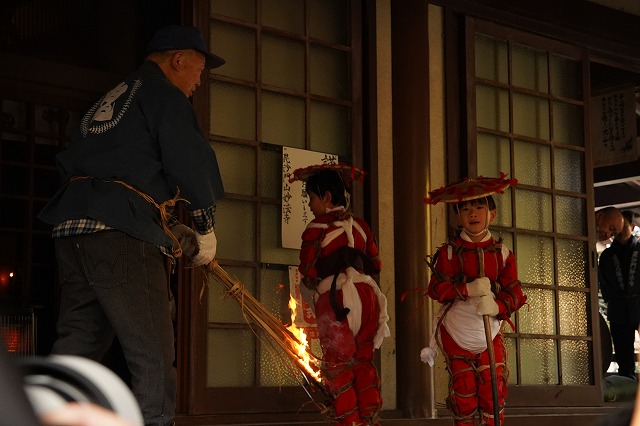
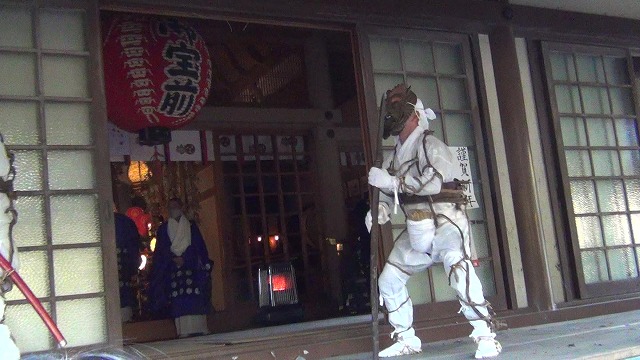
The ceremony begins around 3:00 p.m. Since it’s a small temple, you’ll need to arrive early to get a spot up front. It starts with the monks chanting sutras.

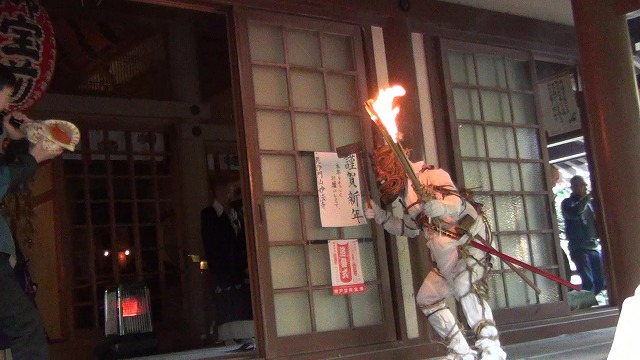
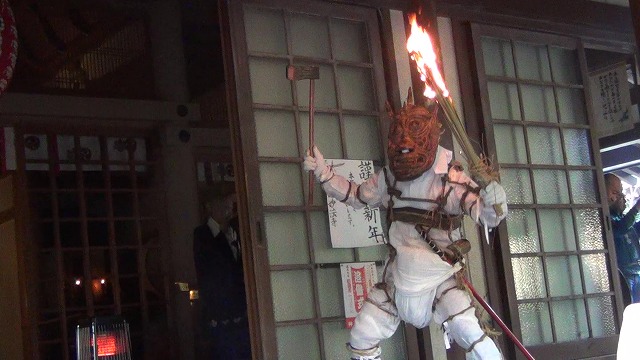
Oni appear

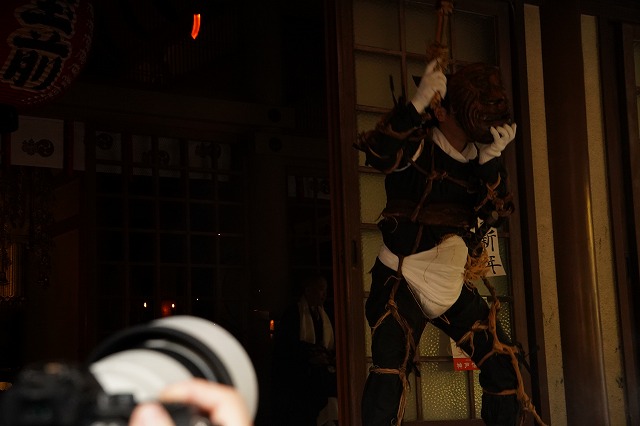
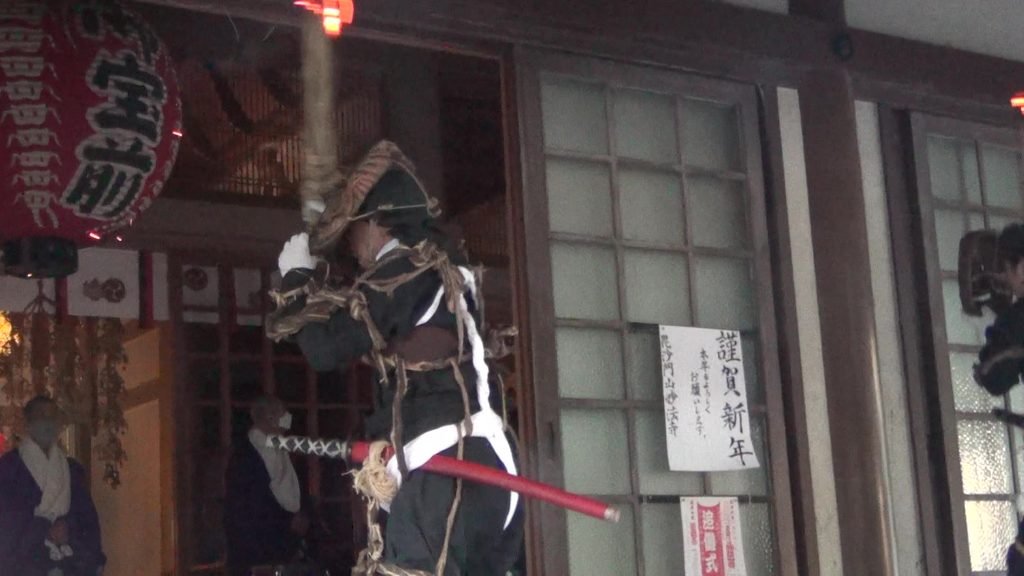
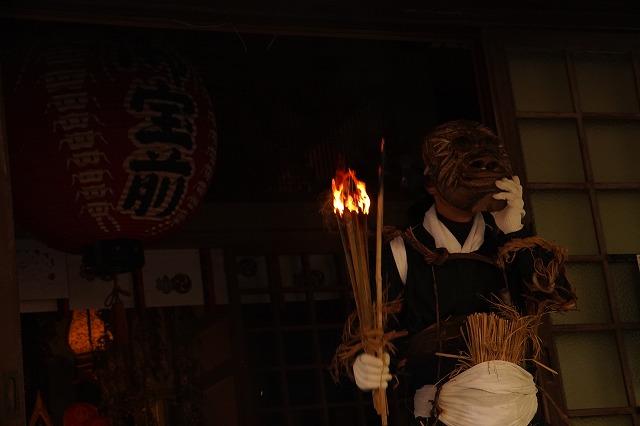
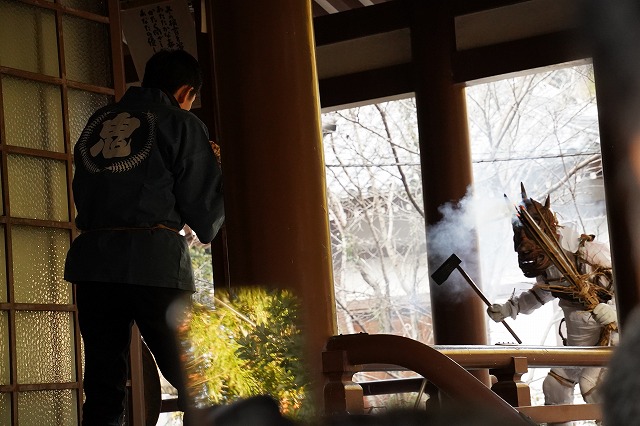
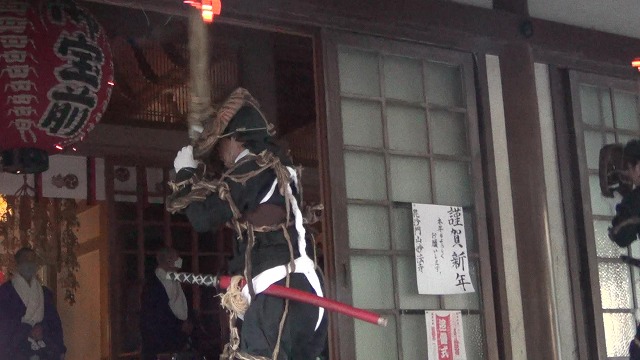
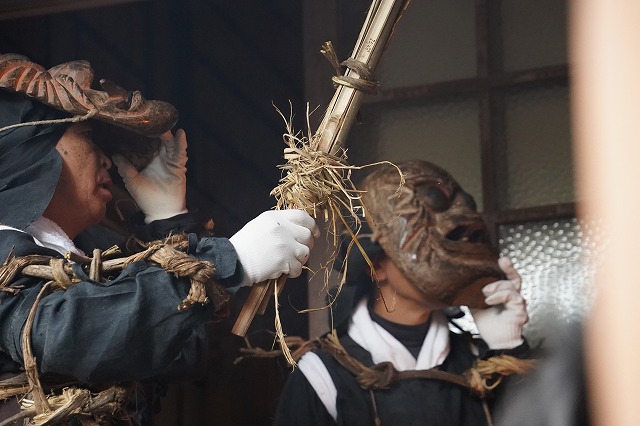
Finally, after the commentary, the black ogres make their first appearance. They come out holding their masks in their hands.

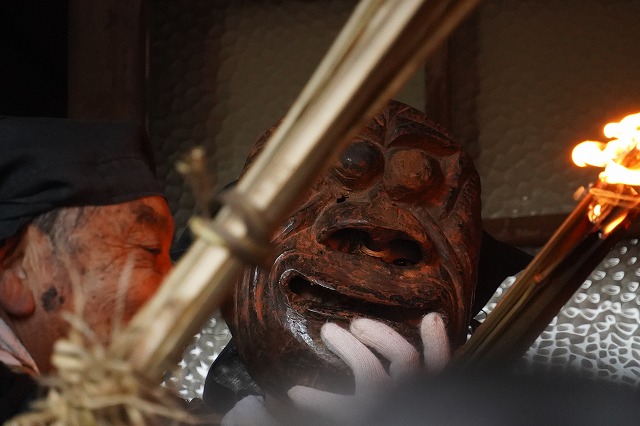
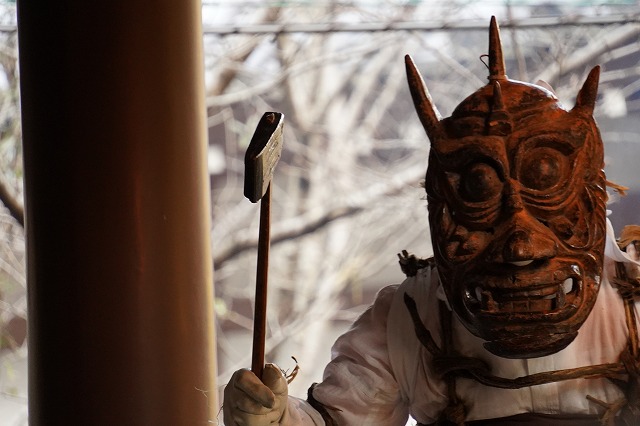
A wooden mask that seems remarkably simple yet exudes an ancient aura. Hyogo Prefecture possesses many old and charming masks.

White Oni ~main characters

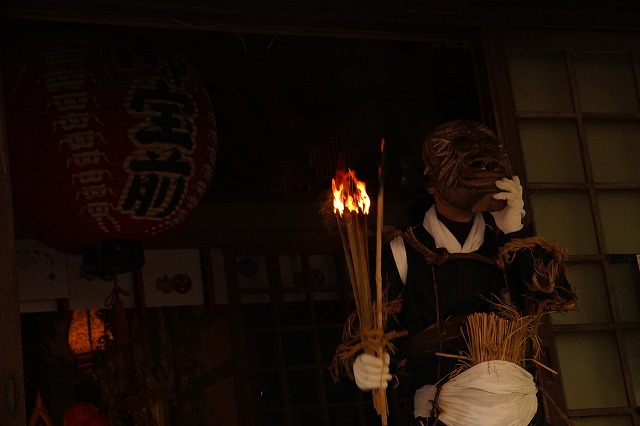
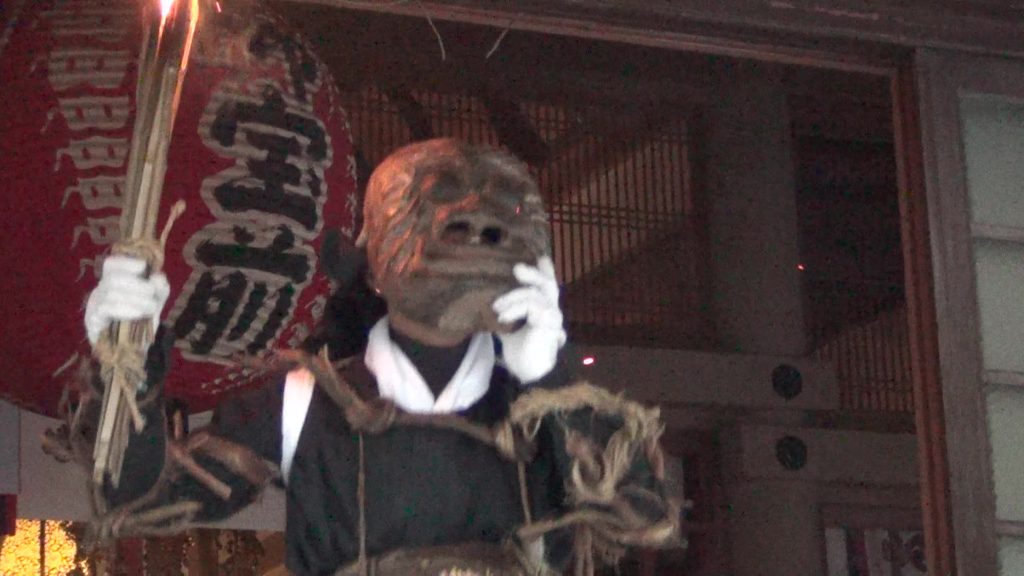
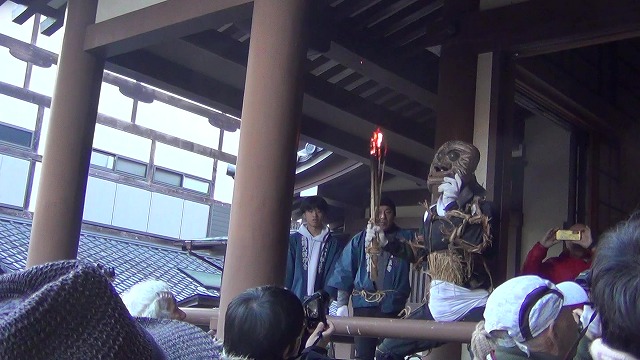
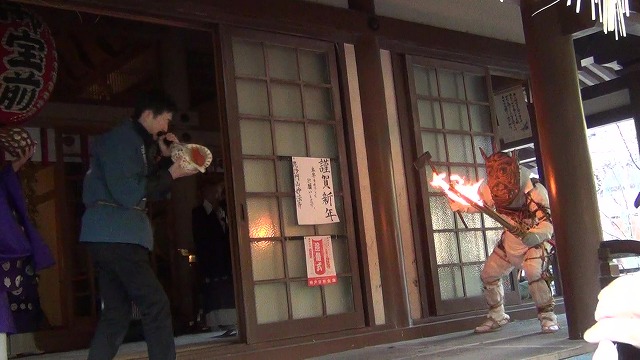
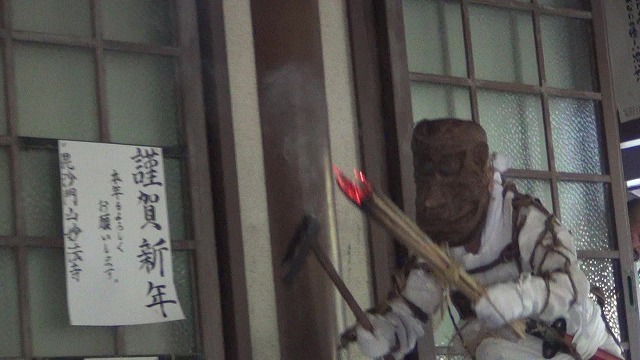
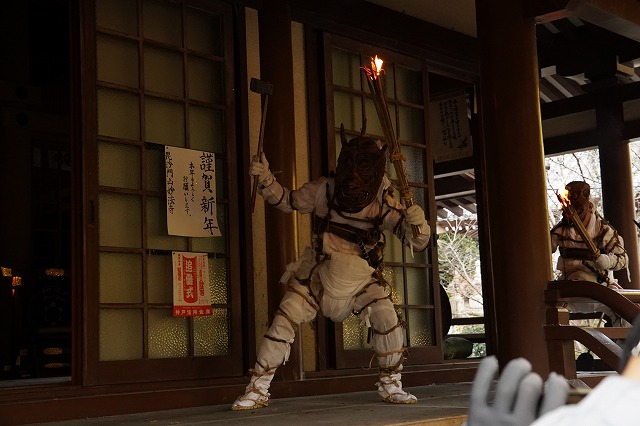
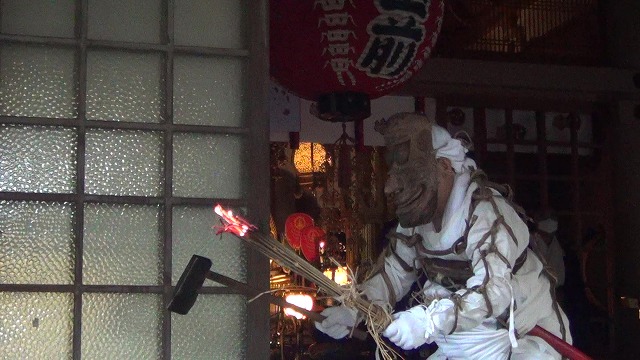
After the Black Oni, a child Oni appears. Finally, the White Oni appears carrying a torch.

The mask isn’t the typical terrifying face with slanted eyes; its enigmatic nature is both eerie and comical.

Breaking the mochi at the end

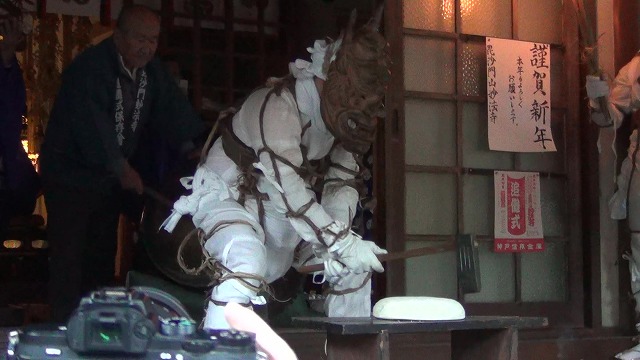
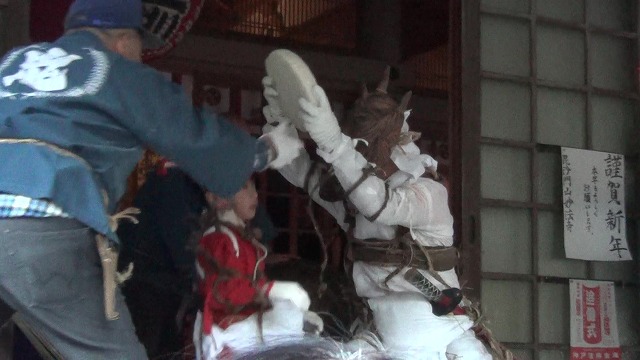
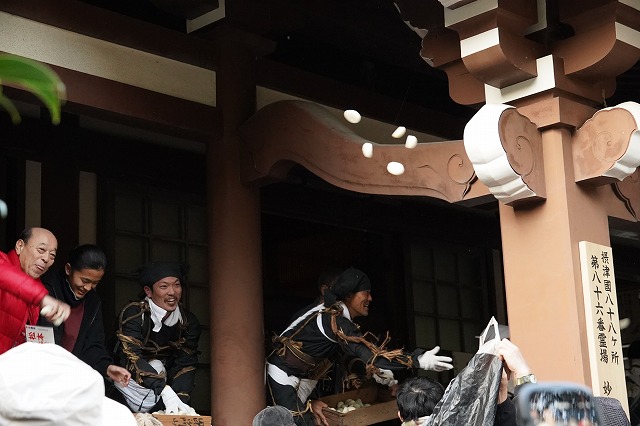
This is repeated several times, and at the end, the white demon breaks the auspicious mochi. This is a symbol of good fortune.

Ending

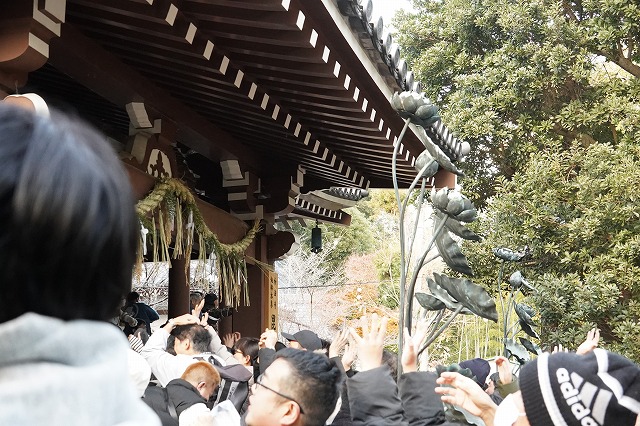
At the end, mochi is thrown into the audience. Since the mochi is believed to bring good health and ward off illness, the audience scrambles to catch it.
At 4:30 p.m., the Tsuina ceremony—which lasted about an hour and a half—comes to a close. Spring is still a little ways off.