Nagoya castle ~ 名古屋城
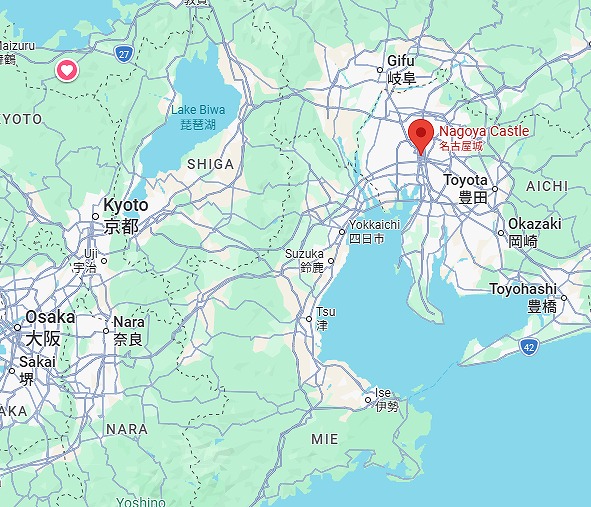


Location; Honmaru, Naka Ward, Nagoya City, Aichi Prefecture
Access; Subway

Meijo Line: Get off at “Nagoya-jo” Station; 5-minute walk from Exit 7

Tsurumai Line: Get off at “Asama-cho” Station; 12-minute walk from Exit 1

Meitetsu 

Seto Line: Get off at “Higashi-Ote” Station; 15-minute walk

City Bus

Sakae Route 13 (Sakae–Yasui-cho Nishi): Get off at “Nagoya Castle Main Gate” (right there)

Nagoya Sightseeing Route Bus “Meaguru”: Get off at “Nagoya Castle” (right there)

Get off at “Nagoya Castle East/City Hall” and walk 6 minutes

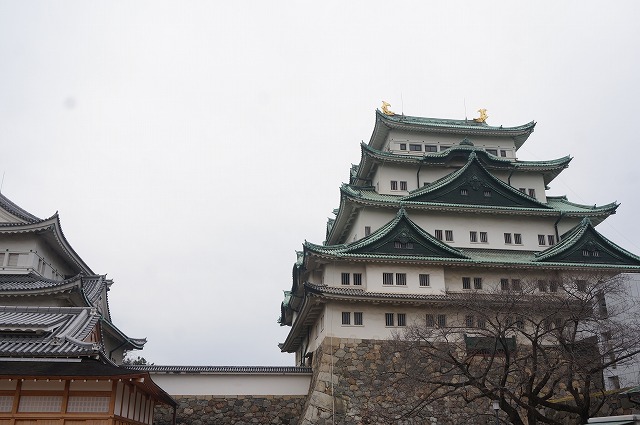
It was the first castle to be designated a National Treasure
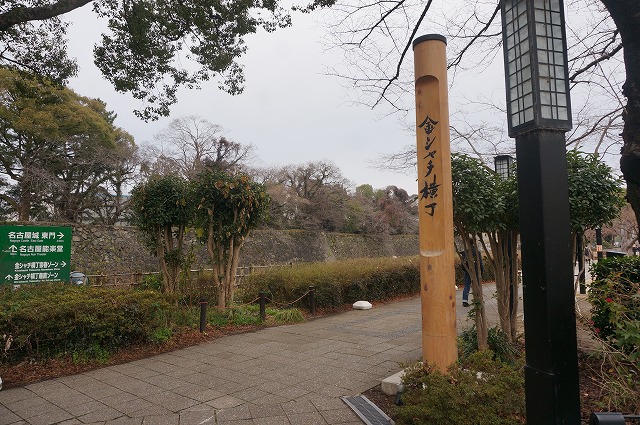
As you walk from the station, you’ll find yourself in a world straight out of a fairy tale. First up is a narrow alley lined with shops in a traditional Japanese-style district. Here, you’ll find shops selling Nagoya specialties and other local delicacies.
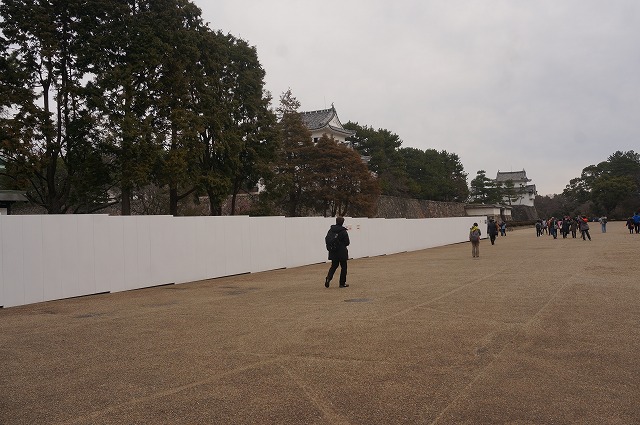
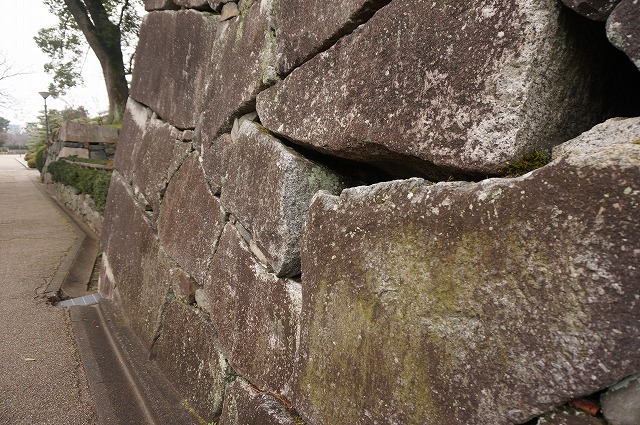
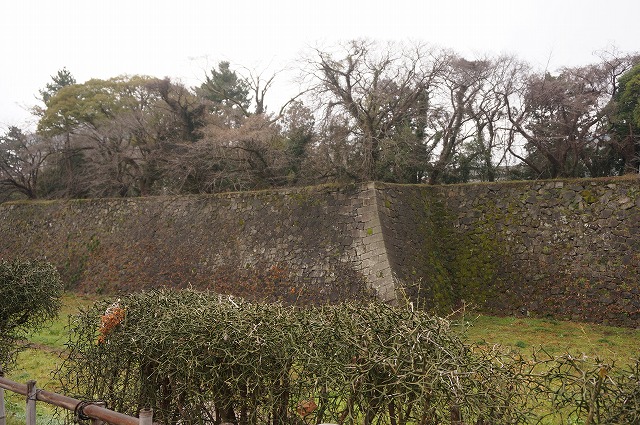
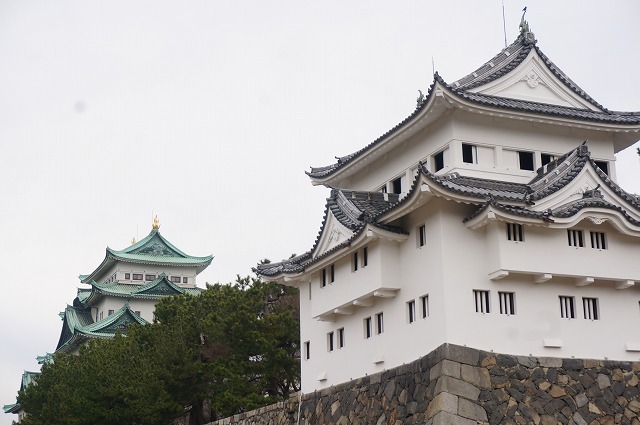
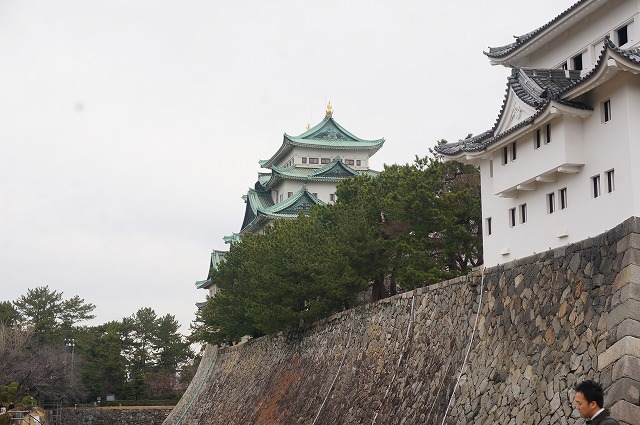
The castle grounds are vast. As you walk down the long path, you’ll see the magnificent stone walls.
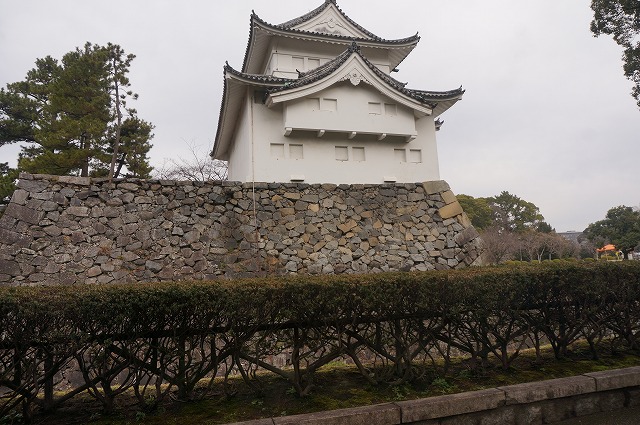
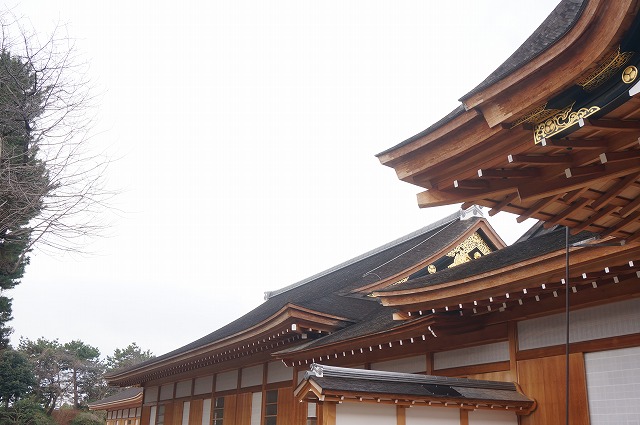
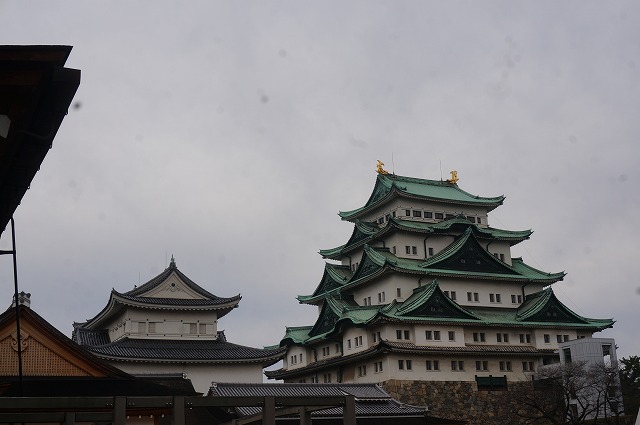
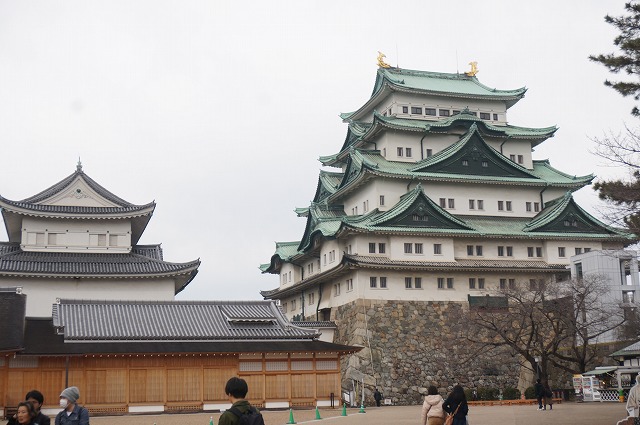
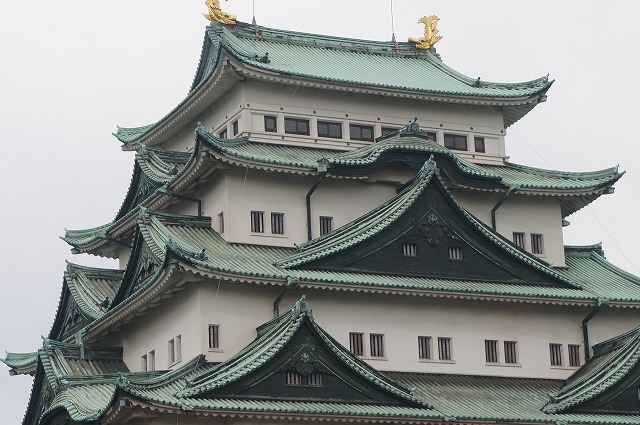
It was the first castle architecture to be designated a National Treasure, but unfortunately, it was destroyed by fire during the war. As a result, the current structure is a faithful wooden reconstruction built after the war.

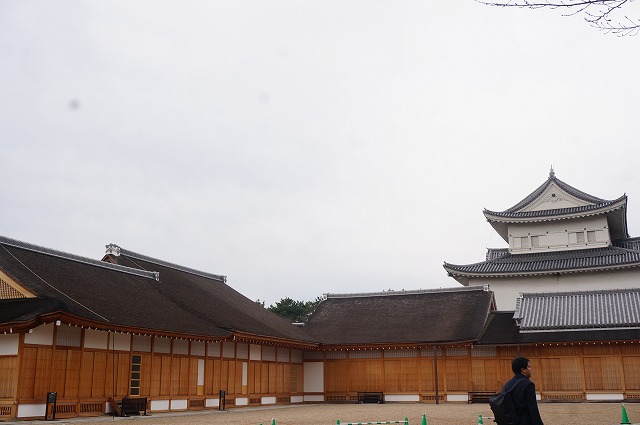
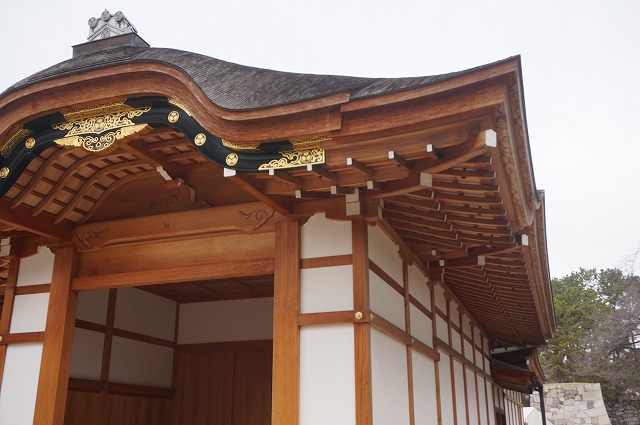
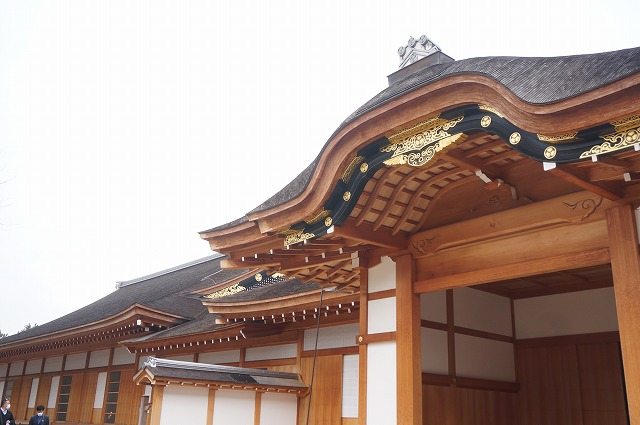
Not only the castle keep but also the Honmaru Palace has been beautifully reconstructed.
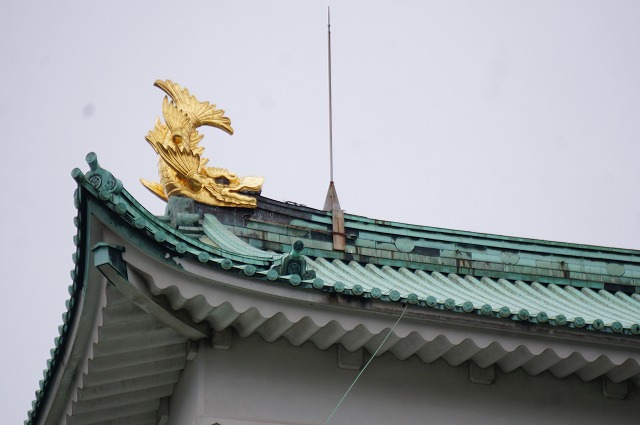
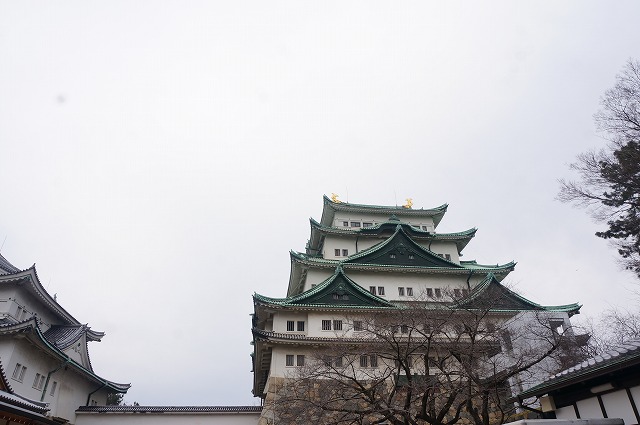
The golden, fish-shaped figure at the top of the castle keep is called a shachihoko. A shachihoko has the body of a fish and the head of a dragon or a tiger. Because fires were once common, the castle was adorned with this legendary creature said to spout water.
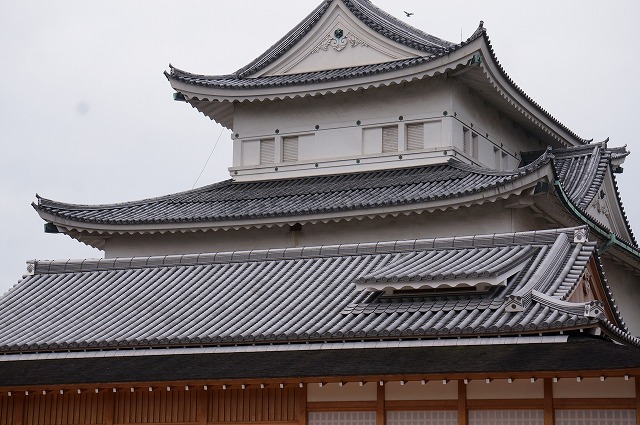
What stories do these watchtowers, preserved just as they were back then, have to tell us?

Nagoya castle official https://www.nagoyajo.city.nagoya.jp/

visit Nagoya https://www.nagoya-info.jp/en/spot/detail/1/
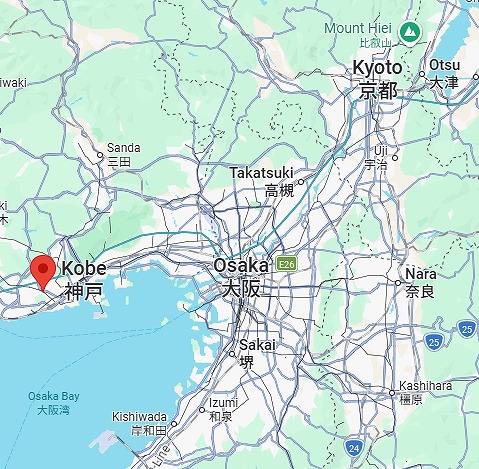


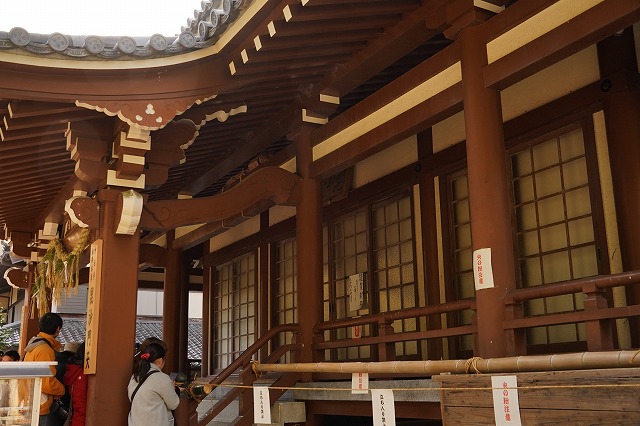
Seeing a Oni in the Kobe Area ~Myouhouji -temple 妙法寺


Date; January 3rd every year
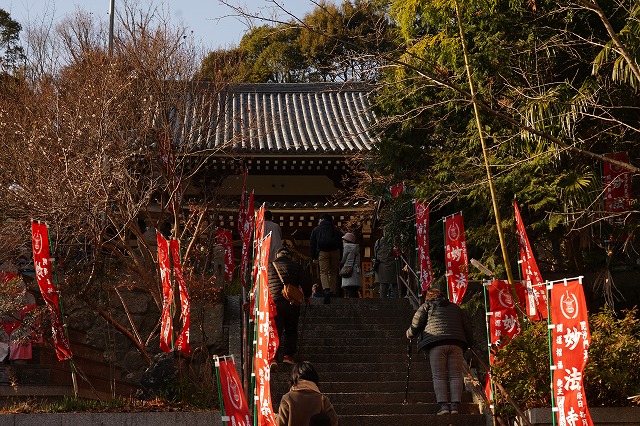
Location; Myōhō-ji temple 1286 Bishamon-yama, Myōhō-ji, Suma Ward, Kobe City, Hyogo Prefecture
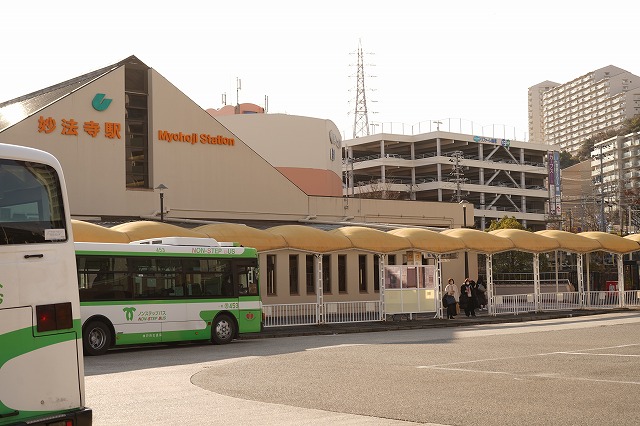
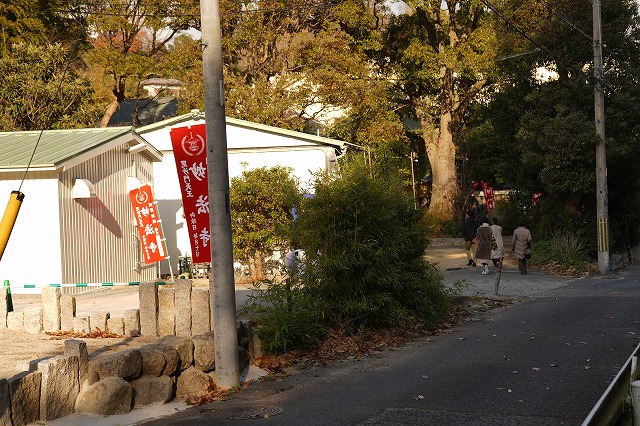
Access; About a 10-minute walk from Myōhōji Subway Station It takes about 30 minutes by subway to get to Myōhō-ji from Sannomiya, in central Kobe.

The gate to Kansai https://www.the-kansai-guide.com/en/directory/item/20241/

The Oni of Hyogo Prefecture

Nagata shrine

Jourakuji temple

Shoufukuji temple

In Hyogo Prefecture, you can see rituals to drive away demons in various locations from January through March. To those familiar with Japanese people and Japanese culture, this may seem strange.
Tsuina refers to a ritual performed at the imperial court to drive away demons. Also known as “Oni-yarai,” it originally was a ceremony held on New Year’s Eve in the ancient Chinese imperial court.
There is also a festival called Setsubun. “Setsubun” literally means “the dividing point of the seasons.” While today it refers exclusively to February 3, in the past, the day before each of the “beginning of spring,” “beginning of summer,” “beginning of autumn,” and “beginning of winter” was called “Setsubun.”
The arrival of spring marks the beginning of a new year, and since it is a season that is especially eagerly anticipated, the term “Setsubun” is now used exclusively to refer to the period immediately before the start of spring. For this reason, while you can see rituals to drive away demons in various places on February 3, the Tsuina (a ritual to ward off evil spirits) is not necessarily performed on Setsubun.
There are plenty of events scheduled throughout the Kobe area, especially in early January.

https://discoverdeeperjapan.com/2023/02/19/seven-oni-bring-happiness-setubun-at-kobe/

Myouhouji temple

It’s about a 30-minute ride on the municipal subway from Sannomiya, Kobe’s downtown area. From there, it’s a short walk. Sannomiya is one stop away from Shin-Kobe Station on the Shinkansen.

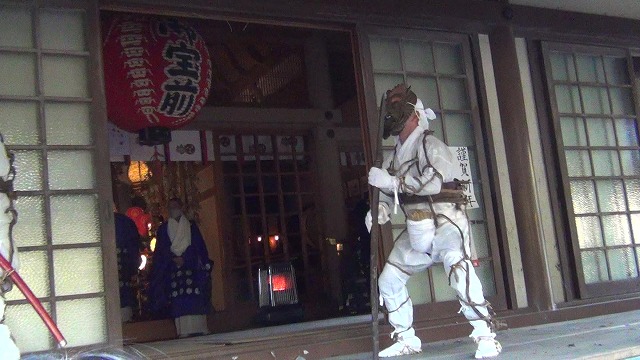
The ceremony begins around 3:00 p.m. Since it’s a small temple, you’ll need to arrive early to get a spot up front. It starts with the monks chanting sutras.

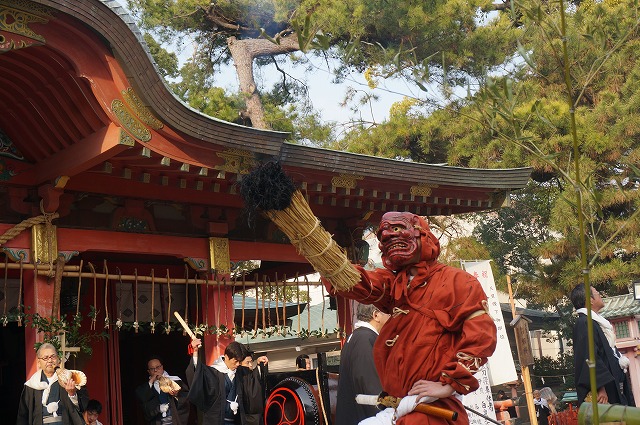
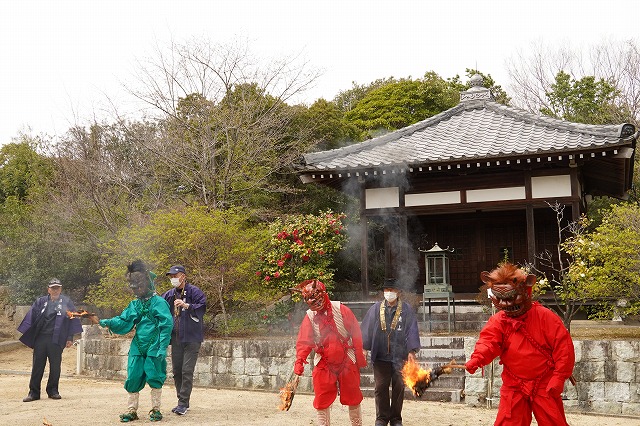
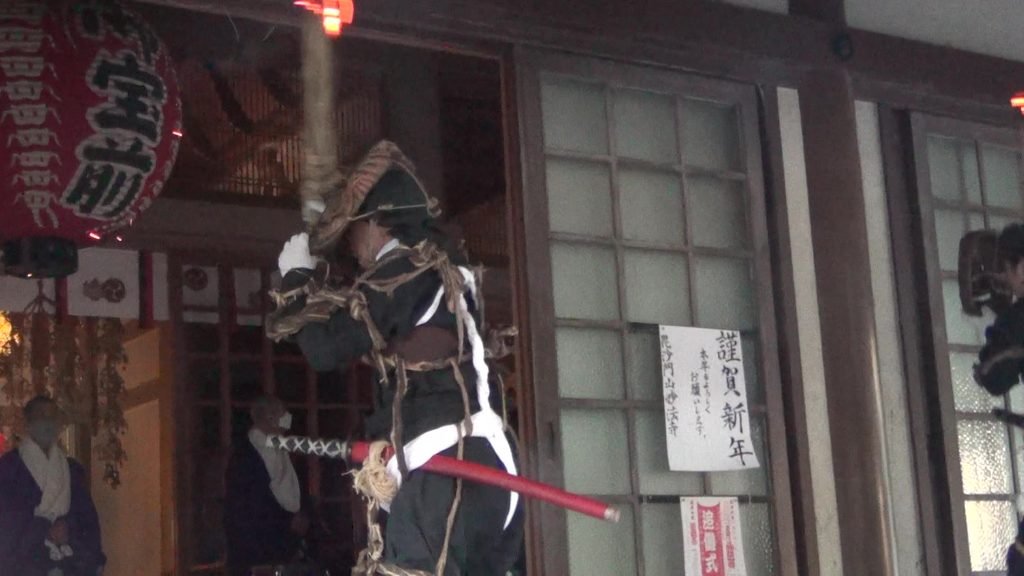
Oni appear

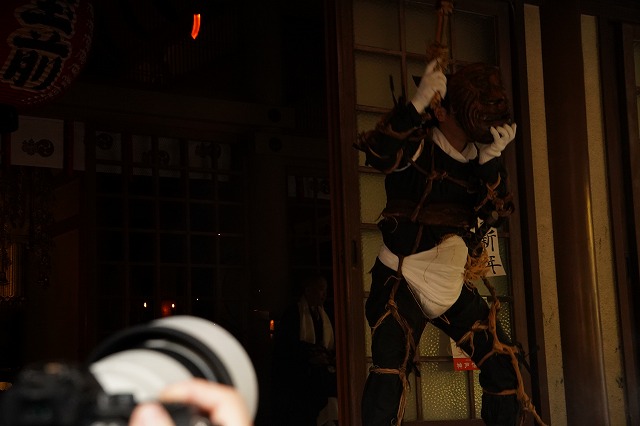
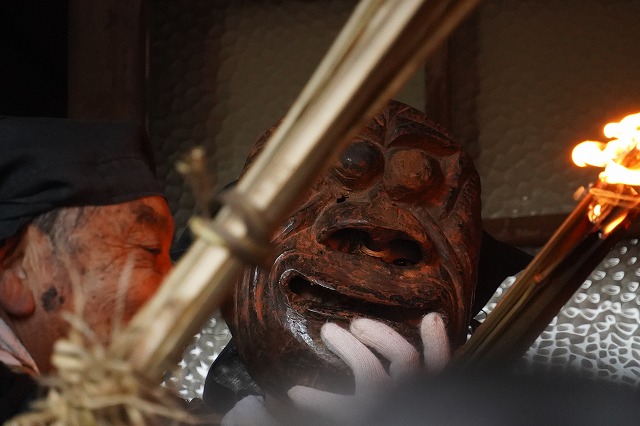
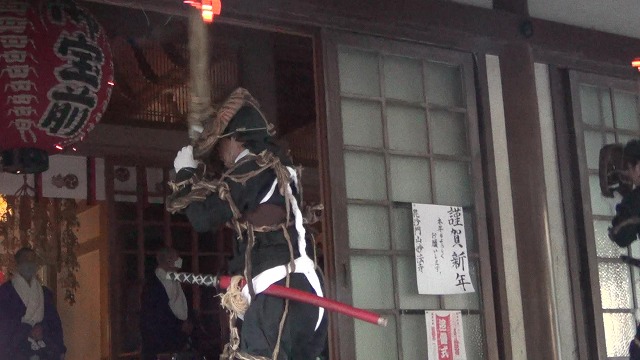
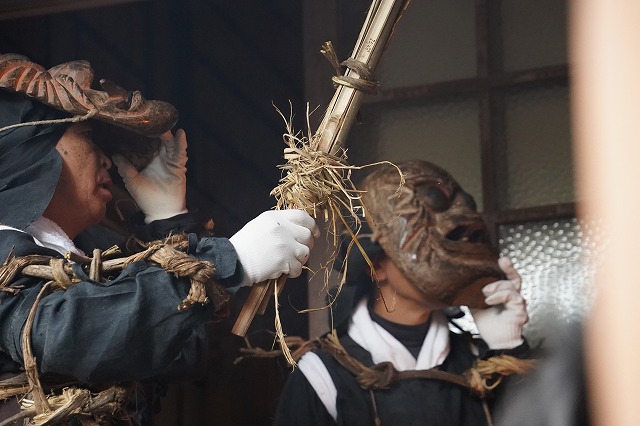
Finally, after the commentary, the black ogres make their first appearance. They come out holding their masks in their hands.

A wooden mask that seems remarkably simple yet exudes an ancient aura. Hyogo Prefecture possesses many old and charming masks.

White Oni ~main characters

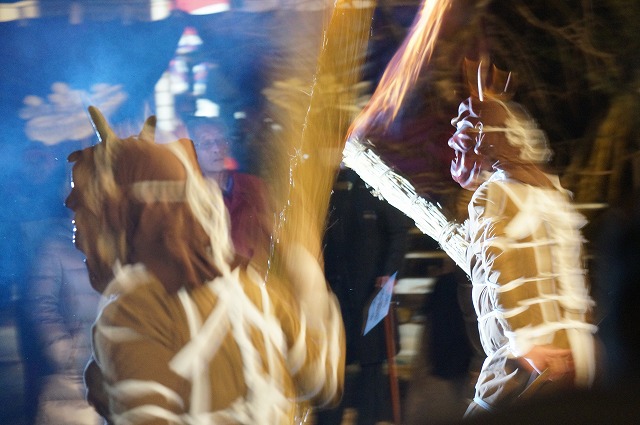
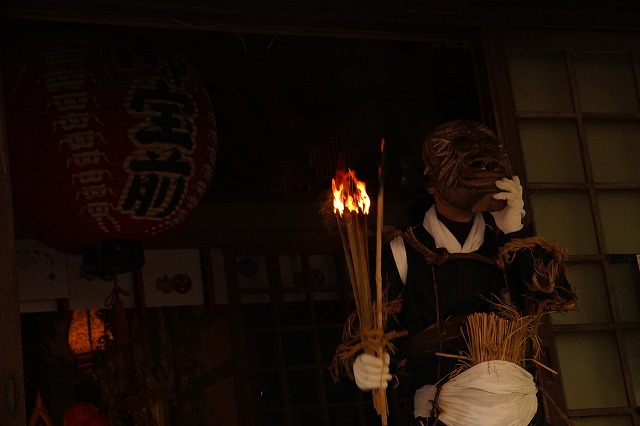
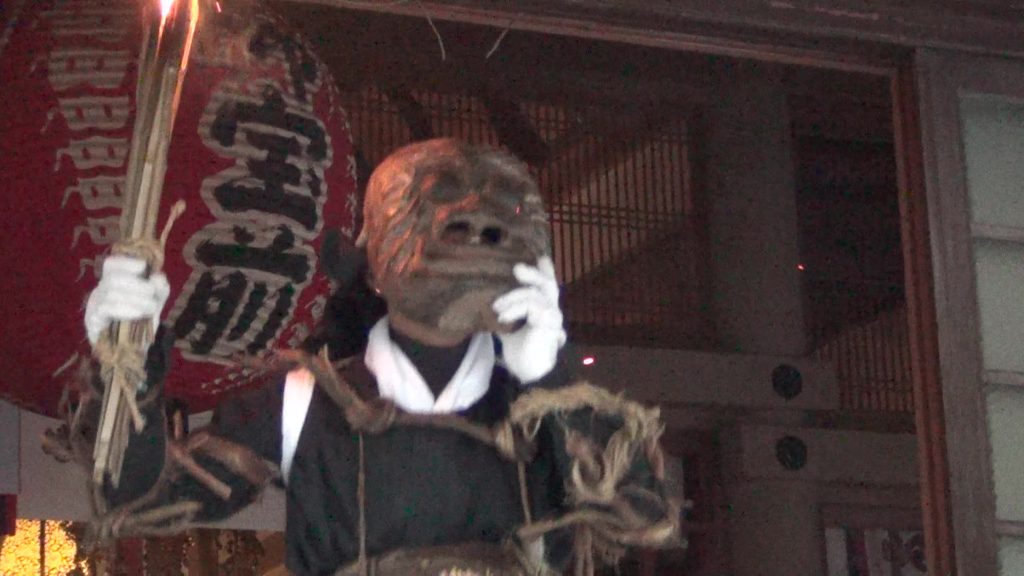
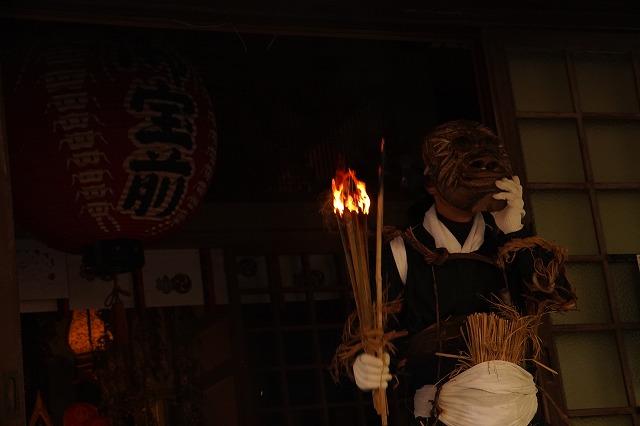
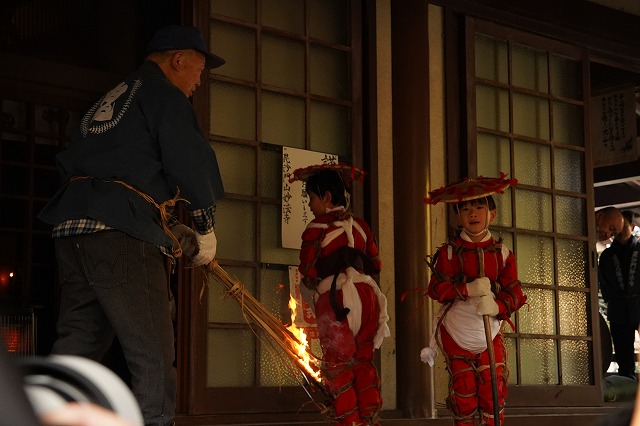
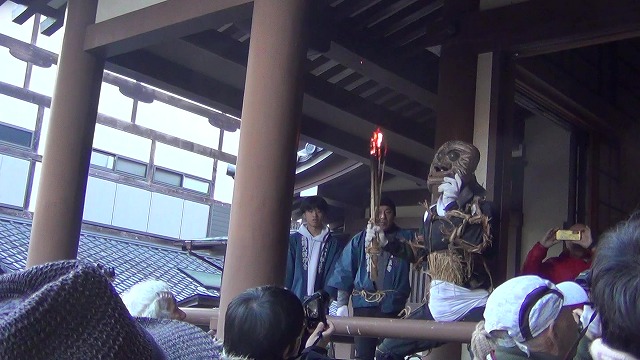
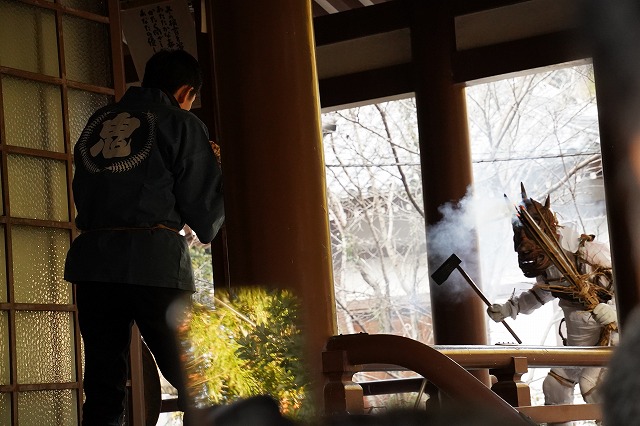
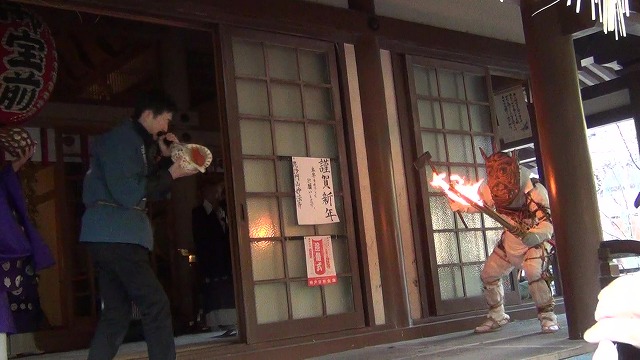
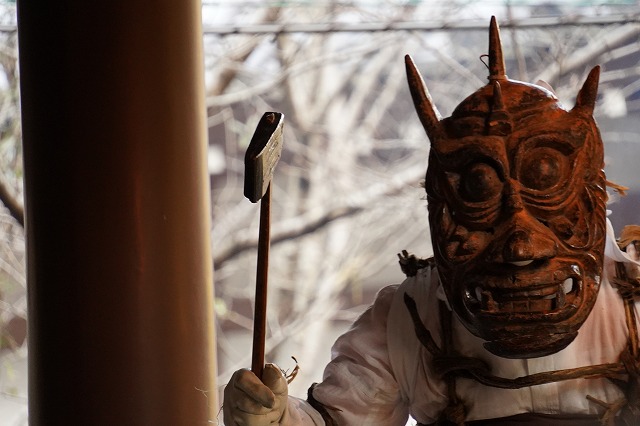
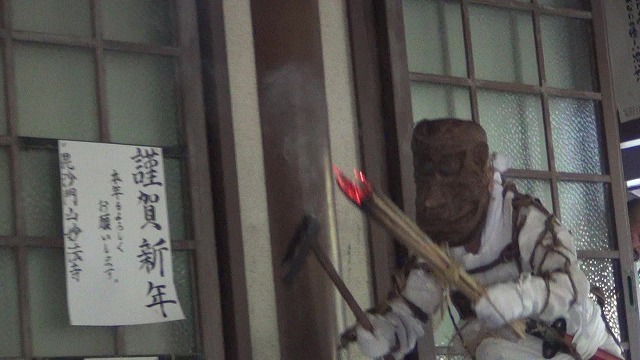
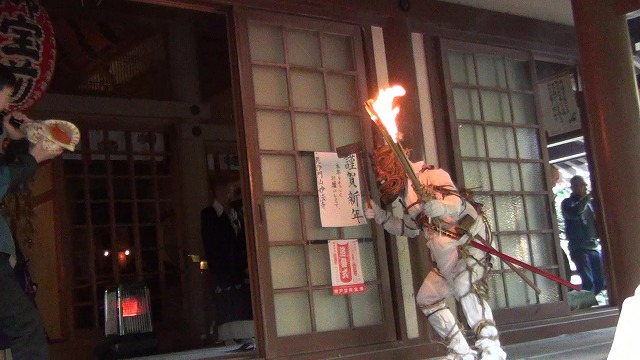
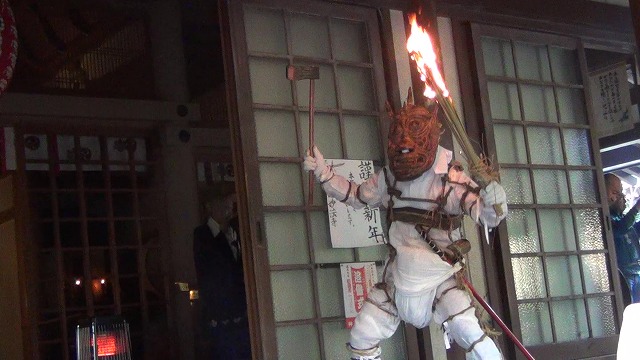
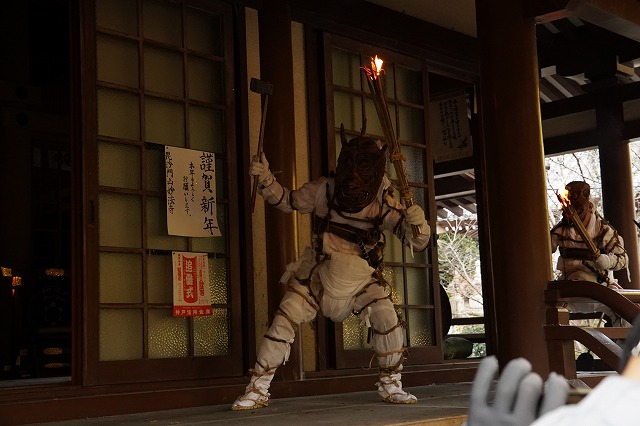
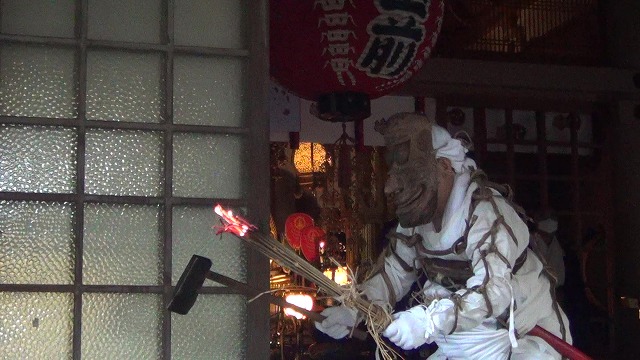
After the Black Oni, a child Oni appears. Finally, the White Oni appears carrying a torch.

The mask isn’t the typical terrifying face with slanted eyes; its enigmatic nature is both eerie and comical.

Breaking the mochi at the end

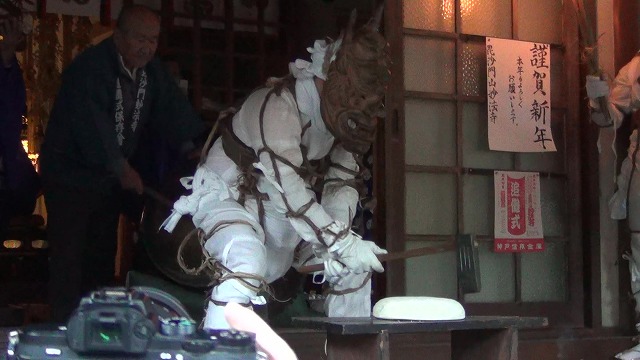
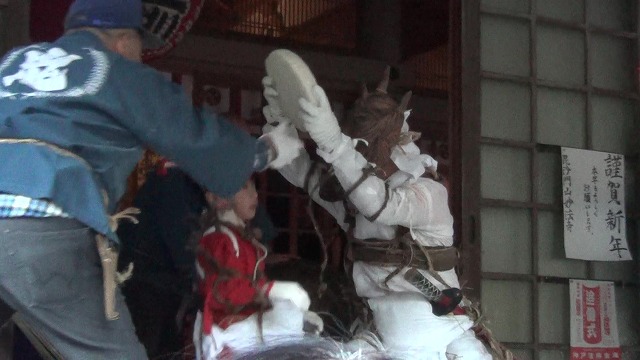
This is repeated several times, and at the end, the white demon breaks the auspicious mochi. This is a symbol of good fortune.

Ending

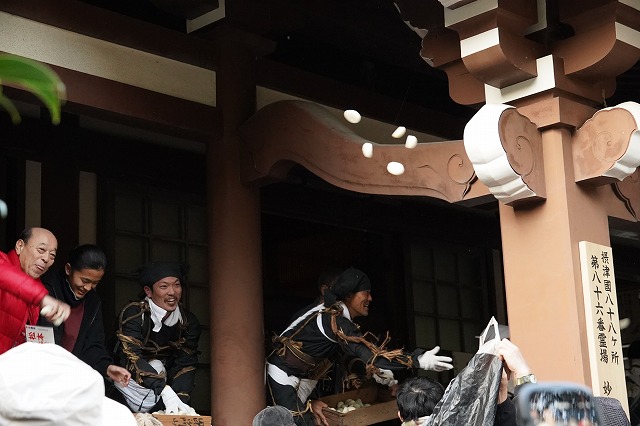
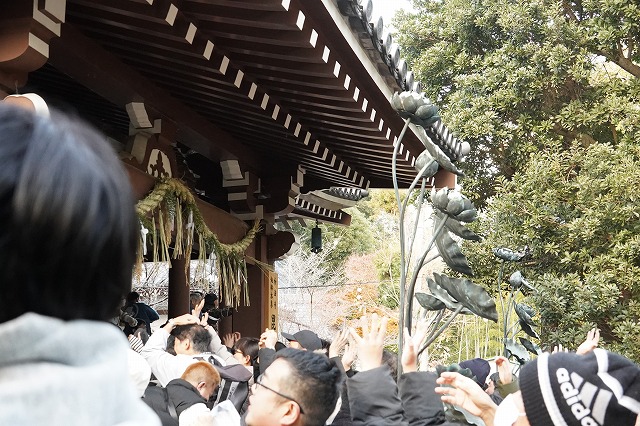
At the end, mochi is thrown into the audience. Since the mochi is believed to bring good health and ward off illness, the audience scrambles to catch it.
At 4:30 p.m., the Tsuina ceremony—which lasted about an hour and a half—comes to a close. Spring is still a little ways off.