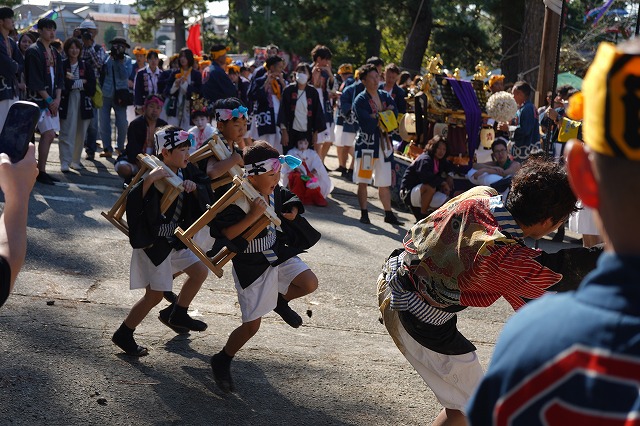
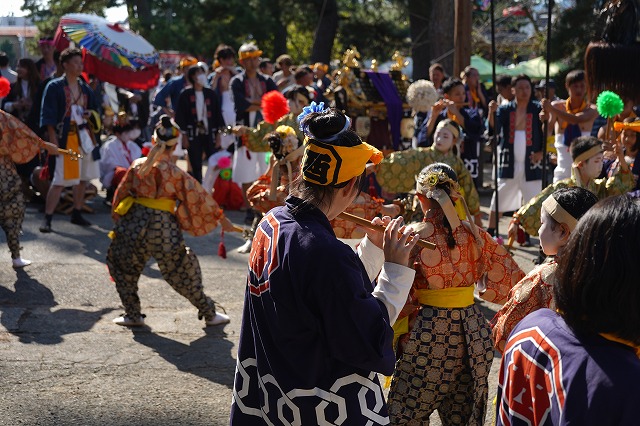
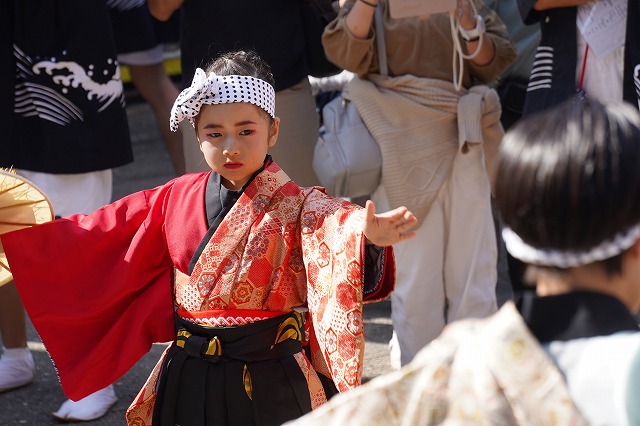
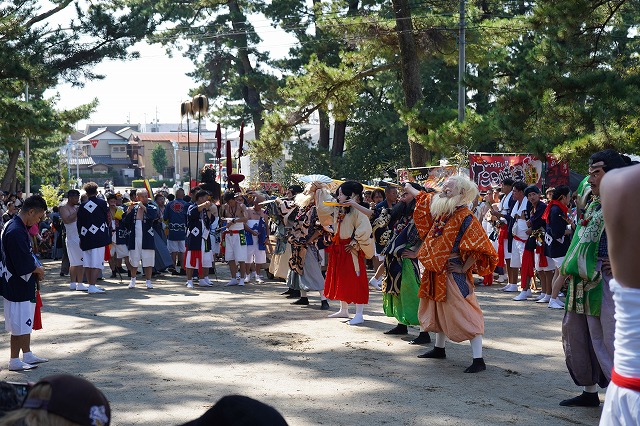
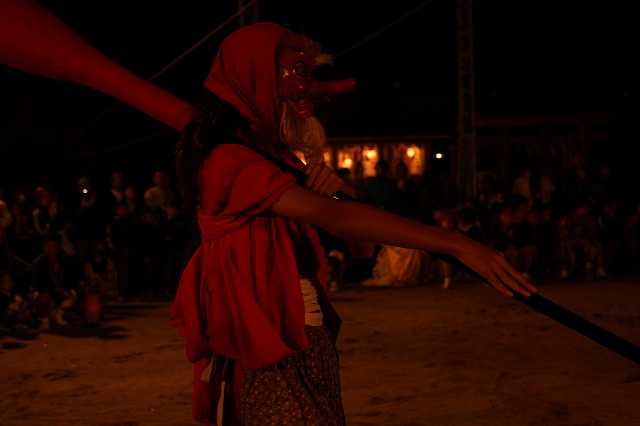
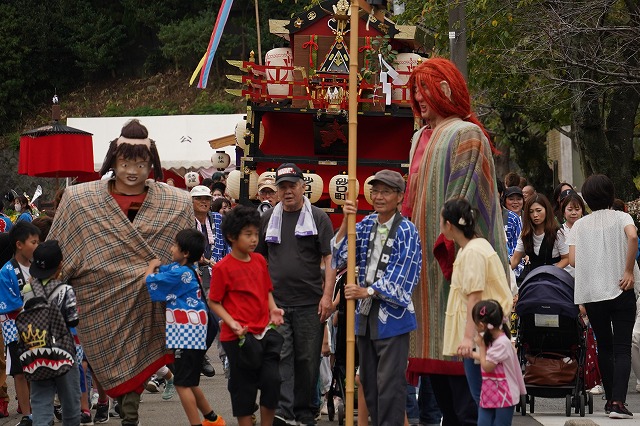
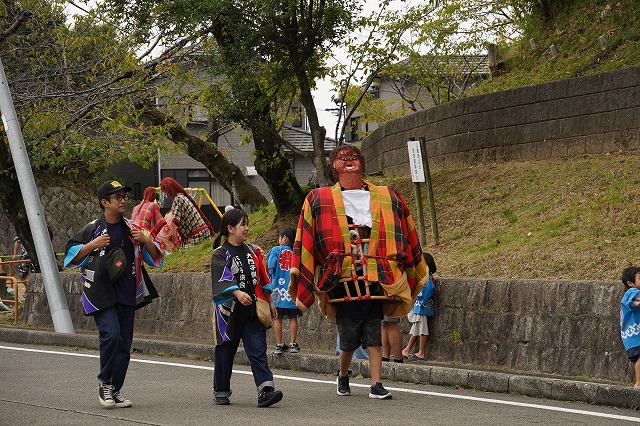
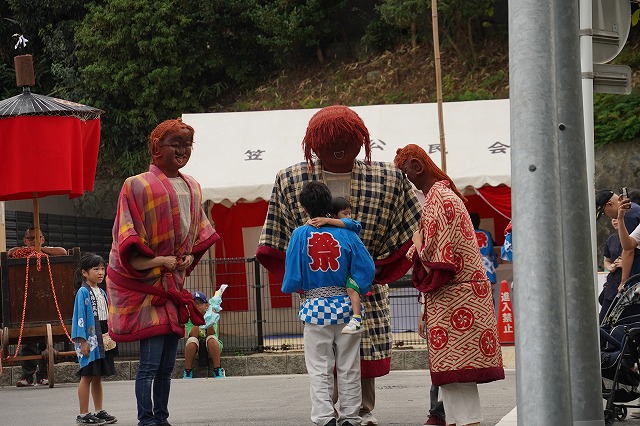
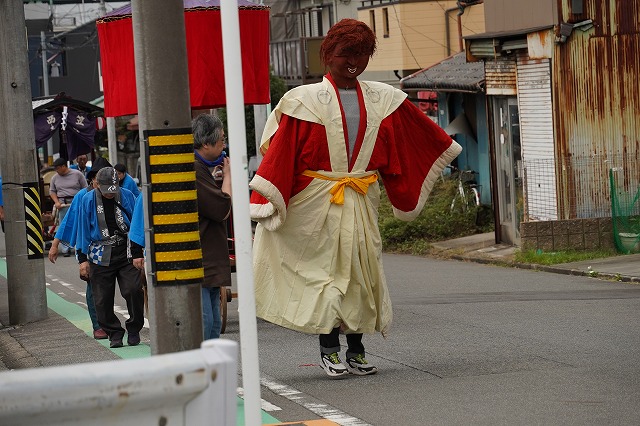
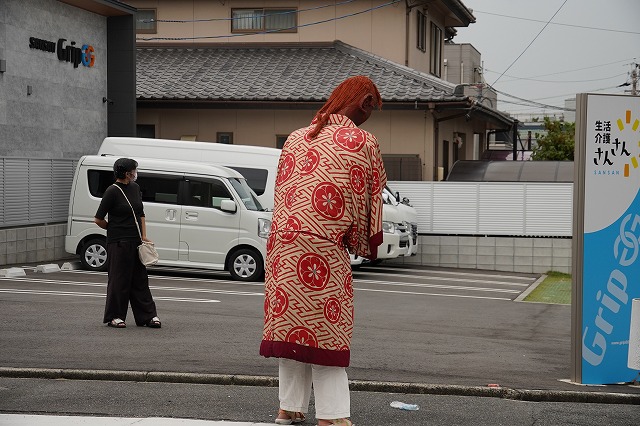
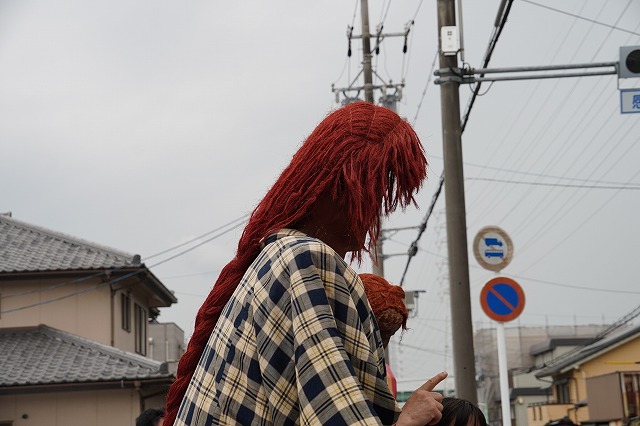
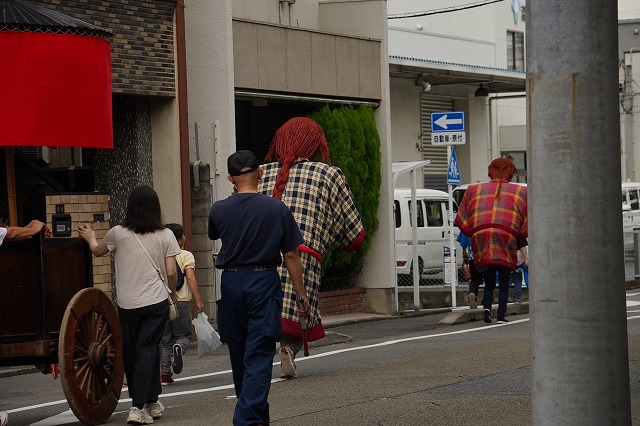
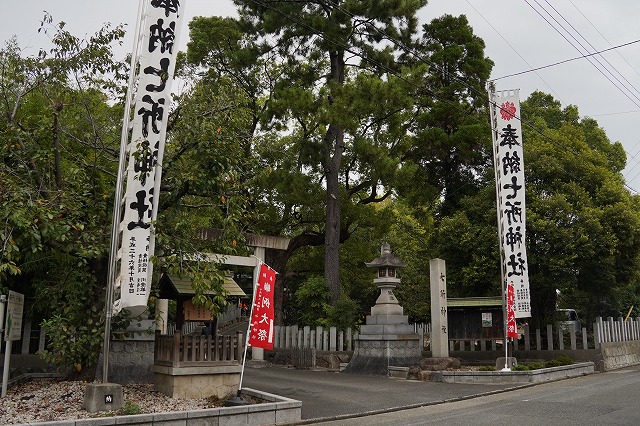
Oni dance in a mountain village~ Hana-matsuri

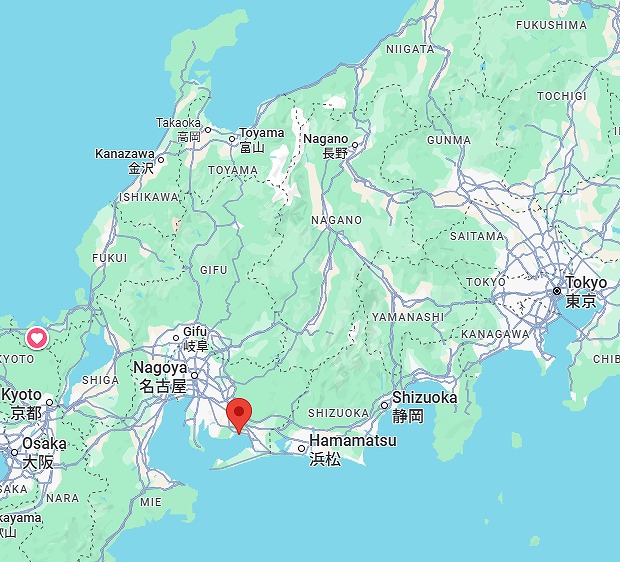
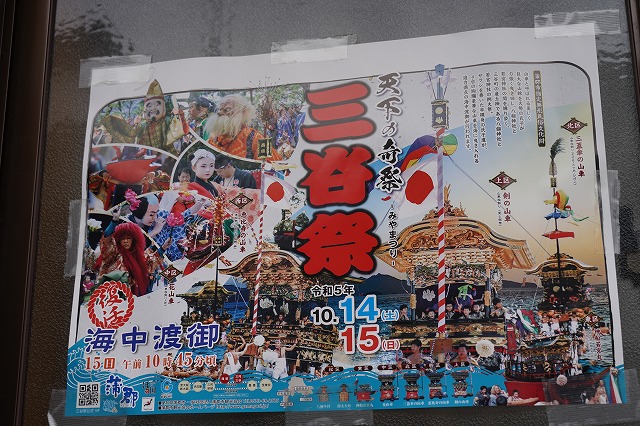
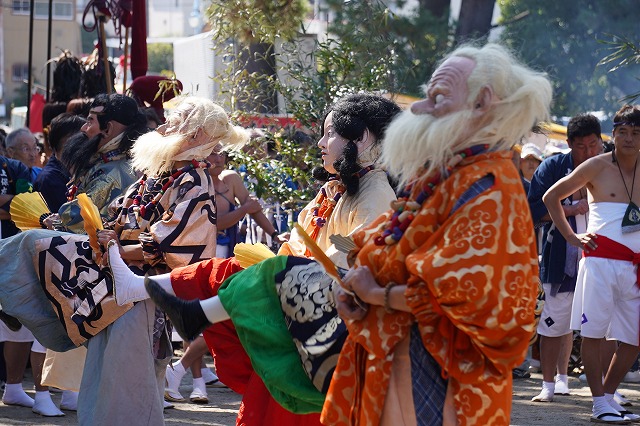
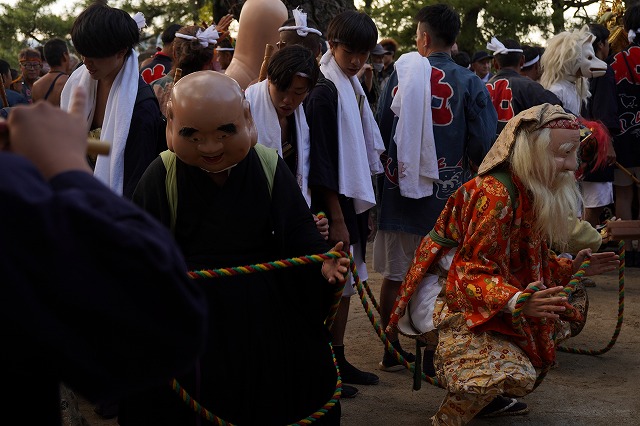
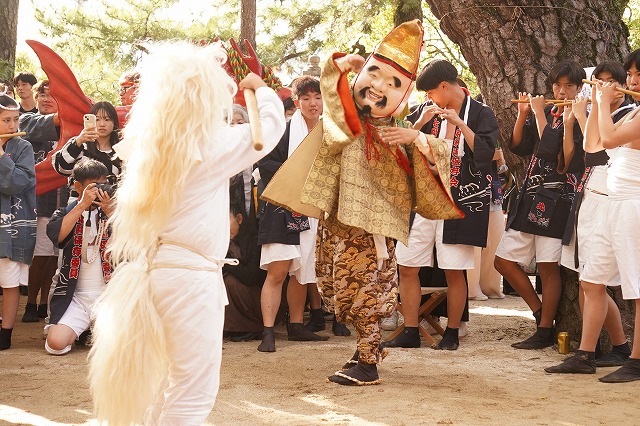
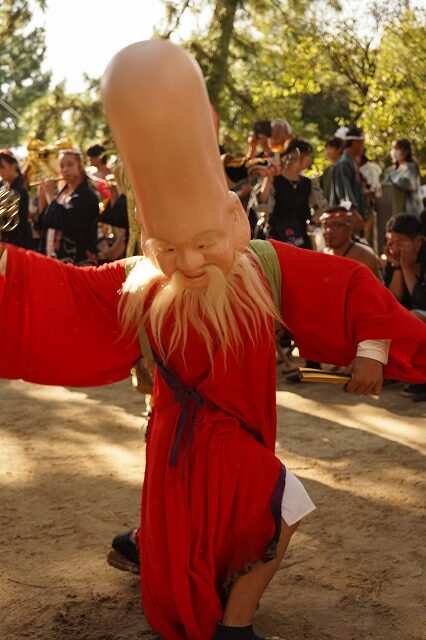
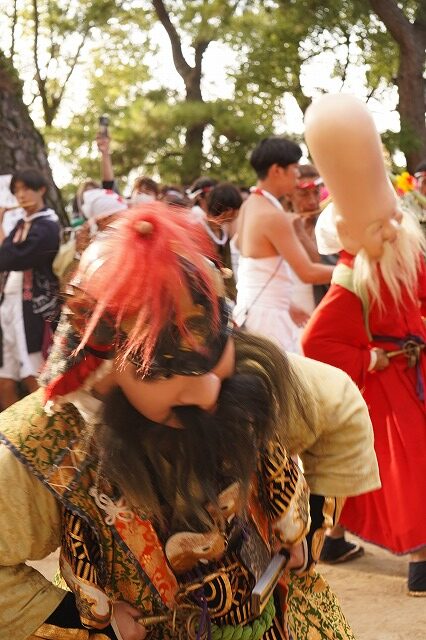
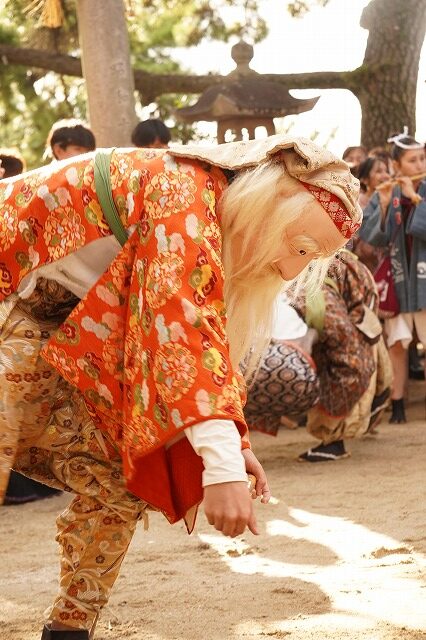
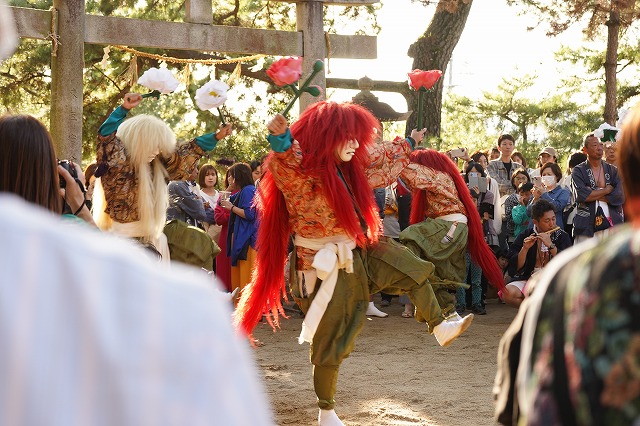
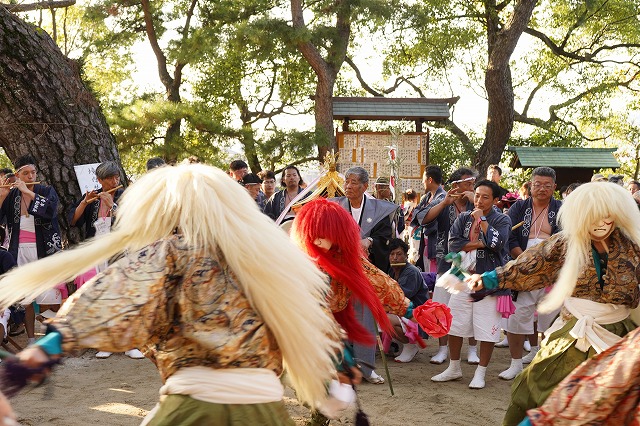
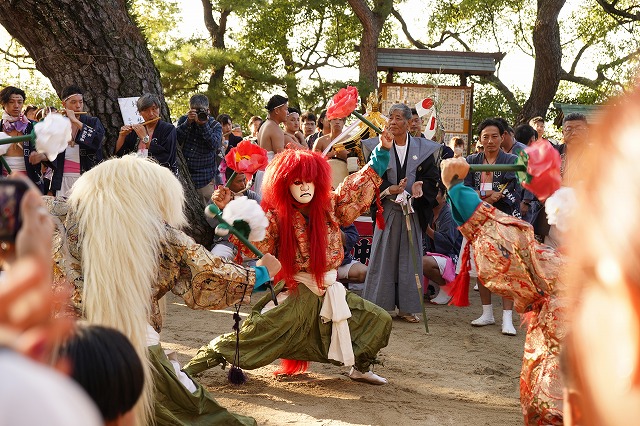
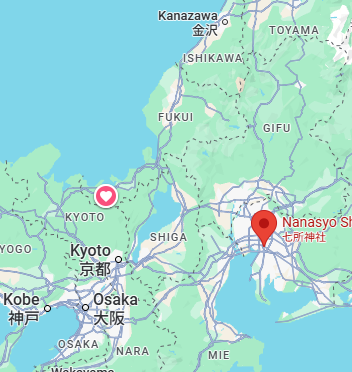
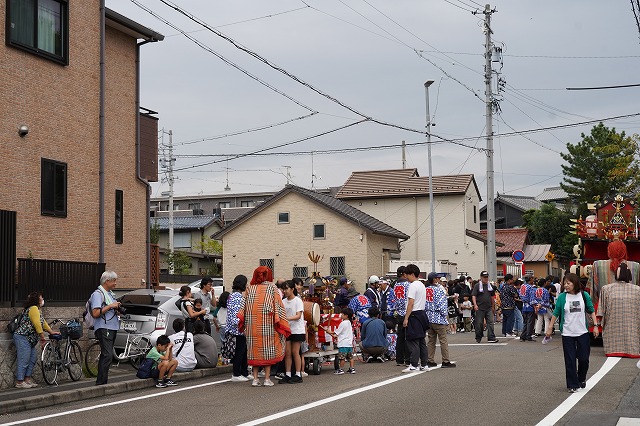
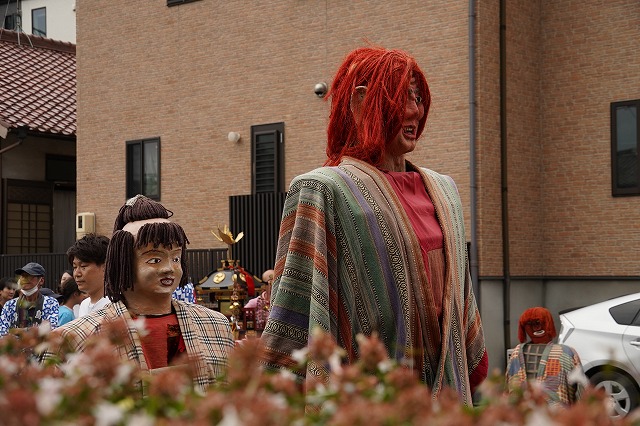
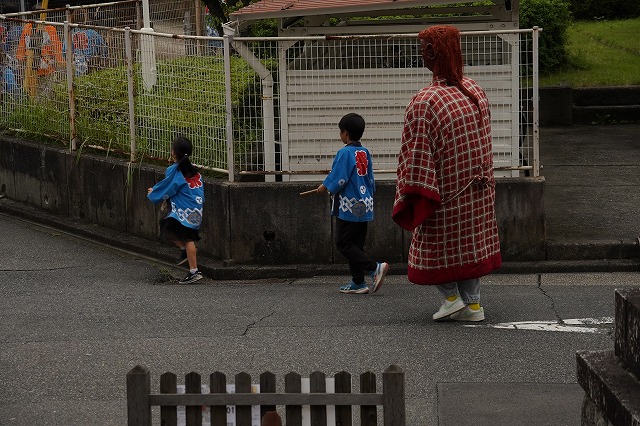
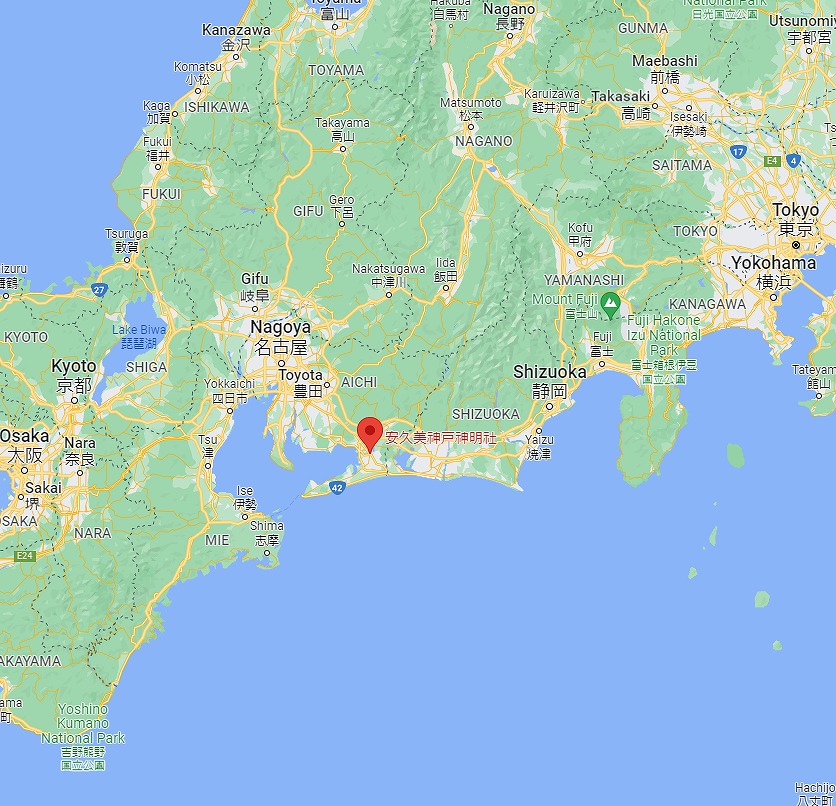
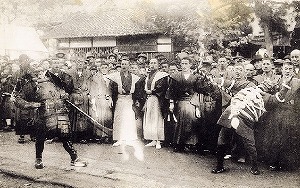
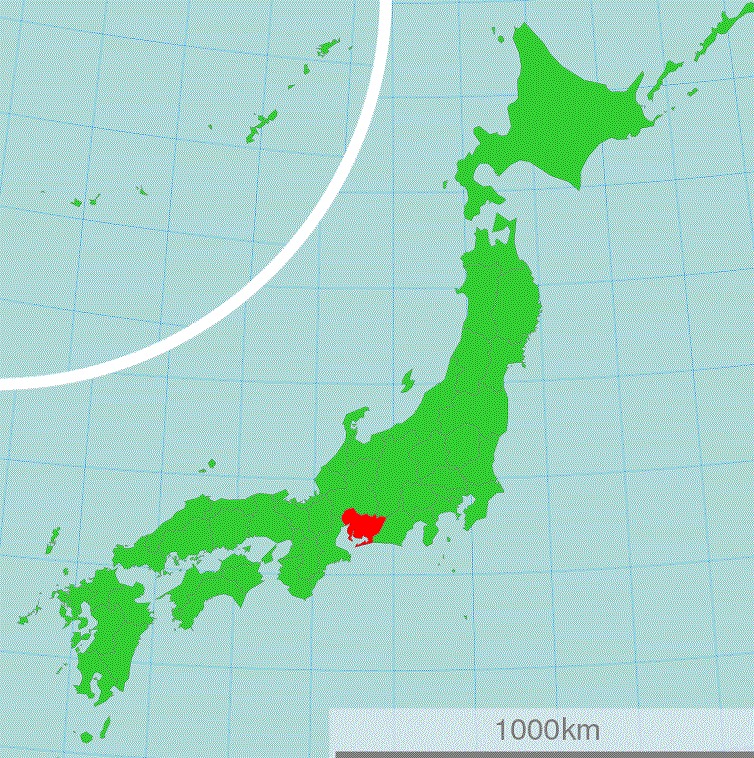
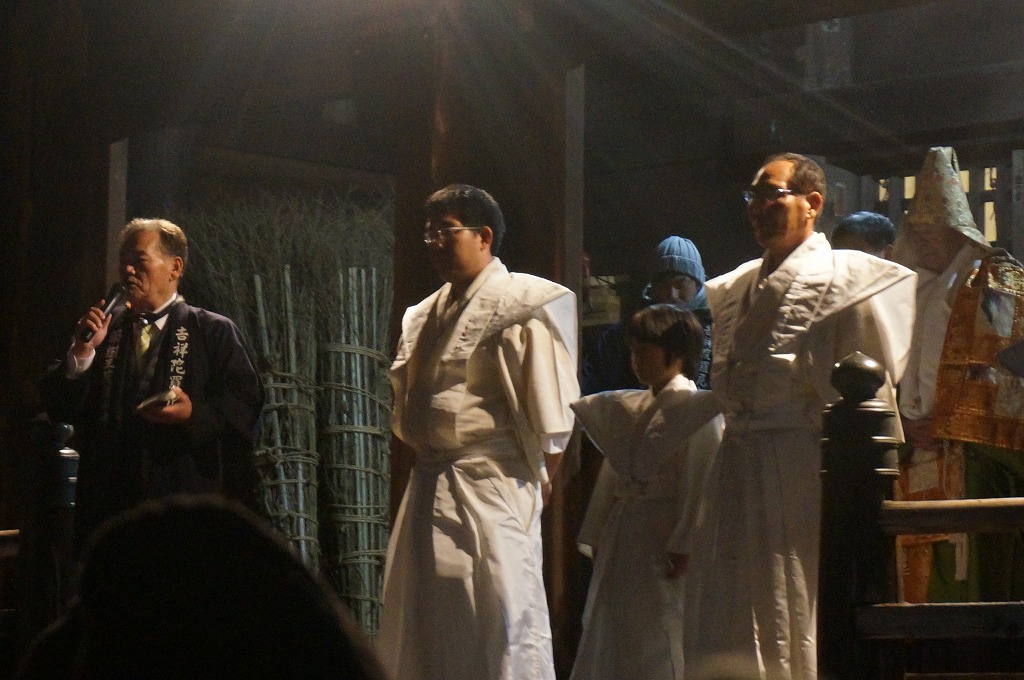
This time it is set in Aichi Prefecture. Aichi Prefecture is a region centered around Nagoya and is geographically located in the middle of Osaka and Tokyo. Nagoya is also the home of Toyota, a famous car manufacturer. Most of Japan is covered by mountains, so if you leave the coastal plain, it becomes a mountainous area. Aichi Prefecture is no exception. The northern part of Aichi Prefecture, bordering Shizuoka Prefecture to the east and Nagano Prefecture to the north, is particularly mountainous. Because there are such places, old performing arts often remain as they are. One of them is “Hana-matsuri ” 花祭り”. In the past, this festival (which has a history of about 700 years) used to take a month to hold. But, this was too expensive, so people shortened it to three days, and now they do it in a single day. However, there are many areas where the festival continues from noon to noon the next day. Currently, residents of 15 locations in this district continue to participate.

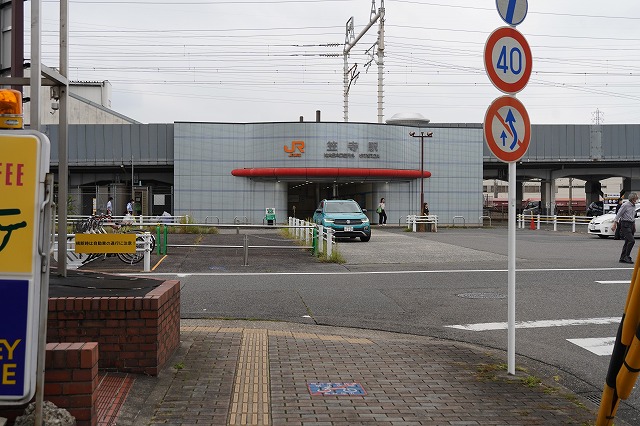
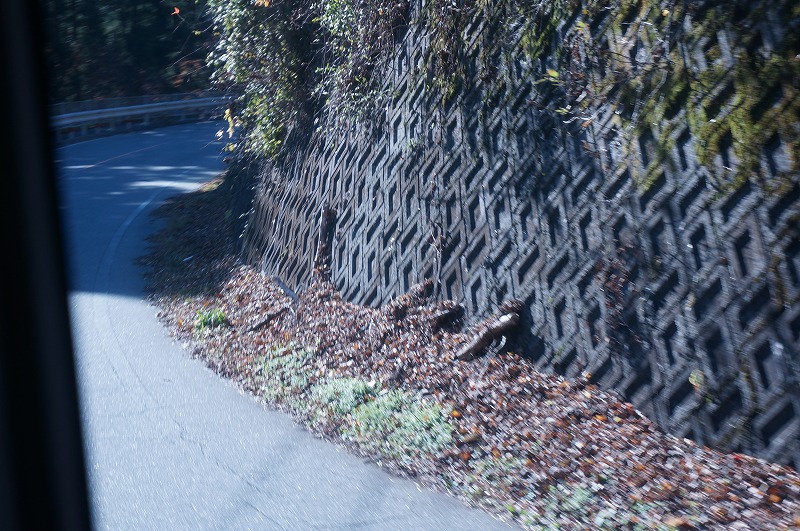
Because of its location, transportation access is very poor. All festivals are held on top of the mountain and far from the station. This area belongs to Shinshiro City. The population of Shinshiro City is approximately 50,000. Forty thousand of them live at the foot of the mountain.

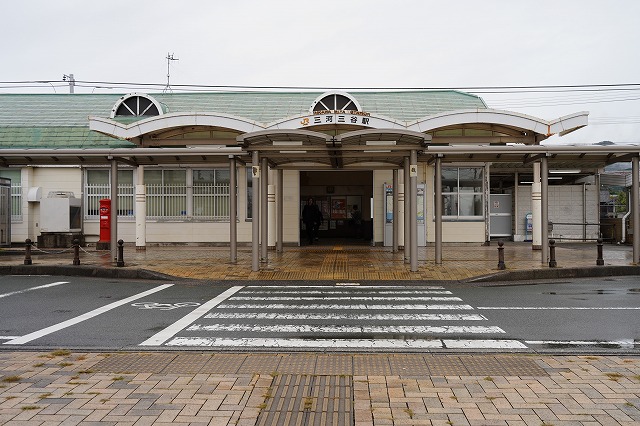
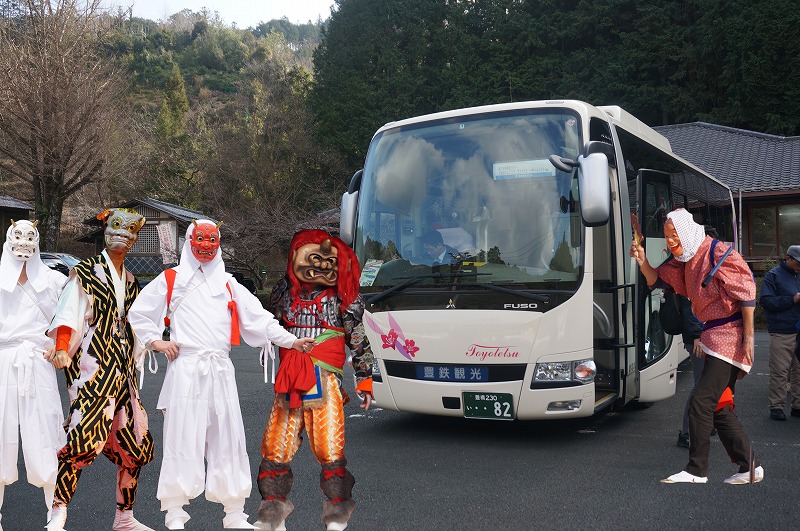
Festivals cost money. The enthusiasm of the locals is strong, but it is not enough to keep the festival afloat. For this reason, a tour bus has recently started to operate from the station at the foot of the mountain only during the period when several festivals are concentrated. Toyotetsu Sightseeing has also begun to offer tours. Even with a car, it is dangerous to go to a mountainous sight-seeing area at night. We recommend that those who wish to visit join a such a tour.

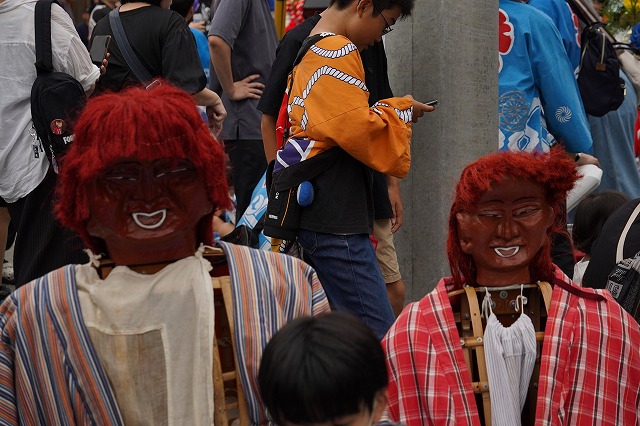
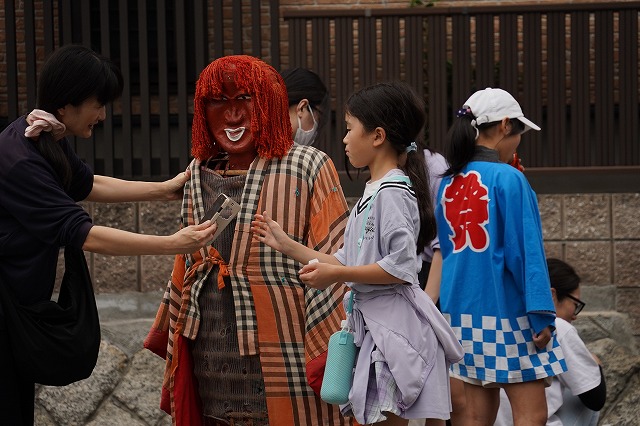
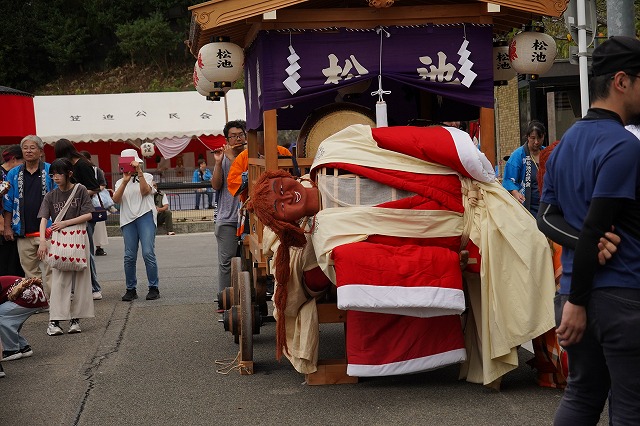
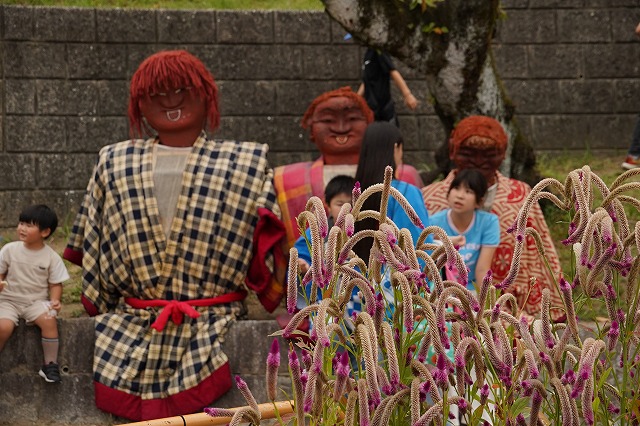
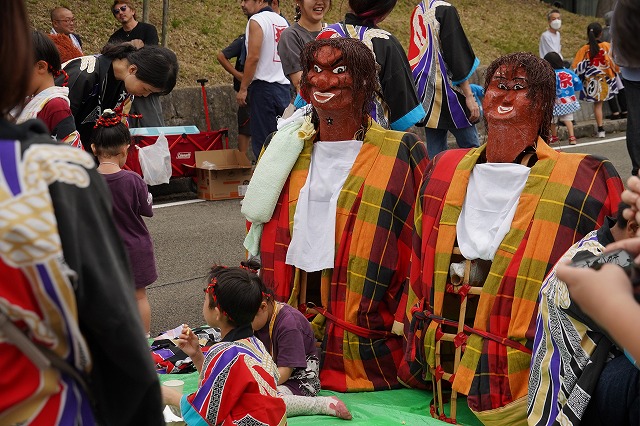
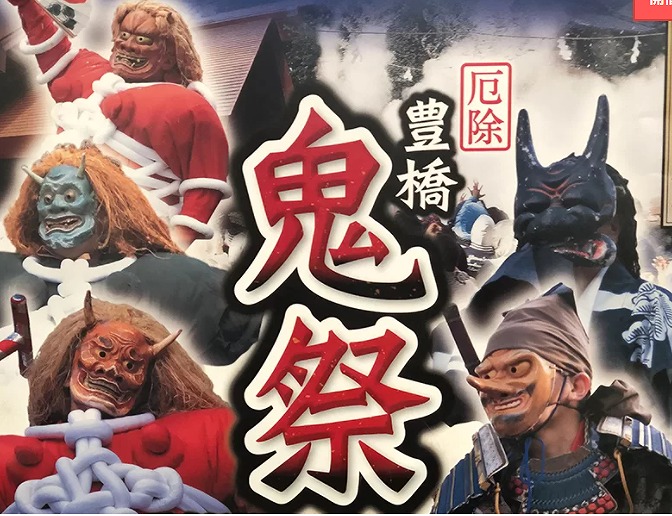
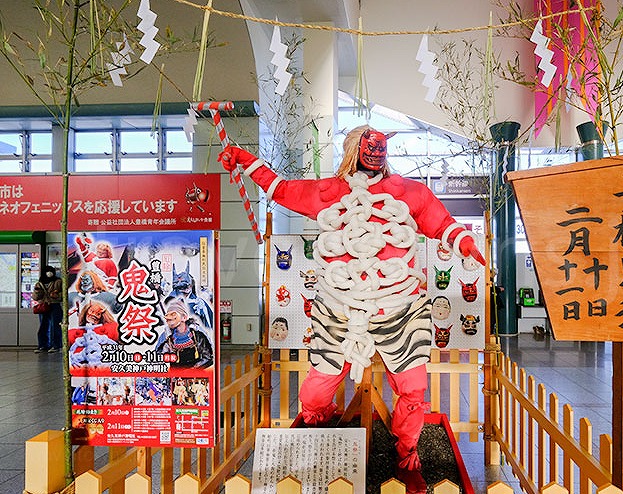
“Hanamatsuri” is a festival centered on Oni (ogres). So maybe there used to be a tour like this.
This article is based on the 2018 tour.

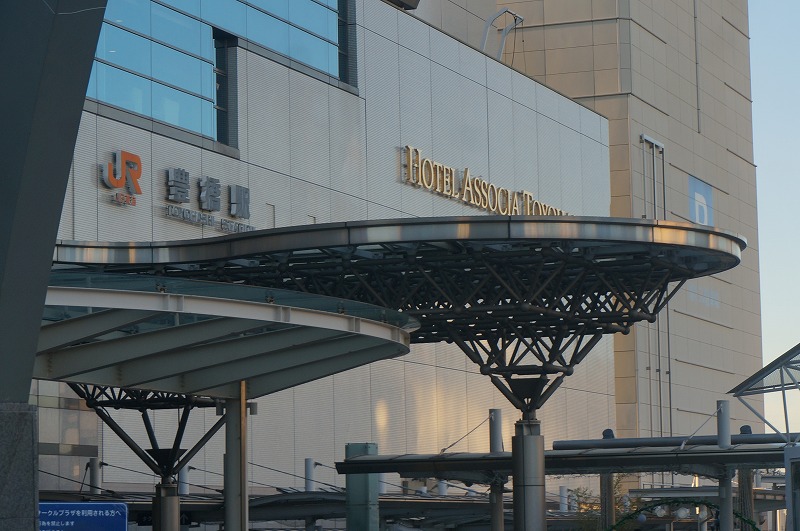
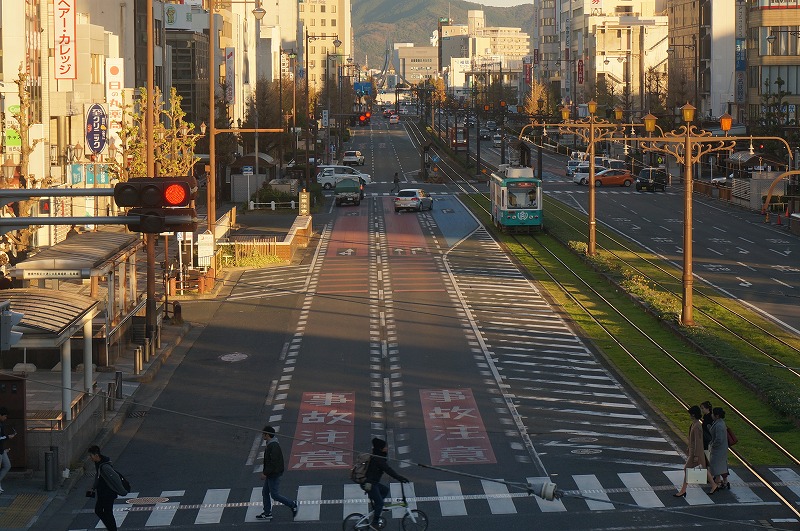
Toyohashi station

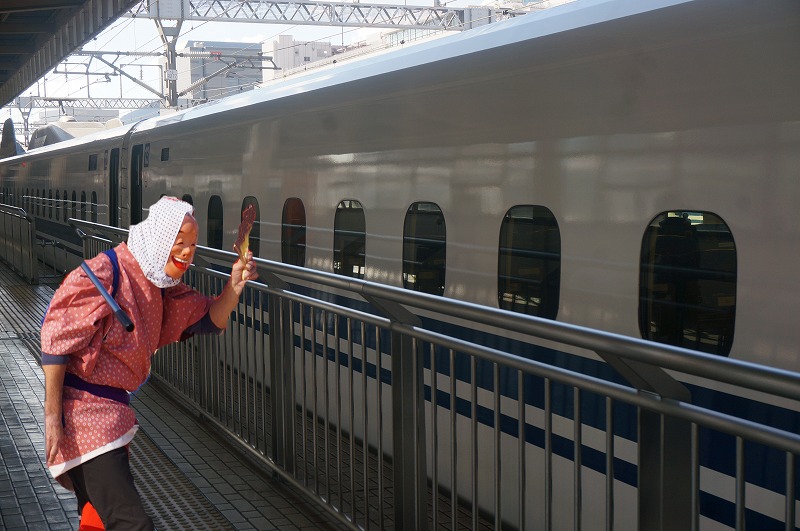
Hello everyone, are you all here? Thank you for joining us on this “Hana Matsuri” tour. This time, you will visit a festival in the Sakauba 坂宇場 area. This tour is perfect for those Oni who are tired of being pelted with beans and exterminated on a daily basis.

front of Toyohashi station

Although the place we are about to visit is administratively part of Shinshiro 新城 City, more than 40,000 of Shinshiro City’s population of approximately 50,000 live at the foot of the mountain.
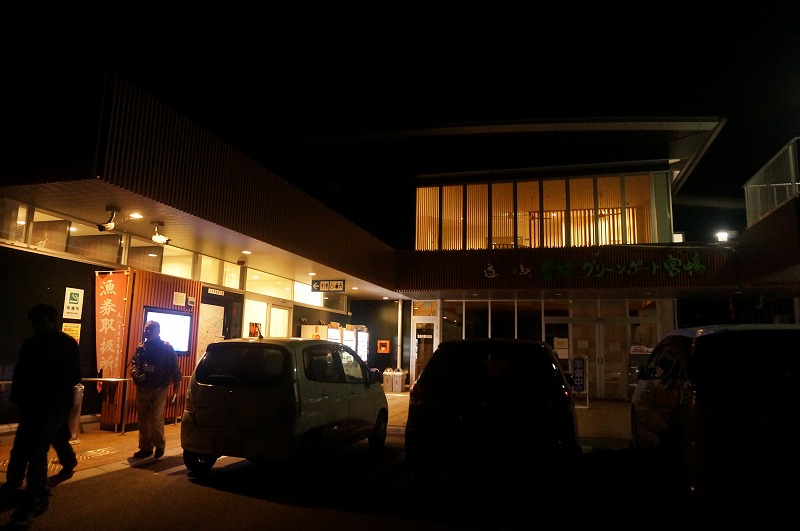
It takes about 4 hours with a stop at a roadside station along the way.

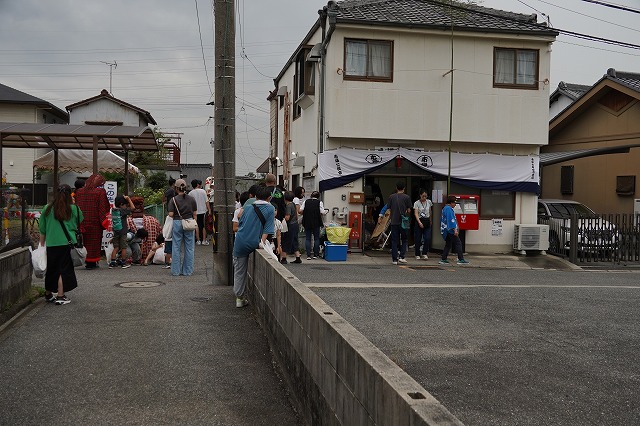
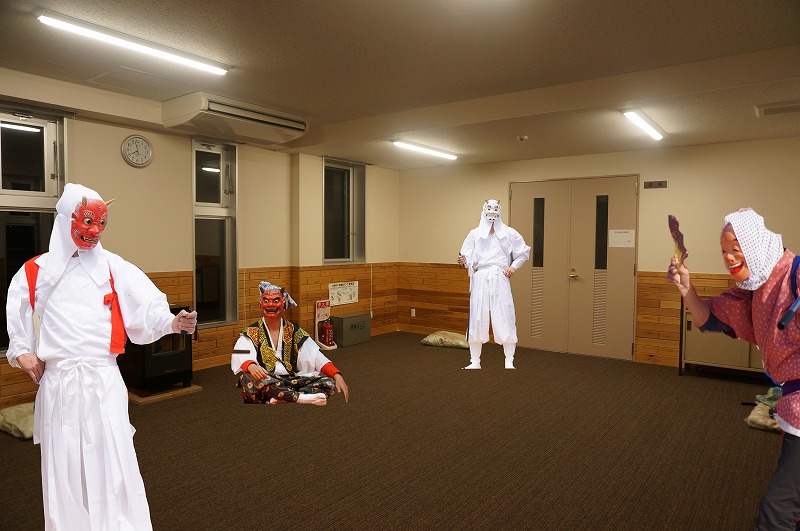
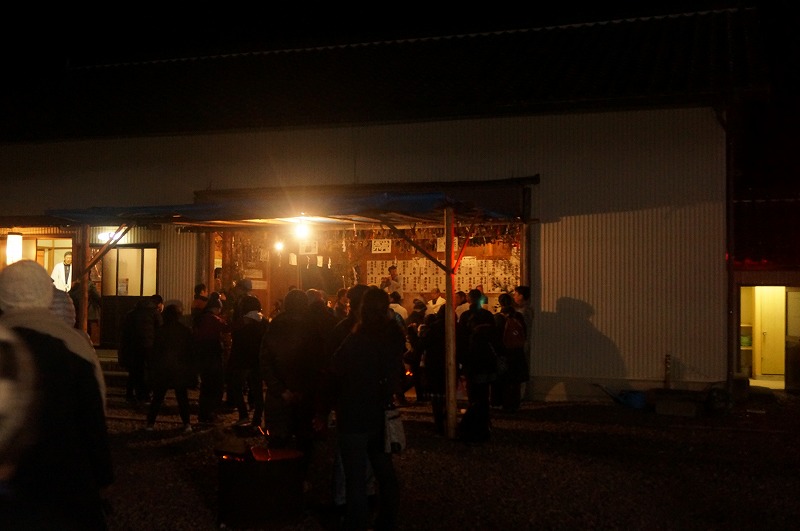
Well, we’ve arrived. It’s already 8:00 PM. You will see the festival here until next morning. It’s a long night, so if you are tired, you can take a rest in the resting room here. It is a roadside station during the daytime, but we rent it only during the nighttime, so please make yourselves at home. Now, let me take you to the festival site.

Tehohe Tehohe, Tewotole Tole

Oh, I’ve heard this sound before. It’s a shout unique to the Hana-Matsuri.

Let’s go inside.
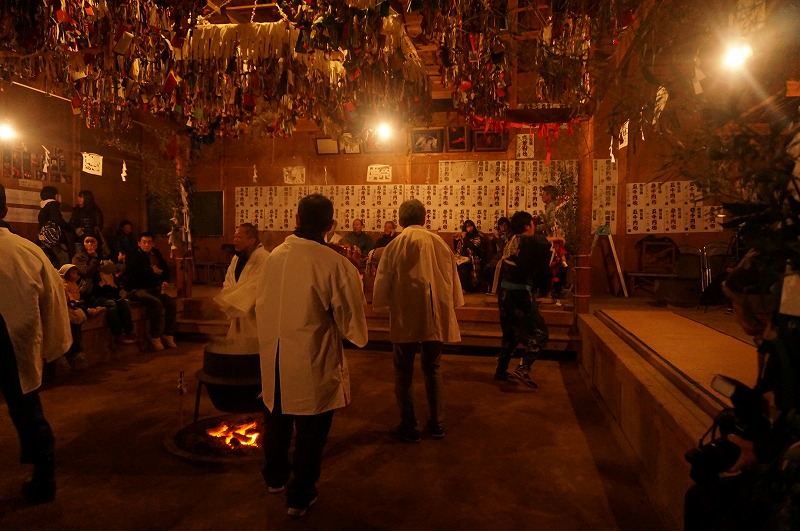
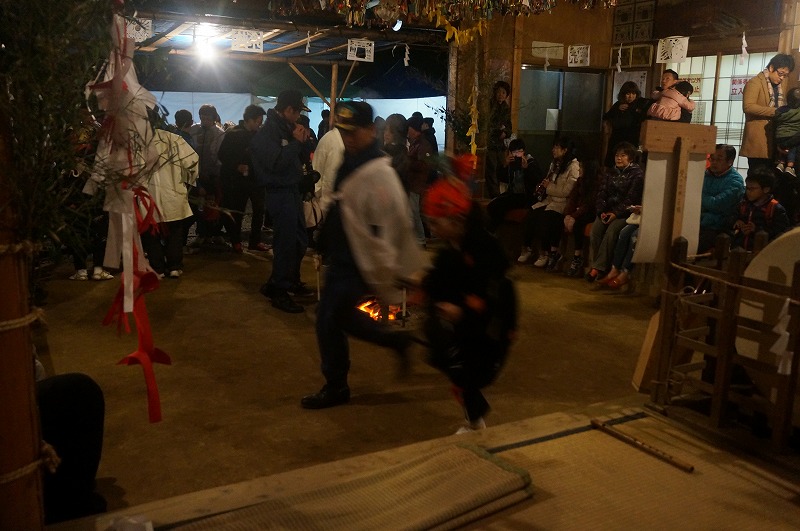
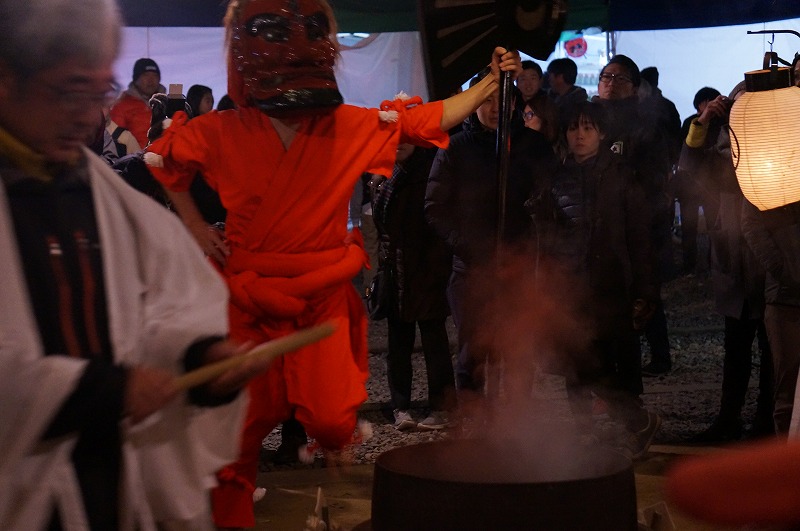
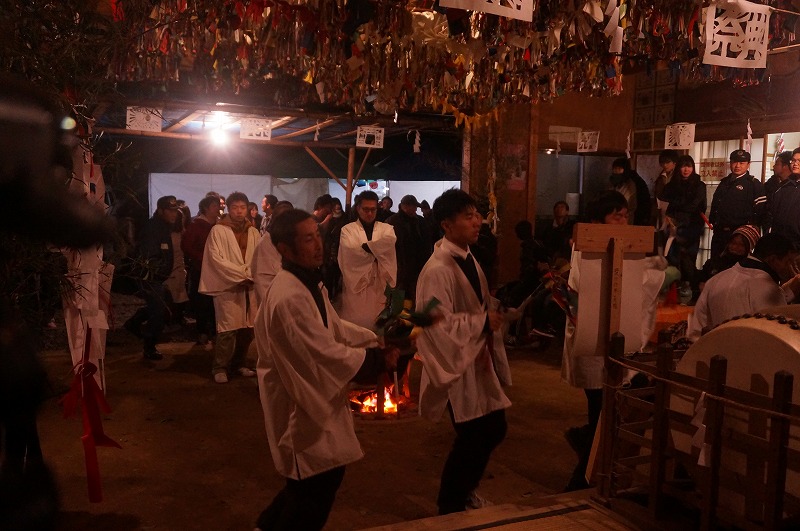
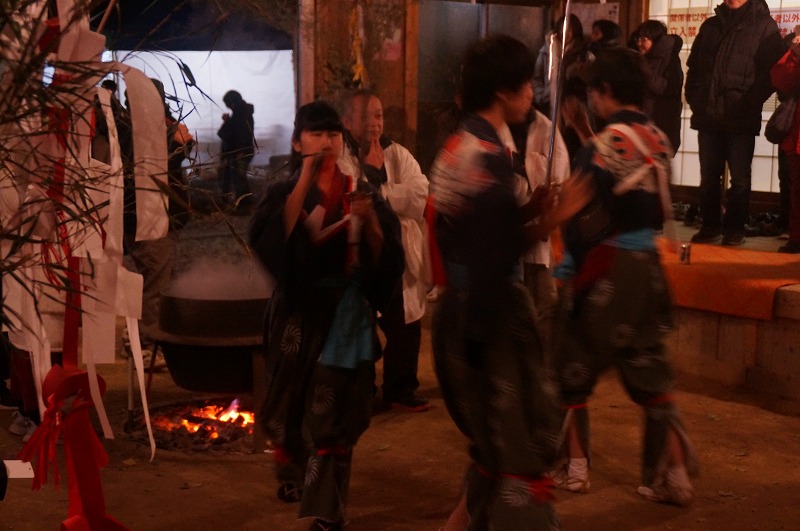
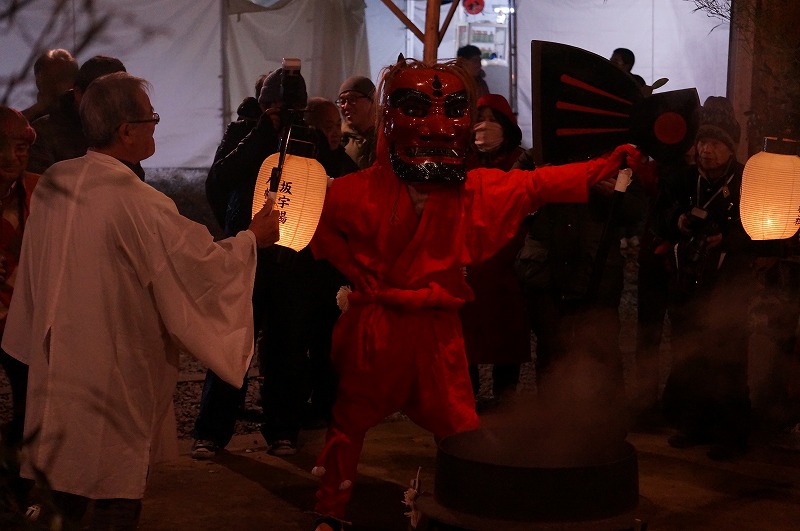
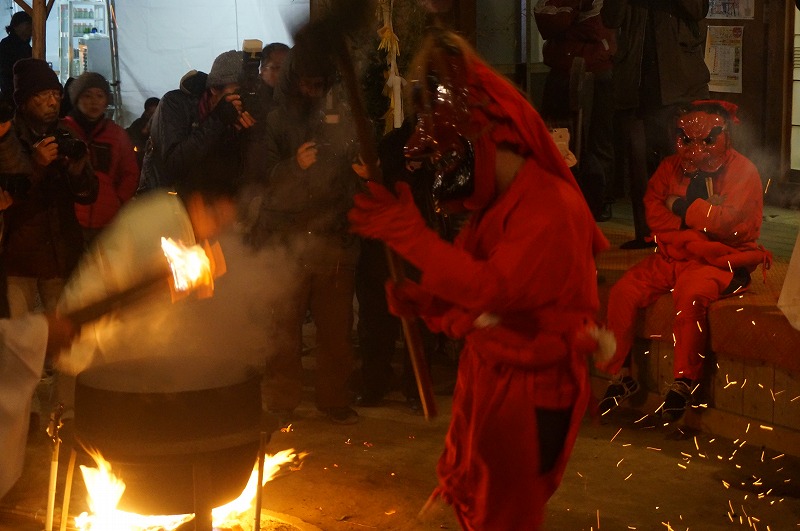
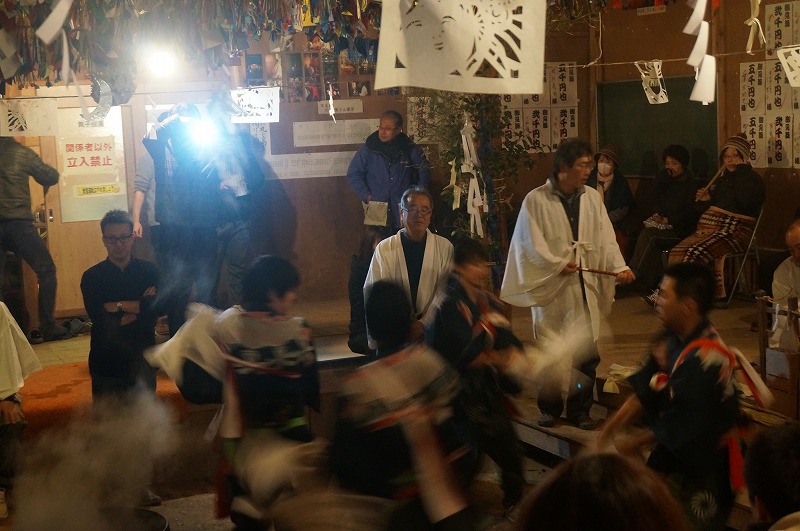
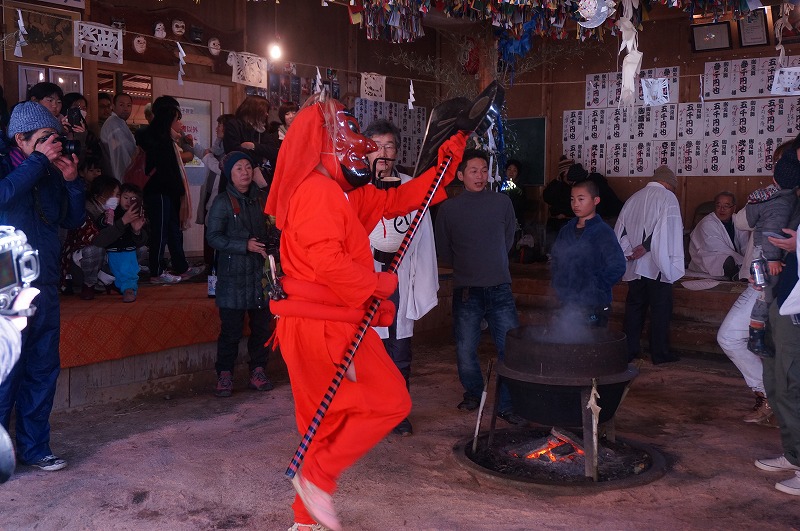
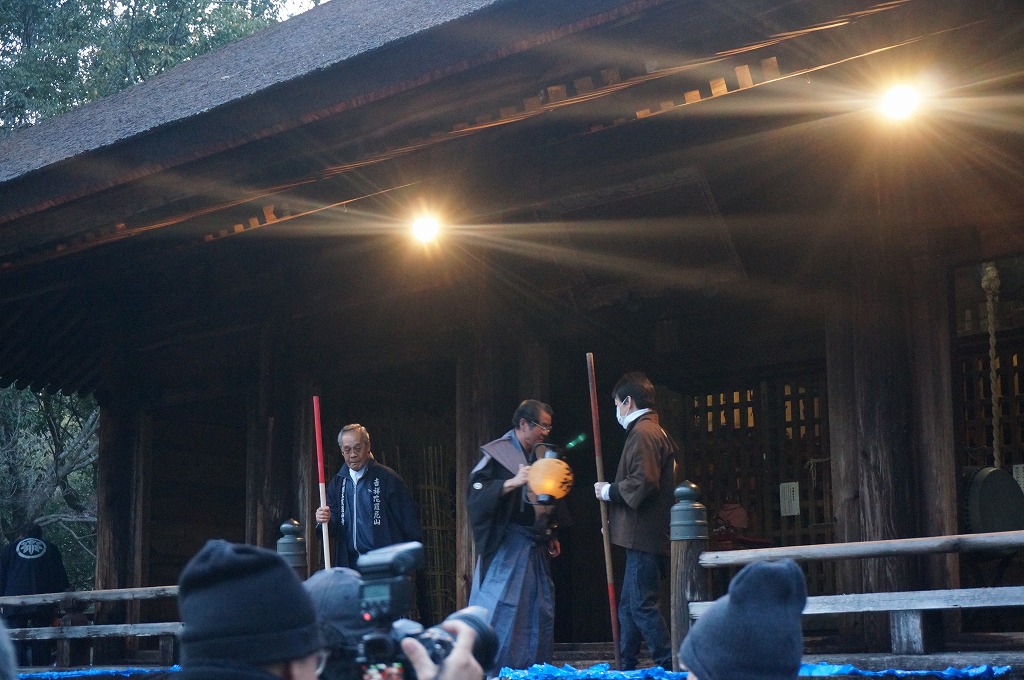
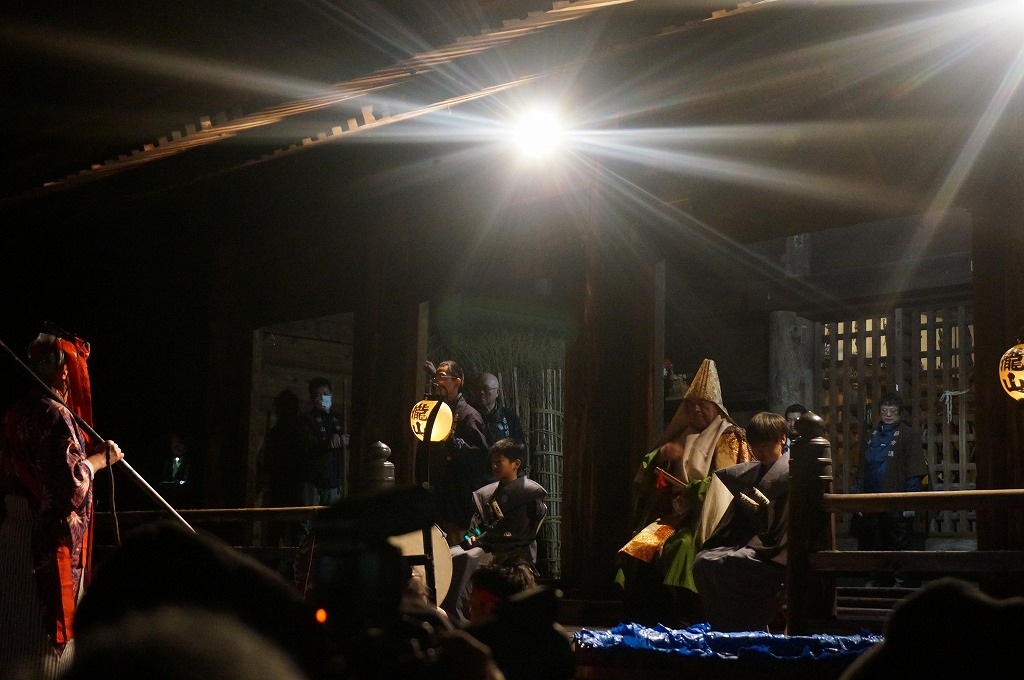
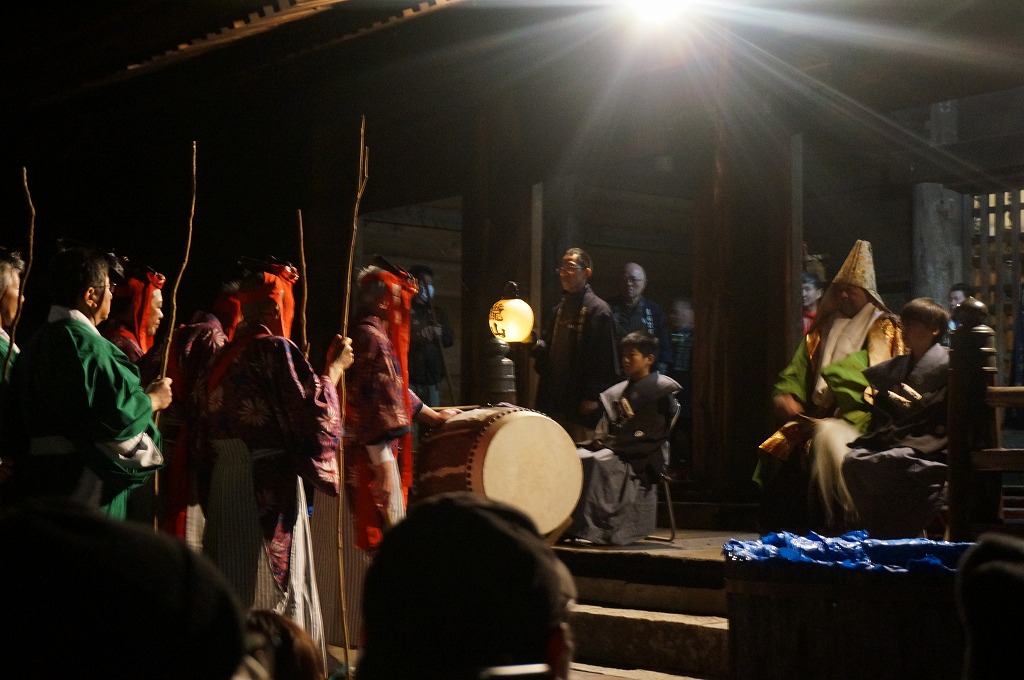
First, in the center is a large cauldron, the symbol of the festival, where the water boils all night long. This place is called “maido. It means a stage for dancing.

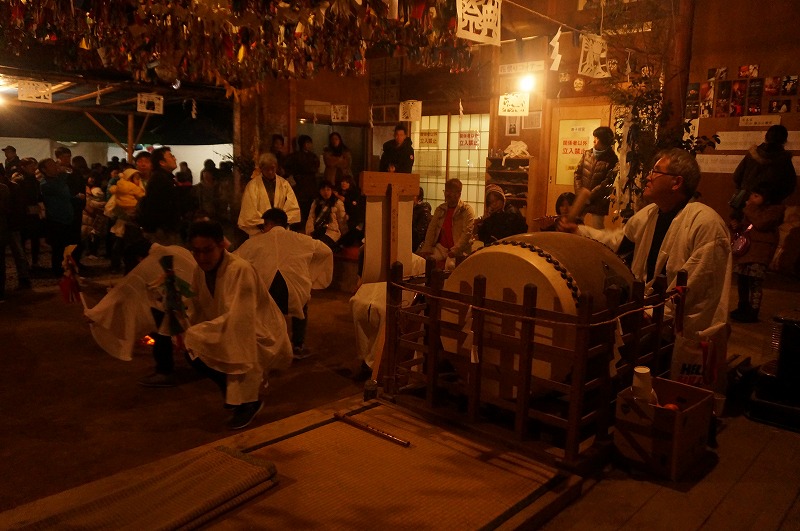
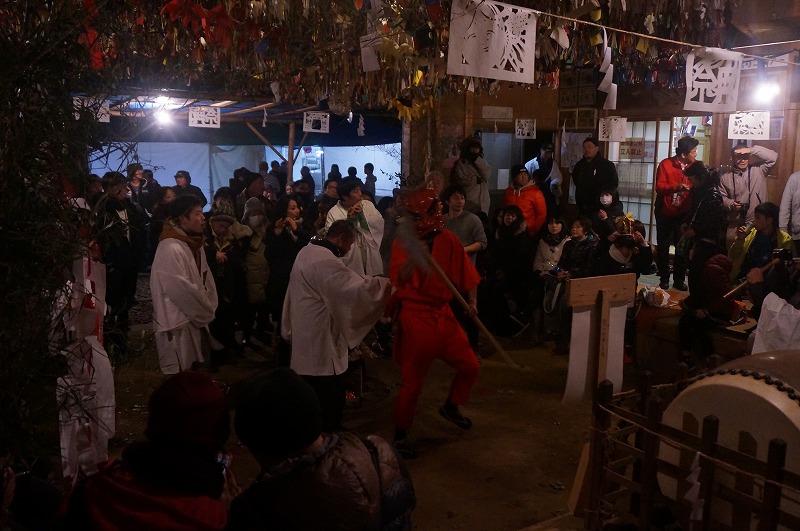
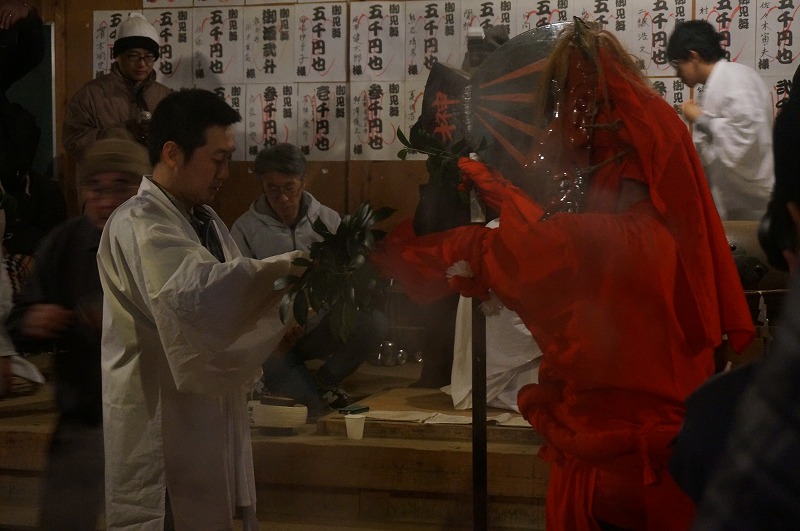
In front of the “maido” is a drummer. This drum sets the rhythm for the whole thing. Also, there are various decorations hanging from the ceiling. These are the gods’ Spirit-dwelling object. On the wall are the names and amounts of those who donated. Please be assured. The donation is included in the price of this tour.

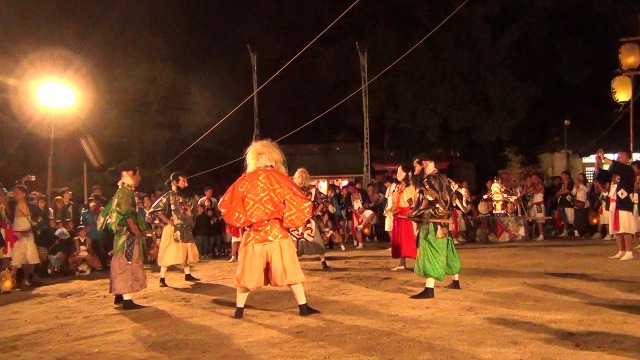
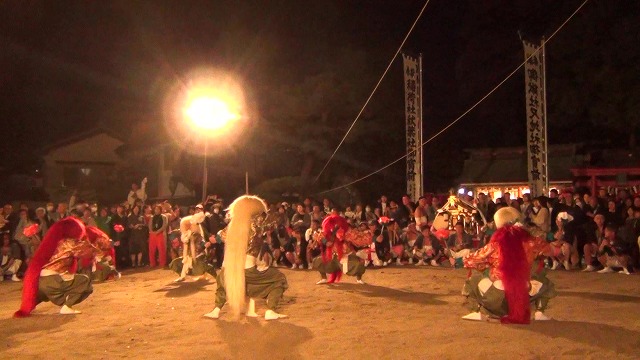
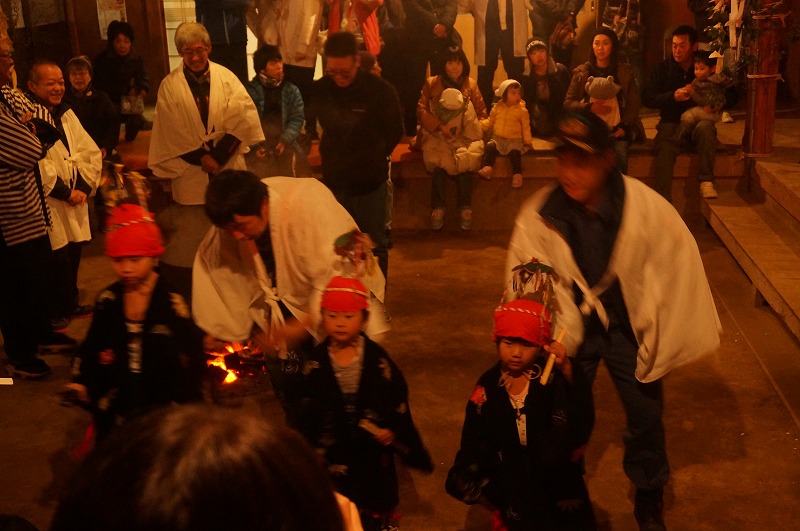
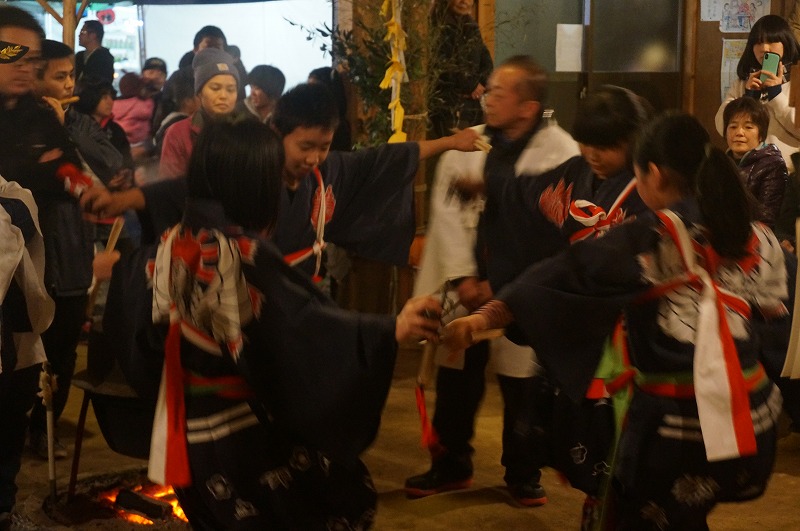
There are several types of dances, which gradually increase in age and proficiency from children, boys and girls, to young men and women. You can see the complexity of the dances gradually increase.

Adults accompany each child. I wonder if this is how they learn all the time.

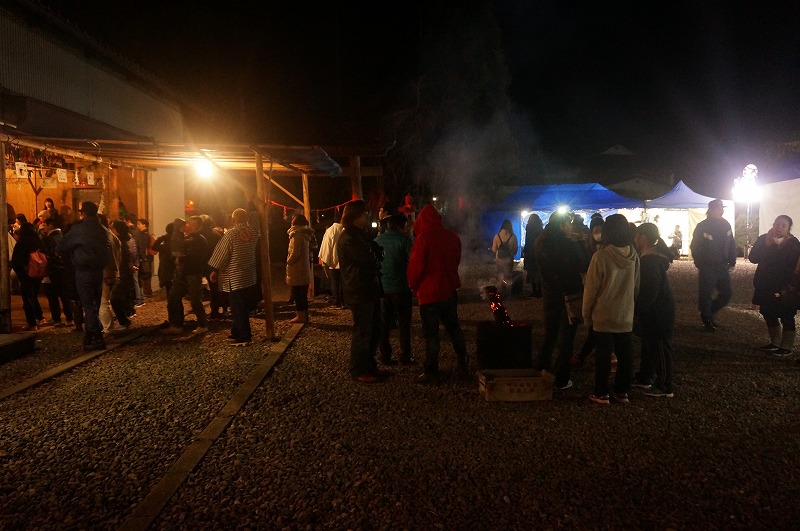
Isn’t everyone cold? There is a brazier in the front seats of the stage, though. It gets below 0 degrees Celsius at midnight, so please be careful not to catch a cold. Or, please warm up in the break room mentioned earlier.

Hi, I bought a warm Chinese bun outside.

Sounds good. I’ll go buy it later.

Light food are sold at cheap prices outside.

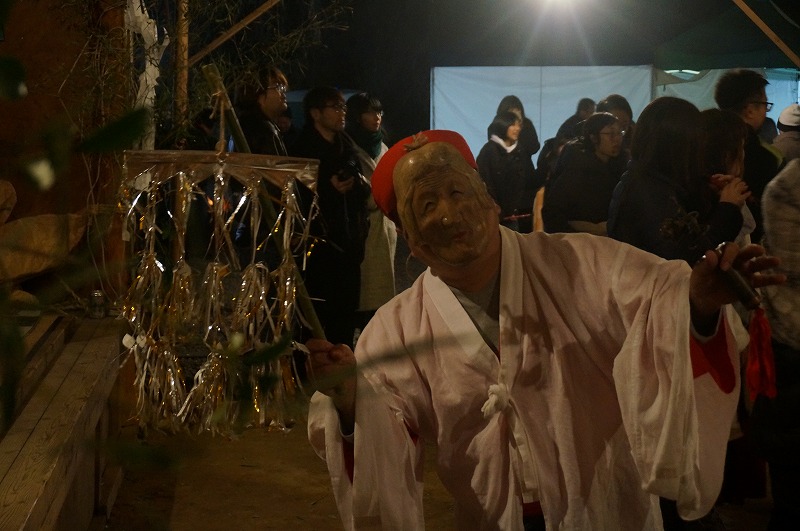
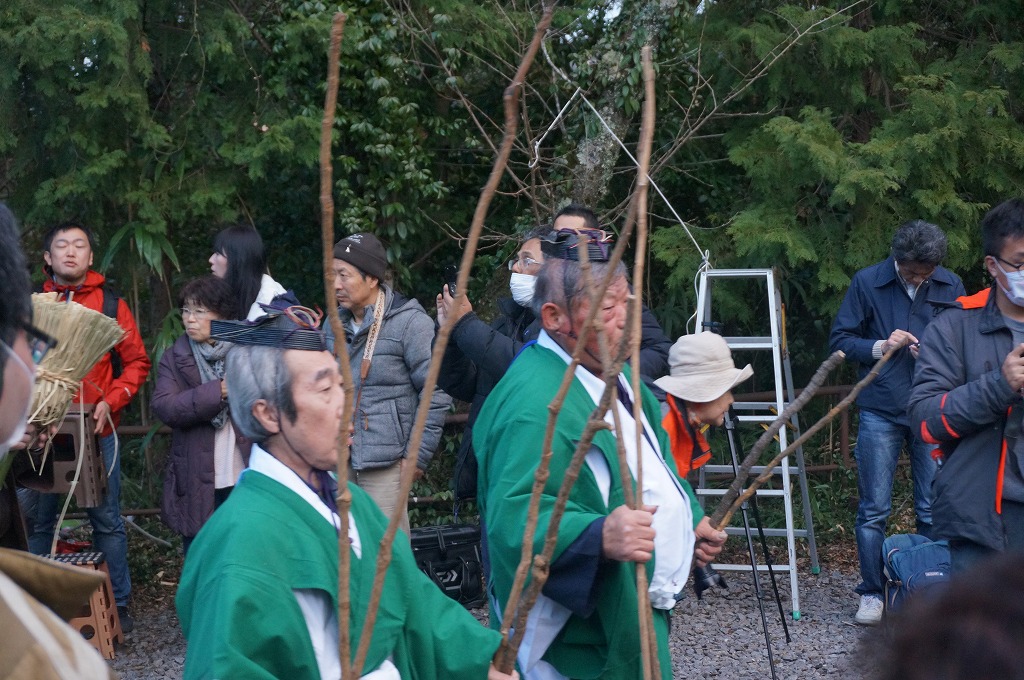
We see a man holding a sakaki tree. Since ancient times, sakaki has been famous as a tree in which God dwells. It is said that if you are struck with it, you will be free from disease. By all means, everyone.

I always get hit with beans on Setsubun. Besides, we Oni are also members of the gods.

It’s already around 11:00 p.m. It’s almost time for the first Oni to make his appearance.

Yamami-Oni 山見鬼

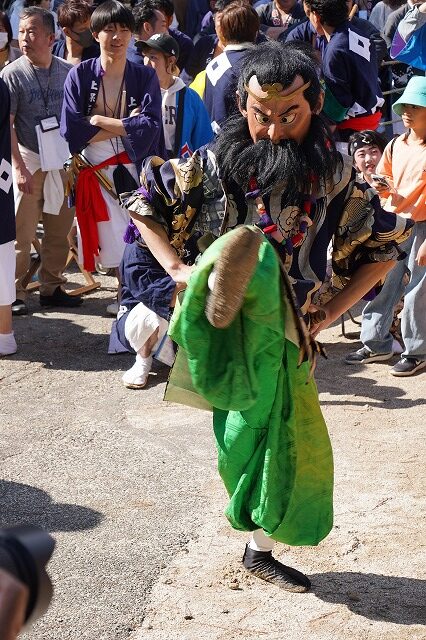
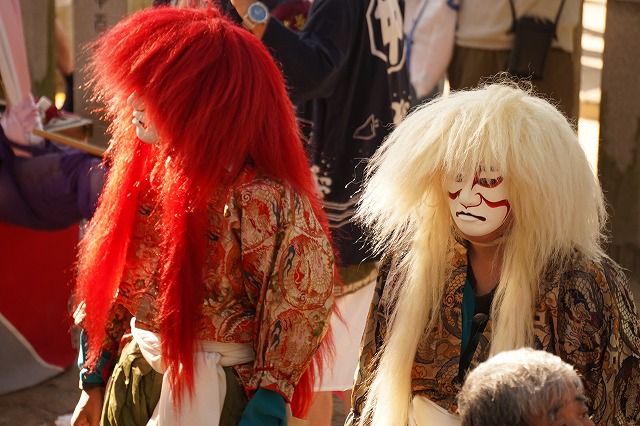
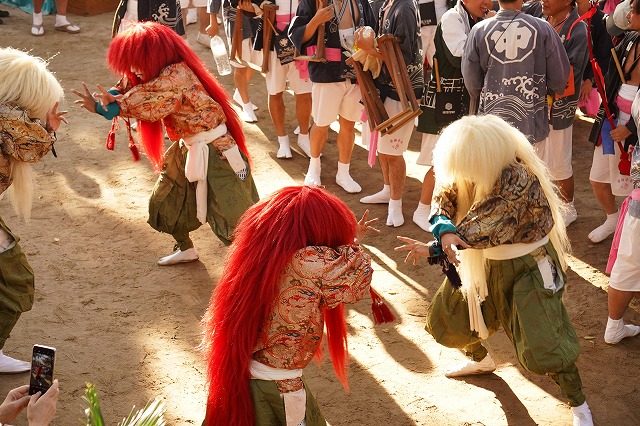
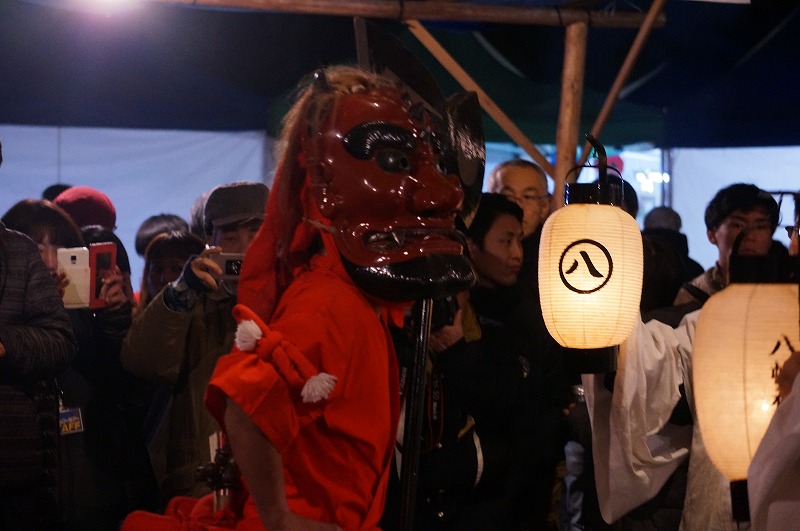
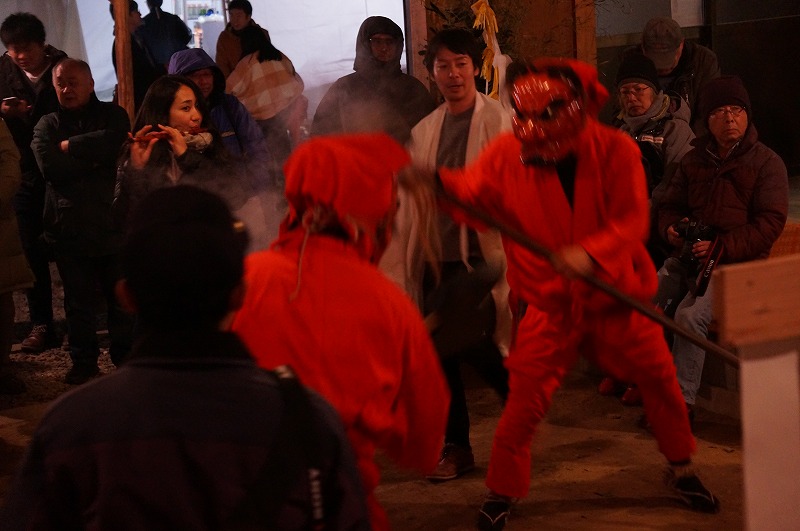
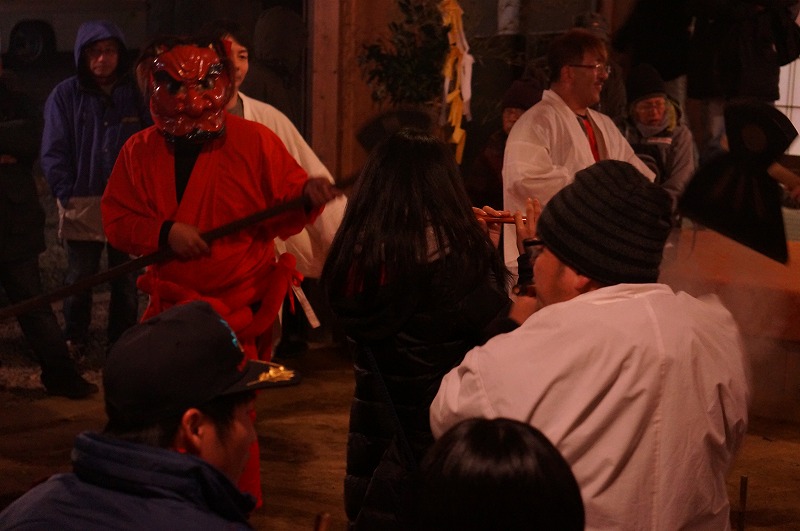
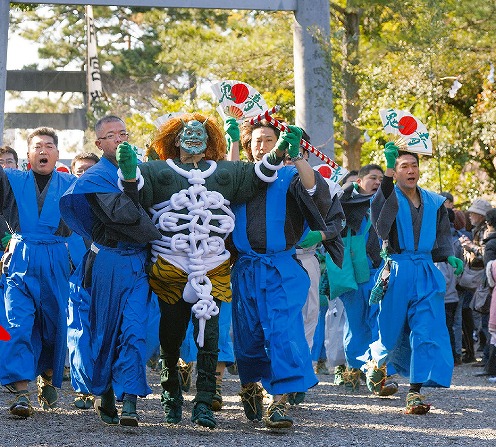
Here it comes at last: the first of the three Oni, the Yamami-oni 山見鬼. This is the companion Oni to the Yamami-oni.

Tehohe, Tehohe,. Tewotole tole

Listening to this melody for a long time puts me into a kind of trance.

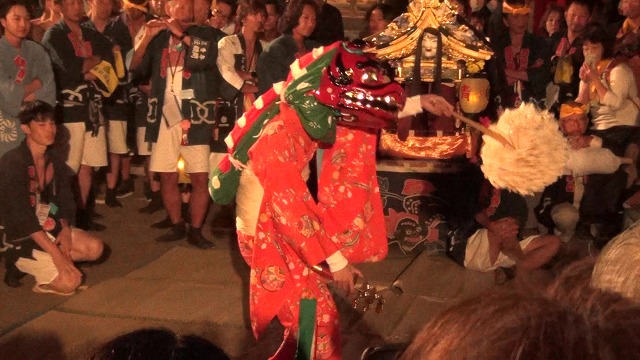
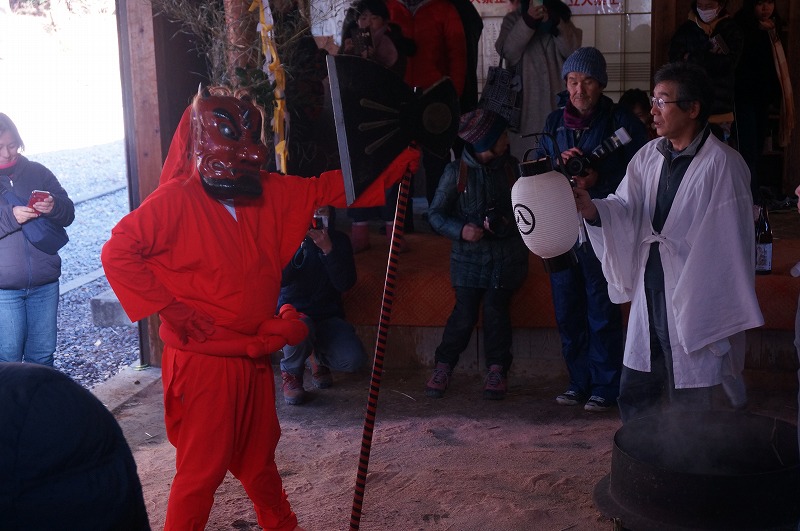
This is Yamami-oni.

He looks magnificent, doesn’t he?

He’s the star of the show.

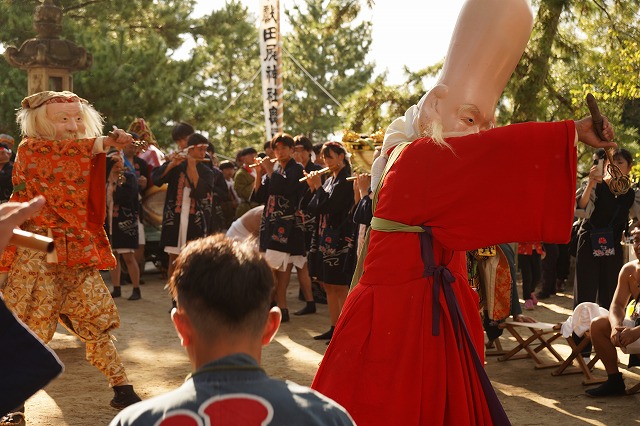
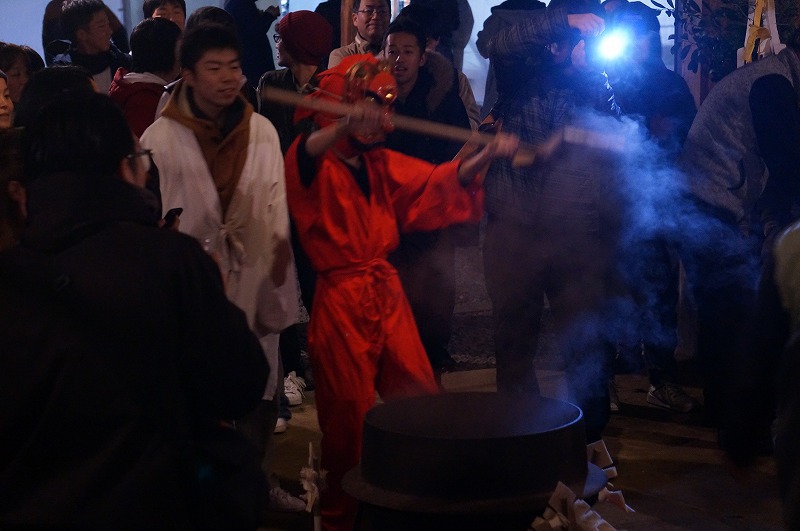
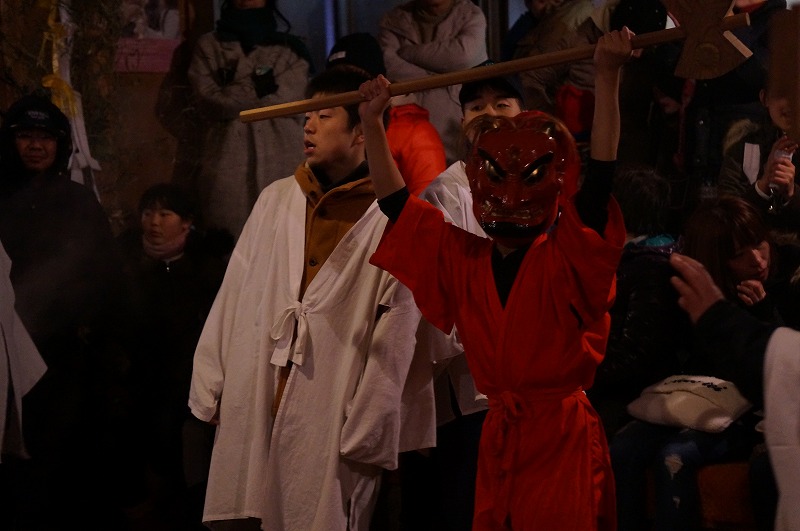
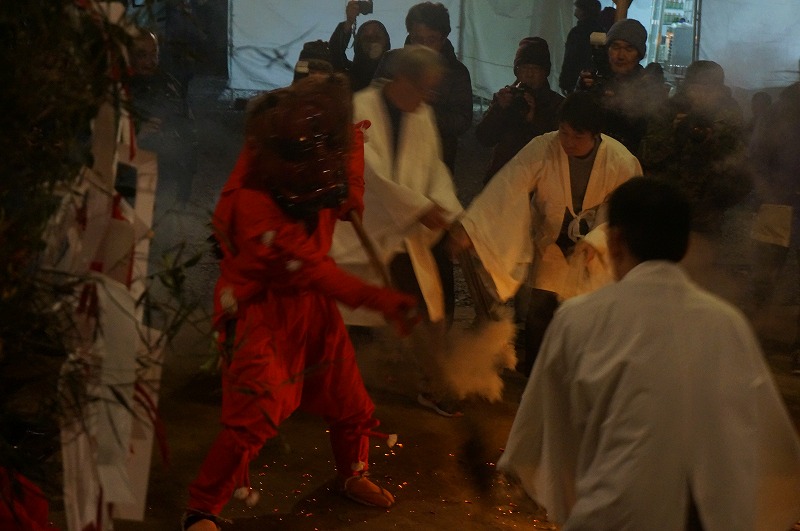
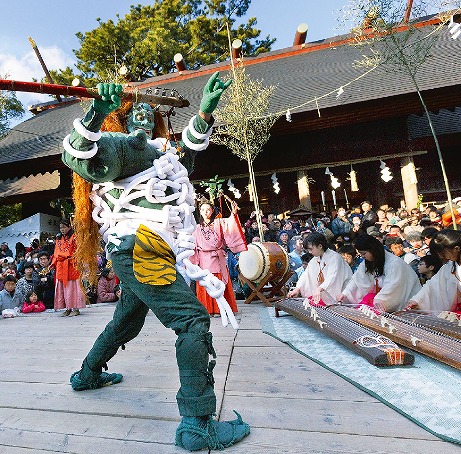
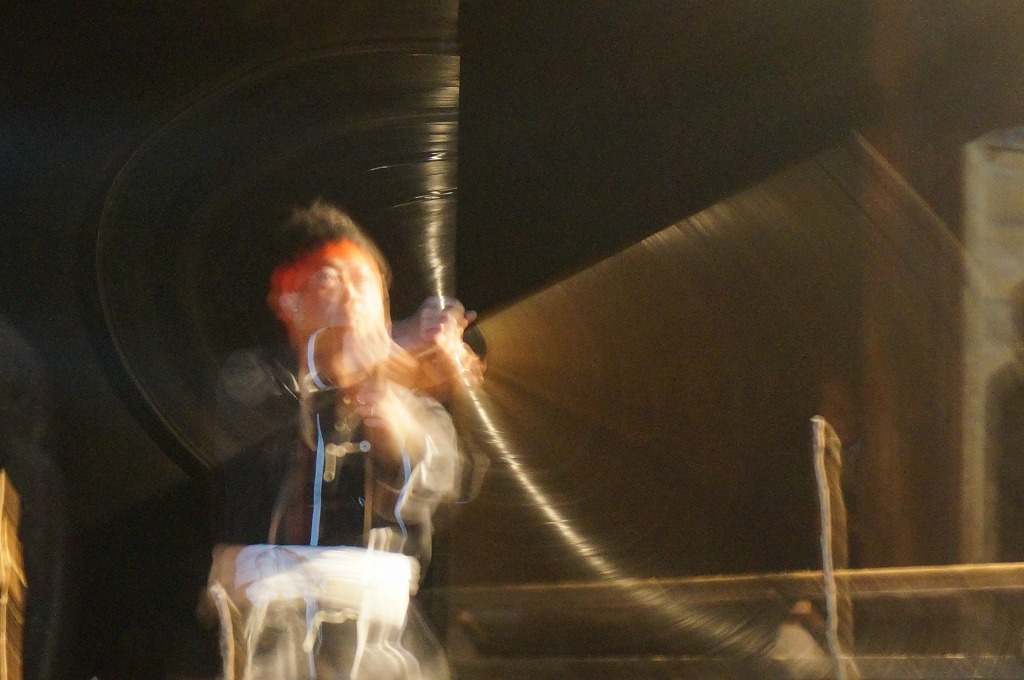
Yamami-oni is an Oni that breaks mountains. They drive away evil spirits with their powerful spells and encourage the rebirth of life by breaking up mountains. He does not actually break anything, but rather swings the hoe he is holding over the hot water pot in a large gesture to dispel the evil spirits.

I have also heard. It seems to have that kind of meaning in winter festivals that wish for rebirth.

Experts say it’s because that’s when the sun’s power is at its weakest.

In the past, this Yamami Oni was the most important Oni.

As expected, I started to feel a little sleepy. I’ll sleep a little until the next Oni comes out.

I’ll get some coffee from the vending machine too.

Sakaki-Oni 榊鬼

It was around 3:30 in the morning when the Sakaki Oni, the main character of the Hana Matsuri, made his appearance.

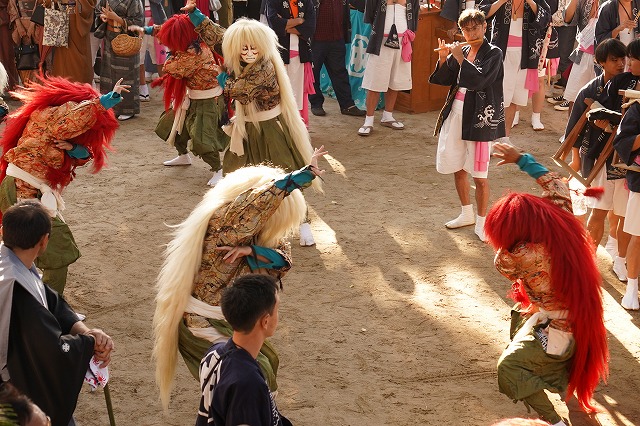
First, the dance of the accompanying Oni enlivens the occasion.

Now, it’s time for the real deal, Sakaki Oni to make his appearance. Oh, there are a few people missing.

It’s past 3 a.m., so some of members are sleeping in the break room.

Sakaki Oni is a “Araburu kami” (raging god) who lives in this land. So people ask and answer questions to this Sakaki-Oni. “Why did someone like you come here?”

What’s a raging god?

Dictionaries describe him as a “violent god” or a deity not subject to the rule of the emperor. If myth is a projection of reality, it is a projection of history from the ruling side. However, there have always been people who resisted such things, and this can be said to be a symbol of that.

I often say that we demons are also people who do not obey the imperial court. Hey, Sakaki Oni, keep up the good work!

There’s a word ”Many kiss the hand they wish to cut off”.

Two-faced?

Yes. For people, the rules of their own land are more important than the rules of people in power. No matter what the powers that be say, if you offend the gods of the land, you can’t make a living. So it is only natural that they treat the local deity with the utmost care.

And they say we Oni are also the people who resisted and were discriminated against. We should be more proud of being Oni.

More on that later. From now ,the gods are coming to bless the people.

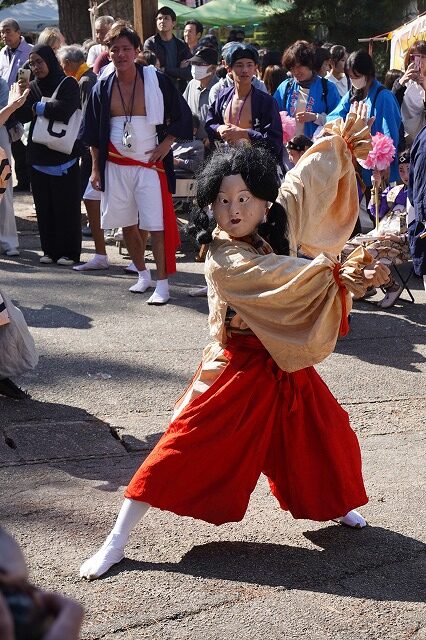
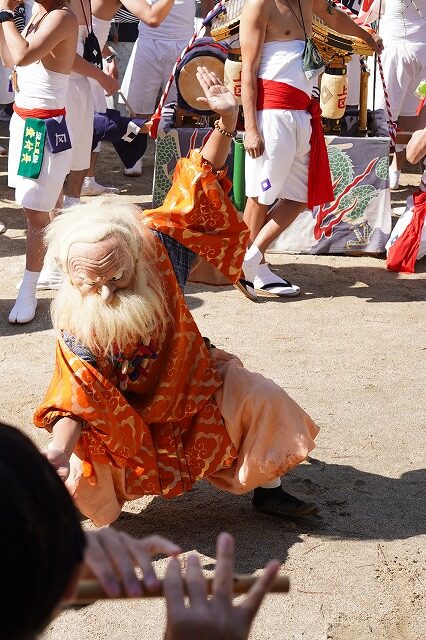
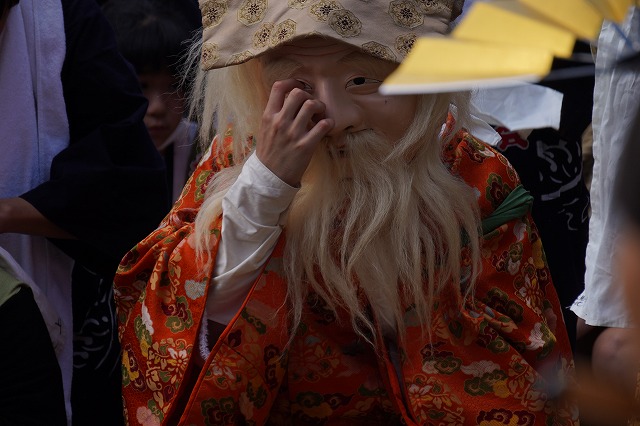
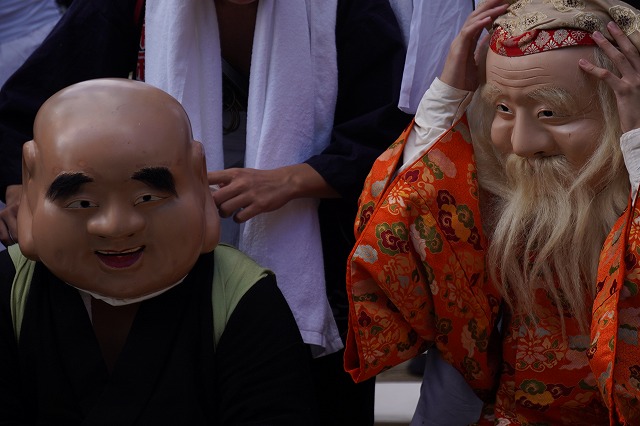
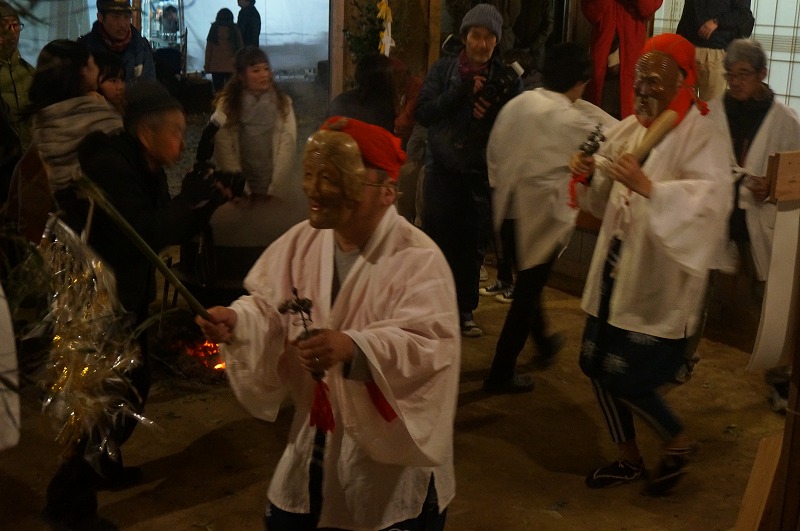
Negi, Okina, Miko (or Oturuhyala) 禰宜、翁、巫女(おつるひゃら)

What are they doing? They’ve got something in their hands.

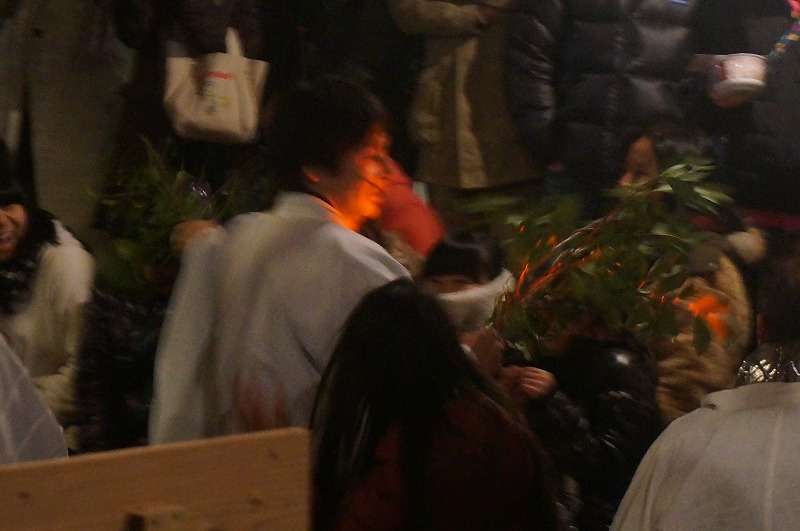
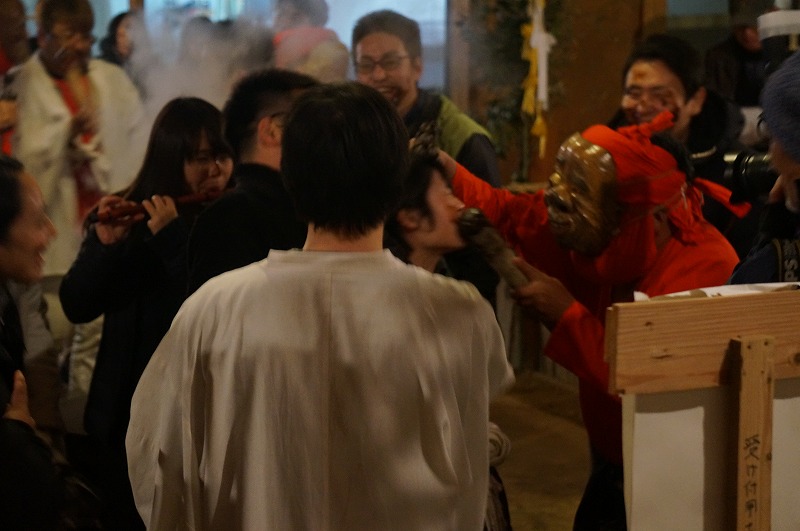
The stick has a miso paste on it, and if you put it on your face, it will bring you good health for a year. How do you like it?

Oh,no!

Breakfast, and Yubayashi 湯ばやし

It is indeed getting cold. You have some time before the yubayashi, and there is time for breakfast, so get some rest.

Breakfast starts at 6:00 a.m. Bread is main and soup, salad, etc.

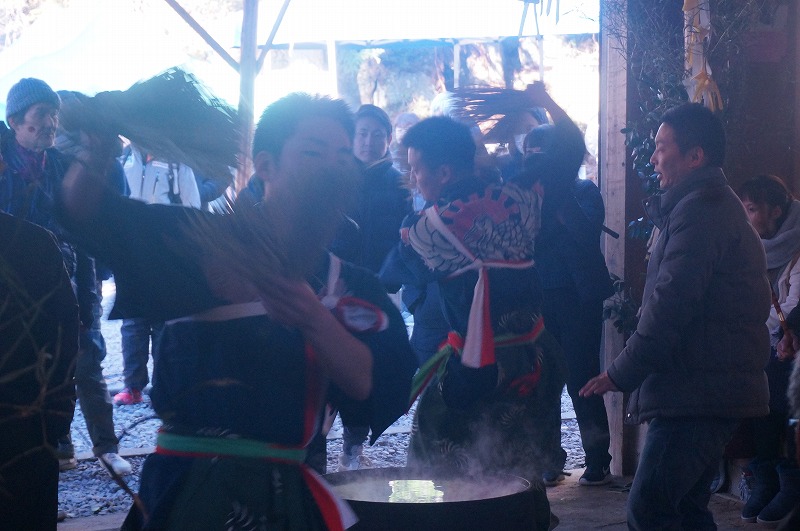
And the time is around eight o’clock. It’s getting light around here. This is when the “yubayashi,” the biggest spectacle of the festival, begins.

Finally, the yubayashi begins. The scheduled departure time was 8:00 a.m., but we will move it back one hour.

It’s already past 8 o’clock. I’ve totally fallen asleep. But the dancers are amazing, even though they’ve been doing it all night. They are full of energy.

The festival started the other evening and has already lasted over 15 hours. Even after arriving on the tour, it has been more than 10 hours. Since the population is small, the same person appears in several dances, which puts a considerable burden on them. Even so, there is not the slightest sign that their energy is waning.

We slept and ate breakfast on the way, so we are fine, but why do these people have so much energy and stamina when they dance here almost all night long?

Is this the power of the festival? Still, I feel that the festival is becoming more and more exciting.

Now, it’s time!

The dance moves toward the center as if to send chi toward the already extinguished hot water pot.
To-hore, sanya, to-hore, sanya

Like a wave that comes and goes, excitement rises to a peak and then settles down again. This is repeated over and over again, and finally the time comes.

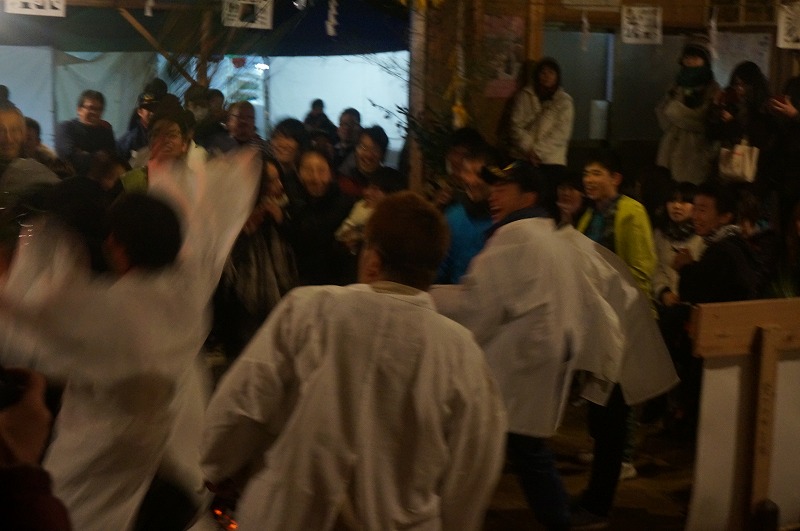
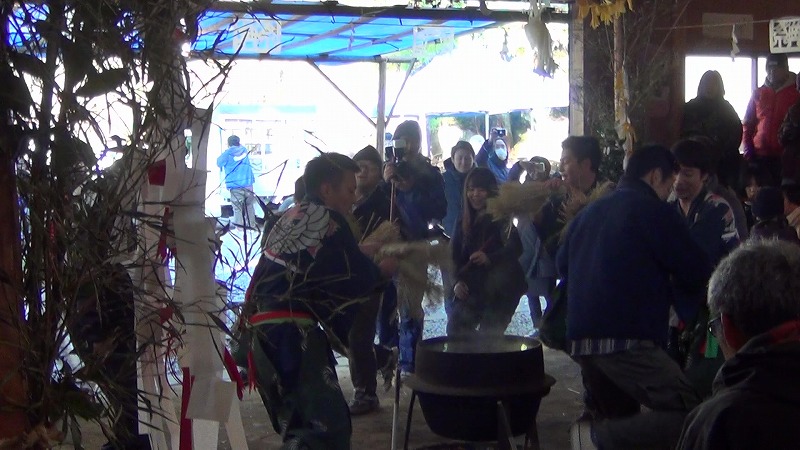
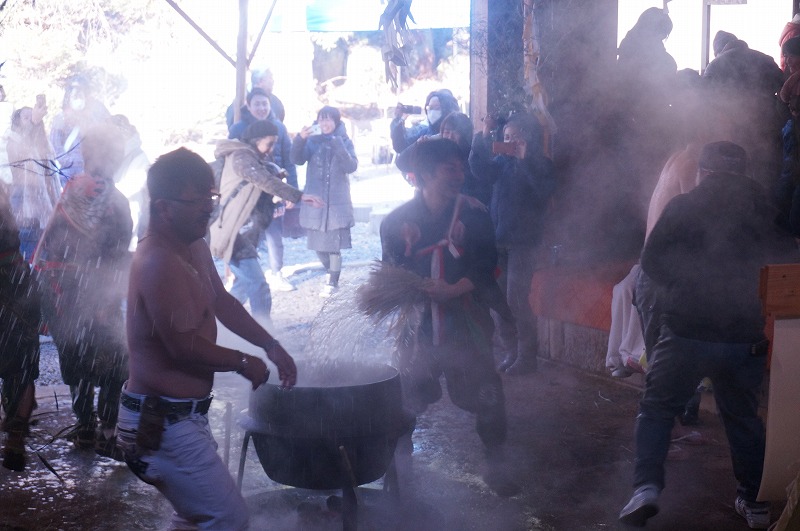
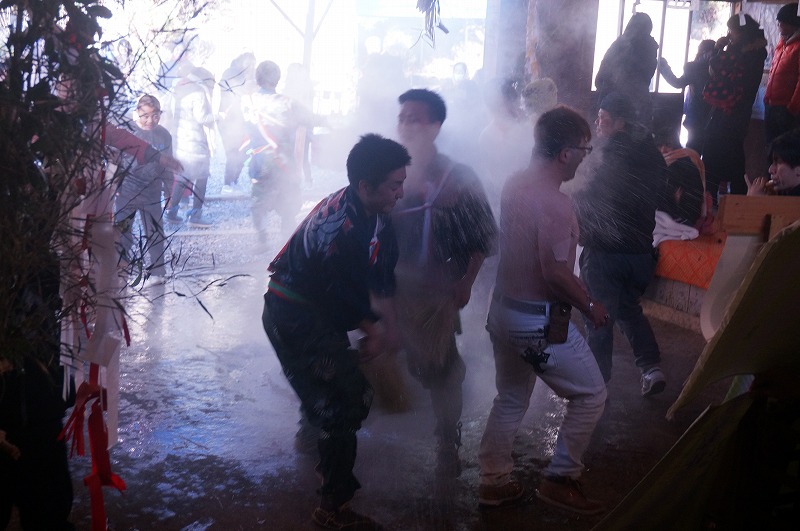
The dancers dip a bundle of straw in their hands with plenty of hot water from the cauldron and sprinkle it vigorously.

Wow, everywhere is soaking wet.

The fire has been out for a while, so the heat must have diminished considerably, right?

That’s not the point.

Asa-Oni 朝鬼~ ending

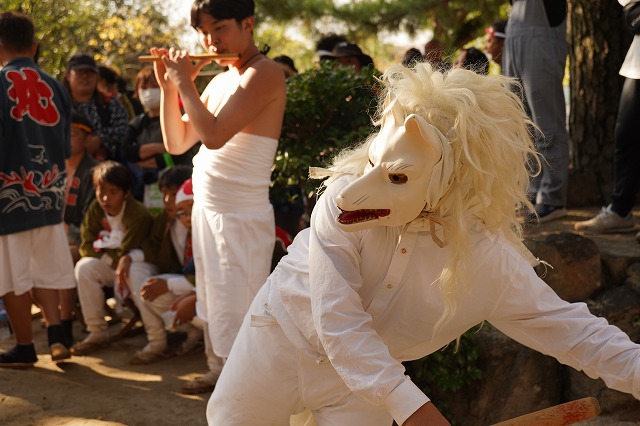
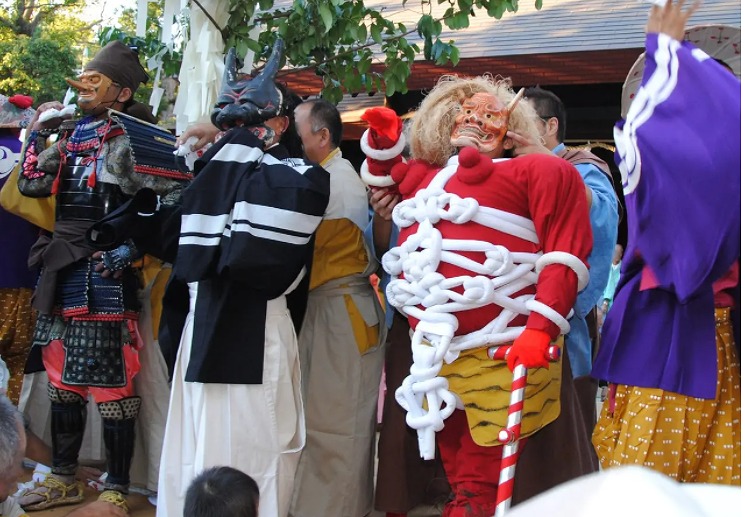
After the Yamami-oni and Sakaki-oni, the last Oni appears. That is the “Asa-oni”. The literal translation is “morning oni. The Asa-oni knocks off the symbol of the gods that is suspended from the “maido”. Next, a lion appears to purify the scene. After that, People return the deities they invited back to where they came from, and all festivities come to an end.
But it’s time for us to leave.

After this, we will stop at a hot spring on the way back to Toyohashi Station. You must be tired overnight. Please take a long soak in the hot spring and recover your energy!

I’m lucky as “Oni” to watch this festival.

Fifteen Hana Matsuri have survived throughout the region, and although the people in each community suffer from a shortage of labor, they held between November and March of the following year. In order to support the festival, buses run late at night from the nearest station to each area on the days when the festival is concentrated, and travel agencies offer tours such as the one introduced in this article. It is one of the festivals where you can feel the original landscape of the Japanese people.

I would like to conclude with a comment posted on Instagram by a young woman who lives in the area.
She commented, “Life in general is inconvenient here, too, but I think it’s okay to continue living here because of the Hanamatsuri.”


Report: ~It is just 10 minutes but, those 10 minutes will remain in the memory forever~Ogre fire festival in Takizanji -temple 滝山寺の鬼まつり

the ceremony's scene

Date; the nearest Saturday to the old calendar is New Year holiday of the 7th of January (about 1 month later than the present calendar, 15th February 2020)

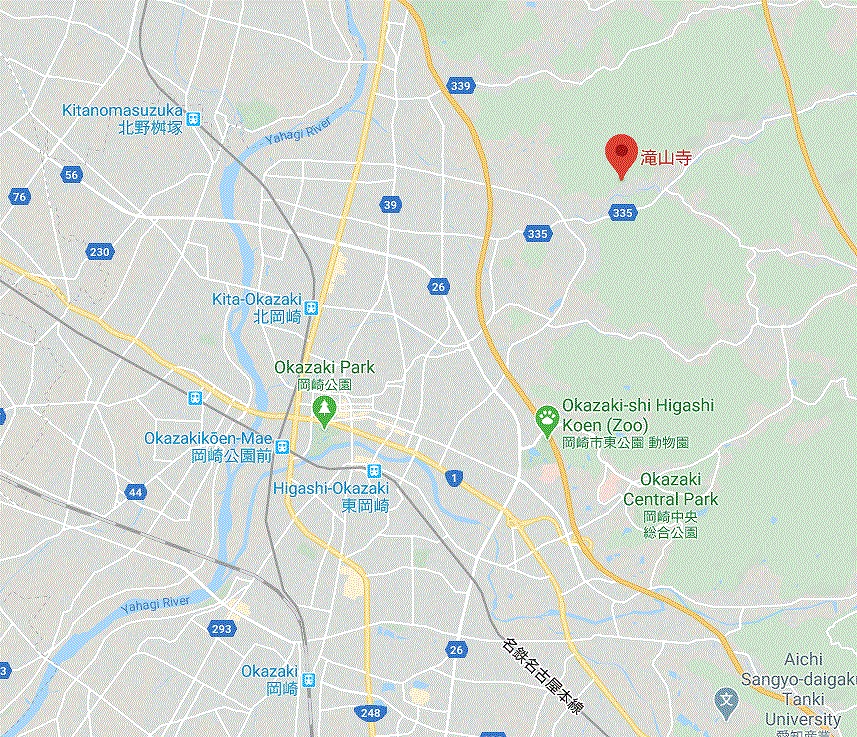
Location; Takizan town komo 107, Okazaki city, Aichi prefecture

Access; about 30 minutes by bus from Higashi Okazaki station (Meitetsu line). Higashi Okazaki is about 45 minutes by train from Nagoya

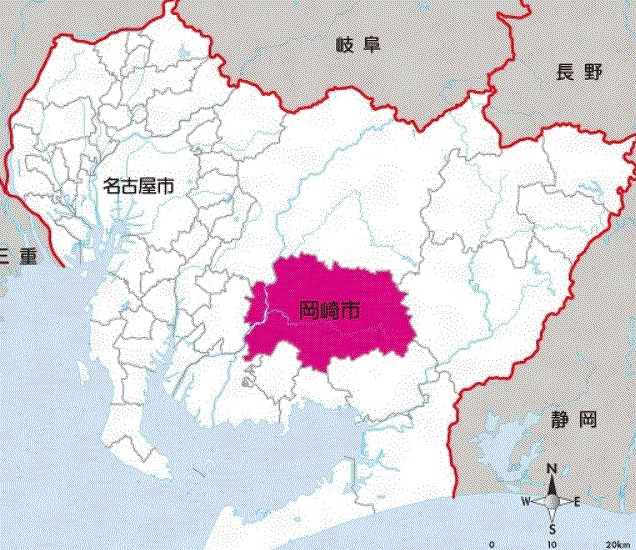
Aichi prefecture
Aichi prefecture

Okazaki city
Okazaki city

Tkizanji-temple's location
Takizanji-temple (red point)

Introduction

 This time, an event we introduce is “Takizanji no oni matsuri” (Ogres fire festival in Takizanji-temple). It is held in Aichi prefecture. The climax of three ogres emerging around fire is really awsome. This event starats at 4:00 pm, but the time the ogres emerge is at the very end only 10 minutes before the end. It will be at about 7:45 pm. So, you must wait for 2 to 3 hours, if you see it from front. But, lot of people still go. They say it’s worth waiting for long time.

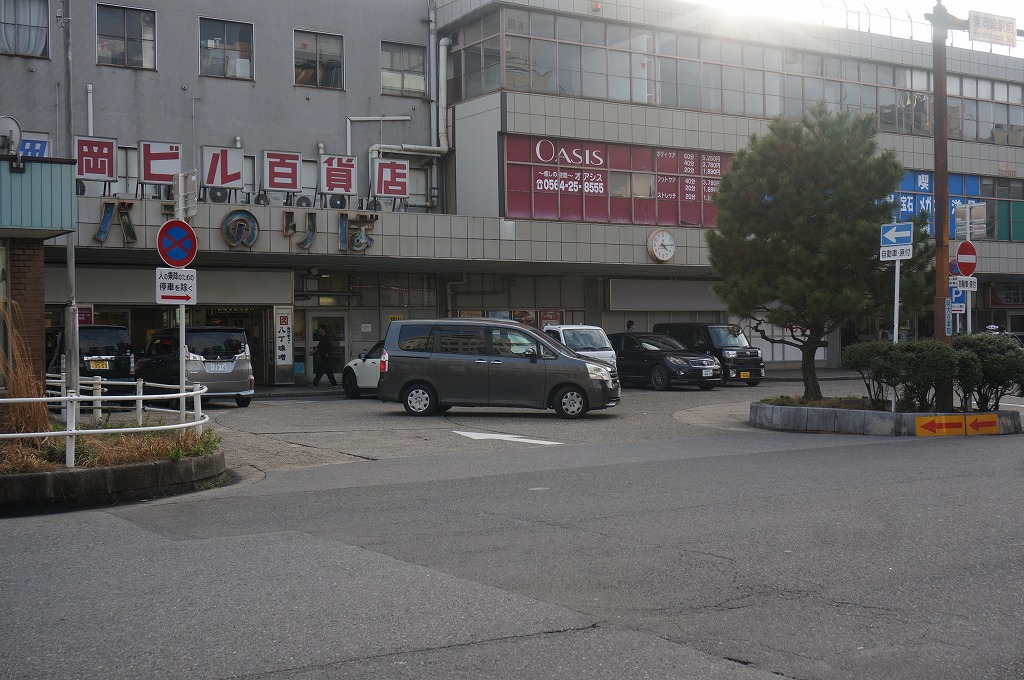
Higashi Okazaki station

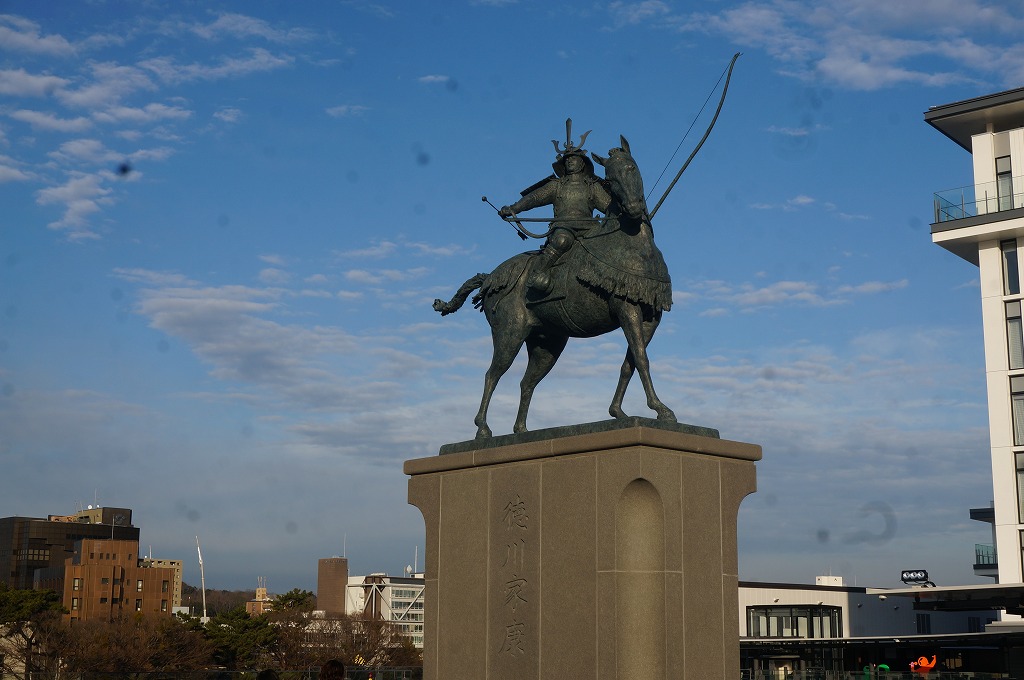
front of the station and first shogun's statue
Okazaki is the place first Shogun of Edo shognate was born

 I went there 2020, so I write this article based on that time. But, the flow of the festival is the same every year.
 On the day, the bus leaves every 30 minutes from Higashi Okazaki (東岡崎) station (Meitetsu line). If you go by car, there is a park in a place little far from the temple . A shuttle bus goes from there.

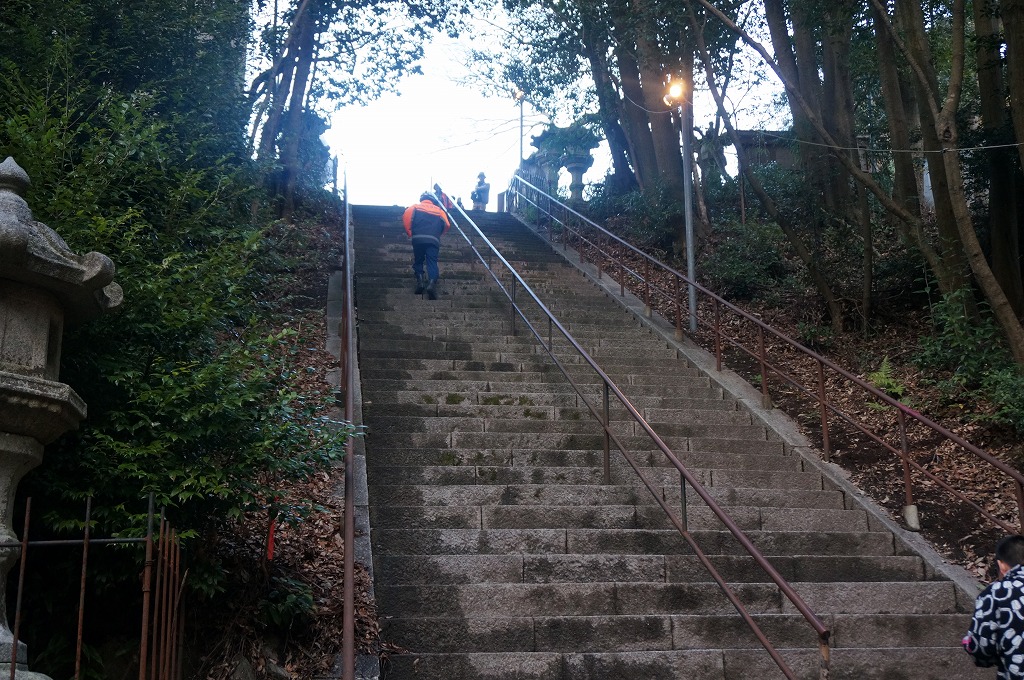
 When I arrived there at 5:00 pm. You get off a bus, you go up the long stairs.

around the temple

the temple
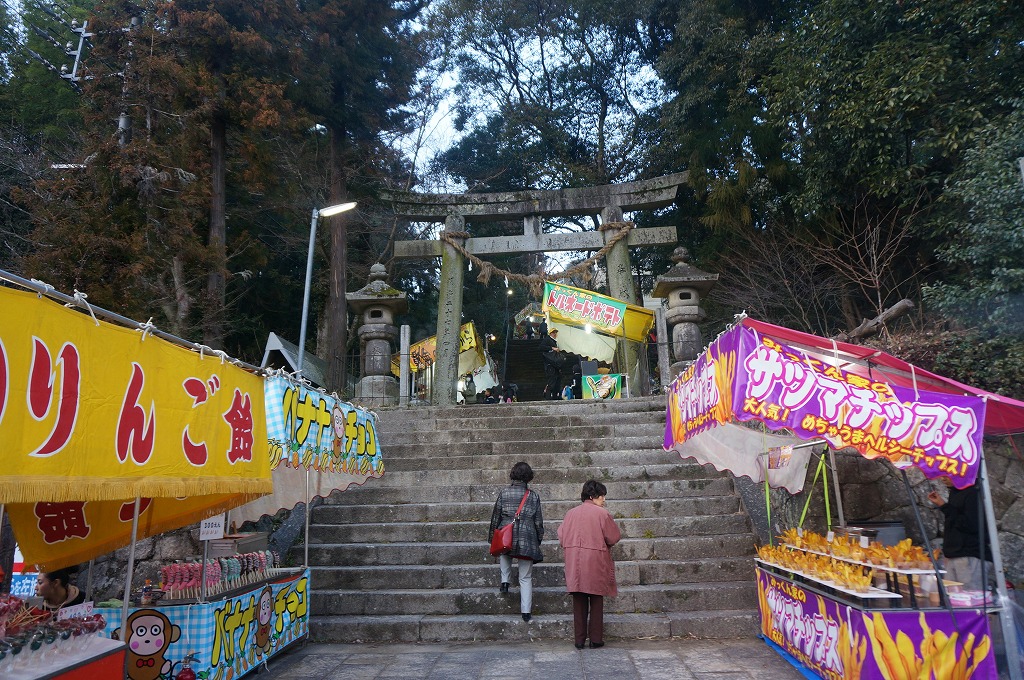
several street stands open

long stairs to the monastery
long stairs

at the temple

the main hall (Hon-den)
The main hall (Honden 本殿)

left side
left side

front side
front

right side
right side

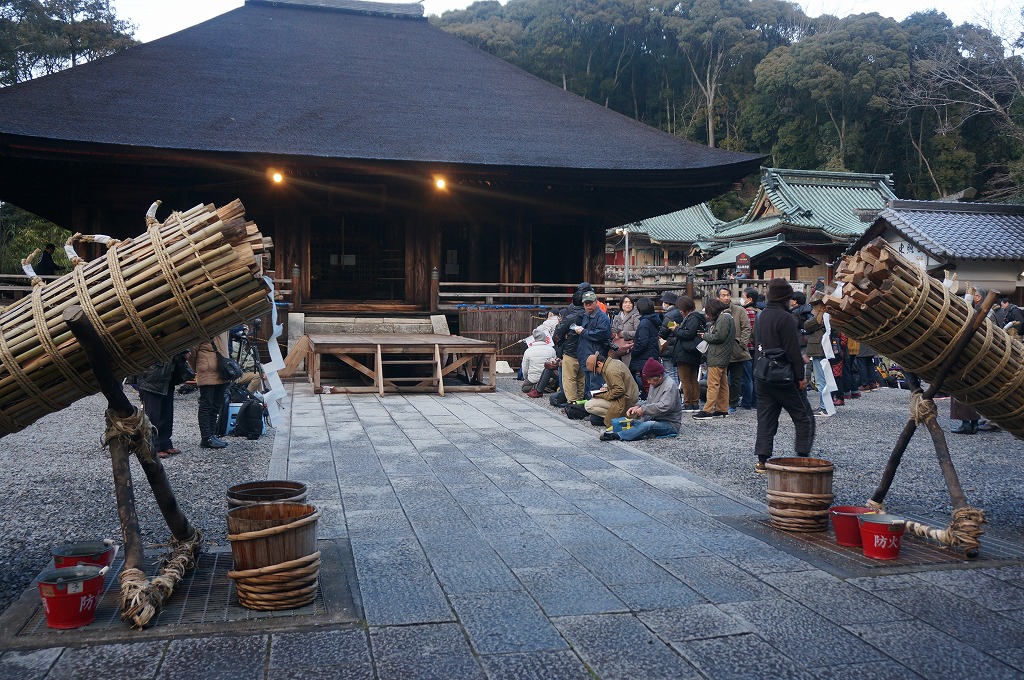
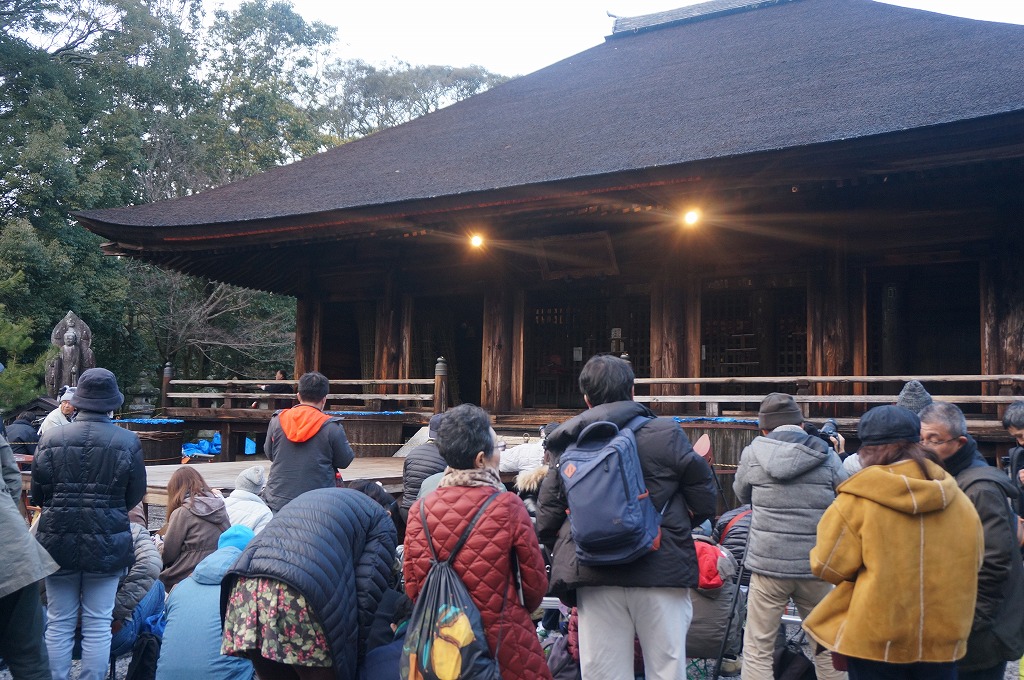
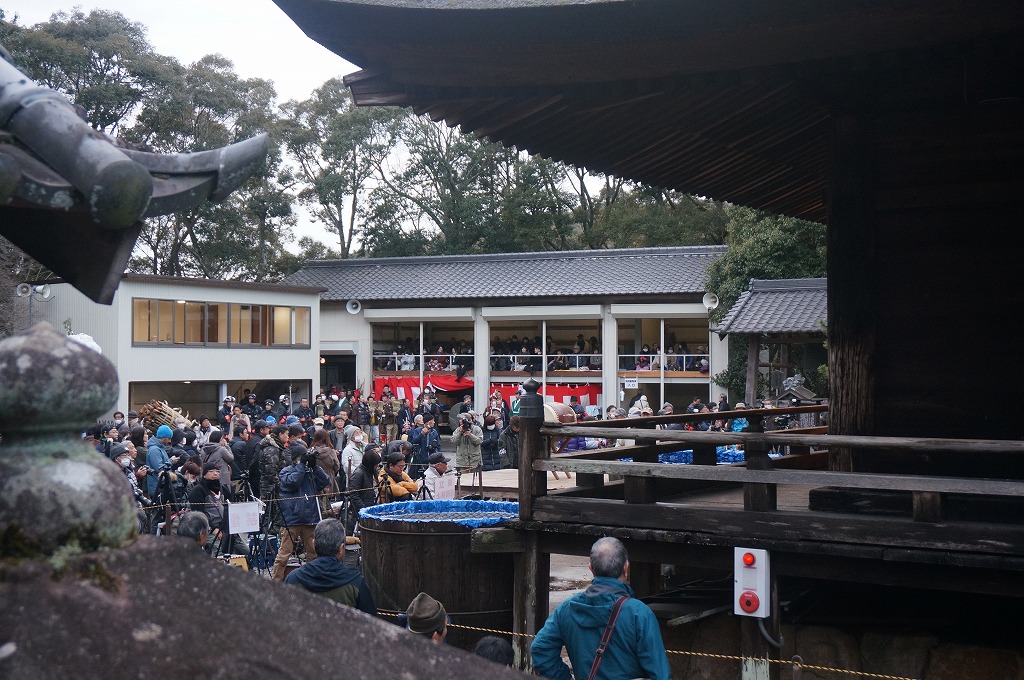
 You see a big main hall in front when you finish going up the last stairs. The beam of the roof greatly protrudes from main hall. The roof which covers the stage is large and imposing. People had already lined in three rows around the main hall (Honden) and camera tripods were lined, too. I guess they had waited from around noon.
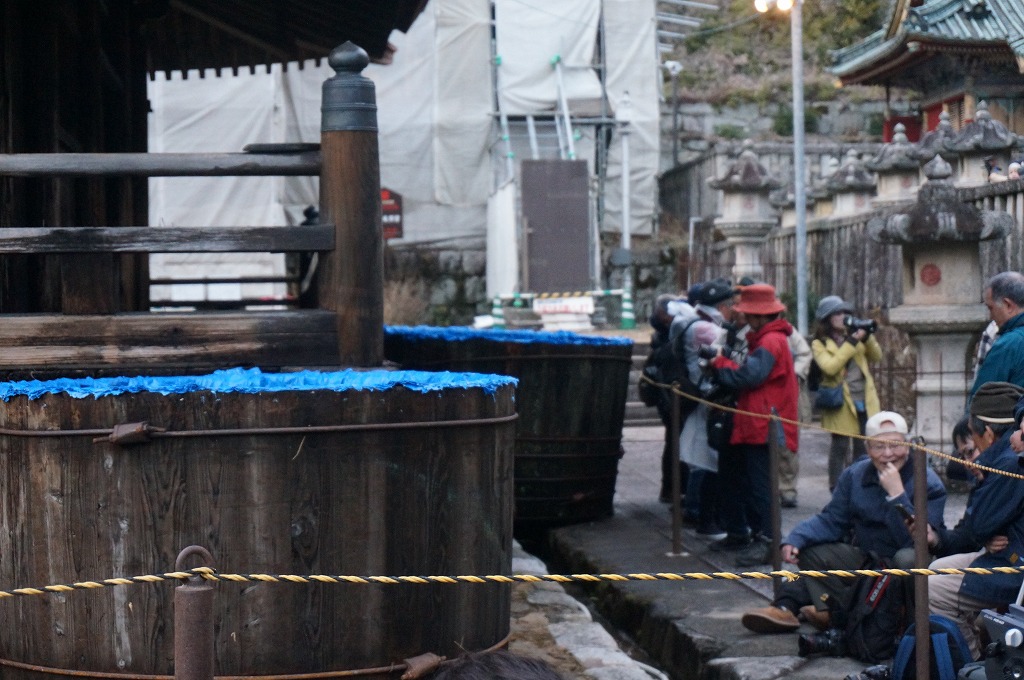
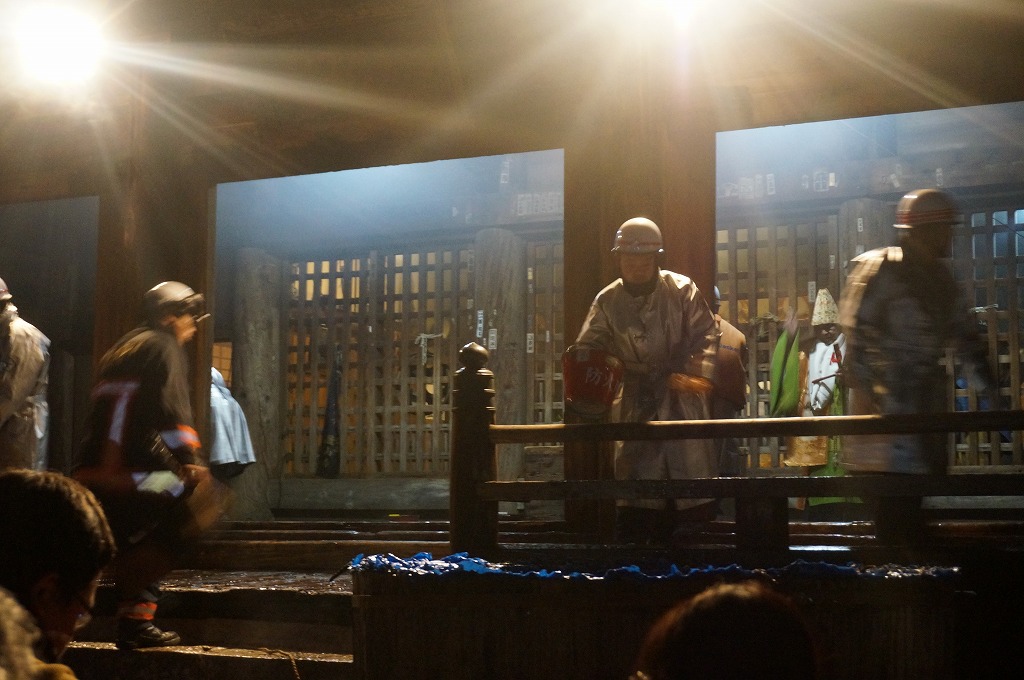
 There are several big barrels filled with water to the beam and in front of th main hall, and the firefighting team stands by, too.
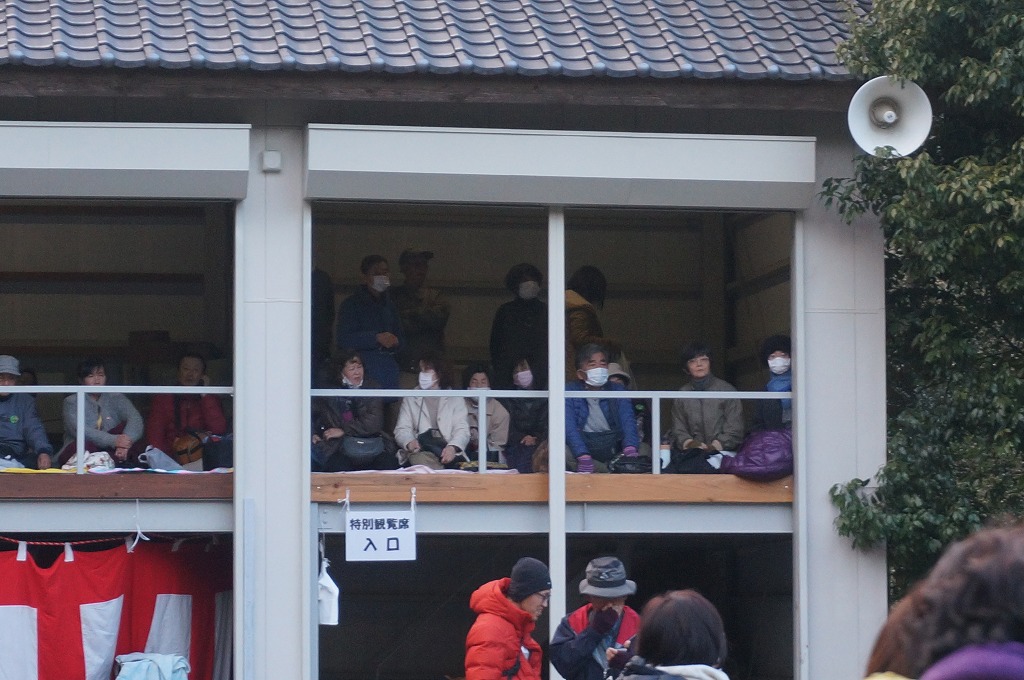
 On the left of me, there is another 2 story building, it is already full of guests. They are visitors who reserved special dishes (\4,000 as of 2020). 2 big torches which are set at the entrance are waiting to be lit to signal the start. In an average year, they say that it smows, that day was comparatively warm.

big barrels
big barrels

Junininshu (twelve people)
Junininshu 十二人衆

 I will write mostly about the climax, but I’ll example the flow for the time being. If you want to Jump to the climax, scroll to the end, please.

 This temple was built in 686 AD. At the end of the 12th C, the temple had accepted it’s faith from Minamoto-no Yoritomo who established his Shogunate at Kamakura, so this temple ushered in the golden age. Following a decline from 15 C~16 C, it was revived by the protection of the Tokugawa (Shogun of Edo shogunate 17 C~19 C) and continues up to the present day.
 People who are called “Junininshu 十二人衆(12 people) manage the whole festival. They are the people who inherit this role from generation to generation, And a person who is called “Taiyaku (it means general manager) gives instructions.

taiyaku (main role)
Taiyaku 大役

a chief priest
a chief priest

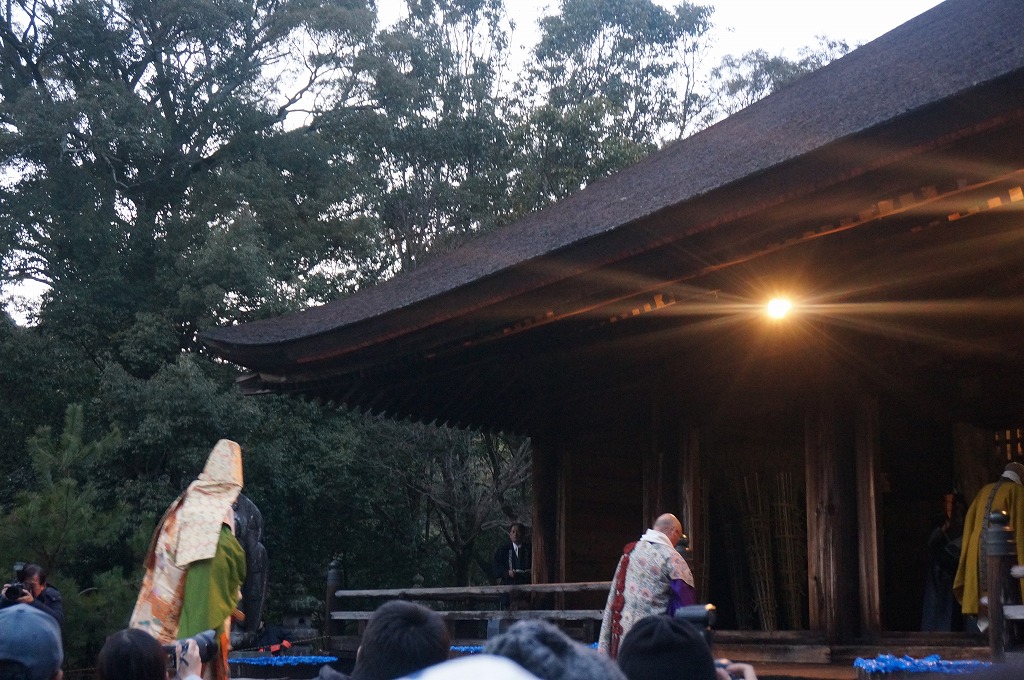
 At 4:30 pm, they beat Taiko (Japanese drum), and at 5:30 pm, the chief priest enters the temple, Buddhist memorial service begins.
It usually gets dark at around this time.
 Juninin-shu group starts to go around the temple for the purpose of purging noxious vapors.

on the stage

three people of the ogres
3 people as roll of the ogres

Meanwhile, a program host introduces the 3 people, 2 adults and 1 child, who play the leading parts of the ogres. They must purity themselves for 1 week. They can’t eat any meat, and can’t accept help from women. So, fathers offer their dishes to the children.

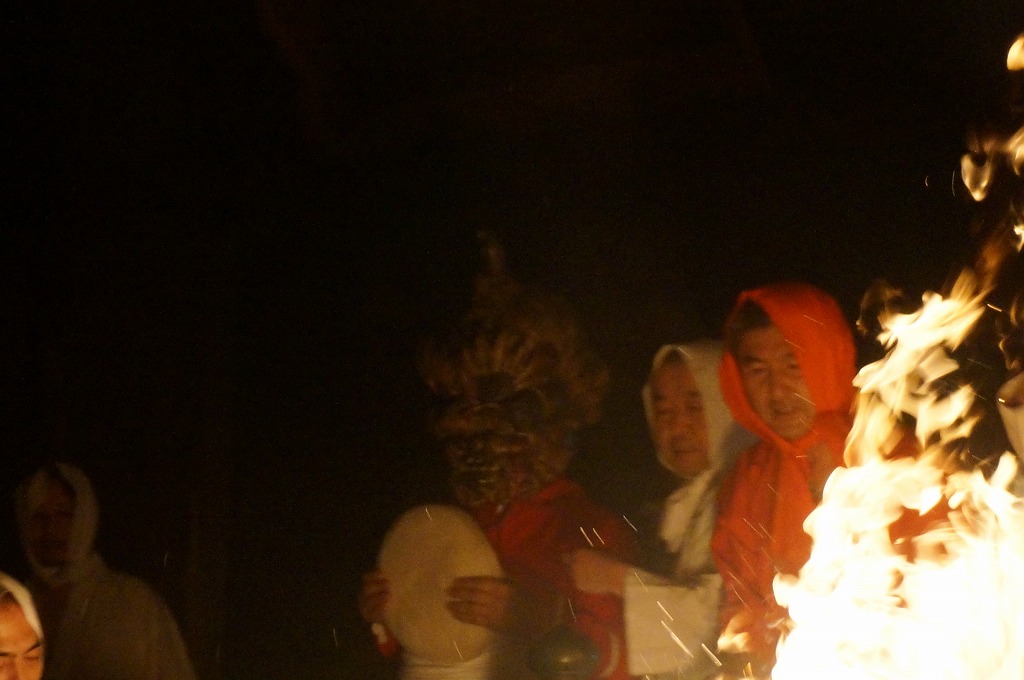
 In this festival, 3 ogres emerge. They are called “mask of grandfather”, “mask of grandmother”, and “mask of grandson”. Why are there not “mask of father” and “mask of mother” ? There is a mysterious legend. Once upon a time, two priests visited this temple and they said “Shall we wear masks ?”. They wore masks without purifying themselves. They could not take off the masks and they had just died. People who felt pity kindly burried them. A grave remains now in this temple, so the group goes to the place to pray.

ceremony

ceremony

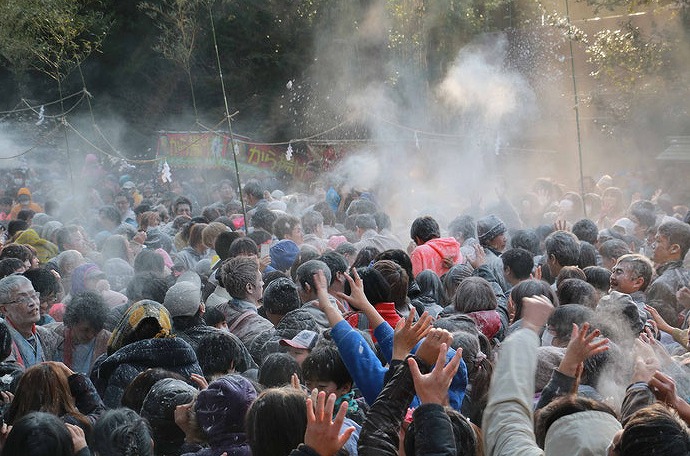
 At 6:30 pm, people throw beans and rice cakes for good fortune.
 At 7:00 pm, two young people get on the stage and wield long swords, “Naginata 長刀” for purging noxious vapors in the east and west. After this performance, two of the Juninin-shu perform a play of imitation of farming. They use words from the Kamakura period which even few modern Japanese can understand.

people singing
Juninin-shu sing a song

ceremony starts

fire and ogres~climax of the ceremony

 Finally they sing a song. By this time, the precincts would be overflowing and crowded with people. After they get off the stage, a young person holding a long sword gets on the stage again. He wields it, and in the end, he swirls it around and slams it down against the floor, making great noise. This abruptly signals the start of the main event.

many ogres and people in fire

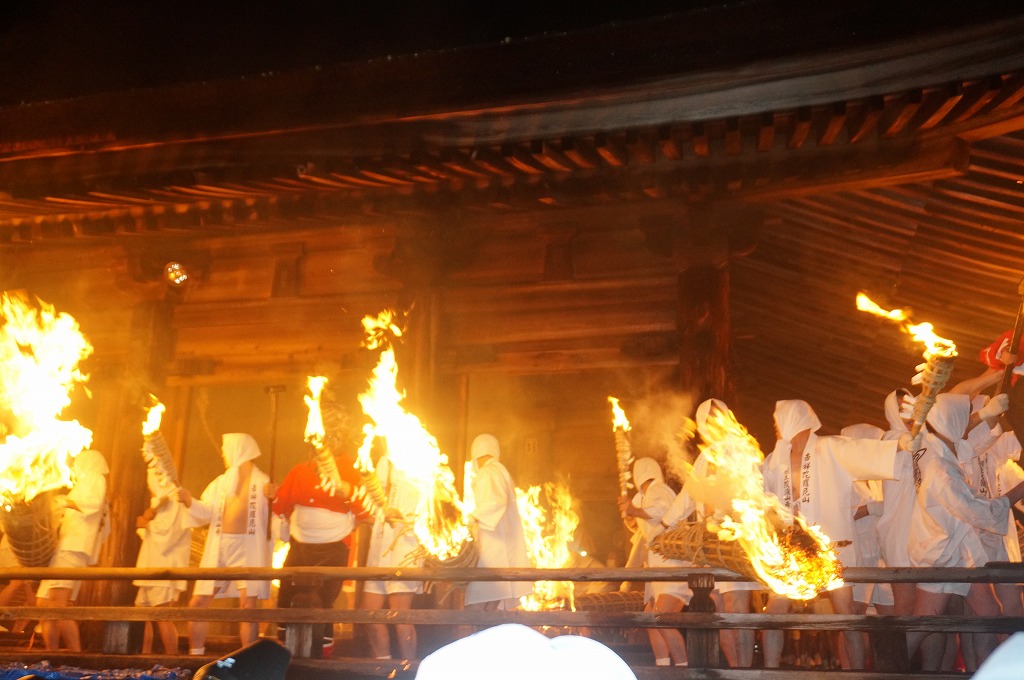
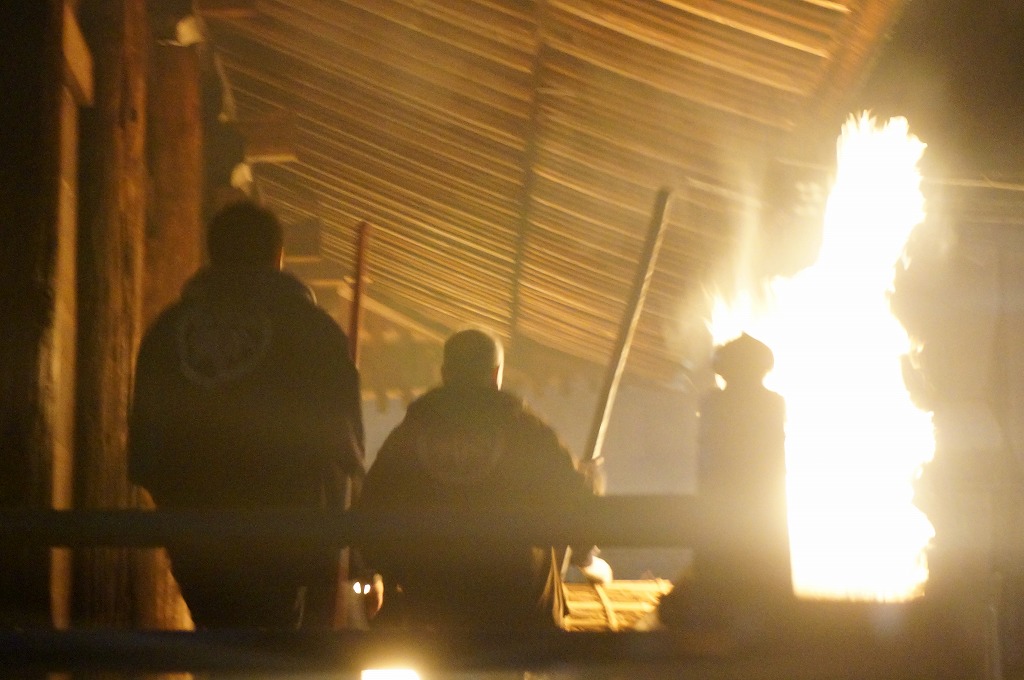
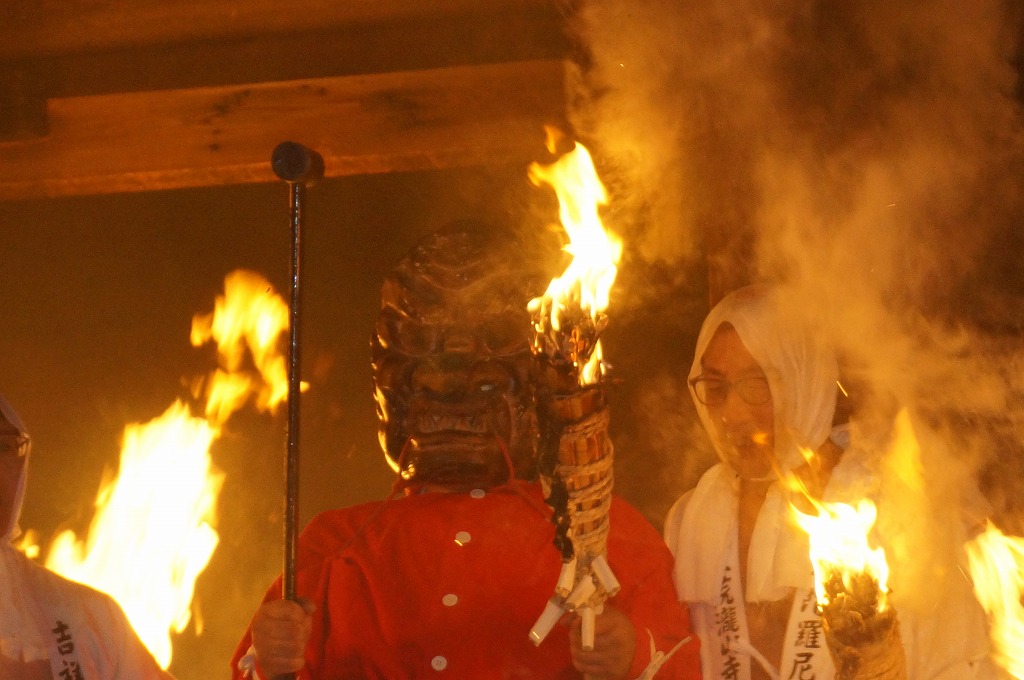
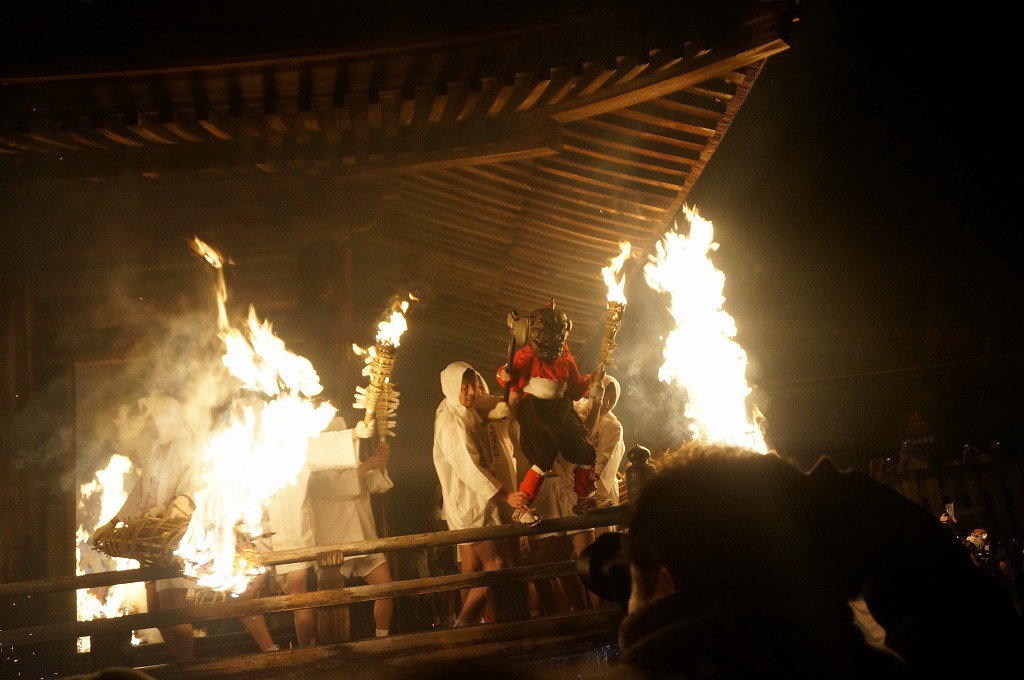
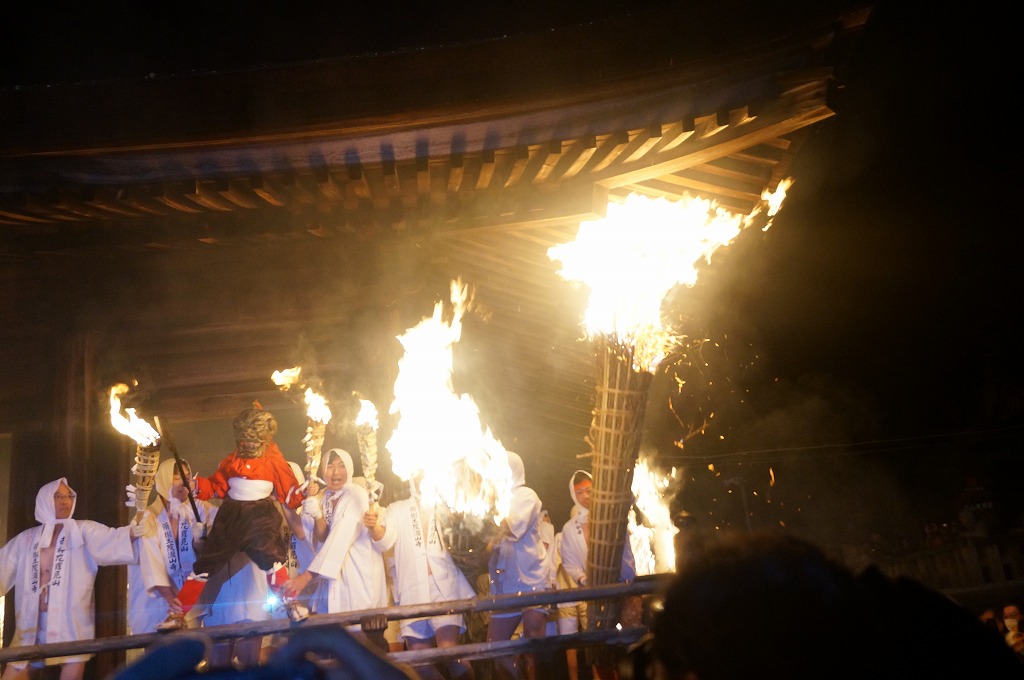
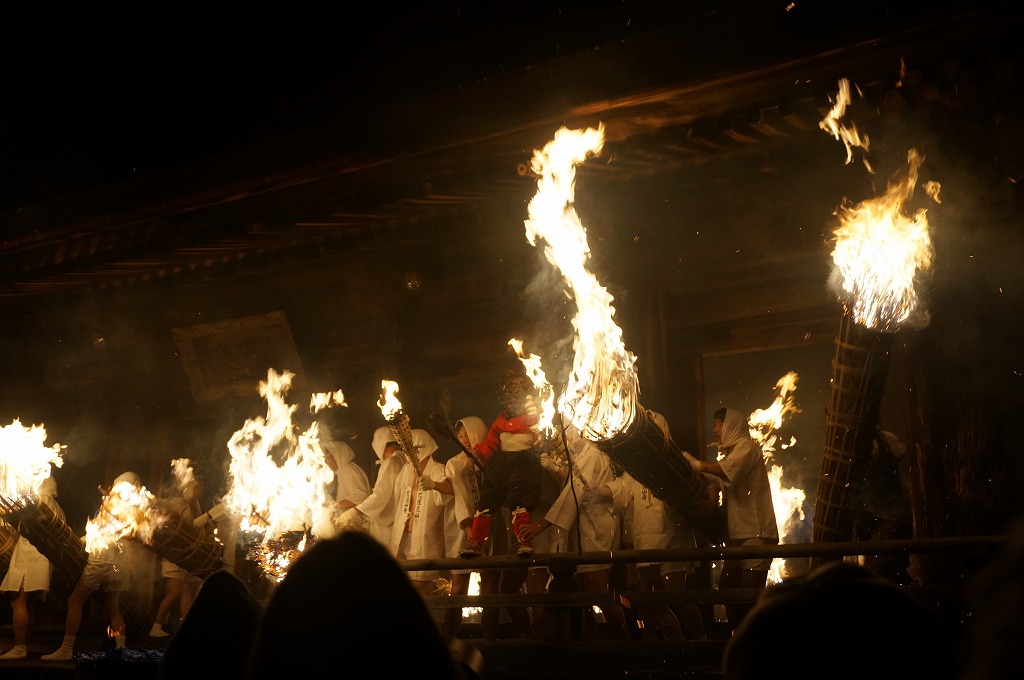
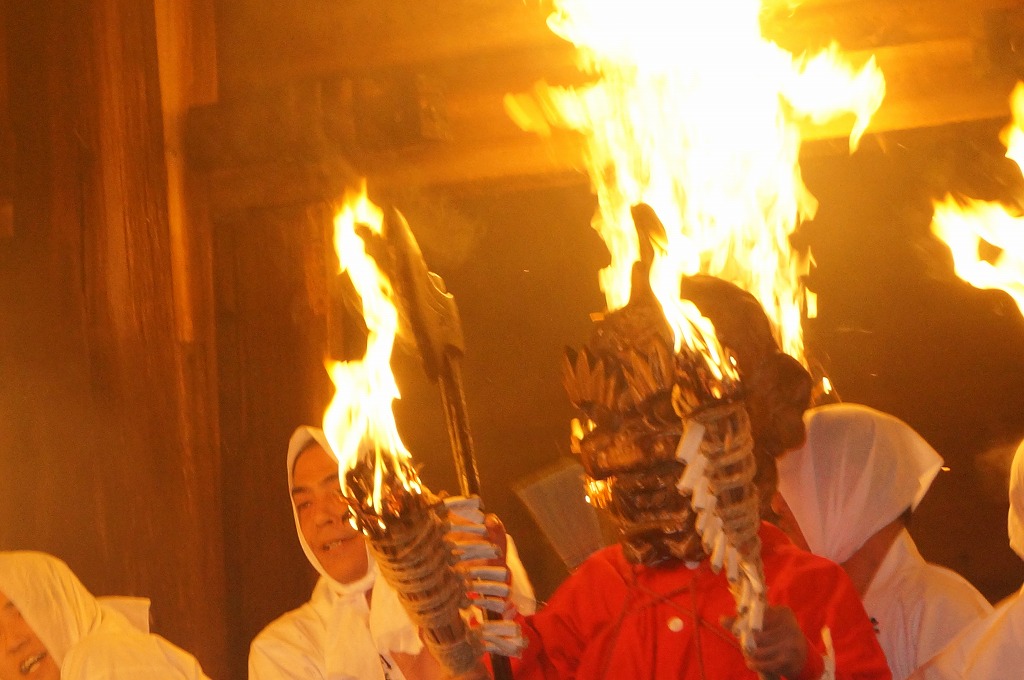
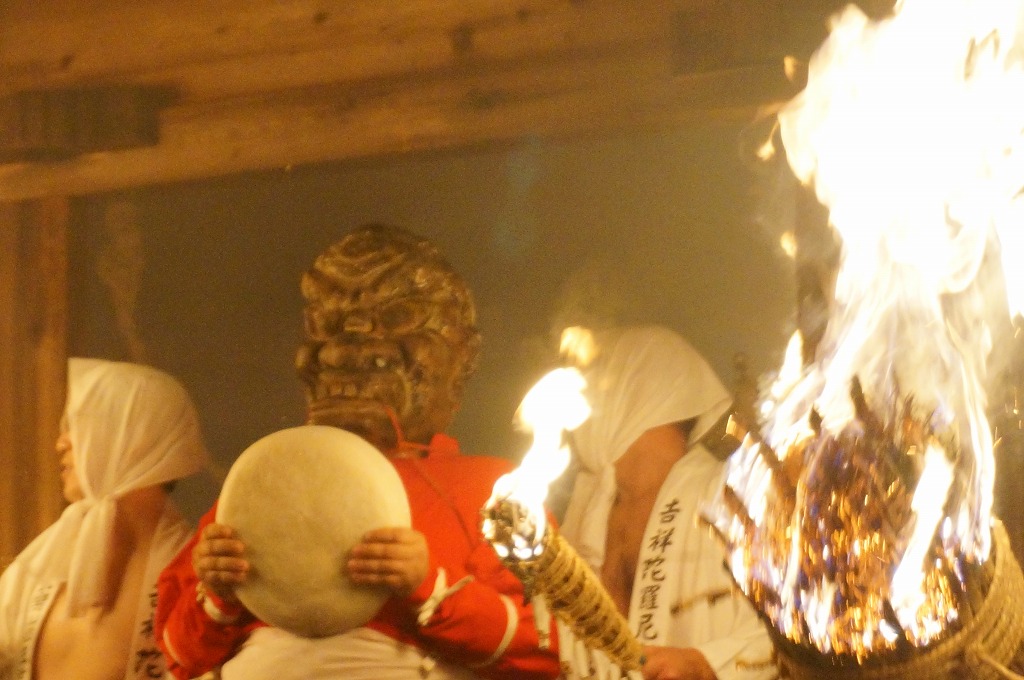
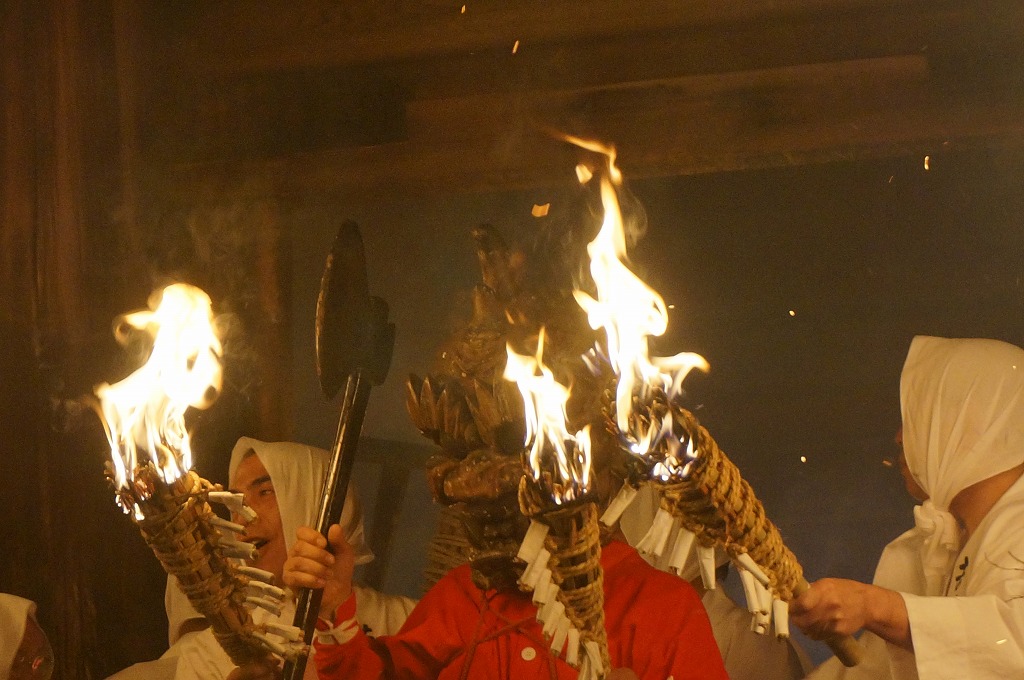
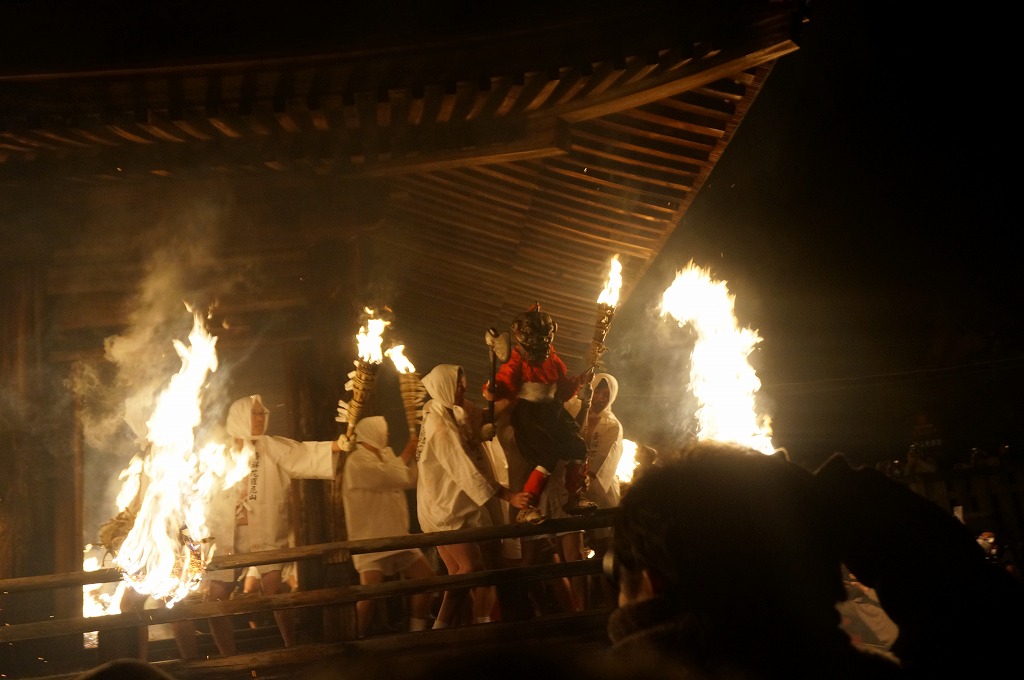
 Many people holding a big torch (about 2.5 meters long) with fire emerge. They shout in a loud voice “Wah, Wah, Wah !”. Fire alarm bells resound intensely. They wore a white towel covering their heads and cheeks and were dressed in all white. A fire blazed as if it reaches the roof. Sounds of fire alarm bell gave the audience great surprise making them feel uneasy at first, but later shout for joy. The area is instantly thrown into a commotion. The scene is amazing and fantastic.
  They emerge from the right side and enter the left side of the main hall. The ogres still do not emerge. From the next lap, the ogres finally appear.

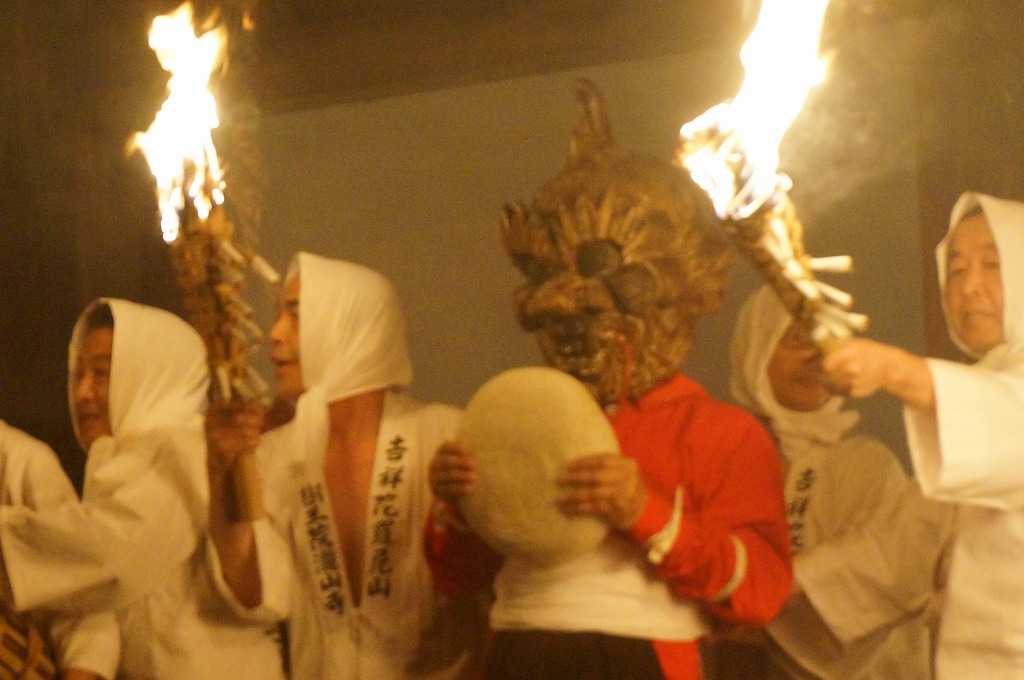
grandfather ogre
Grandfather ogre

grandmother ogre
Grandmother ogre

 At first, the grandfather ogre, second, followed by grandmother ogre and at last, the grandson emerges.

grandso ogre
grandson ogre

grand son ogre between torches

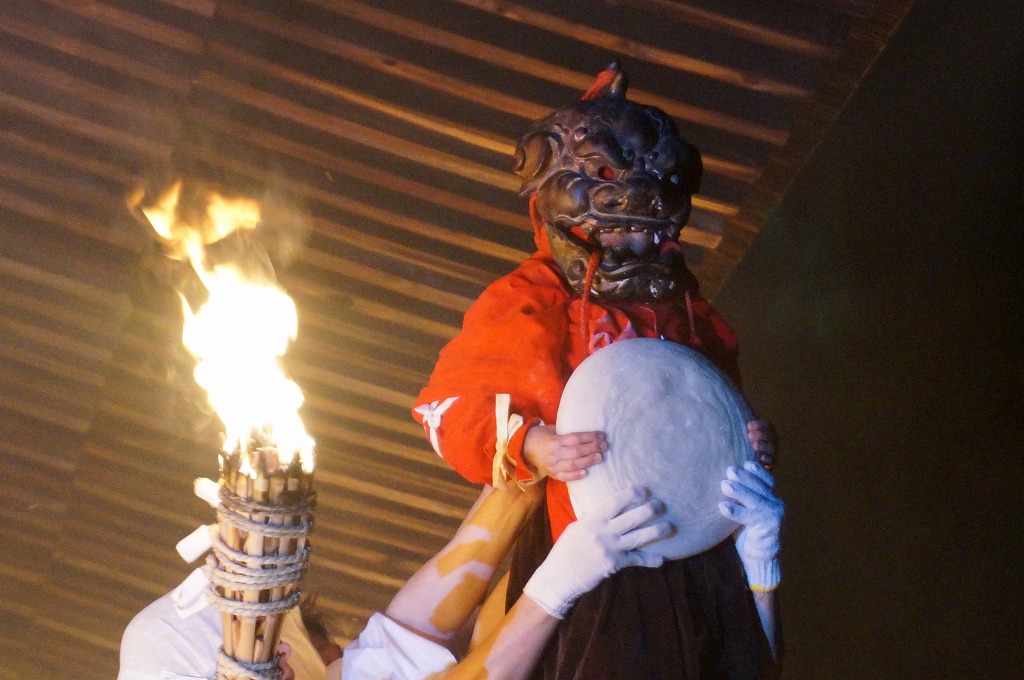
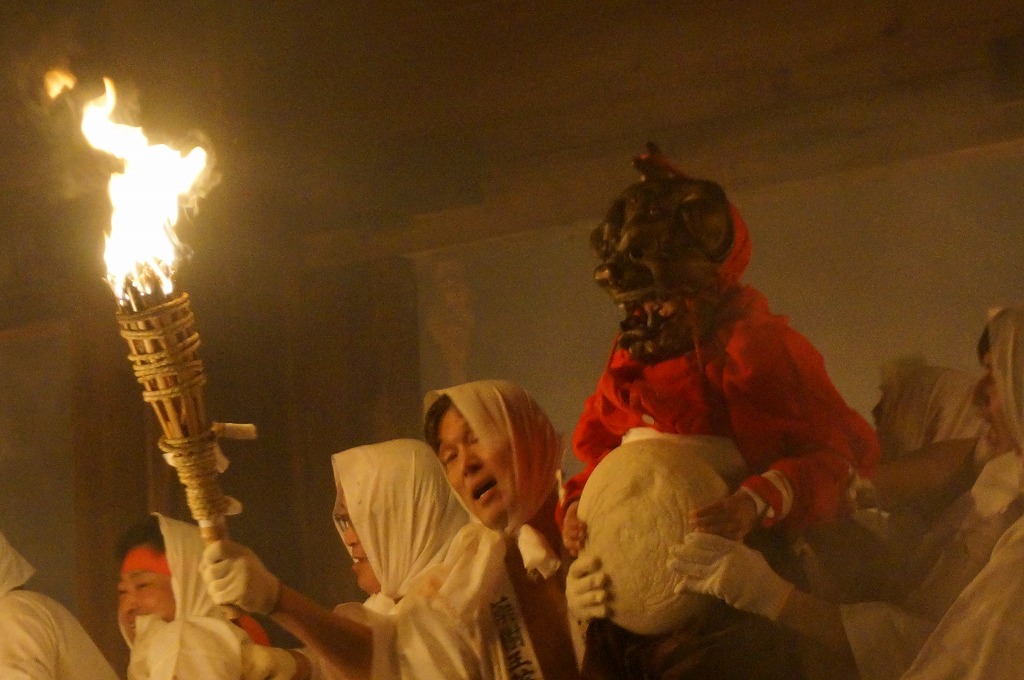
 Ogres siddled along between a big fire. Only grandson walks on the handrail held by people beside both side. There are about 30 torches is almost like a fire. This building is an important cultural property, so I was afraid of it burning down. But the people almost seemed as if they did not care about that, and they swung the torch up and down.

grandson ogre

many people and ogre are on the stage

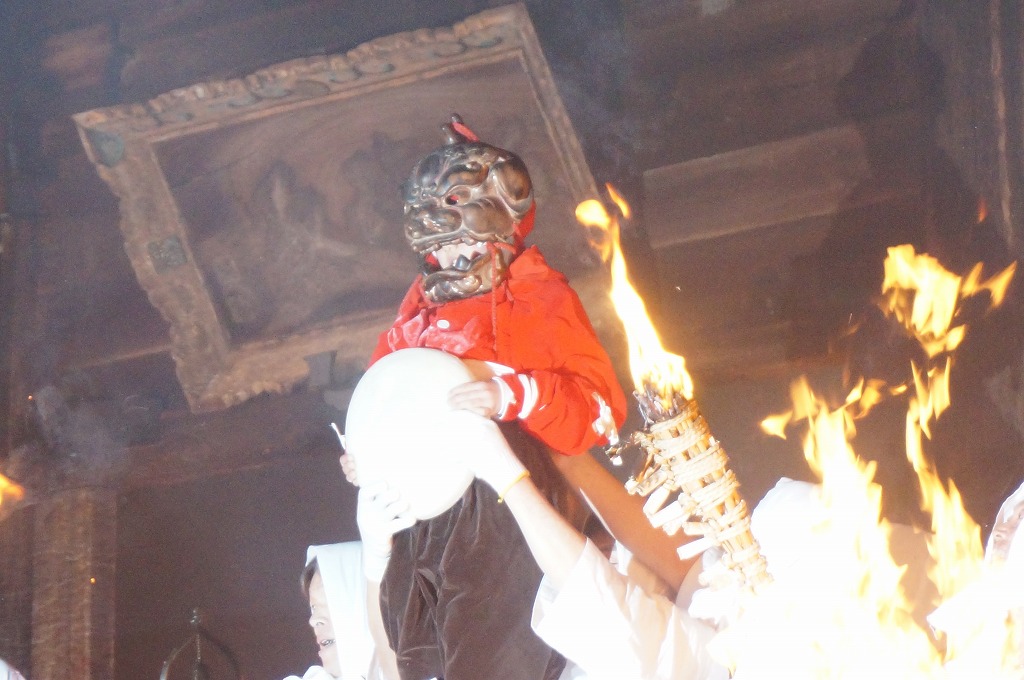
 sparks were scatterd intensly, the fire blazed mor and more. Halfway during the lap, the grandson ogre was held high at the corners and at the front.

grandson ogre

 He totally looked like king of demons. But these ogres are not demons. They held a big rice cake in their hands, because they are ogres giving fortune to people. And a rice cake is a symbol of New Year’s fortune.

grandfather ogre

grandmother ogre

grandfather ogre

grandson ogre

people and fire

grandson ogre between fire

 They went around the hall 3 times and it suddenly finished.
 Time goes by frantically.

fireman

many buses

 They were left stupe fied for a while, and before long they returned to reality. and begin getting ready to go back home.
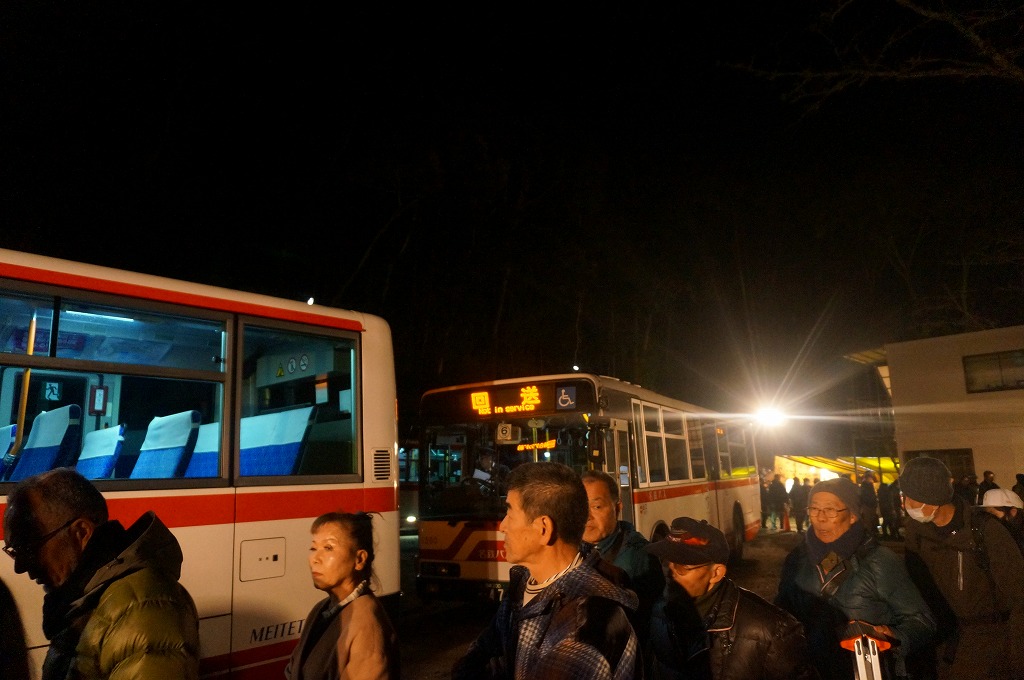
 There is an open space on the way out as the audience go down stairs where buses waited for them. The bus to the station from next line to the row of buses going to the parking lots. The buses depart in order as soon as it become full.

 I think that this event is worth going despite the long waiting time. The experience of the ogres fire festival at Takizanji-temple, Lasts only 10 minutes but will remain our memories forever.