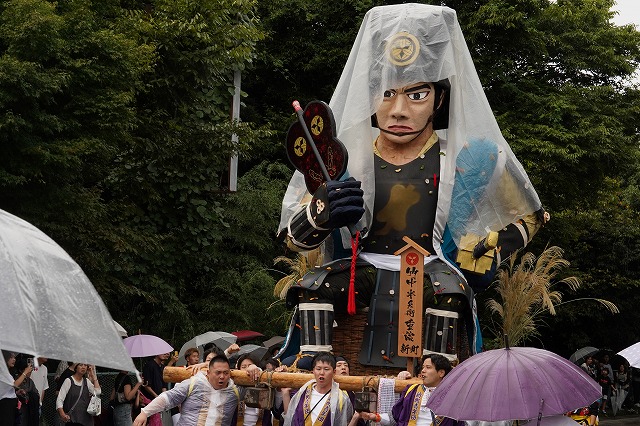
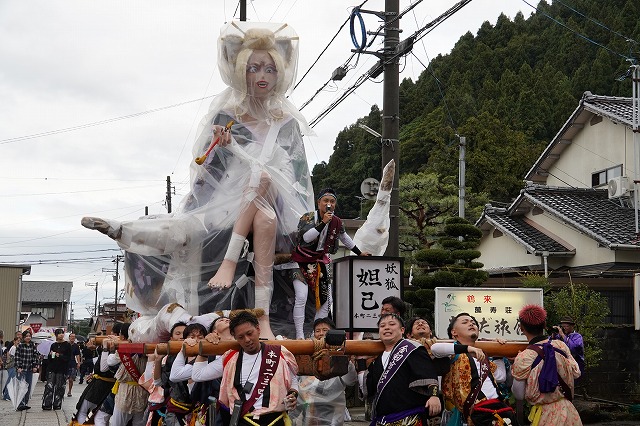
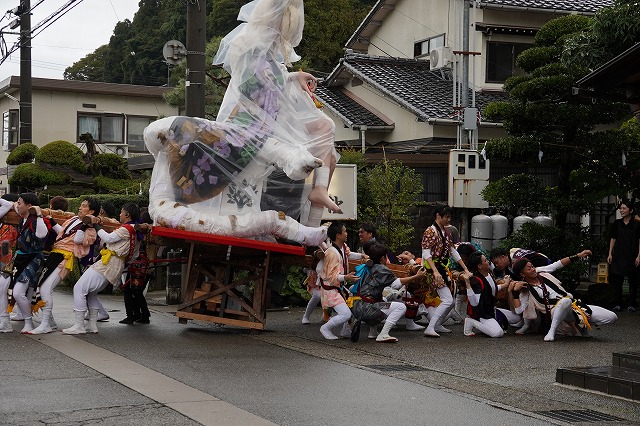
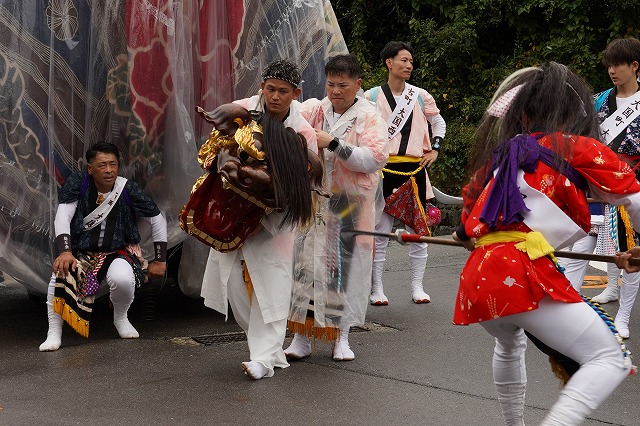
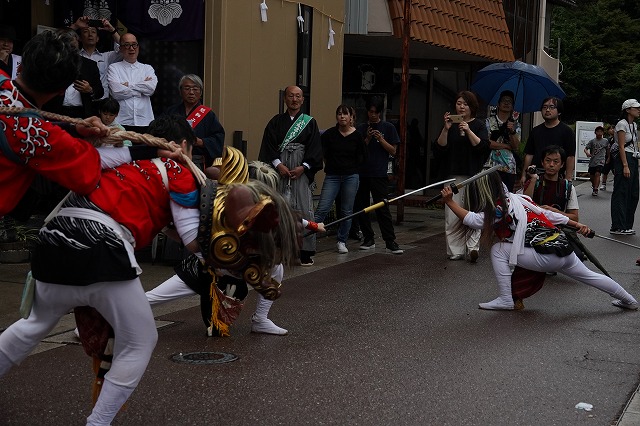
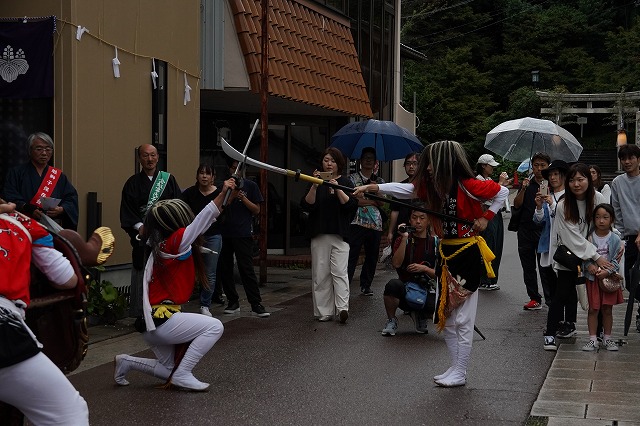
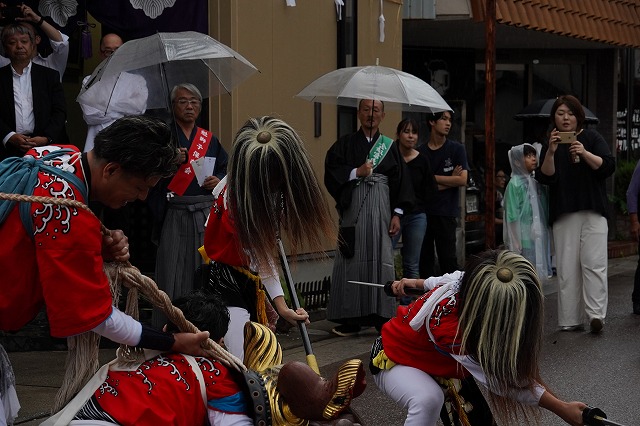
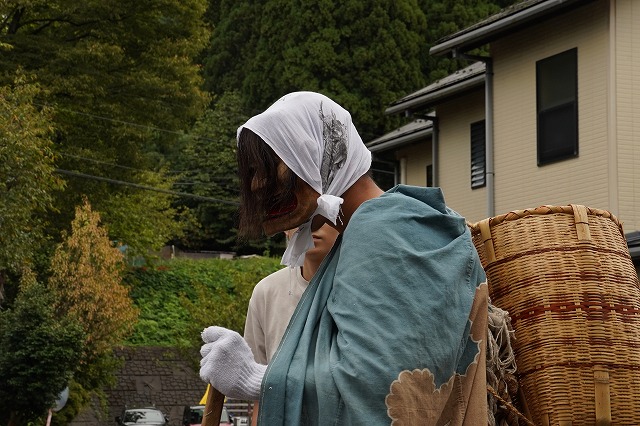
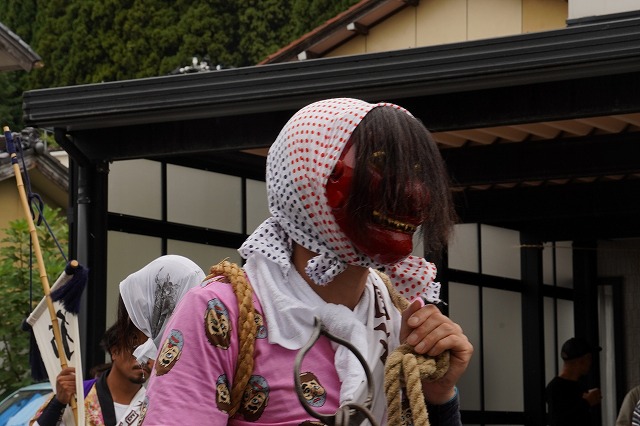
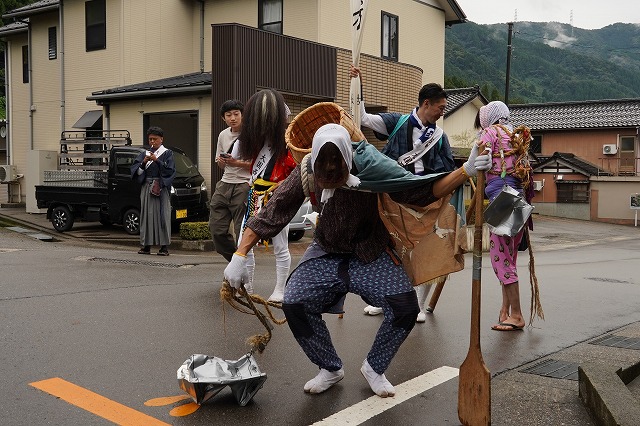
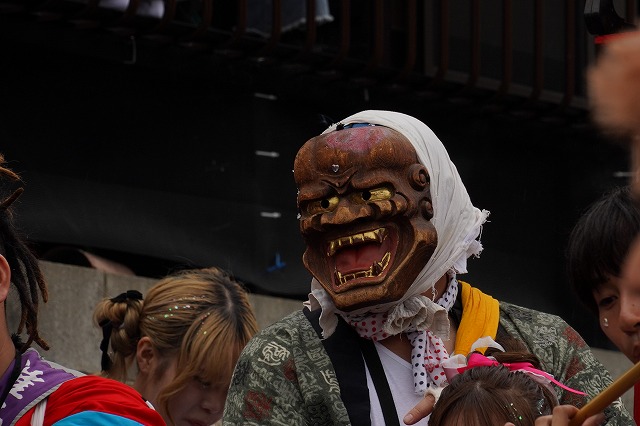
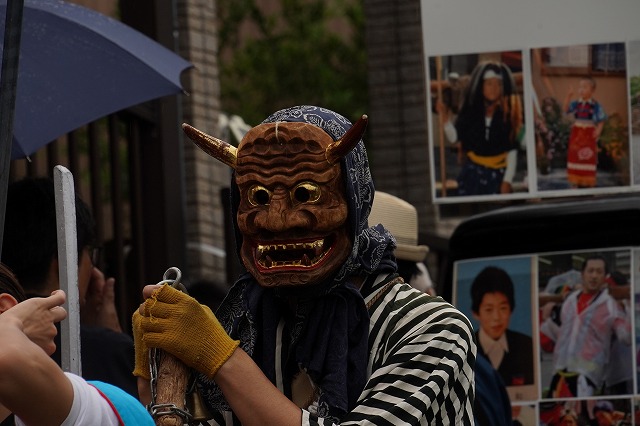
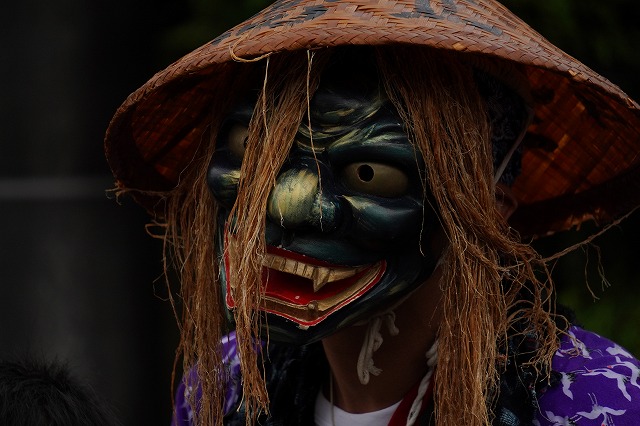
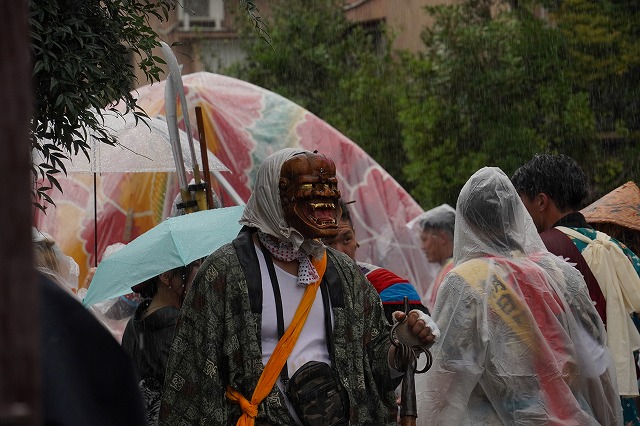
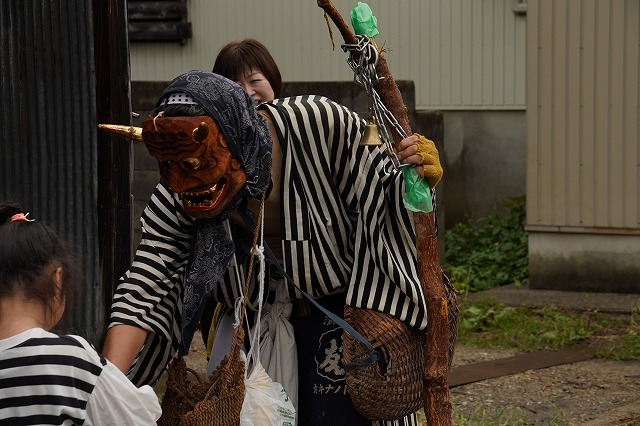
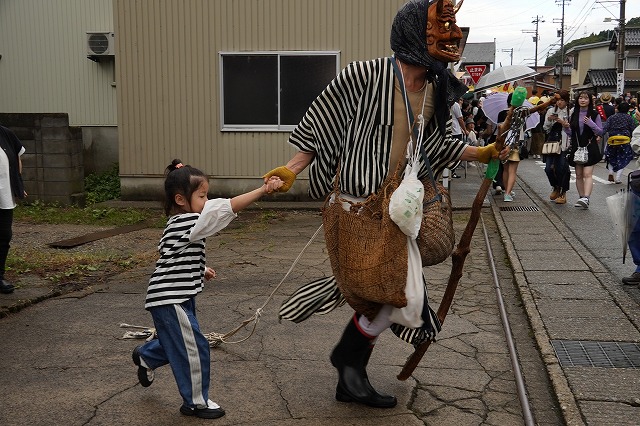
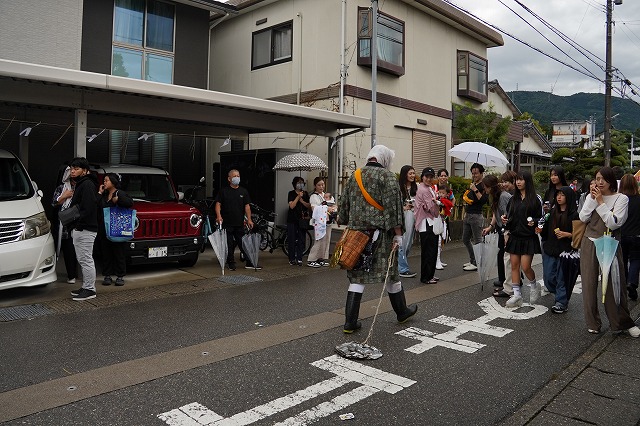
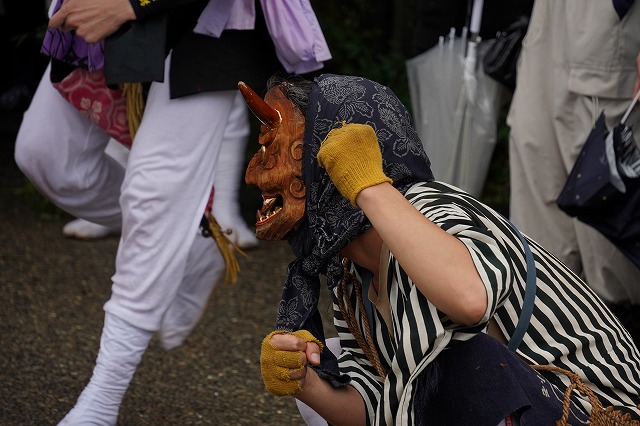
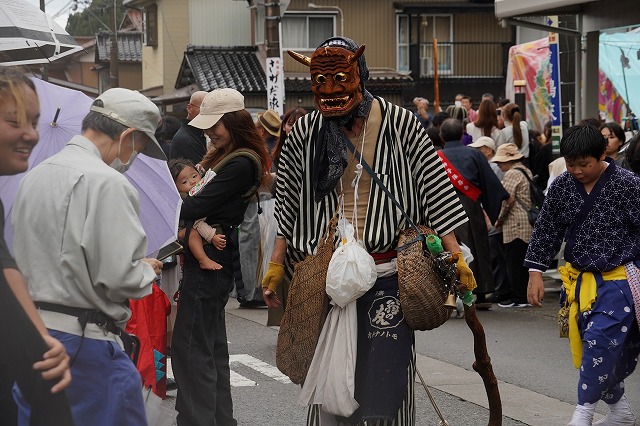
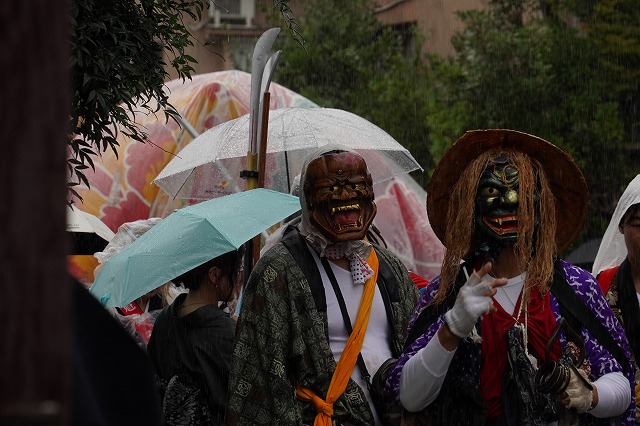
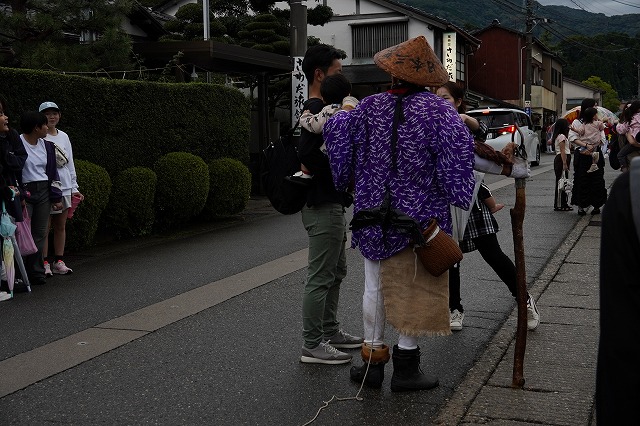
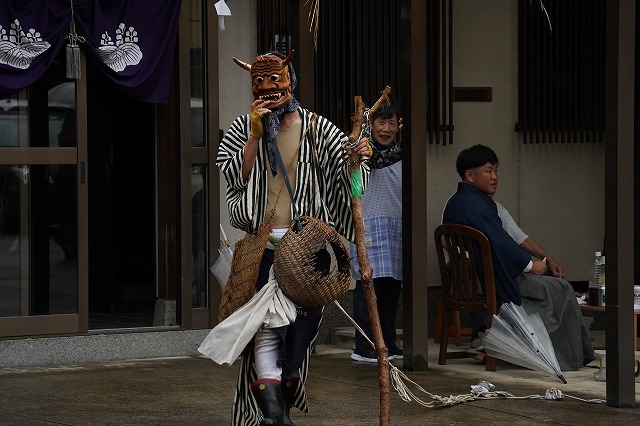
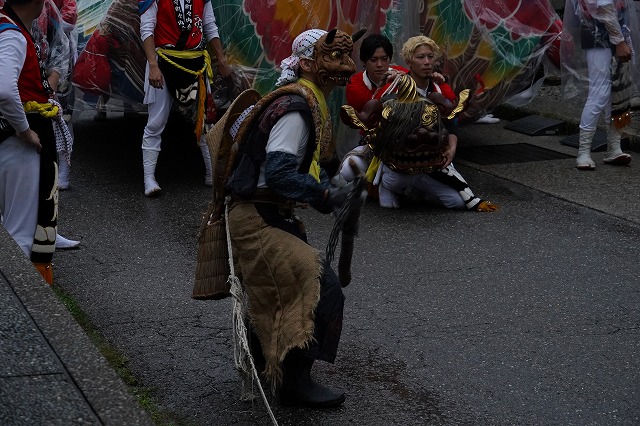
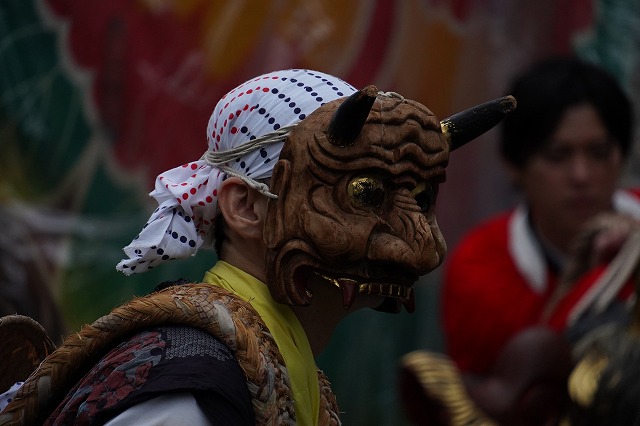
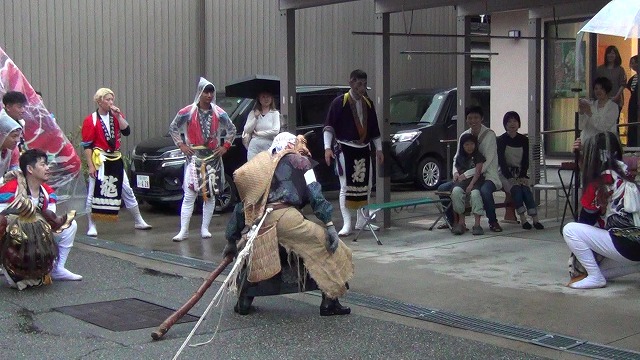
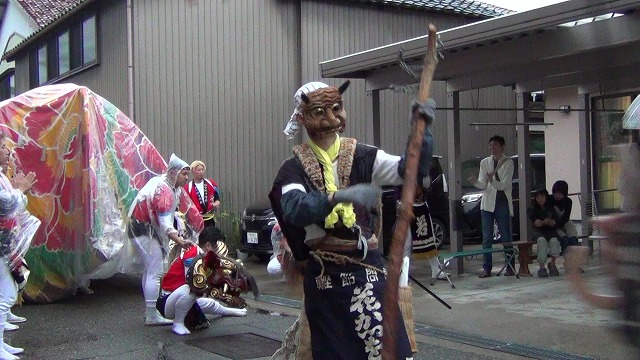
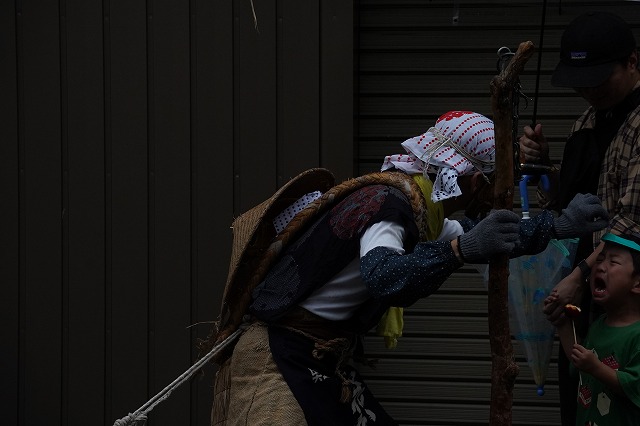
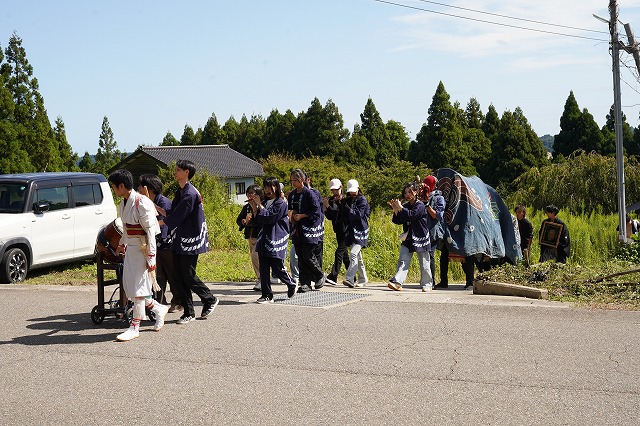
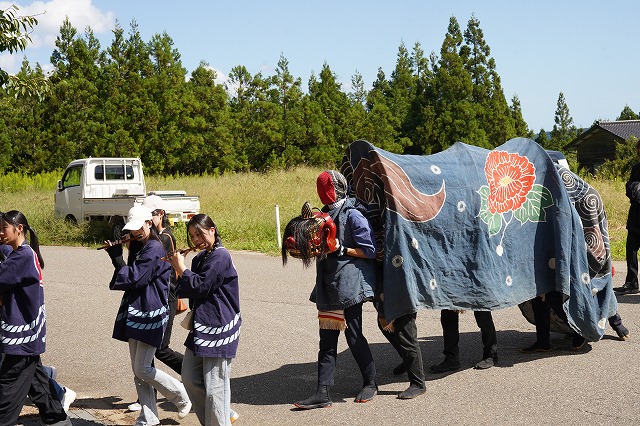
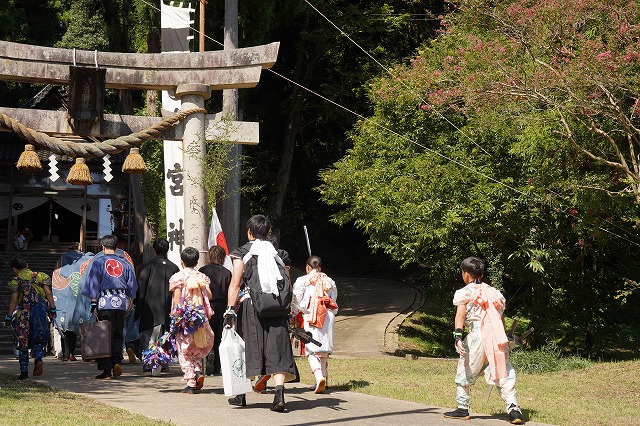
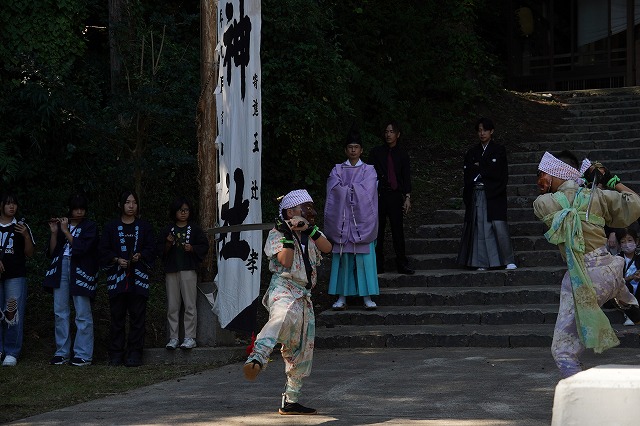
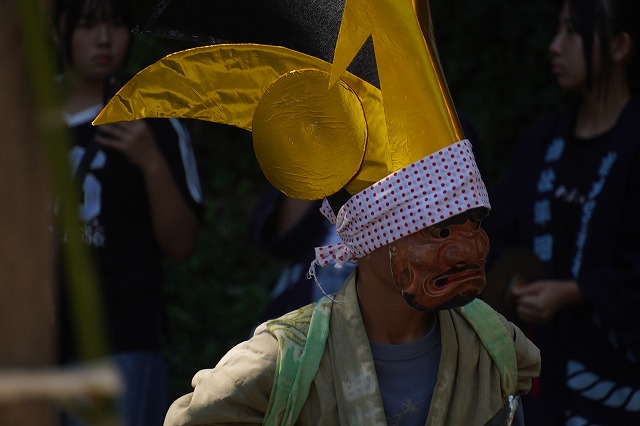
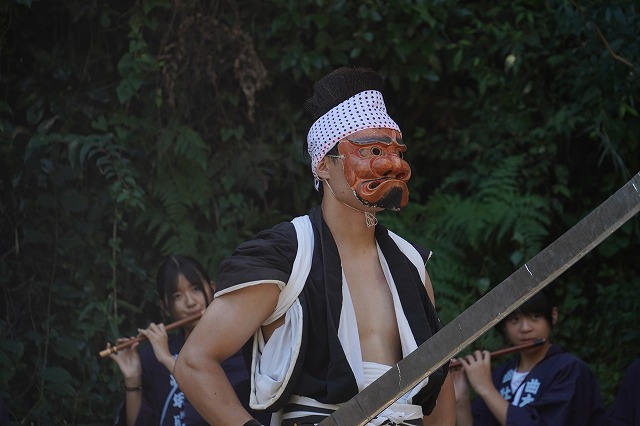
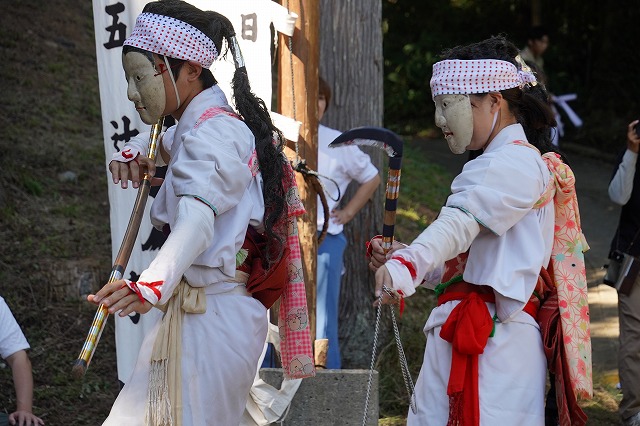
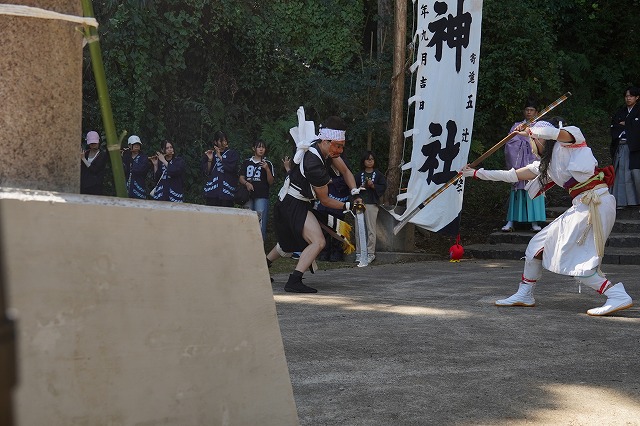
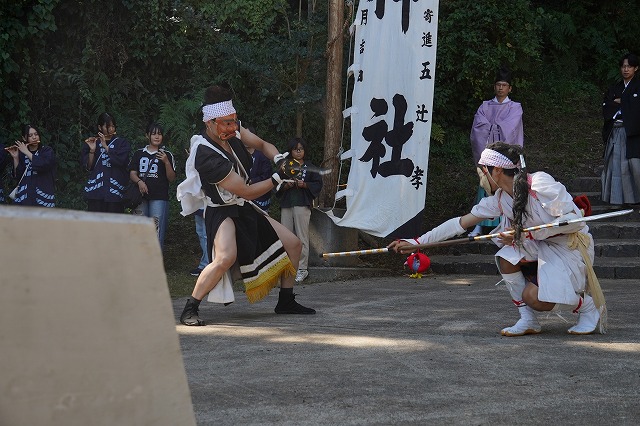
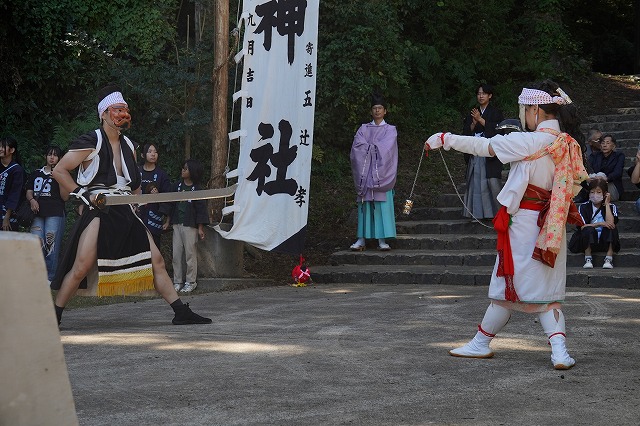
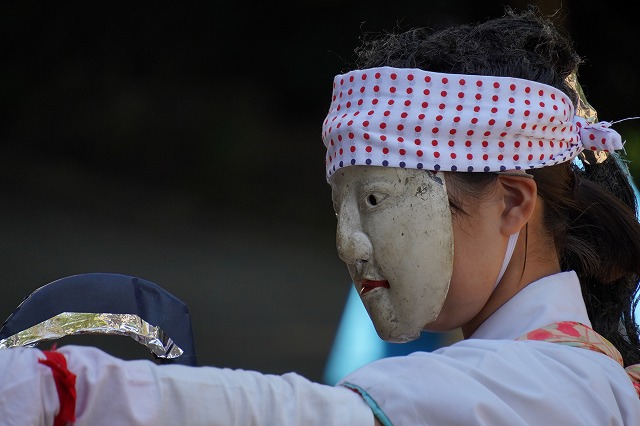
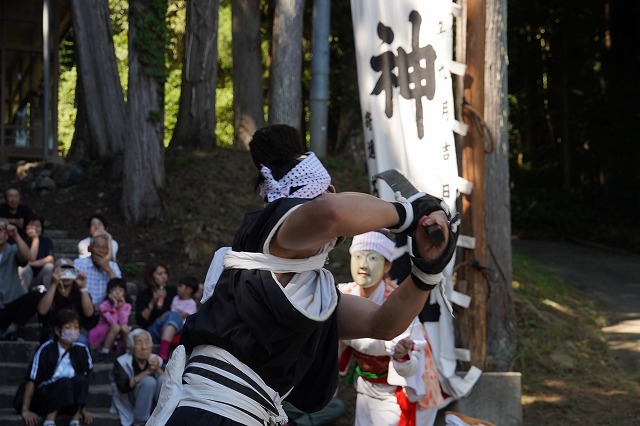
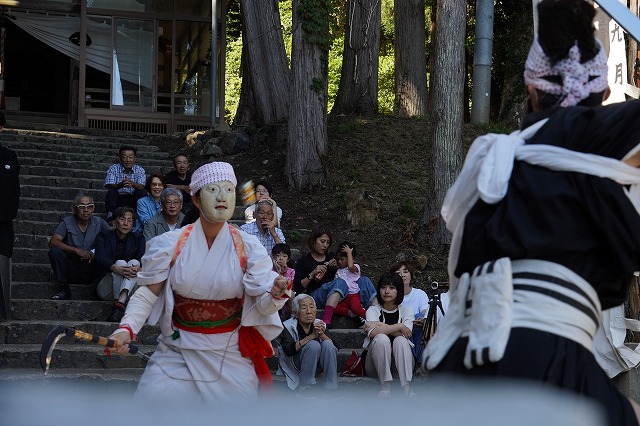
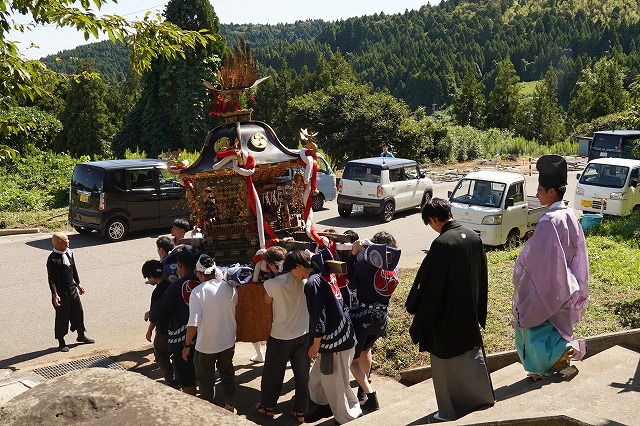
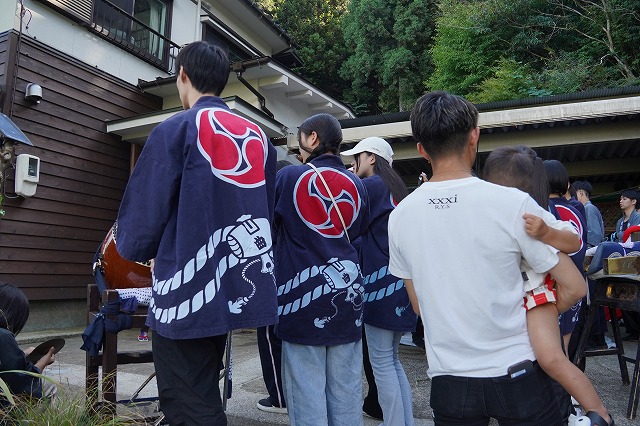
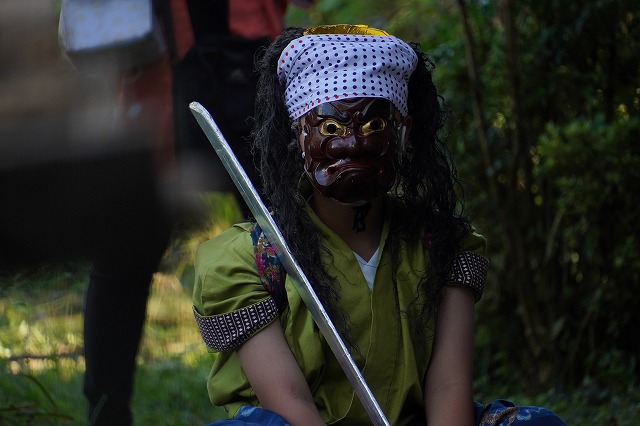
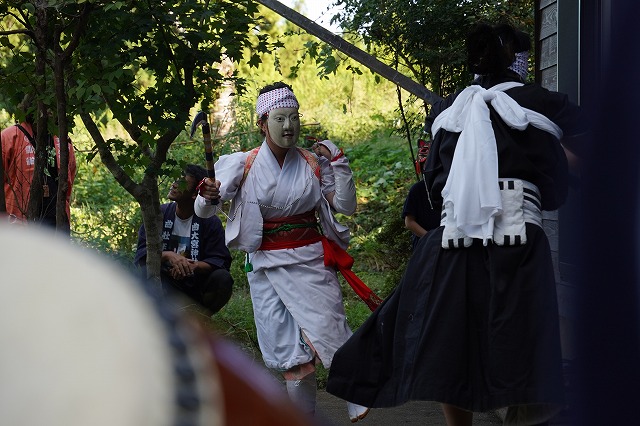
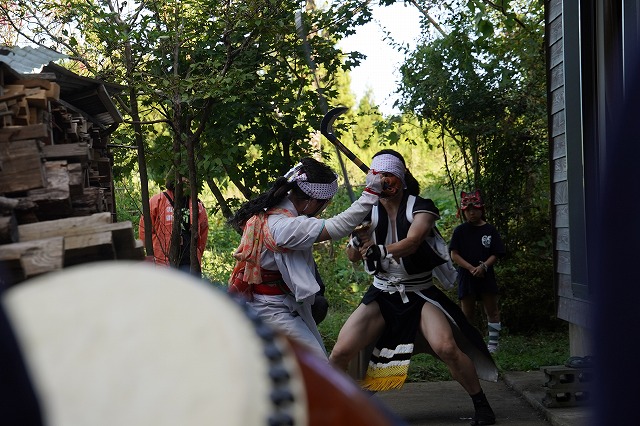
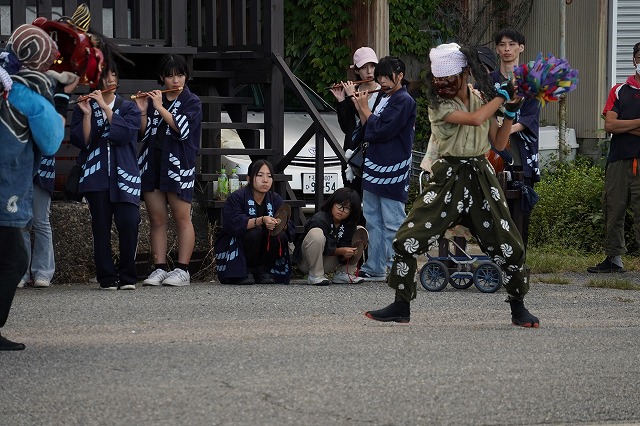
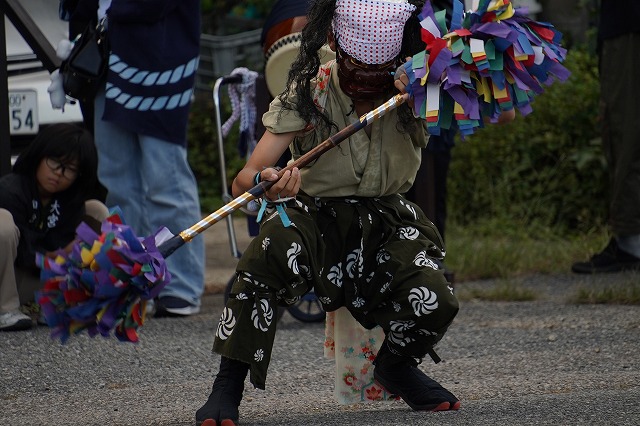
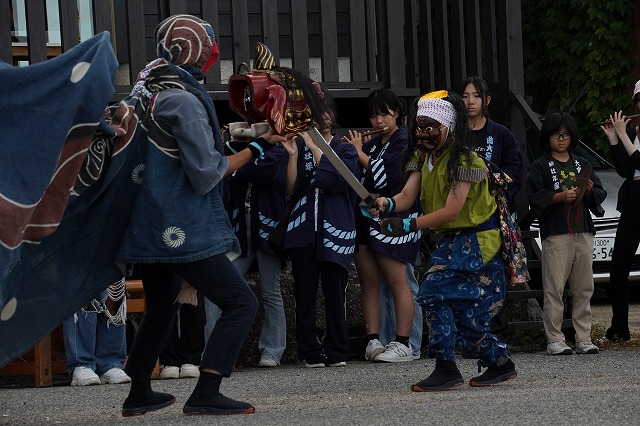
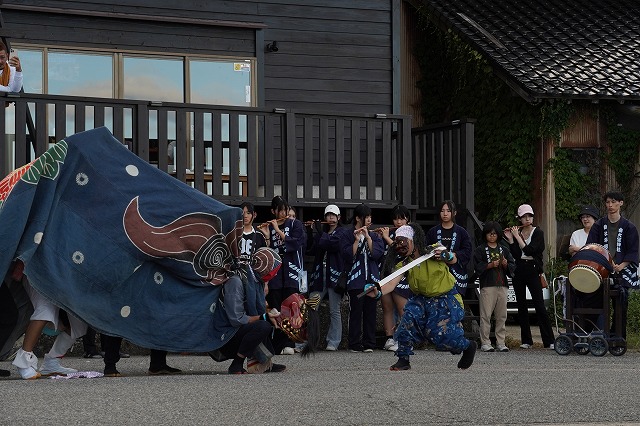
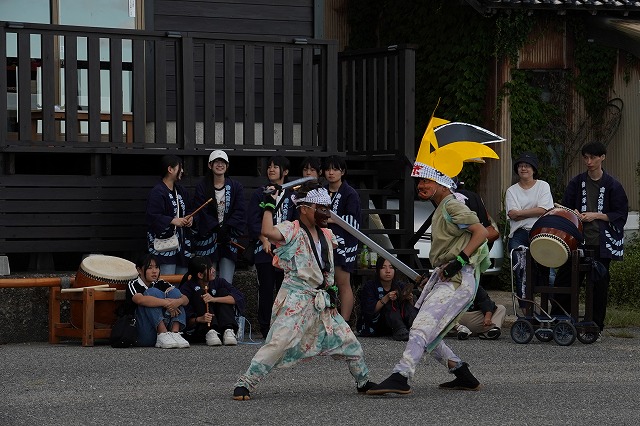
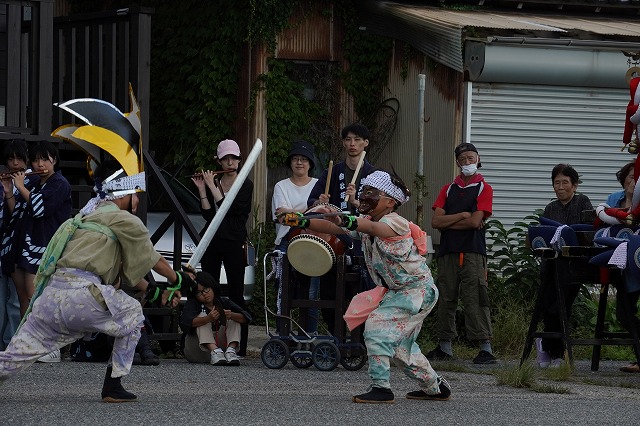
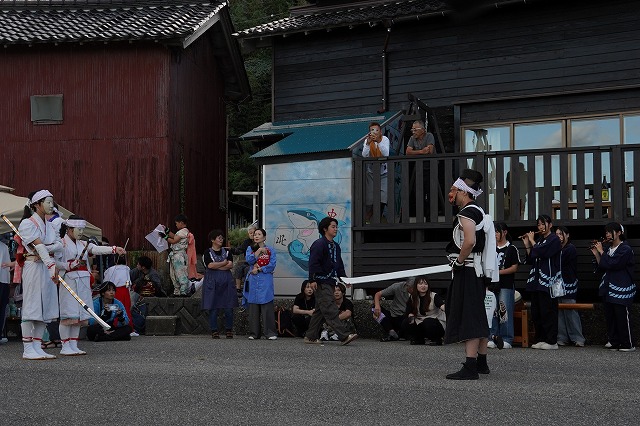
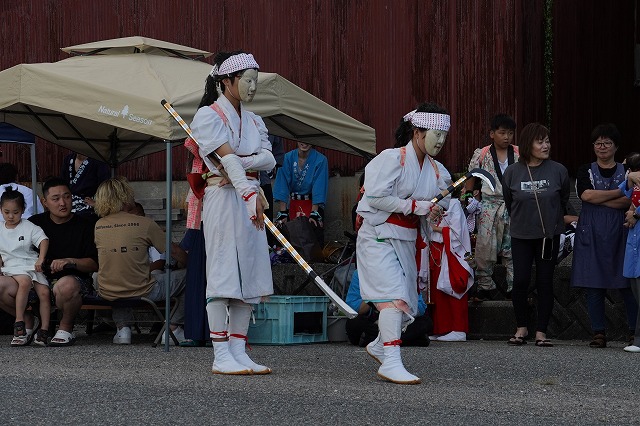
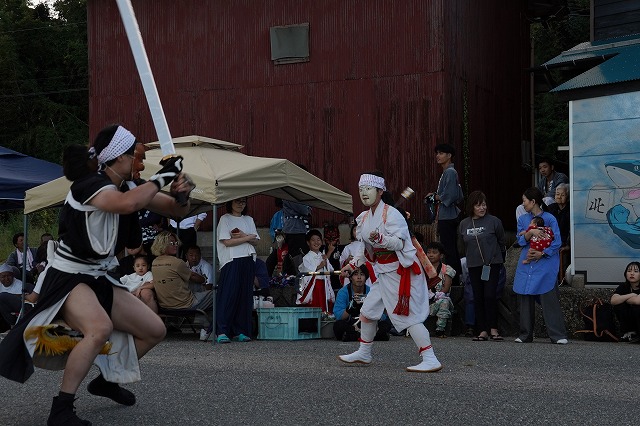
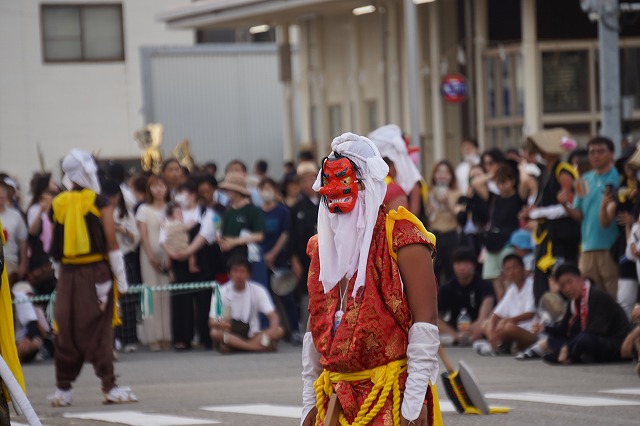
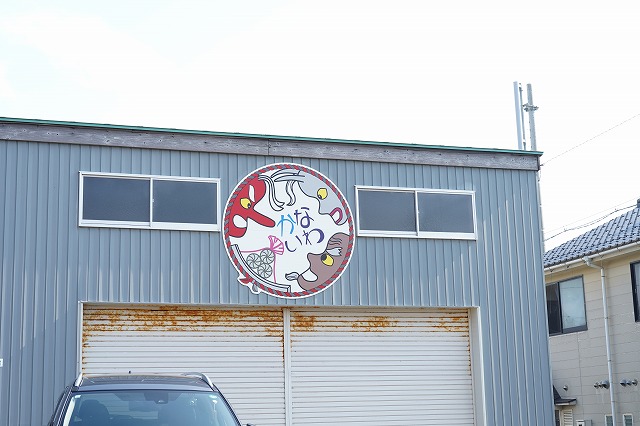
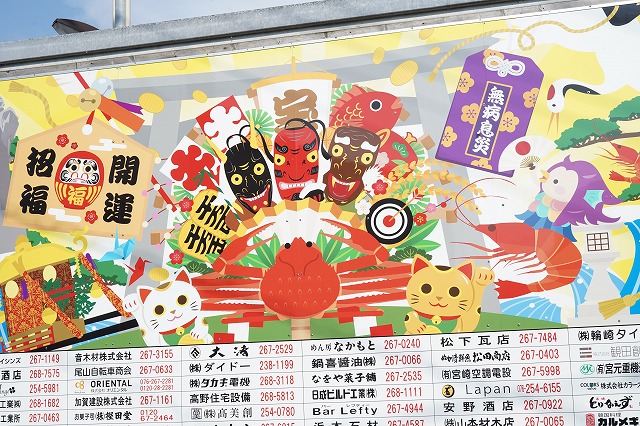
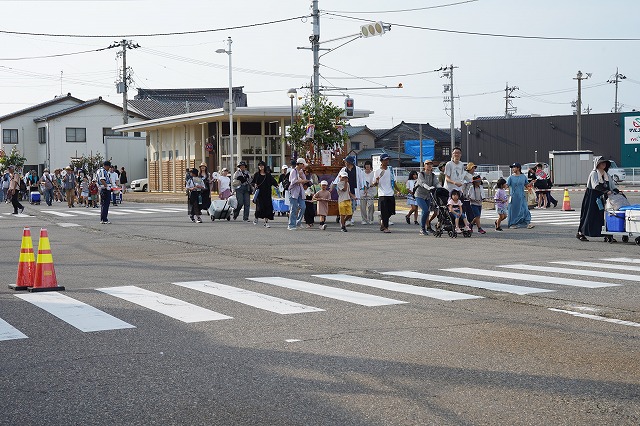
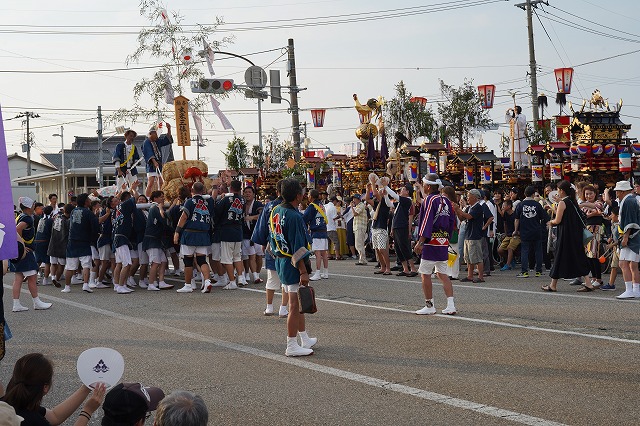
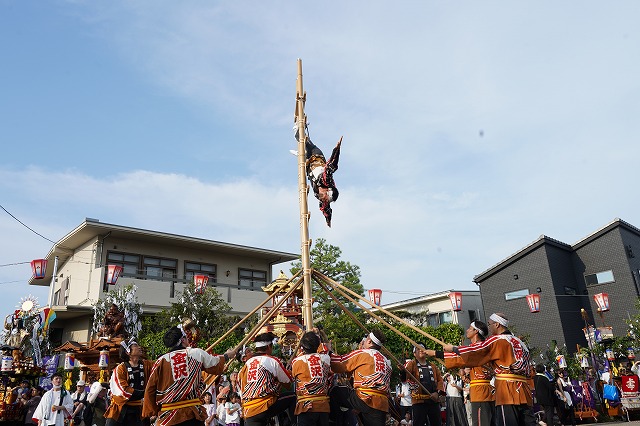
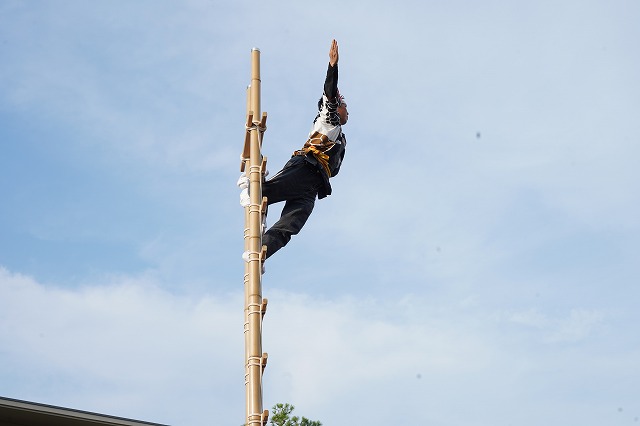
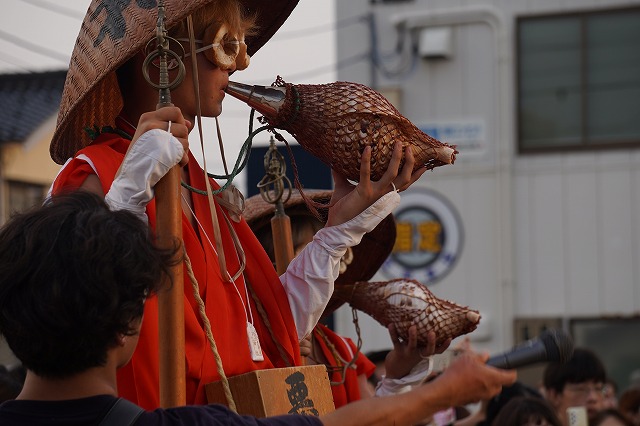
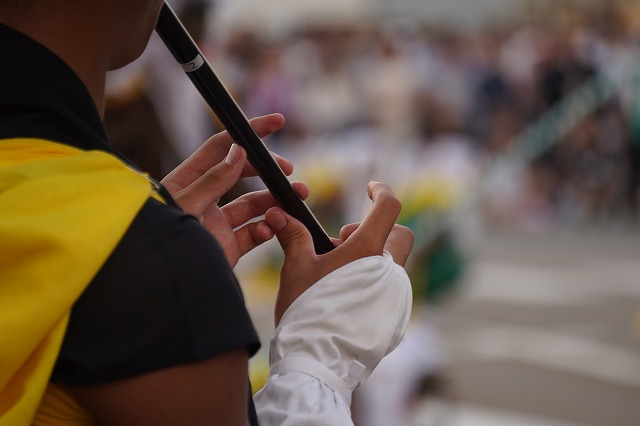
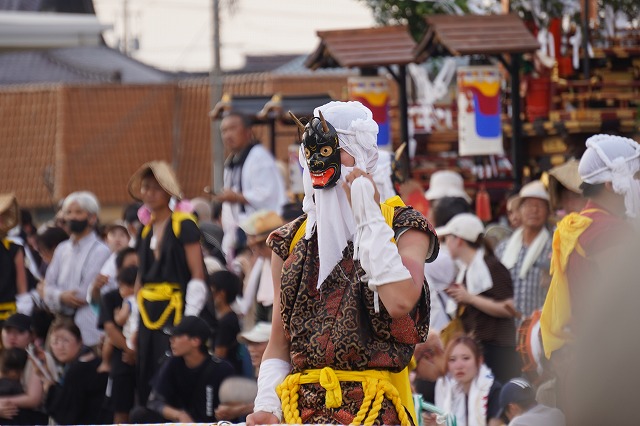
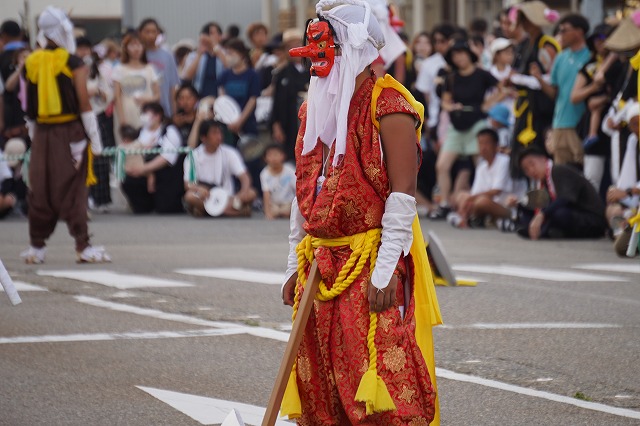
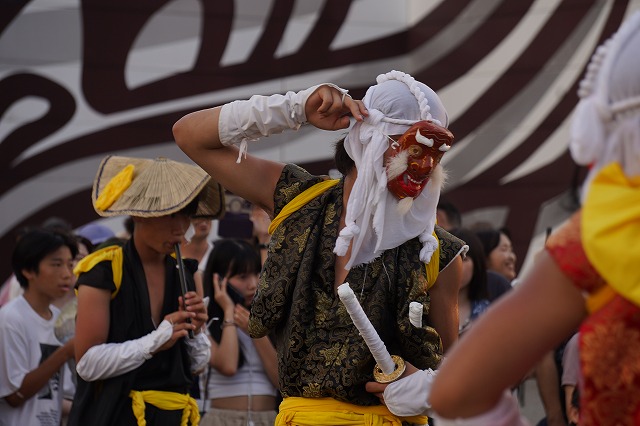
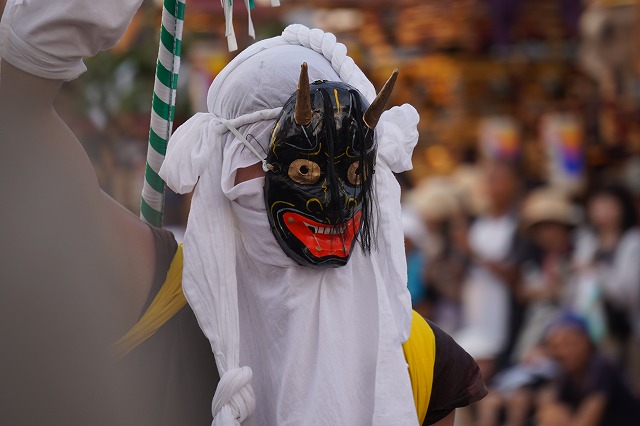
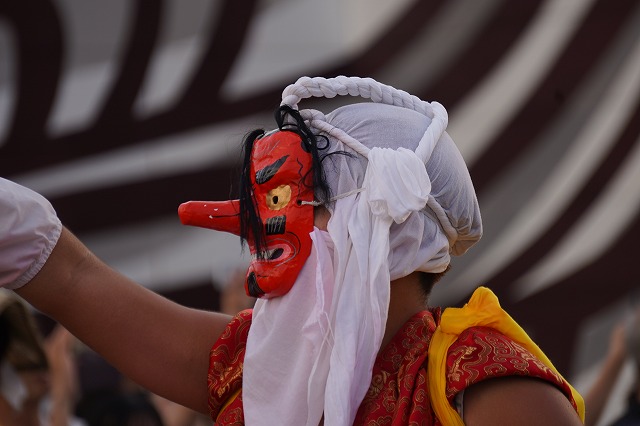
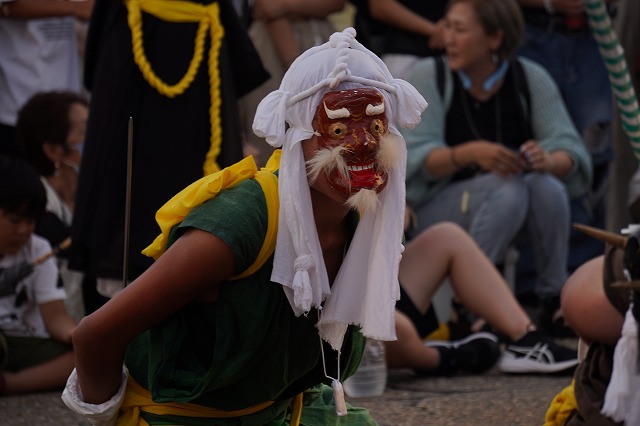
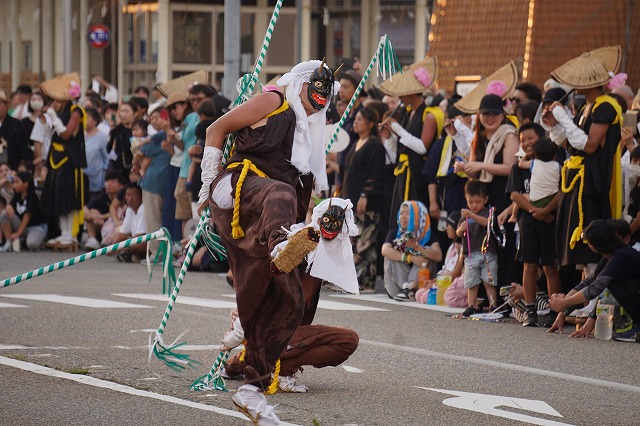
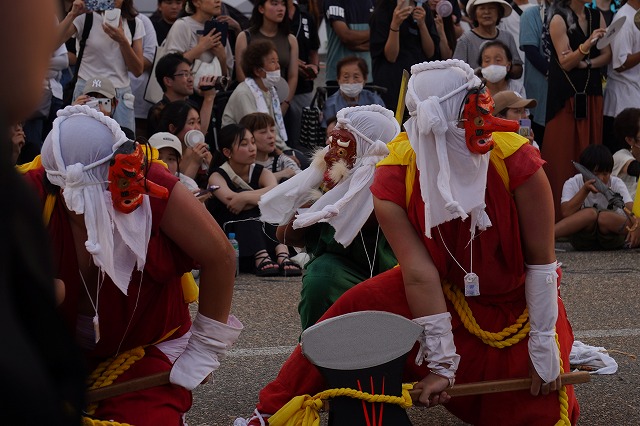
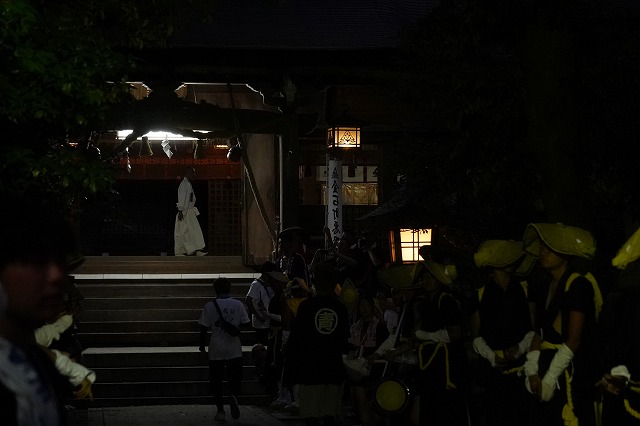
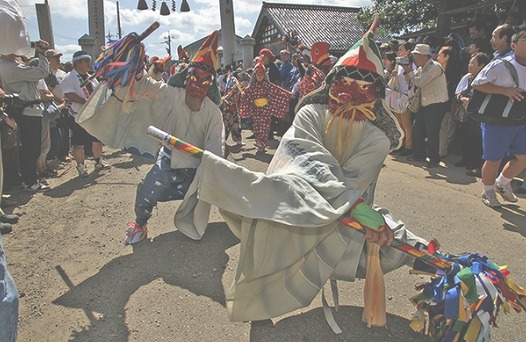
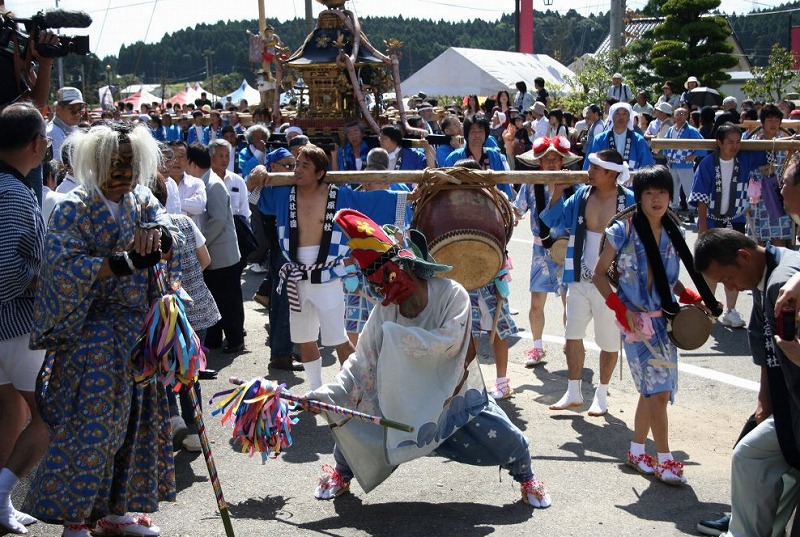
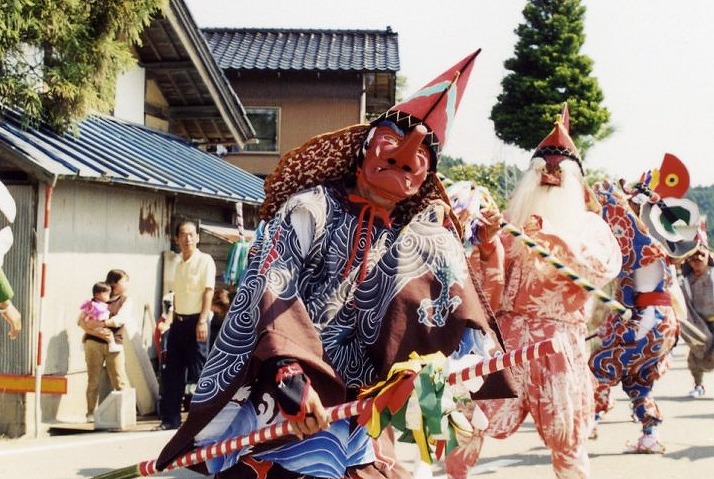
Okuma-kabuto festival お熊甲祭り~ Sarutahiko about to pass

https://www.walkerplus.com/article/162071/image941310.html#mainimage

Date: September 20 every year
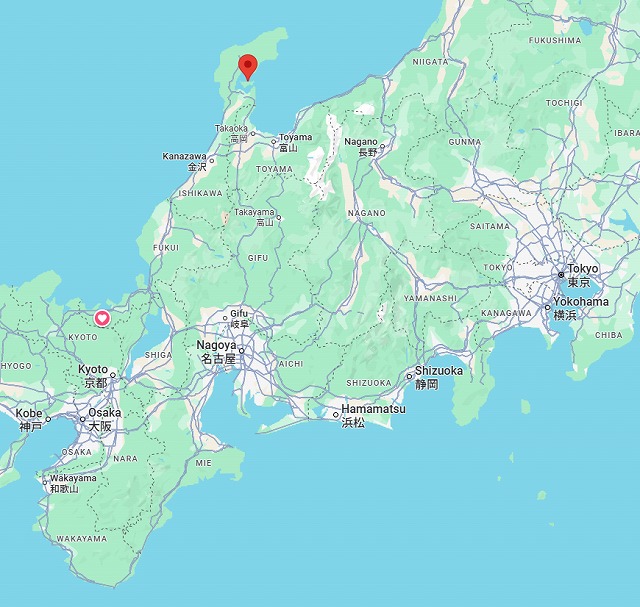
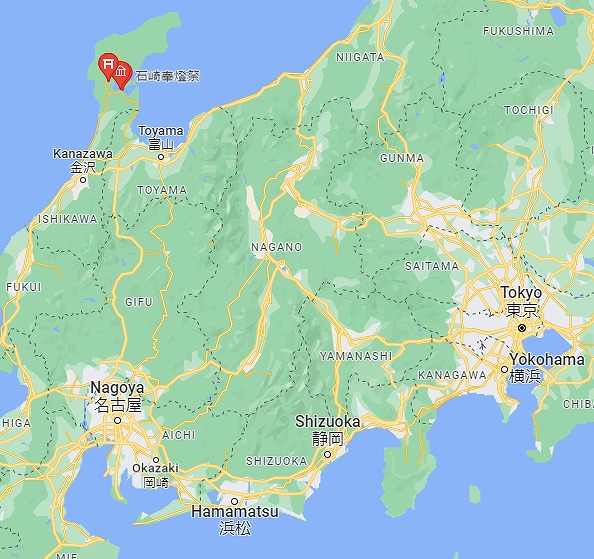
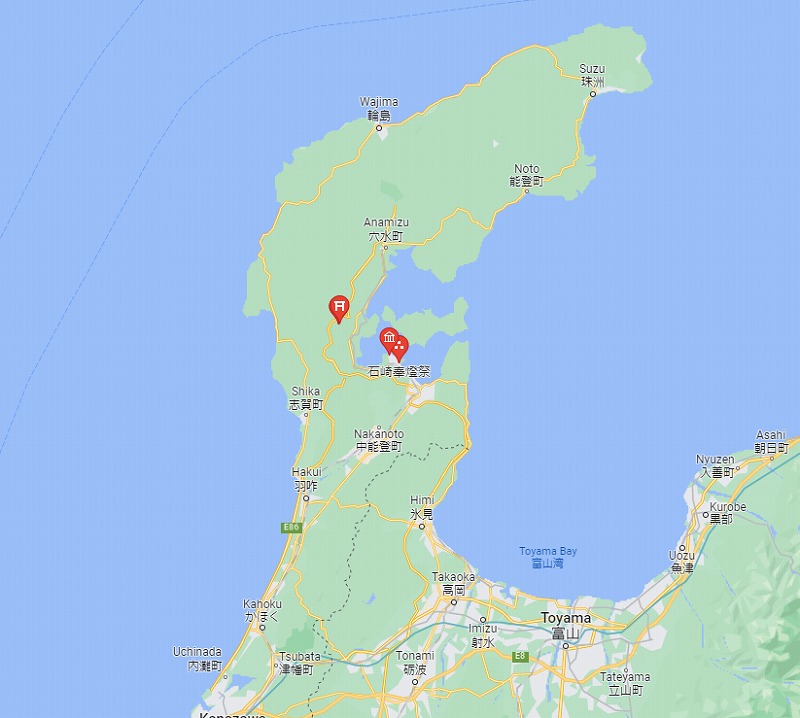
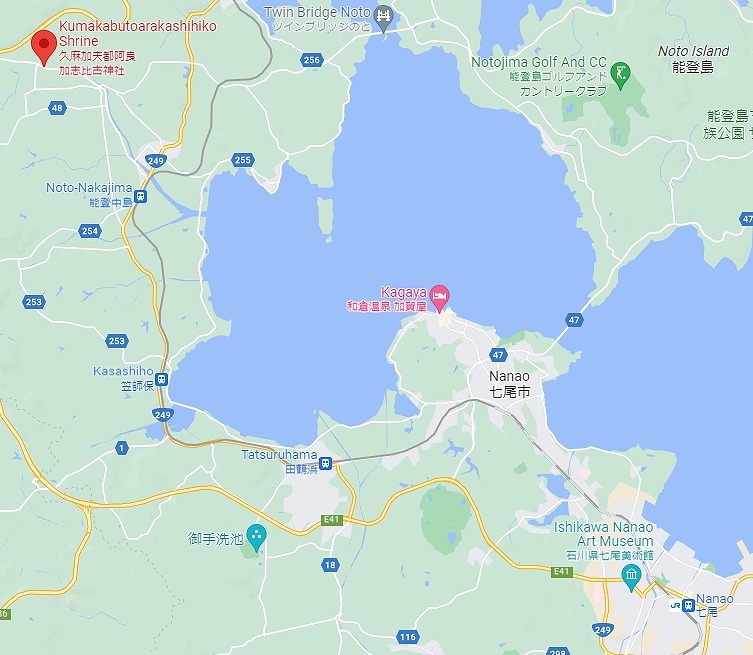
Location: Kumakabuto shrine 熊甲神社, Miyamae, Nakajima town, Nanao city, Ishikawa prefecture, Japan
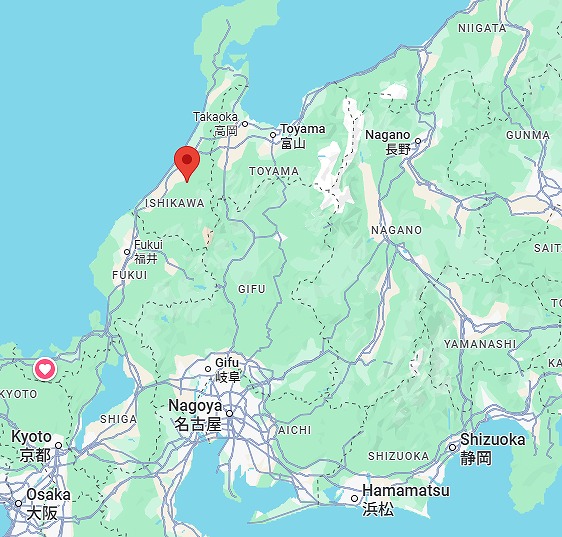
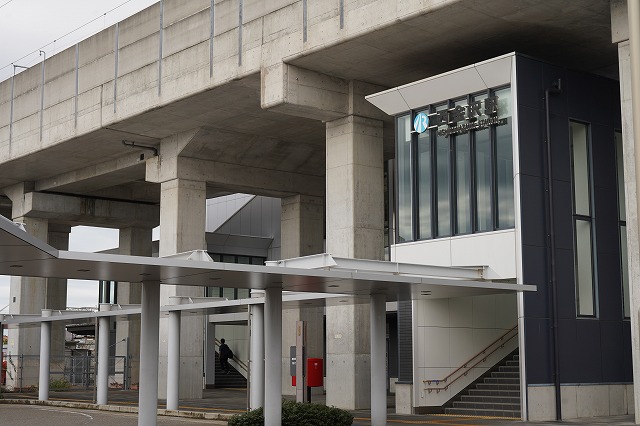
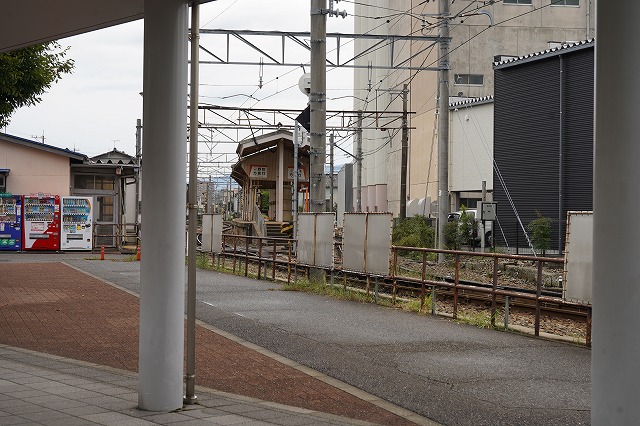
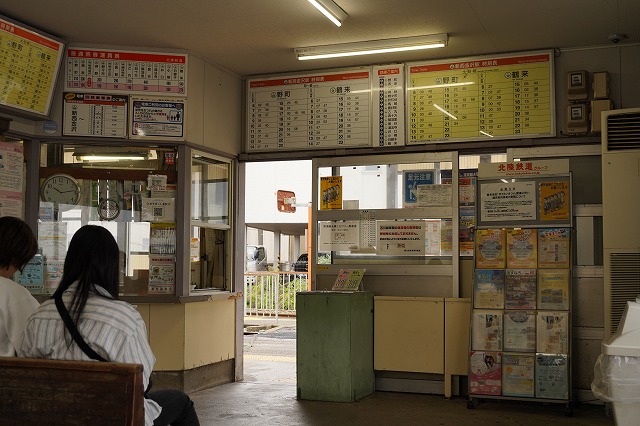
Access: The nearest station is Noto-nakajima 能登中島 Station. It takes about 4.5 hours from Tokyo to there by Shinkansen and limited express. From Kanazawa, it takes about 1.5 hours by limited express and local train. A shuttle bus runs from Noto-nakajima Station on the day of the festival. There are also city buses.

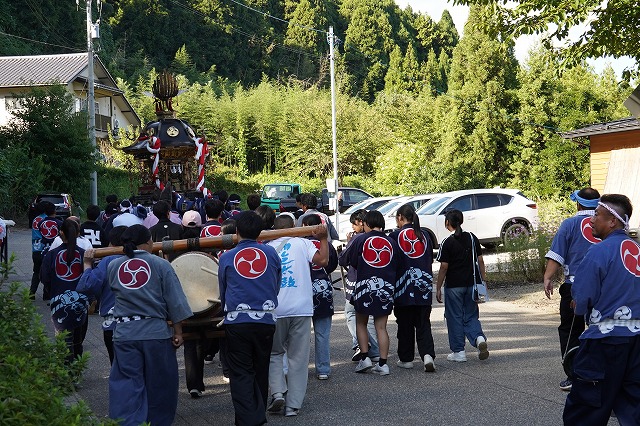
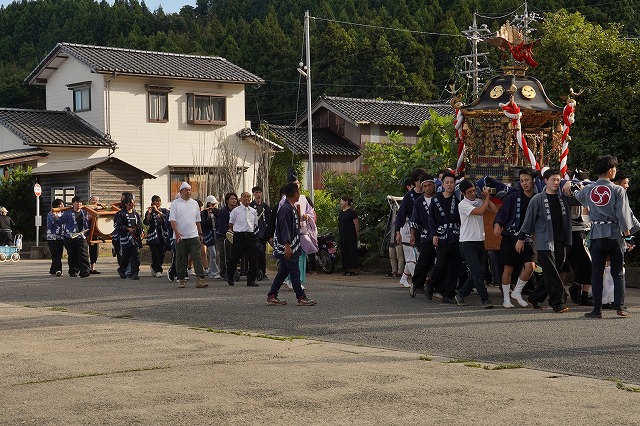
There is a heroic festival in the Noto Peninsula in which many Sarutahiko appear. On this day alone, the cheers of the people and the excitement of the festival overtake the usually quiet town. On this day only, the people who go to this place take a day off from school and work to attend the festival. And they stubbornly observe the 20th. This festival is filled with the spirit of the people.

The festival is held by 19 shrines associated with Kumakabuto Shrine and their residents.
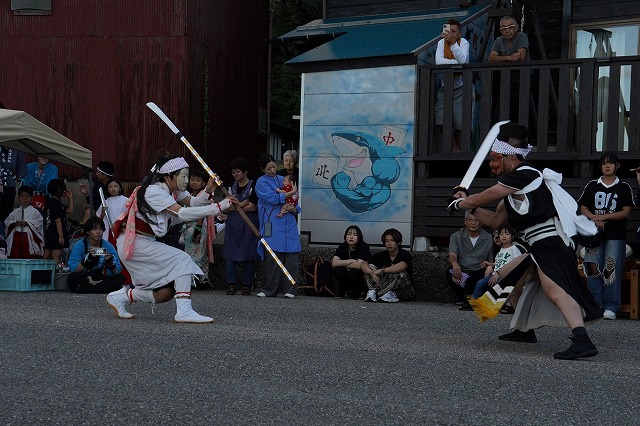
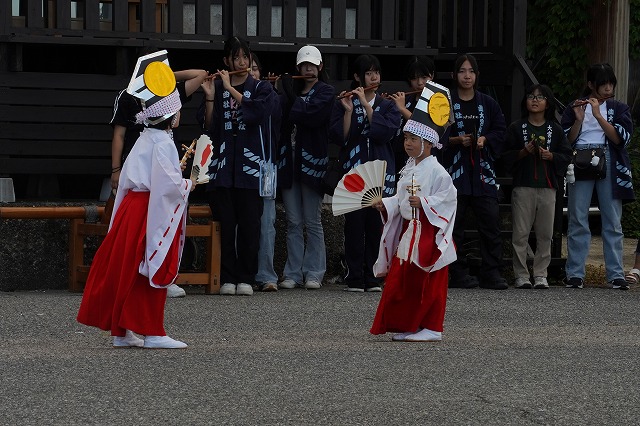
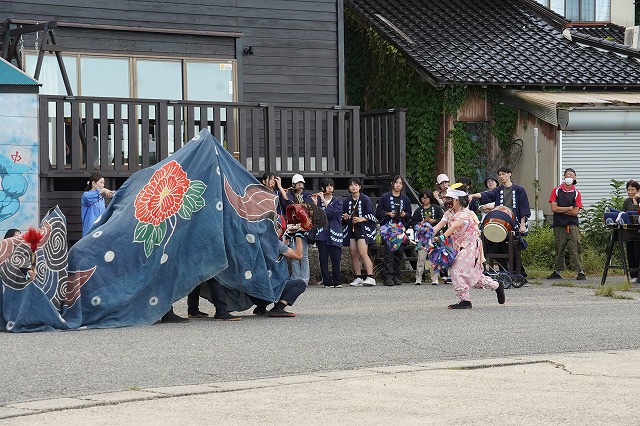
The festival consists of three main parts. First, people from each town come to the shrine with portable shrines and flags (the flags are the key to the festival). Next, when all the townspeople gather, move to Otabisho which is about 500 meters away from the shrine. Finally, the participants perform a performance using flags at the otabisho. During these processions, the leader of the procession is Sarutahiko, an incarnation of the masked god. As readers of other articles on this site may know, Sarutahiko has always been the leader of Japanese festivals. Especially there’s a lot of them at this festival. There are at least two or three Sarutahiko in a town, and there are 19 towns in all. One of the highlights of the festival is that these Sarutahiko parade through the streets and shrines, performing their unique dances to the rhythm of gongs and drums. Let’s take a closer look.
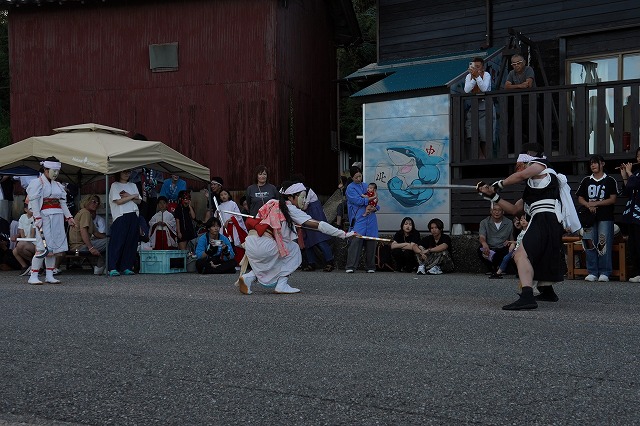
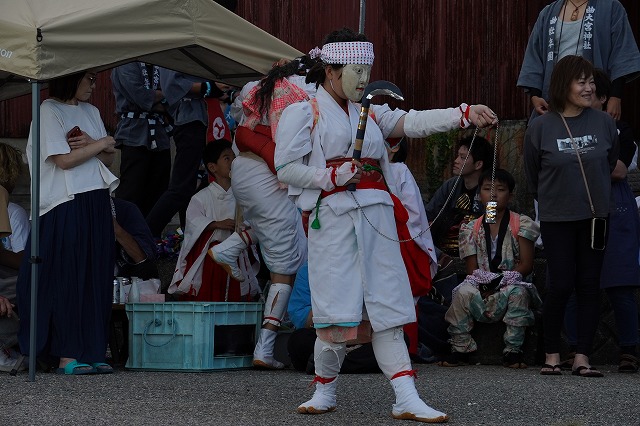
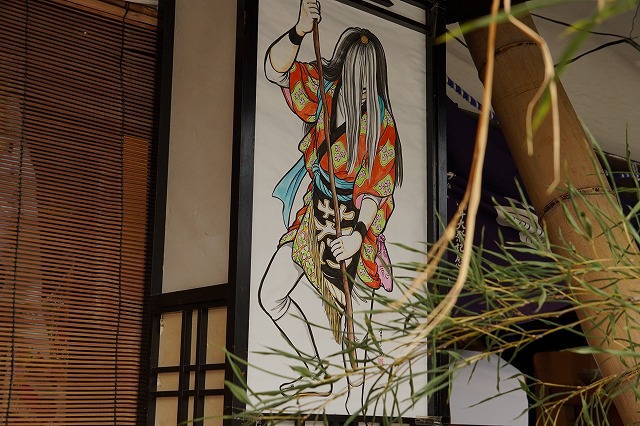
Sarutahiko’s dance 猿田彦
do.

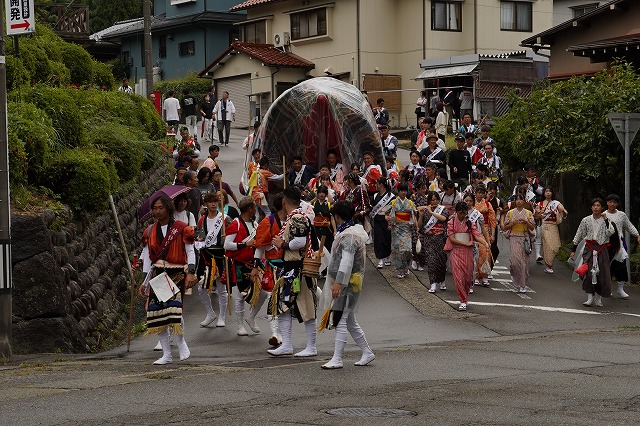
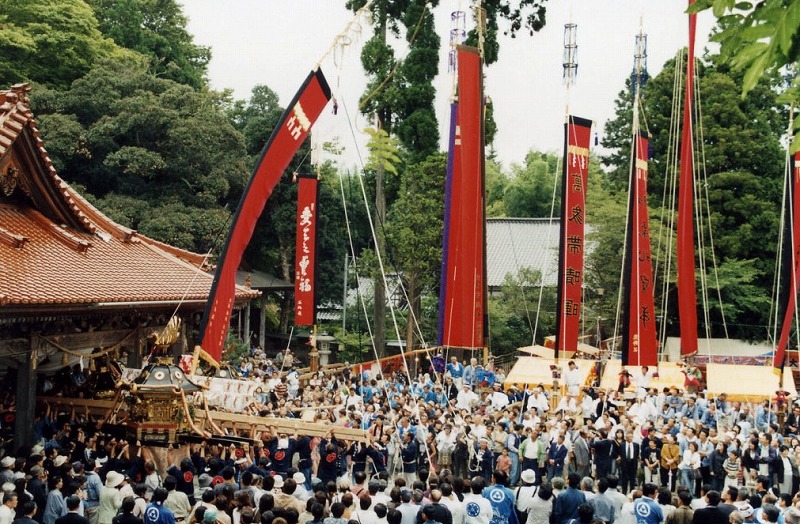
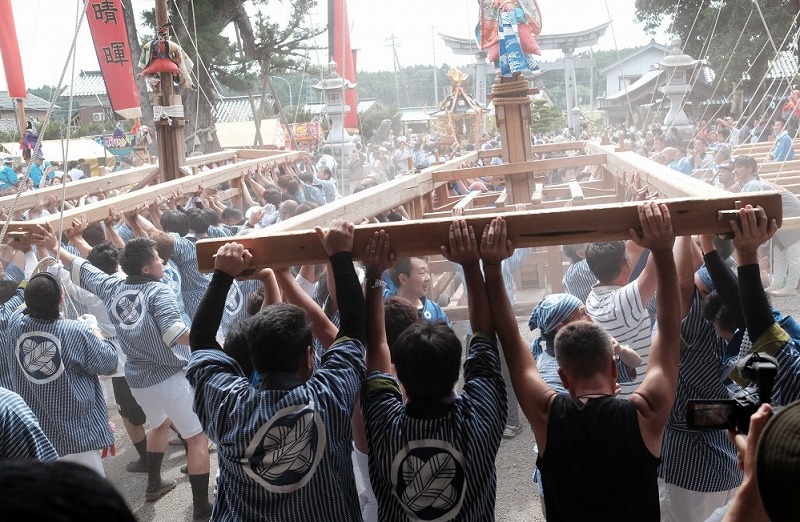
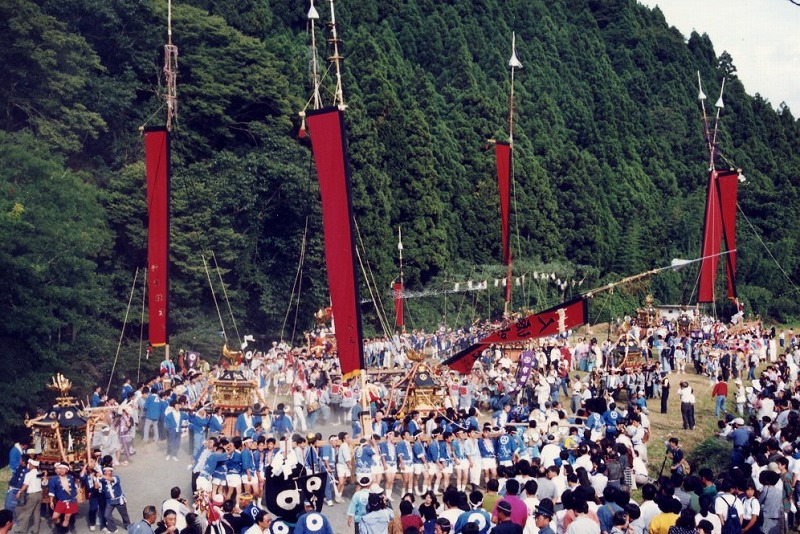
Festival morning comes early. Around 7:00 a.m., people carrying portable shrines and flags from each town leave the town for the shrine. There are 19 towns in total, some of which face the sea. So people from these towns bring their portable shrines to nearby towns on boats. By about 8:00 all the town get together. For a distance of about 200 meters, the festival group, centering on the mikoshi, will line up in front of the shrine. Let me explain about the flag here. This flag is the most distinctive and symbolic feature of this festival. It is a long red flag, about 20 meters long, and is called “wakuhata 枠旗”. Unfortunately, due to a lack of volunteers to carry the flag, the length of the flag has been shortened to about 15 meters in many places these days.
Upon arrival, the first thing Sarutahiko does is tap on the steps of the main shrine. This is a greeting that he has arrived. Following this, people raise the flags in the precincts of the shrine with a loud shout. The ceremony lasts for about two and a half hours. This ceremony at once sends the audience into a whirlpool of excitement. When all towns arrive it will be approximately 10:30 am. From there, the arrival greeting ceremony begins. Led by Sarutahiko’s dance, portable shrines and tool bearers march in two lines to greet the gods. When all are assembled, the priest proceeds to the center and gives a festive greeting to the deity. Here all rituals in the precincts of the shrine come to an end. This is the first part.

do.

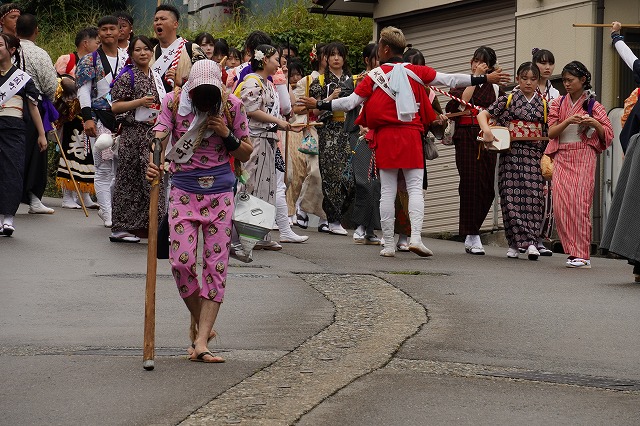
After a short rest, after noon, the trip will now begin to Kamohara 加茂原, called Otabisho 御旅所, about 700 meters away. The word ” Otabisho” means the place where the gods travel to.

The Sarutahiko dance is unique and not easy to learn, so it is important to pass it on to the younger generation.

Also characteristic of this festival is the rhythm of gongs and drums. The monotonous sound of the high gong is not often heard in other areas. Some people feel the influence of the Korean Peninsula can be felt. The first in line usually arrives at Kamohara around 2:00 p.m. By 3:00 p.m., only half of the line has arrived. The other half waits for the first half to finish. The order of departure is also decided by lot drawing before the festival each year. Where first is a major topic of discussion every year.

do.

do.

Guided by Sarutahiko, mikoshi and flags from each town depart one after another for Kamohara, the otabisho. The last group finally leaves the shrine around 2:00 PM when the first group arrives at Kamohara. The sight of red flags over 15 meters high lining the Kamohara and golden mikoshi (portable shrines) in the sun is spectacular. And here is the highlight of the festival: the flag parade.

Among them, the skill that people are most looking forward to is Shimada-kuzushi. It means to put it into disorder. It is a technique to knock down a long flag so as not to touch the ground. The origin of the name is as follows:. Once toppled, the flag touched the hair of a woman who came to see the festival and ruined her hairstyle. The name of the hairstyle is Shimada. It is said that the name ‘Shimada-kuzushi’ came from the fact. The festival continues until around 5:00 p.m., and the fervor continues unabated. Unfortunately, we can no longer use long flags like before. Because of the labor shortage in recent years. However, the spectacle and enthusiasm of the event is the same as in the past.

Ending

It takes only 2 hours to get there from Kanazawa (Kanazawa is 2.5 hours from Tokyo). In addition, Wakura 和倉 Onsen (hot spring) is just 15 minutes away. Wakura Onsen is also home to the most famous inn in Japan, Kagaya 加賀屋, which has been voted the best inn in Japan for many years in a row (though it is moderately priced).

In 2025, the Noto Peninsula was damaged by a major earthquake and also by heavy rain in the summer. It is still in the middle of reconstruction, but the people have been reviving the town with the indomitable spirit of never giving up, and the festival has continued. Why don’t you see the beauty of the Noto Peninsula, the strength of the people, and the valor of the festival with your own eyes?


Gojinjo Daiko

御陣乗太鼓

Date: 31st, July and 1st, August (Nafune festival)
Location: Nafune town, Wajima city, Ishikawa prefecture
Access: About 1 hour by airplane from Haneda (Tokyo) to Noto Satoyama airport
or It takes 1 hour by JR Nanao line from Kanazawa to Wakura Onsen, and 40 minutes by Noto line to Anamizu

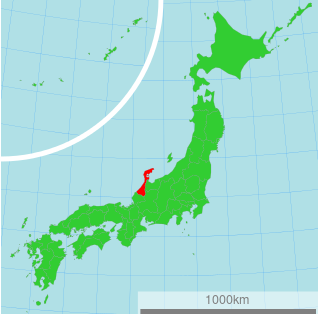
石川県
Ishikawa prefecture

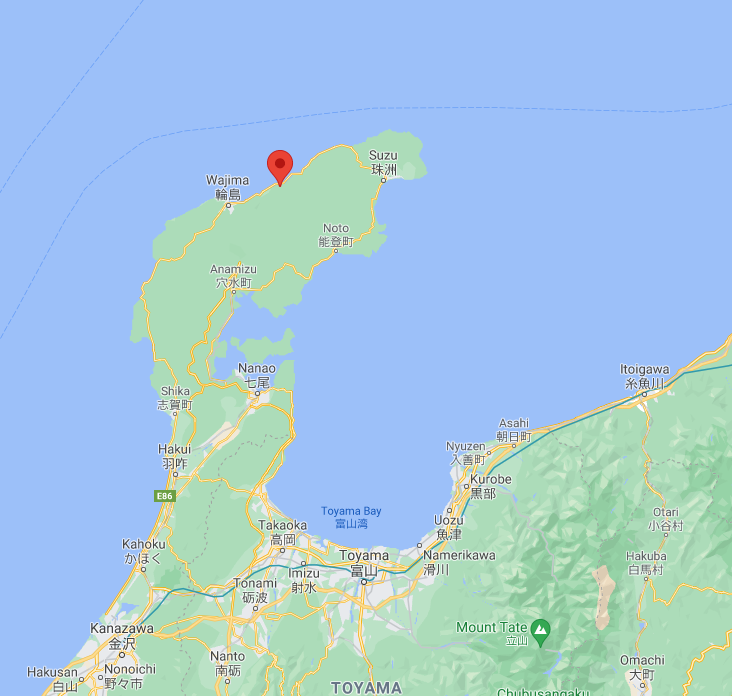
石川県能登
Noto peninsula

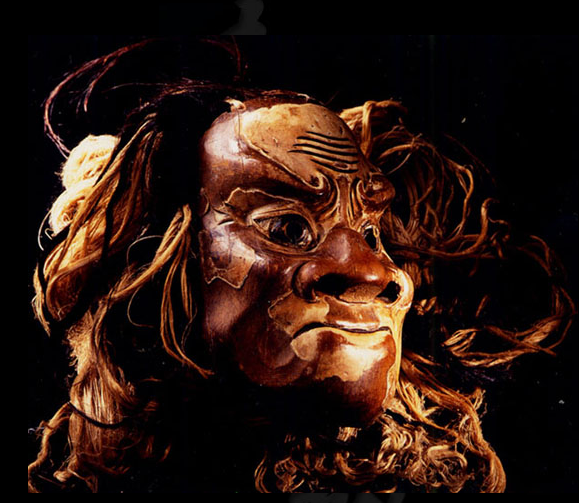
夜叉
Yasha (female monster)

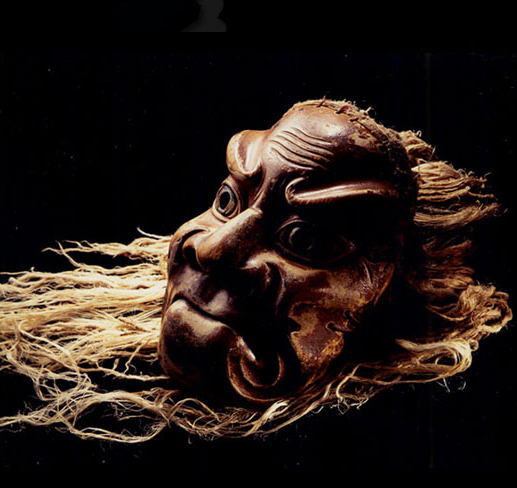
爺面1
Jiji (aged man)

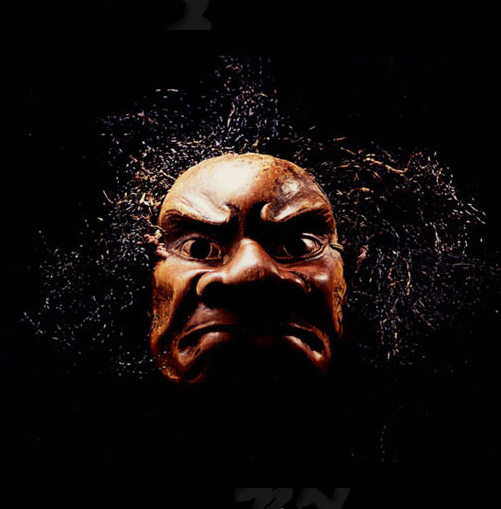
爺面2
Jiji

爺面3
Jiji

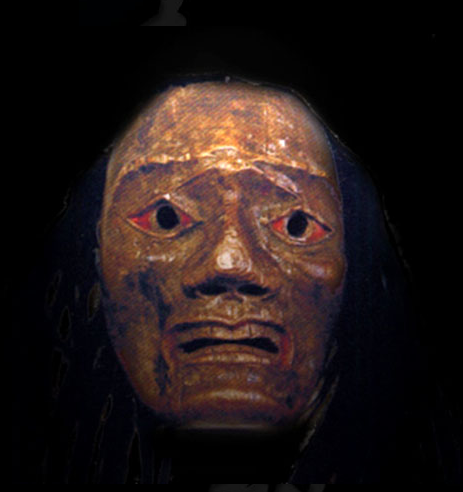
男幽霊
Otoko yurei (male ghost)
女幽霊
Onna yurei (female ghost)

男幽霊2
Otoko yurei

達磨
Daruma (priest)

All images from http://www.gojinjodaiko.jp/en_top.html

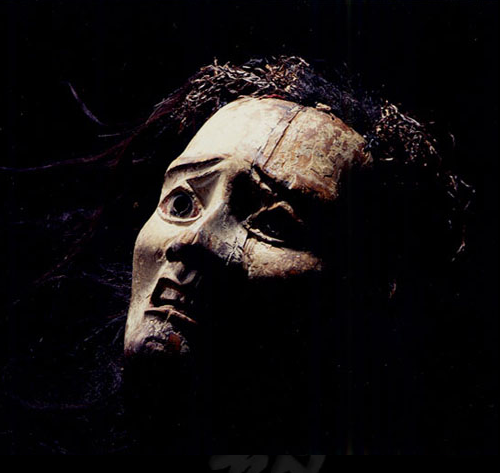
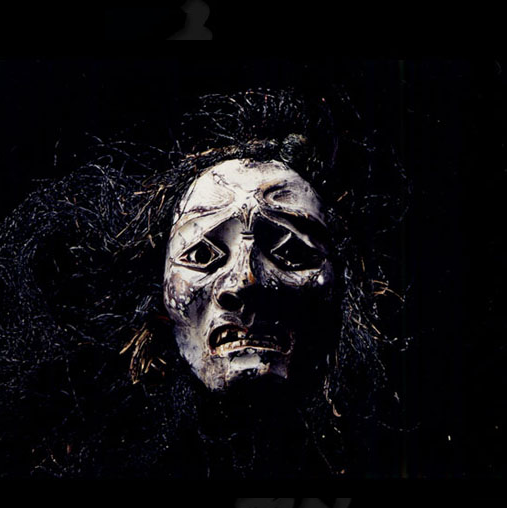
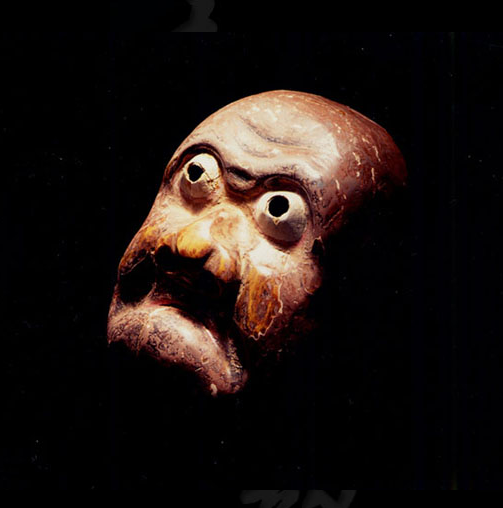
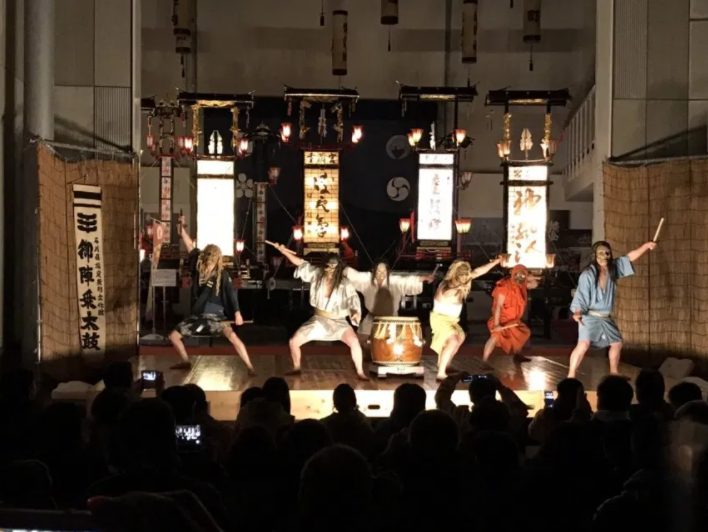
Gojinjo Daiko (drums) 御陣乗太鼓 is the most famous traditional folk performance group in Noto region. Eight drummers appear one after the other to beat a single drum. All of them wear bizarre masks and their hair is made of seaweed or horse hair. They play a rhythm based on beginning, middle portion, and denouement. They repeat it over and over again. Sometimes they make strange noises, sometimes they strike menacing poses.

As for why they started using such strange masks, here is the origin. Once upon a time, there was a powerful warlord named Uesugi Kenshin 上杉謙信 who ruled the wide area including Niigata and Ishikawa prefectures. When his army finally invaded this area, the farmers, who had no defense, came up with a plan. They wore masks made of wood and hair made of seaweed, and played drums to intimidate them. The fearful army turned back. Since then, the performance has been passed down from generation to generation by the men who protect the area.
Currently, they have formed a preservation society comprising about 20 members. All of them are from the town of Nafune. Only those born and raised in the area are allowed to carry on the Gojinjo-daiko tradition. Regardless of the restrictions, the rhythms of the taiko are complex and difficult to master unless one has grown up listening to them from childhood.

Since they are a popular group, they are invited to various events. However, one of the most prestigious and nerve-wracking events for them is a performance at the local Nafune Grand Festival.
This is a small village with only about 200 residents. More than 10,000 people gather for the festival. Even those who have left the village come back only for the festival.

名舟大祭
Kiriko lines in festival
image from the site above

キリコの図
a image of Kiriko

At the Nafune Grand Festival, many people come to see the Gojinjo-daiko. On the first day of the festival, from around 9:00 p.m., a large number of people carrying kirikos pass through the shrine and head for the sea. Then the drums are performed. After that, people continue to enjoy late into the night. The next day, the festival starts in the afternoon.

名舟大祭の太鼓
https://www.ent-mabui.jp/program/3332

Even if you can’t see it on this day, there are still many opportunities to see the Gojinjo-daiko. The easiest way is to go to the Wajima Kiriko Museum, where the Kirikos are displayed, and performances are held every day at a certain time. There are also other opportunities to see the performance at some hotels.

Summer in Noto is the summer of the Kiriko Festival. And Kanazawa, a popular tourist destination, is nearby. And of course, there are hot springs.