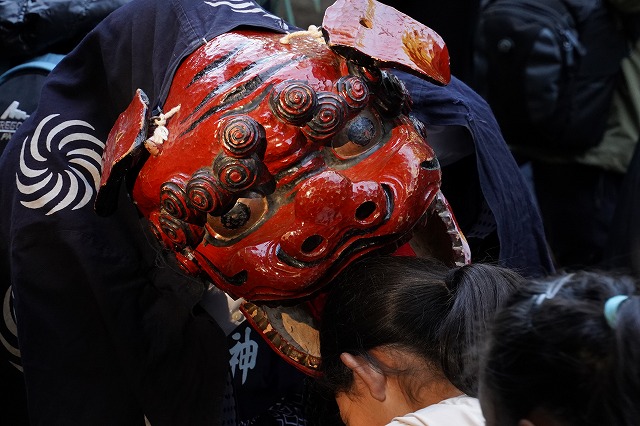
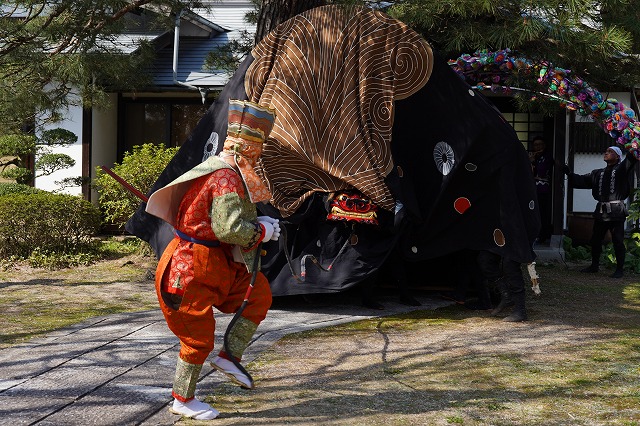
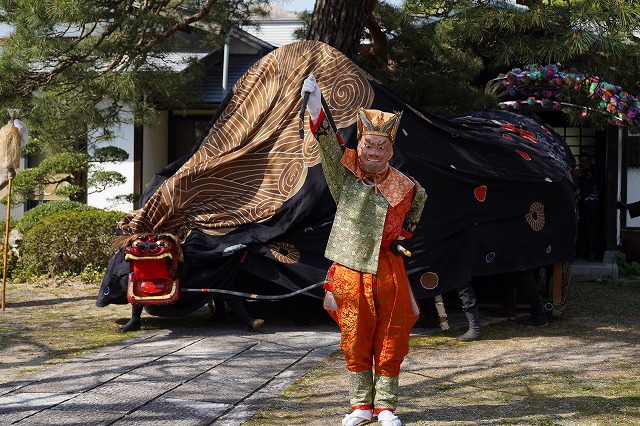
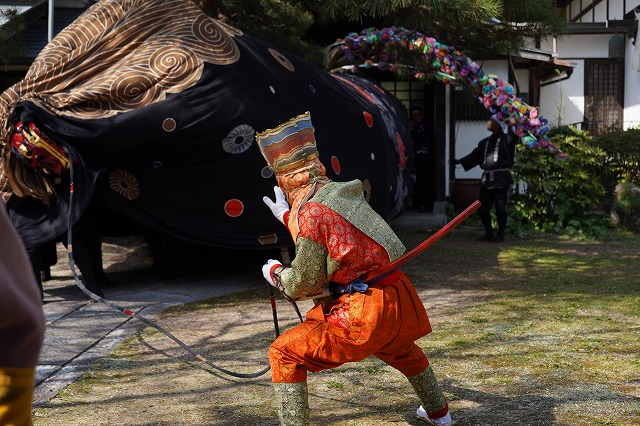
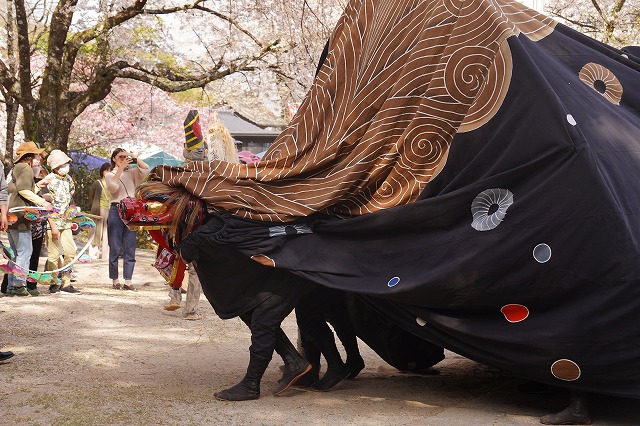
A Bizarre Group Protecting a Giant Lion ~Street Cart Lion of Zakoji 座光寺の獅子舞
Date; The first Sunday in April every year
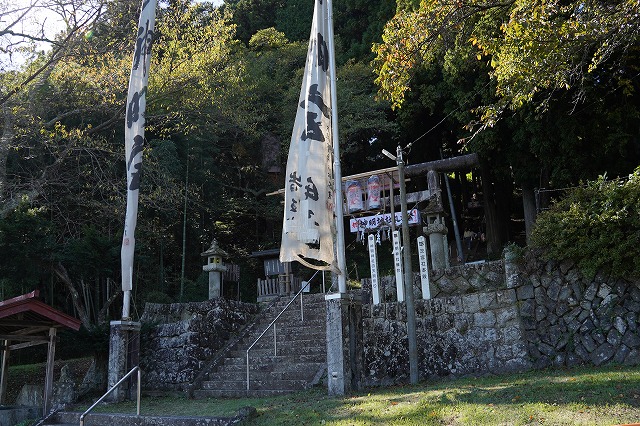
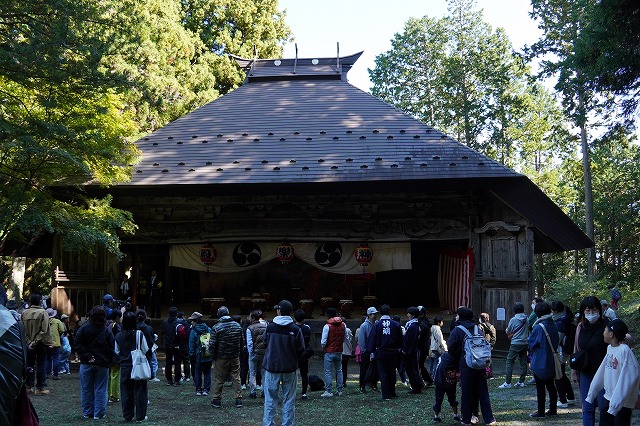
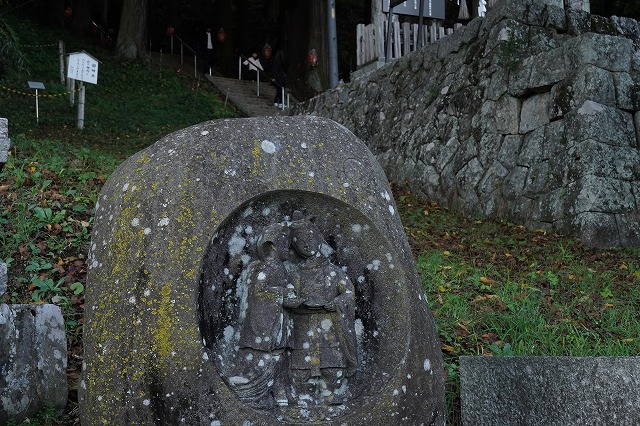
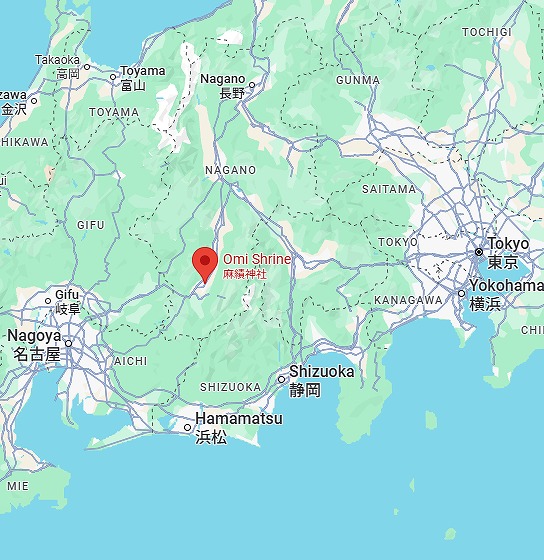
Location; Omi shrine 2516 Zakoji, Iida City, Nagano Prefecture
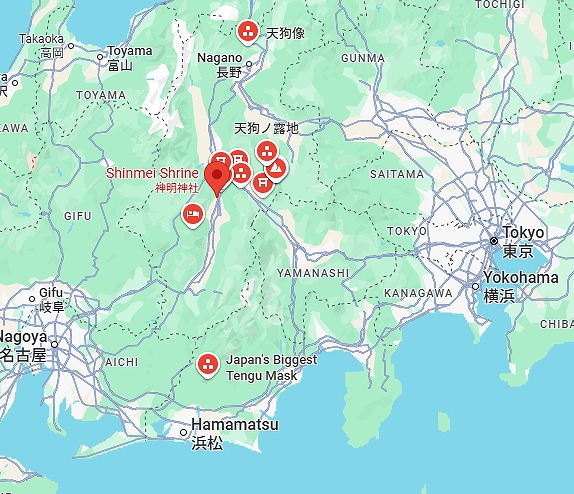
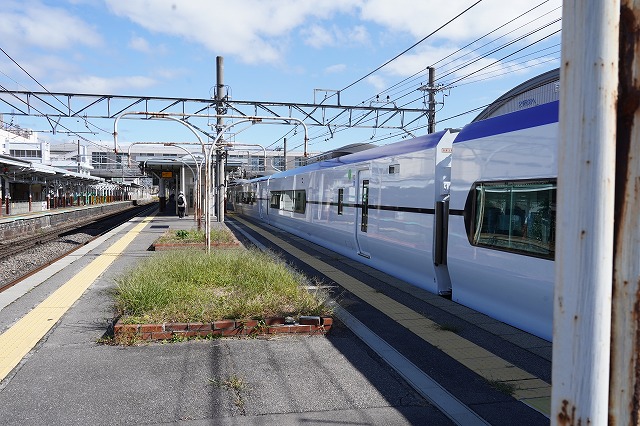
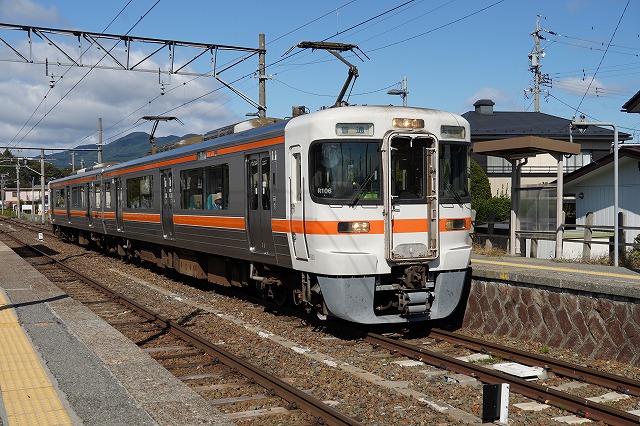
Access; If you’re coming from the Tokyo area, taking an express bus from Shinjuku is the most convenient and common option. It takes about 4 hours to reach Iida. From there, it’s about 10 minutes on the Iida Line to Motosenkoji Station. It’s about a 10-minute walk from the station. Taking the bus is also the most convenient option if you’re coming from the Nagoya area.
Zakoji official (Japanese) http://zakoji.jp/news/8054/
This article is based on a visit of 4th, April,2026.
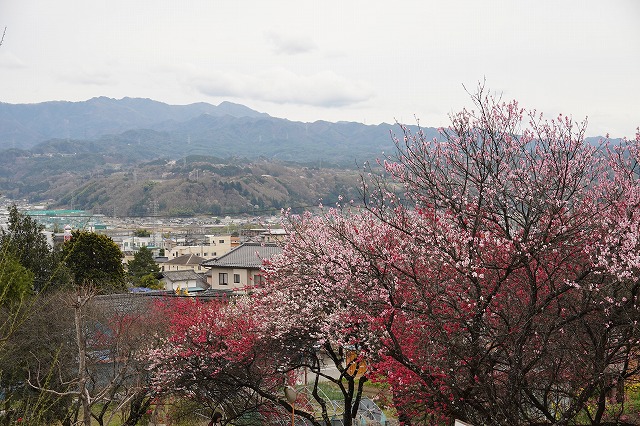
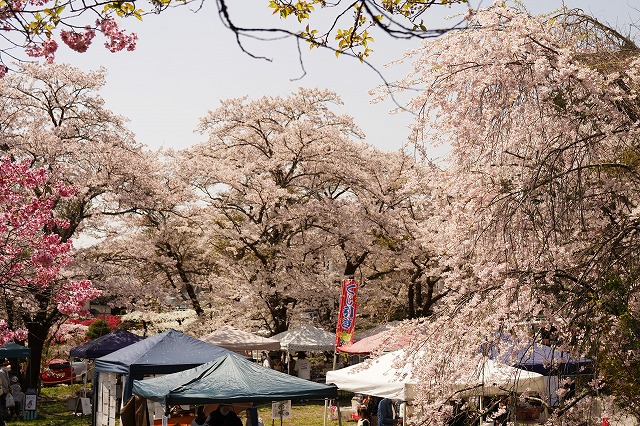
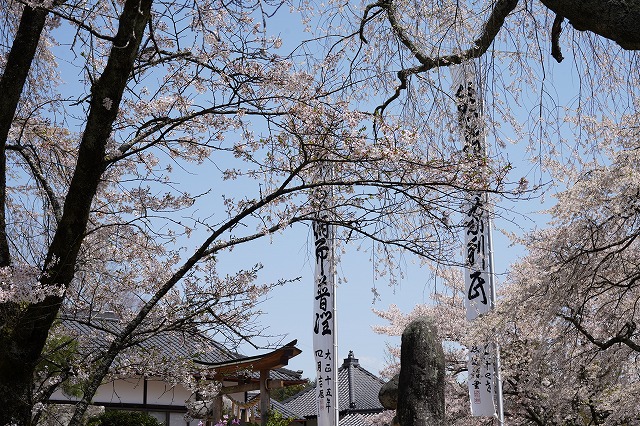
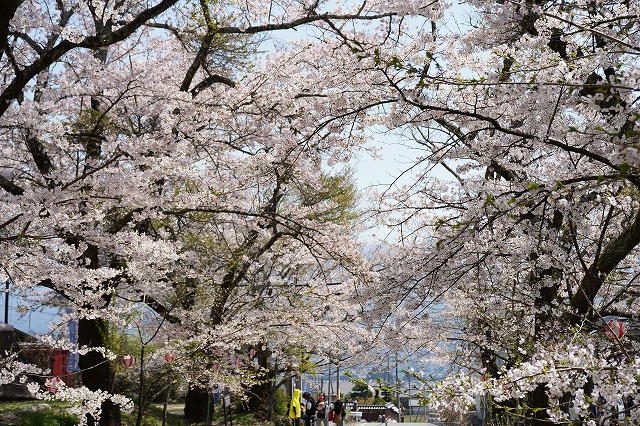
Places to Visit During Cherry Blossom Season
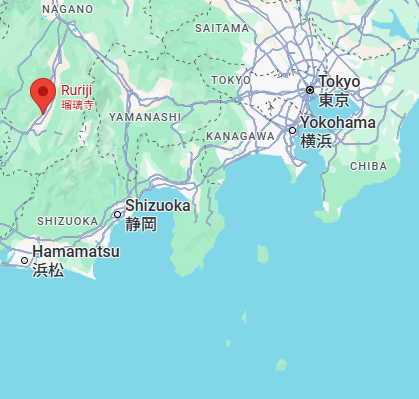
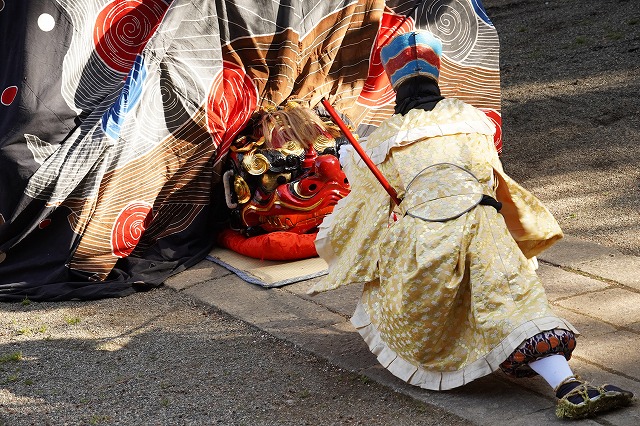
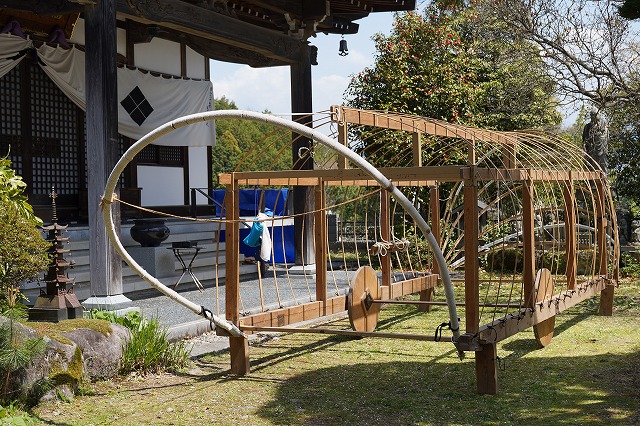
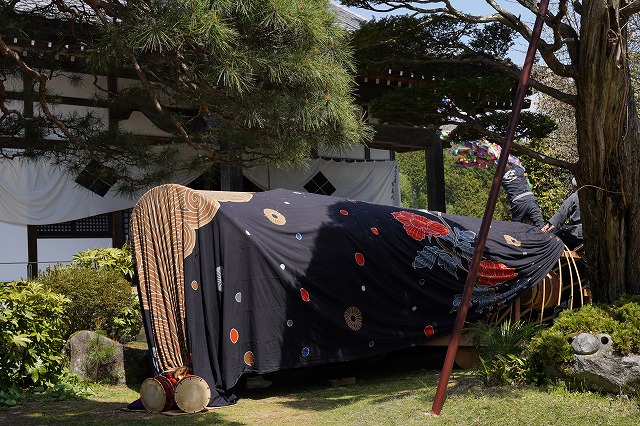
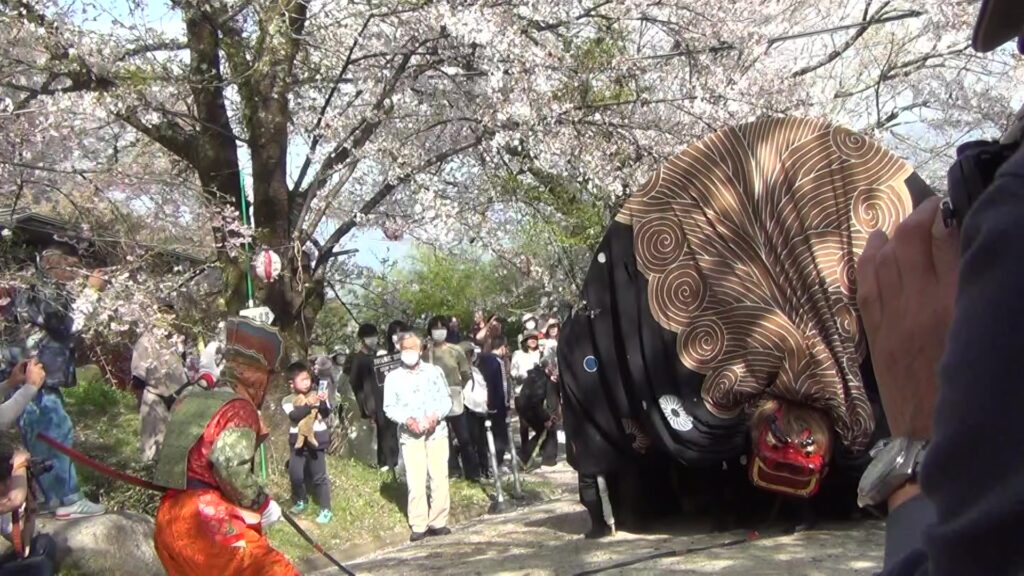
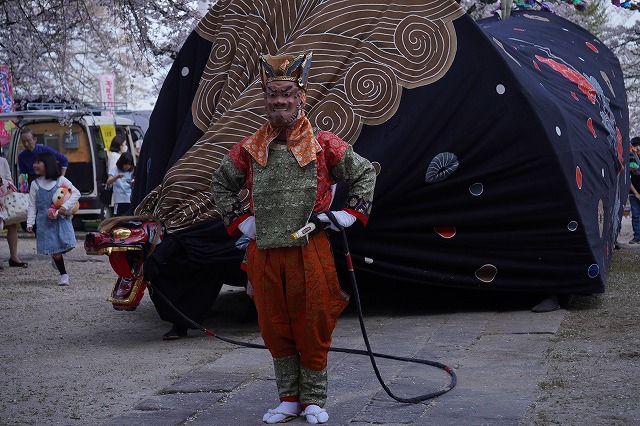
Minami-Shinshu (southern Nagano Prefecture) is a treasure trove of yatai-shishi (A large vehicle float designed to resemble a lion). While the tradition originated at Ruri-ji Temple, it varies from region to region. So, what can we see here in Zakoji?
lion dance of Ruriji-temple https://discoverdeeperjapan.com/2026/07/23/experience-the-origins-of-shinshus-lion-dance-under-the-fully-blooming-cherry-blossoms-the-lion-dance-at-ruriji-temple/
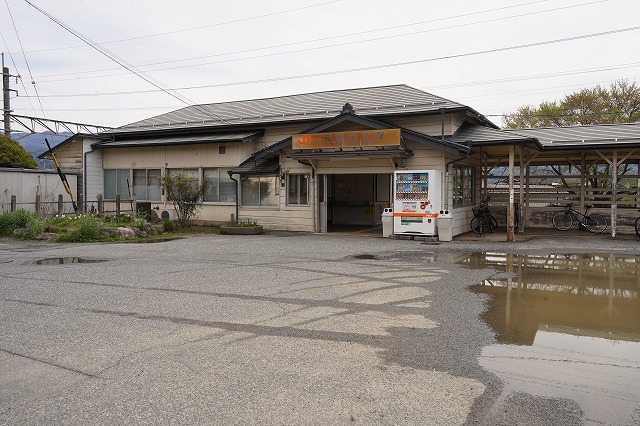

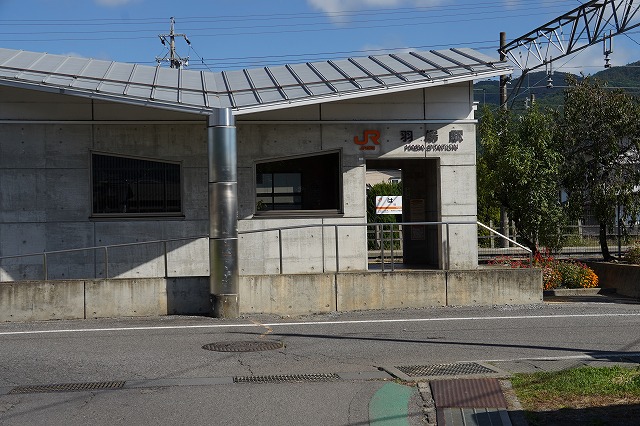
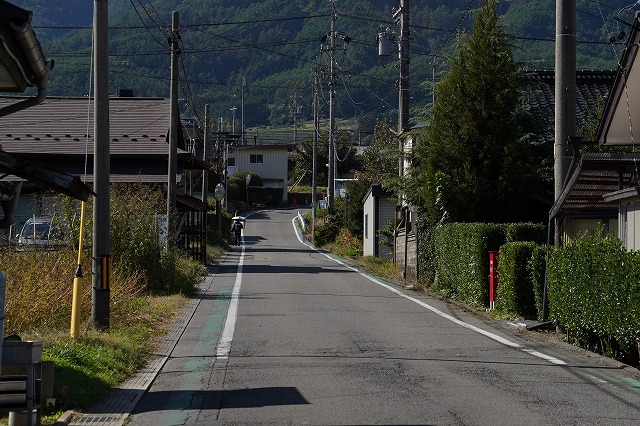
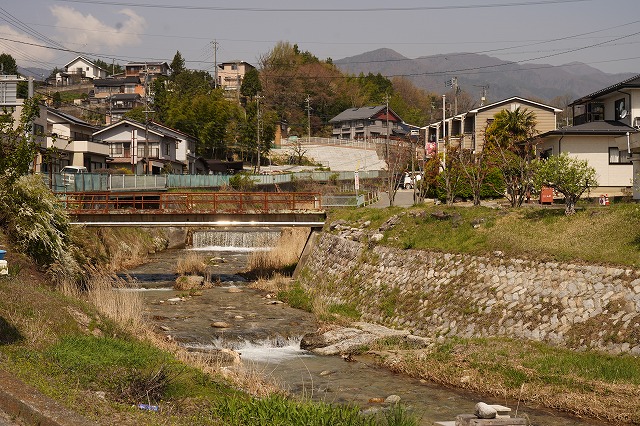
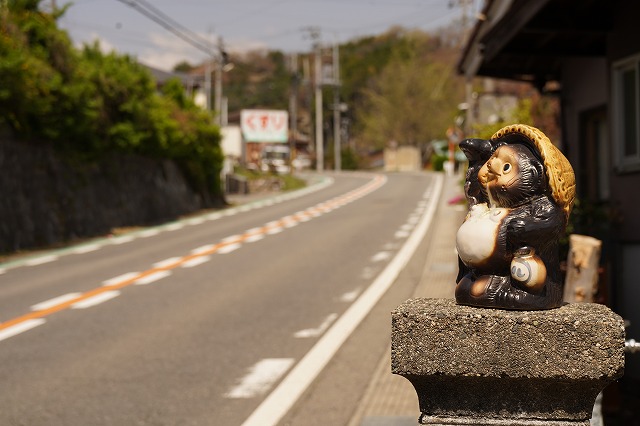
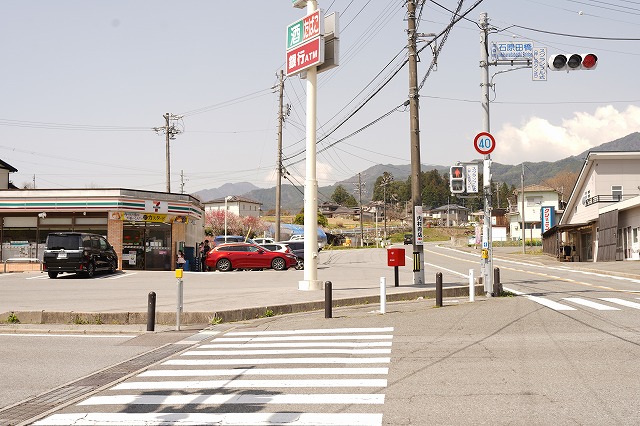
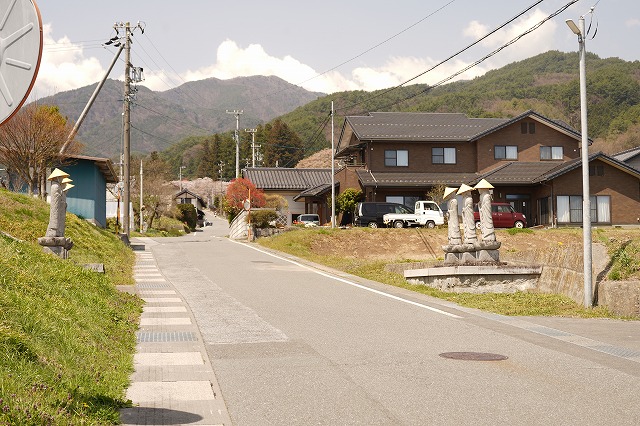
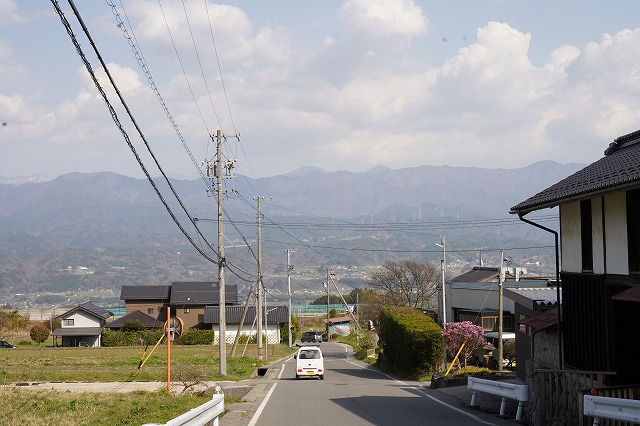
The nearest station is Moto-zenkoji Station. The area around it seems deserted, but if you walk a short distance along the road on the opposite side, you’ll find a variety of shops. It becomes clear that cars, rather than trains, are the primary mode of transportation in this area.
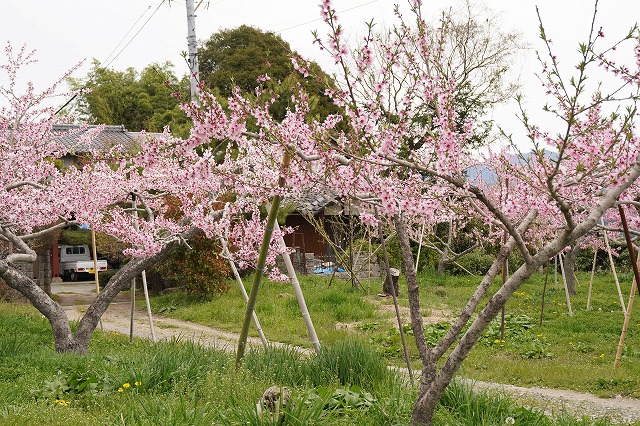
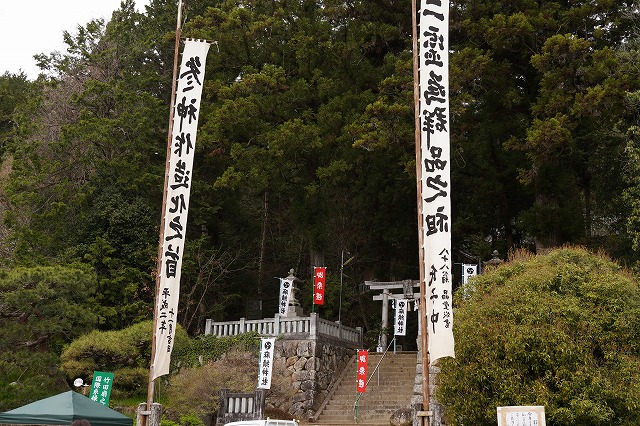
Still, it’s certainly true that this area’s appeal lies in more than just the number of shops.
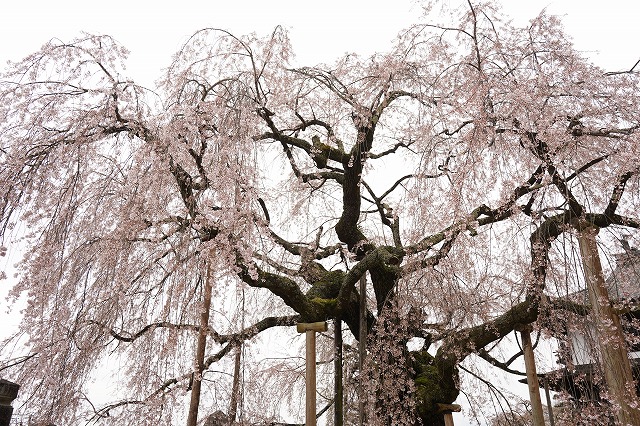
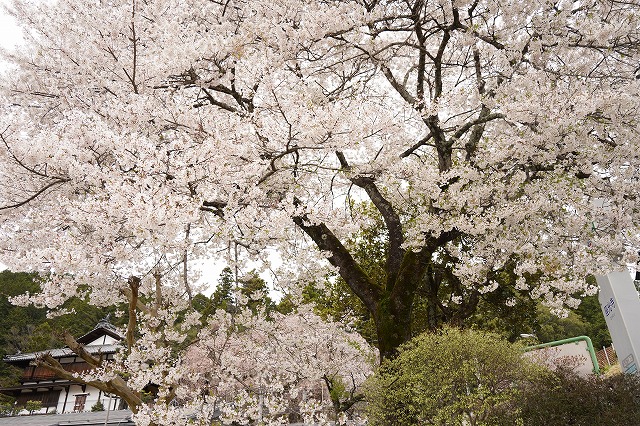
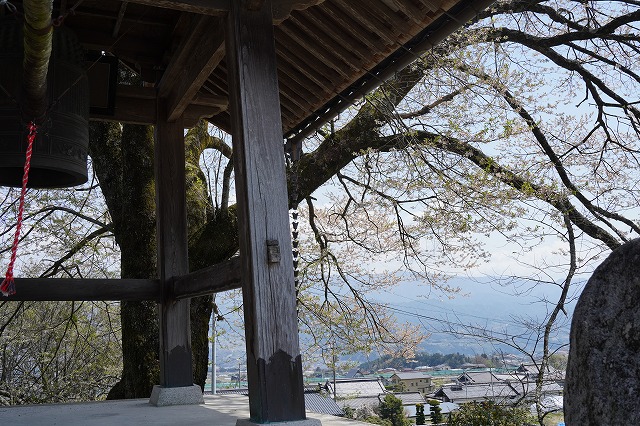
The weeping cherry tree is designated as a municipal natural monument.
Encountering them (the masked characters)
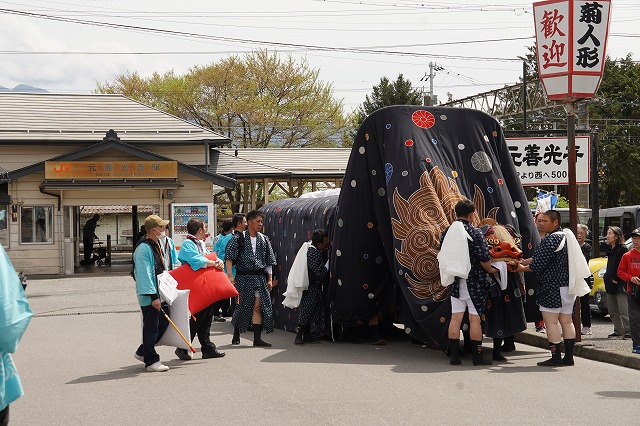
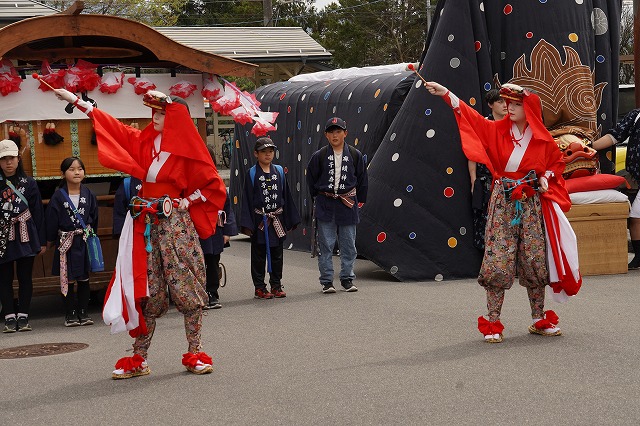
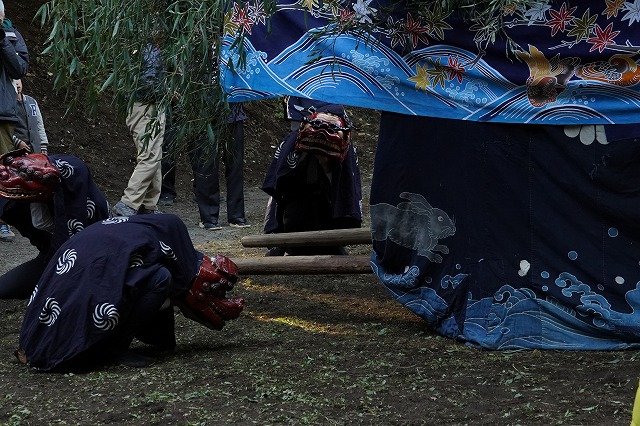
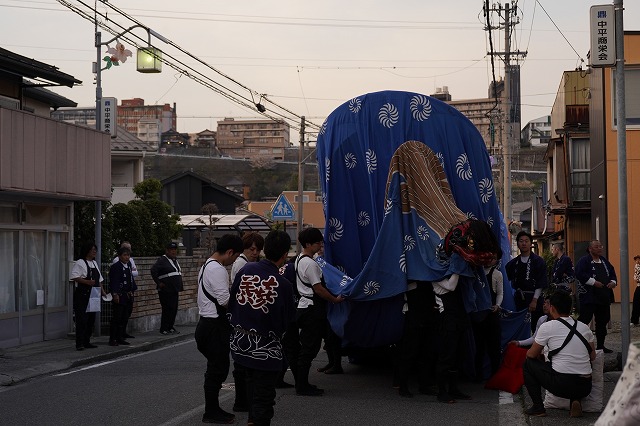
1:00 p.m. In front of the Moto-Zenkoji Station, a lion dance troupe is getting ready. And there’s another event cart nearby. This is a lion—but specifically, an Echigo lion. Echigo refers to what is now Niigata Prefecture. The name comes from the fact that, long ago, there were people (mostly children) who came from Echigo to entertain crowds with street performances featuring dancing and acrobatics to get money.
And…
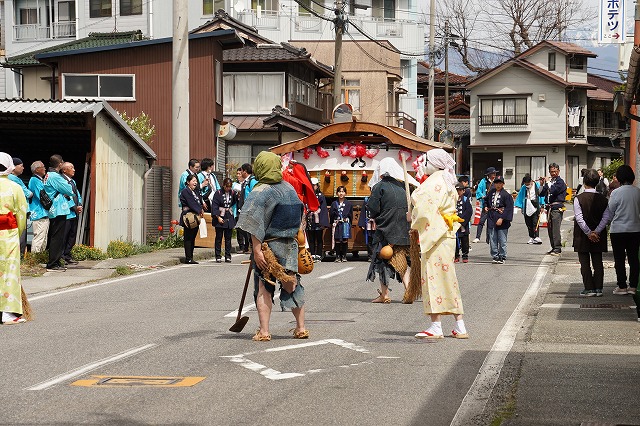
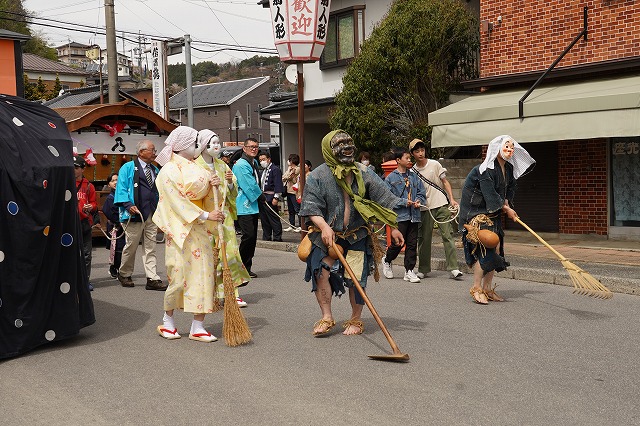
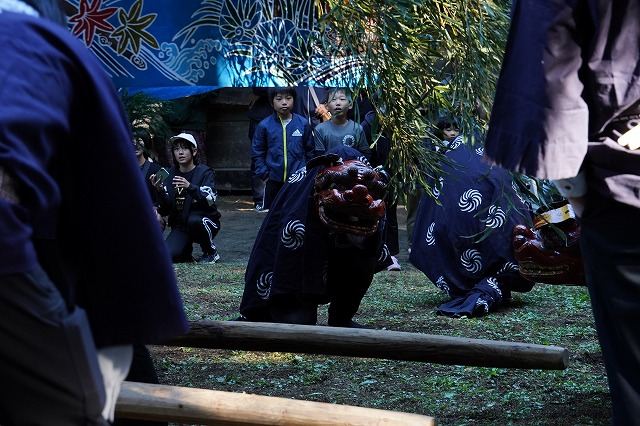
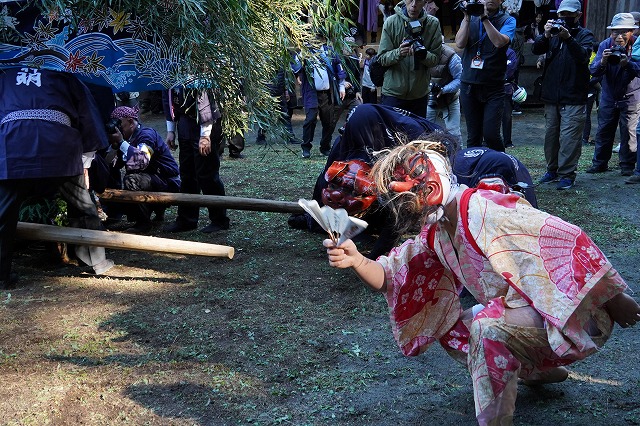
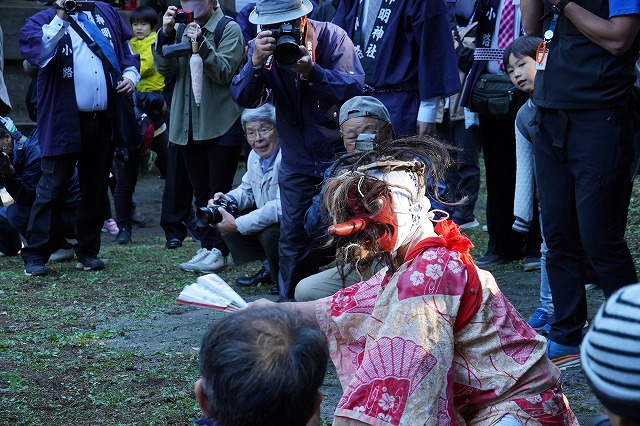
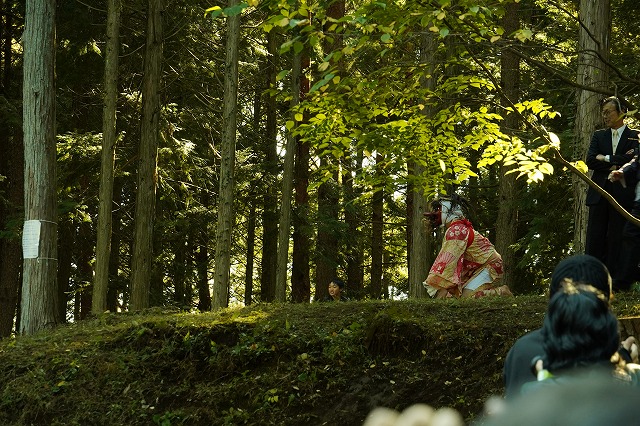
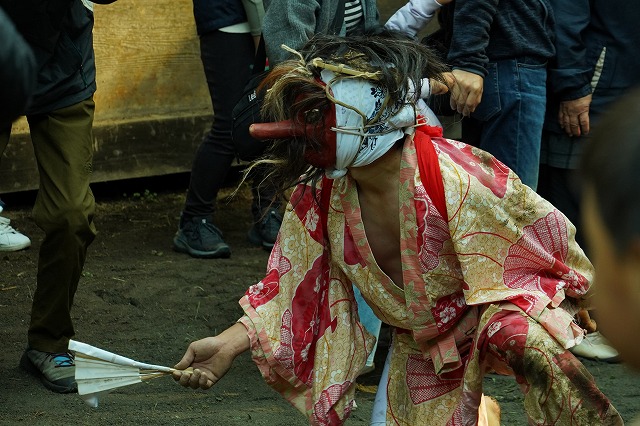
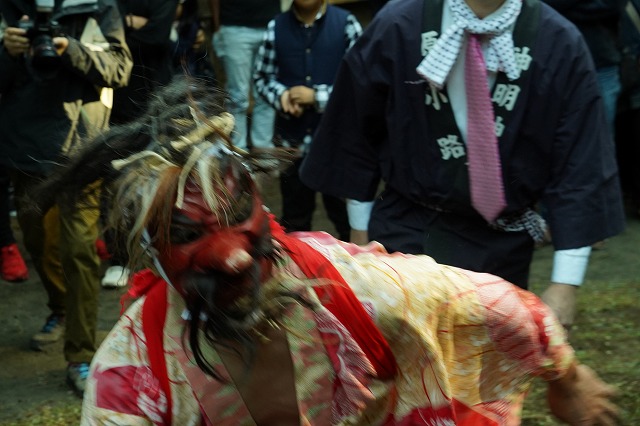
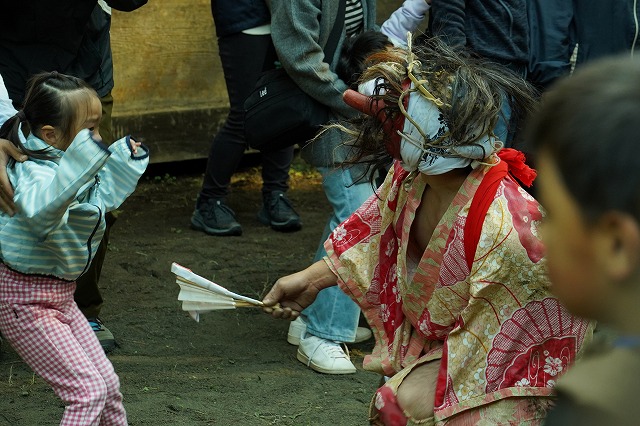
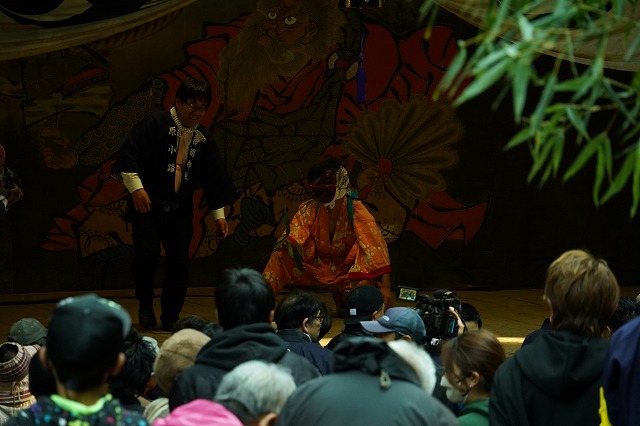
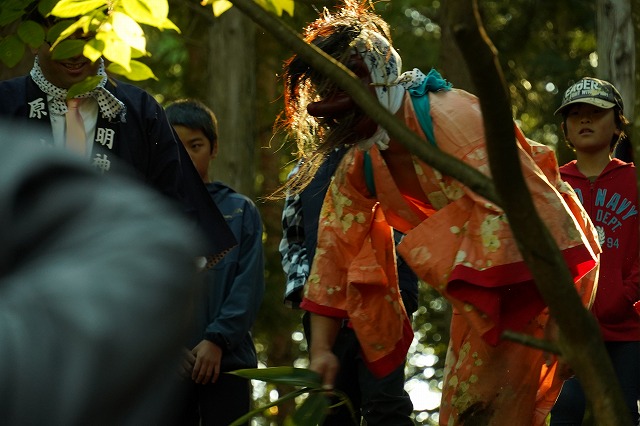
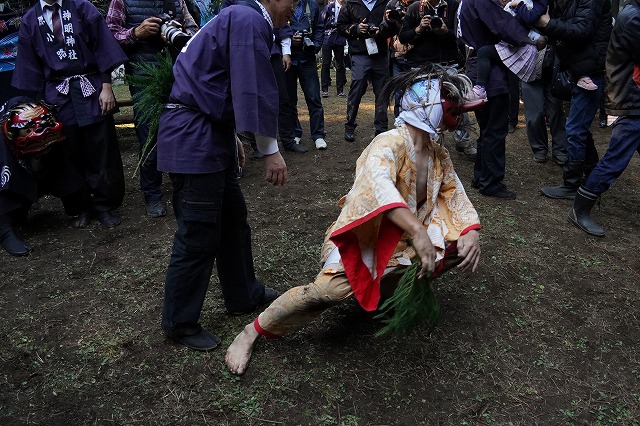
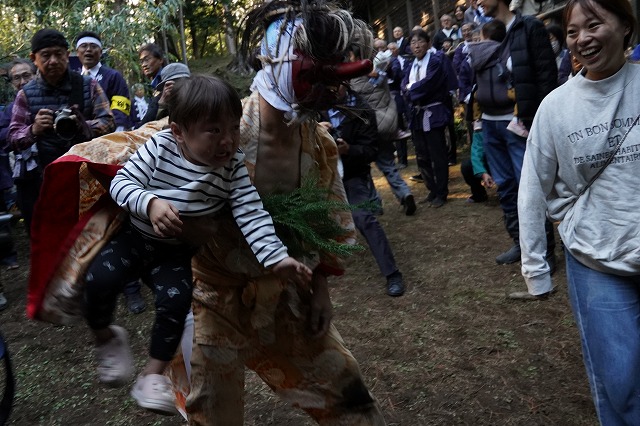
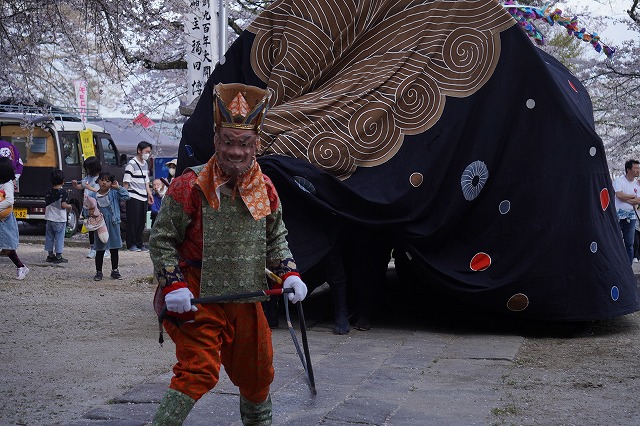
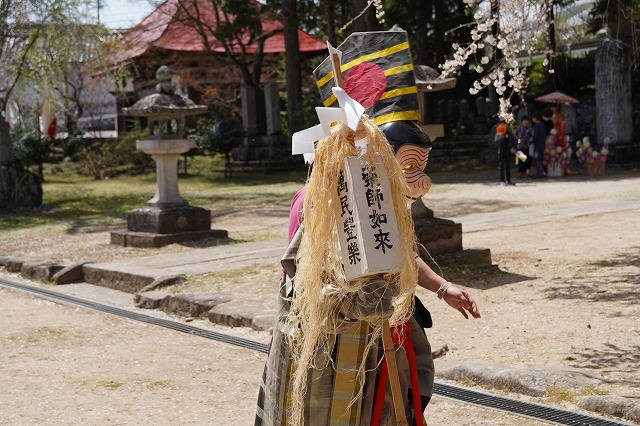
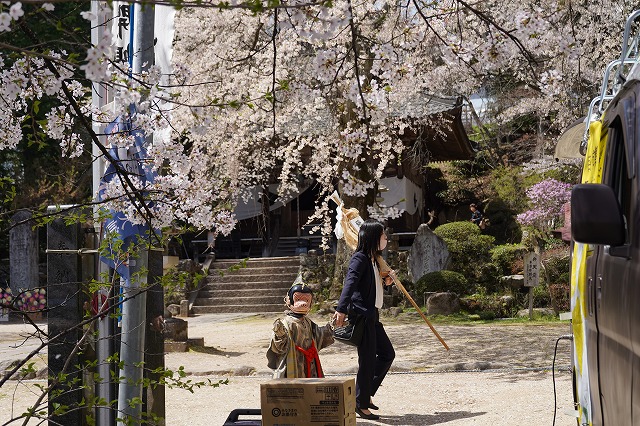
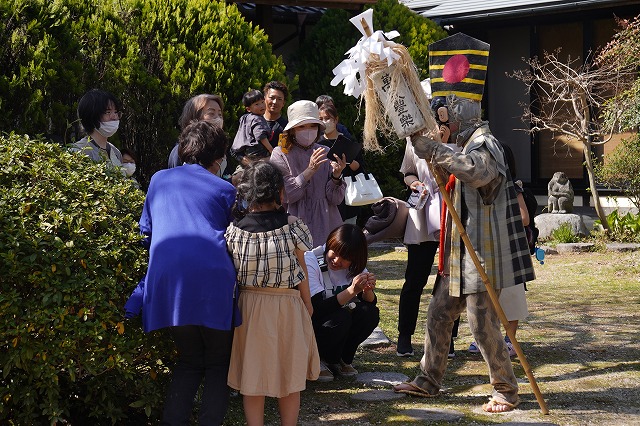
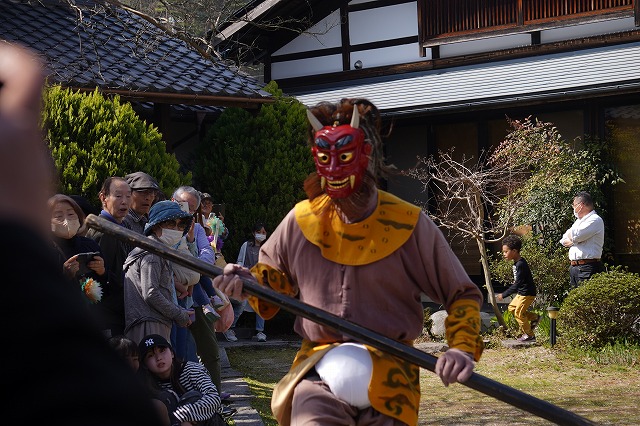
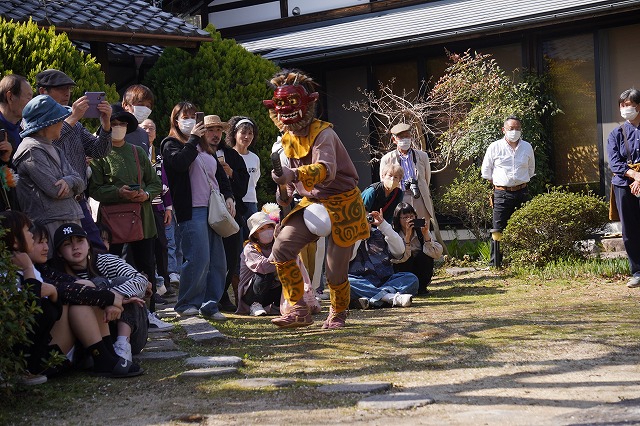
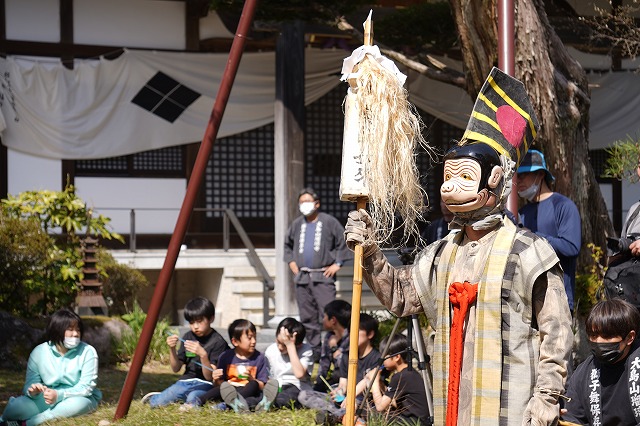
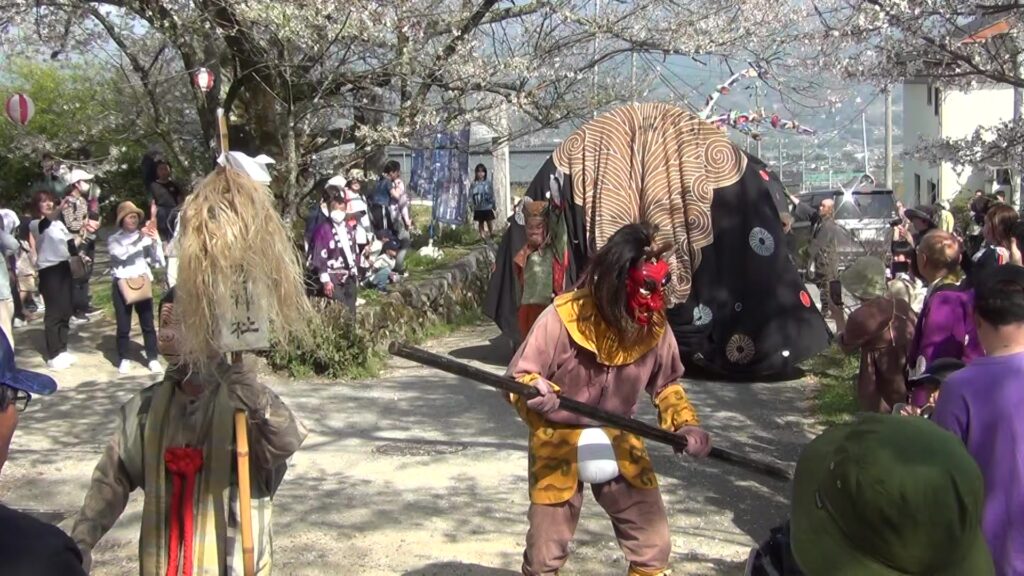
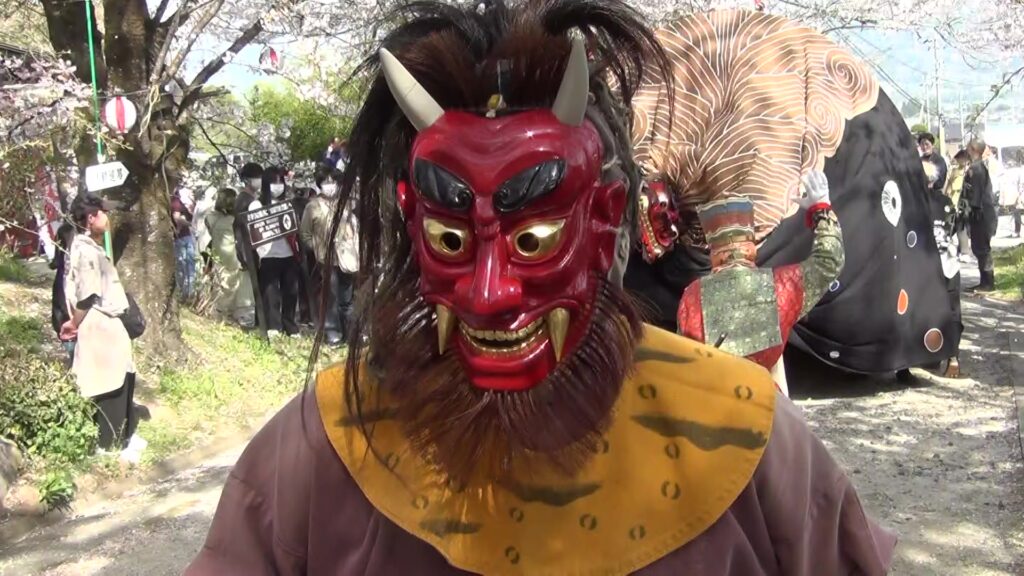
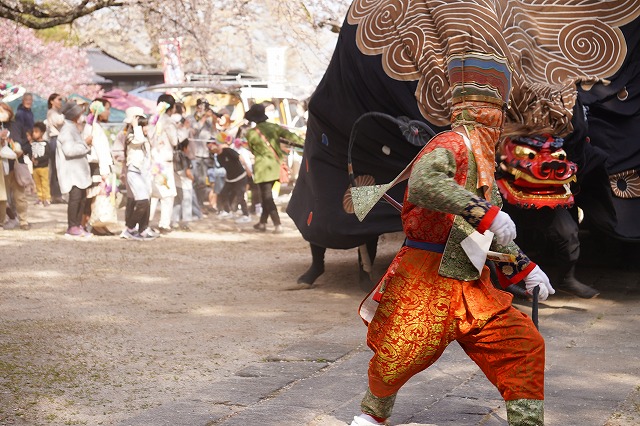
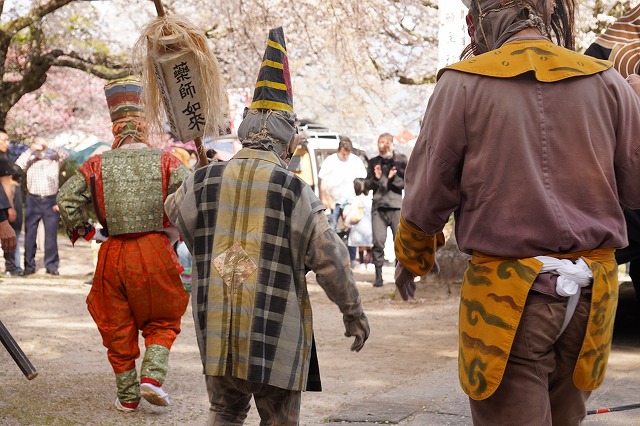
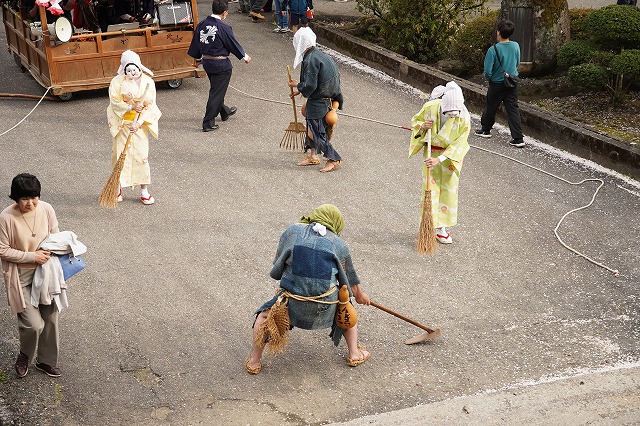
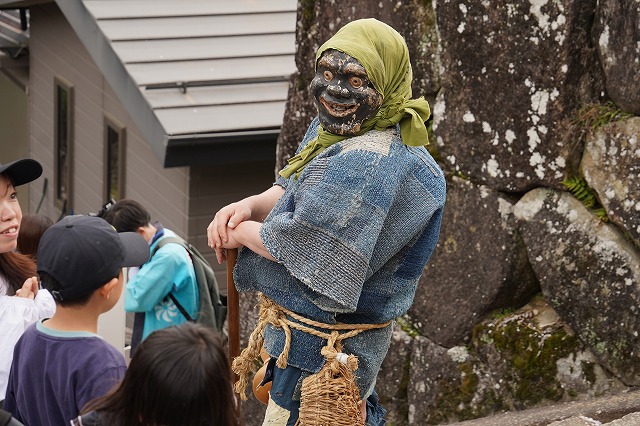
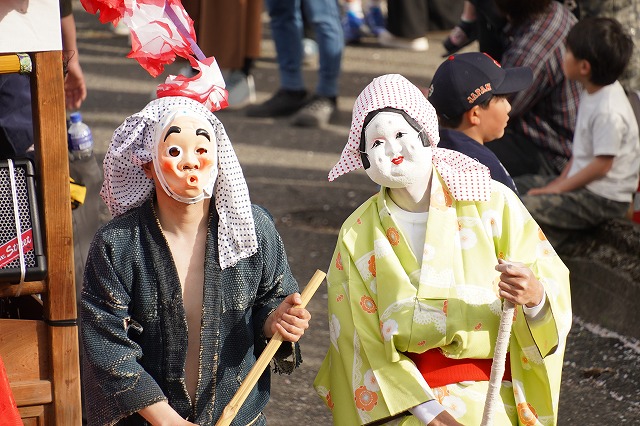
There they are! A bunch of strange characters are coming in droves…
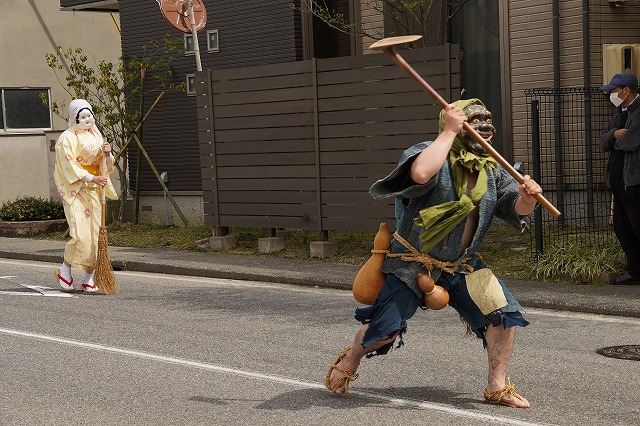
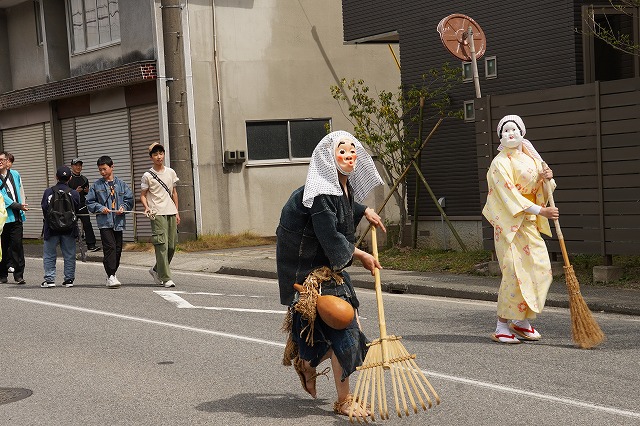
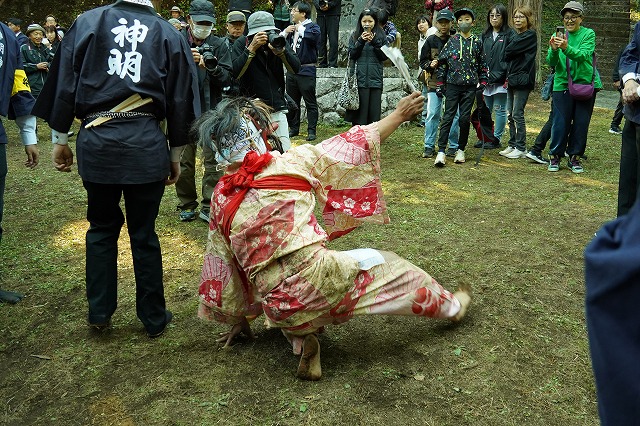
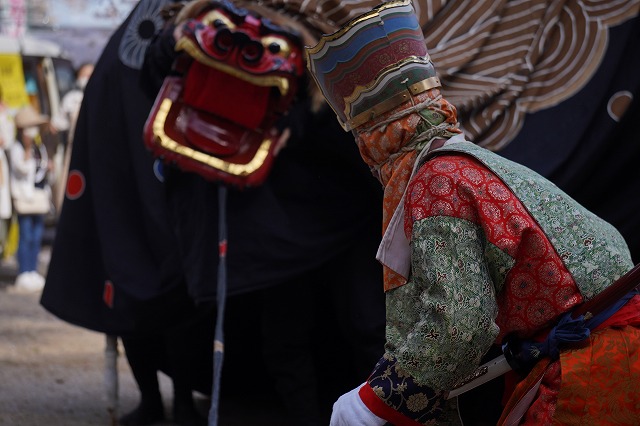
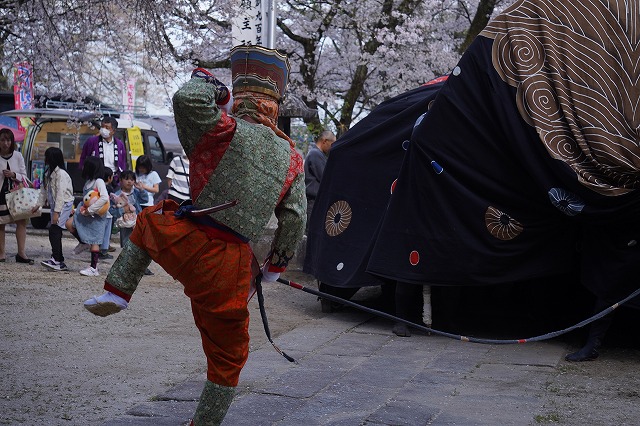
Geji, Okame and Hyottoko!
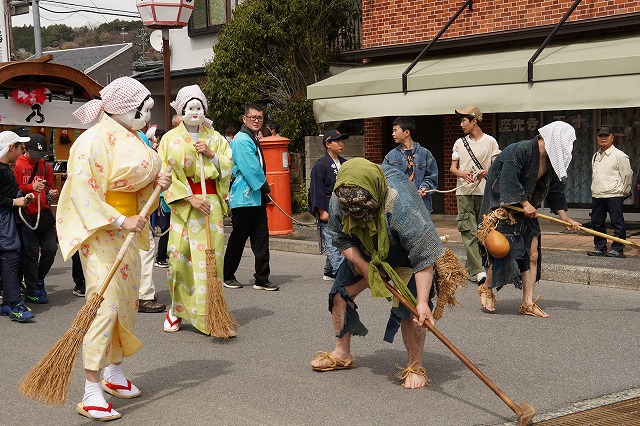
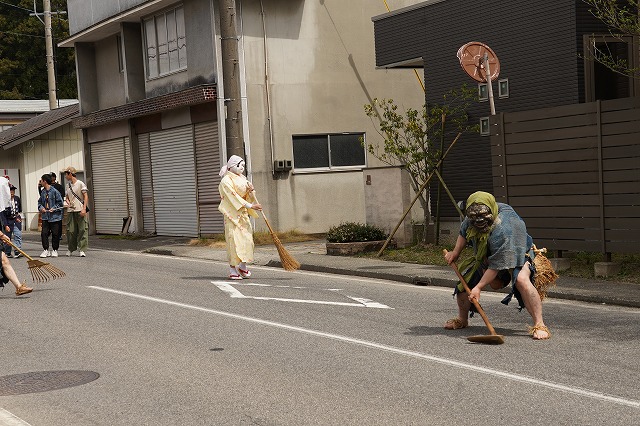
Basically, their role is to clear the way ahead. They purify and cleanse the path for the gods to pass through.
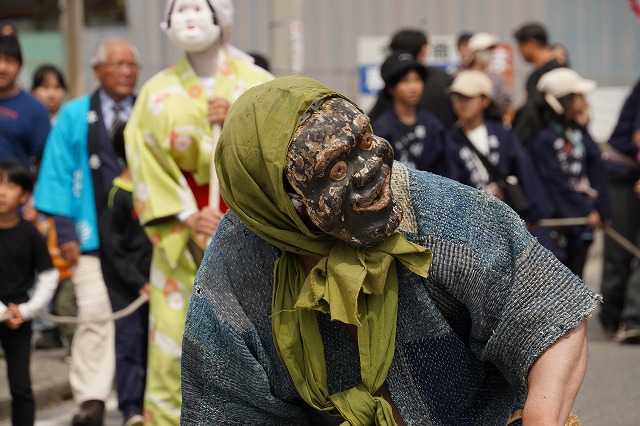
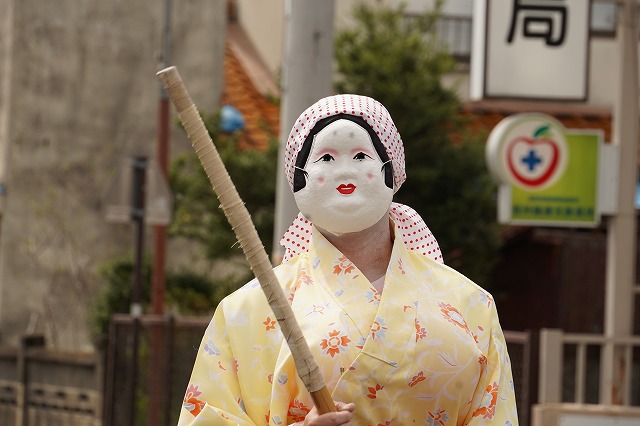
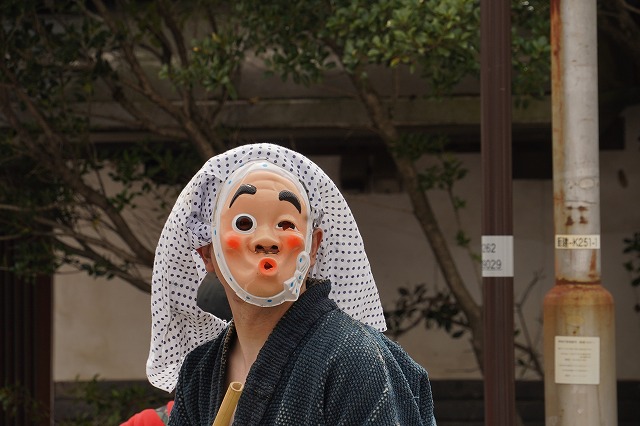
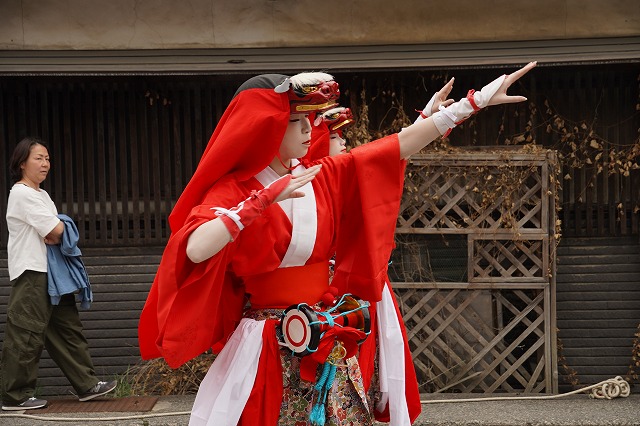
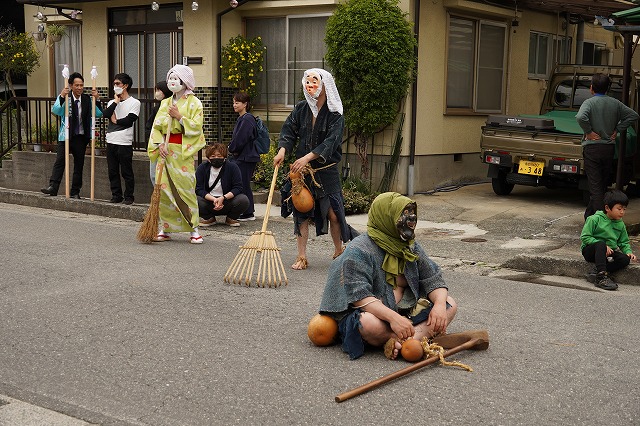
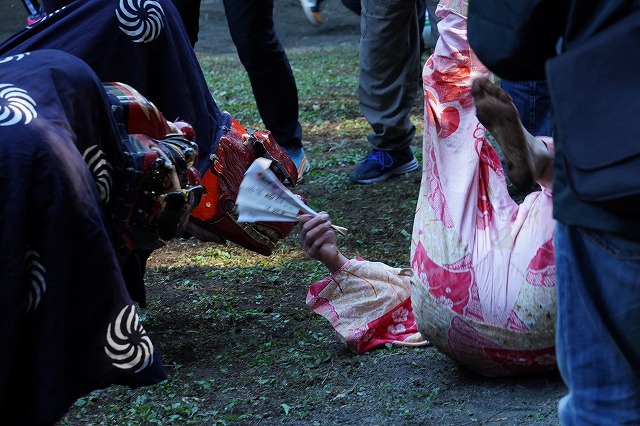
So, they sometimes take a break while the Echigo Lions are performing their dance.
The Lion is Finally on the Move
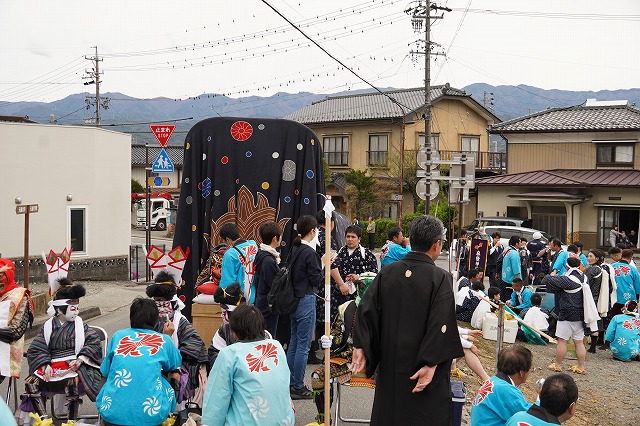
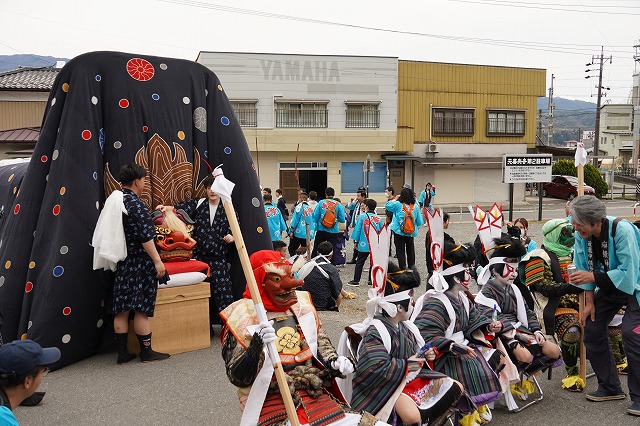
It was 2:30 p.m. While the Echigo Lion Dance troupe demonstrated their performance in front of the station and in front of the Moto-Zenkoji Temple, a group centered around the main lion figure was making preparations on the road leading to Omi Shrine.
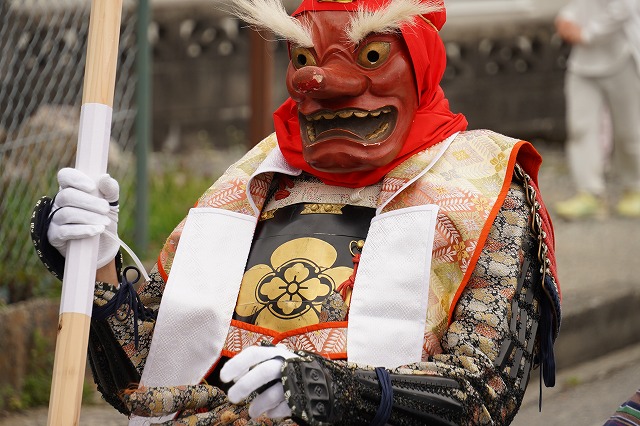
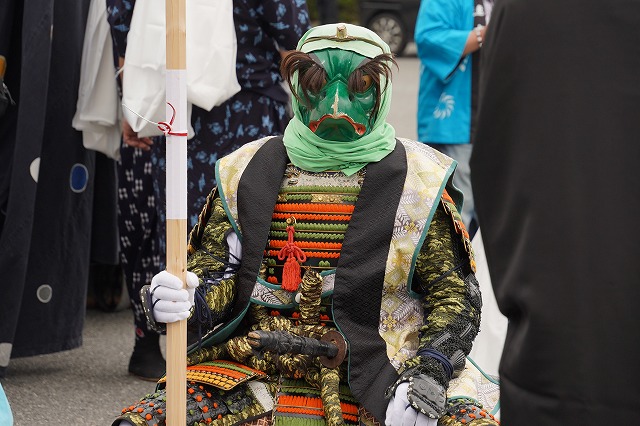
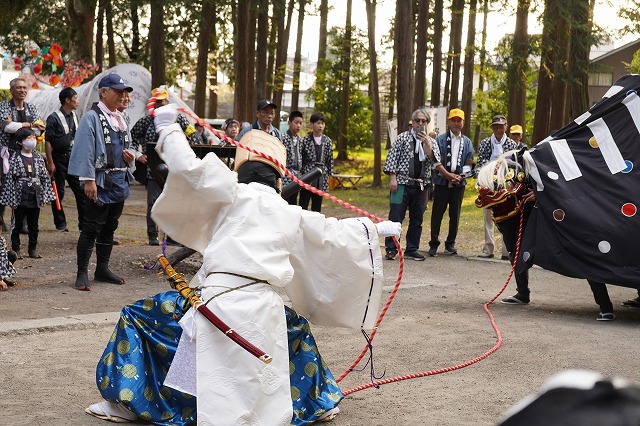
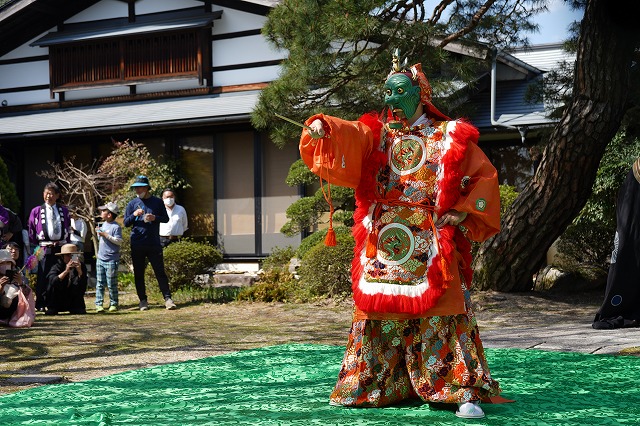
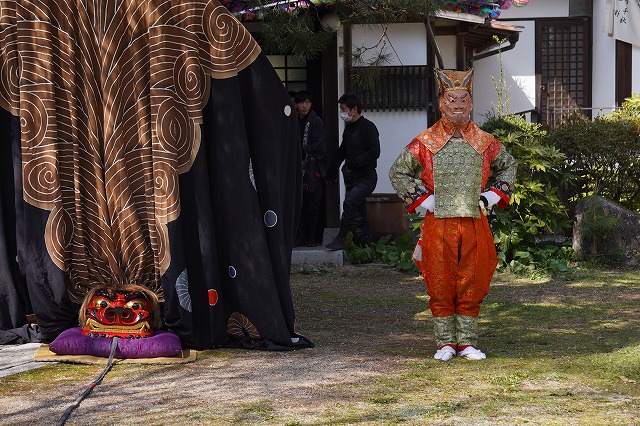
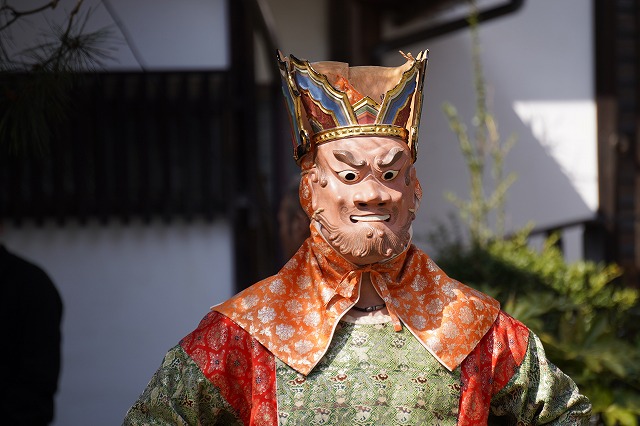
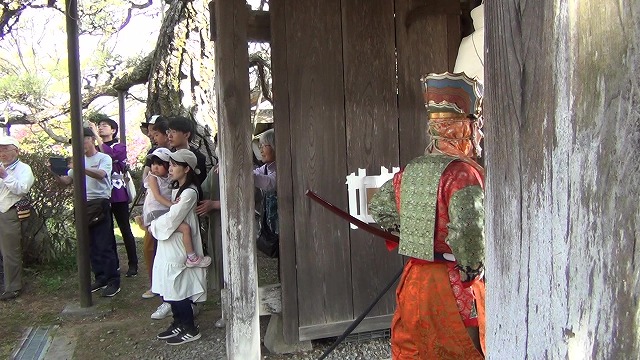
And here, too, are some mysterious masked characters…
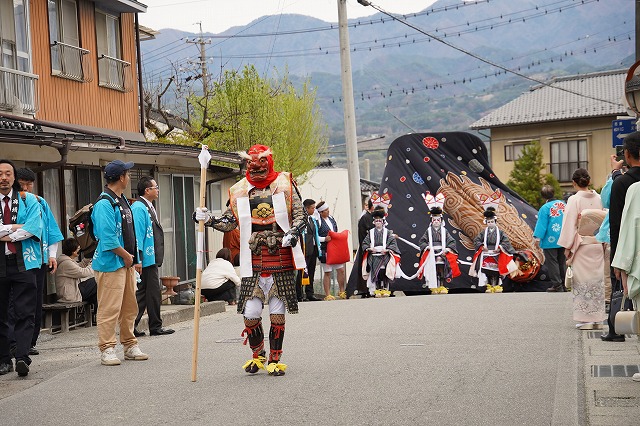
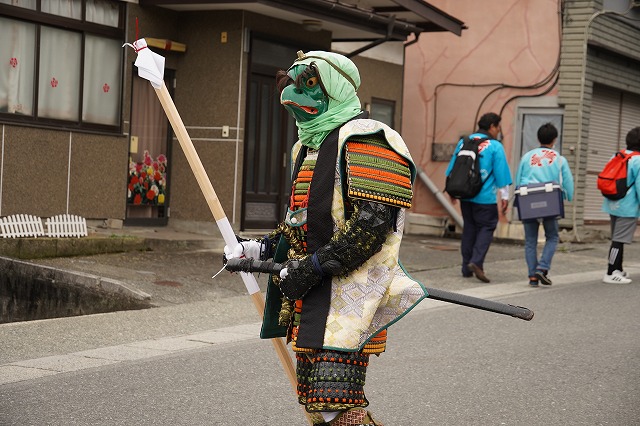
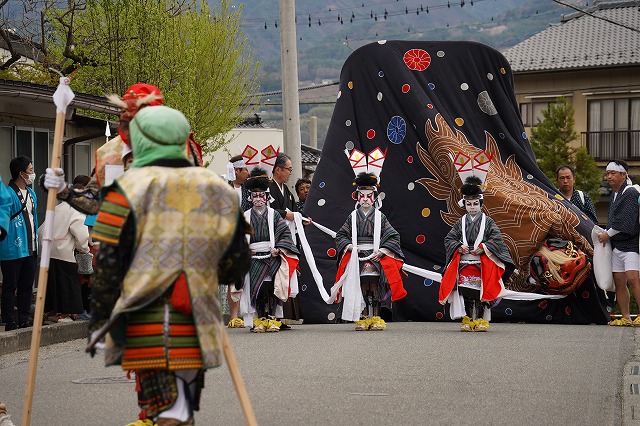
That’s right—they, too, are the Lion’s entourage’s advance guard.
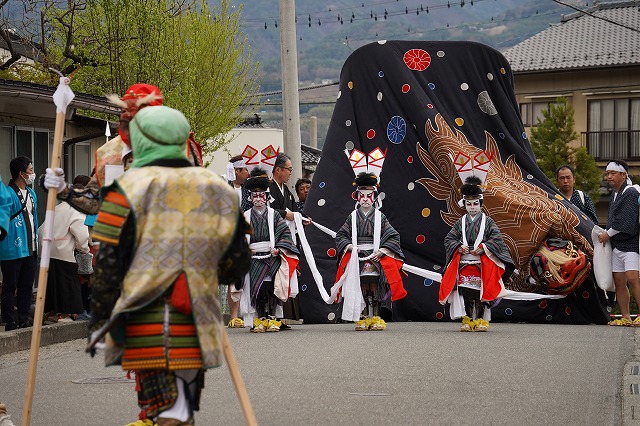
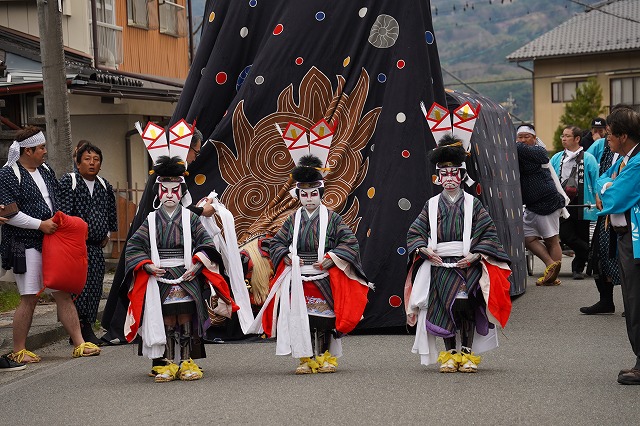
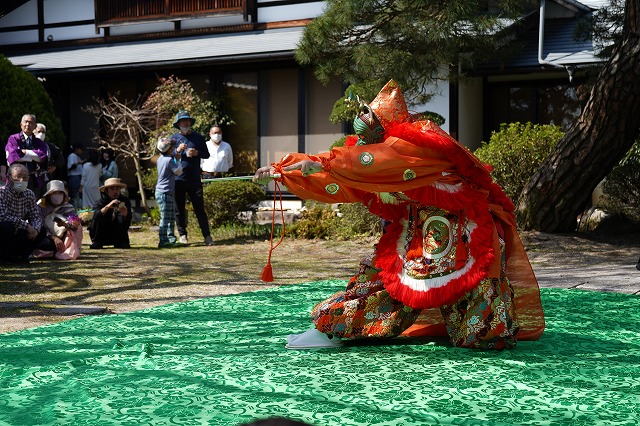
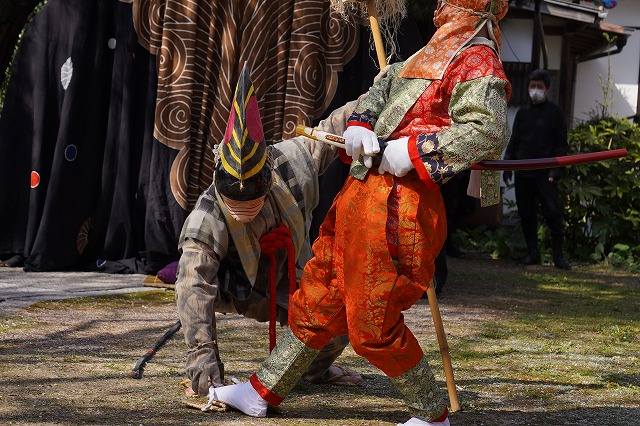
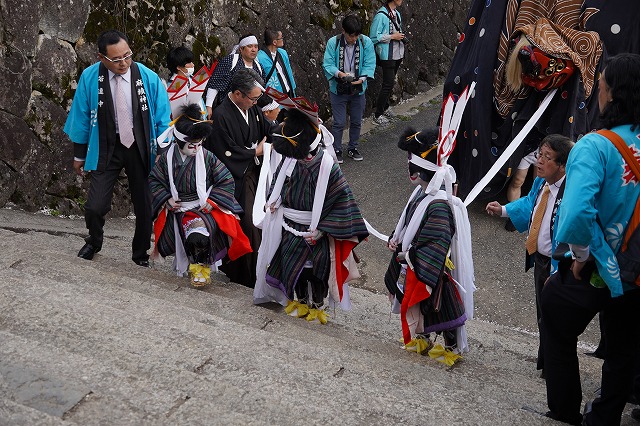
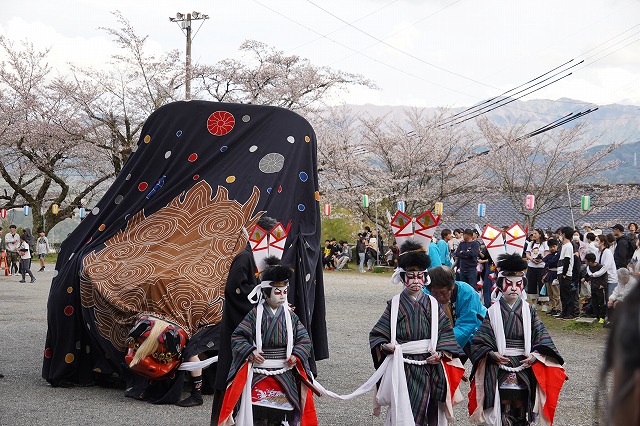
And today’s stars—the ones leading the lion dance—are these three brothers. Their story is rooted in a Kabuki play. How dignified these children look as they take on such important roles, all dressed in Kabuki makeup!
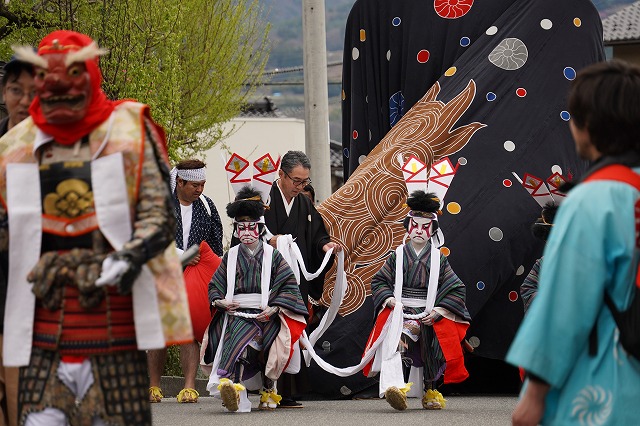
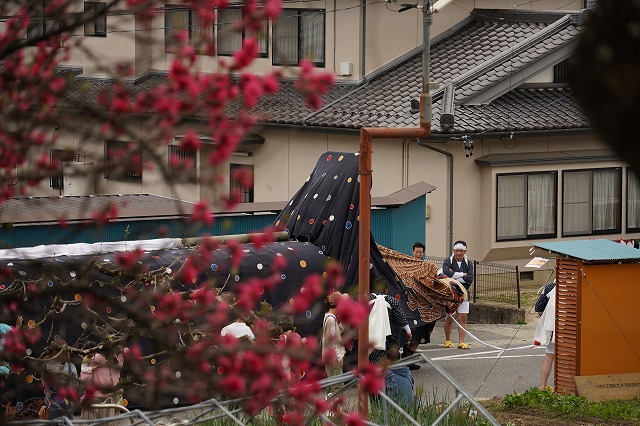
It is based on a play in which three brothers, seeking revenge against their parents’ enemy, engage in a sword fight with their adversary, who is riding in an ox-drawn cart. It is said that this effect was achieved by using an ox cart as a stand-in for a lion’s chariot. In other words, local theater has long been a thriving tradition in this region.
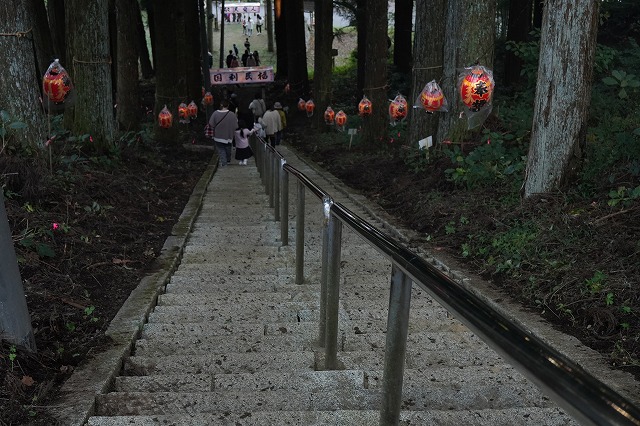
Finally, a dedication at the shrine
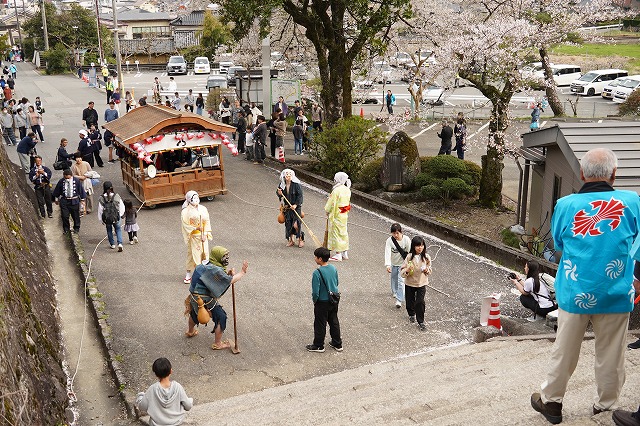
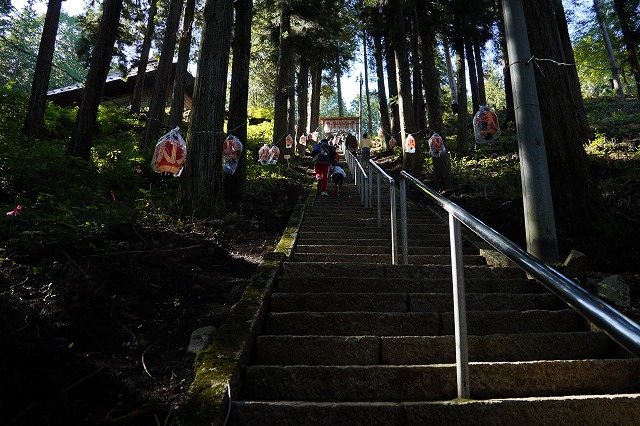
Around 3:30, the Echigo Lion Group arrives at the shrine a little ahead of the other lion groups.
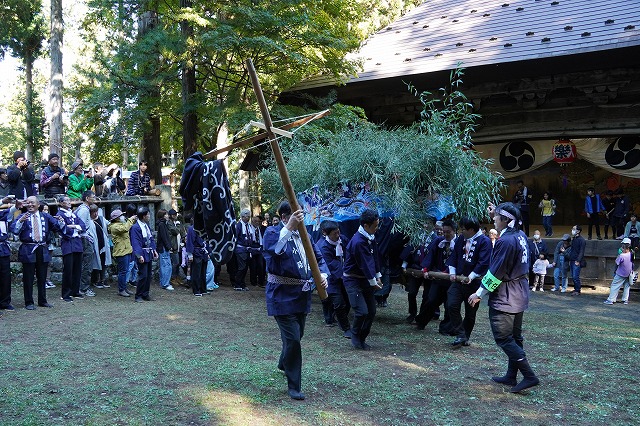
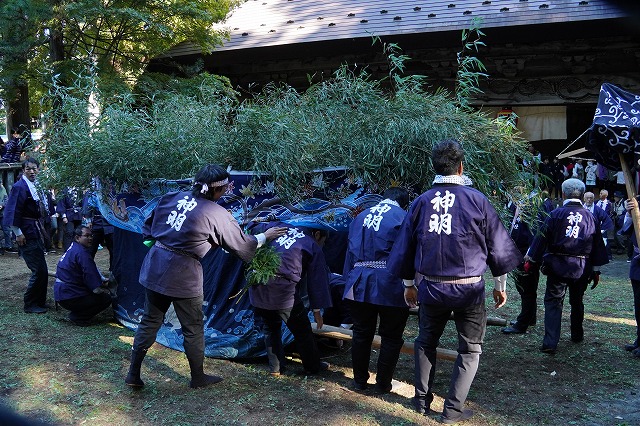
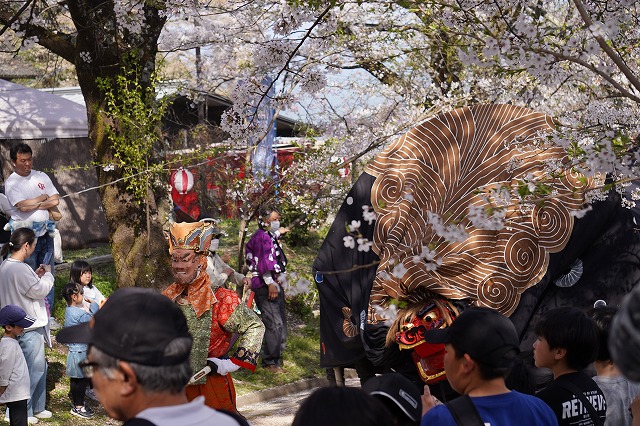
Just before 4:00 p.m. The group of lions finally arrives.
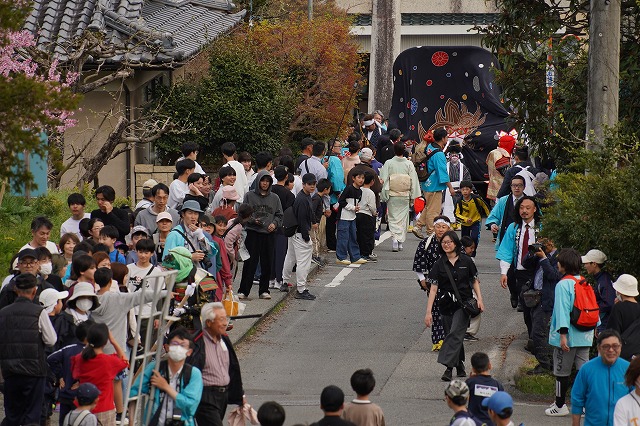
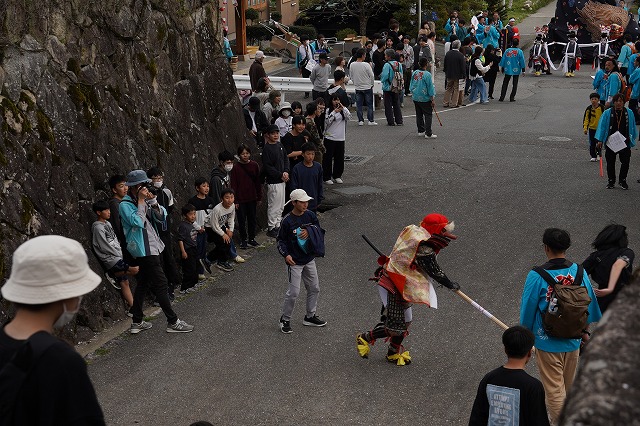
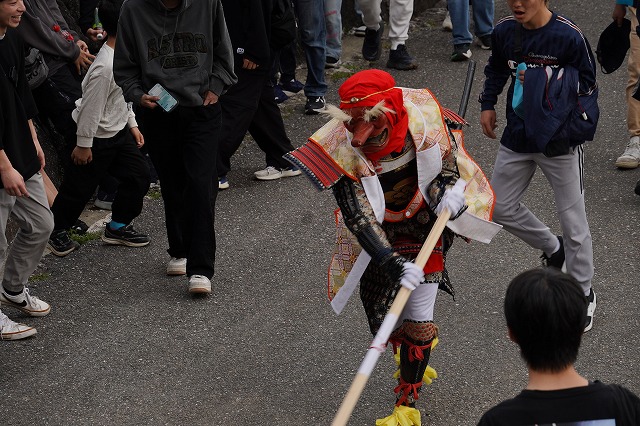
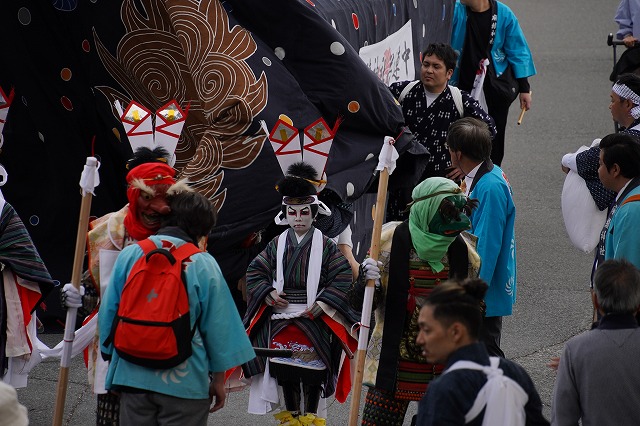
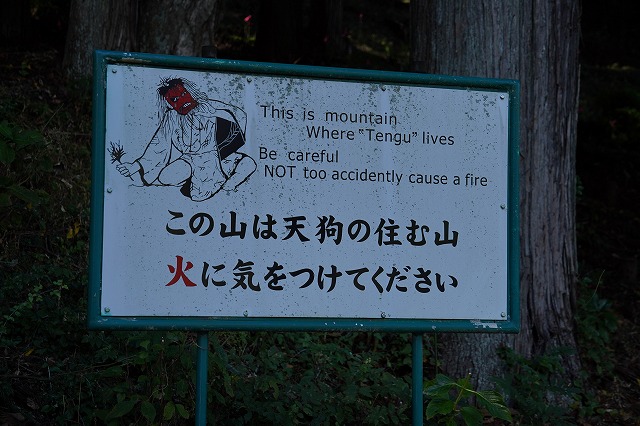
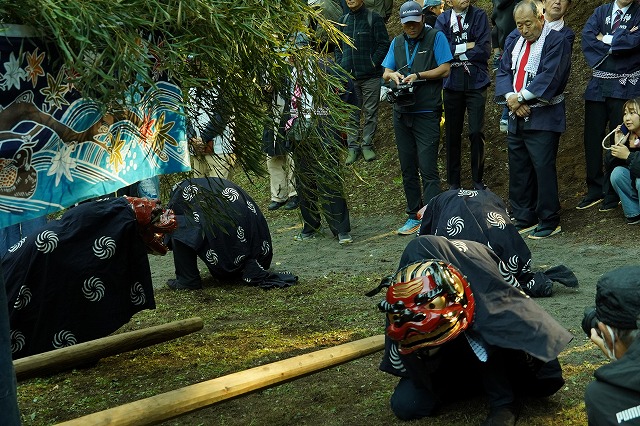
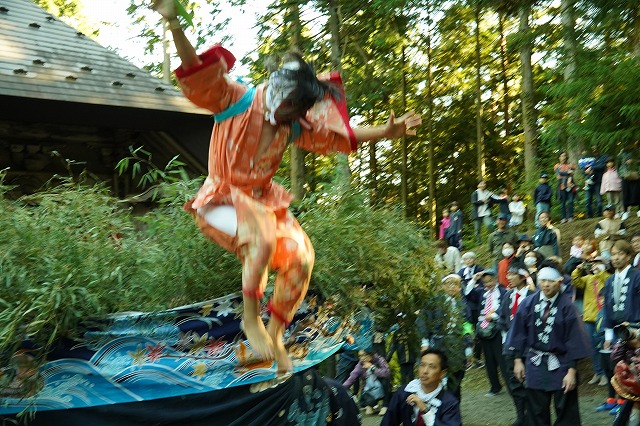
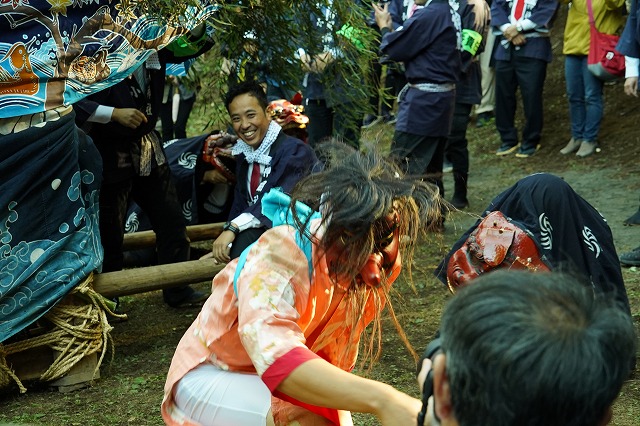
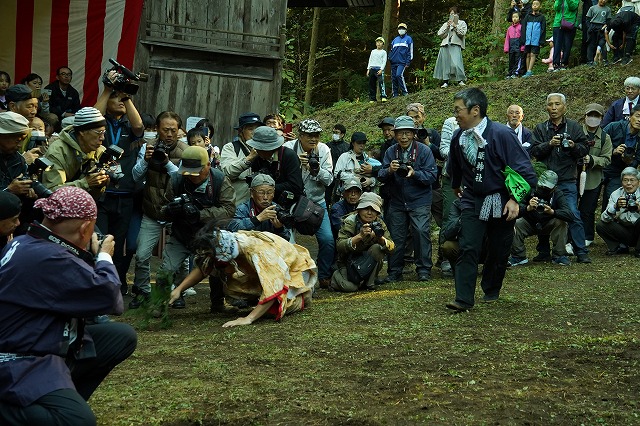
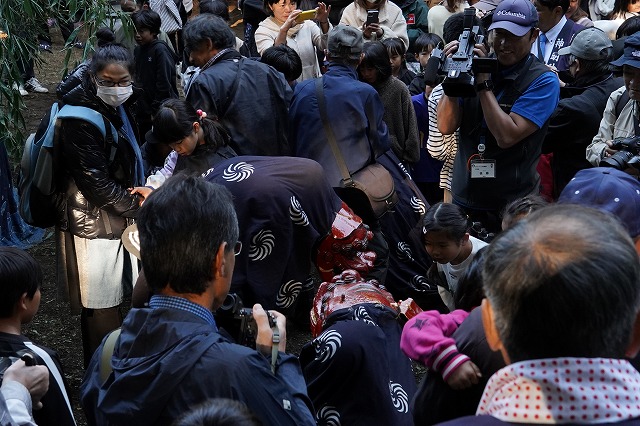
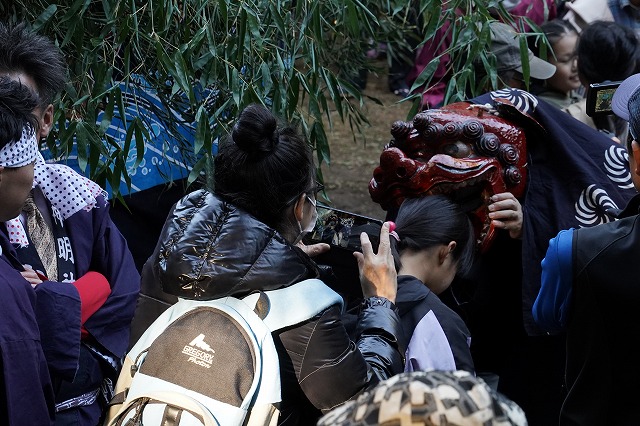
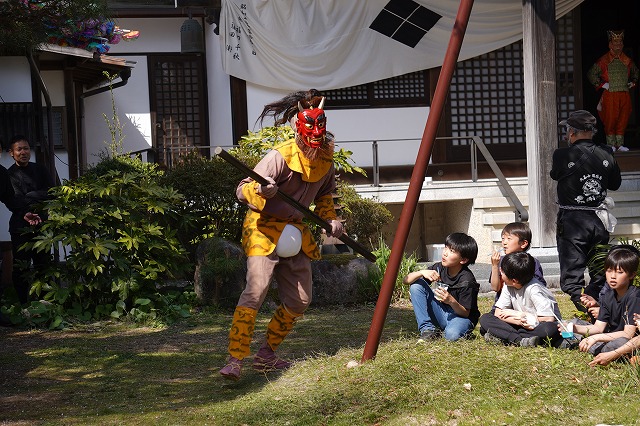
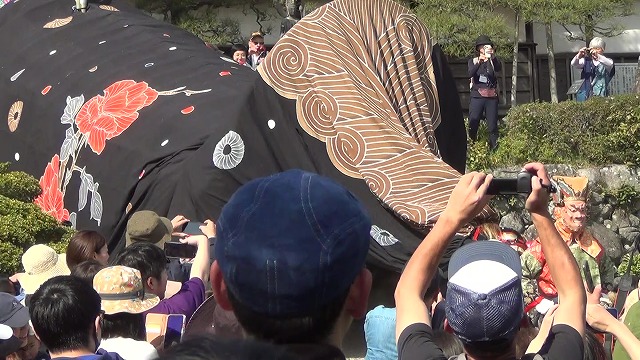
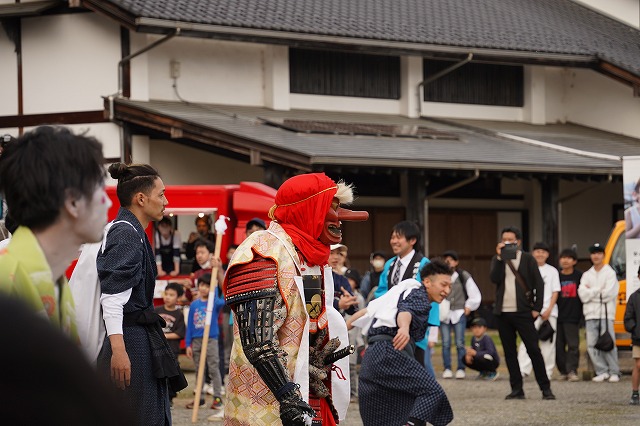
A large crowd has gathered. The tengu leading the way are also very busy.
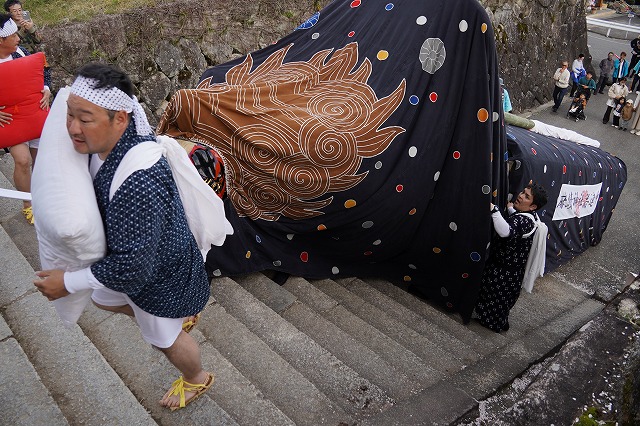
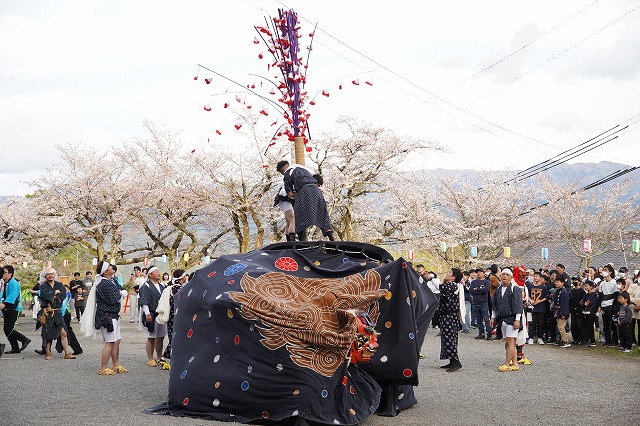
After that, a fierce scramble begins as people grapple with one another—some trying to grab the “lion flower” placed atop the lion, others getting thrown aside, and still others attempting to climb the lion while others try to stop them.
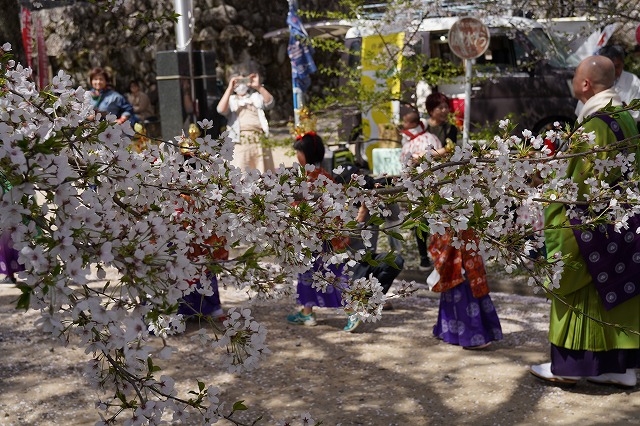
But it’s about time to head home. It’s probably time to bid farewell to this place, savoring the slightly belated spring that has finally arrived.