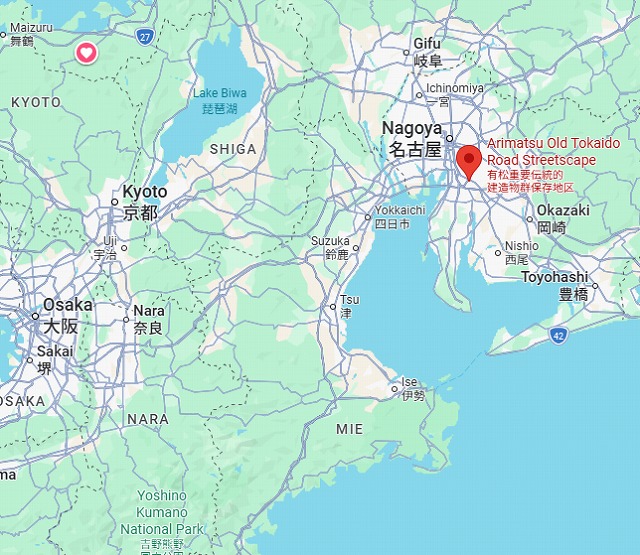
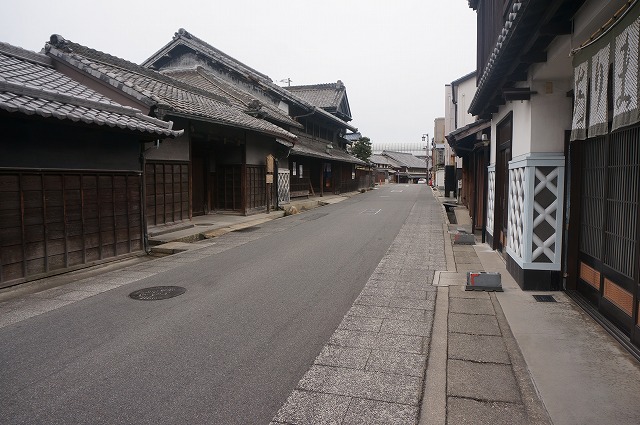
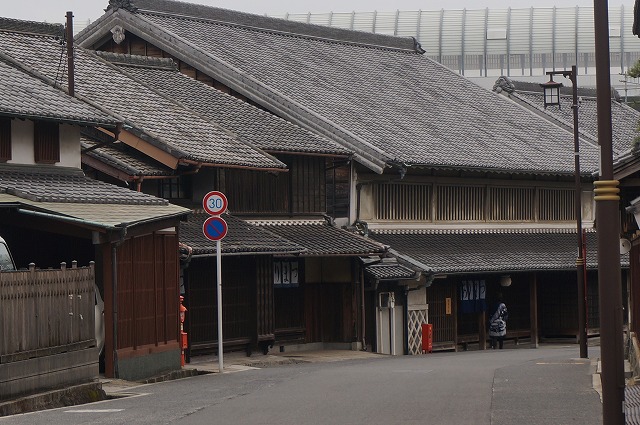
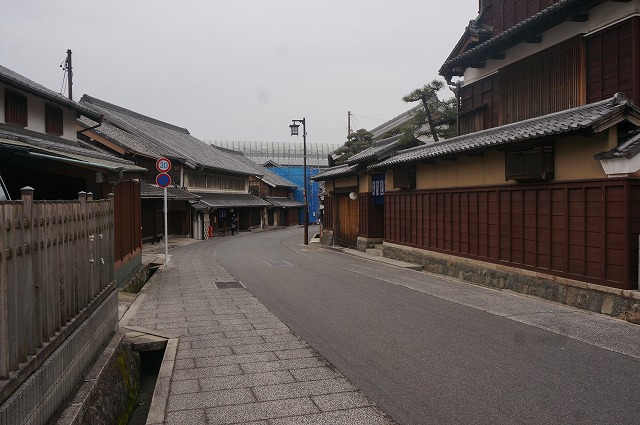
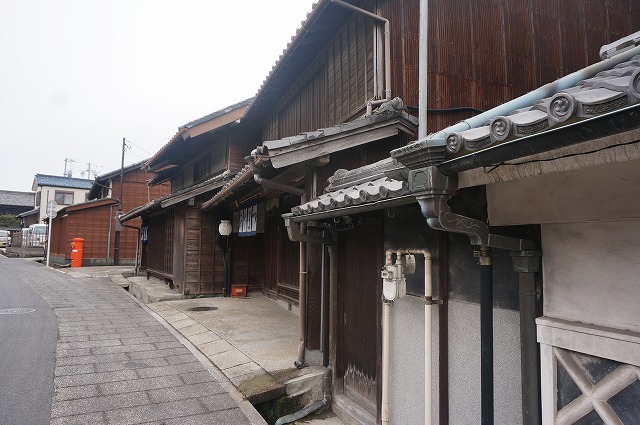
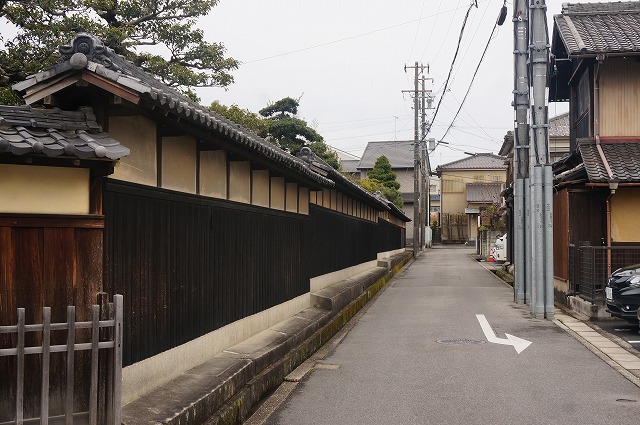
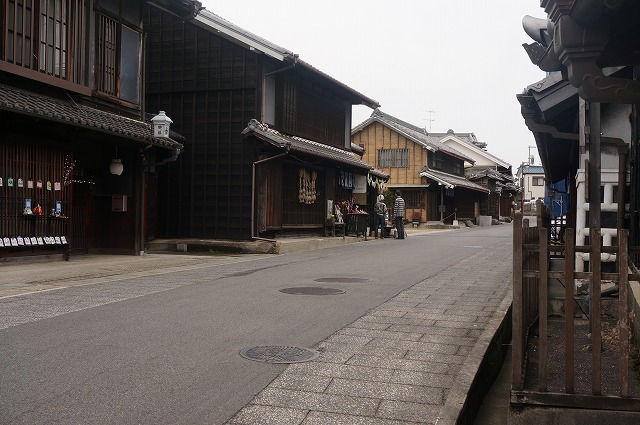
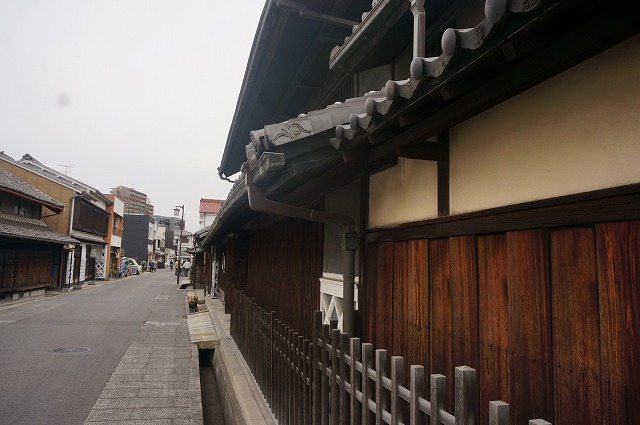
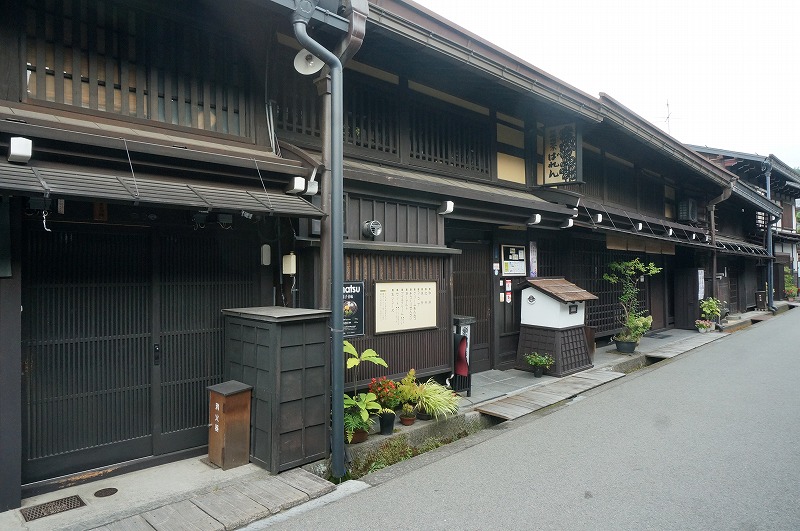
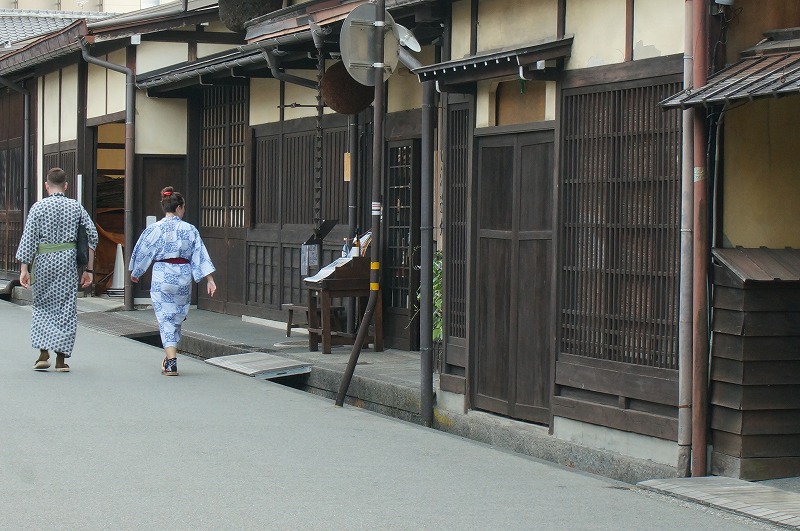
Arimatsu ~A post town along a highway that flourished thanks to the dyeing industry
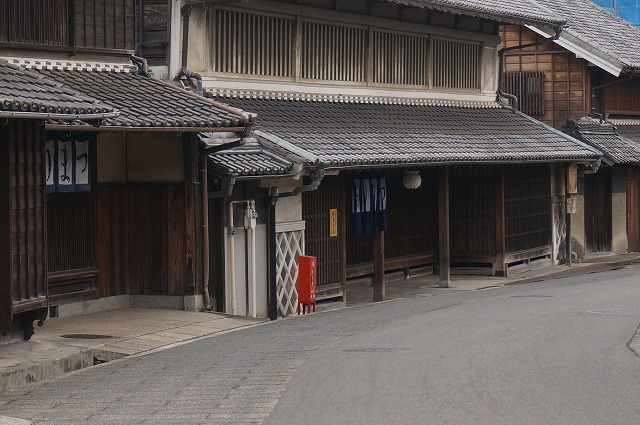
Location:Arimatsu, Midori Ward, Nagoya, Aichi prefecture Access:Take the Meitetsu Main Line from Nagoya to Arimatsu Station. It takes about 20 minutes. It has been designated as an Important Preservation District for Groups of Traditional Buildings.
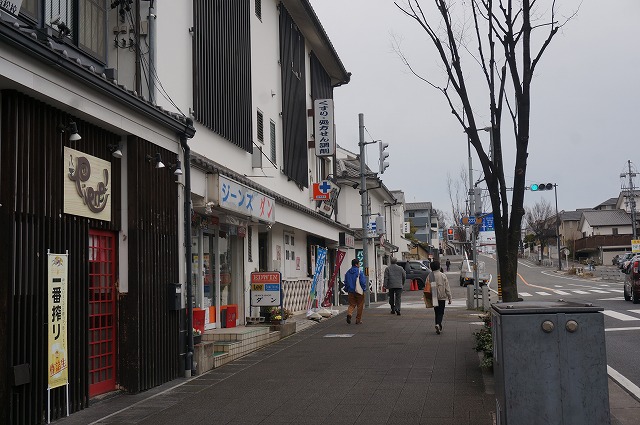
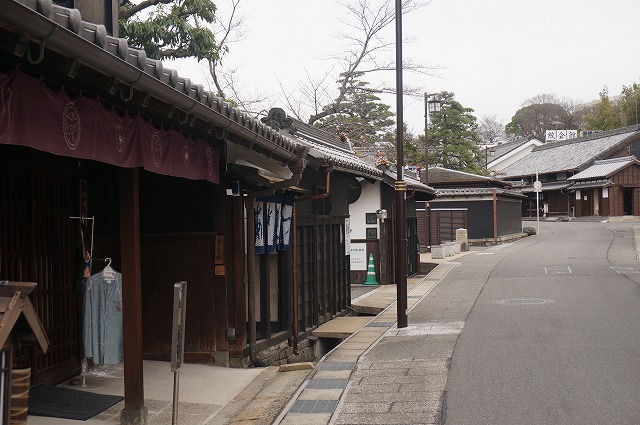
Just a 3-minute walk from the station will take you to the entrance of the Arimatsu Historic District.
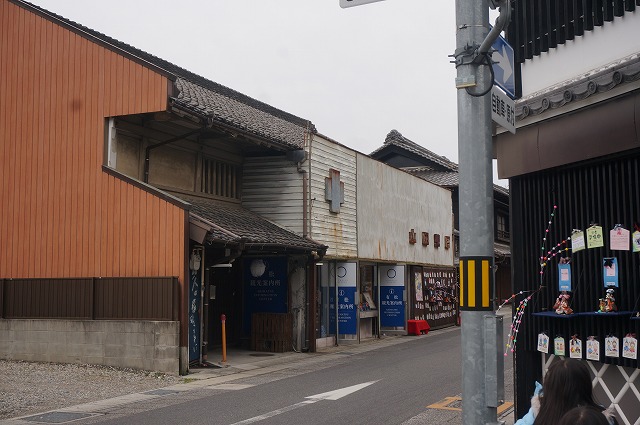
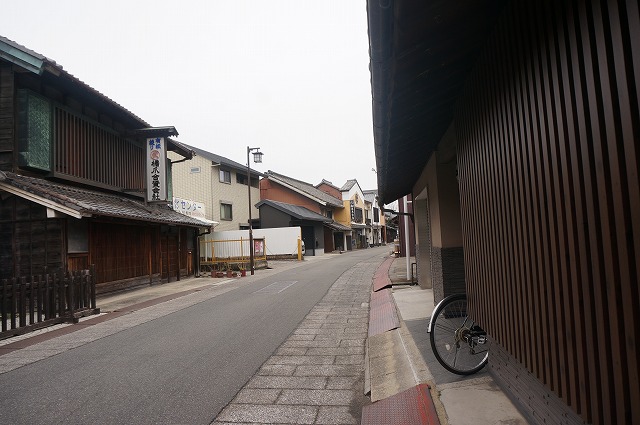
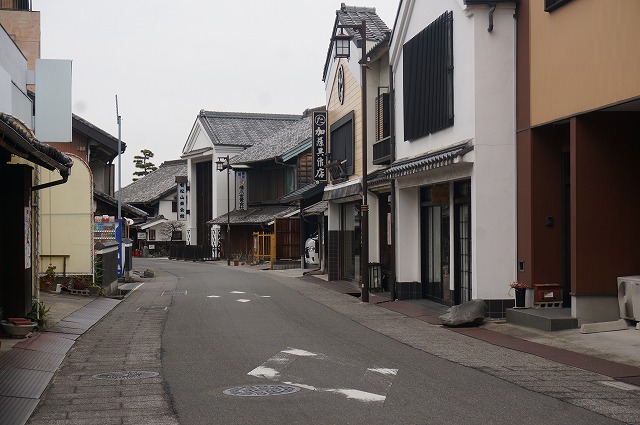
A post town situated along a main road flanked by railroad tracks running along the river on one side and National Route 1 (the Tōkaidō*) on the other. *This was once the most important highway connecting Edo (the former name of Tokyo) and Kyoto. While its importance remains unchanged today as National Route 1, the old highway is unsuitable for vehicular traffic, so a new road has been built.
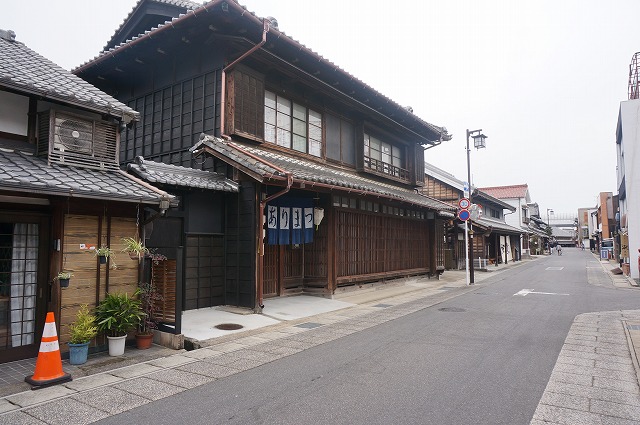
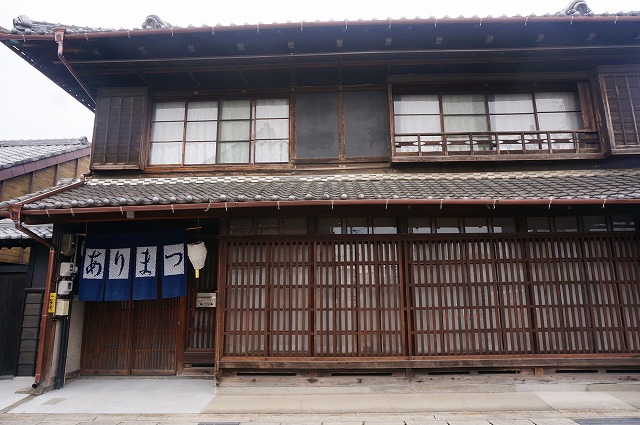
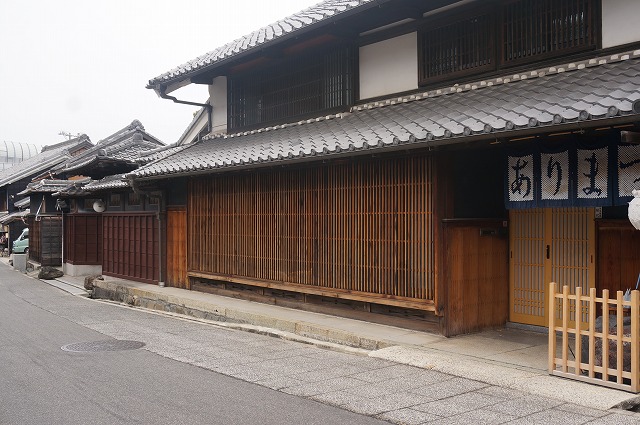
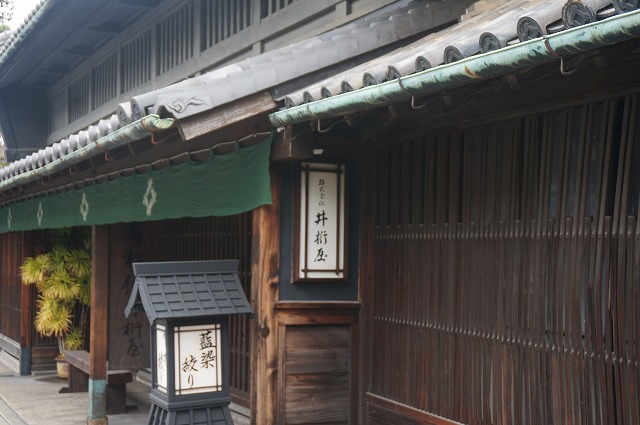
Since this town was once famous for a type of tie-dyeing called “Arimatsu-zome,” you can still see “noren” curtains and other items made using this technique all over the place.
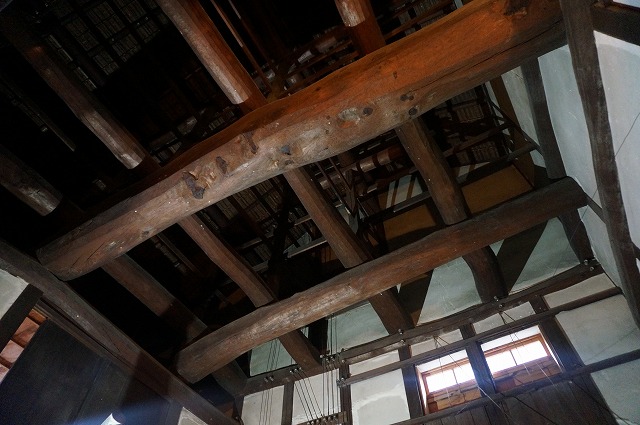
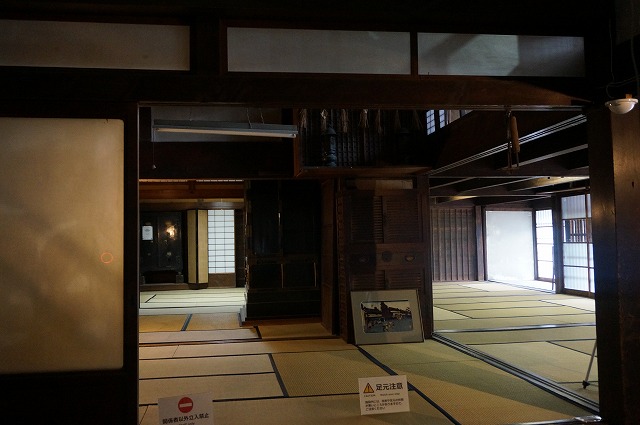
This is one of the best-preserved buildings along the old highway. Visitors can tour the interior of what was once a merchant’s house. It is a valuable historical site where you can observe its unique architectural features, such as the reception room and special rooms set aside for samurai.
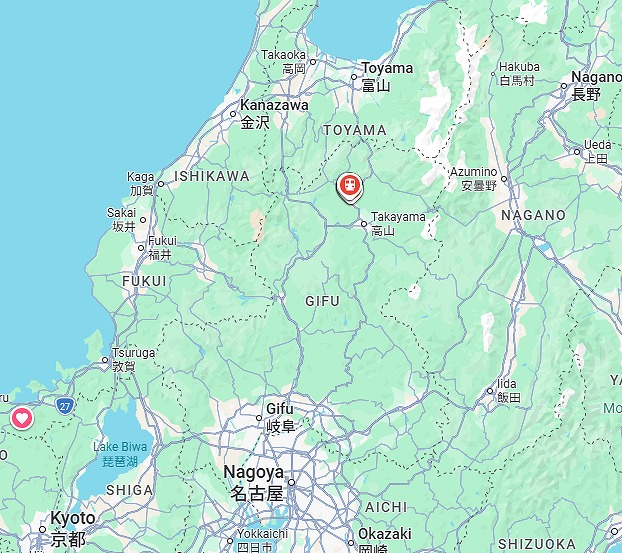
Hida Furukawa 飛騨古川
Location; Furukawa-cho, Hida City, Gifu Prefecture
Access; From Nagoya to Hida-Furukawa via the Takayama Main Line: about 2.5 hours. From Tokyo, it takes about 4.5 hours via either the Tokaido or Hokuriku Shinkansen. From Osaka, it takes the same 4.5 hours via the Tokaido Shinkansen or the direct Hida Limited Express. From Toyama, it takes just over an hour via the Takayama Main Line. From Hida-Takayama, it takes about 15 minutes via the Takayama Main Line.
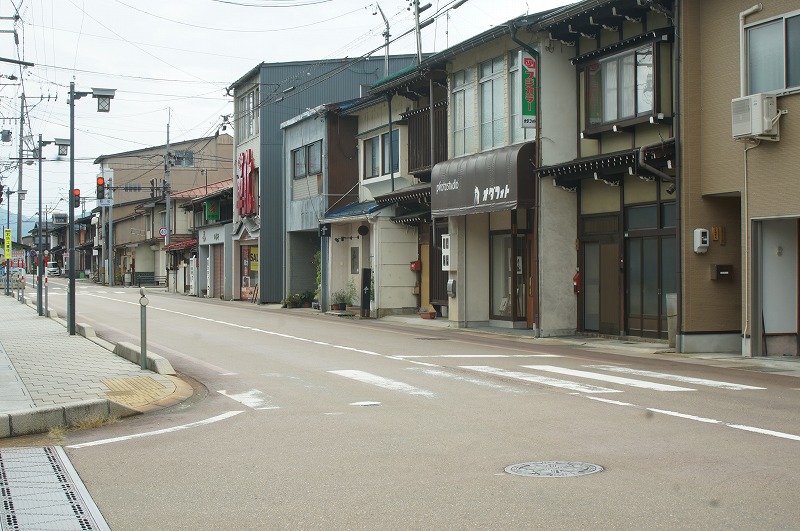
Hida Furukawa is called a back room, as it were, to Hida Takayama 高山. As its name suggests, it is located about 15 kilometers from Takayama, a famous tourist destination, and a 15-minute train ride away. Originally developed as a castle town of a feudal lord named Kanamori, it later became a territory directly under the Tokugawa shogunate.
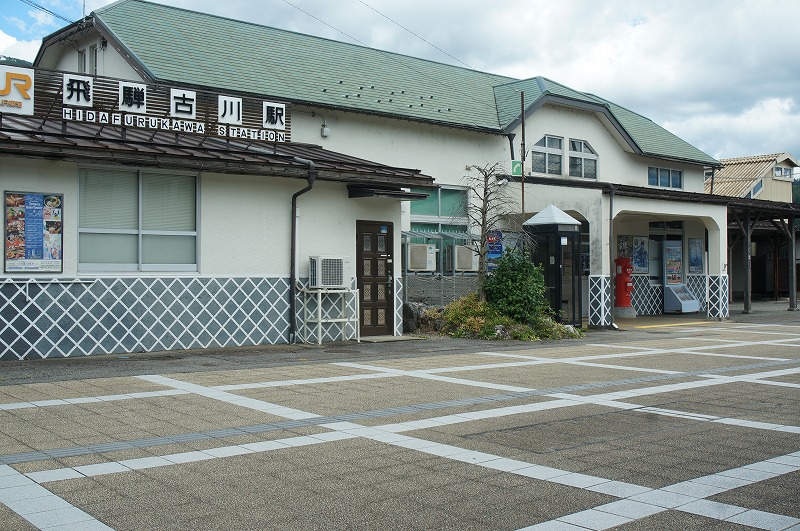
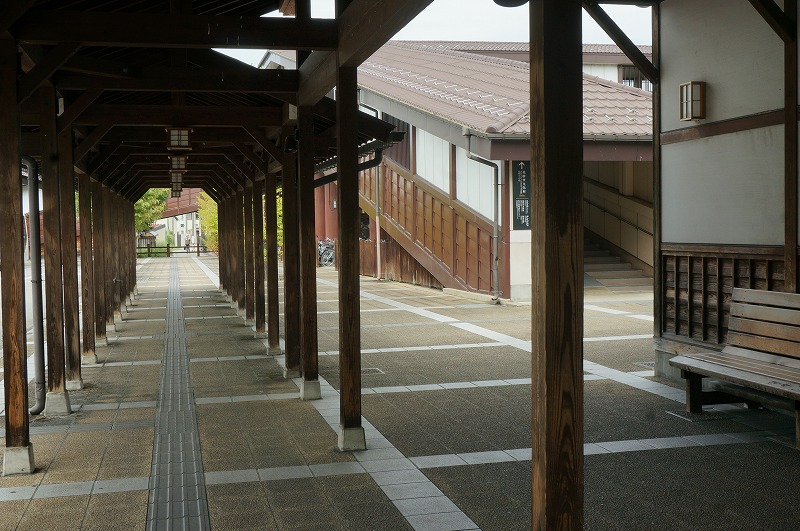
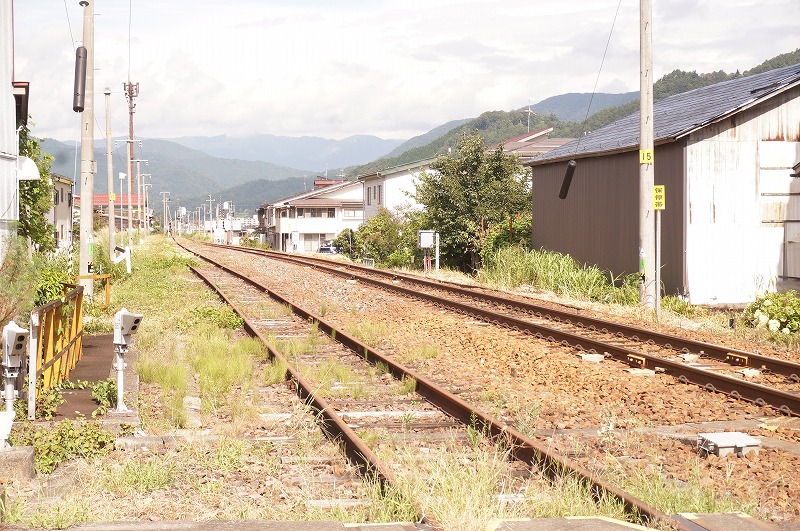
the Hida Furukawa station
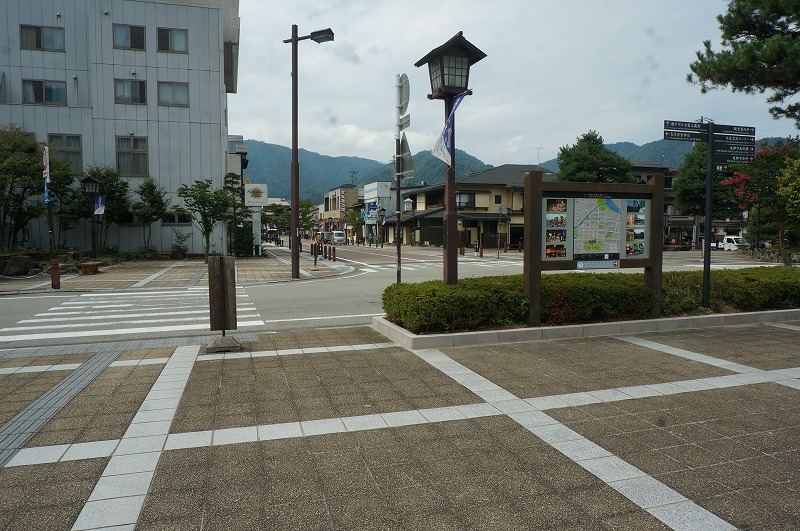
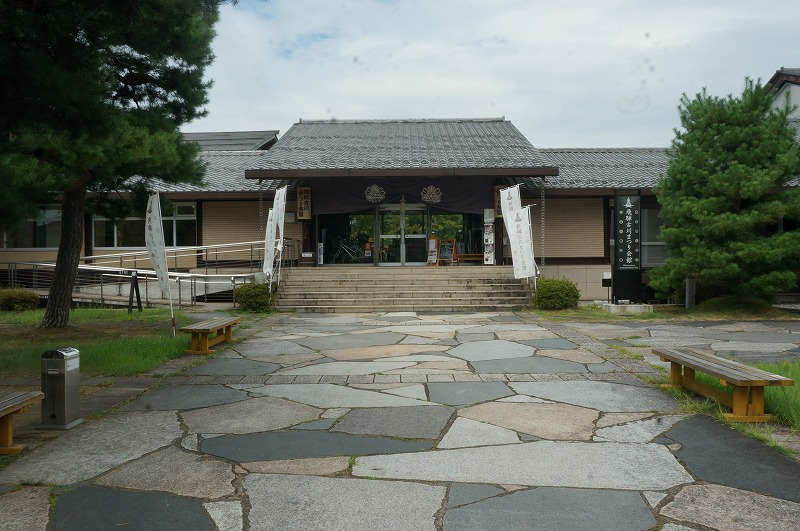
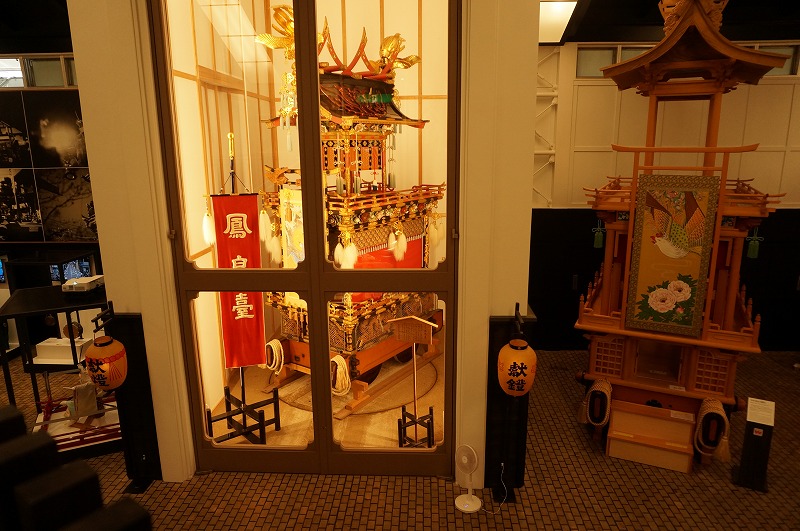
One of the places you should stop by when you come to Furukawa is the Matsuri Kaikan 祭り会館 (Festival Hall).
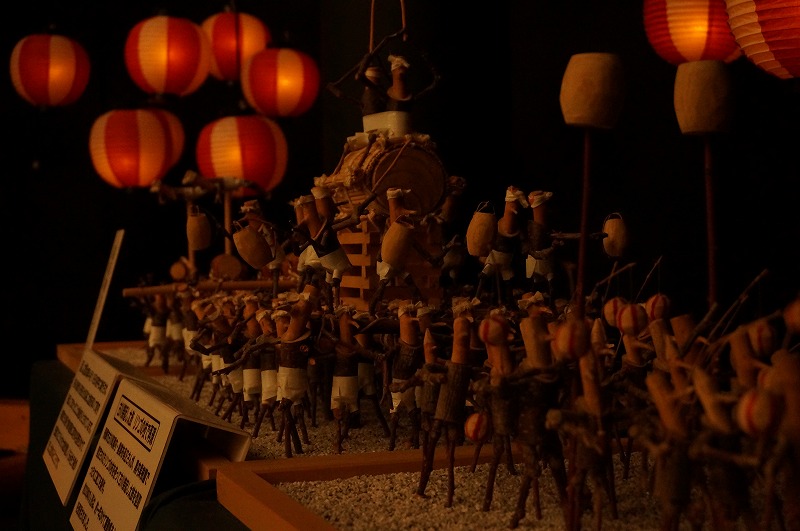
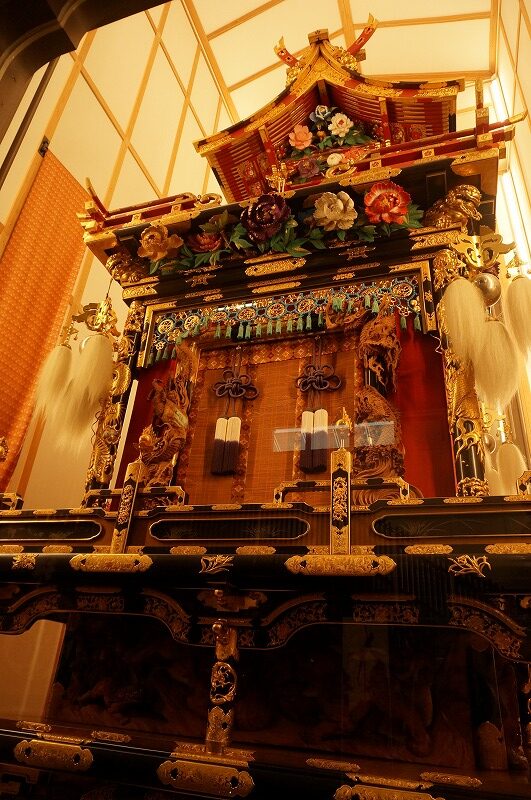
Furukawa has a big festival on April 19 and 20. The main event is the main festival, in which various parts of the town pull magnificent, ornate yatai floats with karakuri (mechanical) dolls on them, but the event called ”Okoshi-taiko” (drumming to wake the town up) held the day before the main festival is particularly famous. In this, a huge drum is on a large raft-like platform, and two people take turns beating it. Then each town group carries a smaller drum and tries to get closer to the main drum. People consider an honor to get as close as possible to the main drum, and the groups thrashes each other violently. Thus the heavy bass of the taiko drums cruises through the town of Furukawa until midnight, signaling the start of the festival.
At the Matsuri Kaikan, visitors can not only see the actual floats and karakuri dolls, but also watch the festival on a powerful screen in the theater.
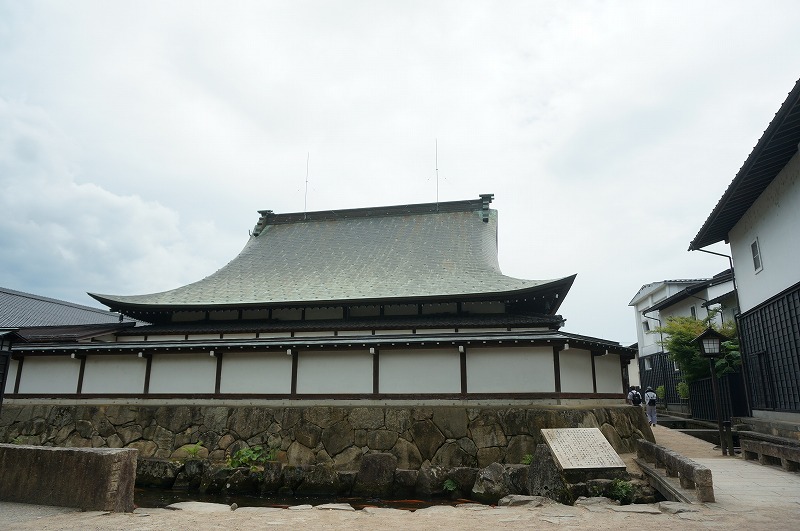
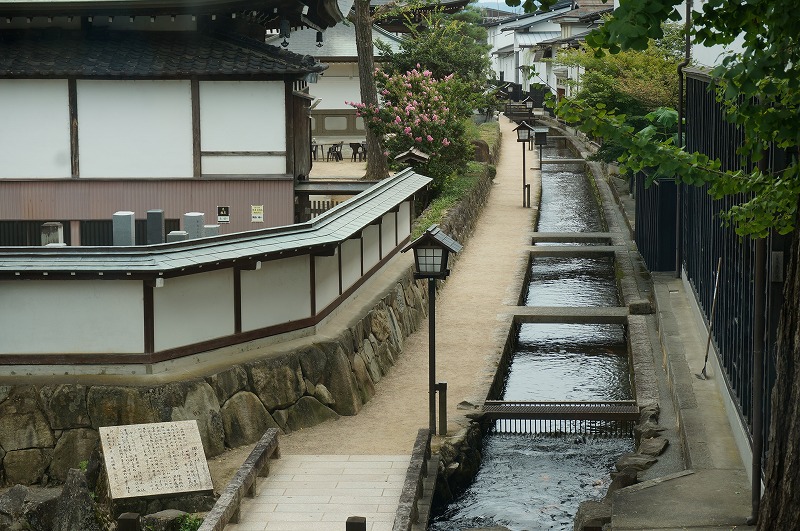
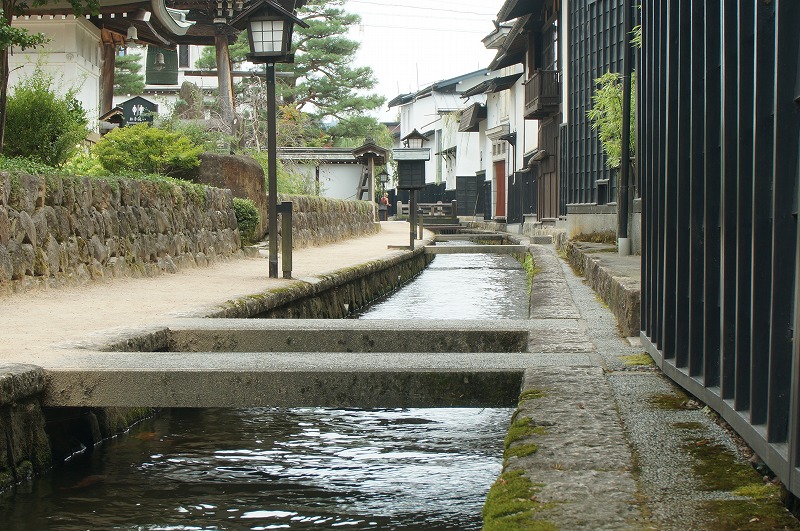
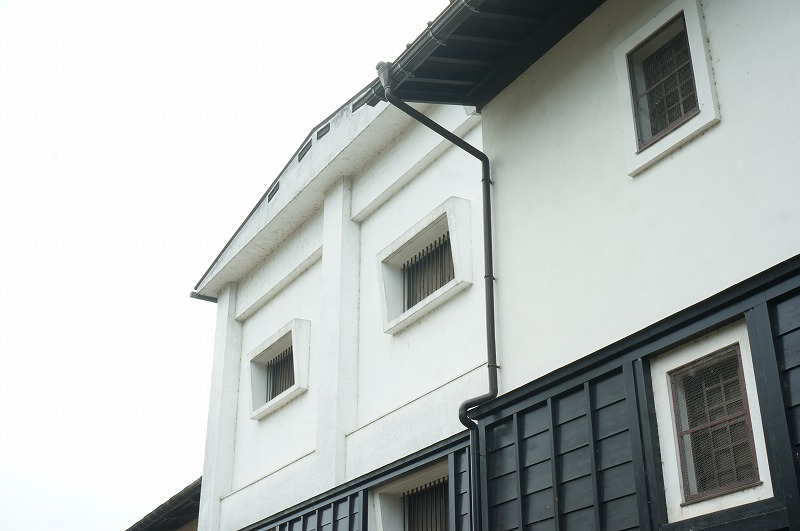
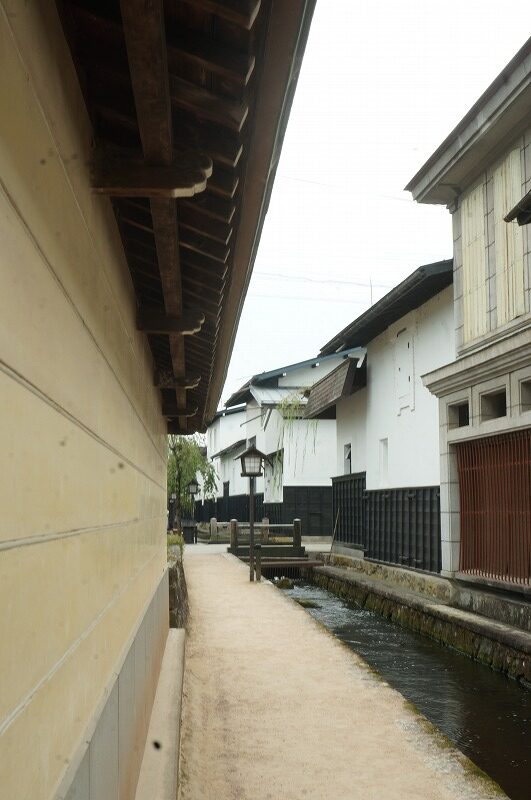
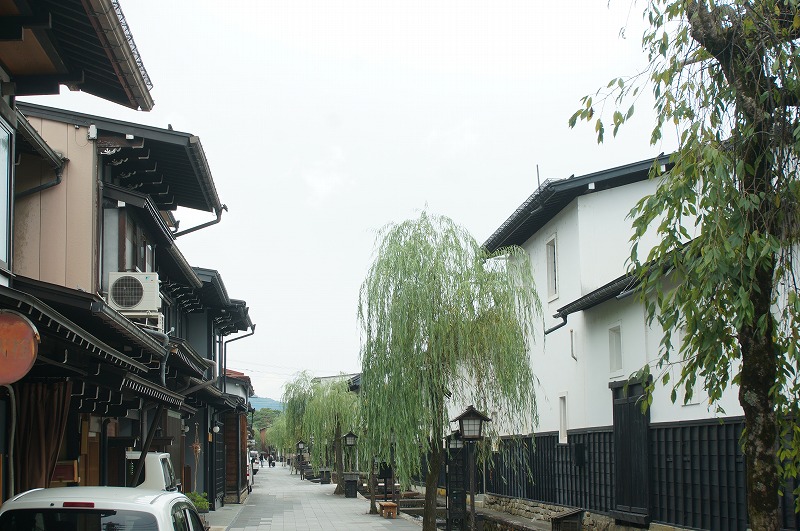
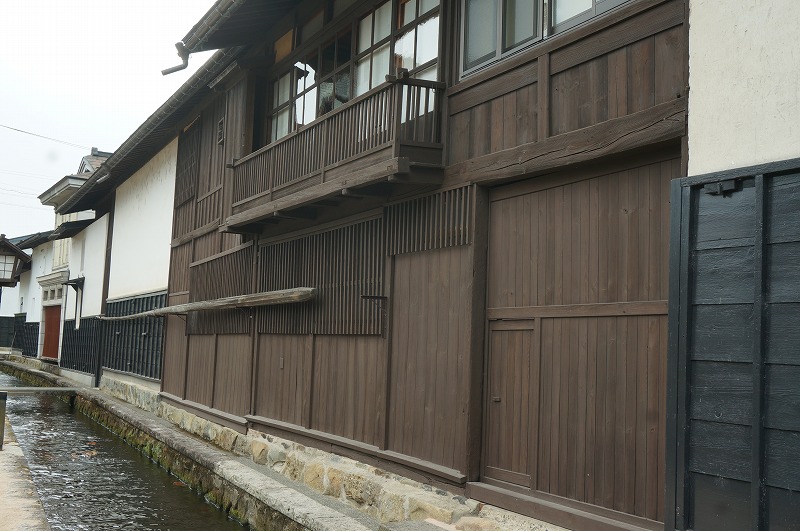
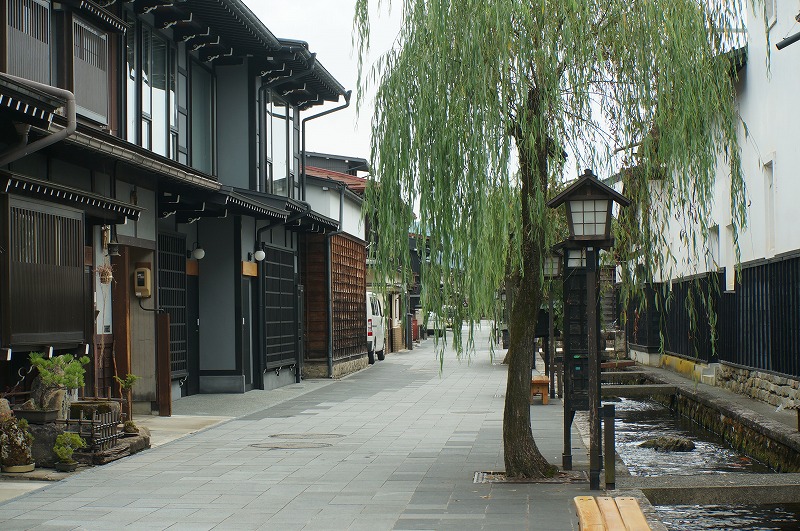
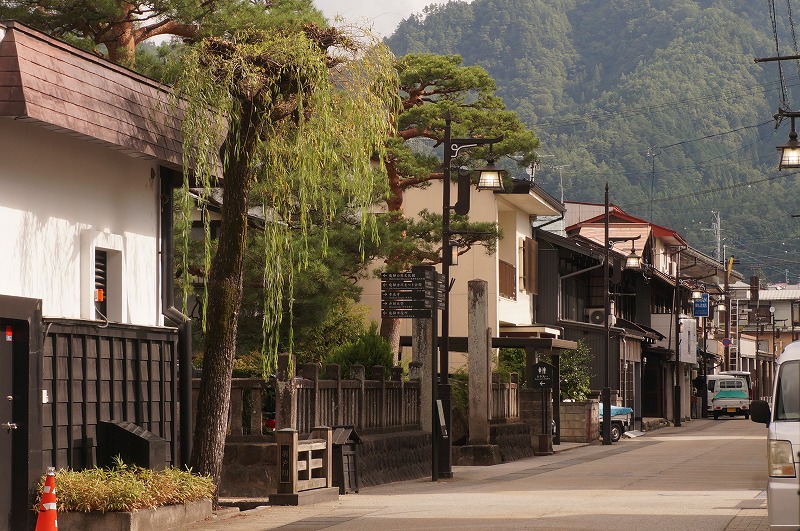
You can see the most highlight, Shirakabe Dozo 白壁土蔵 (white wall storehouse) Street, from the side of the temple in front of the festival hall.
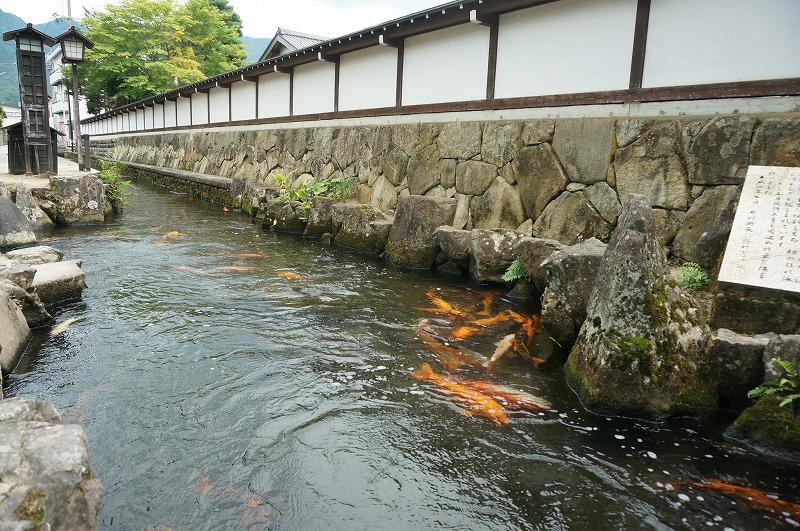
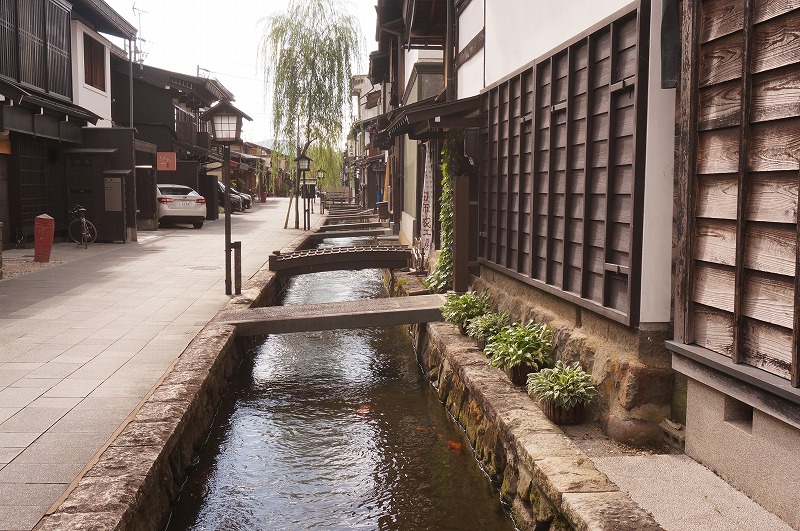
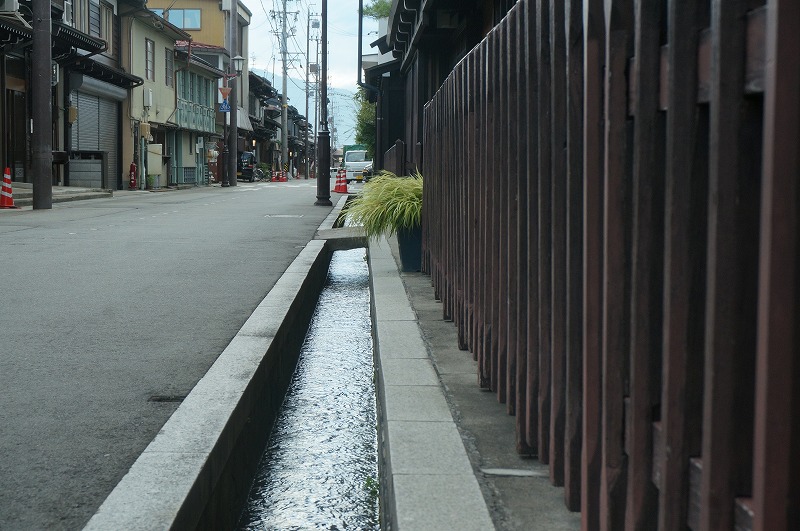
There are 1,000 carp swimming in the Setogawa River and you can feed them, but you have to feed them from a feed box fixed to them. It is because the amount of feed given per day is fixed. In winter, dozens of people move carp to different locations to avoid the freezing cold, a unique challenge in mountainous areas.
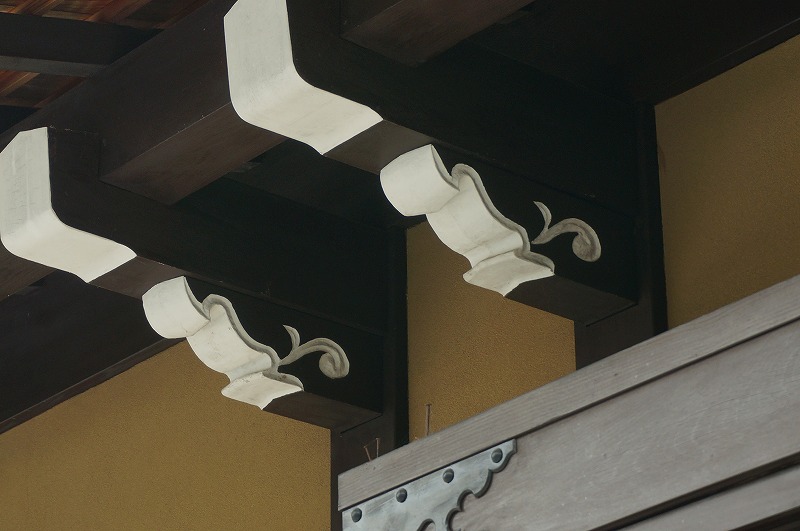
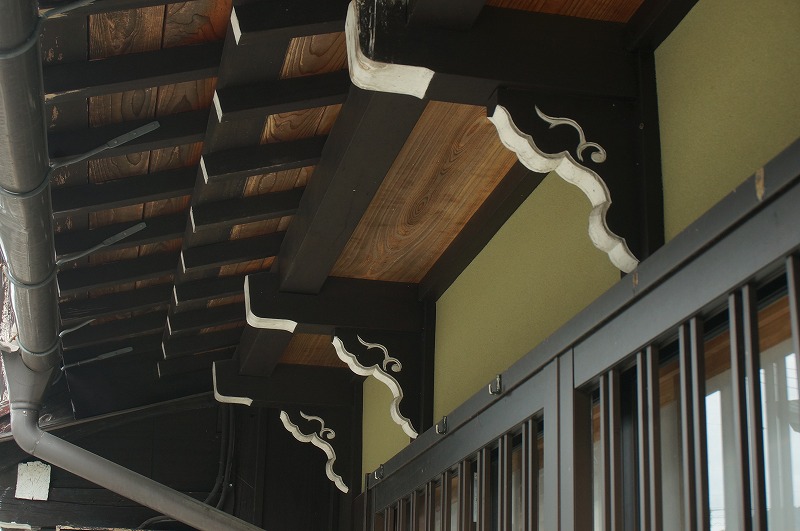
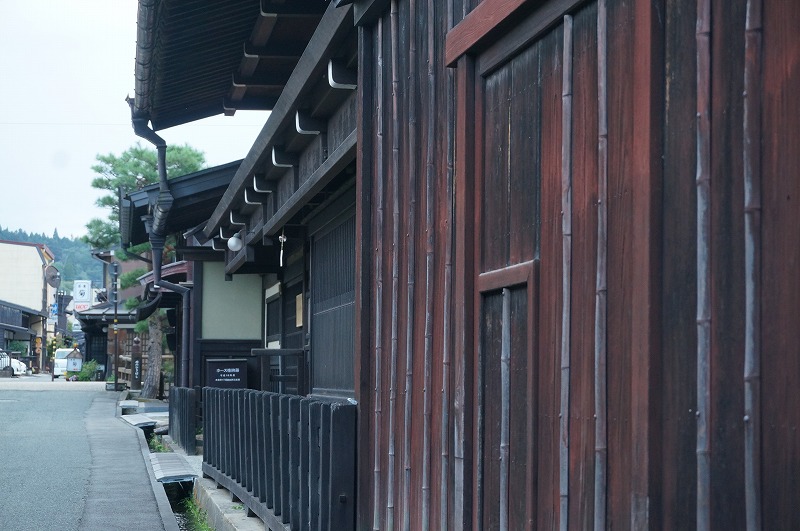
There is a word “Hida no Takumi” (artisans of Hida) to describe Hida craftsmen. This is proof that people all over the country trusted Hida craftsmen. A part of it we can now see in each of the houses. It is called “Kumogata hijiki 雲形肘木 (a cloud-shaped ancon)”. We usually see this in temples and shrines, but here you can see it in private houses. This is a remnant of the excellent woodworking skills of the Hida carpenters, who were active in many parts of the country.
Kumogata hijiki 雲形肘木
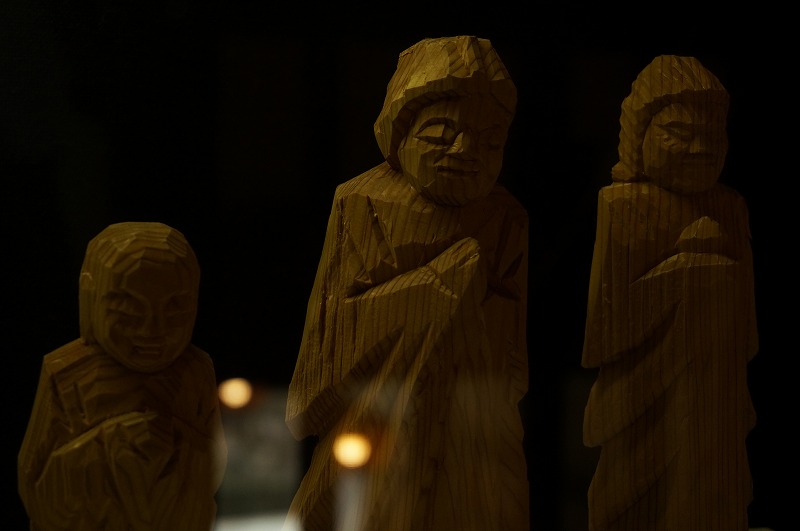
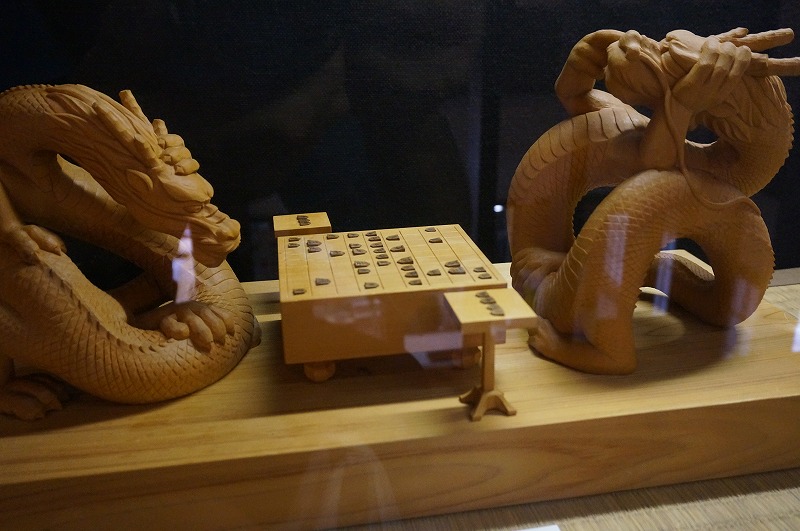
Each carpenter changes the pattern on it. Therefore, you can tell which carpenter did the work by looking at the pattern. We can see the pride of the craftsmen in this work. It is also famous for its wood carvings.
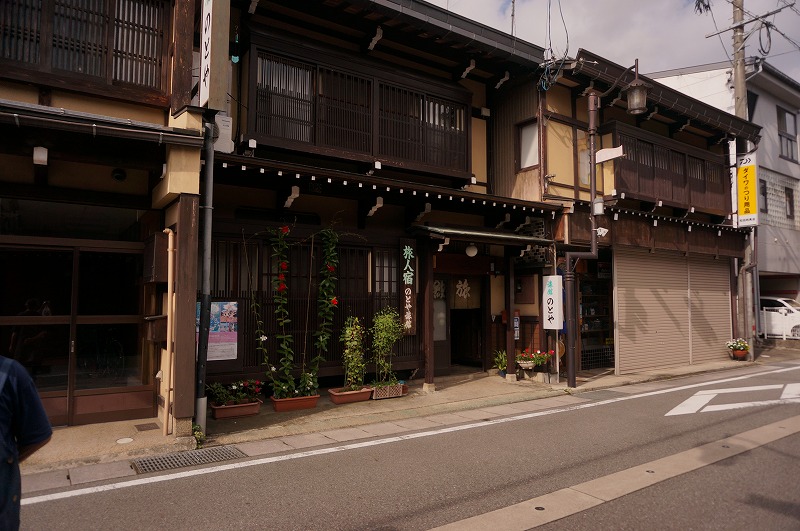
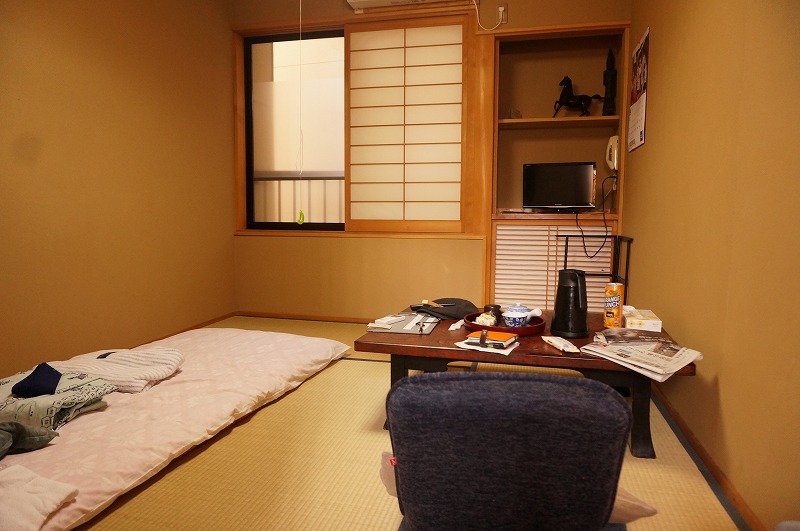
Japanese style hotel (ex. Notoya)
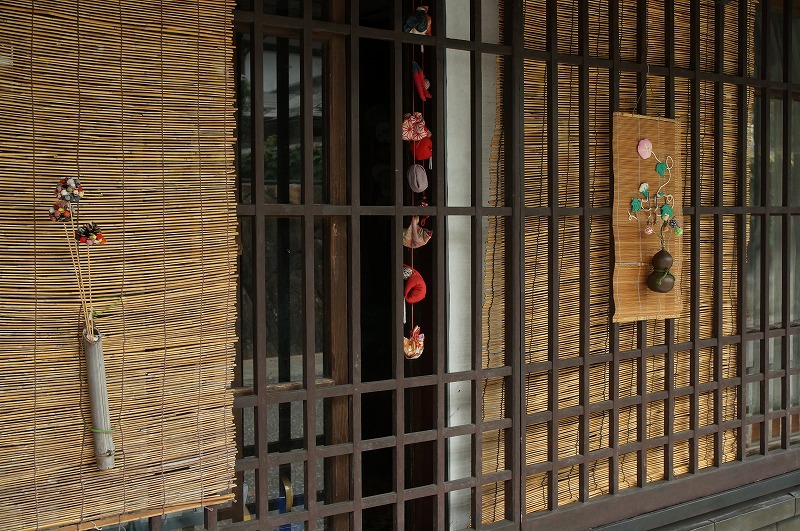
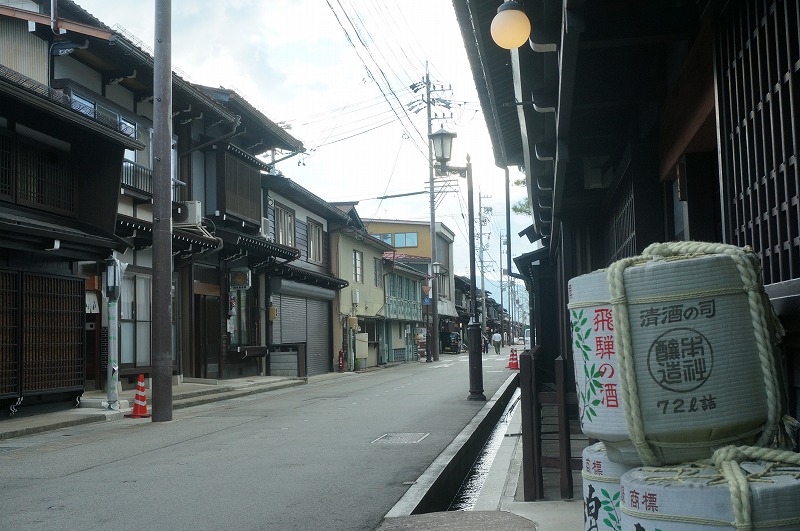
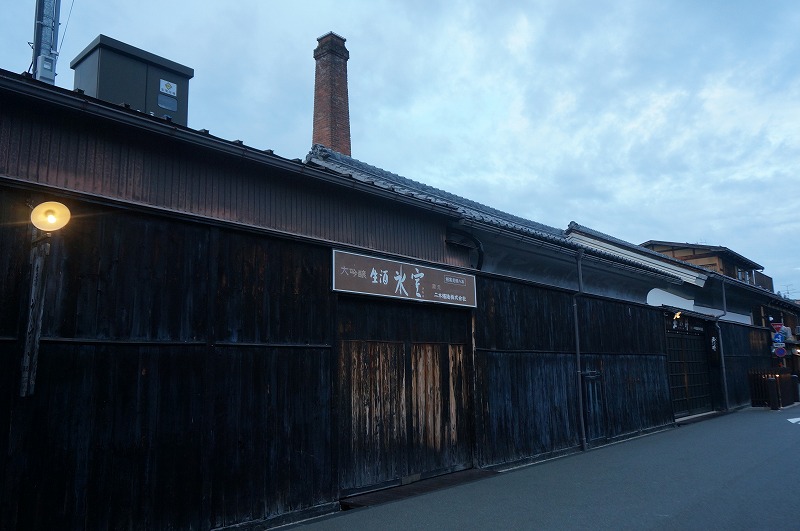
There are simple ramen noodles with a nostalgic flavor, handmade soba noodles, and cafes in old private homes. There is also a famous sake brewery that won the Grand Prix. In recent years, the area has become well known as the setting for the animated film “Kimi no na wa” (“your name” directed by Shinkai Makoto 新海誠 ). However, since it is not as famous as Takayama, there are fewer tourists and you can enjoy a relaxing stroll.
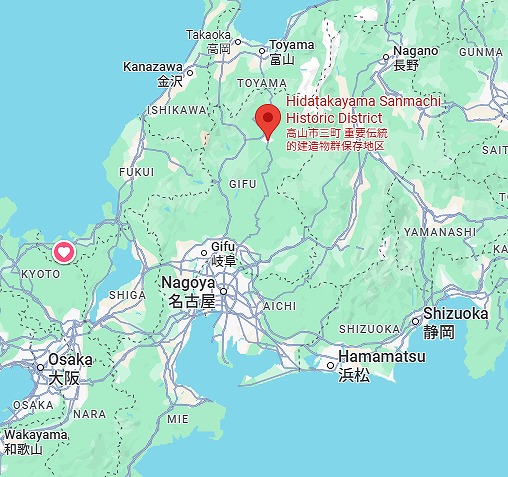
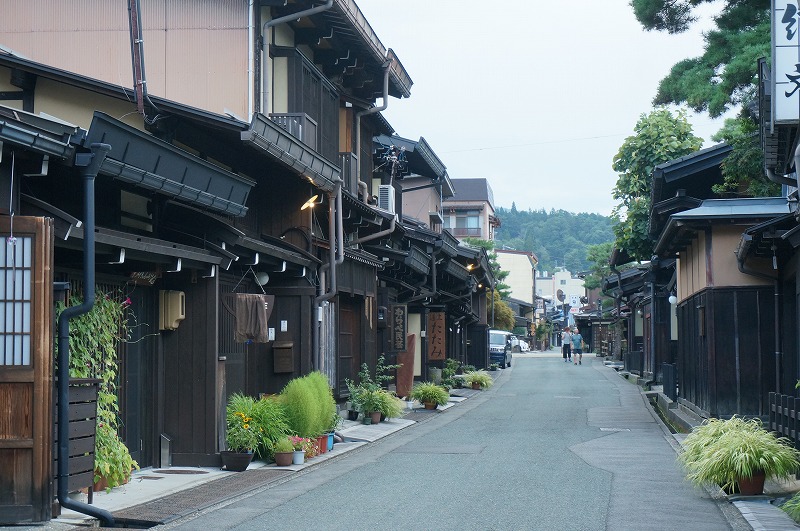
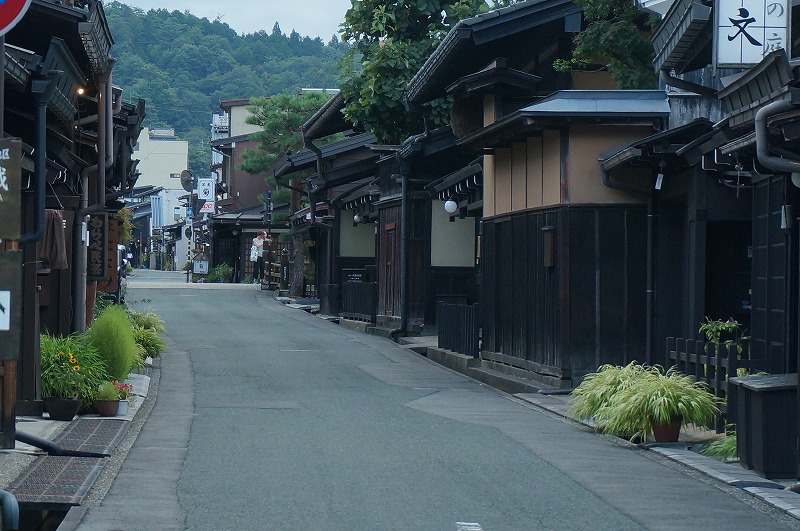
Location; Kamimino-cho, Takayama City, Gifu Prefecture, and other locations Access; From Nagoya About 2 hours and 30 minutes by limited express train, about 2 hours and 45 minutes by express bus From Toyama 90 minutes by limited express train, about 2 hours and 20 minutes by express bus
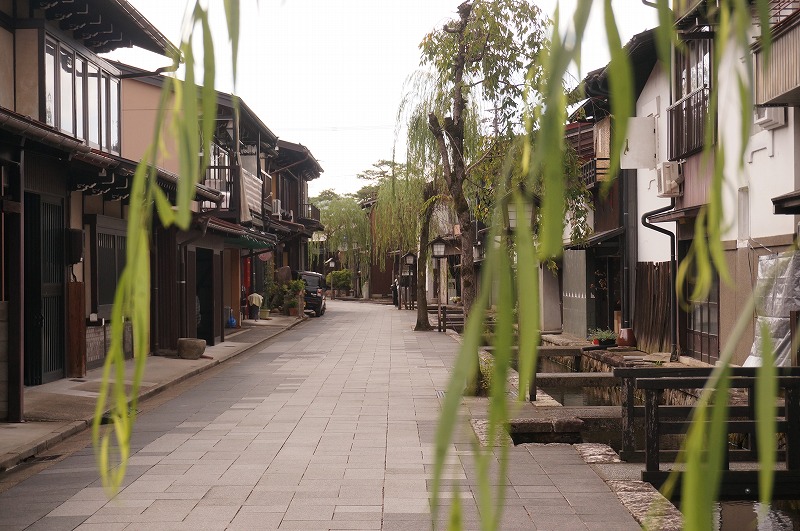
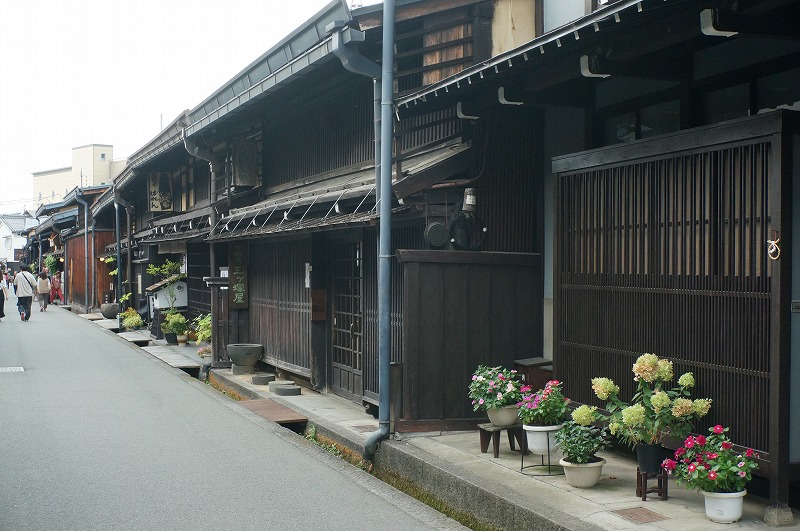
From Osaka, take the Tokaido Shinkansen via Nagoya, or the direct Hida Limited Express. From Tokyo, take the Tokaido Shinkansen via Nagoya and then the Takayama Main Line, or take the Hokuriku Shinkansen via Toyama and then the Takayama Main Line. Sanmachi and Shimonino Machi have been designated as Important Preservation Districts for Groups of Traditional Buildings.
There is a term “Hida no Takumi” (artisans of Hida). Hida 飛騨 is a mountainous area. There is little flat land suitable for agriculture, and people had no choice but to make a living from wood. From there, the people of Hida developed their woodworking skills. Eventually, the technique became known throughout the country, and Hida wood was used for various types of construction, and carpenters and other technicians went to various places in response to the demand.
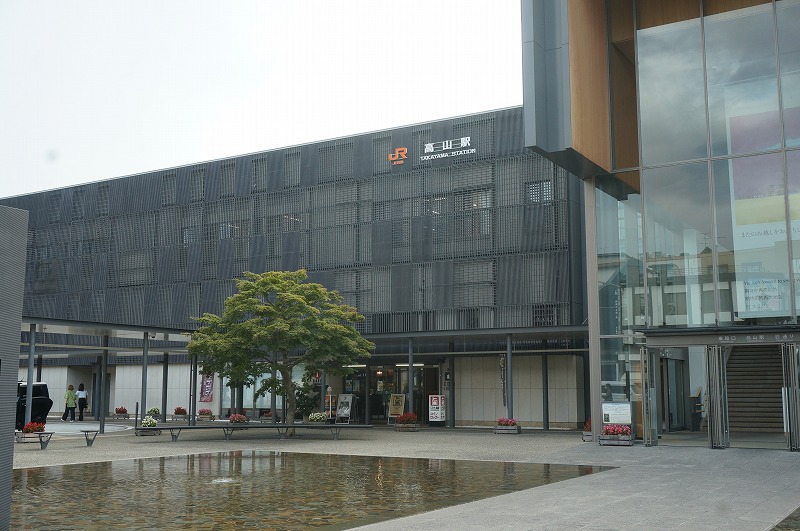
The Hida region is part of present-day Gifu Prefecture. In the past, they were divided more finely than the current administrative division. Therefore, the southern part of Gifu Prefecture was called Mino and the northern part was called Hida. Mino has many plains, and commerce developed in close cooperation with the neighboring Owari region (western Aichi Prefecture). Even now, it takes nearly two hours from Takayama to Gifu by express train. Therefore, Hida developed itself. Takayama is the center of Hida, so the station is much bigger than the surrounding area.
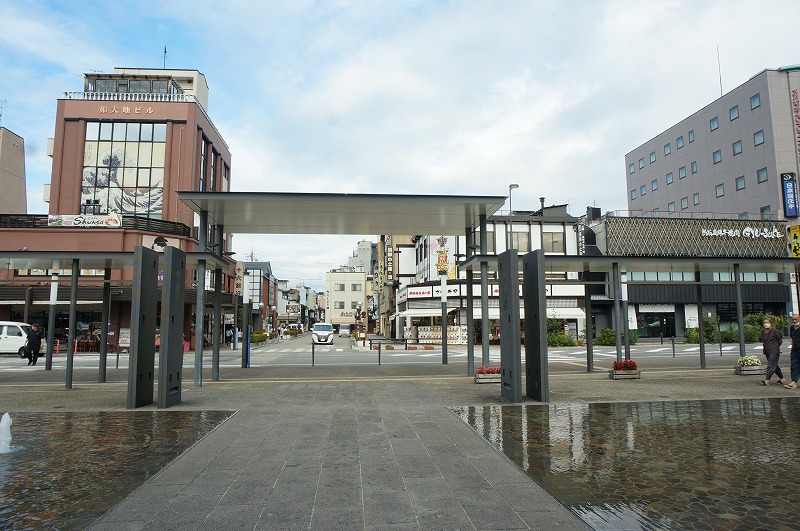
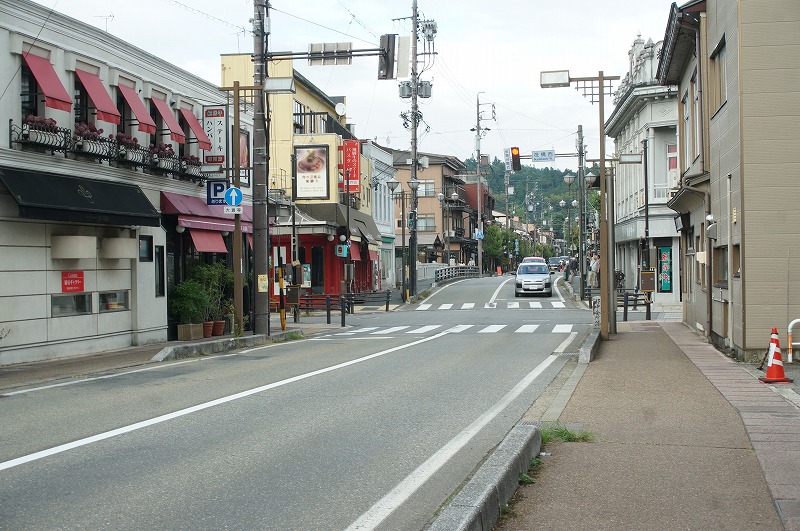
The area around station is no different from the rest of the town. It takes about 10 minutes to reach the street, which is an important traditional building preservation district.
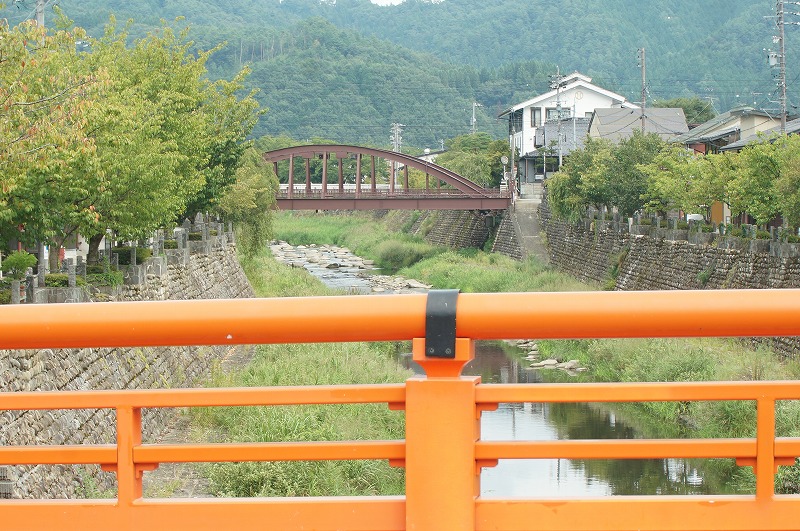
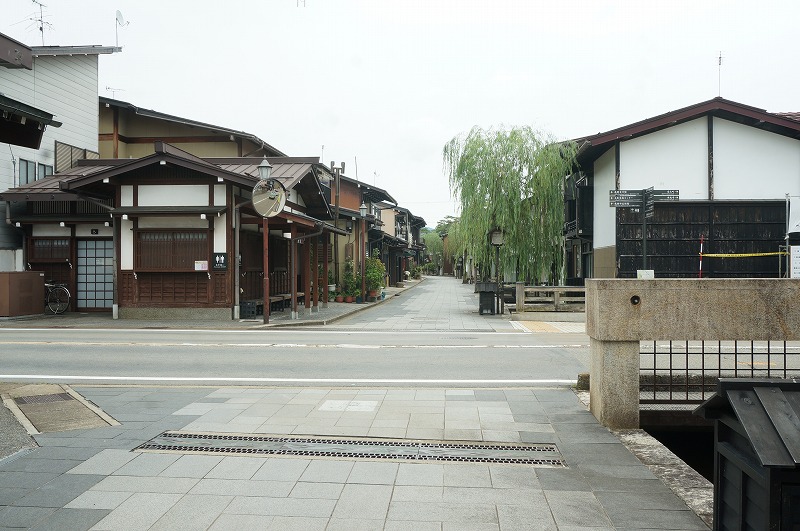
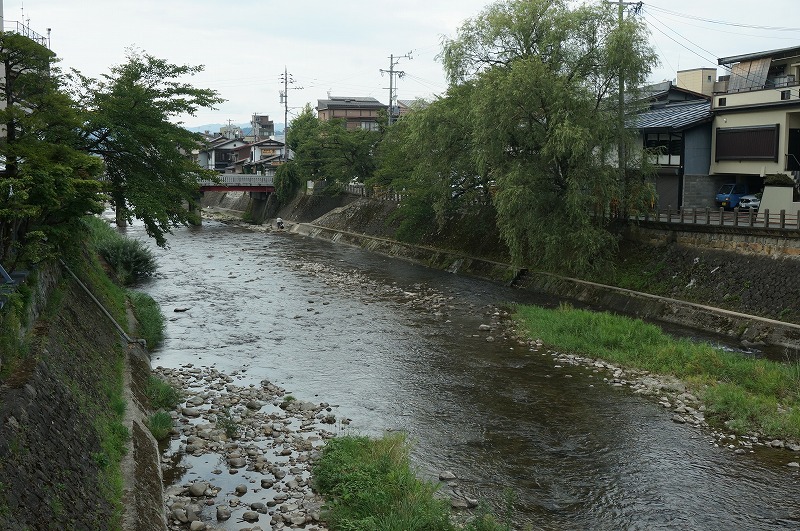
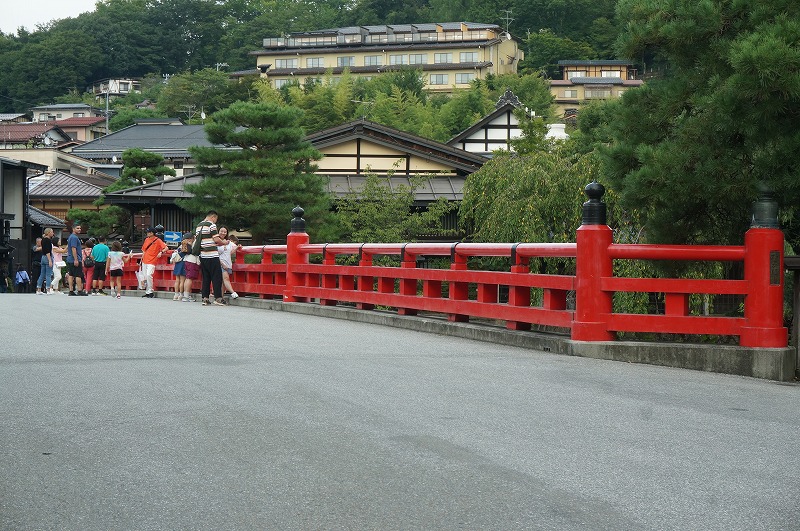
Eventually you will see the river and cross an impressive bridge, which marks the beginning of the old town.
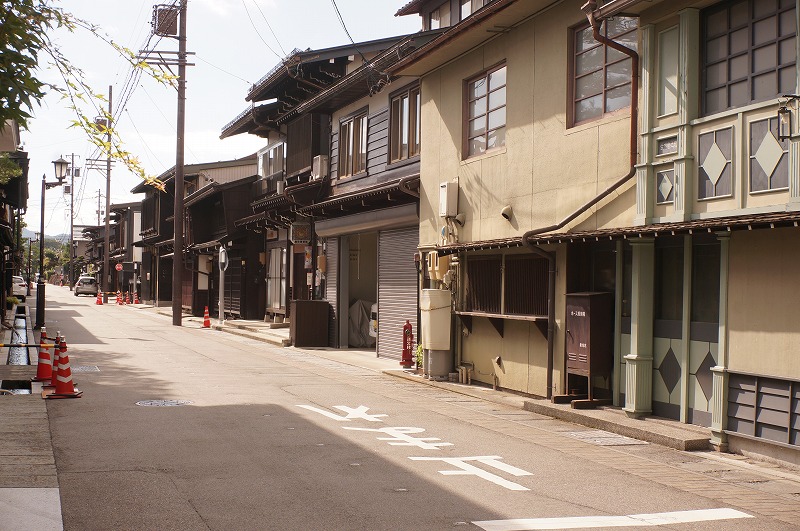
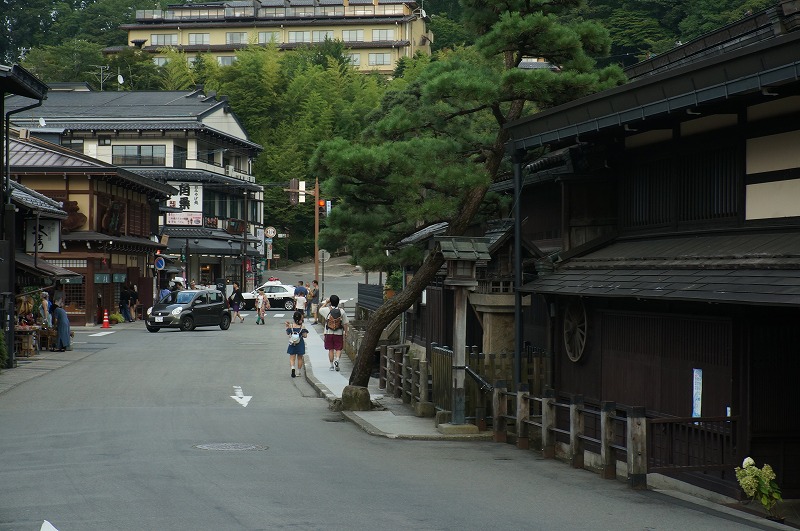
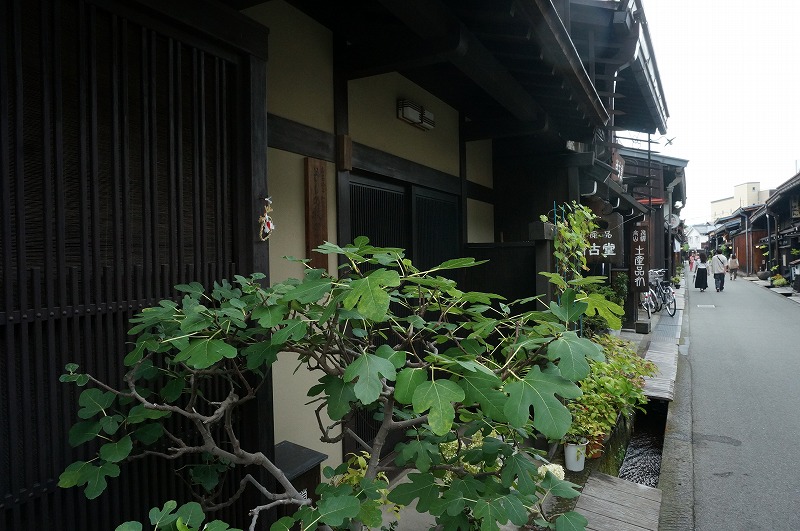
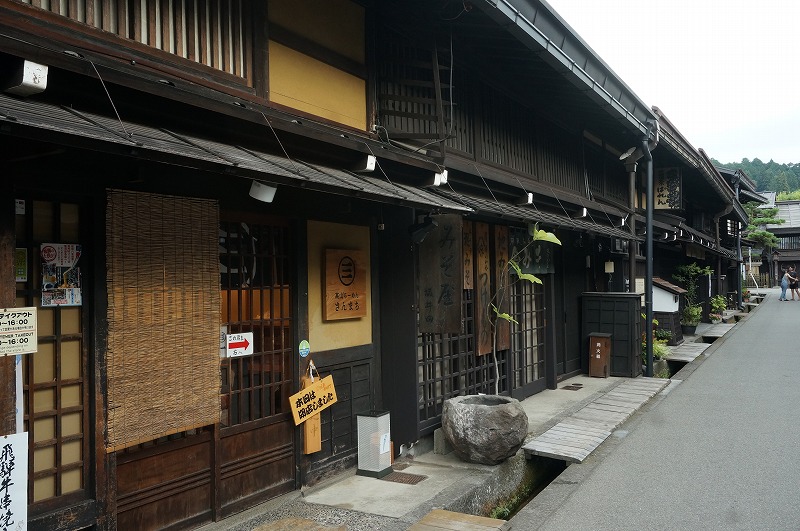
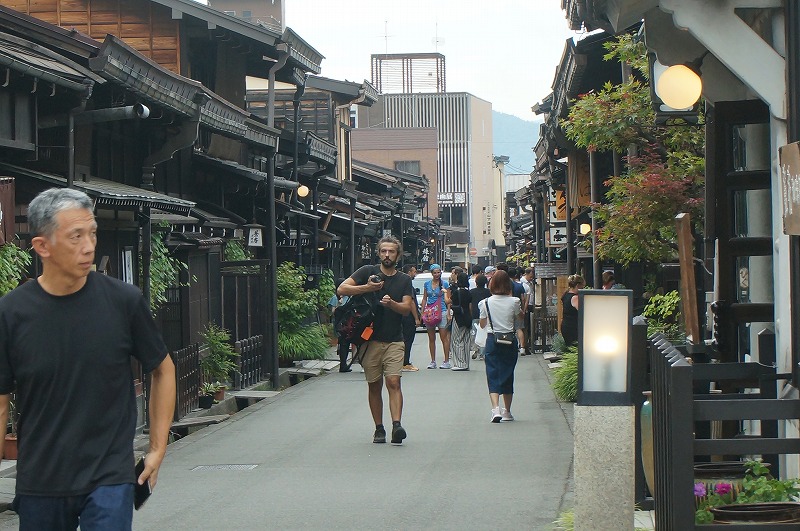
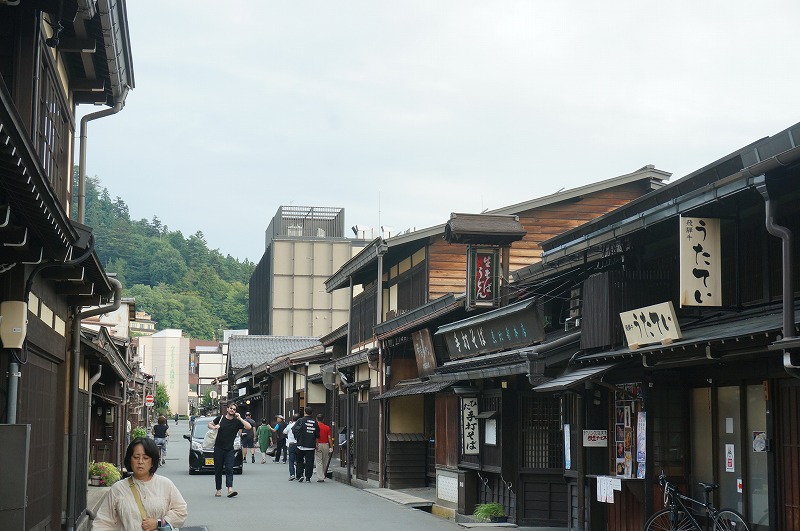
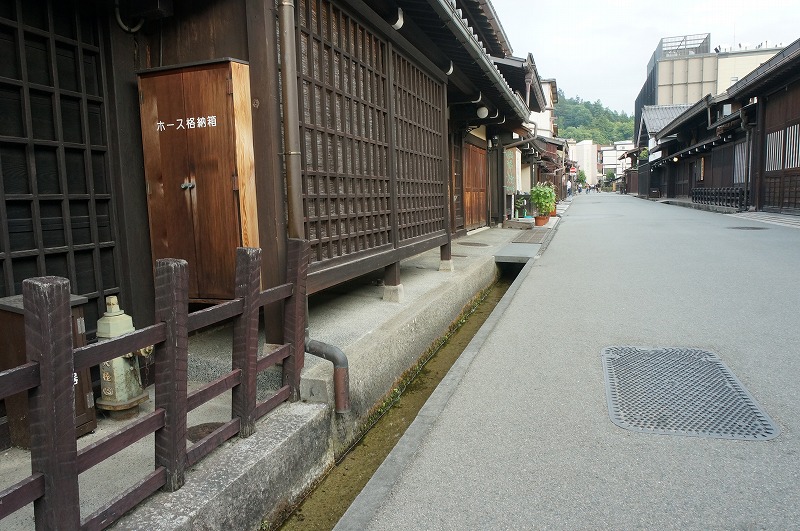
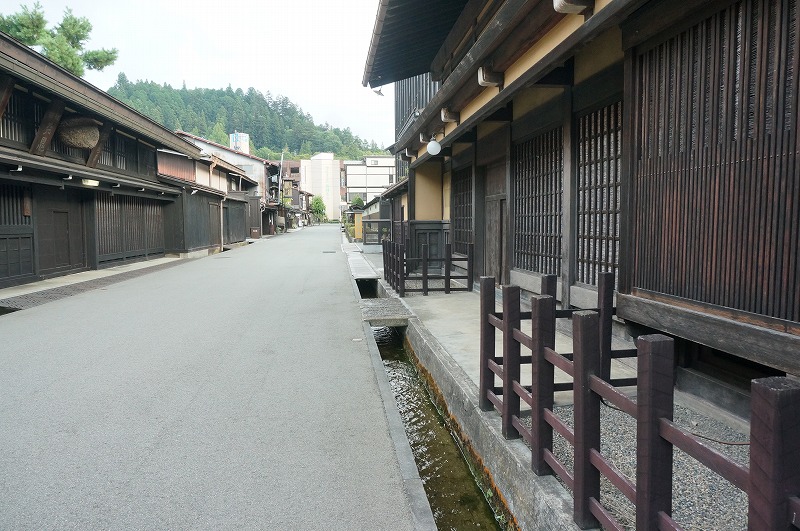
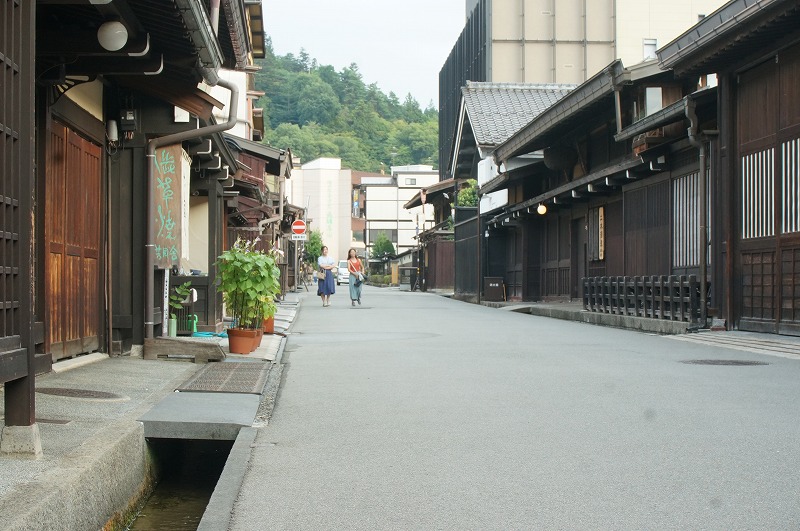
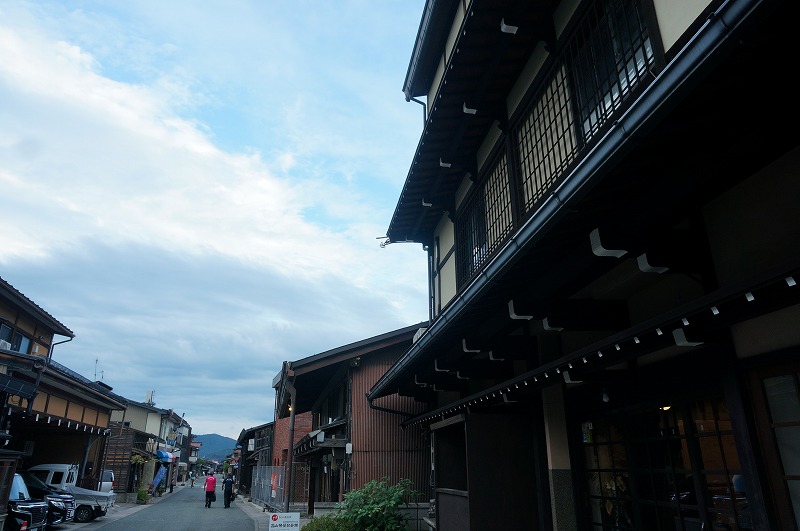
This town seems to be famous even abroad and is always full of tourists. Sometimes groups of visitors occupy the road and take pictures. The streets are narrow because of the old townscape, so it is unavoidable that the streets fill up quickly.
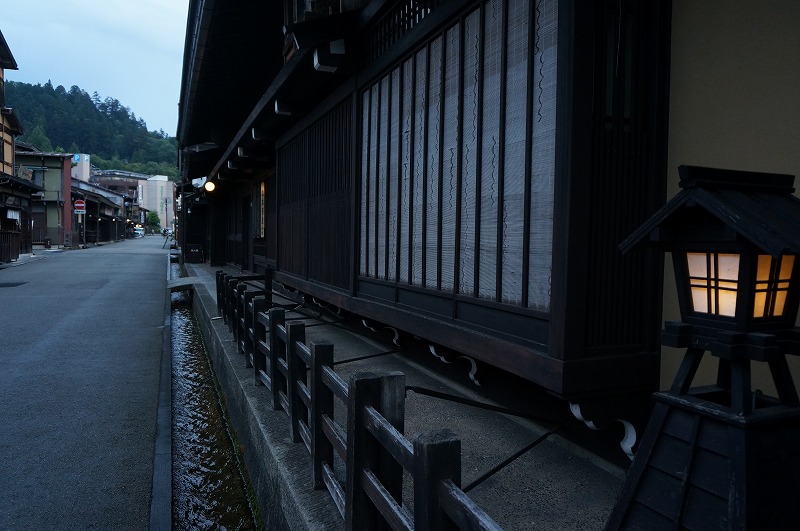
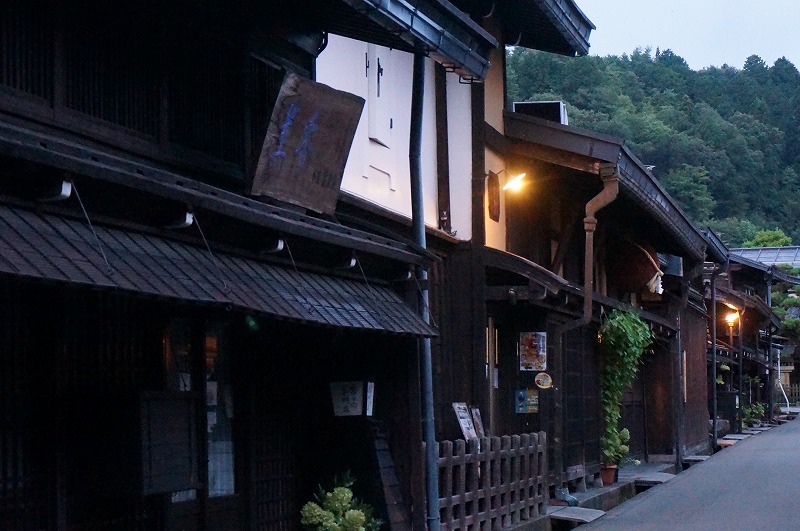
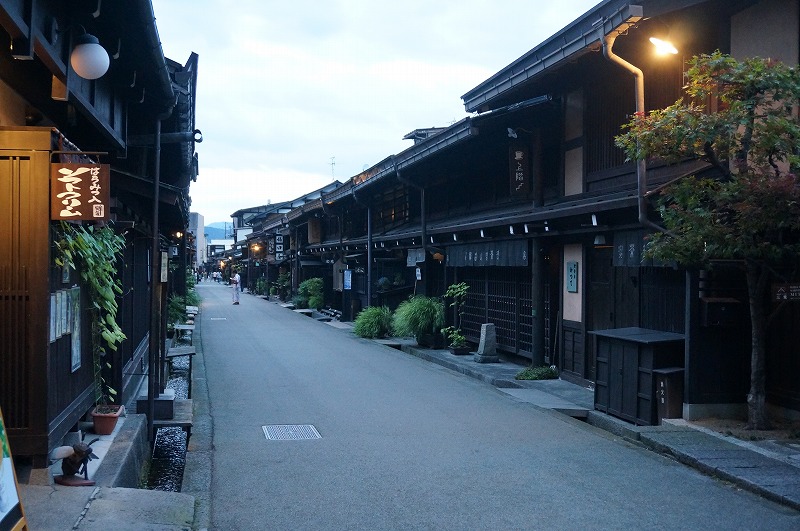
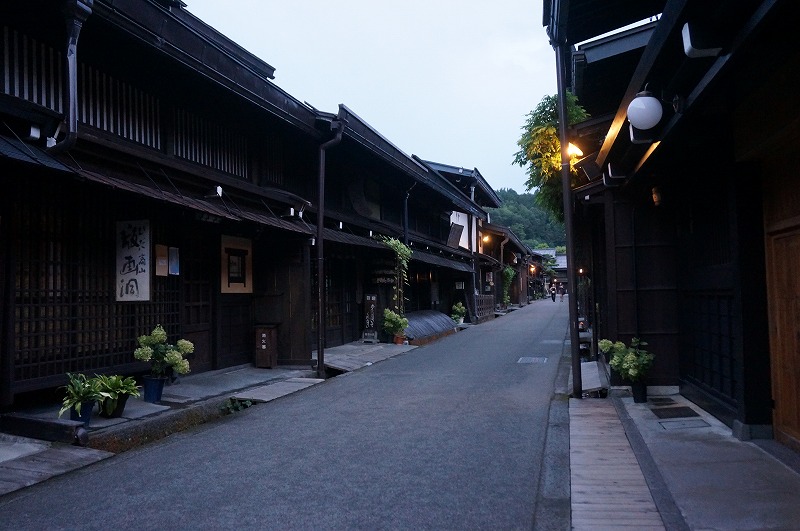
However, after 5:30 in the evening, people suddenly disappear. Probably because the group guests have gone home. Most of the restaurants also close at 6:00 p.m. This means that if you are planning to eat or buy souvenirs, you need to get there early. (If you go to the street in front of the station, the big souvenir stores are open.)
By the time the lights are turned on, the town is once again quiet and regains its original appearance.