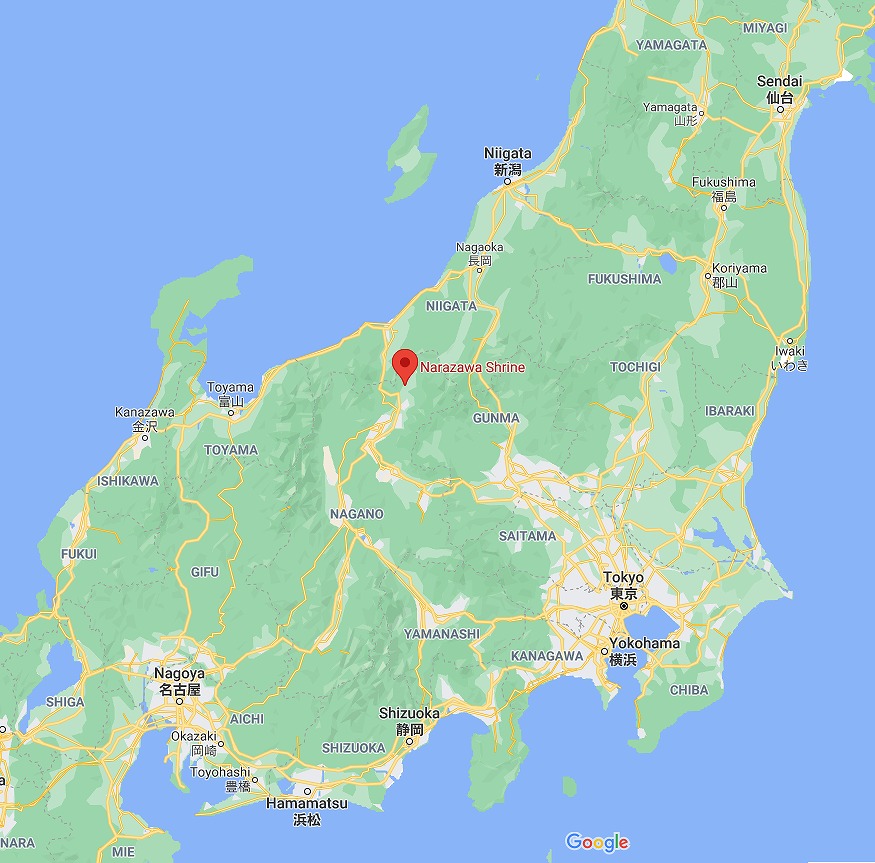
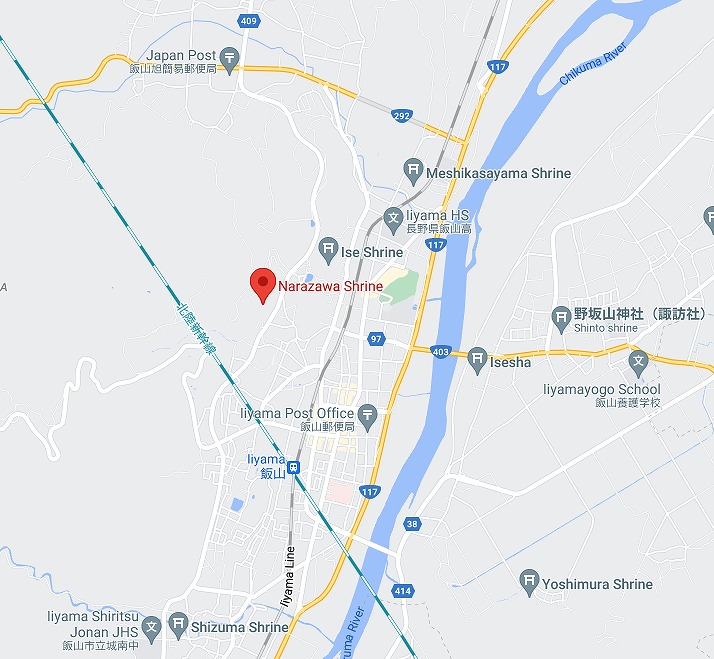
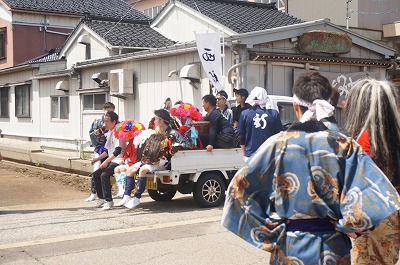
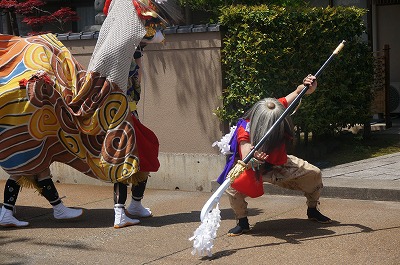
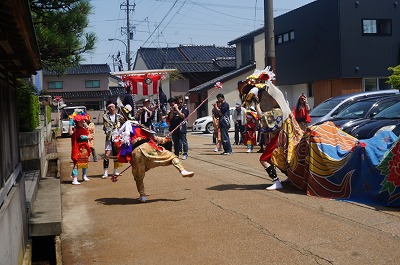
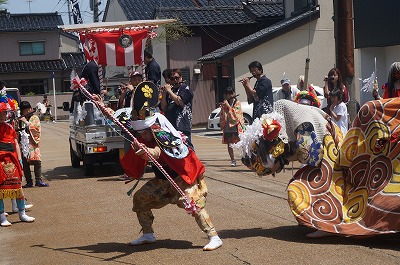
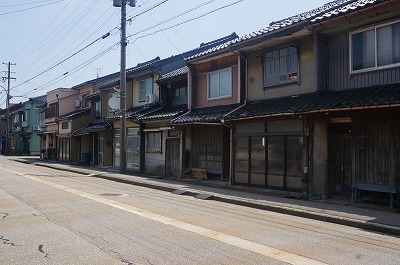
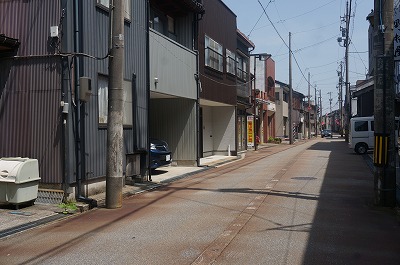
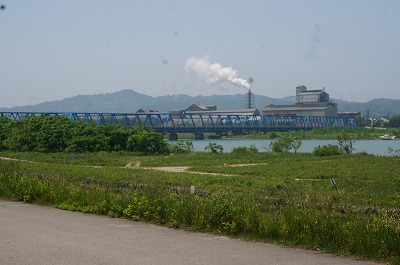
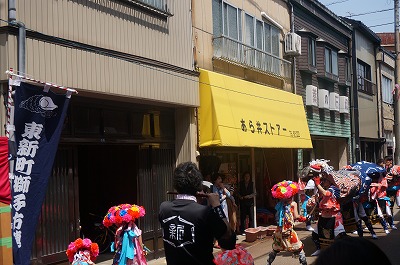
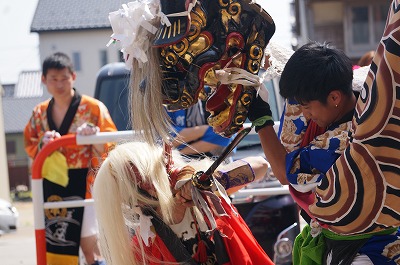
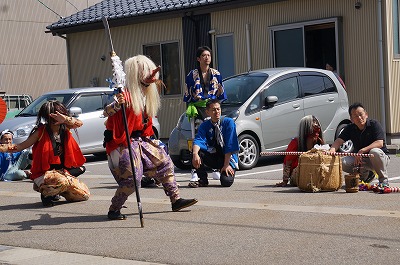
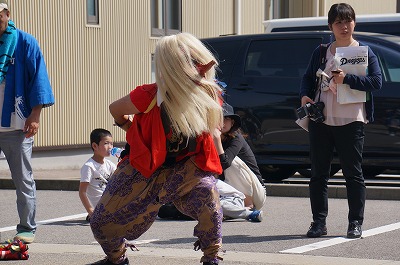
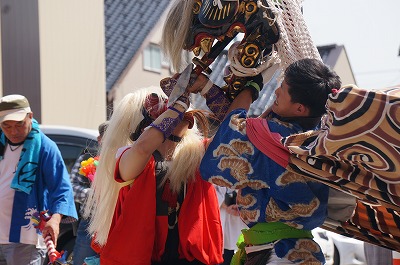
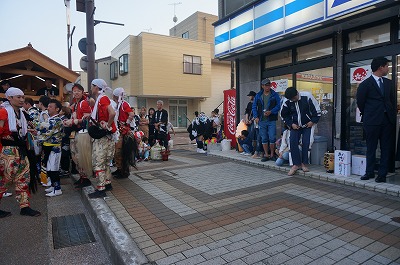
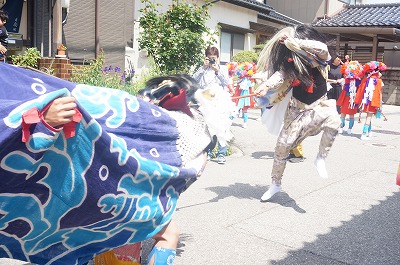
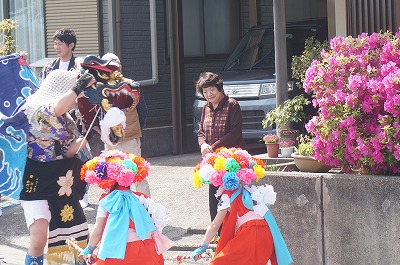
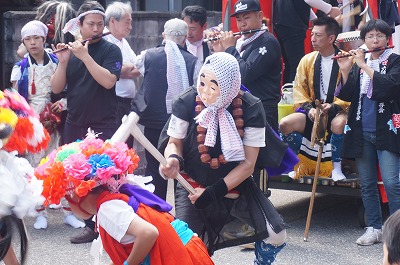
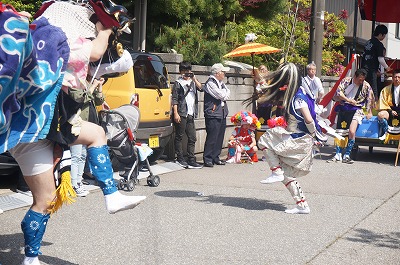
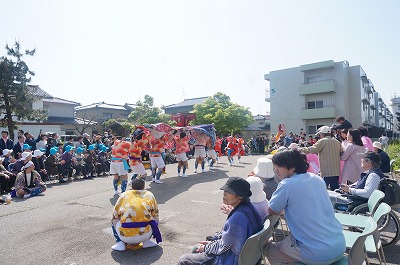
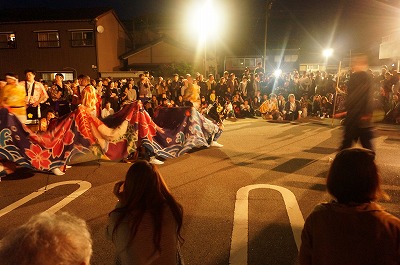
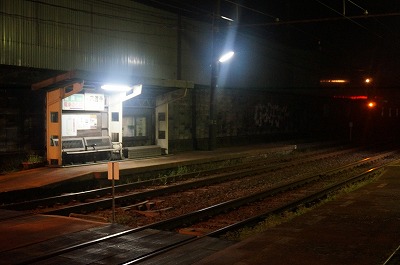
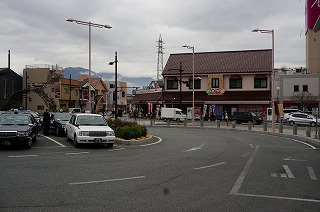
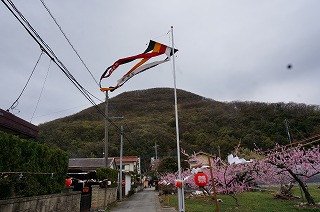
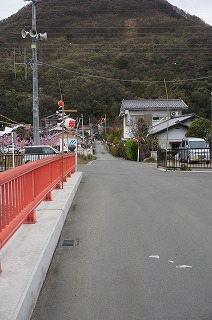
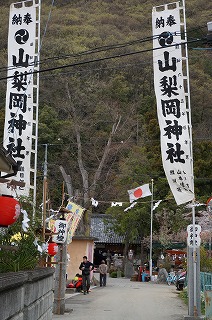
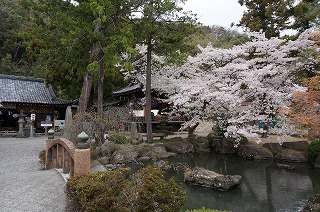
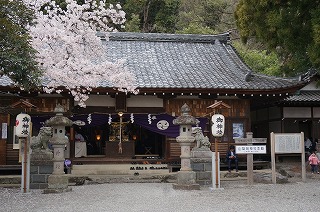
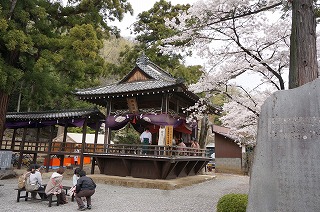
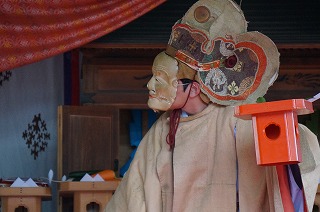
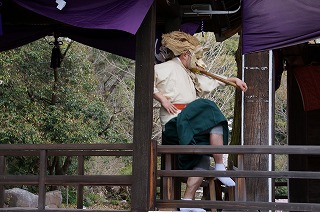
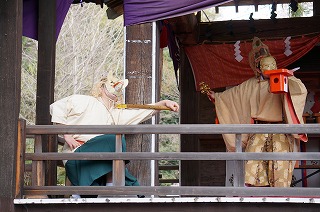
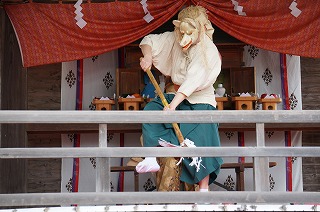
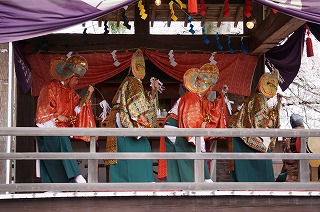
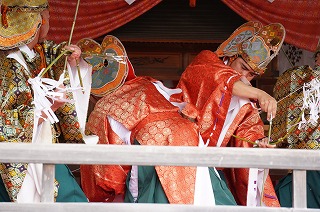
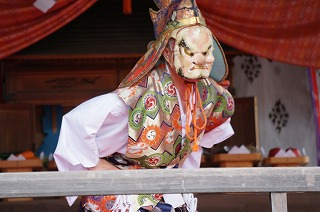
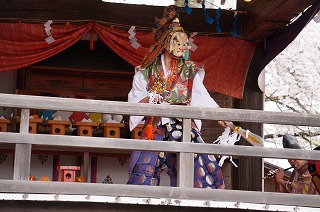
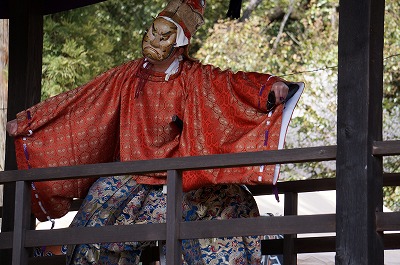
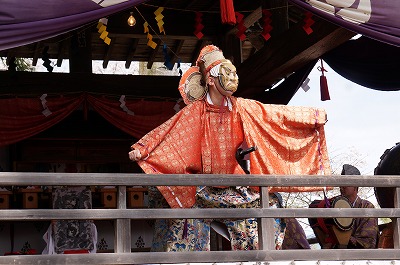
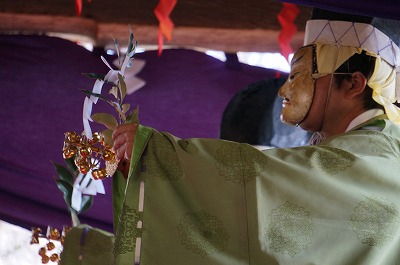
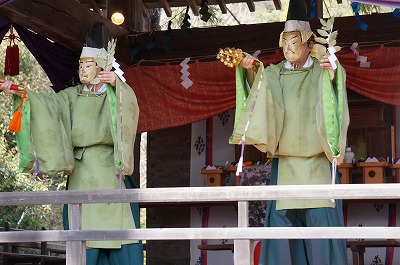
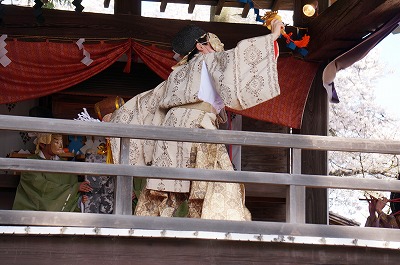
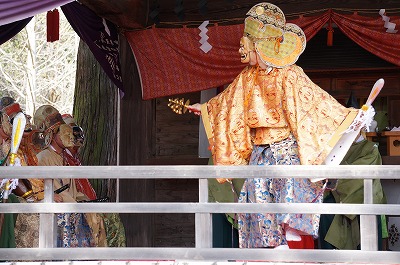
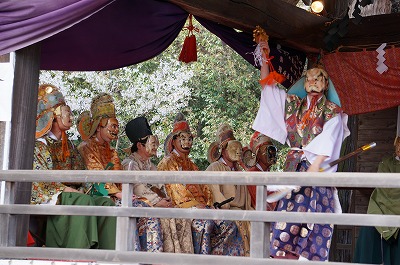
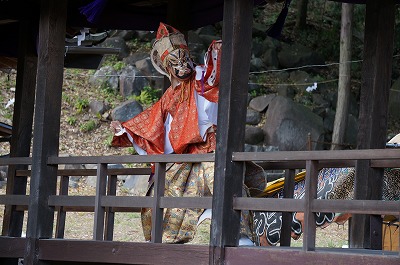
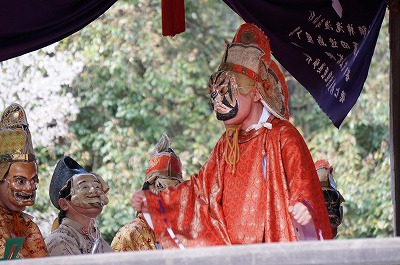
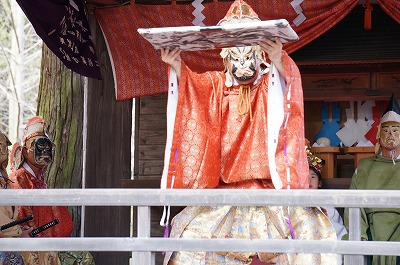
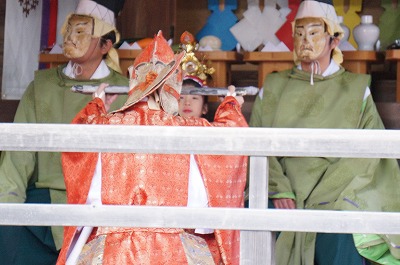
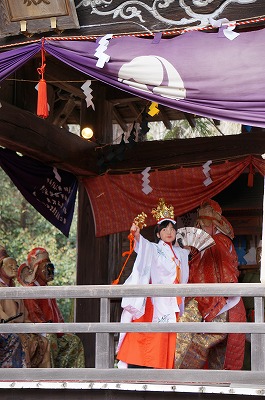
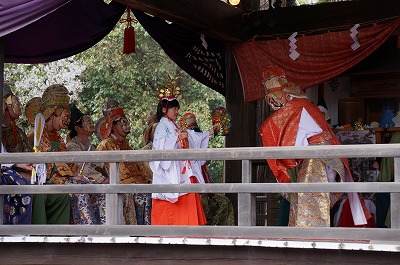
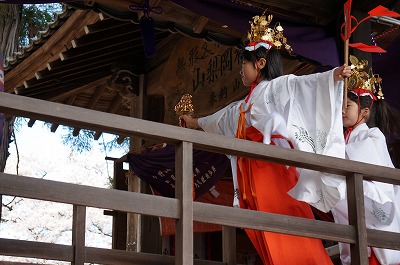
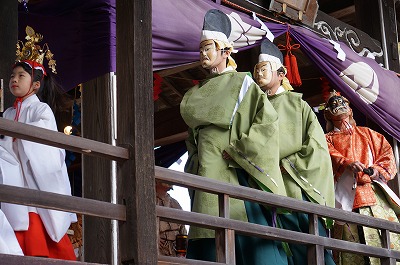
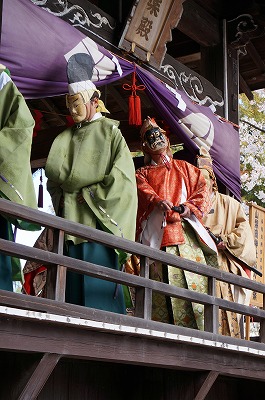
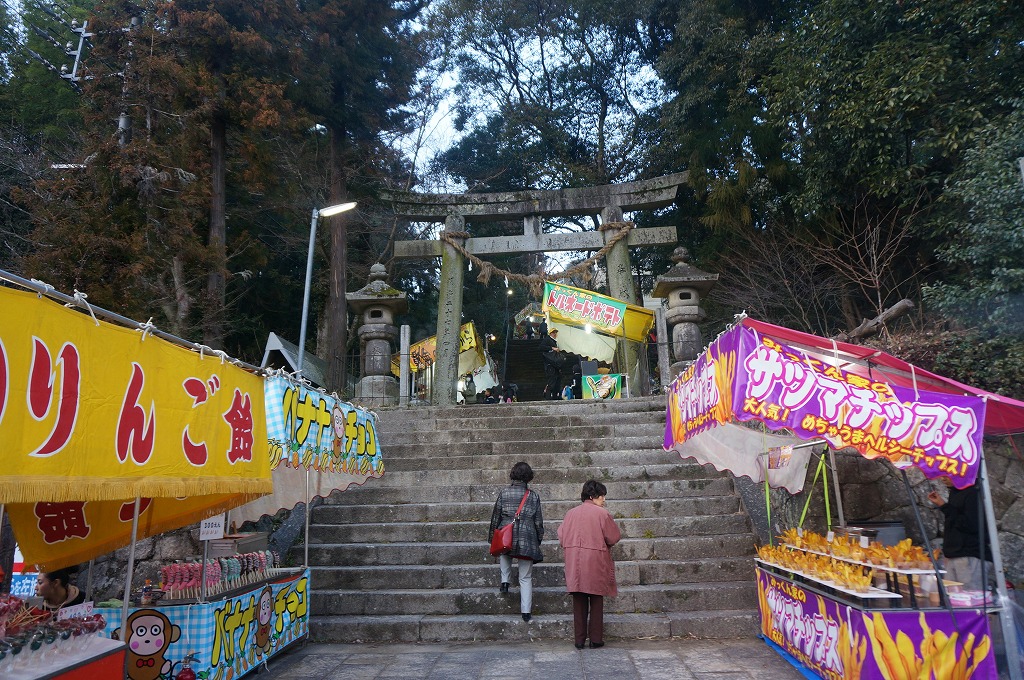
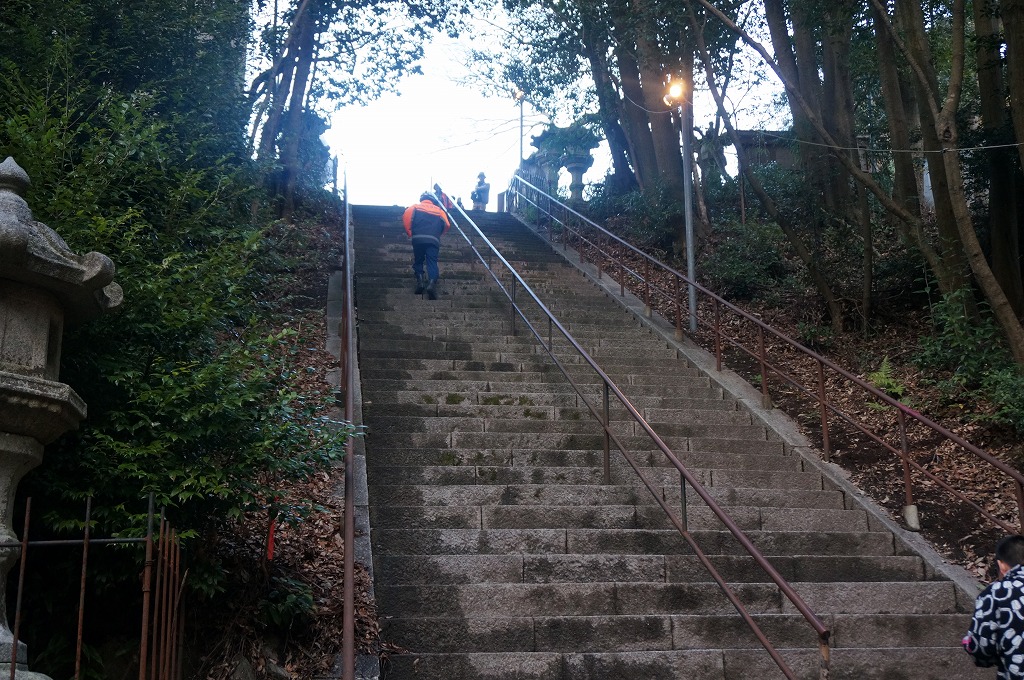
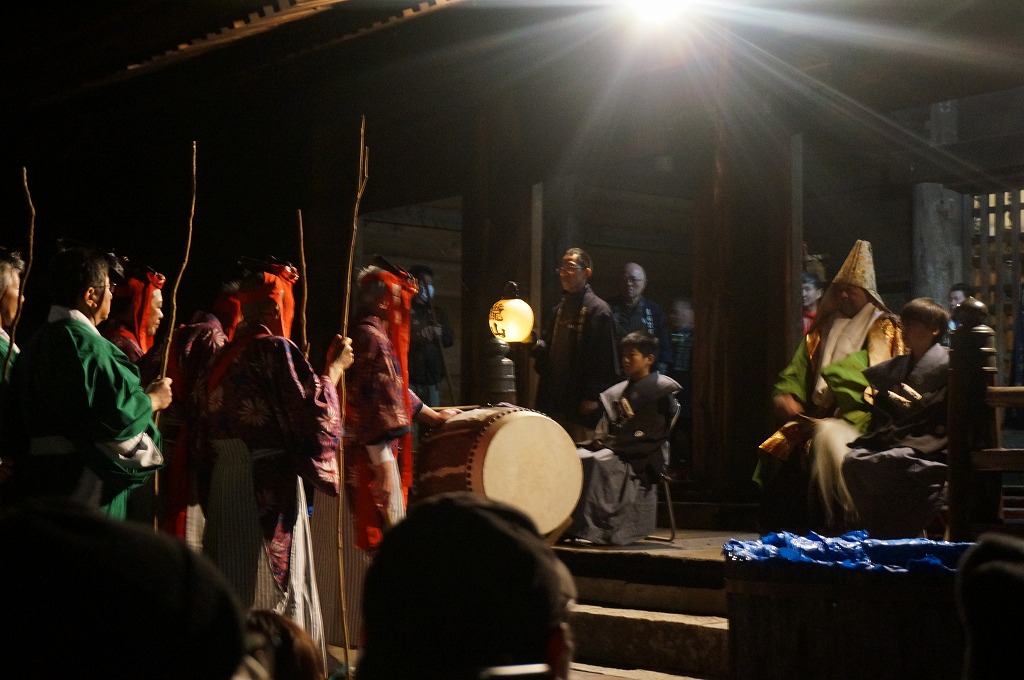
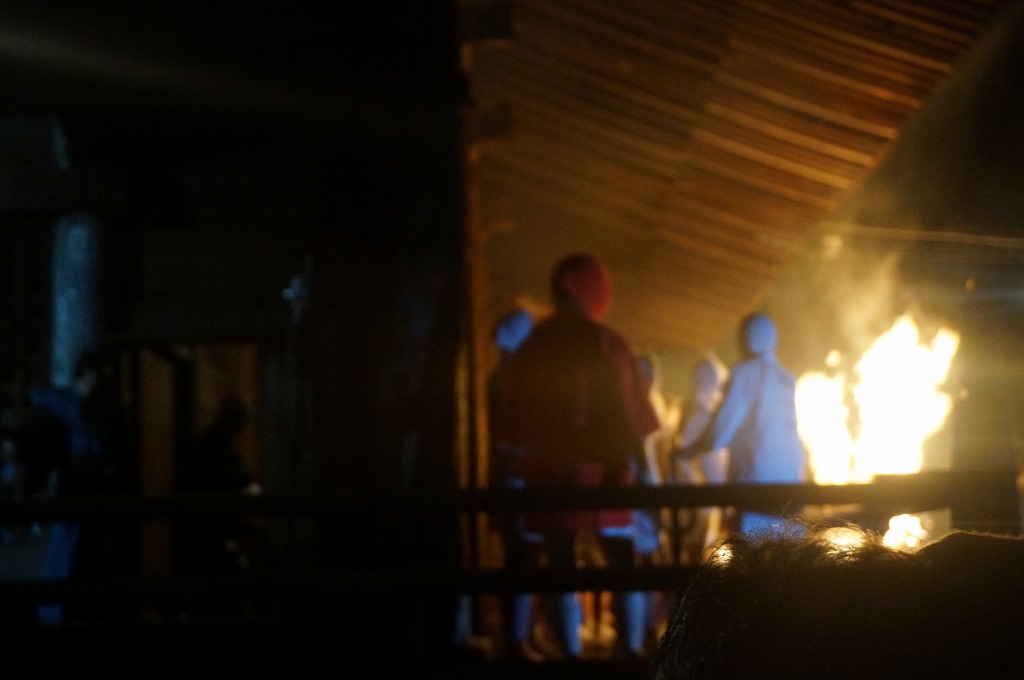
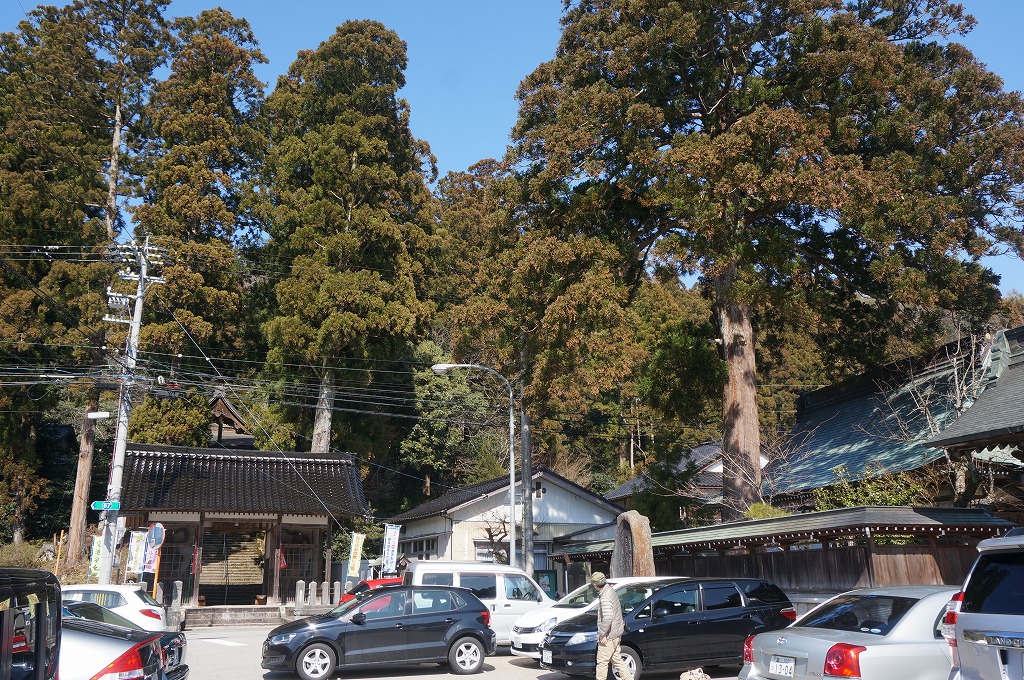
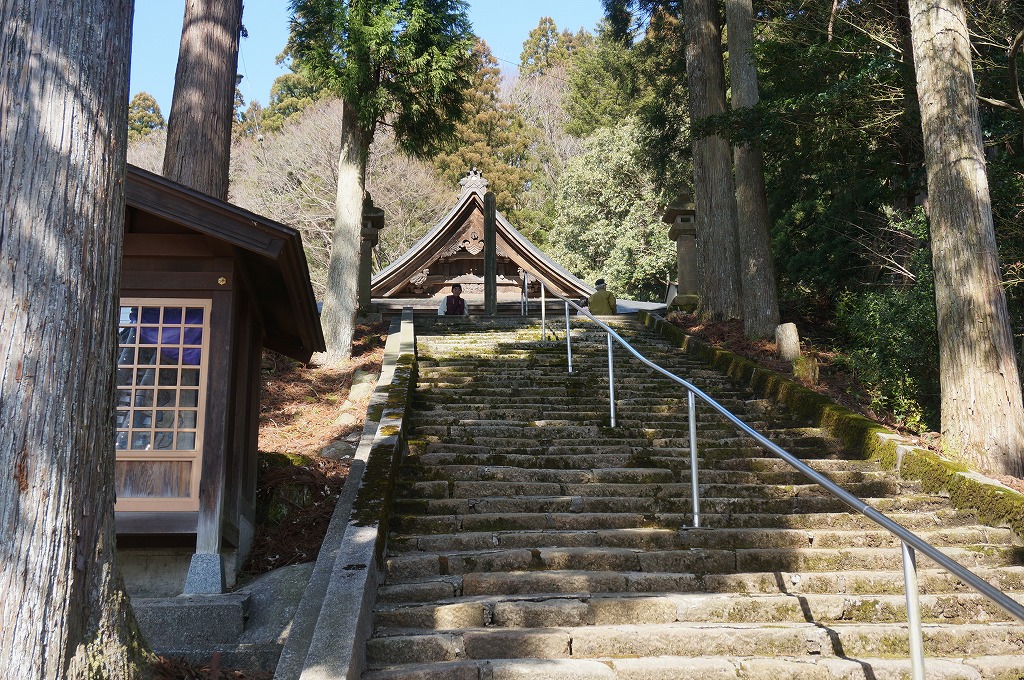
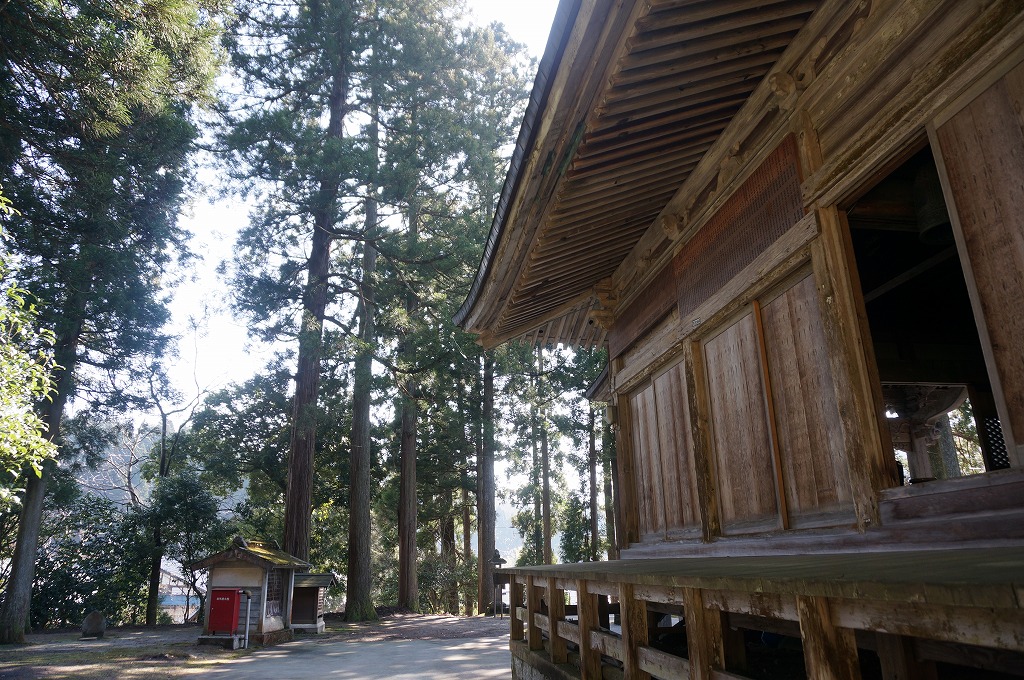
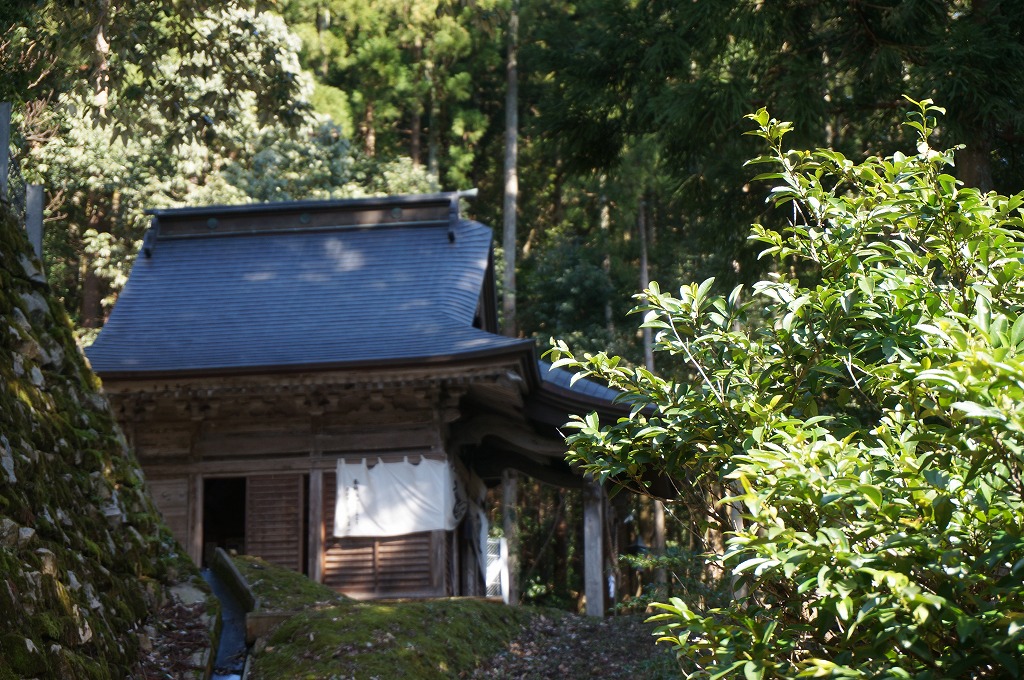
Date: the 3rd Saturday and Sunday, September (every year) Location: Iiyama Narasawa, Iiyama city, Nagano prefecture around the Narasawa shrine Access: It’s about ten minutes walk from Iiyama station (JR Iiyama line or Shinkansen)
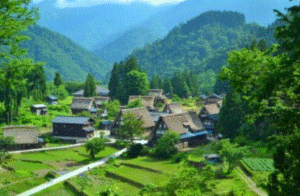
Surrounded by mountains on all sides and close to Tokyo, Nagano Prefecture has been known as a summer resort and a ski resort. Iiyama City, although a mountainous area, is not too badly accessible from Tokyo, too. It only takes about 1 hour and 40 minutes to get there by Shinkansen. The cost is about 8-9,000 yen (as of 2021). If you take the highway bus, you can get to Nagano Station and then take the JR train, which costs about 6,000 yen.
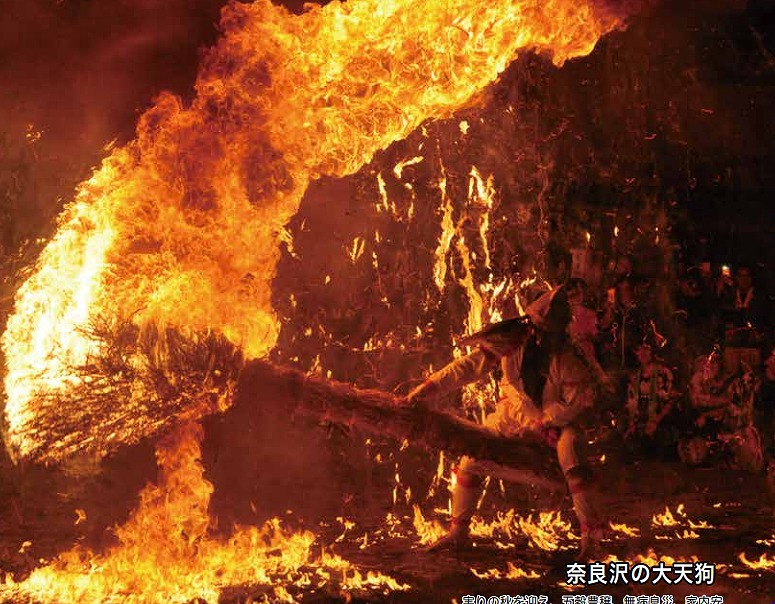
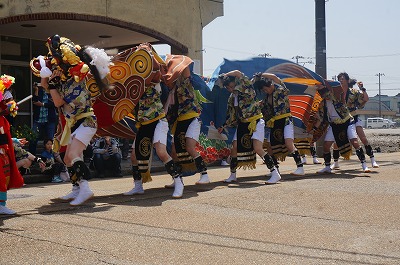
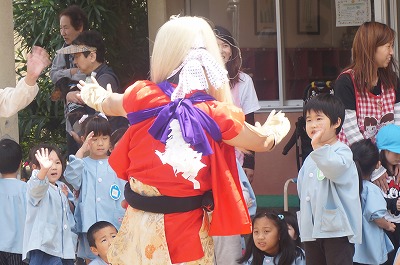
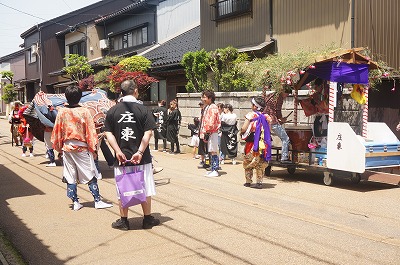
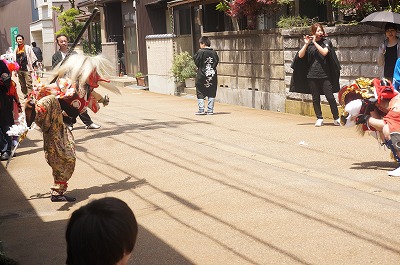
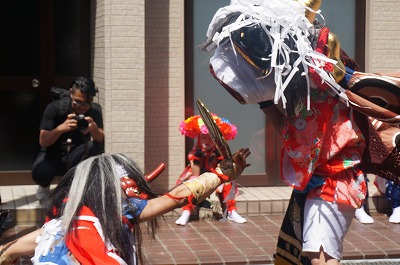
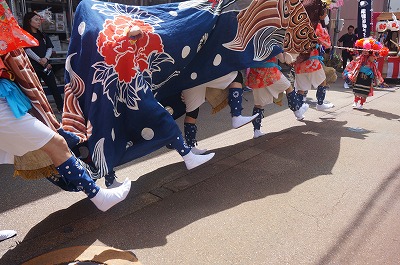
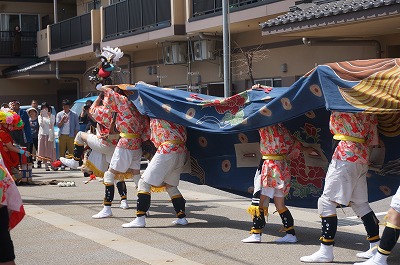
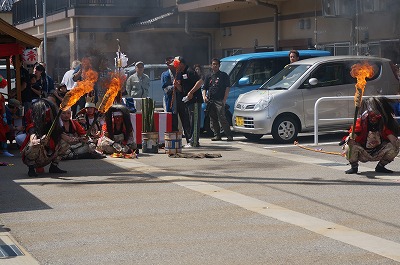
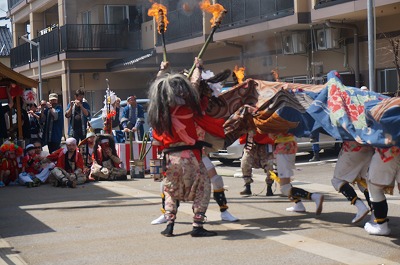
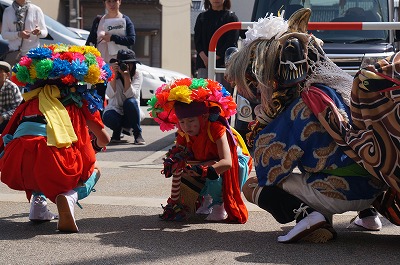
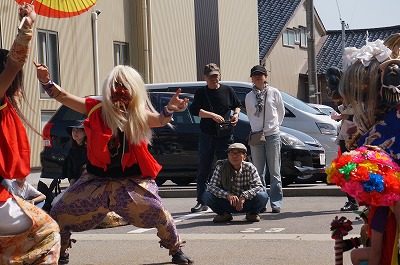
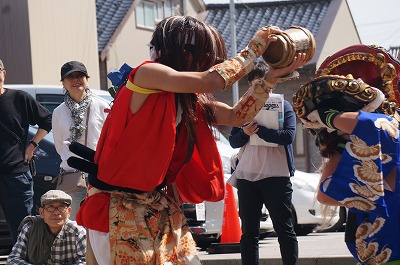
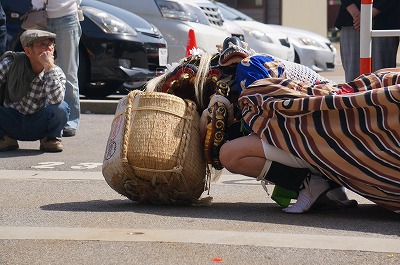
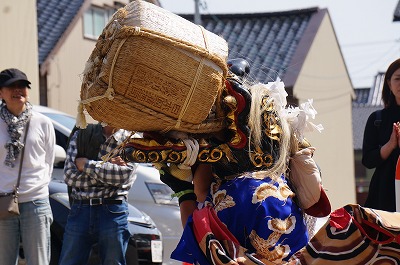
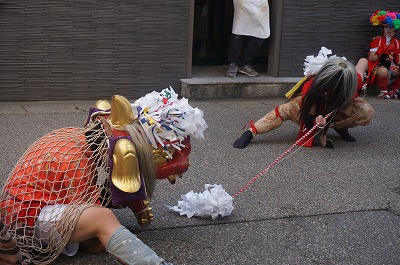
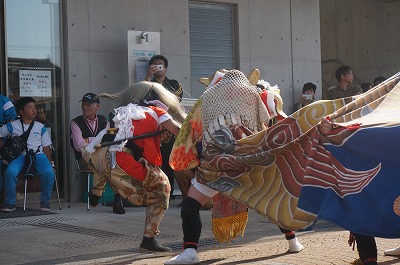
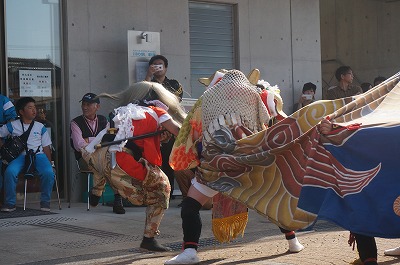
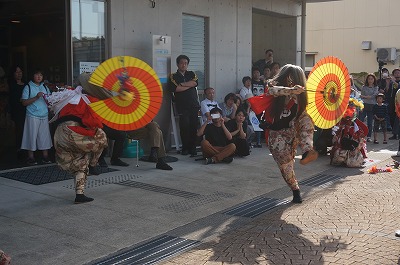
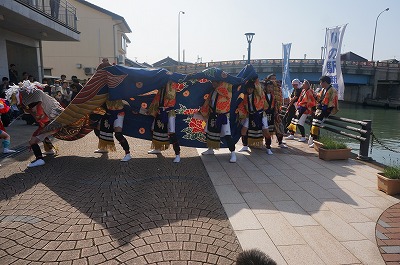
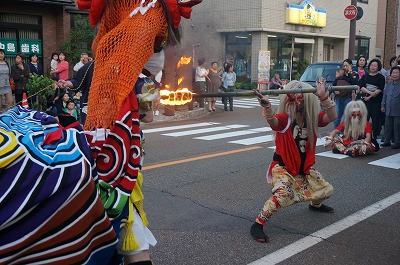
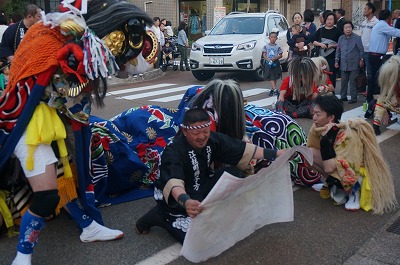
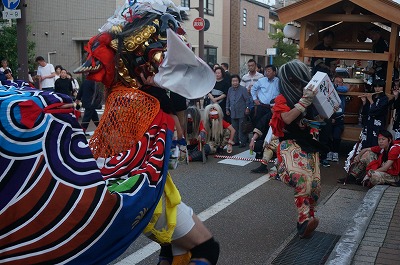
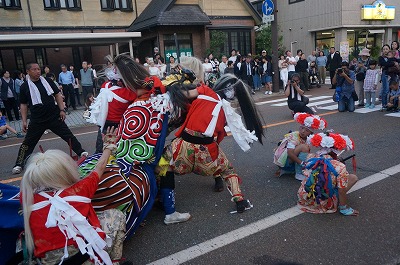
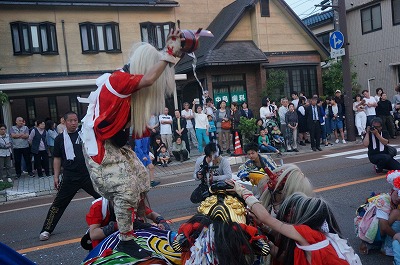
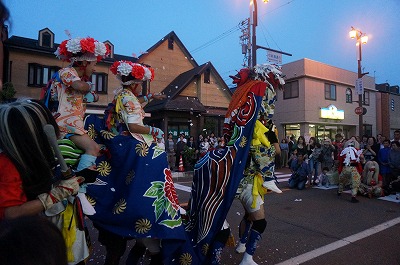
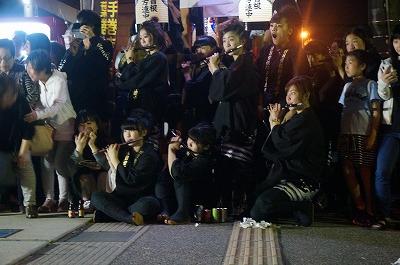
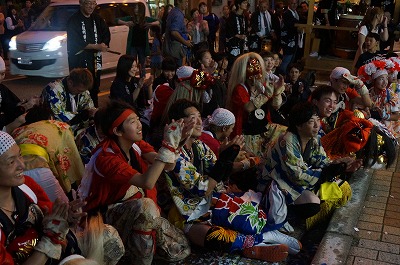
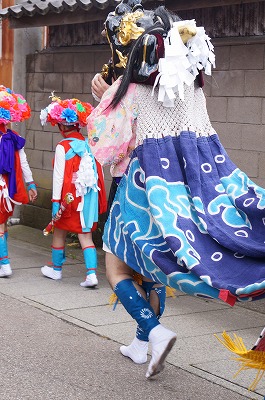
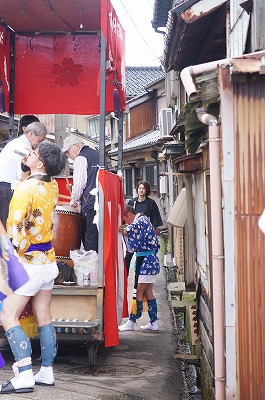
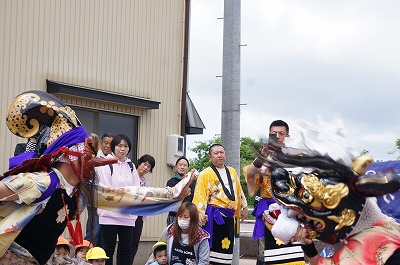
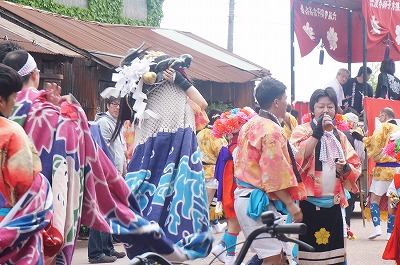
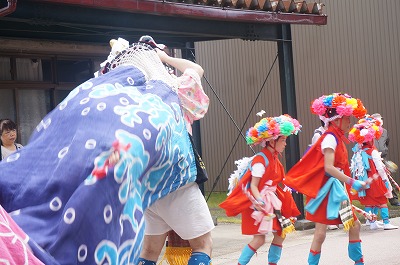
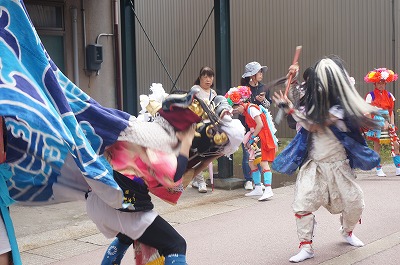
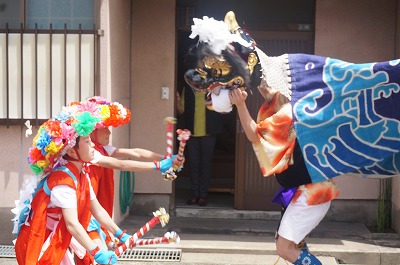
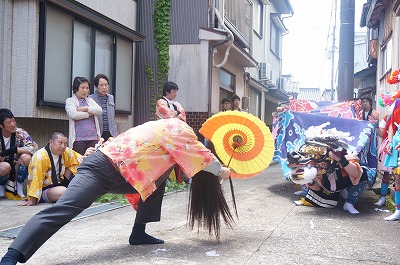
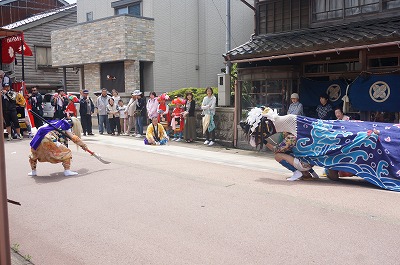
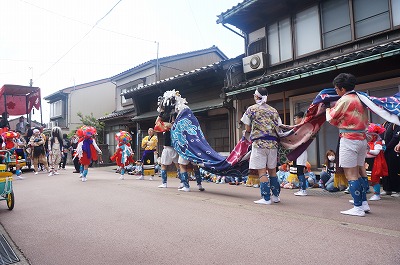
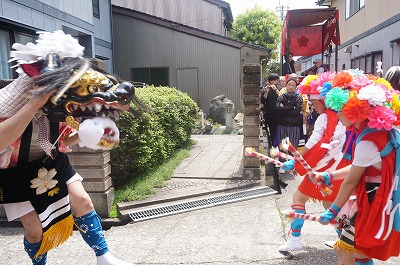
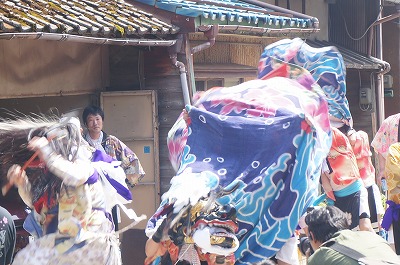
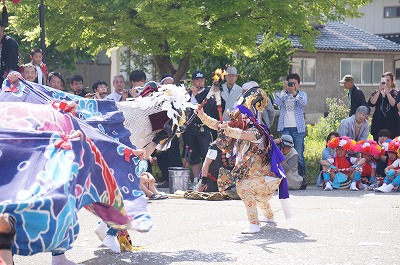
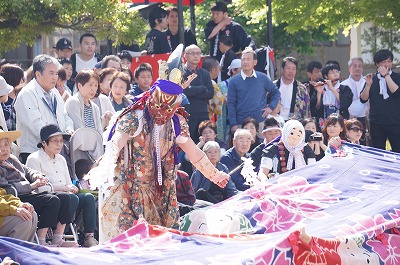
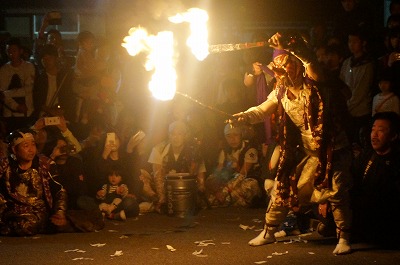
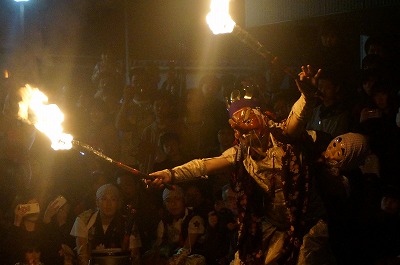
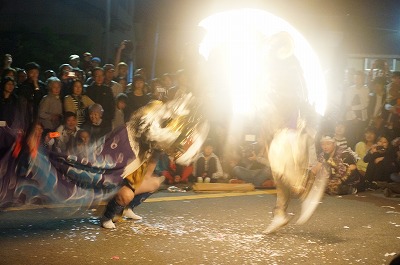
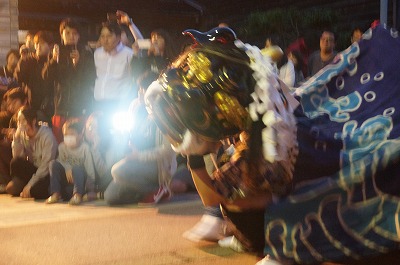
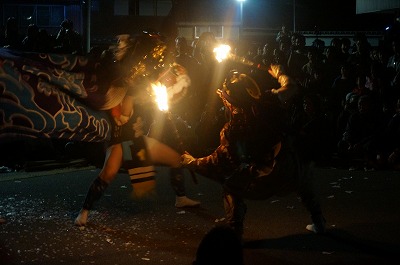
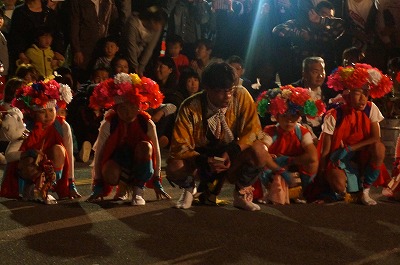
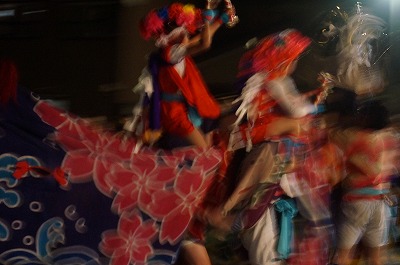
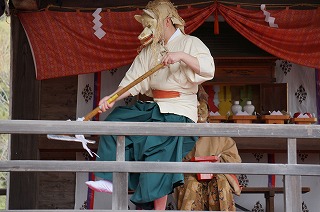
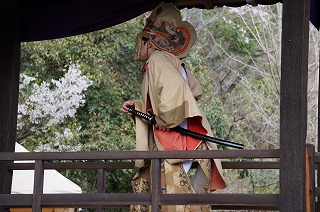
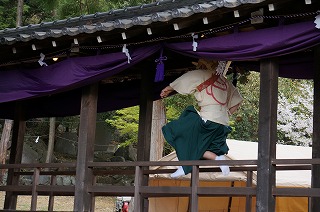
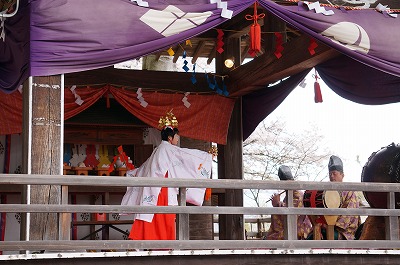
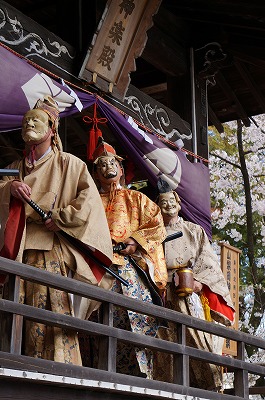
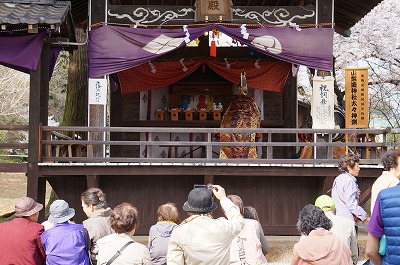
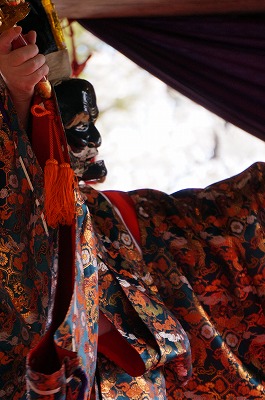
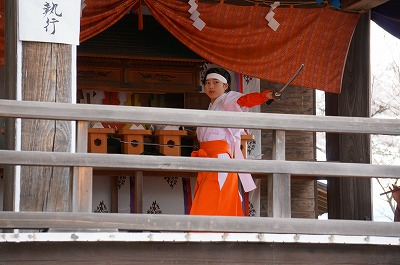
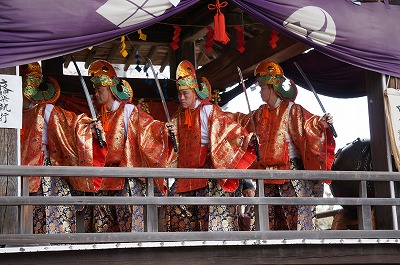
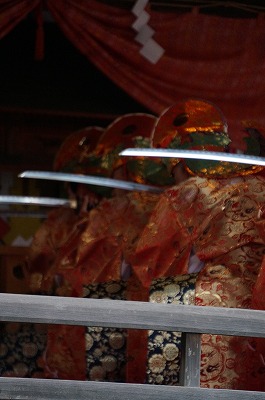
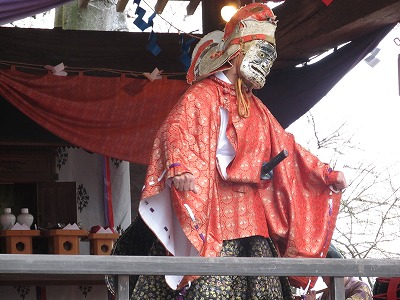
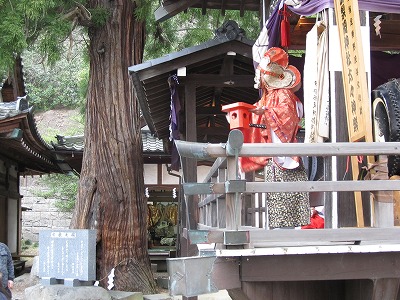
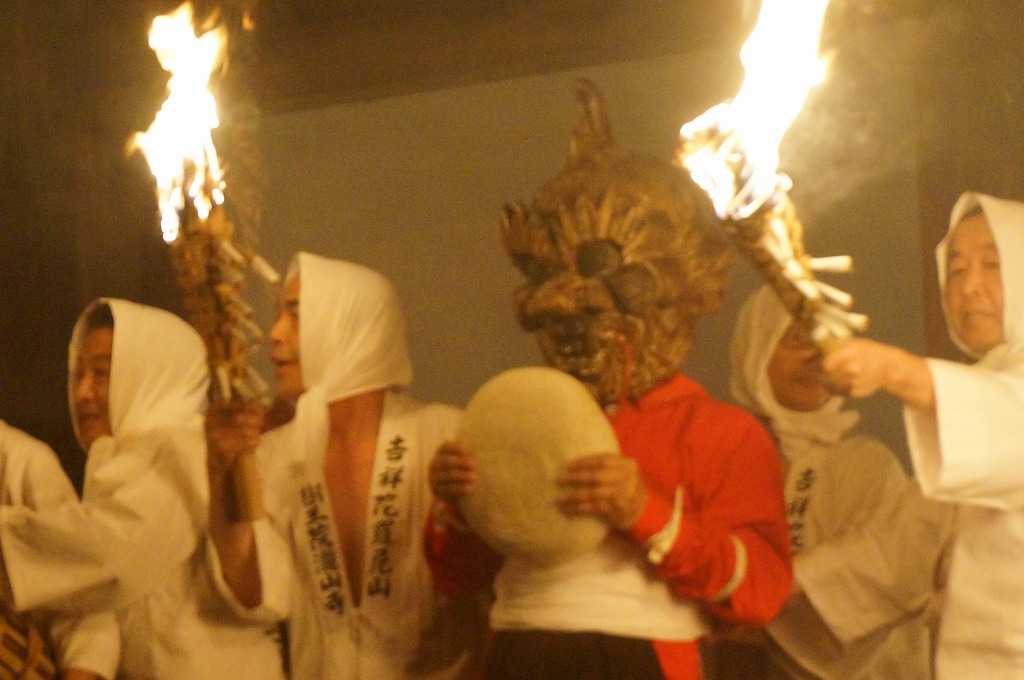
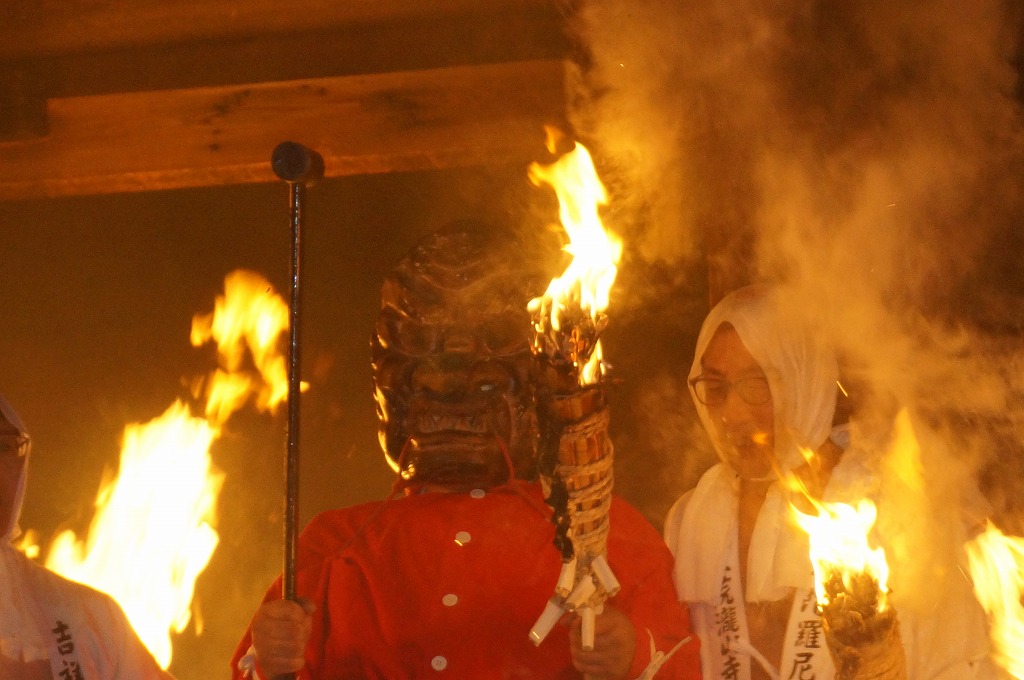
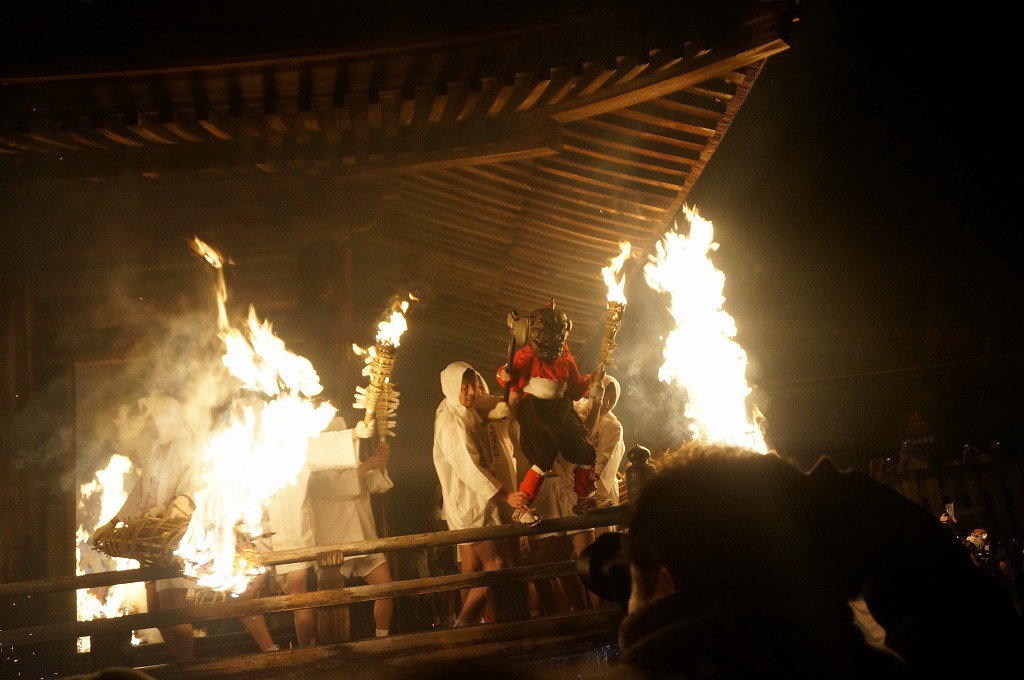
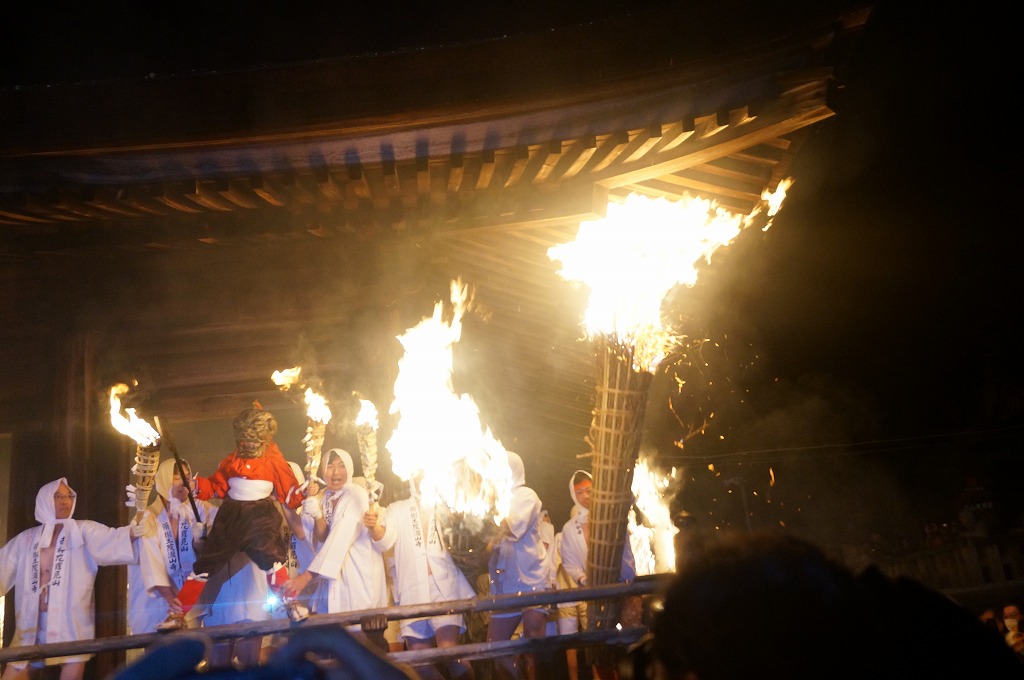
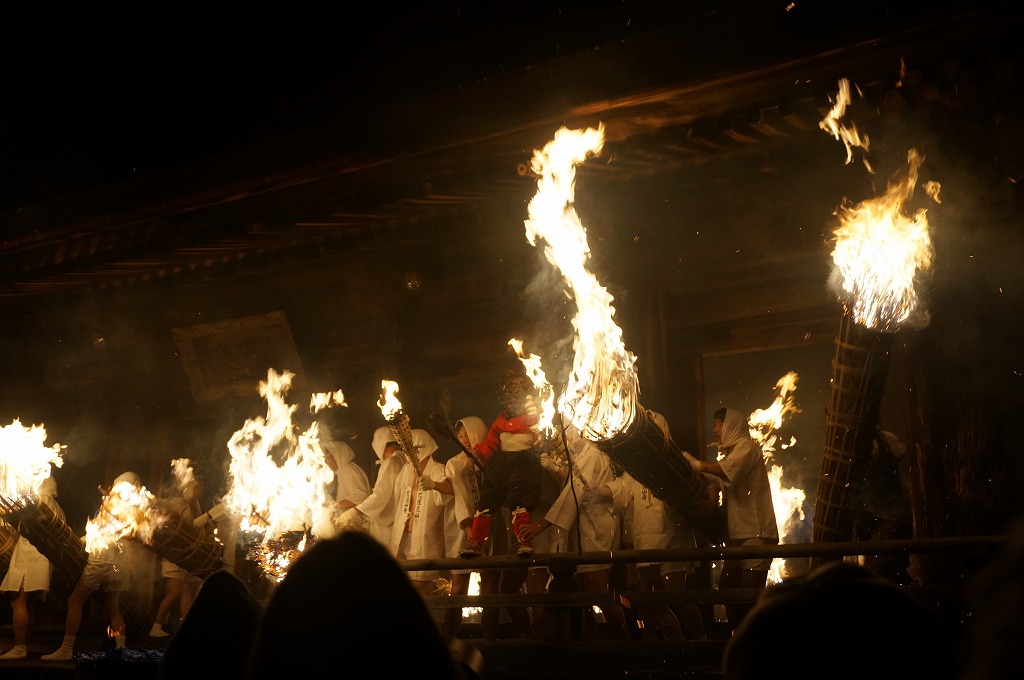
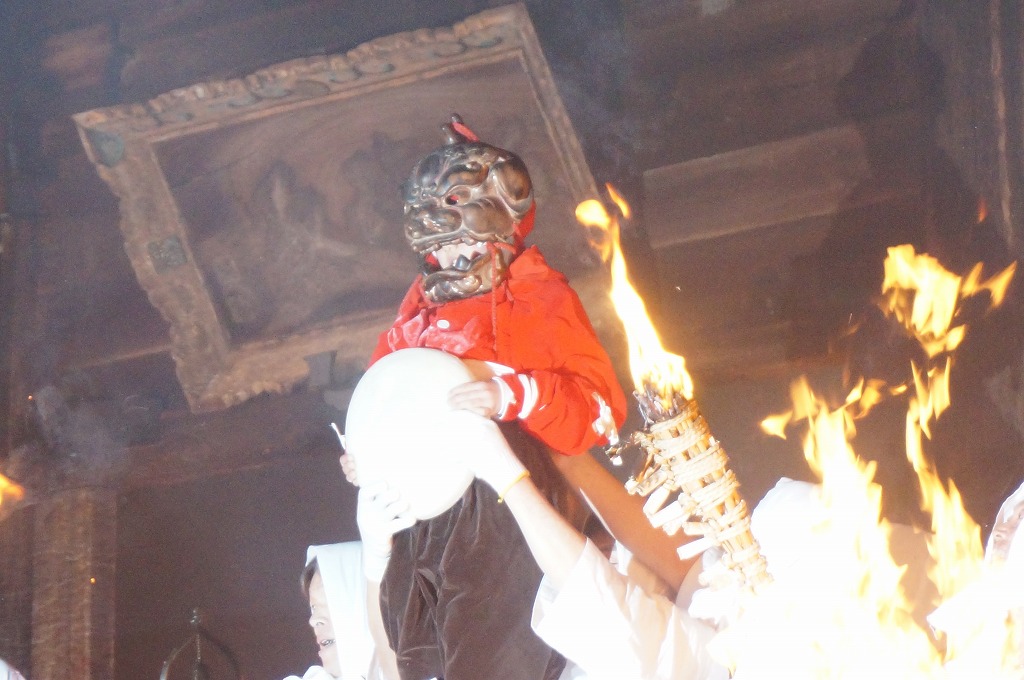
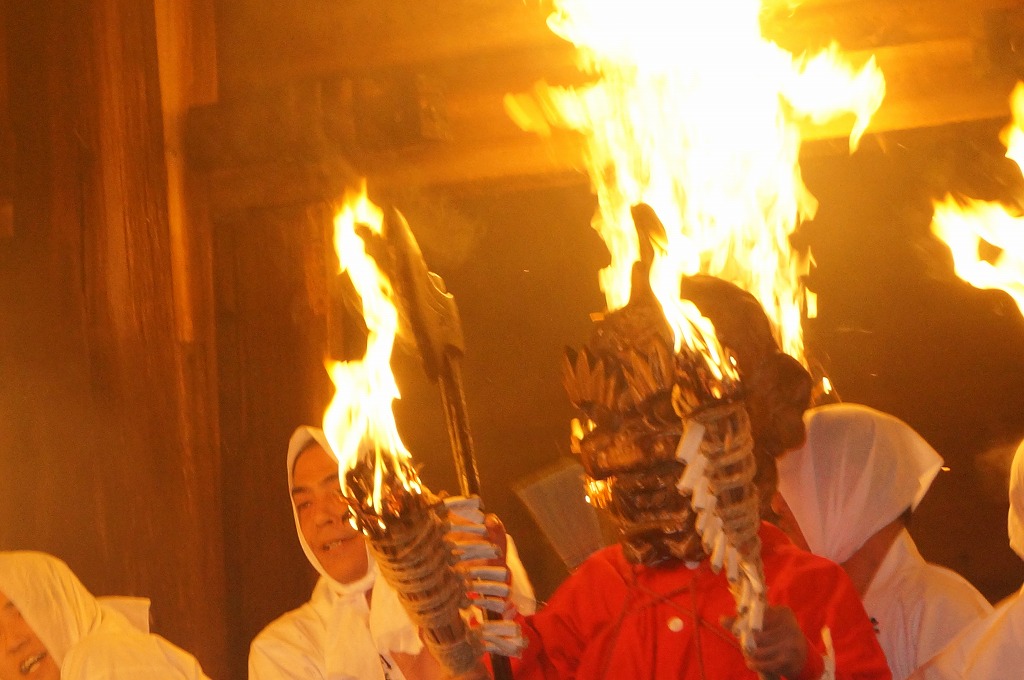
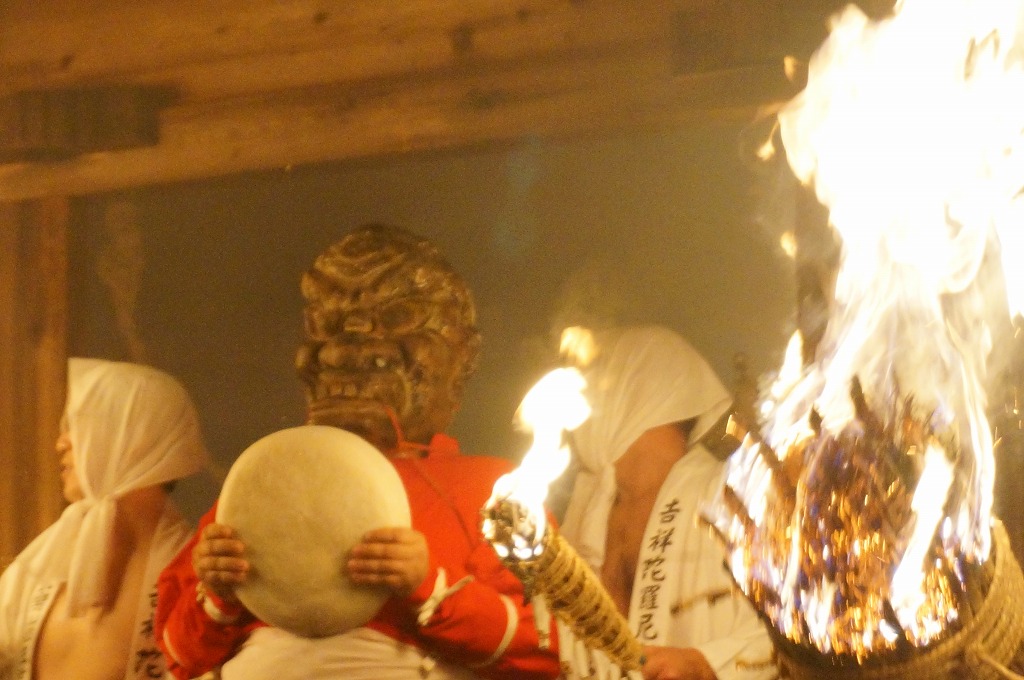
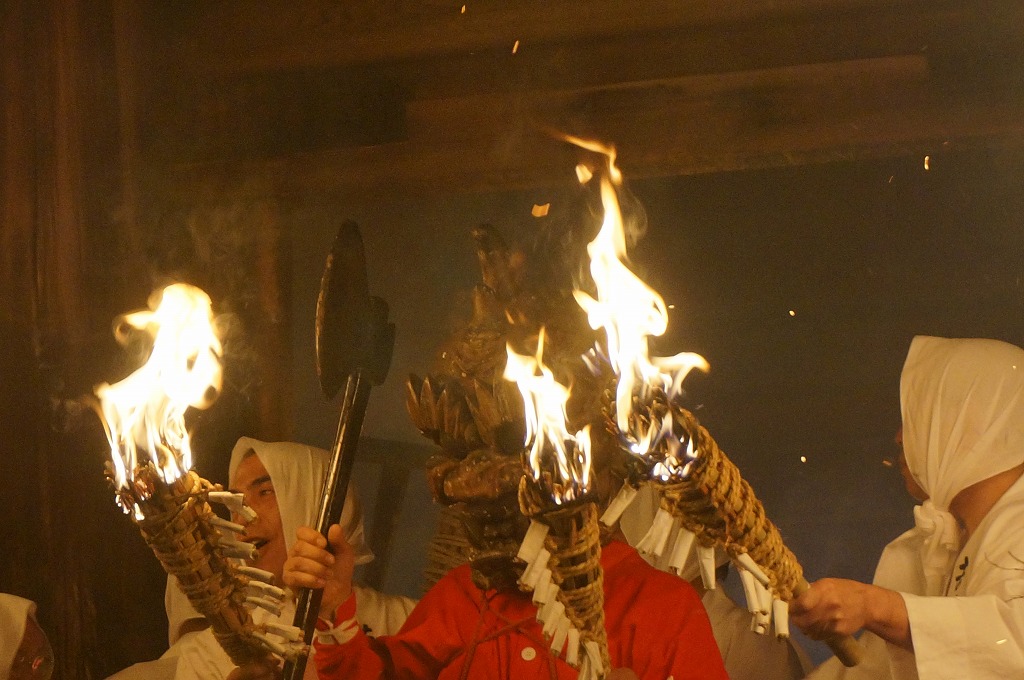
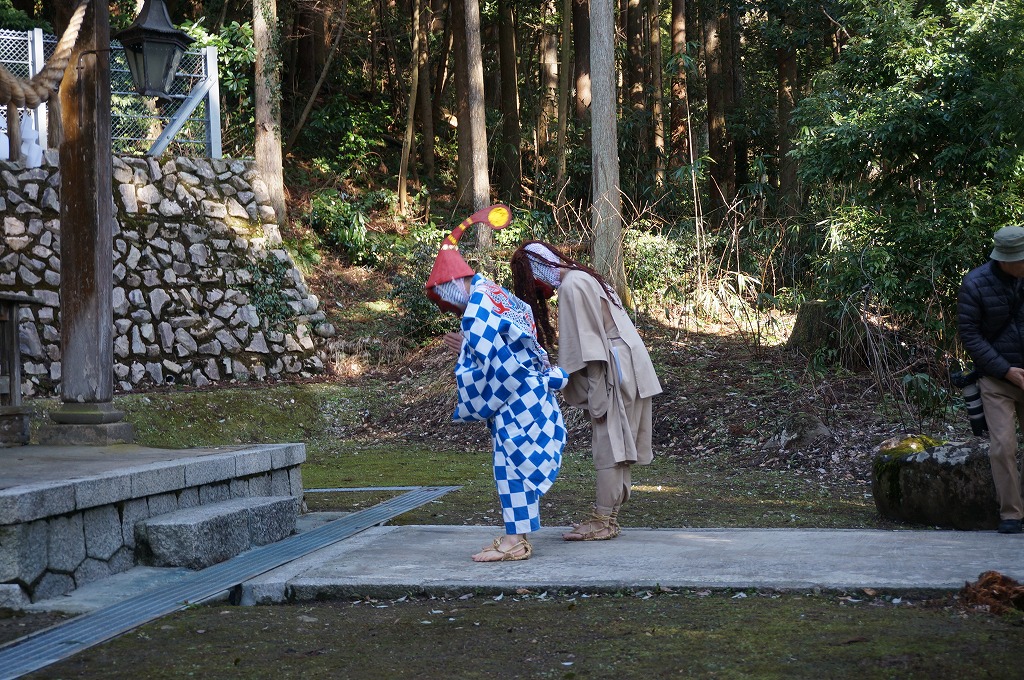
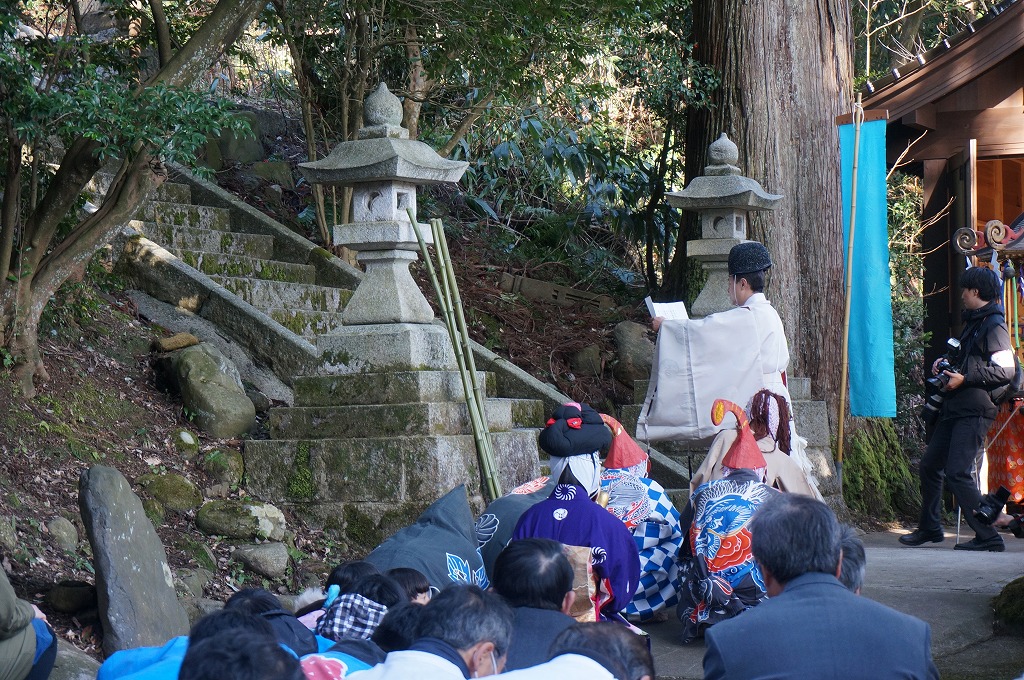
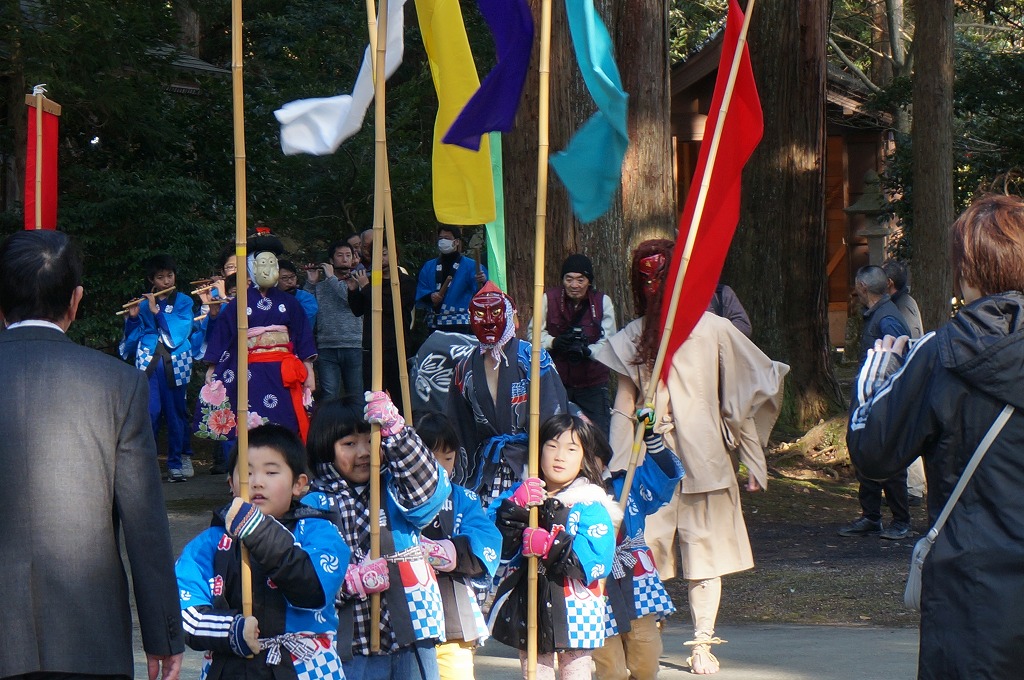
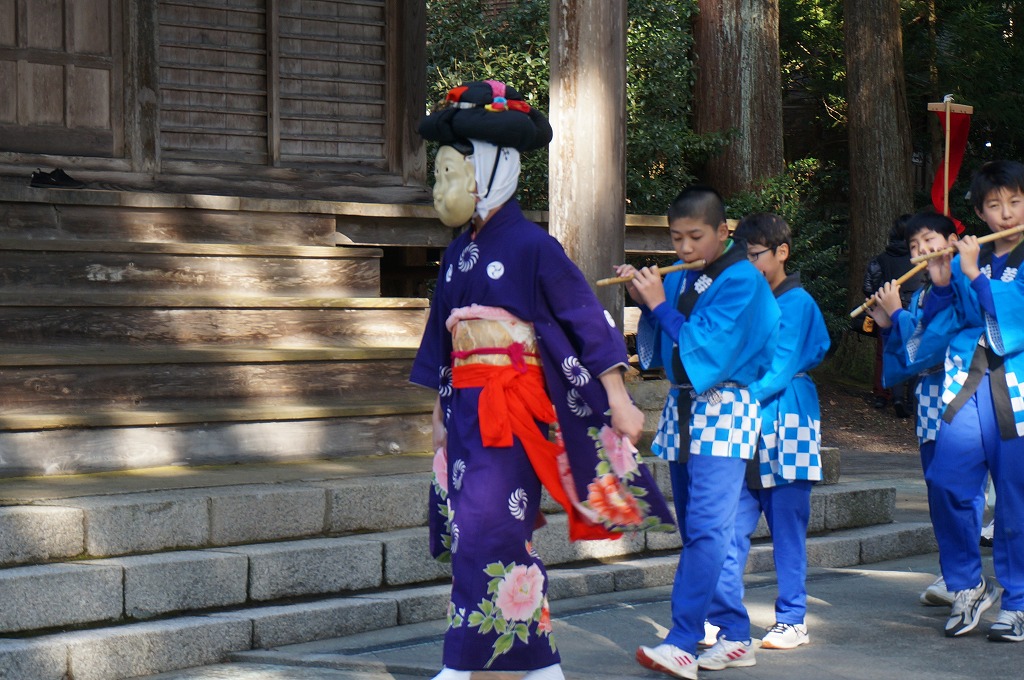
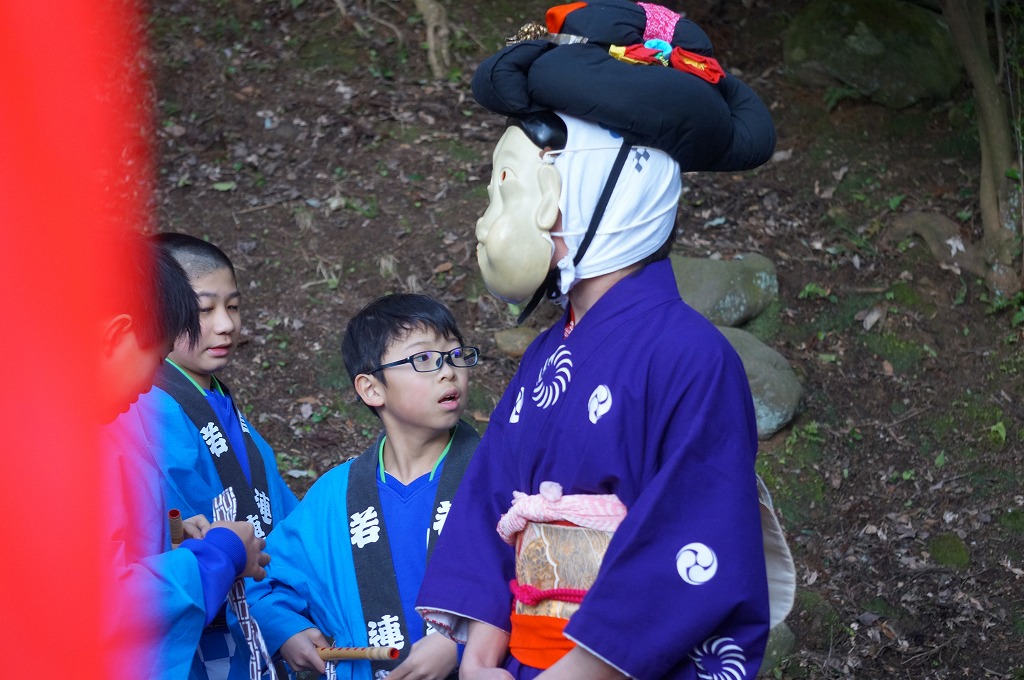
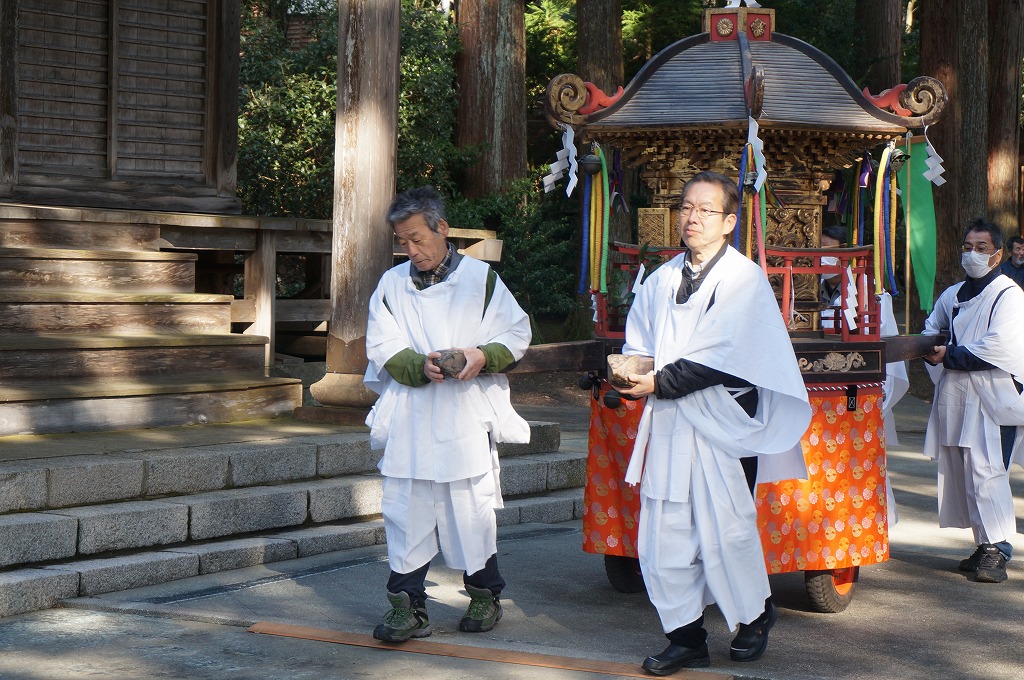
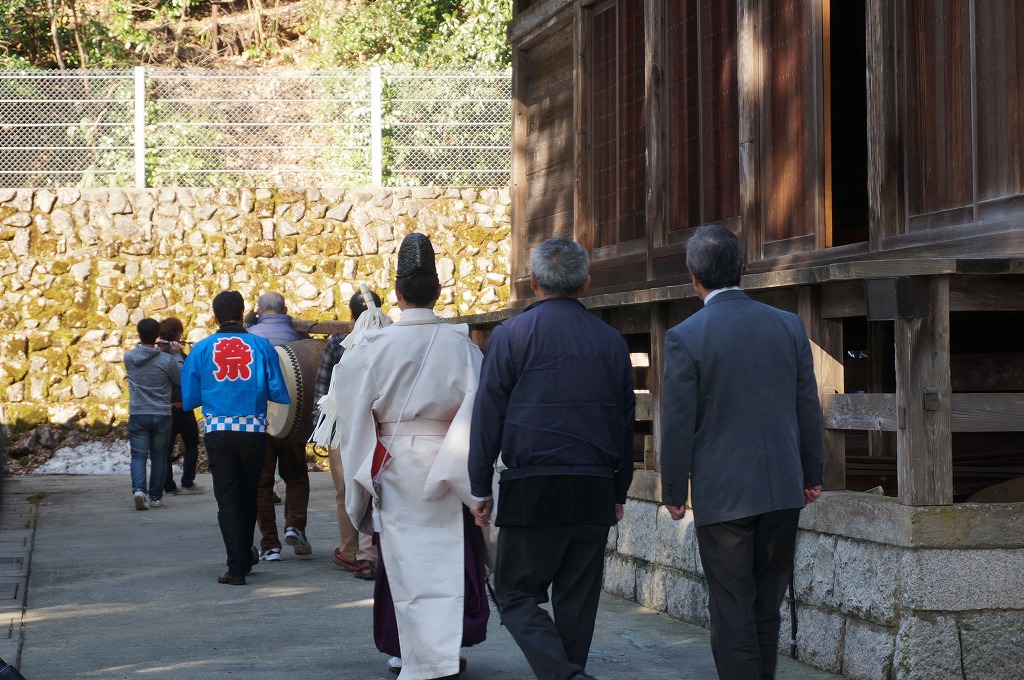
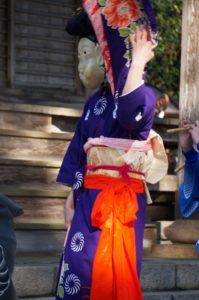
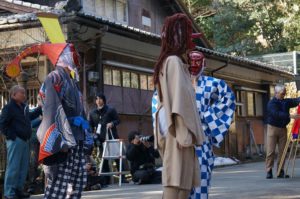
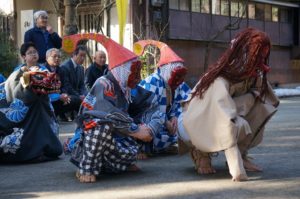
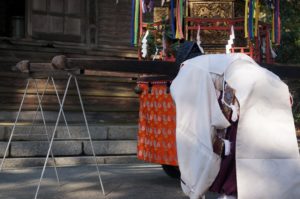
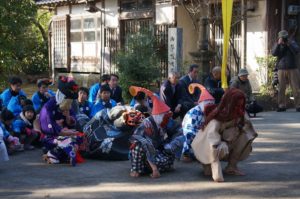
These are the kinds of places where the performing arts tend to remain. A number of festivals still exist in this area. One of the most famous is the “Narasawa Shrine Festival”. First of all, please look at the following pictures.
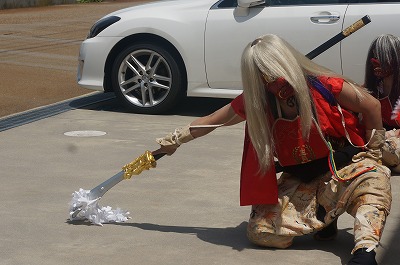
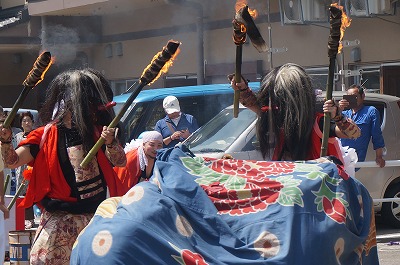
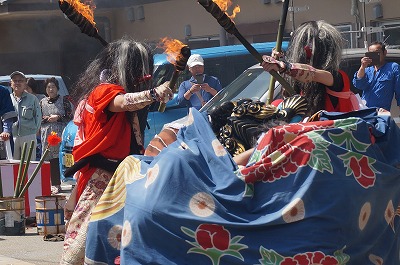
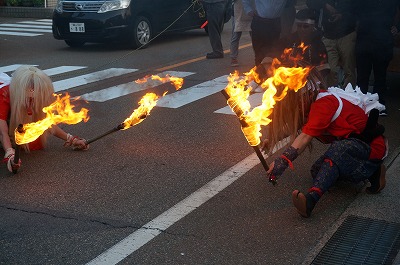
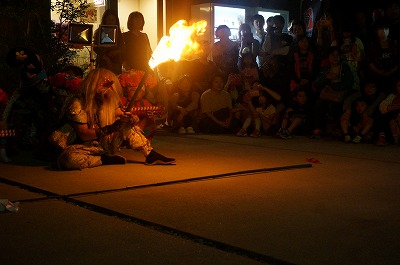
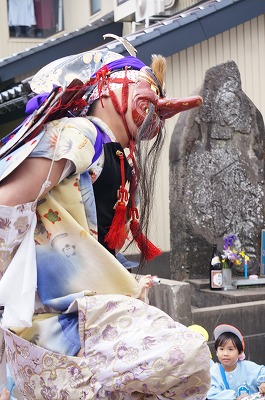
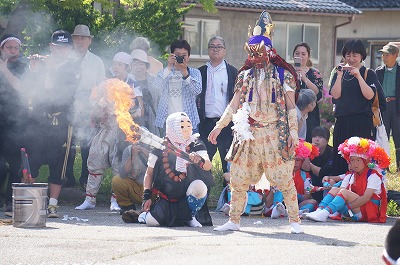
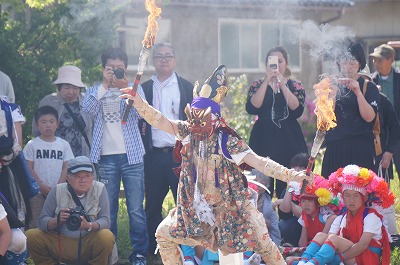
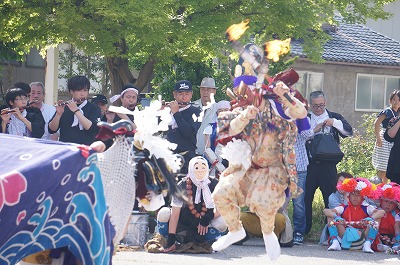
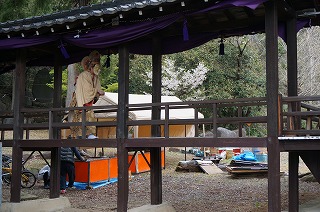
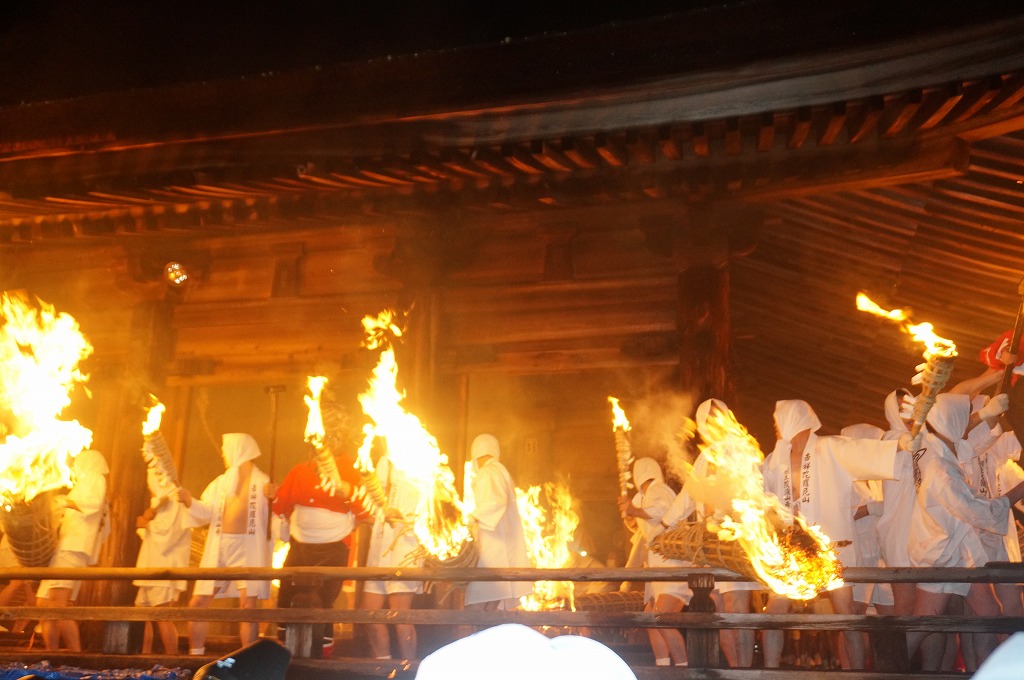
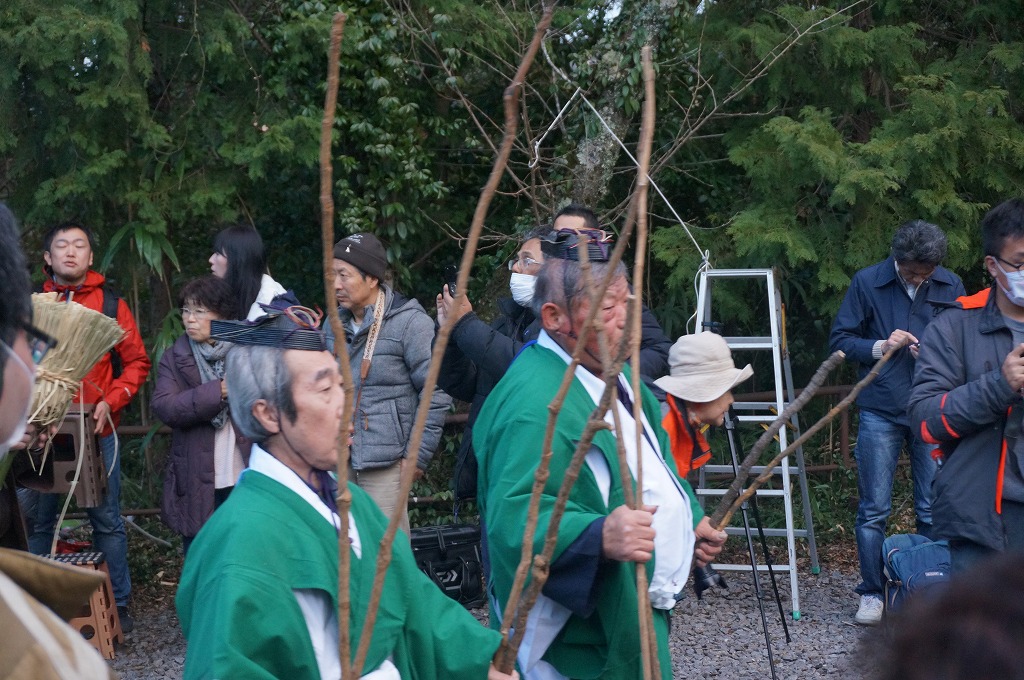
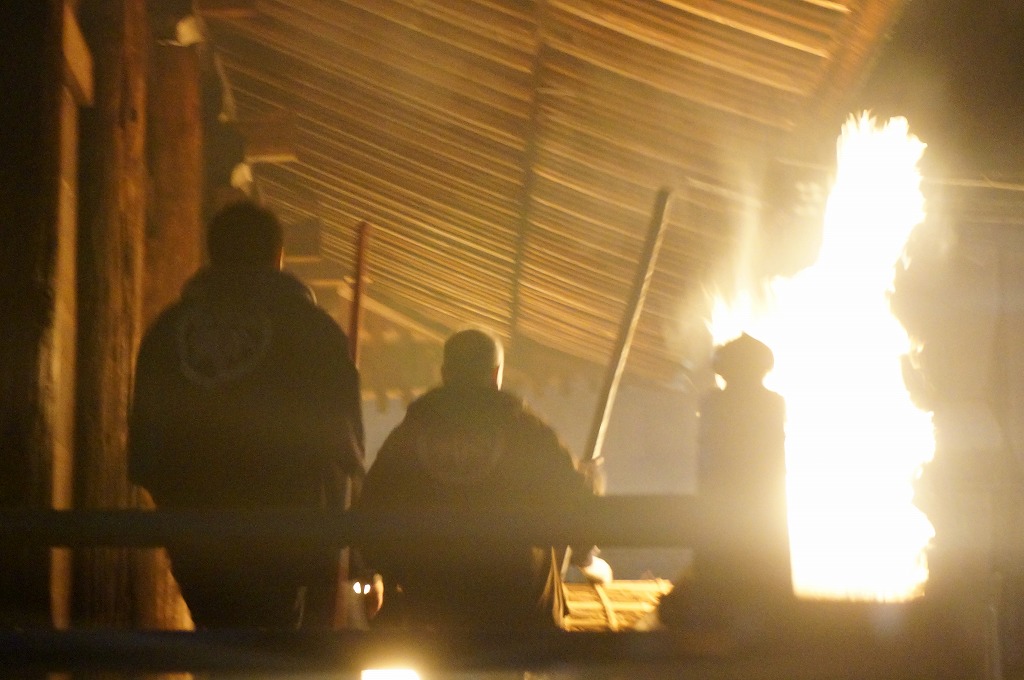
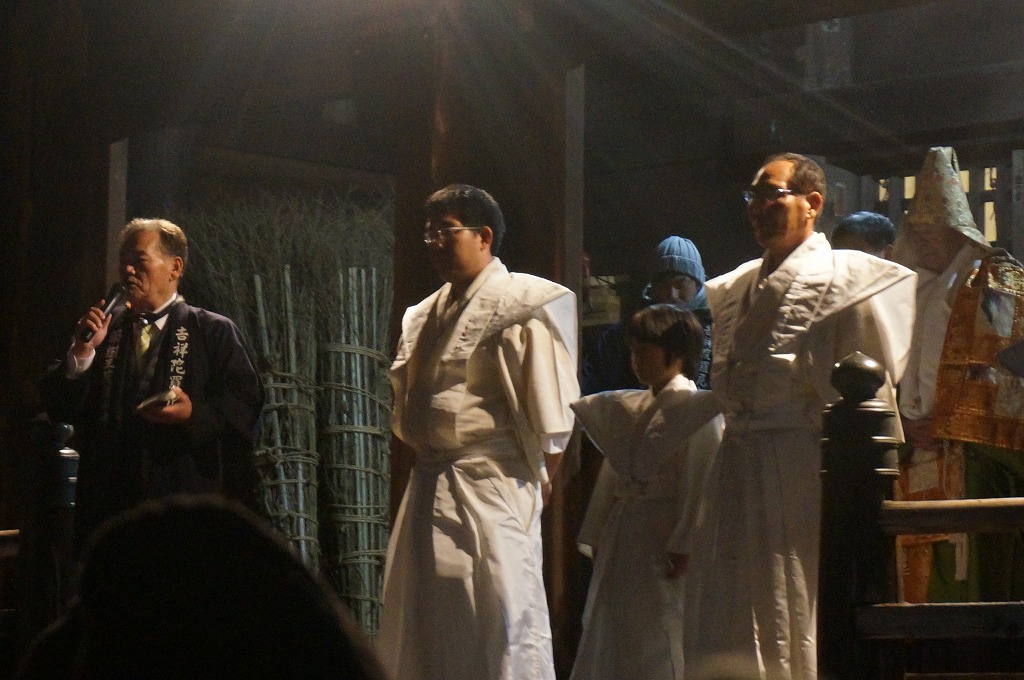
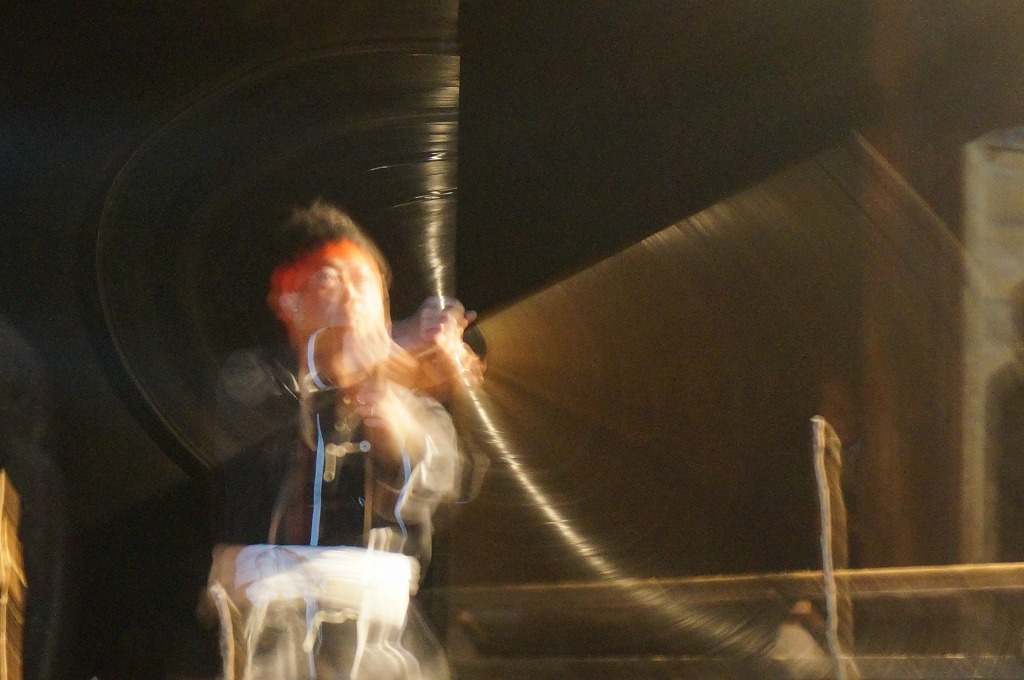
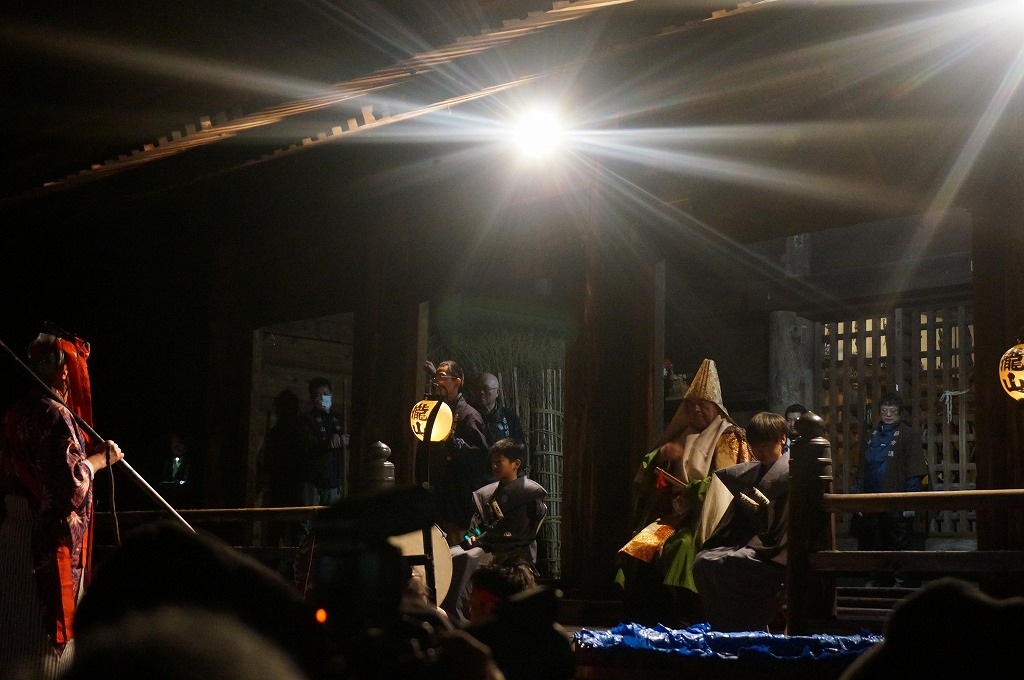
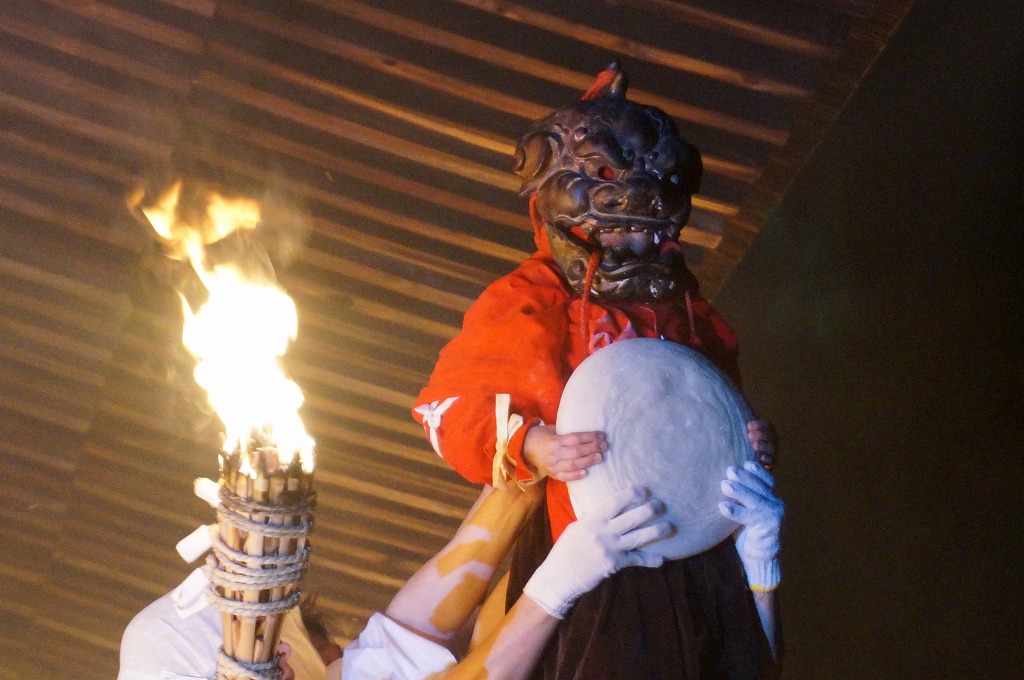
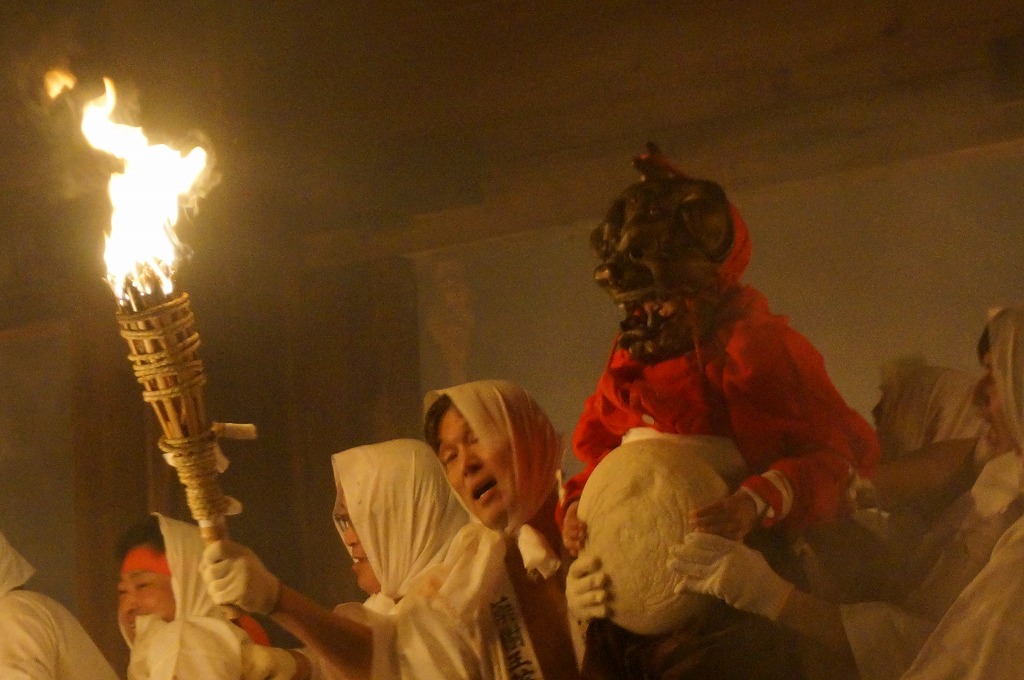
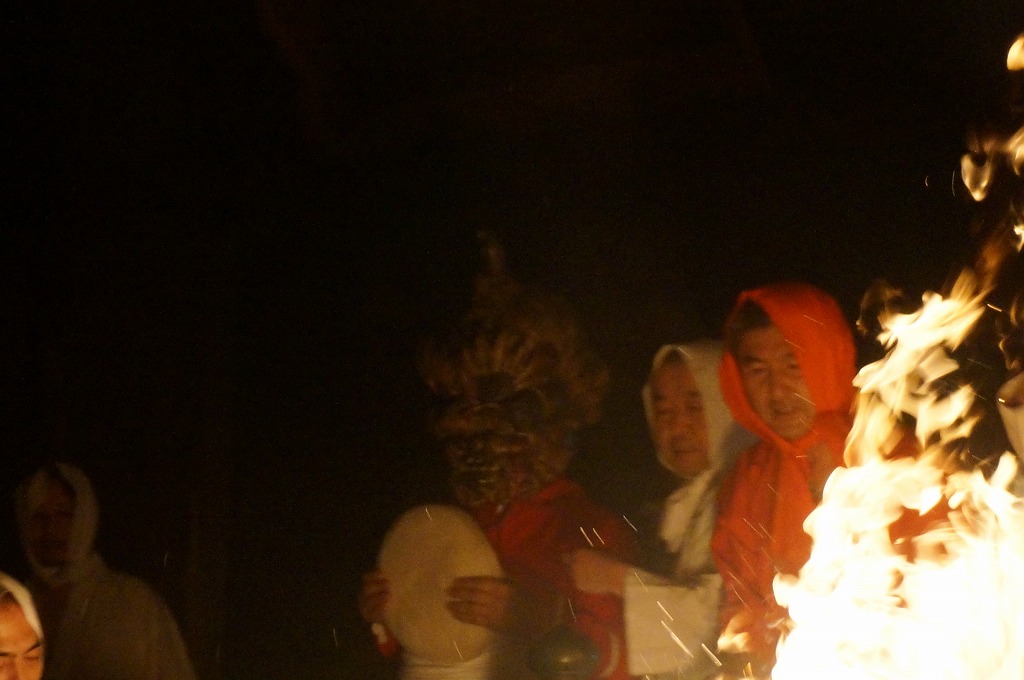
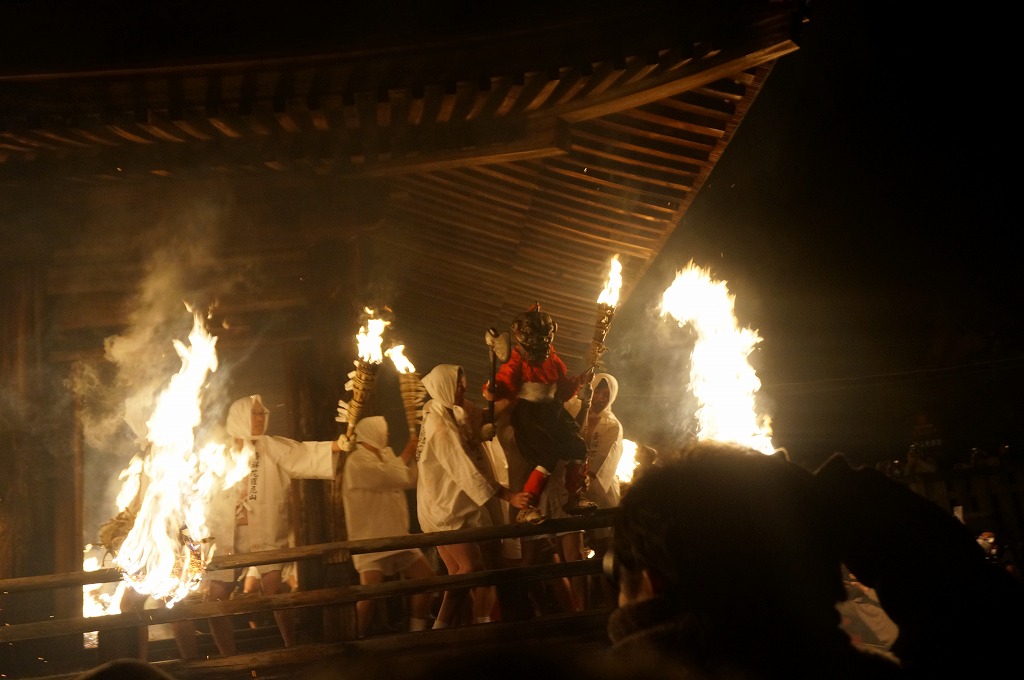
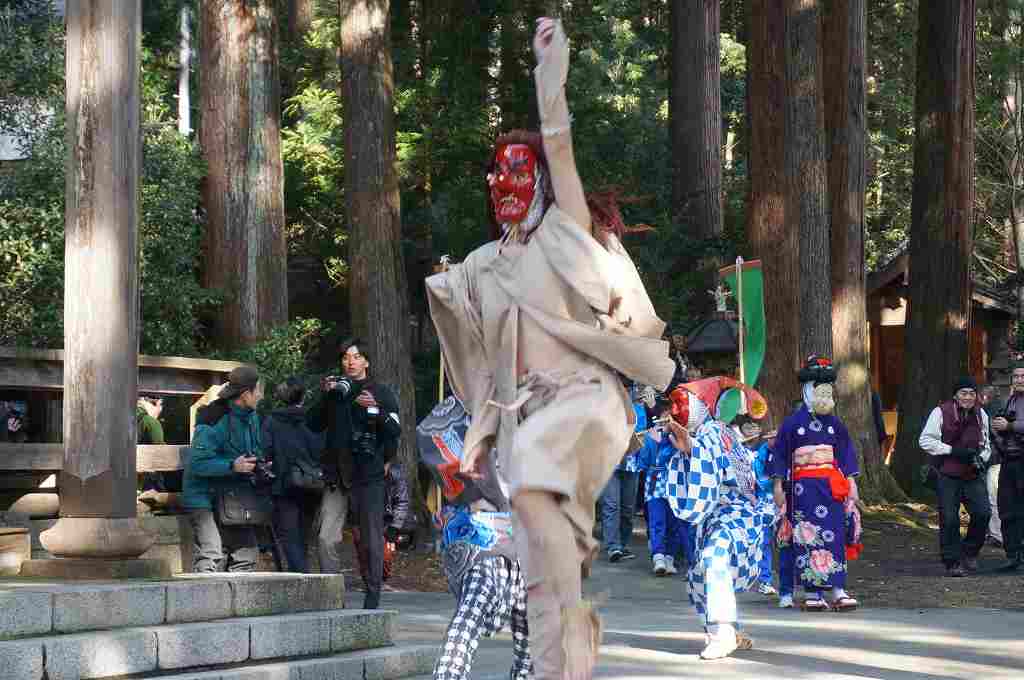
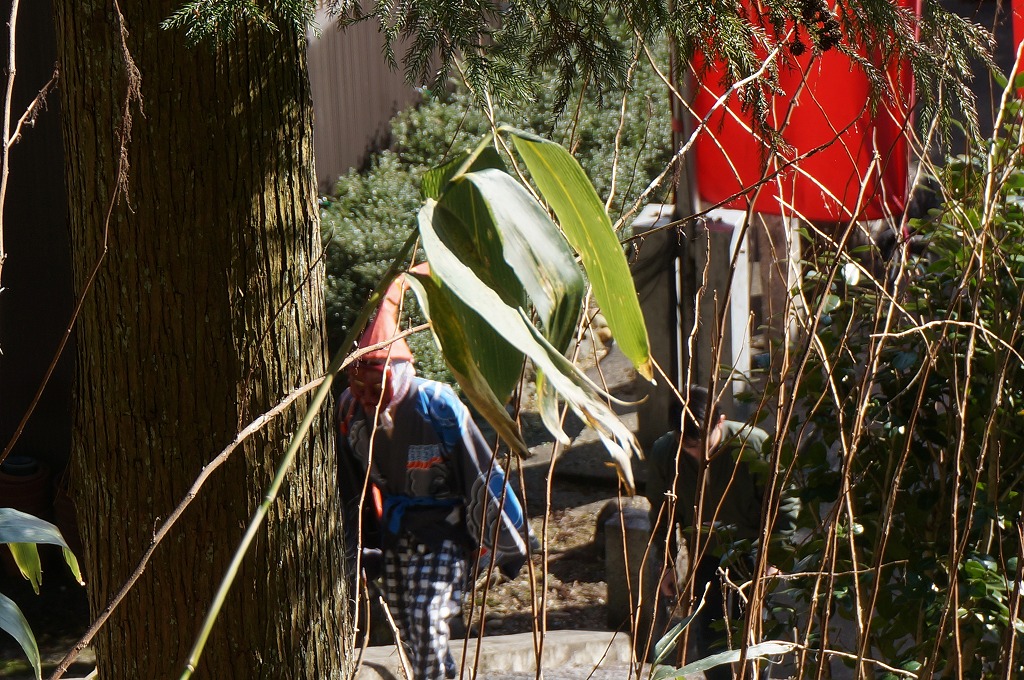
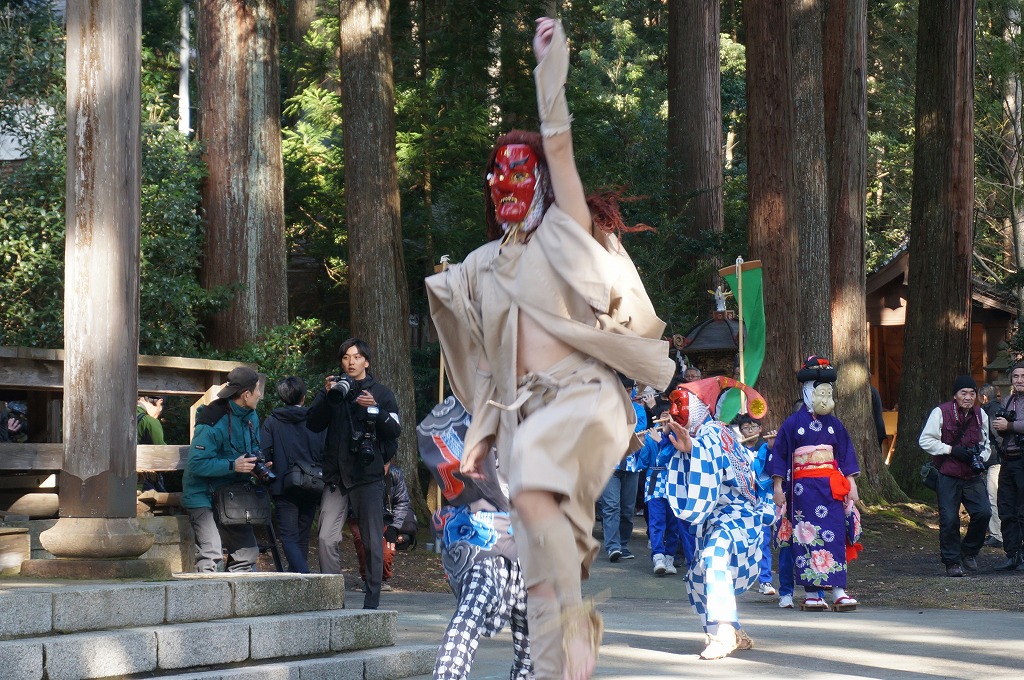
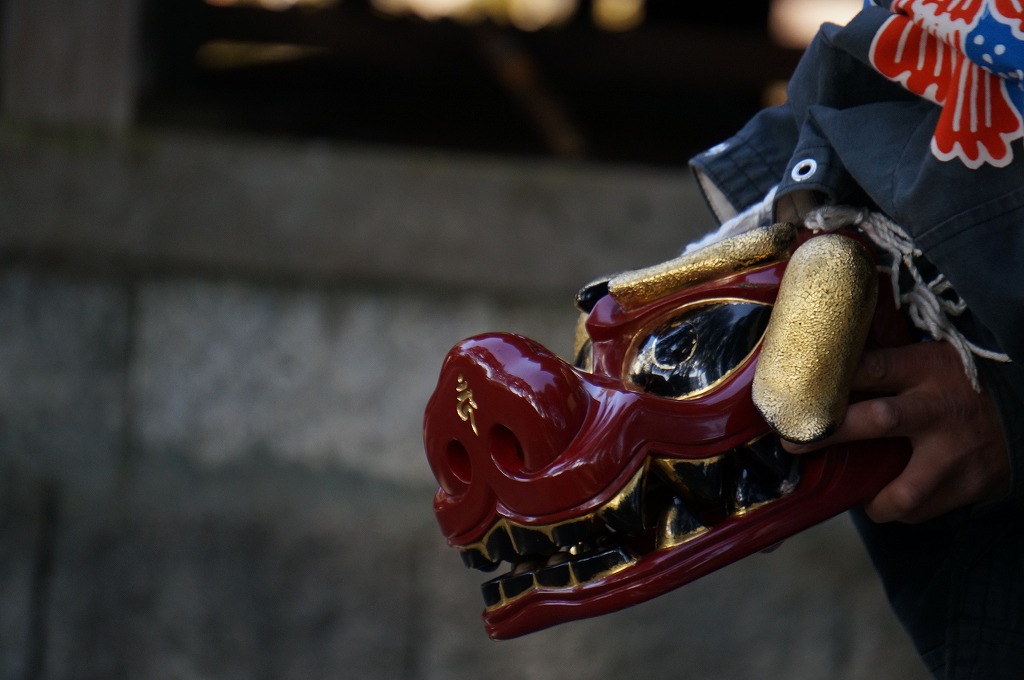
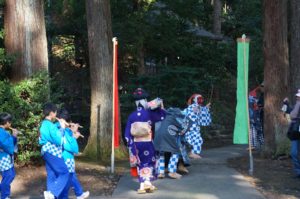
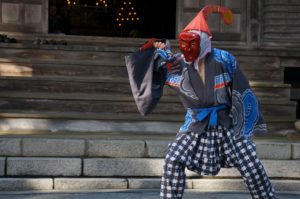
This is the “Great Torch of Tengu” that makes the festival so famous. When people see this, they wonder what the heck they are doing. What the hell are you doing? It is true that at festivals, things often happen that don’t make sense. But this just makes it look like they are trying to start a fire. The festival takes place in the form of a group of people going around the village to sanctify it. Then, while celebrating newly built houses, etc., they proceed to the shrine while cutting the closures set up in several places. At that time, they perform a variety of entertainments. The Tengu wielding the torch is also a move to cut through this barrier.
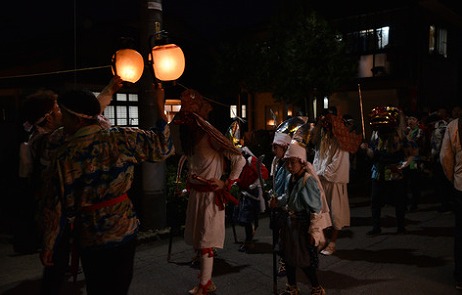
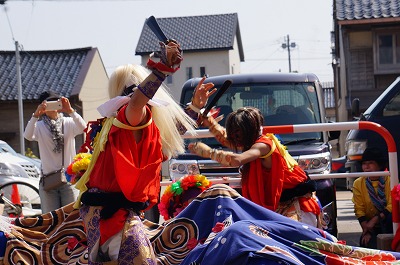
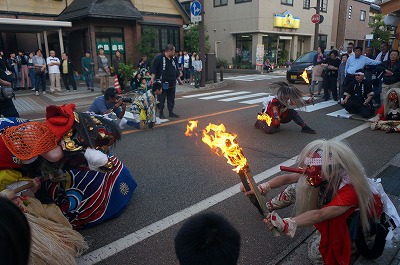
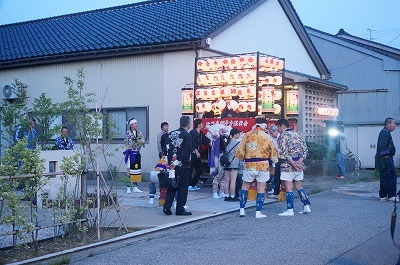
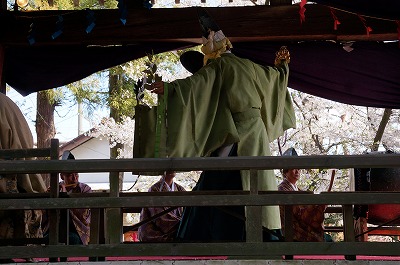
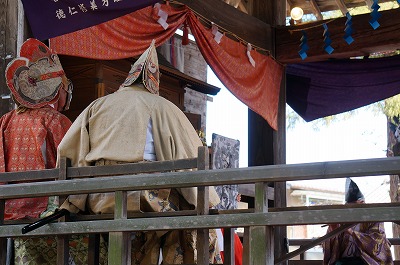
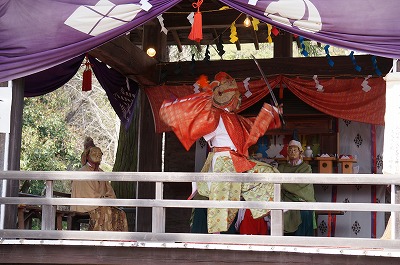
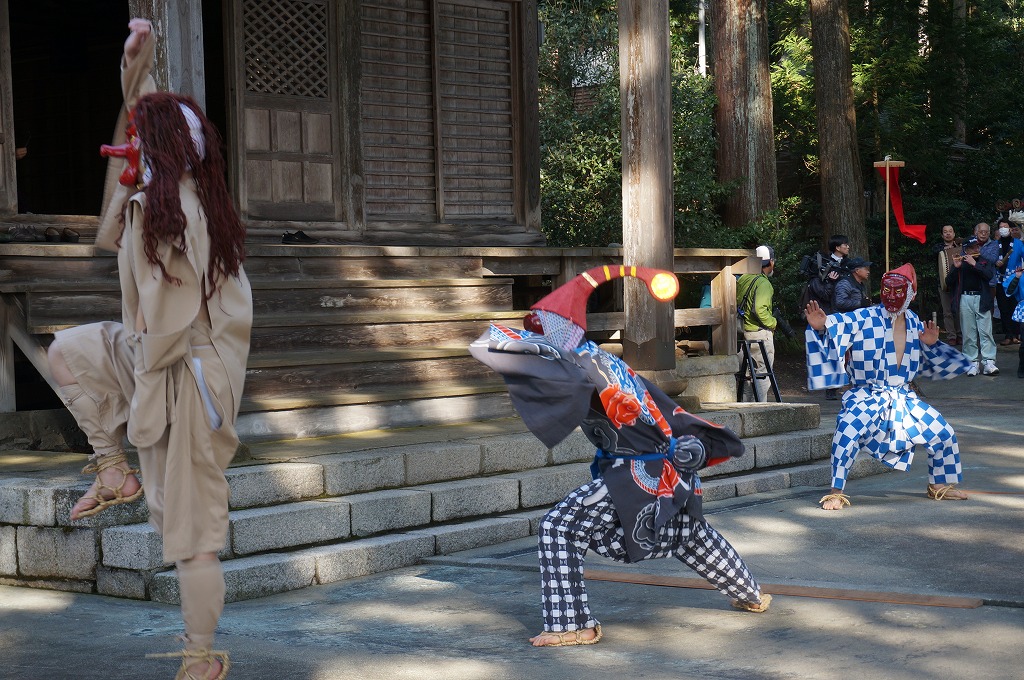
Let’s take a closer look. The festival takes place over two days, but the performances are the same on both days. But the starting point and the course are different, although the ending point for both days is the shrine. The group forms a circle when they come to a place where there is a barrier rope. They perform
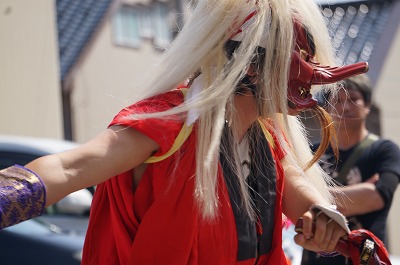
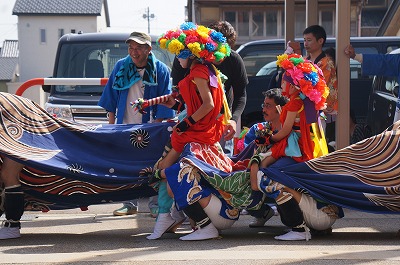
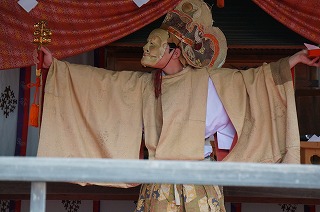
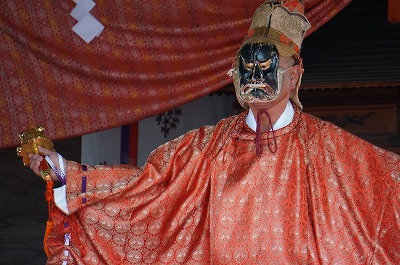
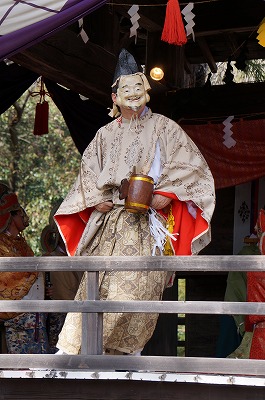
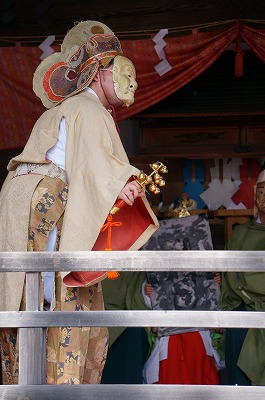
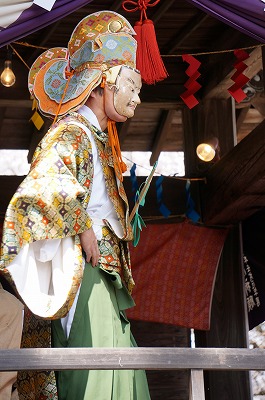
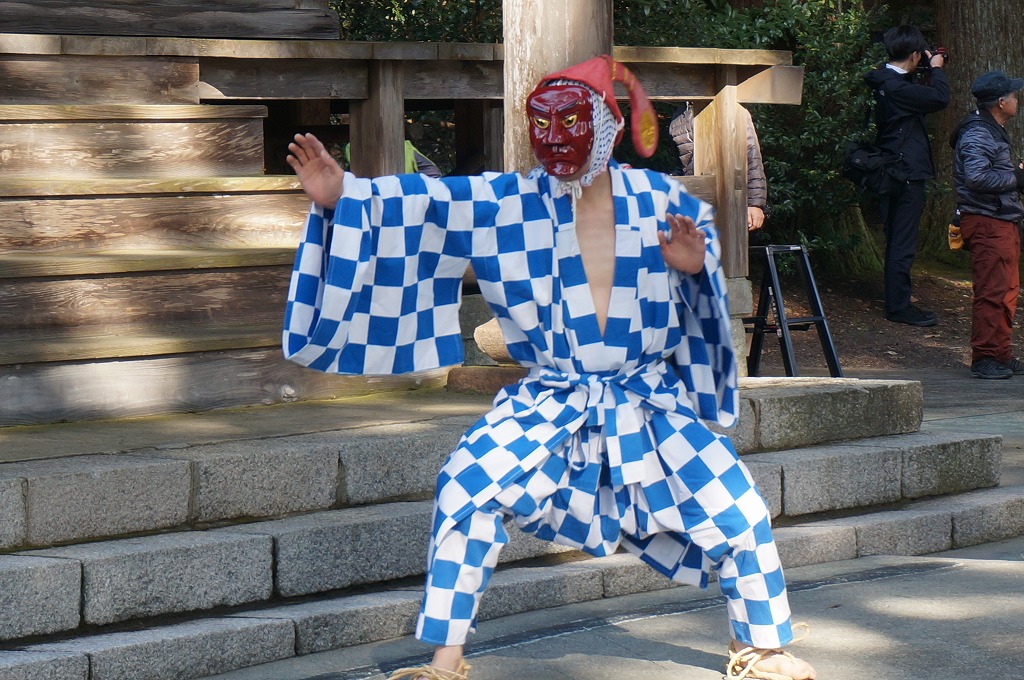
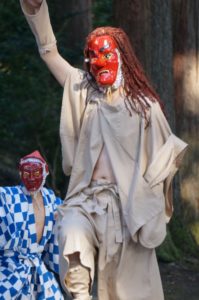
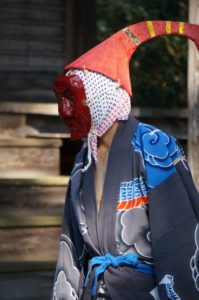
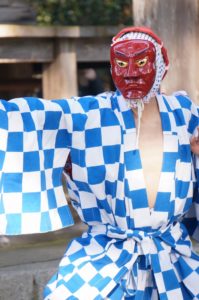
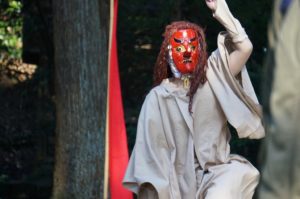
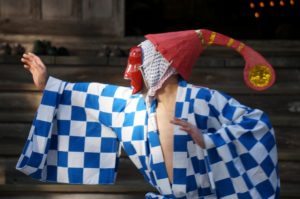
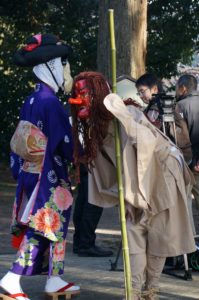
the dance of “Kotengue”. Also known as “Yumitengu”. In this dance, a red-faced Tengu with a bow and arrow tries to shoot arrows in all directions, but a black-faced Karasu Tengu stops him. The words are spoken, the music continues to play, and the young people around the dance continue to call out to each other.
from source A
from source A
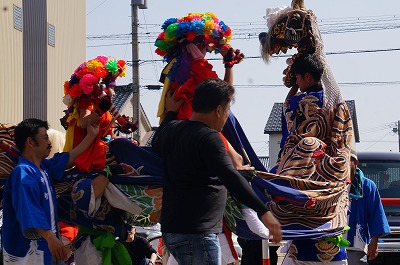
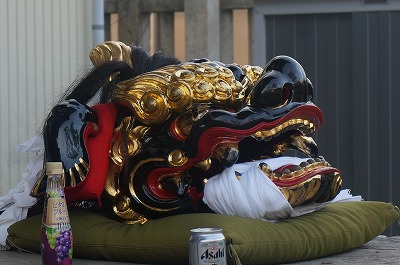
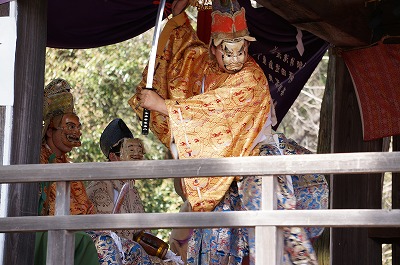
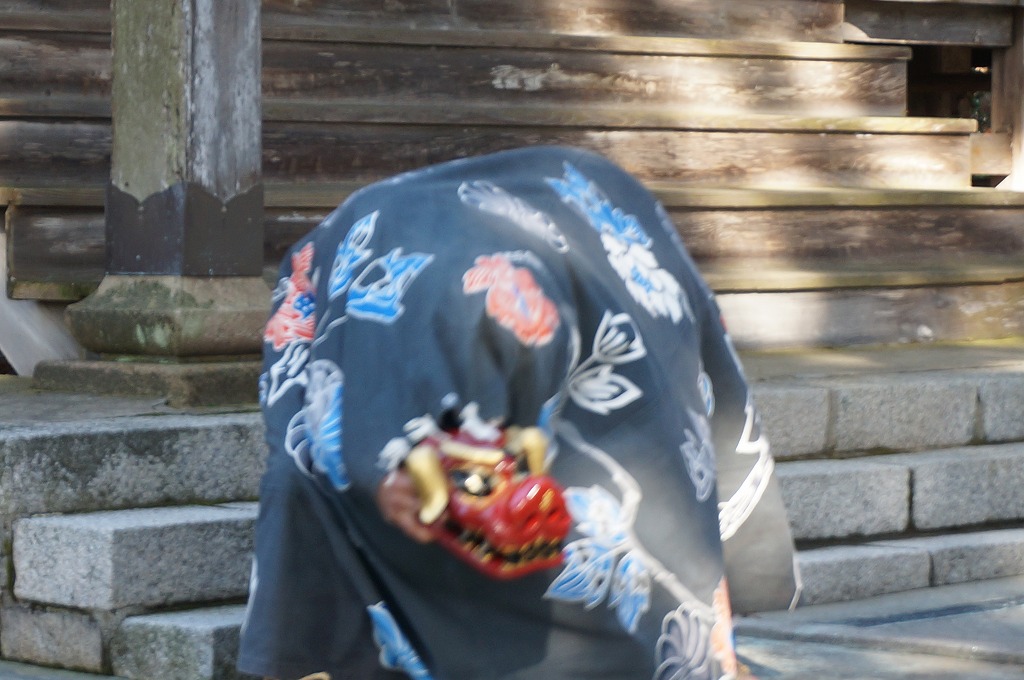
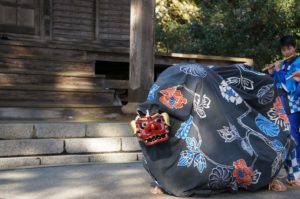
And the lion dance. Finally, a large torch is lit, and the Tengu swings it as he heads toward the barrier rope. The power of the flames makes it easier to cut the rope, and at the end he cuts it off with his sword. It started around 6:00 p.m. and ended around 1:00 a.m. with the last performance at the shrine.
This has become one of the representative arts of the area, and is performed every year at the Snow Festival held in February, too.
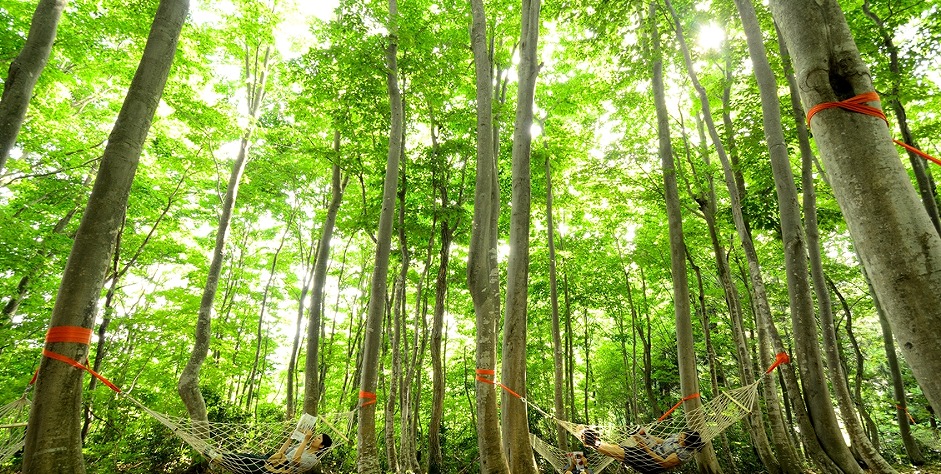
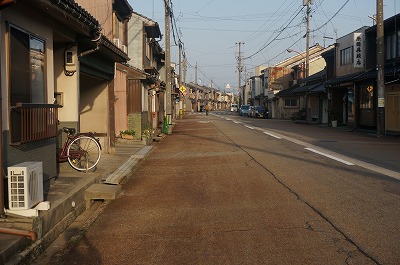
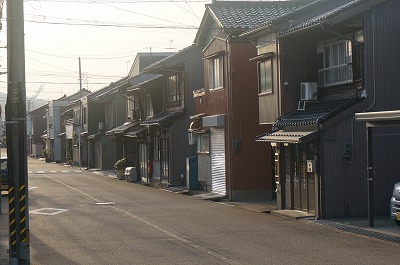
Iiyama is not preserved under the Important Preservation District for Collective Traditional Buildings, but it still retains its old-fashioned townscape. There is also no shortage of cycling and hiking trails in the area. There are also hot springs nearby.
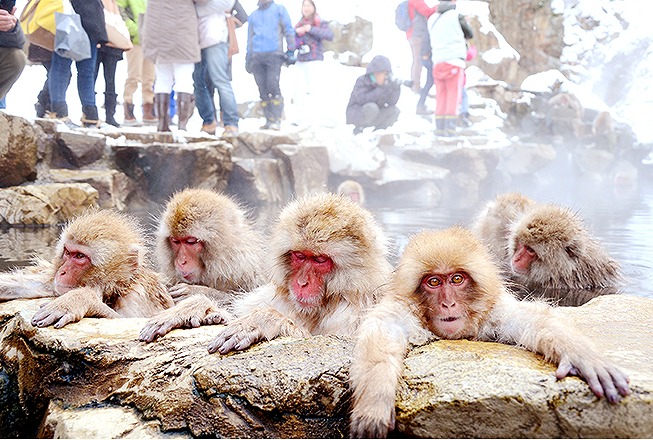
It is also close to the famous Jigokudani Wild Monkey Park, which has been gaining popularity in recent years, even among tourists from overseas. This place has been attracting a lot of attention because in winter, wild monkeys can be seen soaking in the hot springs. Watching monkeys, soaking in hot springs, and spending quiet time in the rich nature. And at night, you get ecstatic joining the heat of the festival. Such is the Japan that awaits you in Iiyama.
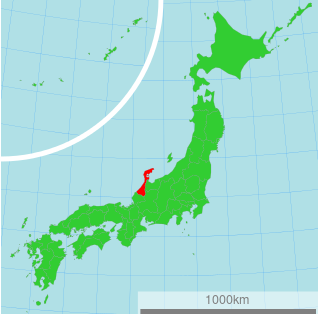
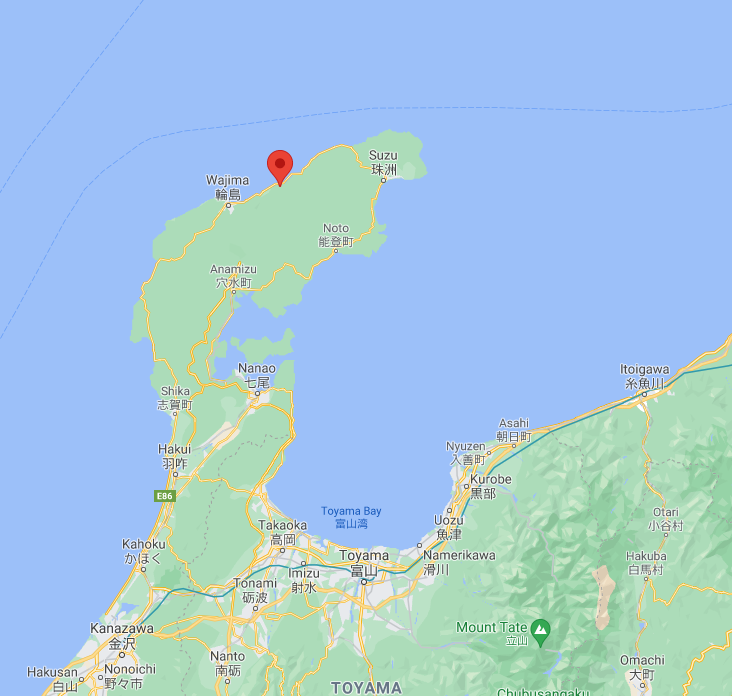
Date: 31st, July and 1st, August (Nafune festival) Location: Nafune town, Wajima city, Ishikawa prefecture Access: About 1 hour by airplane from Haneda (Tokyo) to Noto Satoyama airport or It takes 1 hour by JR Nanao line from Kanazawa to Wakura Onsen, and 40 minutes by Noto line to Anamizu
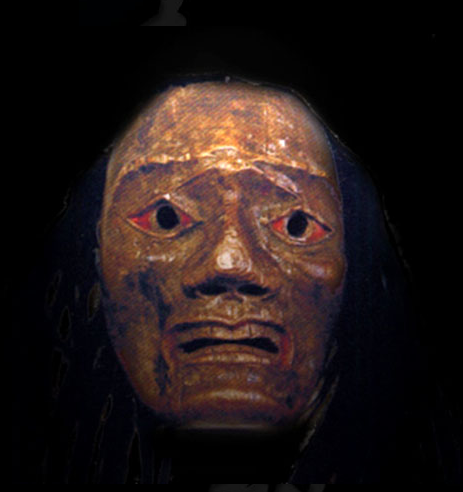
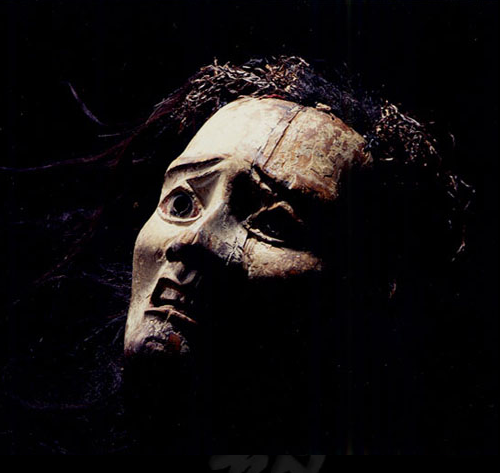
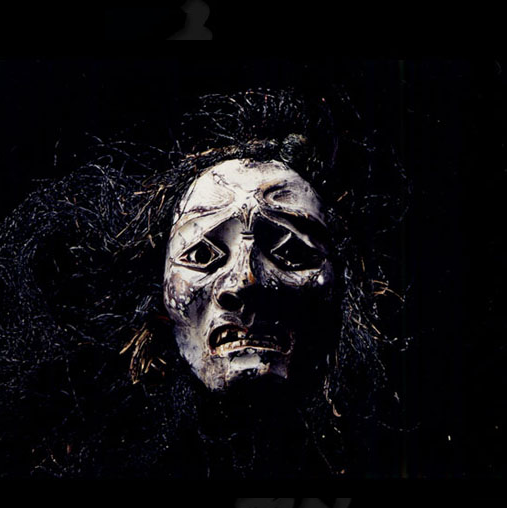
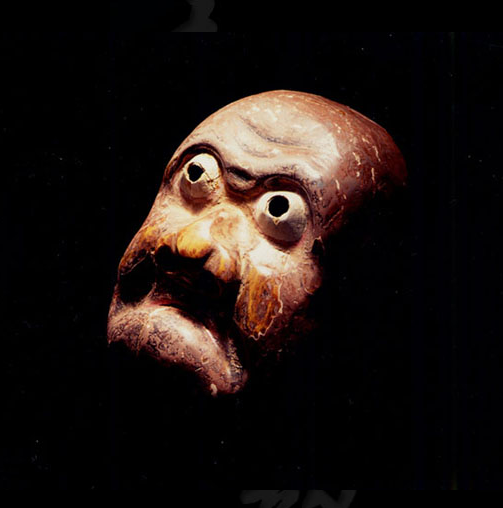
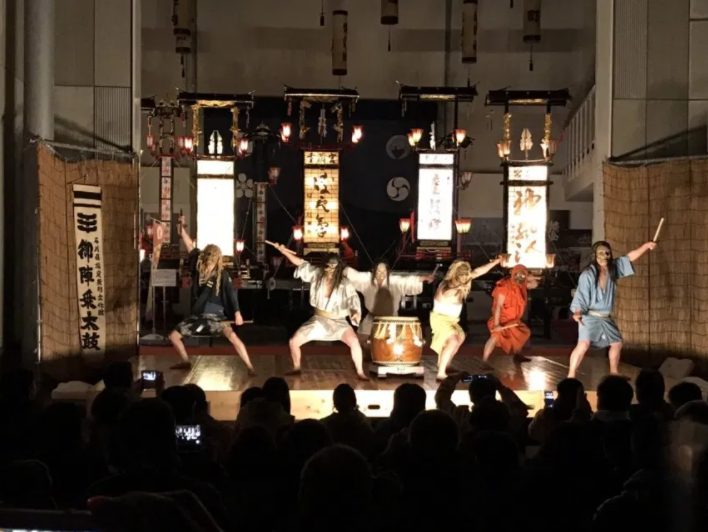
Gojinjo Daiko (drums) 御陣乗太鼓 is the most famous traditional folk performance group in Noto region. Eight drummers appear one after the other to beat a single drum. All of them wear bizarre masks and their hair is made of seaweed or horse hair. They play a rhythm based on beginning, middle portion, and denouement. They repeat it over and over again. Sometimes they make strange noises, sometimes they strike menacing poses.
As for why they started using such strange masks, here is the origin. Once upon a time, there was a powerful warlord named Uesugi Kenshin 上杉謙信 who ruled the wide area including Niigata and Ishikawa prefectures. When his army finally invaded this area, the farmers, who had no defense, came up with a plan. They wore masks made of wood and hair made of seaweed, and played drums to intimidate them. The fearful army turned back. Since then, the performance has been passed down from generation to generation by the men who protect the area. Currently, they have formed a preservation society comprising about 20 members. All of them are from the town of Nafune. Only those born and raised in the area are allowed to carry on the Gojinjo-daiko tradition. Regardless of the restrictions, the rhythms of the taiko are complex and difficult to master unless one has grown up listening to them from childhood.
Since they are a popular group, they are invited to various events. However, one of the most prestigious and nerve-wracking events for them is a performance at the local Nafune Grand Festival. This is a small village with only about 200 residents. More than 10,000 people gather for the festival. Even those who have left the village come back only for the festival.
Kiriko lines in festival image from the site above
a image of Kiriko
At the Nafune Grand Festival, many people come to see the Gojinjo-daiko. On the first day of the festival, from around 9:00 p.m., a large number of people carrying kirikos pass through the shrine and head for the sea. Then the drums are performed. After that, people continue to enjoy late into the night. The next day, the festival starts in the afternoon.
Even if you can’t see it on this day, there are still many opportunities to see the Gojinjo-daiko. The easiest way is to go to the Wajima Kiriko Museum, where the Kirikos are displayed, and performances are held every day at a certain time. There are also other opportunities to see the performance at some hotels.
Summer in Noto is the summer of the Kiriko Festival. And Kanazawa, a popular tourist destination, is nearby. And of course, there are hot springs.
Report: Three Reasons for Going to Toyama~Part 2 The Lion Dance Day in Shinminto
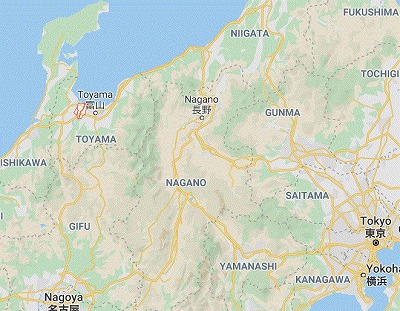
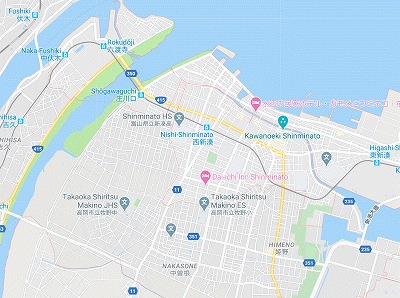
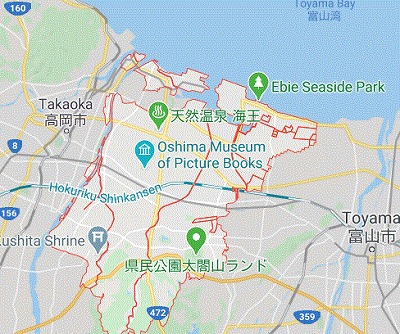
Today, we will go to Shinmiato. Shinminato was a city’s name. It merged with other towns and became Imizu City. So it will be more easily understood when you say Shinminato rather than when you say Imizu even now. For those who saw Rokudoji’s Lion Dance (cf. part 1) and those who didn’t, although you can see the event of this special day, it is wasteful since you came all the way to Toyama on this day. It is said that you can see the lion dance anywhere in Shinminato all day long if you just go there. And you need not spend all day to see the Lion Dance. You can either go sightseeing in another place or can sleep at a hotel. But, all the more, I recommend you should spend all day watching this lion dance.
red part is Shinminato
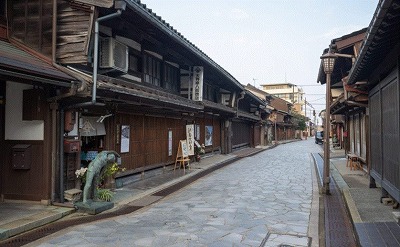
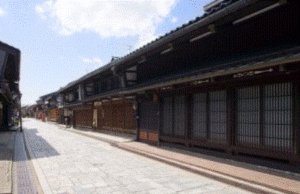
In my case, I went first to “Kanayamachi” and “Yamacho-suji” in Takaoka city before going to Shinminato because I stayed in Takaoka. And I was too tired to see the lion dance because I had spent all day watching one in Rokudoji. I wanted to stay in bed. I was very tired. But I got out of bed just because it was my personal mission to tell people about the interesting aspects of masked traditional performing arts and I was born to be poor. “Kanayamachi” is the street that has elegant houses with delicate latticework characteristic of Japanese architecture that line the gently curving road. I love this town. It gives a floating impression which transports me to a different world just by being there. Both “Kanayamachi” and “Yamacho-suji” are “Important Preservecd Districts of Historic Buildings” (there are more than 200 of these districts) . In short, it is an old street that has been left as is. It doesn’t take a lot of time to see and walk around. Kanayamachi’s street is only 450 meters long. Yamacho-suji is only 600 meters long. I don’t know whether you wanted to walk around Takaoka or not, because you are going to Shinminato. However, where is Shinminato? This question, actually, was mine. I didn’t have knowledge of this town or the event. I was too late to get reliable information about the shrine. I had to depend on unreliable information on Internet that said “If you go to Shinminato on that day, you can get information everywhere”. As a result, I could get reliable information. Where is Shinminto? You will be OK if you get off at the station called “Shinminato” on the Manyo Line. It is safe to assume that everything to the west is Shinminato. To be specific, it’s Nishi Shinminato.
It was still the morning of a weekday. There weren’t many people but they were very enthusiastic. And then, I saw another group on a small truck pass by. I found two groups. Besides these two groups, I found the third group while I followed the first group. The words I happened to see that you can find the lion dance easily if you go to Shinminato on the day were not false. I was a little worried because I heard the rumor that recently, some groups changed the day to Saturday or Sunday near the special day. But this was worry for nothing.
another group pass by
Even though it was a weekday and there were few people, they were very active. Even though people have their daily jobs and children were in school, the mood was still very festive. I suppose that they had a spirit that we preserved this tradition and it is natural that the people who live in this town will support it. This feeling is natural, coming from the people themselves. Besides, I guess they don’t only want to preserve tradition, they just do it because it is very enjoyable. Both participants and citizens in the audience love this performing art.
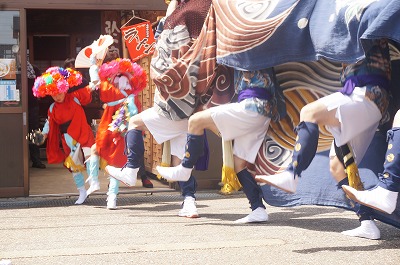
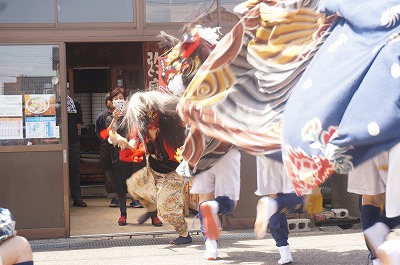
The style is almost the same as Rokudoji (cf. Part 1). The composition of the group of the lion dance is pretty much the same. A lion, some Tengu, some Kiriko and musicians. And they wander around doing the lion dance in their area the whole day.
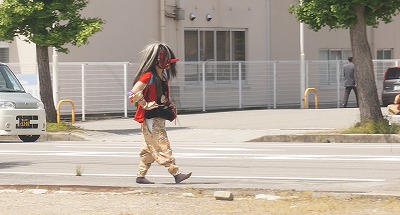
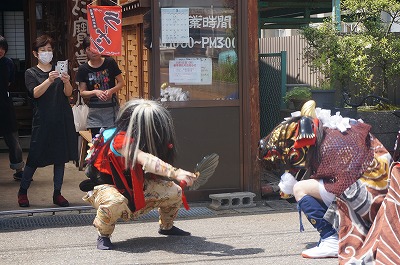
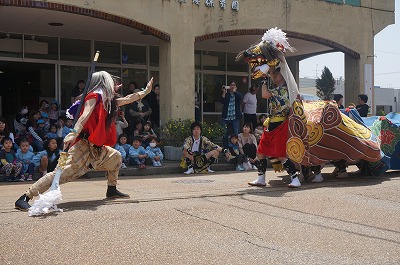
Tengu dnaces in perfect daily scene
Their theater is on the streets. They have no special facility, no special area with a shrine. The town where they usually live is the stage.
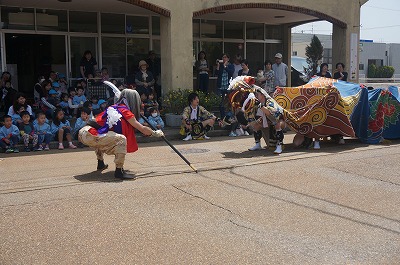
So, when they arrived at a nursery school, the children were already sitting down in front of their school. In this region, people think that watching this performance is educational and fun.
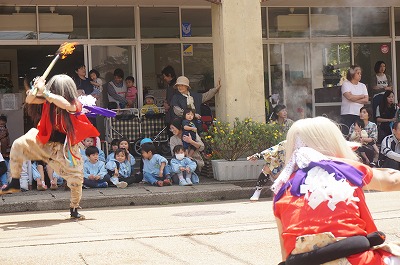
The Tengu carried a special torch. The performance time became longer, too. Even though it was in front of children, they didn’t cut corners. You can feel the spirit of the lion dance group. There are, of course, other people. But the participants perform solely for the children. When the group of the lion dance comes, the teachers have children watch it in a natural, relaxed way.
Children grow up watching the lion dance and have inherited this region’s tradition. Shishi, Tengu and Kiriko are their heroes like a TV show’s characters.
Next. I found the fourth group, “Shoto” on this day. Each area has a group of lion dancers in this district. Each group has done almost the same performance. If so, you say, its enough to watch only one group. No. Although I said “almost the same”, it doesn’t mean exactly the same. The design of the long covering each lion is different and the chants are different, too. Furthermore, the number of each group and territory are different. All of their performances in the morning finished at 1:30pm. They took a lunch break and the town got quiet again for a while.
Shiminato is an old town. It is not so much a historical town as it is a place where time seems to have stopped about 50 years ago. The town has been the setting for several movies, and recently a movie featuring the Hikiyama festival, with the festival floats held in September, was released. Perherps it is the unique atmosphere of this old town, which makes people feel nostalgic that has captured the hearts of filmmakers.
The afternoon sunshine, the endlessly flowing river and the calm sea will surely relax your tired mind. And then we notice that in the towns that pursue only convenience, there are no performing arts remaining.
Its just after 1:30 pm. Its almost time to resume. I turn to the city as if the tone of the music is inviting me again. I’ve been listening to it all morning, and I can hear the sound in my ears like an auditory hallucination all the time. There it is. It is “Higashi Shinmachi” I saw earlier.
In the afternoon, the number of people seems to have increased a bit. I was led to the plaza in front of the housing complex as I watched. Quite a few people had already gathered there. Other groups had gathered there as well. There, they are going to demonstrate their skill one after the other.
It was the “Nago cho” that appeared. Two Tengu came out there with torches. The flickering fire of the torch bewitches not only Shishi but also the audience.
In this way, it seems to be a momentary event, but the truth is that a lot of time has passed there, both physically and in terms of mood. The lion shakes his huge body, sometimes violently sometimes gently, as if in response to the Tengu’s torch. If the lion gives the lion-headed man a ride on its shoulders and threatens the Tengu, the Tengu also carries another Tengu on its shoulders and counters. When the lion comes running in, the Tengu uses his torch as if cleaning the ground. This is the technique that they can’t do or else both are in harmony.
After I enjoyed their performance enough, I got to see “lion slayer” for the first time. The performance of “lion slayer” is so unique one. I suppose that the origin of this performance came from “Kinzo-Shishi” in Gifu prefecture, next to Toyama. “Kinzo-Shishi” is a performance where a man called “Kinzo” fought Shishi that destroyed a farm. In this performance, Shishi appears as a bad being. However, the lion (Shishi) is a sacred animal originally. So people could be confused when they see this performance. I’m sure they probably had to say “What does this mean?” Now, they seem to have settled on the fact that they are not killing the lion itself, but getting rid of the malignant nature of the lion. It’s a quiet beginning. The tengu and the lion move freely in time with the music. When one swings to the left, the other is in tune with the music. This may be called a play in its entirety, but it could also be called a ballet or a musical in the sense that it is set to music.
The lion and the tengu are not evenly matched. If anything, the lion is stronger. The tengu is always frightened of the lion. If possible, the Tengu would like to avoid a head-to-head battle with the lion. This is expressed in the performance by the Tengu’s trembling legs. But here’s the crucial moment. Kiriko is captured by the lion.
The Tengu must save Kiriko from being captured by the lion. However, fighting the lion head-on was not a good idea. What should they do? Make him drink. The lion was so absorbed in drinking that he would ignore Kiriko. One of the highlights of the battle is when the lion raises a cask of liquor in his mouth in one fell swoop. This may have been the inspiration for the famous myth of the Orochi’s (being like dragon) extermination, as the same method is also used to slay the Orochi. Either way, the lion gets drunk and docile. This ploy works, and the Tengu succeeds in killing the lion, but as the lion gets drunk and gradually moves less and less, the tone of the music is exquisitely slowed down. The Tengu still managed to make sure that the lion was asleep. The staging in this area is so brilliant that it is hard to believe this is an amateur play, making everyone in the audience gasp. The Tengu would then “kill” the lion.
The lion is reborn. The symbol of this is the scene in which the lion stands up with Kiriko on his back. The music that had been suppressed until then explodes. The scene is very solemn. The local lady smiled and asked to me “How was it? Was it interesting?”. I looked at her and she looked a little proud.
I found a number of lion dance troupes after that. They were everywhere, in the back alleys and along the river. It would not be an exaggeration to say that the whole of Shinminato is steeped in the sounds of the lion dance.
After five o’clock in the evening, the town is quiet again. After this, the “Iwaibana”, so to speak, which is the most important part of the festival, will be held. As I walked through the quiet town, I happened to see a lion’s head on in front of the main hall of a large temple. An elderly person stands talking in the evening shadows. The pursuit of economic efficiency is always the focus of our attention, but this is the kind of quiet and modest life that has always been carried out in this country. If you have the opportunity to visit, I’m sure the town will tell you all about this and give you a glimpse of its little treasures.
Now, what is a “Iwaibana”? Quite simply, it’s a celebratory dance. When a family had a new house, marriage, or birth of a child, they would pay a lion dance troupe for the celebratory flowers. In response to this, the lion dance troupe would perform in front of the house. Of course, anyone could watch the performance. When the time came, people gathered to watch the performance. At that time, we happened to look for it on the Internet, but in fact, this is very rare case.
”Iwaibana” is basically the same as the one performed. It’s a lion slayer. However, the most distinctive feature of the performance is that in the middle of the performance, “Koj-jo 口上” (it means a “speech” congratulating the people of the house) is added. The words are fixed, and they say something like, “You have piled up a mountain of money for me”. However, because of the relationship with the house, various ad-libs are added. So it takes nearly an hour. During this time, the traffic is sometimes stopped on one side of the road, but nobody complains about it. Passers-by are eager to watch from even the other side of the road. This is the only day the lion dance is allowed to go unchallenged.
The sort of evening session of “Iwaibana” can continue until quite late, but you have to know where it takes place. If you are not a local, you can’t find it, but by that time, you can’t see it well because the crowds of people are like a mountain. So I had one idea. The idea was to follow people as they walked along, so that we could see the performance. Of course, it was a kind of a gamble, but I think it was a very effective strategy.
As a result, I was able to take a closer look at two of them afterwards. One of them was quite exciting because the house we visited was one of the lion dance troupe members. The last train back to Takaoka was around 9:30. The lion dance was going on until just before that time, and it seemed to be going on for a long time. While I was watching one of the lion dances, I heard the words of a girl. “Everyone comes to see Sakuramachi, don’t they?” I think it’s already said that the lion dance in your town is the best thing you can do. I remember feeling very jealous on the train home.
Report: 3 reasons for going to Toyama Part 1 Rokudoji~ Winner of Kingdom of the Lion dance
Date: 14th May, every year Location: Rokudoji district, Imizu city, Toyama prefecture Access: Rokudoji station (Manyo line). You take “Ai-no-kaze-Toyama line from Toyama and change at Takaoka to Manyo line. To Toyama from Tokyo, you take Shinkansen (JR line) or night express bus.
*This article is written based on writer’s experience in 2018.
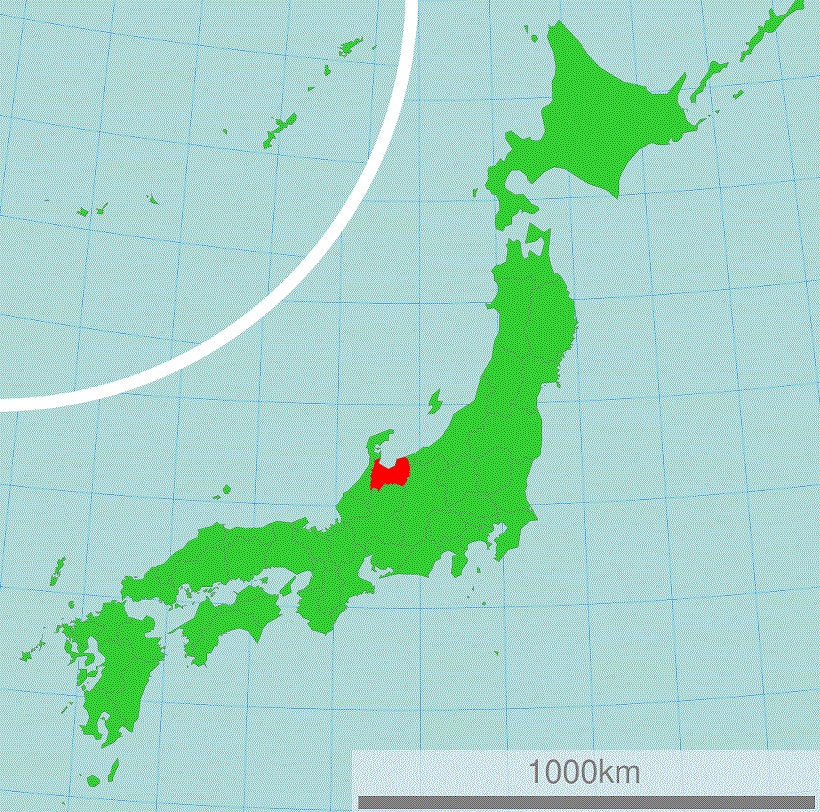
Toyama prefecture 富山県
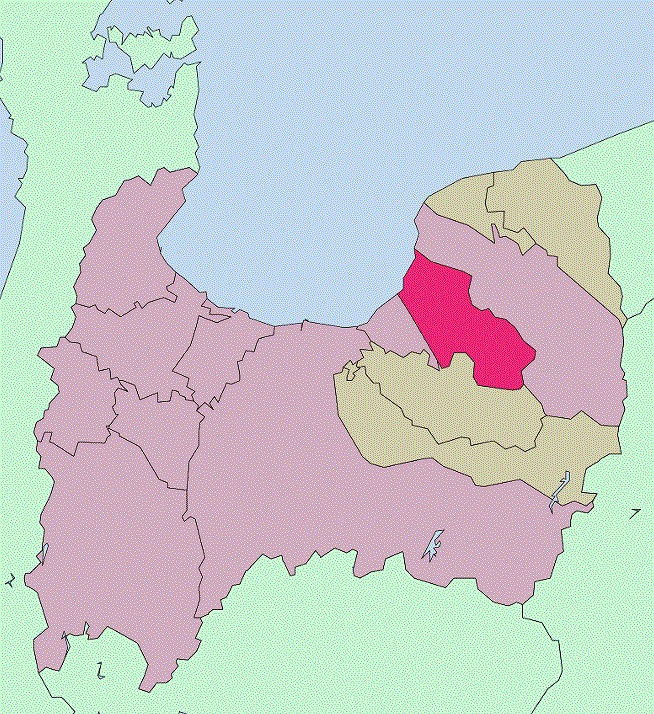
Imizu city 射水市
From Tokyo to Toyama
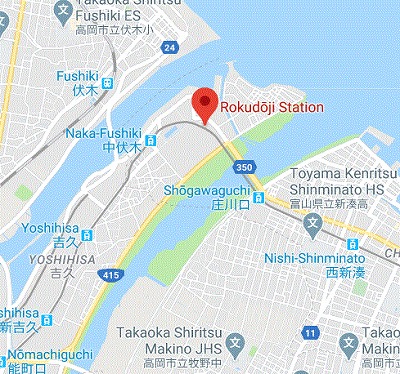
Rokudoji district
Hello, everybody.
Do you have a time when you want to go to Japan, but just going to major cities like Tokyo, Osaka or Kyoto, isn’t enough? Those of you who doubt there must be something more than just Ninja, temple, Fujiyama, Kawaii and high technology in Japan–you are lucky to reach this site. There are many good regions where most people don’t know. For example, what do you think of Toyama prefecture? You may say “Toyama? Where is it? I have never heard such a name”. That’s what’s fun about it. You want to see more than Tokyo, don’t you? You want to know deeper attractive Japan, don’t you?
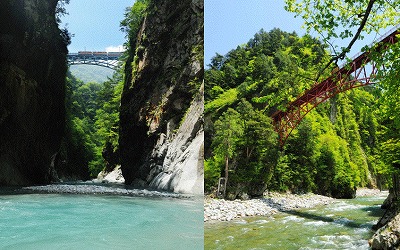
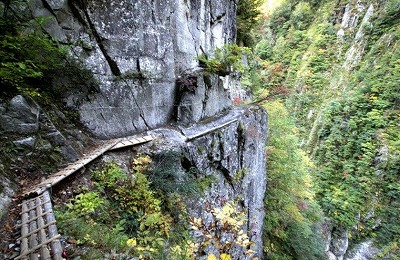
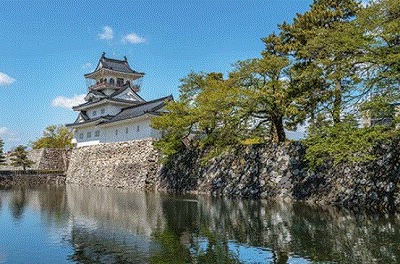
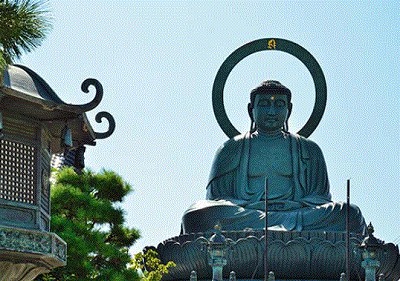
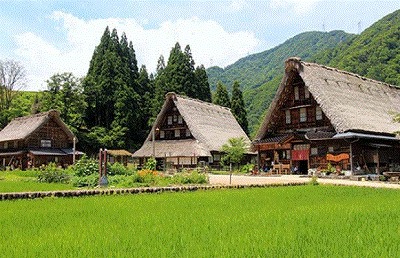
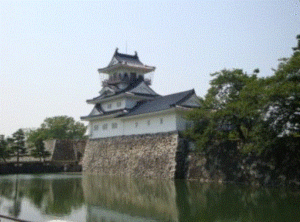
Two. There are many traditional cultures. The old castle “Toyama castle”, the big buddha in Takaoka. “Kanaya” is a town as if time had stopped. “Gokayama”, the historic village is designated as a World Cultural Heritage Sites.
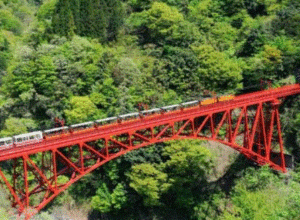
Every spot is accessible within one or two hours by train from Toyama station. It’s very convenient.
Three. There are many great “Shishimai (Lion dance). Yes, I am definite about that. Actually, it is said Toyama has more than 1,000 groups of Shishimai. Each region has its own style. They have been performed for more than 300 years. Among these, I recommend the lion dance in “Rokudoji” and “Shinminato” areas. While flames are rising up, the endless battle of “Shishi” and “Tengu” unfolds. You can watch performances transcending simple traditional performing arts.
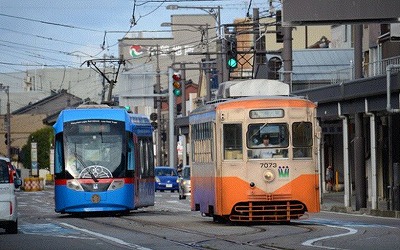
First, you are at the Takaoka station of “Manyo-line”. Takaoka is within half an hour from Toyama. “Manyo-line” is a vehicle between a train and bus. In short, it is a streetcar. You have to get a number ticket when you get on. This streetcar starts slowly and drowsily as if you were on a roller coaster. When I got on, there were many students because it was a weekday. Although most traditional performing arts are held on Saturday or Sunday near the original day, in this area, they stubbornly observe the day prescribed. The streetcar drives along the environs of the old town to Shinminato.
After about thirty minutes, you reach a station. You may see a building with a nice rustic in front of the station. That’s Rokudoji. But you will murmur “Well, Where is the Lion dance group? I don’t know.” When I visited the area, I arrived at about nine am. The only information I had was to be at the shrine at six. I walked along the river. Then, I heard some sounds of flutes and drums. I walked following the sound, and had a look in the alley. I found it. There was a group of the Lion dance right here.
Tengu
Shishi and Tengu were dancing. There were five people inside both Shishi and Tengu, children (called Kiriko)dressed up with flower hats, followed by a little vehicle with several people playing traditional flutes and Japanese drum (Taiko) riding. And in addition there were more than ten people who are the leader and supporters. All people other than Tengu and Kiriko wear the same clothes.
Kiriko
Shishi consists of five people. The front man handles the head of Shishi, and others are covered by a long cloth tinged with a unique pattern. This style is called “centipede Lion”.
They walk along the street, sometimes stop to play a short dance (within five to ten minutes). Shishi try to catch Kiriko, and Tengu face Shishi to try to protect them. This is the basic form. The leader decides on the spot what they do. The leader tells the name of the program, and they instantly dance it. Sometimes, a man who happen to pass by join them. I suspect he, of course, may be a member but he couldn’t participate this day for some reason. And sometimes the musicians play as Kiriko.
People who live along the street go out from their house. Children watch them with their shining eyes. This festival is held every year, but they can’t help coming out to the street when they hear the sound of the Lion dance. The group walk as they dance to meet everyone’s expectation all over the town the whole day. That day was a weekday, as expected the number of viewer was not many especially in the morning. Just because the viewers weren’t many, they never cut corners. Come to think of it, despite being weekday, people walk around playing Shishi dance don’t go to work, and children are absent from school, too. But people in this town must consider it is only natural. And they are waiting for Shishi to come. In Japan, towns like this still remain.
The leader cries the name of the program, every member gets prepared immediately like an army. The leader cries “Tololo!”, “Baigaeshi!”. We, as third party, don’t know any meaning of these words, but as we watch them again and again, we could imagine what they play. Thus their chant “Iyasaa, iyasaka!” echoes all over the town. This “Iyasaa” chant is short for “Iyoiyo sakaeru”, means “thrive more and more”. This chant is rare.
People inside Shishi continue to swing its long curtain. The curtain doesn’t swing easily by a little shake. People have to make the curtain swing by power of the whole bodies. It’s a good amount of hard work. So people change their role repeatedly. People who come out from the curtain are covered in sweat and their faces are burning, especially the man who handles the head. Even in May, it’s hot.
They sometimes imitate pounding rice cake (Japanese traditional ceremony at New Year) with Hyottoko joying in. They don’t pound rice cake actually, Kiriko (children dressed up) throw confetti at last to celebrate. They go around giving fortune to the town.
They walk around the town while doing short performances, and sometimes do long versions of the program at facilities, like at a hospital or a kindergarten. When the group arrived this hospital facility at about 2 pm, many people had already waited impatiently for them. I only followed after the group of Shishi, but local people might know the time, it arrives for every year. Not only the people in this facility, but many neighbors have gathered. Whether the people are concerned or not, or whether they have nothing to do…(no)…they all seem to gather despite of themselves every year event.
We can see the perfect form of this Shishi dance at last here, although, the basic format doesn’t change. Shishi goes mad, KIriko dance colorfully and Tengu faces the Shishi. Then, what is different? Let’s go on to the chase, and we can see the last part. Until then, Shishi runs over, Tengu and Kiriko appears, and coaxes it. But that was all just a part of the battle. If there are people who say “So? What ultimately happenes?”, they would finally find out here.
Before we see the last, we must give you more information. It is the torch. Most Shishimai group use this torch recently. The group that started using, Rokudoji. This performance has been the typical style, Rokudoji being the is origin. So, when Tengu holds the torches, the audience lives up. It takes about more thirty minutes. Rokudoji received the first prize at the competition of the Lion dance in Toyama for six years in a row for this performance.Moreover the Shishi dance is characterized by Tengu wearing the long hat called “Eboshi”. Tengu has long hair called “Shaguma” in Imizu city, while Tengu has long hat in Himi city. Rokudoji has both feature.
Tengu dangles fire in front of Shishi. Shishi is dazzled soon, and calms down.
Every group in Imizu type has the performance “Killing the lion”, but Rokudoji doesn’t have that performance. This is another feature. Rokudoji received the first prize at the competition of the Lion dance in Toyama where it is said to be the kingdom of the Lion dance, for six years in a row for this performance.
When the main event finishes, it will be late afternoon. Rokudoji is located between the river and the sea. It’s great to do cool off in the afternoon, or you want to eat something. Unfortunately, this area doesn’t have any convenience stores, cafes or restaurants. If you want to go to a shop, you can get on the Manyo-line and go to the center of the city. In my case, I walked a very long way to find shops because I thought there are some convenience stores nearby. After all, I ended up walking for two stations away from Rokudoji. Lesson 1. “Don’t think there are some shops within five minutes walking distance like Tokyo.”
In the evening, finally the most popular performance will be held called “Iwai-bana”. This means that the Shishi group goes to and celebrate a house that is new or a family tgat had a happy event like a wedding or a new baby.
This evening, two ceremonies were held. One was a personal new house and another was the community center. It started about seven pm. When this time approached many cars were lined up along the river. First, in front of a just personal house. People already filed up the area in front of the house. I couldn’t see anything having been late. So, I gave up watch at this place, and moved on to the next place, the community center. In front of the center is a wide square, but many people already surrounded it. Just so you know, this information isn’t uploaded on SNS. I knew that it is held at the community center just because I heard they (members of the group) say so. If you want to know where it held, you should ask them. They will surely answer because they love their Shishi performance.
As fire lights the torch gets exciting. Fire is great. especially at night. I guess fire would awaken the memory of ancient times. The accompanied music sounds sometimes high, sometimes low, sometimes fast, and sometimes slow along with the dance movement. The whole audience is drawn into the fantasy world.
In this place, you can see everything that you have seen till this time. You find that all you saw in daylight mean like fitting peaces into place together like a puzzle. Shishi is not killed, calmed down and becomes obedient. All the world have become happy.
There is a specific scene in “Iwai-bana”,too. It is called “ko-jo”. Literaly translated, this means ”to state”. What they say is to celebrate the house or people, etc. Every “Kojo” is fixed sounding rhetoric. This is one way to enjoy it.
Every event will end between 8:30 to 9 pm. It would be suggested to stay in this town or go to stay in Takaoka city. The last train starts at 11 pm but only two trains ran an hour between 10 and 11 pm. Don’t forget to get a number ticket.
Report: Would you mind spending a calm day at a place away from urban noise?~part 3 Yamanashi Oka shrine Daidaikagura
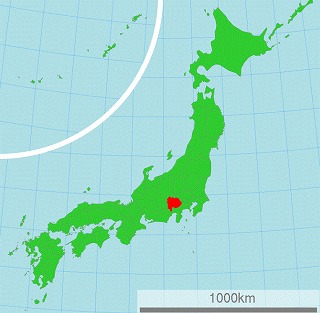
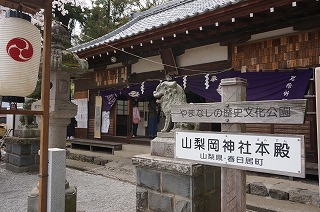
Date: 4th & 5th April Location Kasugai town Shizume 1696, Fuefuki city, Yamanashi prefecture Access It takes about two hours by express “Kaiji” (JR line) from Tokyo to Isawa onsen station. From the station, about 20 minutes on foot.
Yamanashi prefecture
access from Tokyo
Introduction
This time two guides are going to take you to the Yamanashi Oka shrine again. Yes, you are already familiar with them, Sarutahiko, a deity and Modoki, a traditional comedian.
Sarutahiko and Modoki visit the shrine
Isawa-onsen station
It takes quite some time, doesn’t it?
It is about 1.2 or 1.4 kilometers from the station.
Why didn’t you take a taxi. Moreover, though the station’s name is hot spring (onsen means hot spring in Japan) I can’t feel any atmosphere like hot springs.
Don’t be winging! We came here to watch and guide a kagura, not to take a bath.This shrine has a long and distinguished history. It is said that Yamanash prefecture’s name is was taken after this shrine. Have you heard the name “Takeda Shingen 武田信玄” ?
Sorry but I don’t know.
“Takeda shingen” is a famous warlord who had ruled this region about 450 years ago. People in this prefecture have respected and loved him till now. He is a kind of hero in this region.
And what?
This kagura is performed to wish for his victory when he went to war.
Oh, really? By the way, we are walking toward the mountain opposite from the town of hot springs. Is this the right way?
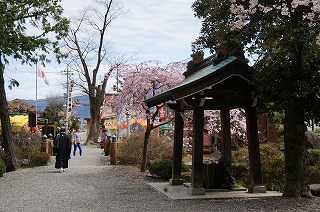
flags tells the festival
the Hon-den 本殿
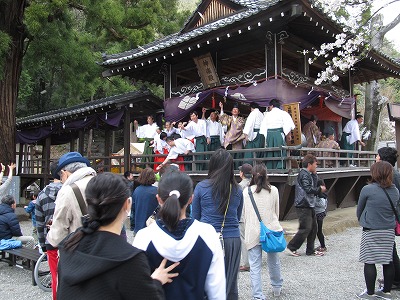
Here we are. This is the shrine.
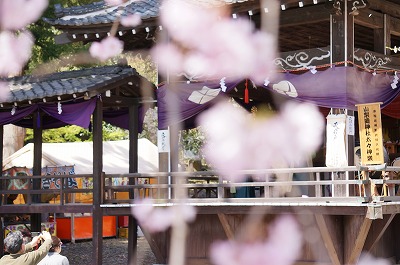
The small kagura-den is the center of the precincts. This kagura-den has a corridor like a bridge between the kagura-den and a dressing room. This is the feauture of this shrine.
before midday
first program~a deity of planting rice It starts about 10 am and is played for 20 minutes.
The mask looks old but good. I feel history and tradition.
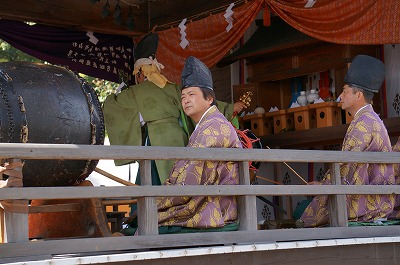
You are getting to learn about watching a kagura. If I were to add something, dancers continue playing as long as they live, especially men. Now the group of dancers consists of about 30 people. All are volunteers. And I have to tell you at first, this kagura has no elements of comedy.
That’s too bad.
Oh, talking about a deity of agriculture, here comes a fox as a messenger of a deity. Now, how energetic he is.
This fox is a very popular and familiar character in this kagura. A man who plays this role has to have acting talent.
And he has to have physical strength as much as acting talent, doesn’t he?
You may be right about the point that the fox is more energetic than the player acting as a deity of planting rice at least,
a dance of ”Ameno Uzume” It starts about 10:45 for 20 minutes.
A player who plays the role as Ameno Uzume often wears a kind of “Okame” mask or something similar, but she wears nothing.
In this kagura group, the woman is called “princess”. They are to graduate this group by the time they reach high school age.
”Four archers“ It starts at about 11 am and plays for 20 minutes.
Coming out are four men, the stage looks narrow. Why won’t they bump into each other?
They have practiced extensively throughout the year, and every night before the festival. How about your case?
Me? I am always in a willy-nilly way. I play by ear.
if it’s really, you are absolutely fool or genius
Dance of Sarutahiko It starts at about 11:30 and plays for 20 minutes
Oh yes! Sarutahiko is coming out. But, is he really Sarutahiko? His face is not red. I have always expected Sarutahiko having a red face.
Right, he is just Sarutahiko. I guess the color of the mask had worn off because it’s too old.
Intermission
the Hon-den of the shrine
It’s lunch break for one hour. Let’s walk around the shrine.
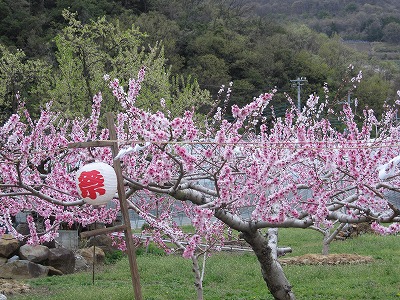
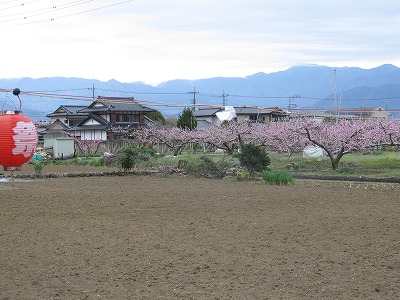
Sounds good. I see trees of cherry blossoms in the precincts, but outside the shrine, many peach trees are distinctive.
Actually, Fuefuki city is the largest producer of peaches in Japan. The peach festival* is held this season.
That explains why there are many peach trees on my way here.
Second part ~afternoon
”Iwato-biraki” It starts at 1 pm. *please confer→Japan mythology
Today is very fine. Musicians couldn’t help looking at the flowers.
Many deities appear on the stage in this program. Because it represents the scene where all the deities gathered at Amano-Yasugawara to solve the problem when Amaterasu, the sun deity, had hidden.
You are right. Many deities appear on the stage one after another.
Can you see the black board at the center of the stage? That is the “Amano-iwato”(the door made of rock).
Ebisu, a deity of fortune
a deity of agriculture
a deity of battle
Many deities come in, so we can watch dances of deities who don’t perform their own programs today.
Ebisu is also on. By watching this program only, we can say we have seen most of kagura. It’s a bargain.
It seems that there are so many deities that it’s hard to find a place to sit down. When will this end?
Look, that’s powerful walking. And his face has black lines like Kabuki’s “Kumadori”. In Japanese traditional Kabuki 歌舞伎, lines (it is said “Kumadori”) on a face represent powerful and strong character. I’m sure he is “Tajikarao”, The most powerful deity. He must open the “Iwato” and pull out “Amaterasu”. Finally this program will reach a climax.
Hey,look at that. The black board that Tajikarao holds is “Amano-Iwato”.
Is that girl who wears a golden crown on her head “Amaterasu”?
Yes. This is a scene where every deity is pleased to have light of the sun come back. This is the most famous happening in Japanese mythology.
What time is it now?
It’s 2:30 pm. As one would expect, this program has took one and half hours.
”Black old man” and “Two swords“
”Four swords men”
The men holding swords come in again. As expected it is said “The kagura for going to the field”, there are many programs in which the sword is used.
This program has another name “Kume mai (dance)”. We can find this name in the records of the first emperor. The records say that this dance was played for the first emperor’s victory of battle.
Really?This is a really traditional and important program.
So they say when Takeda Shingen was going to war, this was played to wish his victory.
Ending
His name is “Ohyamatsumi”. He is the main enshrined deity. After his playing, they are to throw many gifts every time.
I got many gifts this time again. Kagura is a happy event. By the way, is this kagura held two more times?
Yes. It is held tonight and tomorrow.
Would you mind watching another two more times?
Good! You are finally coming to recognize the attraction of kagura.
So we have to stay tonight, don’t we?
I have noticed your intention. You don’t care about kagura, you only wish to take a bath at hot spring, don’t you?
Oh, you understand. Let’s go.
to be continue to part 4
Report: ~It is just 10 minutes but, those 10 minutes will remain in the memory forever~Ogre fire festival in Takizanji -temple 滝山寺の鬼まつり
Date; the nearest Saturday to the old calendar is New Year holiday of the 7th of January (about 1 month later than the present calendar, 15th February 2020)
Location; Takizan town komo 107, Okazaki city, Aichi prefecture
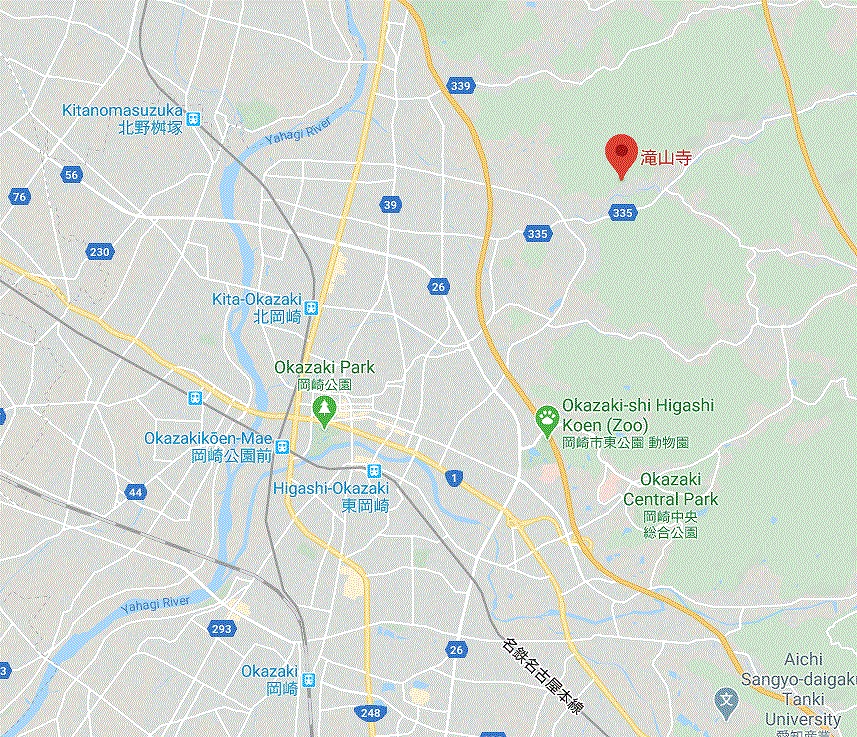
Access; about 30 minutes by bus from Higashi Okazaki station (Meitetsu line). Higashi Okazaki is about 45 minutes by train from Nagoya
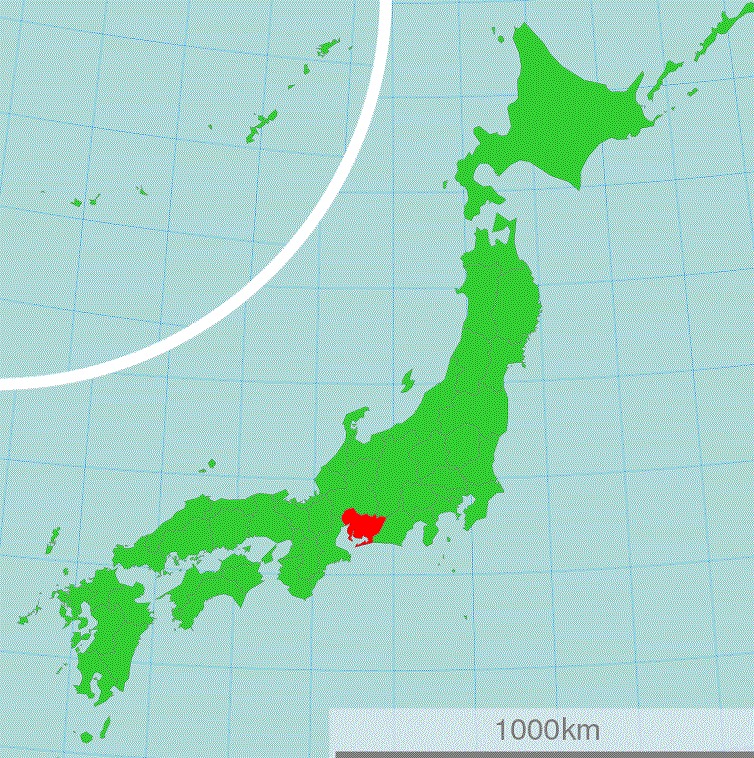
Aichi prefecture
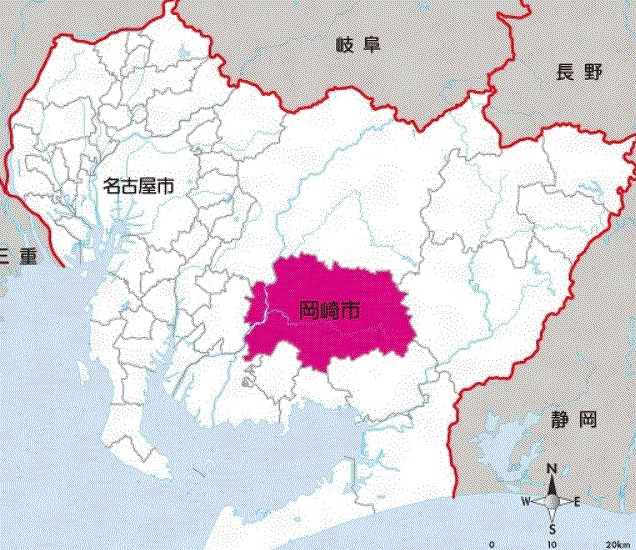
Okazaki city
Takizanji-temple (red point)
Introduction
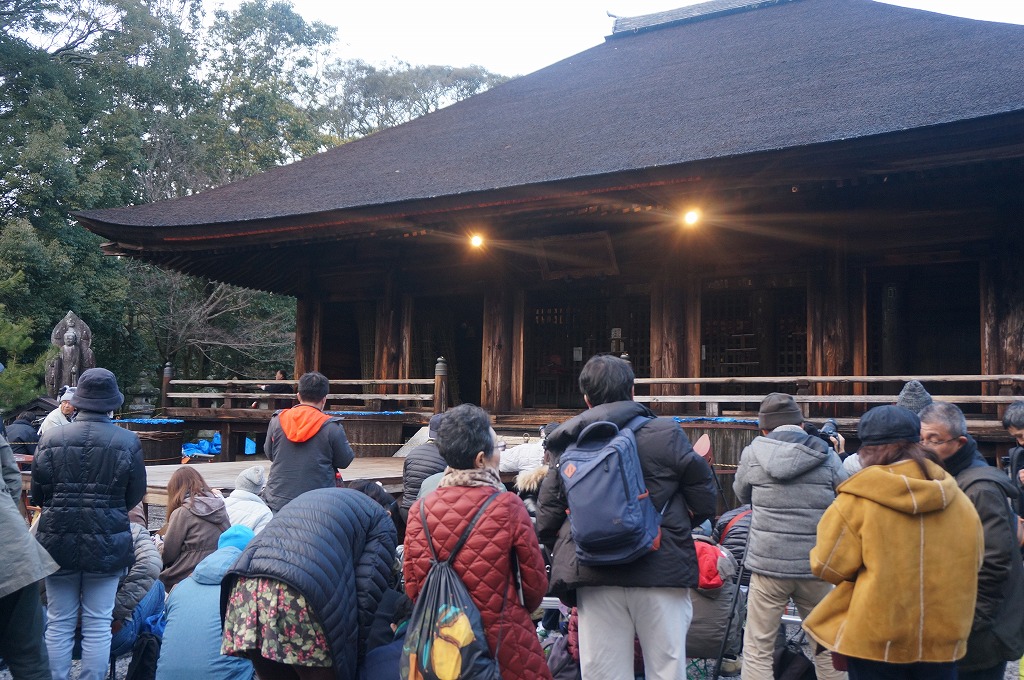
This time, an event we introduce is “Takizanji no oni matsuri” (Ogres fire festival in Takizanji-temple). It is held in Aichi prefecture. The climax of three ogres emerging around fire is really awsome. This event starats at 4:00 pm, but the time the ogres emerge is at the very end only 10 minutes before the end. It will be at about 7:45 pm. So, you must wait for 2 to 3 hours, if you see it from front. But, lot of people still go. They say it’s worth waiting for long time.
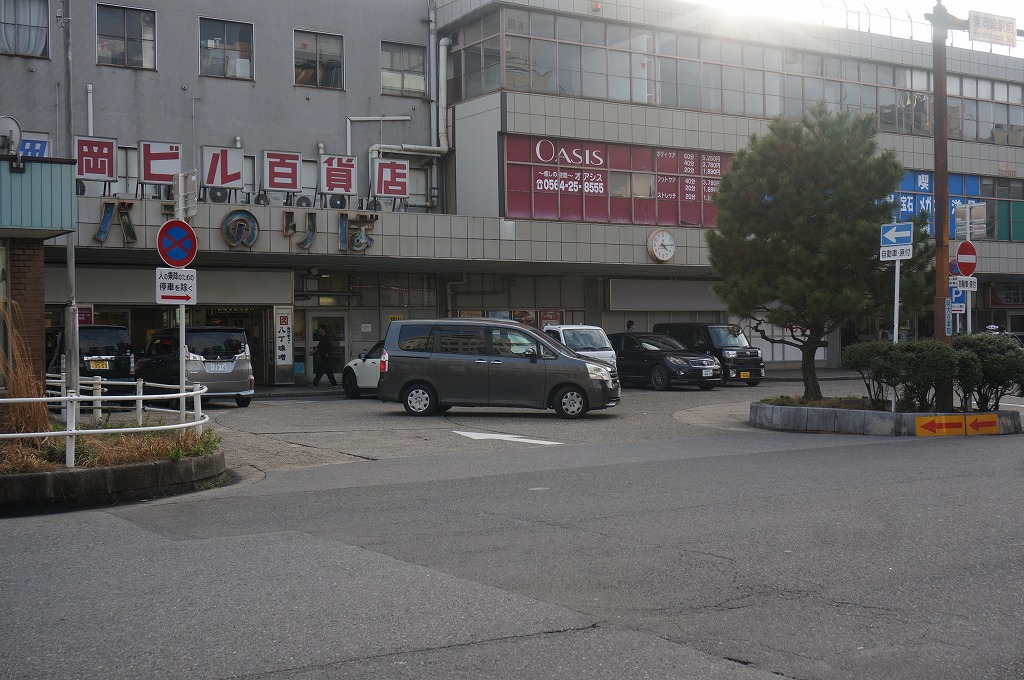
Higashi Okazaki station
Okazaki is the place first Shogun of Edo shognate was born
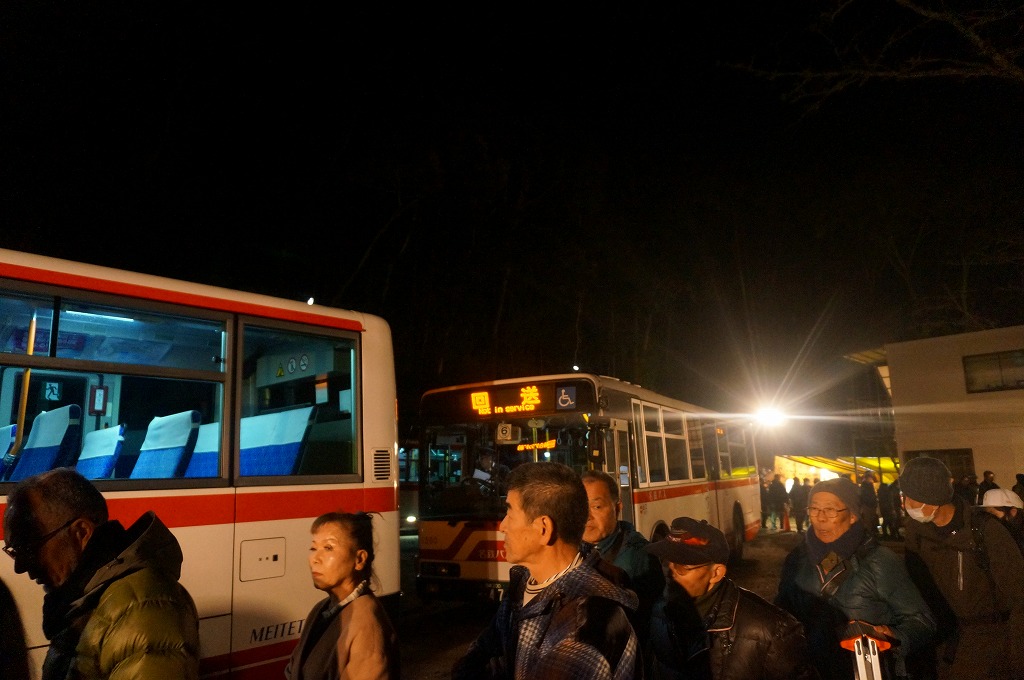
I went there 2020, so I write this article based on that time. But, the flow of the festival is the same every year. On the day, the bus leaves every 30 minutes from Higashi Okazaki (東岡崎) station (Meitetsu line). If you go by car, there is a park in a place little far from the temple . A shuttle bus goes from there.
When I arrived there at 5:00 pm. You get off a bus, you go up the long stairs.
several street stands open
long stairs
at the temple
The main hall (Honden 本殿)
left side
front
right side
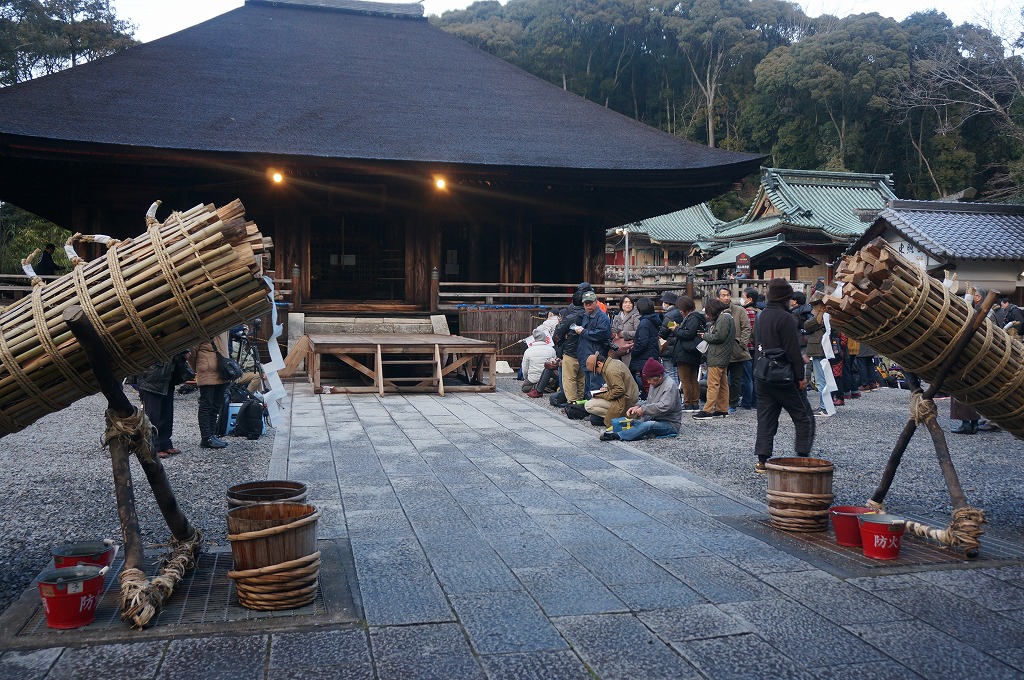
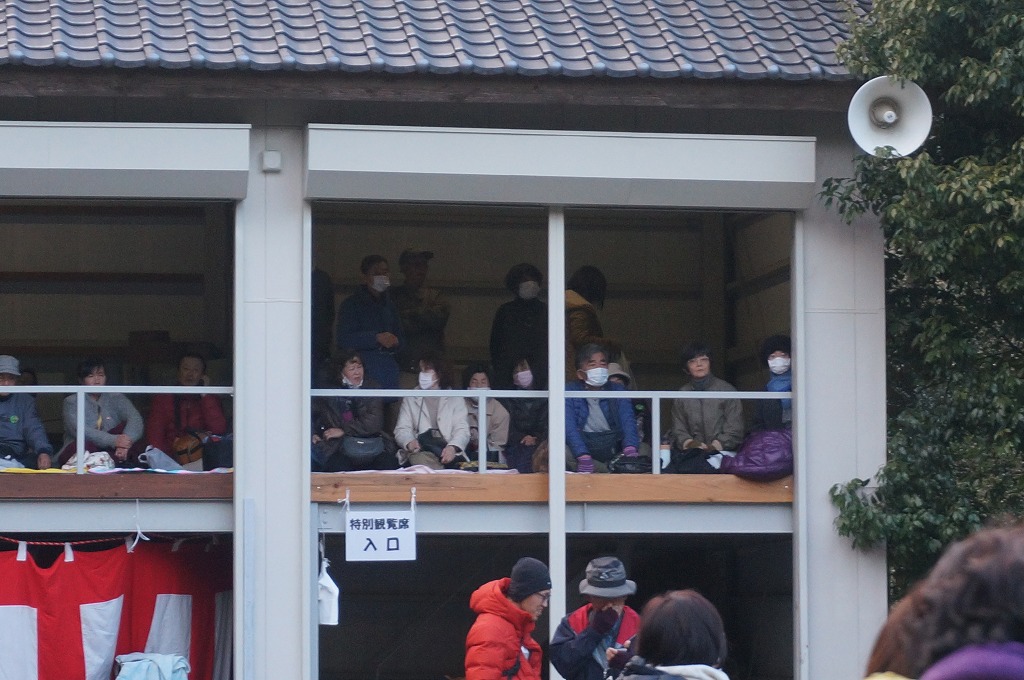
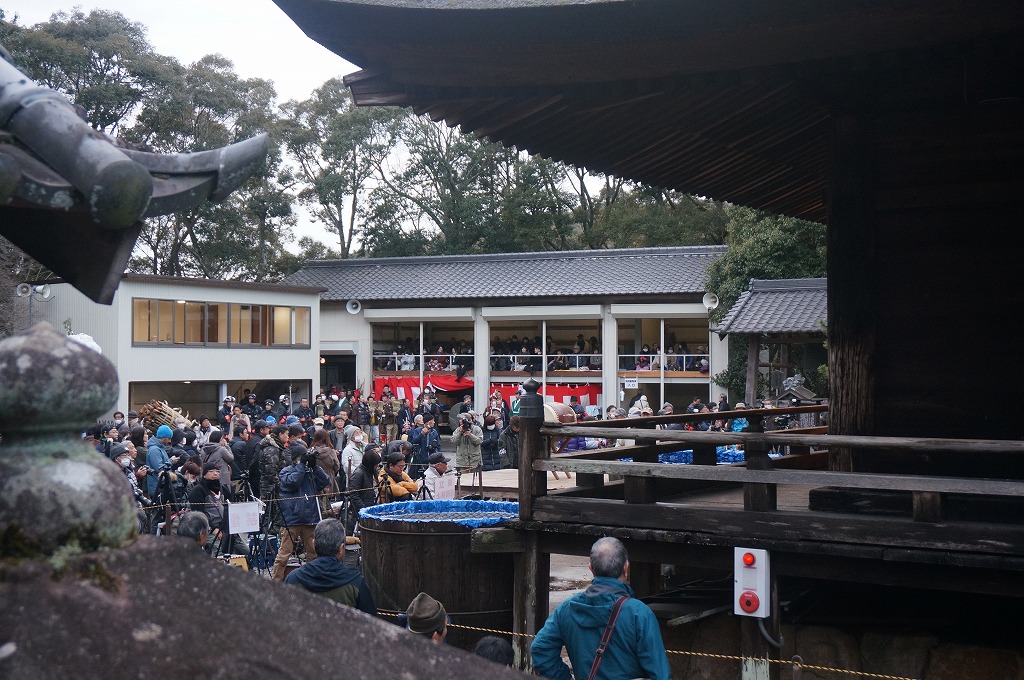
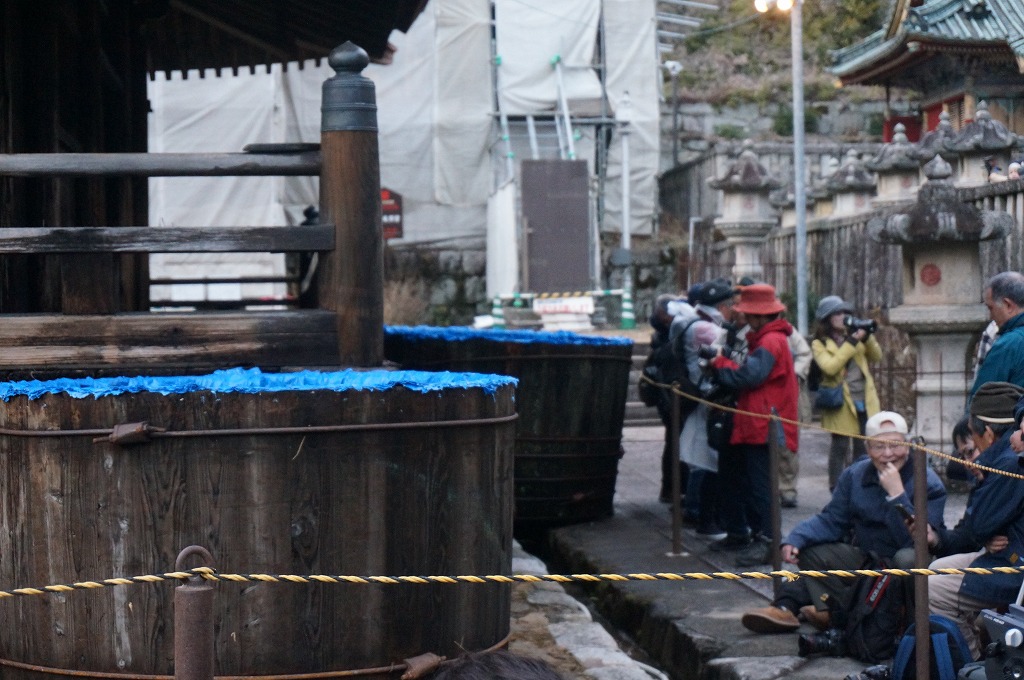
You see a big main hall in front when you finish going up the last stairs. The beam of the roof greatly protrudes from main hall. The roof which covers the stage is large and imposing. People had already lined in three rows around the main hall (Honden) and camera tripods were lined, too. I guess they had waited from around noon. There are several big barrels filled with water to the beam and in front of th main hall, and the firefighting team stands by, too. On the left of me, there is another 2 story building, it is already full of guests. They are visitors who reserved special dishes (\4,000 as of 2020). 2 big torches which are set at the entrance are waiting to be lit to signal the start. In an average year, they say that it smows, that day was comparatively warm.
big barrels
Junininshu 十二人衆
I will write mostly about the climax, but I’ll example the flow for the time being. If you want to Jump to the climax, scroll to the end, please.
This temple was built in 686 AD. At the end of the 12th C, the temple had accepted it’s faith from Minamoto-no Yoritomo who established his Shogunate at Kamakura, so this temple ushered in the golden age. Following a decline from 15 C~16 C, it was revived by the protection of the Tokugawa (Shogun of Edo shogunate 17 C~19 C) and continues up to the present day. People who are called “Junininshu 十二人衆(12 people) manage the whole festival. They are the people who inherit this role from generation to generation, And a person who is called “Taiyaku (it means general manager) gives instructions.
Taiyaku 大役
a chief priest
At 4:30 pm, they beat Taiko (Japanese drum), and at 5:30 pm, the chief priest enters the temple, Buddhist memorial service begins. It usually gets dark at around this time. Juninin-shu group starts to go around the temple for the purpose of purging noxious vapors.
3 people as roll of the ogres
Meanwhile, a program host introduces the 3 people, 2 adults and 1 child, who play the leading parts of the ogres. They must purity themselves for 1 week. They can’t eat any meat, and can’t accept help from women. So, fathers offer their dishes to the children.
In this festival, 3 ogres emerge. They are called “mask of grandfather”, “mask of grandmother”, and “mask of grandson”. Why are there not “mask of father” and “mask of mother” ? There is a mysterious legend. Once upon a time, two priests visited this temple and they said “Shall we wear masks ?”. They wore masks without purifying themselves. They could not take off the masks and they had just died. People who felt pity kindly burried them. A grave remains now in this temple, so the group goes to the place to pray.
At 6:30 pm, people throw beans and rice cakes for good fortune. At 7:00 pm, two young people get on the stage and wield long swords, “Naginata 長刀” for purging noxious vapors in the east and west. After this performance, two of the Juninin-shu perform a play of imitation of farming. They use words from the Kamakura period which even few modern Japanese can understand.
Juninin-shu sing a song
fire and ogres~climax of the ceremony
Finally they sing a song. By this time, the precincts would be overflowing and crowded with people. After they get off the stage, a young person holding a long sword gets on the stage again. He wields it, and in the end, he swirls it around and slams it down against the floor, making great noise. This abruptly signals the start of the main event.
Many people holding a big torch (about 2.5 meters long) with fire emerge. They shout in a loud voice “Wah, Wah, Wah !”. Fire alarm bells resound intensely. They wore a white towel covering their heads and cheeks and were dressed in all white. A fire blazed as if it reaches the roof. Sounds of fire alarm bell gave the audience great surprise making them feel uneasy at first, but later shout for joy. The area is instantly thrown into a commotion. The scene is amazing and fantastic. They emerge from the right side and enter the left side of the main hall. The ogres still do not emerge. From the next lap, the ogres finally appear.
Grandfather ogre
Grandmother ogre
At first, the grandfather ogre, second, followed by grandmother ogre and at last, the grandson emerges.
grandson ogre
Ogres siddled along between a big fire. Only grandson walks on the handrail held by people beside both side. There are about 30 torches is almost like a fire. This building is an important cultural property, so I was afraid of it burning down. But the people almost seemed as if they did not care about that, and they swung the torch up and down.
sparks were scatterd intensly, the fire blazed mor and more. Halfway during the lap, the grandson ogre was held high at the corners and at the front.
He totally looked like king of demons. But these ogres are not demons. They held a big rice cake in their hands, because they are ogres giving fortune to people. And a rice cake is a symbol of New Year’s fortune.
They went around the hall 3 times and it suddenly finished. Time goes by frantically.
They were left stupe fied for a while, and before long they returned to reality. and begin getting ready to go back home. There is an open space on the way out as the audience go down stairs where buses waited for them. The bus to the station from next line to the row of buses going to the parking lots. The buses depart in order as soon as it become full.
I think that this event is worth going despite the long waiting time. The experience of the ogres fire festival at Takizanji-temple, Lasts only 10 minutes but will remain our memories forever.
Report: Strange parade – Lion Dance in Ogawaji 小川寺の獅子舞
strange parade of variants in Ogawaji, Uozu cuty
Date 4th January, 12th March, and 12th October pm 2:00~ Location Senkoji-temple, Ogawaji, Uozu city , Toyama prefecture How to get there It takes 20 minutes from Toyama station or Unazuki-kurobe station
Toyama prefecture富山県
Uozu city魚津市
Introduction
An event we’ll look at this time is “Lion Dance in Ogawaji”. This event is held on March 12th (and other days) in Uozu city in Toyama prefecture. Toyama prefecture is very prosperous region of Lion Dance, the performed number is over 850 now. There are a significant number of various kinds, and there are 10 main kinds we can break down into 3 categories. In that, the Ogawaji Lion Dance is classified as “Gyoudo Shishi” (Lion guiding the way), it follws the traditionl style. I went to see this event in 2018. The following is from then.
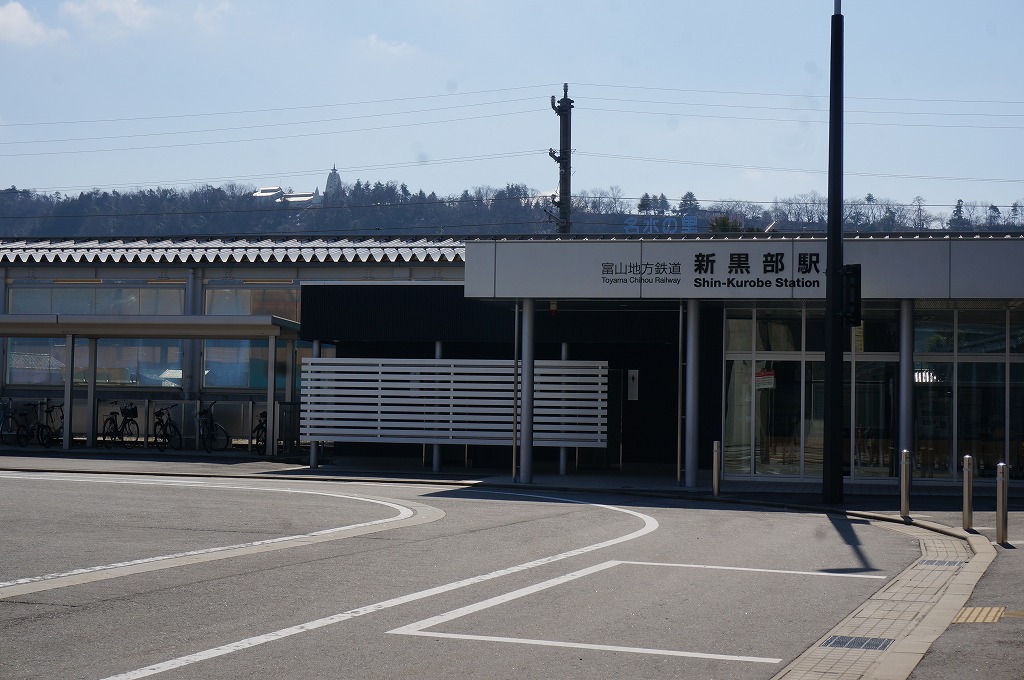
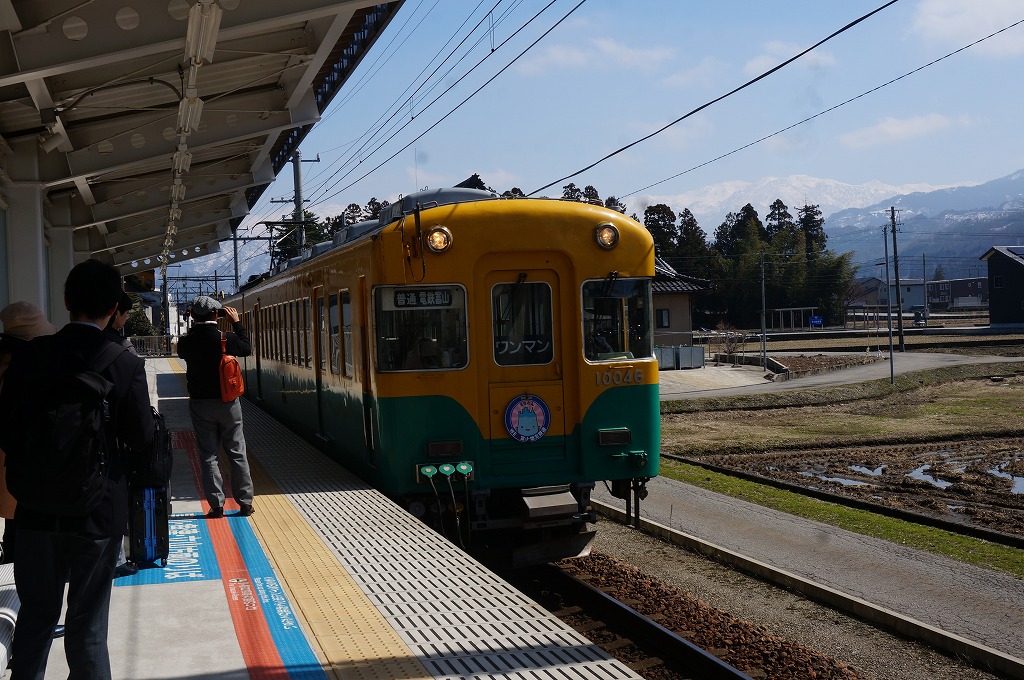
If you want to go to Uozu ciity, you have two options, Shinkanswen or express bus. *in all of the above routes, the starting point is from Tokyo In the case of a train, from Tokyo you will take the Shinkansen to KUrobe Unzuki-onsen (黒部宇奈月温泉), transfer Toyama local line (Dentetsu Toyama; bound for Dentetsu Toyama (電鉄富山) station , for Shin Uozu(新魚津) station. It takes about 2~3 hours and costs about \ 14,000. If you take a bus, from Tokyo to Toyama station, and transfer to the local line (Ai no Kaze Toyama あいの風富山) line; bound for Tomari 泊) and stop at Uozu station. The Uozu station is in front of Shin-Uozu station. It takes 8 hours and costs about \ 8,000). After arriving in Uozu city, you can take local bus (Kurosawa 黒沢 line) and get off at Ogawaji bus stop. But, there is only one bus every 2 hours, if you take a bus, you must get on a bus at 11:50, Kurosawa line (as of January 2020).
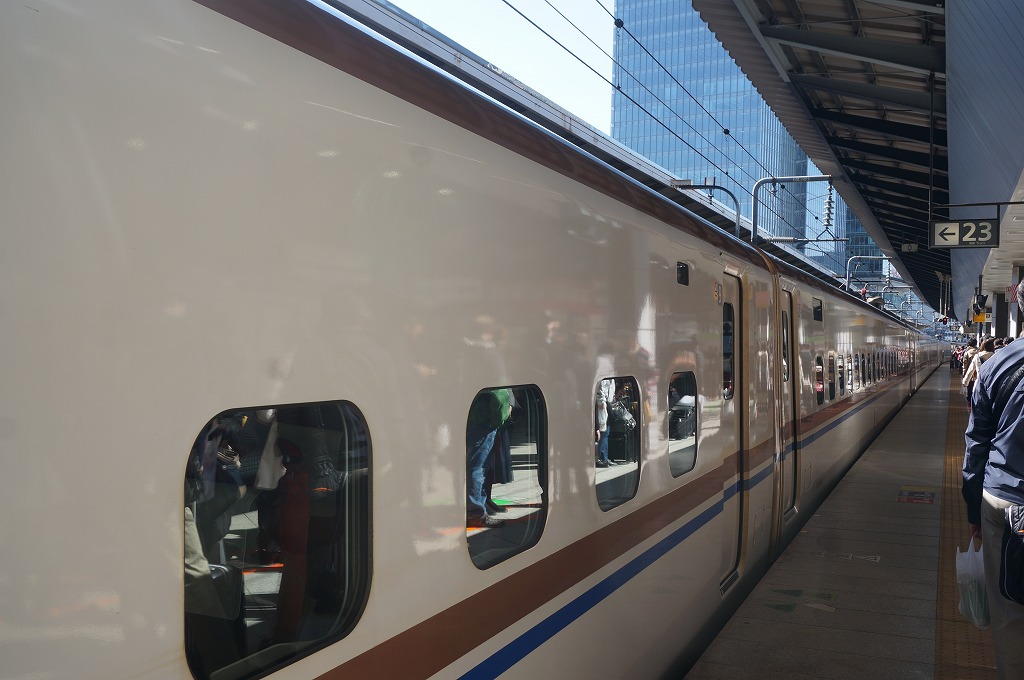
Tokyo station 東京駅
Shinkansen 新幹線
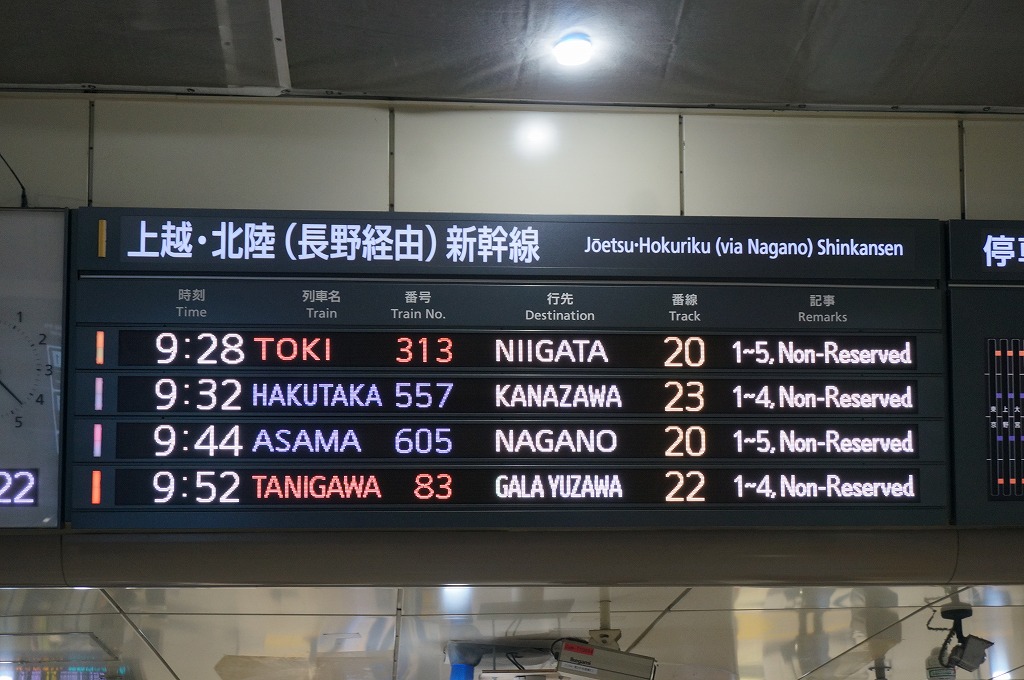
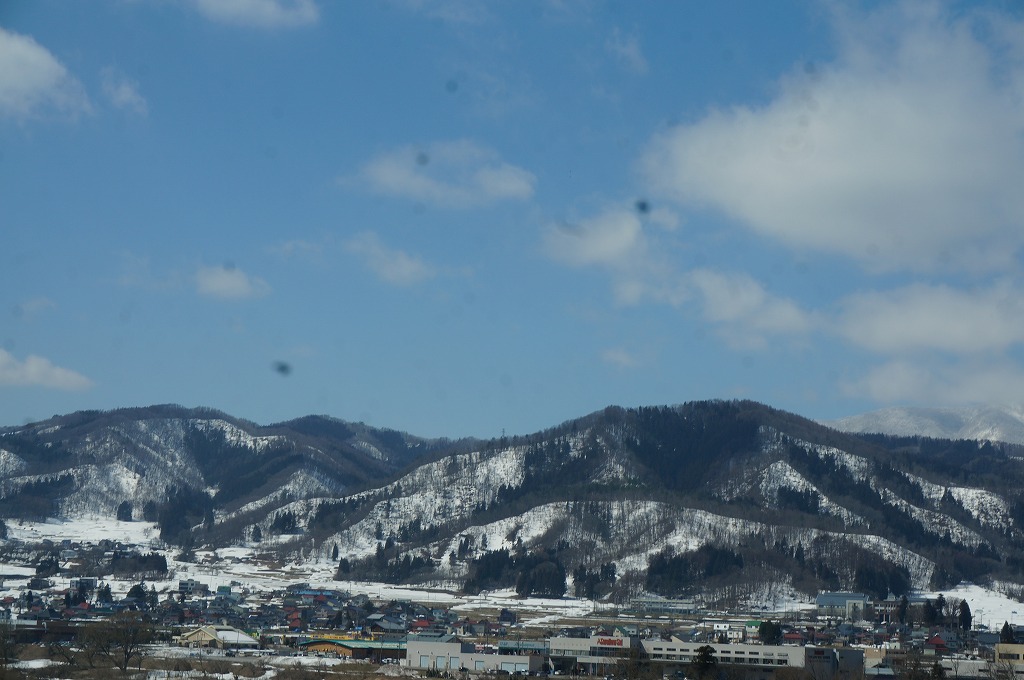
When I went to this event, I took a Shinkansen at 9:38 (from Tokyo). the Shinknasen crossed Honshu, by way of the still snowy Nagano prefecture, after a little over 2 hours, I arrived at about 12 o’clock.
Shin Kurobe station 新黒部駅 is front of Kurobe Unzauki Onsen
Dentetsu Toyama line 電鉄富山線
front of Uozu station
In Uozu city
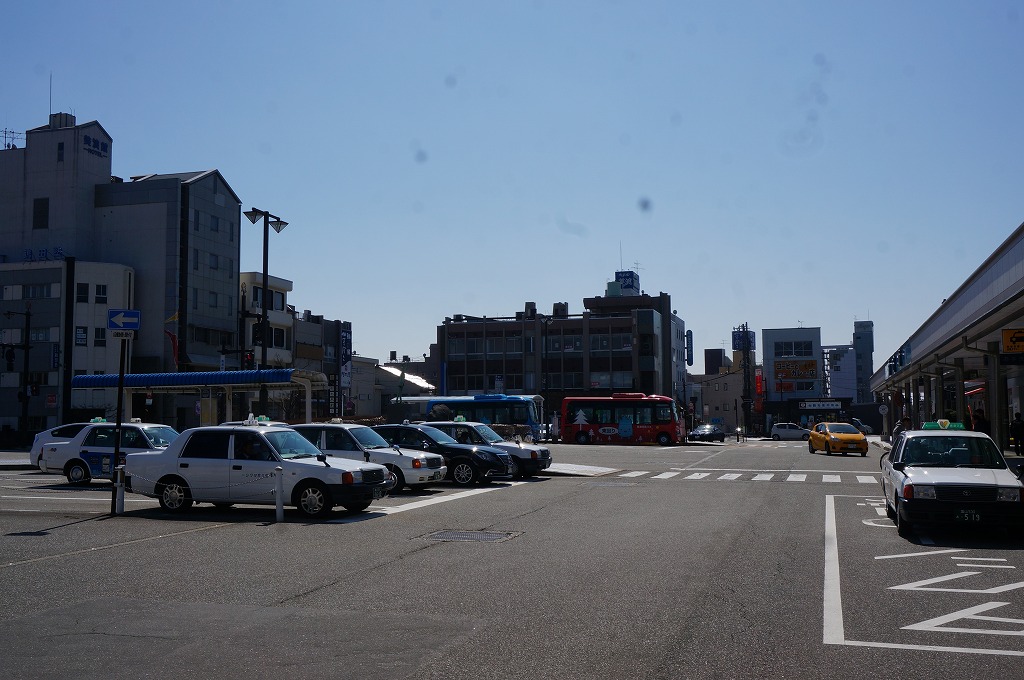
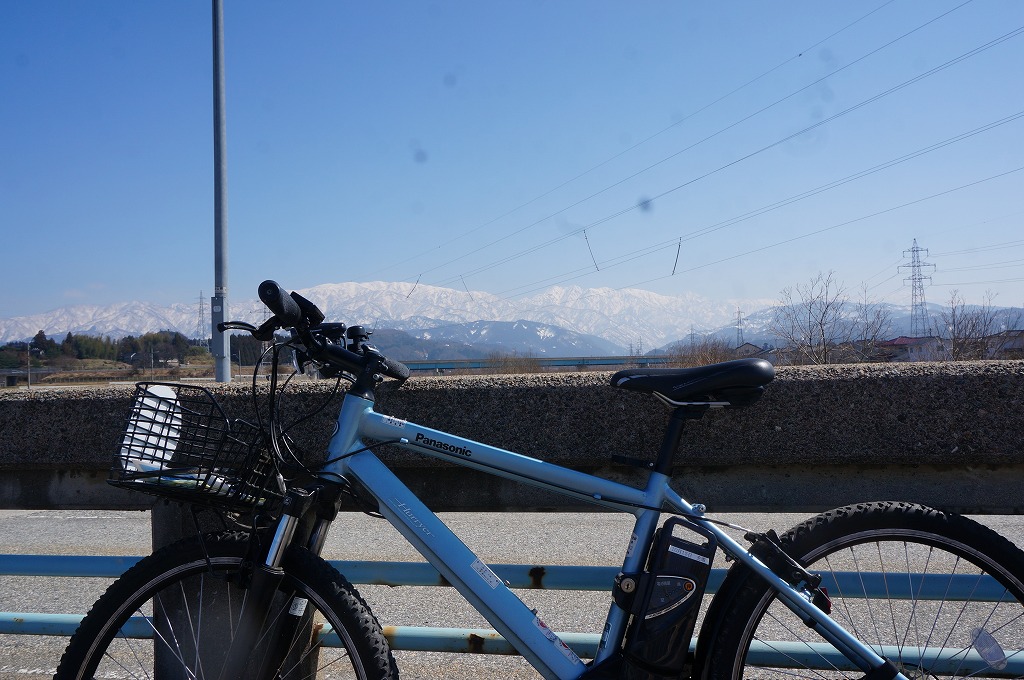
The event starts at 2:00. The next bus will leaves at 12:38 (as in 2018). I had a little time, so I stopped by the tourist information center. A person working there was very kind and loved the city. I got a lot of information and many booklets. I heard that it’s about 4 kilometers from here to Ogawaji and road is flat. I decided to rent a bicycle. All are electric assist bicycle which are available from the information center, it costs \ 100~300.
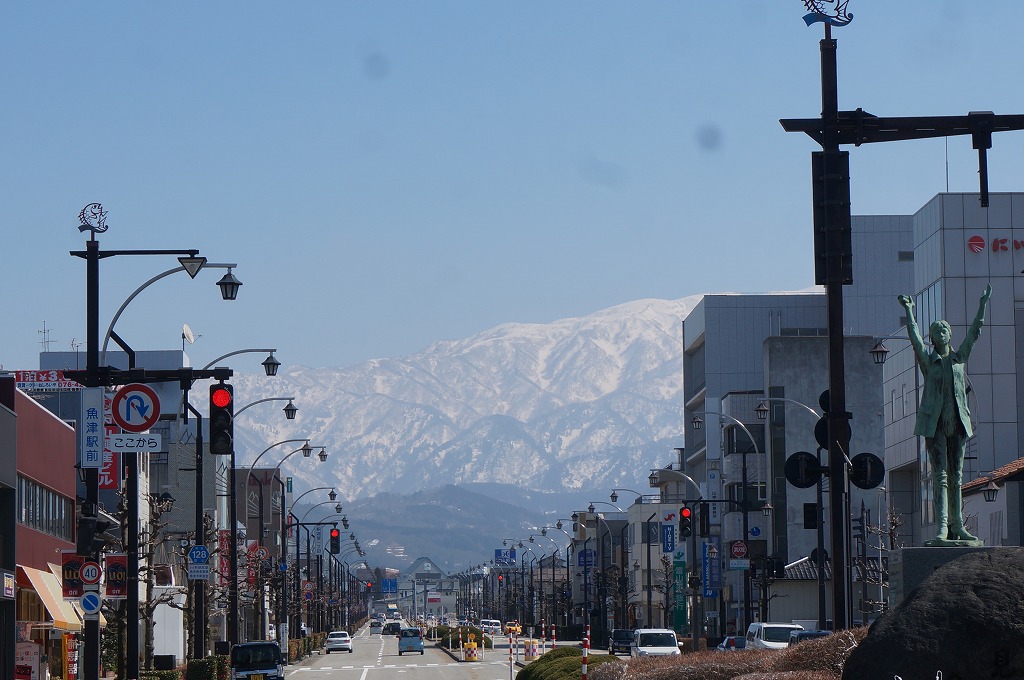
Uozu city and Tateyama mountain range
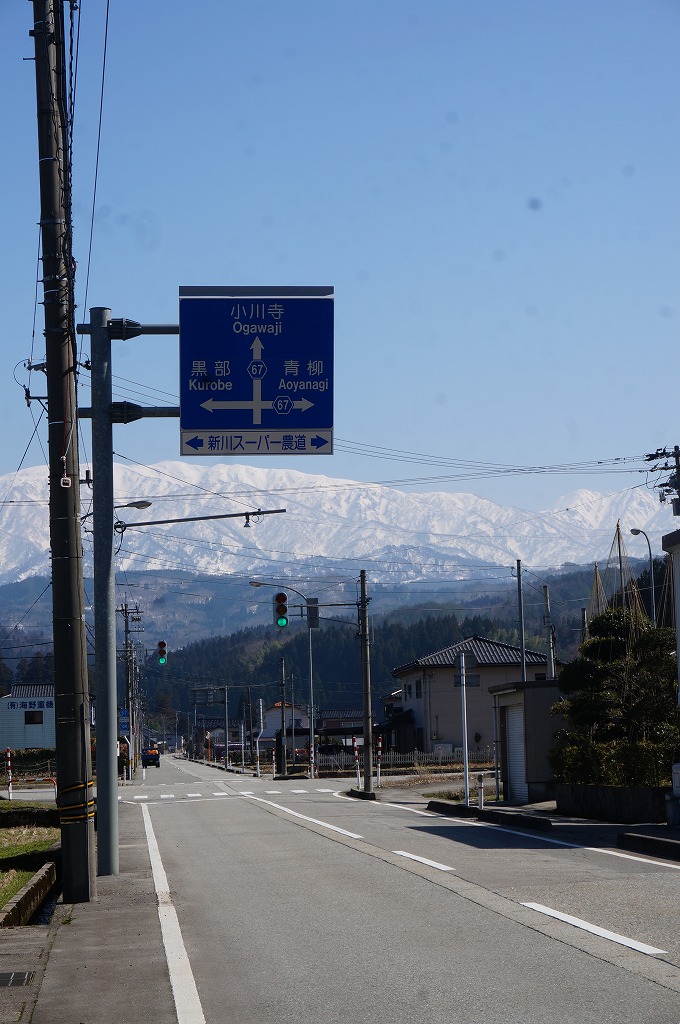
It’s very fine, but the air is cold and feel chilly. Is this because it was still March or because this was Toyama? I was comfortable cycling, while seeing the snowy Tateyama mountain range. The city is very calm.
a road to Ogawaji
Senkoji temple 千光寺
The Kannondo 観音堂
I wonder, if I run some 2~30 minutes, I might finally arrive at the destination. It is the “Senko-ji temple”. There are steps for the “Kannon-do hall” right next to the building.
The Hakusan shrine 白山社
The precincts of the Kannon-do hall are unexpectedly large. About 2~30 people already were as if surrounding the Kannon-do hall. The neighboring building is the Hakusa shrine. As for the men, while the women gather in the Hakusan shrine, the men gather in Kannondo hall. In the Kannon-do hall a priest gives sutra-chanting, and Shinto priesthood gives a congratulatory address in the Hakusan shrine. This is a rare event, mixing Buddhism and Shintoism. In Japan, originally, the syncretism of Shinto and Buddhism was widely seen from the Heian period (9~10 C) until the Meiji restoration (1968), and Shinto and Buddhism were not distinguished from each other as a general rule. Therefore a trace is sometimes still seen in this way.
A group is going to do seven laps here. On that day, the event was going to begin at 2:00 pm, but it was half past 2 and it started at 3:00 after all. A Buddhist priest seemed to be late for a funeral.
I looked at some strange people who come up the stairs between some trees. It may be finally beginning. First, they stopped at the Hakusan shrine 白山社 and gathered at the foot of the steps, they then received purification of the Shinto priesthood. Several children who hold the flags stood up. With them in the lead, a parade begin.
The parade has began
Tengu 天狗
Strange people appeared with flute and drums before us who were wating. At first, it is Tengu 天狗. The kind look that some mind seems to be weak here through Tengu is severe or it is a scary image. He come while jump up and down lightly.
baba-men ばば面
They walk with their hands and feet at same time. Next, two people following Tengu walk towards the same direction. They don’t jump, instead of push their hand up front powerfully with one step forward while glaring at front. They are called “baba-men(mask)”. Further more, they wear distinctive clothes characteristic. One is the pants of the striped pattern on showy clothes, and another is all striped. And after all, to catch the eyes is a strange headpiece. It seems like a crown. I have never seen anything like that. It is not Japanese -style at all. Where did this design come from?
Chinese Lion (Shishi) 獅子
Next comes a lion. Even though I call a lion, this is a Chinese legendary creature, it is totally different from the real animal. Japanese call them Kara-jishi (Chinese Lion). In Japan, there are many folk performing art about this Chinese lion. They are called Lion Dance. Lion Dance has various kinds. In this Ogawaji, it is the oldest style. They are only walking. Though, it’s very tough to walk while lowering the body. Older men say that they cannot walk for a muscular.
anema-men (mask) あねま面
And the lion following is a woman called “Anema”. She is coiffured old style and mouth bends for some reason and is walking while raising a sleeve by one step. And flute players, drum players and portable shrine. Though they say portable shrine (mikoshi 神輿), they pull it on a carriage. It is difficult for a few people to carry it on shoulder, so it become today’s style. They decided to concider it to walk around 7 laps for walk around all town.
mikoshi 神輿
This event is only they repeat this 7 times. It seems very strange.
Legend saya that both “baba-men” and “anema” was old heros and heroine. Name was Morimoto Sanemon, Joudou Rokubei and Omatsu. They fight with next village or avaricious feudallord. But now, we do not know the merely true meaning. Only this strange event has remained today.
A break time enters once on the way. They sit in front of Kannon-do, Shinto priest read a long address to the deities. After this, they walk aronud again.
After they finished laps, they came back to the starting place, under the Hakusan shrine. The event is finished.
At the event, they accept taking a ceremonial photograph. Totally about 30 minutes, this event had finished.
If you have some time, I recommend sightseeing around Toyama. The place where there are old cityscapes, hot springs and natural. There are many places for sightseeing.