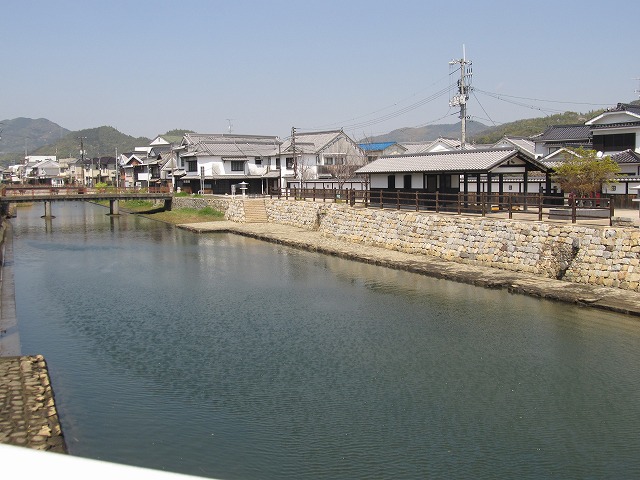
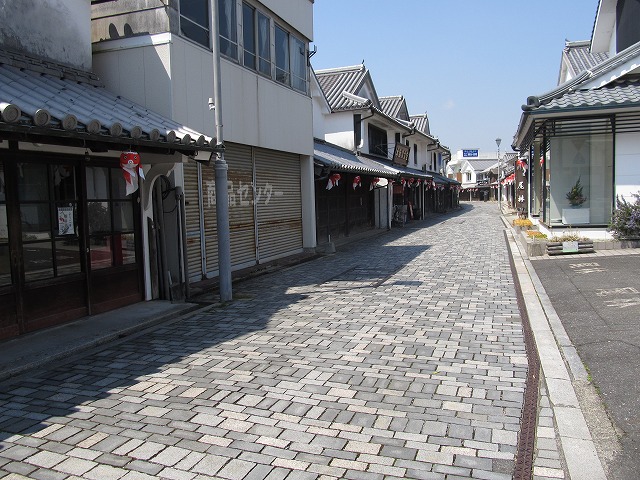
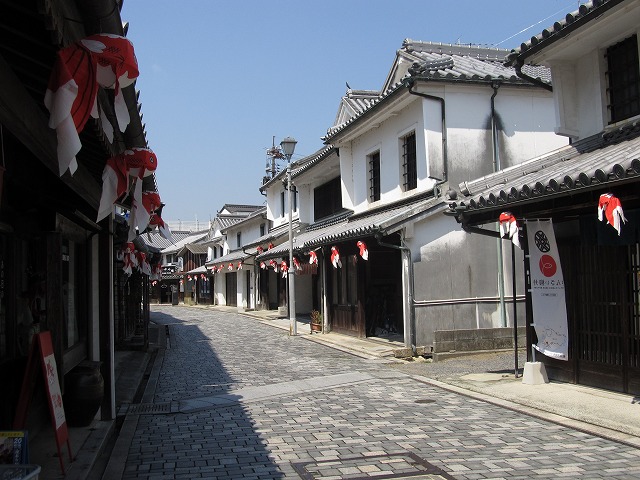
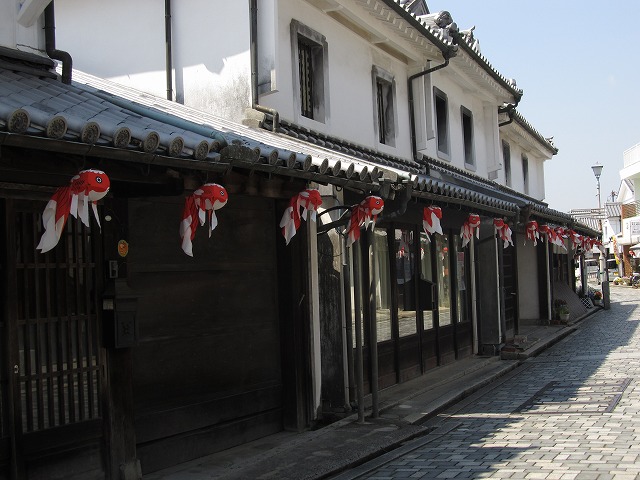
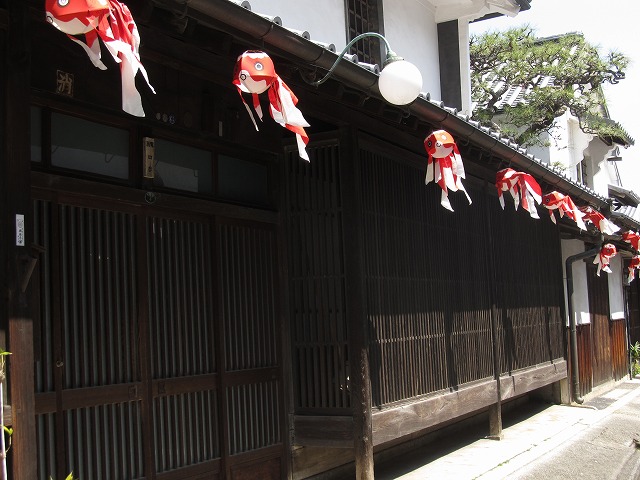
A Beautiful Town with White-Walled Houses ~Yanai 柳井
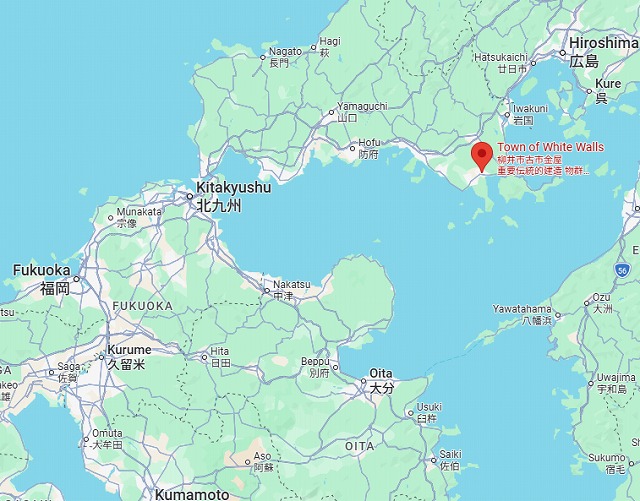


Location; Yanai-tsu, Yanai City, Yamaguchi Prefecture
Access; From Tokyo, it takes just under two hours by plane to Iwakuni Kintaikyo Airport. From there, take a bus to Iwakuni Station, and it’s about 50 minutes to Yanai. From Osaka, take the bullet train (Shinkansen) to Hiroshima—it’s an hour and a half. From Hiroshima, it’s about an hour and a half by local train. From Hakata, take the bullet train to Tokuyama. From Tokuyama, it’s about 40 minutes.

This town has been designated as a Preservation District for Important Groups of Traditional Buildings.

Yanai city official https://www.city-yanai.jp/site/kanko/denkenchiku.html
Yamaguchi prefecture official https://yamaguchi-tourism.jp/spot/detail_15062.html

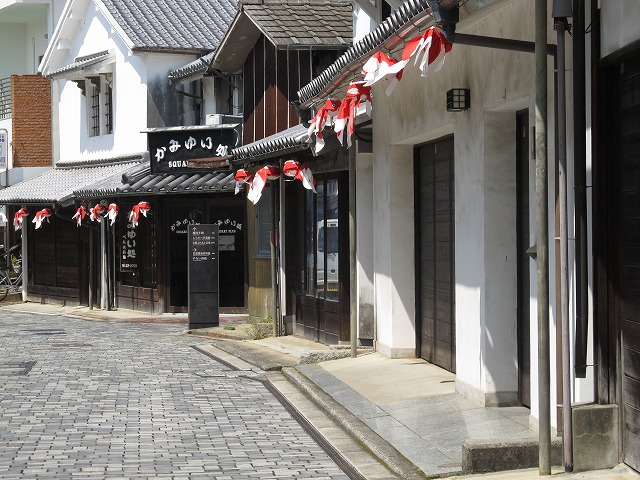
Now, let’s head to the town with its white-walled streets
Yamaguchi Prefecture is located at the westernmost tip of Honshu. If you’ve traveled here from Tokyo or Osaka, you’ll soon be leaving Honshu behind, with Kyushu just around the corner.
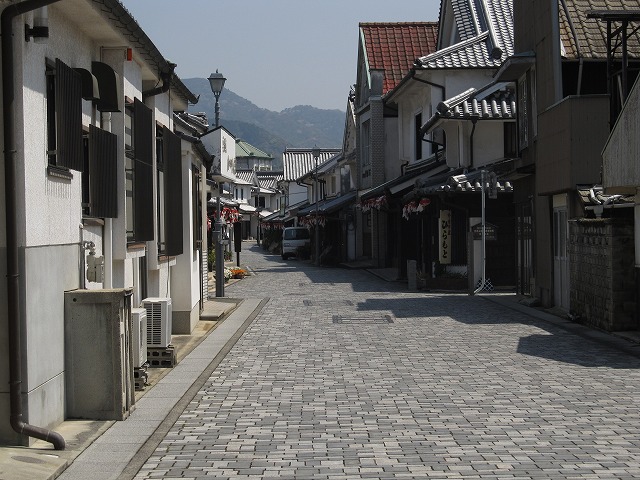
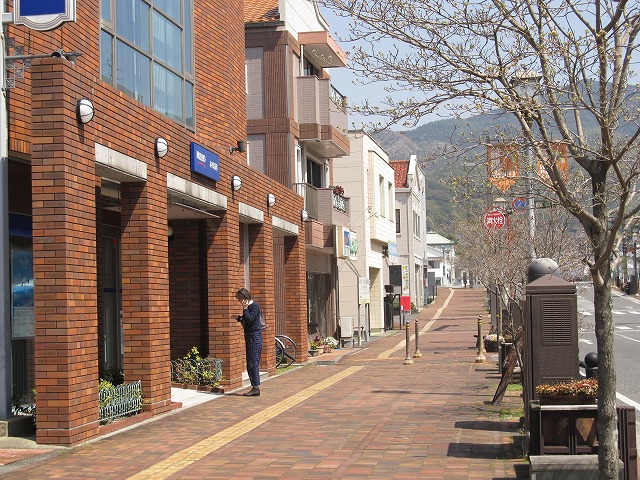
Get off at Yanai Station and walk for a short while, and you’ll come upon a town with a somewhat distinctive atmosphere.
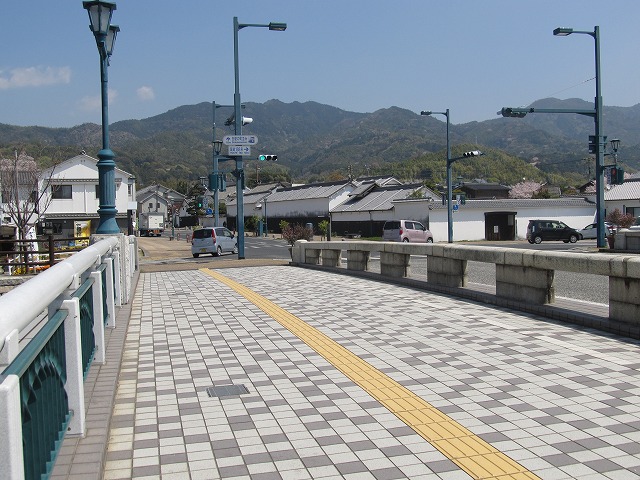
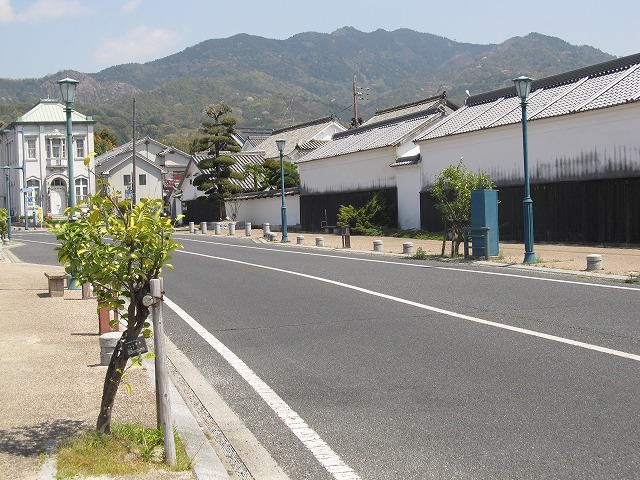
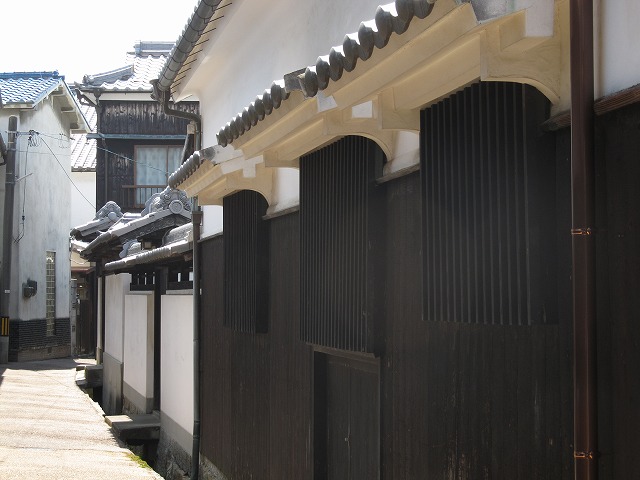
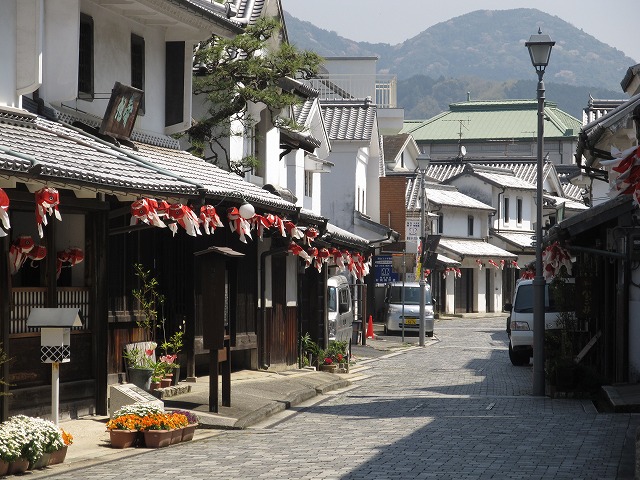
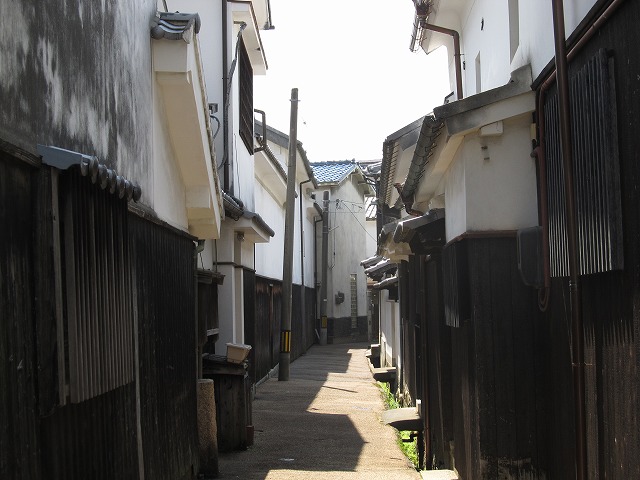
Well, here we are at the entrance to the town of white walls.
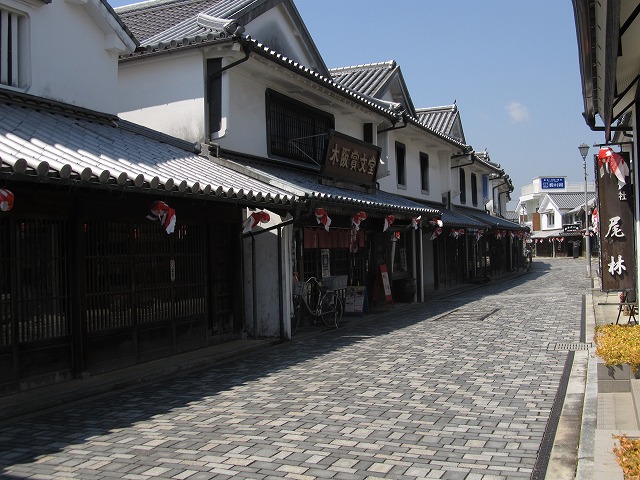
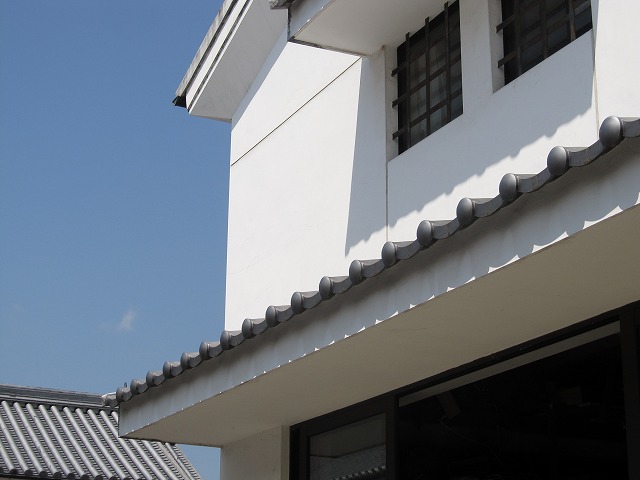
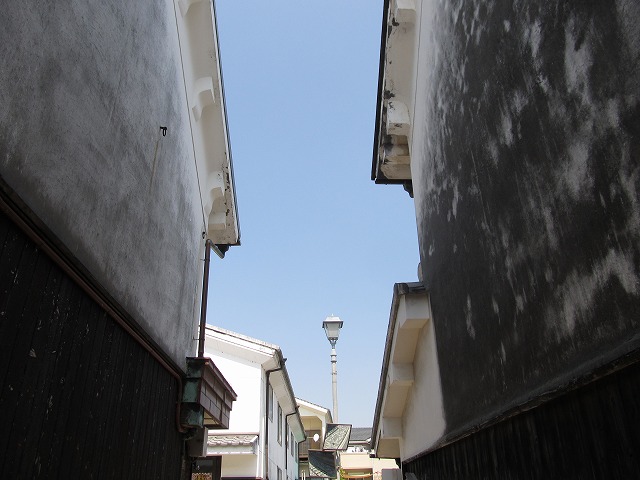
If you come here, you’re sure to be dazzled by the brightness of the white walls.
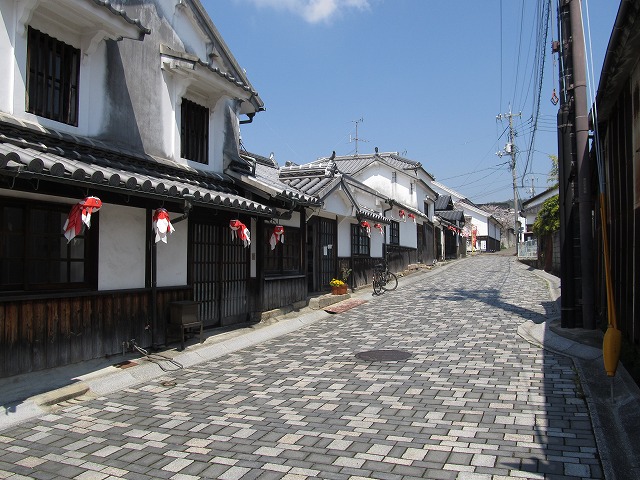
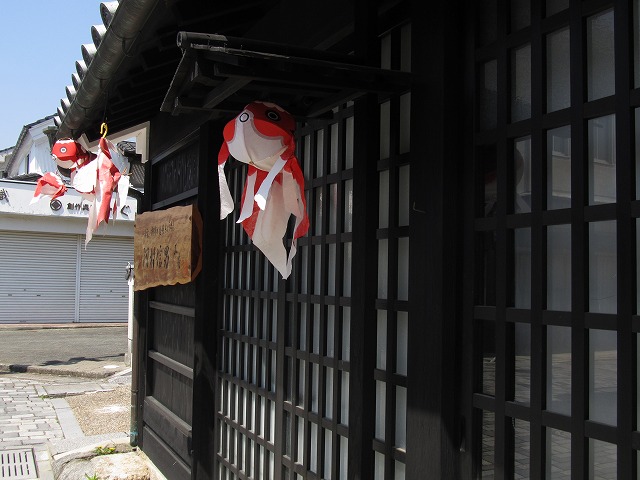
A Town Where Goldfish Welcome You
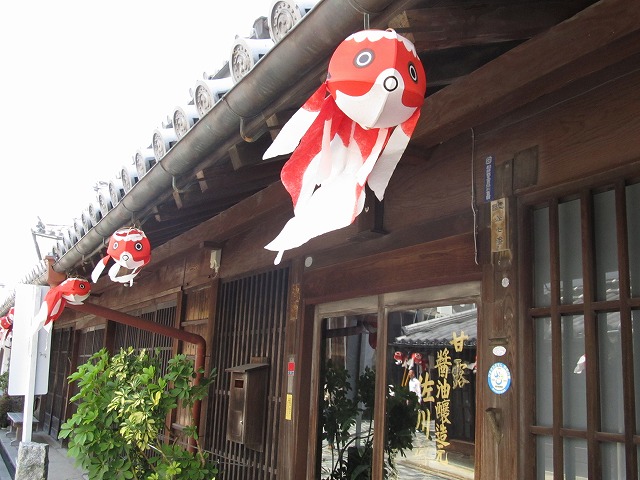
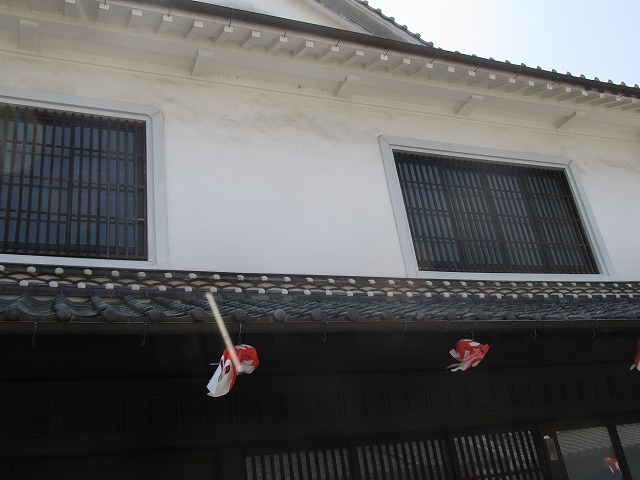
Are you curious about this goldfish? It’s a traditional folk craft from Yanai called a “goldfish lantern.” It’s said to have been designed long ago, inspired by the “goldfish neputa” from the Neputa Festival in distant Aomori.
https://yanai-kankou.jp/en/souvenir/kingyo-chochin-goldfish-shaped-lanterns/

Kingyo neputa https://www.nebuta.jp/know/goldfish/about.html
The famous Kintaikyo Bridge and the streets of Hagi are right nearby. Why not immerse yourself in the white-walled streets while holding a “goldfish lantern” souvenir in one hand?
The goldfish will always be waiting for you.

Kintaikyou Bridge https://kankou.iwakuni-city.net/itn/
Hagi https://www.hagishi.com/en/


A town that once thrived on cotton and still retains its old-world charm ~Unshu Hirata 雲州平田


Location; 841 Hirata-cho, Izumo City, Shimane Prefecture
Access; It takes about 20 minutes by Ichibata Railway from Izumo City Station to Unshu-Hirata. From Izumo Taisha-mae Station, it takes about 35 minutes. From there, it is about a 10-minute walk. The journey from Okayama to Izumo City takes about 3 hours by limited express train.

Official site https://momen-kaidou.jp/en/

Going to Hirata

First of all, let’s take the local railway, the Ichibata Tram, from Izumo City.

The area around the station has a truly quiet and peaceful atmosphere. Until recently, Hirata was a town known only to a select few.

It is only recently that they have finally begun to develop facilities such as tourist information centres and promote the area as a tourist destination. It may hardly be mentioned anywhere else.

Momen Kaido (Cotton Road)

As you cross the bridge, the old townscape comes into view.

The town began to prosper through the cotton trade from around the early 18th century. Partly because it was developed during a period of civil strife, a site surrounded by rivers was chosen.

Hirata dolls are occasionally on display. These are unusual craft items made entirely from tea sets, pottery and Buddhist altarware, which are shaped and held together with wire.


Kurashiki 倉敷~The town of historic warehouses is always a popular tourist destination


Location; Chuo, Kurashiki City, Okayama Prefecture
Access; From Tokyo by Shinkansen: 3 hours and 15 minutes (Okayama Station)
From Osaka by Shinkansen: 45 minutes (Okayama Station)
From Okayama Station by train: 17 minutes (Kurashiki Station)
From Okayama Momotaro Airport by car: Approx. 35 minutes (Kurashiki Station)
From Kurashiki Station on foot: Approx. 15 minutes (Kurashiki Bikan District)

Kurashiki web https://www.kurashiki-tabi.jp/
Okayama web https://www.okayama-kanko.jp/spot/detail_10226.html

In front of Kurashiki Station

A view of the city from the station

Kurashiki is one of the most popular tourist destinations outside of Kyoto, Osaka, and Nara. Takayama is a similar destination, but since Kurashiki is easier to reach, it attracts far more visitors. Given its location less than 20 minutes from Okayama, a major transportation hub, the area around the station is bustling. But just a 15-minute walk from there will take you to the scenic district, where rows of white-walled storehouses stand alongside beautiful willow trees lining the river.

Honcho street

It has been designated as a Preservation District for Important Groups of Traditional Buildings.

Small specialty shops and simple eateries are sure to make you stop in your tracks. However, unless you go early in the morning or at a similar time, you probably won’t be able to avoid the crowds.

But every few moments, as if you’ve encountered an air pocket, a quiet, deserted stillness appears—it comes and goes.

River side

Once you pass through the area with the sea cucumber-patterned walls, you’ll feel the breeze blowing along the river. Perhaps because you’ve just come through those narrow streets, you might suddenly feel as if you’ve been freed from the constraints of everyday life.

If it’s the “magic hour,” the town lighting up just as the name suggests might draw you even further into a fantasy world.

Even though the town simply stands there in silence, before you know it, it slips into people’s memories and begins to tell their stories.


Tsuwano town ~津和野町


Location; Tsuwano Town, kanoashi District, Shimane Prefecture

Access: From Tokyo, take the Shinkansen to Shin-Yamaguchi (about 4 hours) and then the limited express to Tsuwano (about 1 hour).
   Or, if you fly, you can go from Haneda to Iwami Airport. From there, take a bus to Masuda. (about 10 minutes), and then take a local train to Tsuwano (about 40 minutes).
Streets such as Tonomachi-dori and Honmachi-dori have been designated as Important Preservation Districts for Groups of Traditional Buildings.

A small castle town in the mountains of western Shimane Prefecture. It is especially famous for its Tono-machi Street, which is lined with the ruins of former feudal lords’ residences, canals, and white walls. The town is surrounded by mountains, and a river flows through the town a short distance away, spreading greenery. However, access to the area is not very good. Along with the neighboring city of Hagi in Yamaguchi Prefecture, the town has been featured in a women’s magazine as Hagi-Tsuwano, and is especially popular among female visitors. It is also known for its heron dance in the summer.→https://discoverdeeperjapan.com/2021/08/30/sagimai-everything-is-worth-a-photo-chance/
There is also a memorial hall for the picture books of Anno Mitsumasa 安野光雅, who won the International Andersen Prize. It is also an Important Preservation District for Groups of Traditional Buildings.

cf. →https://www15.j-server.com/LUCTWNT/ns/tl.cgi/https://www.town.tsuwano.lg.jp/www/genre/1000000000113/index.html?SLANG=ja&TLANG=en&XMODE=0&XPARAM=q,&XCHARSET=UTF-8&XPORG=,&XJSID=0
→https://www.kankou-shimane.com/en/destinations/?post_type=destinations&destination_city%5B%5D=iwamiarea&s=&x=35&y=25


Tomonoura 鞆の浦


Address: Tomo, Tomocho, Fukuyama city, Hiroshima prefecture
Access: From the No. 5 bus stop at the south exit of Fukuyama Station, take the bus bound for “Tomo” or “Tomonoura” (about 30 minutes). 550 yen (as of 2022)
Fukuyama is about 1 hour from Osaka and about 30 minutes from Hiroshima by Shinkansen.

You can also watch it on you tube.→
https://www.youtube.com/watch?v=K0o-4Ek6stw

In the video we will guide you.

It seems that Tomonoura has been used as a port since quite ancient times, and there are records of its use as a port from around the 12th century.

from 「鞆 町並みの魅力」福山教育委員会

Same to the left

The ocean currents in this area flow in from the east and west at high tide and collide just in the vicinity of Tomonoura. On the other hand, when the tide is low, the currents divide into east and west from here. In the old days, people used to sail along the coast, so waiting for the tide was important. The most suitable port for this was Tomonoura.
The people of the time period gradually and gradually built up the harbor through land reclamation and other means, and it took on its present form.

You can look inside an old merchant house and get a glimpse of how people lived in those days. It is said that people in the construction industry today sigh in awe because they can see beams cut out of a single tree, something that is impossible to find nowadays.

When you are surrounded by so many natural townscapes, you feel like this is normal. However, this is a historical landscape that miraculously remains because it was left behind in the development race. It is easy to forget that townscapes like this used to exist in Tokyo and Osaka as a matter of course.

A ferry connects the town with Onomichi 尾道, one of the most popular towns in Hiroshima Prefecture along with Tomonoura and other towns. It is nice to see the peaceful scenery of the Seto Inland Sea from the sea. It is also fun to compare it with the port city of Onomichi.

cf. https://www.city.fukuyama.hiroshima.jp/soshiki/kanko/85749.html
https://youtu.be/K0o-4Ek6stw

the centuriesTomonoura official https://visittomonoura.com/?lang=en

Japan heritage official https://www.japan.travel/japan-heritage/popular/old-port-tomonoura-hiroshima-setonaikai-fukuyama