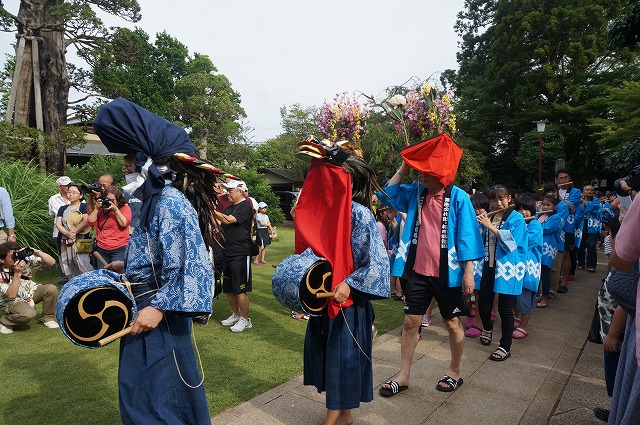
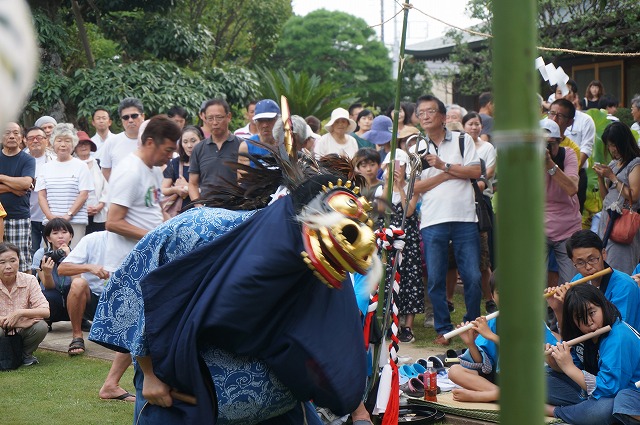
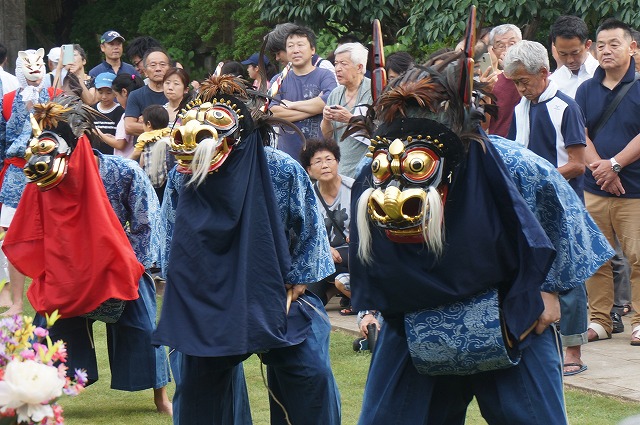
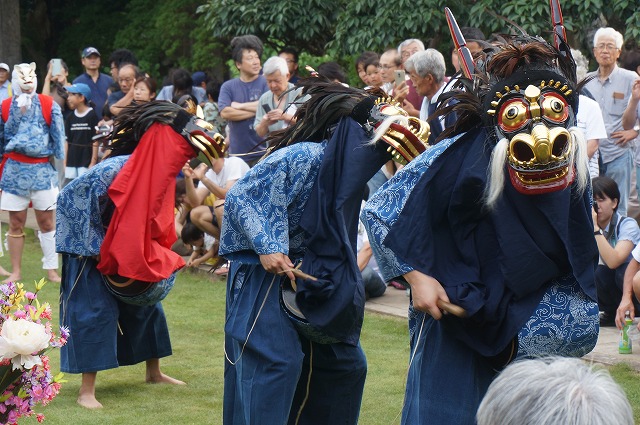
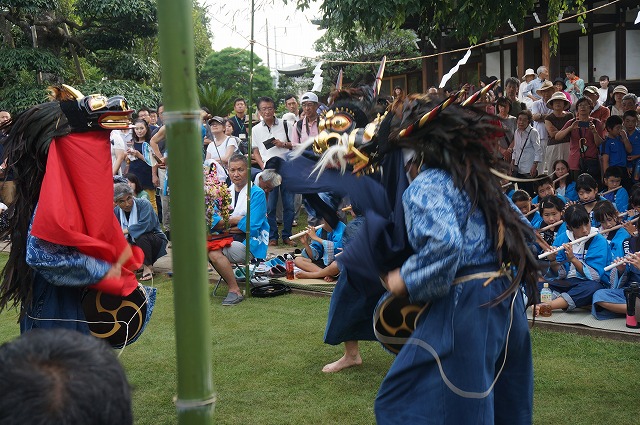
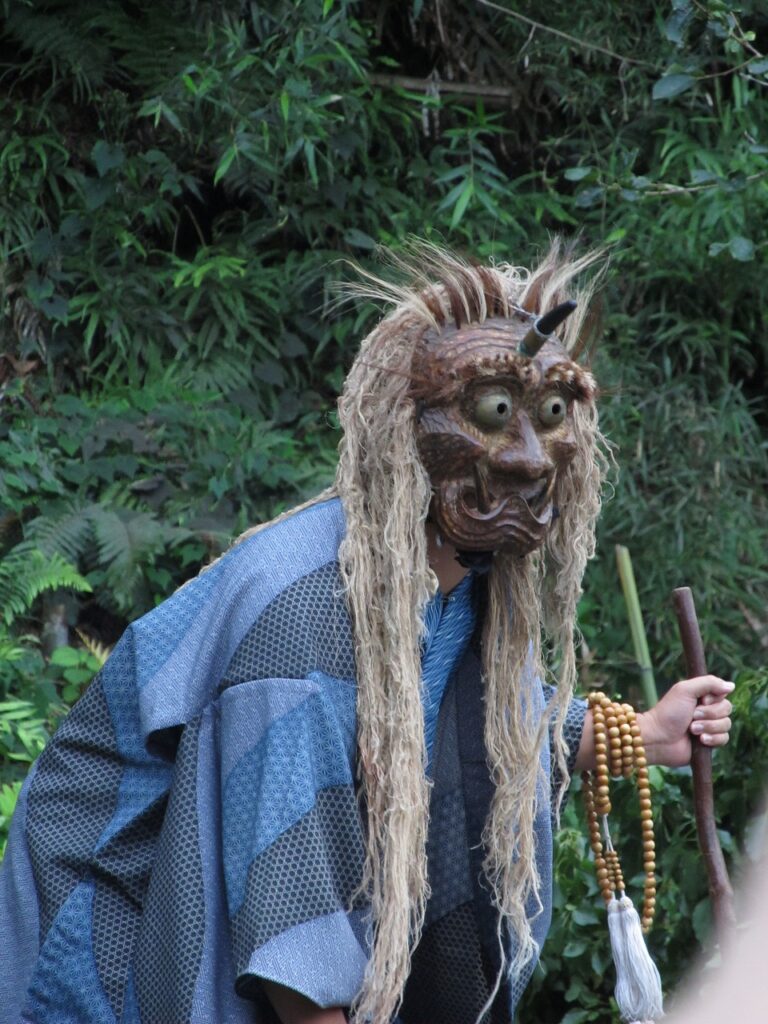
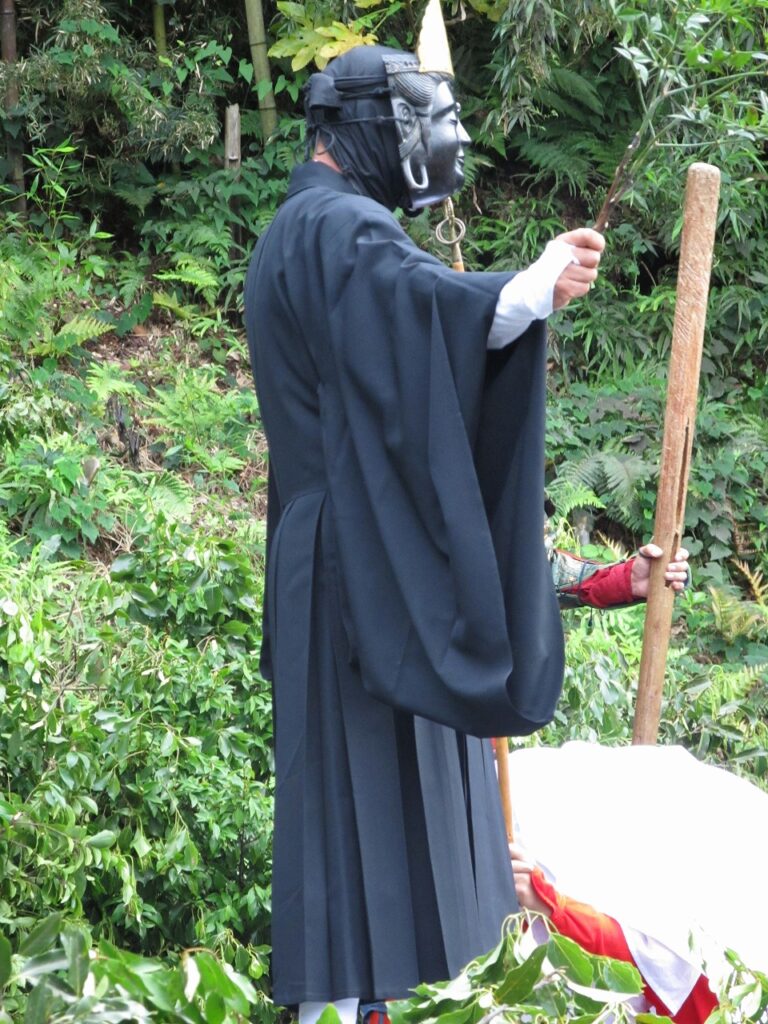
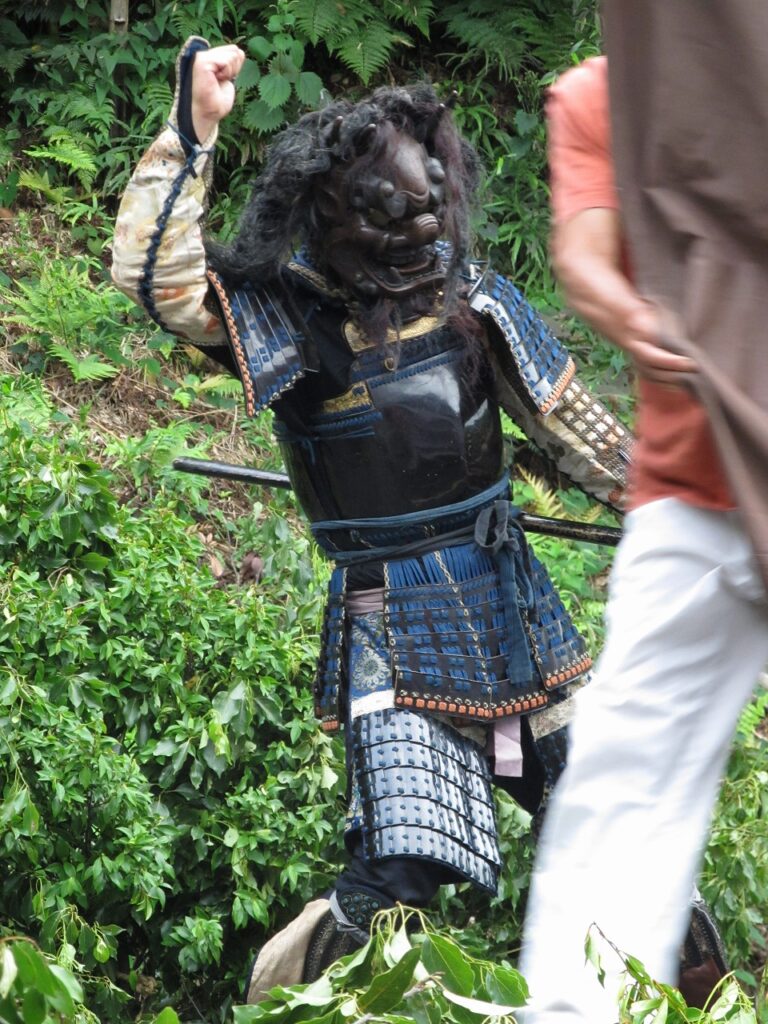
This is one of the three lion dances that can be seen north of the Kanto region. Although there are many similarities between the three lion dances, if you look closely, you will notice that the lion dance performers are different from each other and the performances are also different, which makes it interesting to see the characteristics of each region.
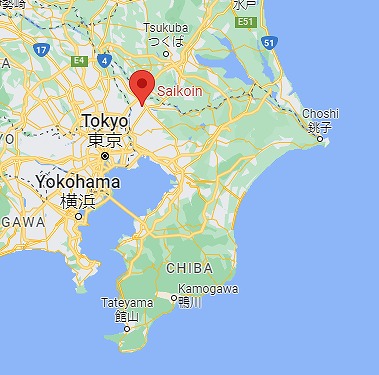
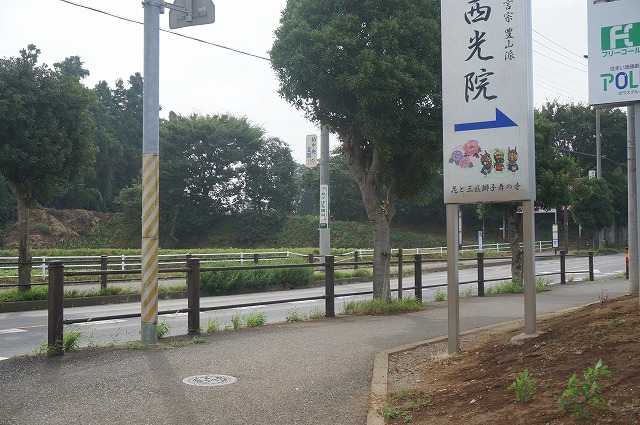
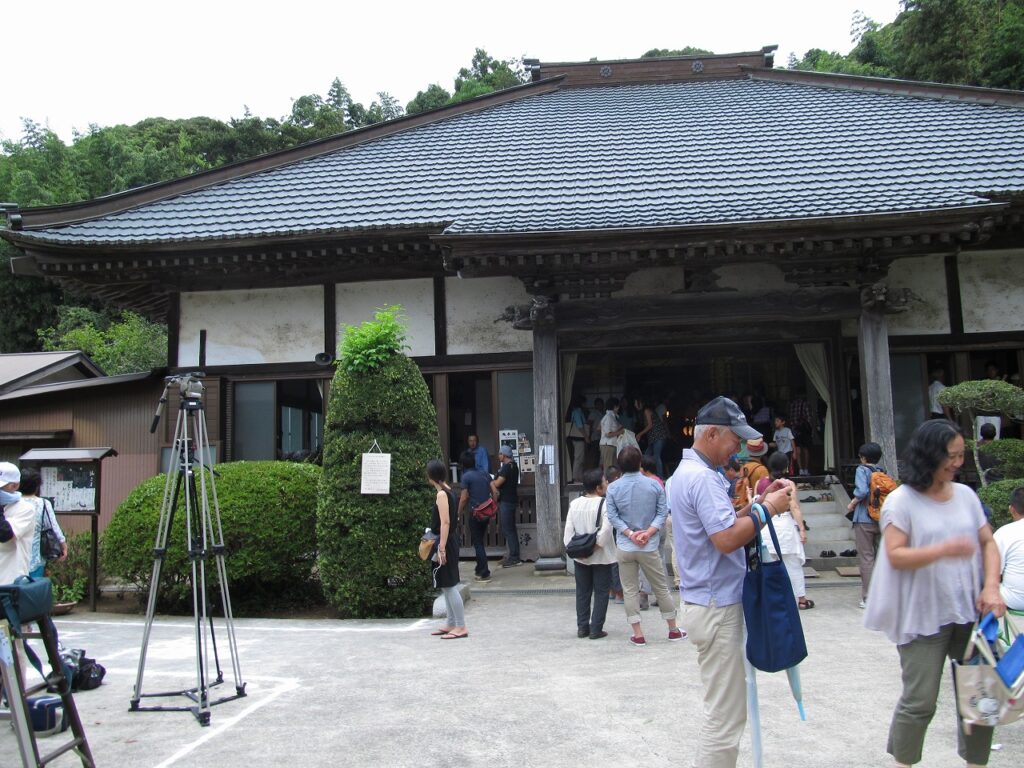
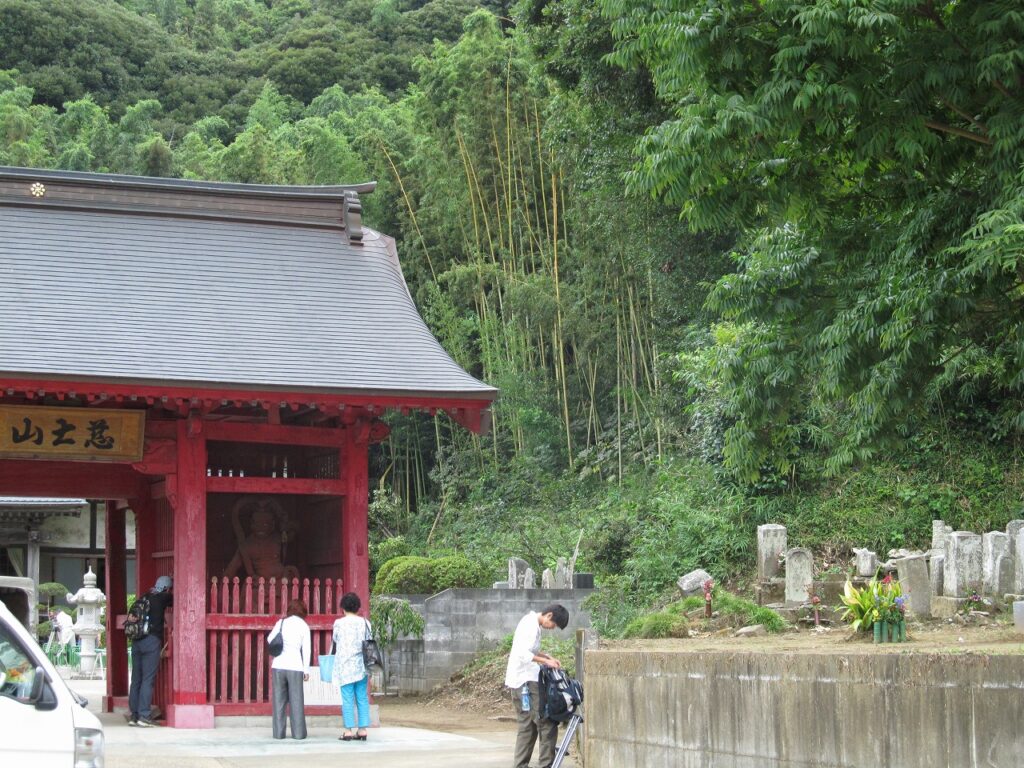
Date: August 16 every year Location: Saikoin temple 西光院, 1214 Shikoda, Kashiwa city, Chiba prefecture, Japan Access: 5 minutes by bus from the west exit of Kashiwa Station. Get off at Sangen bus stop. Approximately 40 minutes from Tokyo to Kashiwa on the Ueno Tokyo Line
This article is based on 2019 visit
The few days before and after August 15, centering on August 15, are called obon, and various ancestral memorial services are often held. People often return to their hometowns during this period. Originally, August 15 was July 15, but since the Meiji government changed to a new calendar, August has become common throughout the country. The lion dance here is also held in conjunction with the Seikoin temple, where the event is held, as the Seikoin temple holds a memorial service.
3:30 p.m. Entrance
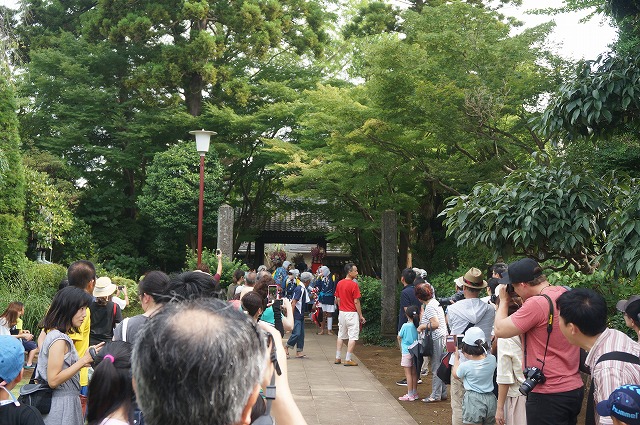
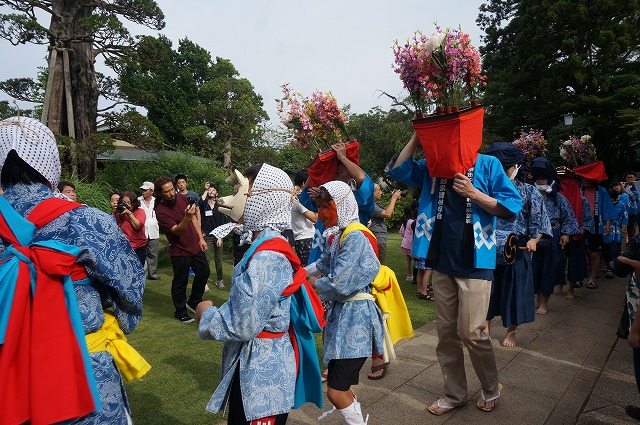
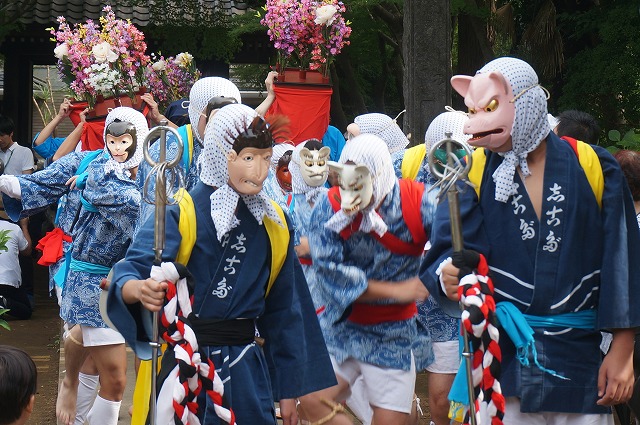
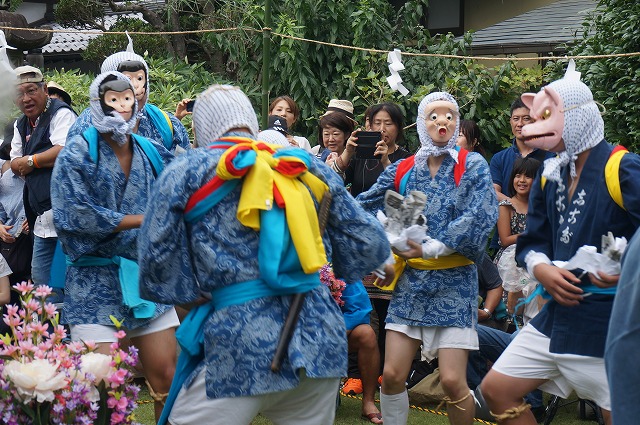
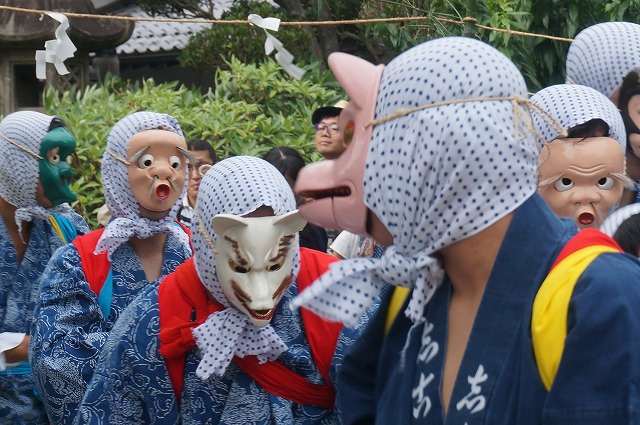
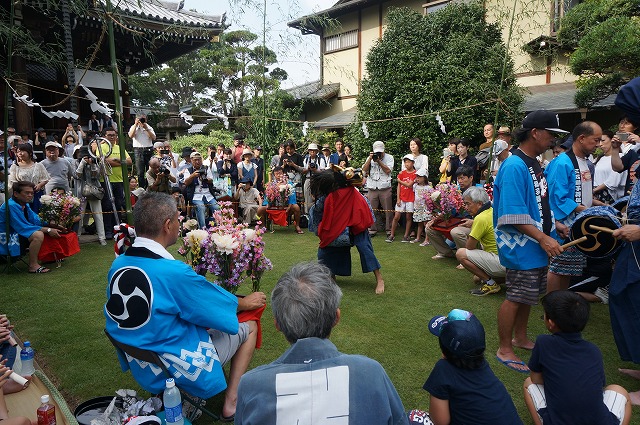
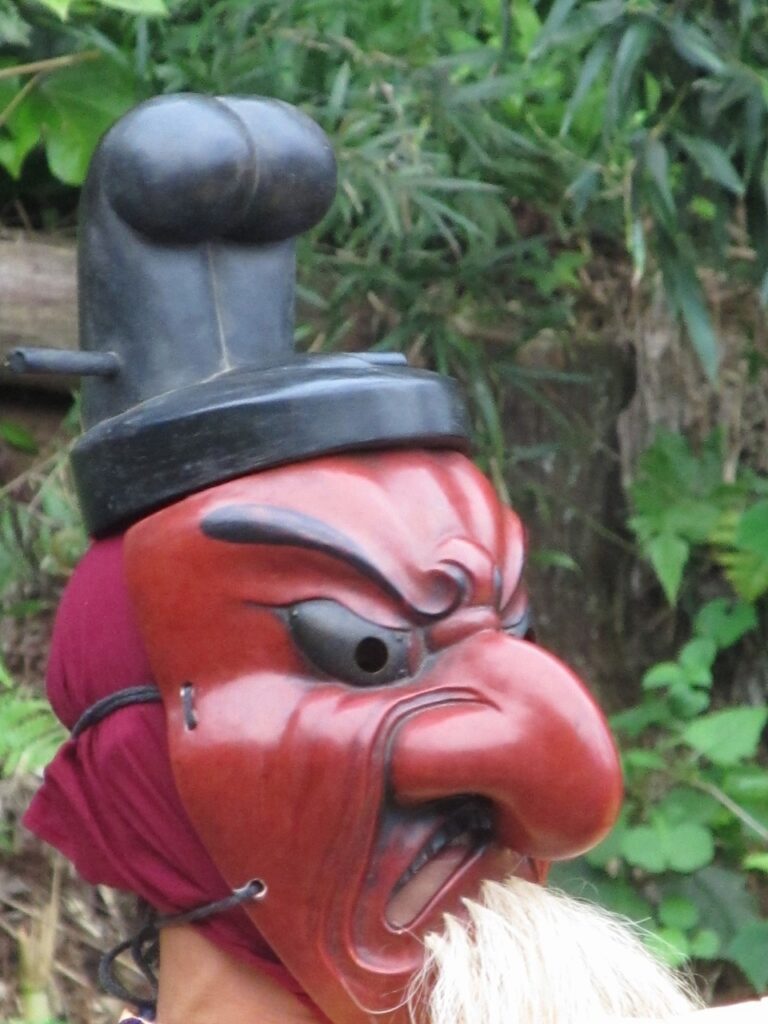
At this time of the day, when you get off the bus and head toward the temple grounds, they are already full of people. After passing through the gate, there is a straight line of stone pavement from the gate to the main hall. In front of the main hall, bamboos are erected on all four sides, and ropes are tied between them to form a boundary. This is today’s dance stage. People from both sides of the street crowded around the dance space, eagerly waiting for the main actors to appear on stage. Soon, the lively sound of a flute echoes, and the dancers appear. Normally, the three lions would be the first to enter, but here, there is a strange group in front of them. Hyottoko, foxes, monkeys, etc. This group is commonly known as “sarumai (monkey dance)”.
Sarumai
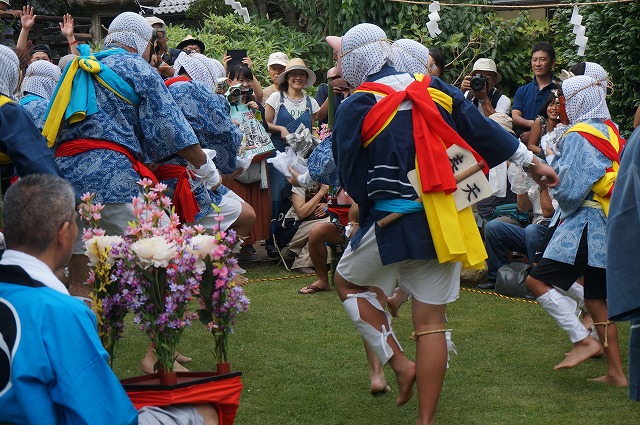
They dance joyfully, making odd noises. The musical group that followed behind them sits on a prepared blue sheet. The musical group that followed behind them was seated on a prepared blue sheet. The lions take a short rest. The boundary stage is covered with grass, so everyone is barefoot. A group of people who were dancing happily on the lawn suddenly started sprinkling white powder in their hands in all directions. What was it? It was salt. A lot of salt. Spectators ran for cover, and those with cameras rushed to cover them with towels and other items. A large amount of salt is showering down on them like a rainstorm. If a child dancer left some of the sprinkled on the ground, the people around him or her would say, “Keep sprinkling”. When there is still some left over. The salt is said to be spread about 5 kilograms in all. When they finish rolling, they quickly disappear. When the audience flaps their clothes, a large amount of salt spills out. Legend has it that bathing in salt will bring good health.
Shishimai (Lion dance)
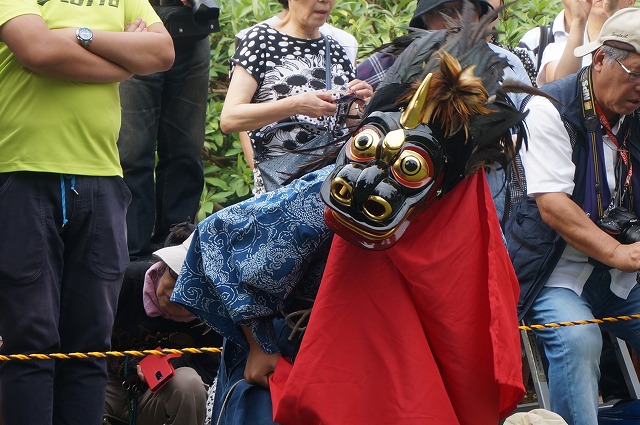
Once the sarmai guys are gone, the lions finally appear. At first, each performs a solo dance. First is the female lioness. Hanagasa (flower hat) stand on all four sides of the stage, adding to the stage’s splendor. The female lioness wears a red cloth and has one small horn. Until recently, there used to be a performance in which a fox with a stick behind female lion would follow lion at this time, but this was not done when the author visited there (2019). Perhaps the trend of the times is to abolish such sexual performances.
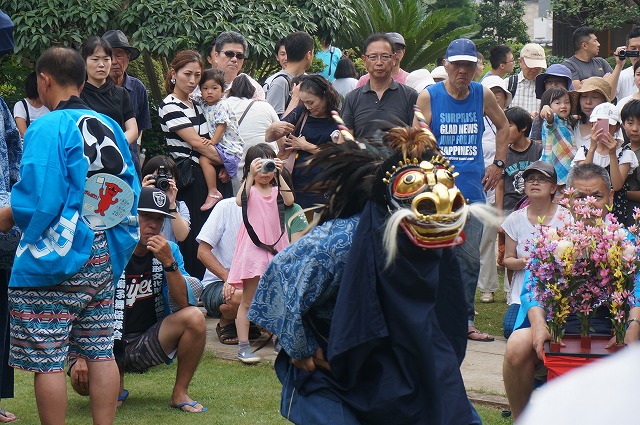
Next comes the “Nakajishi”. This is a young and energetic lion, so the dance is also energetic. It has two twisted horns.
The last one to appear is “Ojishi,” who is an experienced chief who controls the family. He is actually the most experienced dancer in the company. He has two straight horns. The dancer has to appear majestic.
After each solo dance, the hanagasa are lined up in a row, and now the three animals move around in between them.
After the lion dance is over, the three lions gather for a final time to sing a song. The song is a kind of Buddhist prayer, and the lion dance originally served as a prayer for rain. It takes about one hour to complete the dance. The group disbanded at 4:30 p.m. People leave the shrine, paying salt to the lions.
Report: Kiraigo~Buddhist drama that has lasted for about 800 years
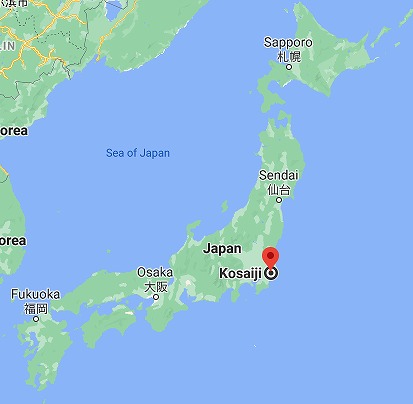
Date: 16 August every year Location: Hikari town Musho, Sosa district, Chiba prefecture Access: It takes 4.5 kilometers from Yokoshiba station (JR Sobu line) Yokoshiba is about 1.5 to 2 hours from Tokyo by train.
prologue
It is often said that Japan is a country without religion. Therefore, I have heard that when people from overseas asked, “What religion do you believe in? “, Japanese people are often at a loss for an answer, and are often surprised. Since this site is about festivals, Shinto events often appear. This is because the word “Matsuri (festival)” originally means to worship the deities. However, funerals and other events are conducted under Buddhism. To be precise, some people say that Confucian forms are also involved. In the New Year, we visit shrines, in the summer we have a Buddhist event called “Obon (the event that ancestors return at this time of year)”, and in the winter we celebrate Christmas. There is also a joking way of saying that. But on the other hand, there is this story. A road side was troubled with garbage being thrown away. As a countermeasure, the people concerned set up a small “torii” (a gate at the entrance of a shrine, used as a landmark to indicate that from here it is the domain of the gods). As a result, no more garbage was thrown away. In the first place, God and Buddha have been one and the same in Japan since ancient times. Setsubun is an event held at both shrines and temples. This happened because of the arrival of Buddhism in Japan in the 6th century. The leaders of the time were thinking, “As a civilized nation, we want to spread Buddhism.” However, they could not force people to abandon their original faith. So they came up with the idea that God and Buddha are the same. They said that God is the temporary form of Buddha in this country. This idea lasted until the 19th century.
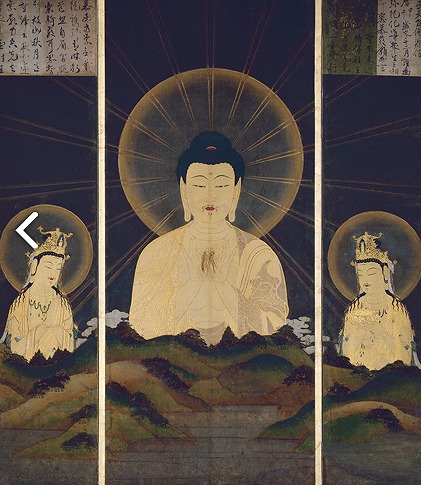
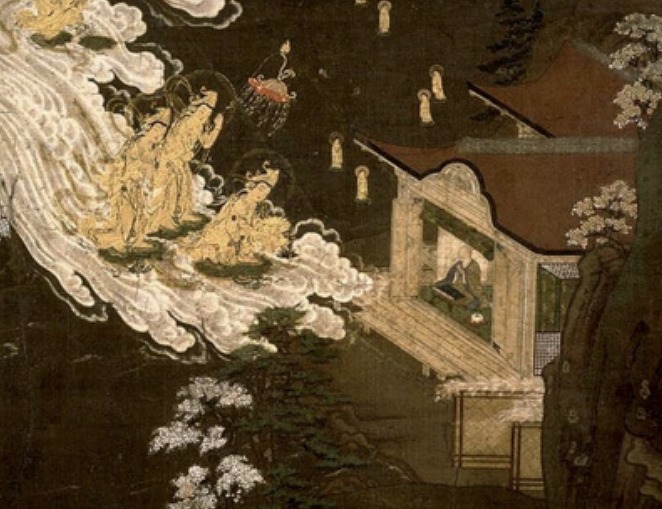
However, Buddhism is the one that Japanese people have believed in the most. Because it answered the biggest question of all, “What happens when we die?” Buddhism say “there is paradise and hell”. So the various schools of Buddhism have competed to propagate the idea of how to avoid hell and go to paradise. In the Christian world as well, there is a wide variety of images of demons while there is little variation in the designs of angels, and while most pictures of paradise are just a line of Buddhas, there are many variations of hell pictures. So many pictures of hell have been drawn and passed down through the generations.
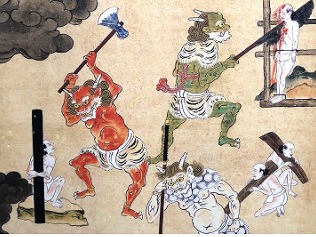
Blood Pond and Needle Mountain are probably the most common images of hell that every Japanese person has heard once.
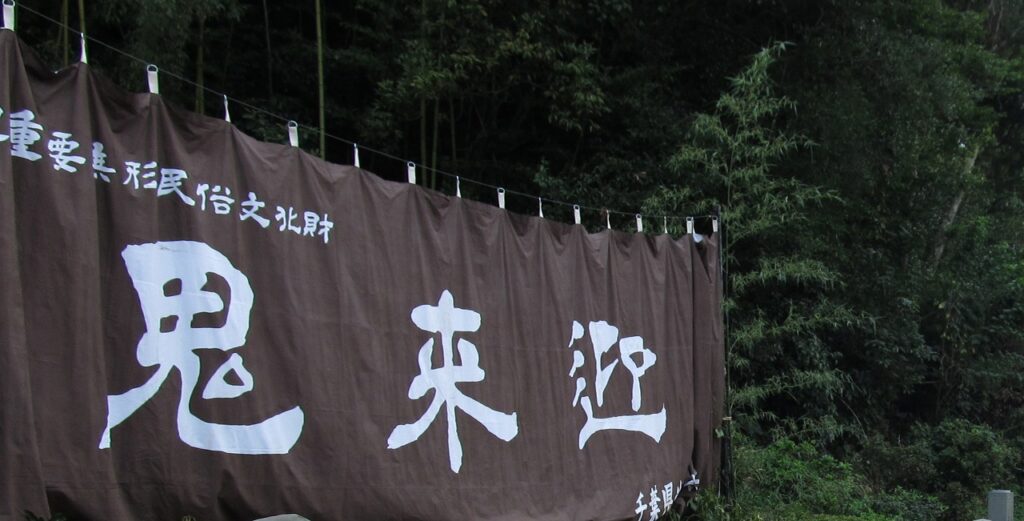
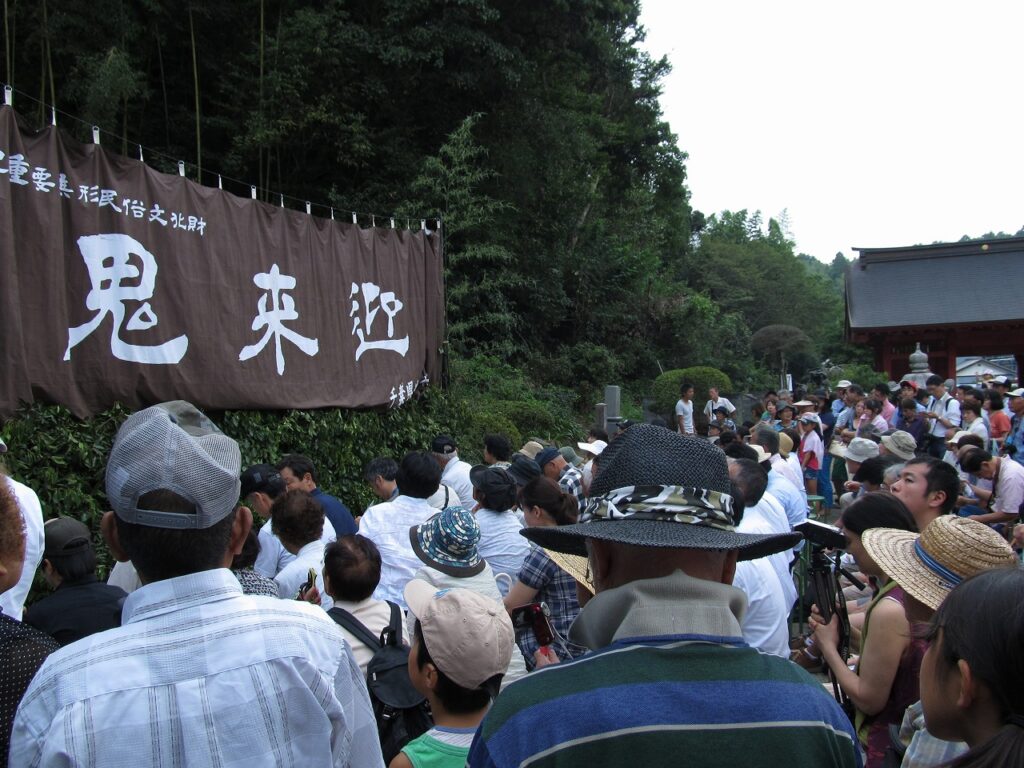
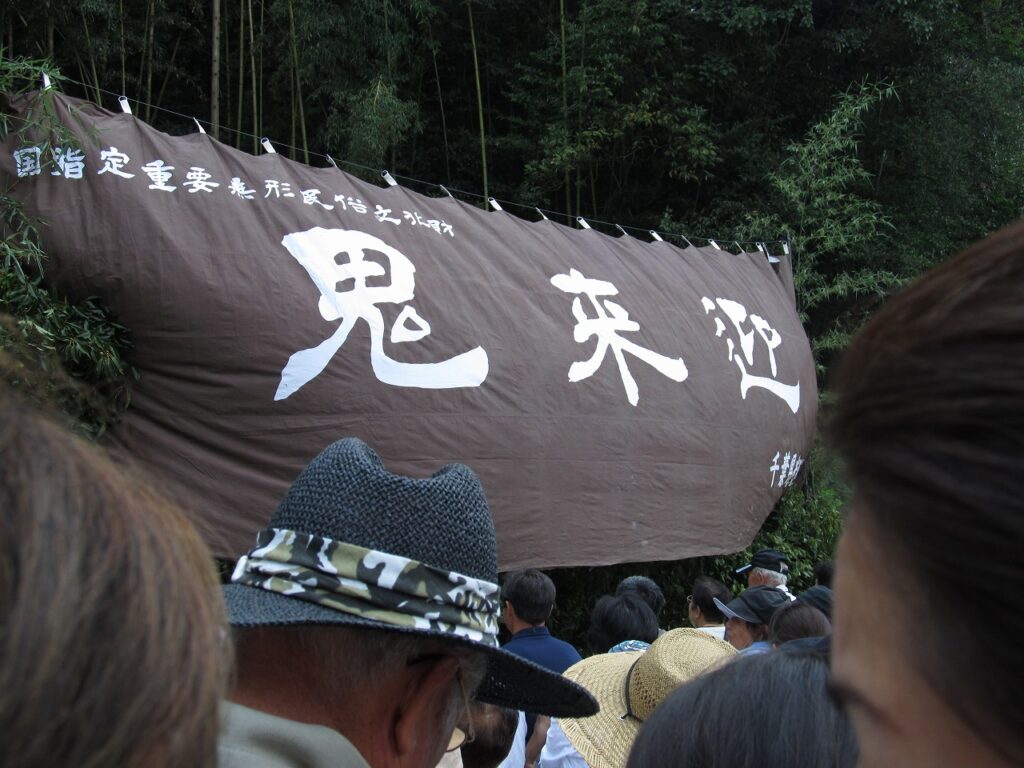
Kiraigo 鬼来迎~The Miraculous Legacy
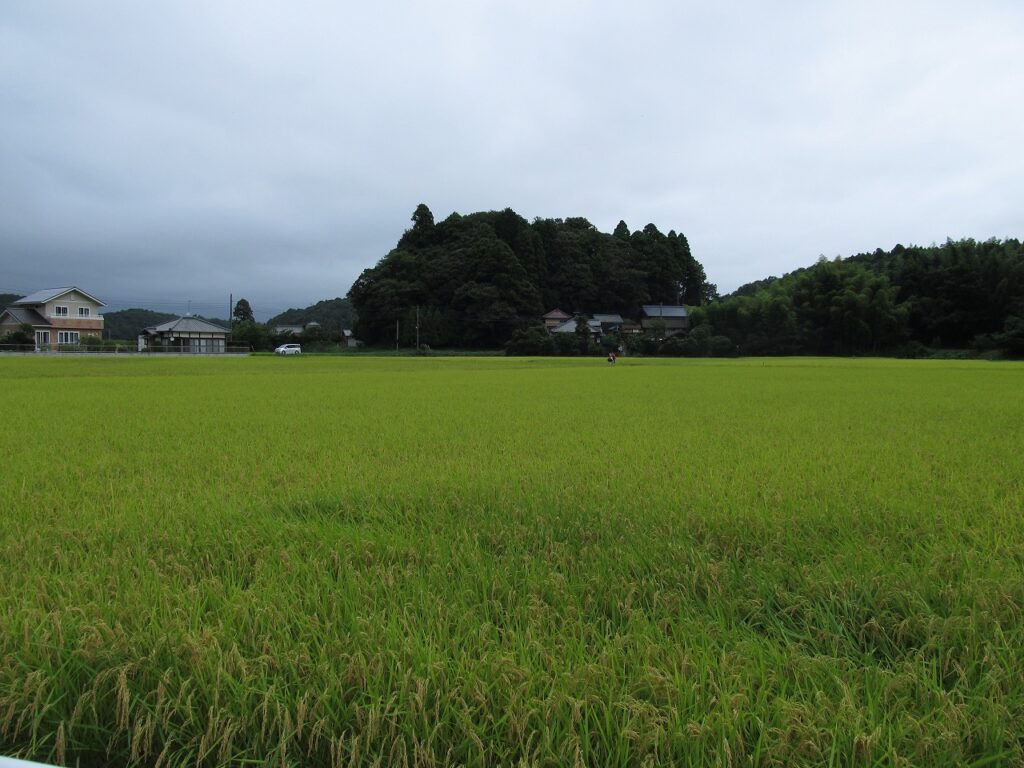
And the various schools of Buddhism performed plays as well as paintings and storytelling as part of their missionary work. Most of them have fallen into disuse, but miraculously the one here at Kosaiji 広済寺Temple has solely survived. It is said that its origin dates back to the Kamakura period. It is miraculous that this is the only place in Japan that still retains this type of event, but what is even more surprising is that there are currently only 25 houses in this area.
Main story
The start time is approximately 3:00 in the afternoon. (However, since there are greetings at the beginning and so on, the actual start time is around four o’clock.) It is almost four kilometers from the station, and there are few buses. The surrounding area is only rice fields as far as the eye can see. However, on this particular day, the roads around the entrance become congested because most people come by car. So uniformed police are even serviced to control the traffic.
Musho district 虫生地区
venue
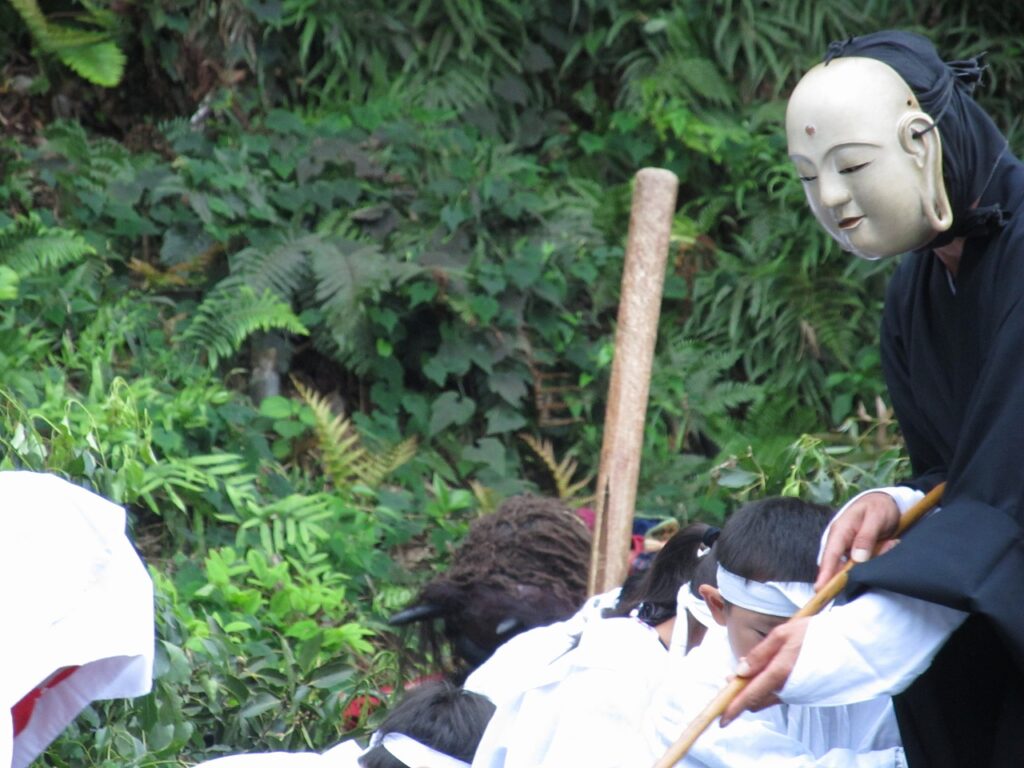
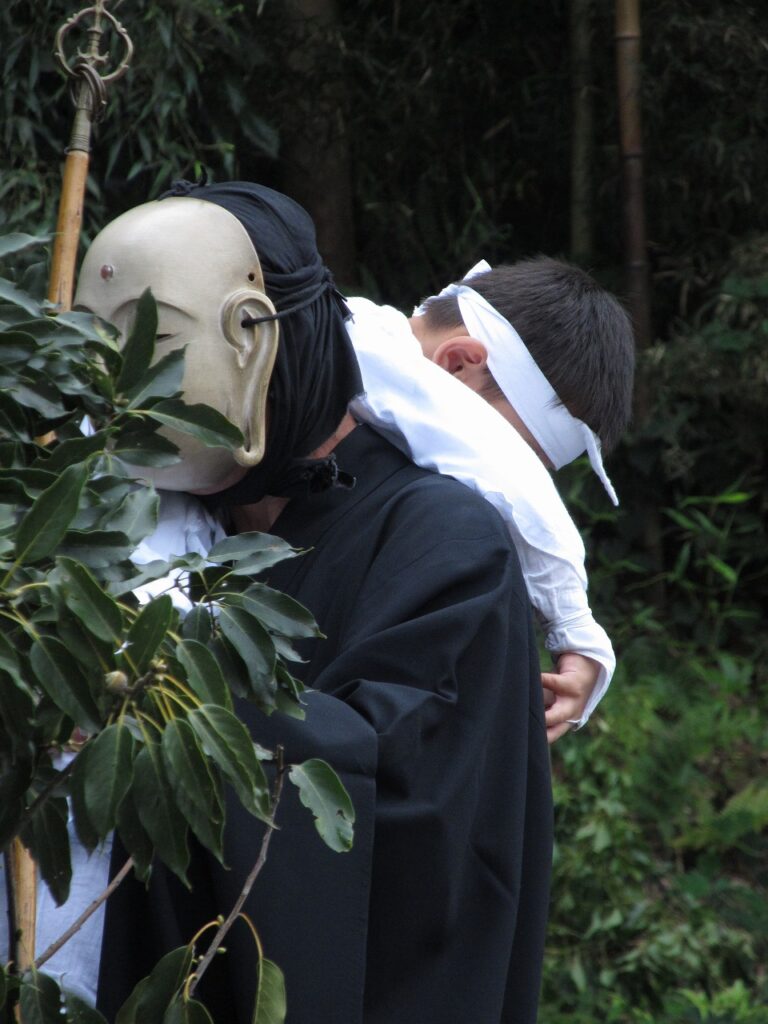
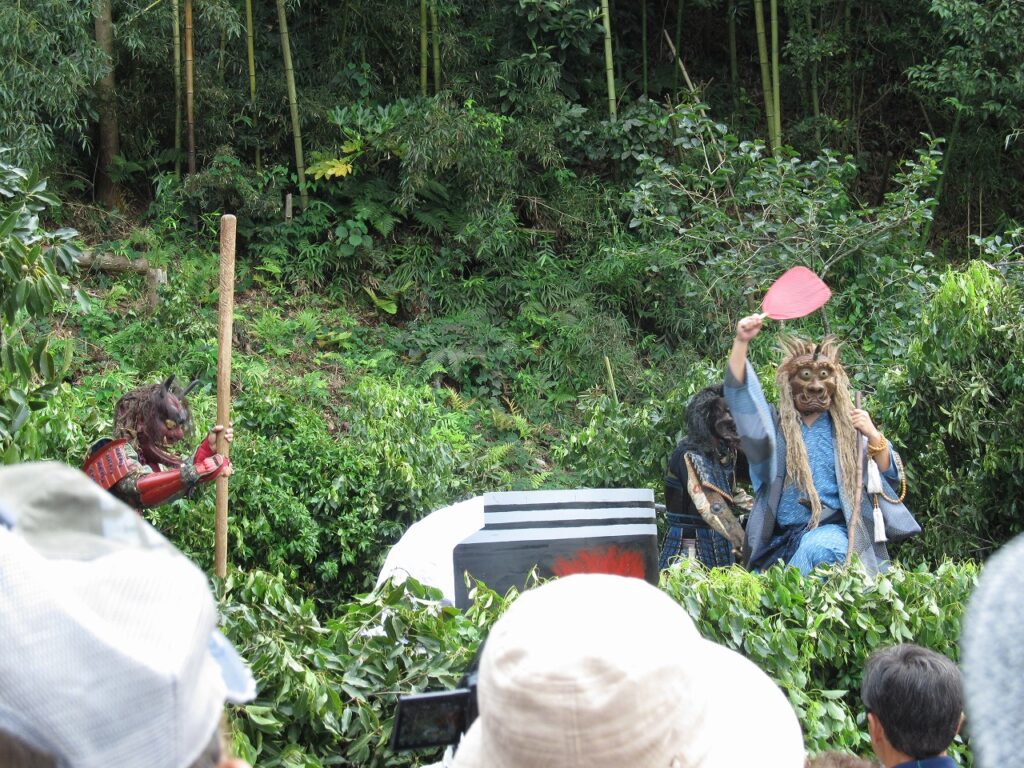
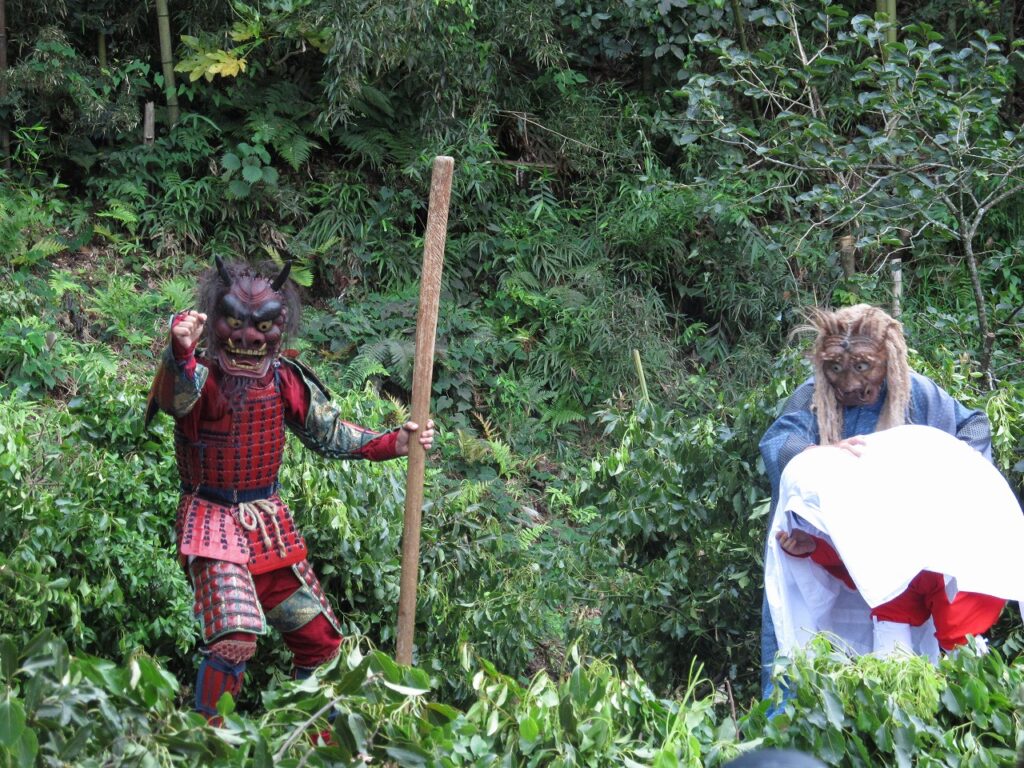
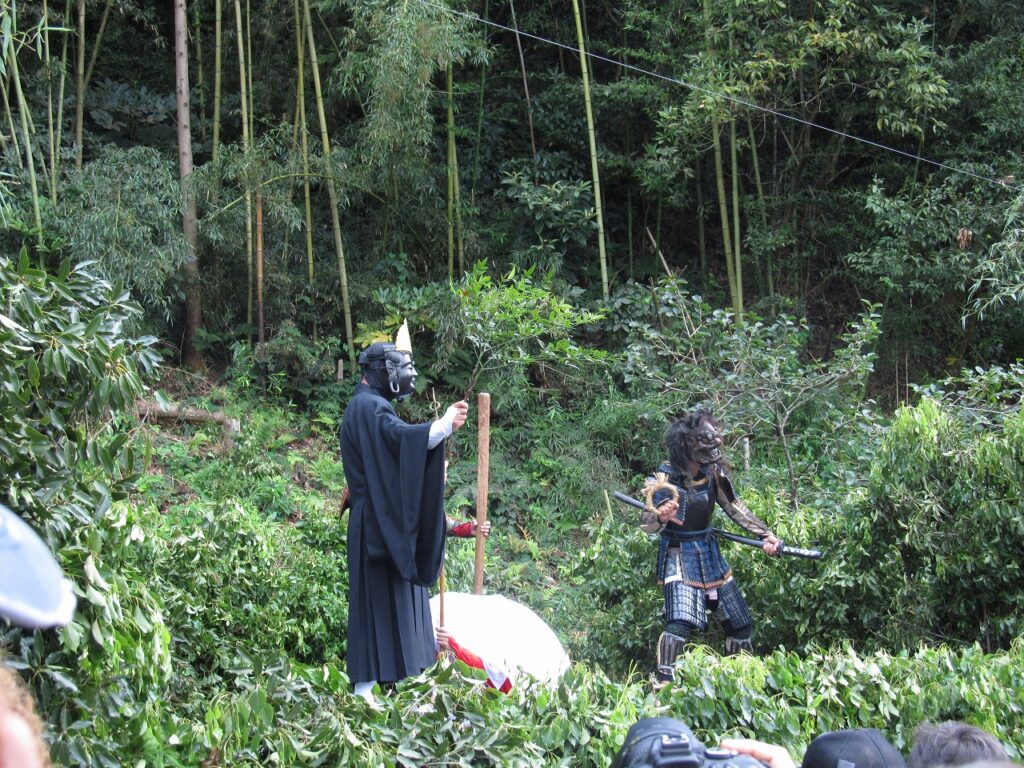
The stage is a steep cliff covered with grass. In the past, there was a building called “Jizo-do” there, which was used as the stage, but the earthquake destroyed it. Nowadays, people build the stage in a corner of the slope and use it by covering the surrounding area with grass. There are about 60 chairs lined up in front of the stage. Behind them are standing room only. And in the last row, many tripods with cameras are lined up. After the greetings, the first event is for the demoness to wish the child good health. In this event, the demoness holds the child in her arms and shouts, “Go-o!” *It is one of the most famous events in this event, but there used to be trouble over it. Parents would take pictures of the demoness holding their children nearby. So far, this is a very natural process. But then, an amateur photographer behind them said, “You’re in my way. Get out of the way. This became a big problem. Some people, especially retired elderly people with high-end cameras do this. There is also a local train running near here, which is very photogenic, but I see a number of warning signs posted there as well. They say, “Please do not obstruct the train service,” “Please do not photograph schoolchildren in an indecent manner,” etc. I once saw an old man who boasted that he would change his personality if he got a camera. This is one of the evils of the camera scene in Japan. This has nothing to do with our readers, but I dare to complain about it here.
1st stage ~The opening act
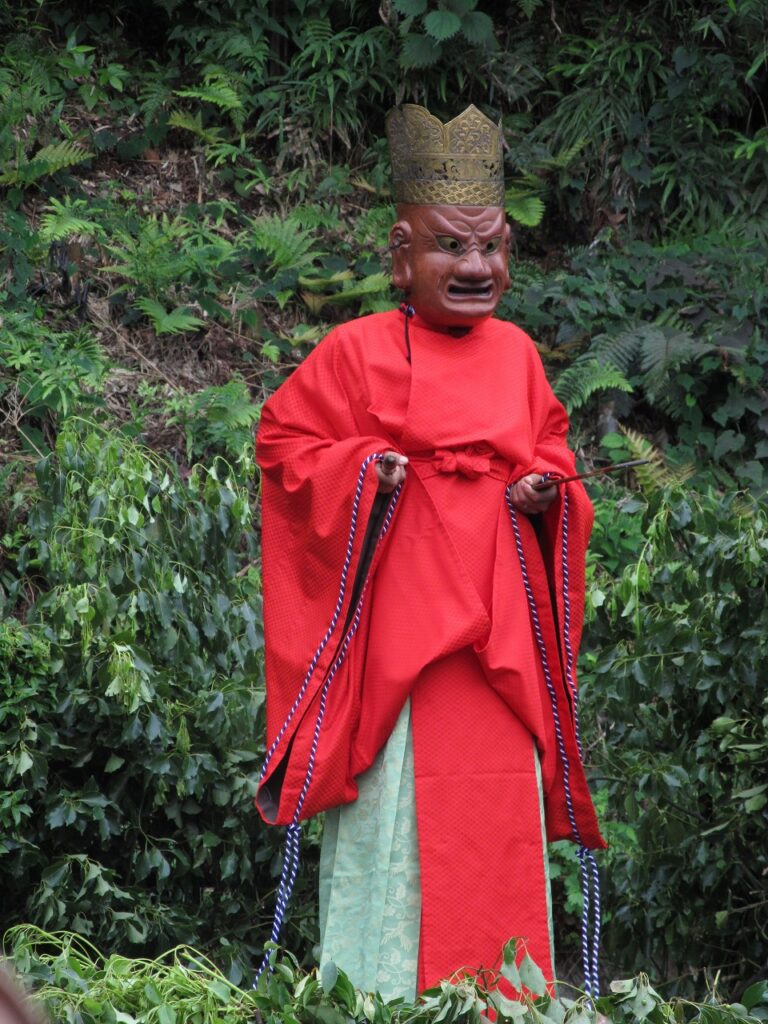
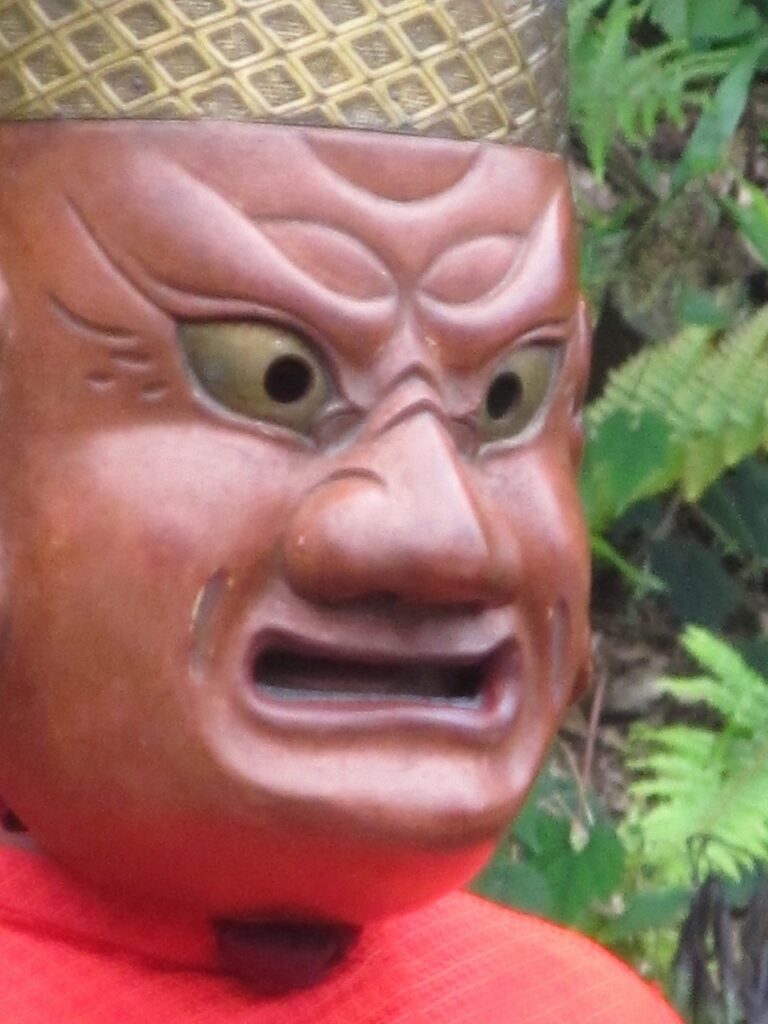
“Enma” judge of afterlife
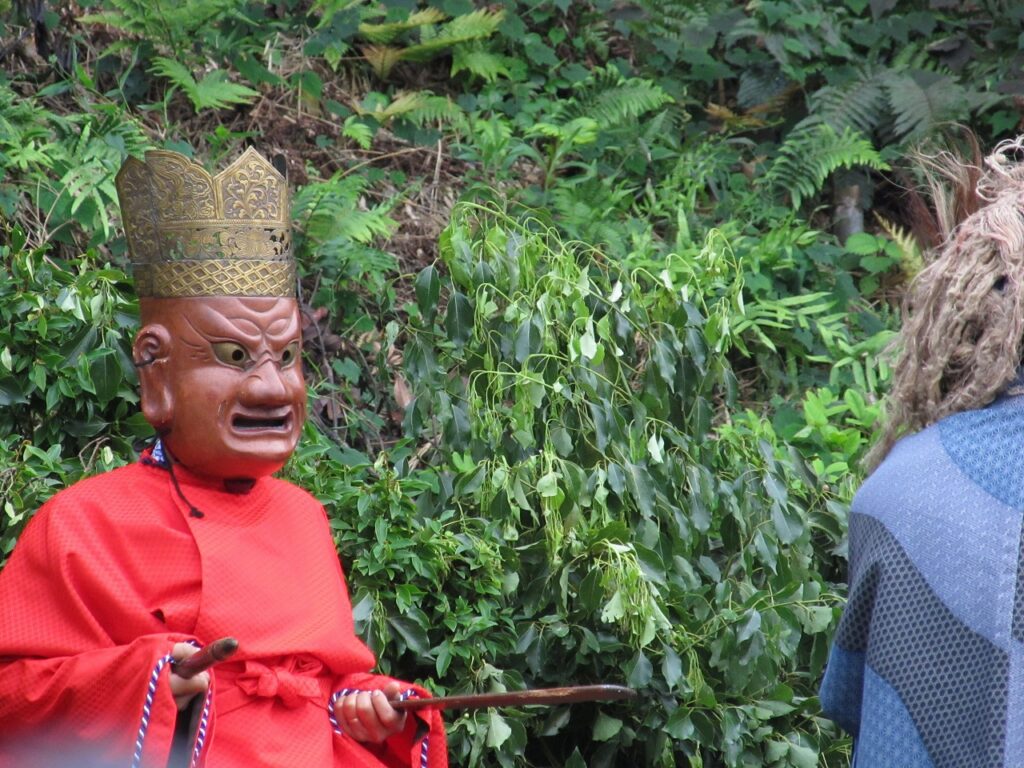
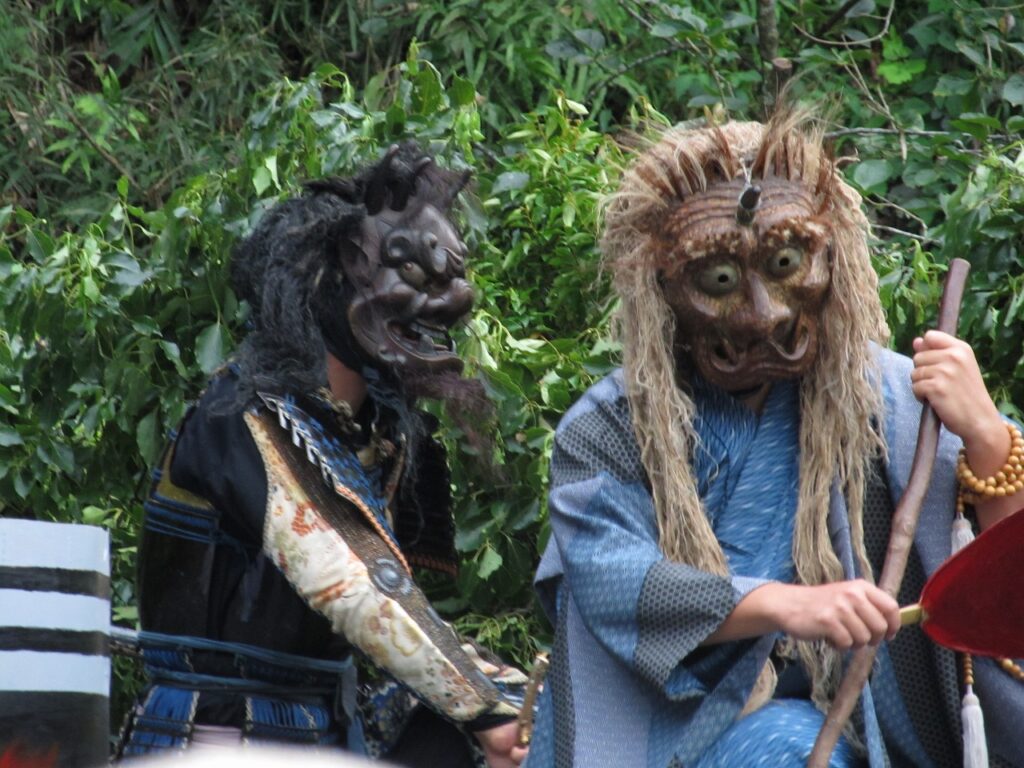
Suddenly there is a noisy sound and the curtain slips open. The play was about to begin. The noisy sound is a rare instrument called a “nyobatsu,” which looks like a large cymbal. Then the curtain slips open. The first character to appear is “Enma”. This is like a judge who decides where the deceased will go, and is the king of hell. Parents often tell their children, “If you tell a lie, Enma will pull out your tongue. He walks lifting his legs high and glares at the surroundings.
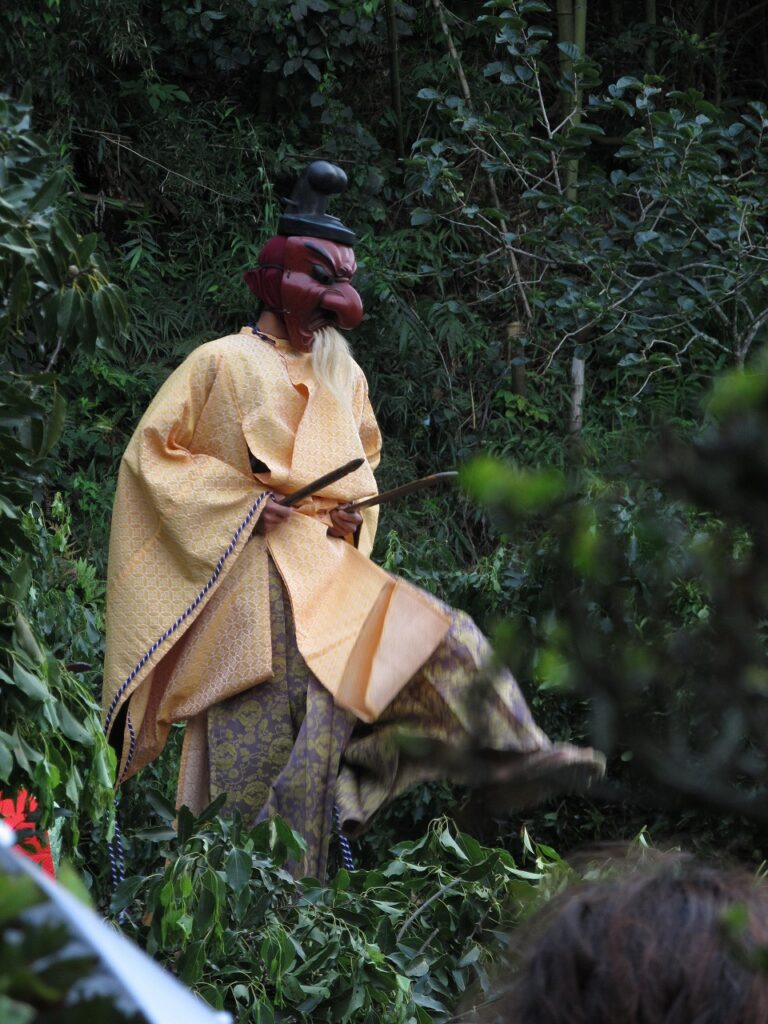
“Gusho-jin” recorder
The next one is “Gushoujin”. He is like a scribe who rides on a person’s shoulders and records all their good and bad deeds before they die. Therefore, he has a writing brush in his hand.
demoness “Datsue”
red ogre
blue ogre
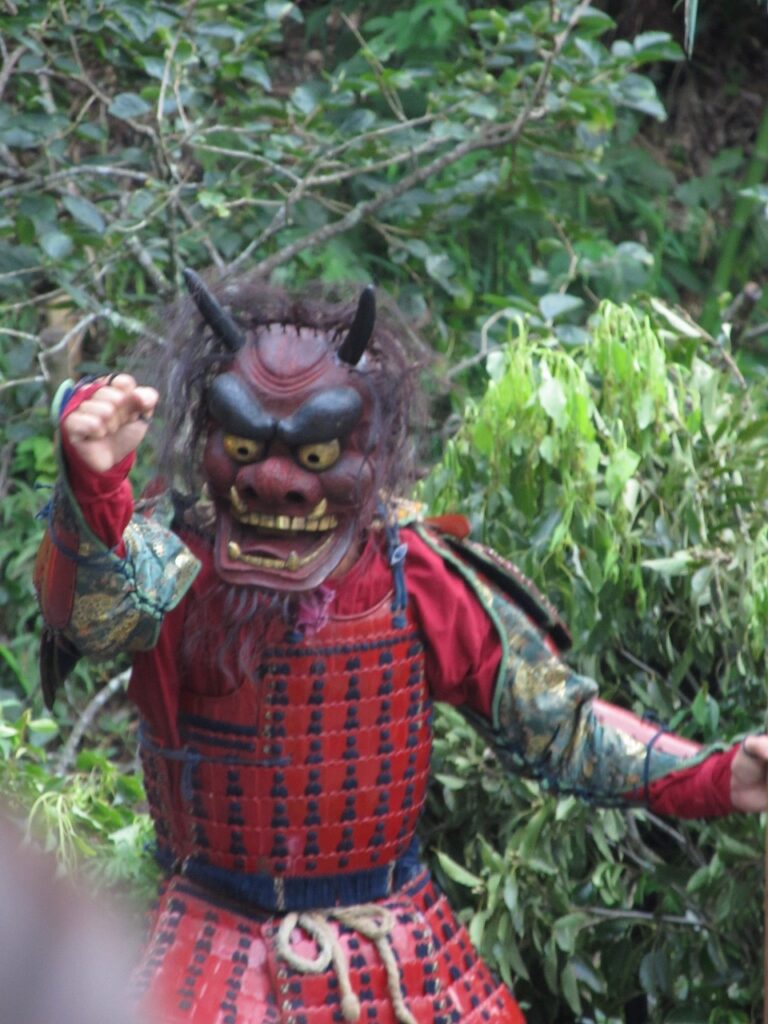
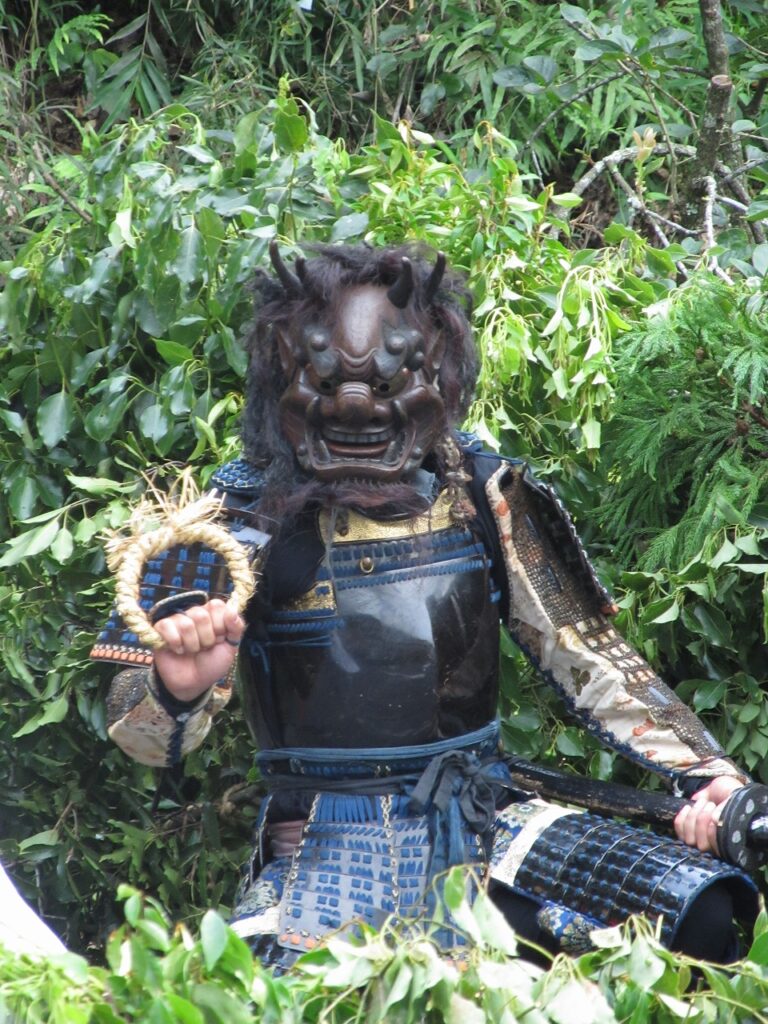
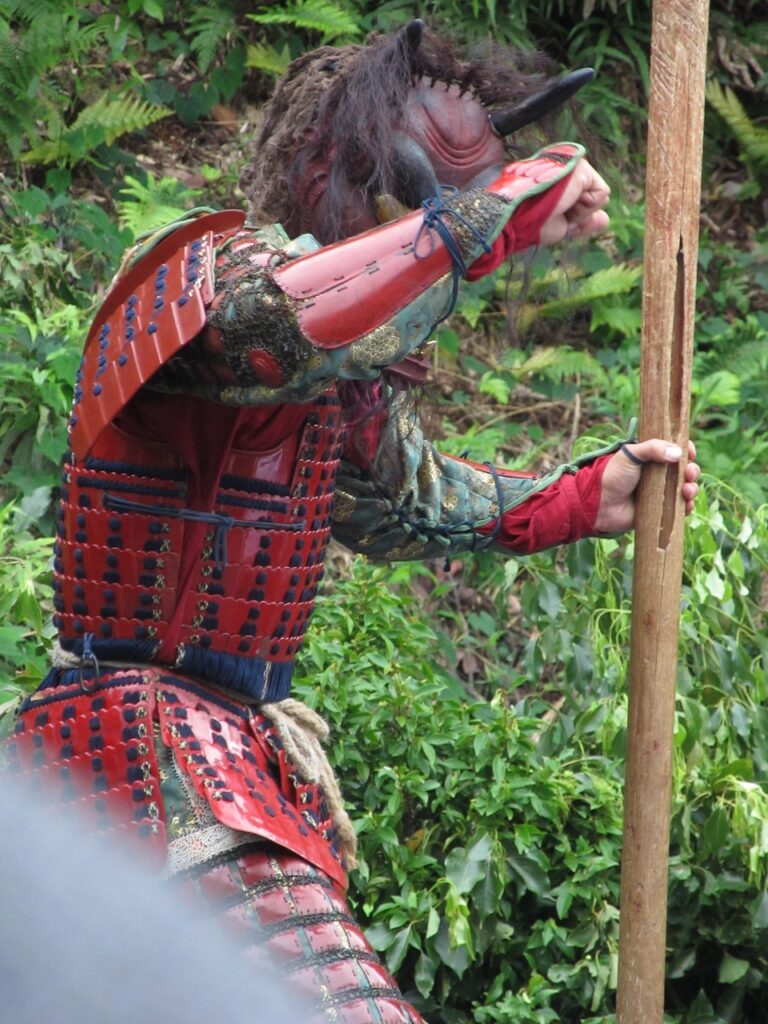
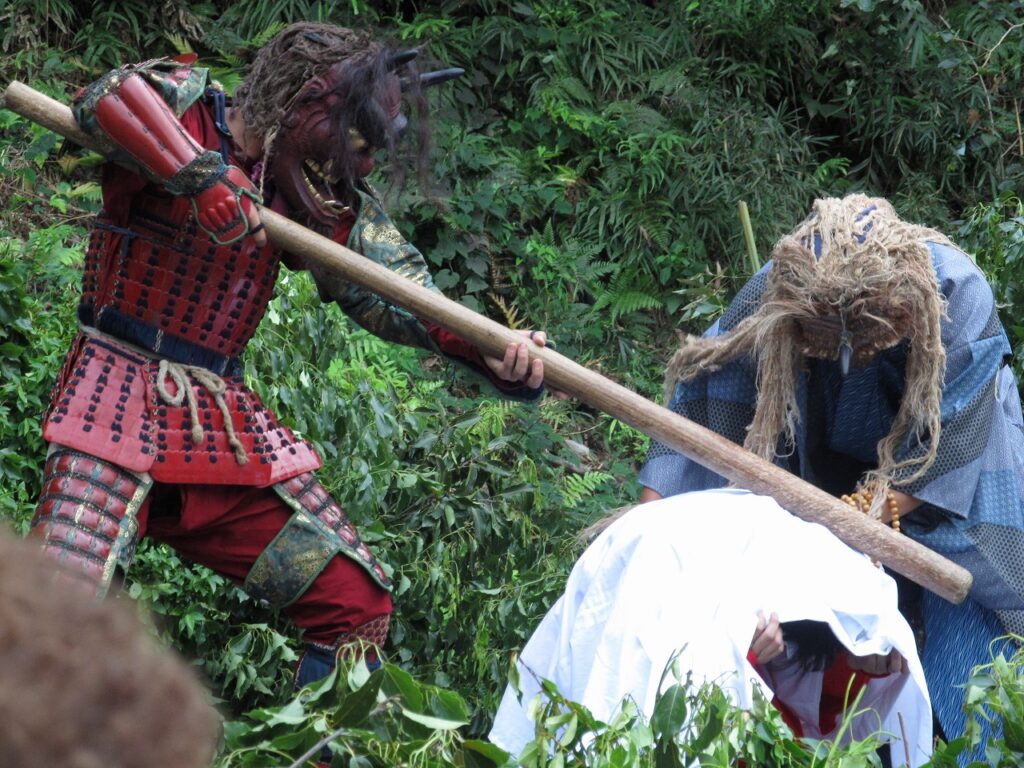
And then there’s demoness called “Datsue-baba”, who appeared earlier to pray for her child’s health. It is said that there is a river called the “River of Sands” on the border between this world and the other world. In front of that river is this old woman. She is said to be a being who strips the dead of their clothes. However, since the Heian period (9th~11th Century), the custom of sending coins to the dead has spread, as people believe that if they give this woman six coins, they will be able to have a safe boat ride. In the 16th century, there was a famous warlord who used this six-mon coin as his banner to show his determination to “hide his death at all times on the battlefield. This is an aside episode, though. Let me return to the main story. And finally, the red and blue ogres. They are the ones who are actually responsible for blaming and punishing the dead in hell. This is the all-star lineup of hell.
Demoness and the ogres sue to Enma about how bad the deceased was in life. All the while, the king sits motionless. Eventually, the Great King asks the Gushoujin by his side, “Is this appeal correct? Gushojin replies, “This is a very bad person”. This is end of the first act.
2nd stage ~Sai-no-kawara (Children’s Limbo)
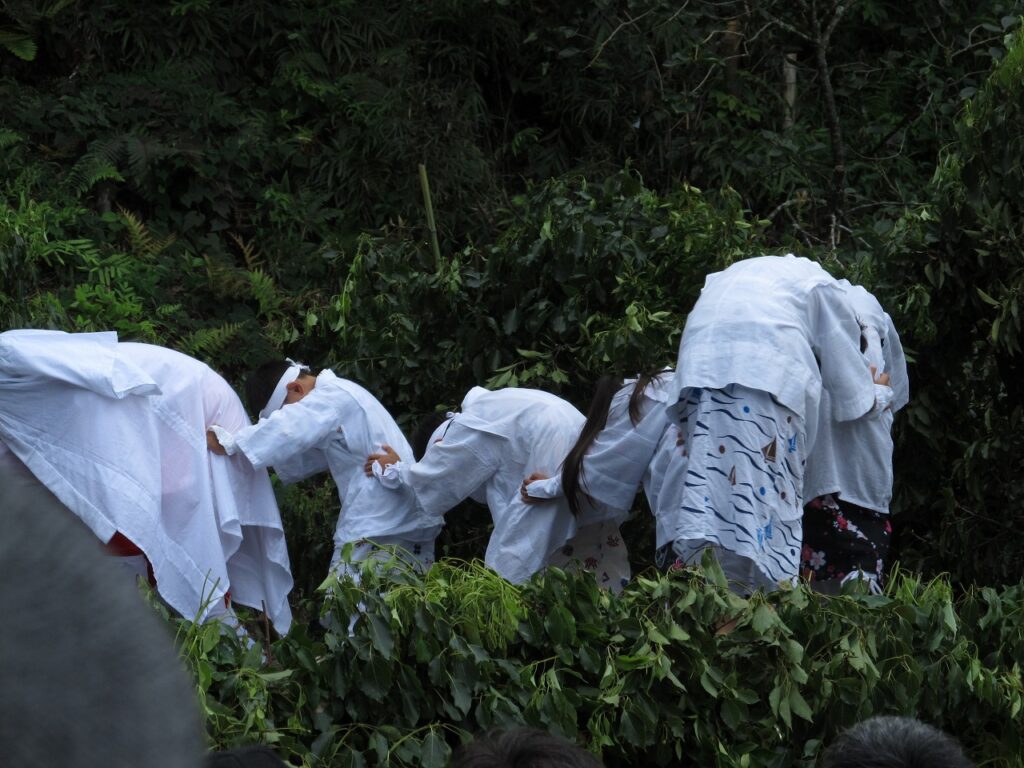
When the curtain opens again, it is time for the “Sai no Kawara” scene. The “riverbank of Sai” is said to be the place where the dead children go. The children just pile up pebbles. If the stones reach a certain height, they will go to paradise. However, just before the pile is completed, an ogre comes and destroys it. Then they have to start all over again. The reason children are forced to do such unreasonable things is because it is considered the greatest misfortune to die before their parents. Then the children pile up the stones while saying “One for the father, two for the mother…”.
”Don’t hate us, hate your parents” the ogres say. Suddenly, the Jizo Bodhisattva appears. The Jizo scatters away the ogres that are in his way and leaves with the children.
3rd stage ~The boiling hot iron cauldron
The next act is the “boiling hot iron cauldron” scene. The demons are tormenting the dead by placing them in the boiling water. “Is it boiled yet?” “No, not yet.” The point of this play is to show the inhumanity of the demons.
”That’s enough,” the ogres say as they pull the deceased out of the cauldron and further beat him.
Mercy of Kannon Bodhisattva
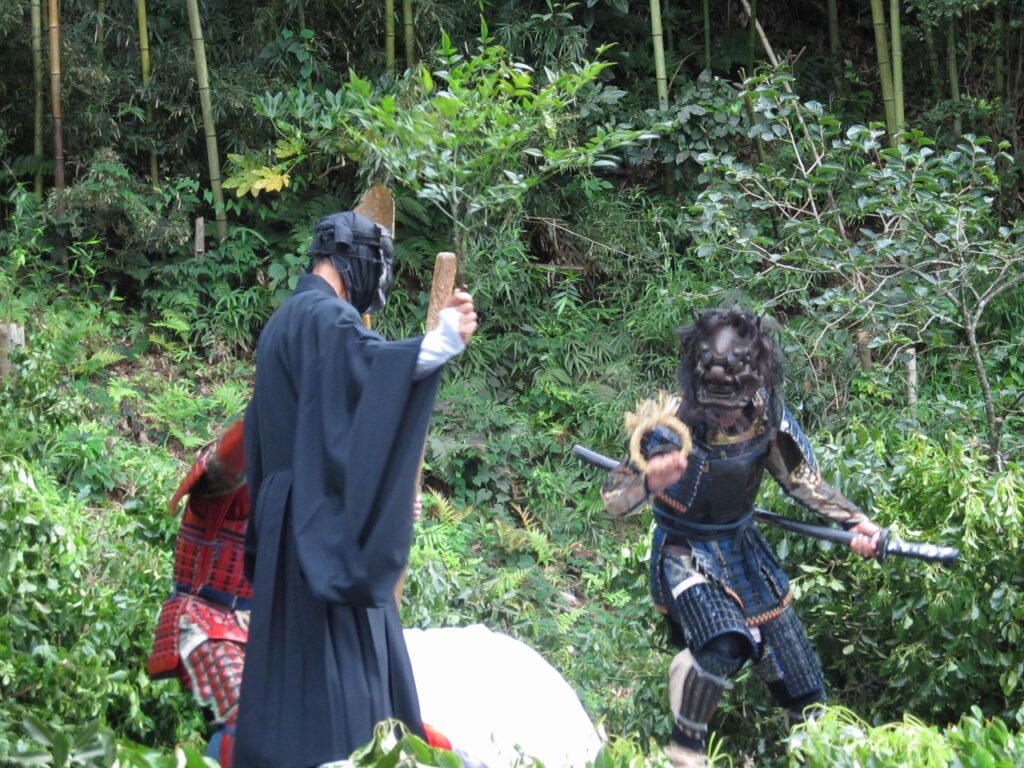
Then, the Bodhisattva Avalokiteshvara (Kannon) appears. He appeals, “Free the deceased. But the ogres say, “This is a person who has been judged as a villain by the court of Enma. It is only natural to torment him. He has never visited a shrine or temple in his life, nor has he given a single penny to charity,” he, though an ogre, says in a strangely Buddhist manner.
“What you say is true,” Kannon has to admit. But “I will take his sins upon myself,” he says, leaving the stupa behind and taking the deceased away. The demons are frustrated, “So has he become a Buddha?” This is the end of the whole story.
The performance lasted about one hour. People were leaving in waves. The chairman of the preservation society told us the following story. It is indeed very difficult for this small village to maintain it. Above all, the biggest problem is the lack of successors. However, recently, in addition to subsidies from the national and prefectural governments, there are young people who are willing to help. Two of them are making their debut today, he said. This is a valuable art form that has been around since the 12th century. In other words, we can see the same performance today as people did in that era. It is a miraculous event, and I would like to end this article with the hope that it will continue to be preserved in the future.