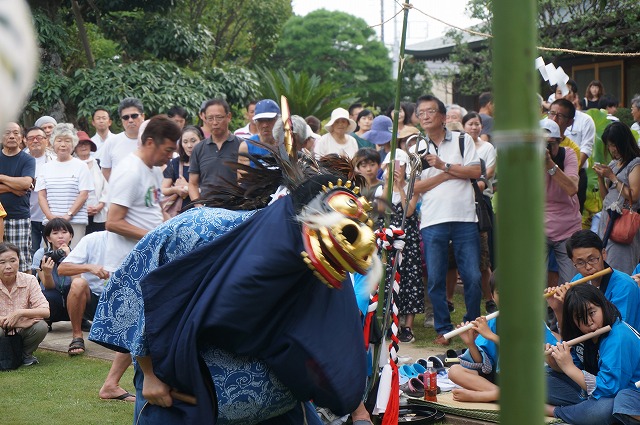
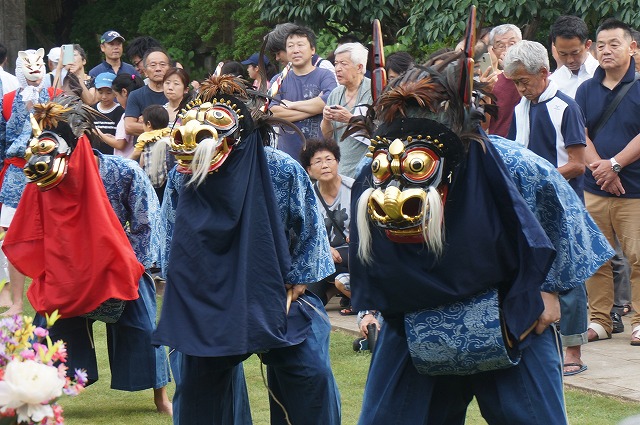
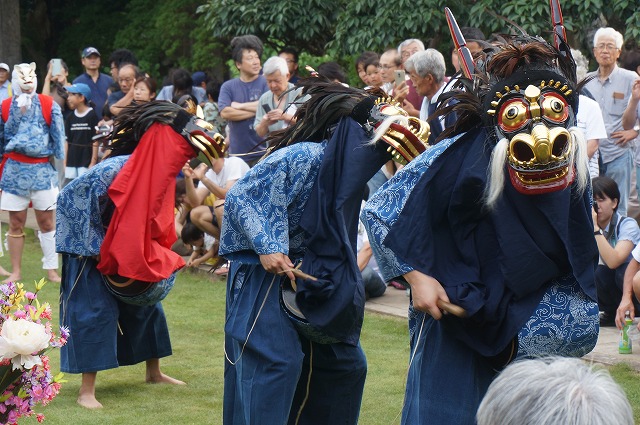
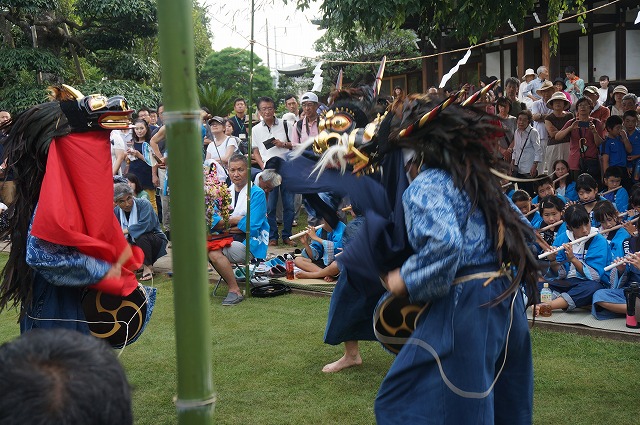
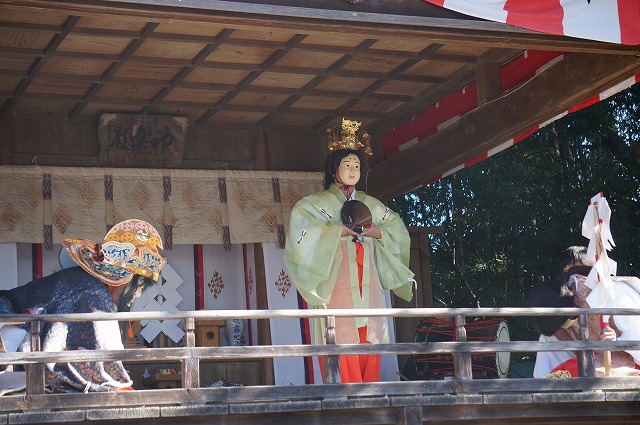
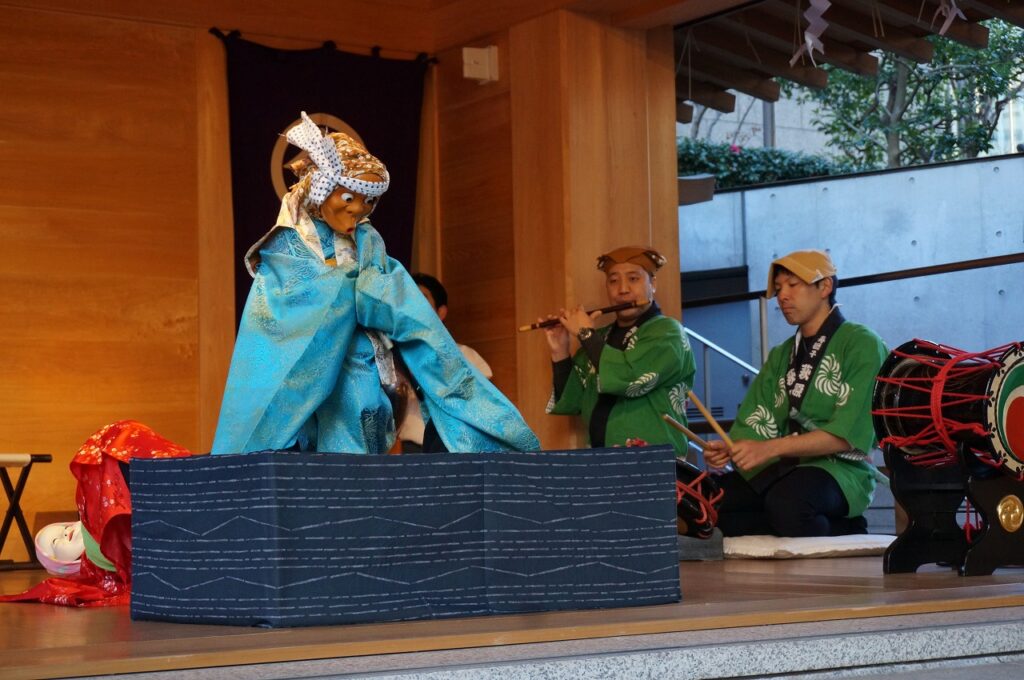
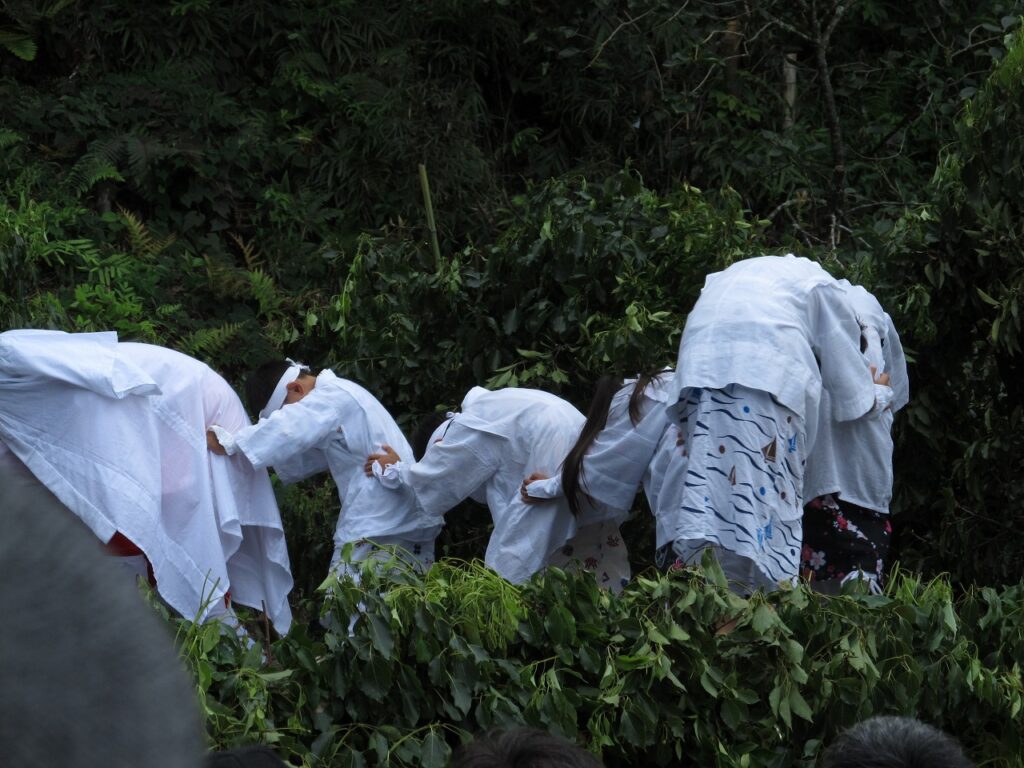
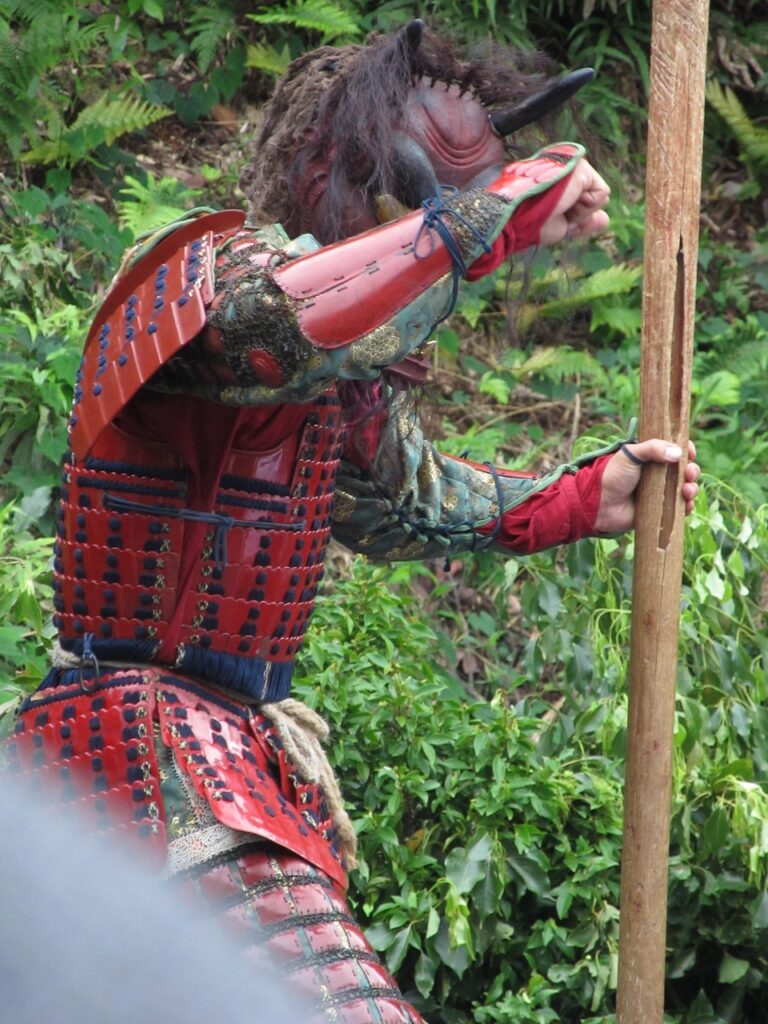
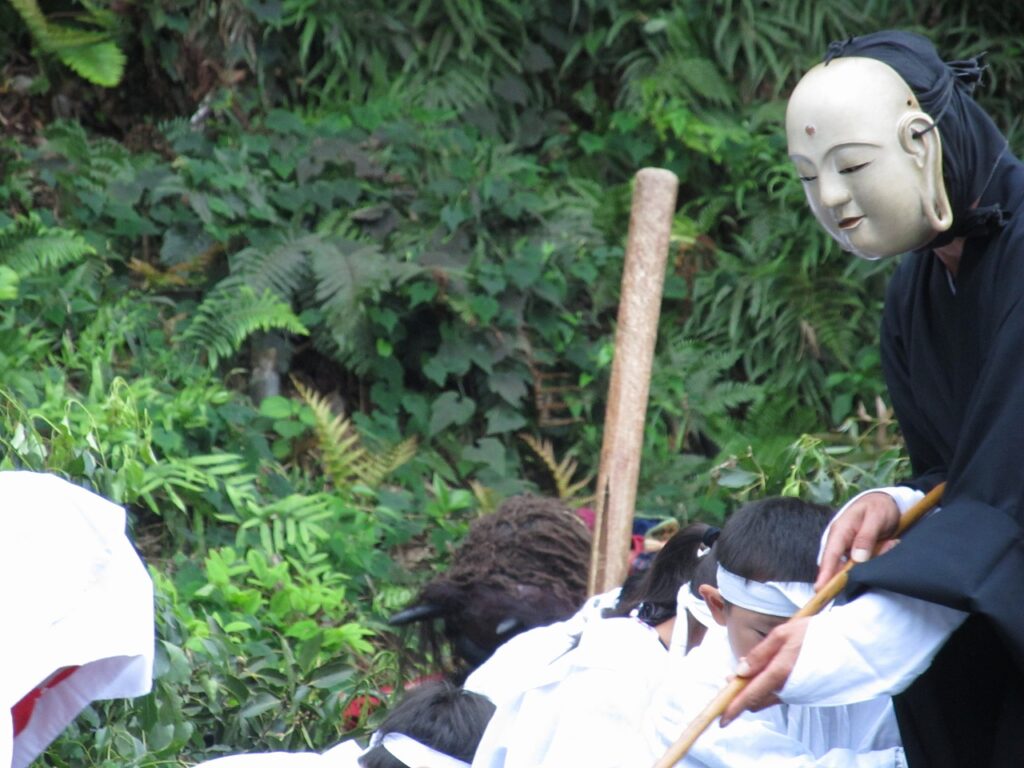
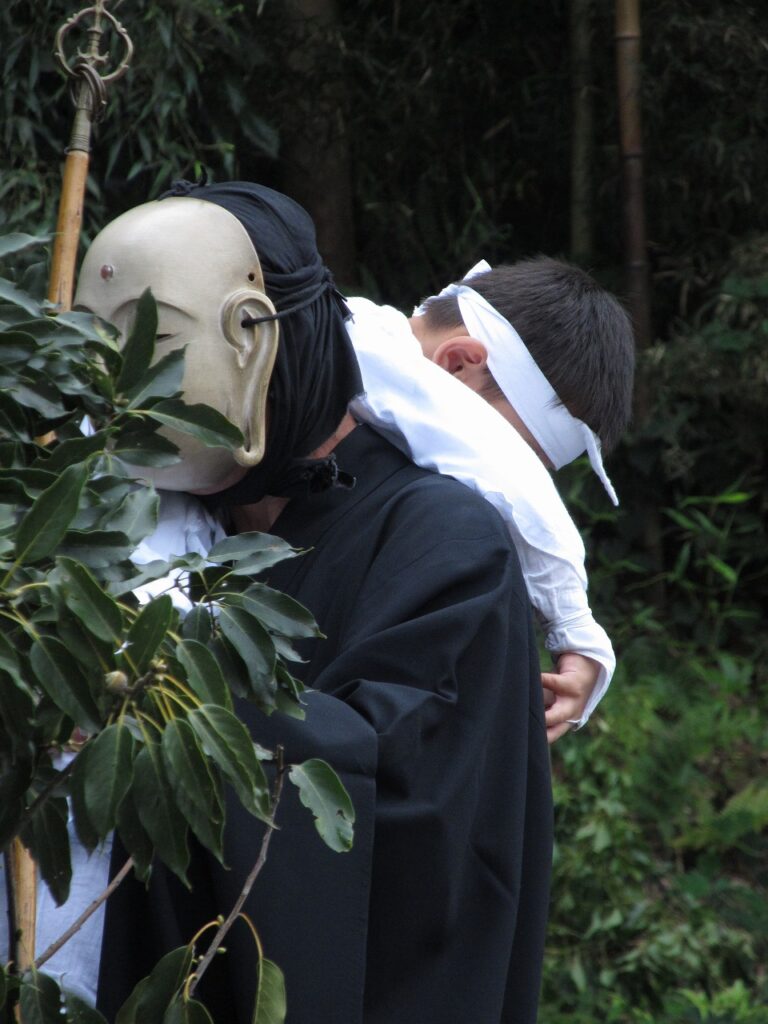
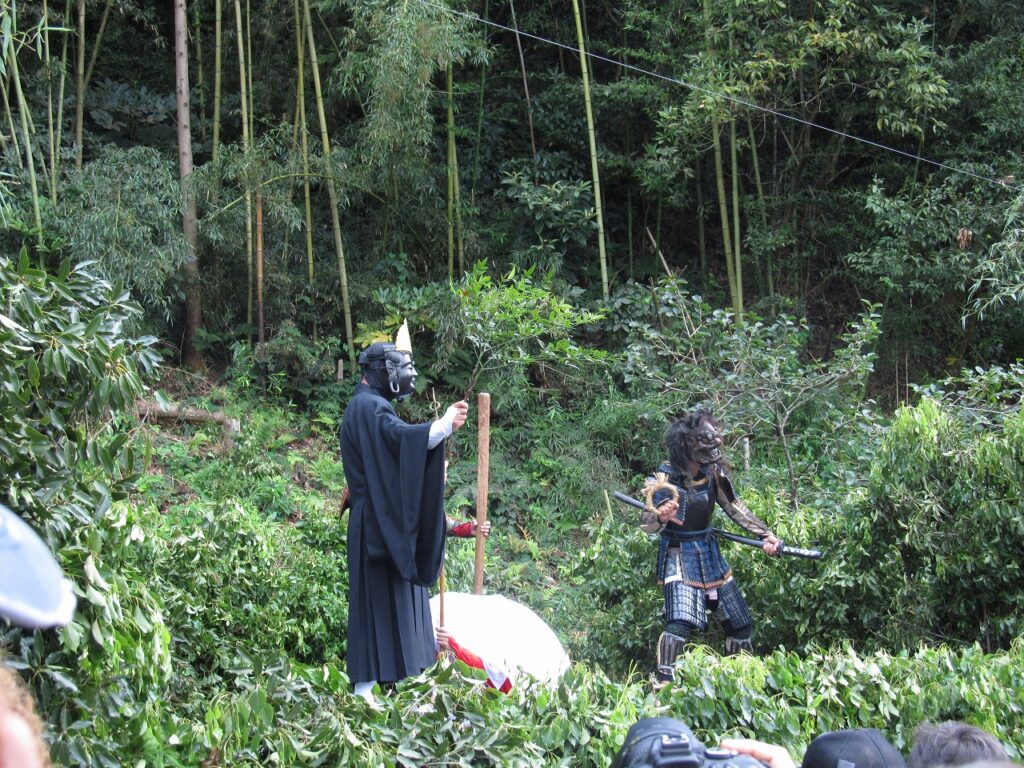
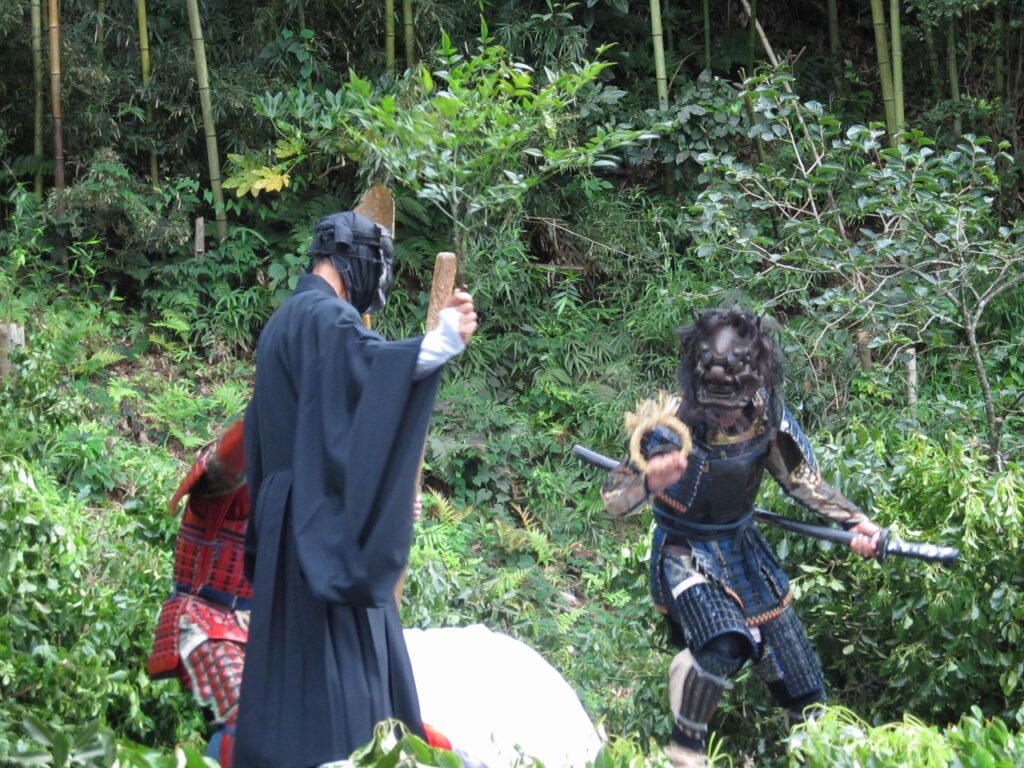
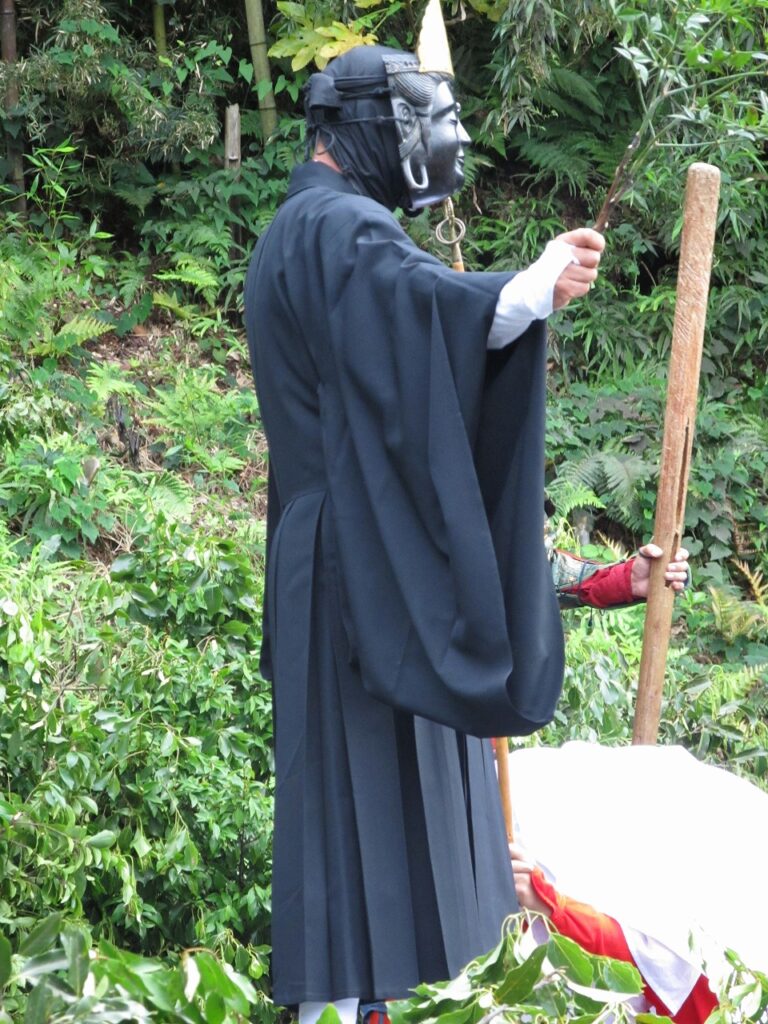
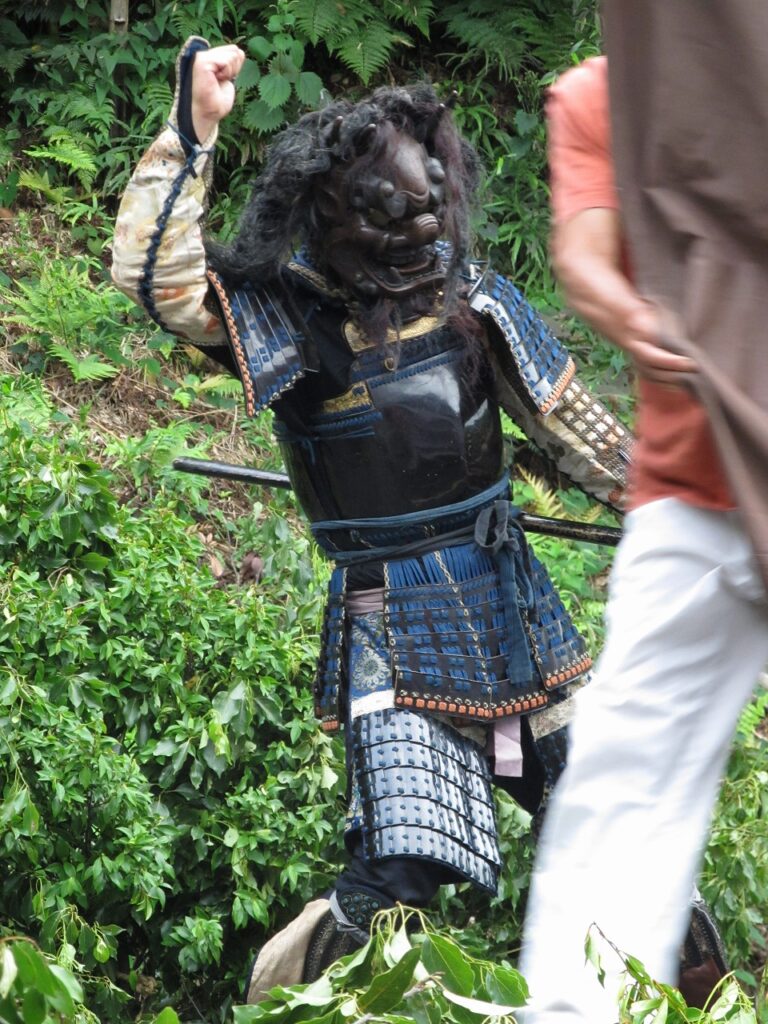
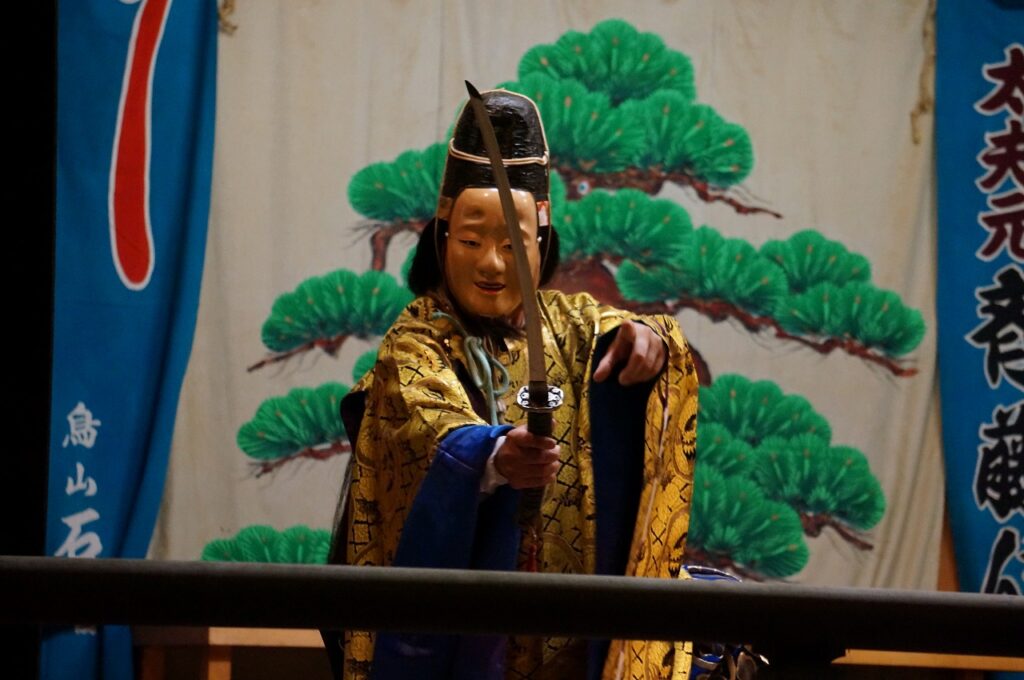
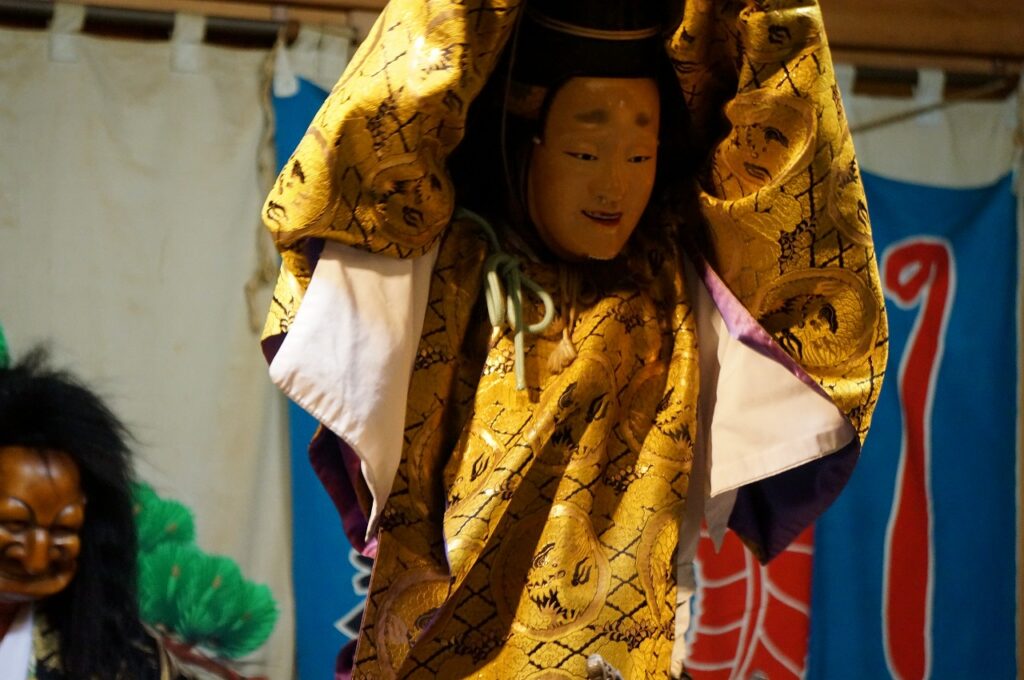
Experience Traditional Kagura Performances Near Tokyo~Mitake Kagura
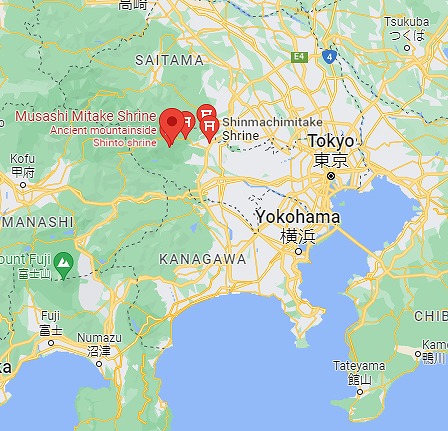
Date: Third Sunday in June and October, Concert begins at 11:00 a.m. Night kagura is held on the fourth Sunday of the month from June to November at 8:00 p.m. In July and September, firewood kagura (at 8:00 p.m.), not firewood Noh, is also held! Location: 176 Mitakeyama, Ome-shi, Tokyo Access: Take the Chuo Line to Mitake Station (about 1.5 hours from Shinjuku), then take a 10-minute bus ride to Takimoto Cable Car Station. Climb to the top of the mountain, and then walk along the approach for about 25 minutes.
this article is based on 2019 visit
Welcome to Mitake
Long ago, when Tokyo was still called Edo, there was a word If you live in Edo for three generations, you are an Edokko (an Edo person). Since that time, Edo and Tokyo have been a place where people come and go. At that time, Edo was the largest city in the world with a population of one million. Inheritance is important in the performing arts. For this reason, the performing arts have not been widely transmitted in Tokyo. However, there were still rural areas outside the center of the city, and some of them still remain in the surrounding areas.
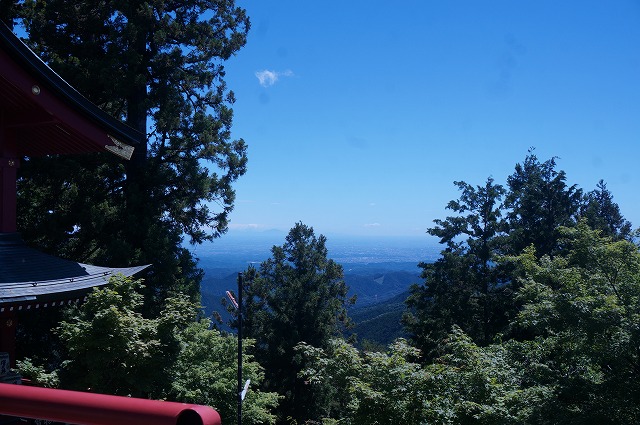
The location is in the Okutama area, which has been introduced several times on this site. Just an hour’s train ride from central Tokyo, the area is a cool and refreshing mountainous region that could be described as a different world. The performing art that this site introduces today is Mitake Kagura, which is performed several times a year at the Mitake Shrine in this area.
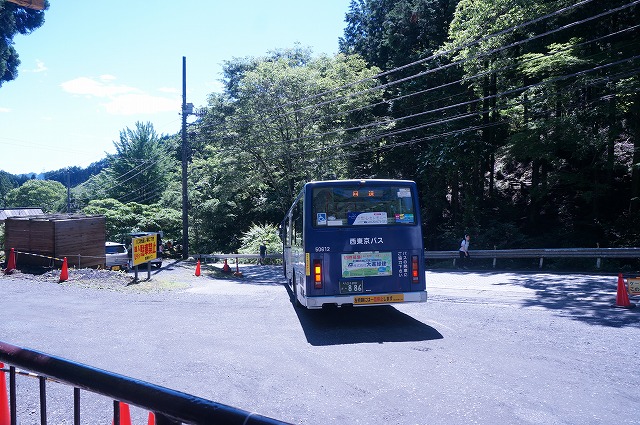
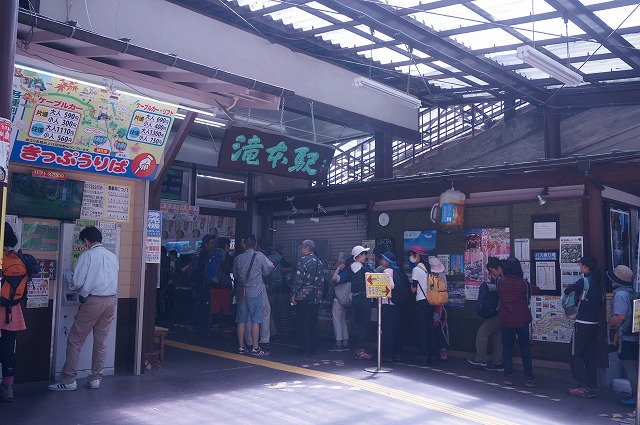
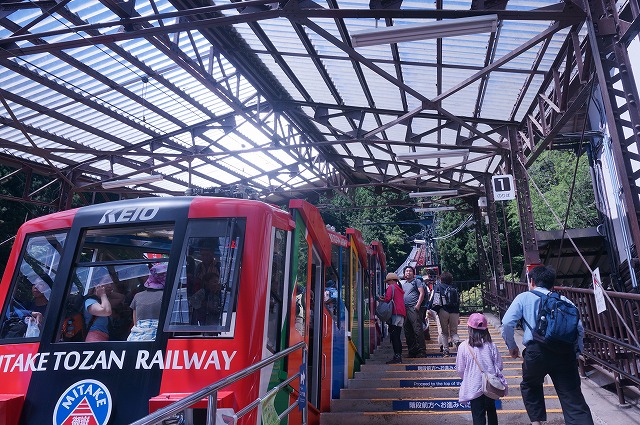
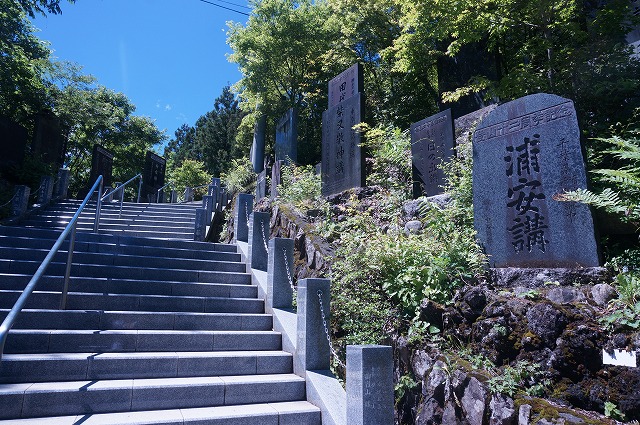
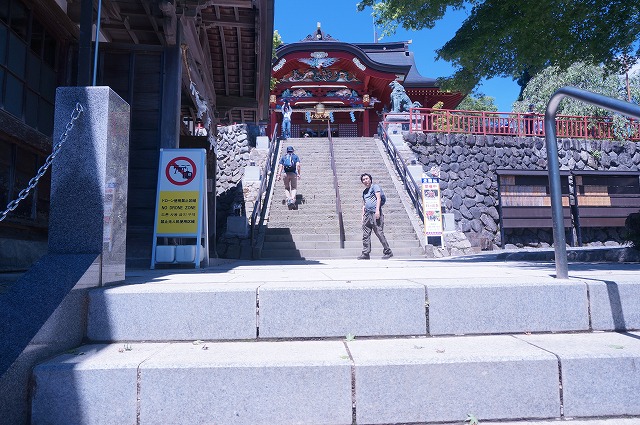
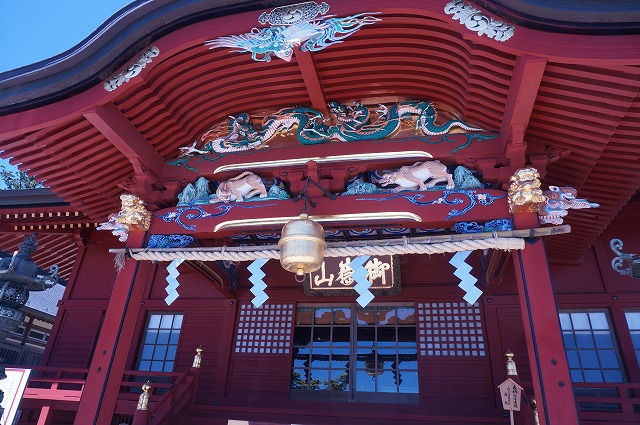
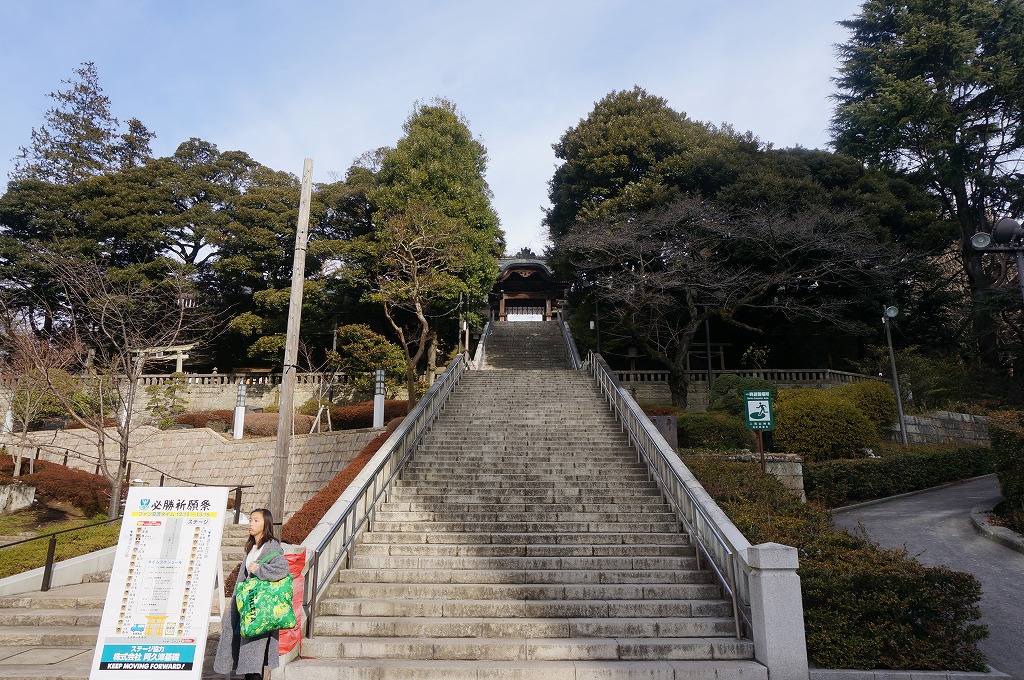
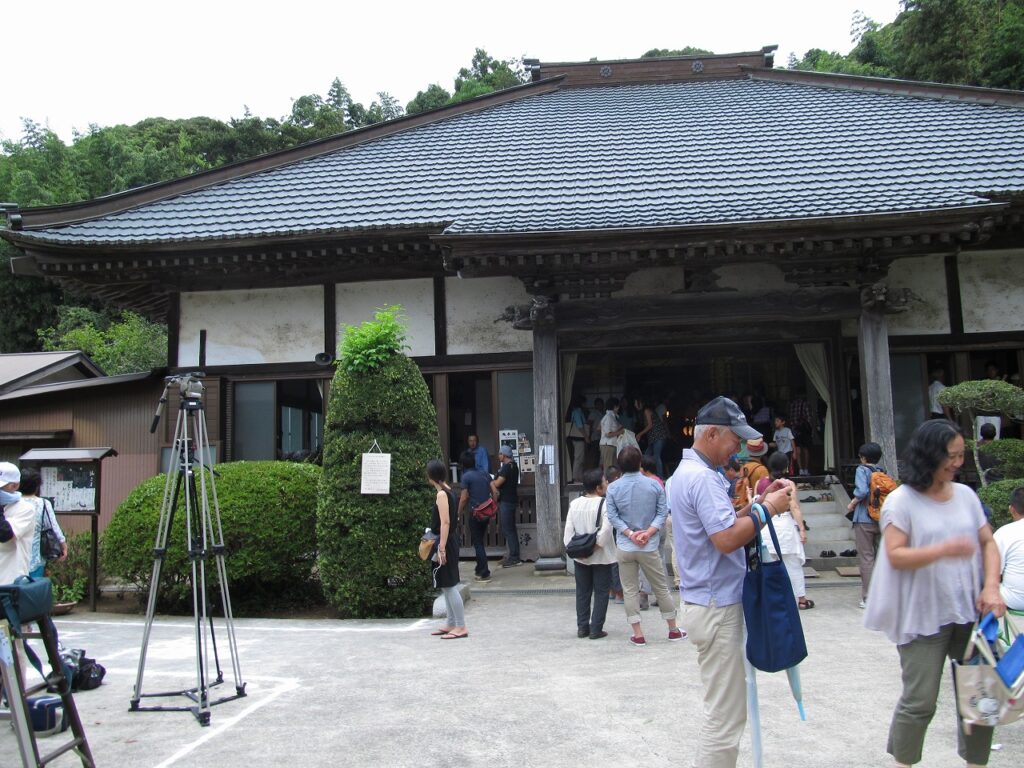
Since ancient times, Japan has had what should be called mountain worship, and in the midst of this, religious groups such as yamabushi (mountain priests) were born. This Mitake Shrine is one of them. Therefore, to get there, you have to climb a mountain. First, take the train to Mitake Station. From there, there is a bus to the cable car station. If the weather is good, quite a few people will ride. Of course, you can also go on foot. Eventually, you will arrive at the station at the top of the mountain, which is the beginning of the approach to the shrine. From here, it is necessary to climb further up the hill.
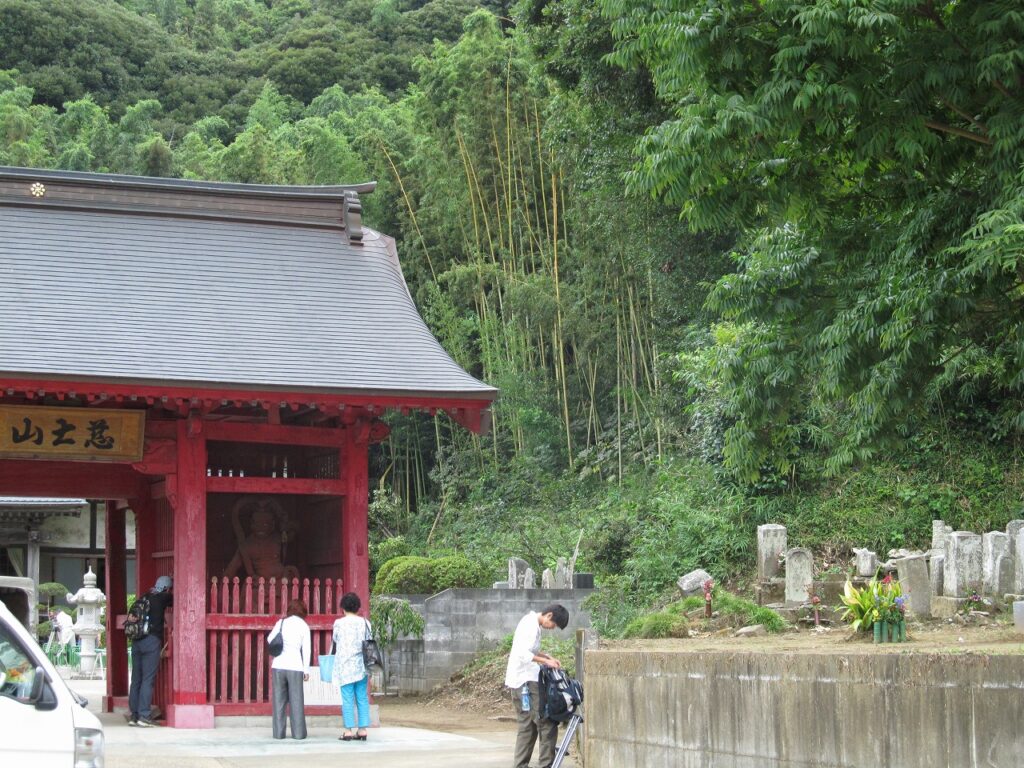
There are a number of monuments along the way. These are the prayer monuments of a religious group called “Kou. This is a group of people who used to collect money to visit shrines in their town or other units, and when they had saved up a certain amount of money, a representative would collect enough for everyone to visit the shrine. Since travel was not as freely available and expensive as it is today, there were many such groups in various parts of the country.
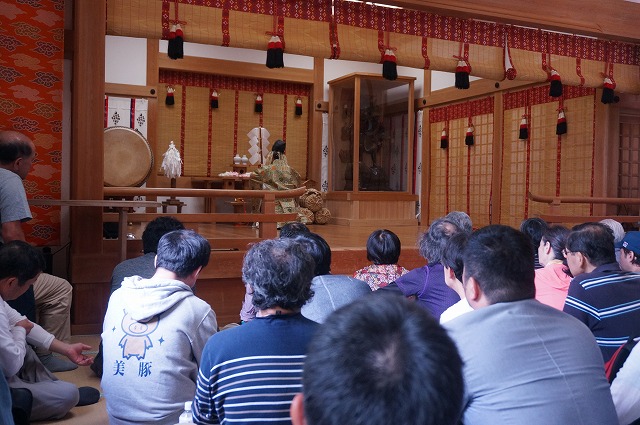
Experience the Mitake Kagura
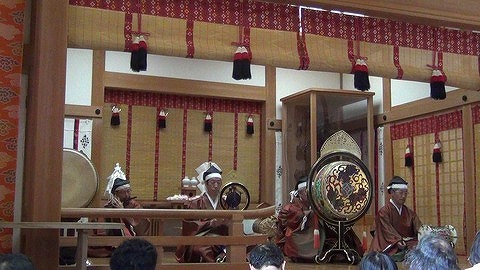
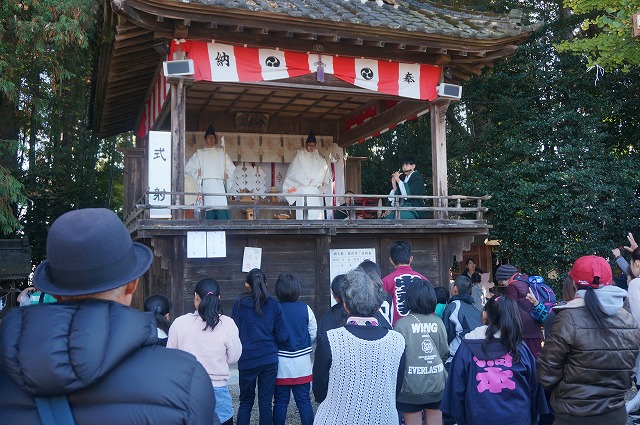
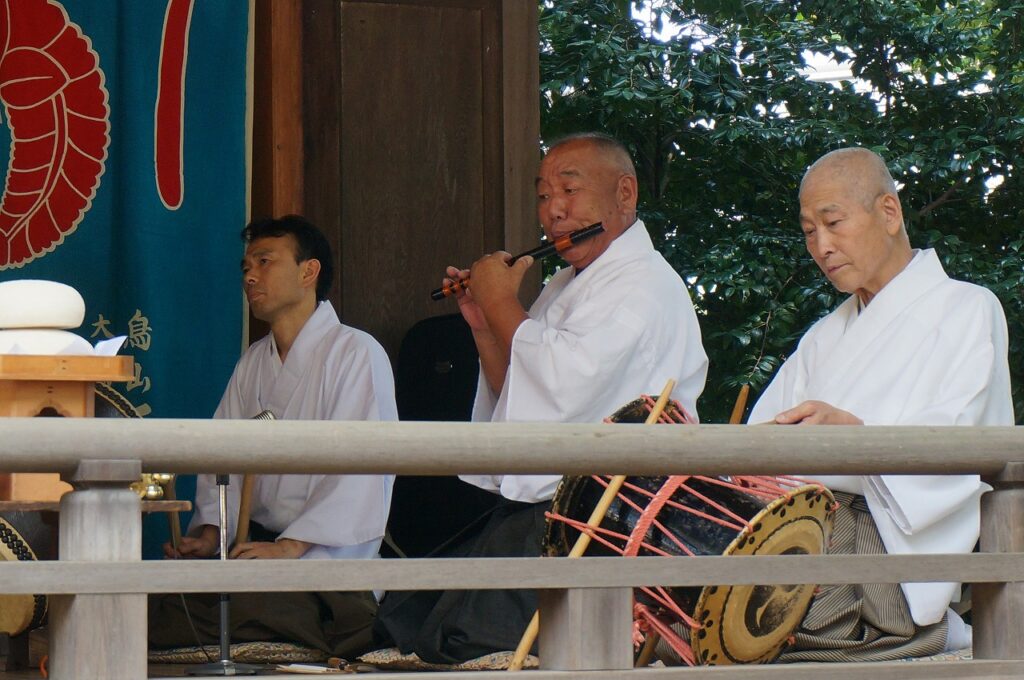
The start time is 10:00 a.m. The first performance is called Gagaku. This music was introduced from mainland China through the Korean peninsula about 1200-300 years ago. It is still performed at events and other occasions, mainly at court. Even in the private sector, this technique has been handed down to historic shrines and other places of worship.
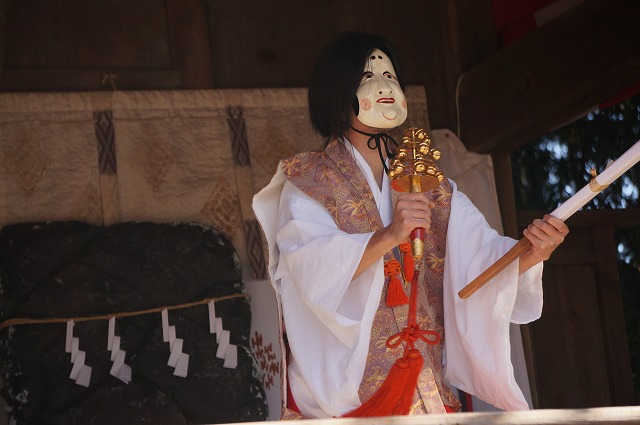
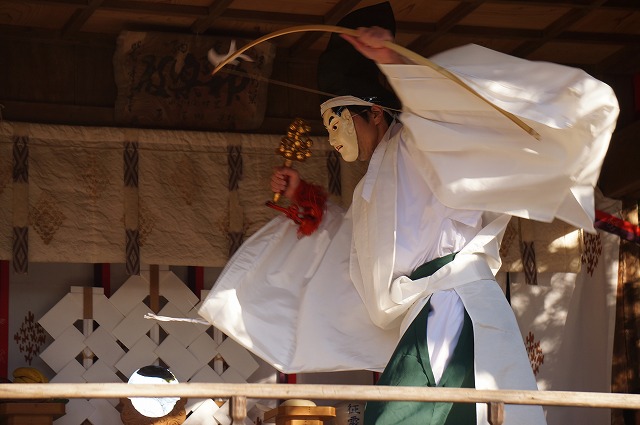
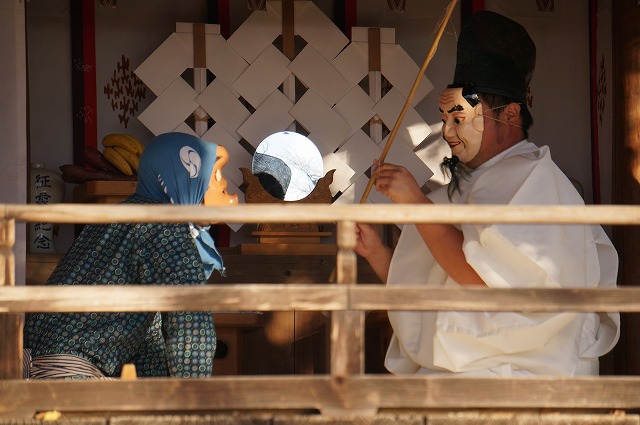
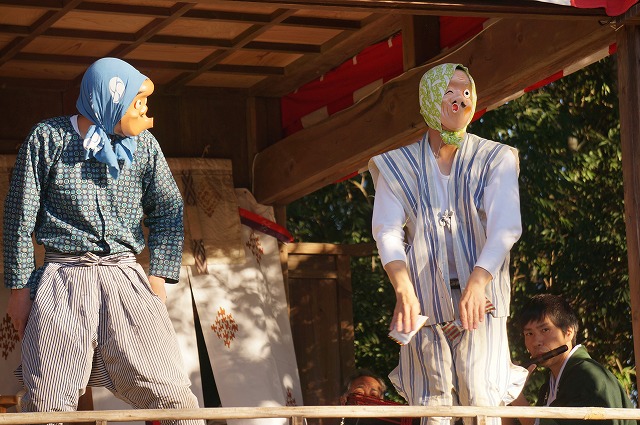
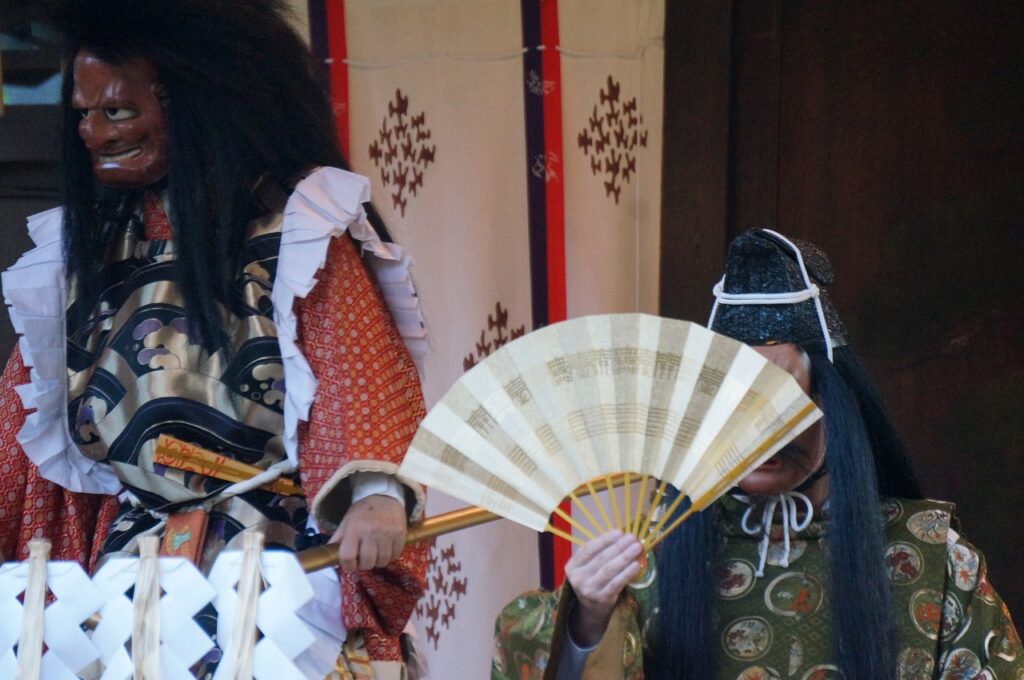
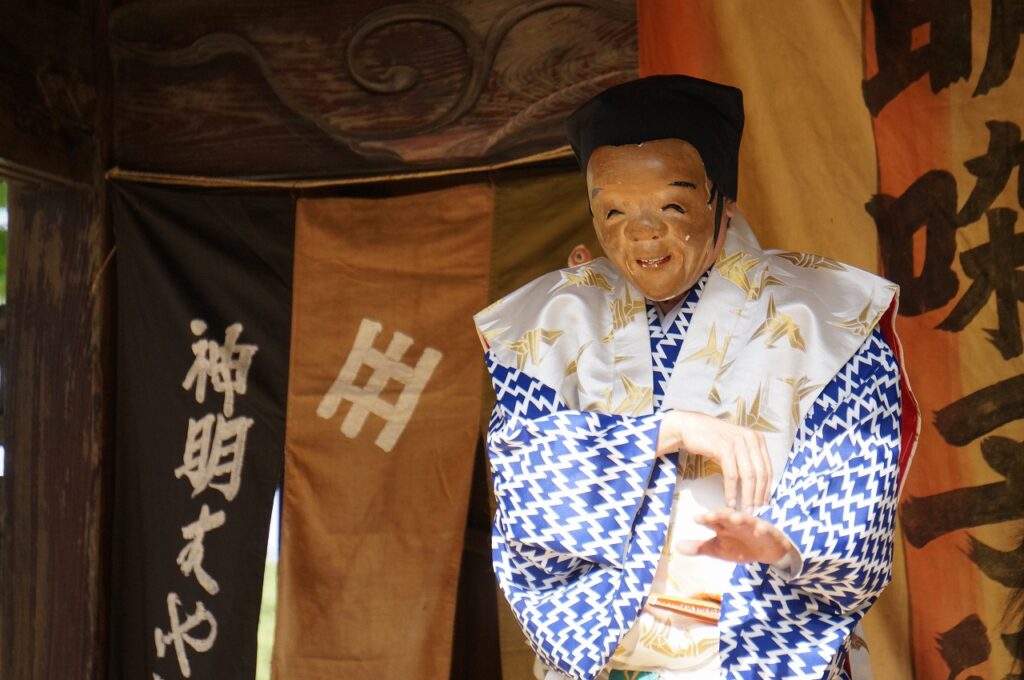
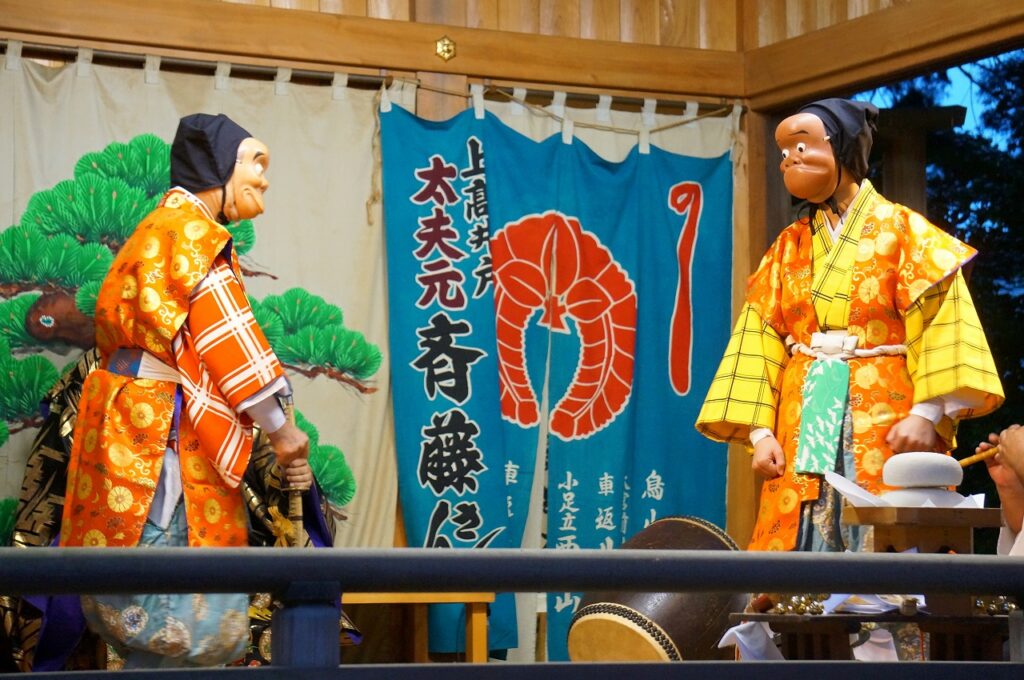
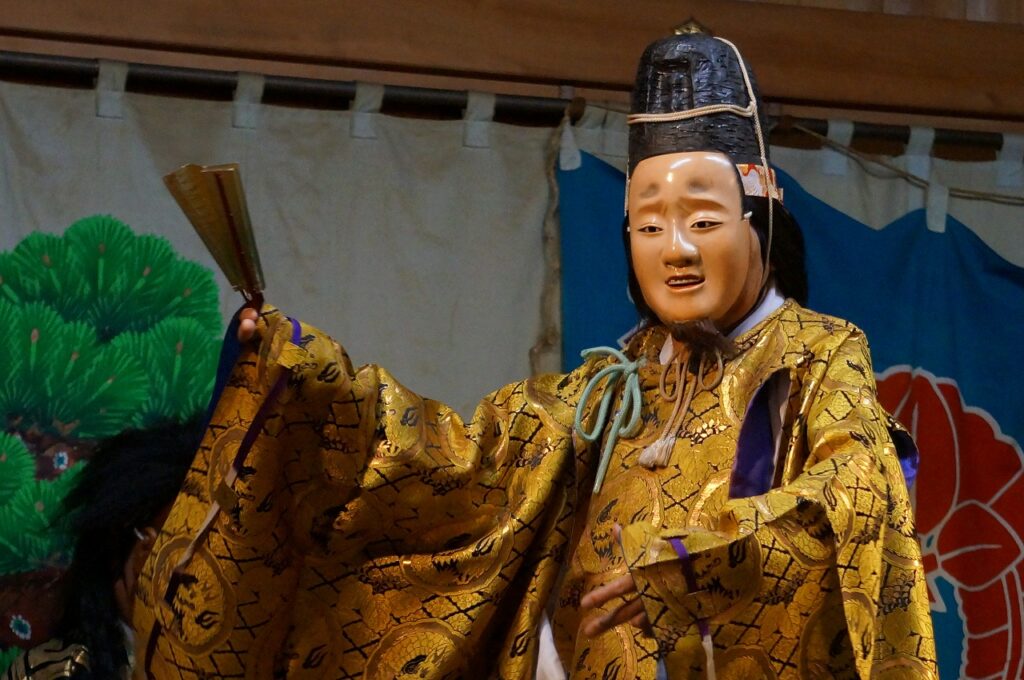
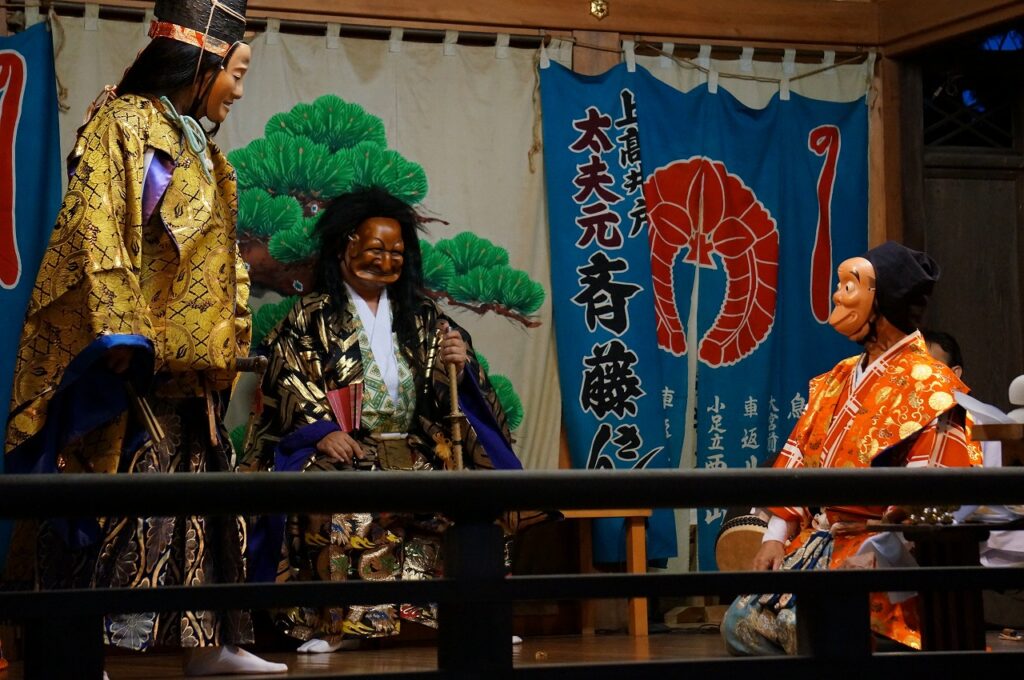
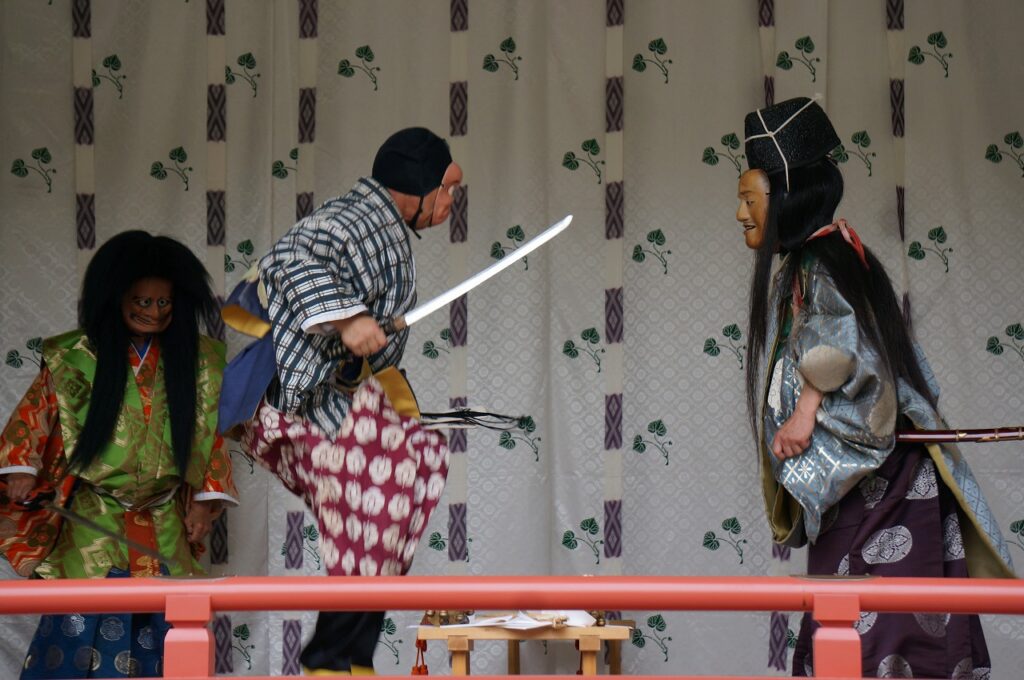
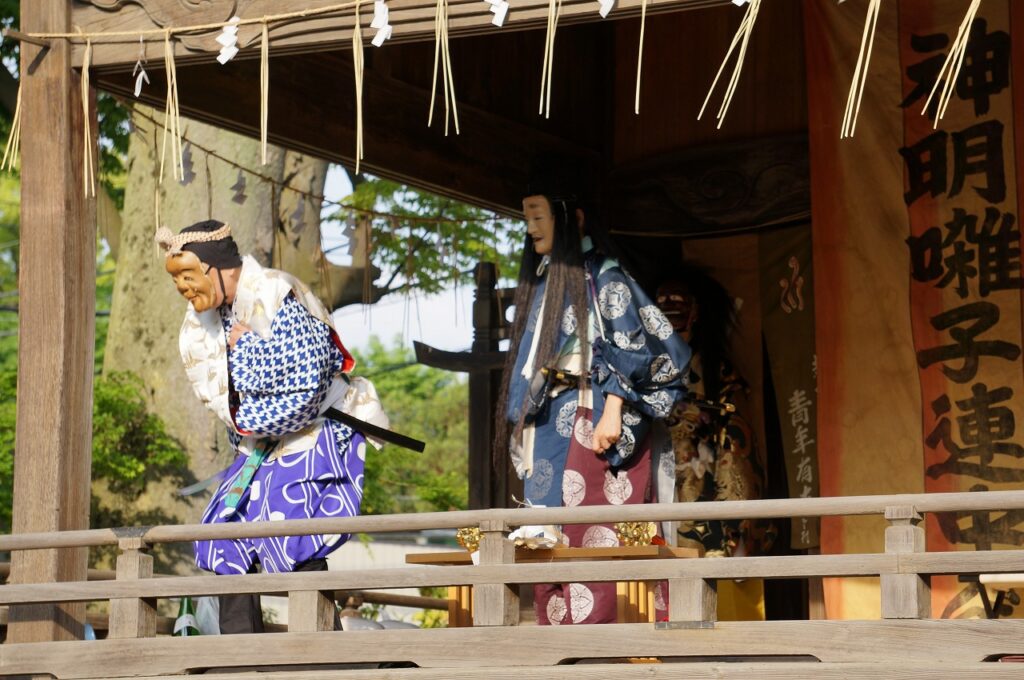
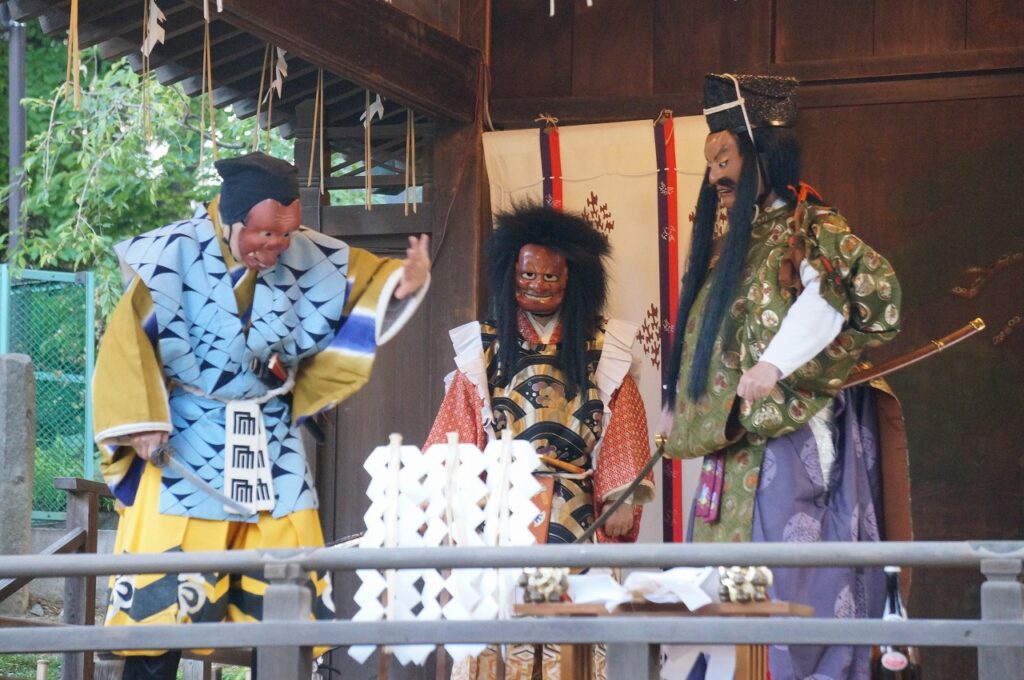
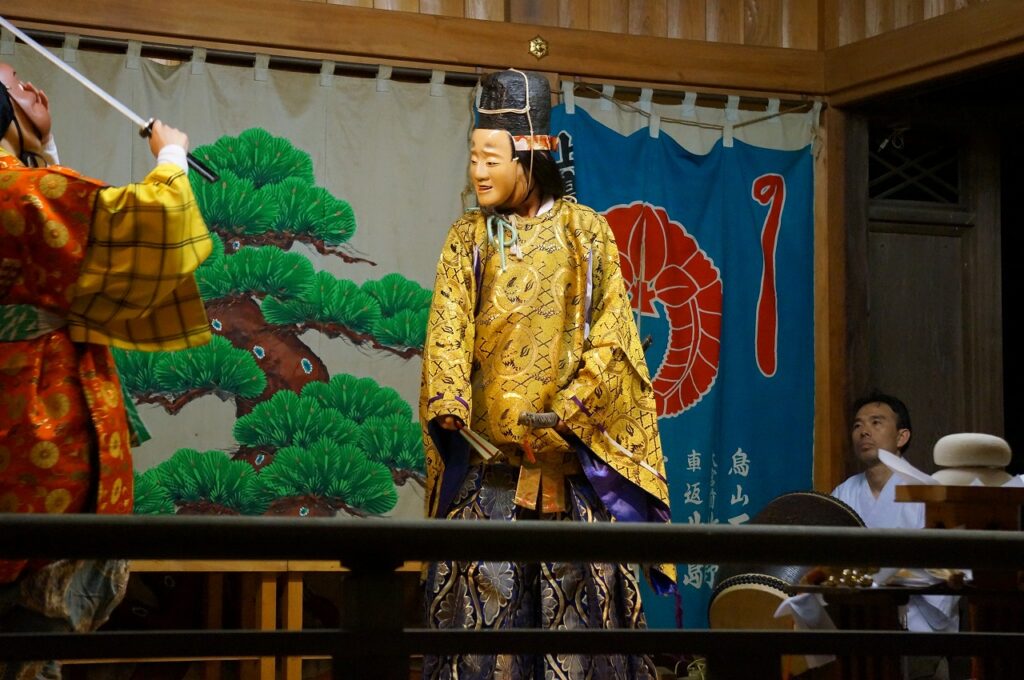
After the performance, the kagura begins. Since this is a venerable shrine, there is no element of joking around, and the ritualistic dancing continues unabated. There is not much movement. There is no ” hyottoko” that comes out in the latter half of the performance and does something funny to entertain the audience.
However, since it is kagura, the point remains the same: to pray to the gods, to appease the evil spirits of the earth, and to express the world of mythology.
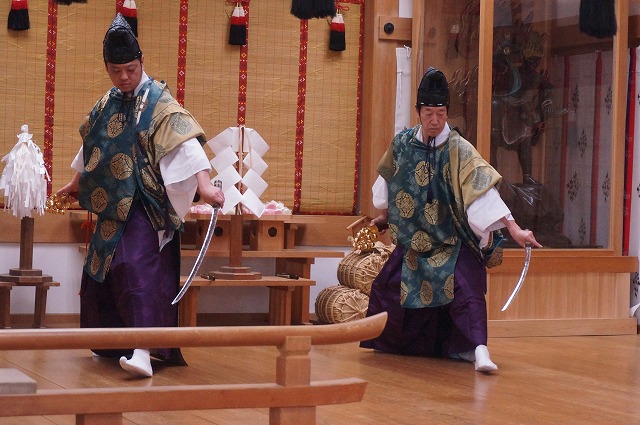
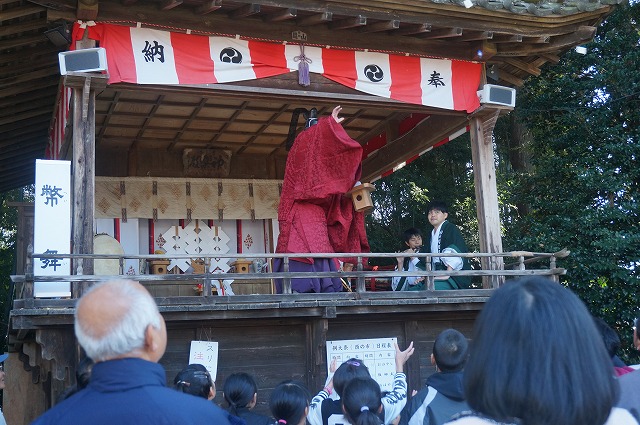
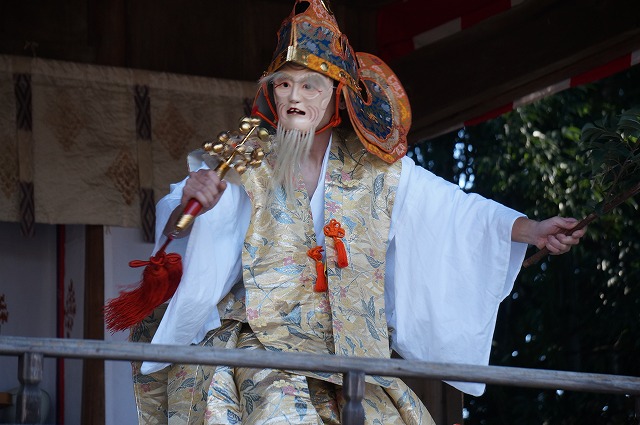
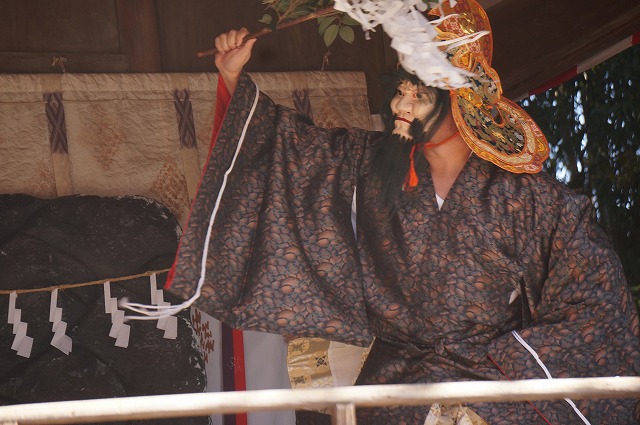
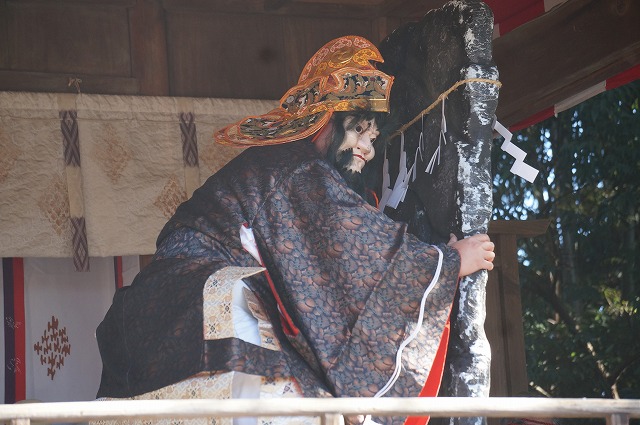
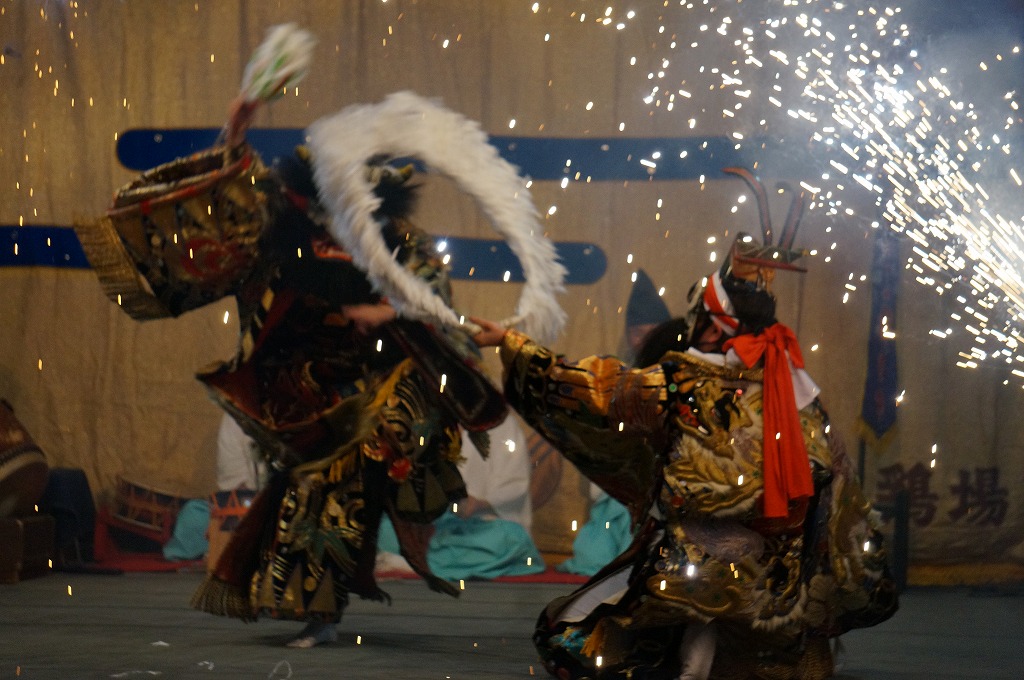
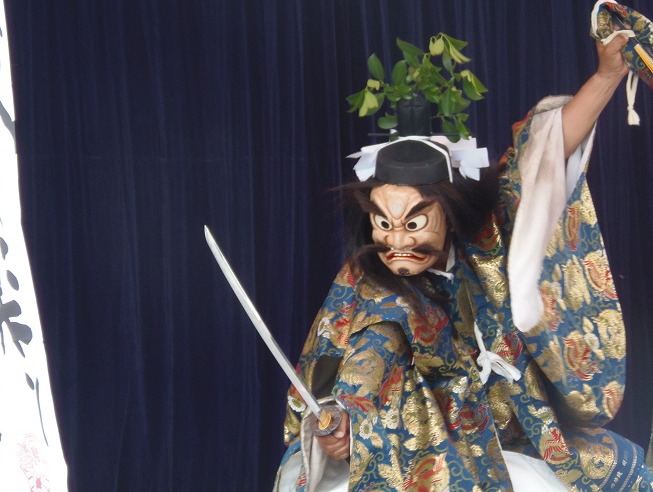
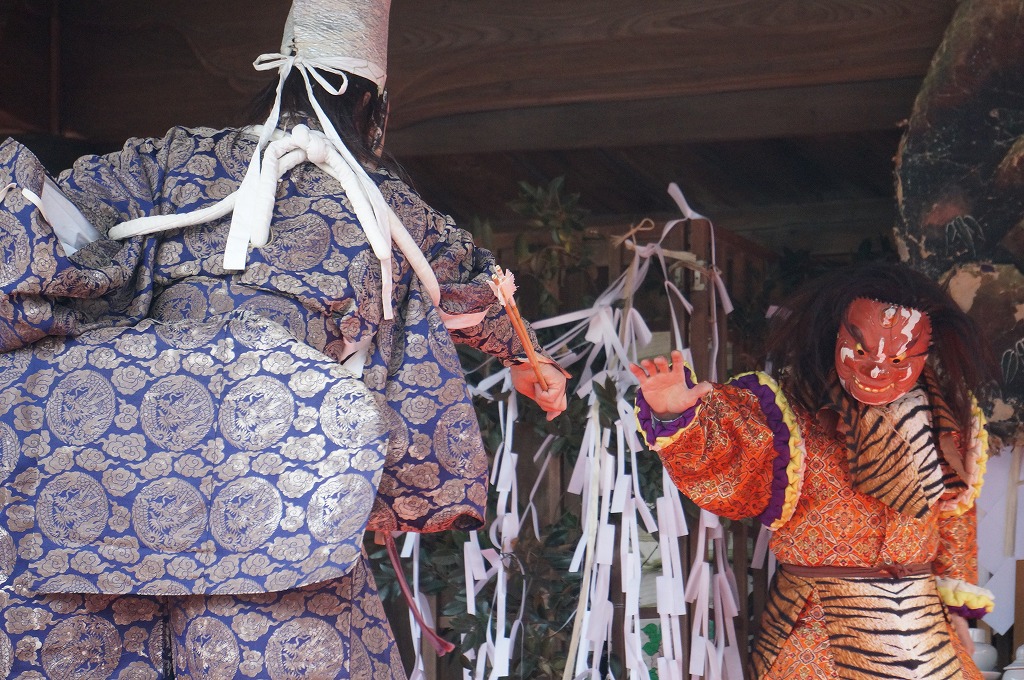
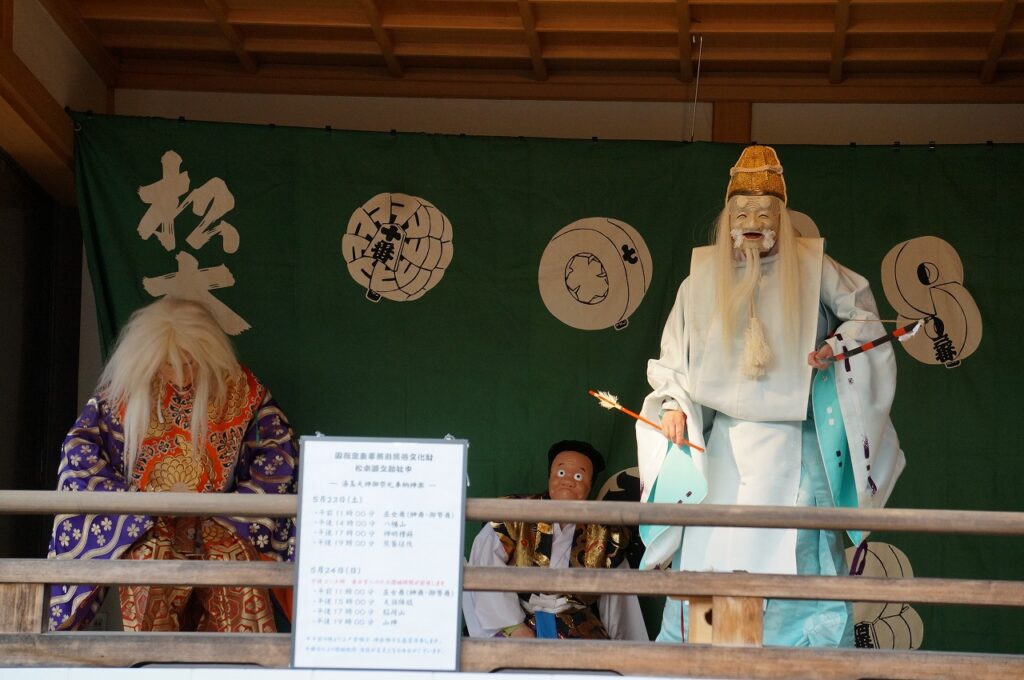
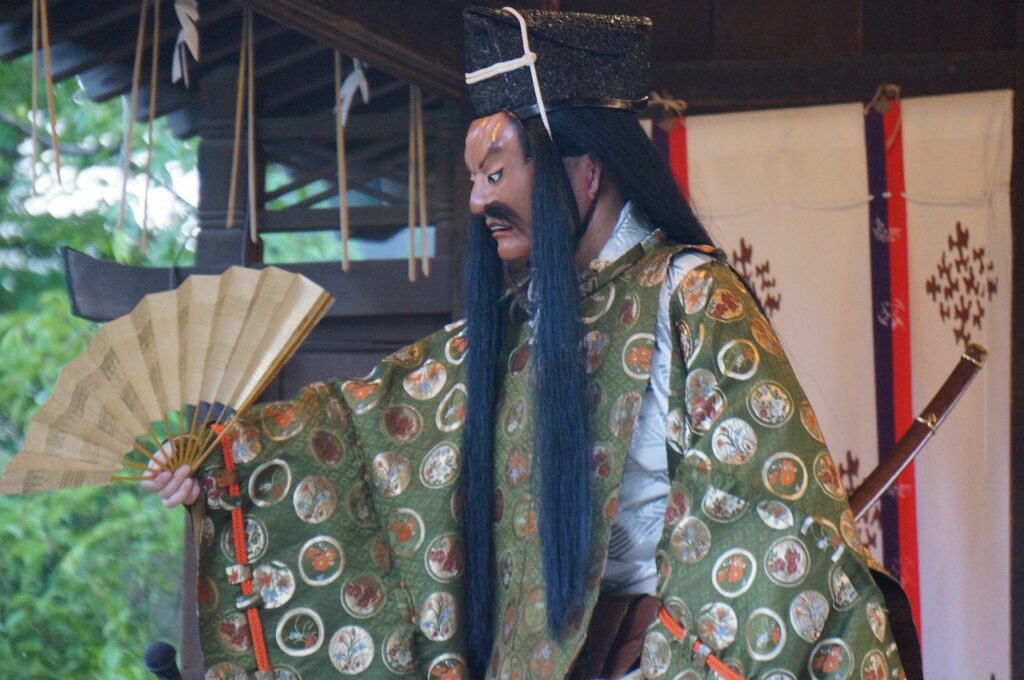
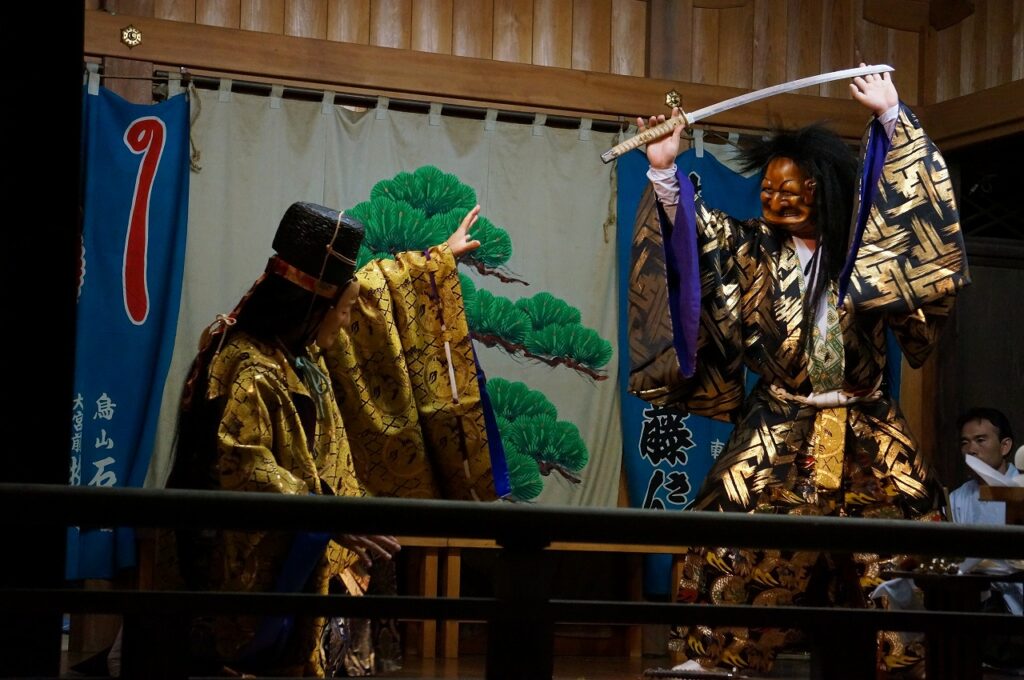
This is a kagura adaptation of the episode of Empress Jingu and her loyal retainer Takeuchi Sukune. Empress Jingu was the queen of the 14th emperor and mother of the 15th emperor. Compared to her husband, the emperor, whose achievements are not so well documented, this mother is amazing. Legend has it that she traveled to the Korean Peninsula and conquered several countries while still a woman. Takeuchi Sukune helped her in this endeavor. In fact, there is no such historical fact, so historians say that there must have been some intention for such history to be written. However, the intention is unknown, although there are various theories.
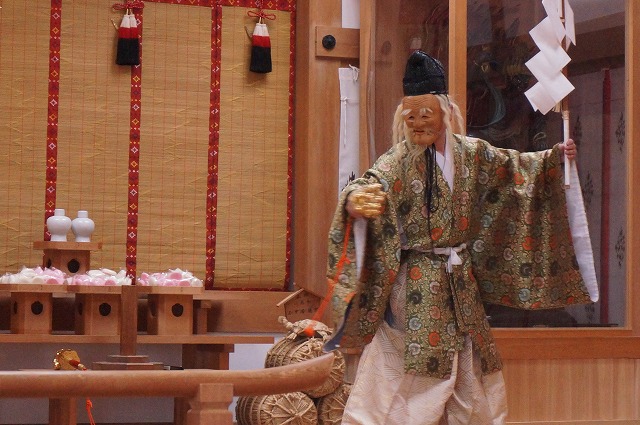
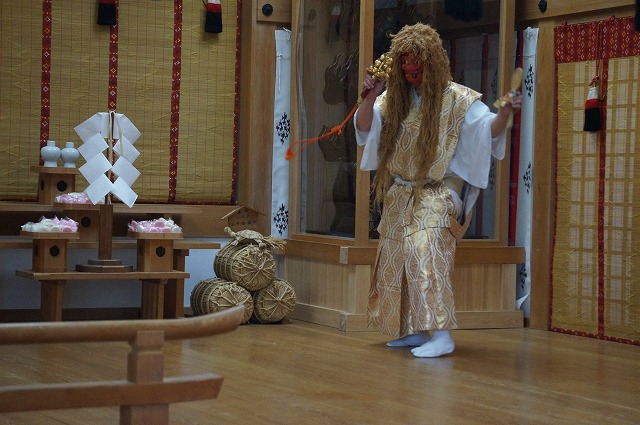
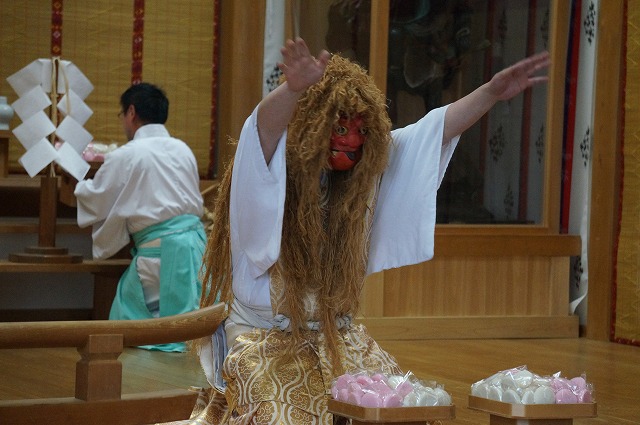
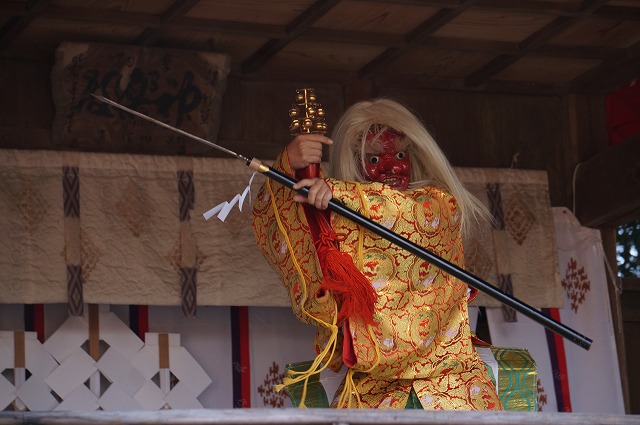
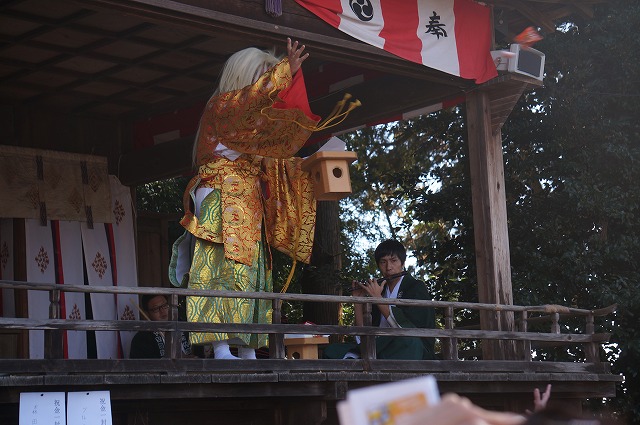
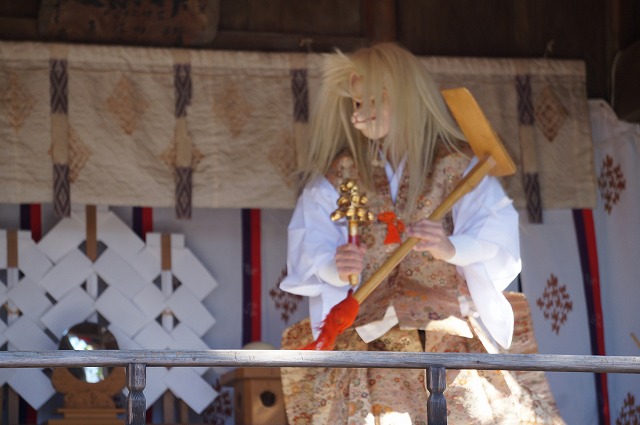
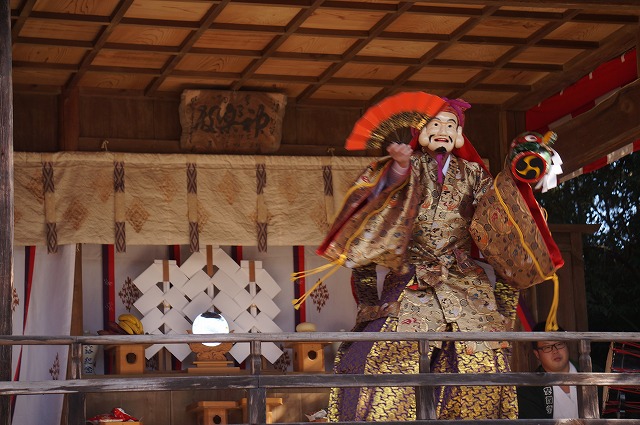
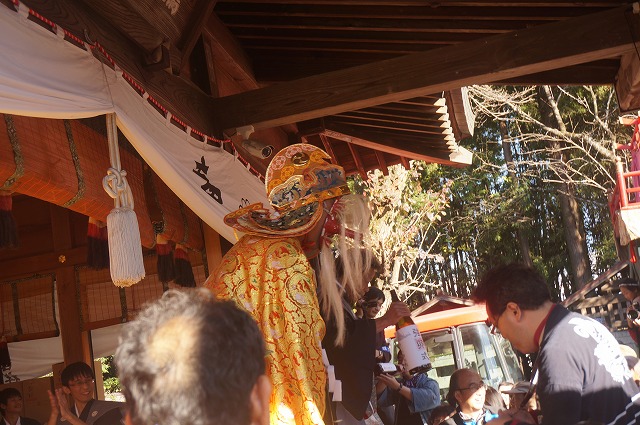
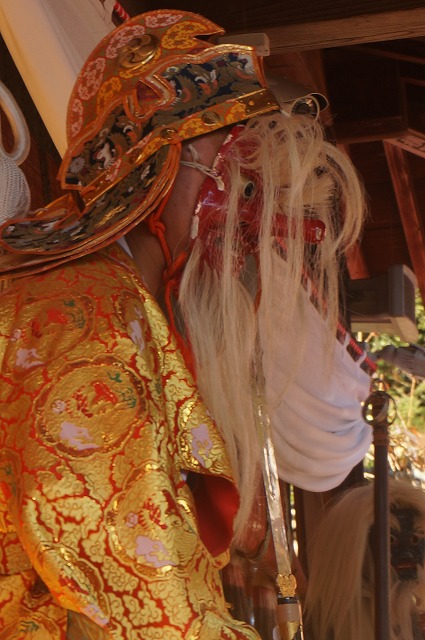
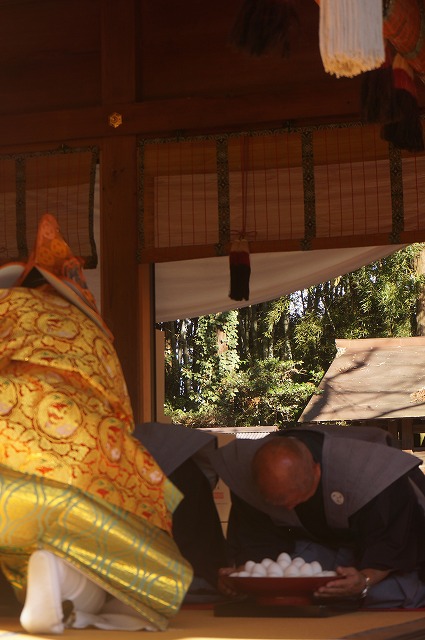
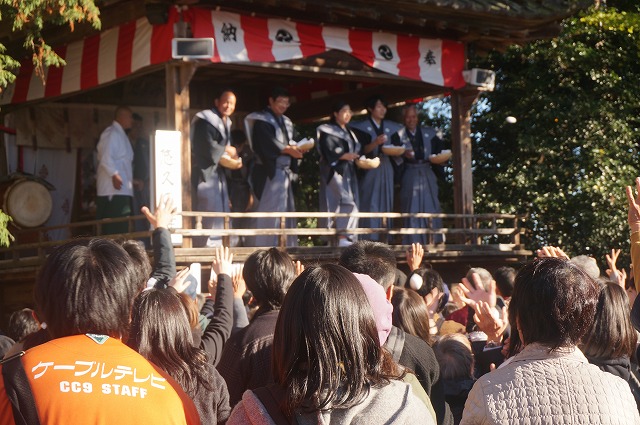
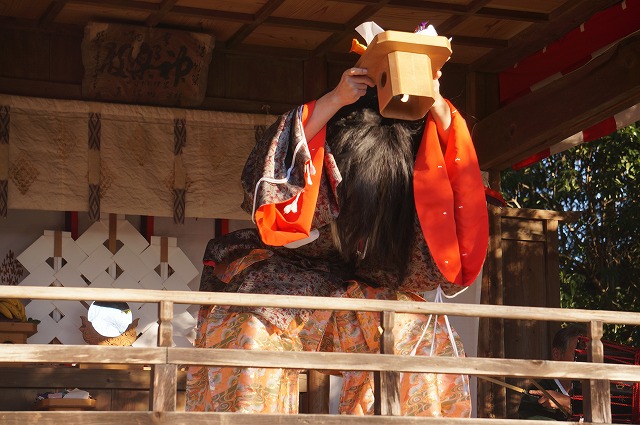
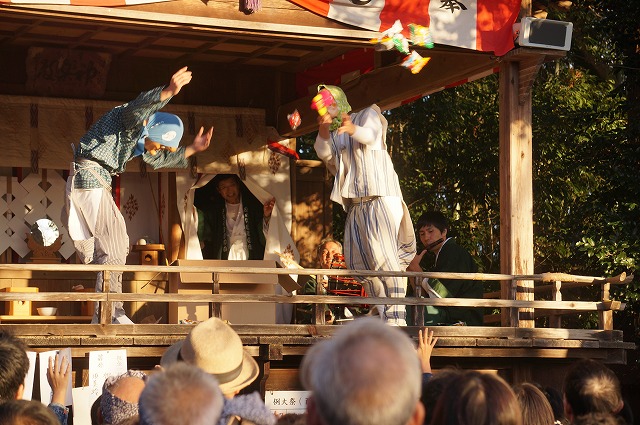
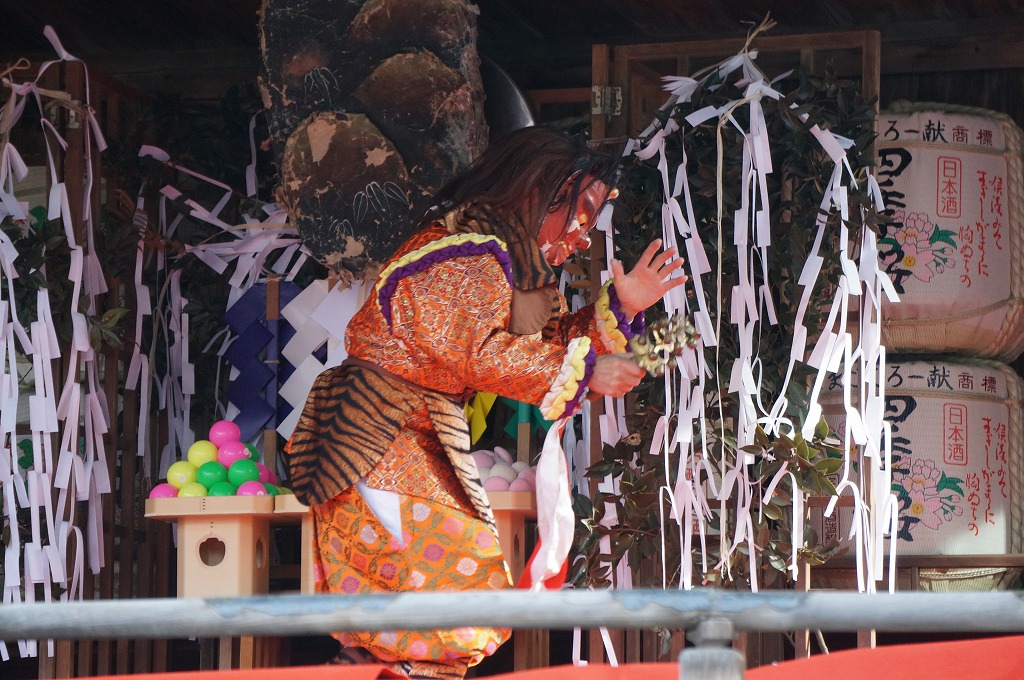
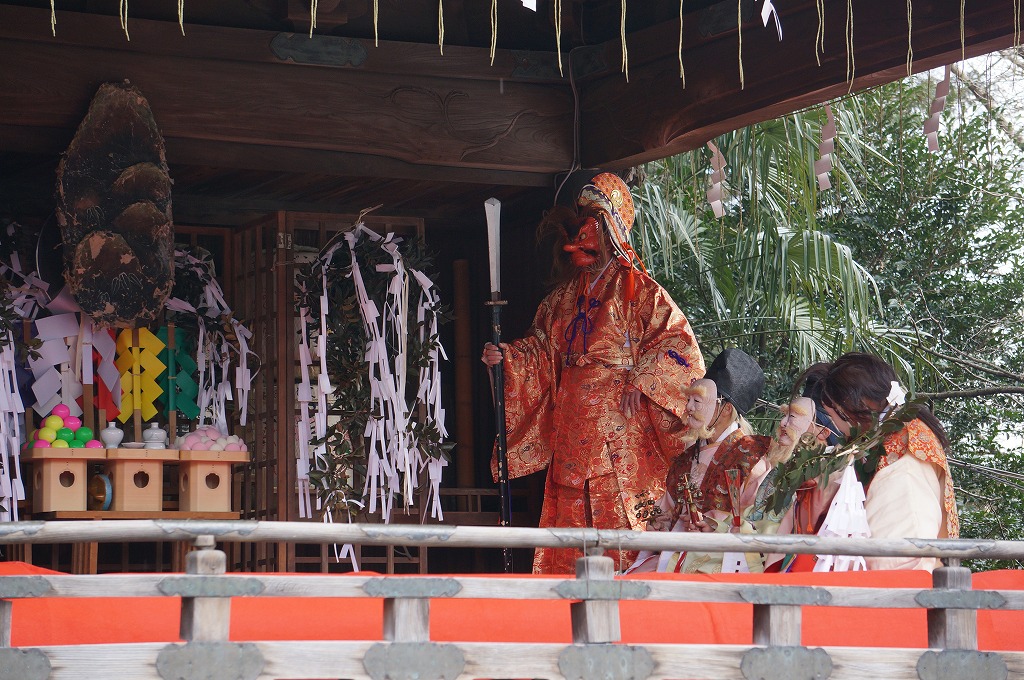
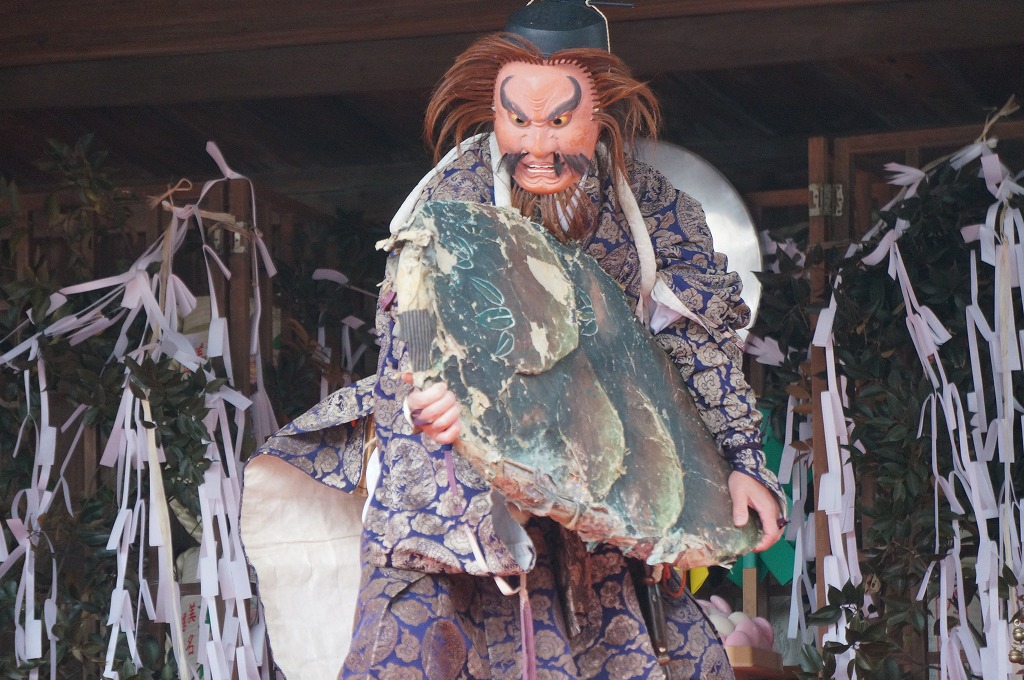
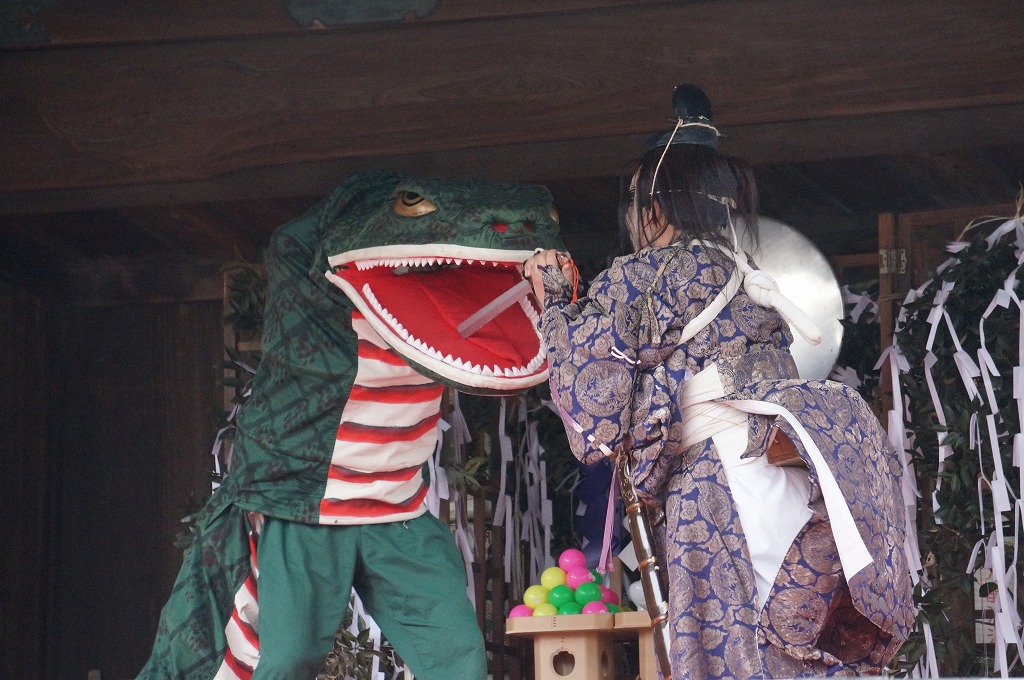
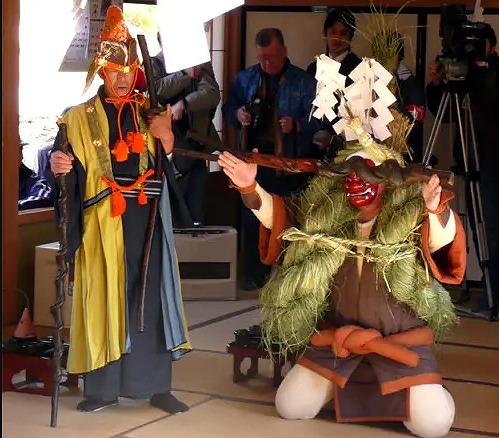
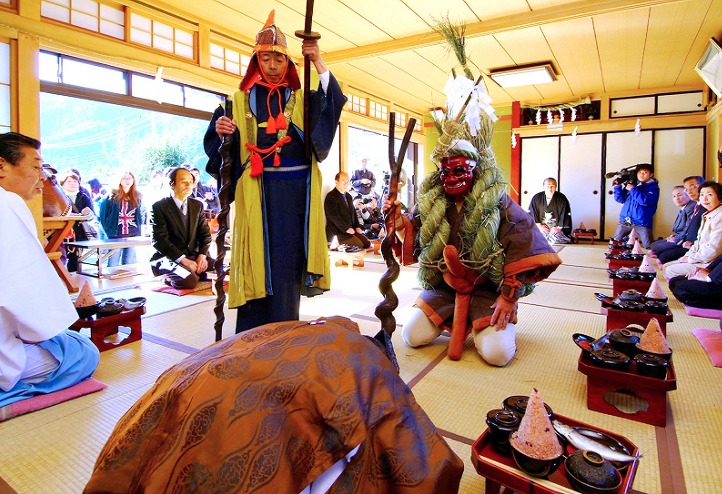
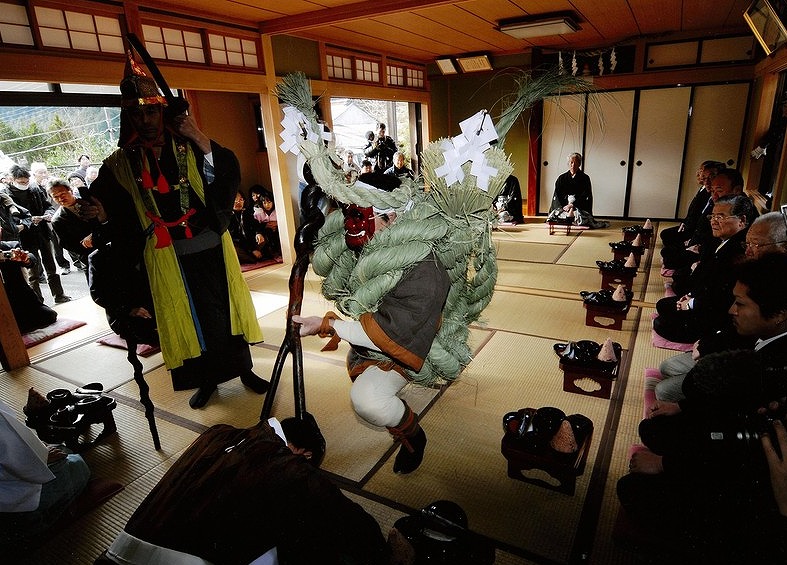
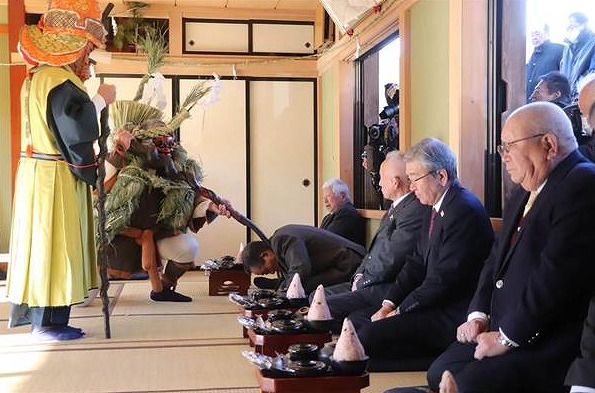
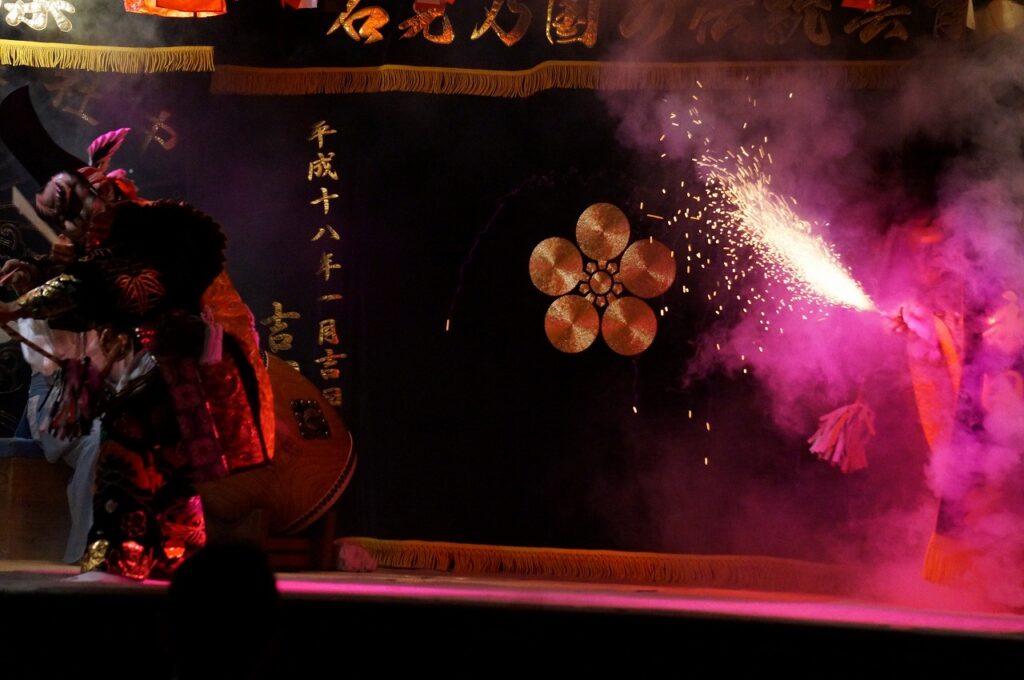
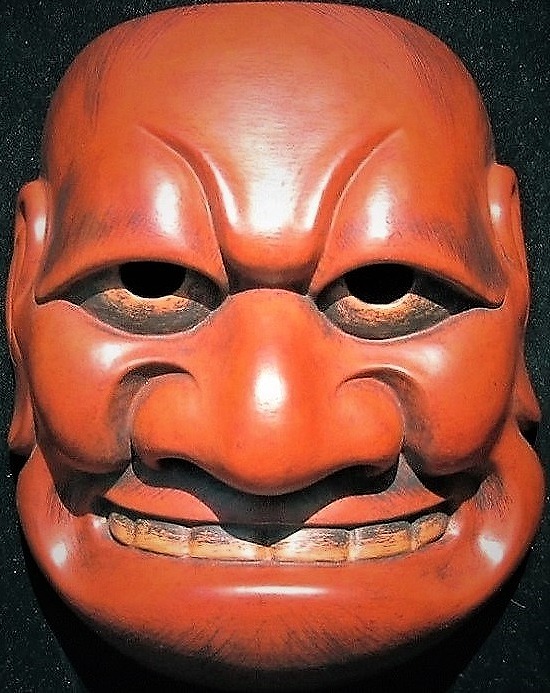
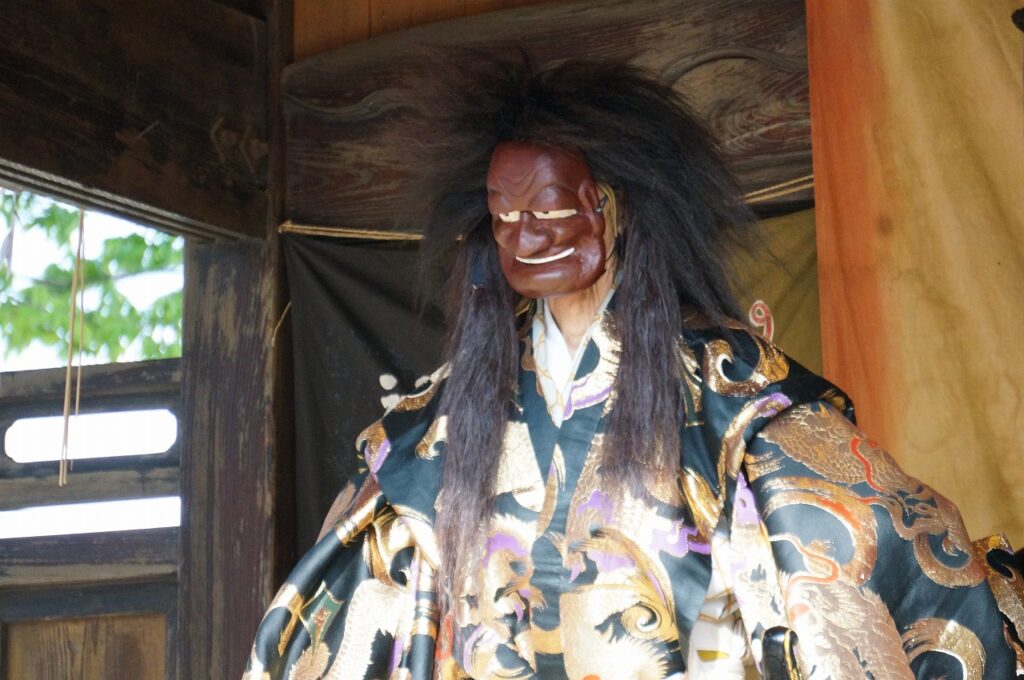
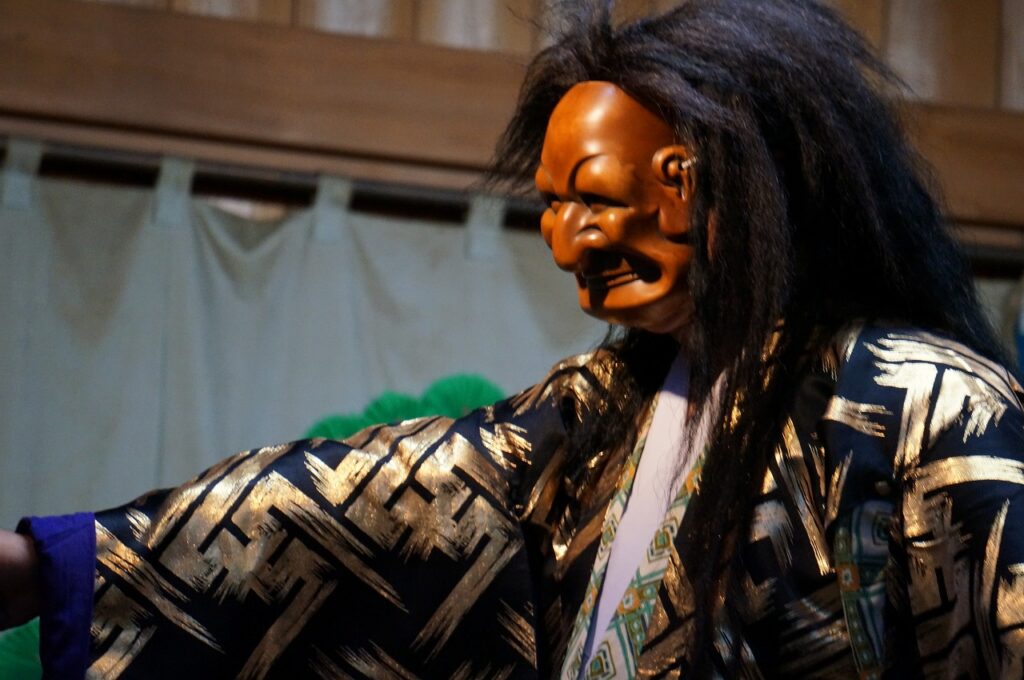
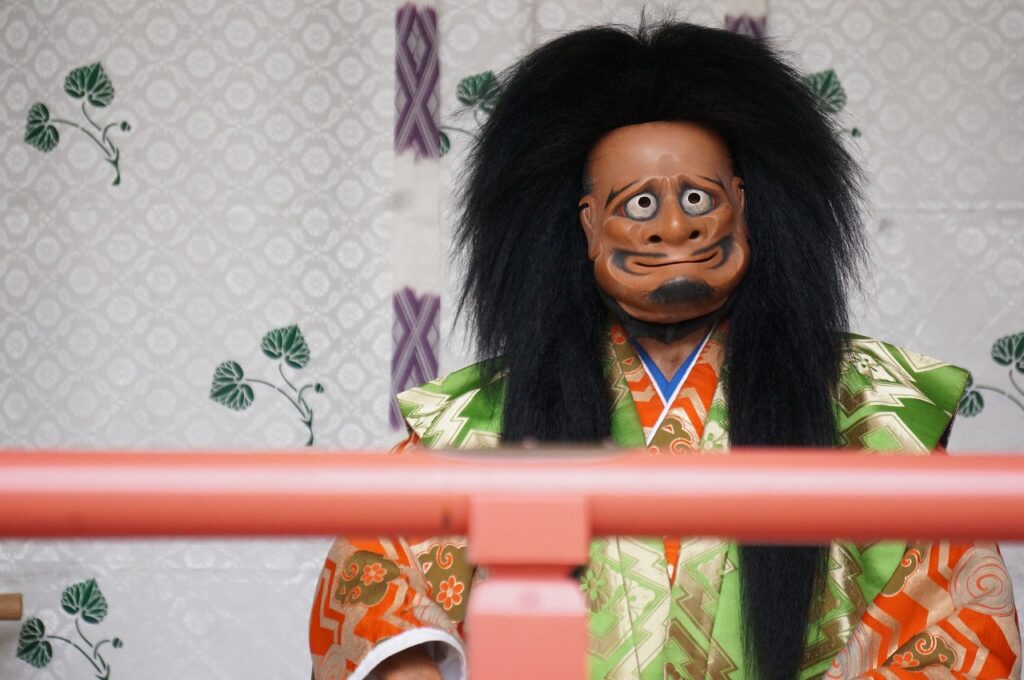
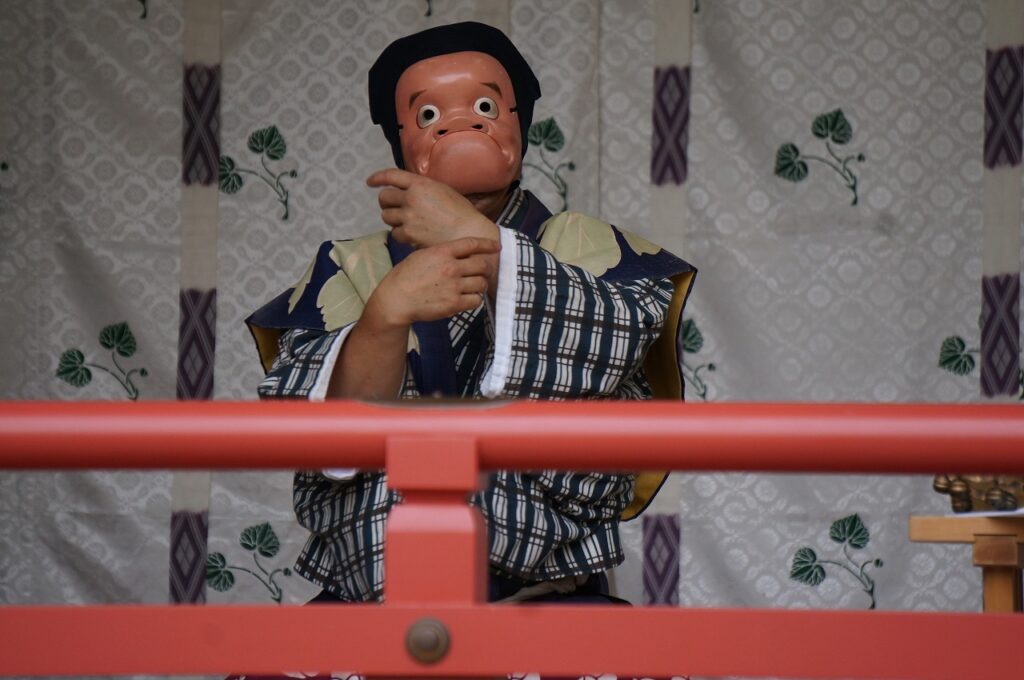
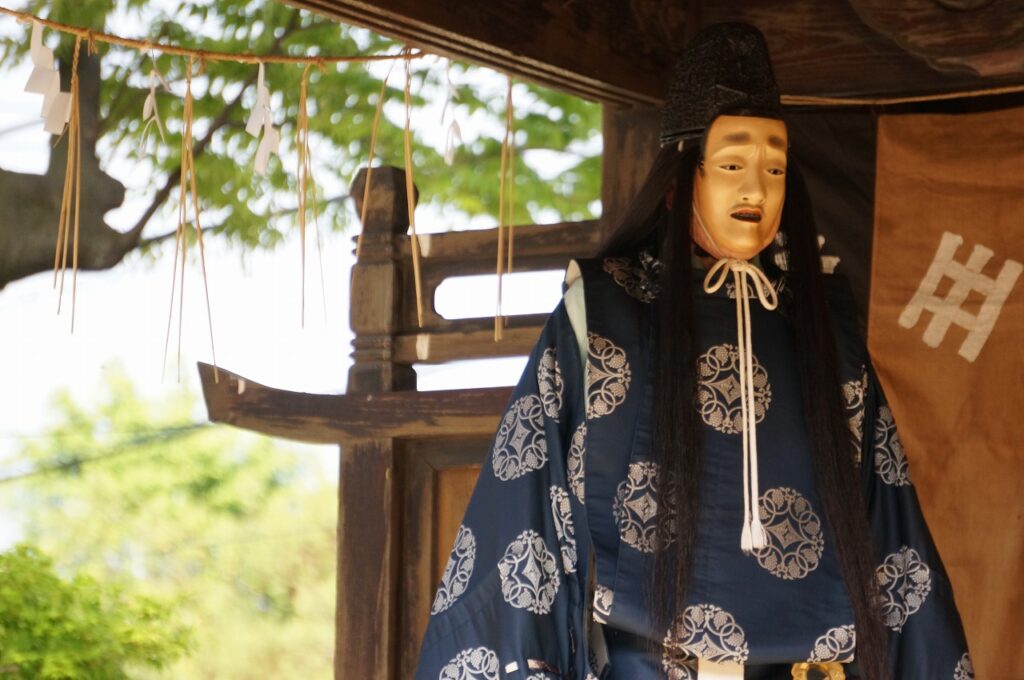
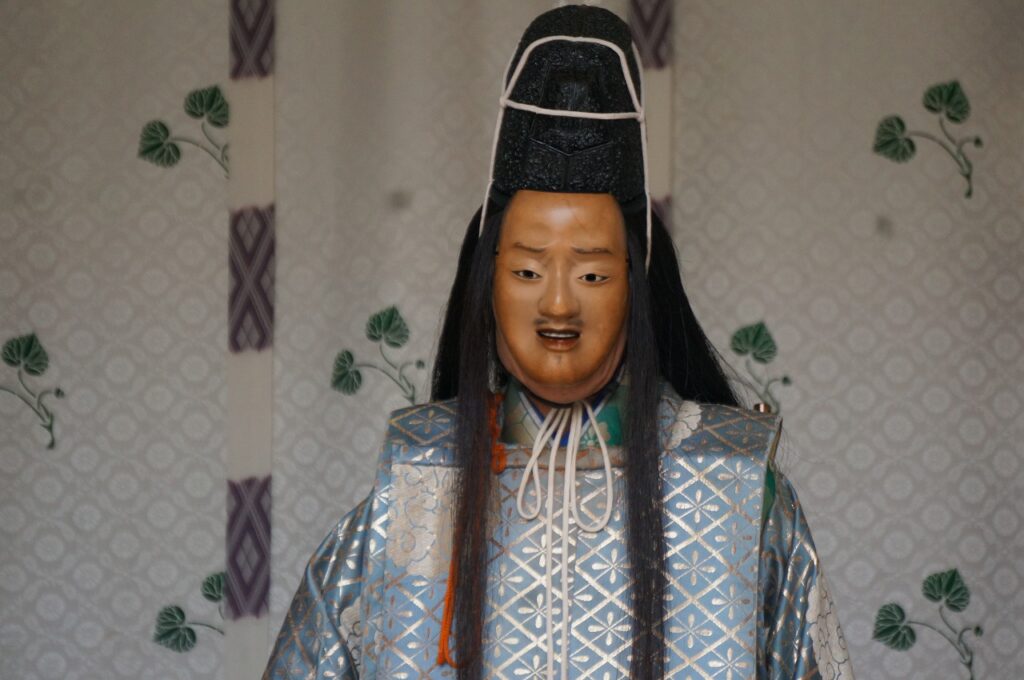
The performance ends with a slightly comical masked “mountain god” with his tongue sticking out, which is unusual for the occasion. The mountain god throws rice cakes at us. The rice cakes, if taken well, bring good luck. The masks are well made and the costumes are gorgeous, as it is a kagura of a prestigious shrine. According to the explanation of an official, each costume costs about one million yen. Although there is no element of entertainment, the experience of listening to this prestigious music and music that is more than 1,000 years old is quite rare. To be able to do so so close to Tokyo is quite an experience. That is, if you are confident in your legs and feet.
Get in touch with nature and view artworks
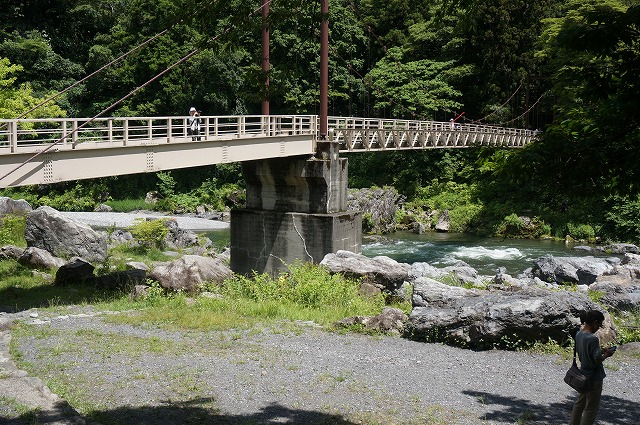
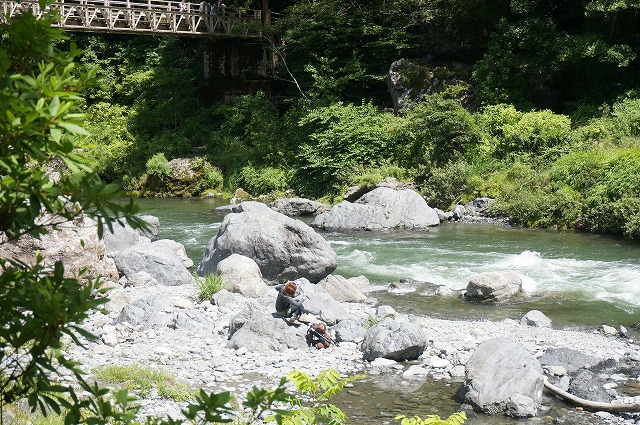
Nice hiking trails with canyons and small museums in the vicinity. There are frequent trains from environs. If you are tired of the city, come here once. https://www.omekanko.gr.jp/spot/80401/
This is one of the three lion dances that can be seen north of the Kanto region. Although there are many similarities between the three lion dances, if you look closely, you will notice that the lion dance performers are different from each other and the performances are also different, which makes it interesting to see the characteristics of each region.
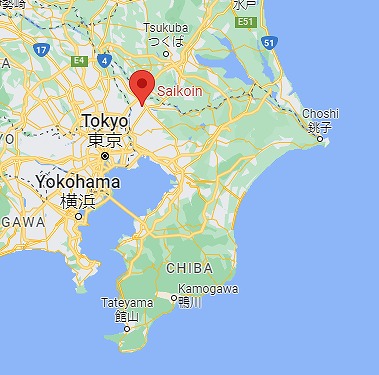
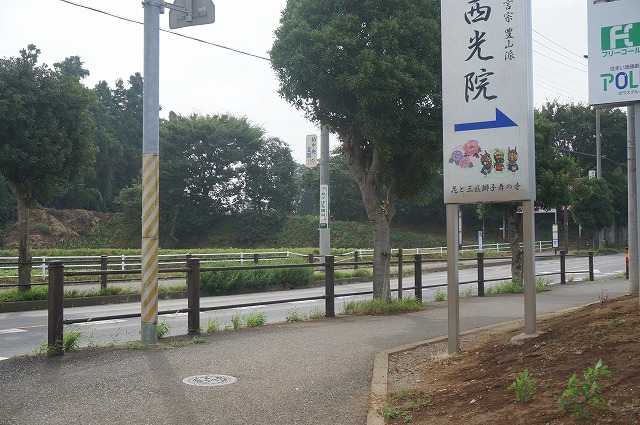
Date: August 16 every year Location: Saikoin temple 西光院, 1214 Shikoda, Kashiwa city, Chiba prefecture, Japan Access: 5 minutes by bus from the west exit of Kashiwa Station. Get off at Sangen bus stop. Approximately 40 minutes from Tokyo to Kashiwa on the Ueno Tokyo Line
This article is based on 2019 visit
The few days before and after August 15, centering on August 15, are called obon, and various ancestral memorial services are often held. People often return to their hometowns during this period. Originally, August 15 was July 15, but since the Meiji government changed to a new calendar, August has become common throughout the country. The lion dance here is also held in conjunction with the Seikoin temple, where the event is held, as the Seikoin temple holds a memorial service.
3:30 p.m. Entrance
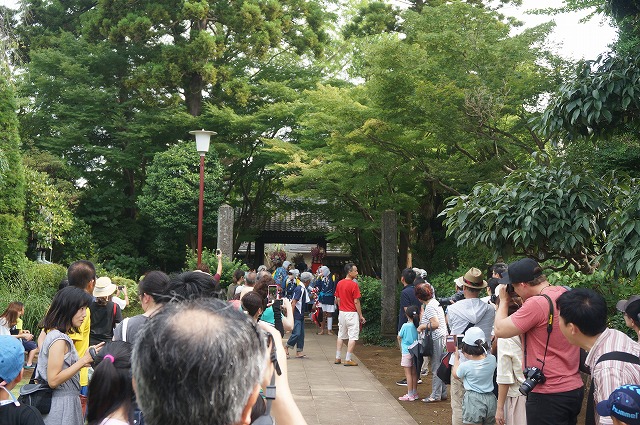
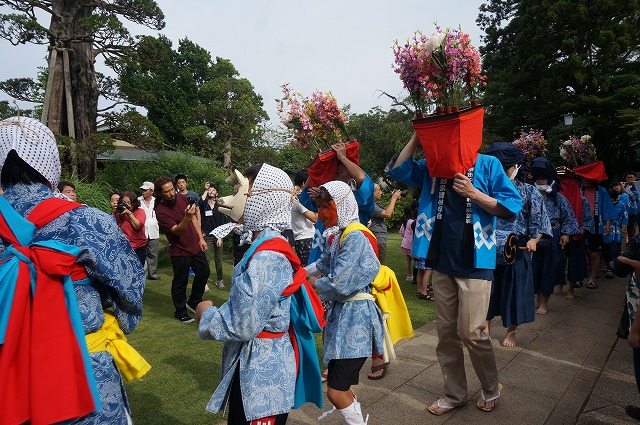
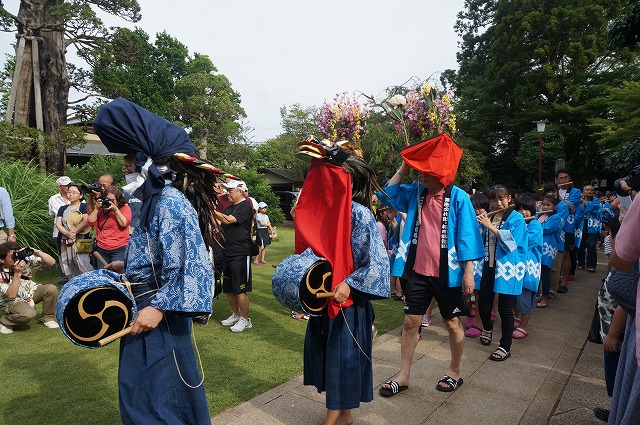
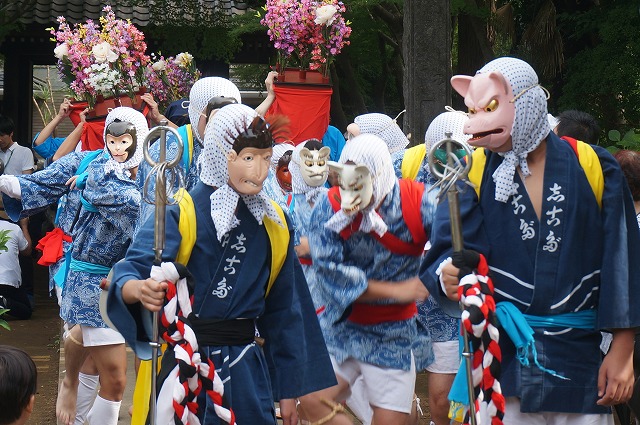
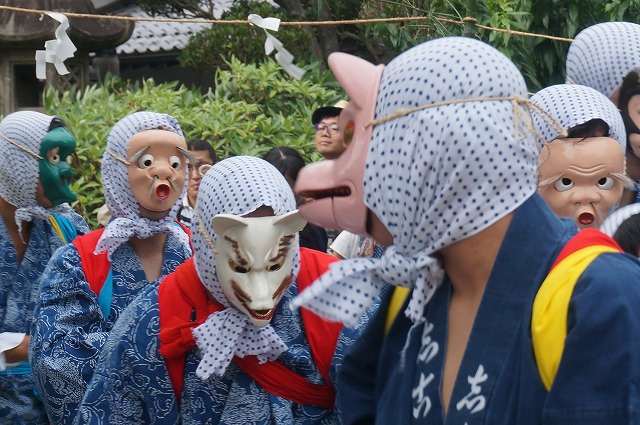
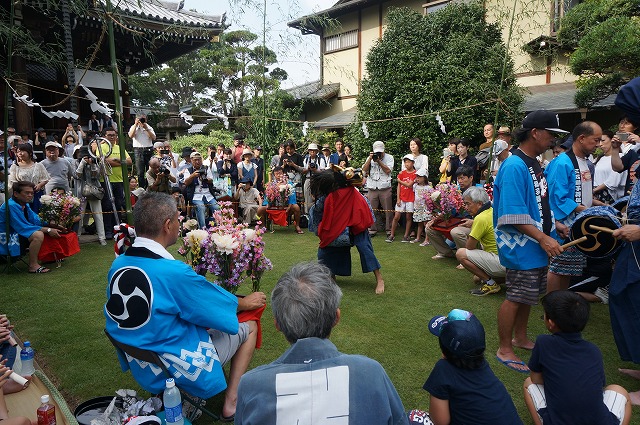
At this time of the day, when you get off the bus and head toward the temple grounds, they are already full of people. After passing through the gate, there is a straight line of stone pavement from the gate to the main hall. In front of the main hall, bamboos are erected on all four sides, and ropes are tied between them to form a boundary. This is today’s dance stage. People from both sides of the street crowded around the dance space, eagerly waiting for the main actors to appear on stage. Soon, the lively sound of a flute echoes, and the dancers appear. Normally, the three lions would be the first to enter, but here, there is a strange group in front of them. Hyottoko, foxes, monkeys, etc. This group is commonly known as “sarumai (monkey dance)”.
Sarumai
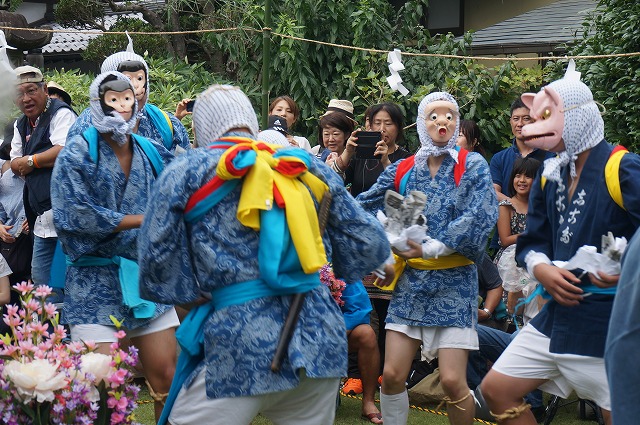
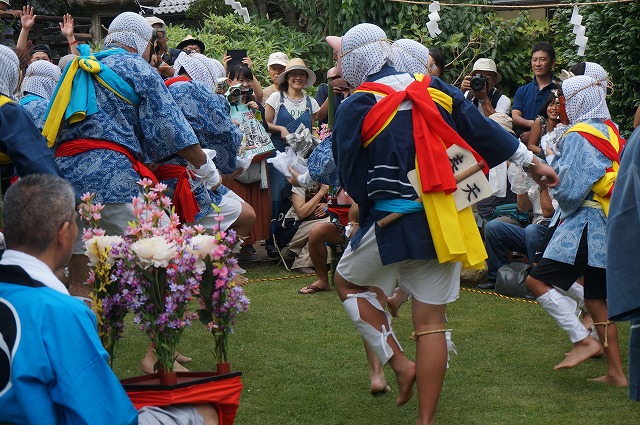
They dance joyfully, making odd noises. The musical group that followed behind them sits on a prepared blue sheet. The musical group that followed behind them was seated on a prepared blue sheet. The lions take a short rest. The boundary stage is covered with grass, so everyone is barefoot. A group of people who were dancing happily on the lawn suddenly started sprinkling white powder in their hands in all directions. What was it? It was salt. A lot of salt. Spectators ran for cover, and those with cameras rushed to cover them with towels and other items. A large amount of salt is showering down on them like a rainstorm. If a child dancer left some of the sprinkled on the ground, the people around him or her would say, “Keep sprinkling”. When there is still some left over. The salt is said to be spread about 5 kilograms in all. When they finish rolling, they quickly disappear. When the audience flaps their clothes, a large amount of salt spills out. Legend has it that bathing in salt will bring good health.
Shishimai (Lion dance)
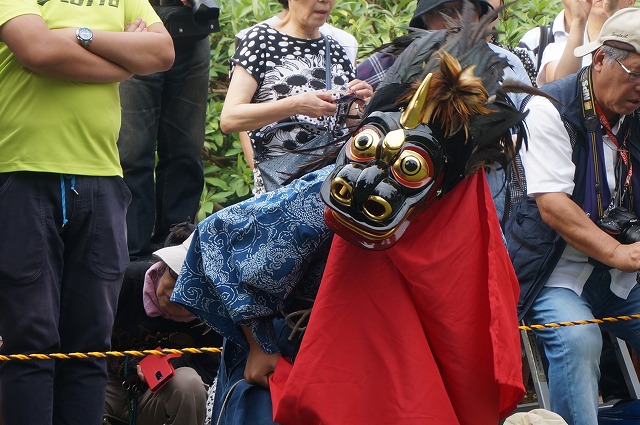
Once the sarmai guys are gone, the lions finally appear. At first, each performs a solo dance. First is the female lioness. Hanagasa (flower hat) stand on all four sides of the stage, adding to the stage’s splendor. The female lioness wears a red cloth and has one small horn. Until recently, there used to be a performance in which a fox with a stick behind female lion would follow lion at this time, but this was not done when the author visited there (2019). Perhaps the trend of the times is to abolish such sexual performances.
Next comes the “Nakajishi”. This is a young and energetic lion, so the dance is also energetic. It has two twisted horns.
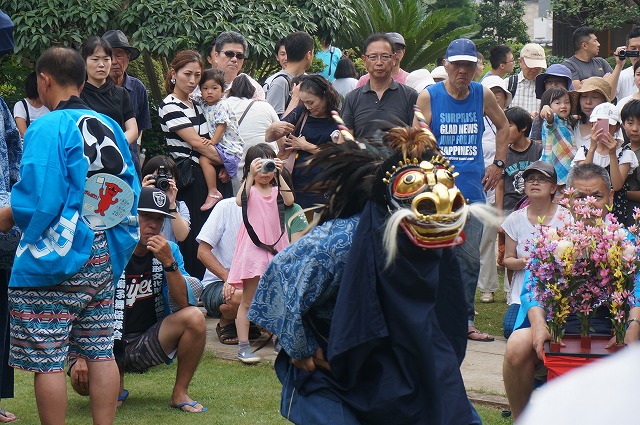
The last one to appear is “Ojishi,” who is an experienced chief who controls the family. He is actually the most experienced dancer in the company. He has two straight horns. The dancer has to appear majestic.
After each solo dance, the hanagasa are lined up in a row, and now the three animals move around in between them.
After the lion dance is over, the three lions gather for a final time to sing a song. The song is a kind of Buddhist prayer, and the lion dance originally served as a prayer for rain. It takes about one hour to complete the dance. The group disbanded at 4:30 p.m. People leave the shrine, paying salt to the lions.
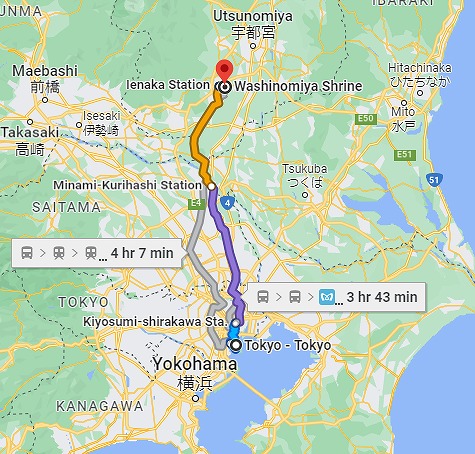
Date: Every year on November 23 Location: 451-2 Tsugamachi Ienaka, Tochigi city, Tochigi prefecture Access: About 2.5 km from Ienaka, Tobu Nikko Line. 2 km walk from Noshu Otsuka, Tobu Utsunomiya Line. →cf. https://www.tobu.co.jp/foreign/en/news/pdf/201703-01_route%20map.pdf Tobu line route map
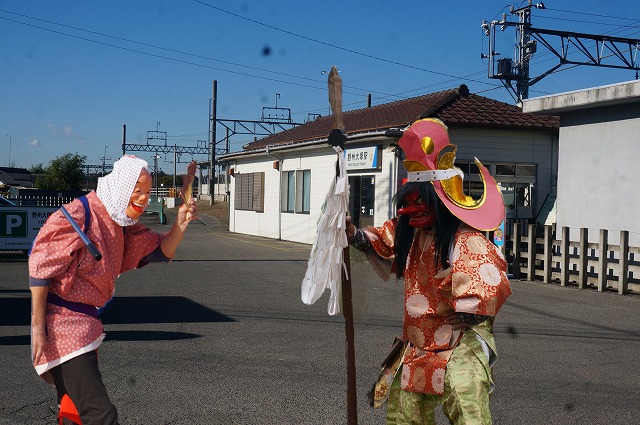
It seems that Sarutahiko invited Hyottoko on a journey, using the ritual of ‘mochi-nage’—where rice cakes and sweets are thrown into the crowd—as a lure, in the hope of deepening his understanding of Kagura…
Long time no see. Are we at Yashu-Otsuka 野州大塚 Station? It is a very quiet and unpopular station, isn’t it?
You’re the one who loves getting souvenirs from the “Mochi Nage”, right? So I’ll guide you to a place where you can get a lot of them today.
I appreciate that, but…
Besides, this time there is a rare ritual called “Goranshiki” in the set.
Let’s go then. It’s close to the station, right?
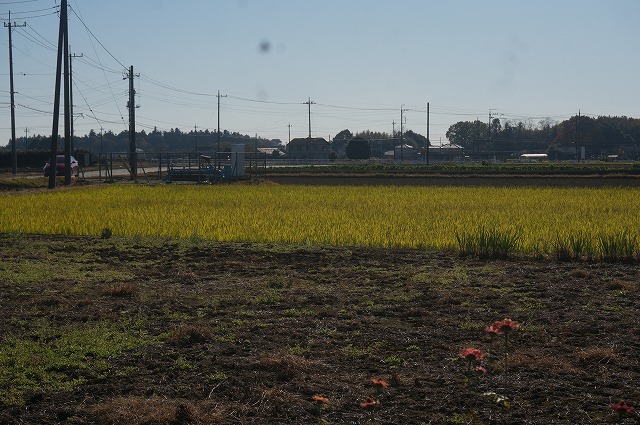
You have to walk about half an hour.
Doh, doh, doh.
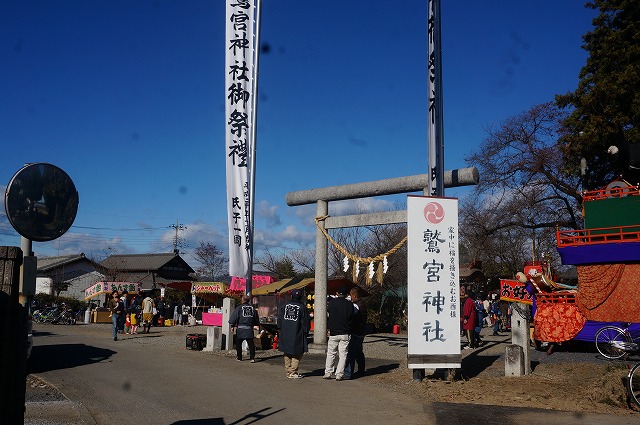
It looks like they finally arrived.
It’s pretty crowded, isn’t it?
There is something going on at the festival for a day and the “Goranshiki” is quite popular!
10:30 am ~kagura starts
Unusually, people have already gathered from the beginning. Usually, it is only in the latter half of the day that people start to gather in droves.
Just watch and you’ll see.
Oh, it’s already “mochi-nage”. Are they okay like this from the start?
Although it’s called a “mochi-nage (ricecake toss)”, it’s really just a candy toss.
Okina(the god of Kasuga)
Sarutahiko
Every time one of the acts is over they throw it every time.
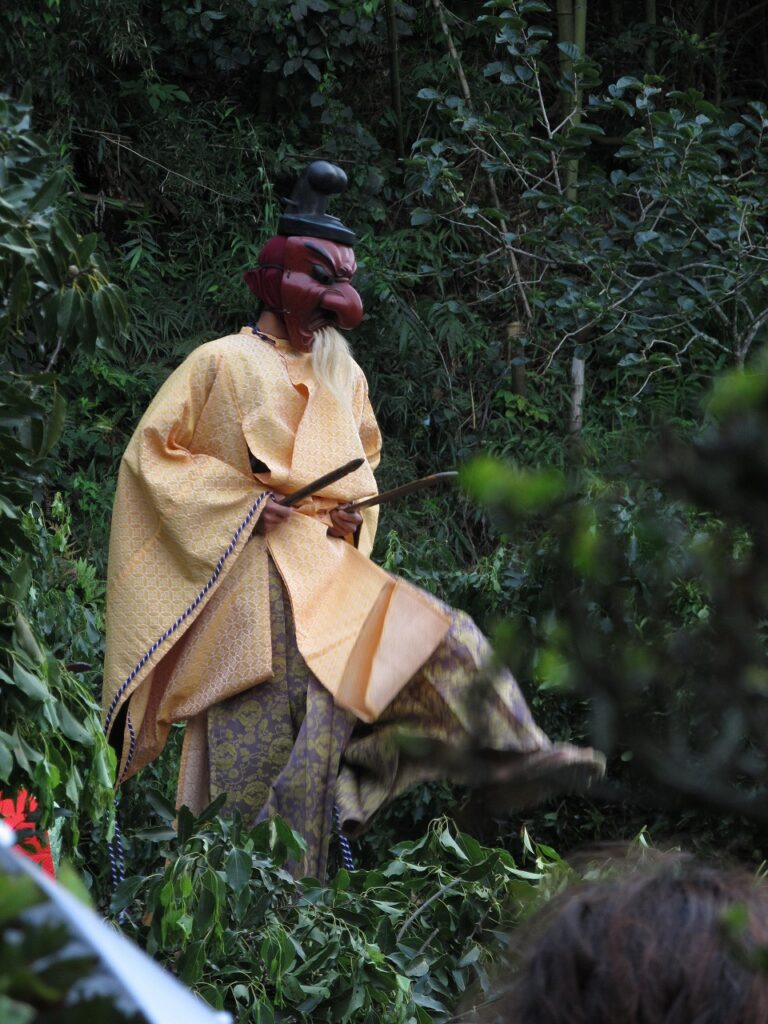
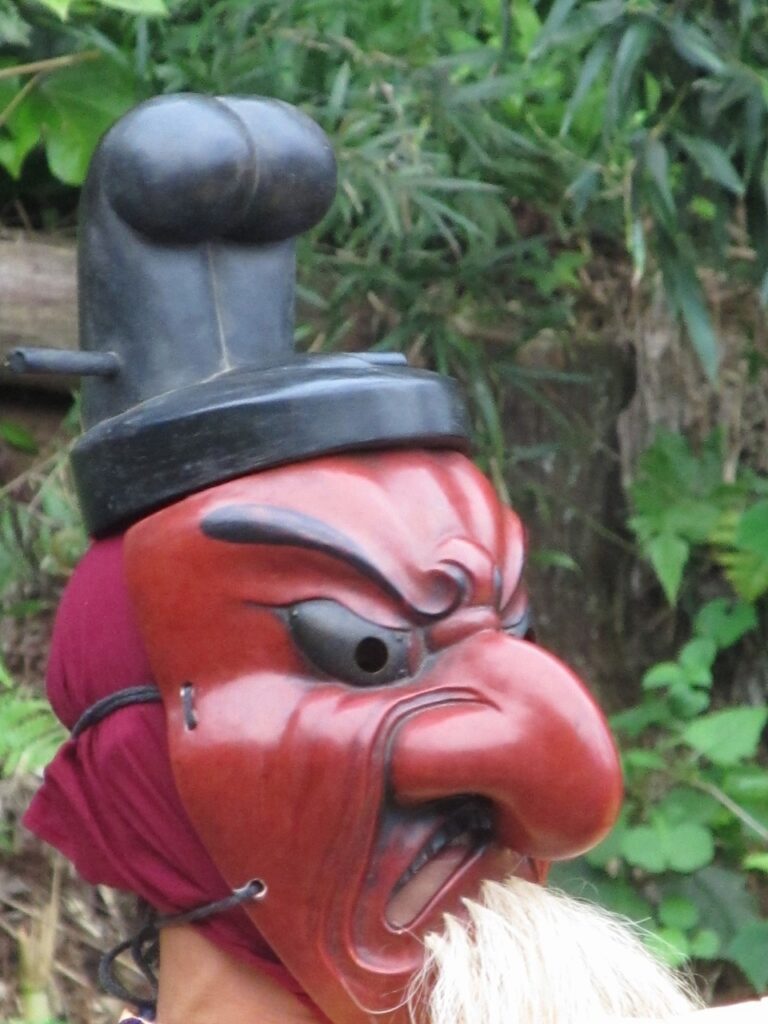
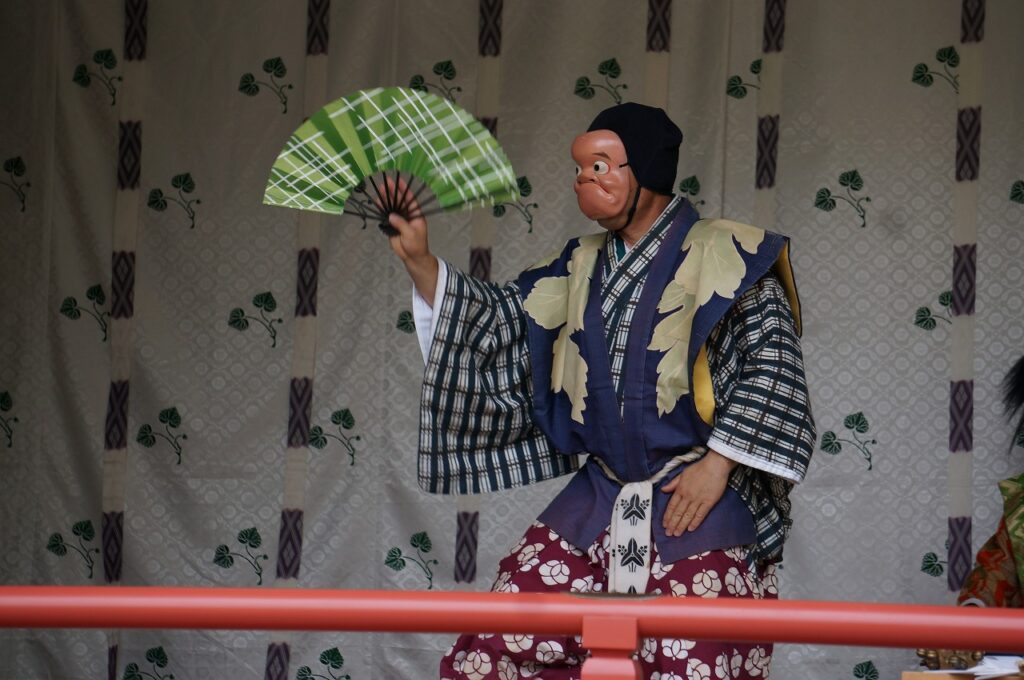
You may rejoice in the mochi nage, but you should also keep the kagura content. Old man plays a dance to appease the four directions of the earth. The red face and long nose of Sarutahiko* is, of course, the god of guidance.
It’s the most important event in Kagura, or Japanese mythology. In ancient Japan, where there was a belief in the sun god, the resurrection of the sun god Amaterasu was of the utmost importance!
So, following Uzume, Tadikarao comes out and opens the Iwato, right?
Tajikarao open the “Iwato (the door of rock)
resurrection of Amaterasu
Here comes Amaterasu. Amaterasu is often represented by a mirror. In some places, only mirrors are placed. This depends on how important the kagura and the local community consider the Iwato opening to be.
Fox as a messenger of Inari
Daikoku-sama
The fox has come out. So, from this point on, the performance leaves mythology behind and becomes rooted in the lives of ordinary people.
That’s the standard progression of kagura. You know that the fox is a messenger of the god Inari, the god of rice cultivation, right?
Of course I do, but I think there are quite a few people who think Inari is the fox. I didn’t even know about it until recently. But I know Daikoku-sama. When Daikoku shakes that mallet, treasures are piling up. Well, here it comes.
1:00 pm ~Goranshiki 強卵式
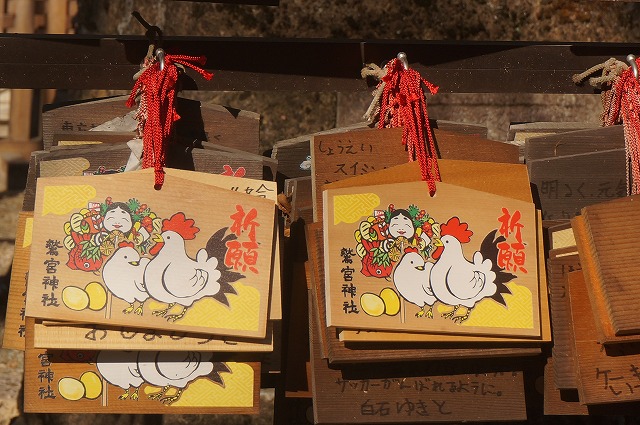
Ema 絵馬
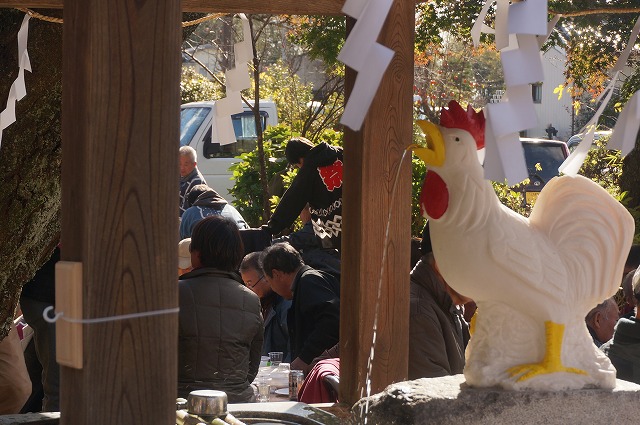
Looking again at the shrine grounds in this way, there are many bird designs. I had no idea that the place to wash hands and the ema (votive picture tablet) are also birds.
The Goran ceremony will be held at the main shrine. Here.
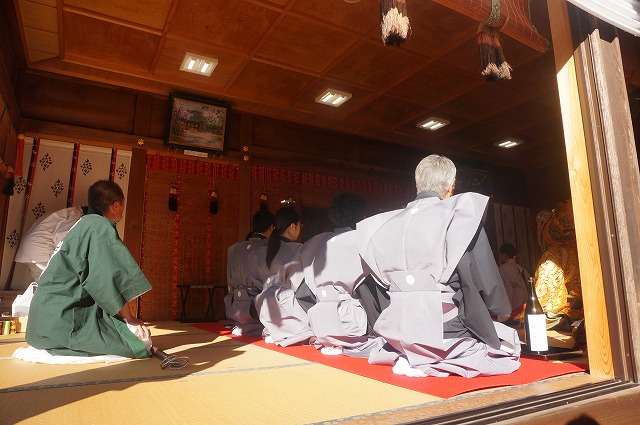
People wearing kamishimo (ceremonial kimono) are already sitting there. In front of them are bottles of sake. Is a banquet about to begin?
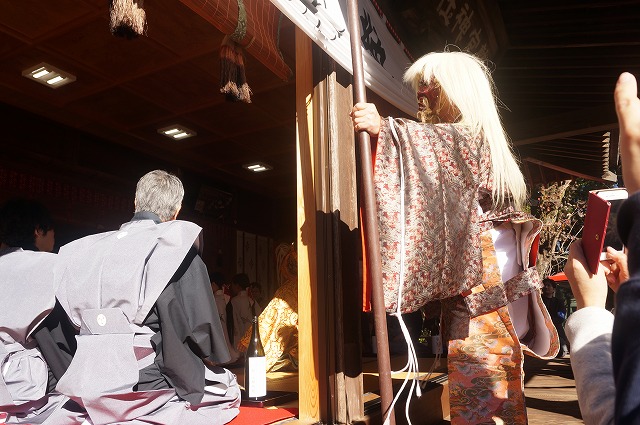
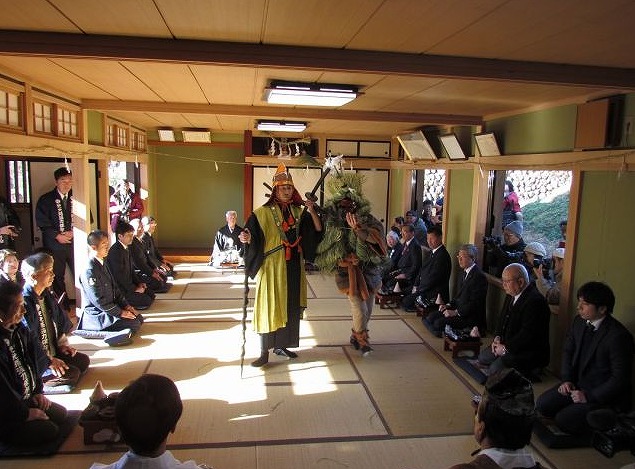
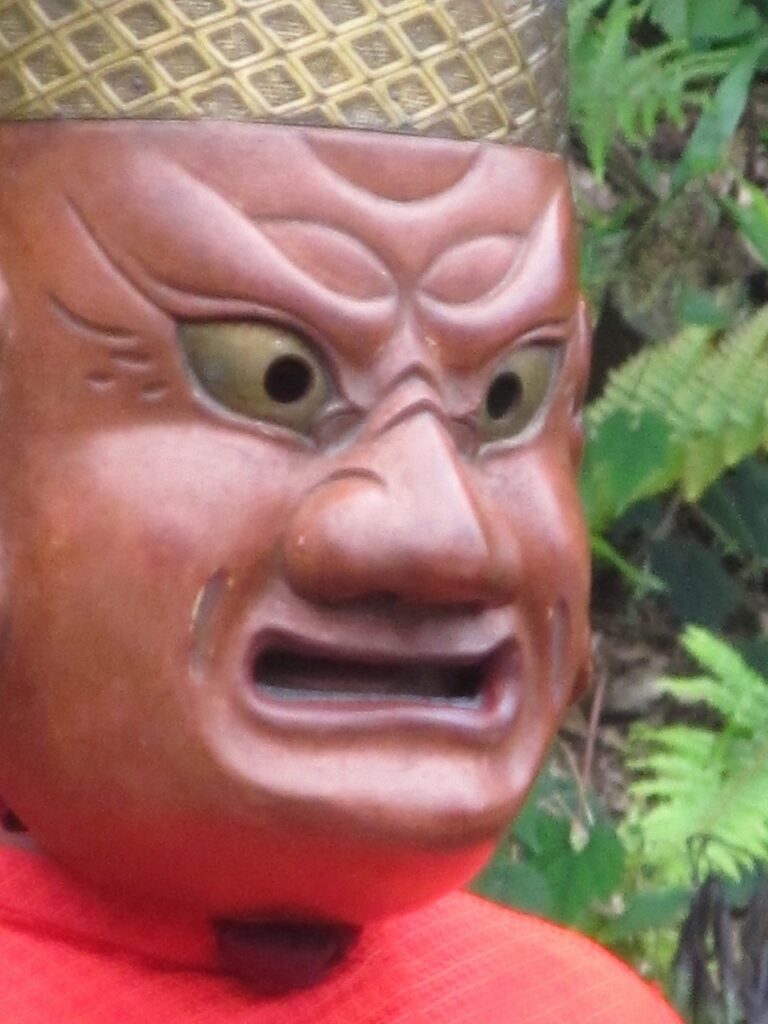
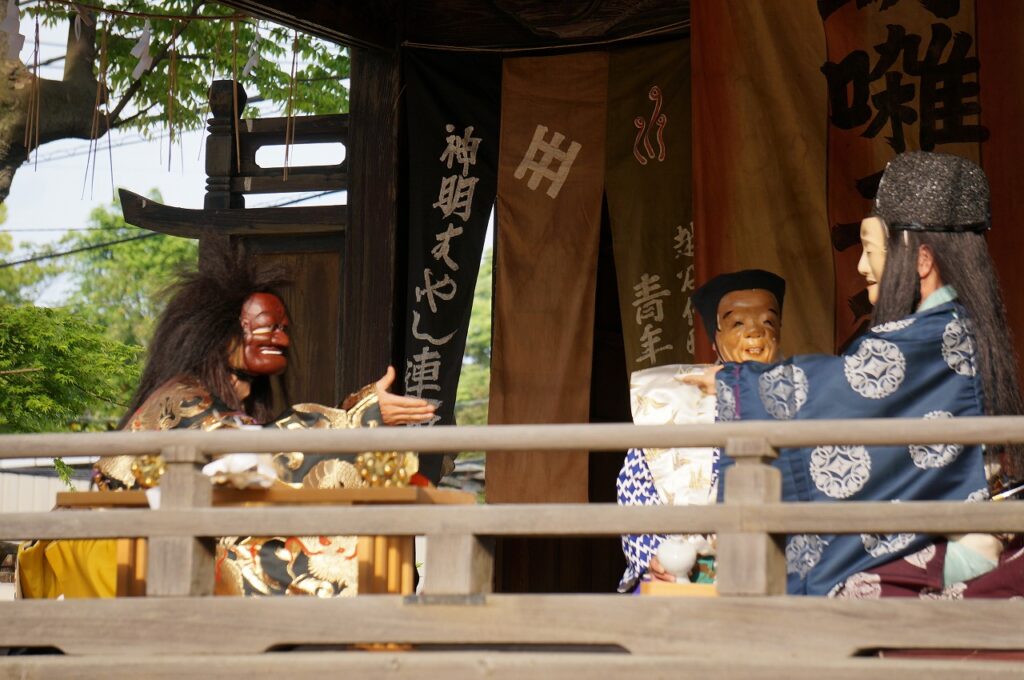
Finally, the tengu are ready. It’s the main tengu and two attendants.
At first, three tengu were supposed to perform the ceremony, but they thought it was too messy and hard to see, so they settled on the current form.
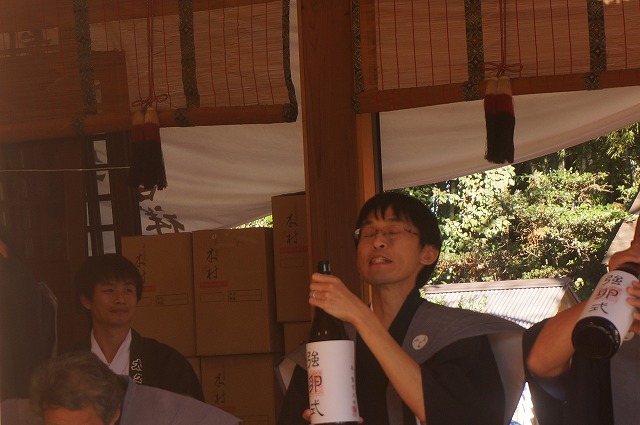
Oh well, it’s turned into a drinking contest. Tengu is forcing participants to drink sake.
With a issho bottle (1.8litter) of sake, even I would have a hard time drinking it all up. The jerks are so yelling for me to drink, or drink more.
A heaping pile of eggs on a small wooden stand was brought.
Here’s how it all begins. Here in the Tochigi Prefecture area, there are similar ceremonies such as the Nikko Gohanshiki and Hokkouji Gohanshiki, but the Gohanshiki here is a bit different. Nikko’s Gohanshiki originated as a way to show appreciation for rice, but here they really do it to show that it is not to be eaten.
In the past, based on a legend at the time of the shrine’s founding, it was forbidden to eat chicken at shrines, but this has not been made known to the public. This is why they decided to start this event, which started as recently as 2001. So, in the ritual here, you are forced to eat however much you want and refuse to eat until the end. The tengu praises them for it.
So no grilled chicken or anything like that in the food stalls? By the way, what are they going to do with all these eggs?
Eggs are thrown to the audience. However, if the egg is thrown as it is, it will break, so another ball is thrown to replace it later… Where did it go, Hyottoko? Oh, he’s already gone to get the egg!
3:00 pm ~second half of Kagura
Hachiman (war of god) and Sanjin (mountain god), they’ re still throwing as usual.
Ebisu and two Hyottoko. Your fellos have come out.
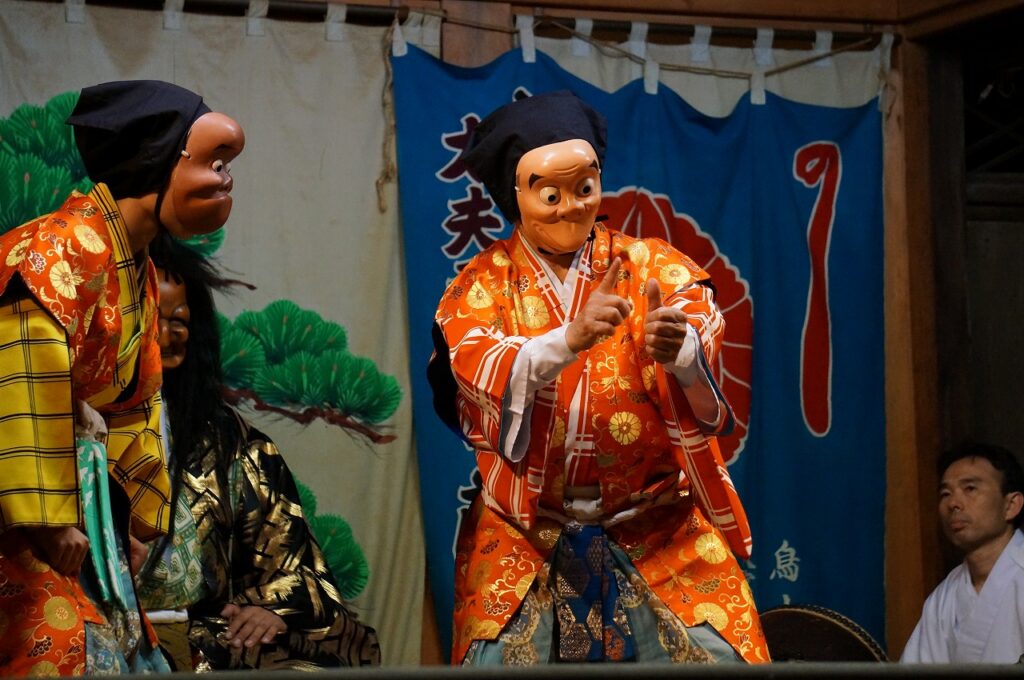
We Hyottoko are entertainers. We make people laugh with our comical antics and help to lighten the mood. They’ll certainly perform.
They do it, don’t they? It has to be this way.
Well, I’ve got loads of sweets and some eggs again today—I couldn’t be happier!
Am I really conveying the charm of kagura with this? sigh
Wishes and amusements of average people ~Utunomiya Futaarayama shrine
DAte: 28 days in January, May, and September each year Location: Babadori 1-1-1, Utsunomiya City, Tochigi Pref Access: 10 minutes walk from JR Utsunomiya station, 5 minutes walk from Tobu Utsunomiya station. 5 minutes by bus from JR station. Get off at Babacho Futaarasanjinja-mae bus stop. Utsunomiya is about 2 hours from Tokyo (1 hour by Shinkansen)
Here we introduce a typical form of regional Kagura from the Kanto region. Since kagura is often based on mythology. So it can be divided into two main categories depending on which mythology is the focus. The first is the Opening the Ama-no-Iwato, the resurrection of Amaterasu, the sun goddess. The second is the extermination of the Orochi by the malevolent god Susanoo. In western Japan, Iwami Kagura in Western Shimane Prefecture (Iwami district), which is rich in entertainment value, has had a great influence. The extermination of Orochi, giant snakes is very popular. On the other hand, in eastern Japan, including Kanto, which is also influenced by the eastern part of Shimane Prefecture (Izumo district). In Izumo (and Kyushu region), opening the Iwato is often regarded as important. And while Iwami Kagura has thoroughly devised ways to enhance its entertainment value and keep up with the times, Kanto Kagura has carefully maintained the original Izumo form.
This time we would like to introduce the kagura that has been handed down by Futaarayama shrine in Utsunomiya. The shrine is located almost in the center of Utsunomiya City, the prefectural capital. This shrine is the cultural center of the city where numerous events are held. The character for 二 in Futaarayama 二荒山 means 2. This is derived from the fact that it once sat on a mountain with two peaks. However, as the area developed, the mountain was split in two, and today it is no longer a mountain. This is proof of the prosperity of the area. official site of the shrine http://futaarayamajinja.jp/schedule-e/
Hachiman god vs Devils King
Kagura is said to have originally been learned from Edo (present-day Tokyo). However, whereas the Edo version retains a prestige that could be mistaken for Noh, this version remains in a truly rustic form. For example, there is a performance called “Hachiman-no-mai, Hachiman’s story” in which demons appear. According to the commentary, this is the story of Hachiman Maro’s extermination of a great demon king who has come from a foreign land and is tormenting the people of this country. Hachiman is the name of a well-known god of war. It is easy to guess that Hachiman Maro is the personification of this god. On the other hand, the demon is set as the Devil King. If this were Iwami Kagura, it would spew fire and rampage violently. However, the demon here rubs its hands together, as if shivering from the cold. And when the hero Hachiman appears, he is easily outwitted. He was simply taken by surprise. The ogre then shows a fighting posture. But what do you think? The demon is cornered and hides behind a pillar. Isn’t this the place where the clown, Hyottoko, is supposed to be?
In the end, the demons are easily subdued and dispersed without any good points. The battle, which would have lasted nearly an hour in Iwami Kagura, was over in only about 10 minutes here. This simplicity and unsophisticated style is both a bad point and a good point of Kanto Kagura.
A woman who is turned into an ogre
a young woman
a young man
Ogre woman transformed
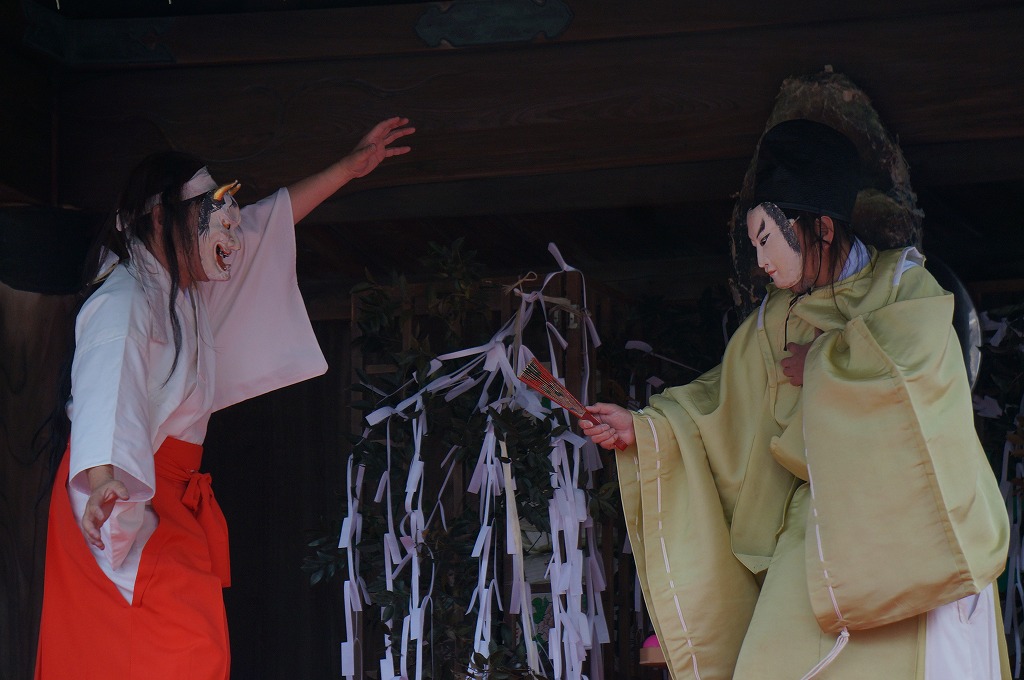
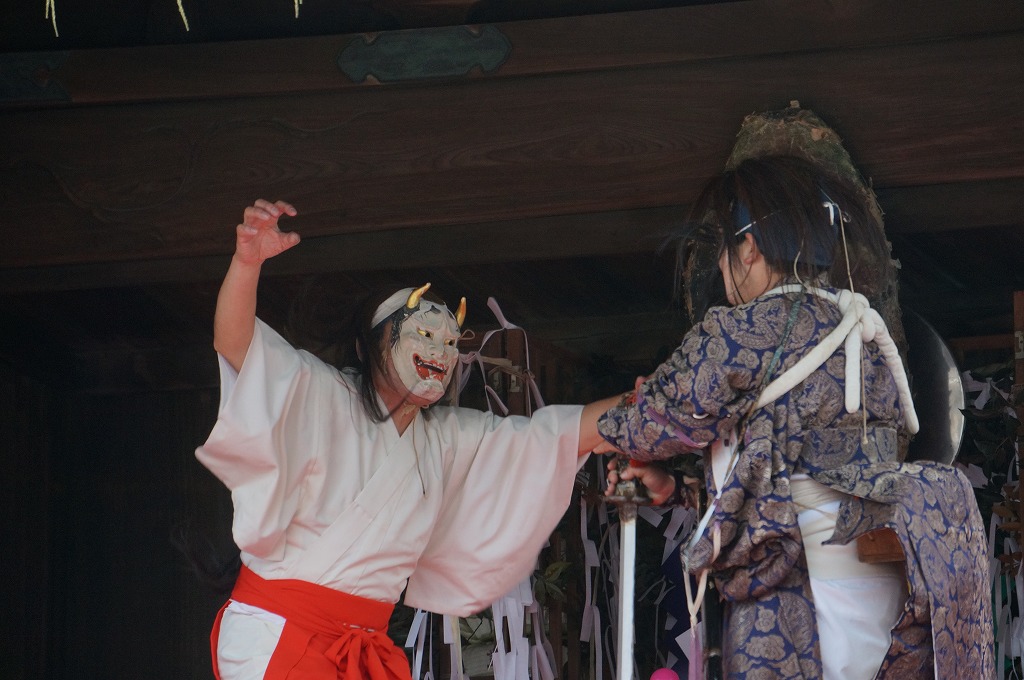
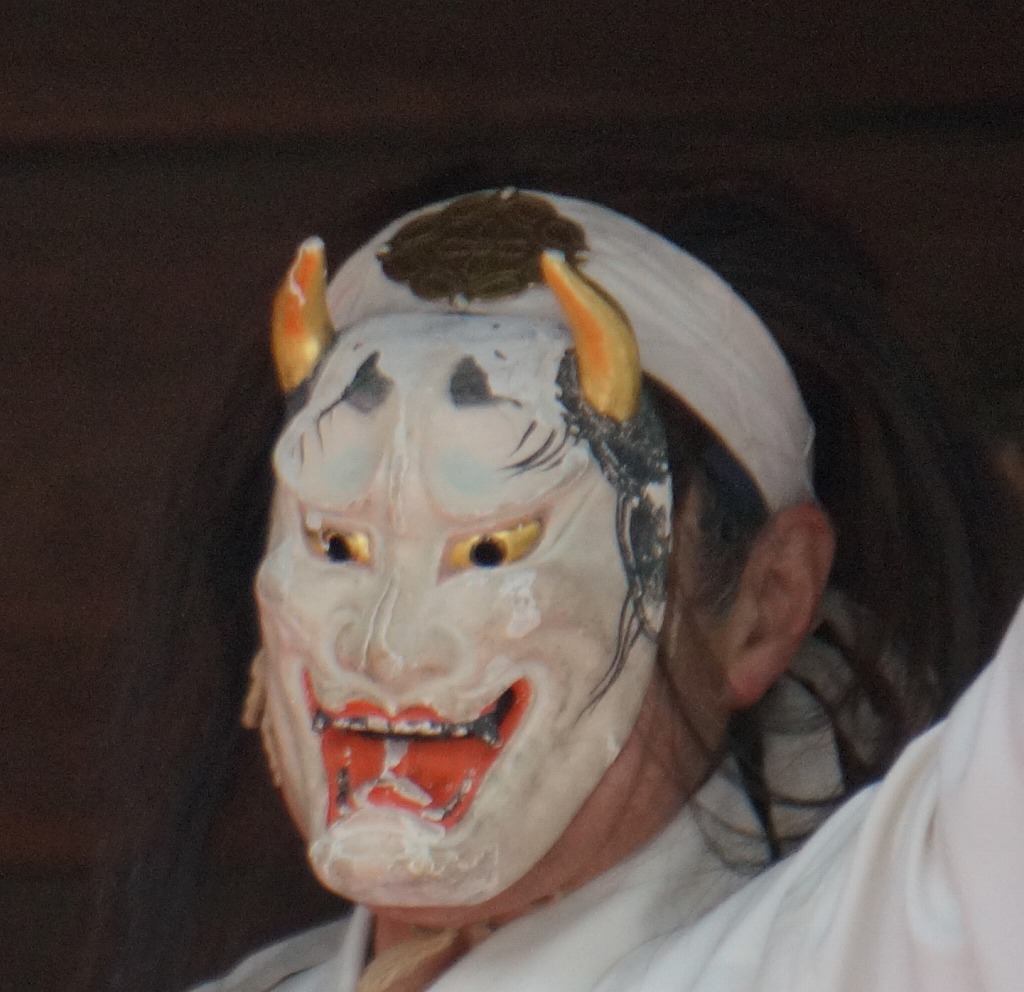
Stronger demon also appears. A woman who is fascinated by a mirror of a young man turns into an ogre. First of all, the face is simple. They are not as artistic as Noh masks, nor do they have the power of a master craftsman who has poured his heart and soul into his work. This is not to say that this is a bad thing. On the contrary, it can be said that we can sense the pure appeal for entertainment of the people of that time.
Break before 12:00 after digesting four performances; resumes at 1:00. The shrine is in the middle of town, so there is no need to eat.
Open the “Amano-Iwato”
The second half of the show continues with a slightly longer performance. The opening of daytime is “Ama-no-Iwato-Open*”. This performance is an all-star show, so even if you missed the first half, you can get a general idea of what is going on by watching this performance. In this performance, Amaterasu is replaced by a mere mirror. For the common people, they would rather see the scene where Tadikarao (the most powerful man of the gods who opened the door of the rock where Amaterasu hid and threw it far away) throws Iwato away than the myth that the sun has returned.
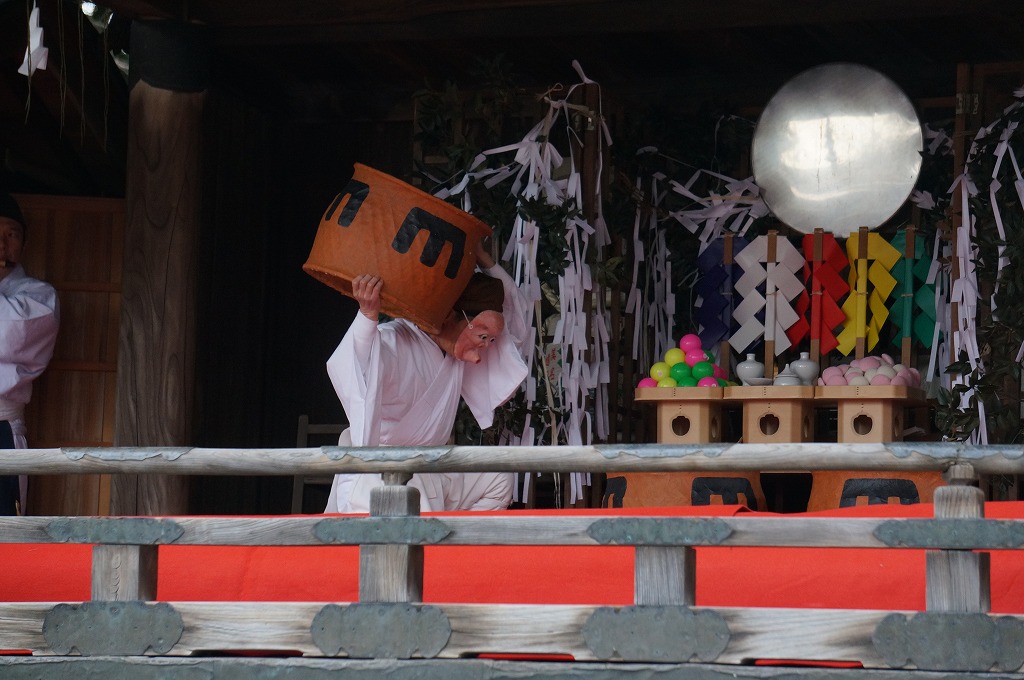
After that, the Ebisu is already out. I am sure this is familiar to those of you who read this site. To explain briefly, Ebisu is a representative of the god who brings good luck to people. He is popular in kagura because he often actually brings good fortune (goods). Catch a fish anytime Here, the Hyottoko (the comedic characters in kagura) appear, and they seem to be more the stars of the show.
As soon as one Hyottoko stands up, the other pulls out a chair. That’ s classic comedy. This kind of performance seems to be common all over the world.
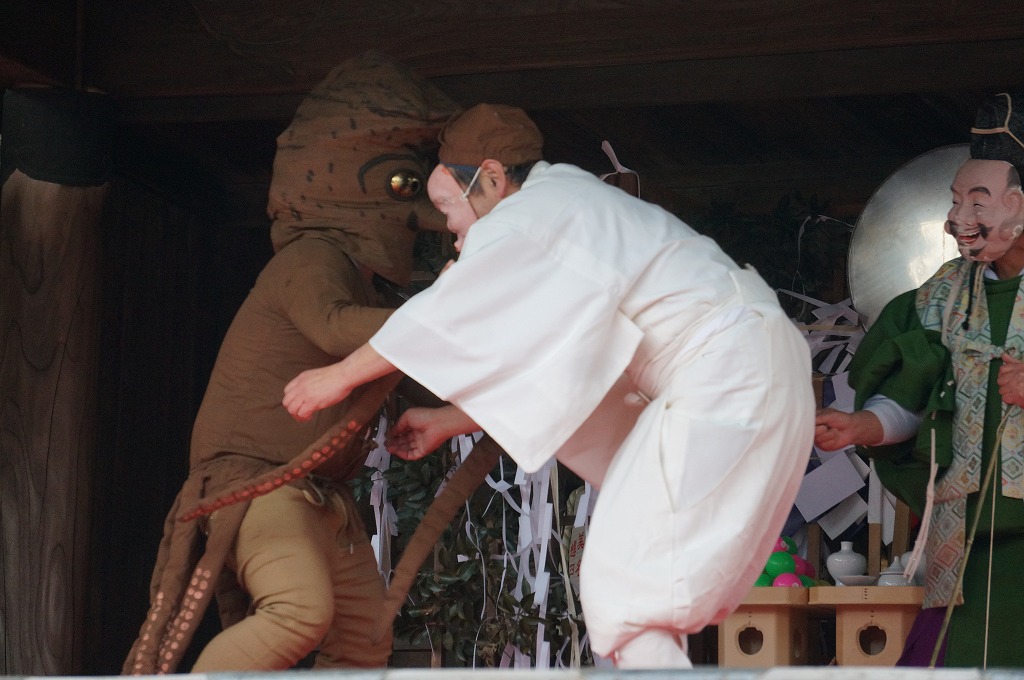
Sumō wrestling with a Hyottoko octopus
The performance becomes incomprehensible when the Hyottoko catches an octopus while he is supposed to catch a sea bream. Then they play Sumo (Japanese wrestling) with the octopus. Moreover, Ebisu, who is supposed to play the leading role, acts as the referee. Anything is possible.
When it’s over, it’s time to go. Susanoo’s extermination of the serpent. The officials threatened the children who were misbehaving under the stage, saying, “You will be eaten by the snake if you stay there. It seems to have that effect.
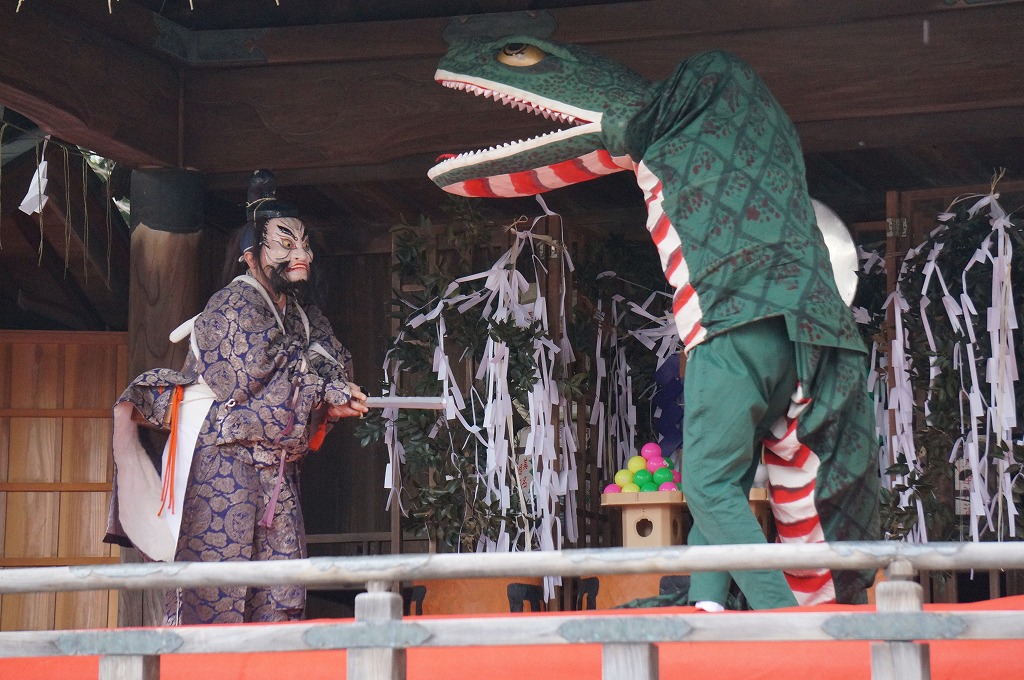
Orochi ~just like a old monster movie
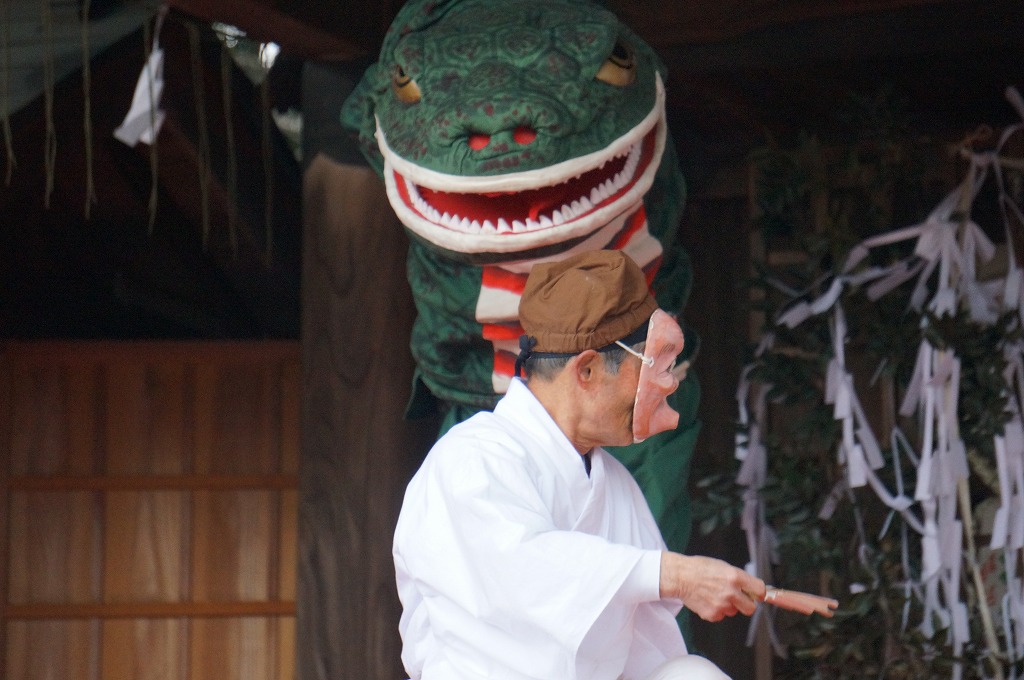
Here, “Orochi” is called “O-hebi-sama. It is not wrong to say hebi (snake), since in mythology it is a serpentine monster with eight heads and eight tails. O” and ” sama” are honorific titles. Briefly, the story begins with Susanoo’s encounter with an elderly couple who are sadly doomed to dedicate their daughter to Orochi every year. Susanoo plans to give them poisoned sake to drink and exterminate them while they are at it. So the old man come out first. So far so good. But then, for some reason, a sake brewer who does not appear in other kagura appears. And he is Hyottoko. Nor does this hyottoko just make sake. It also plays a very active role in being attacked by the Orochi that appear. Normally, the main cast would be the princess and her parents, but for some reason, the main cast here is the sake brewer, who is a third party, so to speak. Although simplified, the main characters on this stage are the father, Orochi, Susanoo, and Hyottoko. And only Hyottoko is on the stage the whole time!
Finally, “Orochi” is here. It looks like something out of an old monster movie. Hyottoko is oblivious. This is another classic performance. The children shout, ” Orochi is right behind you! After such a classic exchange, Susanoo defeats Orochi. Easily. After Susanoo leaves, it is again Hyottoko who ends the stage by imitating him. Every place is different, and every item is different. It is clear that the importance of each performance changes depending on the region.
At the end, people involved in the event hand out mochi (rice cakes) to the audience. The event ends around 3:30. There were five performances in the morning and three in the afternoon. There are now thirteen different types of performances being preserved.
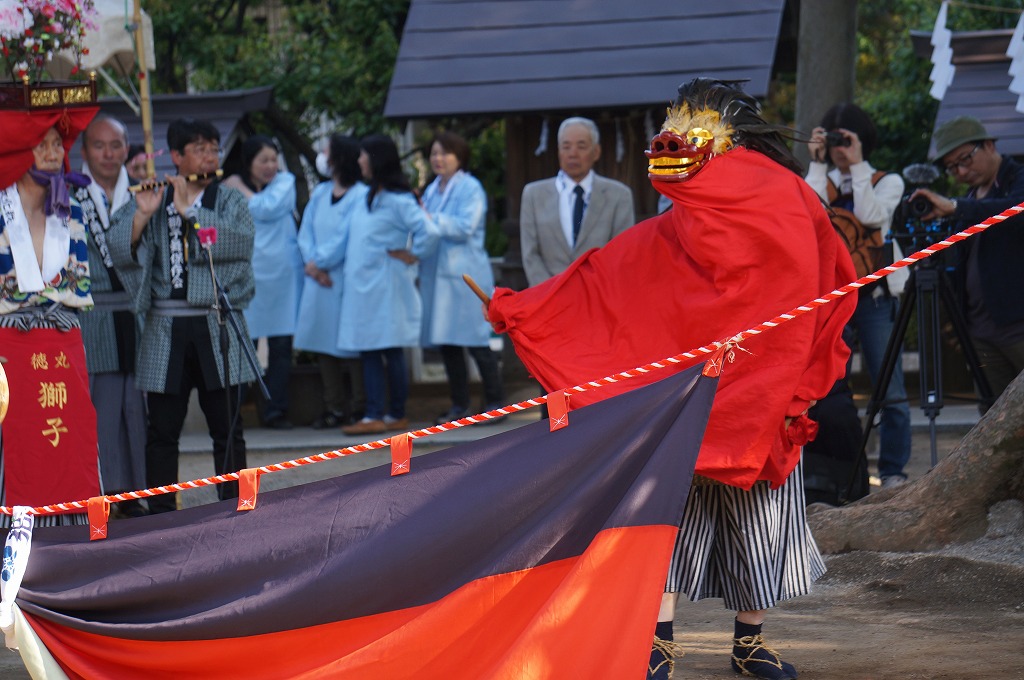
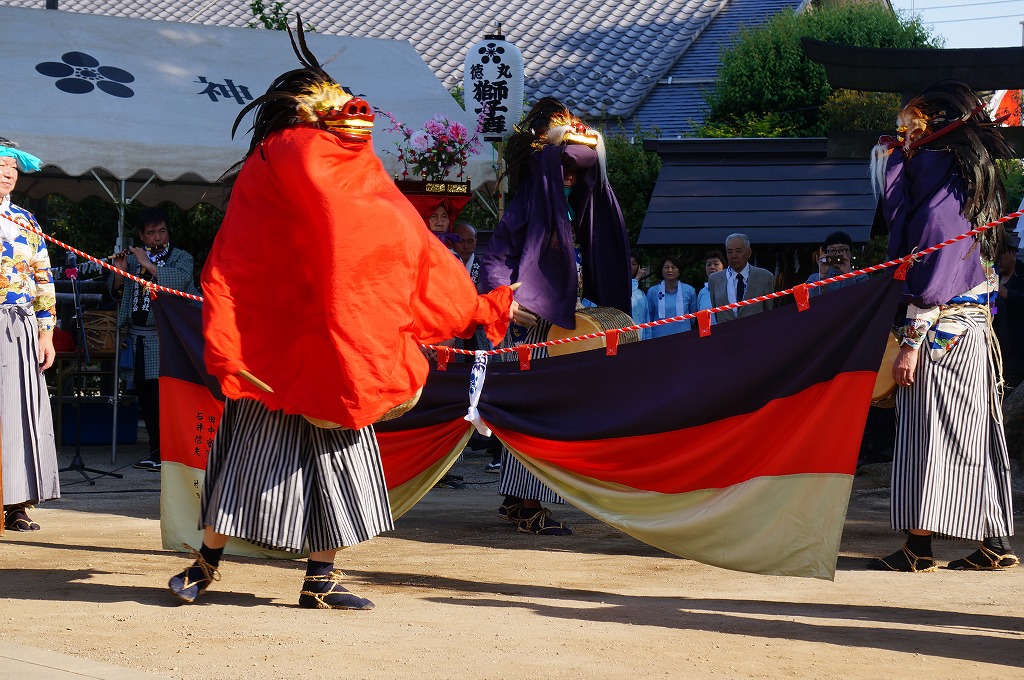
Japanese lion dance that can be seen in Tokyo~Tokumaru
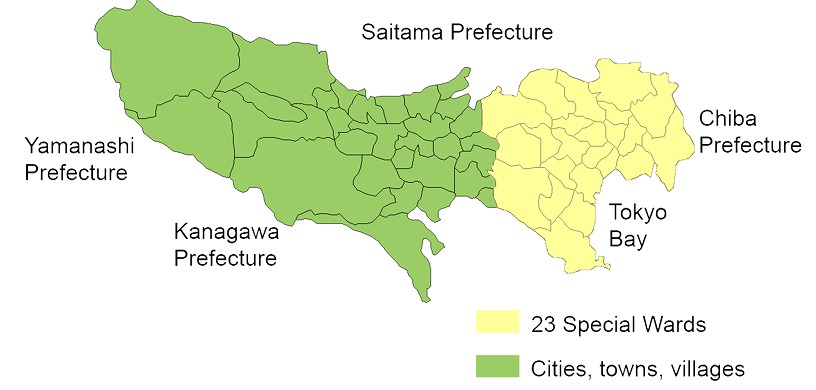
Tokyo, the capital of Japan, consists of two parts: the wards and the rest of the cities and villages. There are 23 wards in total, and people usually think of these wards while they think of Tokyo. Among them, the area facing the bay is the most popular place and land prices are high. Tokyo Station, Asakusa, Shinjuku, and Ginza are all located in this area. Tokyo (then called Edo) has always been a place where people moved around a lot, and it was said that if one have lived in Edo for three generations, he or she was a native Edo resident. Nowadays, this is still the situation, and it is said that half of the people in Tokyo are of local origin with a slight irony . The “Tokumaru 徳丸 no Shishimai” (lion dance of Tokumaru), which is the subject of this article, is a valuable lion dance that still remains in the district. This is because it takes more than three generations to carry on the lion dance.
Date: 5th May, every year Location: 北野 shrine Tokumaru 徳丸 6-34-3, Itabashi 板橋 ward, Tokyo Access: ① Get off at Narimasu Station on the Tobu Tojo Line, take the Kokusai Kogyo Bus bound for Akabane Station West Exit from the ‘Narimasu Station North Exit’ stop (approx. 10 mins), get off at ‘Koubai Elementary School’, then walk for approx. 5 mins ② Approx. 15 mins’ walk from Tobu Nerima Station on the Tobu Tojo Line ③ Approx. 15 mins’ walk from Takashimadaira Station on the Toei Mita Line
It takes about 10-20 minutes from Ikebukuro, the center of this area, to Nerima.
This article is based on a 2017 visit.
Let’s go !
Even in the 23 wards of Tokyo, the buses are not frequent here, because the area is located on the periphery of the city. This is especially true during the daytime. For example, there were times when you had to take the 2:00 p.m. bus even though the event would start at 2:00 p.m. That said, there’s no rush; it doesn’t start immediately at 2:00. The rituals will be performed first.
Few buses, but the sun is nice. The beginning of May is one of the best weather periods of the year. Spring is over and summer is beginning, so temperatures are starting to get a little warmer, but not too much, and it is very comfortable. This time of year is commonly known as “Golden Week” in Japan. This is because it is a period of consecutive vacations, and unusually long vacations in Japan (though they last from a week to 10 days at the most) are possible.
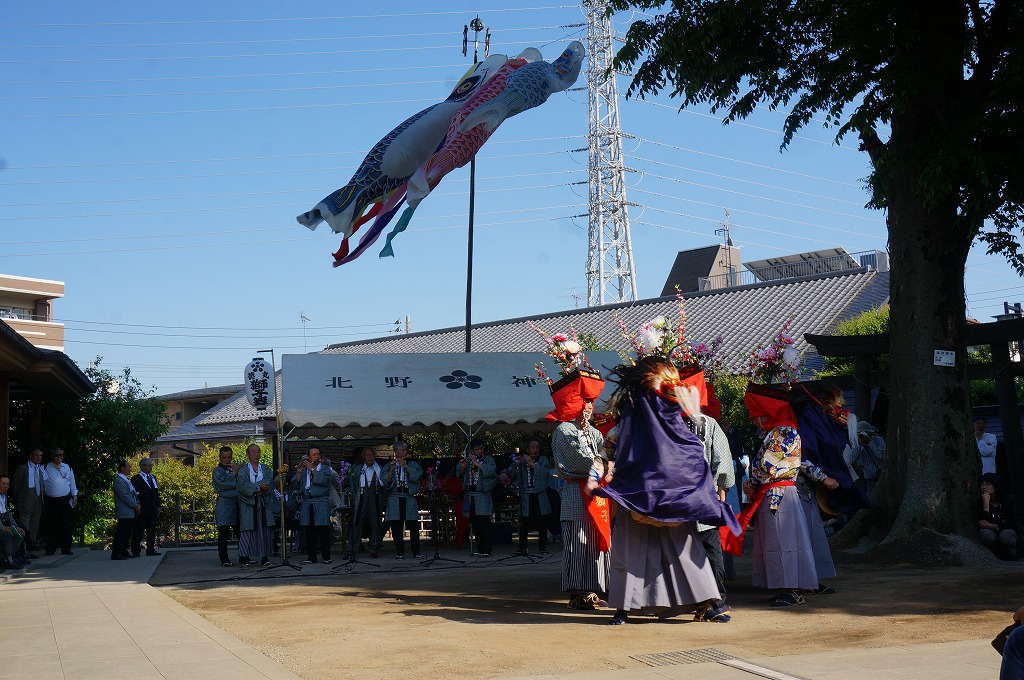
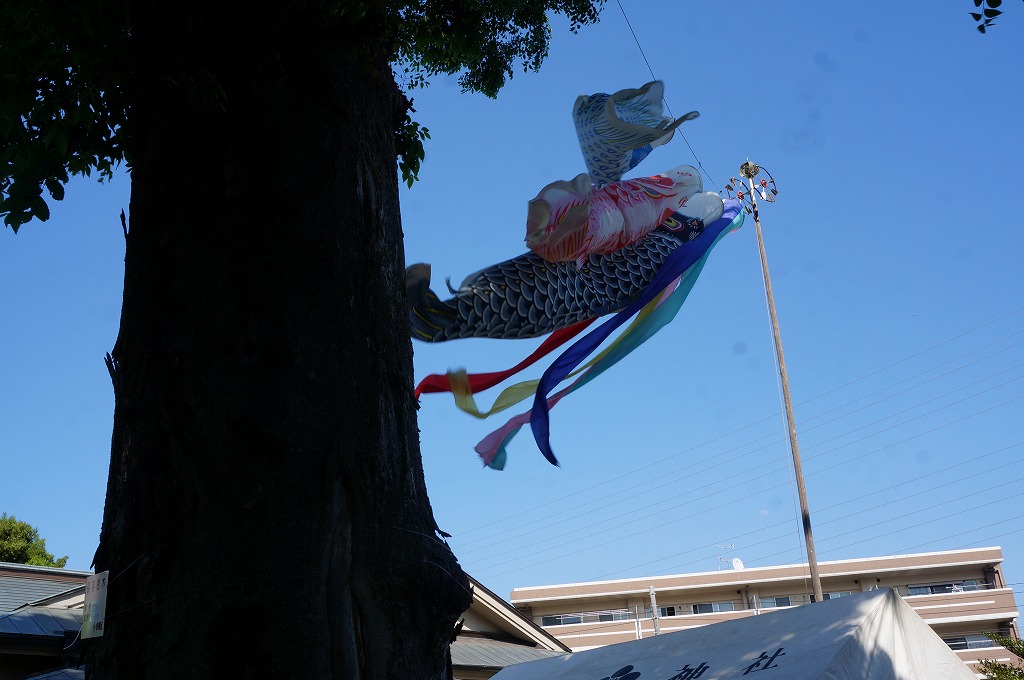
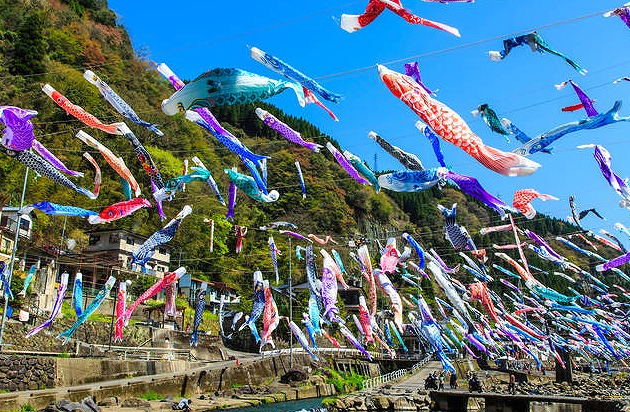
In the lion dance grounds, Koinobori, carp streamers held high flutter in the wind. This is a digression from the main topic, but let me briefly explain about carp streamers. You may skip it if you like. In fact, May 5 is Children’s Day or Boys’ Day, a national holiday to wish for the growth of children. The carp is a symbol of growth, based on a Chinese legend. The carp is never hung alone, but usually several of them. They express the father, the mother, and the children. In the city, there is no place to hang a large carp streamer, and many people put up small ones on windows, but in the countryside, there are still many magnificent ones. Parents also decorate their houses with dolls that resemble warriors. If you go to department stores, you will find many such dolls on sale during this season. Inside the house, parents display a heroic doll representing a warlord. By the way, there is also a holiday for girls, which is March 3. At this time, too, parents decorate their homes with dolls, sometimes as many as a dozen or more in a row for girls, in contrast to only one doll for boys, which costs a lot of money.
Outline of Shishimai
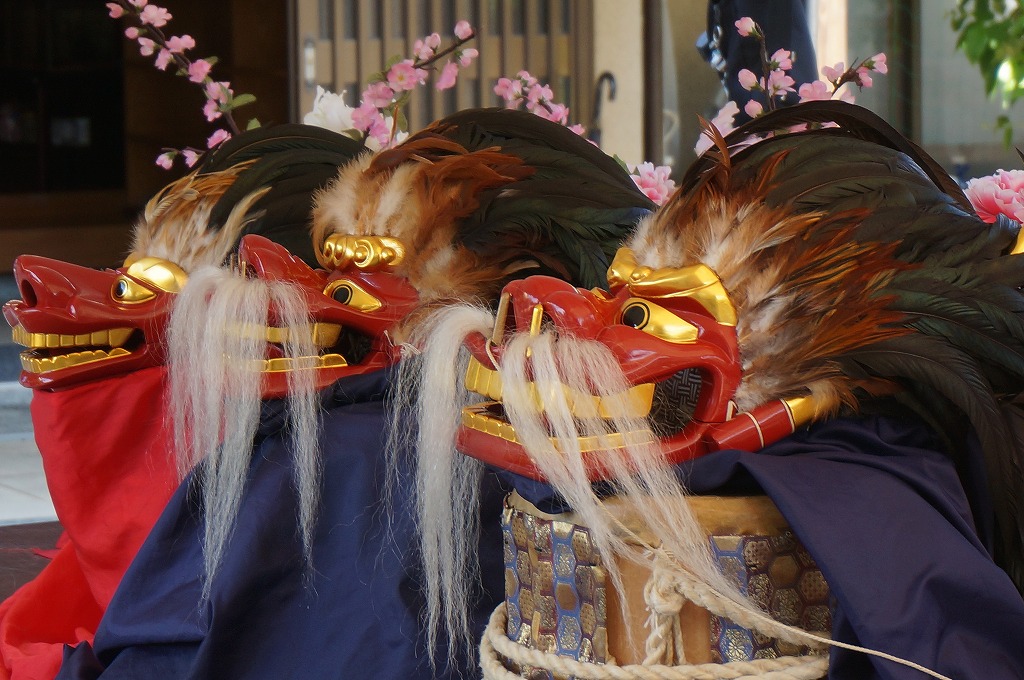
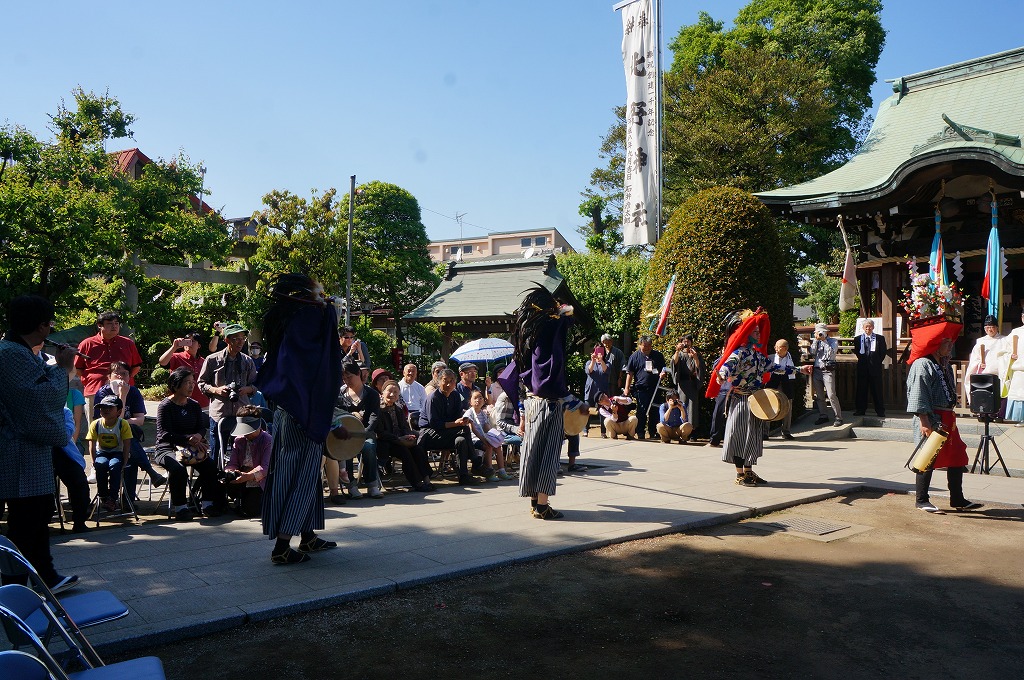
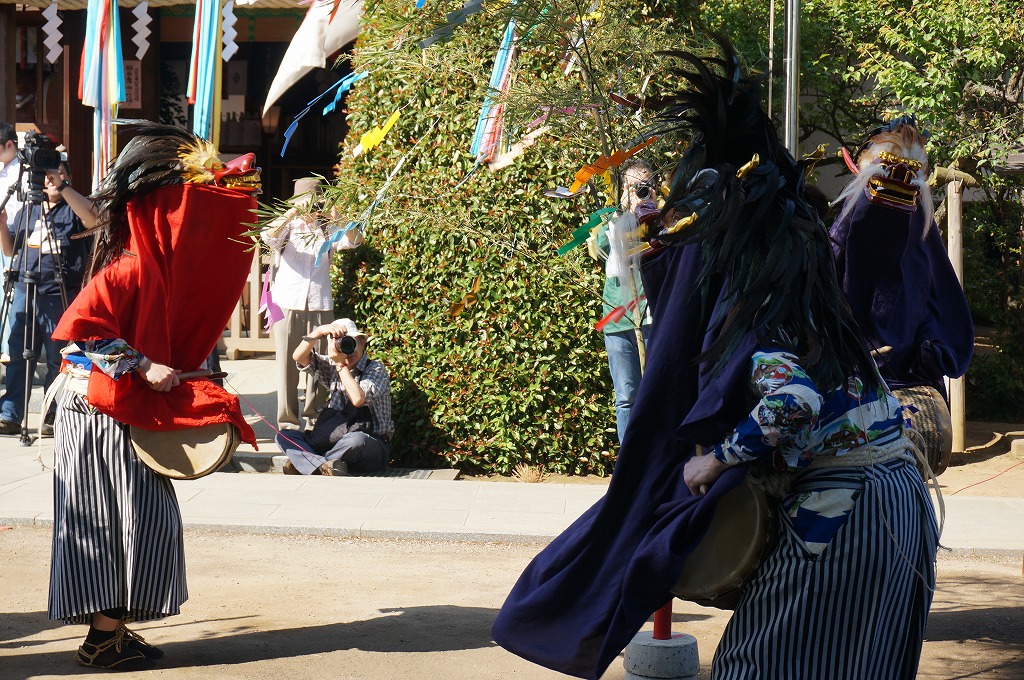
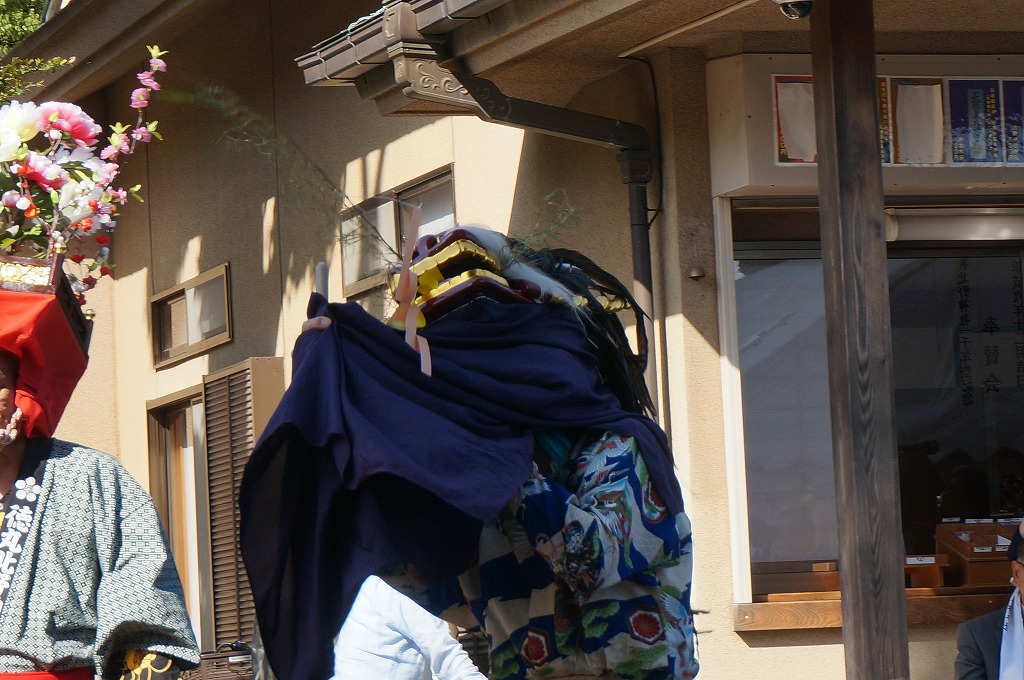
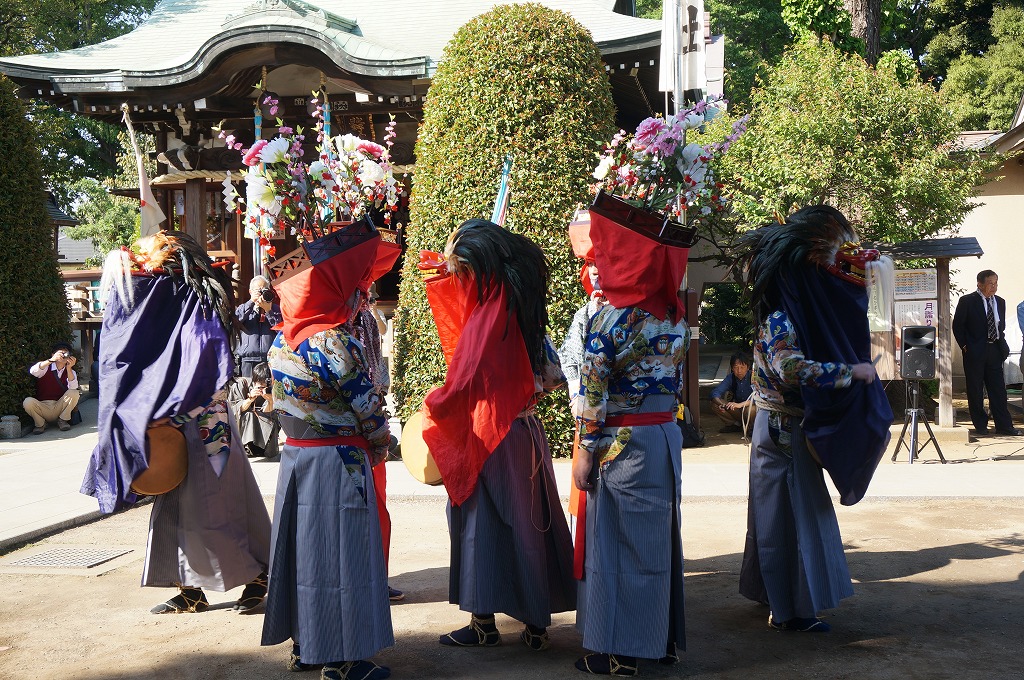
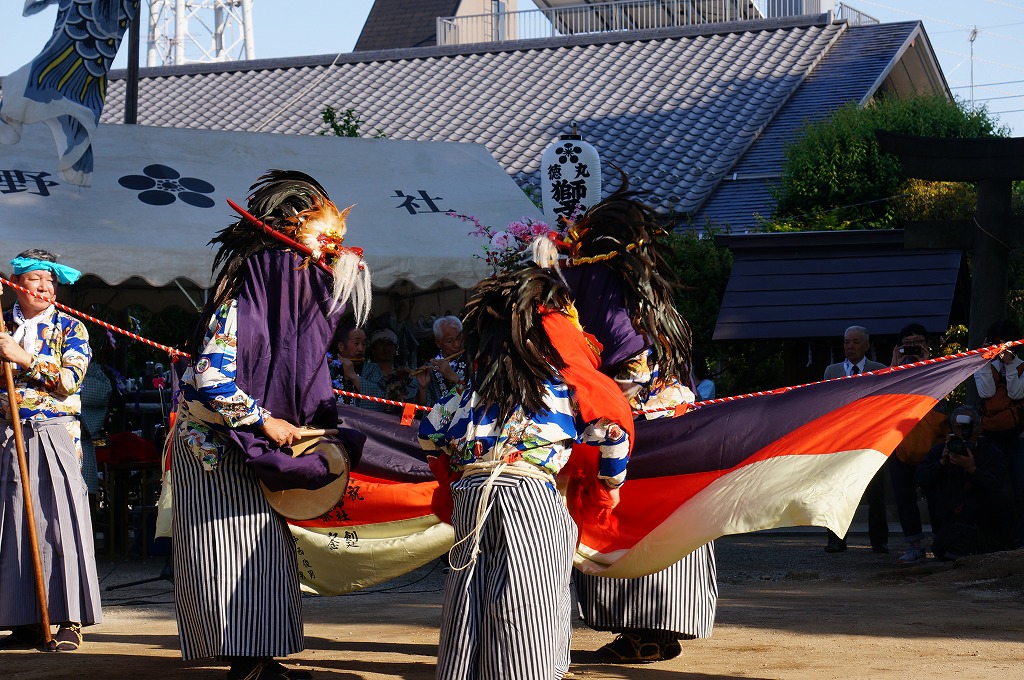
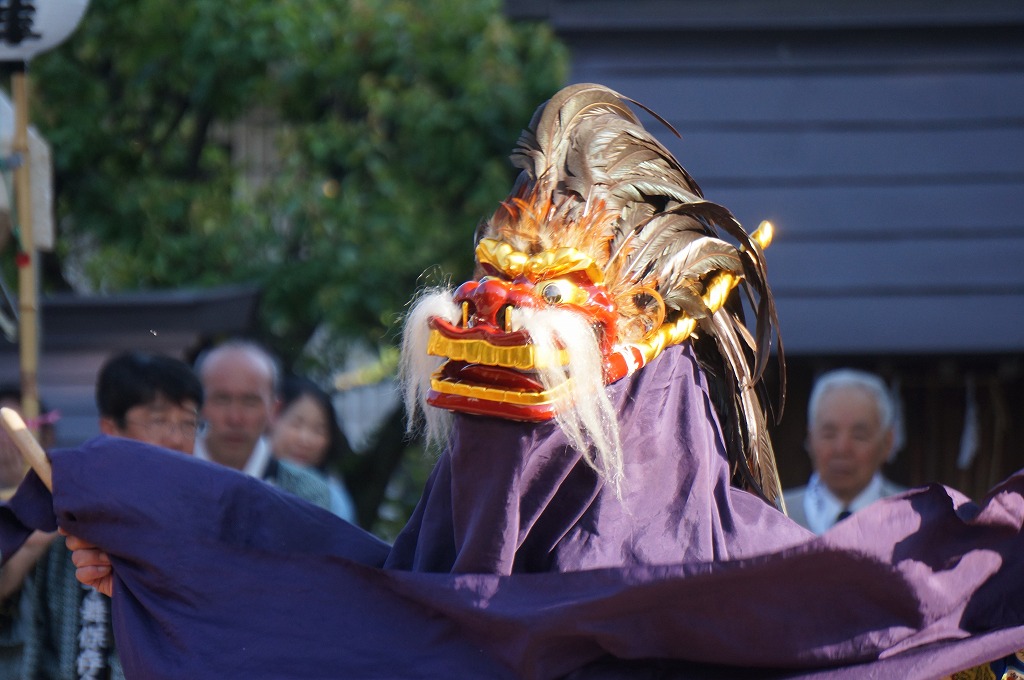
The lion dance is performed by a group of three lions, which is common in eastern Japan. One person is in charge of one lion, and the drum is attached to the front of the lion’s belly and struck by the lion himself. The three lions are an adult lion (called Oh-jishi), a young lion (Naka-jishi), and a female lion (Me-jishi), respectively. The difference can be judged by the shape of the horns. In addition, there are Hanagasa (headgear with flower decorations), several flutes, and others.
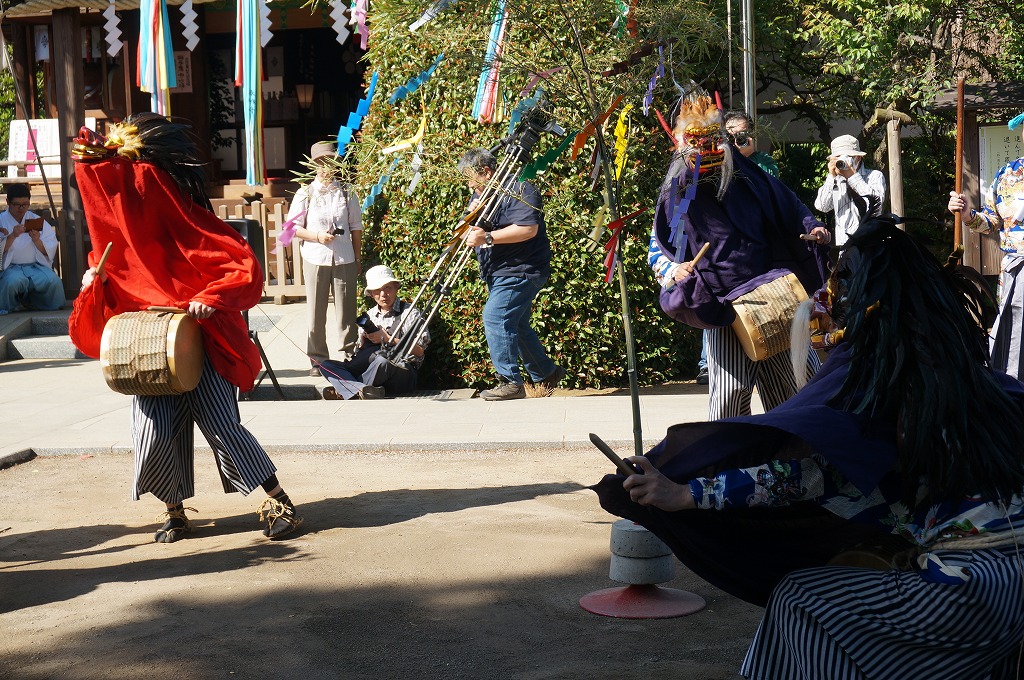
Around 2:30 p.m., the lion dance finally begins. There are a total of seven performances that have been handed down. The first dance is performed in front of the house of the chief priest next to the shrine. In the past, the dance used to go around the town, but the current trend has simplified it. There are three main dances. They are ” Sasagakari,” “Hana-Meguri,” and “Makugakari. Kakeri” means to be involved with something, and “sasagakari” means to be involved with bamboo grass. Hanagasa stands in each of the four directions. This serves as a kind of boundary. In this case, the bamboos represent all the diseases and calamities of the world, and Shishi swallowing them is expected to have the effect of dispelling the calamities. Shishi (lions) keep their posture low and exert themselves to drive away all the calamities.
Hana-meguri ~Garden of strife
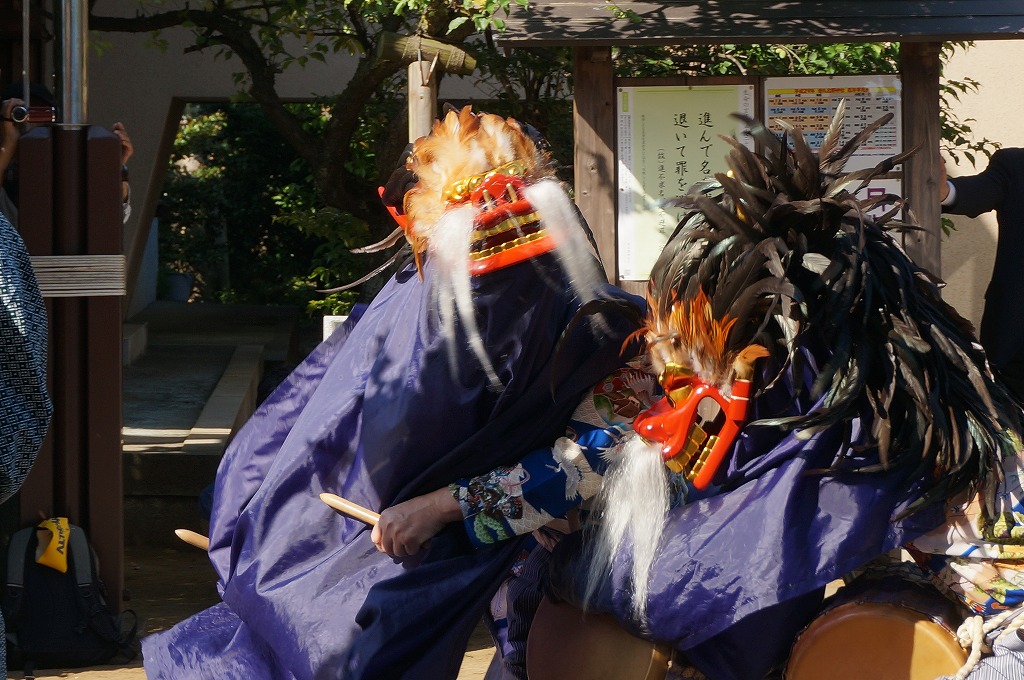
“Hana-Meguri” is a performance called “Female Lion Hiding,” which is a common part of lion dances in eastern Japan. In this performance, the three lions are initially friendly, but as soon as the female lioness disappears, a mood of disquiet envelops them. Here in Tokumaru, it’ s no exception. The three animals are in a state of friendly head-to-head contact. Eventually, only the female lioness disappears into the flower garden (hanagasa, or flower hats, are gathered together to form a flower garden). What’s happening?” Two lionesses ask each other, “What happened? The two males split up and go looking for it. Then young male finds the female first, and although he could have just reported right then and there that she was there, he doesn’t. He tries to monopolize the female. The older male lion comes later. Naturally, he’s not amused. A fierce battle ensues. This is repeated mutually. By the way, why did people in the past create such performances, and why did they continue to do so endlessly?
Maku-gakari ~beyond this world
The last performance is called “Maku-gakari”. As far as I can see, this is the most important performance in this lion dance. First, a curtain is placed in the center. In front of this curtain is a world filled with suffering. This is the world we are in now, or in Buddhist terms, this is the present world and the other side is the Pure Land. And they are interested in the world beyond. They timidly approach the curtain to see what appears to be going on.
The first to break through the wall is the lioness. Yes, the female always overcomes constraints with ease. At the time this was created, the restrictions on women were even stricter than today. Despite this, they may have seen that this is essentially what people are like. They seem to be sending a message that transcends time. “In fact, it is women who are the most free and courageous.” It is the young male who will be the next to overcome. Youth gives us more power than anything else. The oldest male lion is the last one left. The lions who went before them call out. “There is a wonderful world out there,” they say. “Come quickly.” He is sure they know this. But he can’t cross over, can’t venture out. That’s what it means to grow older. The things one carries become heavier and heavier. So he must be thinking, “If I go on an adventure, I might ruin everything.”
This “Ohjishi” is performed by the most seasoned veteran. The performers must have a certain amount of experience in order to express their anguish and conflict. So, when they overcome the difficulties, they are moved deeply. ”I can still do it. It is still too early to grow old. Only by continuing to boldly take on challenges will life shine brightly.” It seems that this Ohjishi are conveying to us the voice of those who lived long ago.
When this is over, it will be after 4:00 pm. It’s the end of all the performances. The early summer sun was already beginning to set.
Date: 19th April Location: Someya 染谷1856, Ishioka 石岡 city, Ibaraki 茨城 prefecture Access: Take the Joban Line from Ueno and get off at Ishioka 石岡 Station. About 1 hour by express train (2,500 yen) about 1.5 hours by ordinary train (1,500 yen). Take the Kantetsu 関鉄 Green Bus for Kakioka Shako 柿岡車庫 via Hayashi, and get off at Murakami 村上 bus stop (15 minutes on foot). Or, take the Ishioka Gurururin sightseeing bus (1,000 yen) and get off at Hitachi Fudoki no Oka 常陸風土記の丘. It’s a 5-minute walk. If you want to rent a bicycle, there is a bicycle rental service in front of the station for 300 yen with an additional 700 yen deposit (to be returned when the bicycle is returned.
*This article is based on interviews conducted in 2015
One lucky day. A family of goldfish decided to go out. The child asked his parents. “Where are we going?” “We’re going to see a sacred performance to pray for rain.” This picture, in which such a conversation can be heard, is by Utagawa Kuniyoshi 歌川国芳, a painter active from the late 18th to 19th century.
It’s not easy for goldfish to go out. They have to dodge a variety of natural enemies along the way.
Oh my Gosh. We could be lost.
Isn’t this the right way to go?
In fact, there are two shrines here, and since they have the same name, it is even easier to make a mistake. And the festivals take place on the same day. And they both worship the deity of dragon. Locals consider one to be a male dragon and one to be a female dragon. To get to the shrine where the kagura is performed, the hill of Hitachi-Fudoki is a landmark. As you head that way, you will see a road to the cemetery on the way. Pass through there and climb the hill. The shrine you are aiming for is at the end of the road.
Hey, we’re on the right road.
But we have to go up these stairs.
Whew! We can finally see the shrine.
Oops, we’re finally here, just in time for the 11am start.
The First act ~Sarutahiko
”Hey, goldfishes. How did you get here? I’m Sarutahiko, the first program performer. As you know, I’m the deity who guides things.”
I thought I had to see it at least once.
We got lost, but…
You don’t have to say anything extra.
Ha-ha-ha (laughter) Well, have fun with it.
It’s always nice to have someone who can explain things to you (but in Japanese).
Not that many Japanese come here, and no one would dream of a foreigner, either. If they came to visit, they would be welcomed with open arms.
The second act ~ Ya-daijin
“Hey there, goldfish. I see you’ve come to see me.”
Oh, it’s Mr. Ogre. You don’t look too tough.
“My appearance is to enhance the Ya-daijin. As soon as I’m eliminated, I’m out. Here comes the Ya-daijin!”
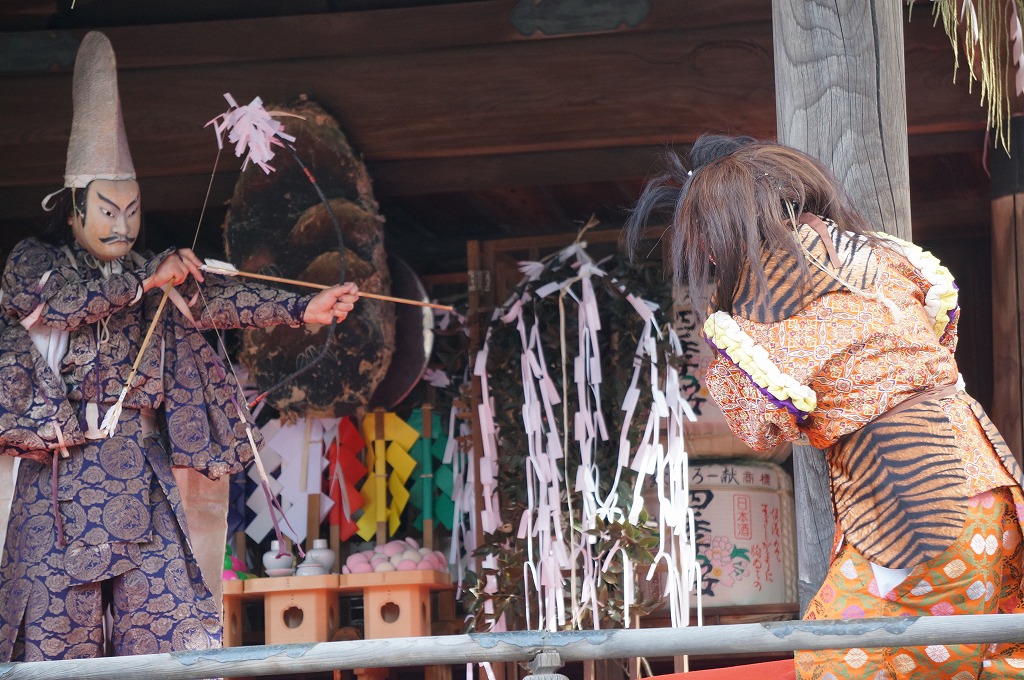
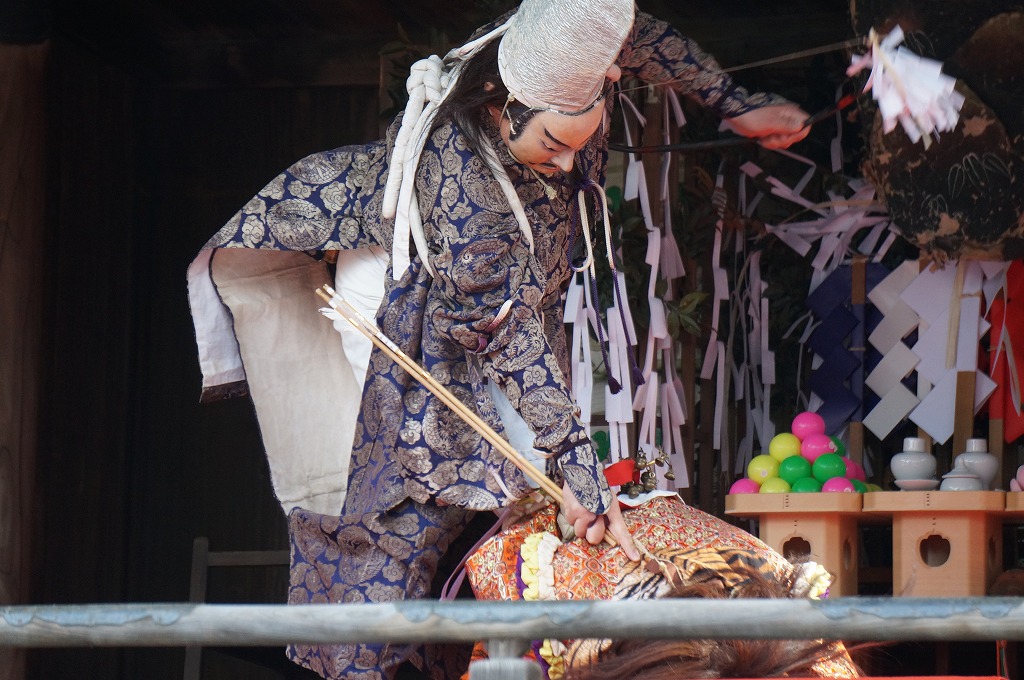
“Haha, I’m Ya-daijin. I will use this bow and arrow to drive away the bad ones.”
Ya is an arrow. Daijin can mean many things, like minister or respectable person. I think the name here means a fine god.
But his face looks pompous, as if he were a minister.
“What? Did someone say something? I’ll put it all together and exterminate them together.”
Hey, hey, hey!
The 3rd act~ Long sword user
“I am the Sadaijin( Minister of the Left)”.
Black face. A raven-tengu (Crow-billed goblin).
They call it the dance of the long sword too.
Let’s get rid of the bad things that are doing us harm. Eia-Eia-Ah!
The 4th act ~Dance of sword
I am Udaijin (Minister of the right).
To explain a little, in Japan, there is an event for girls on March 3, when they display hina dolls. They are modelled after the old Emperor’s family. The emperor and queen are at the top. Below them are the Minister of the Right and the Minister of the Left.
The two in the forth row from the top are them. But all these decorations cost a lot of money.
Sowing seeds
What did this deity start?
Sowing. In other words, from here, kagura shows the sowing of spring. Once the earth, and all the evil things around it, have been driven away, they now move on to the spring sowing, and then to the fall harvest. This form of kagura is very common. It is the very essence of the old life of the Japanese people.
The foxes cultivate the rice field
”For God’s sake, Enyakola Good rice grows, Enyakola One more thing, Enyakola”
“I’m a little tired. Why don’t you take a break?” “Already? What should I do?” “I have stiff shoulders. Please rub my shoulders.” “She’s a noisy wife. Here, that’s better. Please do the same for me this time.” “You don’t even work.” “You son of a bitch. You turned me upside down.”
It’s a bit of a couple’s comedy.
You have to include these elements or the audience will get bored. In the old days, this is exactly the kind of life the people watching lived.
planting seeds
”I hope everyone is doing well. I wish you a great harvest this year.
Shrine maiden’s dance
Let’s pray to God.
This dance is performed by an elementary school girl.
Mochi (rice cake) throwing
” Everyone’s gathered here. Are you so happy that we came out?” ”They all just want rice cakes, don’t they?” ”Anyway, it’s harvest time. Hopefully we’ll harvest a lot this fall.” audience ”Here, over here, over here.”
The a person whose role it is to give explanation said that many people leave after this one, right?
If that’s the case, why not make it the last one like other kagura?
It proves that they are keeping the old form. It is possible that the kagura has been handed down even older than the oldest kagura of Washinomiya Shrine in the Kanto region. The people added the rice-cake throwing later, and that’s why the order is like this.
Sacred sake
Programs that have retained their most ancient form. It is monotonous by itself. This dance is meant to give thanks for the harvest and to offer sake to the gods.
Ebisu ~Fishing sea bream
“I’m Ebisu. Well, where shall I go fishing today?
“Oh, Sir Ebisu is fishing again.”
” When I think it’s someone, it’s Hiotoko and Okame.”
“We’ll help you too.”
“Oh, this is a big one. Hey, you, Hyottoko, help me out.
”We caught a big one. Let’s go home.”
”Hey. But Ebisu-sama is a different person when it comes to fishing. Ebisu-sama is not like a god only when fishing.”
The 12th program ~Open the Amano-iwato door
I am the mythical and familiar “Tajikarao”. I am about to open Ama-no-Iwato (the Great Rock Door) and welcome you, Amaterasu-sama.
The kagura ended with the safe appearance of Amaterasu. Now, let us go home.
Ending
Let’s stop by “Hitachi-Fudoki-no-Oka.” Hey, it looks like spring.
What is this big lion’s head?
At the Ishioka festival, a large lion’s head leads huge lion dance parade . That is famous. Let’s come see it sometime.
By the way, will it rain?
”Wow, it’s coming down fast. That’s the Dragon God.”
What do you mean you’re a goldfish and you’re in a big hurry for rain? And if you look closely, you can see that the rain is pond skater.
In this country, such things are also sold as figures.
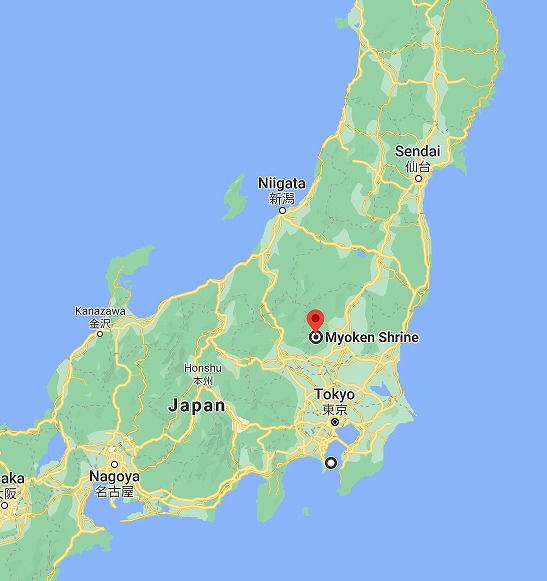
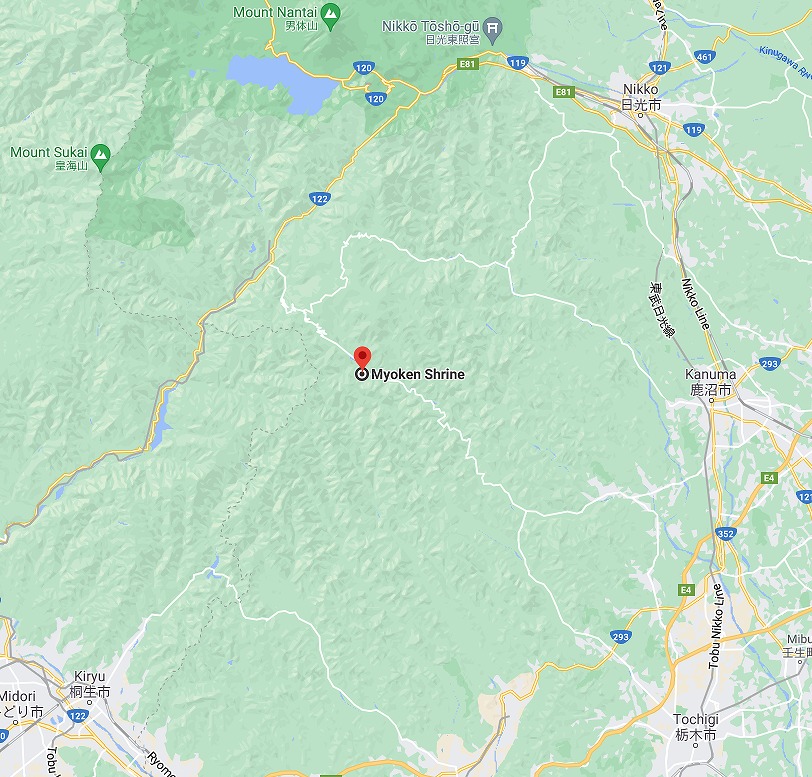
Date: 3rd of January every year Location: Kmikasuo 上粕尾 915 (Myoken shrine), Kanuma city 鹿沼市, Tochigi prefecture 栃木県 Access: From Tochigi IC of Tohoku Expressway, approx. 45 min. for Kasuo Pass 粕尾峠/Ashio 足尾, or from Kanuma 鹿沼 IC, approx. 50 min. for Kasuo Pass/Ashio
A strange Buddhist ceremony called forced rice eating
There is a strange ritual called “Gohan-shiki 強飯式 (the strong rice ceremony)”. It’s one of the Buddhist rituals. It is a ceremony where a large amount of food is prepared and forced to be eaten. There are many theories as to why it started. One theory says that it started when yamabushi (monks who practiced asceticism in the mountains) offered food to the main deity in the mountains and shared it with the people in the villages. Another theory is that it was an imitation of offerings to the gods and Buddha visiting the human world. In any case, it is not clear why people are forced to eat large amounts of food. Moreover, this ritual exists only in Tochigi prefecture, in the vicinity of Nikko. The most famous of them is conducted at the temple called Rinnoji 輪王寺. Nikko is famous for its shrines and temples dedicated to Ieyasu 家康, the founder of the Edo shogunate, the last samurai government. In the past, it was a very prestigious ceremony and only feudal lords were invited. Therefore, even today, they still follow the dress code of that time.
The Ceremony in Hokkoji is held on January 3rd, which is descended from the ritual of Rinnoji Temple in Nikko. Access is not good. There is a campground around the area. It is a place rich in nature, but it limits the ways of transportation. It takes about 10 minutes from the station by car. From the nearby interchange, it takes about an hour or less. There is also a bus route, but it is closed during the New Year’s. The area around the station is not a place where cabs are stationed. Therefore, the only way to get there is to take your own car, call a cab according to the train schedule, or bring a bicycle.
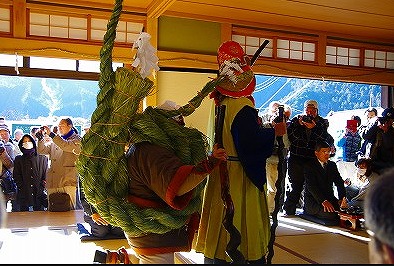
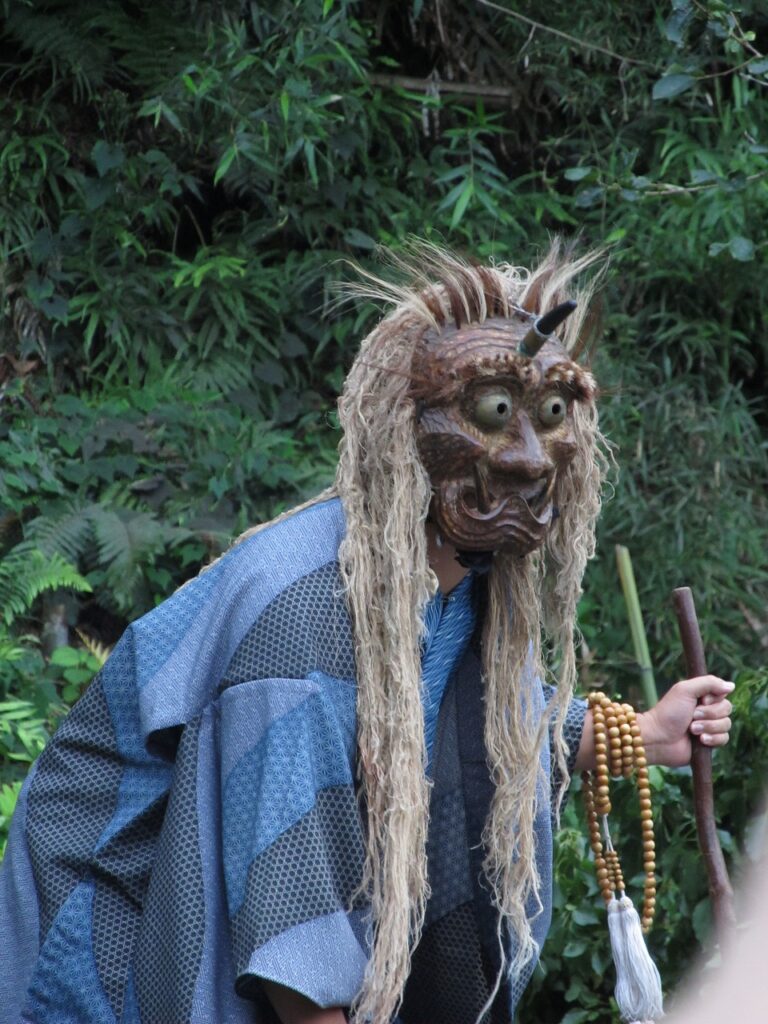
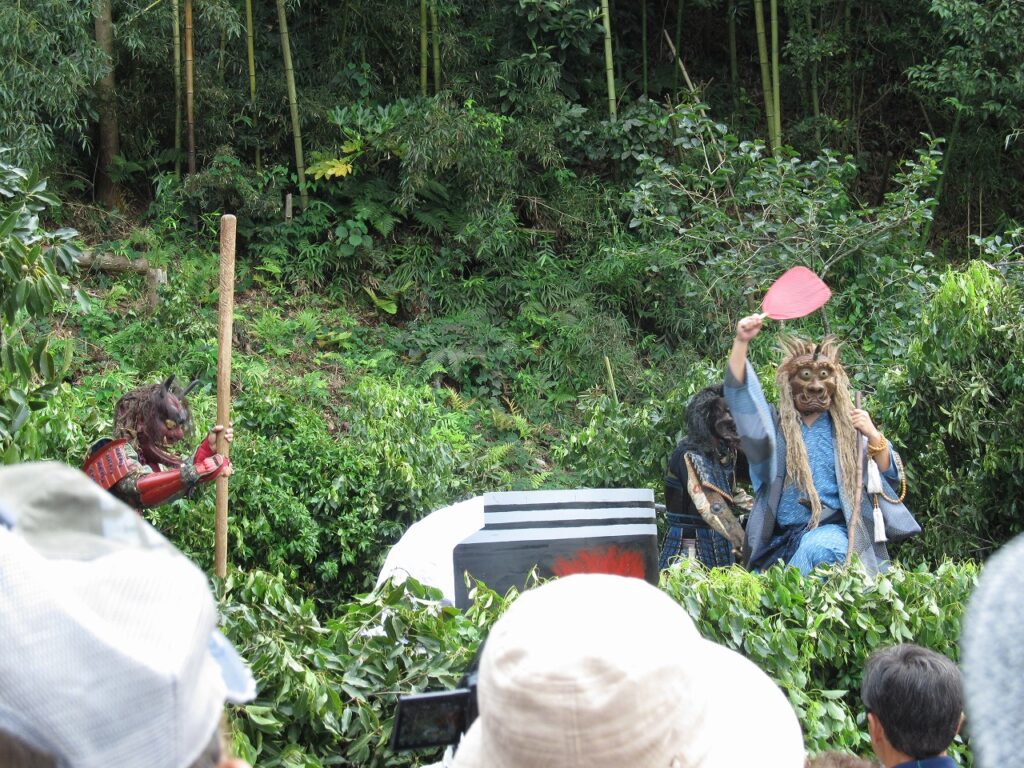
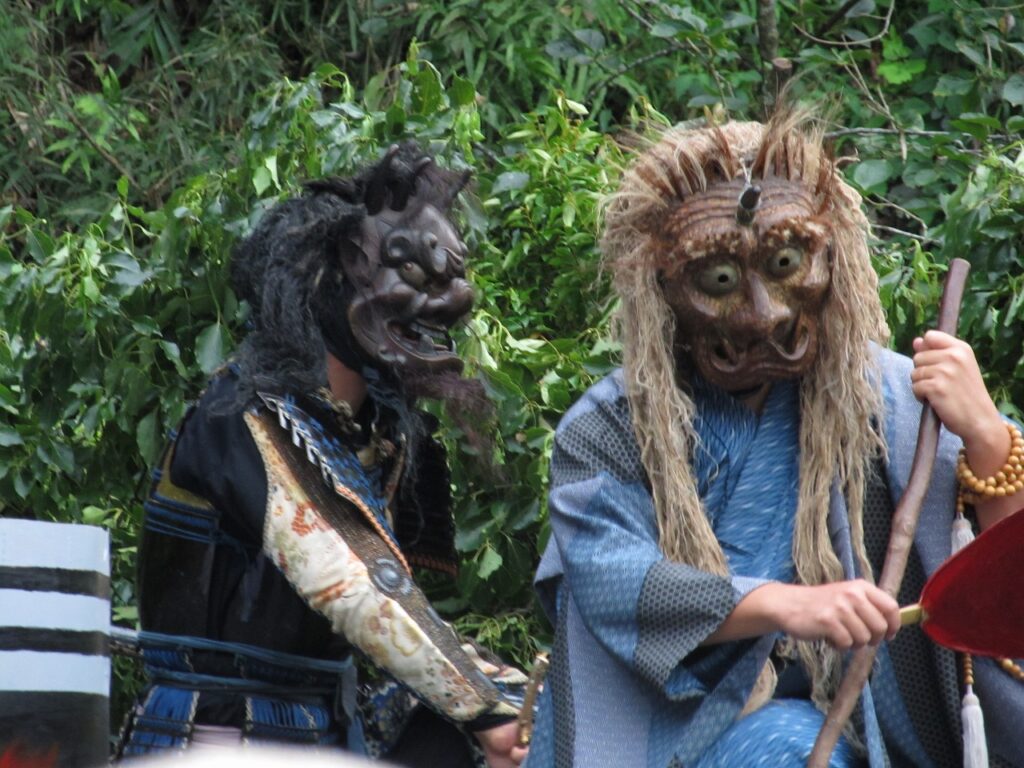
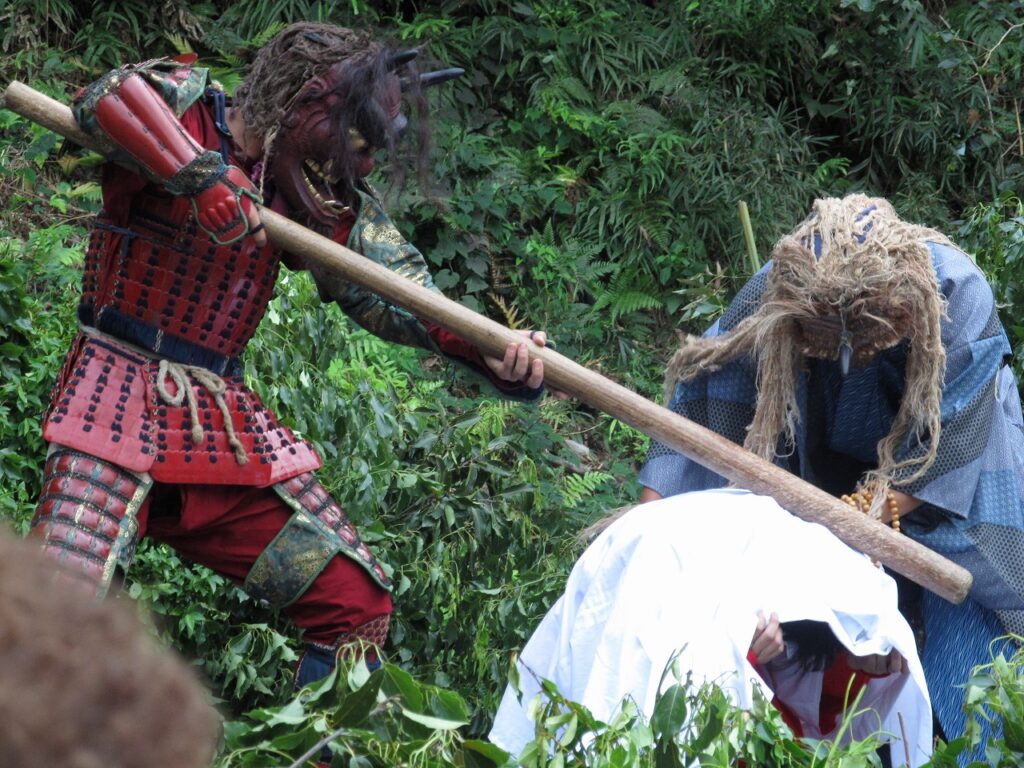
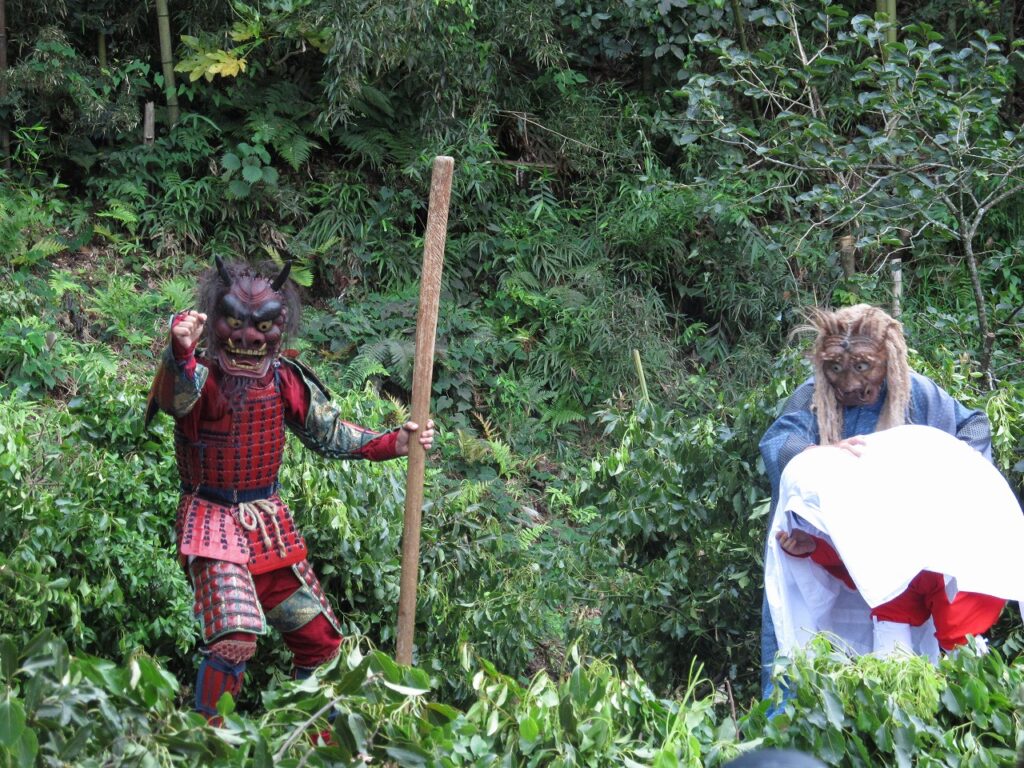
The ceremony starts at 9:00 a.m at Myoken shrine. After an hour of rituals, they go to to the community center in the neighborhood of the shrine, and the main part of the ceremony starts at around 10:00. Originally, it is the ritual to take over the festival duty. It attracts not only the people involved, but also the mayor and other people as guests. In front of all of them is a table with a mountain of rice on it. First, a mountain priest appears, followed by an ogre called “Gouriki 強力”. “Gouriki” is wearing a straw sash all over his body and holding a two-pronged staff. Then they stand in front of each of them and say a platitude. “Eat and drink 33 cups of sake, 5 cups of hot water, and 75 cups of rice. This is the rule. Do not leave a single bowl uneaten. No one can drink and eat like this. But the participants say “yes” and bow down. The mountain priest takes a pinch of rice and puts it in the guest’s mouth. Then he says, “Do you understand? Then congratulate in honor of Gouriki.” Then he orders the ” Gouriki”. The “powerful” will then offer a few words. If the person is in charge of the festival, he will tell them how to run the festival. If the person is the mayor, he will tell him to recover quickly from the disaster. To newlyweds, he would say, “The number of children is decreasing these days. Have a lot of children.” Then he holds his head down with the two-pronged staff in his hand. They repeated this for each of the guests.
The roles of “Gouriki” and Yamabushi are played by ordinary local people. Although they play the roles, they speak out against the mayor and other influential people. They can’t just say the same thing every time to liven things up. It seems that they have their own difficulties. They say they break out in a cold sweat every time. This ritual has come to be held in the same way as the Nikko event. However, it is a traditional event that has continued since the 14th century. I hope it will continue. There is Nikko, a world heritage site, nearby. Toshogu Shrine is worth a visit.
Report: Seven Deities of Good Fortune Parade Celebrating the New Year at the center of Tokyo
Date: 7th, January every year Location: 1-2-7 Toranomon, Minato-ku, Tokyo Access: From Toranomon station (subway, Ginza line) within 1 minutes walk,
What are the seven deities of Good Fortune?
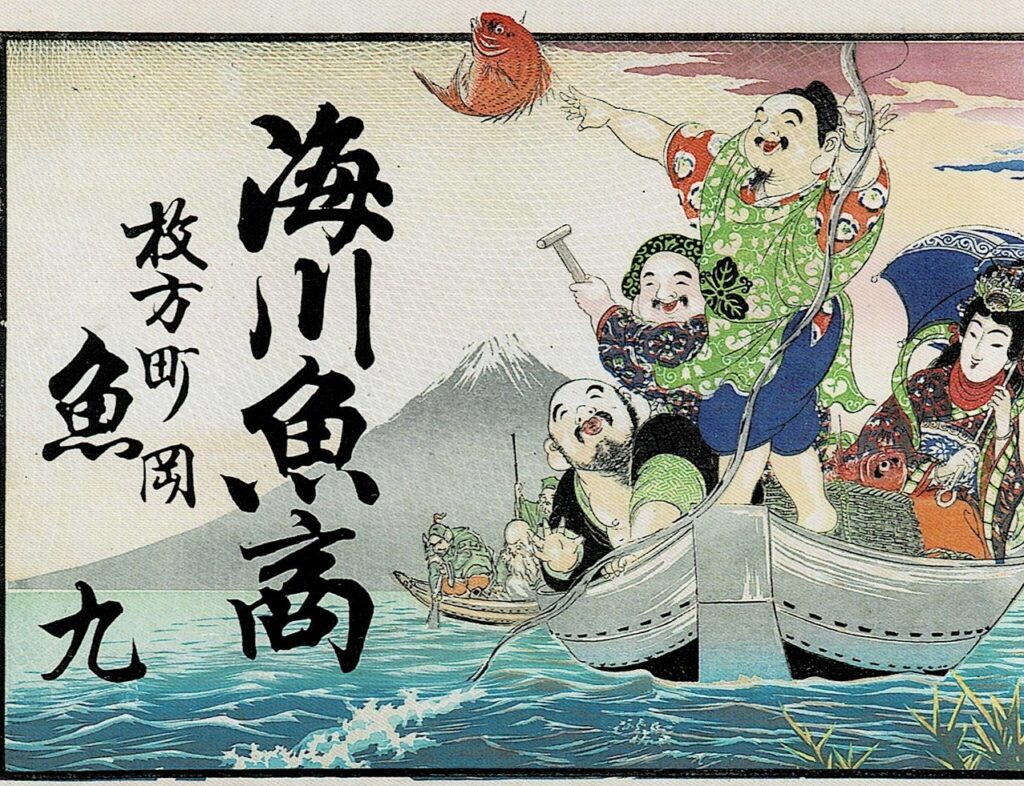
seven deities on the treasure ship
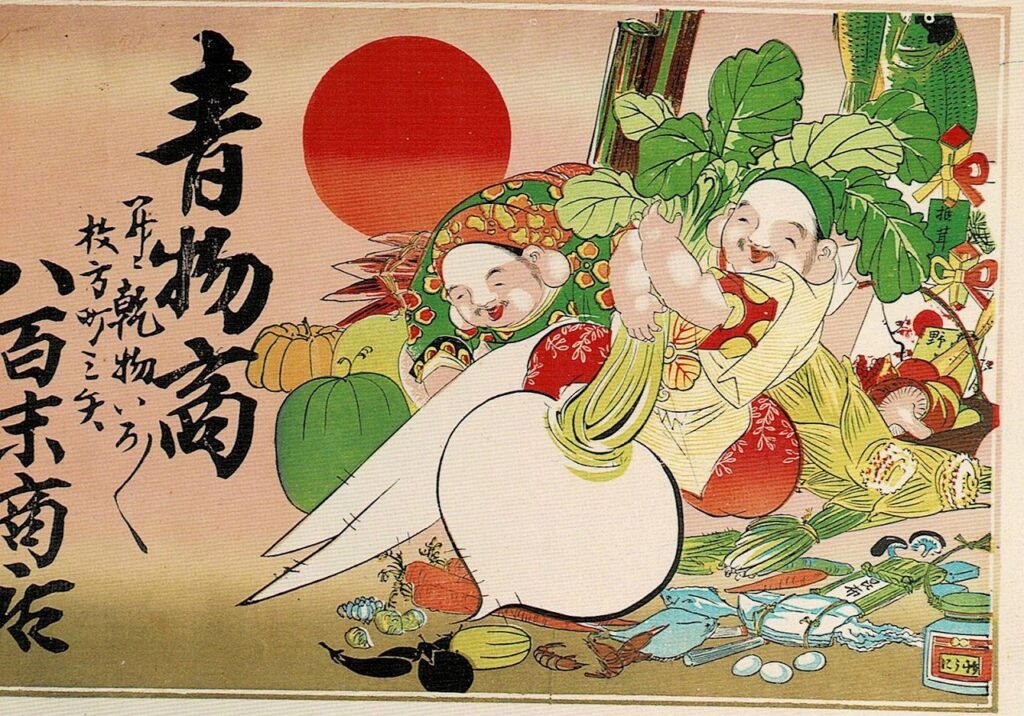
Ebisu and Daikoku
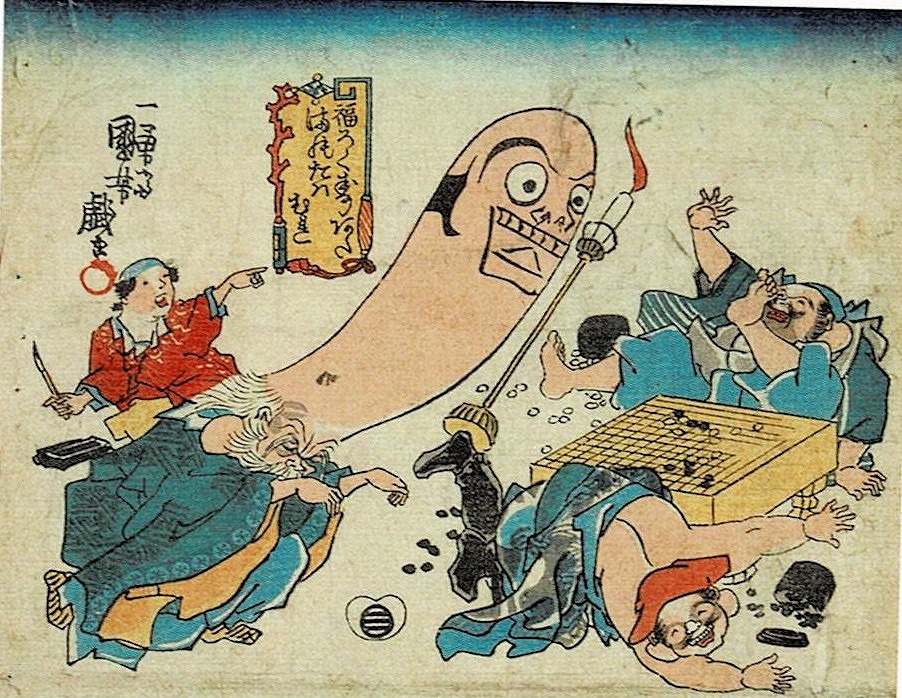
All of the above are from Edo-period merchants’ advertising fliers.
It seems that Japanese people are considered to be lax about religion. Sometimes, they say that Japanese are even described as irreligious. I have mentioned this before on this site. One of the reasons for this is that the Japanese are polytheists by nature. When Japan accepted Buddhism, people faced the conflict with their original religion (which I now call Shinto). Therefore, people came up with the theory of “Shinto-Buddhist syncretism. They said that God and Buddha are the same. This theory continued on and on until the Meiji Restoration (1861). The best example of this is the Seven Deities of Good Fortune. This belief introduces seven deities that signify happiness as one group and began in the late 15th and 16th centuries. The seven deities are Ebisu, Daikoku, Hotei, Bishamonten, Benzaiten, Fukurokuju and Jurojin, seven in all. The Seven Deities of Fortune in Japanese Mythology has the following characteristics : Ebisu (恵比寿): the deity of success in business (The country of origin is Japan) Daikoku (大黒): the deity of commerce, agriculture, and prosperity (The country of origin is India) Hotei (布袋): the deity of happiness, contentment, and good fortune (The country of origin is China) Bishamonten (毘沙門天): the deity of war and victory (The country of origin is India) Benzaiten (弁財天): the deity of financial fortune, music, and art (The country of origin is India) Fukurokuju (福禄寿): the deity of wisdom, luck, and longevity (The country of origin is China) Juroujin (寿老人): the deity of longevity (The country of origin is China) As you can see, they have different origins and different sources. There is only one deity of Japanese origin, Ebisu. Moreover, there are many complications such as assuming that Daikoku (大黒) and Okuninushi (大国主 Japanese deity) are the same because they are pronounced the same. (大国 can be pronounced “Daikoku”). There are both shrines and Buddhist temples where they are enshrined. Of course, these are beliefs that have spread among the common people, so nobody has officially decided on them. Since the seventeenth century, they have taken on the currently known form and have been popular ever since. Today, each region has its own shrines and temples dedicated to the seven deities of good fortune, and a tour of the seven deities of good fortune during the New Year is a common sight.
Why is this shrine located at the center of Tokyo ?
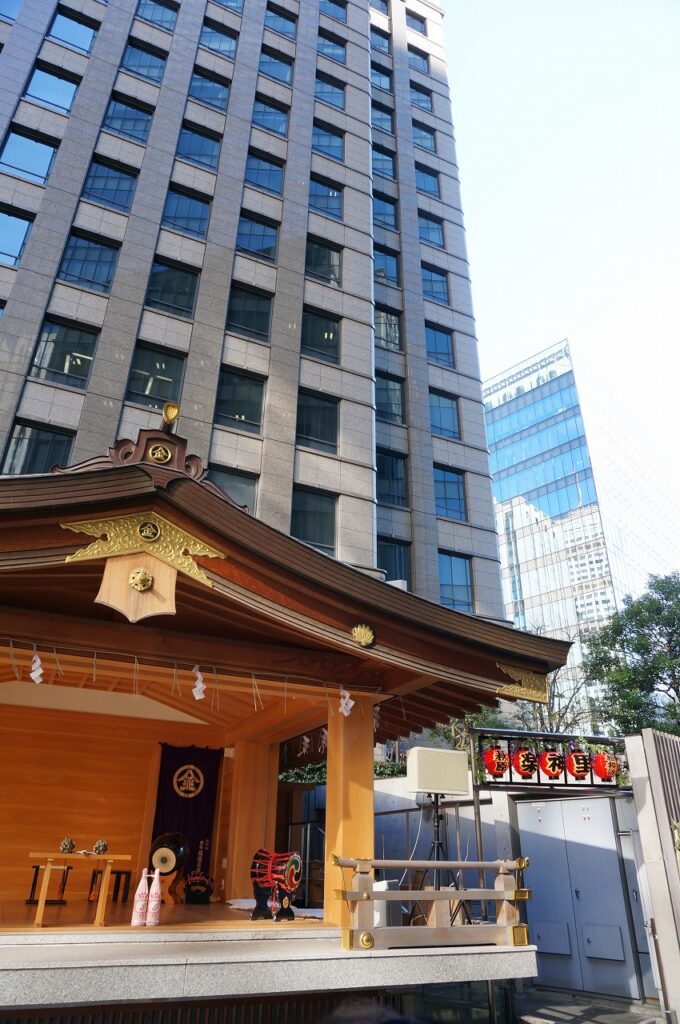
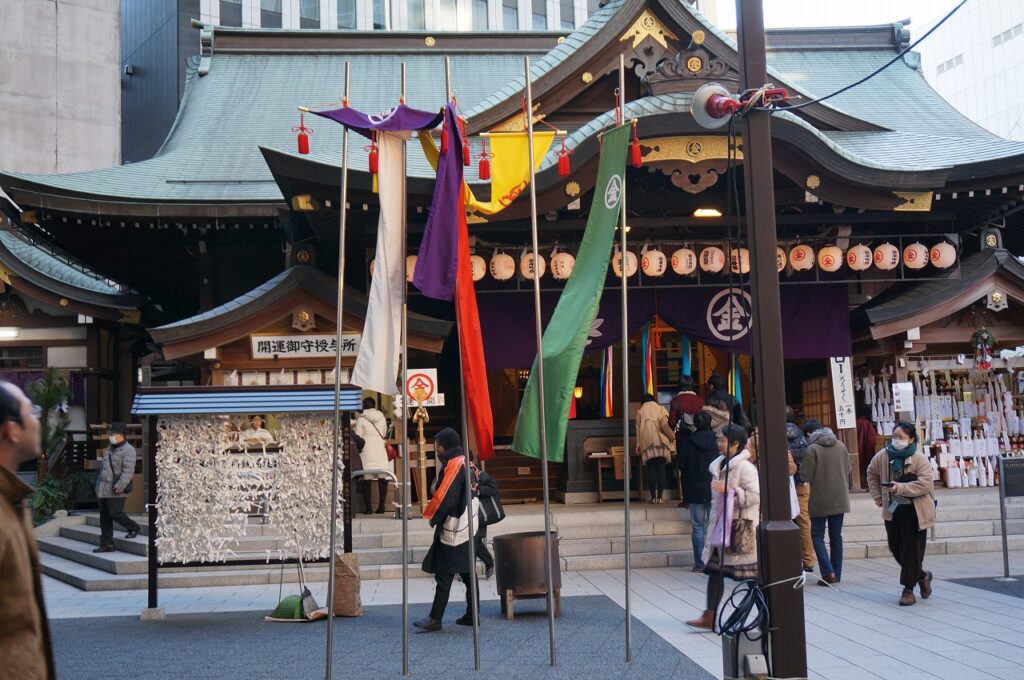
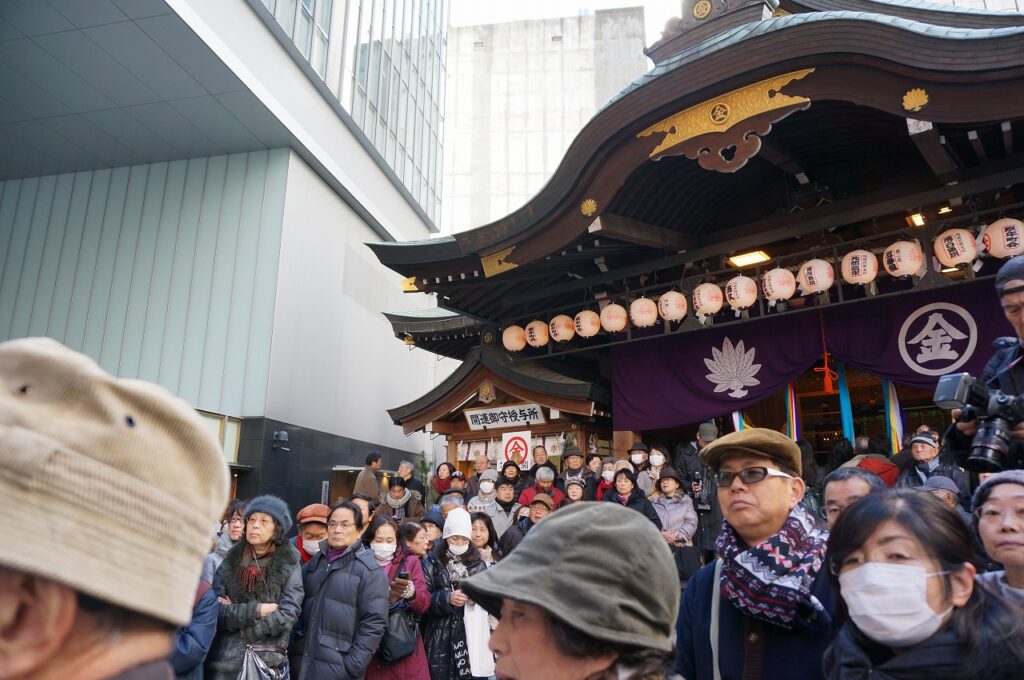
The “Seven deities of Good Fortune Procession” that this site introduces is held at Toranomon Kotohira Shrine. The Kotohira Shrine is a famous shrine in Kagawa Prefecture that everyone knows. This is a branch shrine built by inviting a deity from there. It is located at Toranomon. It’s location is not too much to say right in the center of Tokyo. It is right next to Kasumigaseki, where the National Diet Building and other central government offices are located. Toranomon Hospital, which is just a minute’s walk away, is where the Prime Minister and other famous people are hospitalized. As a result, the area is surrounded by a forest of buildings. The reason why there is a shrine in such a place is that this area was once home to a series of feudal lords’ residences, and the feudal lords of what is now Kagawa Prefecture built the local Kotohira Shrine here, which has remained without change.
What else will take place besides the Seven Lucky Deities Parade?
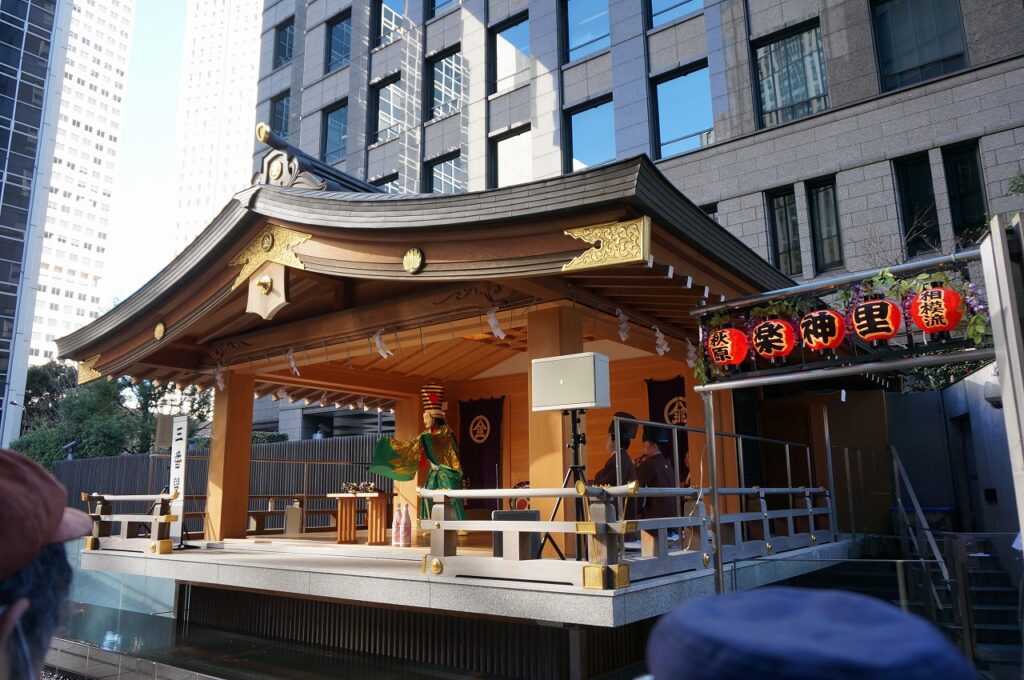
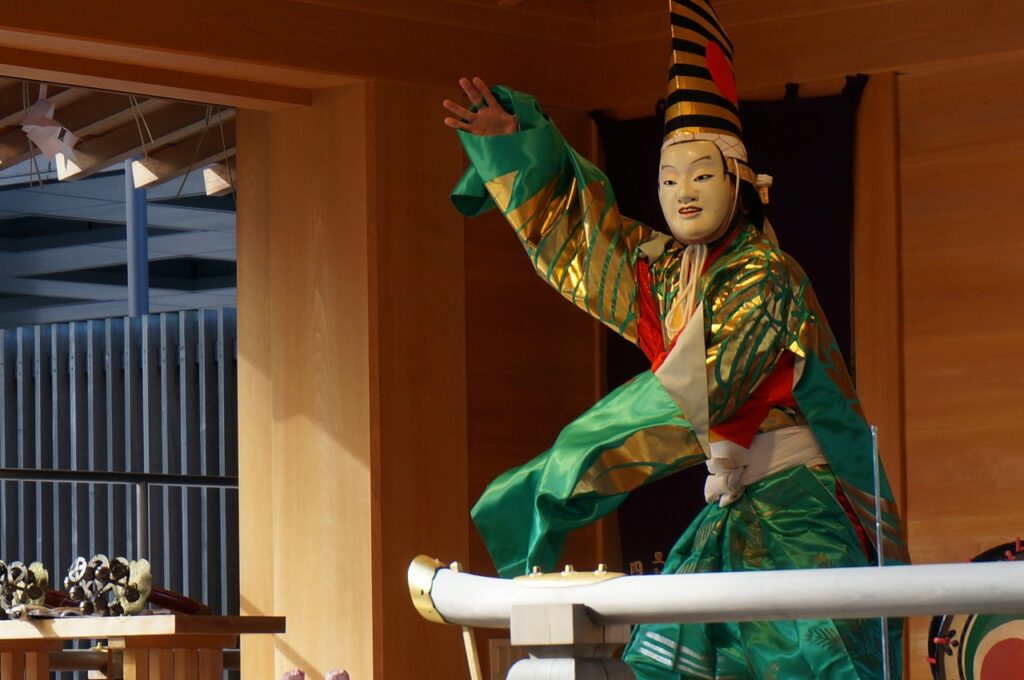
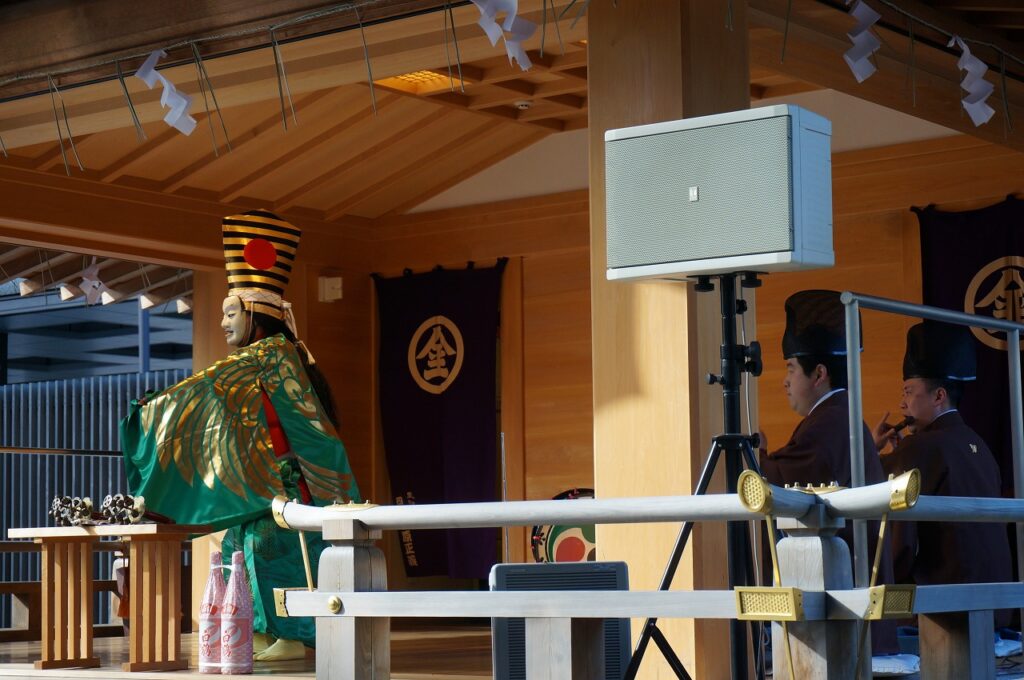
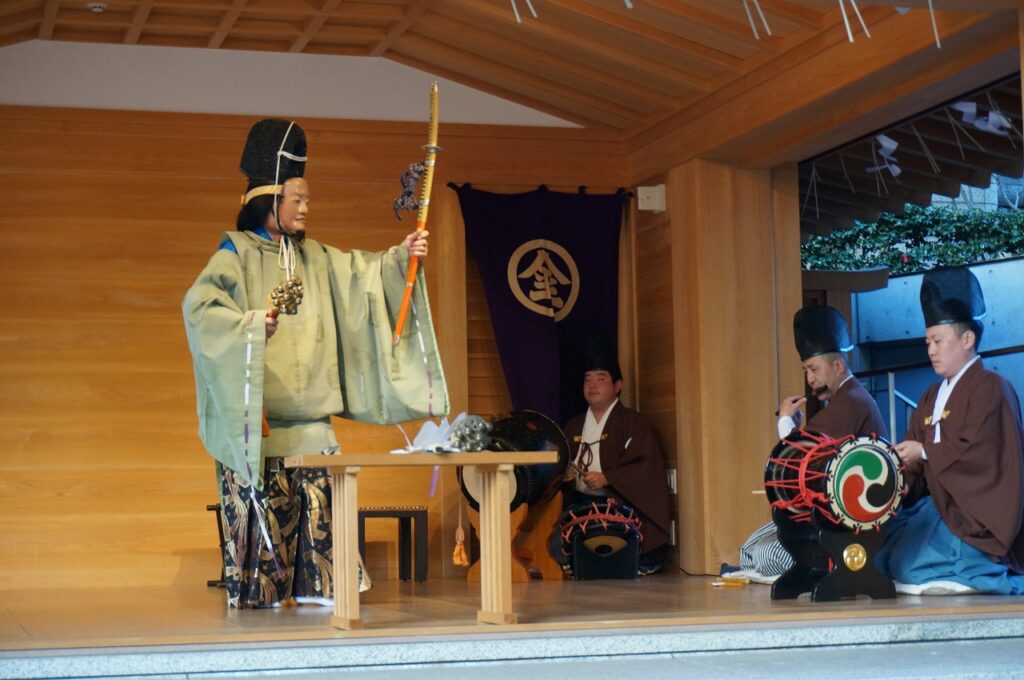
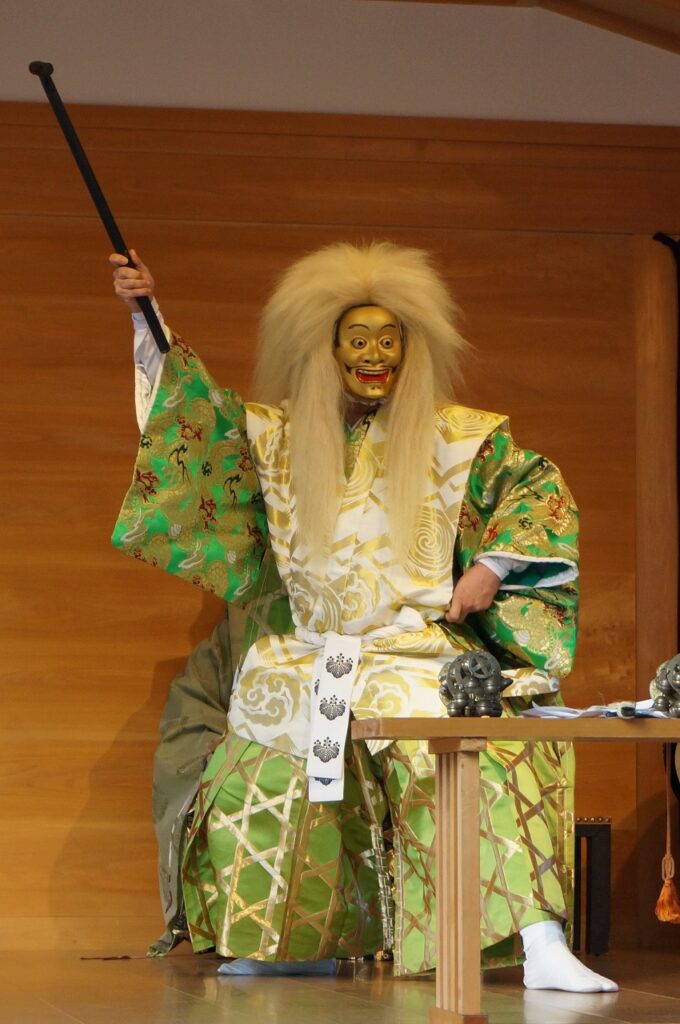
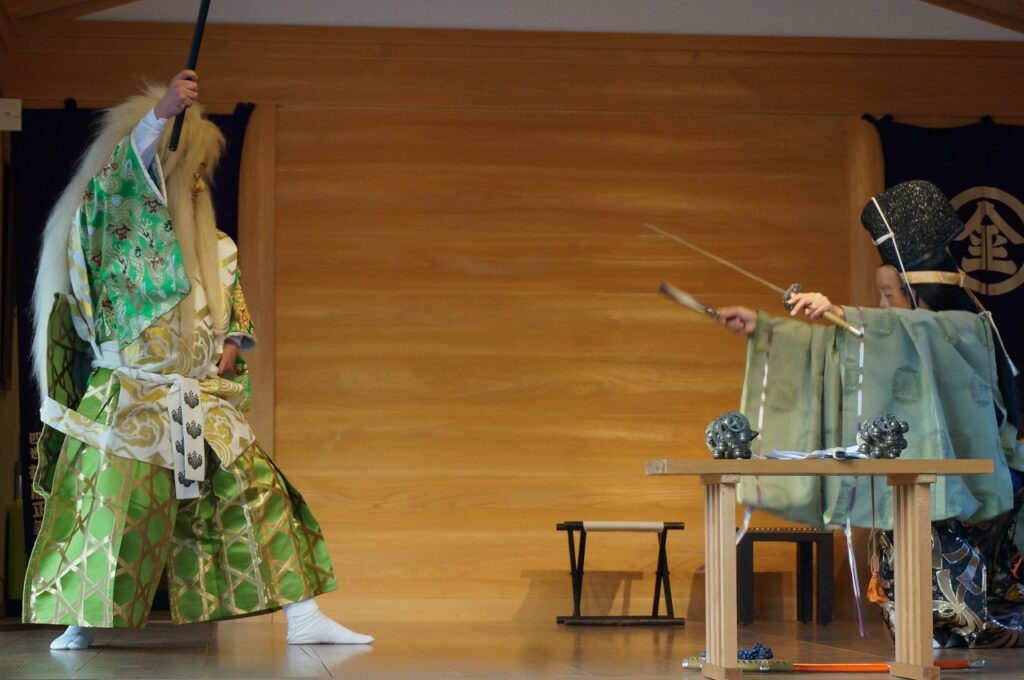
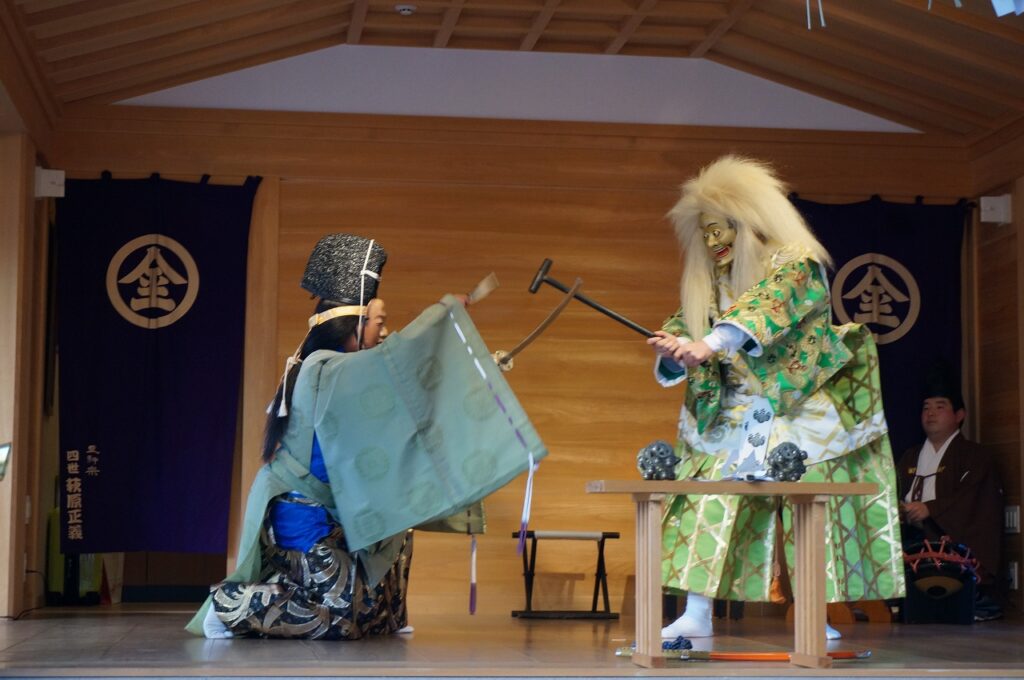
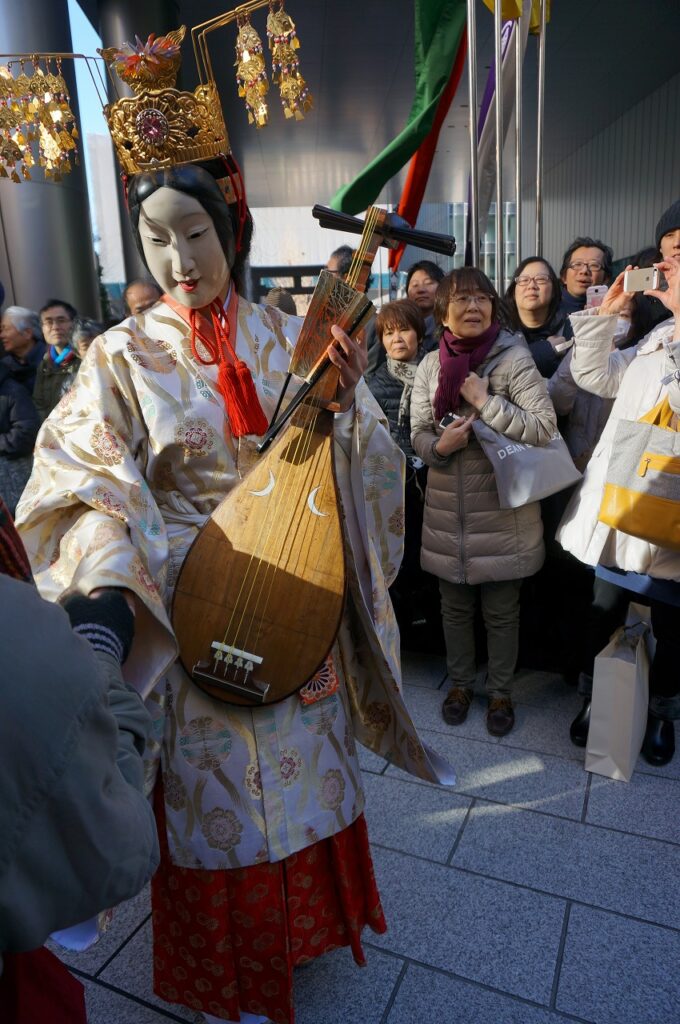
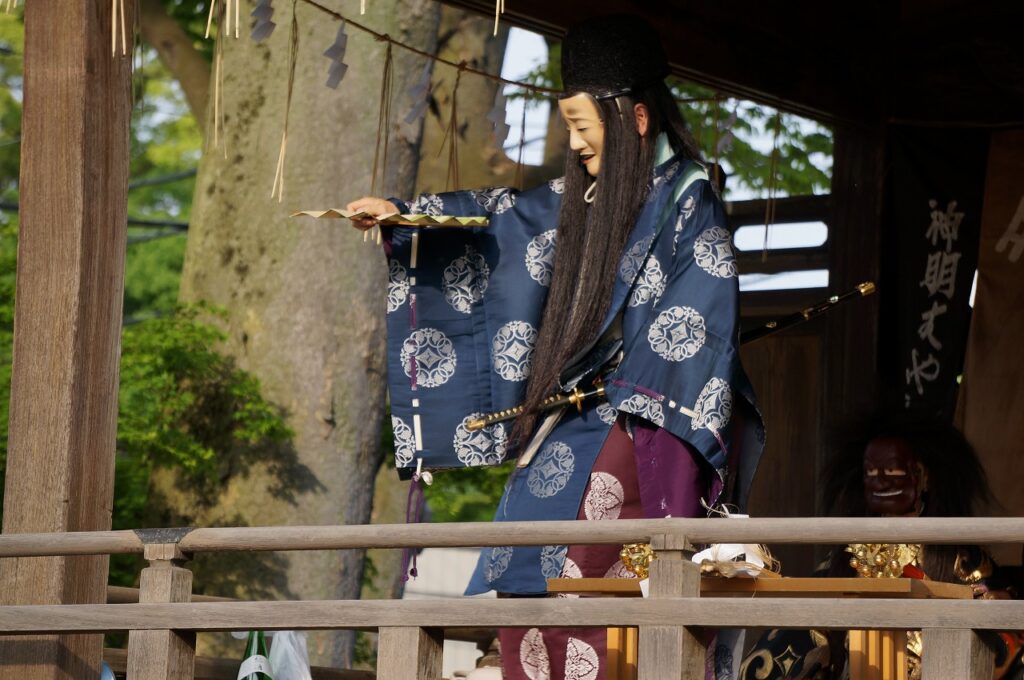
※This article is based on the year 2015. However, the program will basically remain the same. The parade of the Seven Gods of Good Fortune that we wanted to see started at 11:00. But there is no harm in going early. There are many other events besides the parade. One of them is the performance of Edo Sato kagura. It starts at 10:00. This fixed time is one of the characteristics of this place. This is something peculiar to business districts. The first performance was “Sanbaso” in 2015. This is also originally from Noh, and is often performed in Kabuki. When it is performed in Kagura, the performers often wear hats with bright red circles, costumes with crane designs, and long sleeves. Hagiwara troupe performs. This troupe is prestigious, so the dance is elegant. About 45 minutes.
1st Parade ~Are the Japanese really so devoid of religion?
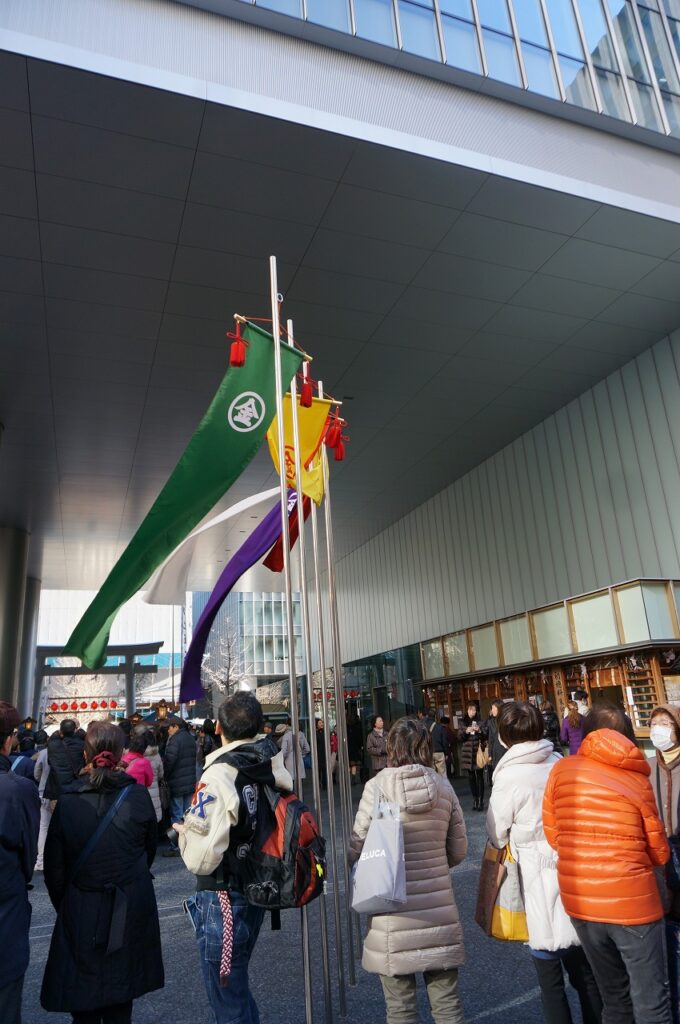
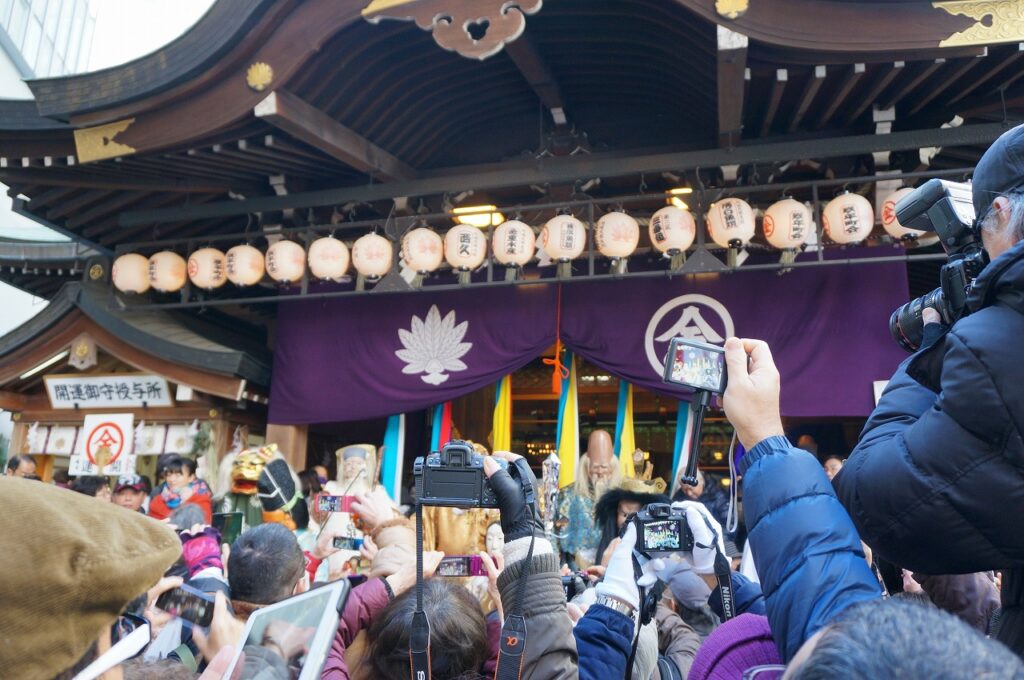
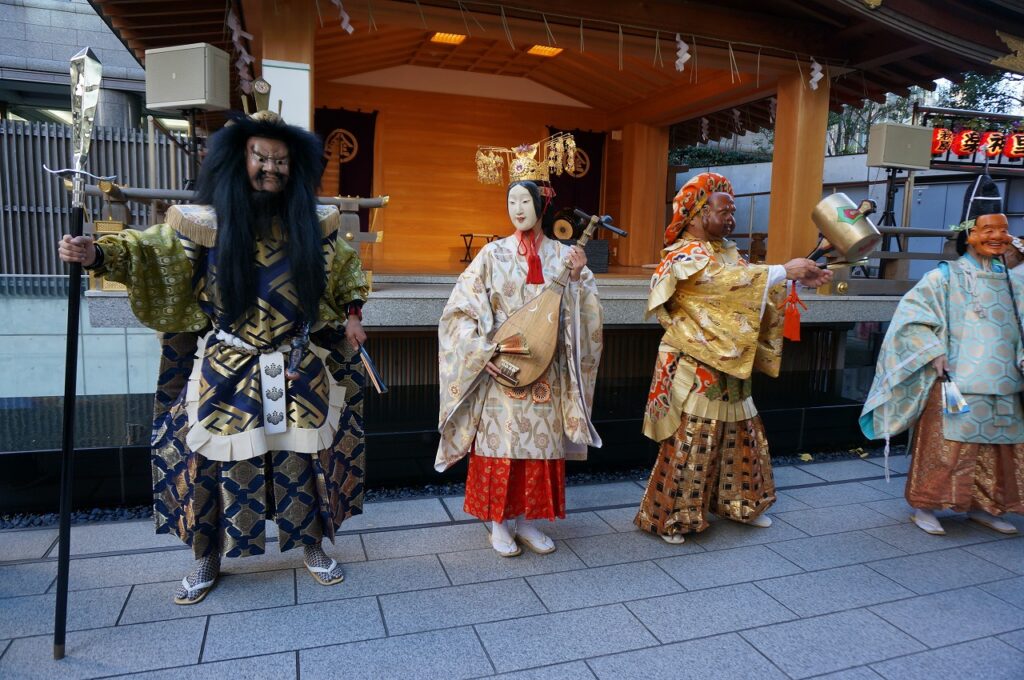
At eleven o’clock, the procession of the seven gods of good fortune that you are looking for begins. The procession takes place twice a day, and this is the first one. There are two entrances to the temple grounds. The procession comes from one of them where three stalls are standing.
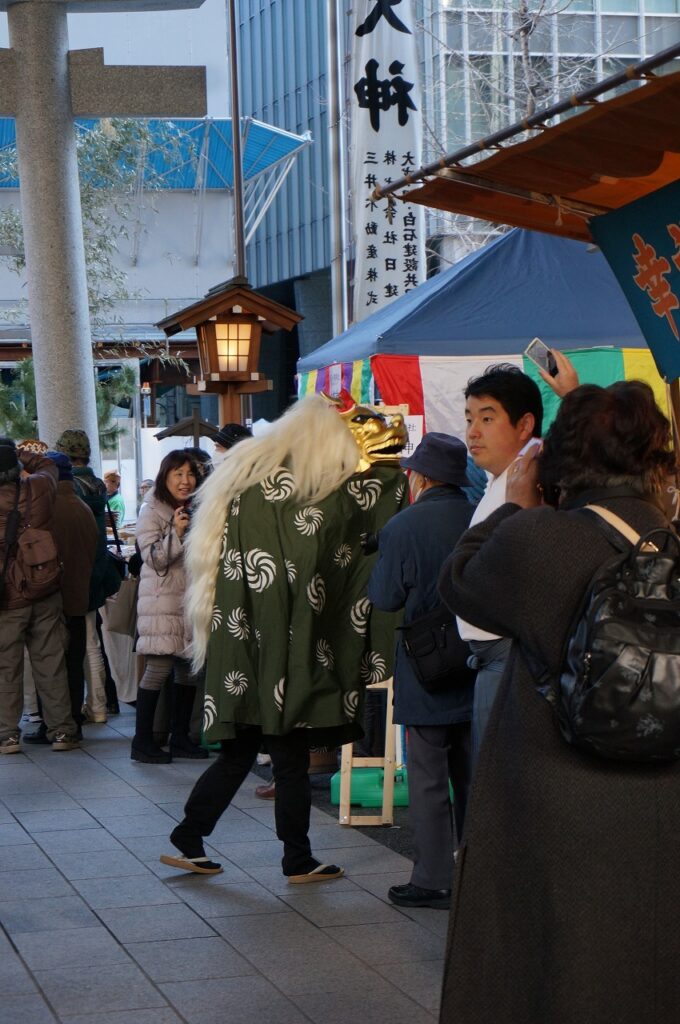
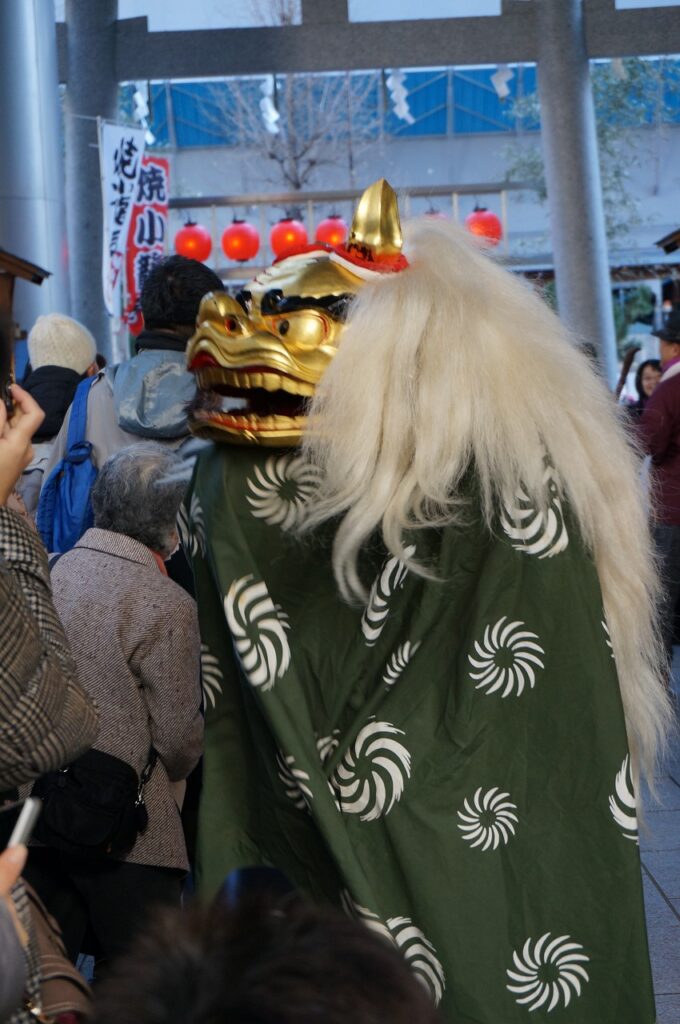
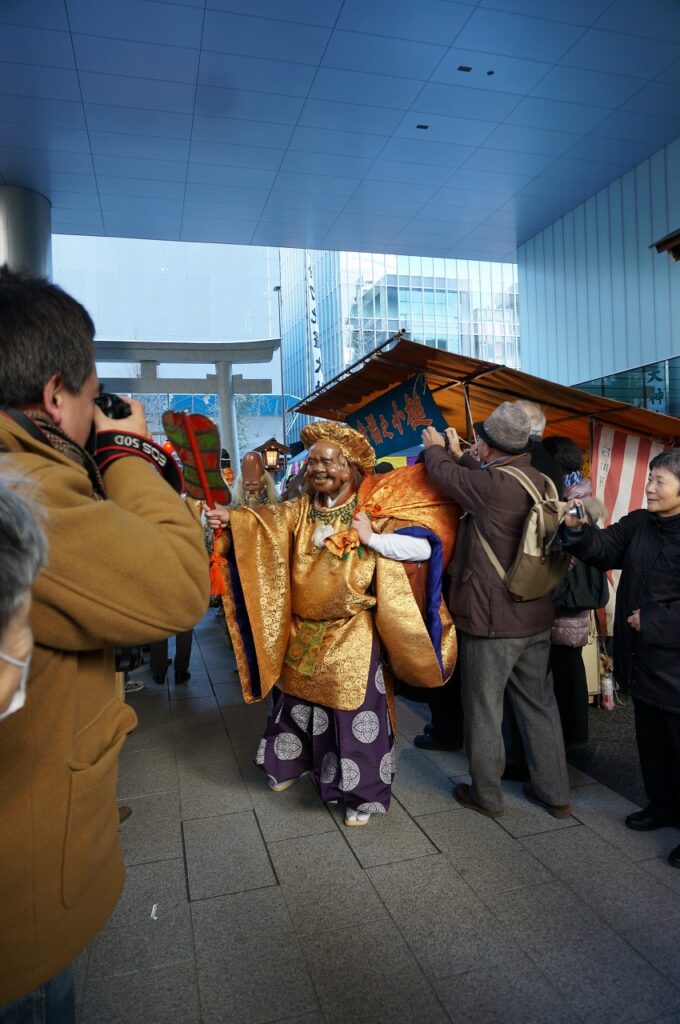
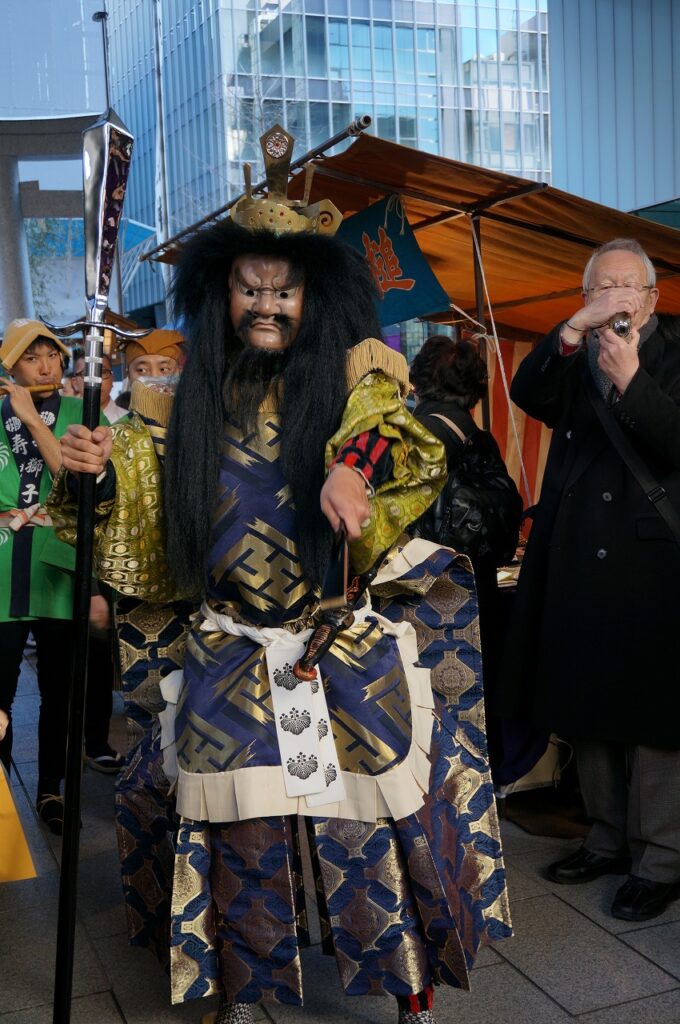
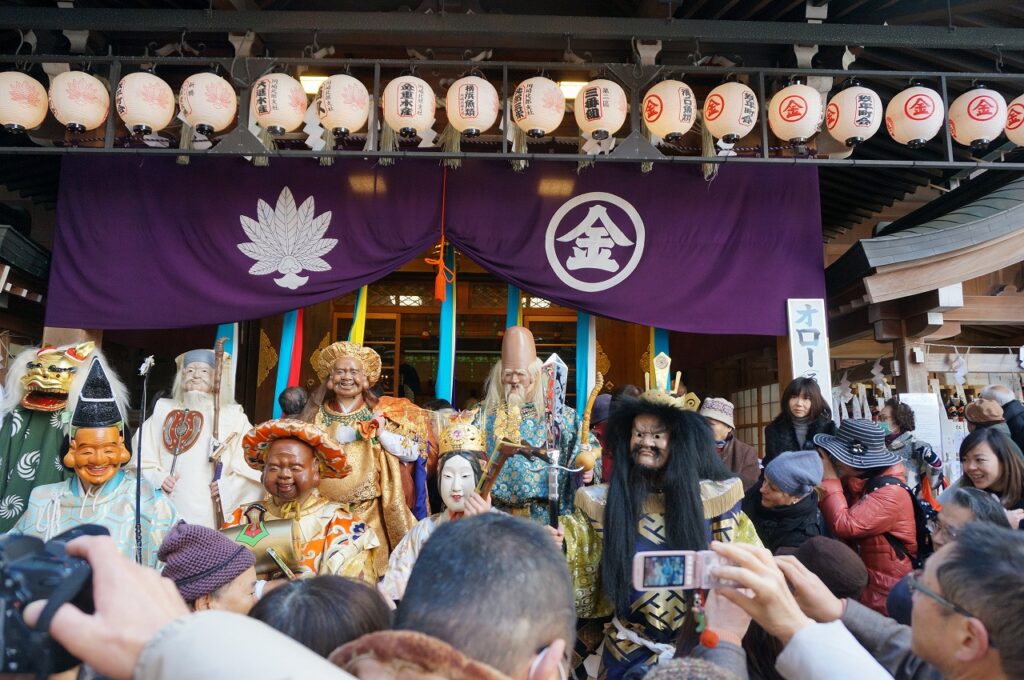
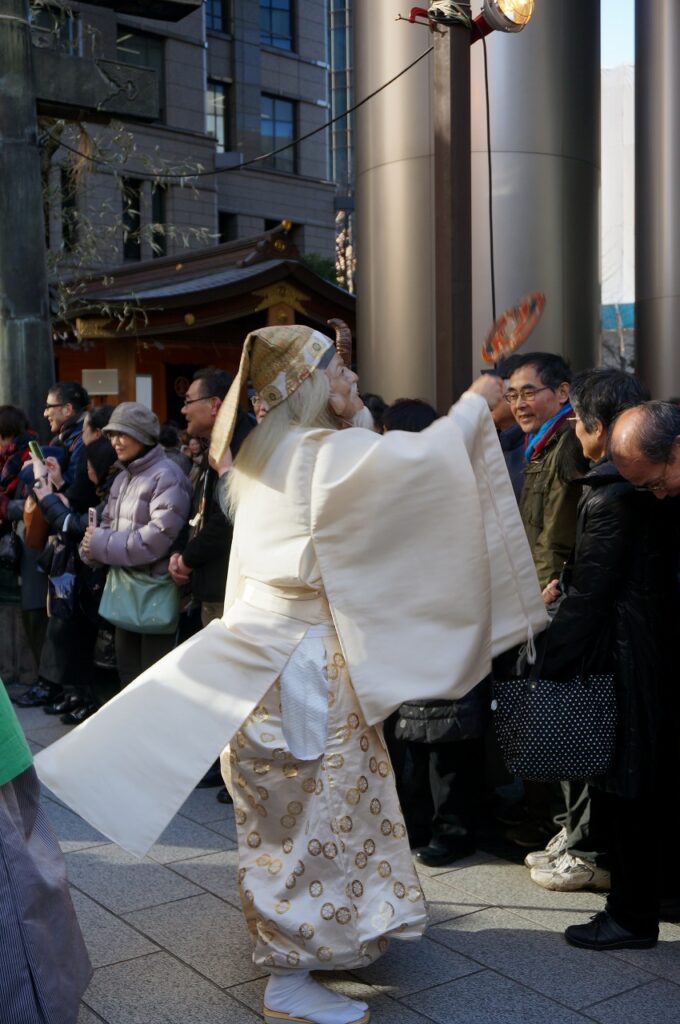
First up was the lion dance. A New Year’s tradition. The head of the lion is also gold, an auspicious look. There is a legend that if you ask a lion to bite your head, you will be happy, so if you meet one, be sure to offer your head. Next, the seven deities of good fortune continued to appear.
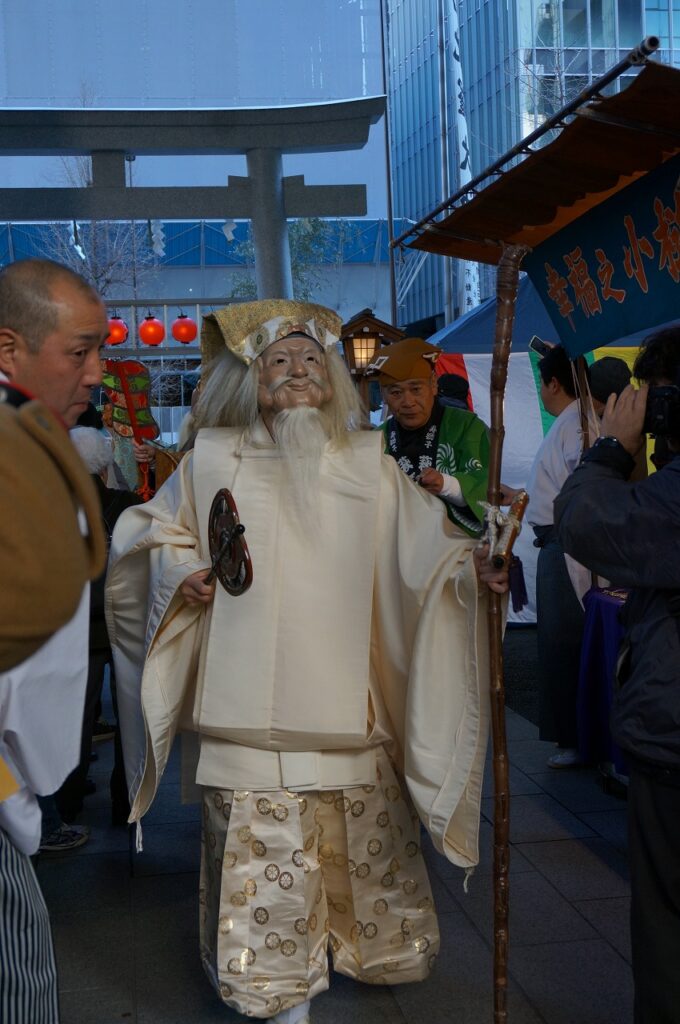
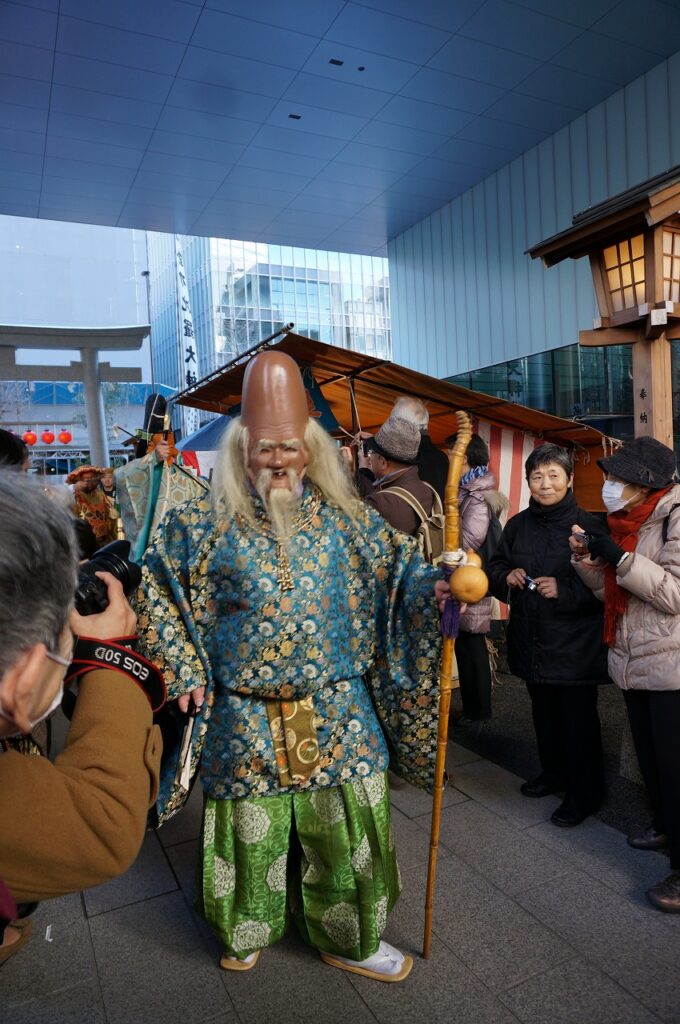
Jurojin 寿老人
Hotei 布袋
Fukurokuju 福禄寿
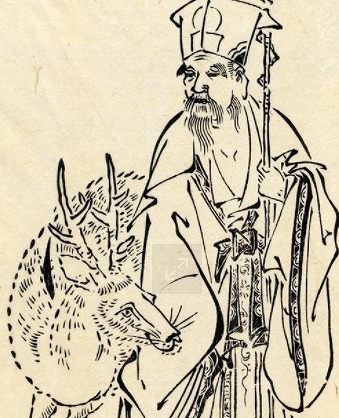
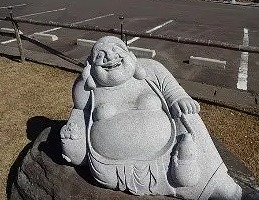
Hotei was originally a Chinese monk who was modeled after several real people. The image is that they carry a large sack, bare their large bellies, and travel in poor attire. He wears light clothes even in winter, but legend says that strangely enough, it never snowed around him. Jurojin and Fukurokuju are very similar because they were originally one deity that split into two. However, while Jurojin has the appearance of a noble old man in China, he is also characterized by an unusually long head.
a typical image of Jurojin
a typical image of Hotei
a caricature of Fukurokuju, Ebisu and Daikoku
Ebisu
Daikoku
Benzaiten
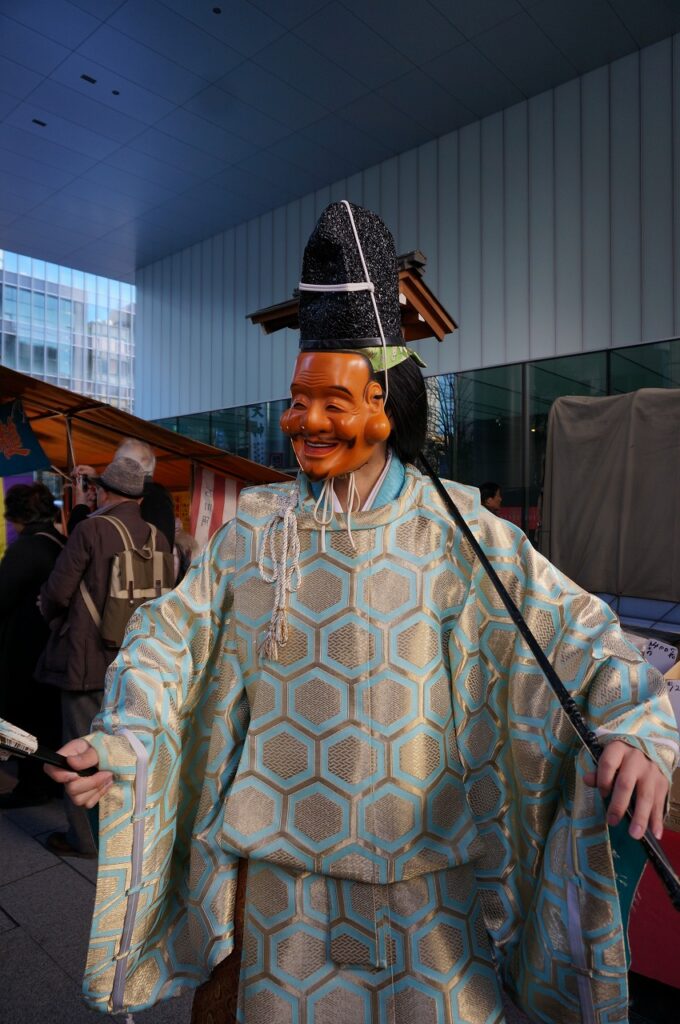
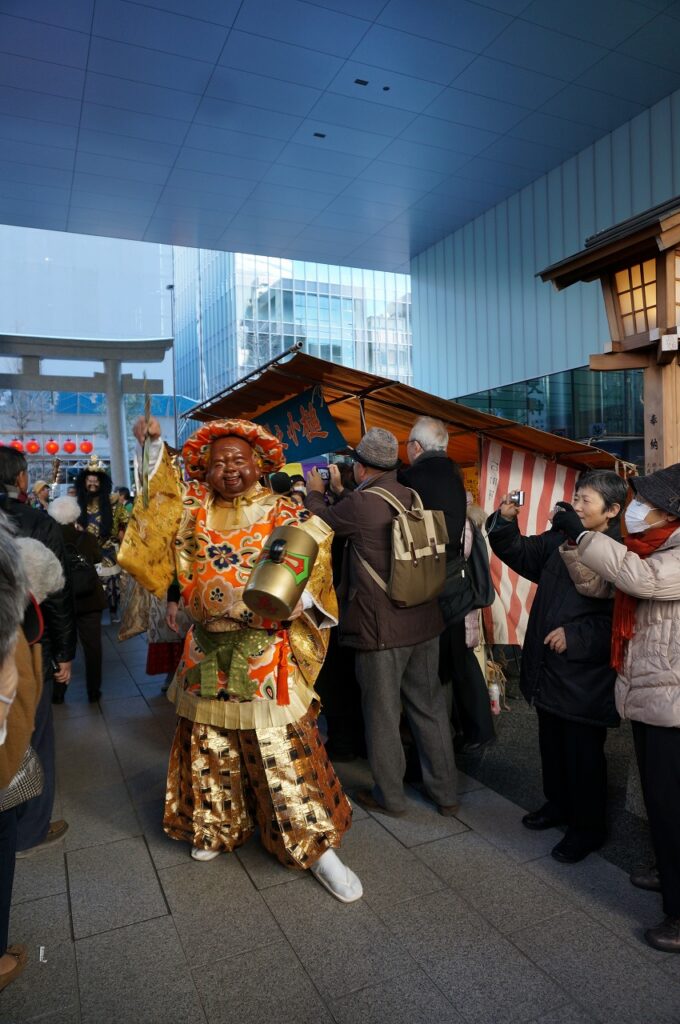
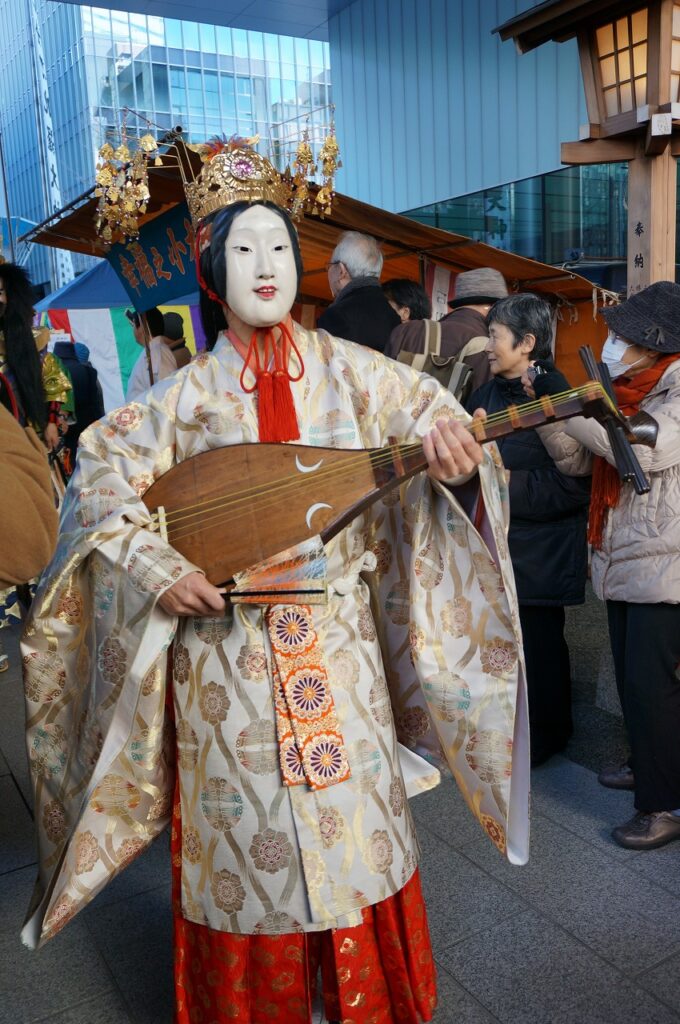
Ebisu and Daikoku have appeared many times on this site. Ebisu catches sea breams with his fishing rod, while Daikoku brings good fortune with the mallet he carries. Benzaiten is the only female deity. She is said to bestow arts and wealth.
Bishamonten
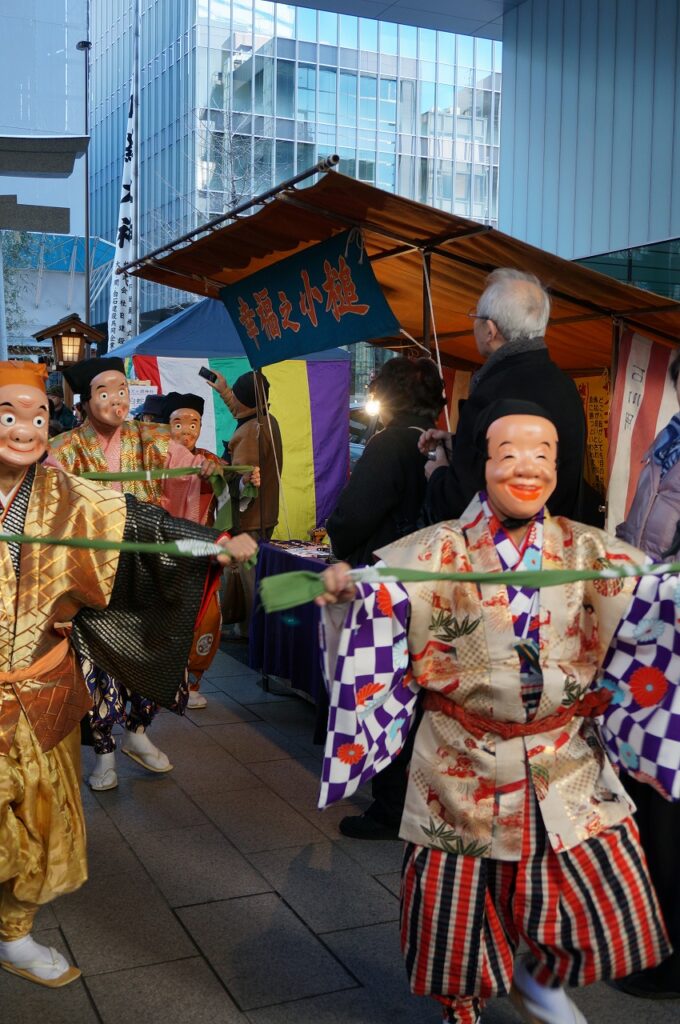
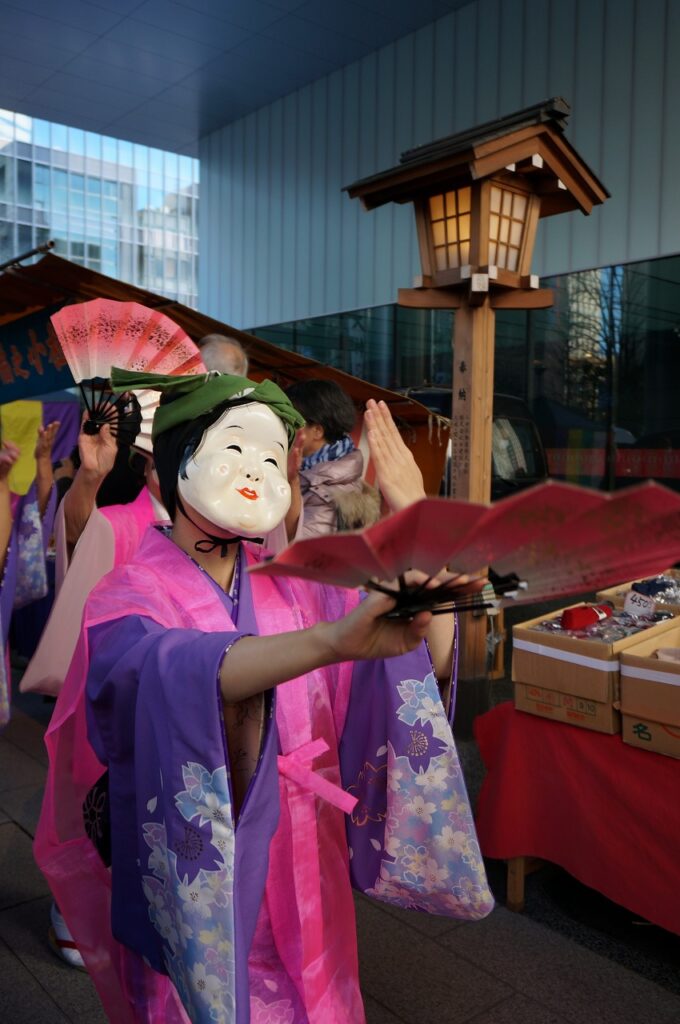
Hyottoko
Okame
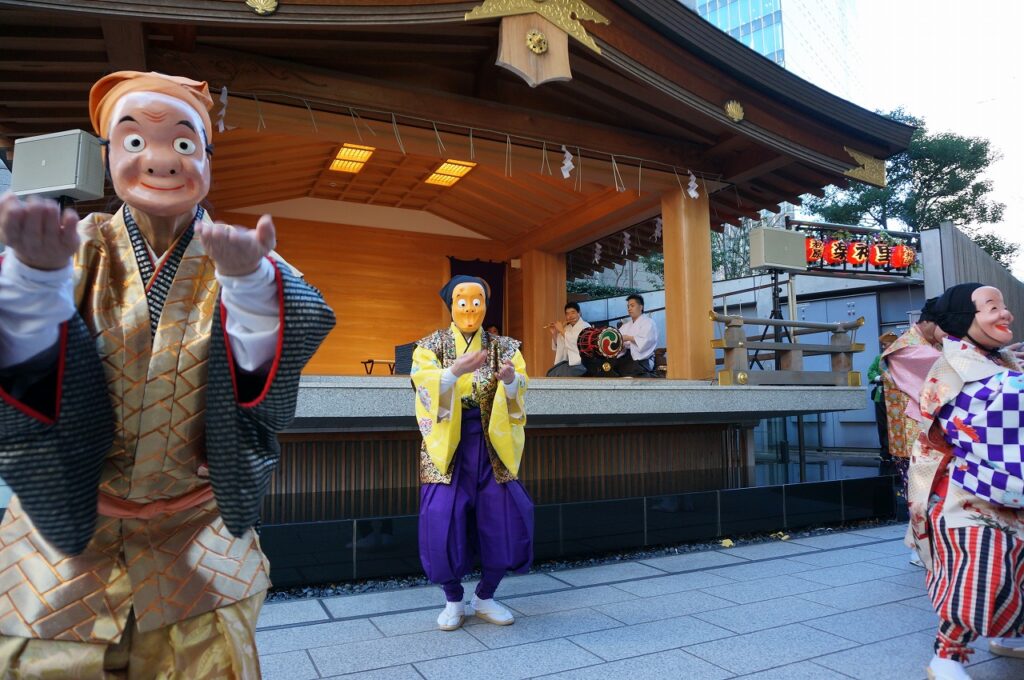
Bishamonten is the god of war. Originally, he is one of the four guardian deities protecting the Buddha. However, his name changes to “Tamonten” at that time. Complicated? Don’t worry about it. Even Japanese people don’t know much about it. Behind them are the familiar entertainers, Hyottoko and Okame.
There is already a line of people ahead in front of the main shrine. It is like waiting for a star to appear.
At this situation, it seems almost like a red carpet, although there are no screams of excitement. The staff announced, “We have a little more time for photos. The star line-up doesn’t change every year. After this, they all gather in front of the stage and performed the Hyottoko and Okame dances. About 40 minutes. If you miss it here, don’t worry. The Seven Lucky Gods will appear again later.
At 1:30 in the afternoon, the event resumed again, starting with Kagura. This is the story of a sword smith. The emperor asks him to make a sword, and the master smith forges it every day. At the last moment, a god appears and breathes his soul into the sword.
Now the enthusiasm again
The parade starts again at 2:00 p.m. Even though it’s the second time, it’s just as exciting as the first. There are as many people as the first time.
The second time, the flow is almost the same. A photo session in front of the main shrine (actually, the seven deities of good fortune don’t go in front of the main shrine for the photo session, they go to worship.) Then they all line up in front of the stage. And the Hyottoko and Okame perform a fun dance.
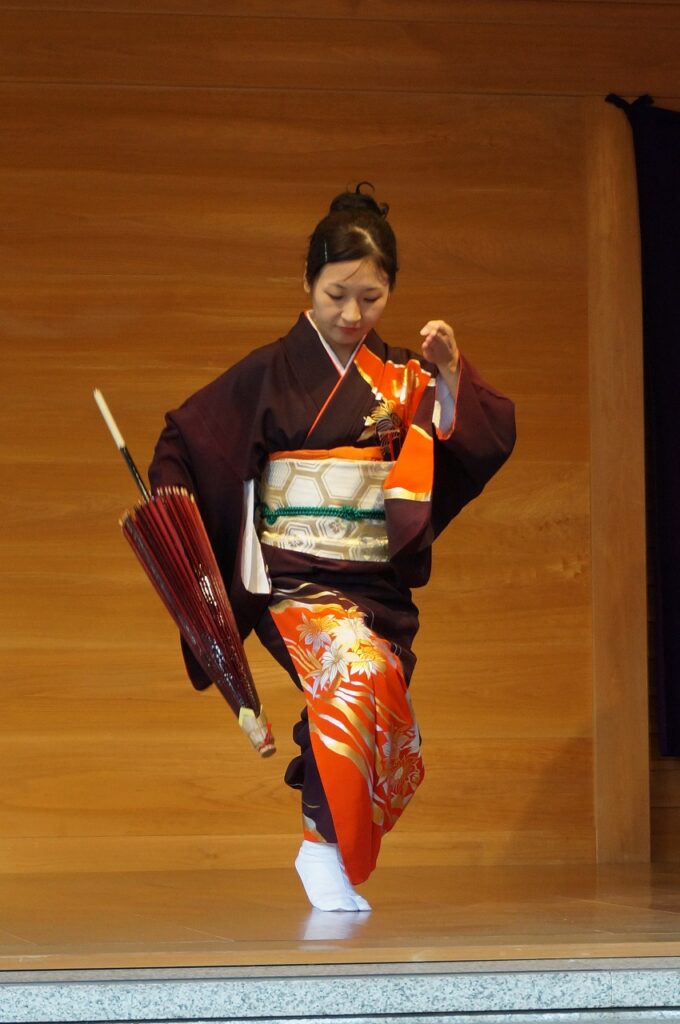
What is different from the first time is that folk dances and the stage performances of slightly different tricks are performed. This site is not the place to go into details of these unusual arts, but they are worth seeing at least once. Please come and enjoy it.
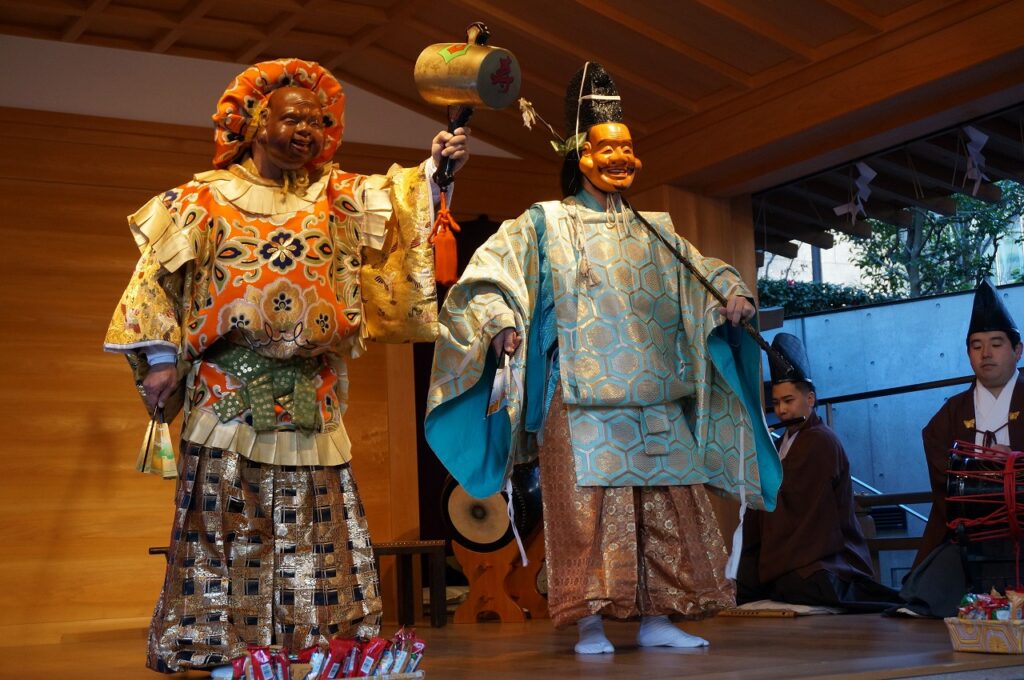
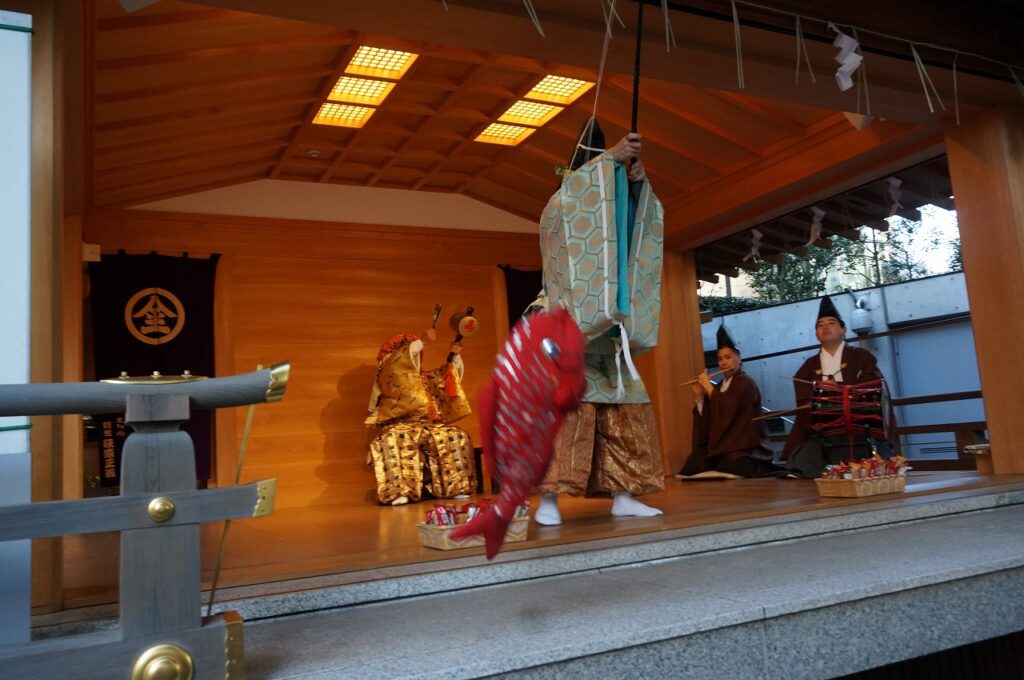
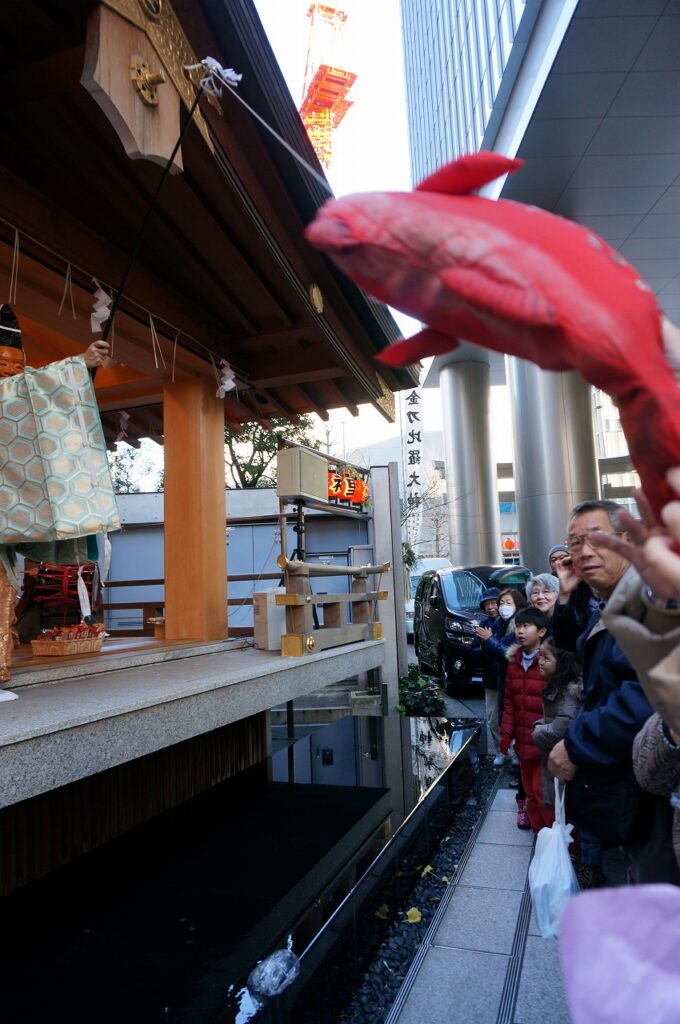
Among the Seven deities of Good Fortune, the most popular duo is Ebisu and Daikoku. And they have a performance that every Japanese person knows. In the case of Ebisu, he uses his fishing line to catch a sea bream. The sea bream is a fish that symbolizes celebrations. While in the case of Daikoku, it is said that if he waves the mallet, good fortune will immediately appear. On the other hand, if Ebisu catches a sea bream, nothing will happen. Actually the sea bream is just a fake attached to the end of a hook. Nonetheless, when he catches a sea bream, people go into a frenzy. They fight to touch the snapper (even if it is fake).
And when Ebisu warms up the people enough, Daikoku comes out and literally brings good fortune out of his mallet. However, only cheap sweets are thrown. If you want to buy them, you can buy them at a nearby store. But people still fight to get their hands on these small blessings.
At the end
Until the 3rd, it is still in the festive New Year’s mood, and until the 7th, it is said to be within the period of celebrating New Year’s. As a way to mark the end of the year (although few people do this anymore), there is a custom of eating “nanakusa-gayu”(seven herb rice porridge) on the 7th. On New Year’s, TV personalities also wear kimonos. The number of people wearing kimonos increases in the town. It is also a time when the so-called “Japaneseness” of the country overflows. Not only the seven deities of good fortune, but also various other events are held. It might not be a bad idea to experience the Japanese New Year at least once.
Report: Kiraigo~Buddhist drama that has lasted for about 800 years
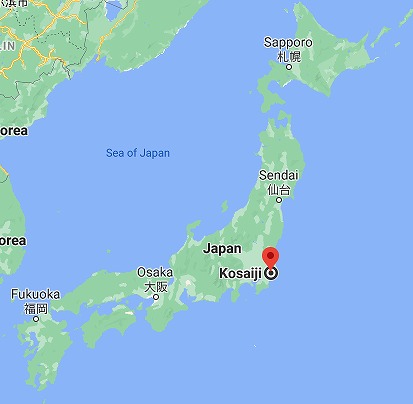
Date: 16 August every year Location: Hikari town Musho, Sosa district, Chiba prefecture Access: It takes 4.5 kilometers from Yokoshiba station (JR Sobu line) Yokoshiba is about 1.5 to 2 hours from Tokyo by train.
prologue
It is often said that Japan is a country without religion. Therefore, I have heard that when people from overseas asked, “What religion do you believe in? “, Japanese people are often at a loss for an answer, and are often surprised. Since this site is about festivals, Shinto events often appear. This is because the word “Matsuri (festival)” originally means to worship the deities. However, funerals and other events are conducted under Buddhism. To be precise, some people say that Confucian forms are also involved. In the New Year, we visit shrines, in the summer we have a Buddhist event called “Obon (the event that ancestors return at this time of year)”, and in the winter we celebrate Christmas. There is also a joking way of saying that. But on the other hand, there is this story. A road side was troubled with garbage being thrown away. As a countermeasure, the people concerned set up a small “torii” (a gate at the entrance of a shrine, used as a landmark to indicate that from here it is the domain of the gods). As a result, no more garbage was thrown away. In the first place, God and Buddha have been one and the same in Japan since ancient times. Setsubun is an event held at both shrines and temples. This happened because of the arrival of Buddhism in Japan in the 6th century. The leaders of the time were thinking, “As a civilized nation, we want to spread Buddhism.” However, they could not force people to abandon their original faith. So they came up with the idea that God and Buddha are the same. They said that God is the temporary form of Buddha in this country. This idea lasted until the 19th century.
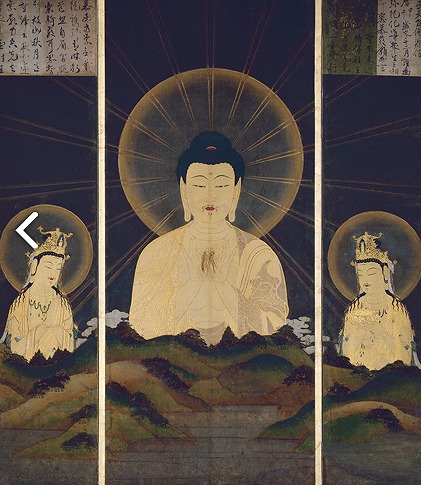
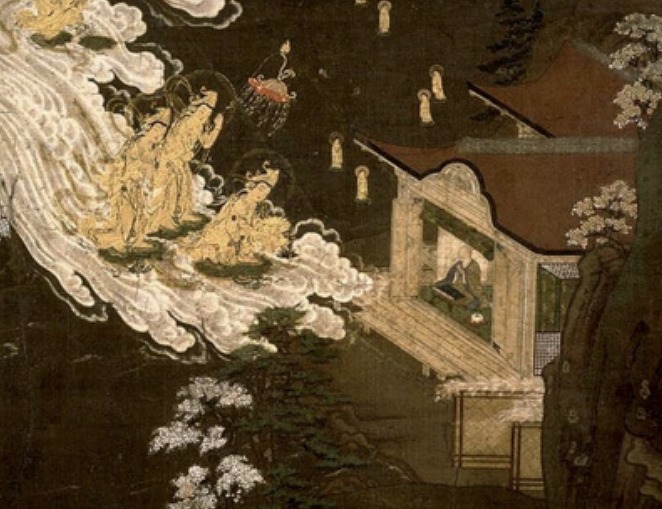
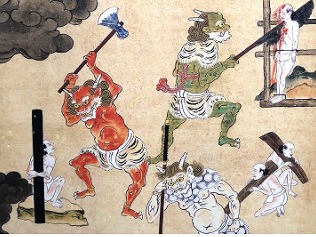
However, Buddhism is the one that Japanese people have believed in the most. Because it answered the biggest question of all, “What happens when we die?” Buddhism say “there is paradise and hell”. So the various schools of Buddhism have competed to propagate the idea of how to avoid hell and go to paradise. In the Christian world as well, there is a wide variety of images of demons while there is little variation in the designs of angels, and while most pictures of paradise are just a line of Buddhas, there are many variations of hell pictures. So many pictures of hell have been drawn and passed down through the generations.
Blood Pond and Needle Mountain are probably the most common images of hell that every Japanese person has heard once.
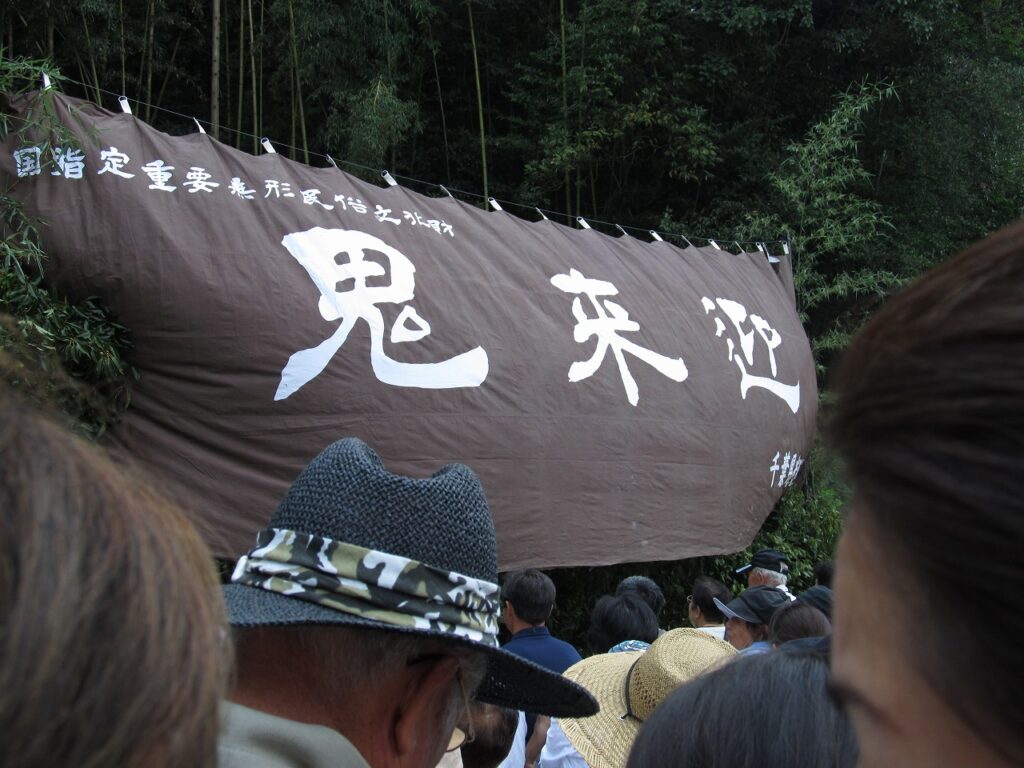
Kiraigo 鬼来迎~The Miraculous Legacy
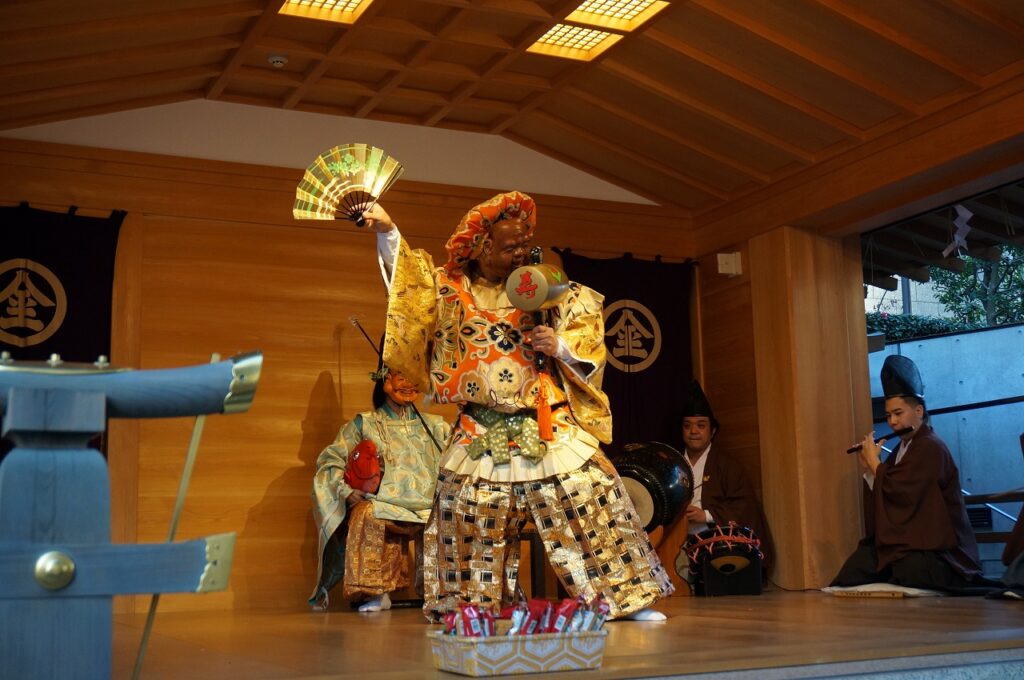
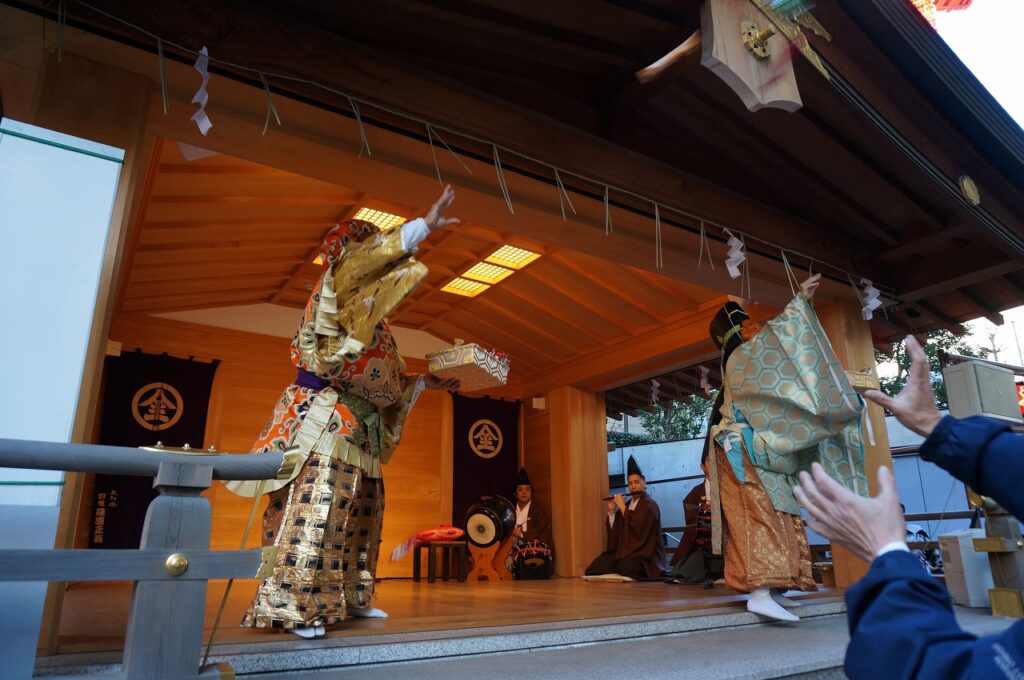
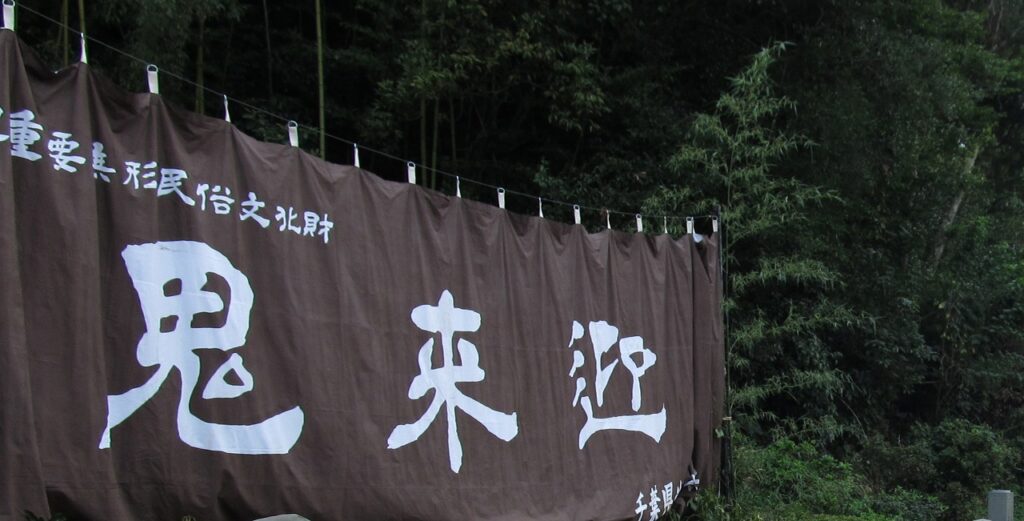
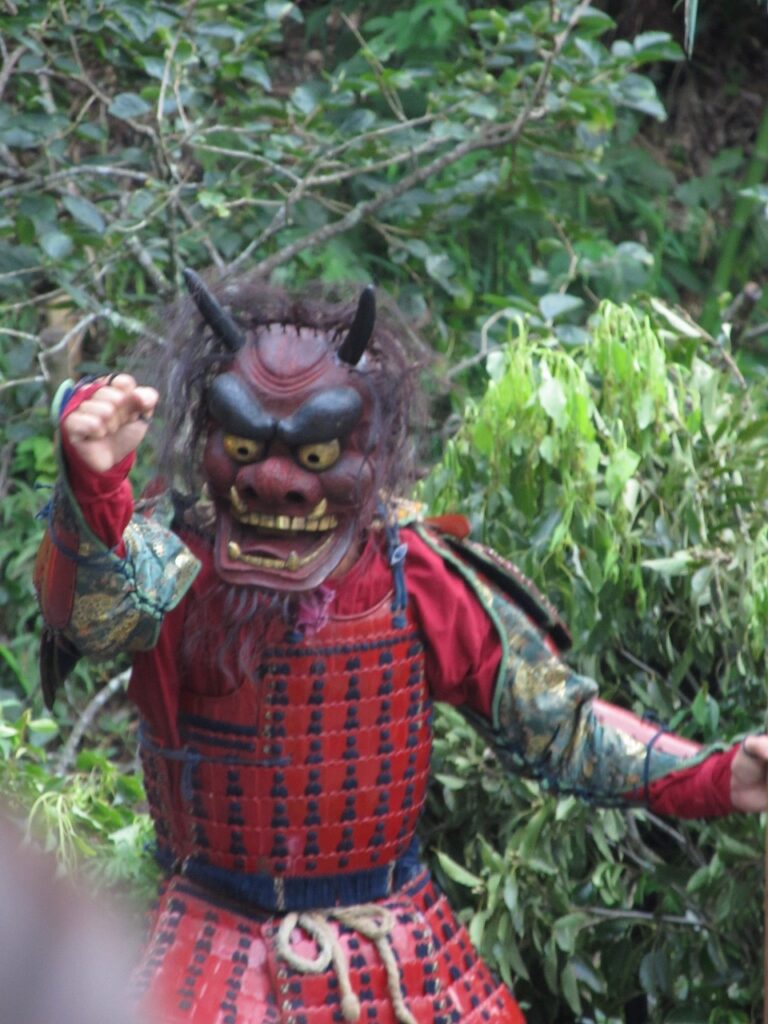
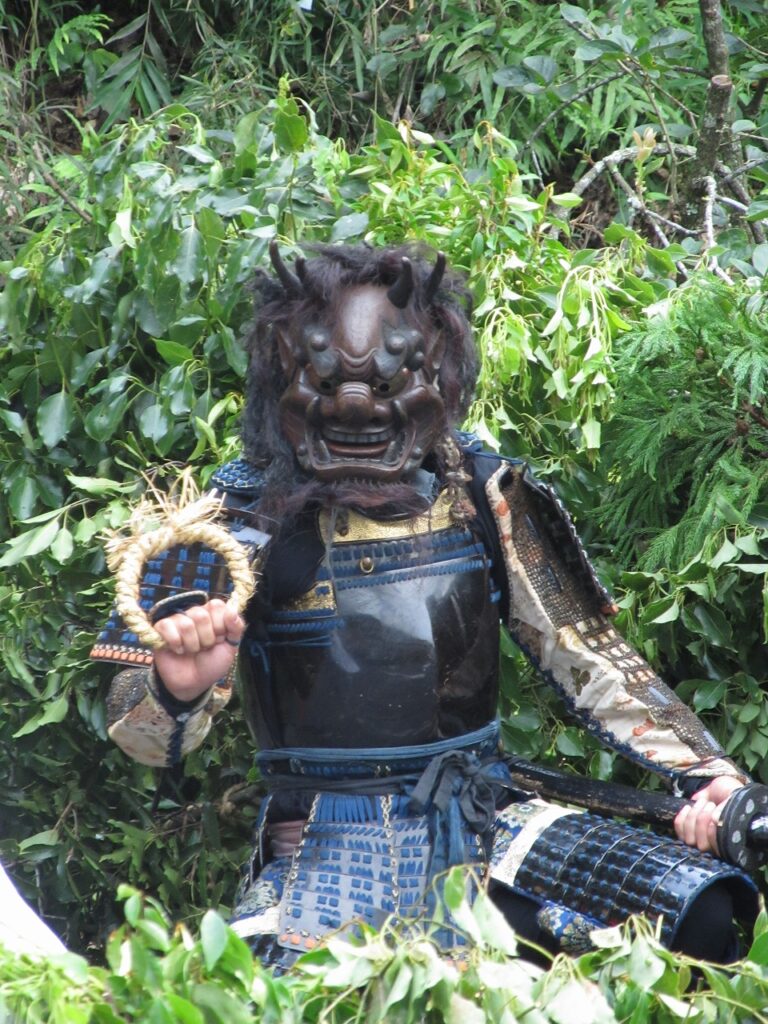
And the various schools of Buddhism performed plays as well as paintings and storytelling as part of their missionary work. Most of them have fallen into disuse, but miraculously the one here at Kosaiji 広済寺Temple has solely survived. It is said that its origin dates back to the Kamakura period. It is miraculous that this is the only place in Japan that still retains this type of event, but what is even more surprising is that there are currently only 25 houses in this area.
Main story
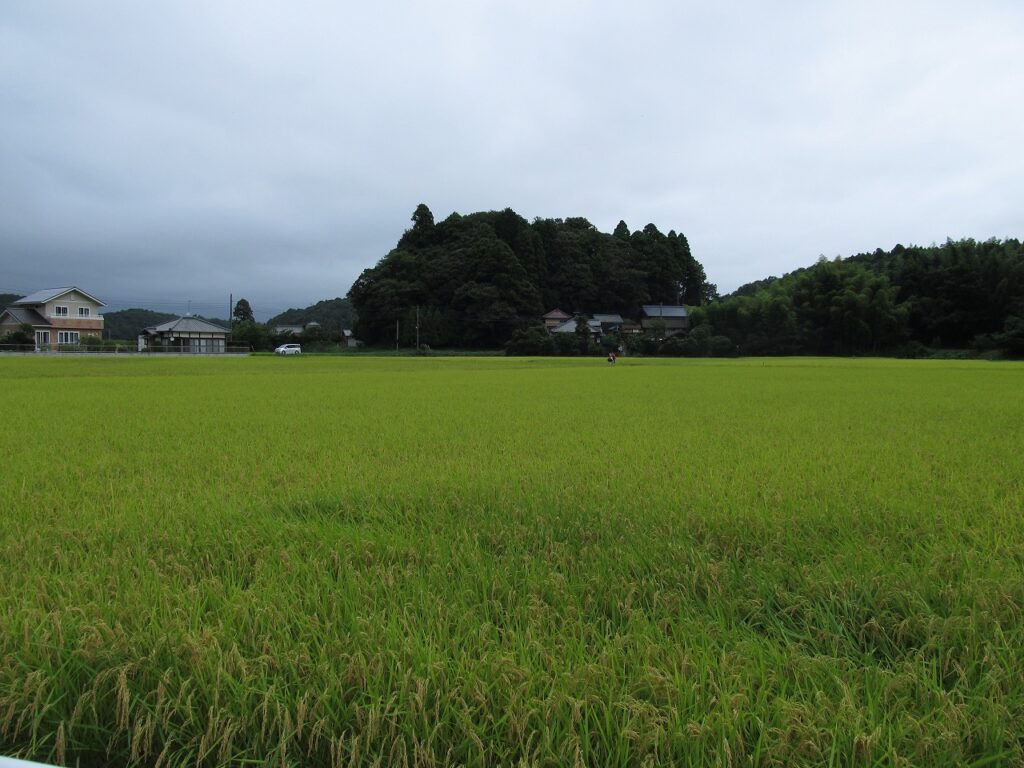
The start time is approximately 3:00 in the afternoon. (However, since there are greetings at the beginning and so on, the actual start time is around four o’clock.) It is almost four kilometers from the station, and there are few buses. The surrounding area is only rice fields as far as the eye can see. However, on this particular day, the roads around the entrance become congested because most people come by car. So uniformed police are even serviced to control the traffic.
Musho district 虫生地区
venue
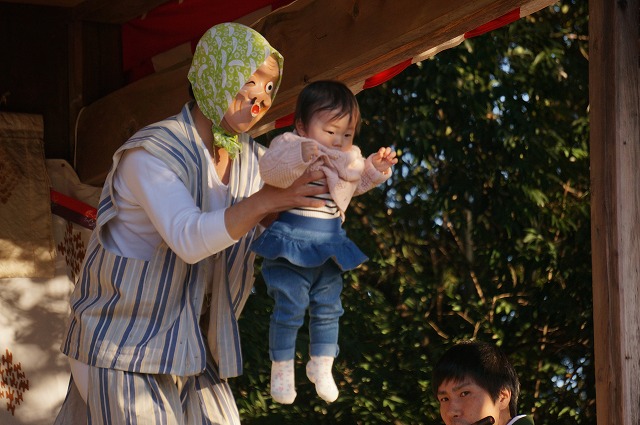
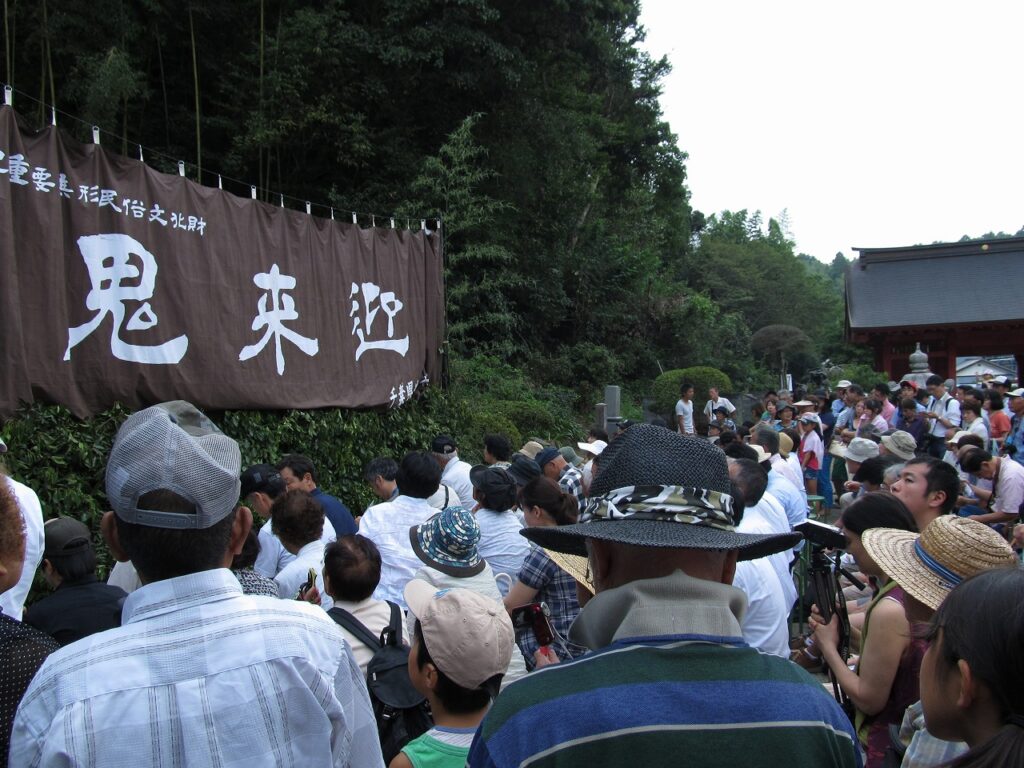
The stage is a steep cliff covered with grass. In the past, there was a building called “Jizo-do” there, which was used as the stage, but the earthquake destroyed it. Nowadays, people build the stage in a corner of the slope and use it by covering the surrounding area with grass. There are about 60 chairs lined up in front of the stage. Behind them are standing room only. And in the last row, many tripods with cameras are lined up. After the greetings, the first event is for the demoness to wish the child good health. In this event, the demoness holds the child in her arms and shouts, “Go-o!” *It is one of the most famous events in this event, but there used to be trouble over it. Parents would take pictures of the demoness holding their children nearby. So far, this is a very natural process. But then, an amateur photographer behind them said, “You’re in my way. Get out of the way. This became a big problem. Some people, especially retired elderly people with high-end cameras do this. There is also a local train running near here, which is very photogenic, but I see a number of warning signs posted there as well. They say, “Please do not obstruct the train service,” “Please do not photograph schoolchildren in an indecent manner,” etc. I once saw an old man who boasted that he would change his personality if he got a camera. This is one of the evils of the camera scene in Japan. This has nothing to do with our readers, but I dare to complain about it here.
1st stage ~The opening act
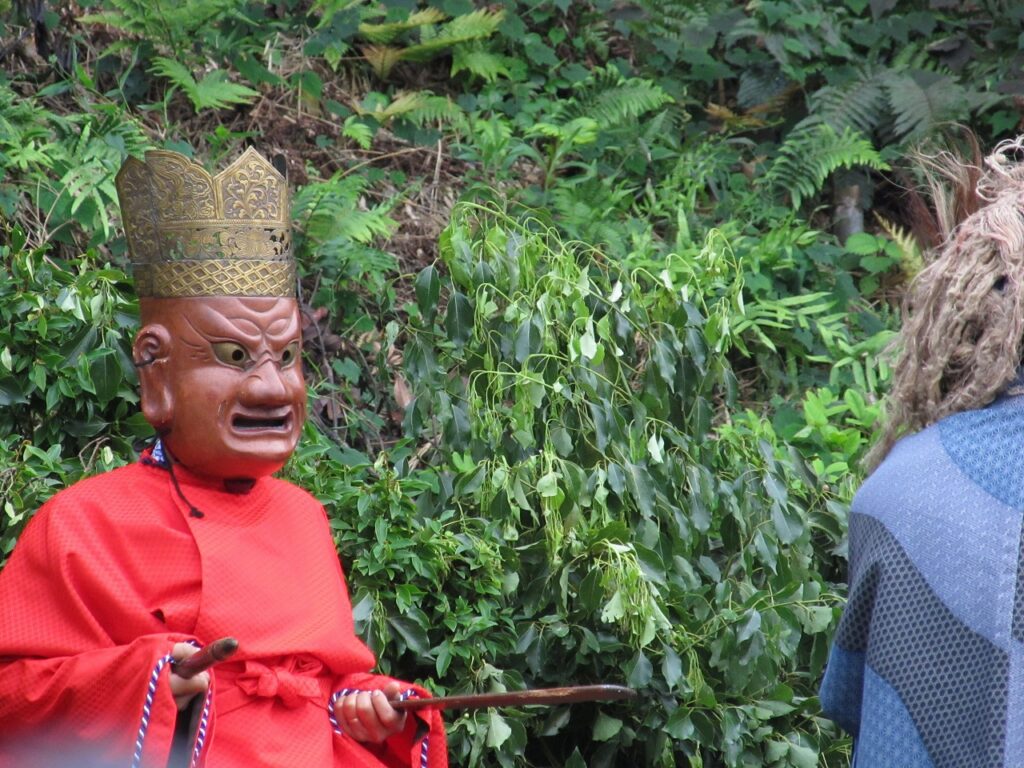
“Enma” judge of afterlife
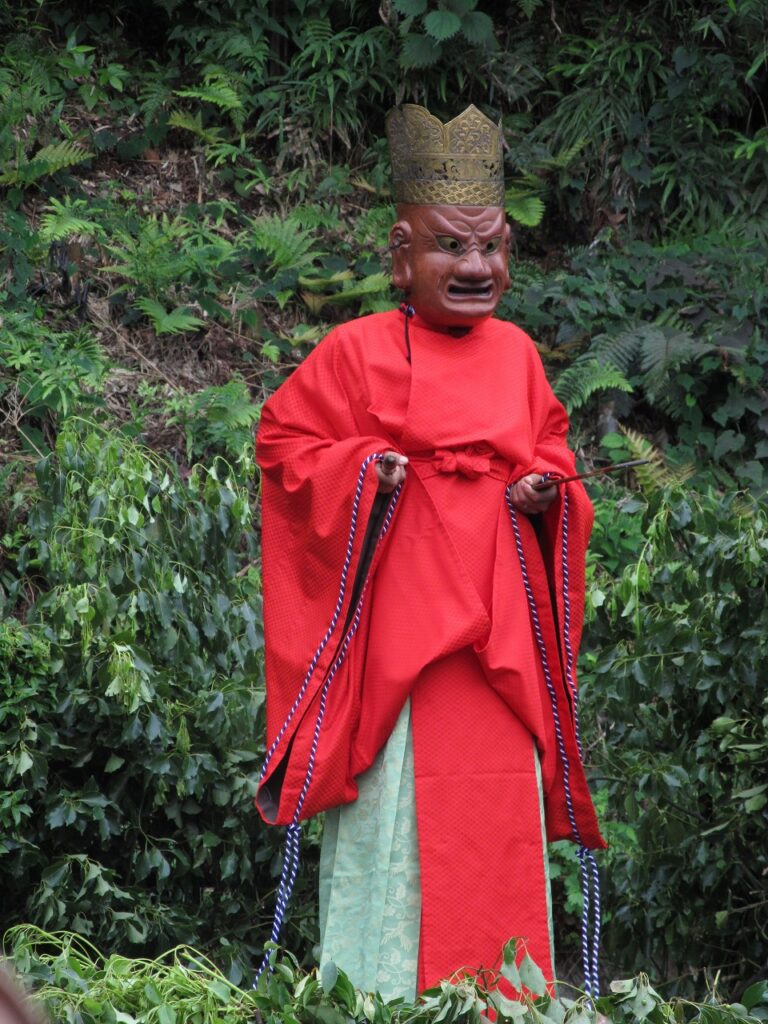
Suddenly there is a noisy sound and the curtain slips open. The play was about to begin. The noisy sound is a rare instrument called a “nyobatsu,” which looks like a large cymbal. Then the curtain slips open. The first character to appear is “Enma”. This is like a judge who decides where the deceased will go, and is the king of hell. Parents often tell their children, “If you tell a lie, Enma will pull out your tongue. He walks lifting his legs high and glares at the surroundings.
“Gusho-jin” recorder
The next one is “Gushoujin”. He is like a scribe who rides on a person’s shoulders and records all their good and bad deeds before they die. Therefore, he has a writing brush in his hand.
demoness “Datsue”
red ogre
blue ogre
And then there’s demoness called “Datsue-baba”, who appeared earlier to pray for her child’s health. It is said that there is a river called the “River of Sands” on the border between this world and the other world. In front of that river is this old woman. She is said to be a being who strips the dead of their clothes. However, since the Heian period (9th~11th Century), the custom of sending coins to the dead has spread, as people believe that if they give this woman six coins, they will be able to have a safe boat ride. In the 16th century, there was a famous warlord who used this six-mon coin as his banner to show his determination to “hide his death at all times on the battlefield. This is an aside episode, though. Let me return to the main story. And finally, the red and blue ogres. They are the ones who are actually responsible for blaming and punishing the dead in hell. This is the all-star lineup of hell.
Demoness and the ogres sue to Enma about how bad the deceased was in life. All the while, the king sits motionless. Eventually, the Great King asks the Gushoujin by his side, “Is this appeal correct? Gushojin replies, “This is a very bad person”. This is end of the first act.
2nd stage ~Sai-no-kawara (Children’s Limbo)
When the curtain opens again, it is time for the “Sai no Kawara” scene. The “riverbank of Sai” is said to be the place where the dead children go. The children just pile up pebbles. If the stones reach a certain height, they will go to paradise. However, just before the pile is completed, an ogre comes and destroys it. Then they have to start all over again. The reason children are forced to do such unreasonable things is because it is considered the greatest misfortune to die before their parents. Then the children pile up the stones while saying “One for the father, two for the mother…”.
”Don’t hate us, hate your parents” the ogres say. Suddenly, the Jizo Bodhisattva appears. The Jizo scatters away the ogres that are in his way and leaves with the children.
3rd stage ~The boiling hot iron cauldron
The next act is the “boiling hot iron cauldron” scene. The demons are tormenting the dead by placing them in the boiling water. “Is it boiled yet?” “No, not yet.” The point of this play is to show the inhumanity of the demons.
”That’s enough,” the ogres say as they pull the deceased out of the cauldron and further beat him.
Mercy of Kannon Bodhisattva
Then, the Bodhisattva Avalokiteshvara (Kannon) appears. He appeals, “Free the deceased. But the ogres say, “This is a person who has been judged as a villain by the court of Enma. It is only natural to torment him. He has never visited a shrine or temple in his life, nor has he given a single penny to charity,” he, though an ogre, says in a strangely Buddhist manner.
“What you say is true,” Kannon has to admit. But “I will take his sins upon myself,” he says, leaving the stupa behind and taking the deceased away. The demons are frustrated, “So has he become a Buddha?” This is the end of the whole story.
The performance lasted about one hour. People were leaving in waves. The chairman of the preservation society told us the following story. It is indeed very difficult for this small village to maintain it. Above all, the biggest problem is the lack of successors. However, recently, in addition to subsidies from the national and prefectural governments, there are young people who are willing to help. Two of them are making their debut today, he said. This is a valuable art form that has been around since the 12th century. In other words, we can see the same performance today as people did in that era. It is a miraculous event, and I would like to end this article with the hope that it will continue to be preserved in the future.
Report: Is “Edo Sato Kagura” boring or not?
Hollywood movies are simply interesting. These movies are made with huge production costs, using talent from all over the world to focus solely on entertaining people. They can’t be boring. However, human beings may think , “Well, they are interesting”, but there’s not much left to enjoy. I want to see something more social” and so on. Of course, Hollywood movies can be empty, but the general image is one of great entertainment. Deeper movies can be seen in the Cannes Film Festival and the Venice Film Festival, for example. The film which gets the grand prix at these festivals has an image of the complete opposite of Hollywood. There are many films that make you think after seeing them. Nevertheless, the strength of their message can be a burden. In the worst case, it can make you sleepy. Movie fans go back and forth between the two.
In Japan, there is “Edo sato kagura” which is in the genre of Kagura, a traditional performing art. It is almost exclusively performed in Tokyo and the surrounding areas. But it is not popular and is hardly known. It does not hold the elements of entertainment like “Iwami kagura”, and it does not have a local following like “Hayachine kagura.” These are held in obscurity at the corner of a shrine in the Shrine Festival . When I went to see a Edo sato kagura one day in Yokohama, there were only a few people . This situation is not usual but it is almost always held in such conditions. Many people aren’t aware it is being performed. Sometimes even the staff of the shrine doesn’t know! Although it gets a lot of influence from Noh, most Japanese people don’t differentiate Edo sato kagura from Noh…. As I write this, I am becoming sad.
Iwami Kagura
Edo sato Kagura
Why isn’t “Edo sato kagura” popular? Is it really boring? Isn’t it worth seeing? I will try to verify this now. Now, I will give you a rudimentary knowledge about “Edo sato kagura”. After that, I will teach you how to enjoy it.
History
Kanto region
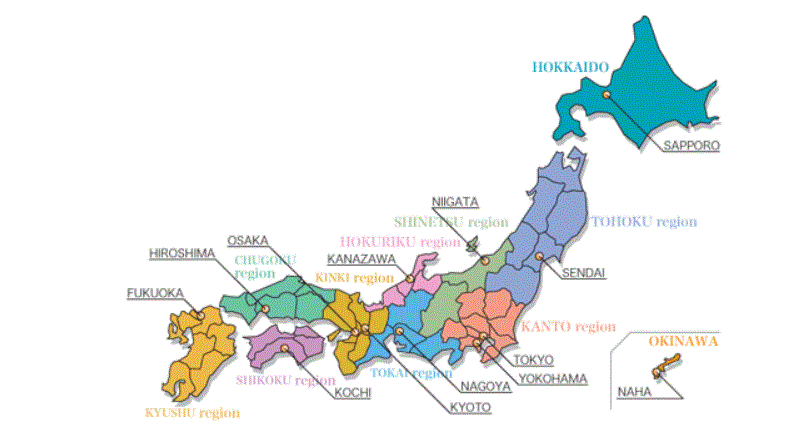
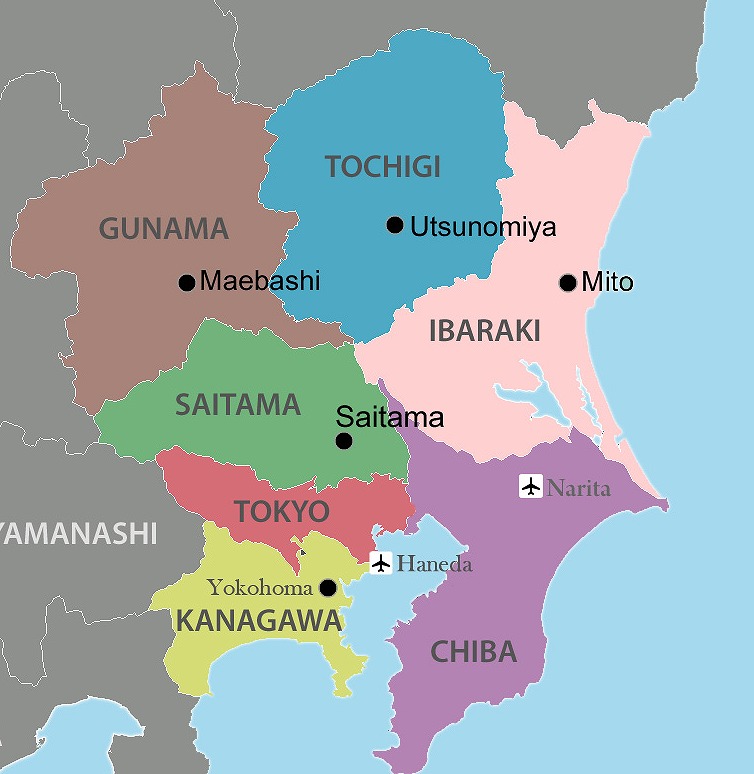
Edo is the old name of Tokyo. The region that “Edo sato kagura” is held is around Tokyo. Tokyo is located almost the center of the main island called “Honshu (本州)”. This region is called “Kanto (関東)”, which consists of seven prefectures, Gunma, Tochigi, Ibaraki, Chiba, Saitama, Kanagawa and Tokyo. The Kanto region’s kagura was originally introduced from the Izumo region (The Izumo region is the eastern area of Shimane prefecture). The Shinto priest at Sada shrine in the Izumo region learned “Noh” in Kyoto and he created the new art of kagura. This is the origin of “Izumo kagura”. After the Introduction to the Kanto area, two styles developed. One consisted of isolated programs and rituals, another was performed as a historical play like theater. The historical play was performed by a professional group called “Shachu 社中”. They perform Kagura in shrines after being invited. This is the origin of “Edo sato kagura” today.
Where can we watch “Edo sato kagura” ?
“Edo sato kagura” is performed by professional groups called “Shachu (社中)” today as well, so we can watch each festival at shrines. Japan’s festivals are held most often in spring and autumn, followed by summer, and least in winter. In spring, the Japanese hope for a good harvest as they enter the rice planting season, and in autumn, they give thanks for the harvest. The meaning of each festival is to pray for the prevention of plagues in summer and for the revival of the sun in winter. Generally speaking, spring and autumn festivals are held in many places in Japan, but in eastern Japan, Kagura tends to be performed in spring, while in western Japan, it tends to be performed more in autumn or later.
A few more details
There are four shachu as national intangible cultural assets in Edo-sato Kagura: Matsumoto (松本), Ishiyama (石山), Wakayama (若山), and Mamiya (間宮) . In addition, there are several other famous groups, such as Hagiwara (萩原) group. Each of them has its own territory. For example, the Hagiwara group is invited by shrines in the Shinjuku area, while the Mamiya group is invited for festivals at shrines in the Shinagawa area. They go out there and perform a kagura or simply enliven it with a musical performance.
Edo sato Kagura is performed approximately three times a day. Each performance lasts from about 30 minutes to no more than one hour. In some cases, a related storyline is followed in the performance, and in other cases, completely unrelated programs are performed. Sometimes the time is posted on the stage, and sometimes there is no indication of the program. And I think this is the biggest problem: after one program, there is a two-hour gap between performances. There are various reasons for this, such as the return of the portable shrine that left the shrine, but many times I have seen people who wanted to continue watching the show, but they got tired of waiting because it didn’t start for a long time. I wonder what can be done about it.
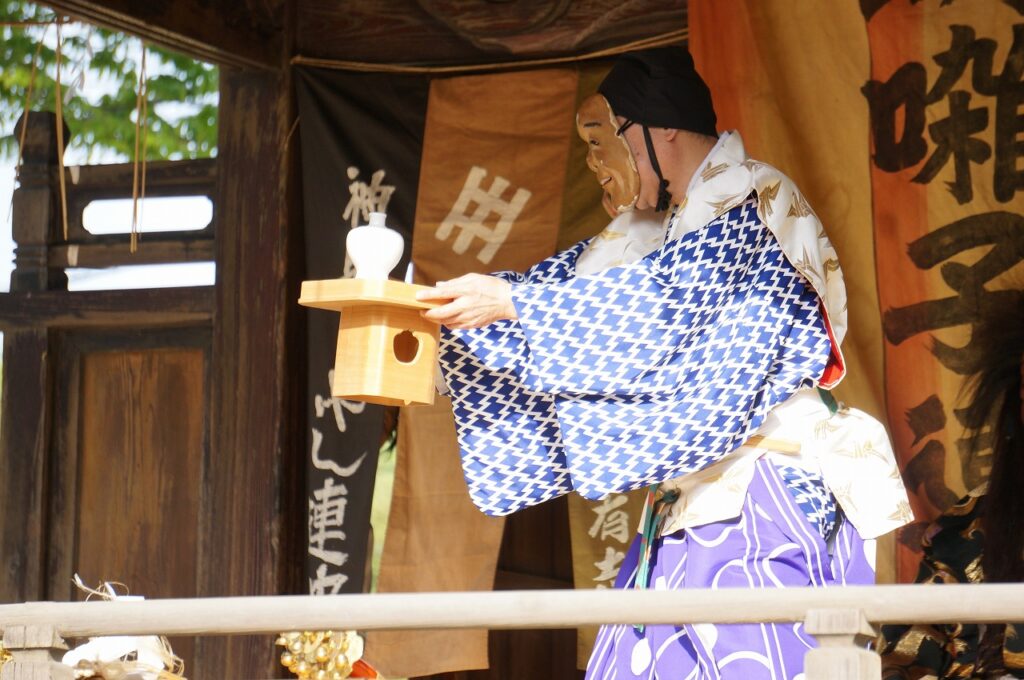
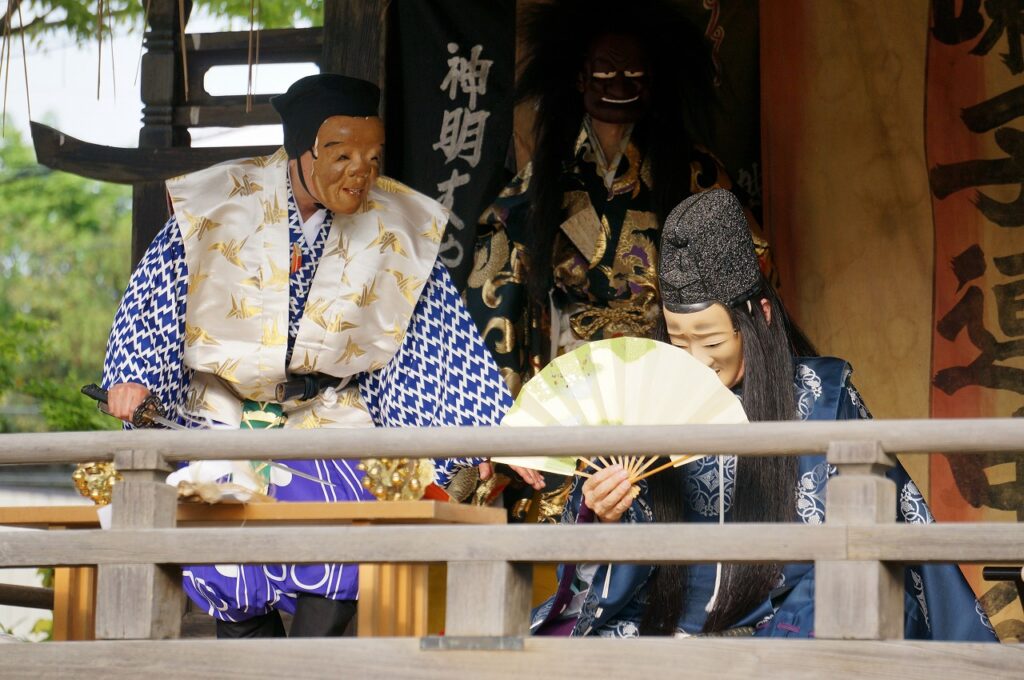
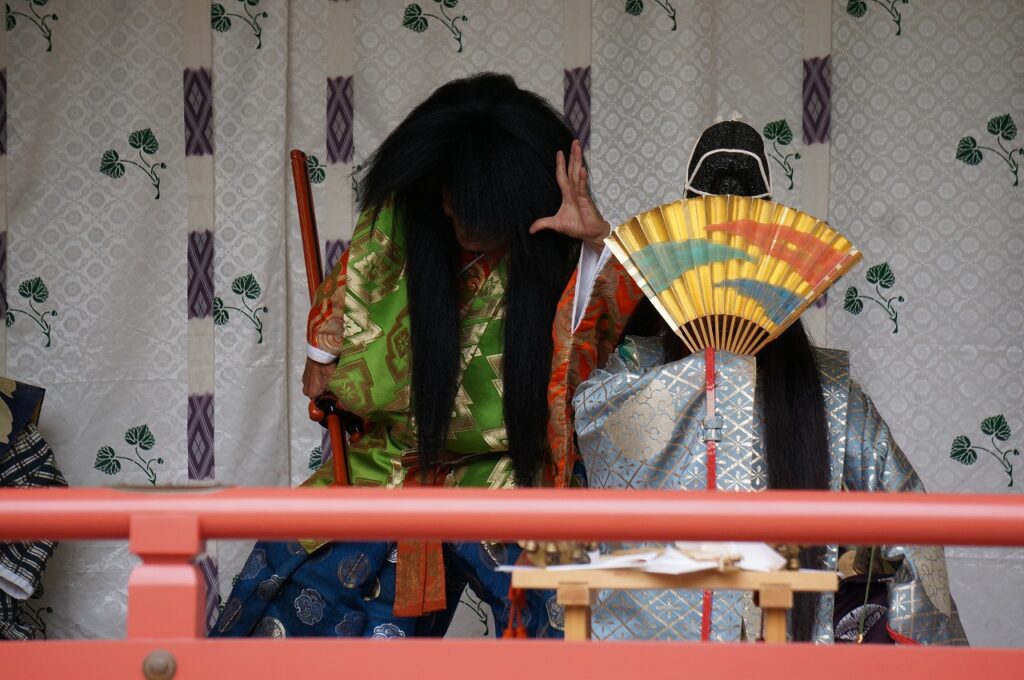
Another thing that may keep audiences away from Kagura is the fact that there are some unique rules and regulations that are not communicated to the audience. For example, if the performer sits down and hides his face with a fan, it is a sign that the performer is asleep. This is rather easy to do, so you might be able to see it for the first time. However, some techniques take a bit longer. For example, there is a scene in which the servant is ordered by his master to fetch a bottle of wine and other things, and for some reason the servant dances his way out, which is a kind of “Hakobi (it means carrying)” rule and has no deep meaning. It’s just a way of giving the supporting actors a chance to show off their skills or maybe it’s just a little break in a serious scene. However, the characters seem to go so far out of their way that it’s quite common for the audience to be confused.
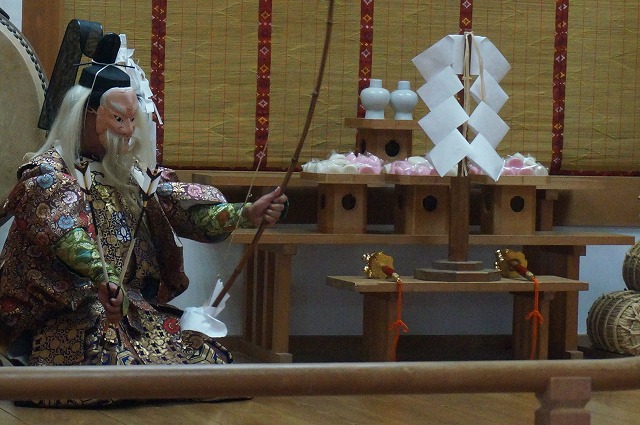
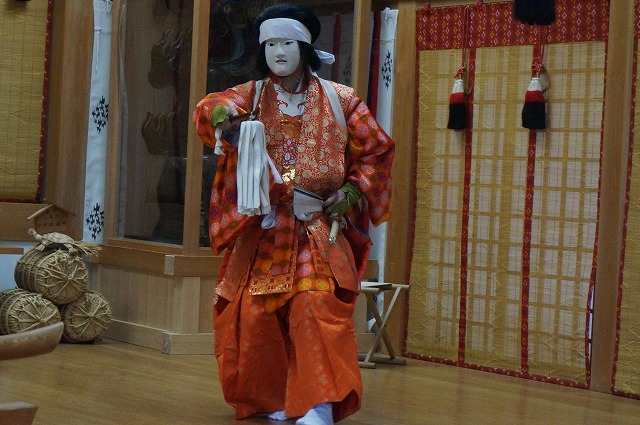
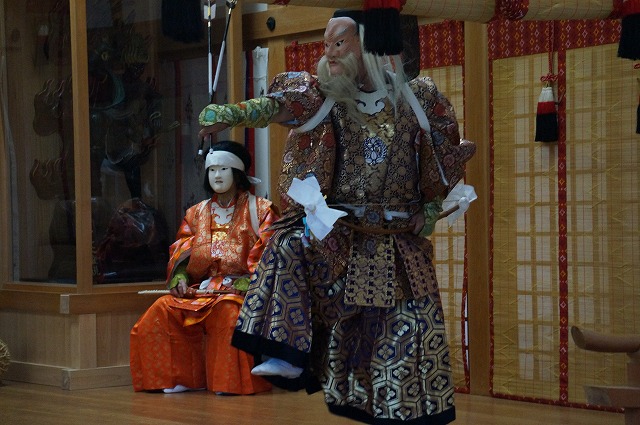
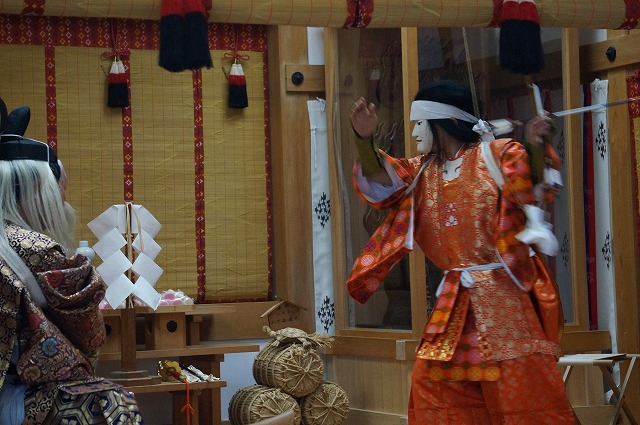
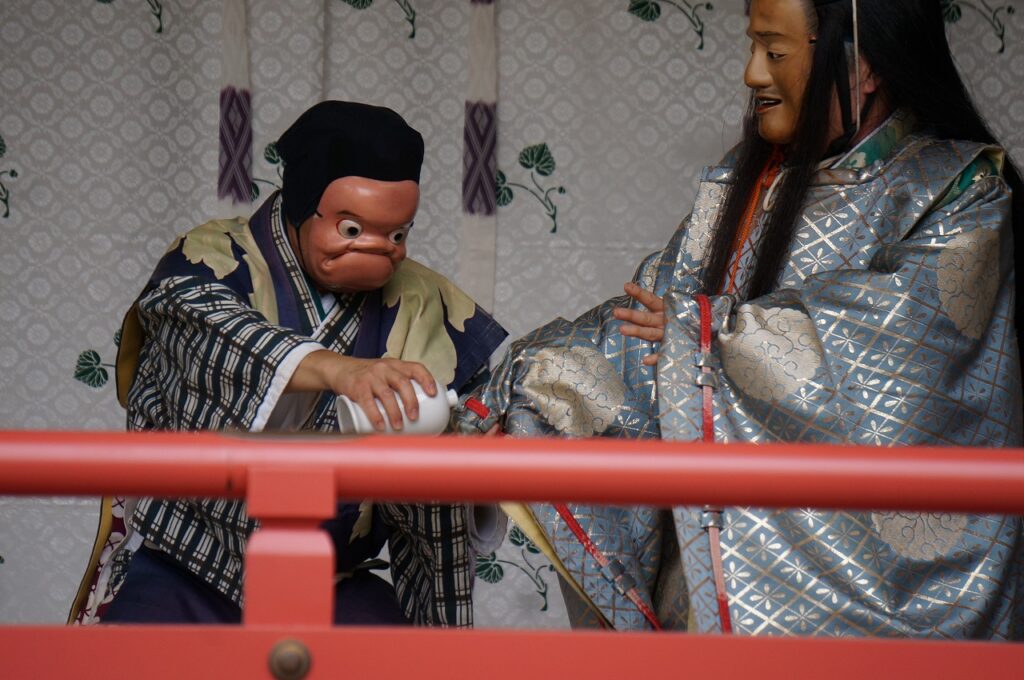
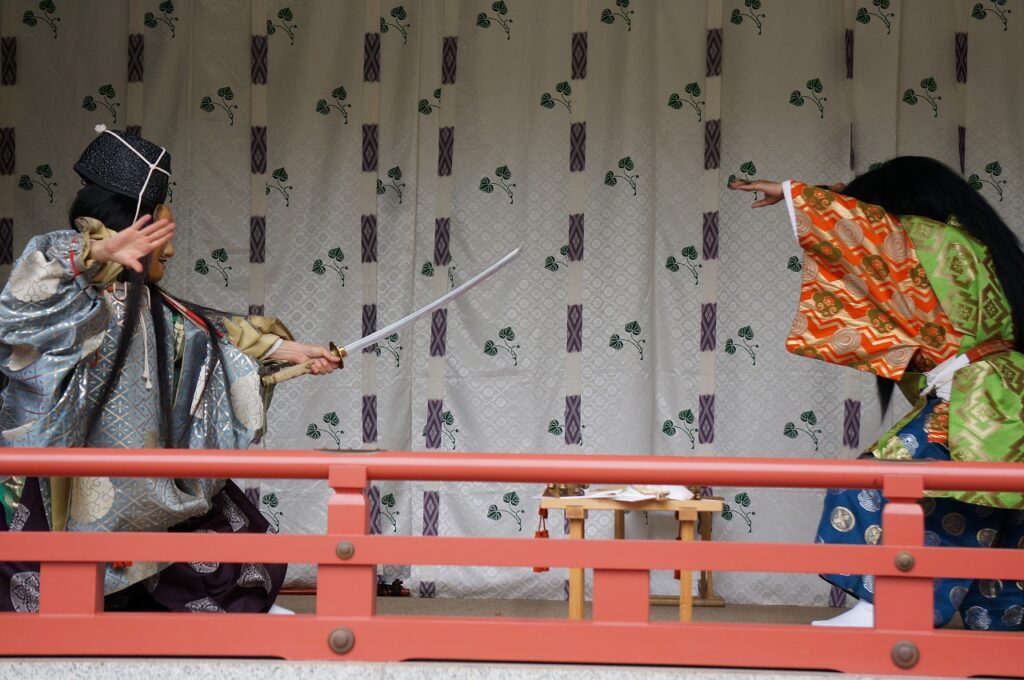
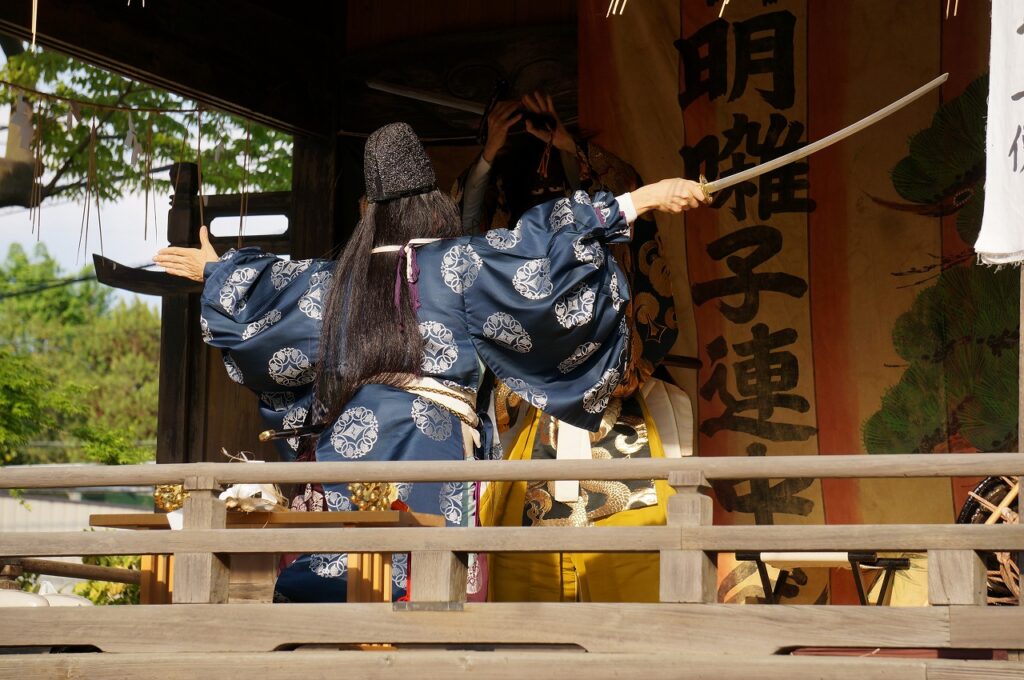
So let’s take a look at one specific stage from here. The program is “Bohijoshi (菩比上使)”. To put it simply, it is a play about handing over the country in Japanese mythology. The lord of the Ashiwaramizuho-no-kuni receives a messenger from Amaterasu of the Amatsu-kuni (state), asking him to hand over the country to the lord. In conclusion, three messengers come, and in the end, the Lord is defeated by force and gives up the country. (cf. Reference →Japan mythology and history) The first messenger is known as “Ameno-Bodhi”. The title “Bohi” is derived from the name of this messenger. In the mythology, Bohi became a retainer after being pardoned by the lord of the country, but in the Kagura, the story goes that the lord’s son, Takeminakata, tried to kill Bohi by getting him drunk. Originally, in mythology, Takeminakata appears when he confronts the third messenger. He would fight the third messenger as a warrior against handing over his country. It is clear that the story of Kagura is not entirely true to the mythology.
This is a rather common performance, and I will try to compare the four Kagura groups. This time, I would like to compare four Kagura companies: the Wakayama troupe, the Saito troupe, the Hisaizu Shrine group, and the Hagiwara troupe. (Hagiwara troupe only refers to the second half.) Except for Hagiwara Shachu, the mask is basically the same. They are probably based on the same mold
Takeminakata
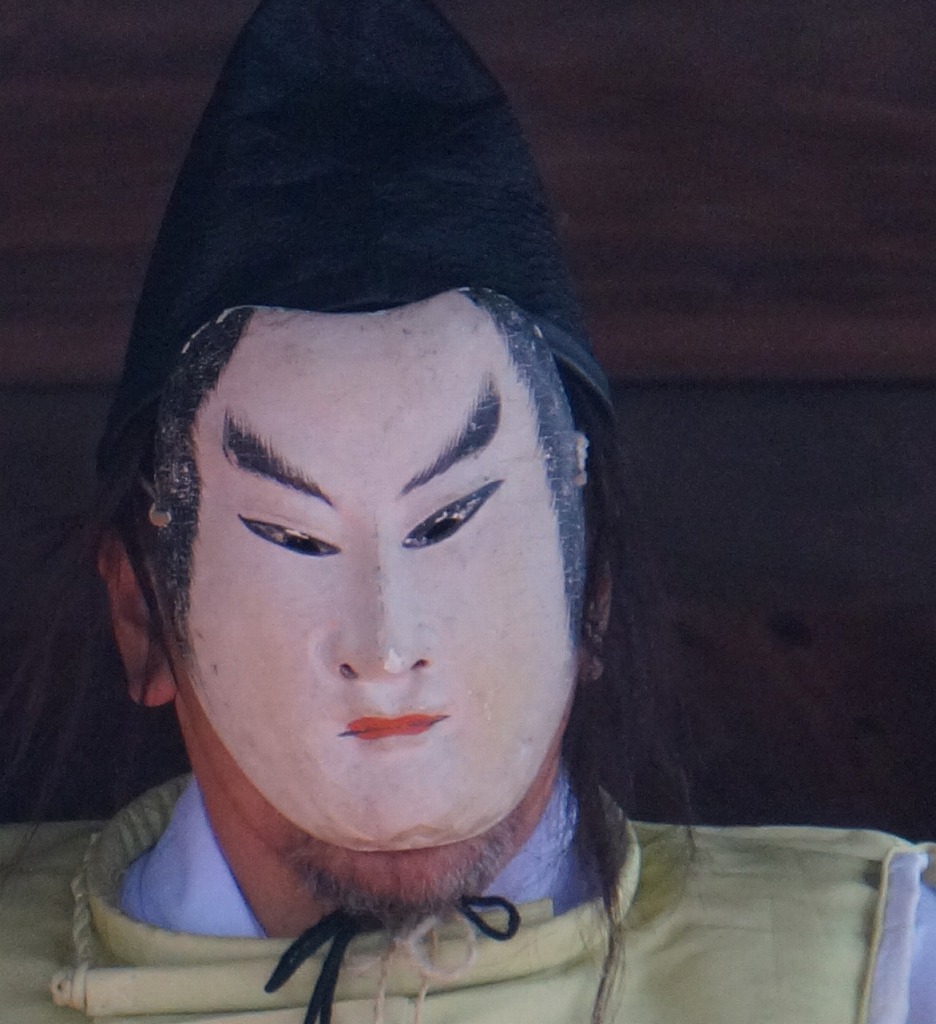
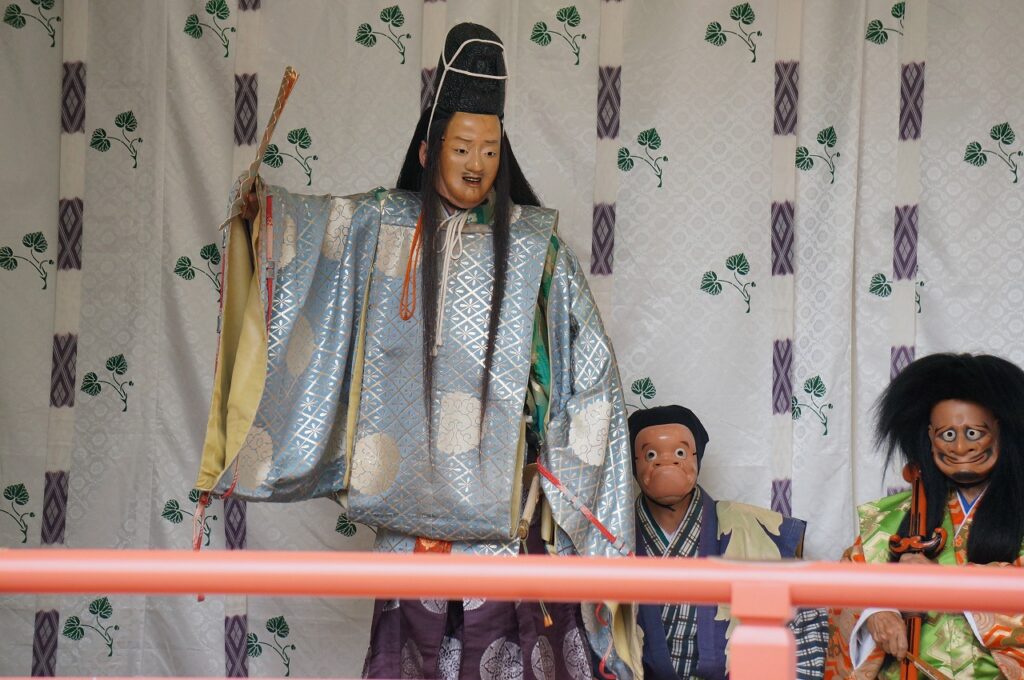
The first thing that happens is that Takeminakata appears. They are all using Kyougen masks of the “Buaku” style.
Buaku 武悪 mask
Hisaizu shrineSaito troupe
Wakayama troupeHagiwara troupe
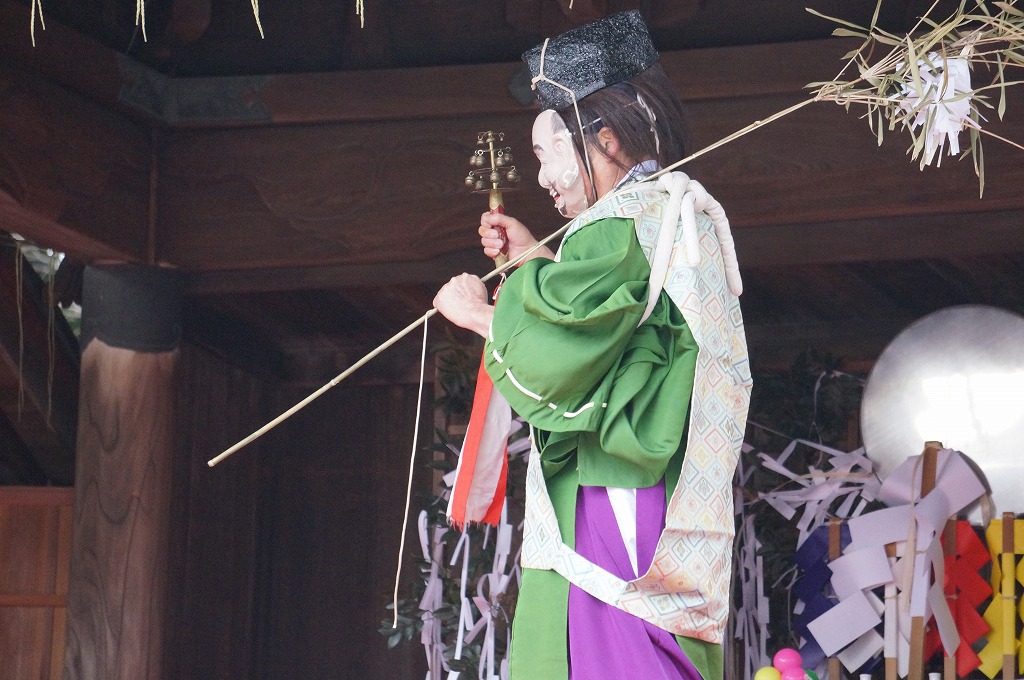
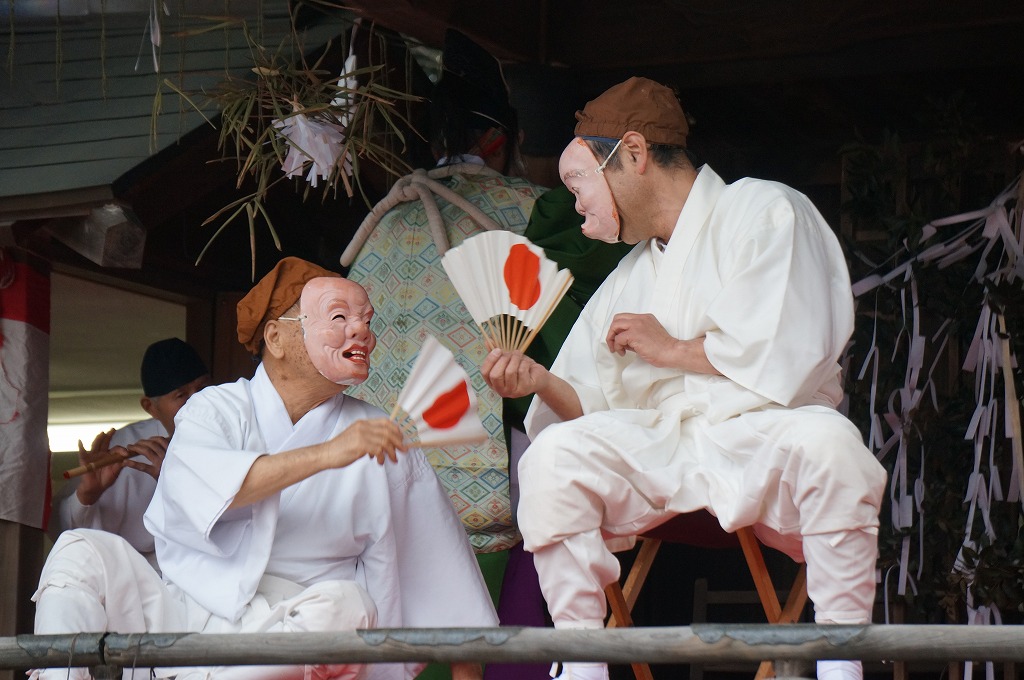
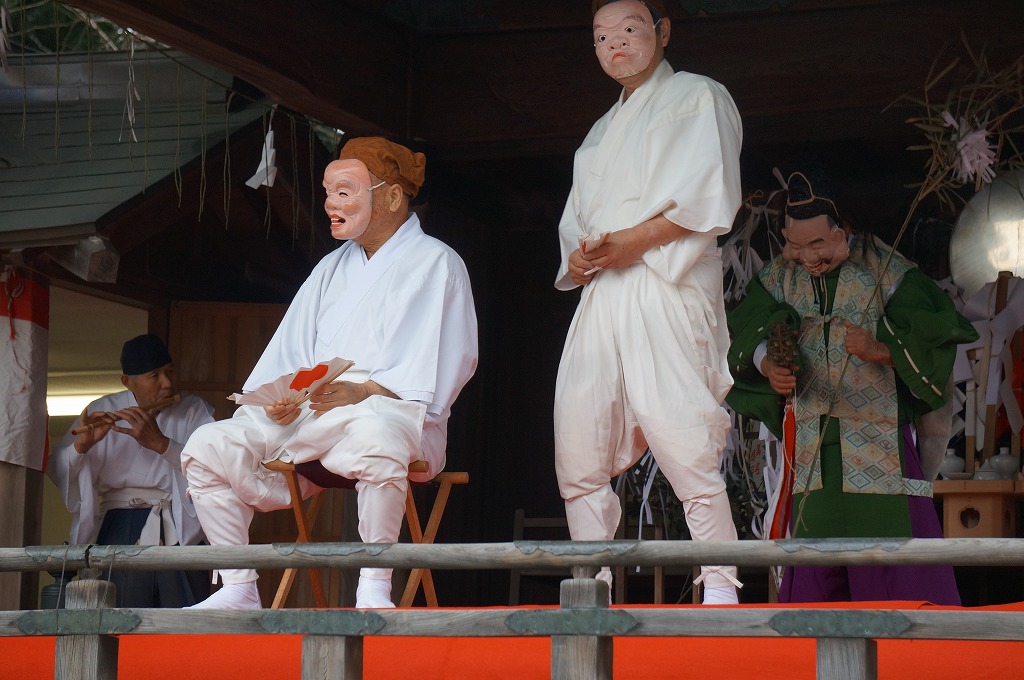
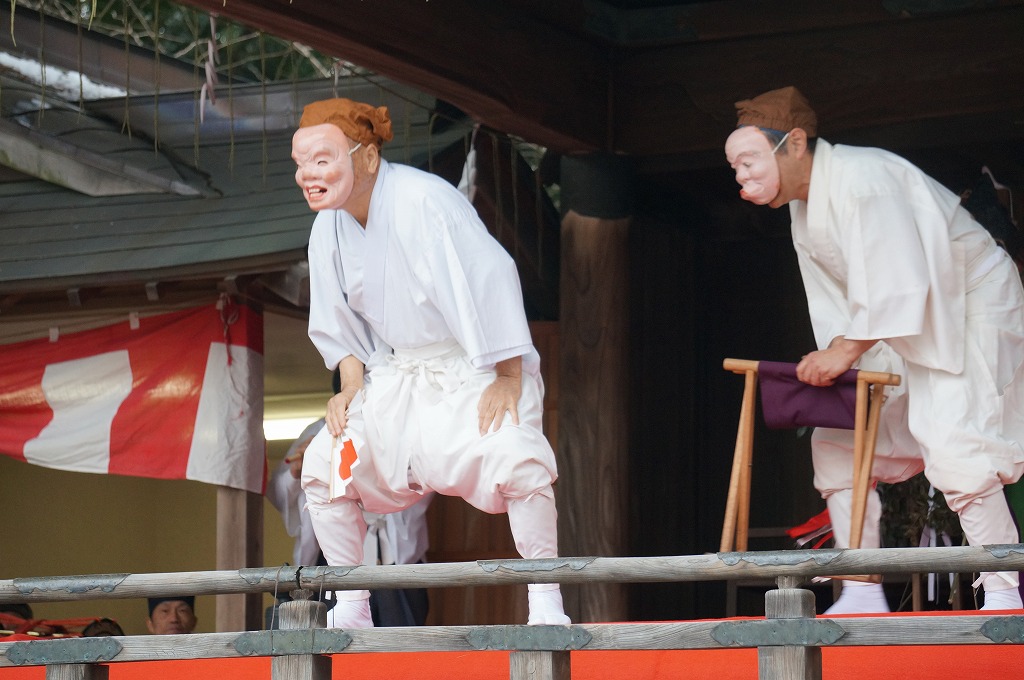
Retainer (Modoki or Hyottoko)
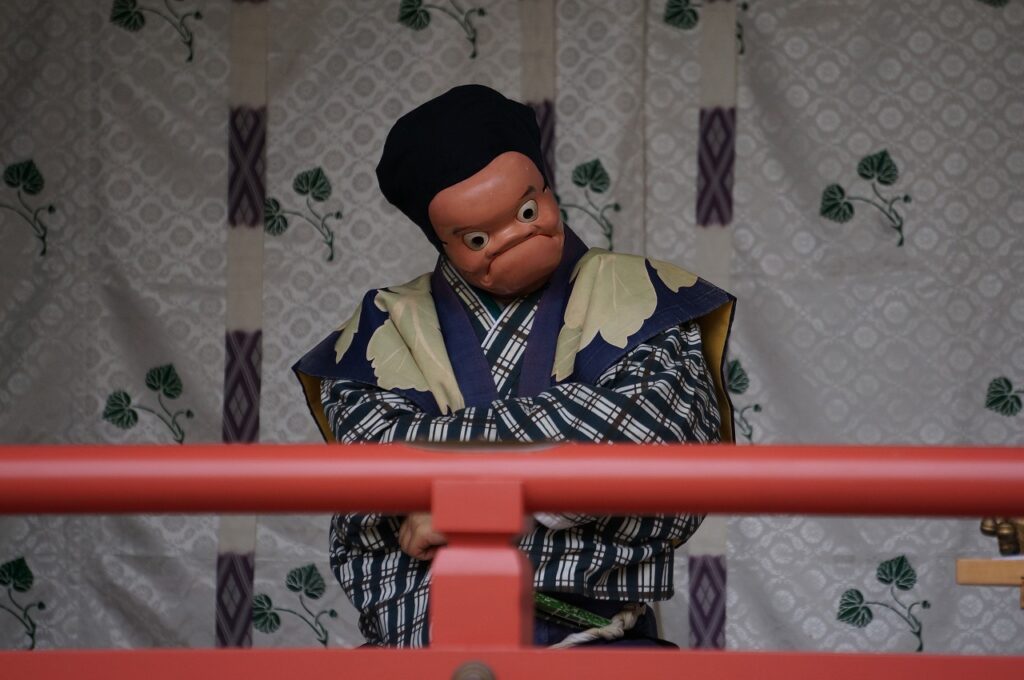
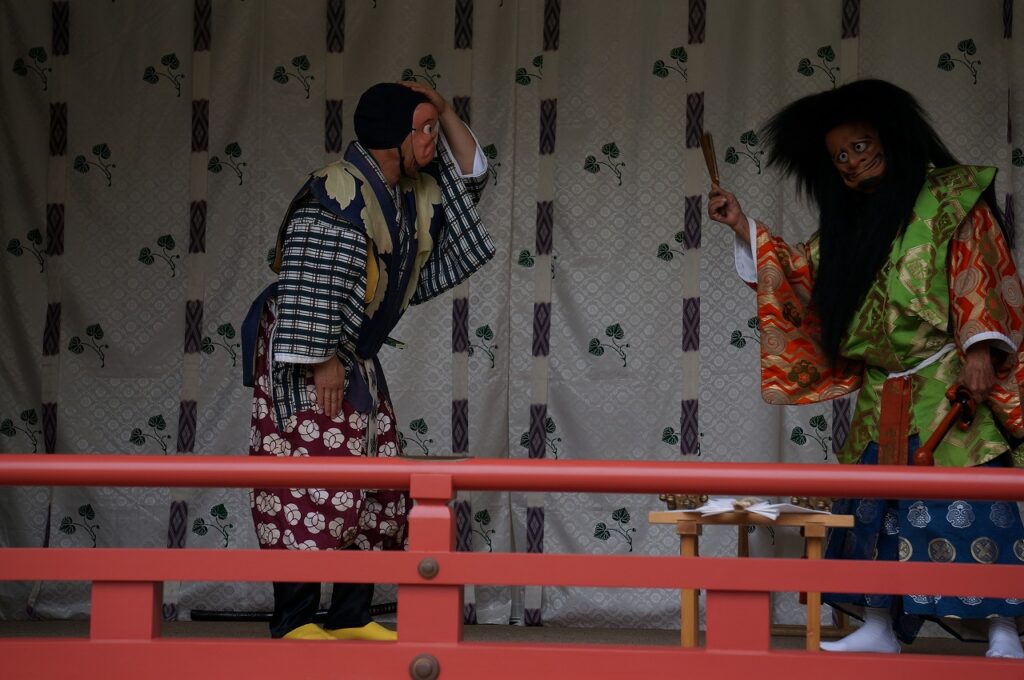
Next comes the servants, all of them are wearing masks with the comical role of ” Hyottoko” (modoki). However, only the Saito troupe has two people appear. The others just appear, but this is the only one which the two of them first have comic exchanges.
servant of Hisaizu shrine
servant of Wakayama groupe
two servants appear in Saito groupe
Ameno-bohi
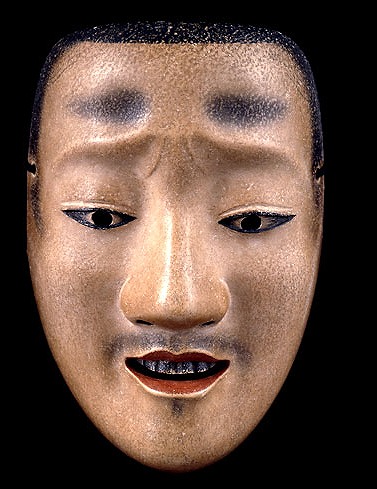
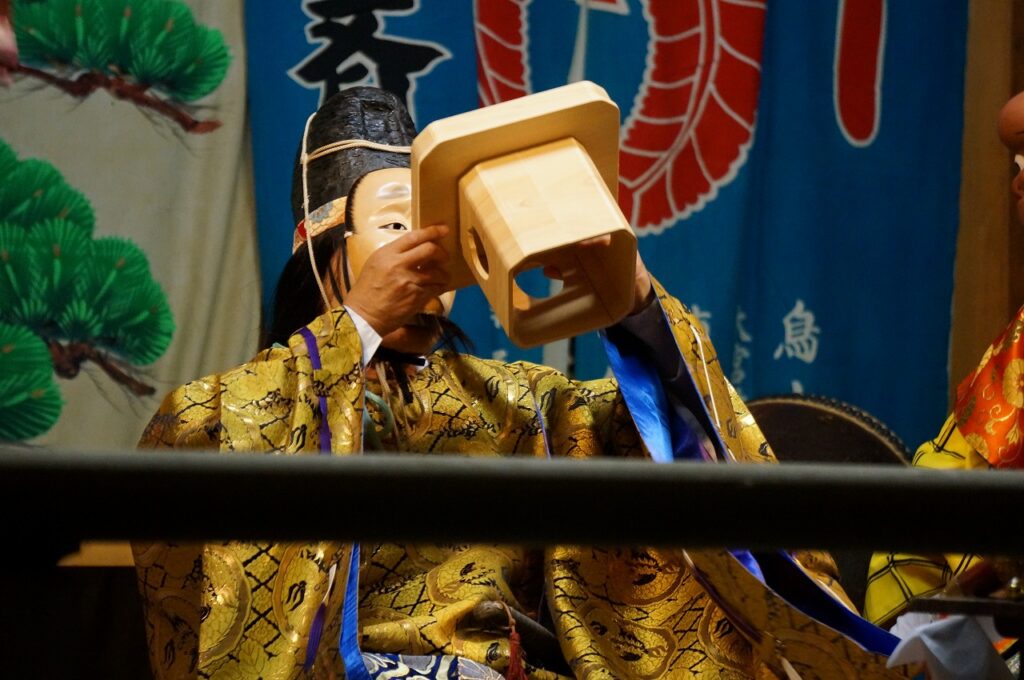
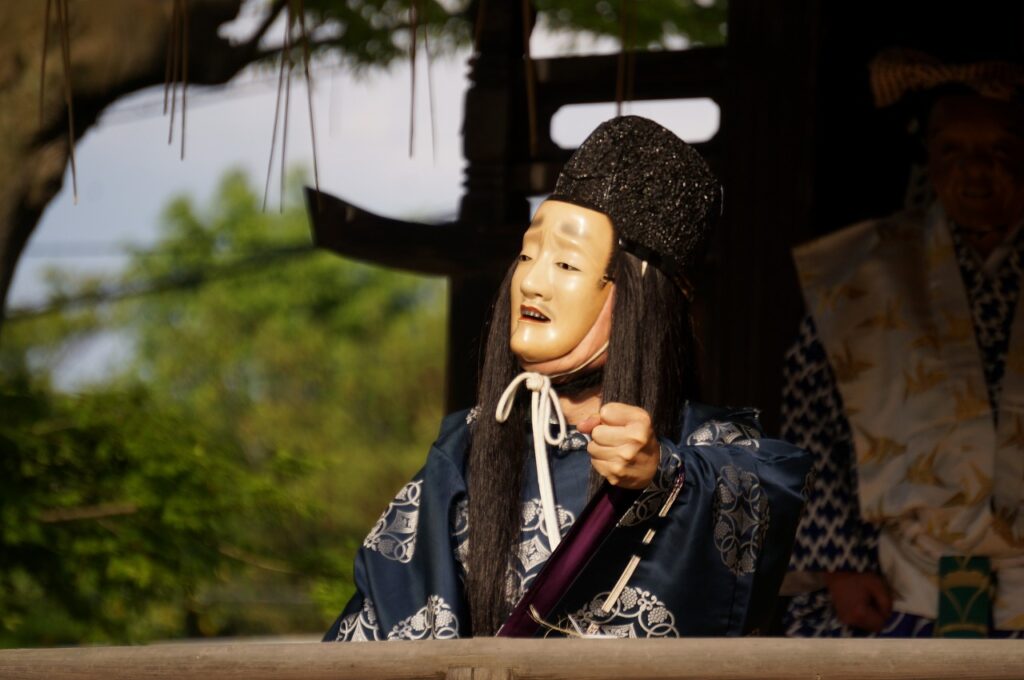
Then comes the third character, Amenobohi, who also appears in the title. All of the troupes use a mask based on a Noh play called “Chujo”. However, only Hagiwara’s troupe uses a different type of mask.
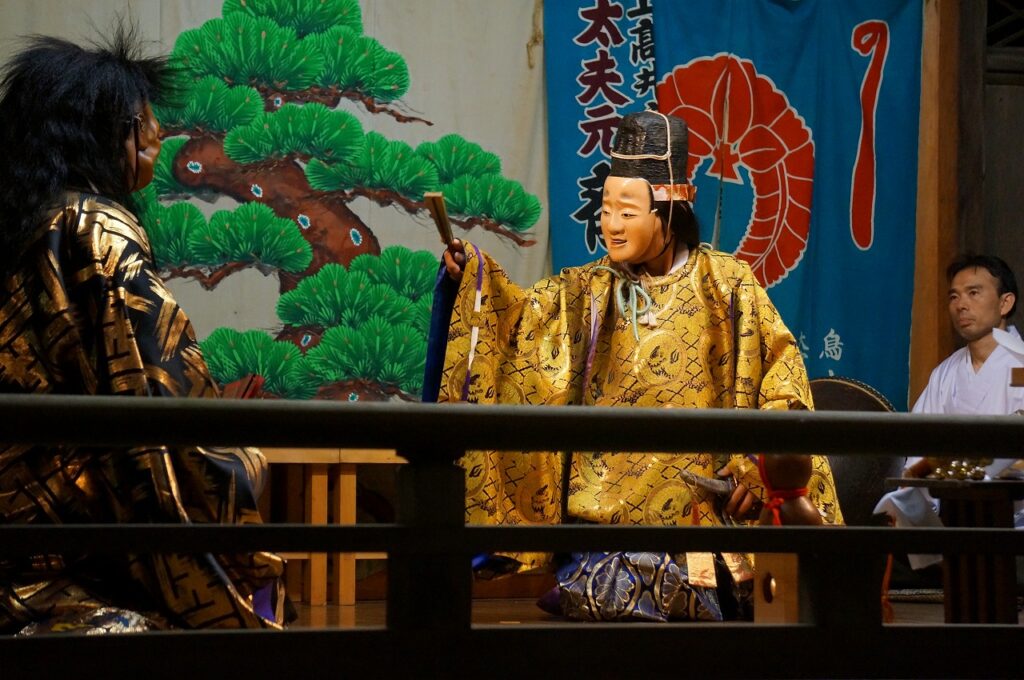
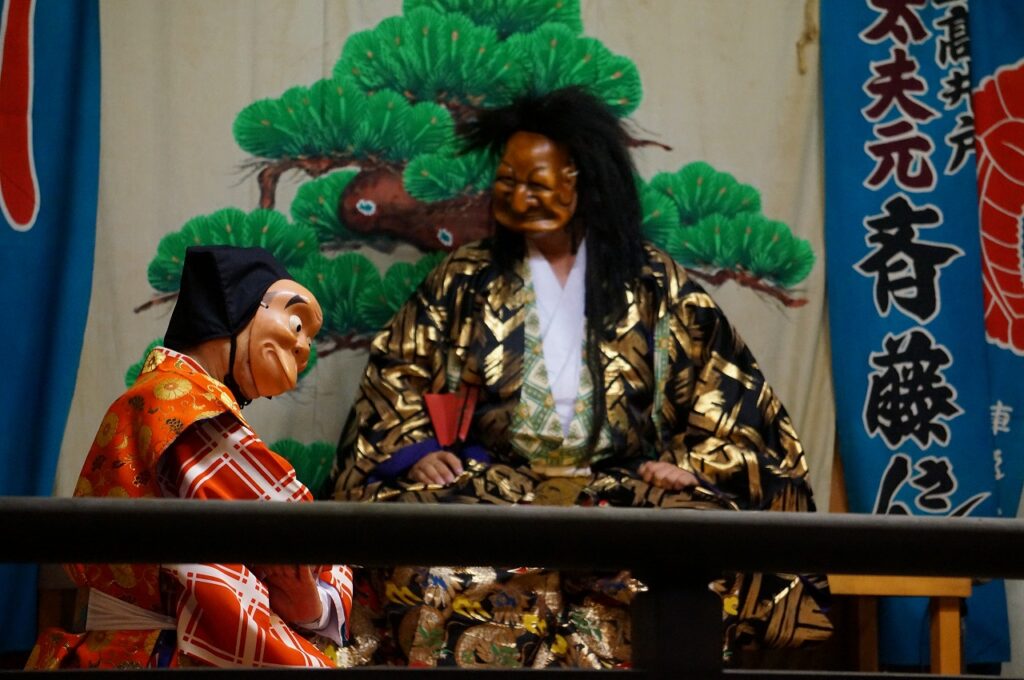
This mask was originally made for the role of a warlord who met a tragic end, and features a carving on the forehead that expresses melancholy. The use of this mask implies the tragic end of this person. In this way, Edo kagura often uses masks from Noh and Kyogen, which is one of the reasons why it is difficult to distinguish it from Noh. *One way to distinguish between Noh and Kagura is that Noh uses a musical instrument called a tsuzumi (hand drum) and includes a song called “utai (chanting)” as well as dialogues. In Kagura, except for a few cases, there are no dialogues. Basically, everything is performed in mute pantomime.
Musical accompaniment
Saito group
Wakayama group
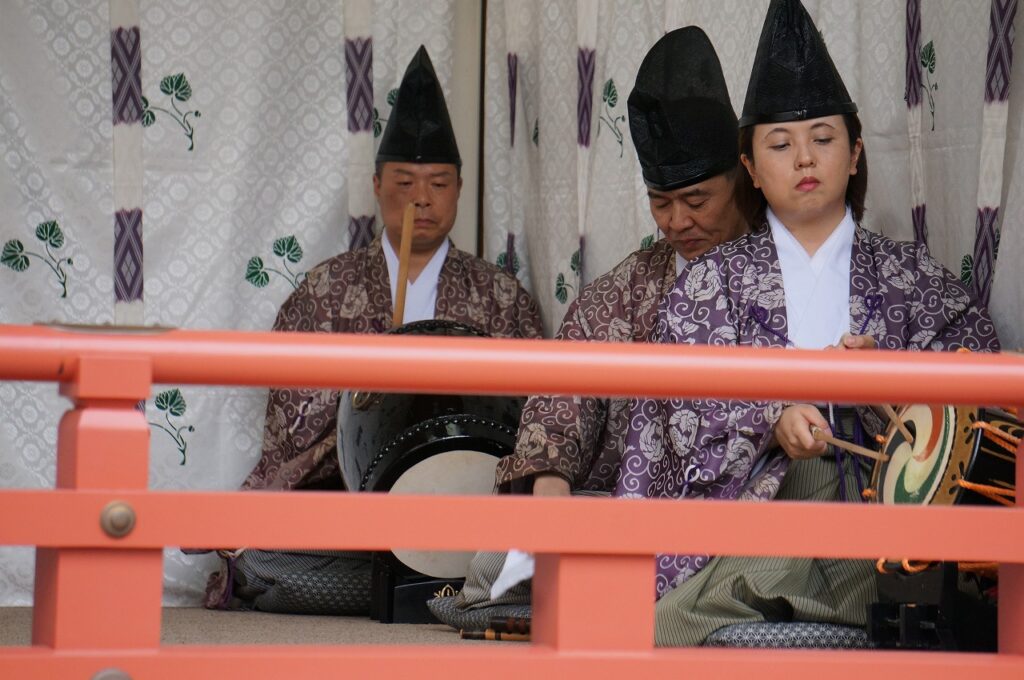
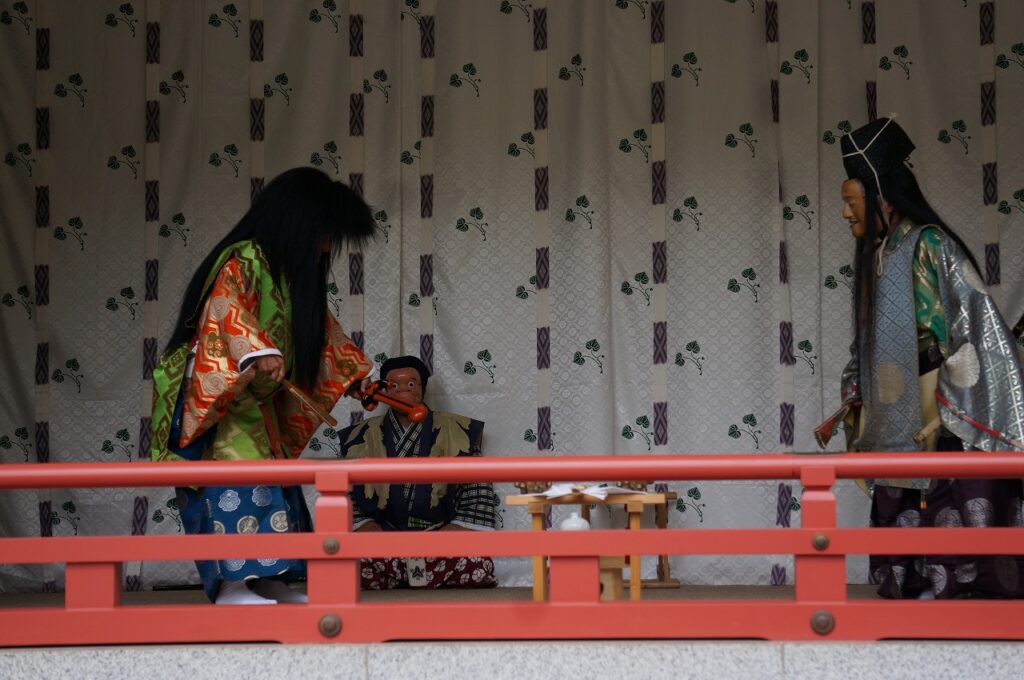
These three (four) people alone will proceed with the performance. They do all their acting in mime. The musical accompaniment conveys all the emotions and the mood of the scene. Most of them consist of two drummers and a flute player. There is no particular stage set, so it is difficult to understand without knowledge of the original mythology. Recently, some groups have begun to include a separate commentary.
Confronting
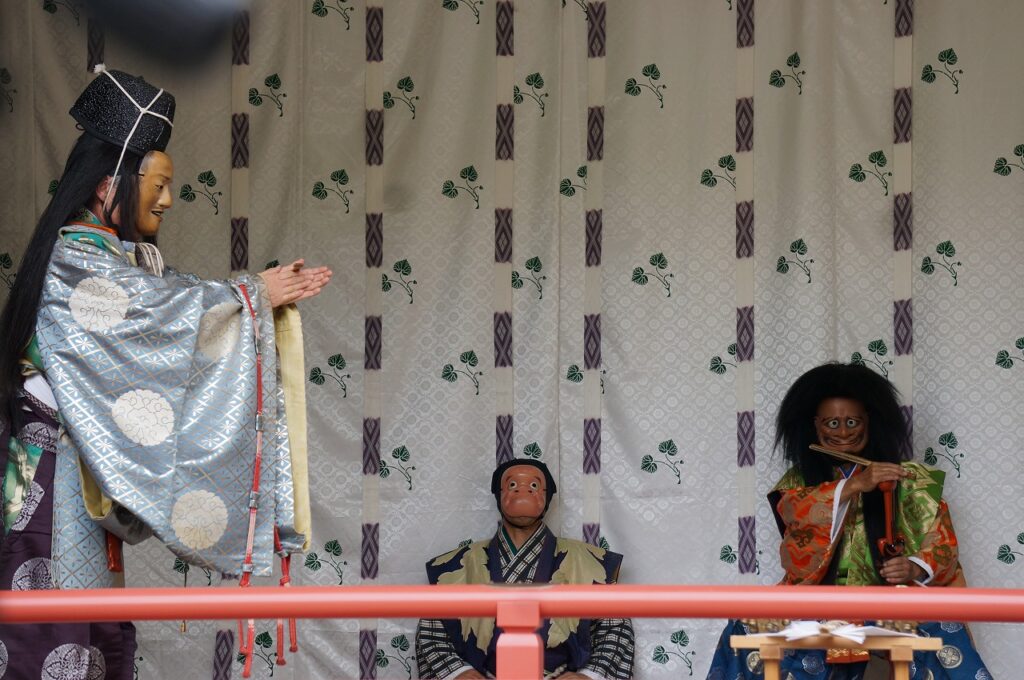
A scene in which a character (in this case, Amenobohi) claps his hands and calls out to people
Wakayama group
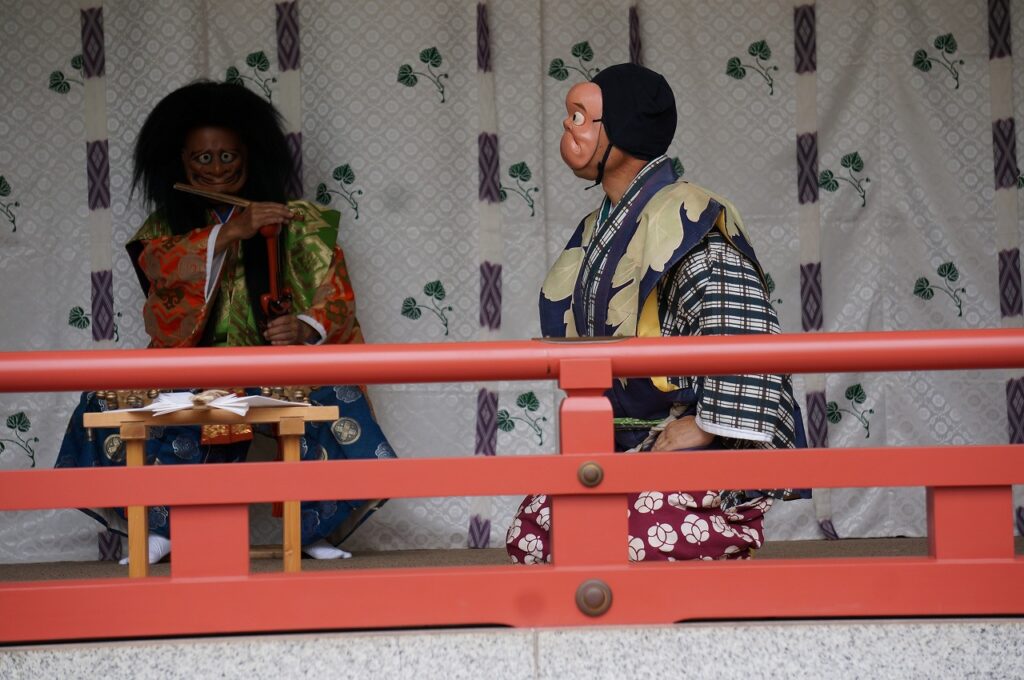
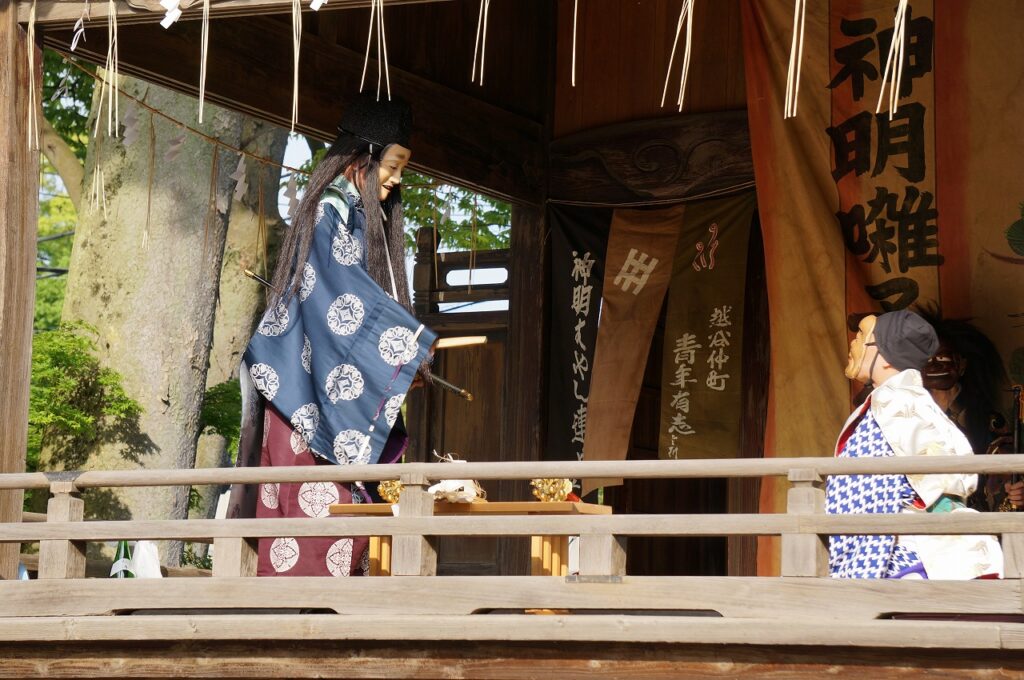
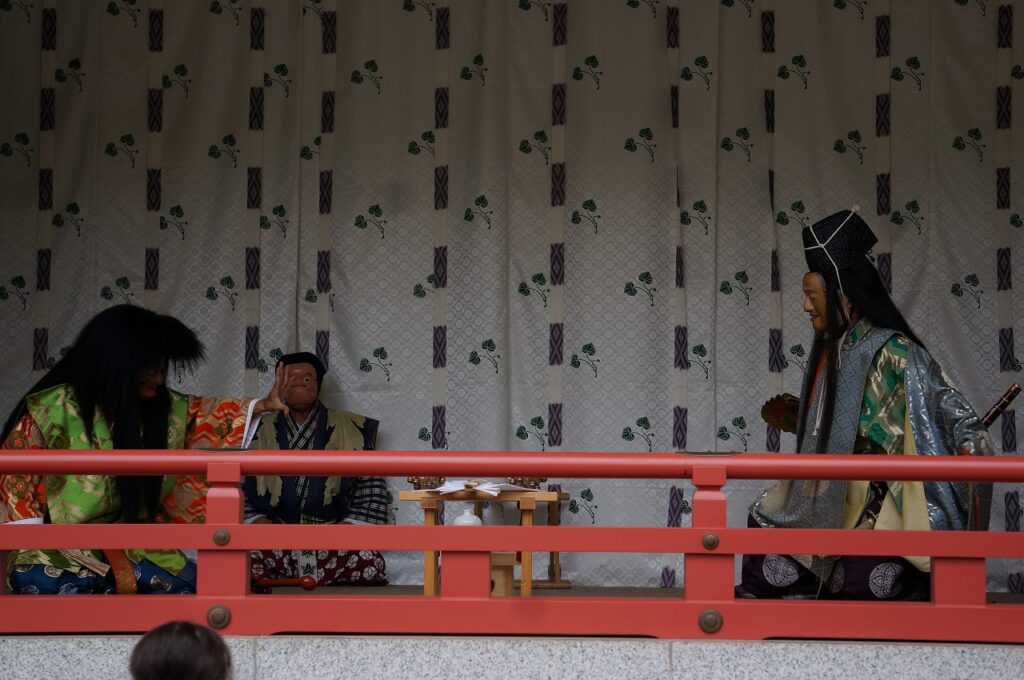
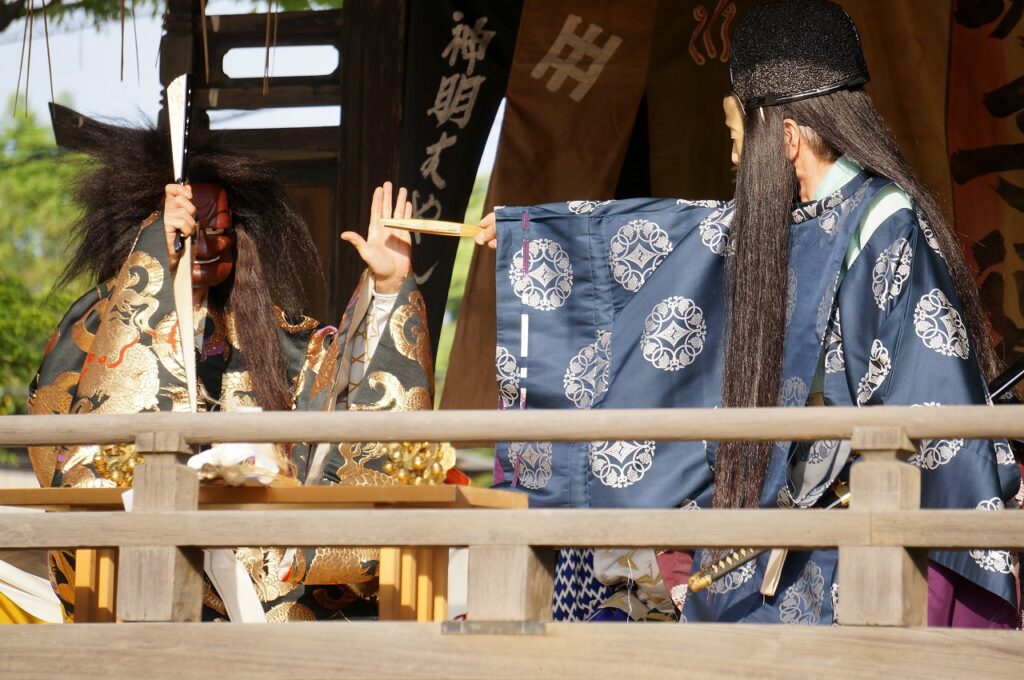
After the introduction of the characters, the story begins with a visit from “Amenobohi. The story begins with a visit from “Amenobohi”, and Takeminakata’s retainer, Modoki, welcomes him. Modoki opens the door and does some other things. There is one more thing that is customary in Edo Kagura, the clapping of hands to signal that someone is calling. This is a scene that is often seen. The Takeminakata is just standing there, but only the Wakayama troupe’s Takeminakata is holding up his fan as if in some kind of alarm. Their faces are more expressive than the others, so their movements are also more expressive.
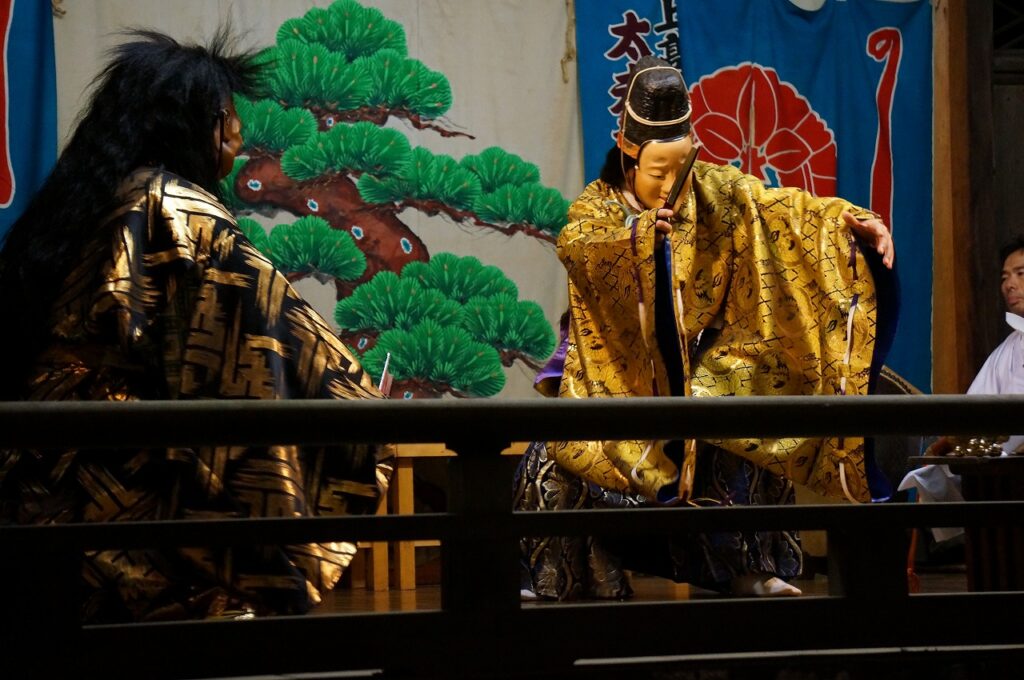
And then they meet. The scene of the first meeting is filled with the feeling of tension, with both men bend their heads back slightly. Eventually, Takeminakata offers to sit next to him, and they finally sit down. Amenobohi then makes an offer to give up the kingdom. In addition, the stance of Amenobohi (and consequently, the Amatsu-kuni) make audience to feel their arrogance. Of course, there is no way Takeminakata will accept this offer. He interrupts the meeting, and Amenobohi leaves once.
Stratagem
The Takeminakata side ponders what to do about the proposal, which is not easy to accept. There is also a comical moment when Modoki as retainer falls asleep while thinking about it. If you look at it calmly, you may wonder why Takeminakata has continued to use such an unreliable-looking retainer, but he plays a very important role in the progress of the play. Originally, Kagura was performed as a form of entertainment for the common people. If it were only serious, it would not be appropriate for a festival. Takeminakata comes up with a ruse that is typical of him. He wanted to get him drunk and beat him to death with one fell swoop. The action here is easy to understand for both Takeminakata and Modoki.
I heard he loves drinking. So, just get him to drink more. And when he’ s drunk…
While he’ s drunk?
you just kill him with one fell swoop.
Heee!
Don’t panic. It’s not like you’re going to be killed. You’ll do it. Do you understand?
Hey, do I? Can I do it?
This is where the “carrying” scene comes in. It is a scene in which the attendant simply brings in sake, but the dance is accompanied by musical accompaniment. It is a kind of entertainment scene and has no deep meaning.
Banquet
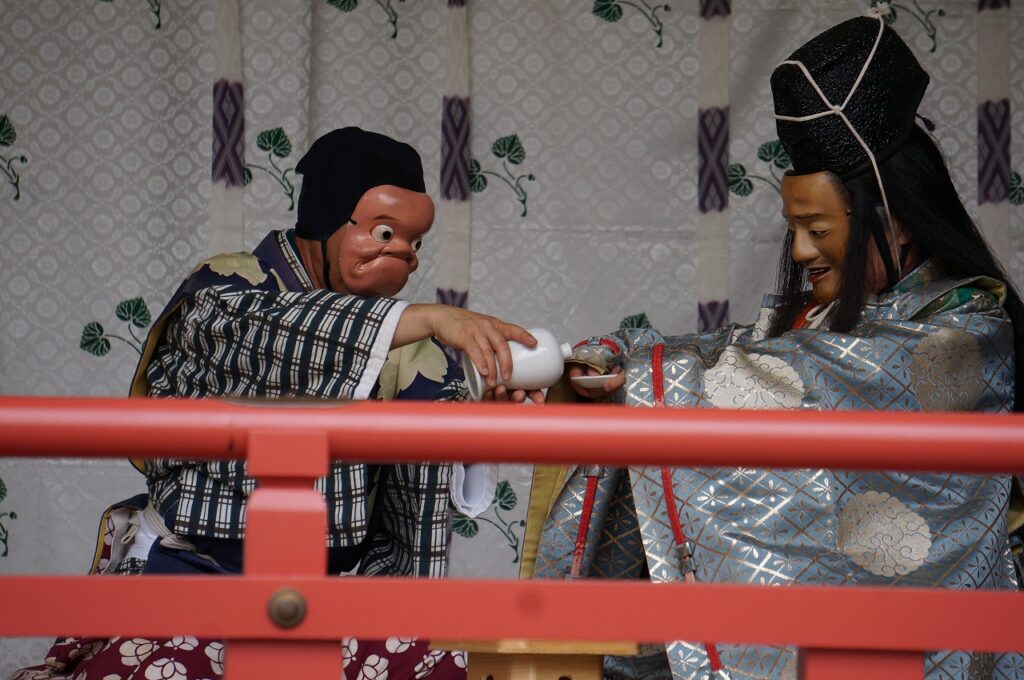
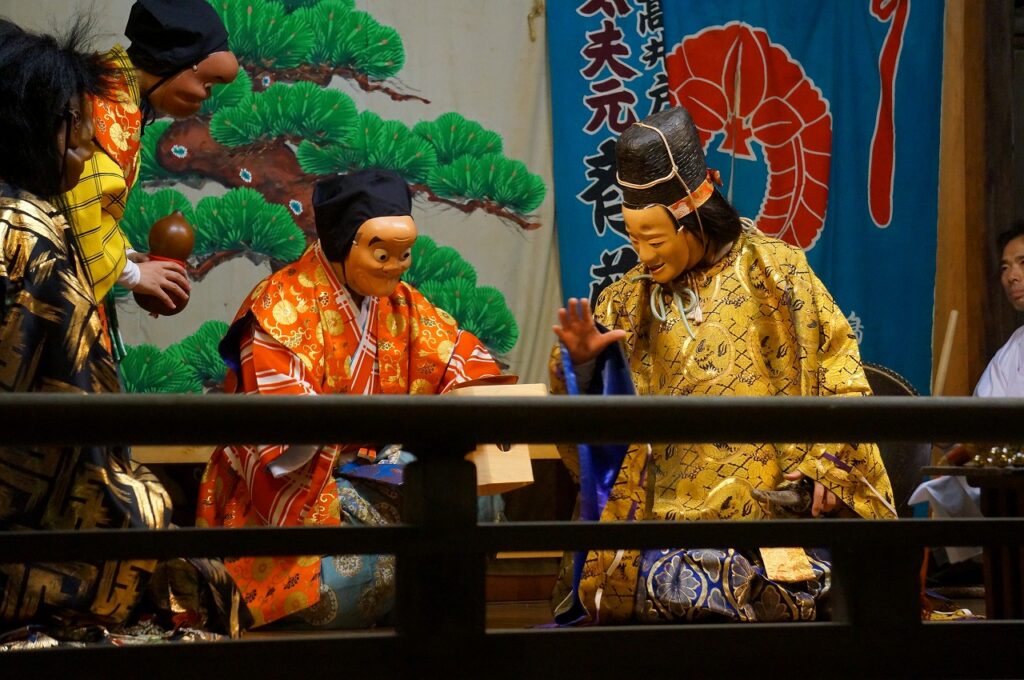
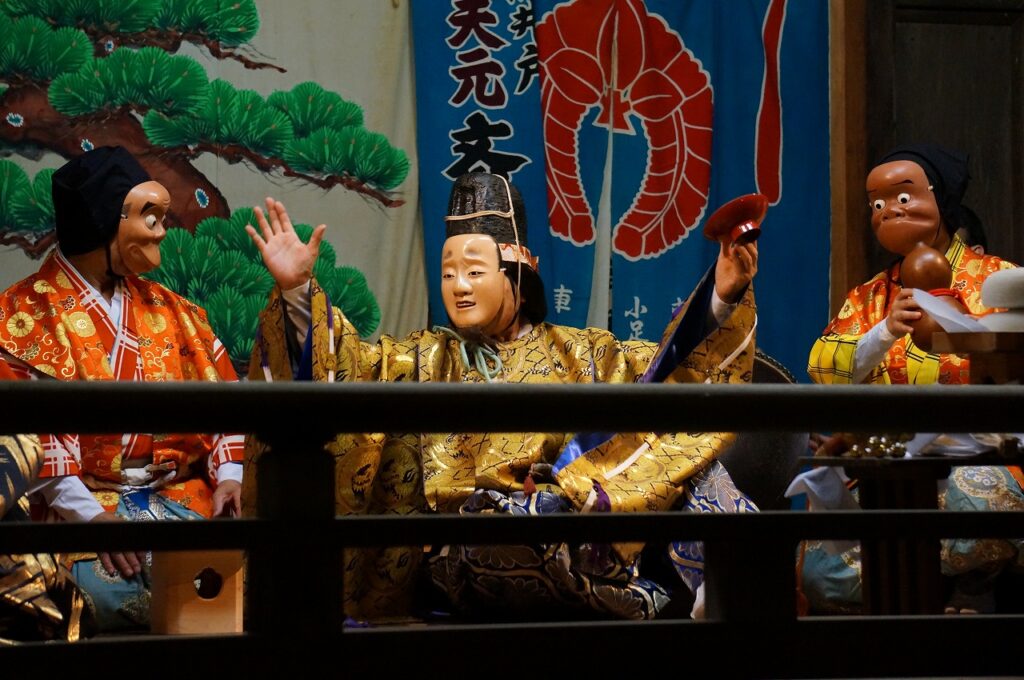
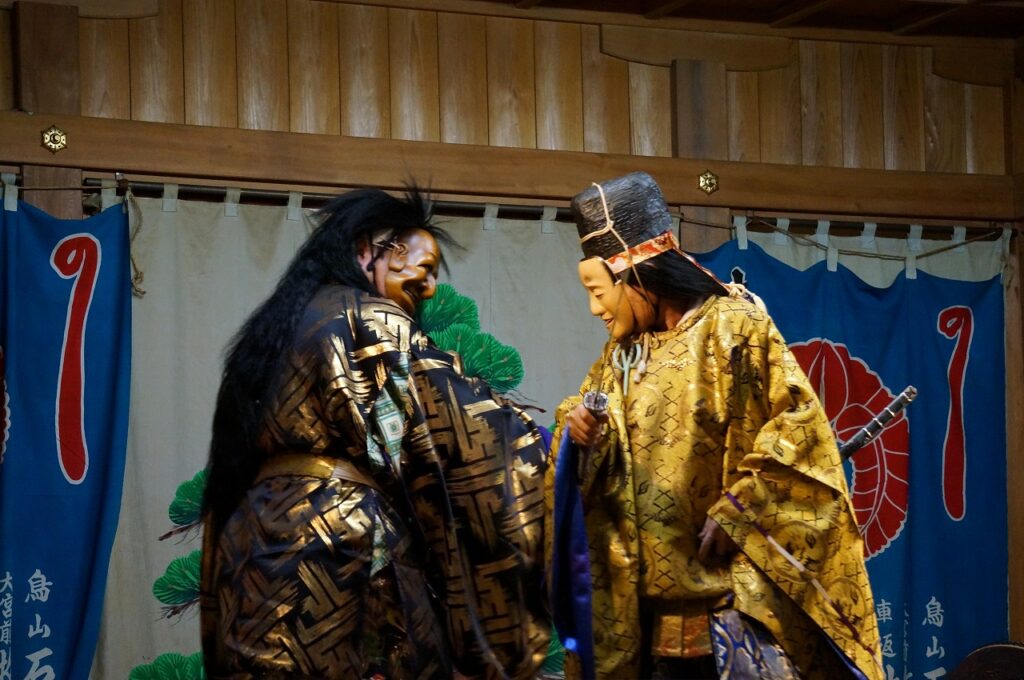
And finally, the banquet begins. Amenobohi, who had been holding fast to the suggestion, accepts the cup, saying, “Just one cup.” As soon as he drank all of it, Modoki pours him another cup. Bohee’s face shows his embarrassment. “Don’t hesitate,” Takeminakata said.
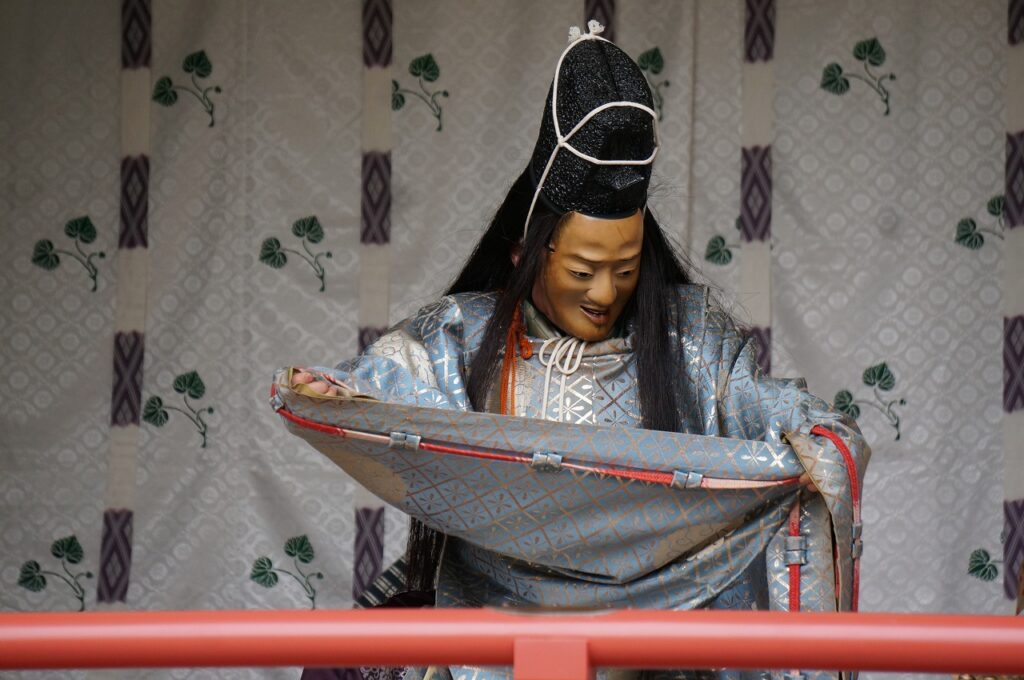
Even Bohi, who has a confused expression on his face, reveals his innate love of alcohol as the drinking continues. This is a great example of good acting and masks that make you feel the expressions on the face. At the end of the performance in the Saito group’s case, Bohi drinks out of a large bowl instead of a cup. In this kind of performance, you can feel the expression on the face even though it is a motionless mask. This is partly due to the quality of the masks and partly due to the skill of the performers. The key to enjoying Edo sato kagura is to be able to sense these small details.
Dance performance
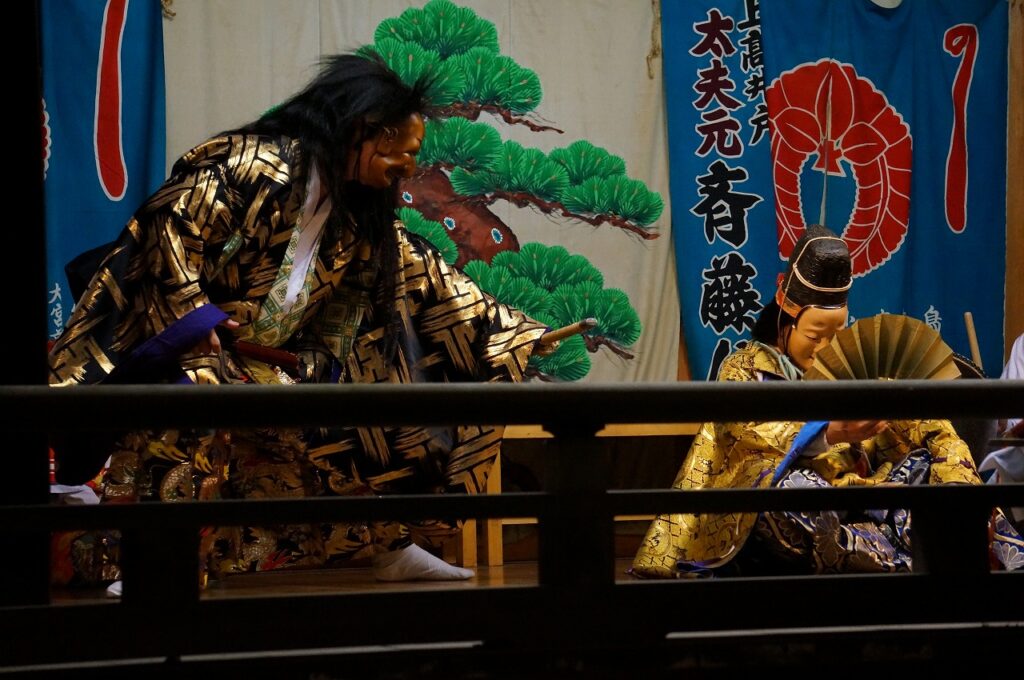
Finally, the drunken Bohi is in a good mood and begins to dance. Each group has a different performance of the drunkenness. In some troupes, Bohi stumbles when he stands up or when he starts to dance. In the other troupes he stumbles while he dances. Let’s enjoy another virtuoso performance here. Bohi then sat down and held a fan in front of his face. This is a rule for staging a kagura performance where the performer is said to have fallen asleep.
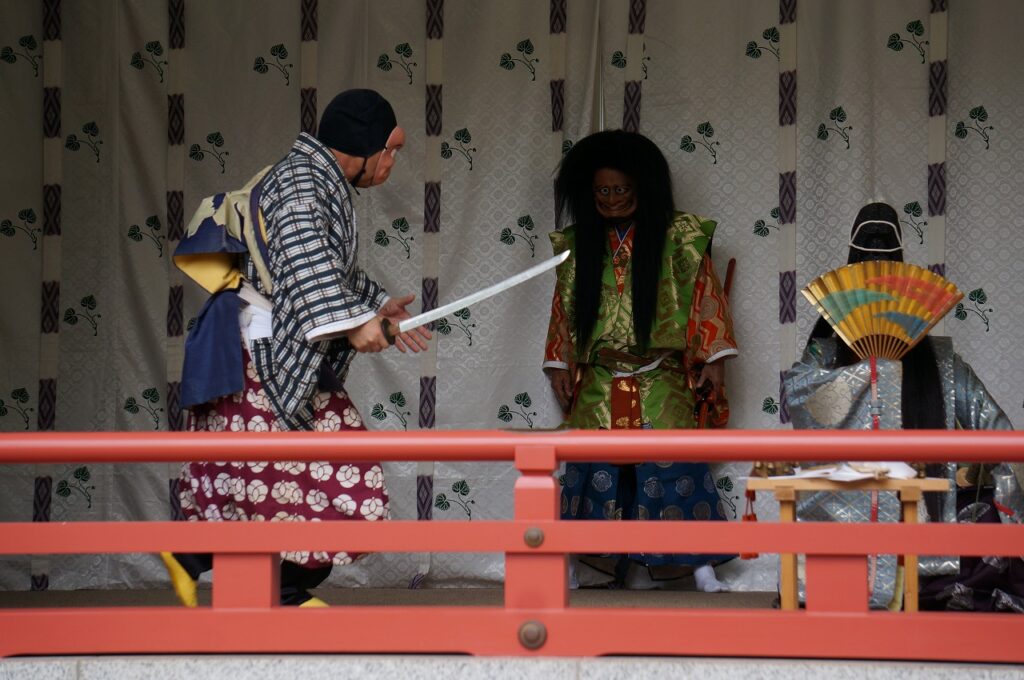
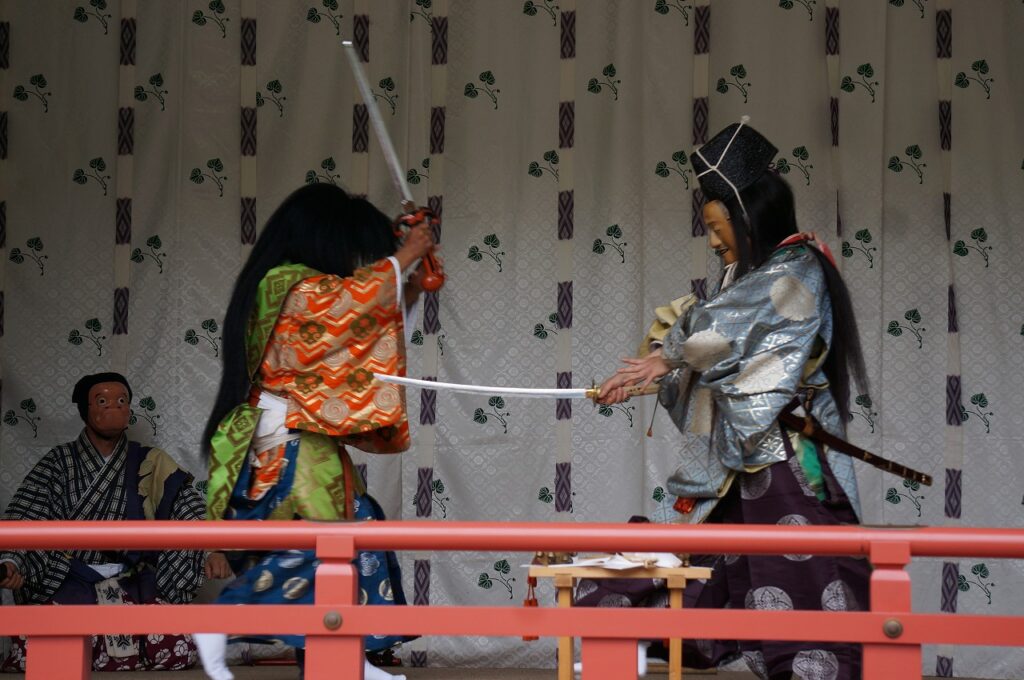
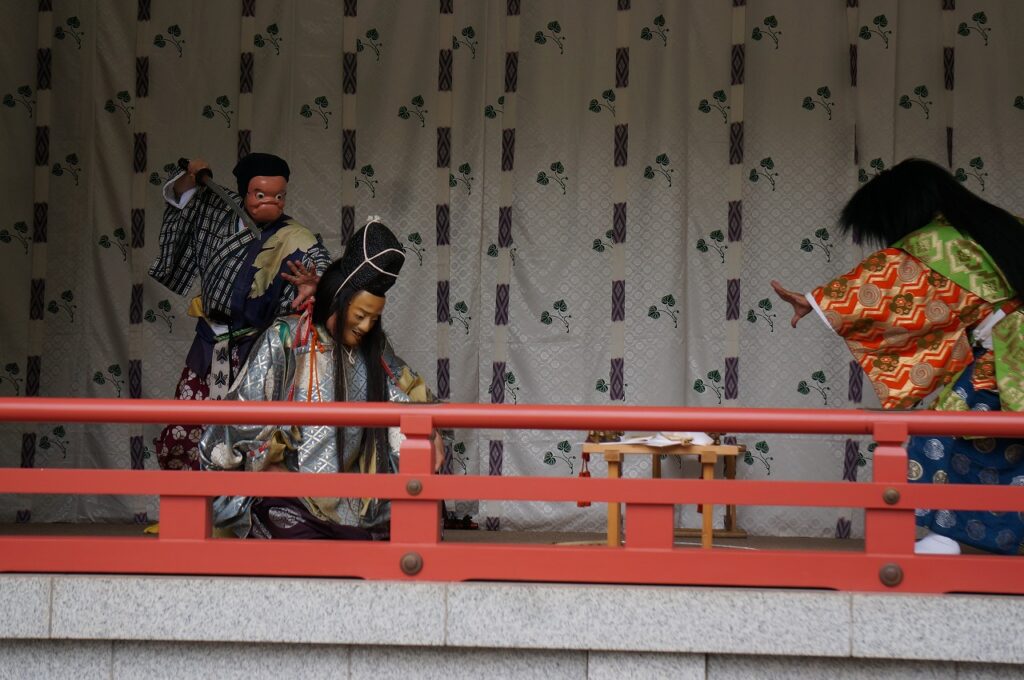
Takeminakata pulled out his sword to see whether he has been really asleep. Finally, he ordered his retainer to “go ahead and do it.” Bohi, as expected, sensed the presence and quickly took action. He is not just a drunkard.
Takeminakata makes up his mind to accept that he has no choice without fighting now that his opponent is awake. He is not going to hand over their country so easily. Bohi pulls out his sword, and Takeminakata says, “Well, then. you should defeat my retainer first”. At this point, except for Saito troupe, Bohi gets ready by tucking up the sleeves of his kimono with a sash. The retainer makes a brave attempt to fight, but gets cold feet from the first. He is easily defeated, but it is admirable that he still makes a few attempts. But he’s no match for Bohi. This is a comical scene to ease the tension and entertain the audience. The retainer runs back saying “I’m not a match for him”. At last, the battle between the two is about to begin. The battle is different in each troupe. One side kneels down to receive the other’s sword, and now the other side. In such a way, an extremely stylized battle unfolds. Noh does not have such scenes, but rather is closer to the Kabuki style. Kabuki also has a large influence on Kagura such as strike swaggering pose. Finally, Takeminakata defeats Bohi. This is the same performance in every troupe. When Bohi swings his sword down, Takeminakata, a moment later, knocks it down from above.
Ending
After losing, Bohi gracefully admits defeat. The performing style of this scene varies depending on the performing troupe. One performer looks up at the heavens, while the other looks down at their sleeves and laments. This comes from a fineness of masks and performer’s acting. It is not a showy performance, but it is a scene where you can enjoy the virtuosity of the performers. Quietly enjoying these small parts is the peculiar feature of Edo Sato Kagura.
Sure, it’s not fancy. This is not like a spectacle of Iwami Kagura that uses fire and so on. Nor is it as groovy as Hayachine Kagura. But it’s not just a matter of spending a lot of money on a movie full of CG. There are many movies in which you can enjoy the virtuoso performance. If you have a chance, please take a look. A shrine festival makes you feel happy just by being there. It’s not too late to find out if Edo sato Kagura is boring or not after seeing it with your own eyes.