A Journey to Meet the Rice Field Gods: The Roots of Japan~ Kirishima shrine festival

A great revolution once took place in Japan that transformed society as a whole. That revolution was the introduction of rice cultivation. Rice became the standard by which people measured their wealth. The wealthy were those who could afford to eat rice. For a long time, Japan was a feudal society, and rice production served as a measure of the power of local lords. It was not until the mid-19th century that rice ceased to be the standard.

Naturally, people have always held the god of rice cultivation in the highest regard and loved him dearly. This god is known as “Inari”. As a result, there are countless shrines named Inari throughout Japan. The most famous of these is Fushimi Inari in Kyoto.

Surprisingly, however, there are very few deities dedicated specifically to rice paddies. Kagoshima Prefecture is one of the few places where such a deity exists—in fact, it’s the only place where it can be found. What kind of being is this deity of the rice paddies? We set out to find the answer at Kirishima 霧島Jingu, Kagoshima’s central shrine.


Date :The 4th day of the 2nd month of the lunar calendar
Location :2608-5 Kirishima-Taguchi, Kirishima City, Kagoshima Prefecture
Access :Access bus from Kagoshima Airport to Kirishima Shrine: Departs at 9:30 a.m., arrives at 10:15 a.m. (as of 2026) or
From Kagoshima Chuo Station to Kirishima Jingu Station (Limited Express Kirishima), then by bus or taxi. It is about 6 kilometers from the station to the shrine.

This article is based on 22th, March, 2026

Kagoshima Prefecture is the southernmost point of Japan, excluding Okinawa. For example, from Tokyo, it takes two hours by plane plus 30 minutes by bus. By Shinkansen, it takes six and a half hours. But that’s not the end of it. It takes about an hour by limited express train from downtown Kagoshima to Kirishima-Jingu Station. Don’t be fooled by the station name—it’s still another 6 kilometers from there.

The view of Sakurajima island from Kagoshima City

Limited Express Kirishima

Kirishima Jingu Station

You’ll need to take a bus or a taxi, but keep in mind that the train and bus schedules don’t always connect seamlessly. Fortunately, there’s a bus at 9:51, so I’ll make it in time (as of 2026).
According to the information the author researched in advance, the Shinto ceremony was set to begin at 10:00 a.m. and the main event at 11:00 a.m., so I arrived a little after 10:00 a.m.
However, even though it’s early morning, there’s already a line of visitors. It certainly lives up to its reputation as one of Kyushu’s most famous shrines (and a power spot).
kirishima shrine https://www.kagoshima-kankou.com/for/attractions/10113

A cow welcomes you

You can’t enter the venue until the Shinto ceremony is over. Think that’s a waste of time? Not at all—they’ve got that covered.
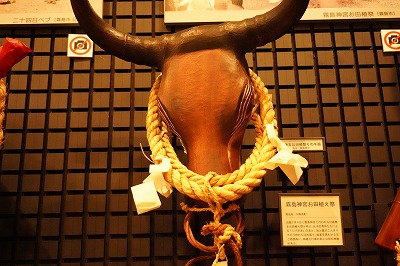
A cow will greet you. This is the cow that will appear in the farming ceremony to be held later.

When the time comes, the barriers blocking access to the plaza behind the main hall are removed, and visitors are allowed to enter.
First, two groups carrying large trees run around the venue, led by oxen.
Afterward, they scatter the leaves from the trees all around. This is meant to represent a rice paddy.

Here comes a farmer and his wife. They are about to start plowing the field.

They plow the fields by having oxen pull farm implements. This is the very same rural landscape that could once be seen throughout Japan. Just 100 years ago, this is what it was like everywhere in Japan. Or maybe that was true not just in Japan, but all over the world.

First, they have the ox pull the plow to begin plowing the field. However, this ox is a real handful. It suddenly starts running, comes to a complete standstill, or sometimes even charges toward the spectators. In short, it’s completely out of control. This is where the cow takes center stage.
“Grandma, this cow won’t listen to me. Isn’t she over there?”
“My, what a troublesome cow!”

The dialogue between the two characters, as well as the lines spoken by the Rice Field God who appears later, are all in the Kagoshima dialect. For this reason, a handout (in Japanese) explaining the general meaning of what they are saying is distributed—though you can generally understand the essentials even without it. Eventually, the two exit the stage while patting their waists.
“Hey, I’m heading back now. I’ll make some tea, so come back soon, okay?” As they say this, they both exit the stage.

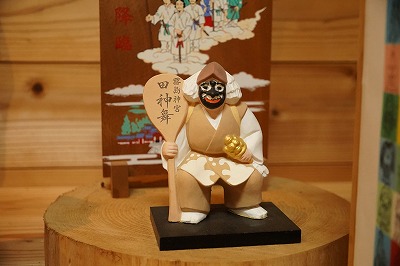
The god of the Fields makes his entrance—not in a grand manner, but slowly and quietly—and stands there with giving impression of broad mind.
He wears shabby clothes and holds a large rice paddle and a bell in his hands.
Then he delivers his speech in a very strong Kagoshima dialect.
“Well, today is the Rice Planting Festival at Kirishima Shrine, so I got invited and came out.”
He says something along those lines.

He explained the origin of the rice paddle he was holding, described his own appearance, and said something along the lines of, “If everyone works hard starting early in the morning, we’ll get a bountiful rice harvest.”
This god has a friendly face and speaks with a thick dialect. Just look at him, and you’ll understand. Even though he’s a god, people’s small, everyday wishes gave birth to the god of the rice fields.

This god is not a god who guides. He is a god who accompanies.

Commemorative Photo

Each part lasts about 20 minutes. With a priest’s ceremony and other events interspersed throughout, the event ends shortly after 11:30.
After that, the characters will all gather at the entrance to pose for a commemorative photo.

Don’t you think this sculpture has a certain warmth that makes you readily accept that this is what the “God of the Rice Fields” is supposed to be, while also conveying a sense of vast, boundless expanse?

Ending

After that, the author took the bus again to the station, waited an hour, and then took the limited express back to downtown Kagoshima.
Actually, if you’ve made it all the way to Kagoshima City and Kirishima Shrine, there’s a place this sight really want you to visit. It’s a place where you can gain a deeper understanding of the rice field deities. Unfortunately, however, we’ve run out of space here. Please check out the next article for more.
cf. https://discoverdeeperjapan.com/2026/06/21/two-must-see-2museums-when-visiting-kagoshima/
Two Must-See 2Museums When Visiting Kagoshima

I think a lot of people have come from “the article about KIrishima shrine festival”. If that’s the case (and even if it isn’t), there are some museums you should definitely visit when you go to Kagoshima—both to prepare for your trip and to reflect on it afterward. I’d like to introduce two of them.


Location; 7-2 Shiroyama-cho, Kagoshima City, Kagoshima Prefecture
Access; ・Get off at the “City Hall” stop on the streetcar or bus, then walk about 5 minutes
・Get off at the “Satsuma Righteous Samurai Monument” stop on the Kagoshima City View, and it’s right there

For those coming from Kagoshima Chuo Station,

Exit the main entrance of JR Kagoshima Chuo Station, and you’ll see the “Kagoshima Chuo Ekimae” stop for the Kagoshima City Tram directly in front of you.

Take the “City Tram Line 1” bound for Reimeikan; the destination is “Kagoshima Ekimae.”

official https://www.kagoshima-kankou.com/for/attractions/10514

Let’s go in

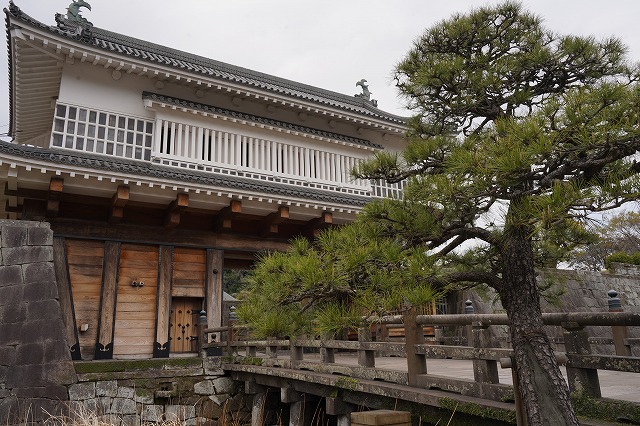
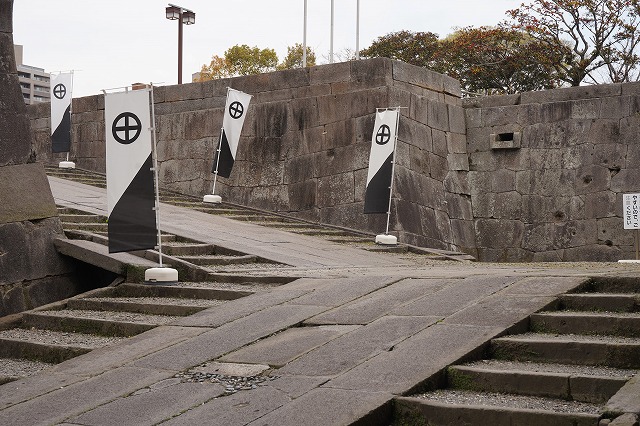
This is where the castle of the Shimazu clan, the feudal lords who once ruled this region, once stood. That is why there is such an impressive gate here.
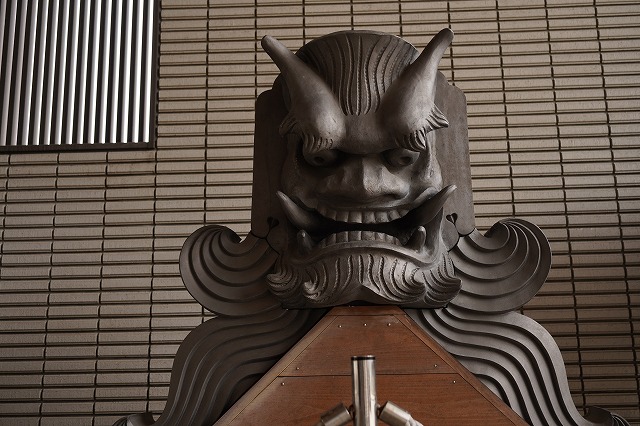
At the entrance to Reimeikan, a massive demon-faced roof tile greets visitors.

Spirit of the Rice Fields

Once you’re inside, go up to the second floor.
This is the area where ethnographic materials are on display.
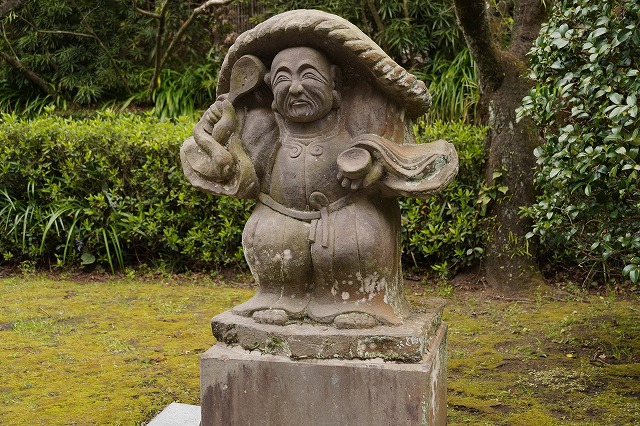
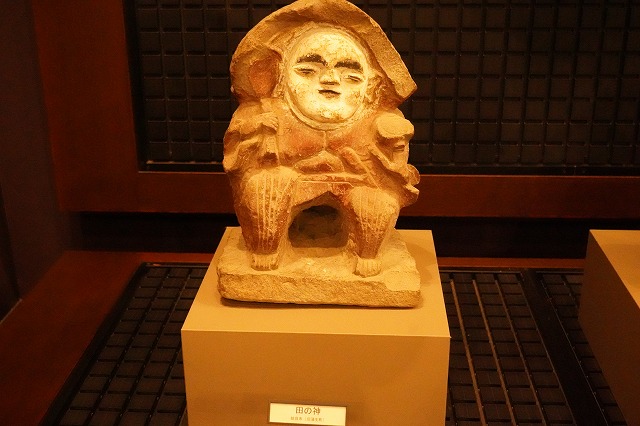
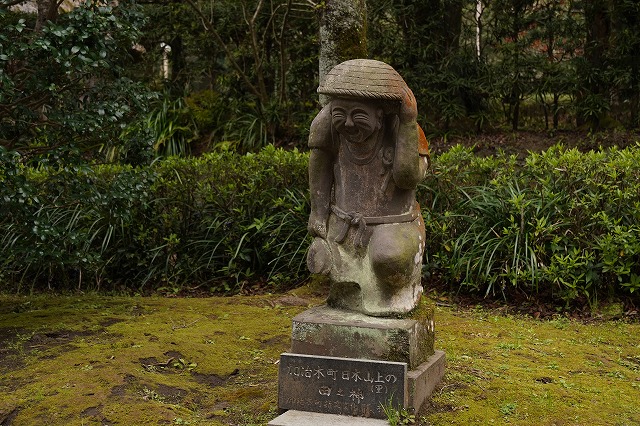
A statue of the spirit of the rice fields is on display here. In fact, there are several replica statues lined up around the museum as well.
Furthermore, these statues of the rice field spirit can only be seen in Kagoshima.
Typically, throughout Japan, people have entrusted their wishes to Buddhist statues known as “Jizō.” Here in Kagoshima, however, as if to serve as a substitute, ordinary people erect statues of the rice field deity.

That’s why, even though they’re called “gods,” they all have unique and approachable appearances.

Various Groups of Masks

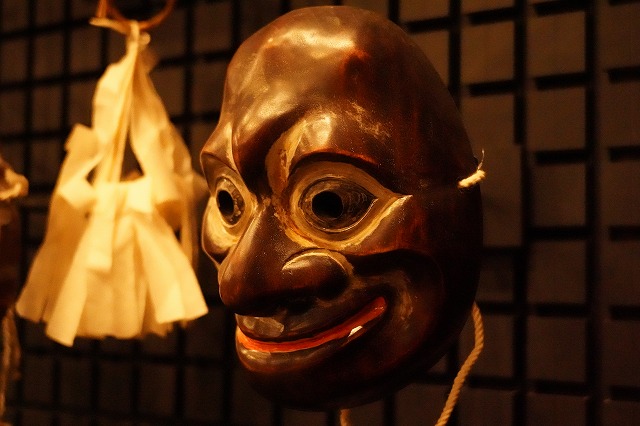
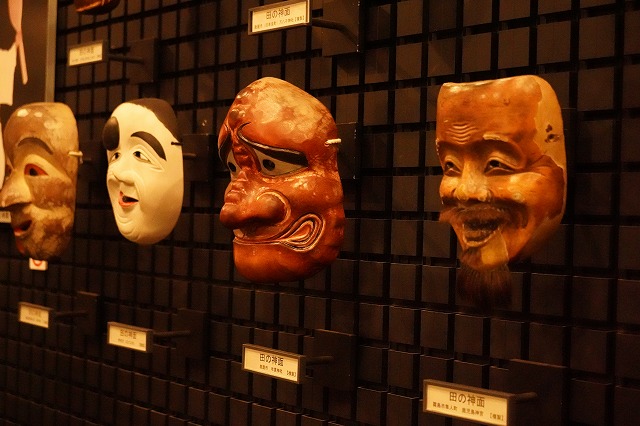
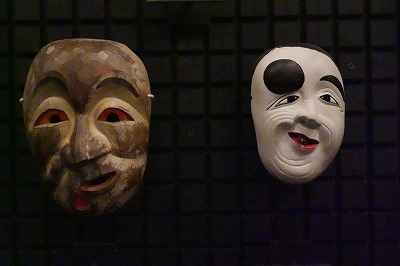
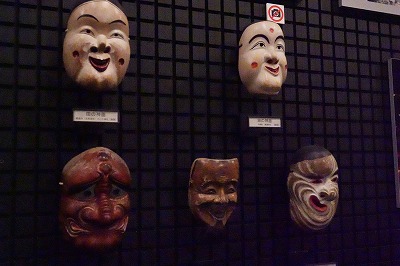
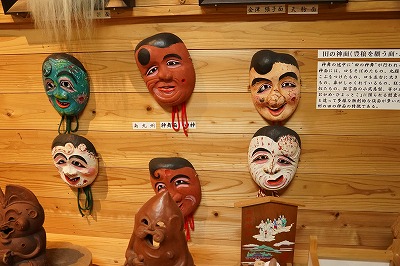
Masks of Spirit of rice field

First up: the masked figures that appear at Kirishima Shrine

Festivals featuring the rice field deity are held in various places. The masks used in these festivals are all unique; there is no single standard design, and they are incredibly diverse.

The Visiting Gods of the Remote Islands

Kagoshima Prefecture is located at the southernmost tip of the Kyushu region, but beyond it lie a string of islands stretching all the way to Okinawa Prefecture.
It is no exaggeration to say that the various deities who appear on these remote islands enrich the diversity of Kagoshima Prefecture’s mask traditions.

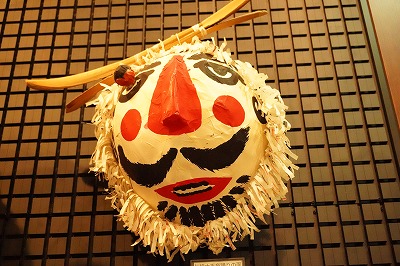
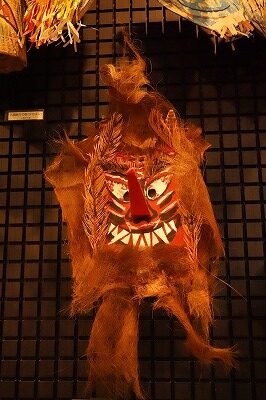
The masks that appear on Kuroshima island. What does it represent?
Mishima town official https://mishimamura.com/education-culture-history/omaturi/
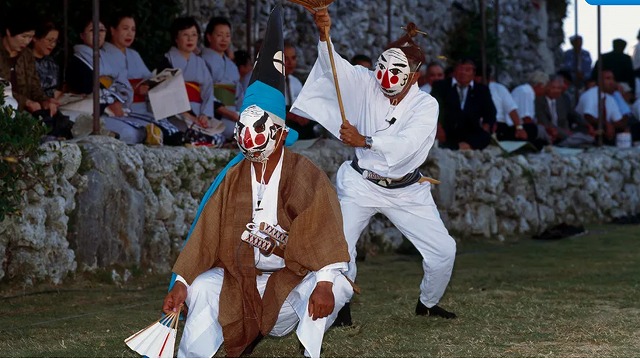
“Takamen,” a character featured in the Harvest Dance on Takeshima Island in Mishima Village.
These dances are featured in the Hassaku Odori festival on both Kuroshima and Takeshima. The festival is held on August 31 on Kuroshima and on September 1 on Takeshima.
Kagoshima travel https://www.kagoshima-kankou.com/feature/sizenkouen/10

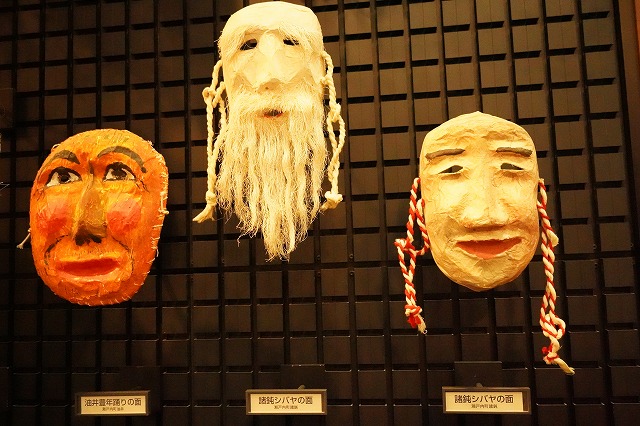
The “Shodon Shibaya” can be seen in Setouchi Town on Kakeroma Island. It consists of dance and theater. It is primarily performed during the festivals held on the 15th day of the 8th month and the 9th day of the 9th month of the lunar calendar.
Kagoshima official https://www.pref.kagoshima.jp/ab10/kyoiku-bunka/bunka/museum/shichoson/setouti/shodon.html

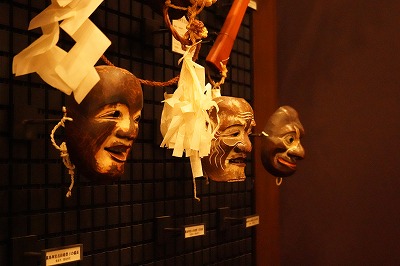
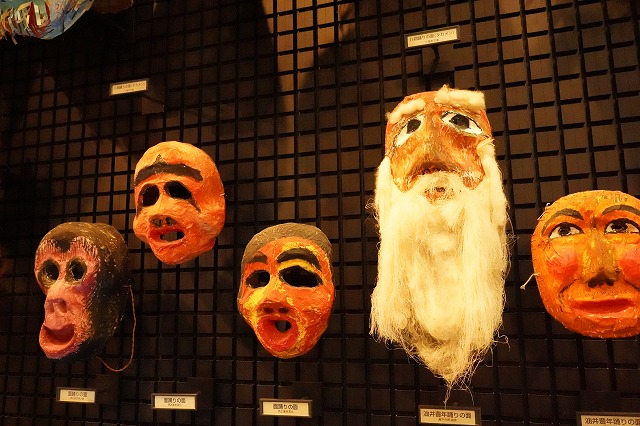
The three on the left are the Men Odori (Mask Dances) of Tanegashima island. More than 20 dancers wearing paper masks perform to the beat of drums and cymbals to give thanks for a bountiful harvest. Held on the third Sunday in October.
official https://www.furusato-tanegashima.net/ky-geinou/kg-menodori.html

On the right is the “Yui Mask Dance” from Amami Oshima island. It is a dance that incorporates theatrical elements. It takes place on the 15th day of the 8th month of the lunar calendar.
kagoshima official https://www.pref.kagoshima.jp/ab10/kyoiku-bunka/bunka/museum/shichoson/nishinoomote/menodori.html

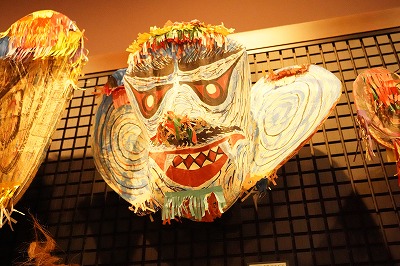
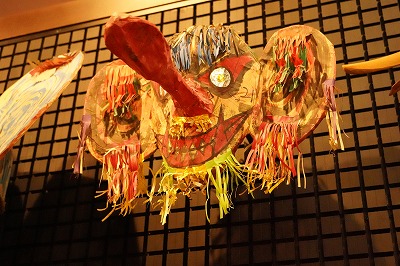
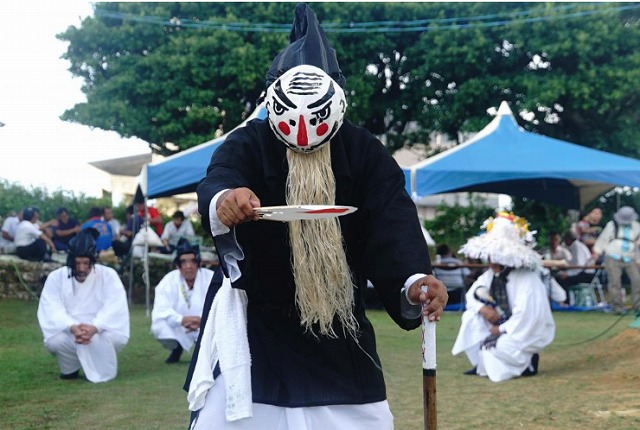
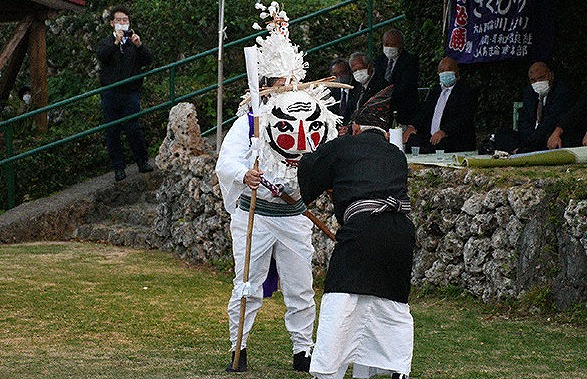
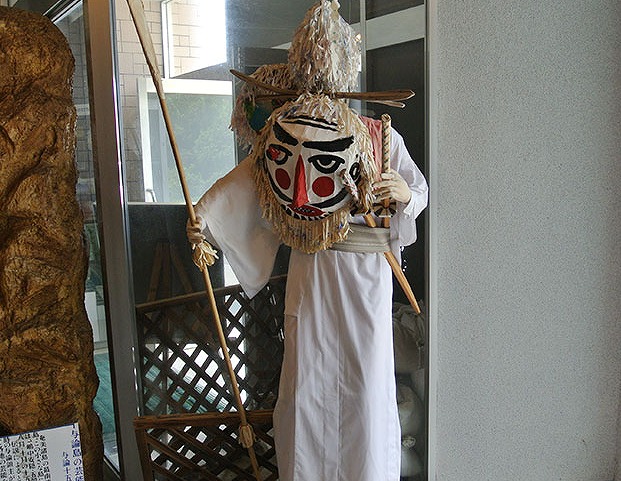
On the left is a mask featured in Yoron’s “Yoron Fifteenth-Night Festival.” It’s a massive mask that reaches down to the chest when worn.

cf. https://discoverdeeperjapan.com/2025/03/19/yoron-jugoya-festival/

On the right is “Toshidon,” the god of the year who visits every home at the end of the year on Koshikijima island.
cf (japanese) https://www.pref.kagoshima.jp/ab10/kyoiku-bunka/bunka/museum/shichoson/satumasendai/doshidon.html

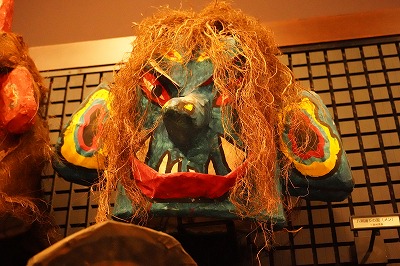
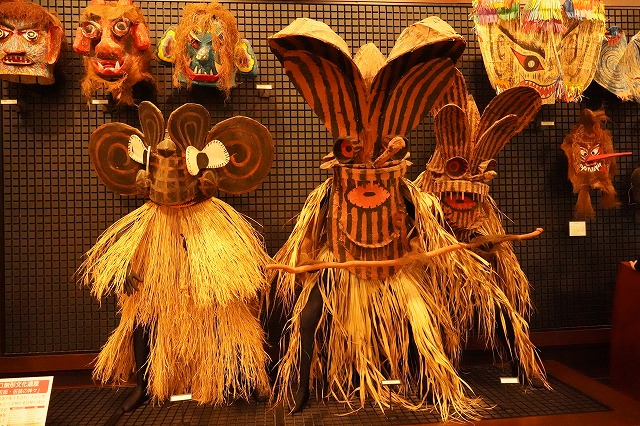
And these are the strangest visiting deities—not just in Kagoshima, but in all of Japan. On the left is “Mendon,” and on the right is “Boze.”
Boze appears on Akuseki Island on the 16th day of the 7th month of the lunar calendar, while Mendon appears on Iwo Island on the 1st or 2nd day of the 8th month of the lunar calendar. They are mysterious deities who burst into the Bon dance celebrations.
cf. https://discoverdeeperjapan.com/2021/08/30/boze-the-strangest-visiting-deity/

mendon(japanese) https://matsurito.jp/matsuri/iotohassakutaikoodori/index.html


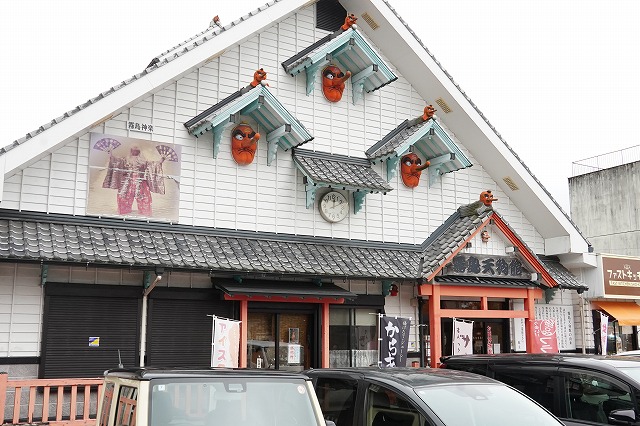
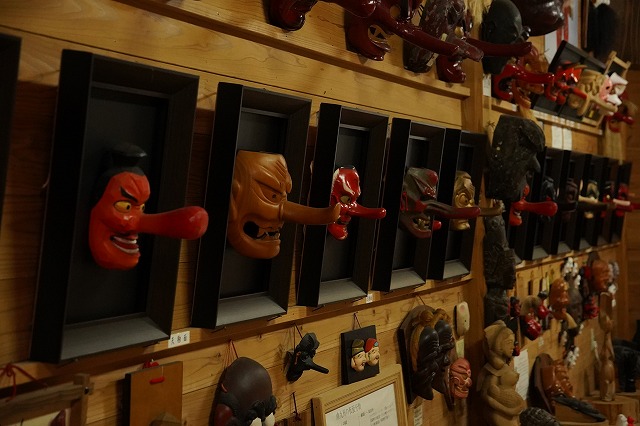
If you visit Kirishima Shrine, this is a place you definitely shouldn’t miss: the Tengu Museum.

It’s right in front of the approach to Kirishima Shrine, and since it’s a rather eye-catching building, you’ll spot it right away.
Trip.com https://jp.trip.com/travel-guide/attraction/kirishima/kirishima-tengu-kan-50687381/

What is Tengu ?

Tengu

Before we get into that, let’s briefly review what a tengu is.
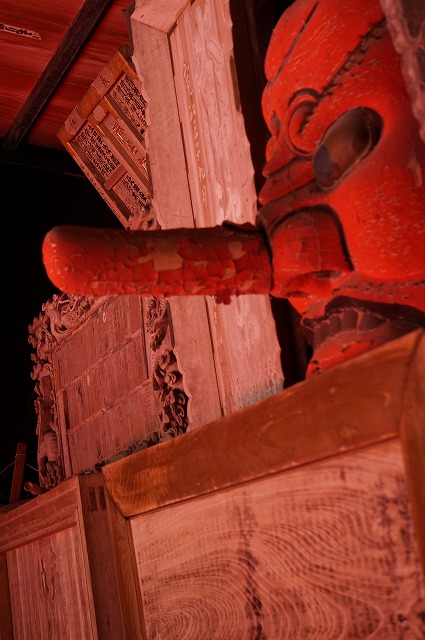
According to ancient texts, Sarutahiko is described as having a red face and a high nose; his appearance was identical to that of the tengu, who appeared later.
Since ancient times, people have feared tengu as powerful demons that bring misfortune and cause natural disasters and wars.

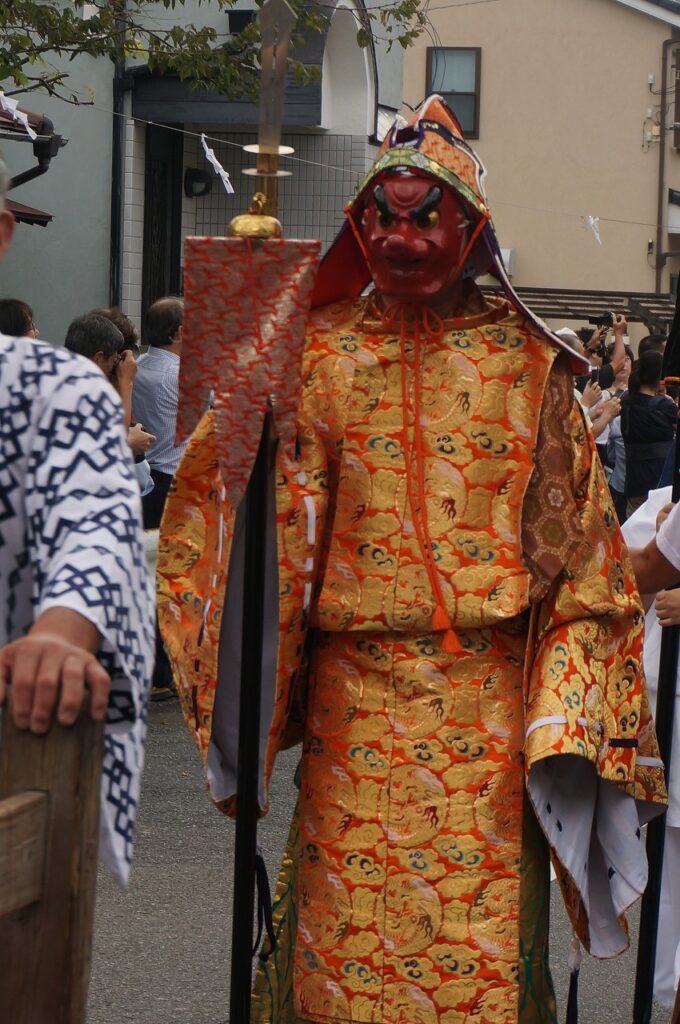
In addition, there is also a deity named Sarutahiko. These two are actually completely different entities, but the reason they are often confused is that they look alike. According to ancient texts, Sarutahiko is described as having a red face and a high nose; his appearance was identical to that of the tengu, who appeared later.

Sarutahiko

Let’s go inside and take a look

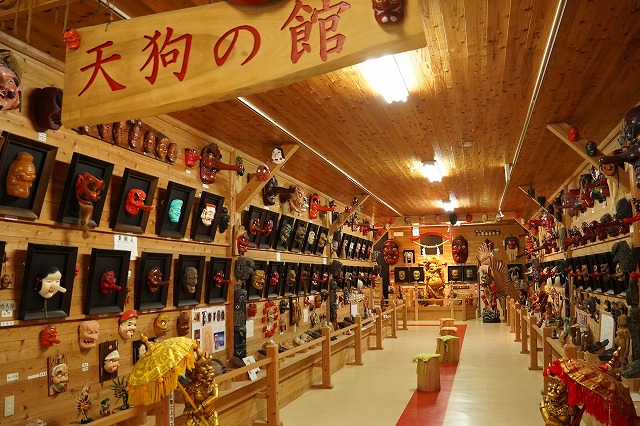
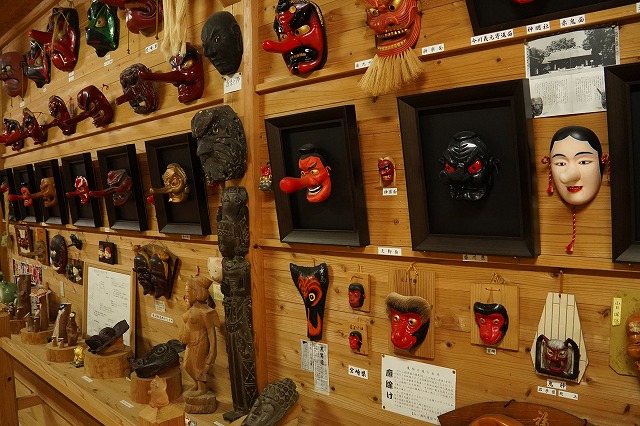
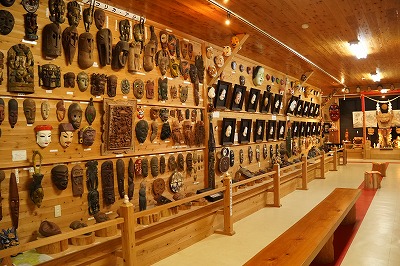
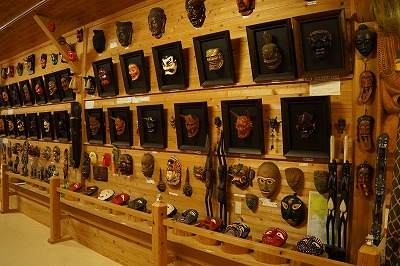
Inside, there is an overwhelming number of masks on display.
I heard that the previous director collected these all by himself.

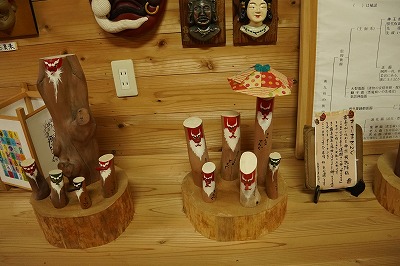
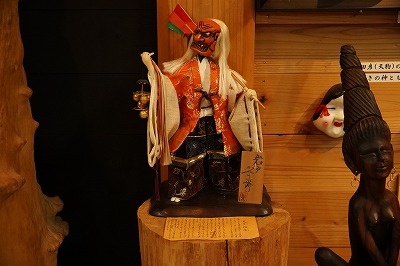
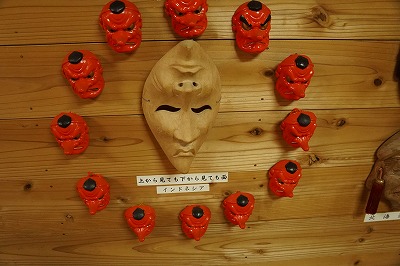
It’s not just tengu on display. It feels like they’ve gathered every mask imaginable. Not just masks, but related merchandise as well.

Even masks from overseas. At this point, I really couldn’t say.

Well, I guess you could only call it sheer determination.
If you ever visit Kirishima Shrine, be sure to stop by. I hear they also have a Buddha statue that brings good luck.


A unique cultural experience at the resort ~Yoron jugoya festival

Date: The 15th day of March, August, and October in the lunar calendar (about one month later in the new calendar)
Location: Gusuku, Yoron-town, Oshima-gun, Kagoshima prefecture 鹿児島県大島郡与論城
Access: About 10 minutes by car from Yoron Airport. It takes less than two hours to fly from Kagoshima Airport to Yoron. From Okinawa, it takes about 40 minutes by plane. There are also ferries.

To beaches with blue sea and white sand

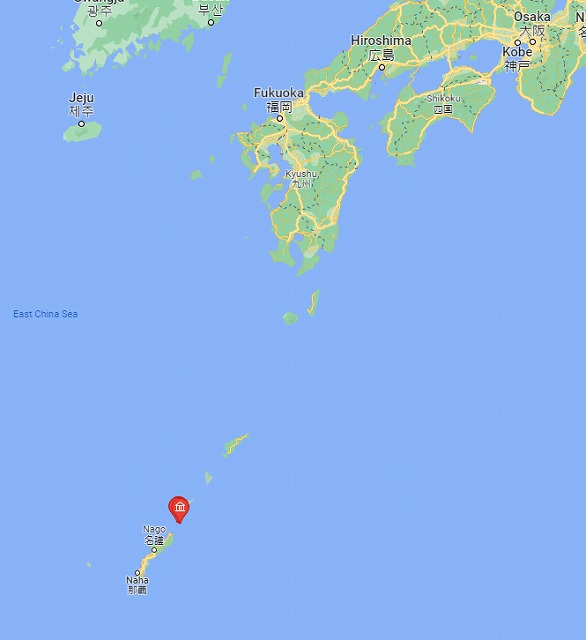
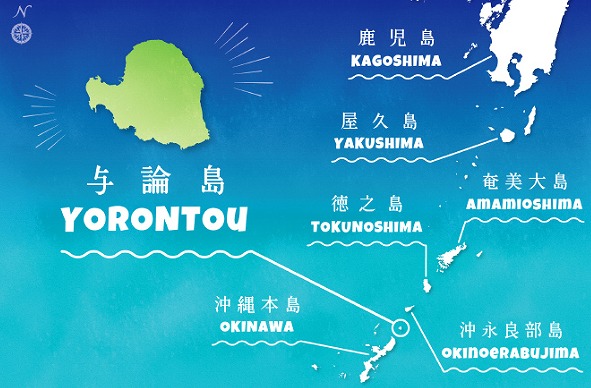
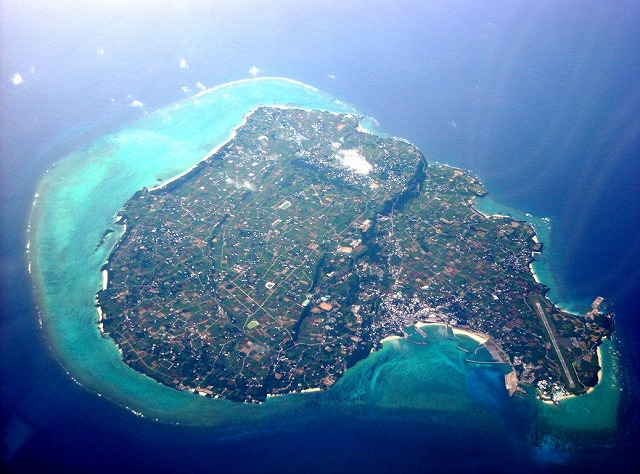
Maldives, Hawaii, Seychelles, Fiji. The blue sea, the white clouds, and if possible, the white sand beach would be great. The scenery with the beautiful sea has always been a dream of mankind, and many people would like to go there someday. There is such a place in Japan. That’s Okinawa. There are many Japanese who can’t go to New Caledonia or Phuket, but would like to go to Okinawa. Yoron Island, introduced today, is in Kagoshima Prefecture, but its location is almost Okinawan. A number of outlying islands lie to the south of Kagoshima Prefecture, the southernmost part of the Japanese archipelago. Half of them are in Kagoshima and the other half in Okinawa.
And Okinawa was once an independent kingdom. Its name is Ryukyu. It flourished through trade between China and Japan. However, it was invaded by the Shimazu clan in Kagoshima in the 17 century and became a vassal state, leaving only its name.
So, a hybrid culture has grown up in Yoron, which borders such Okinawa and is also Kagoshima. The two cultures – Okinawan, with its strong Chinese influence, and Japanese – merged on the island to create something that is not simply a cross between the two, but something unique and strange to the island.

Yoron jugoya festival

Because of this history, this Jugoya 十五夜 (Fifteenth Night Festival) will be divided into two major groups to put on the performing arts.
The first group performs Japanese mainland-style theater and the second group performs Ryukyu-style dance.

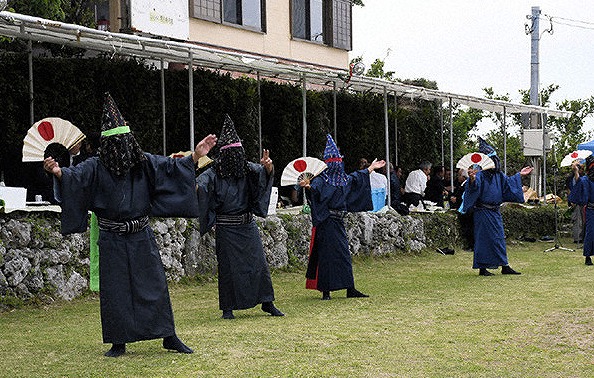
Ryukyu-style dancers perform various dances wearing shuppa and hoods. One is a rain dance, and it has been said that it always rains at that time.
With their faces completely covered by cloth, they look as if their ancestors have risen from the land of the dead as spirits.

One is Yamato style. Yamato means the Japanese mainland. In other words, it means mainland style. Indeed, it is in the form of a play based on Kyogen. The relationship between daimyo and servants is truly a Kyogen.
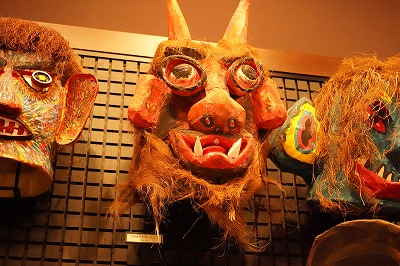
However, even a single mask is quite different from the original kyogen. Whereas the original kyogen used masks carved out of wood, here they use ones made of bamboo and paper.
The original masks are like works of art, painstakingly made by craftsmen. In contrast, the masks here are simple and sometimes look like a joke. This gives them an originality that can only be seen here.

However, all the performers speak old dialects, so it may be a little difficult to understand without prior knowledge. Therefore, this website introduces some representative performances.

Sanbasu

To use in ceremonies, the daimyo made Taro buy something called Suehirogali (a fan). But Taro doesn’t know what it is. On the way, he meets an umbrella seller, who says, “This is the Suehirogali4,” and makes him buy a torn umbrella. The daimyo gets angry at Taro, who returned home without knowing that he had been deceived. However, Taro delighted the daimyo with the songs and dances he learned from the umbrella vendor, and the daimyo forgave him.

Okumagawa

Okumagawa Genzaemon, whose father was killed, plots to kill 1,000 people. Yamabushi(a mountain priest) appears there and accompanies him, chanting a Buddhist memorial service. Eventually, as Genzaemon tells the story of how his father was killed, he discovers that the Yamabushi himself is actually the avenger. However, Genzaemon was admonished by the Yamabushi that slaying a man would not help him in any way, and he became a disciple of Yamabushi.

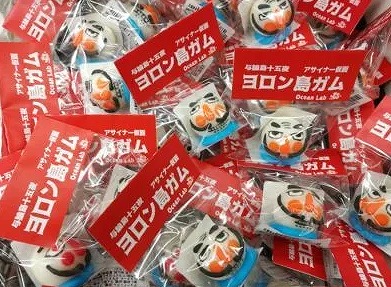
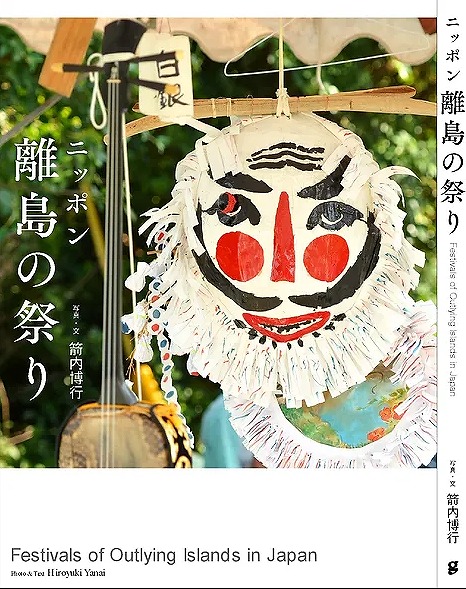
So here is the Genzaemon. He does not look like a great avenger, but he is a representative mask of Yoron here. It is no longer even a mask. It is in the wrong position and the face is too big. It has been used as the cover of a photo book and as a souvenir.
As you can see this, the masks here are generally laid back. There is a worldview unique to this place. In fact, The second show, which only wears a headdress, is more mysterious.

Originally, only the second group of dances were on the island. However, one day, someone brought the Kyogen (satirical plays) back from the Yamato mainland. Therefore, laughter is the main part of 1st groupe. So the masks are also laid back.

The festival is held three times a year, but the one in August (actually September) is the most spectacular. The lion dance is performed only at this time. Lions are different from those on the mainland and are more Okinawan. They put palmlike plants called shuro on their bodies and gnaw on the heads of islanders.
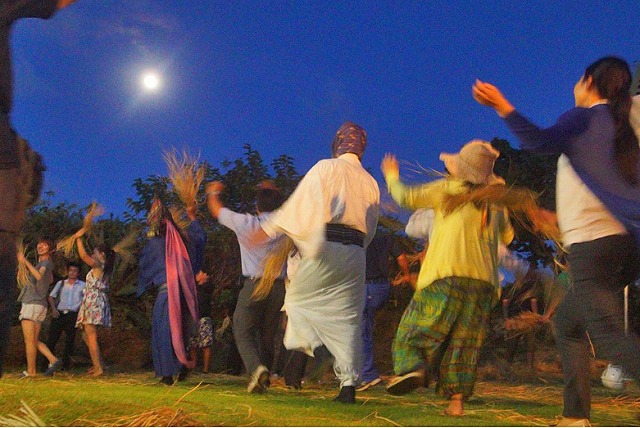
Everyone dances at the end of the festival. This night is called Jugoya 15 Nights and is said to be the most beautiful moon of the year. Listening to the sound of the waves, dancing, and admiring the moon, the festival continues, forgetting that it is late at night.

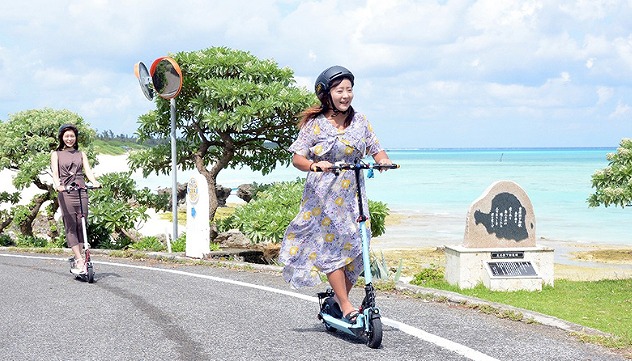
Yoron Island, near Okinawa, is one of the most beautiful places in Japan for its sea. Transportation is by bus with about 5 buses a day. Others are cabs, car rentals, and bicycle rentals. Recently, it seems that kickboard rentals have started. There are many other ways to enjoy the island, such as marine sports. There are many facilities where you can experience diving, snorkeling, sup and windsurfing. A festival where you can admire the ocean and interact with the islanders is highly recommended.

cf. https://www.yorontou.info/en/