Report:Kebesu festival tour ~ケベス祭りツアー
Date; October 14th every year
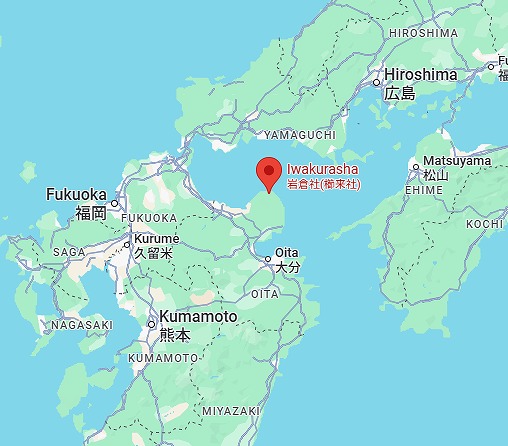
Location; Kushiki, Kunimi-cho, Kunisaki City, Oita Prefecture
Access; From the Hayami IC/JCT on the East Kyushu Expressway, take the Oita Airport Road via National Route 213: 35 km, 1 hour
*There are buses from Usa, but they run infrequently and stop running by the time the festival ends.
This article is based on a visit of 14th, October, 2026.
Kebesu tour https://visit-kunisaki.com/events/%E7%81%AB%E3%81%AE%E7%B2%89%E8%88%9E%E3%81%86%E3%80%8C%E5%9B%BD%E6%9D%B1%E3%82%B1%E3%83%99%E3%82%B9%E7%A5%AD%E3%80%8D%E3%83%90%E3%82%B9%E3%83%84%E3%82%A2%E3%83%BC/
visit Oita https://oita-tourism.com/en/events/detail_1109.html
Kebesu festival tour
The Keves Festival is known as a mysterious festival. Its origins—when it began, what it is for, and why such rituals are performed—are all unknown. However, once you experience it, you’ll understand that it has a charm that’s enough to send people into a frenzy. It’s the presence of the masked characters, which only deepens the mystery, and above all, the sheer power of the fire. Unfortunately, however, the transportation options are very limited, and even if you drive, the return trip involves driving at night, which can be difficult if you’re not used to it.
For this reason, the Kunisaki City Tourism Association has organized tours to allow more people to experience this festival. This article documents one such tour.
*Click here for an overview of the Kebesu Festival→https://discoverdeeperjapan.com/2022/03/20/one-of-the-most-strange-festival-kebesu-festival/
To the festival grounds
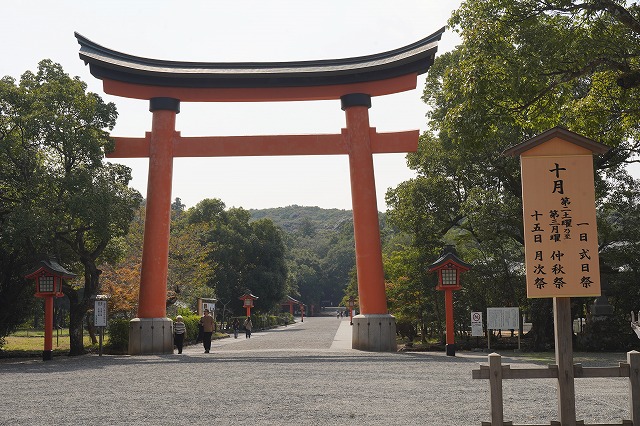
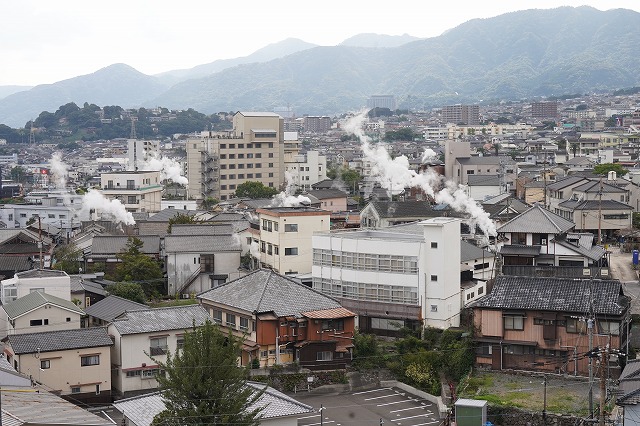
Around 1:00 p.m. The tour departs from Oita Station. From there, the bus tour begins, passing through the hot spring resort town of Beppu.
When people think of Oita, almost every Japanese person immediately thinks of hot springs. There are so many hot springs here, and Beppu—which boasts the highest hot spring output in Japan—is in a class of its own.
Usa Hachiman Shrine is also a “power spot” you’ll definitely want to visit if you come to Oita. While Ise Grand Shrine is now famous as the place where the ancestral deities of the Imperial Family are enshrined, in ancient times, Usa Grand Shrine held a status all its own. This shrine is so revered that, when the question of who should become the next emperor arose around the 8th century, the decision was reportedly made based on an oracle from Usa Hachiman.Off to the Kunisaki Peninsula!
Off to the Kunisaki Peninsula!
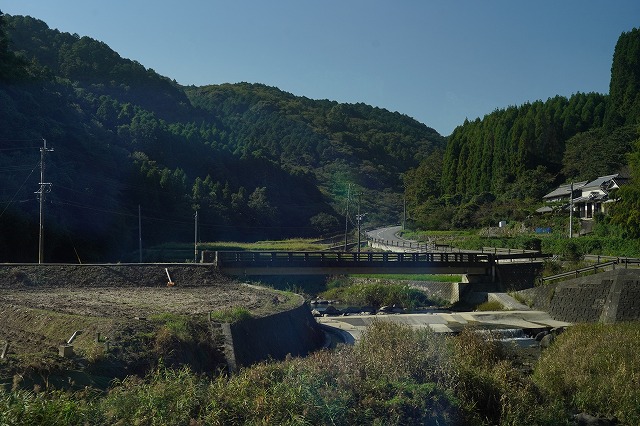
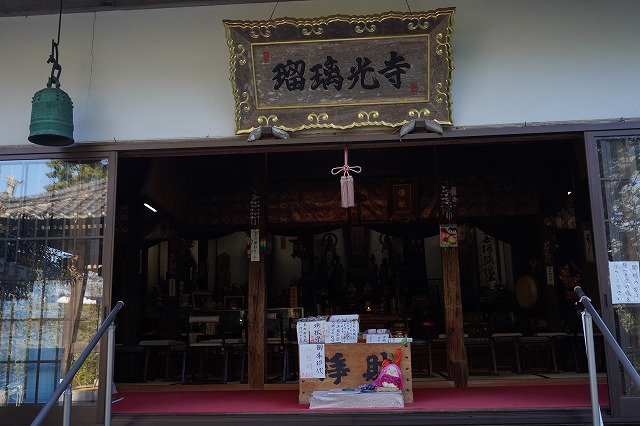
The bus made its way smoothly toward the Kunisaki Peninsula. There is a saying in this area: “Rokugo Manzan.” “Rokugo” refers to the fact that this region is divided into six areas by mountain streams radiating out from a central point. The phrase “Manzan” means that all of these areas are filled with temples and shrines. The bus tour visited one of those temples. This time, tourists listened to a monk’s sermon at Rurikō-ji Temple. Since people from overseas also visit as part of tours, an interpreter might be provided on those occasions.
An Early Dinner
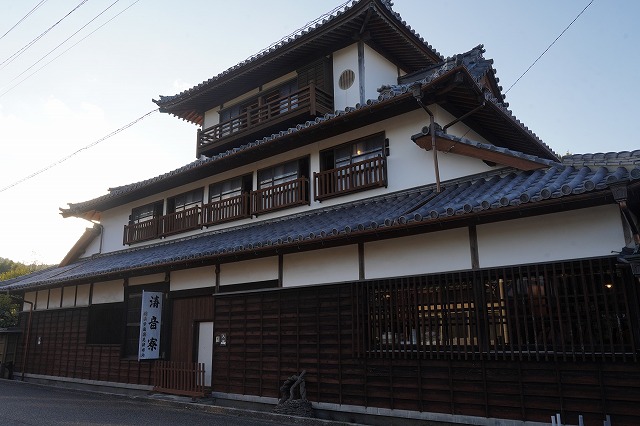
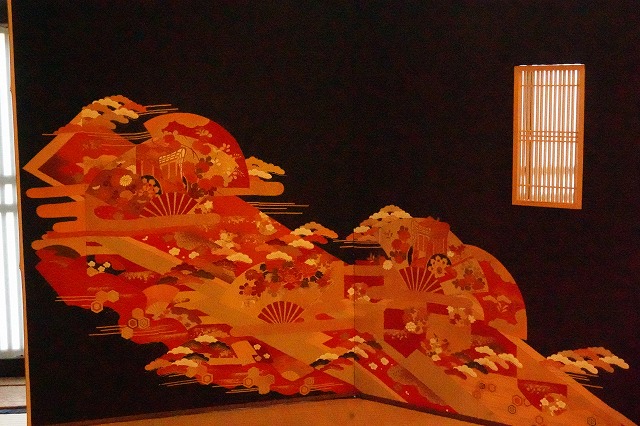
A little after 5:00 p.m., the bus stops at a place called Touinryo. This area was once a thriving commercial district, but today it serves as an art exhibition space and a place to eat. Tour participants have an early dinner here because the festival starts a little after 7:00 p.m., so the bus needs to arrive at the venue by 6:00 p.m.
Waiting for the festival to begin
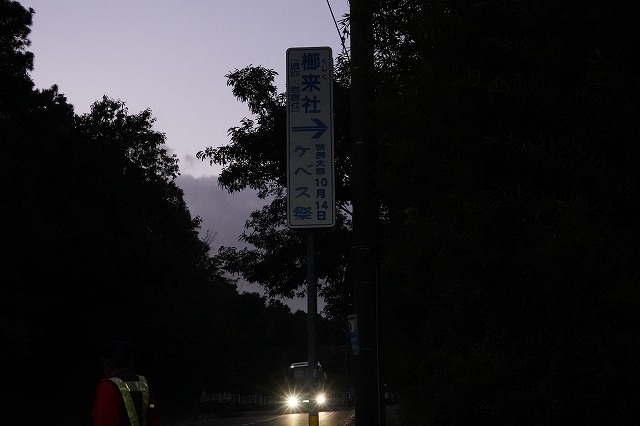
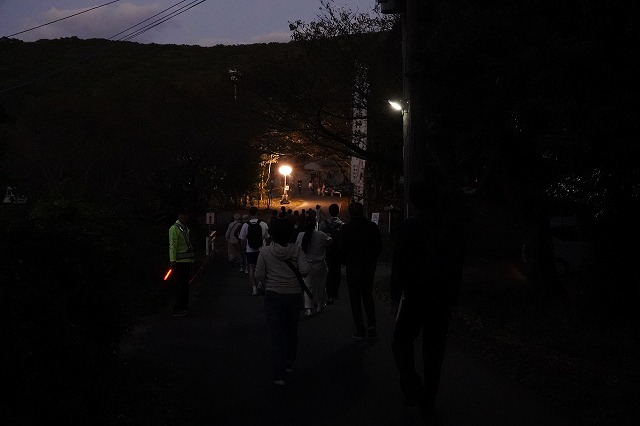
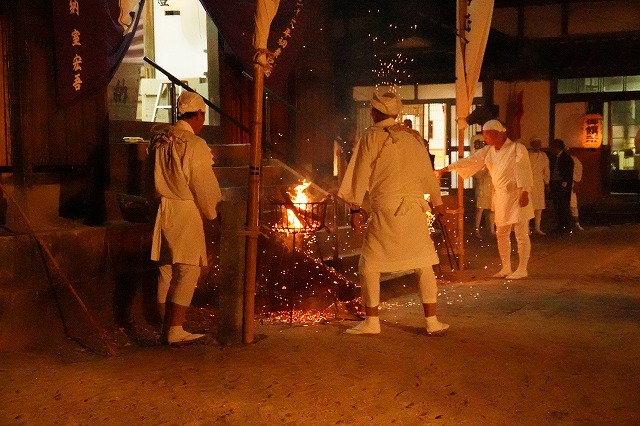
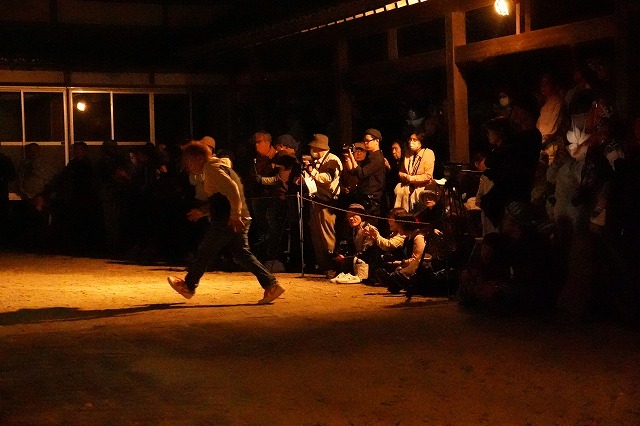
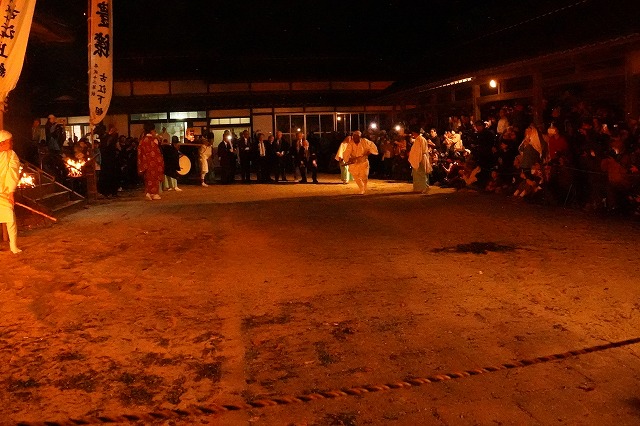
The sun had long since set, and it was dark all around. It was 6:00 p.m. The venue, the Kusukisha, was already packed, with spectators surrounding it on all sides. Some of the earliest arrivals had been staking out their spots since around 2:00 p.m.
The festival is finally about to begin
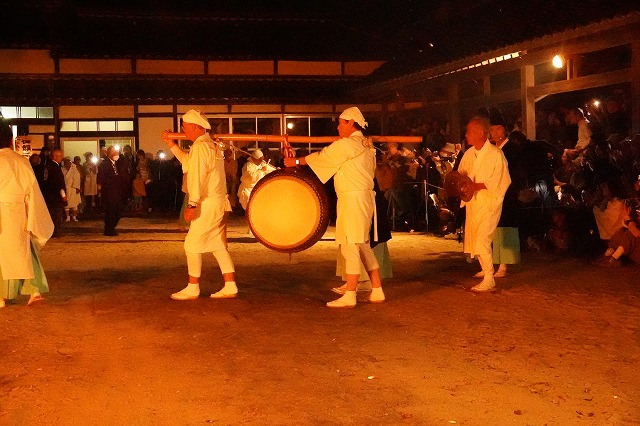
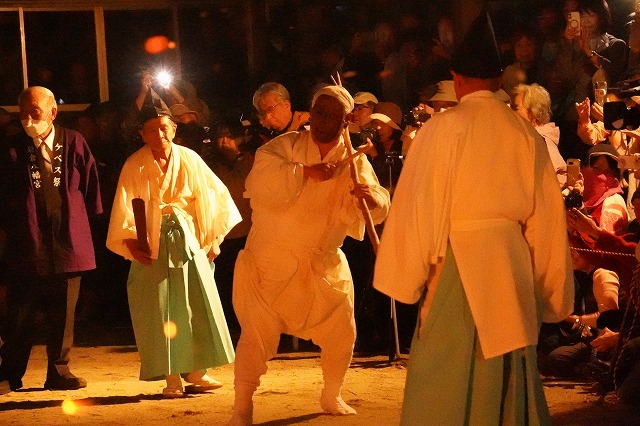
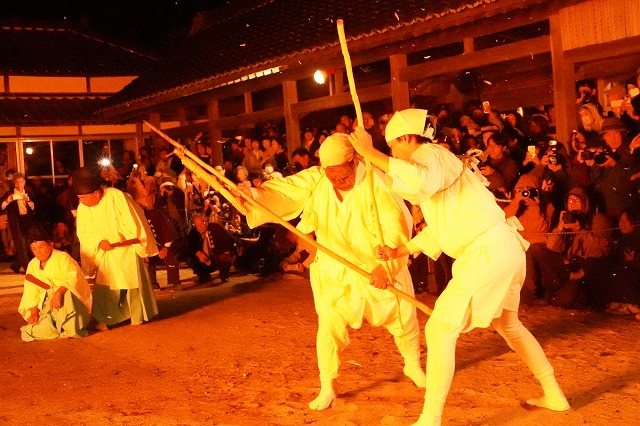
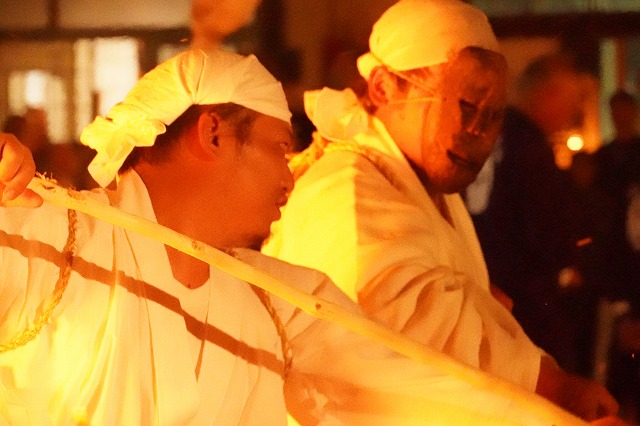
It was just past 7:00 p.m. The venue was packed to the brim with spectators—there wasn’t even room to stand. The procession began to move, accompanied by the sound of drums and gongs. The festival participants had purified themselves in preparation for this day. And among them was the “Kebes.” A eerie, wood-carved mask. It’s a major role that one might be chosen for only once in a lifetime.
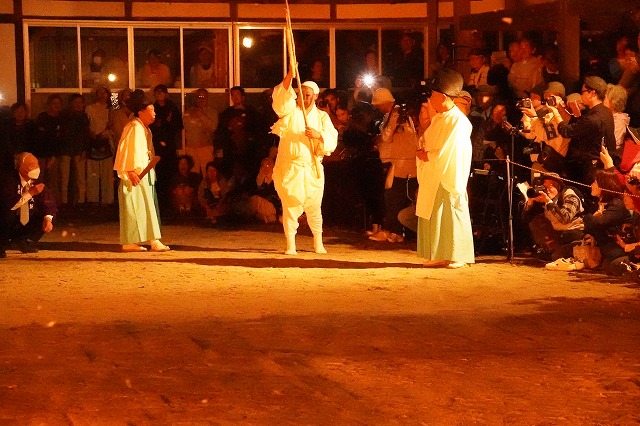
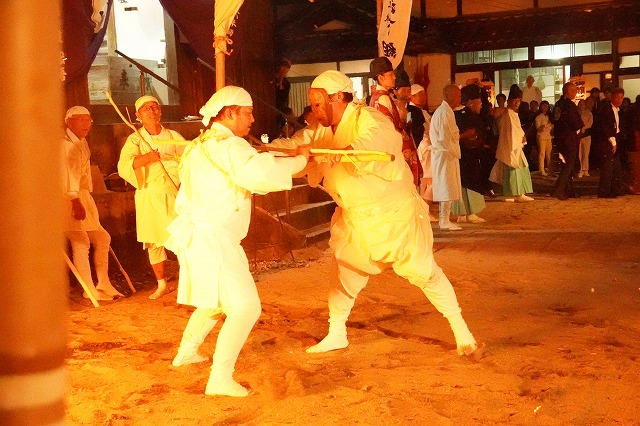
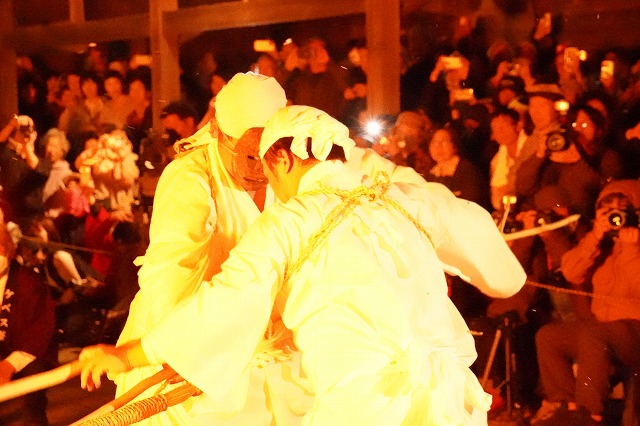
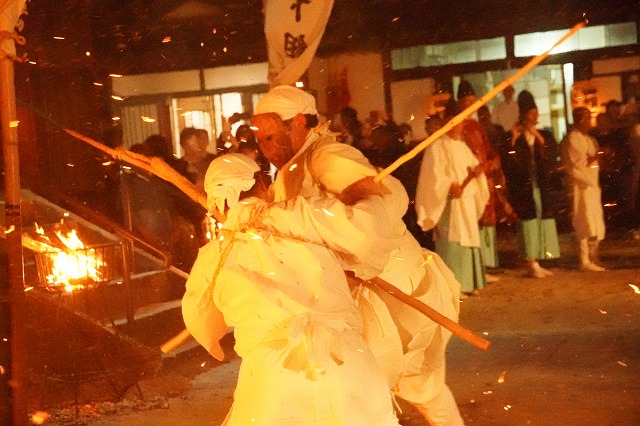
Then, suddenly, “Kebesu” charges straight toward the raging fire. “Toba” steps in to block him. The two collide violently, and “Toba” does everything in his power to stop “Kebesu.”
A Back-and-Forth Struggle
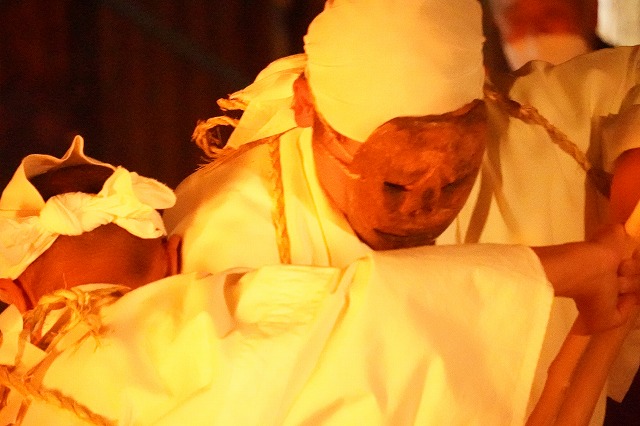
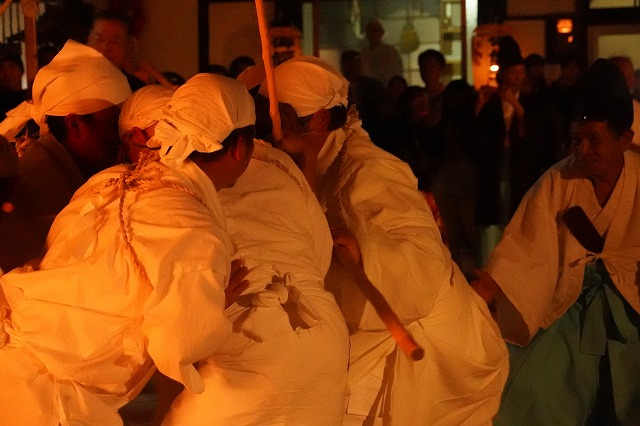
They do this over and over again. “Kebesu” comes charging toward the fire. “Touba” fights back with all their might—sometimes with the whole group—to drive it away.
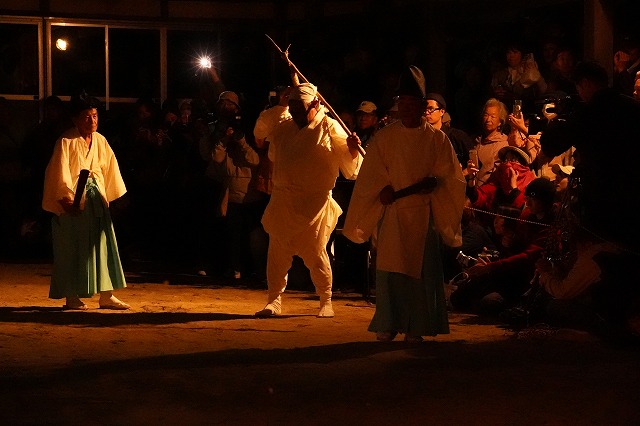
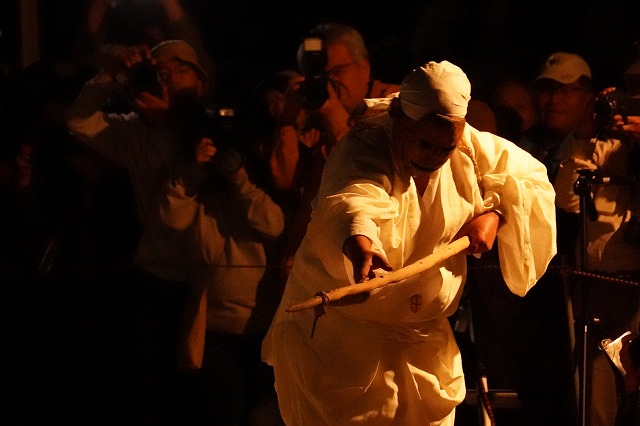
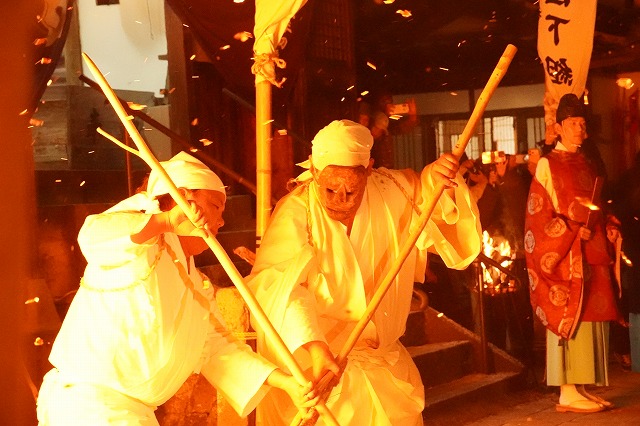
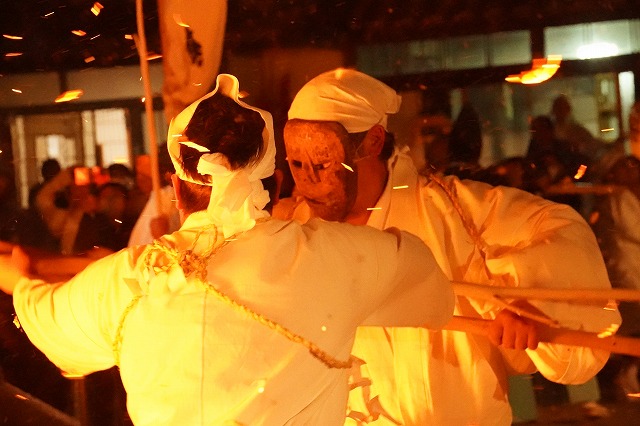
The procession was stopped, then began moving again. And the battle raged on once more. What was the point of it all? What were they trying to convey?
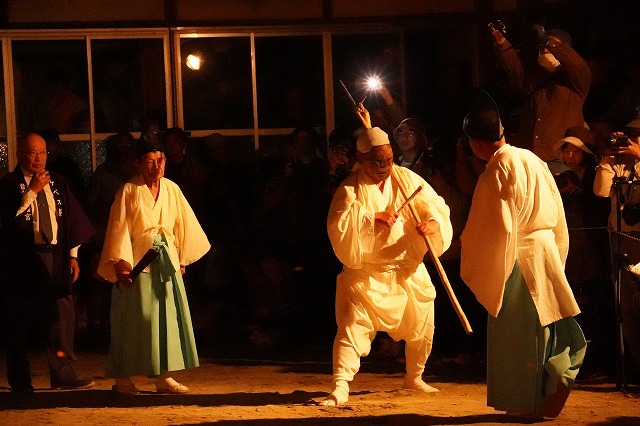
The Climax ~ The Fire Is Finally Unleashed
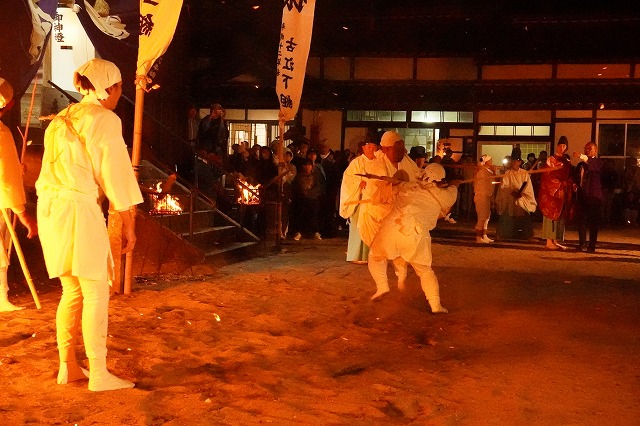
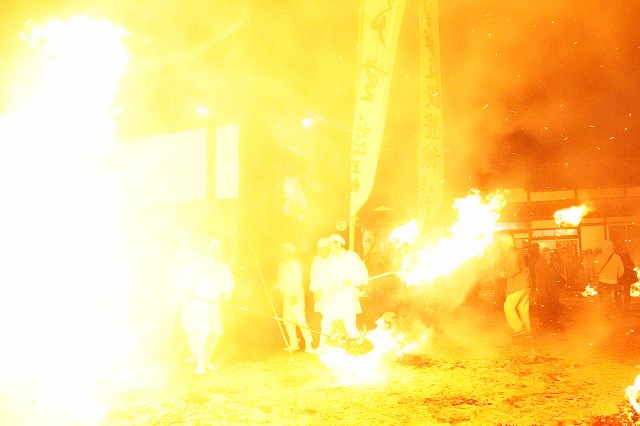
The ninth time. Finally, Kebes reaches the fire and unleashes it. Then, for some reason, Touba and the others—who had been doing everything in their power to stop him—begin to scatter the fire all around them.
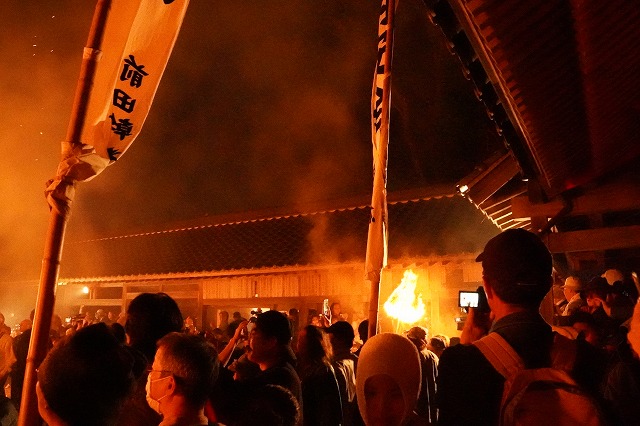
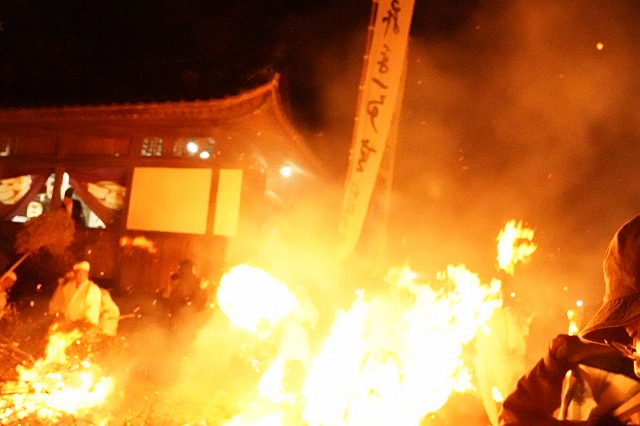
The people around them, terrified by the enormous torches brandished by the Touba, fled in panic. The Touba swung their torches as they gave chase. The scene now resembled a scene from a time of war.
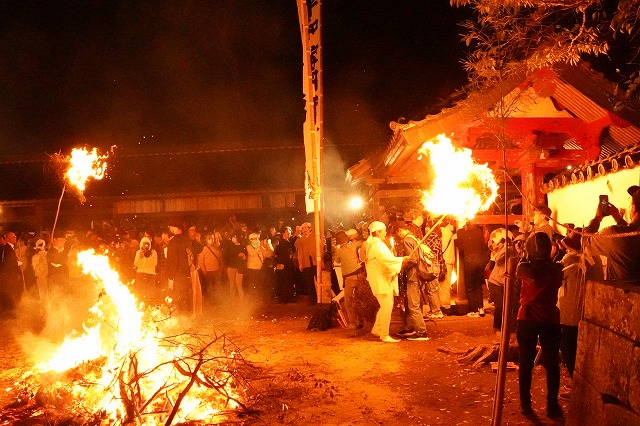
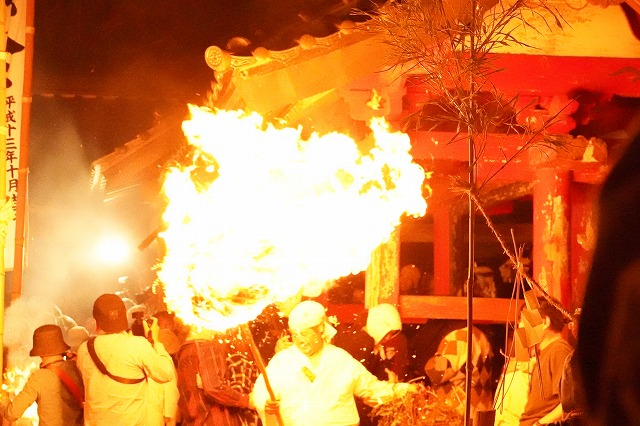
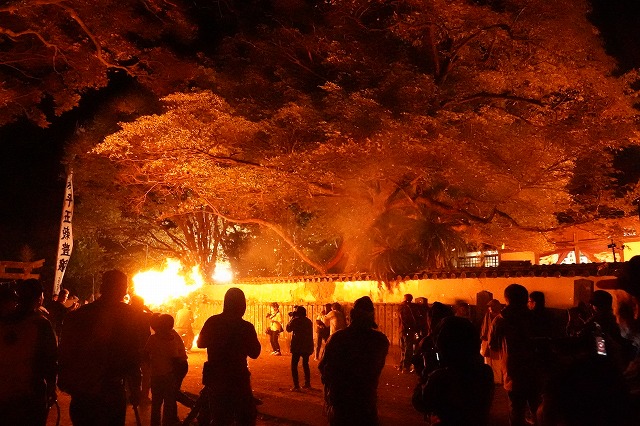
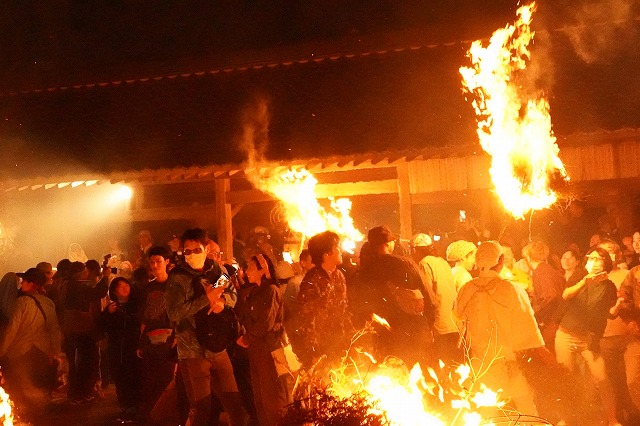
Around 9:00 p.m. The chaotic festival suddenly came to an end as the fire was extinguished, leaving only its lingering echoes behind.
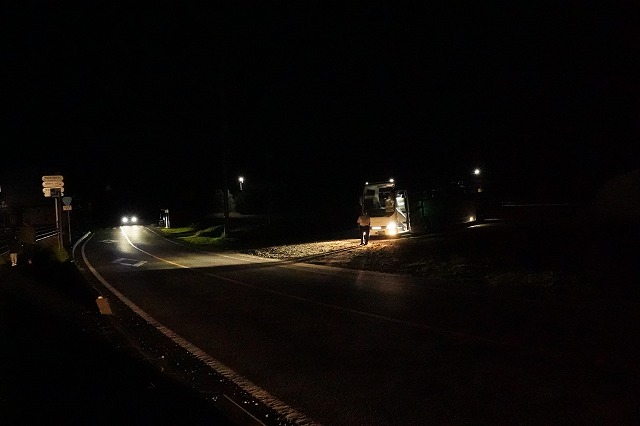
The bus travels nonstop along the night road, heading back toward Beppu and Oita. It is scheduled to arrive in Oita between 11:30 p.m. and just before midnight.


