Report: Tono festival ~Day 1, at the city
Date: the 3rd Saturday and Sunday, September, every year
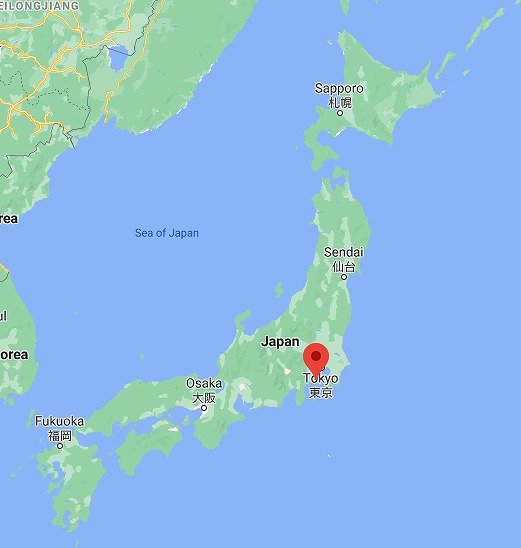
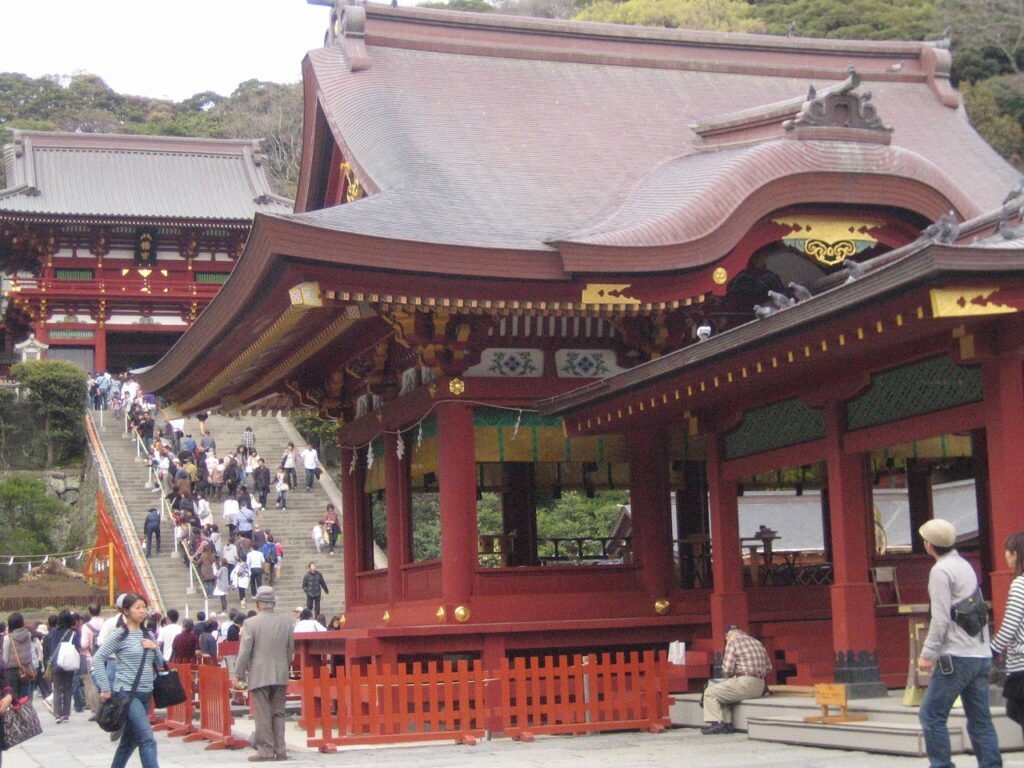
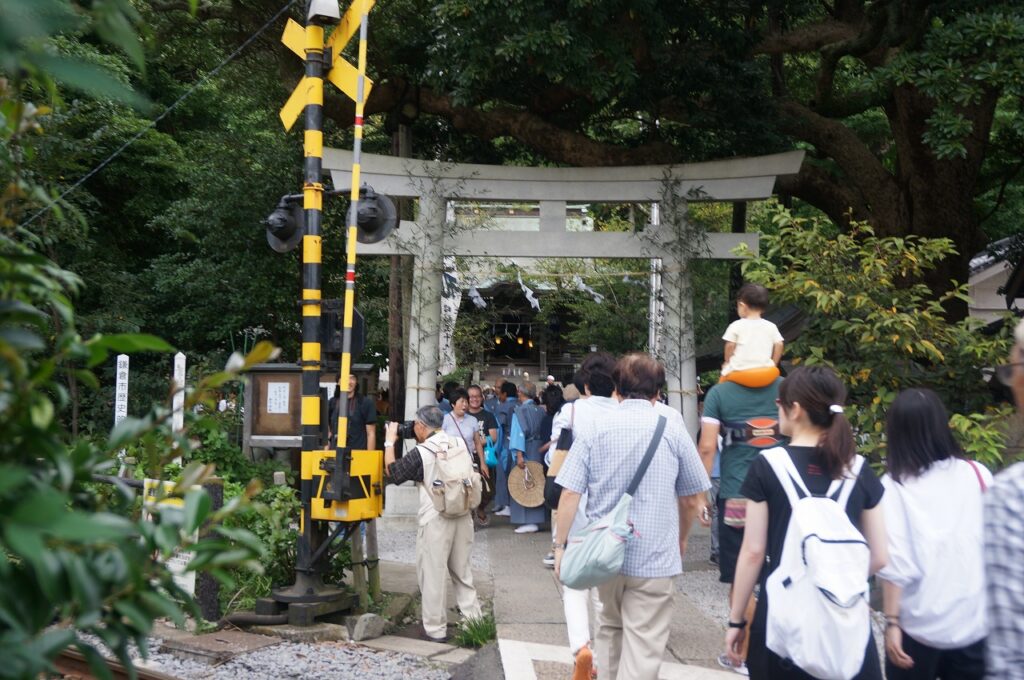
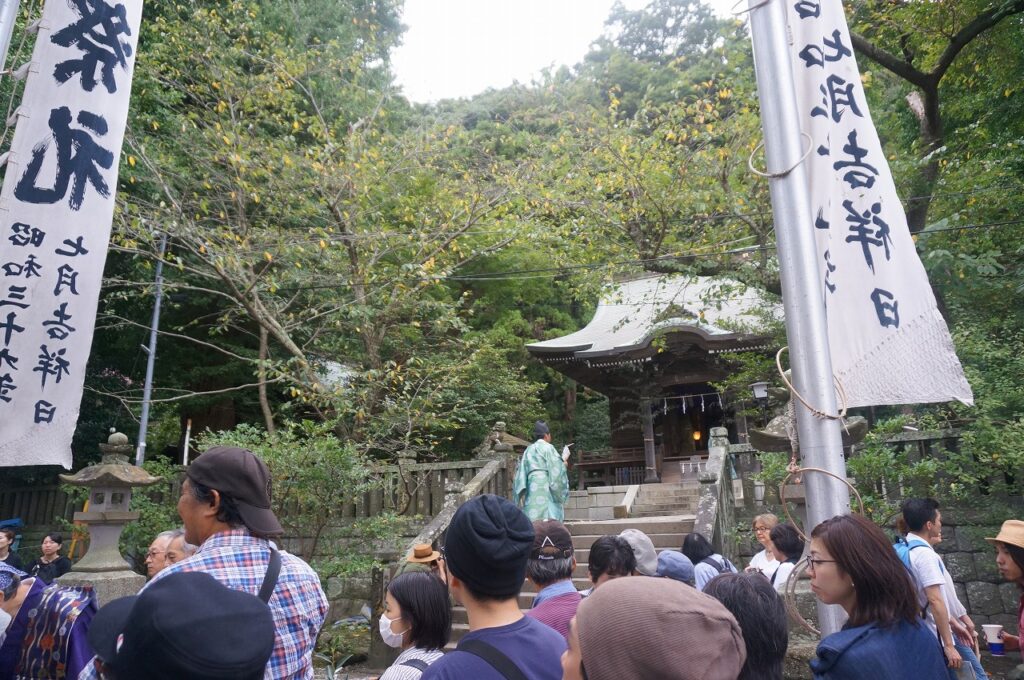
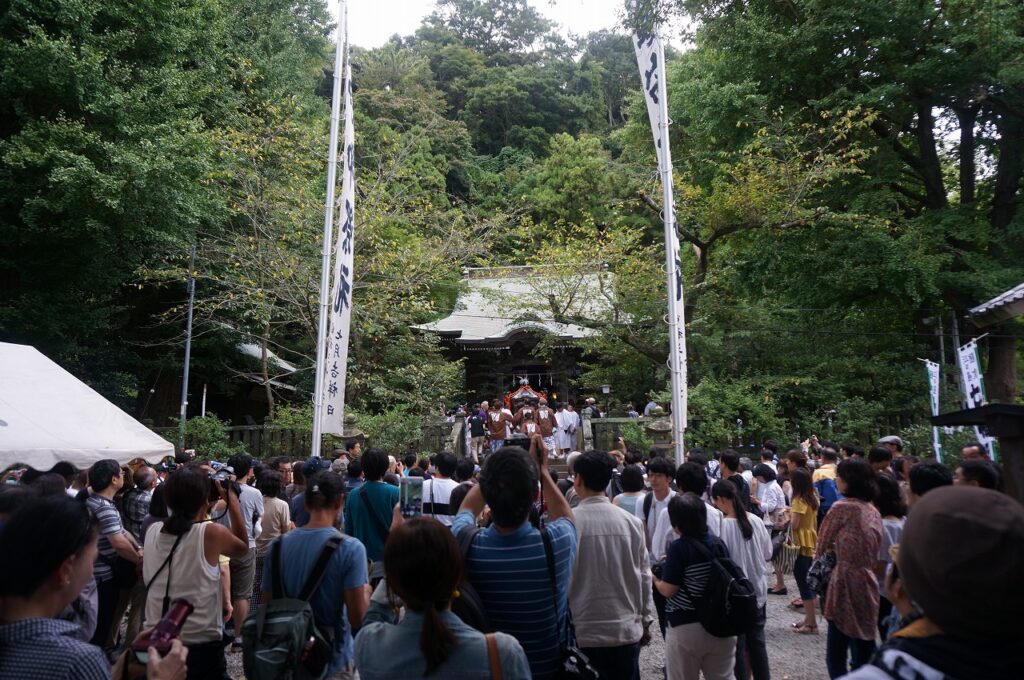
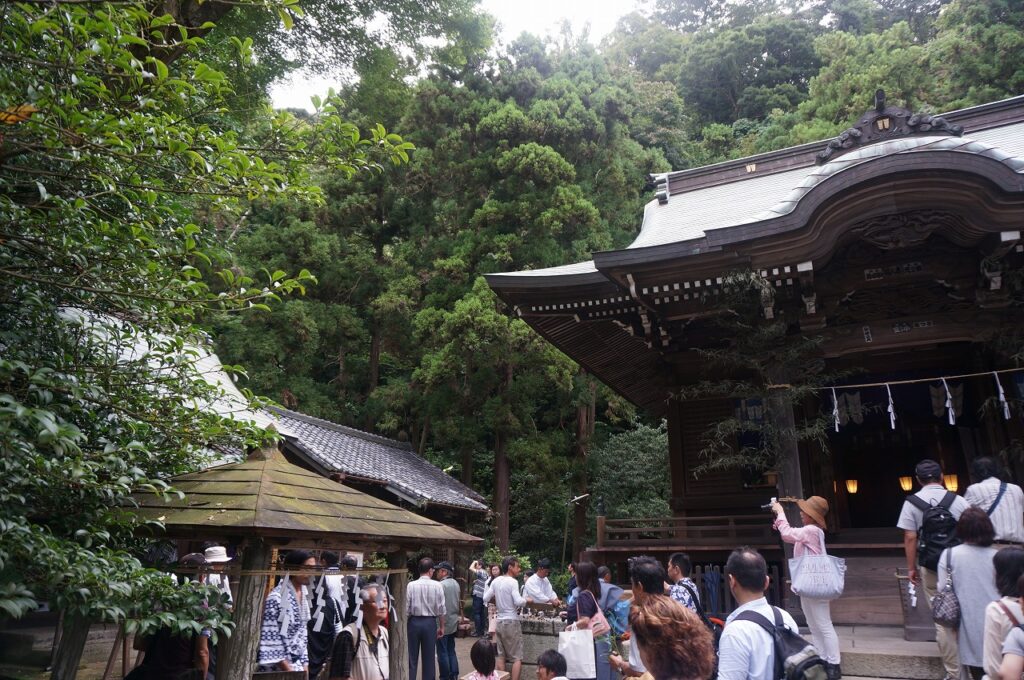
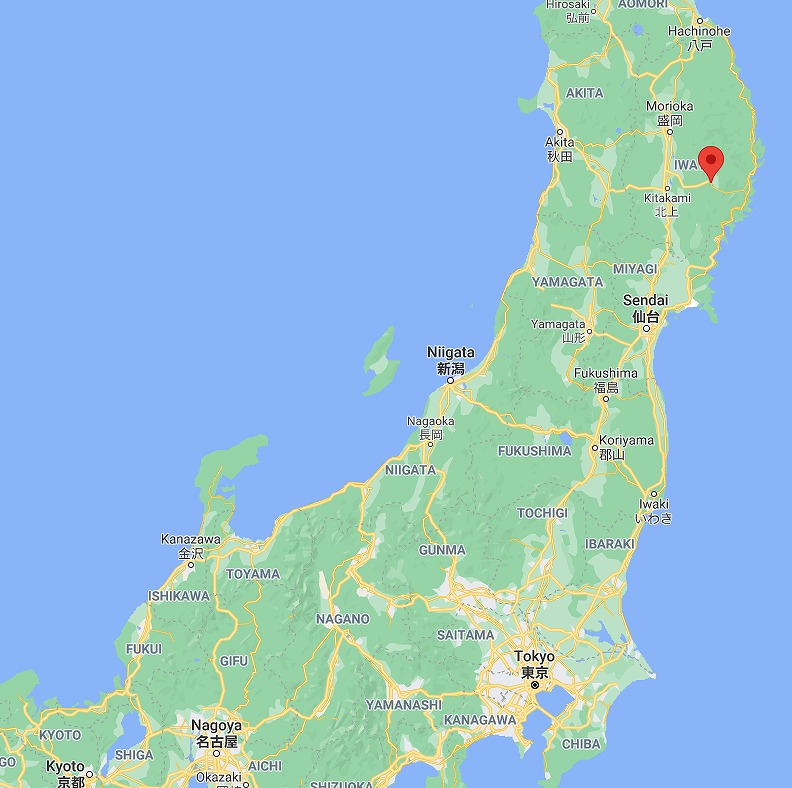
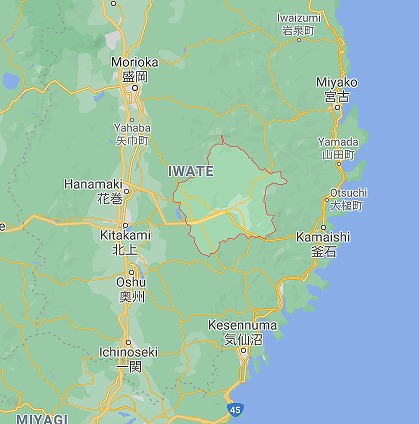
Location: Tono city and Tono Hachiman shrine, Iwate prefecture
Access: 1 hour from Kitakami, 2 hour from Morioka by local train. 3 hours from Tokyo by Shinkansen and change at Shin-Hanamaki, 1hour by local train.
Tono has many strange stories
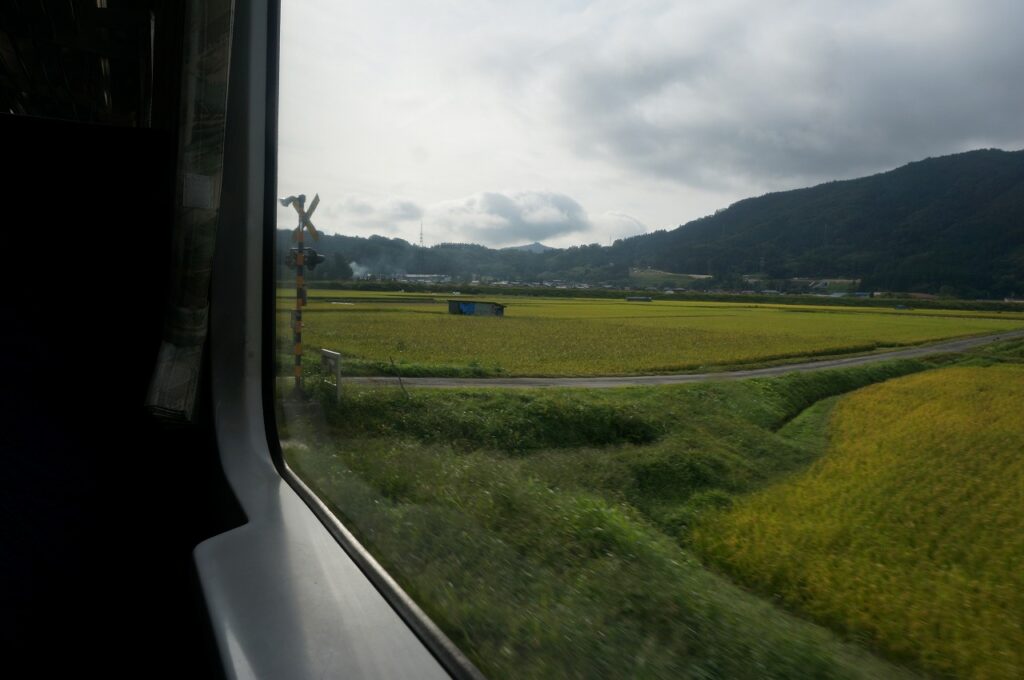
Tono is a small mountain village about an hour’s train ride away from the center of Iwate Prefecture. Its main industry was agriculture for a long time, but in recent years, tourism and hospitality services have been increasing in proportion. Tono has the largest cultivation area of hops, the raw material for beer, in Japan.
Tale of Tono
When Japanese people hear the name Tono, the first thing that comes to mind is “Tono Monogatari 遠野物語 (the tale of Tono)”.
About 100 years ago, there was a scholar named Yanagita Kunio 柳田国男. He was amazed at the number of legends and folk tales in the region, and compiled them into a book. In the preface to the book, he wrote enthusiastically, “Let the stories of this mountain village make the people of the plains shudder”. In fact, the book became a bestseller, and it still holds a place in people’s hearts. Yanagita thus became the founder of Japanese folklore. The “Tale of Tono” contains many strange stories, such as the story of a girl who was married to a horse, and the story of a man who spent time with a giant in the mountains. The most famous of these characters is the kappa. Even today, there are still many places in Tono where legends about kappa remain. This is the reason why Tono is called the home of folk tales.
Kappa
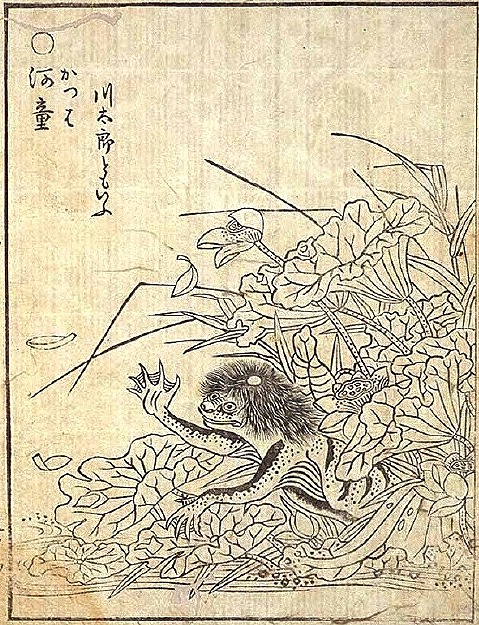
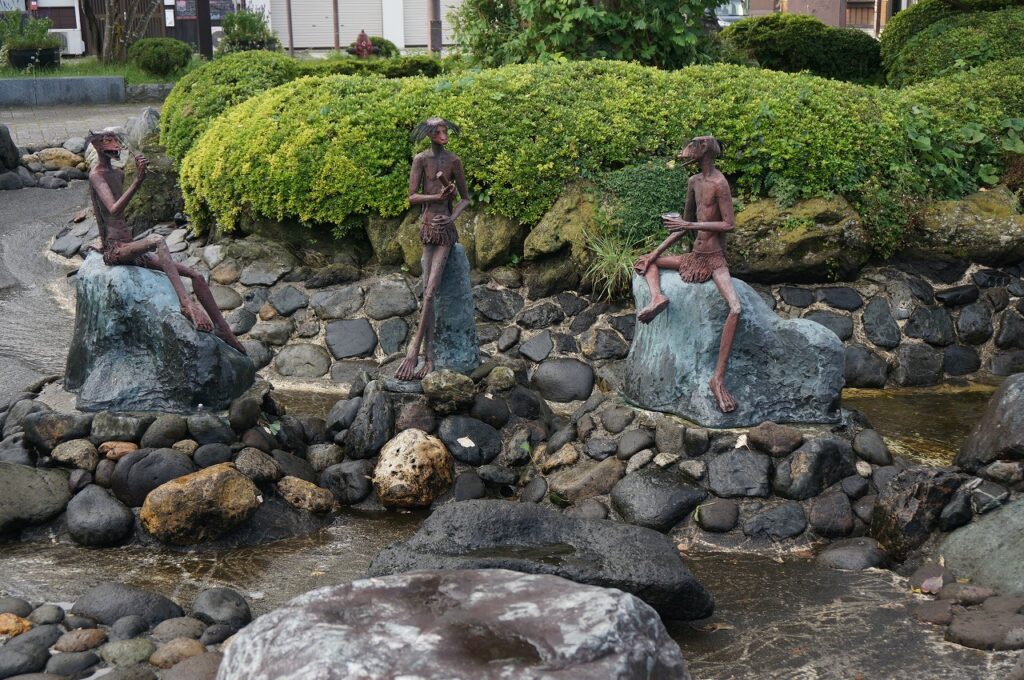
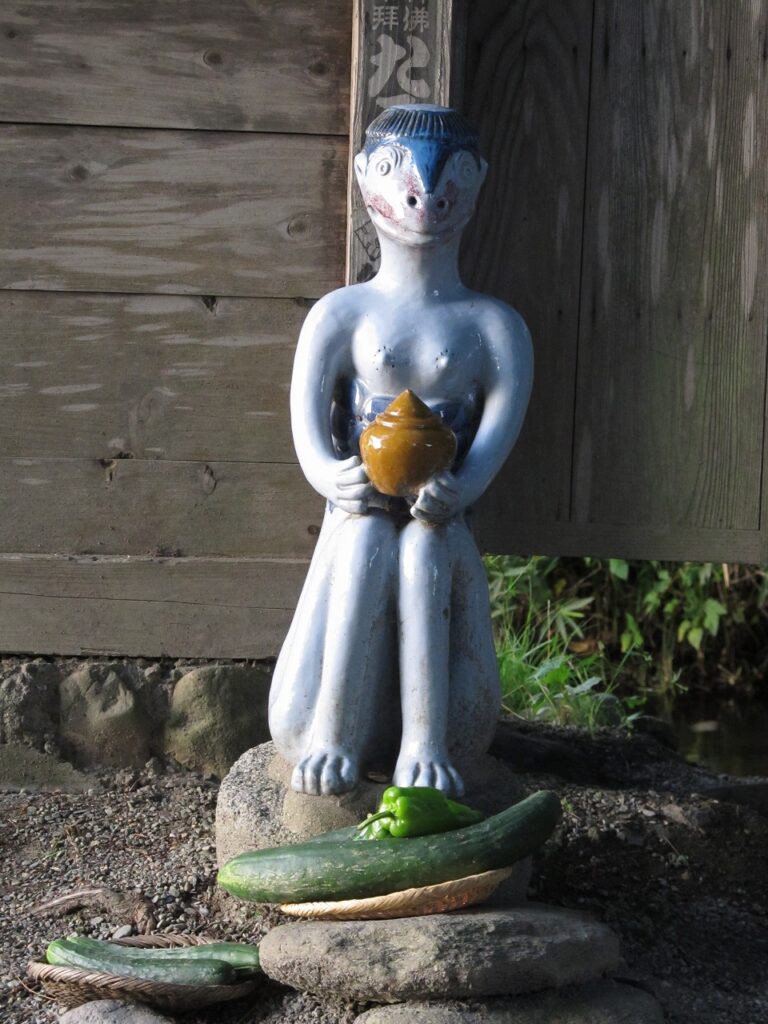
*Kappa is one of the most famous Japanese “yokai”. The approximate image of a kappa is that it lives in a river, has a shell on its back, hair on its head, and a dish in the center of its head. When the water in the dish runs out, it dies. They have waders on their hands and feet and are good swimmers. They are about the size of a child. They lean out of the river and drag people and horses into the river. Sometimes they come out at dusk and say, “Let’s play Sumo”. Their favorite foods are human liver and cucumbers. Since they are all over the country, they are called by different names in different places. “Gataro” is one of them.


Let’s go with Kappa
Tono is also a treasure house of folk performing arts. All of them come together once a year to perform at the Tono Festival. The festival takes place over two days. On this day, the normally quiet mountain village welcomes a large number of people and becomes spectacular. If a kappa from this area were to guide us through the festival, it might look something like this.
Day 1
Welcome guests
scene: in front of Tono station
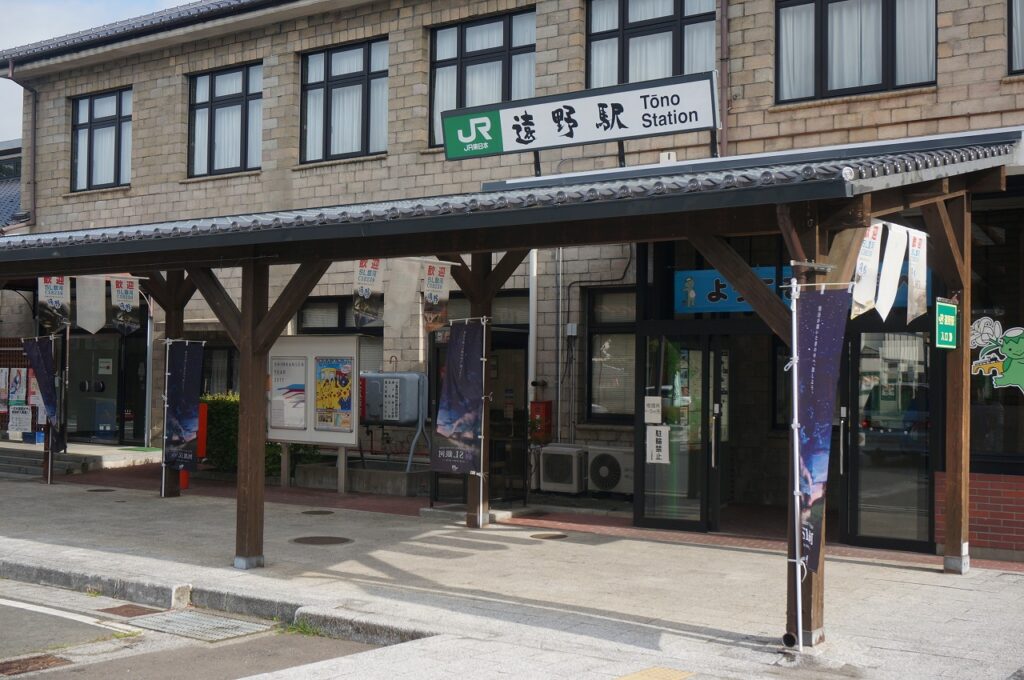
Today is the long awaited day of the annual festival. Now, it looks like Kappa living in Tono (named Wooden) is going to welcome guests soon.
8:00 in the morning. It’s almost time for the guests to arrive. Oh, here he is.
Hey, I’ve finally arrived at the Kappa Sanctuary. I’ve been looking forward to it.
Welcome from far away Fukusaki-town, Hyogo prefecture.
*Yes, he is Gajiro, a kappa from Fukusaki town in Hyogo Prefecture. There is a little explanation as to why he appeared this time. Fukusaki town is actually the hometown of Yanagita Kunio, who wrote “The Tale of Tono”. In his memoirs of his hometown, he wrote about the existence of a kappa named “Gataro” in the town. In Fukusaki Town, Gajirō, who is set up as Gatarō’s younger brother, plays an active role.
I have heard you’re busy every day.
That’s right. I work at the pond showing up every fifteen minutes during the day from nine in the morning until five in the evening every day.
*Explanation again. Fukuzaki town has installed objects of kappa and other yokai (Japanese strange monsters) throughout the town to promote the town. In particular, the main pond and the station in front of the station are attracting a lot of attention because of the kappa jumping out of the pond.
cf. http://www.fukusakikankou.jp/
https://www.youtube.com/watch?v=Hix5SerE19g
It sounds tough. A lot of kappa friends are waiting for you, too. Take your time and enjoy yourself.
Door-to-door entertainment
scene: Tono town
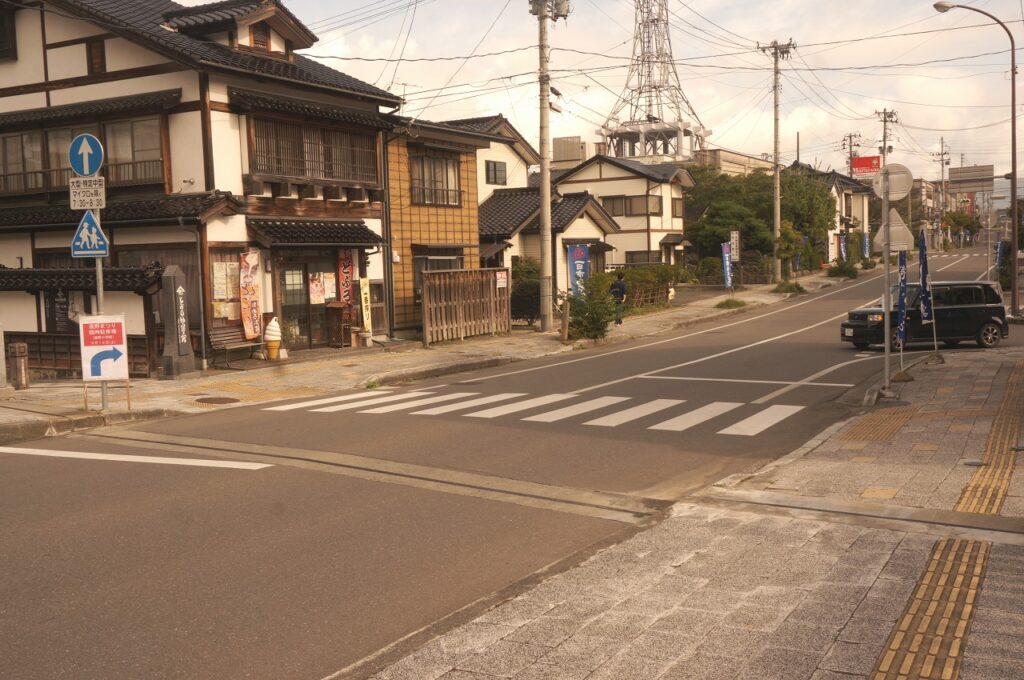
There’s still time to walk around town a bit. Today I’ll show you the south side of the station.
This is the area where the museums are. Most of the travelers stay here first.
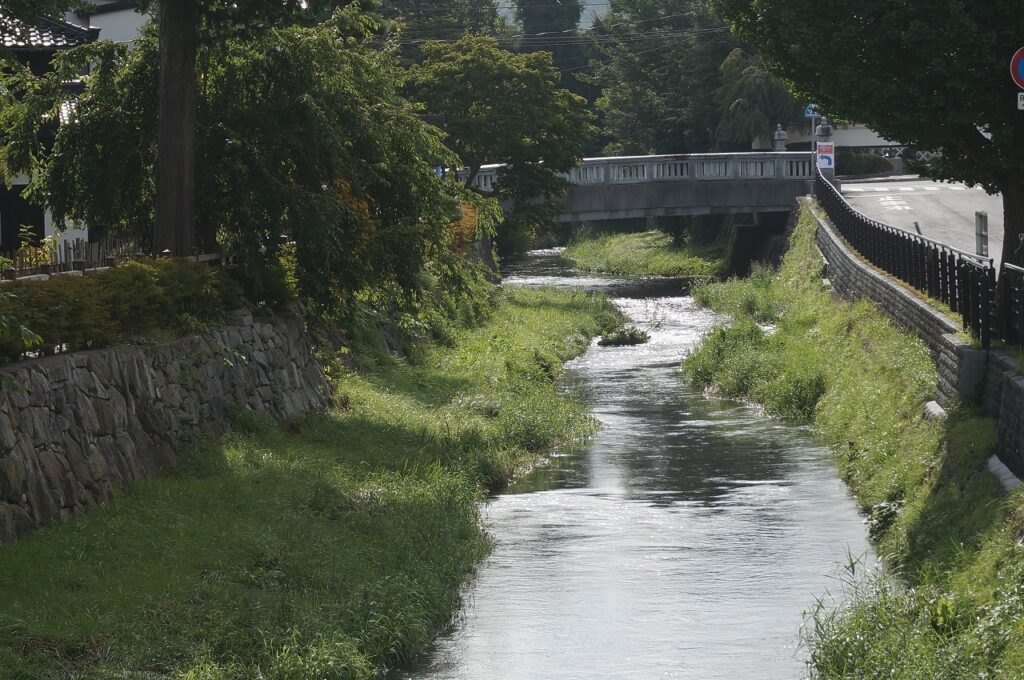
Where is Kappa-pond, where are kappa said to be?
It’s on the north side of the station. It’s a bit far, so you should rent a bicycle or drive.
I’m starting to hear some amusing sounds.
It’s already nine in the morning. It might have started by now. Let’s go back.
The content can also be enjoyed on video→https://youtu.be/lOEuoTPm7tw
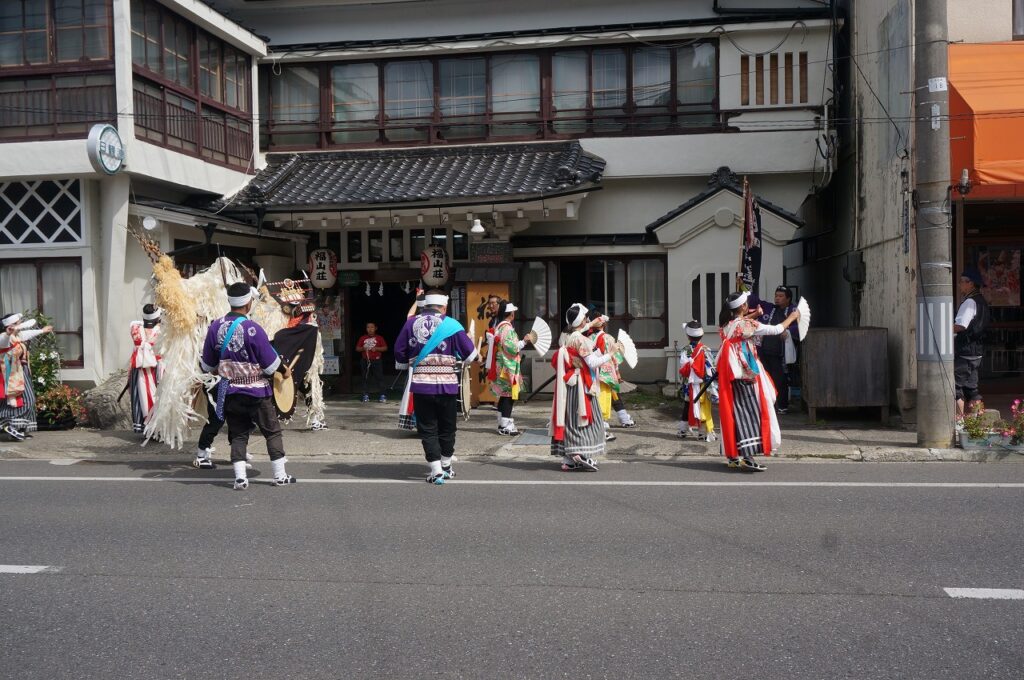
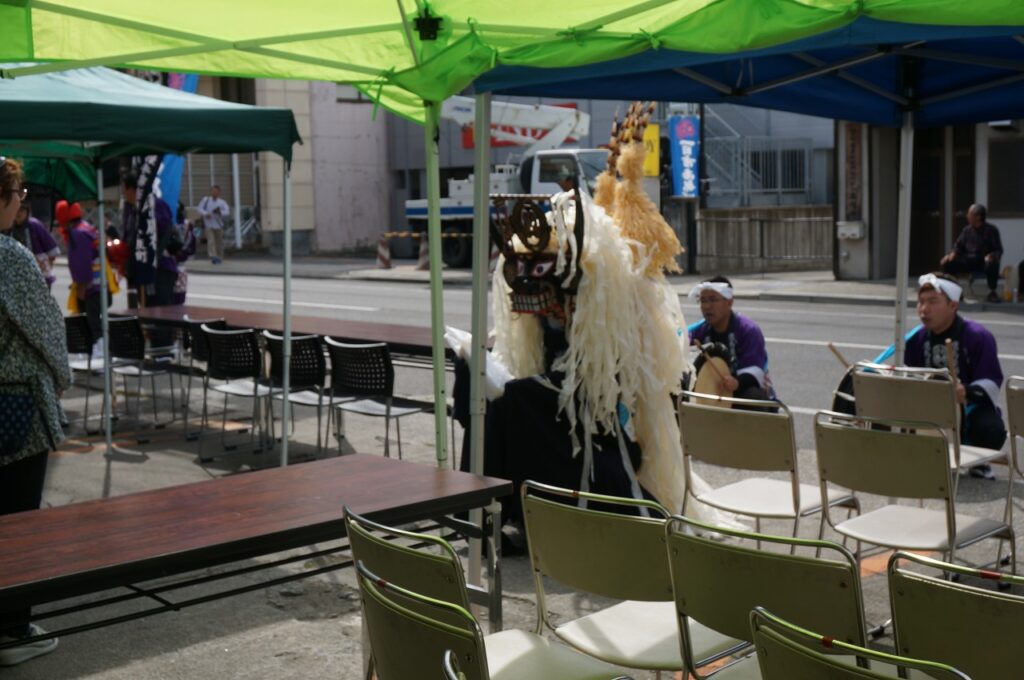
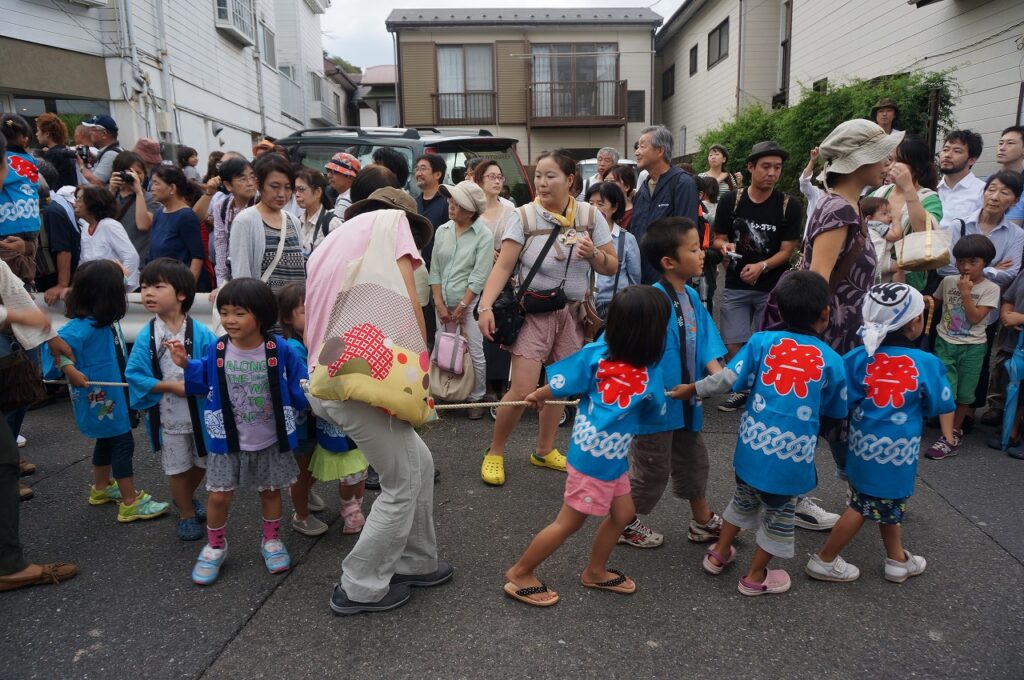
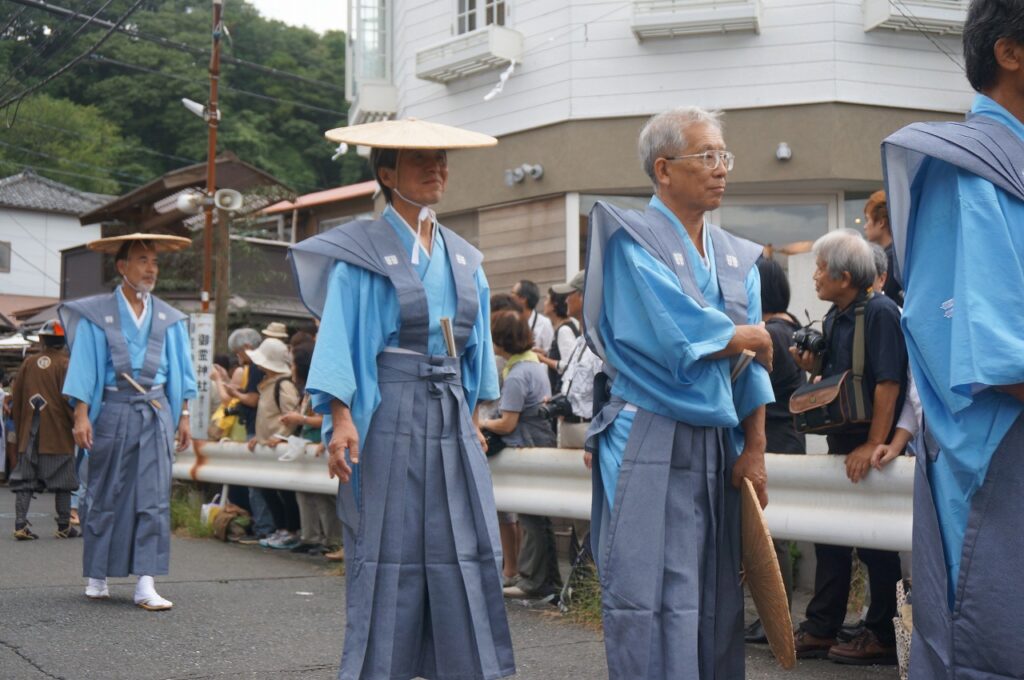
There are people all over the place. What are you doing?
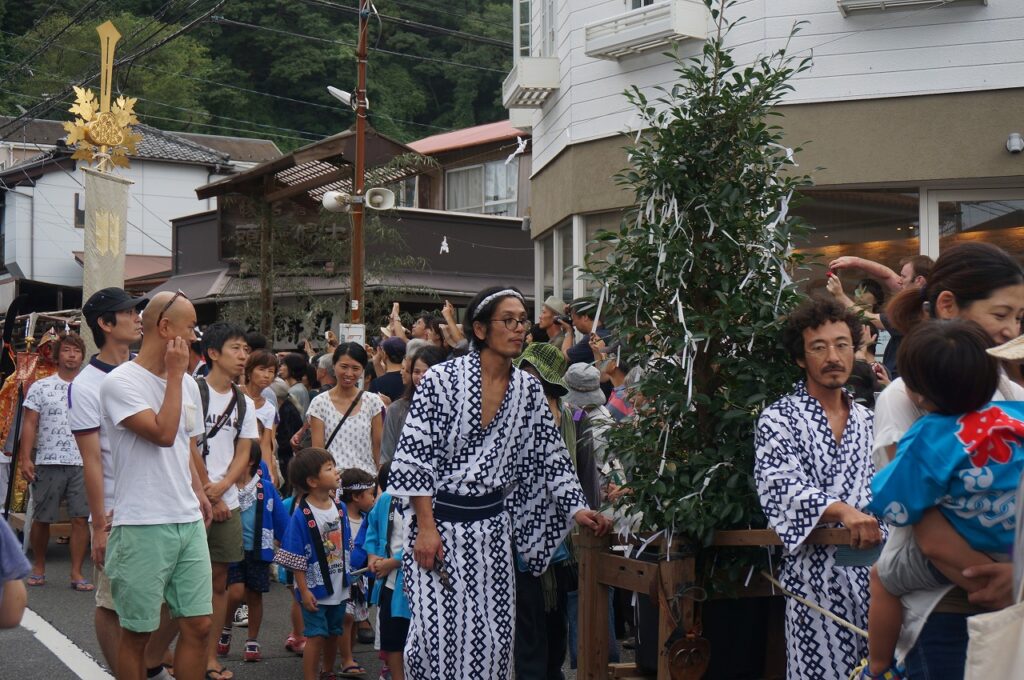
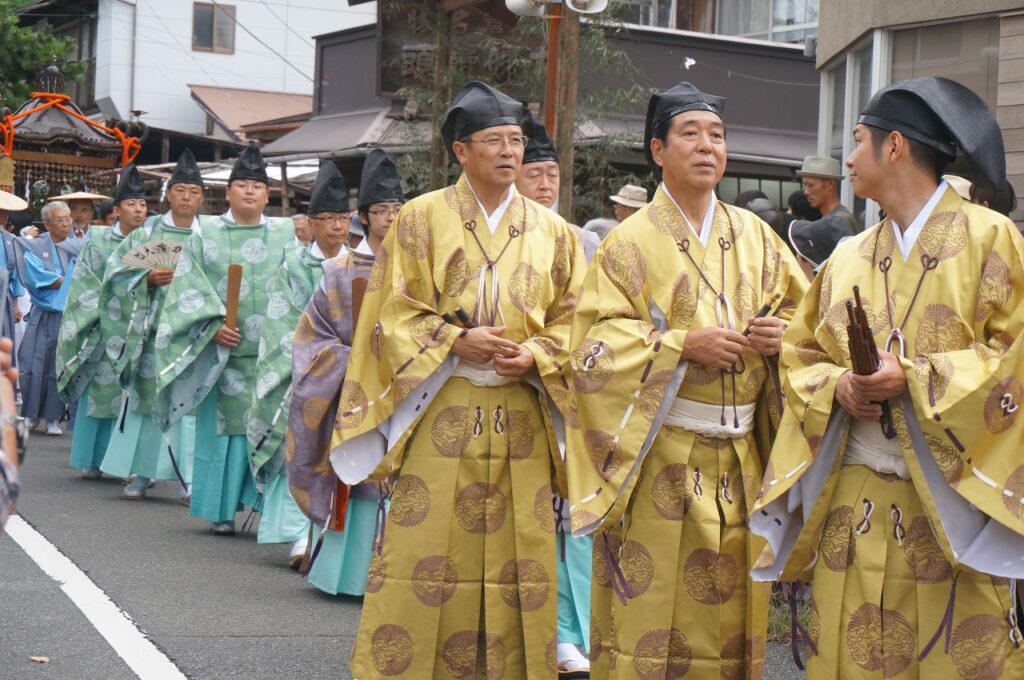
This is a custom called “Kadozuke 門付け,” in which people go from house to house to bless and receive congratulations. This used to be a very common custom in the past, but now we can see very few places where this custom still exists.
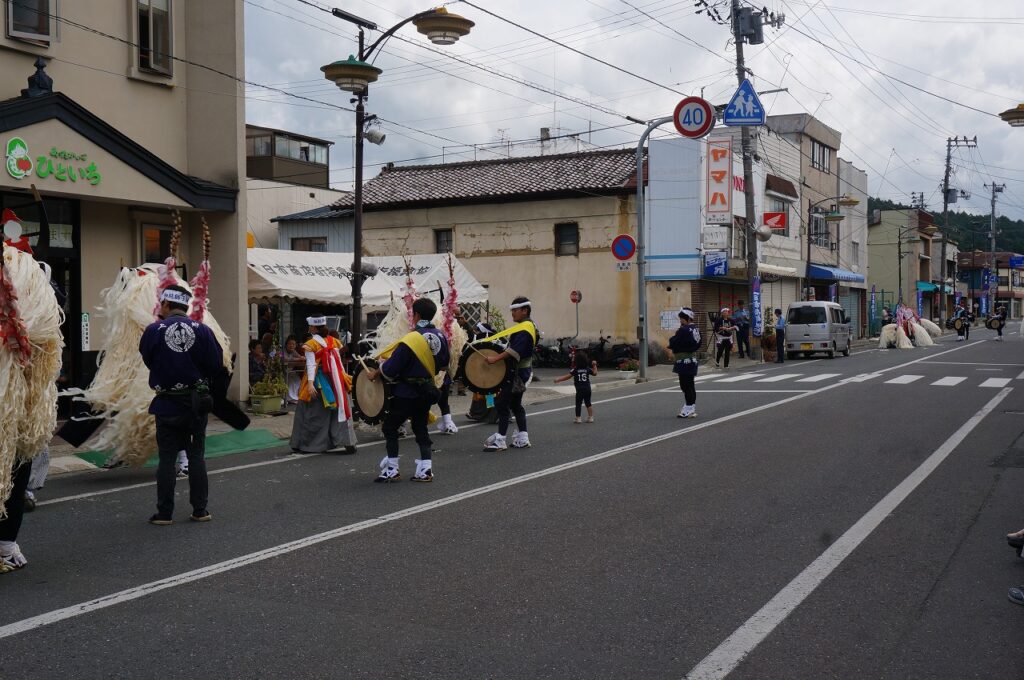
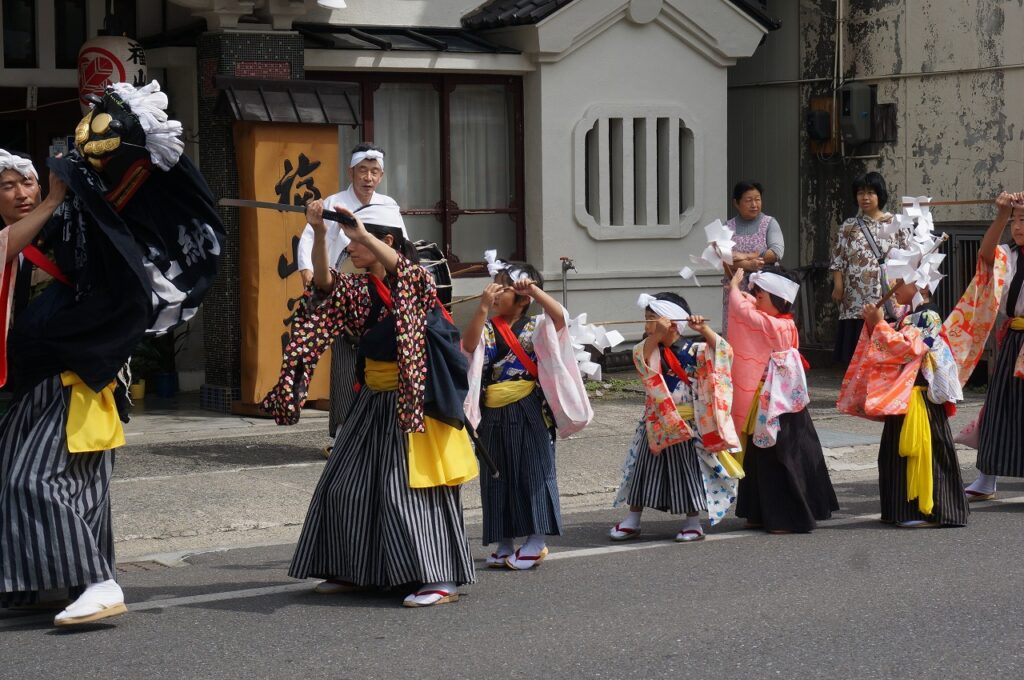
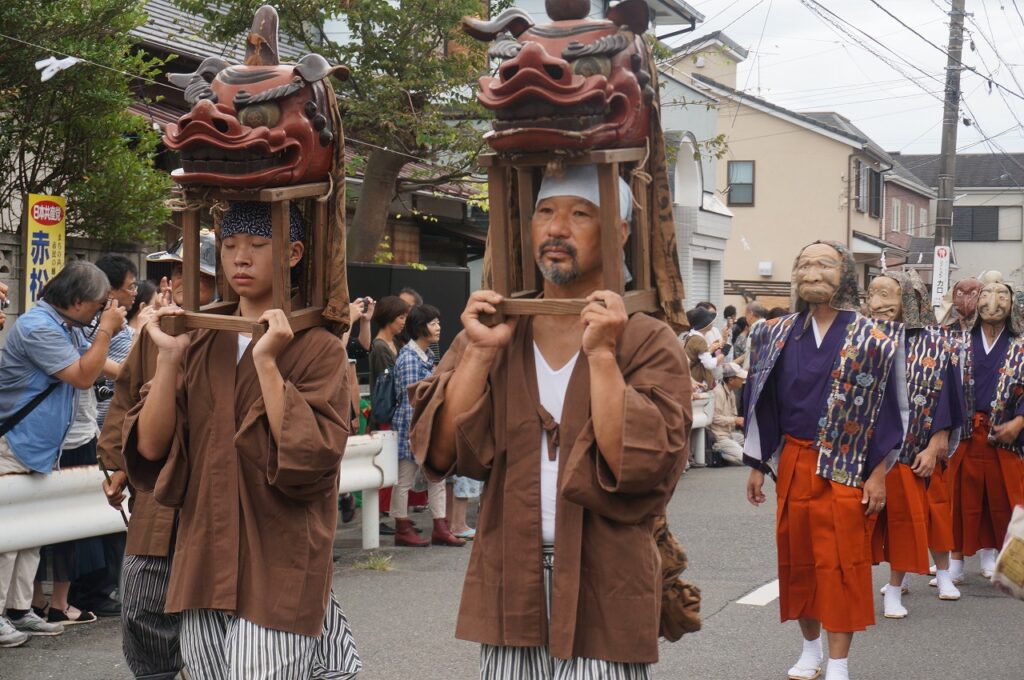
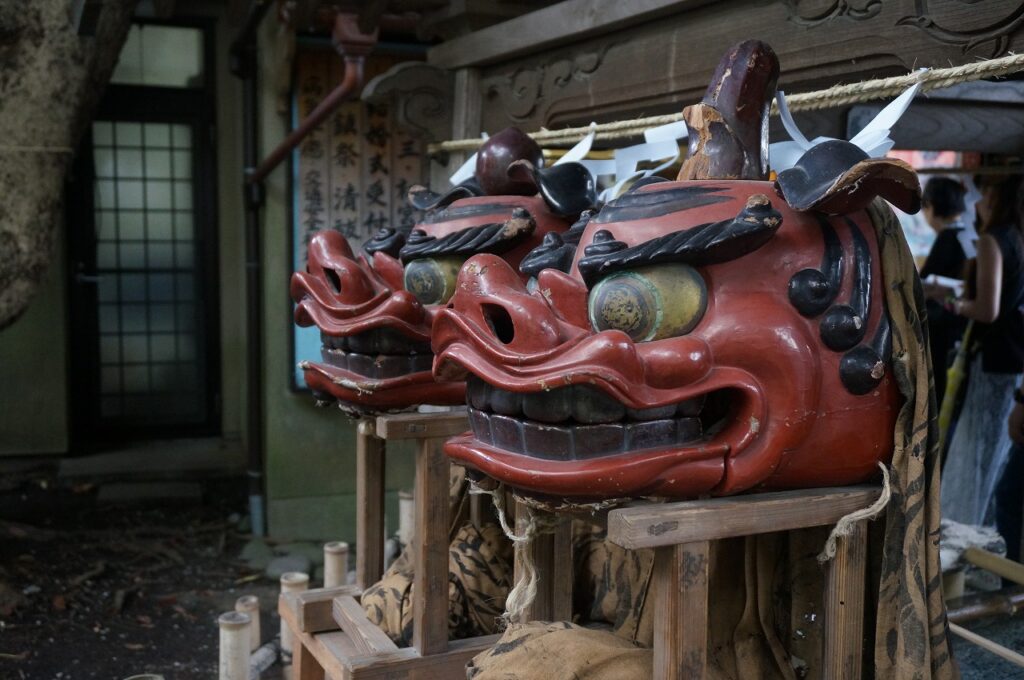
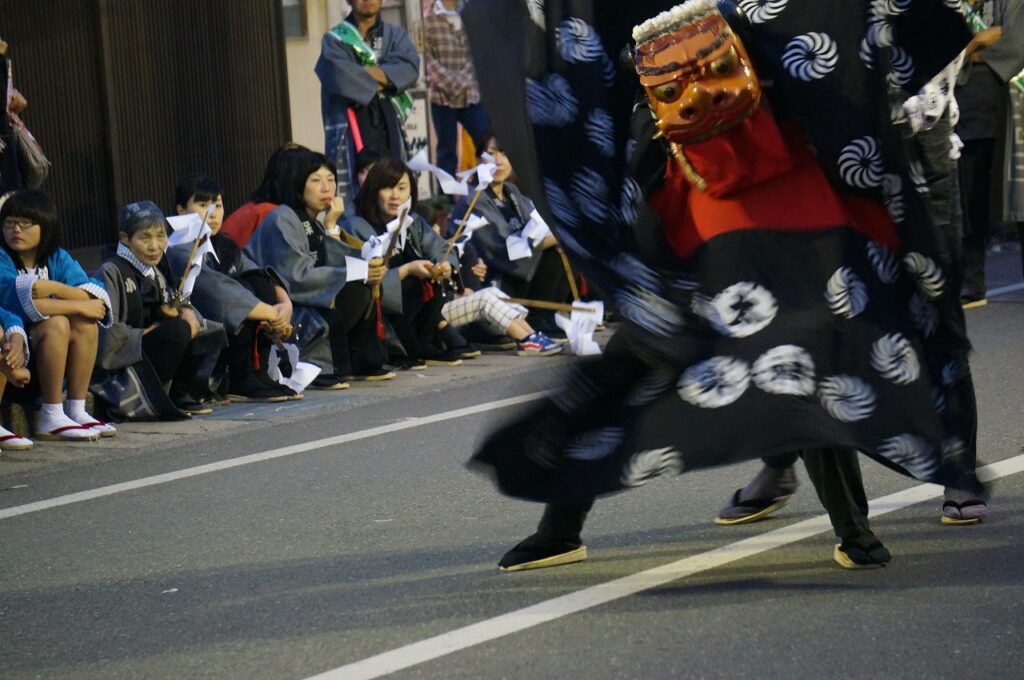
Not only the deer dance, but also the Kagura groups do the gating. The group holding the lion’s head is the kagura group. In Tono, the lion’s head is not worn on the head, but is usually held in the hand.
Parade~Deer Dance
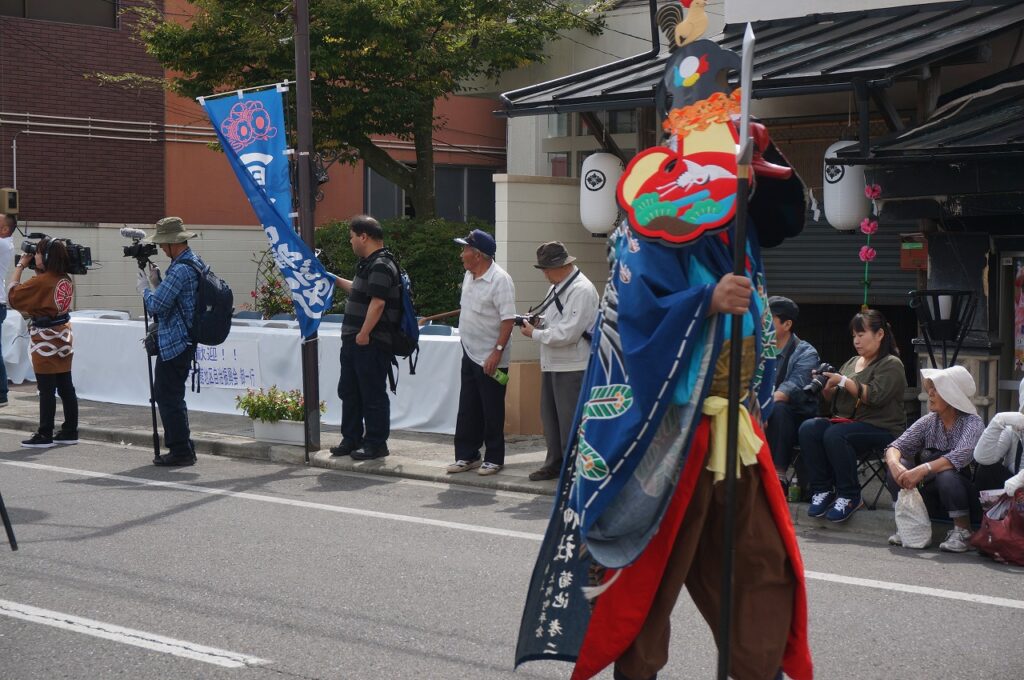
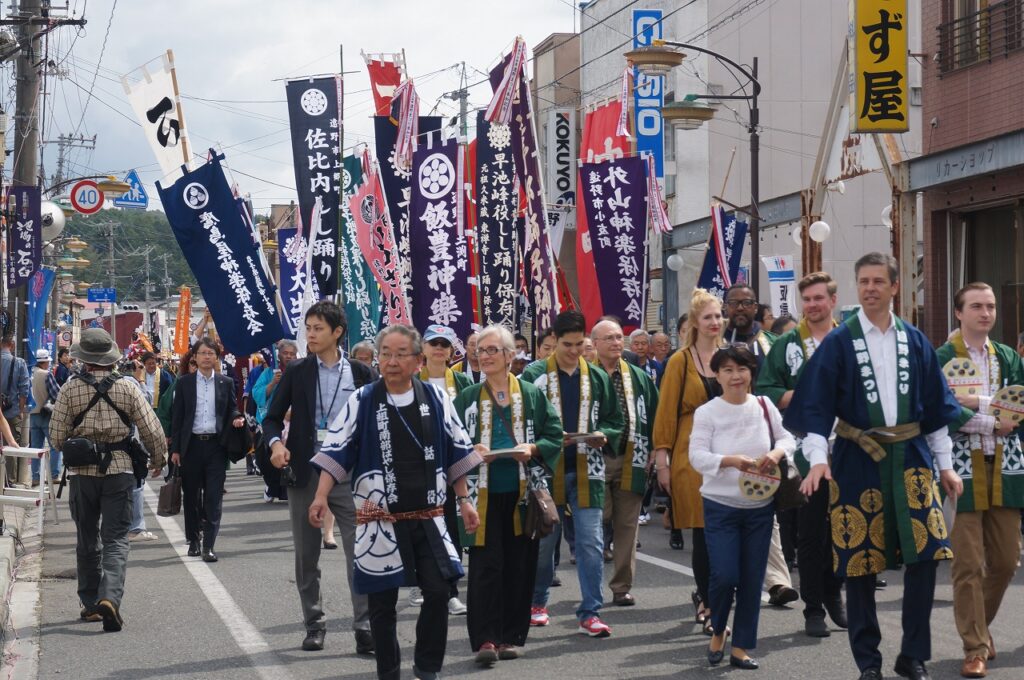
The content can also be enjoyed on video→https://youtu.be/NGlbg81BCuc
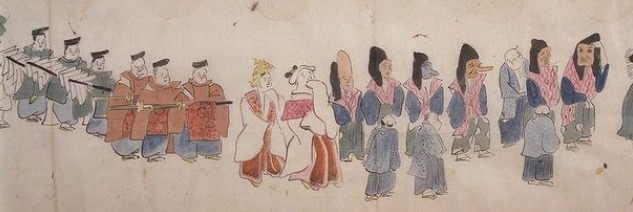
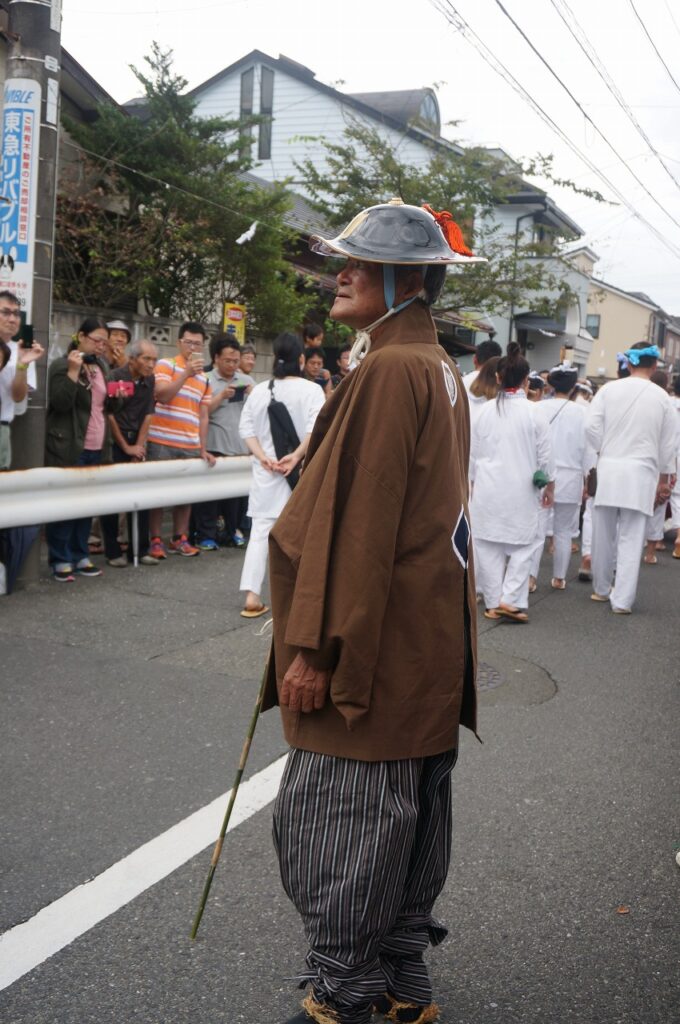
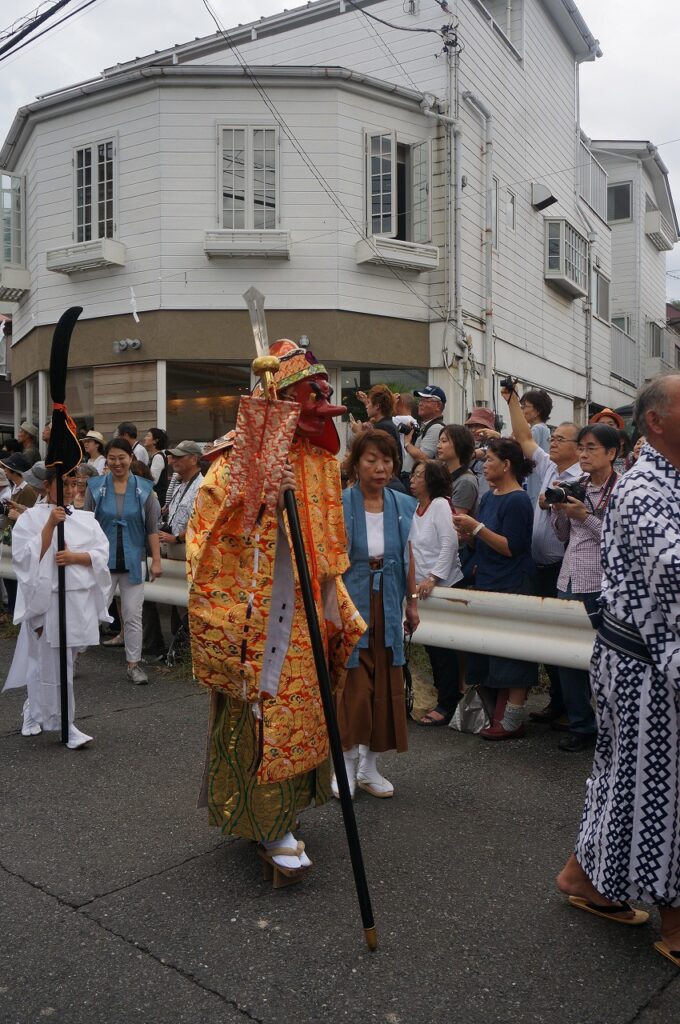
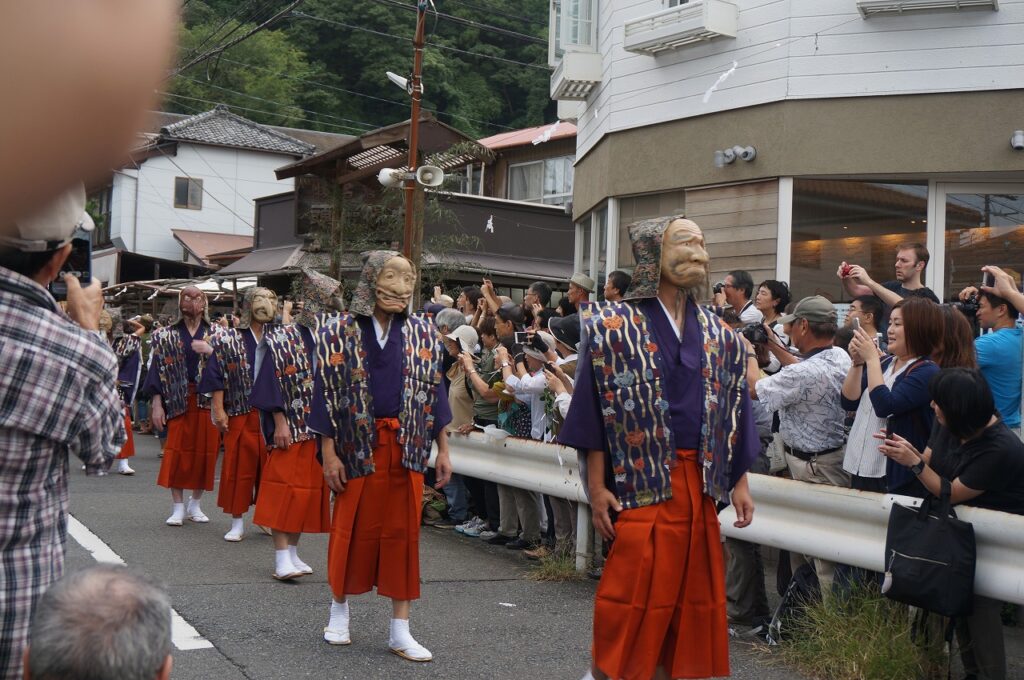
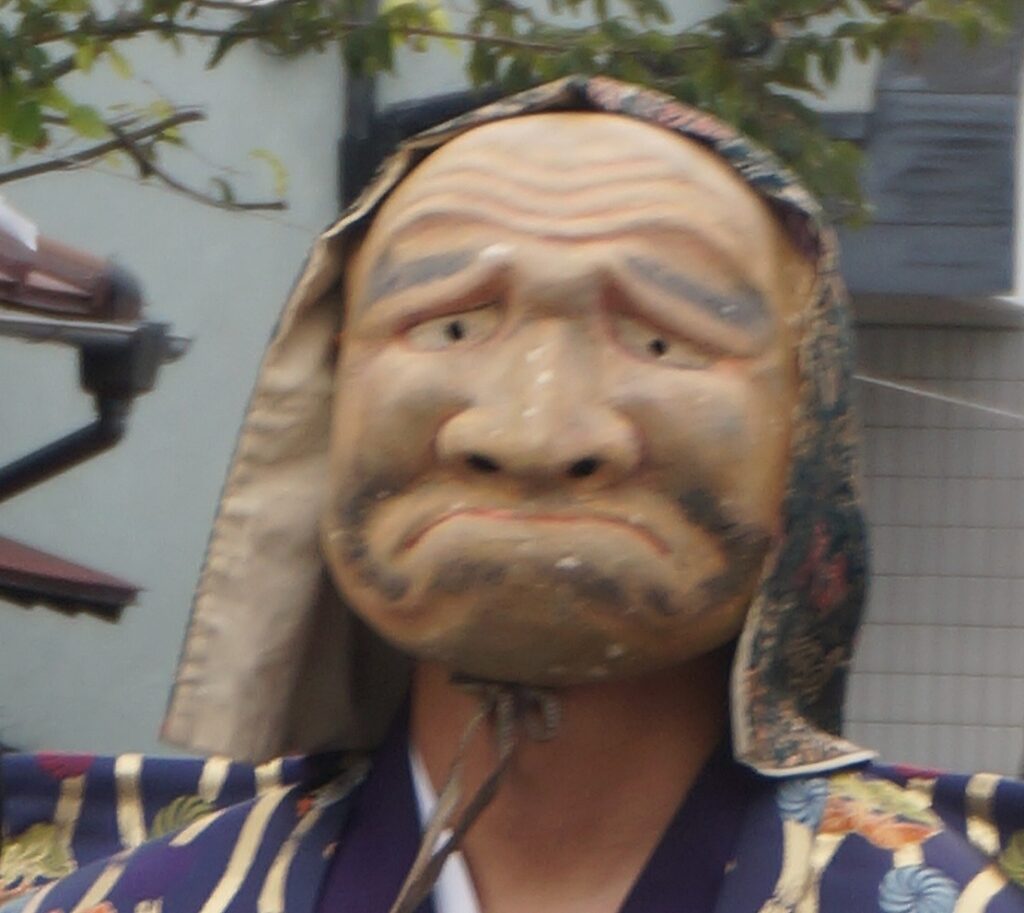
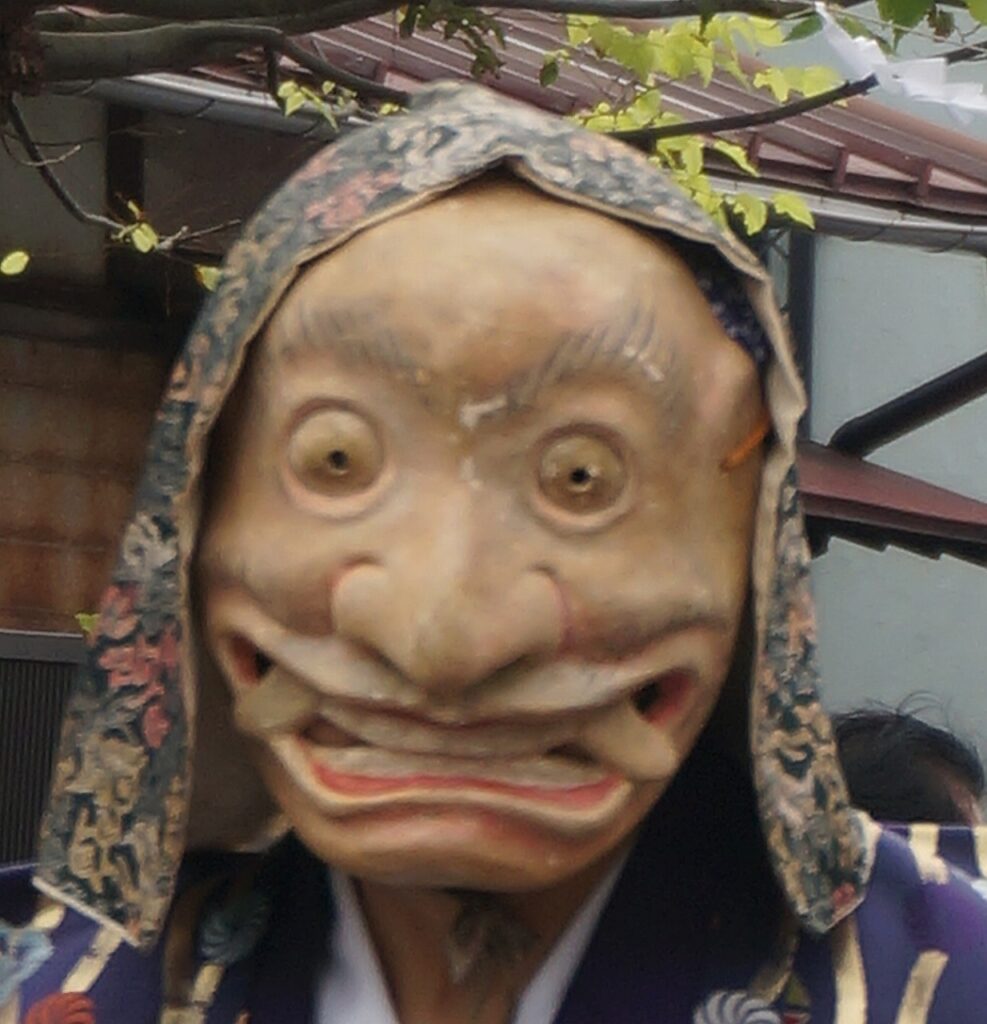
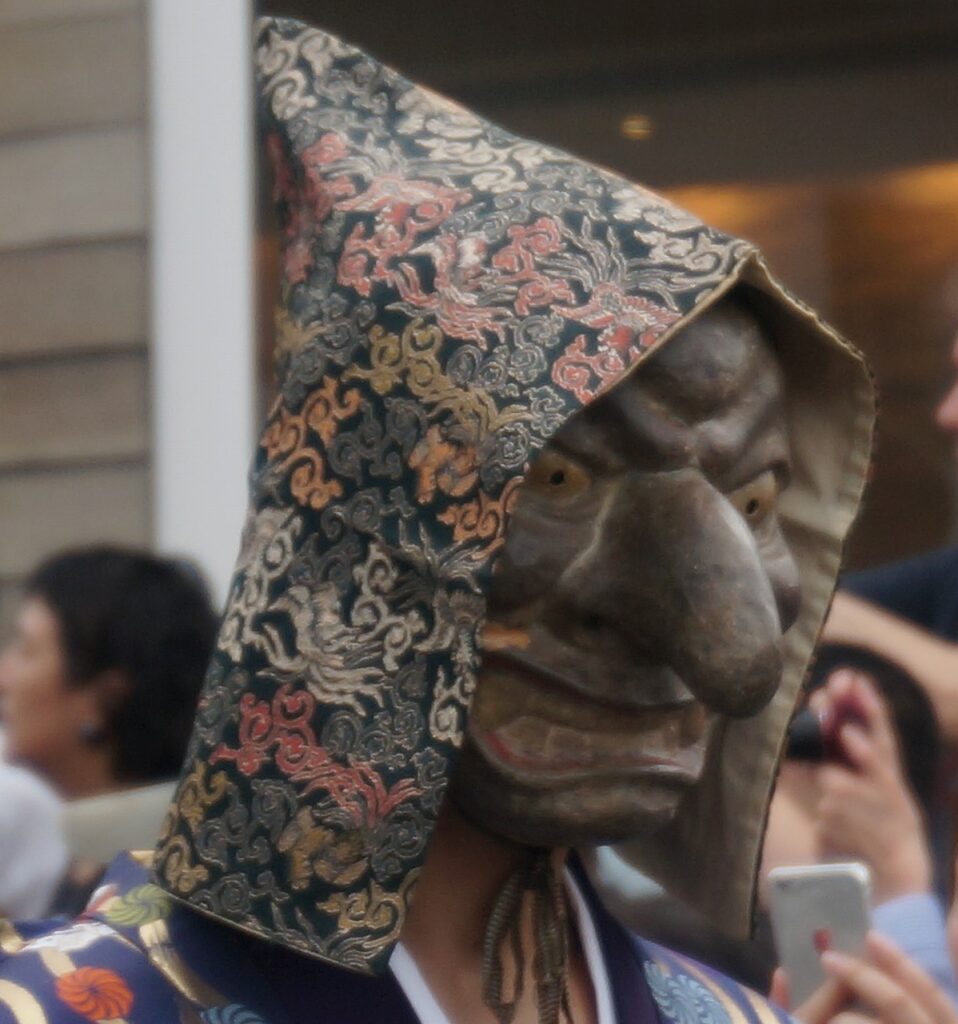
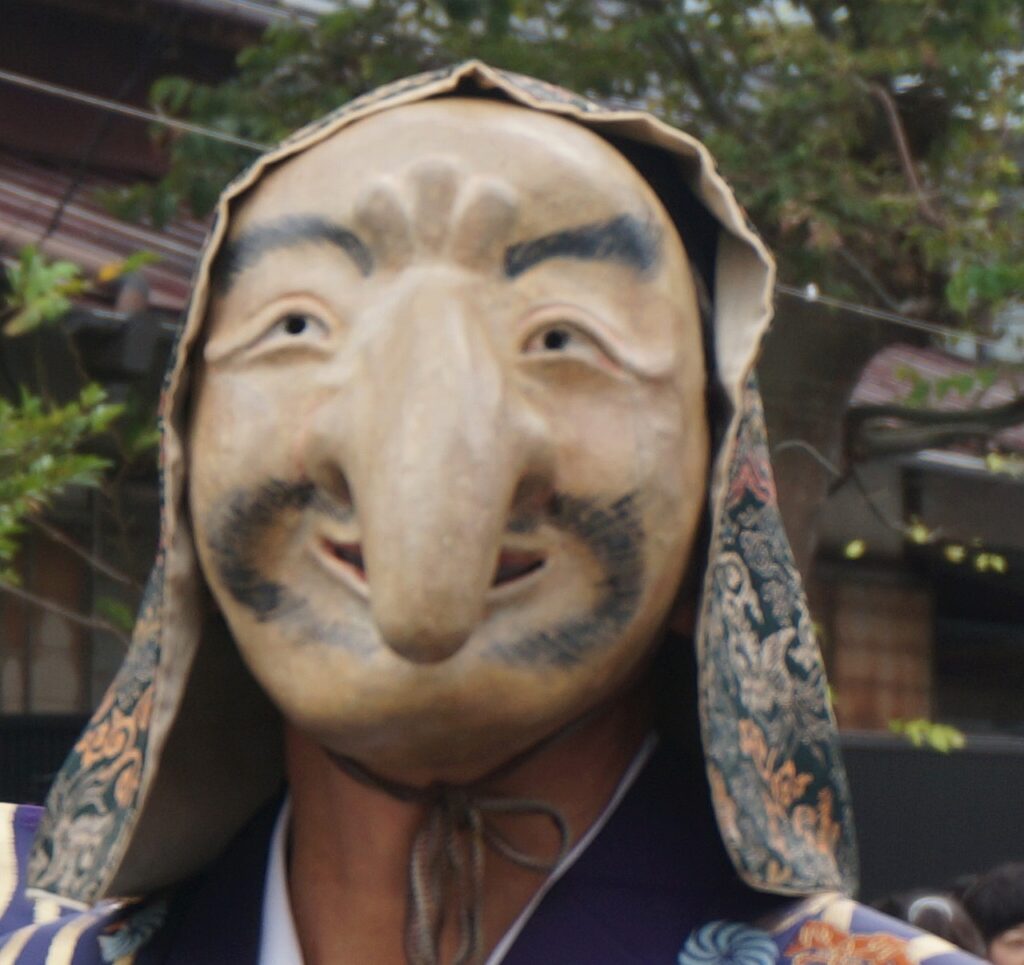
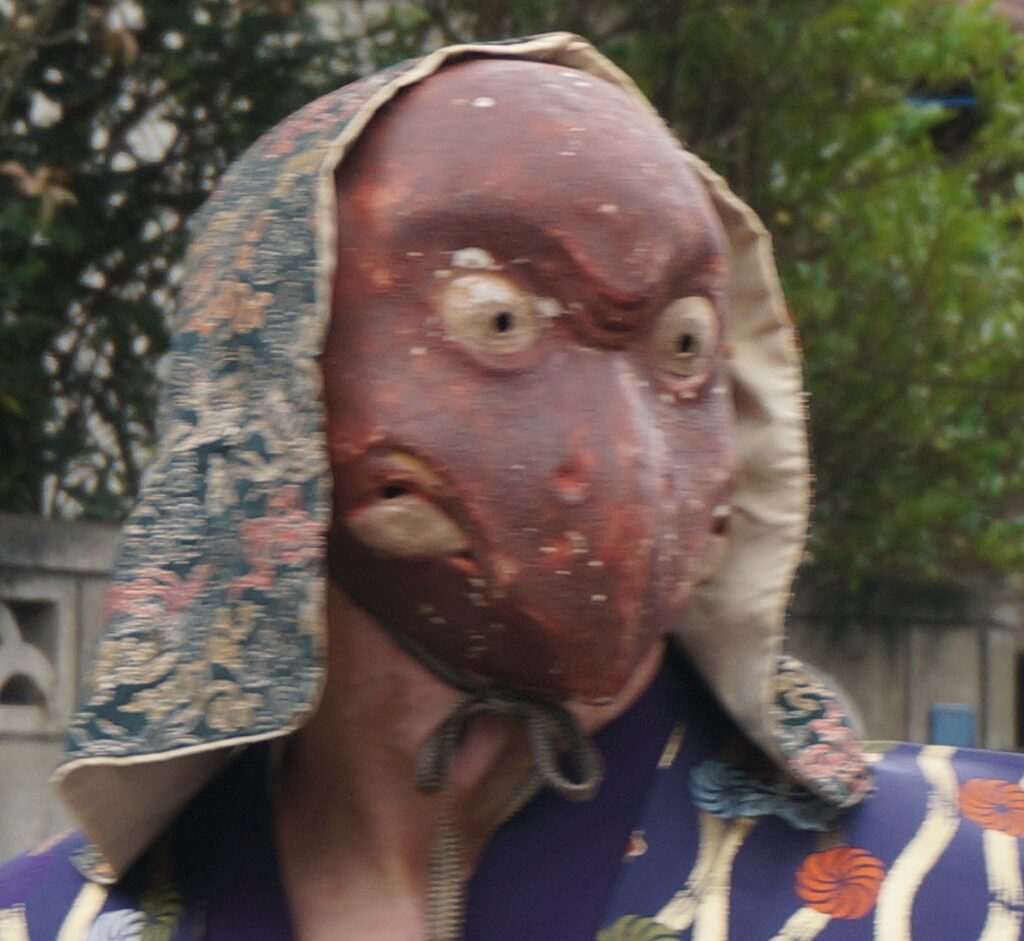
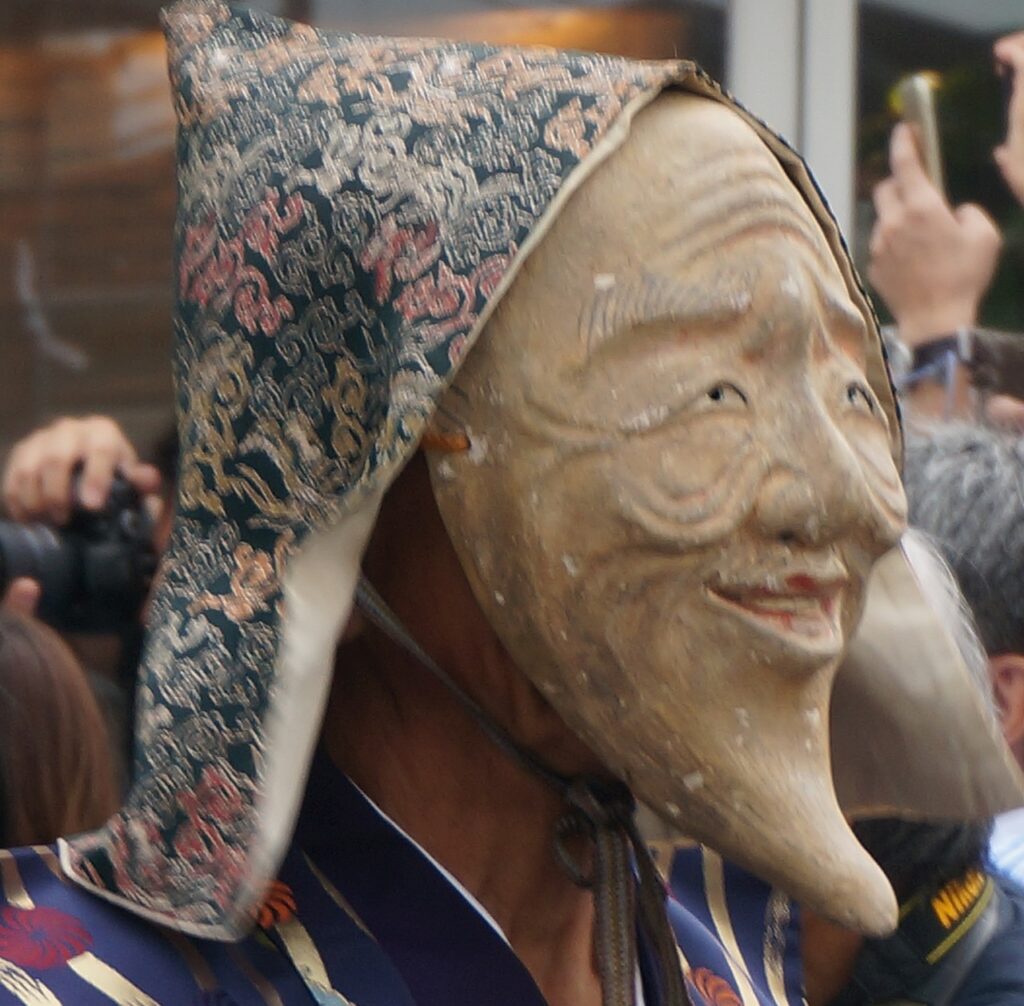
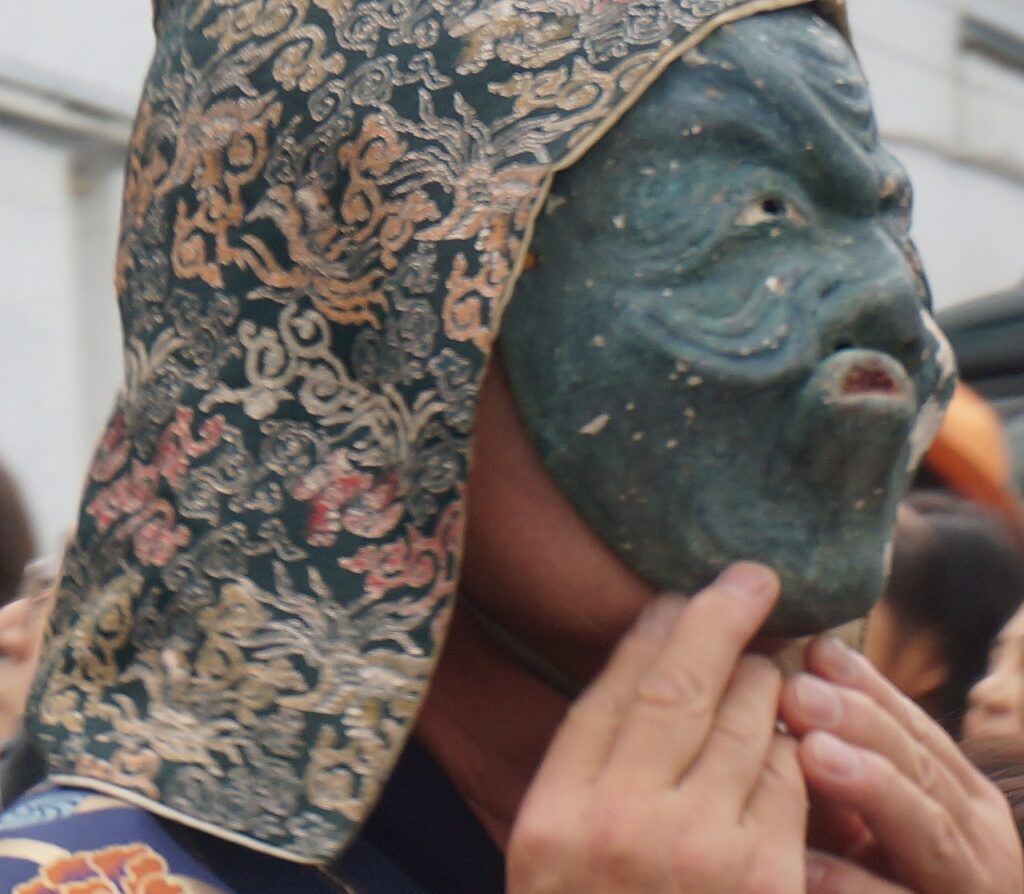
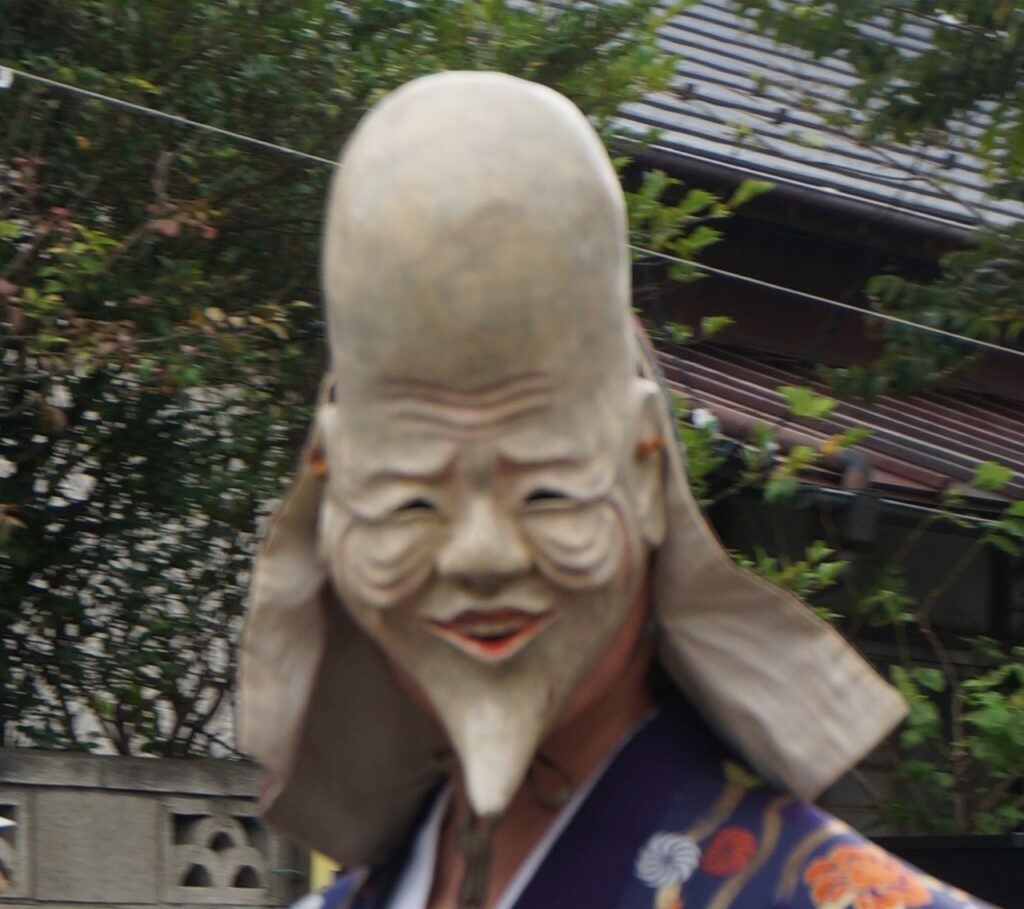
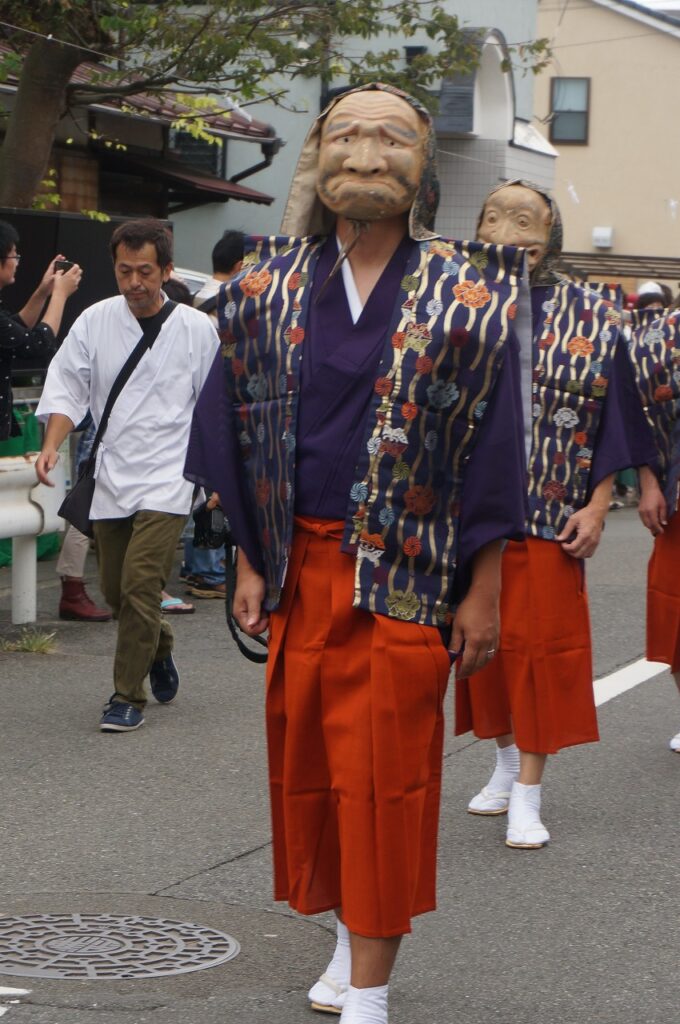
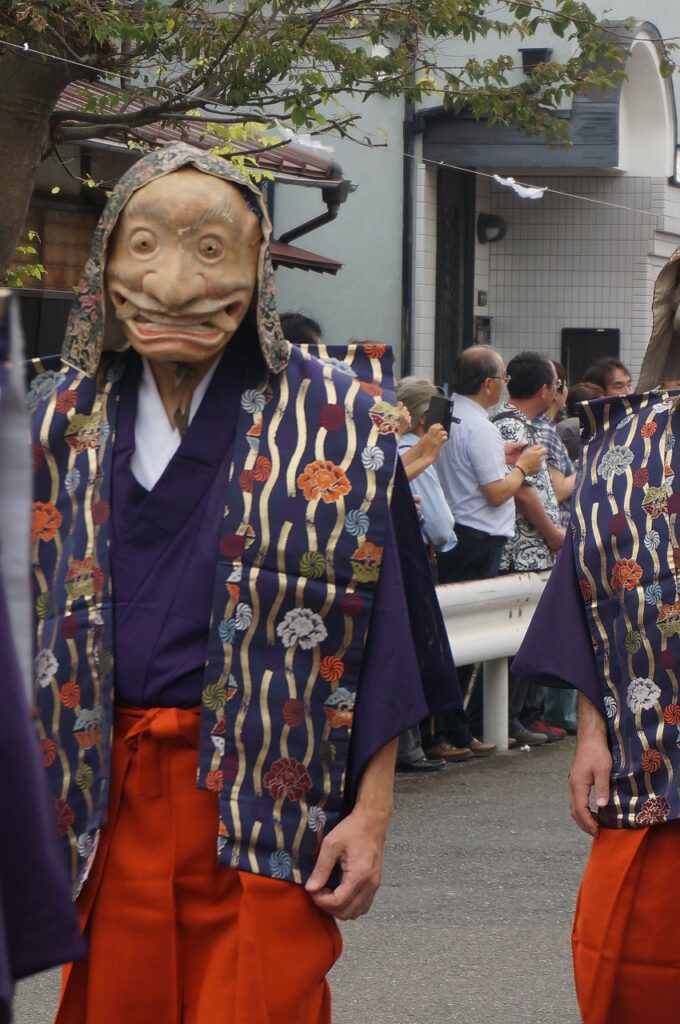
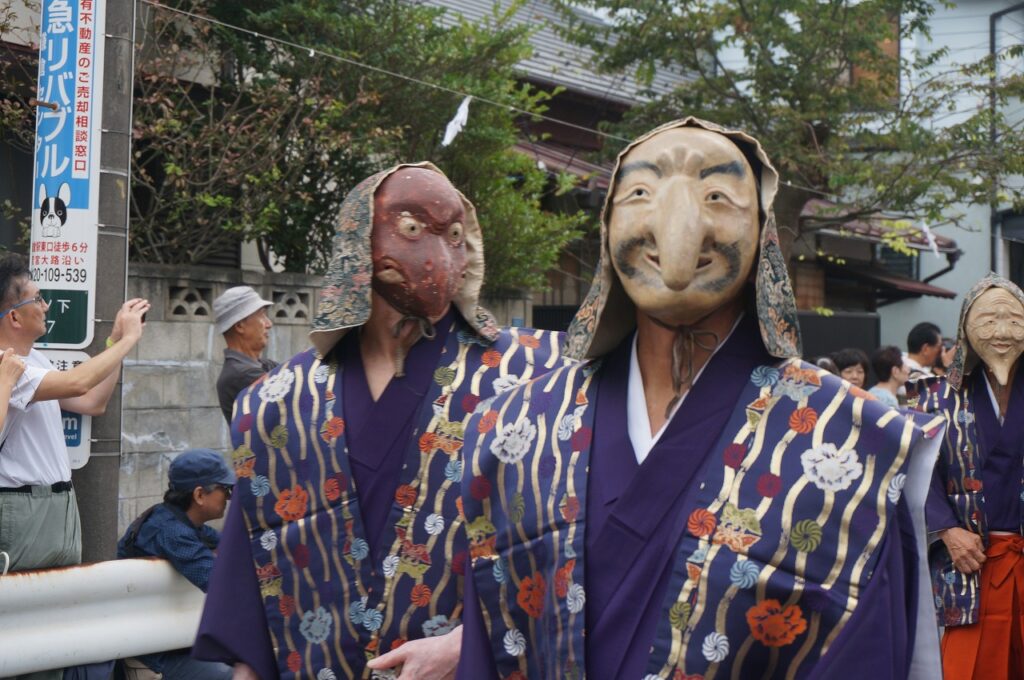
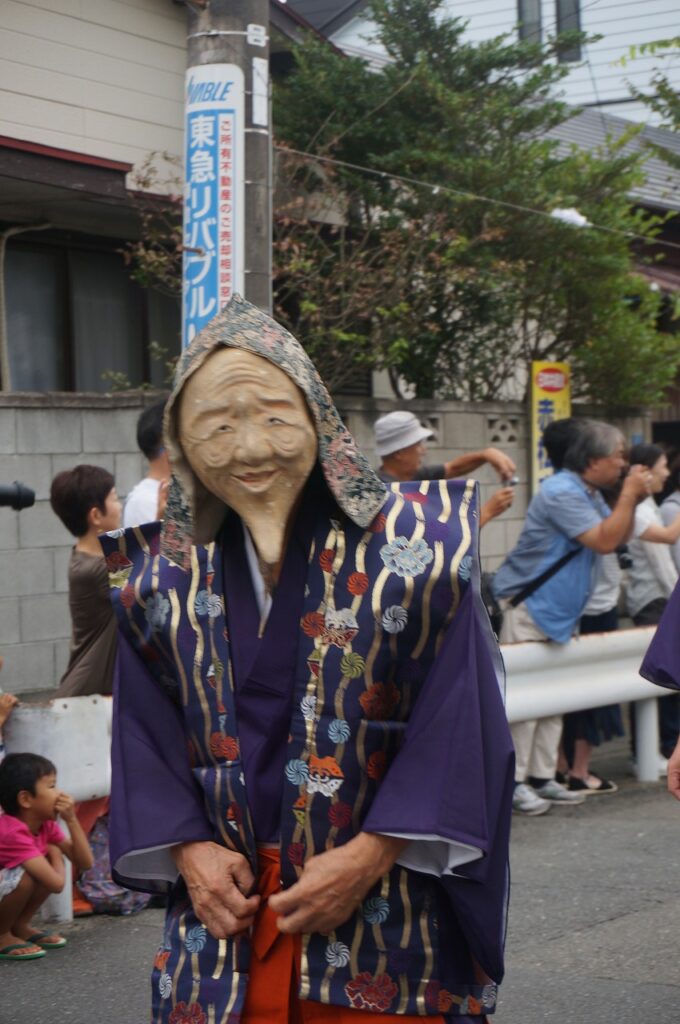
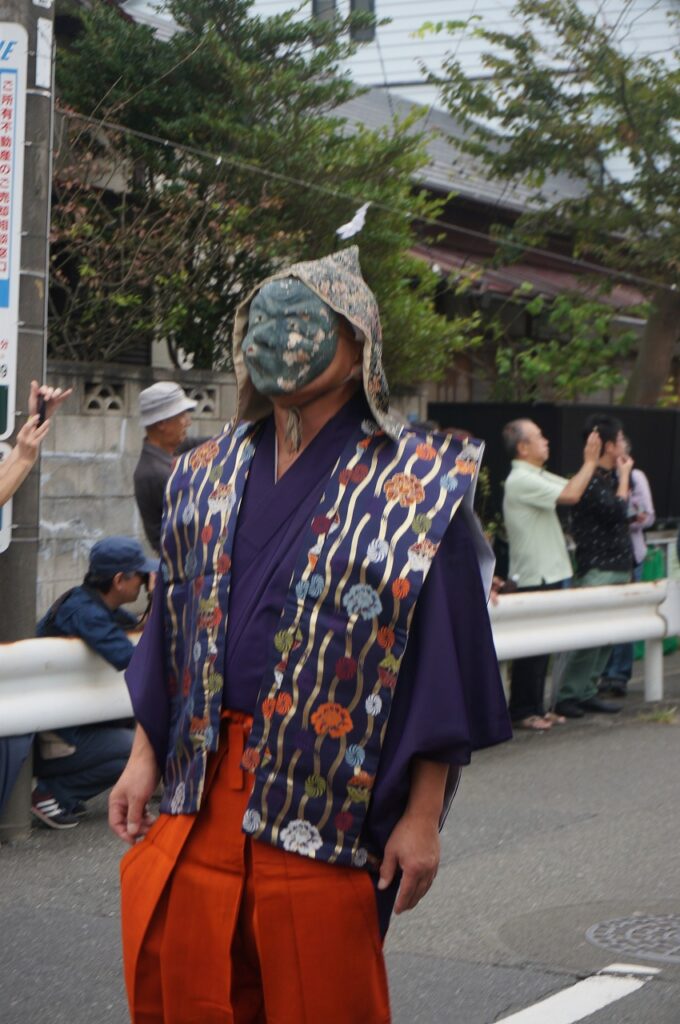
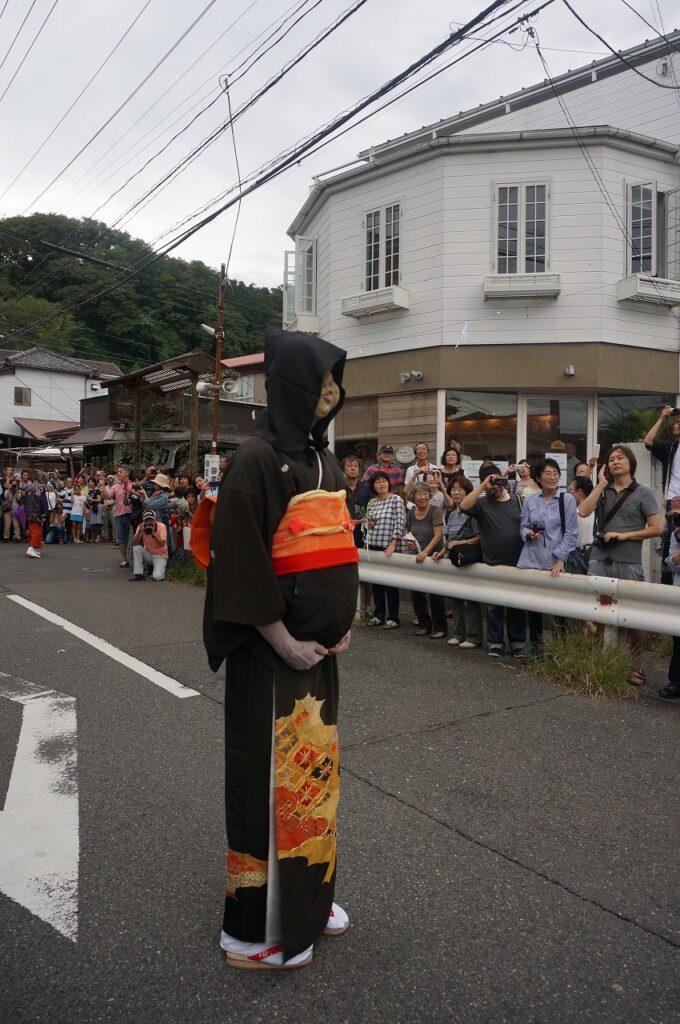
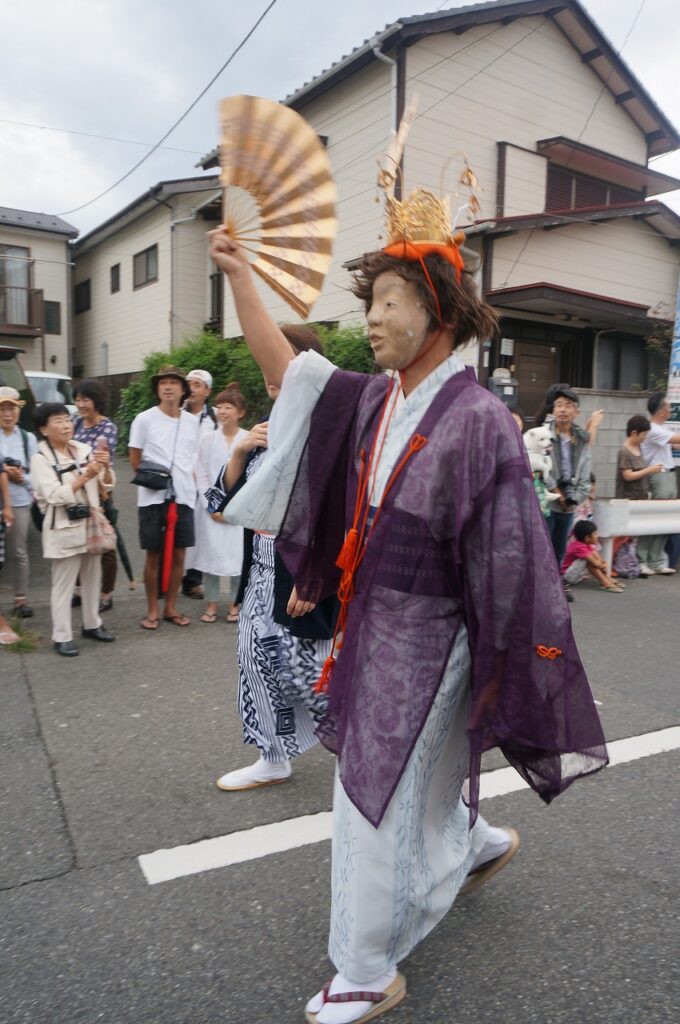
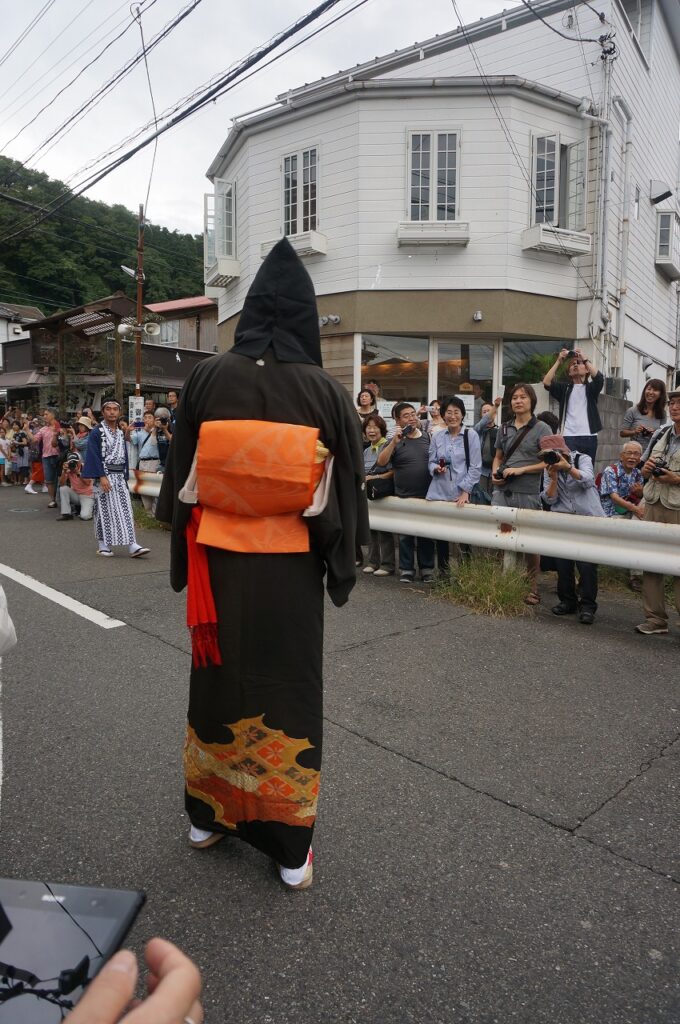
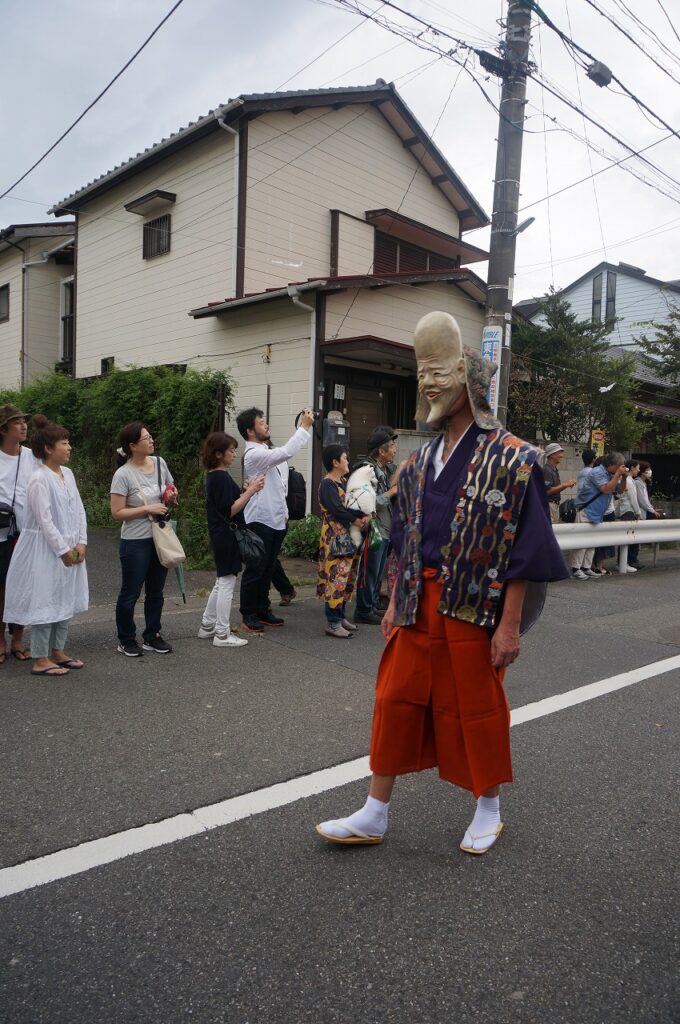
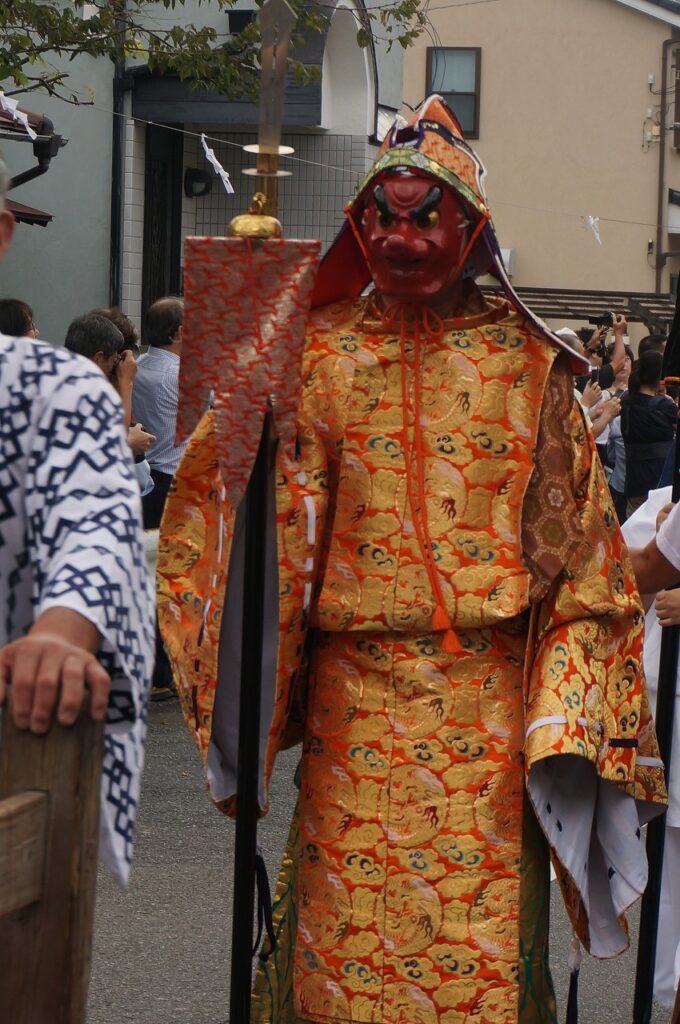
The first tengu with long noses came strolling in.
This is not a Tengu, but a Sarutahiko, a god of guidance. The Sarutahiko of each kagura group lead the procession together.
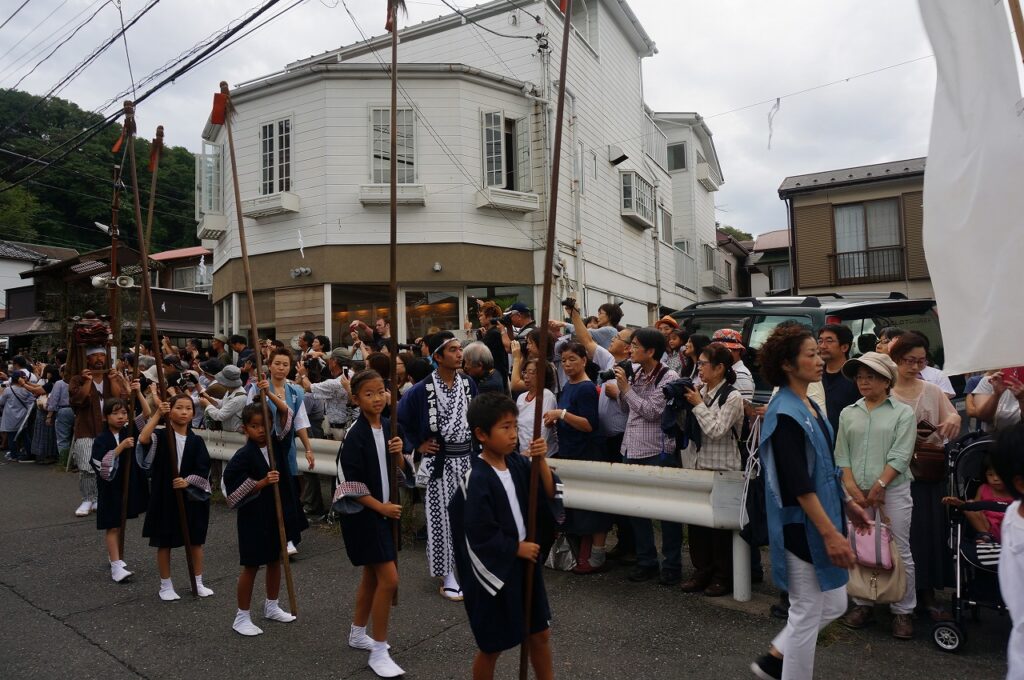
But that’s a lot of people. And there are a lot of foreigners, too.
Currently, Tono City has friendship cities with Salerno, Campania, Italy, and Chattanooga, Tennessee, USA. And Tono has about 60 performing arts groups.
But there are so many banners, aren’t there?
There are about 60 performing arts groups active in Tono.
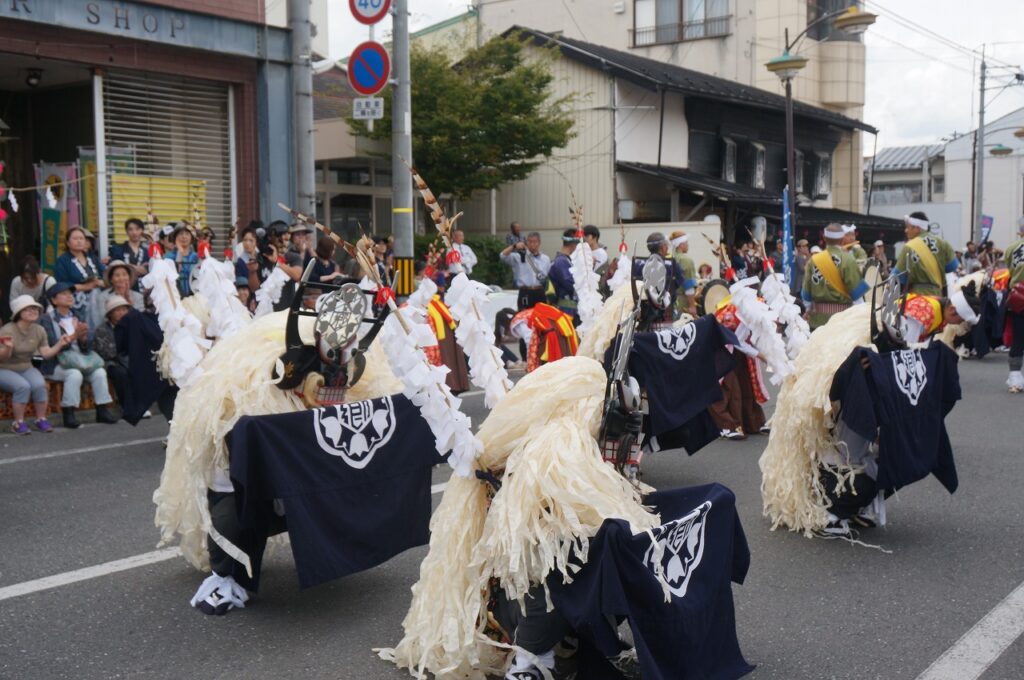
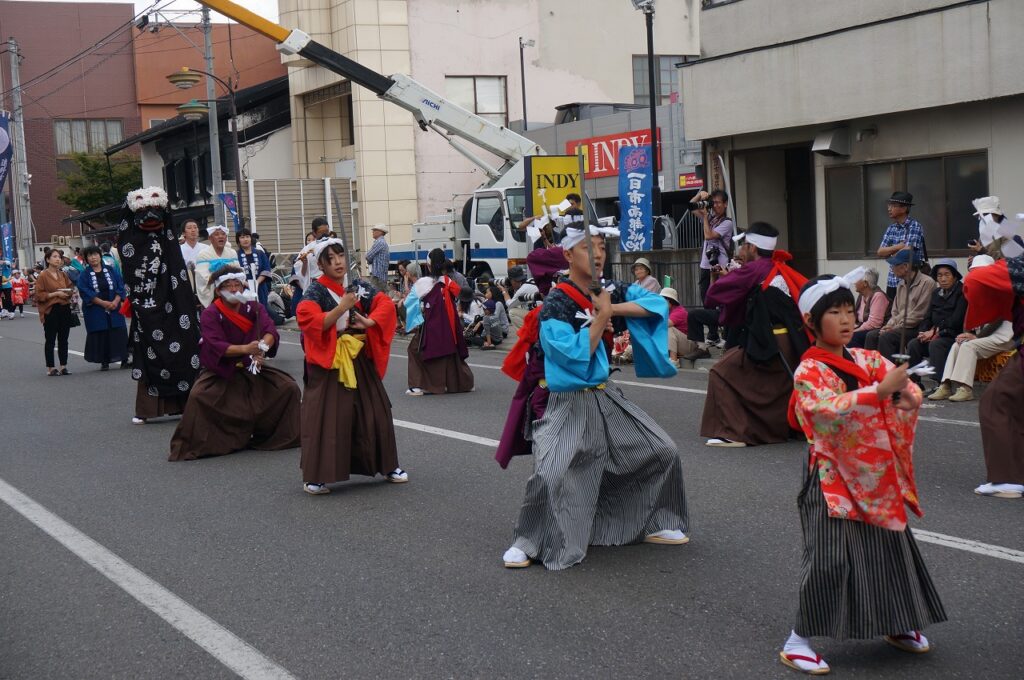
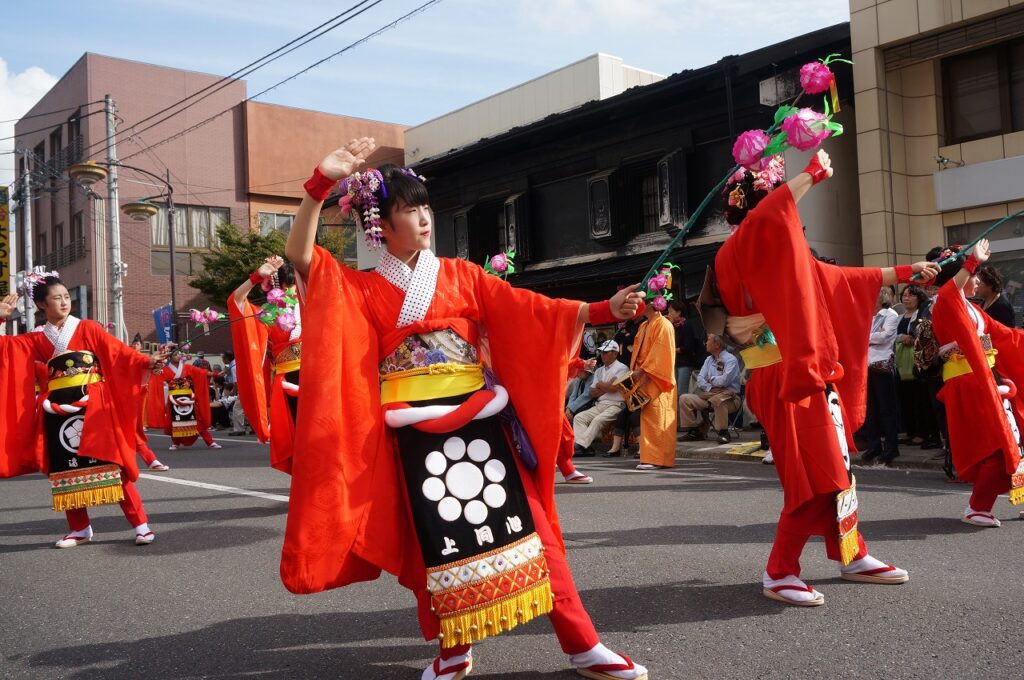
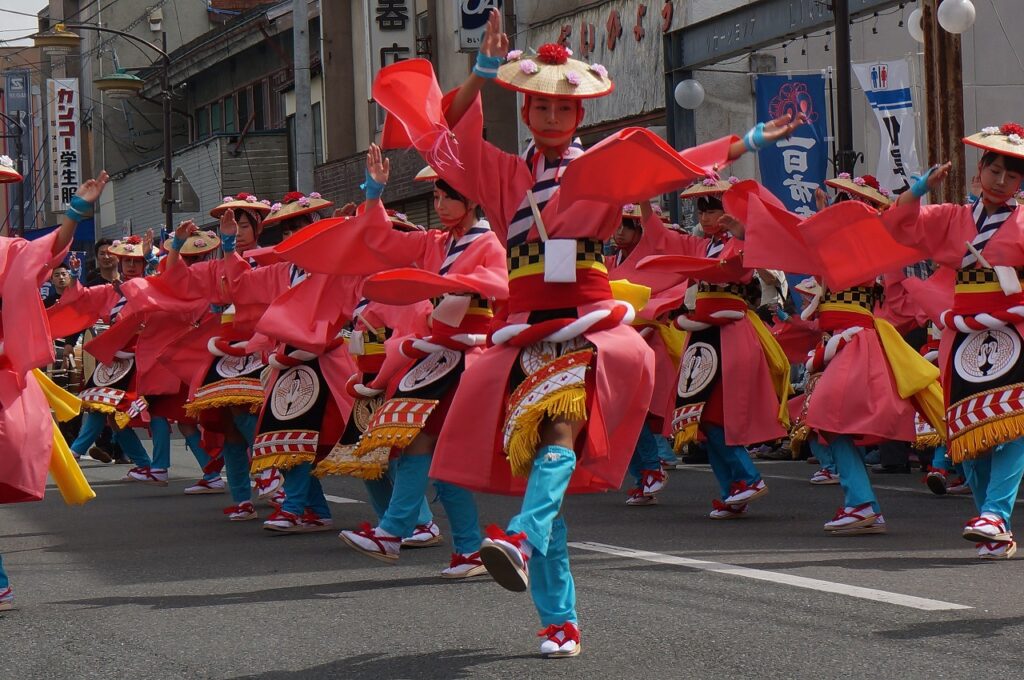
All things aside, the main thing is the deer dance. In addition, the Kagura dance with a shishi head, the Nambu dance with gorgeous costumes, and the Sansa dance are active. You can see many other interesting things.
But I heard that the deer dance is the most famous.
Structure of the Deer Dance
Yes. There are two types of deer dances in Iwate Prefecture, one is the self-drumming style and the other is the drape-curtain style (the dancer are holding a drape-curtain while performing). And Tono is the representative of the drape-curtain style.
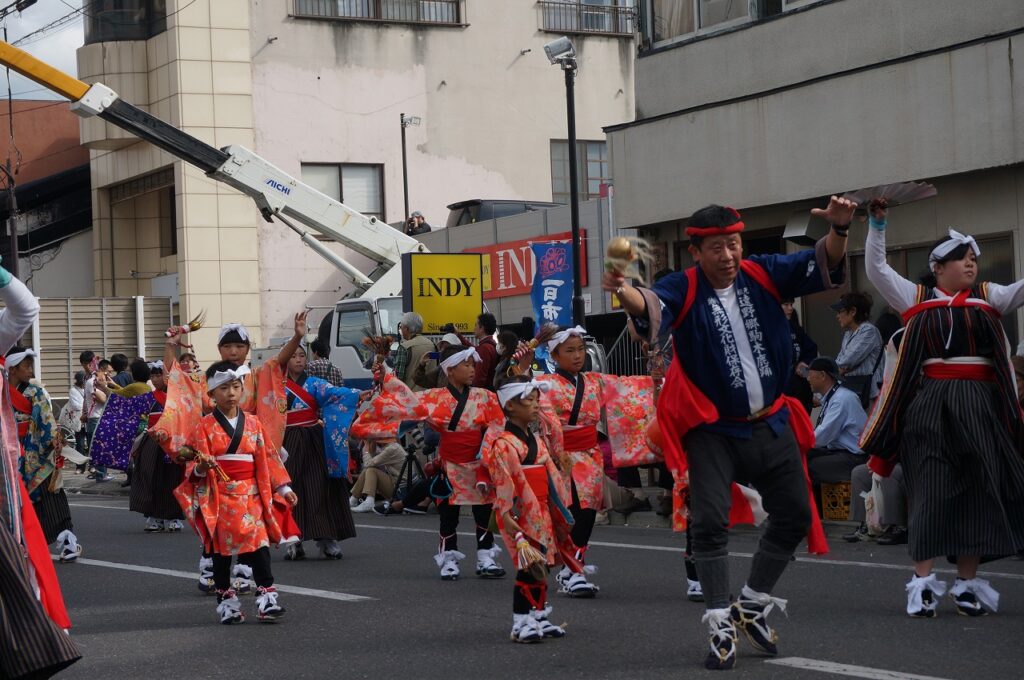
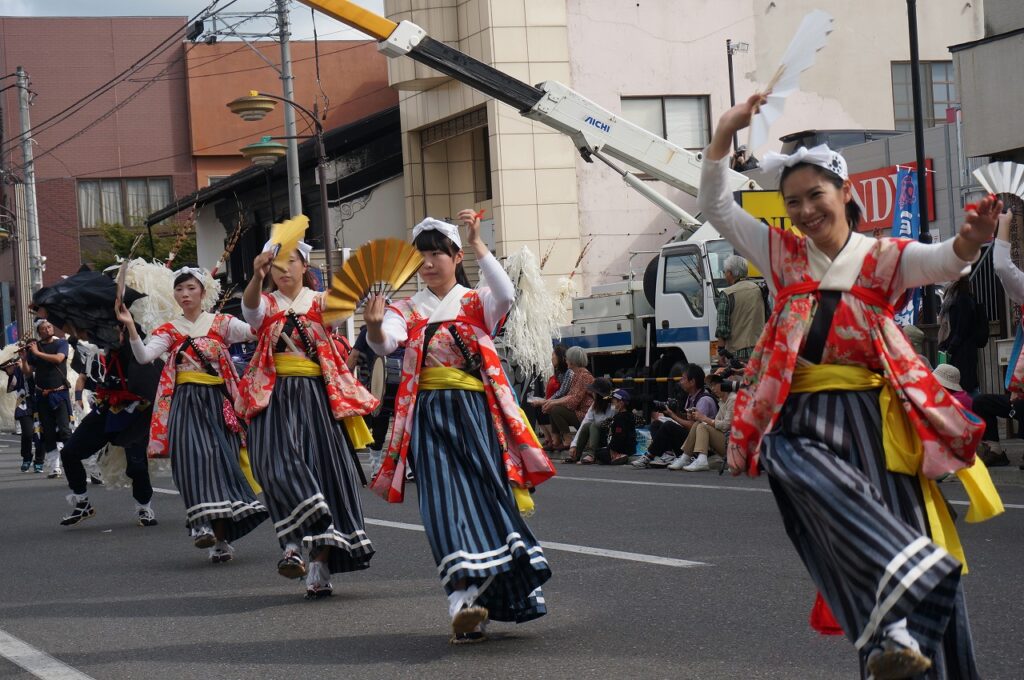
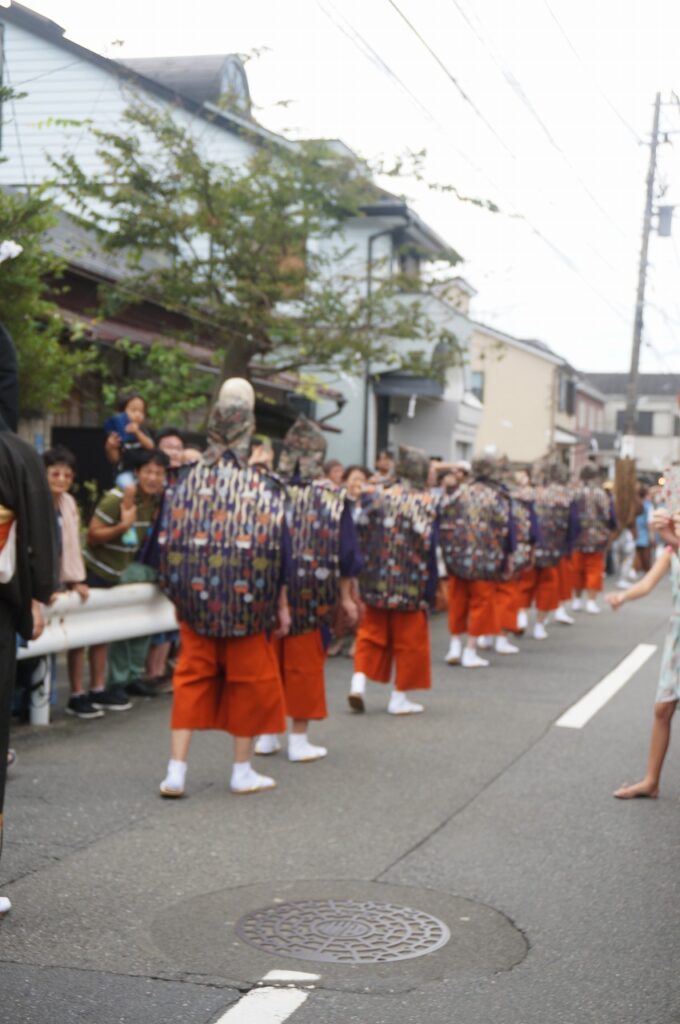
Let’s look at the basic structure. At the head of the group is the leader, called “Tanefukube,” who oversees the entire group. The “Fukube” group follows him. Behind them is Nakataiko group. They are holding a tassel in their hands. Next is “the Katanakake”. They have a sword on their waist, and sometimes play with a deer (shishi).
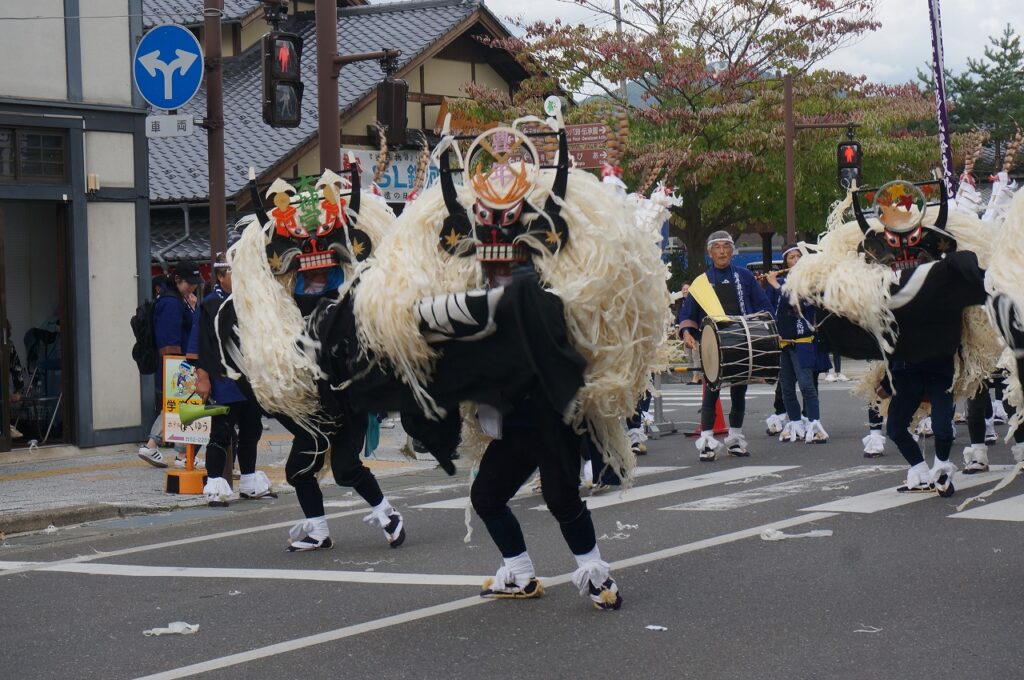
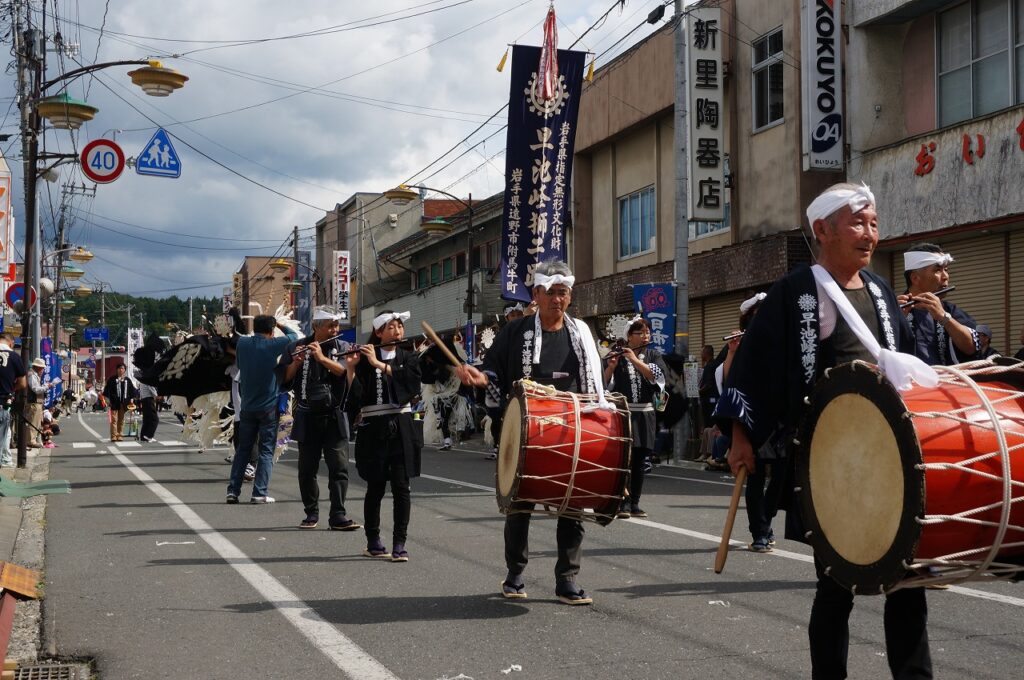
And finally, Shishi appears. First comes the “Nakadate”, a few people in the group who have exellent skills. Then comes the flutes and drums.
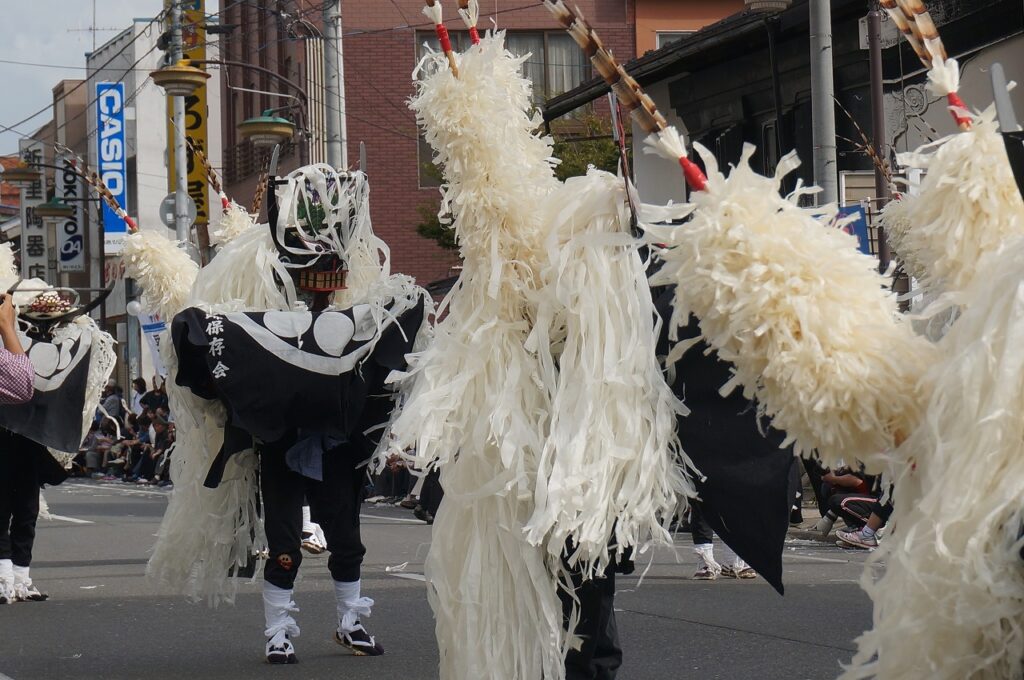
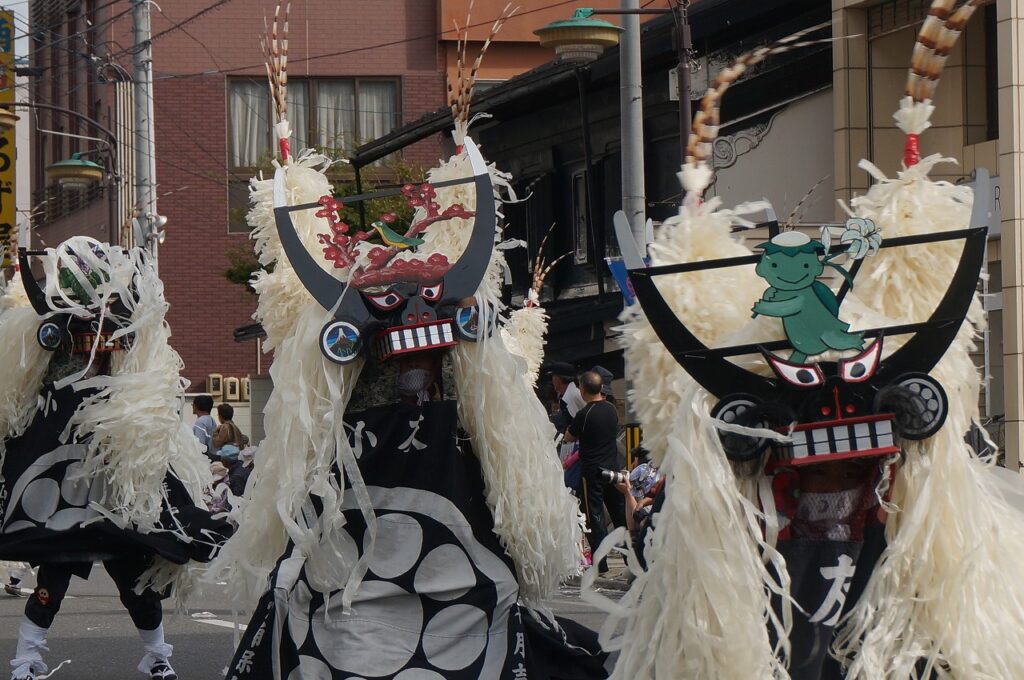
Finally, a large group of Shishi arrive. All roles are based on 12 people. So if you were to perform as traditionally done, you would need 60~70 people, but there are hardly that many nowadays.
In addition, I want you to pay attention to the top of Shishi’s head. There are various designs between the horns, which are fun to look at.
That’s so Tono as can be expected. There are also kappa.
Other performances besides the deer dance
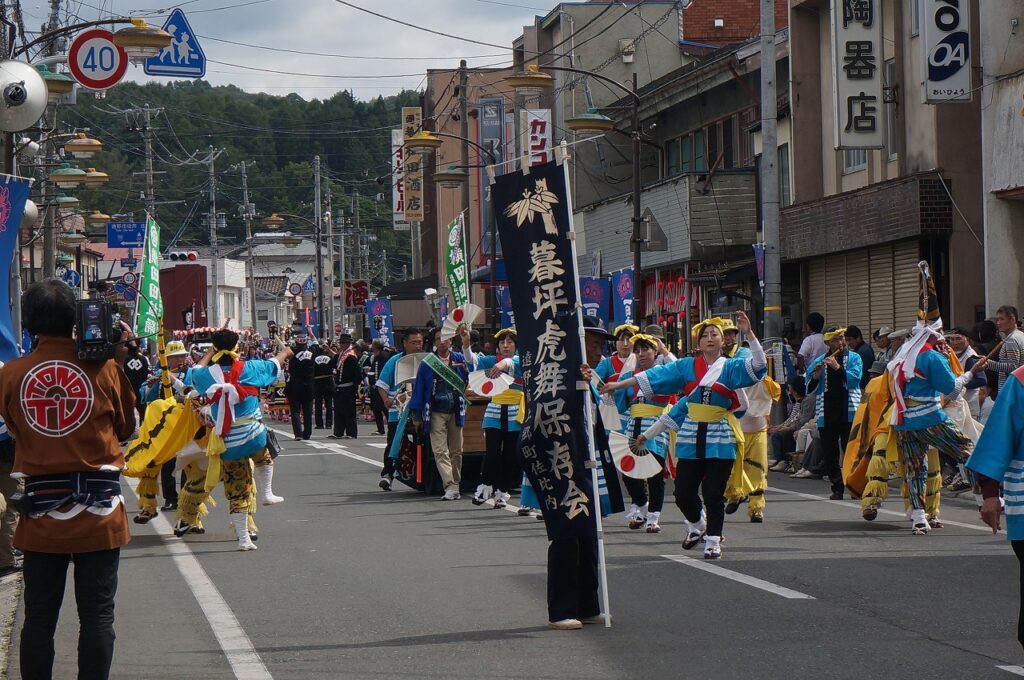
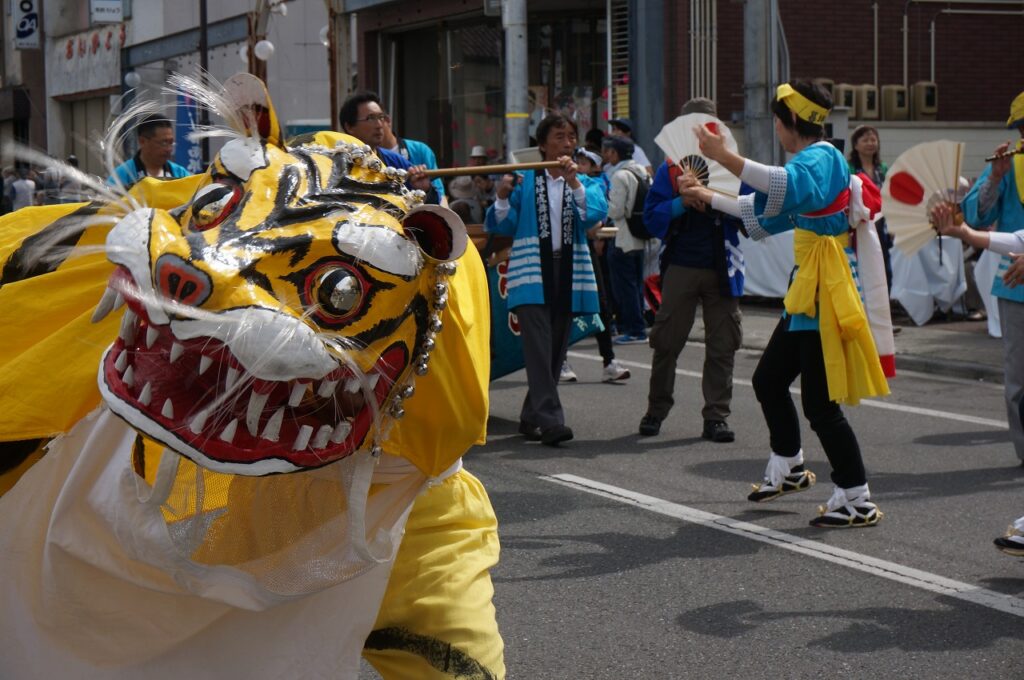
The content can also be enjoyed on video→https://youtu.be/xdmoOoWz3TM
Oh, tiger is coming over here.
It’s a tiger dance. It’s performed mostly in coastal areas, but there are also some in Tono. It looks like a lion dance.
I’m wondering why the tiger dance has been handed down to people who aren’t in Japan.
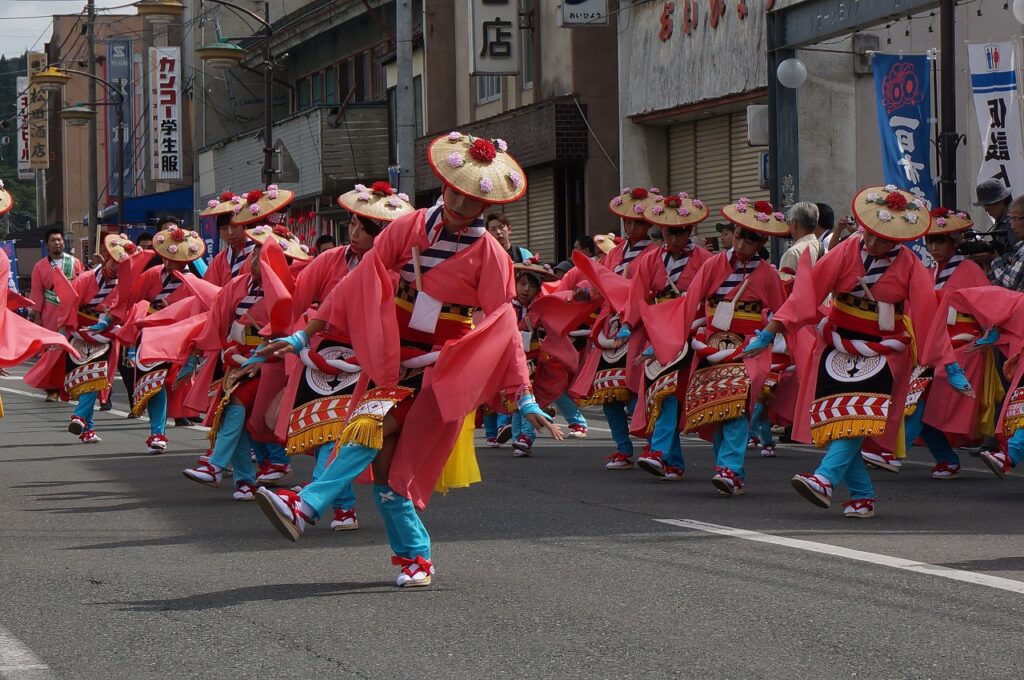
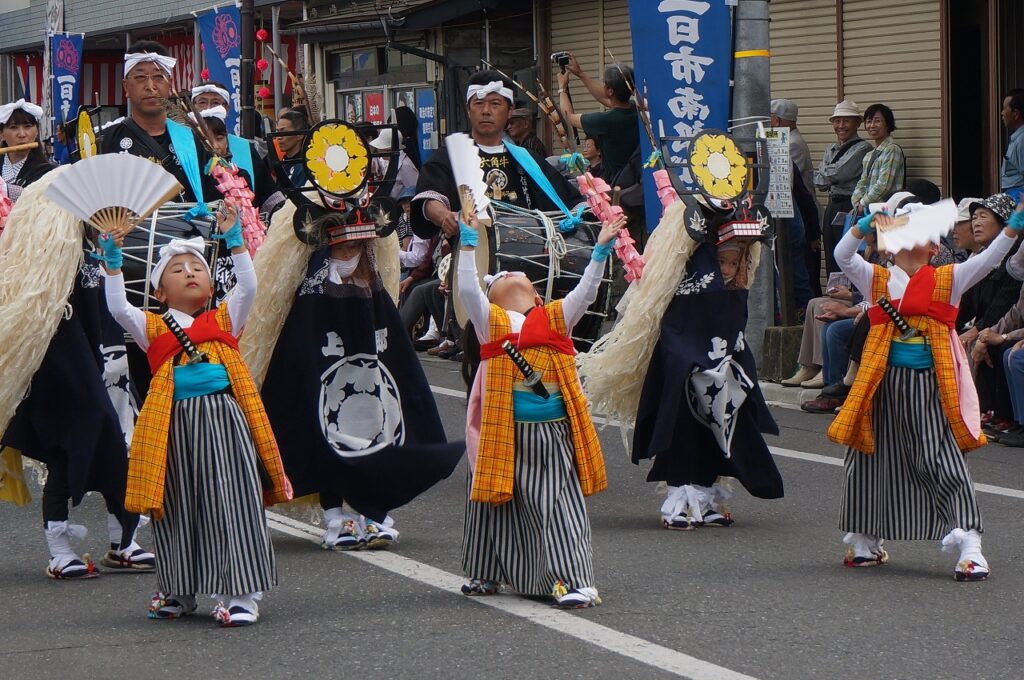
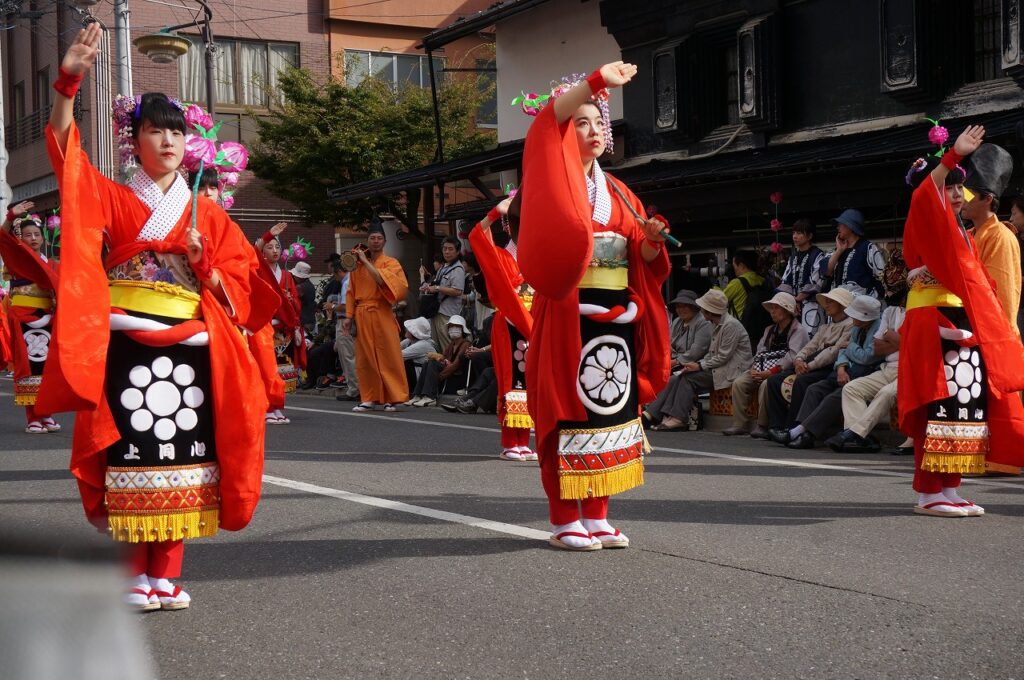
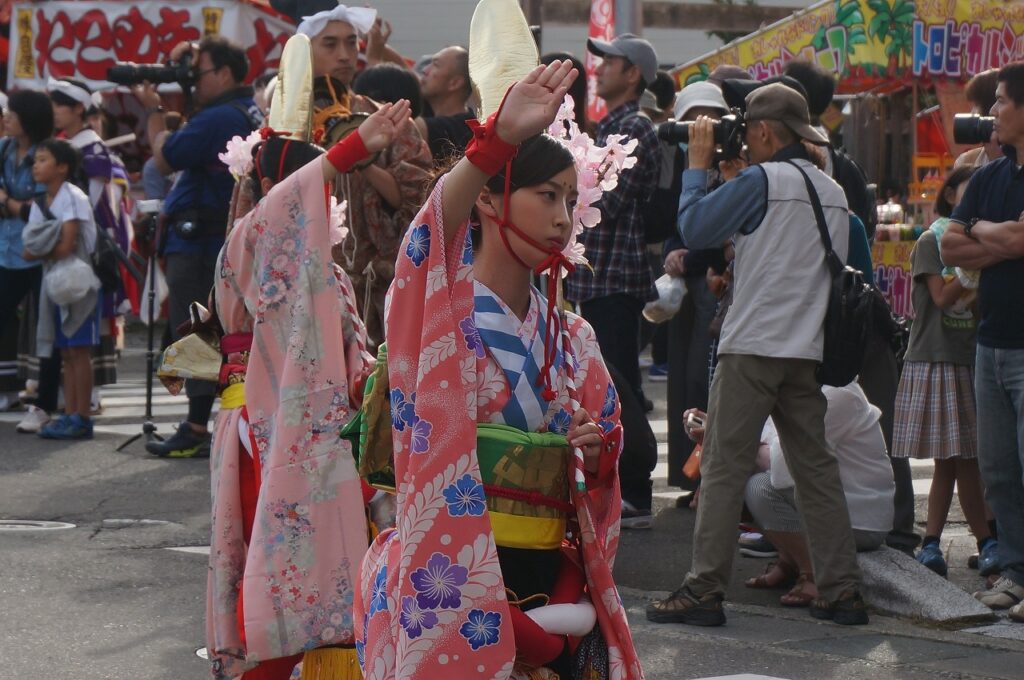
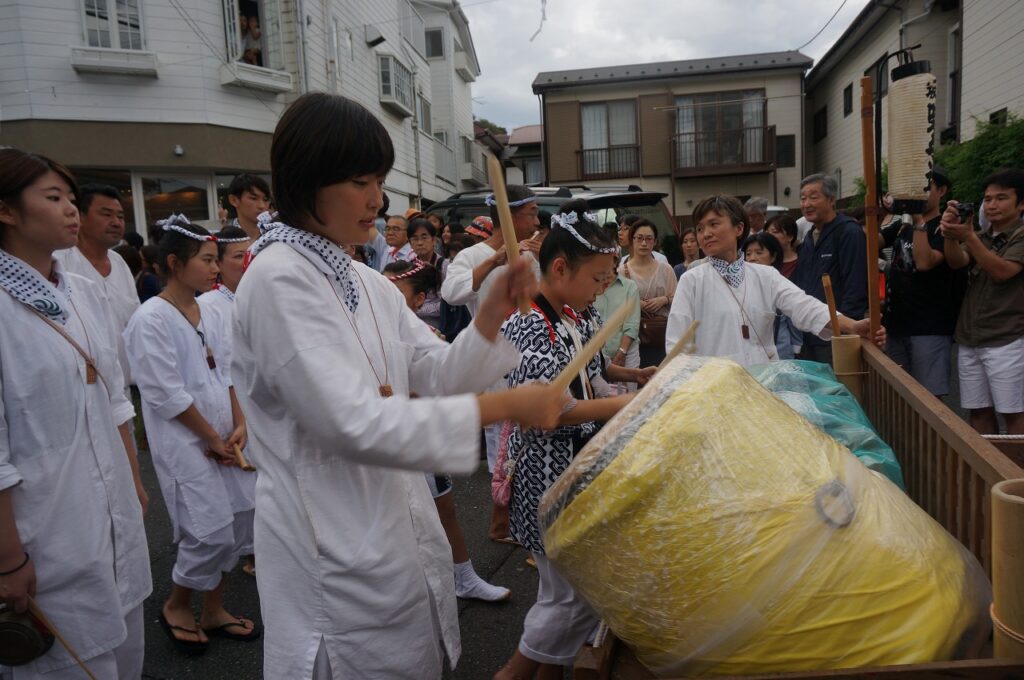
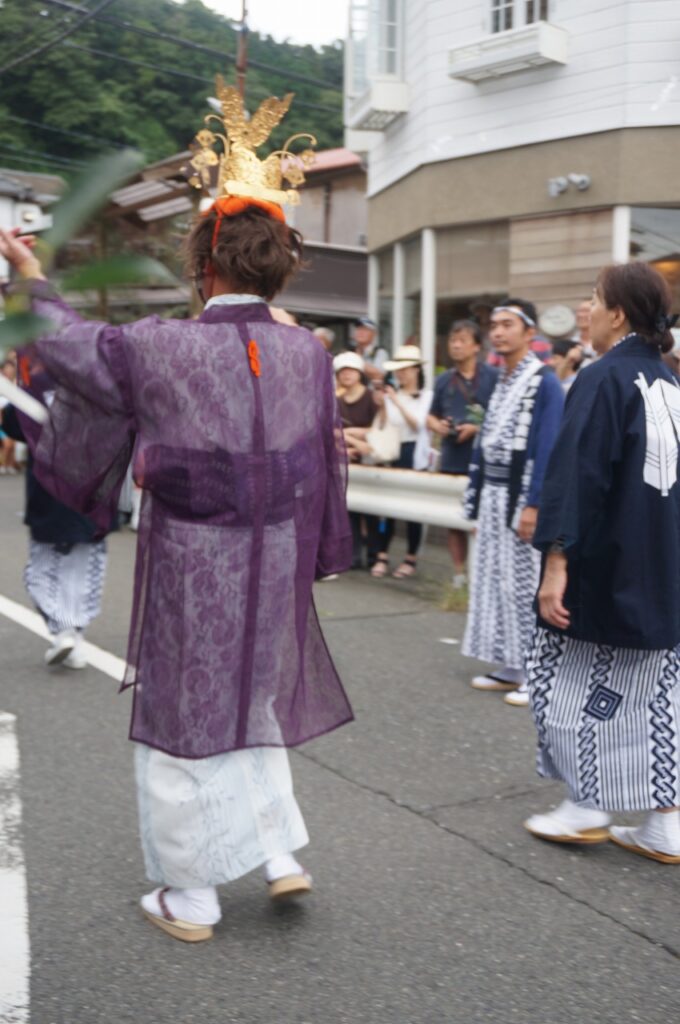
Sansa Odori and Nanbu Odori, right? The Sansa dance is based on drums and flutes and has a light-hearted feel, while the Nanbu dance is characterized by its elegance. The Nanbu Odori in particular is said to have been created by inviting a performing artist from Kyoto.
All women look pretty, and men look rugged and dynamic.
For example, in the same way that children in Tokyo learn English or swimming , girls in Tono yearn to dance the Sansa or Nanbu Odori dance, and boys try the deer dance.
There are so many different generations here, it’s a good social learning experience.
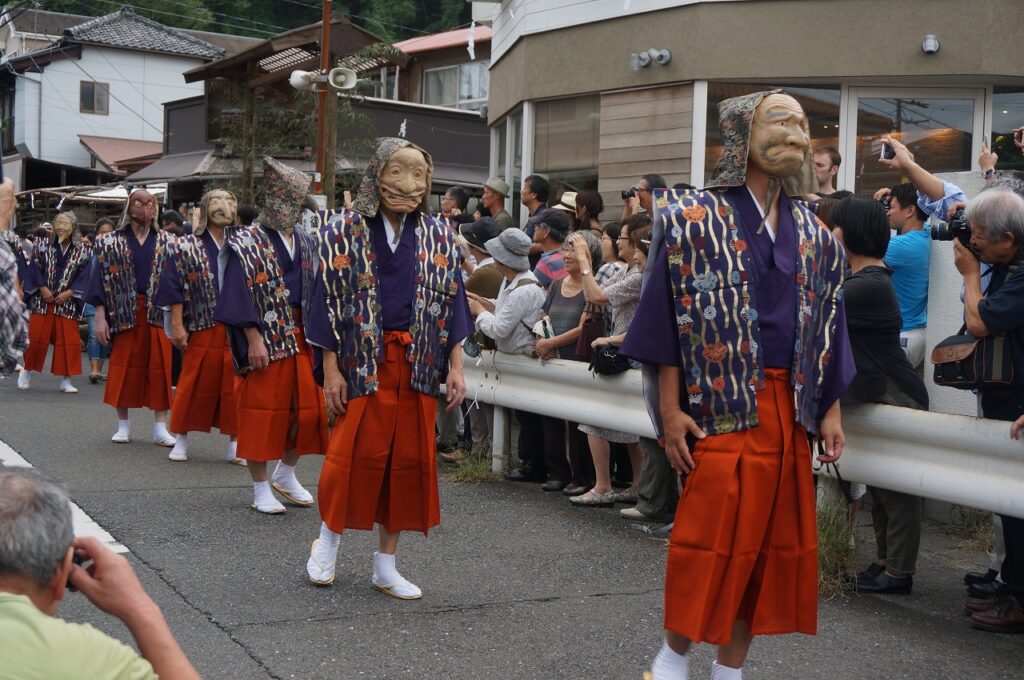
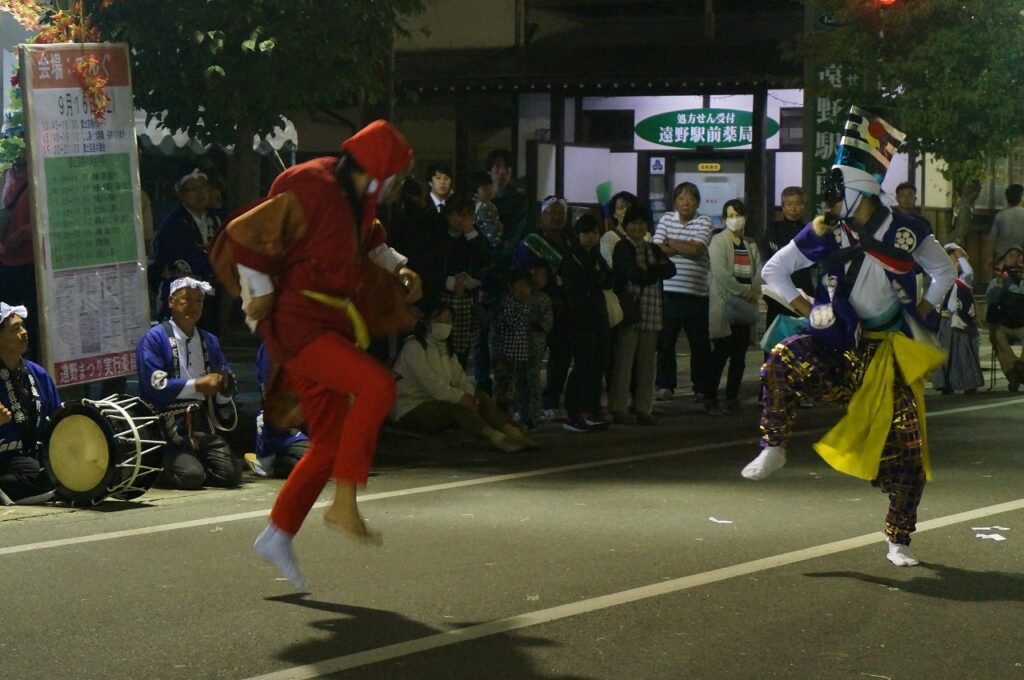
Tono daikagura
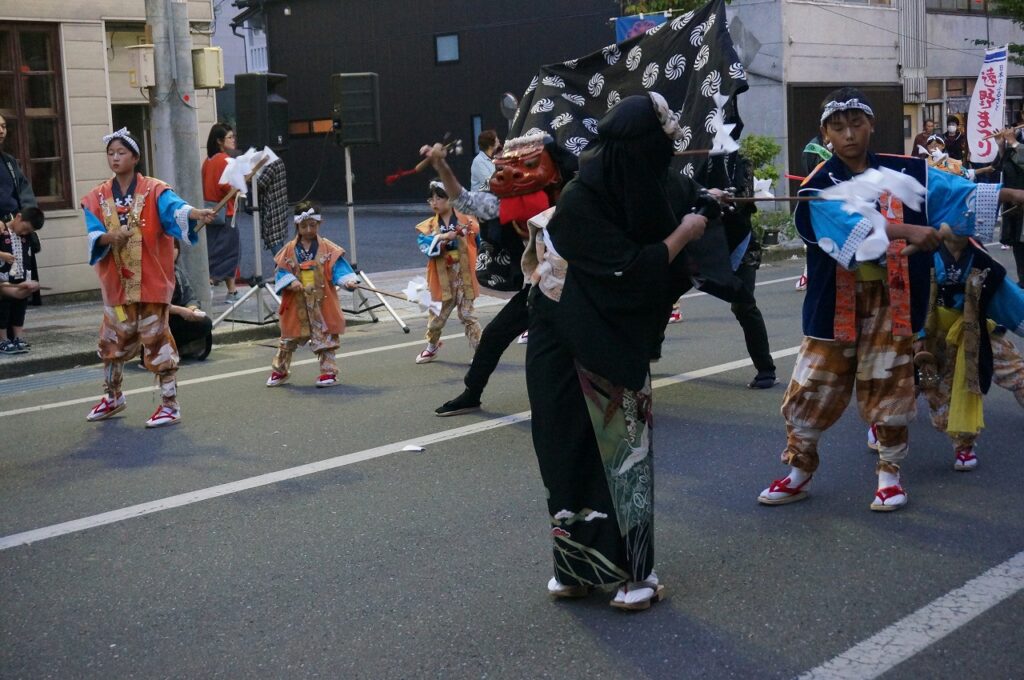
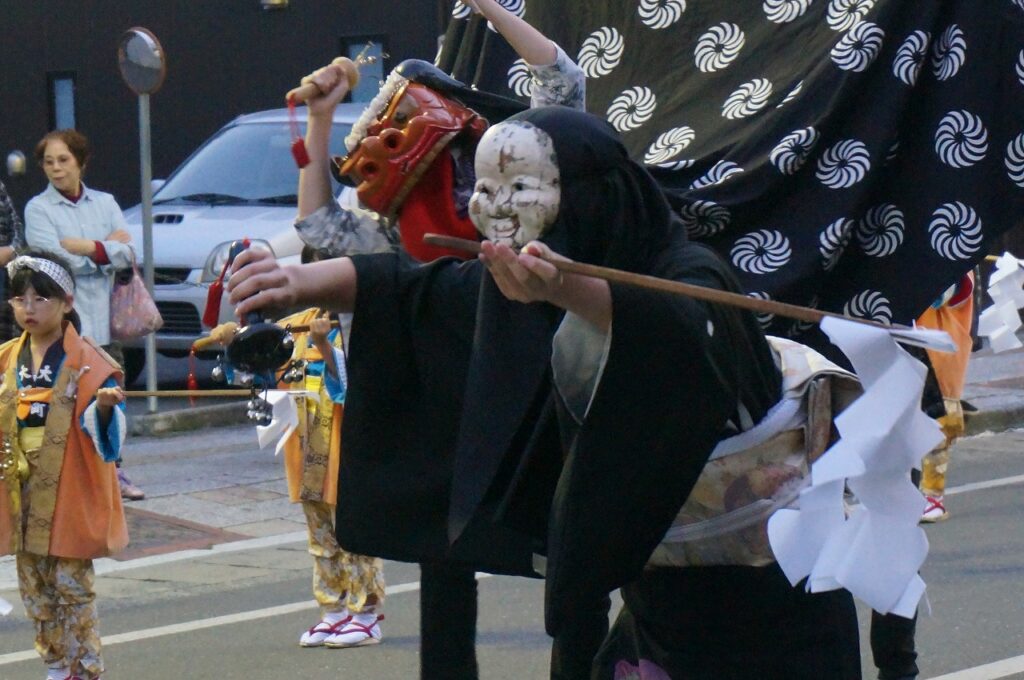
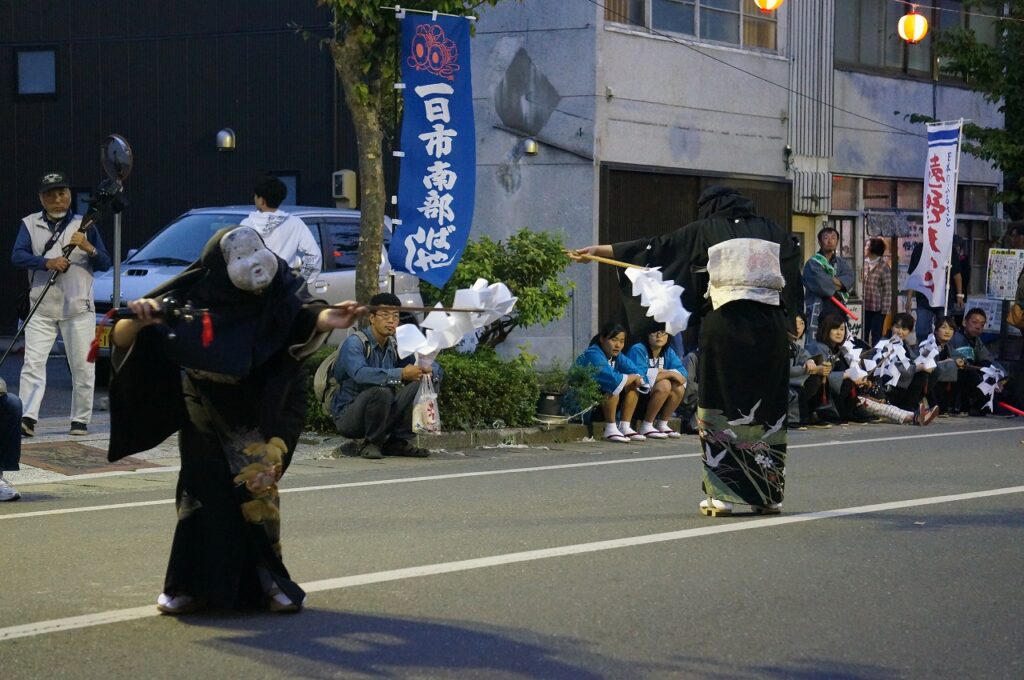
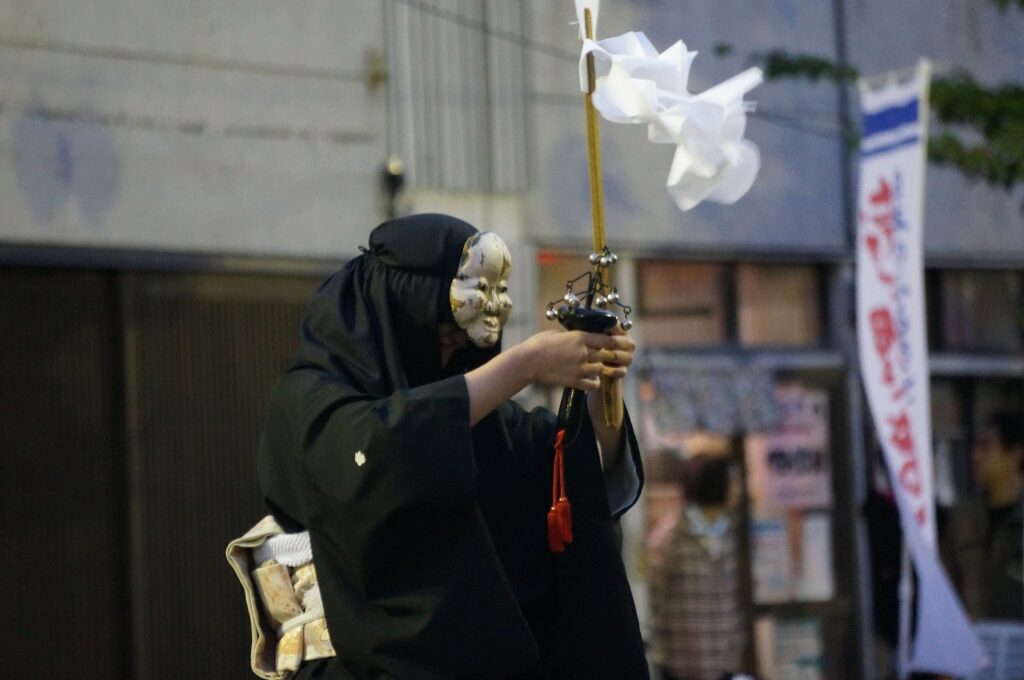
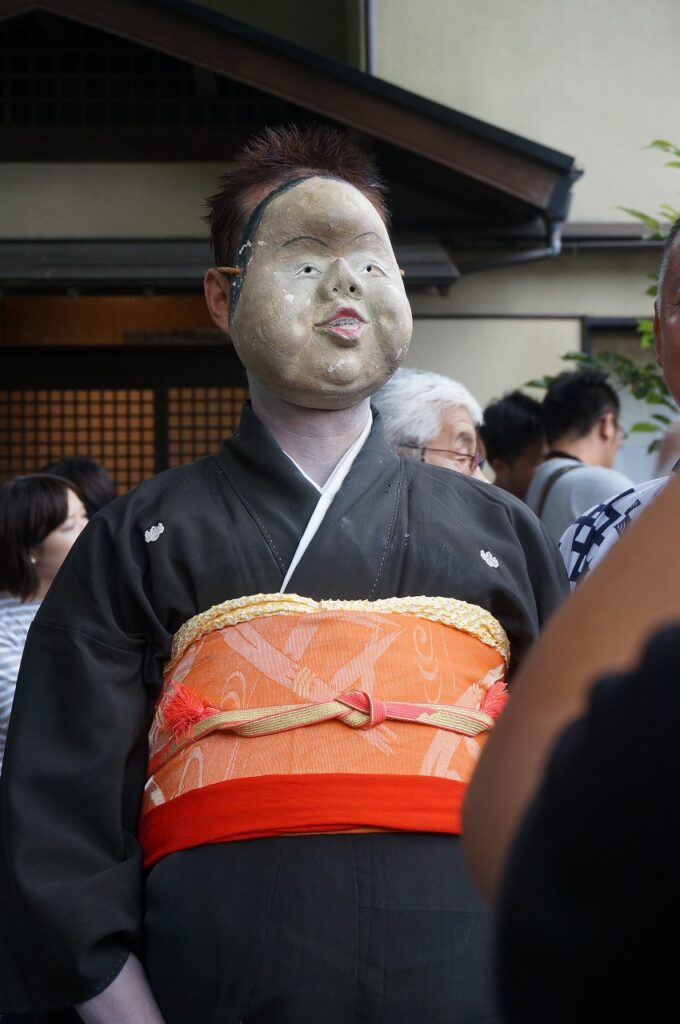
What a strange group of people we have here.
It’s Tono Daikagura. There used to be masters of the dance, and it is still handed down to this day.
It’s such a strange music. It seemed to add to the suspicious atmosphere.
Corps de Deer Dance
You’re not tired yet? The biggest highlight of the day is the big deer dance that will start around three in the afternoon. All the groups of deer dancers from the previous day perform their dances at the same time. You can’t miss this.
I can now hear the sound of loud drums and flutes.
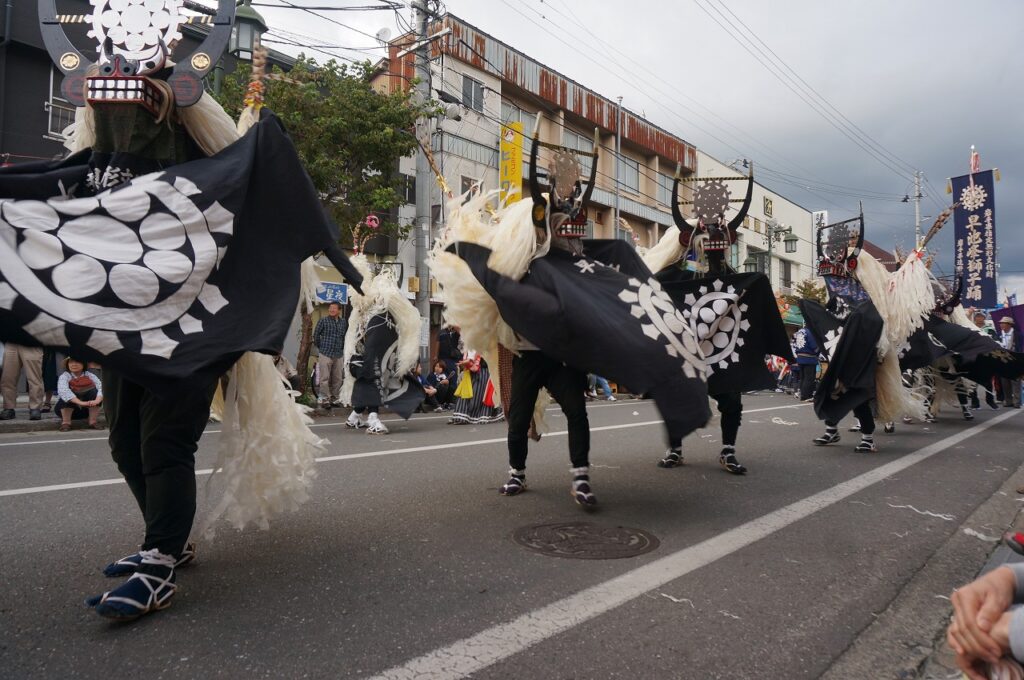
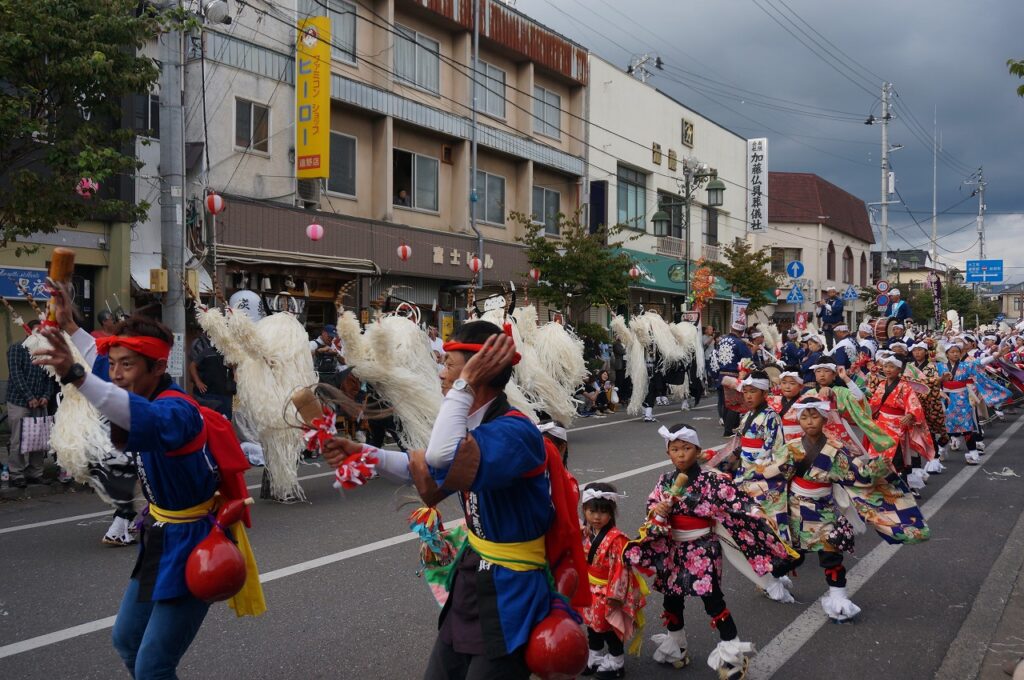
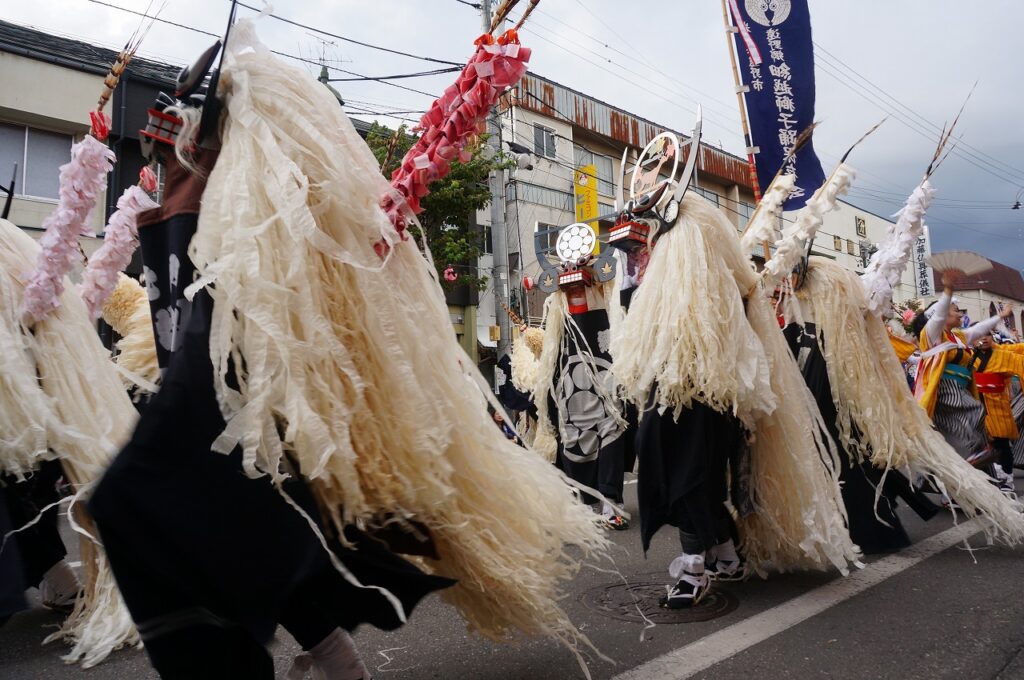
Wow, here it comes. They seem to spring up from behind me.
The town is completely occupied by deer right now, isn’t it?
People are now just a supporting cast.
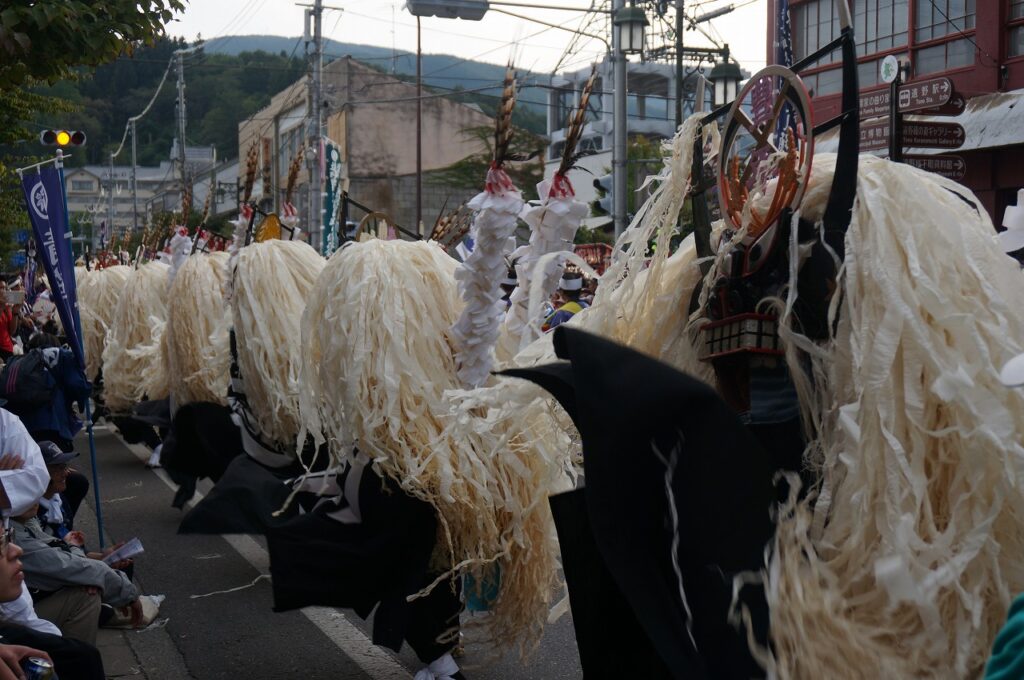
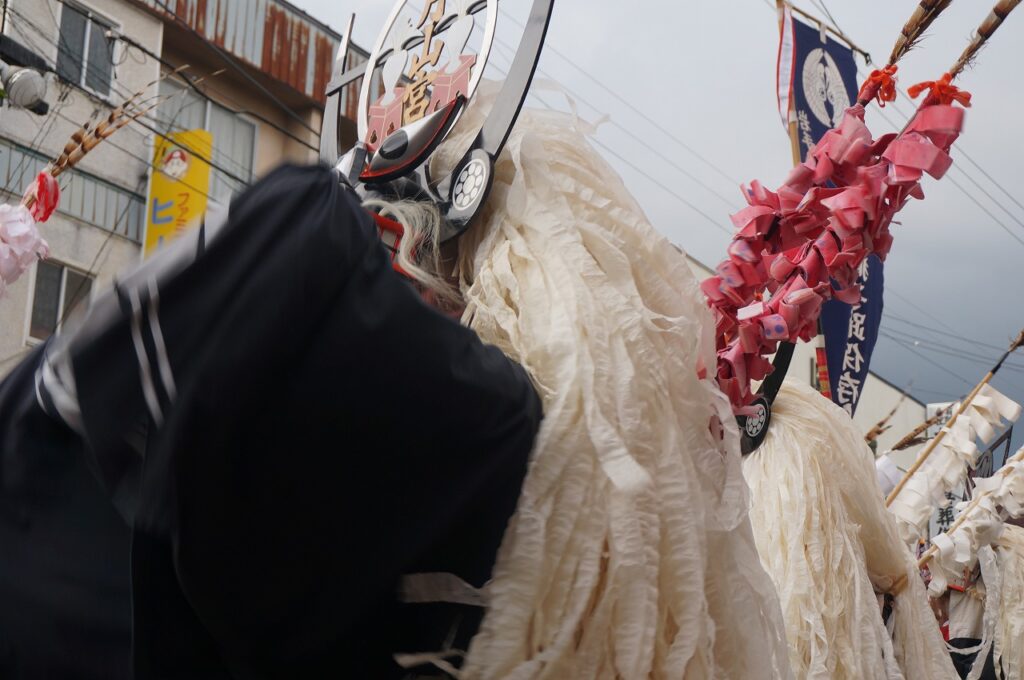
My head is already dizzy. I don’t know if I’m awake in real life or just dreaming.
This is the festival. During this time, no matter how much we make noise, no one will pay attention to us.
Kagura theater
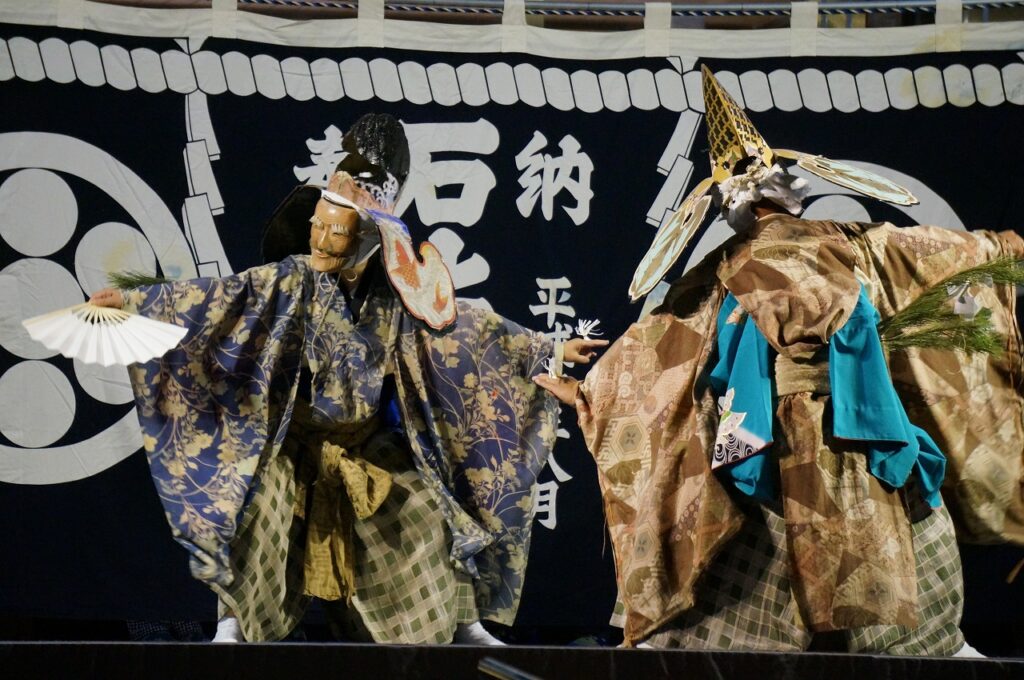
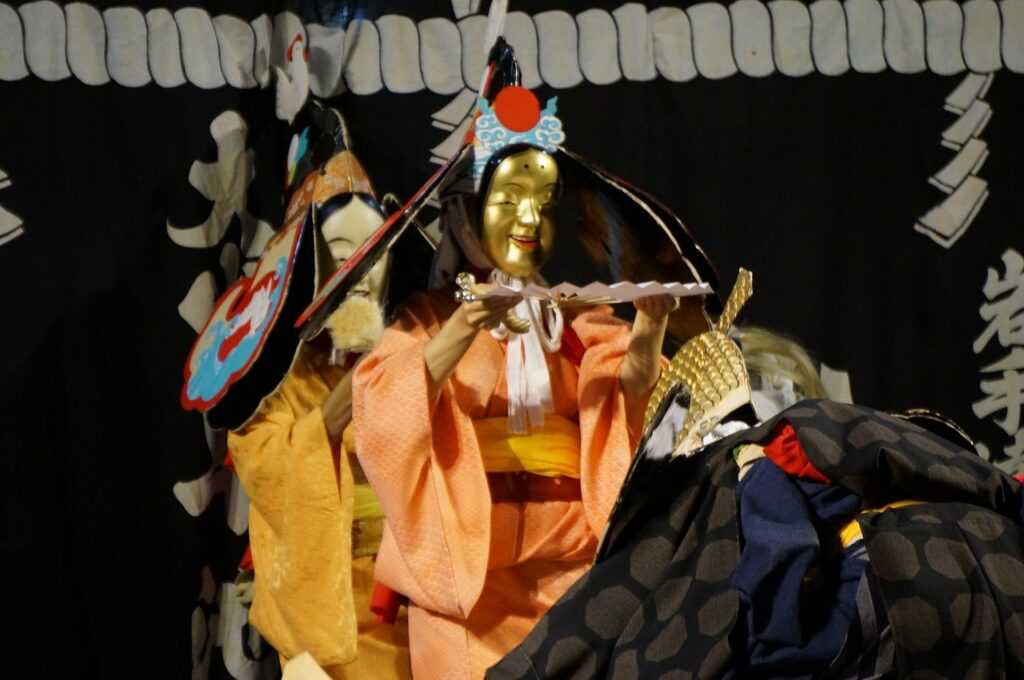
The content can also be enjoyed on video→https://youtu.be/Fx0clpoxjp0
In the evening, there’ll be a kagura performance in front of the city hall by the street. There are more than 20 groups in the city alone.
That’s Tono, known as a treasure of folk performing arts in Iwate prefecture.
End of the 1st day
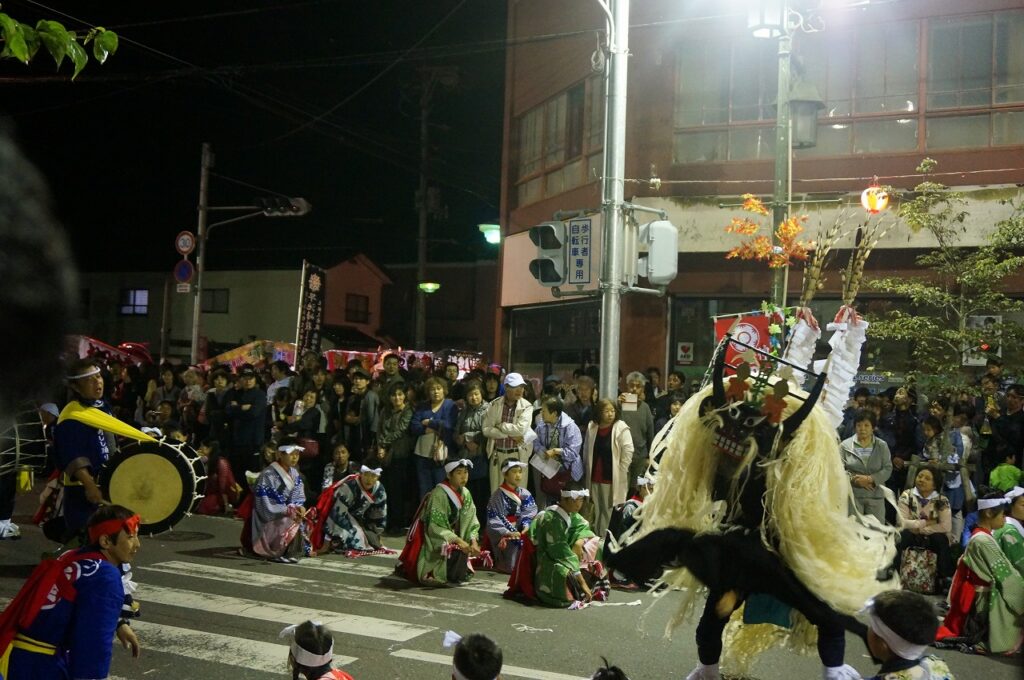
It’s still crowded, isn’t it?
There’ s a lot of fooling around until past nine at night.
This makes it hard to stay in the town of Tono.
I guess people have to book at least a month in advance to stay here.
What if they can’t stay here?
In that case, I think it would be safer to stay in the surrounding areas. Kitakami, Hanamaki, Kamaishi, etc. All of these places are about an hour away by train. I recommend Kitakami. Kitakami is the economic center of the region and many businessmen come here, so there is no shortage of accommodations.
What about us?
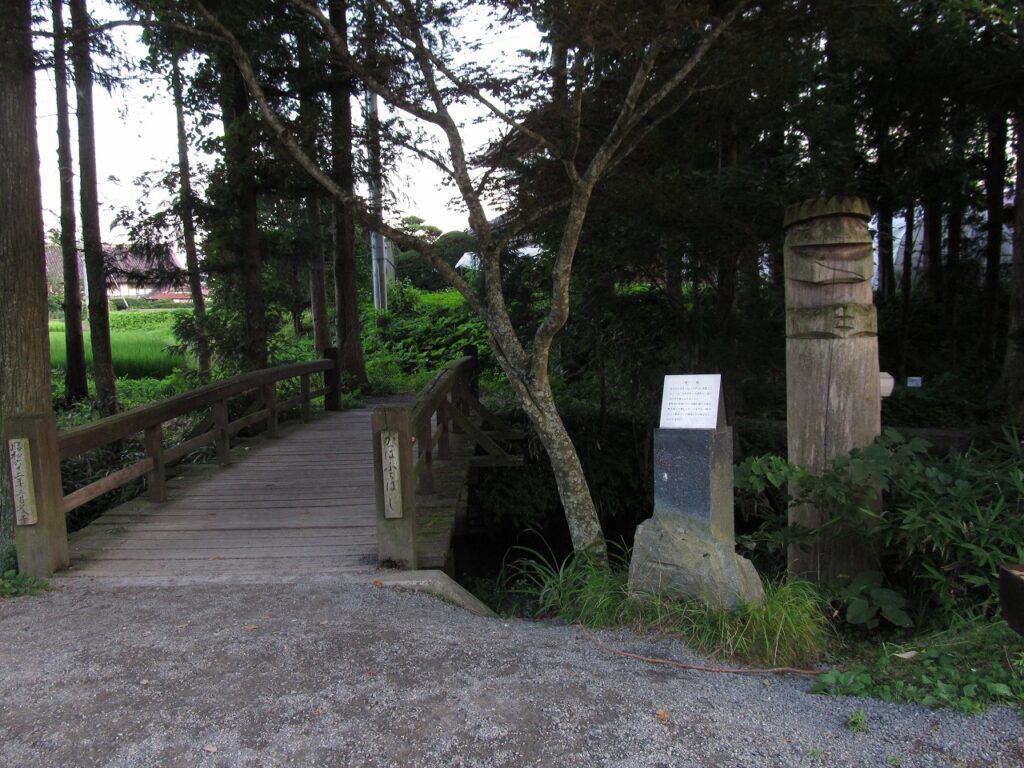
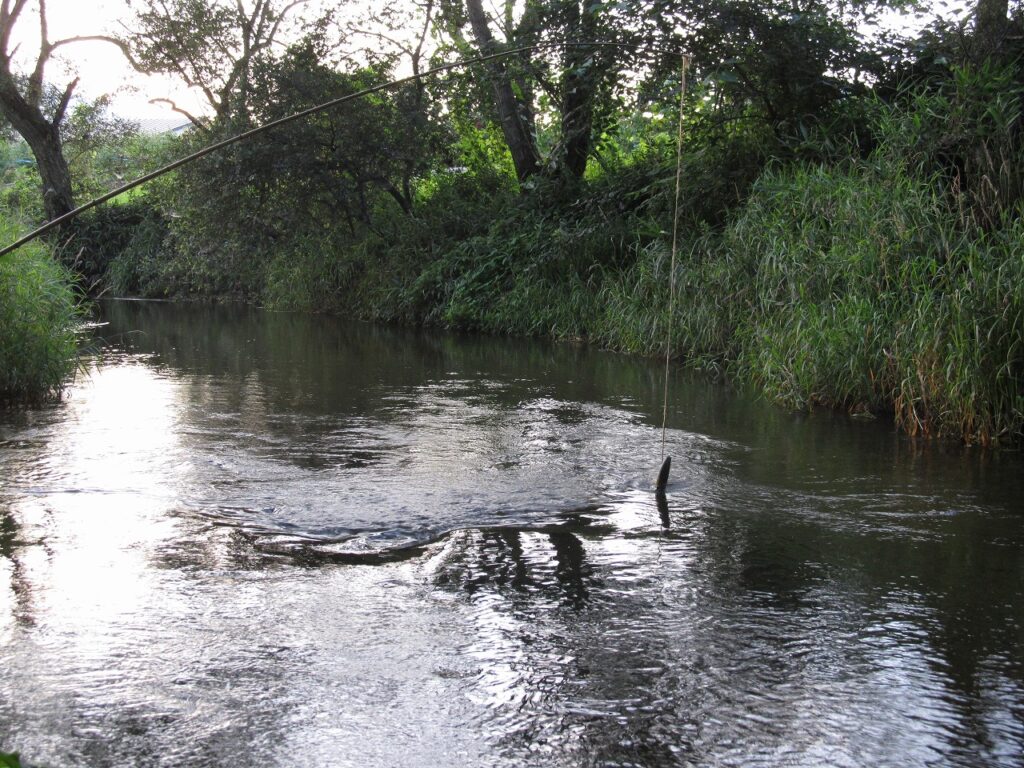
Of course, there will be a welcome party at Kappa Pond this evening. Oh, and don’t touch the cucumbers. It’s a trap to catch kappa.
Let’s get going.
to be continued….