Report~Seeing an Oni in the Suburbs of Kyoto
Day; The third Saturday in April
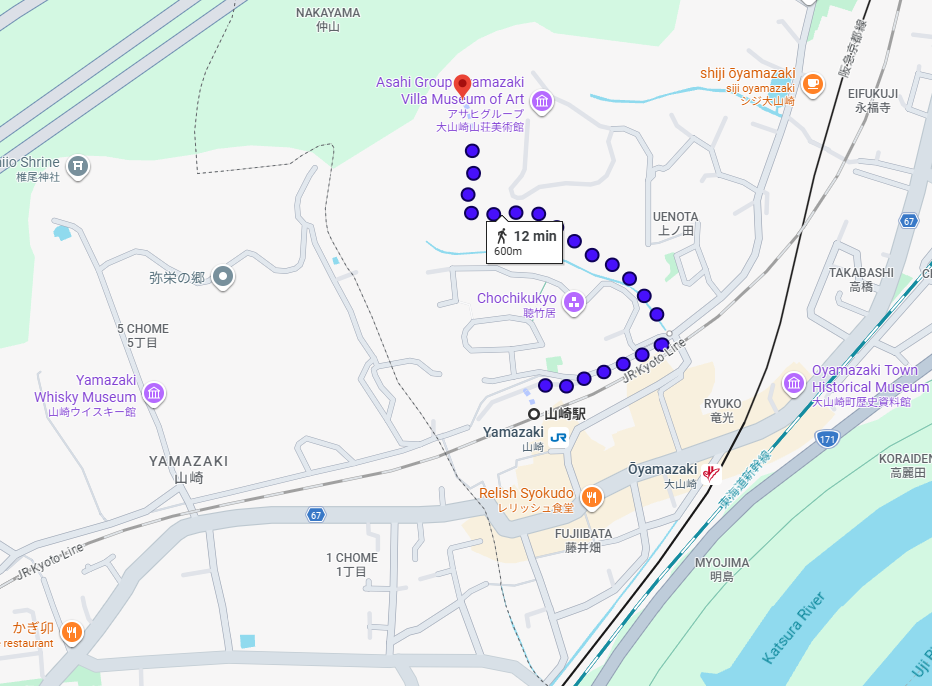
Location; Hoshakuji-temple 宝積寺, 1 Senbara, Ooyamazaki, Ooyamazaki-cho, Otokuni District, Kyoto Prefecture
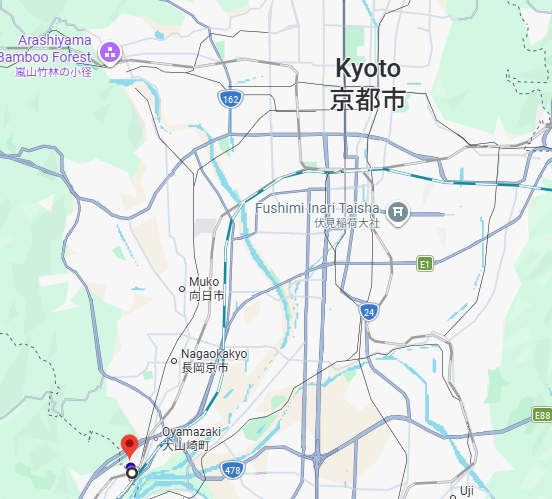
Access; About a 10-minute walk from JR Yamazaki Station, or a 15-minute walk from Hankyu Oyamazaki Station
From Kyoto Station, it’s about 15 minutes by JR line, or about 20 minutes from Karasuma Station (in Kyoto City) via the Hankyu Line; both routes head toward Osaka and Kobe. Trains run about once every 10 minutes.
Saturday, April 17, 2026
About Hōshaku-ji Temple
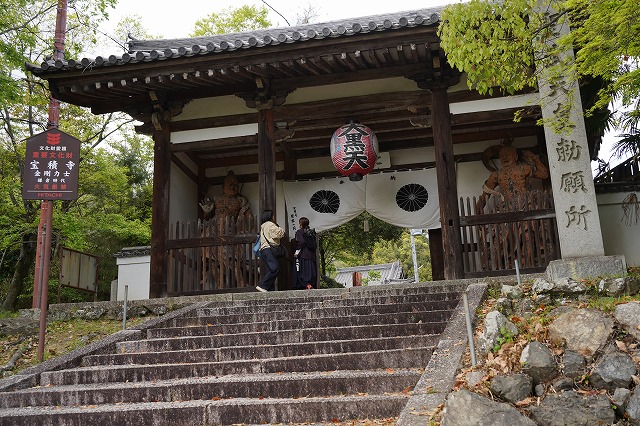
Founded in the early 7th century by imperial decree. Due to its near proximity to the capital, many wars ravaged the temple, leaving it in ruins time and again; however, it was rebuilt each time and has continued to stand to this day. In particular, it is famous as the site where, in the early 16th century, the armies of Akechi Mitsuhide—who overthrew his lord Oda Nobunaga, who was on the verge of unifying the country, by accusing him of treason—and Toyotomi Hideyoshi—who pursued Mitsuhide and later succeeded in unifying the country—clashed in a decisive battle.
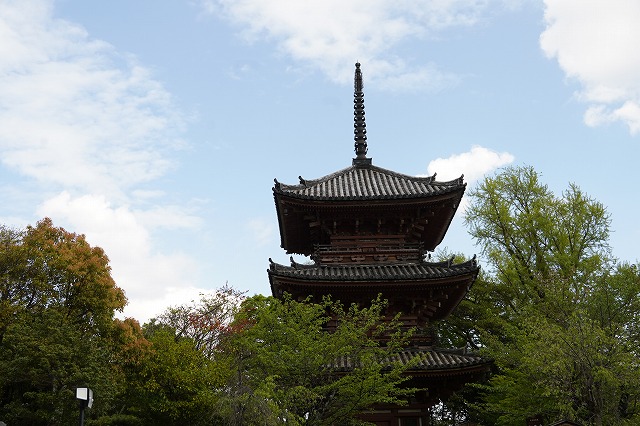
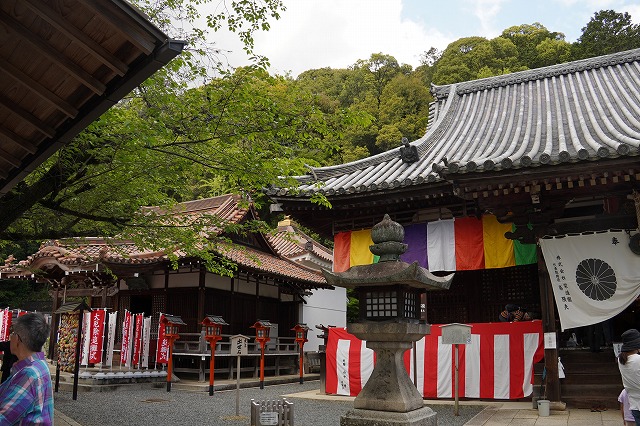
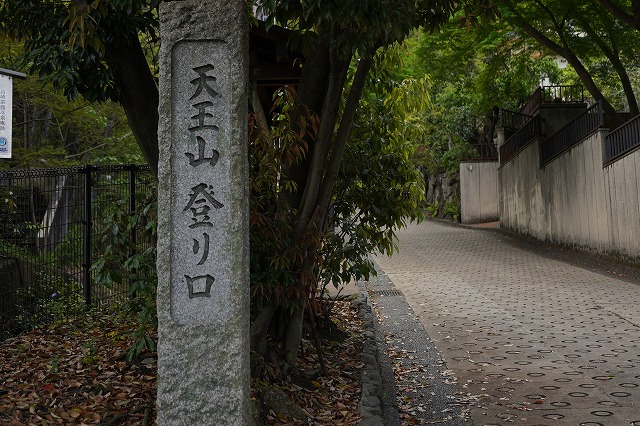
Because this temple is located halfway up a mountain called Tennozan, people still say things like “This is Tennozan” when they reach a critical juncture in a major undertaking. Though it’s not exactly a mountain, you do have to climb a fairly steep slope to get to the temple.
Oni’s Appearance
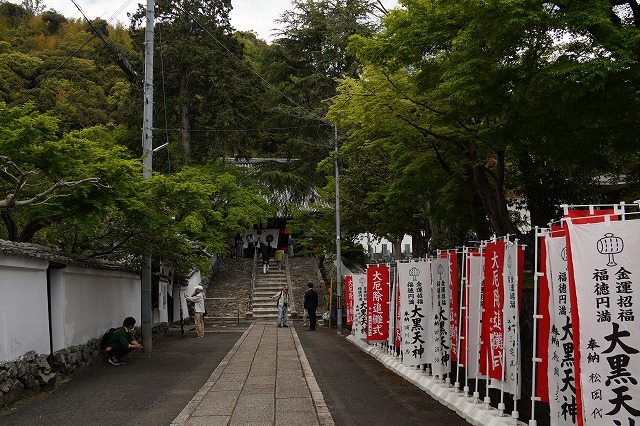
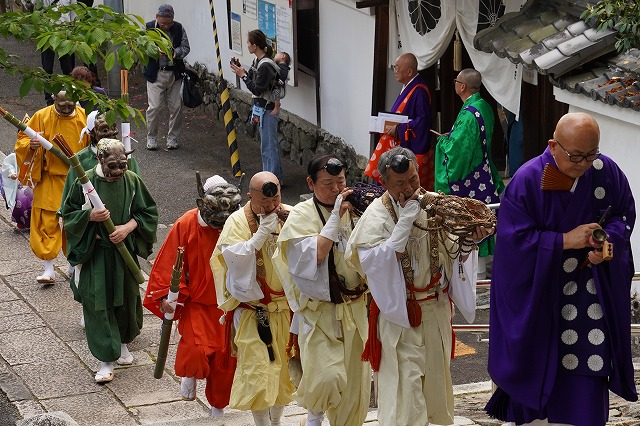
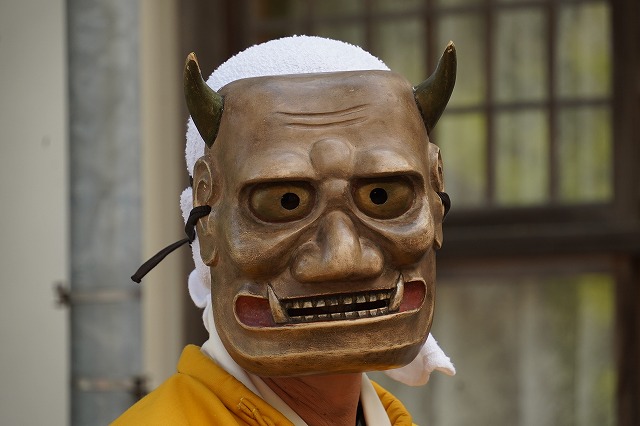
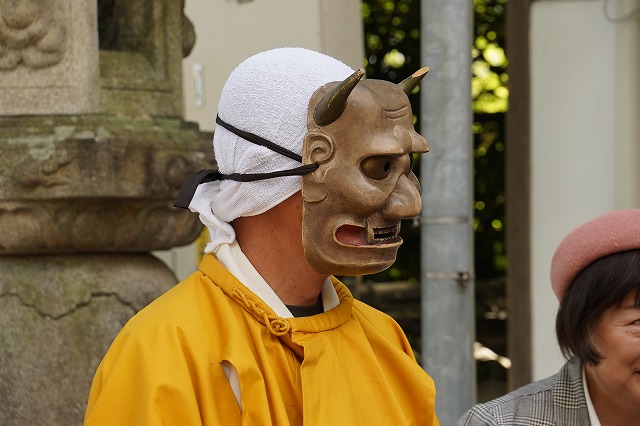
At 2:00 p.m., a procession of Onis, led by a monk, makes its way down the approach leading to the main hall.
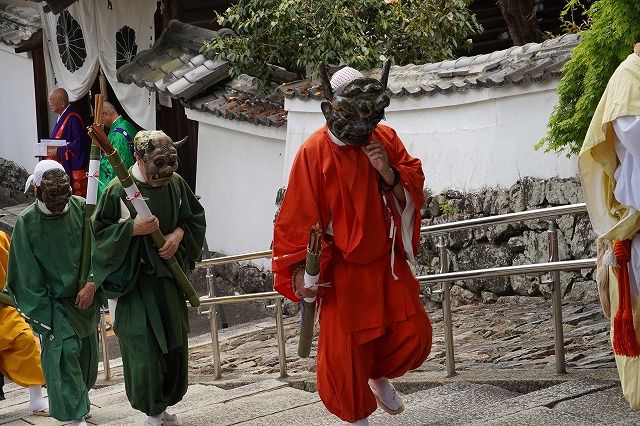
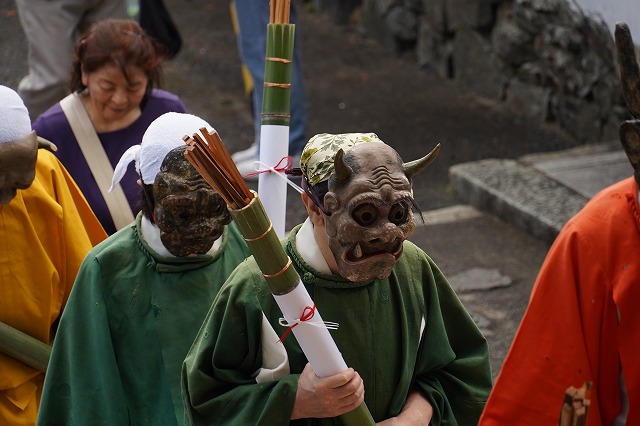
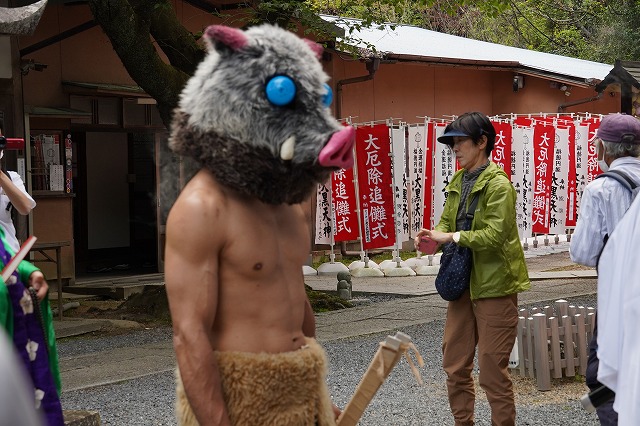
It is said that this has been performed since the temple’s founding as part of a ritual called Tsuina*, in which demons are exorcised through prayer; however, the fact that, in addition to monks and demons, people dressed as the Seven Lucky Gods*—and, for some reason, even anime characters—show up is a modern touch.
*The Tsuina ceremony is a Buddhist ritual that was introduced to Japan from the Asian mainland as a way to drive away the evils of the past year and welcome the new year. However, various elements have been incorporated over time, and today it is primarily celebrated on Setsubun in February (the day marking the transition from winter to spring), with a variety of events held across the country.
Buddhist Ceremonies
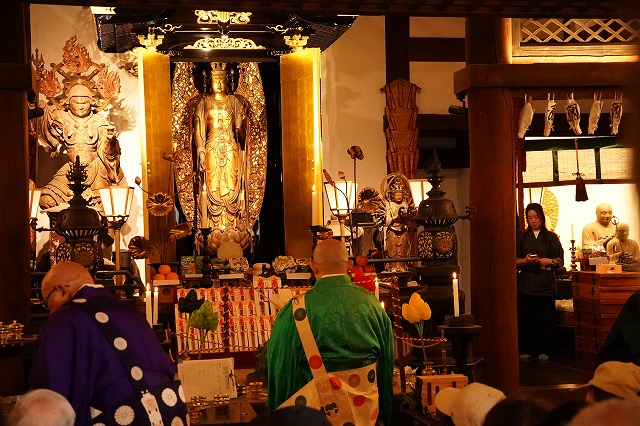
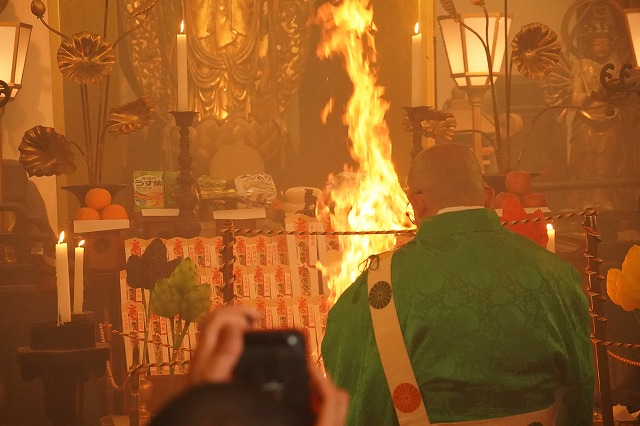
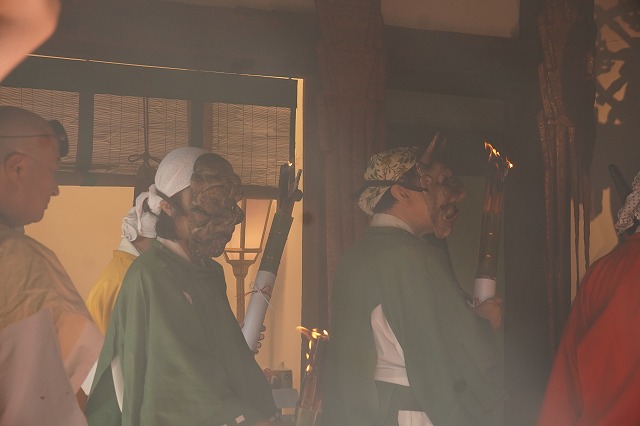
Following this, the participants enter the hall, where the monks continue their chanting. Here, a ritual known as a goma ceremony is performed. A goma ceremony is a ritual in which small pieces of firewood called goma are placed in the fire, along with offerings, as part of a prayer to the Buddha. Since the door is open, you can see inside from the outside. This allows you to confirm that the Oni is being smoked along with everything else.
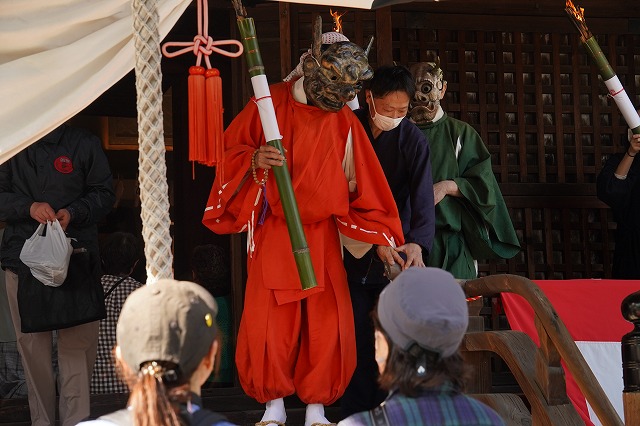
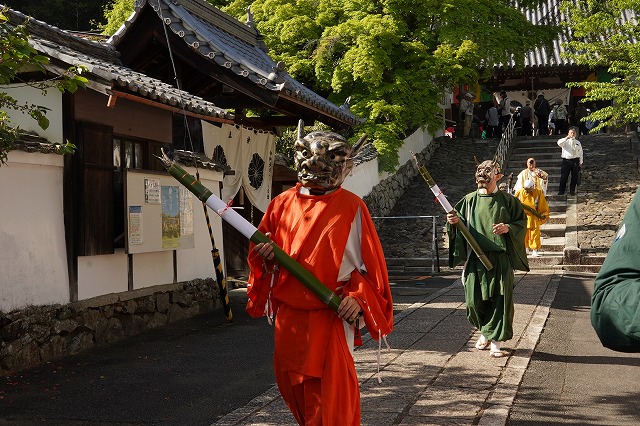
At around 3:00 p.m., the ritual ends and the Onis come out. At this time, the Onis’ role is considered to be over.
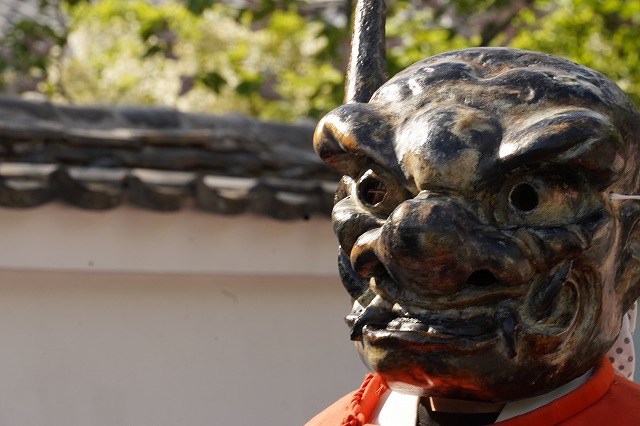
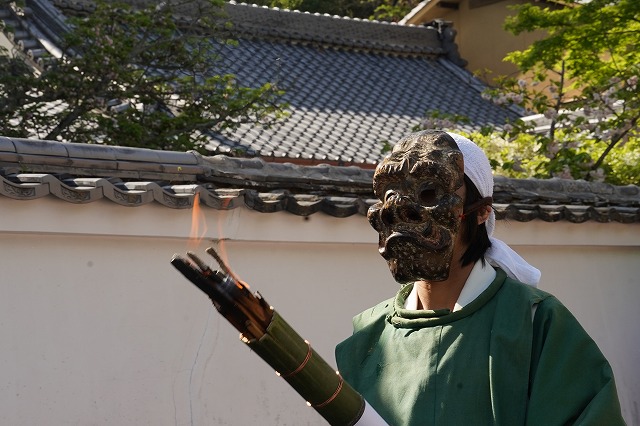
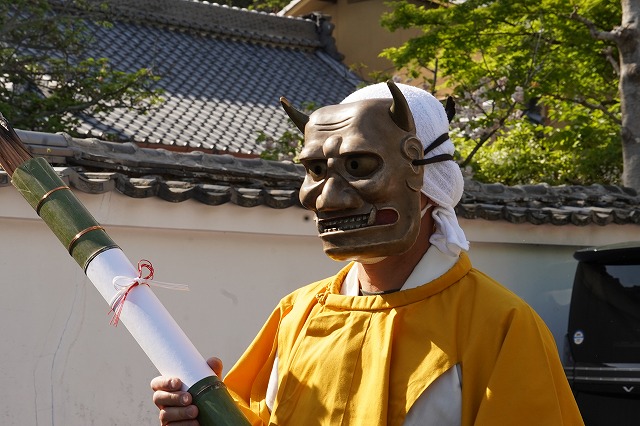
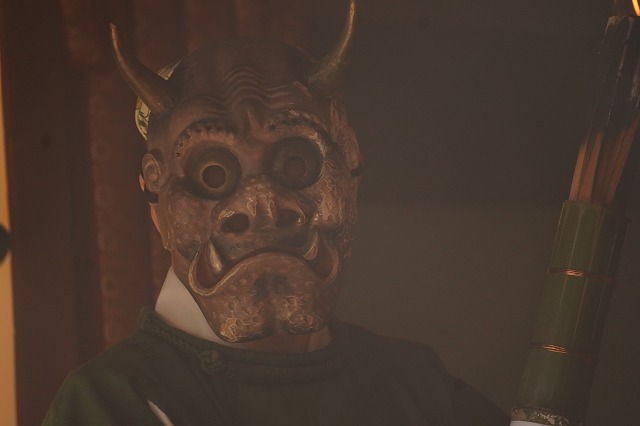
There are a total of four Onis featured. Although the exact date of their creation is unclear, each mask has a unique, aged appearance.
Epilogue
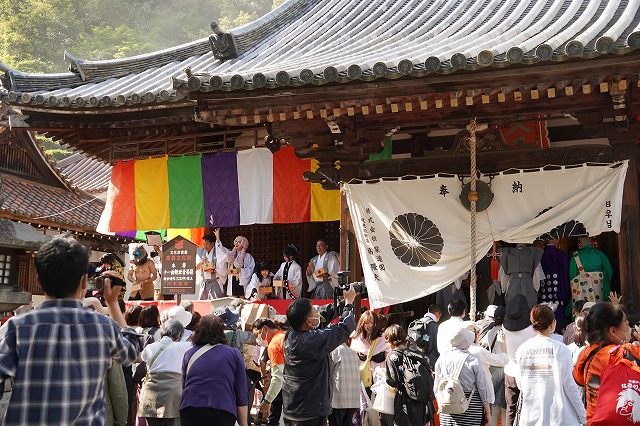
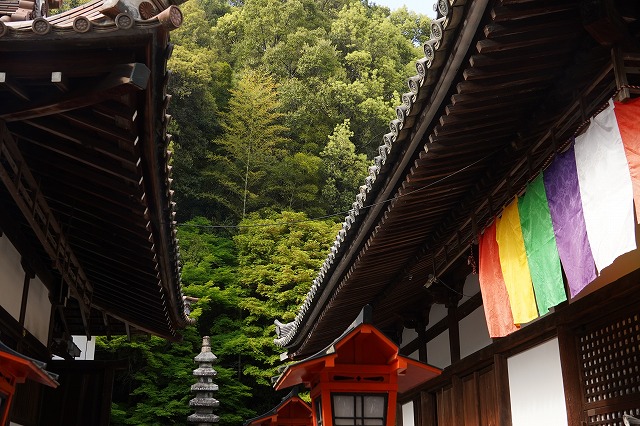
After that, there will be the traditional mochi-throwing ceremony and a photo session with the oni, and everything will wrap up by 3:30.
The mochi-throwing ceremony involves tossing mochi—and sometimes sweets—into the crowd. It is performed with the intention of sharing good fortune with everyone.
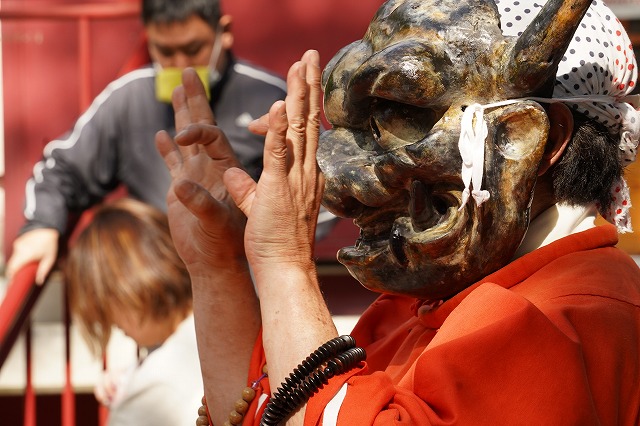
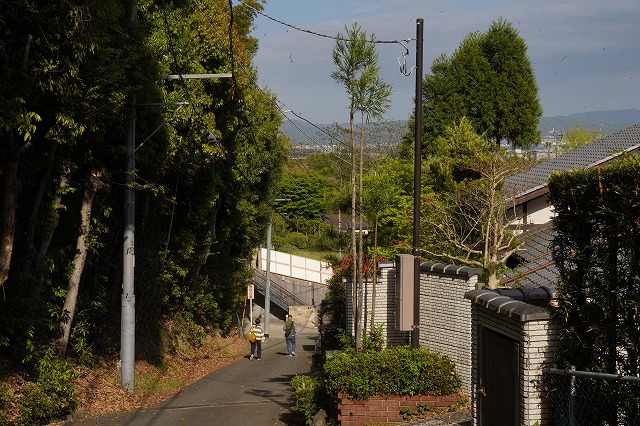
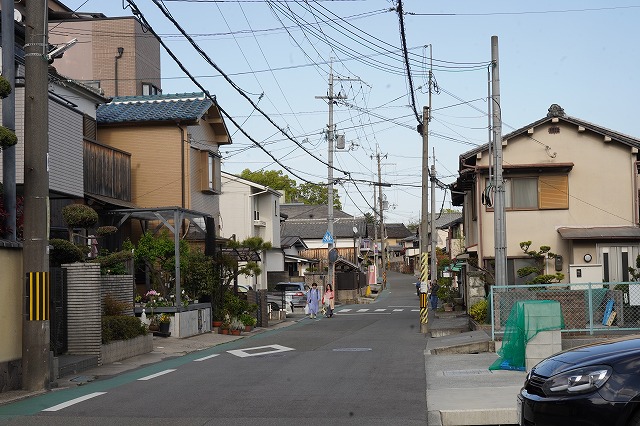
Visitors stroll down the hill at their own way. The town stands quietly, having absorbed a rich tapestry of history.
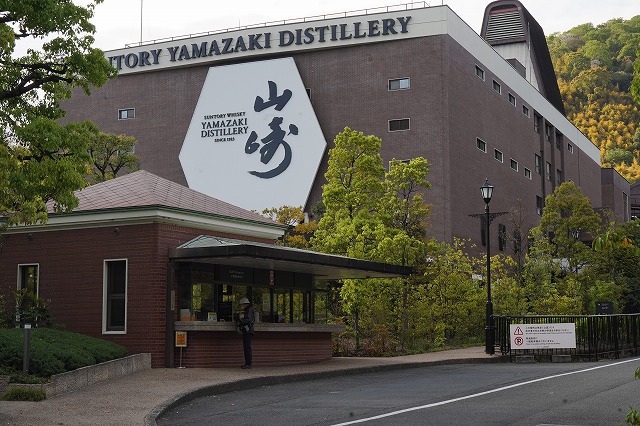
Nearby is the distillery for the Yamazaki brand, Suntory’s flagship whiskey*, which offers tours by appointment. It’s a must-visit destination for any whiskey lover.