Enjoy the Performing Arts in Hiraizumi, Where the Autumn Foliage Shines Brightly ~Fujiwara festival ~Day 2
Date; Every year from November 1 to 3
Location; Chuson-ji Temple, Motsu-ji Temple—Hiraizumi Town, Iwate Prefecture
Access; Take the Shinkansen to Ichinoseki Station, then transfer to a local train; it takes about 10 minutes to reach Hiraizumi. It’s about a 25-minute walk from the station to the entrance of Chuson-ji Temple, and about a 10-minute walk to Motsu-ji Temple.
https://discoverdeeperjapan.com/2026/07/08/enjoy-the-performing-arts-in-hiraizumi-where-the-autumn-foliage-shines-brightly-fujiwara-festival-day-1/
This article based on 2th~3rd November, 2025
Day 2 ~Schedule
Since it’s the final day, there are many performances scheduled for today. First, let’s check the schedule of performances you can see today. (The schedule is announced in advance by the organizers, so you can check it on their website or in the pamphlet.)
*Hiraizumi town official https://hiraizumi.or.jp/en/
Kawanishi dainenbutsu kenbai (sword dance) 10:00 a.m. (Chusonji temple Konjikido) 11:00 a.m. /1:00 p.m. (Chusonji templemain hall)
Noh 11:00 a.m./1:00 p.m. (Chusonji temple Noh stage)
Shishi odori (Deer dance) 10:30 a.m. (Hiraizumi station) 12:30 p.m. (Motsuji temple) 2:30 p.m. (Chusonji temple main hall)
Dance of Ennen 11:00 a.m. (Motsuji temple)
*While there aren’t usually any major changes from year to year, please check the website and other sources each time.
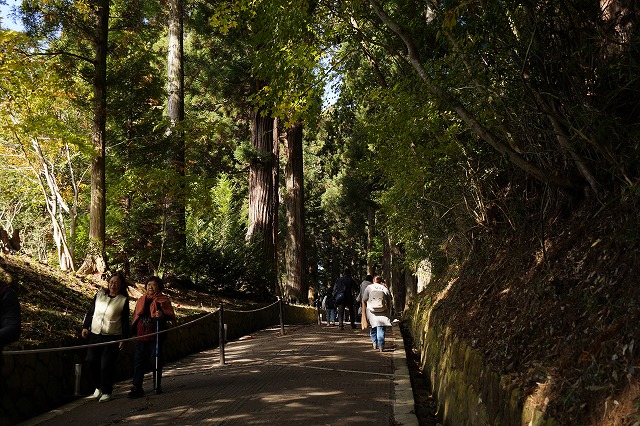
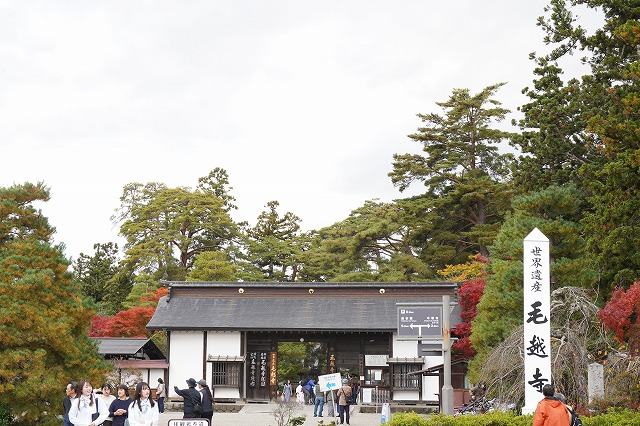
The schedule is divided into very specific time slots, and the locations are spread out across Chūson-ji Temple, Mōtsū-ji Temple, and the area in front of the station. Furthermore, even within Chūson-ji Temple, the schedule is divided among the Main Hall, the Konjikido Hall, and the Noh stage.
It’s about 1.5 km from Chūson-ji Temple to the station, and from there you have to climb a steep hill to finally reach the main hall. Since the Konjikido Hall and the Noh stage are located beyond that, it takes quite a while. The distance from the entrance to Chuson-ji Temple to Motsu-ji Temple is about 2.3 kilometers. There are bike rentals available in front of the station, so using one of those is one way to shorten the trip. In any case, since getting around takes time, it’ll be tough unless you decide in advance where to go and what to see.
Kawanishi dainenbutsu kenbai (sword dance)
Chusonji temple Konjikido
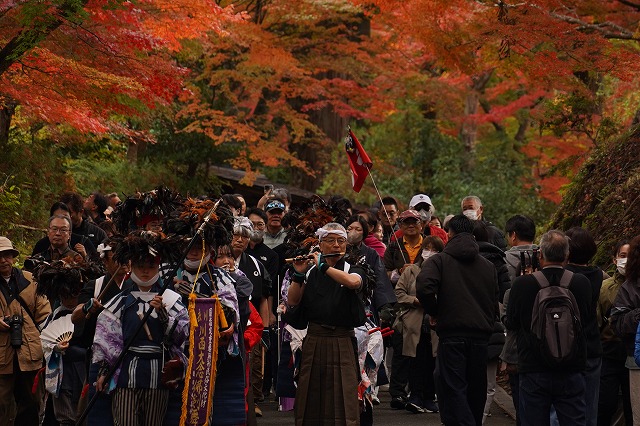
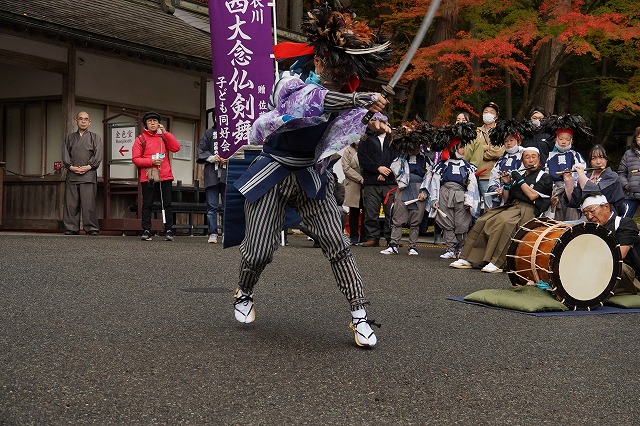
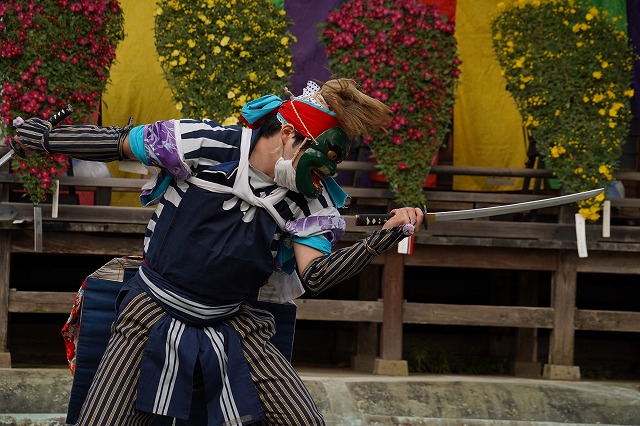
A performance will take place in front of the Konjikidō Hall at Chūson-ji Temple starting at 10:30 a.m. As mentioned in the section on the Hounokizawa Nenbutsu Sword Dance, this is a type of sword dance.
There are more performances than in Hounokizawa, including solo dances and group dances. On this day, the program began with a solo dance.
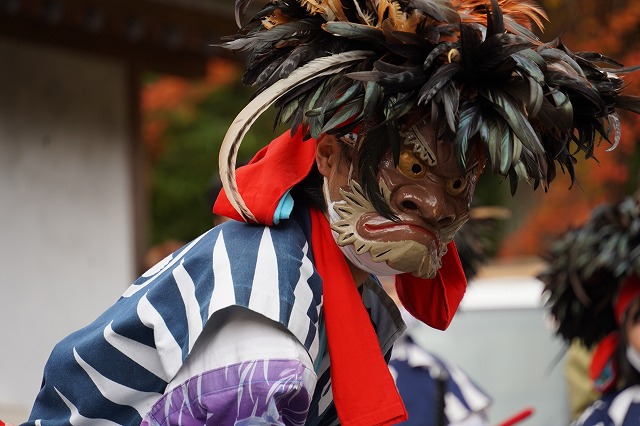
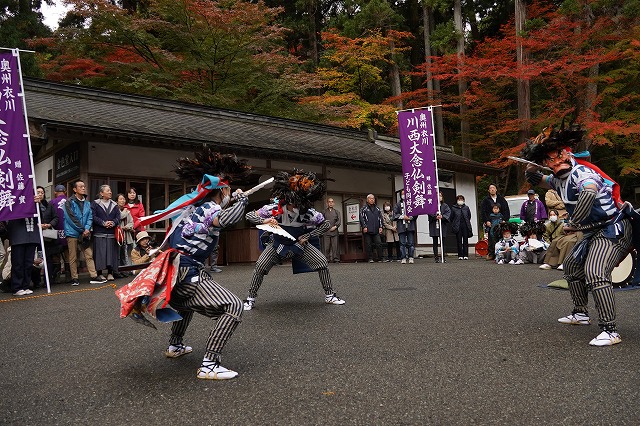
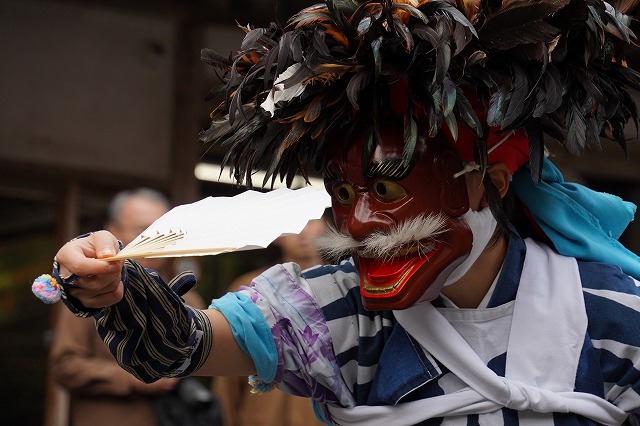
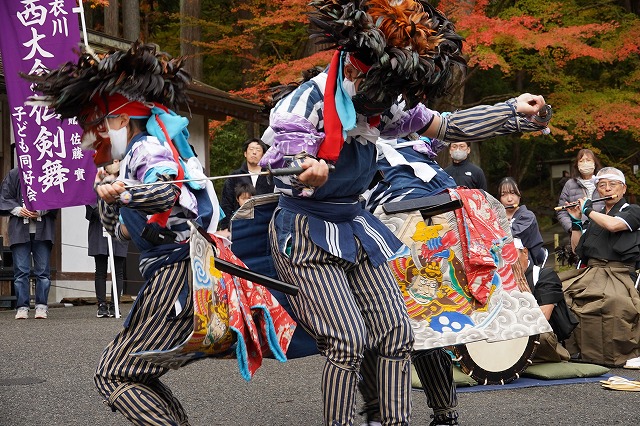
This is a dance piece performed by three dancers. It incorporates some fairly complex movements and features many theatrical elements.
The performance lasts about 30 minutes.
Chusonji temple Main hall
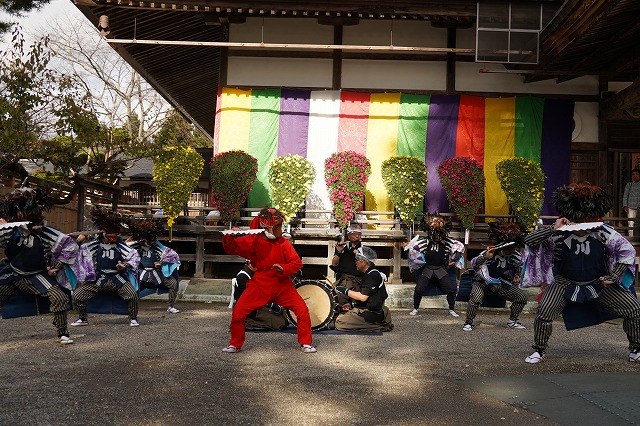
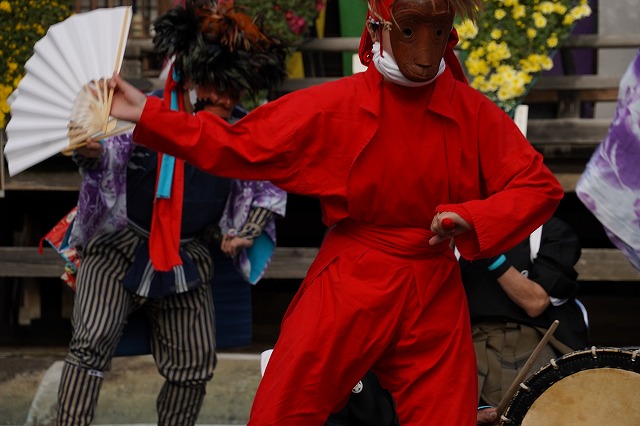
It was just past 1:00 p.m. They moved to the area in front of the main hall for the next performance. First, everyone performed a dance centered around a monkey.
This is followed by a solo performance, which then leads into a performance by three people.
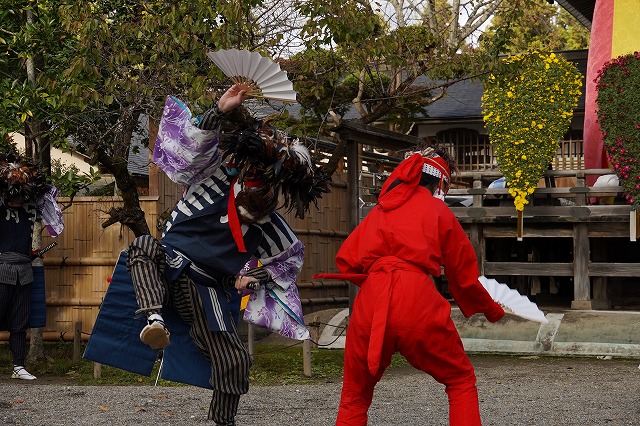
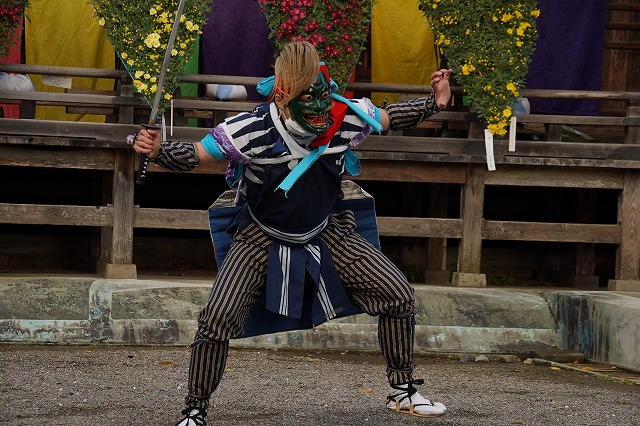
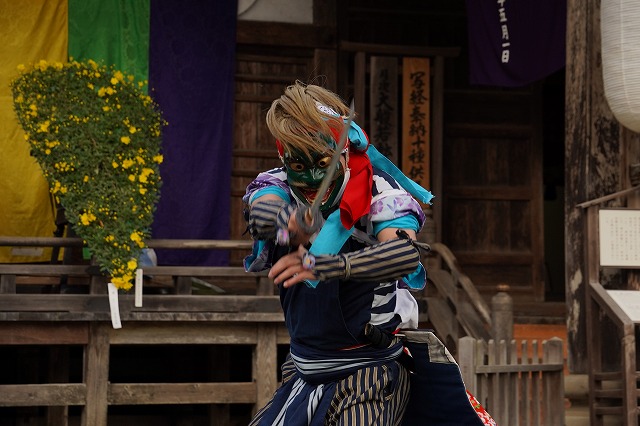
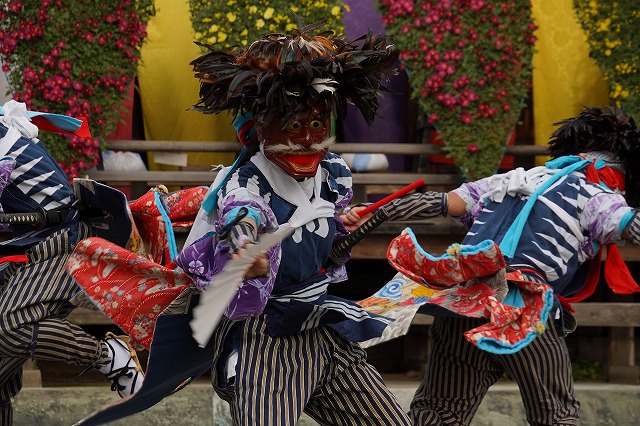
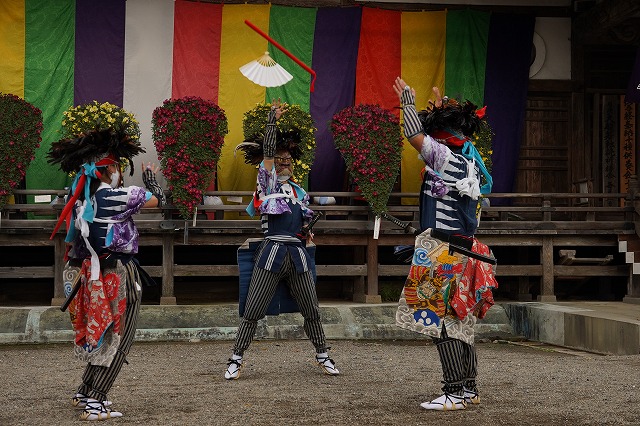
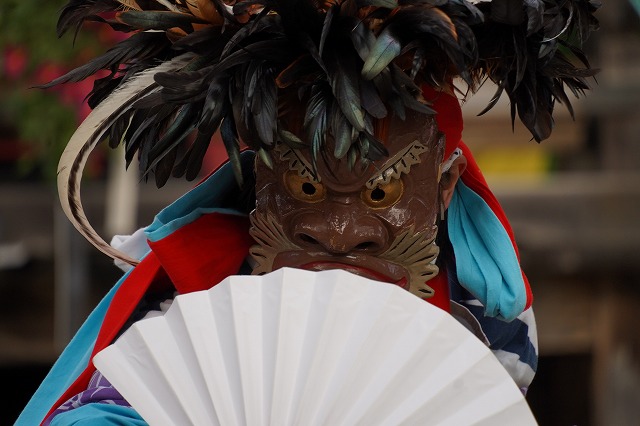
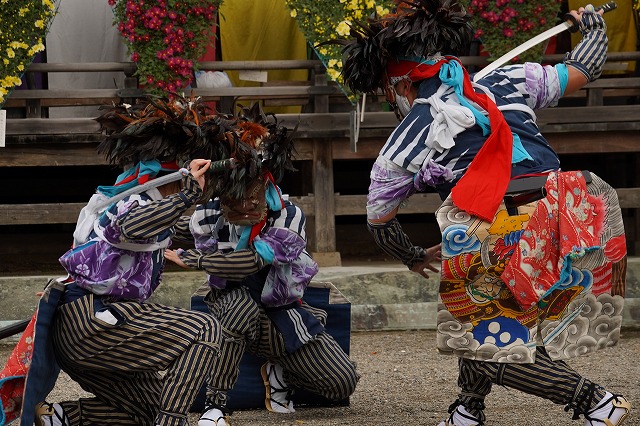
A performance lasting about 20 minutes.
Ennen no mai (Everlasting Dance)
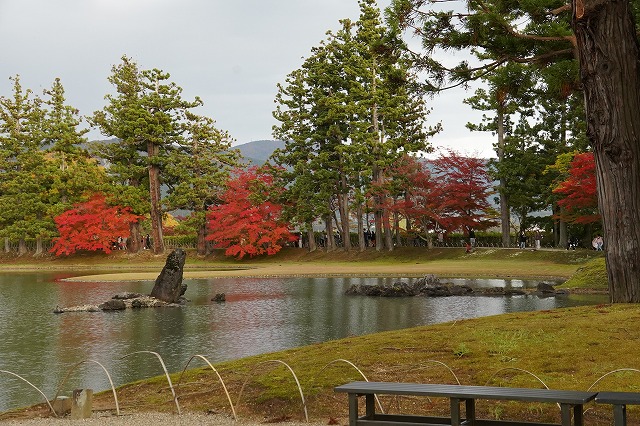
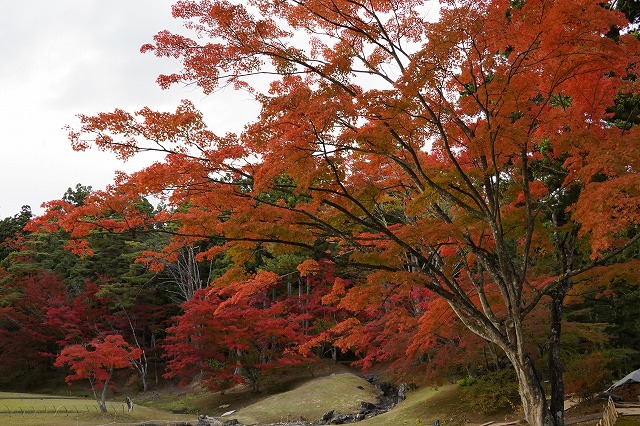
11:00 a.m. for about 50 minutes, on the stage next to the Main Hall of Motsuji Temple
In short, the term “Ennen 延年” in the Ennen Dance refers to the wish for longevity. Its origins date back some 800 years. It reached its peak around the 12th century but began to lose popularity around the 14th century, along with the decline in the popularity of Noh. As a result, there are few remaining examples throughout Japan, and the one here at Mōtsū-ji Temple has been designated as an Important Intangible Cultural Property.
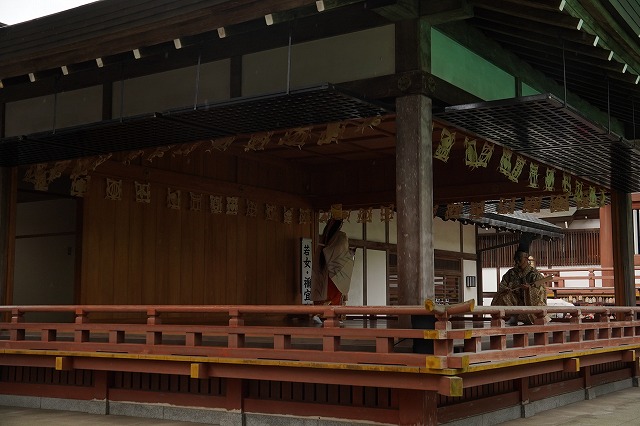
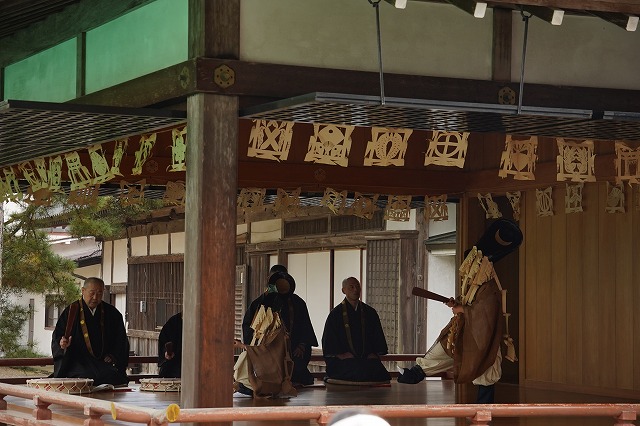
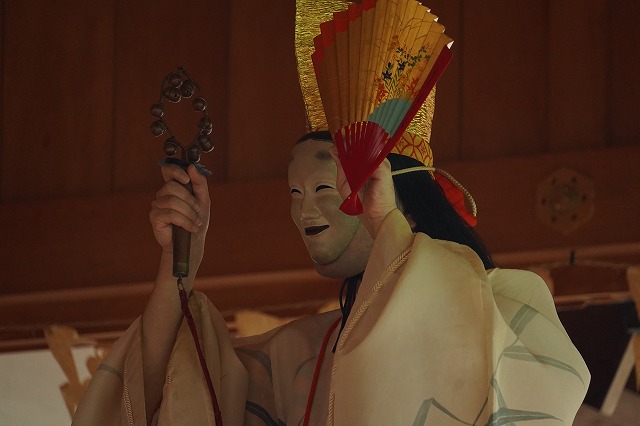
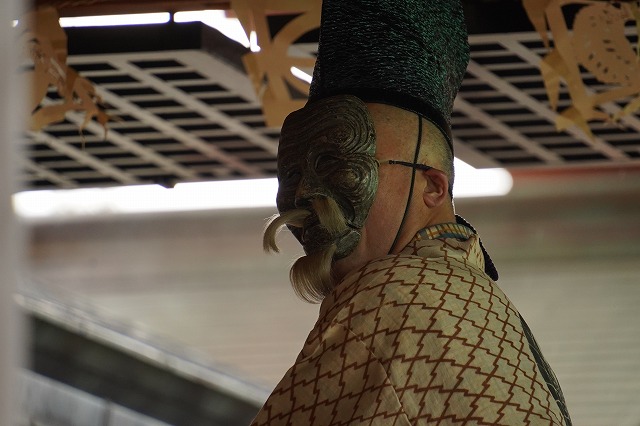
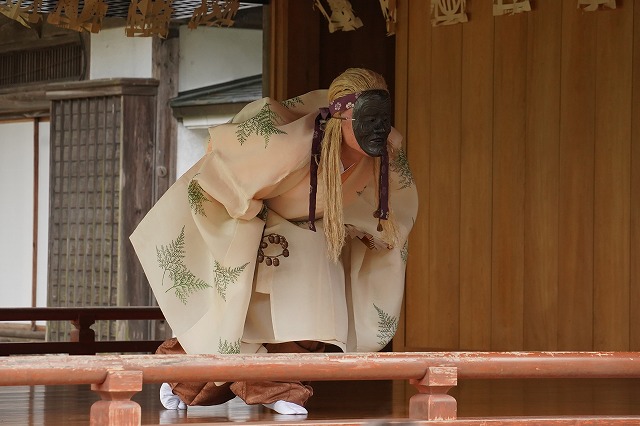
The long passage of time has caused many plays to be lost.
The most famous is the “Dance of the Old Woman.” This performance requires a high level of skill because the dancer bends his or her waist extremely low while dancing.
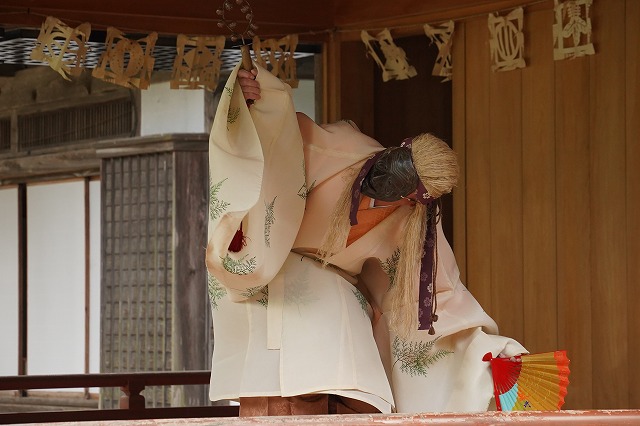
You can see it at the festivals on January 20, May 5, and November 3 https://iwatetabi.jp/en/spots/94710/
Noh
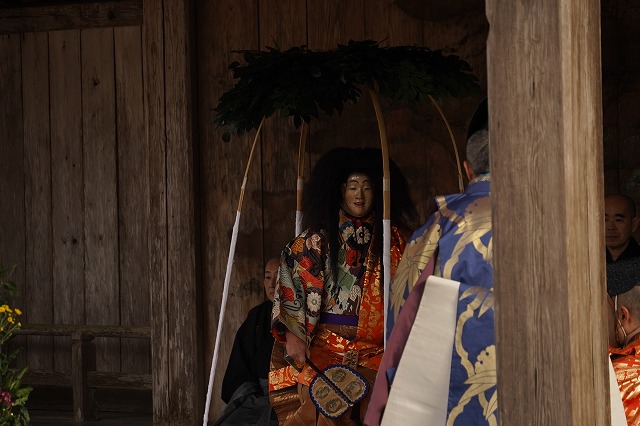
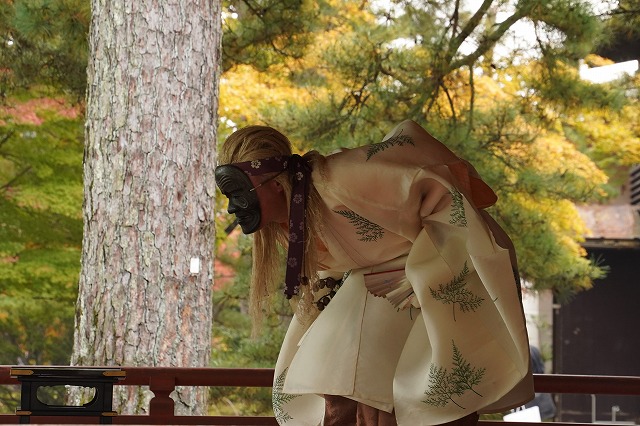
The event begins at 11:00 a.m. at the Noh stage. The photo shows the performance titled “Makura Jido,” which starts at 1:00 p.m.
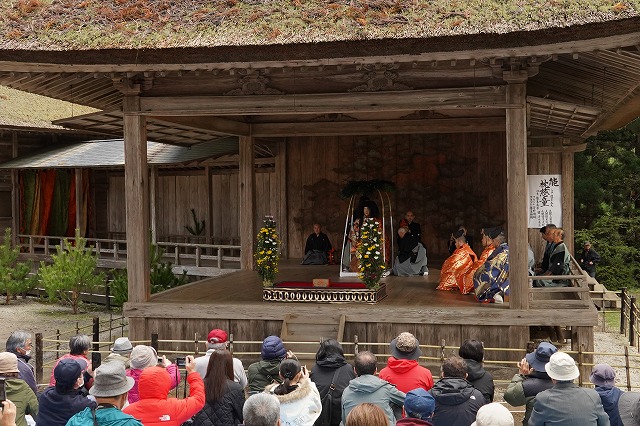
Further back from the Konjikidō is Hakusan Shrine, and there is a Noh stage nearby. Although it was rebuilt in the early 19th century, it has a very atmospheric appearance.
It should be noted, however, that not all Noh performances are plays; some consist solely of singing, and others solely of dancing. If you look closely at the program or other materials, you’ll find this information there.
Shishi odori (Deer dance)
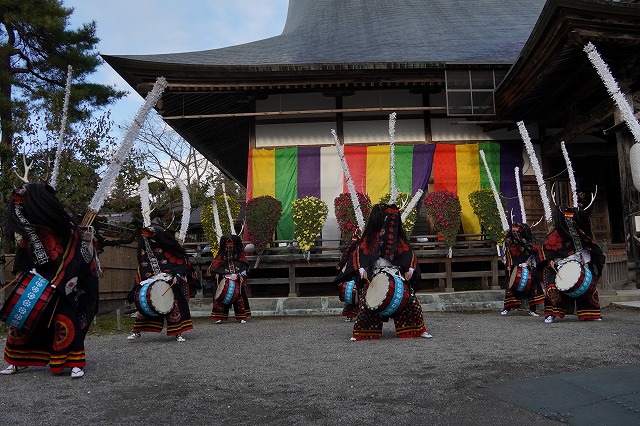
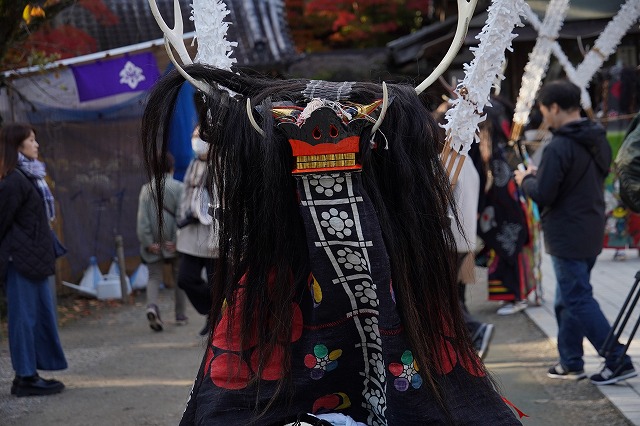
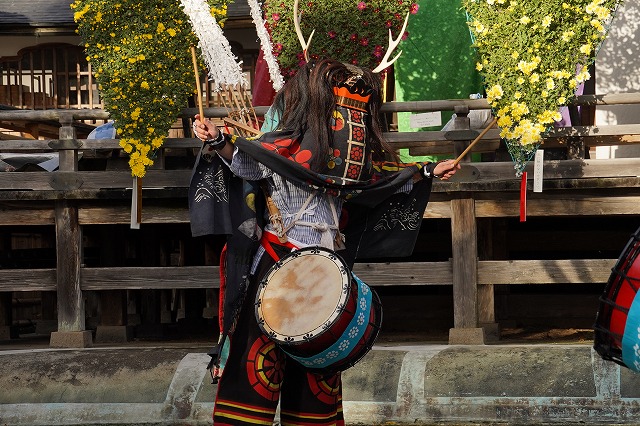
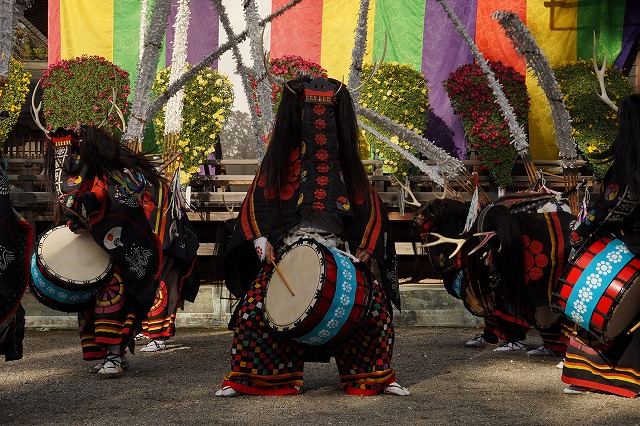
It starts at 10:30 a.m. in front of Hiraizumi Station, at 12:30 p.m. at Motsuji Temple, and at 2:30 p.m. in front of the main hall at Chuson-ji Temple. This photo was taken in front of the main hall at Chuson-ji Temple.
The finale is the deer dance, a familiar sight in the Tohoku region. This time, it’s the “Gyozan-ryu Miyako-dori” deer dance. They pound the ground, send the sound of the drums echoing to the heavens, and their songs—which seem to well up from the depths of the earth—are as vibrant as ever. The performance, which lasted about 20 minutes, thoroughly impressed the audience.
*The following article should be helpful for learning about the deer dance. https://discoverdeeperjapan.com/2020/11/30/michinoku-traditional-folk-performing-festival-the-deer-dance/