Competition Featuring Traditional Performing Arts from Each Town ~Miya festival 三谷祭
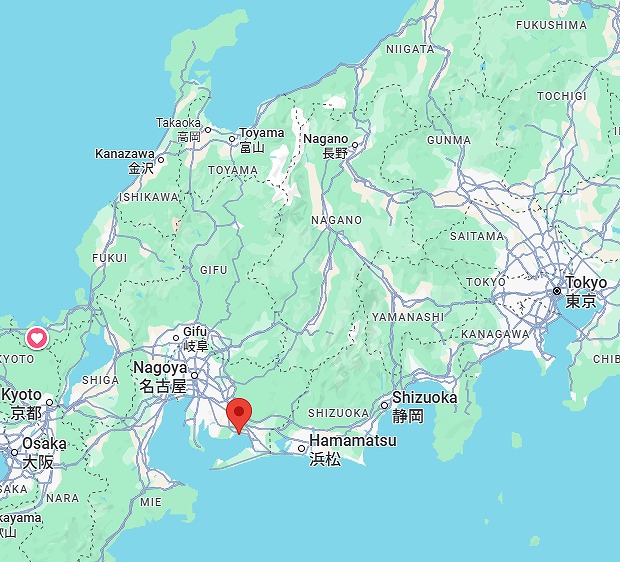
Location; Within Mitani-cho, Gamagori City, Aichi Prefecture Wakamiya shrine, Yatsurugi shrine
Date; Weekends in mid-October (see the official website for details → https://38fes.jp/en/
Access; From the Tokyo area, take the Shinkansen to Toyohashi—about two hours. From there, it’s about 15 minutes on the local line (Tokaido Main Line) to Mikawa-Miya. From Osaka, take the Shinkansen or a limited express train to Nagoya—about an hour—and then take the local line for about an hour.
based on 10th (Sunday) October, 2023
A Grand Gathering of Masked Characters
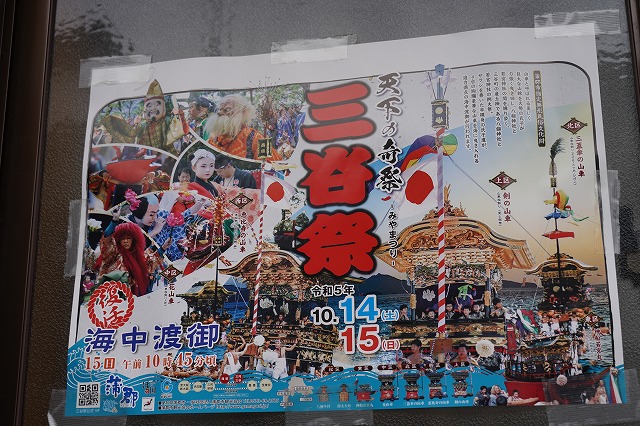
One could call it a small town. Located between Japan’s three major economic hubs—Tokyo, Osaka, and Nagoya—Gamagori City is known for its fruit and hot springs. The station right next to it is Miya, the focus of this story. That small town has something that can rival even Nagoya. That is this year’s Miya Festival. And many masked characters appear at the festival. The festival has many charms. Let’s take a closer look.
The Big Festival in a Small Town
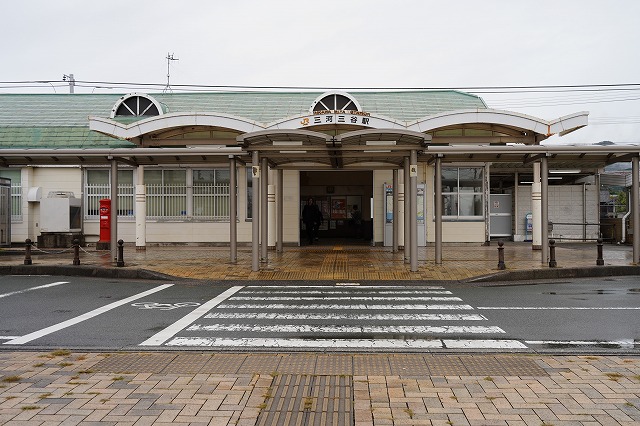
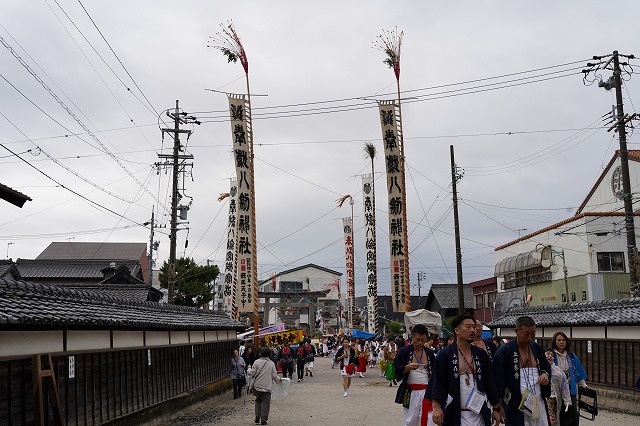
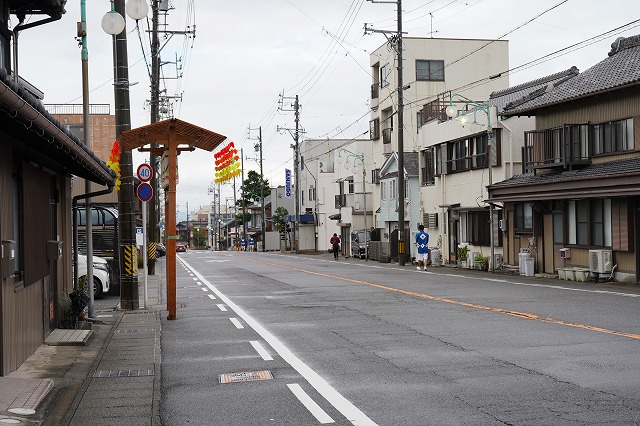
When you get off at the small station, there’s a road stretching straight ahead. The atmosphere there is already buzzing with festival excitement.
This festival is held over two days—a Saturday and Sunday—in mid-October.
On Saturday, planning meetings are held starting in the morning, and at noon, the floats from each district set out to visit the shrine. Then, around 7:00 p.m., everyone finishes the procession and heads home.
Sunday is no different—the event starts early, at 8:00 a.m. After the procession through the ocean, traditional performances from each district are presented one after another at two shrines. The entire event doesn’t wrap up until after 9:00 p.m.
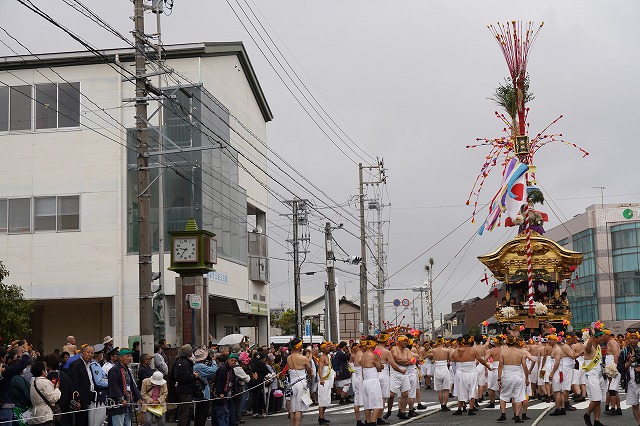
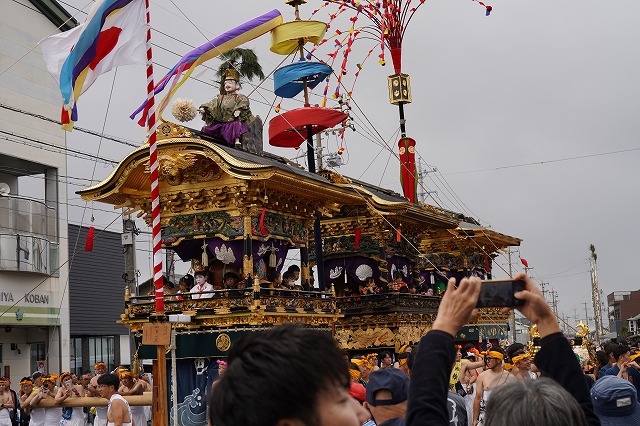
Magnificent, ornate festival floats—said to be modeled after those of Kyoto—parade through the town. Since this festival is held in honor of both Wakamiya and Yatsurugi Shrines, each district visits the shrines at different times. And during that time, the festival’s biggest highlight—the maritime procession—takes place.
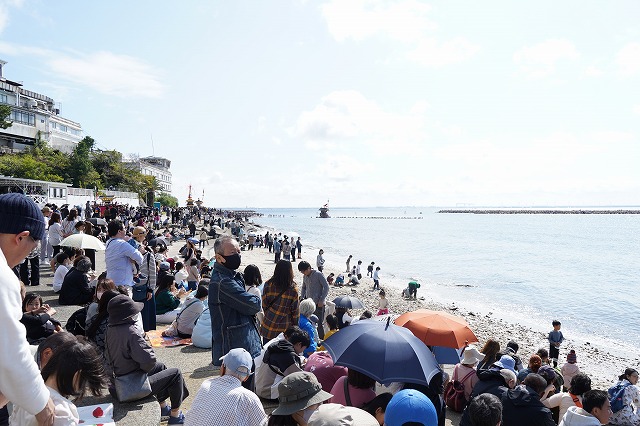
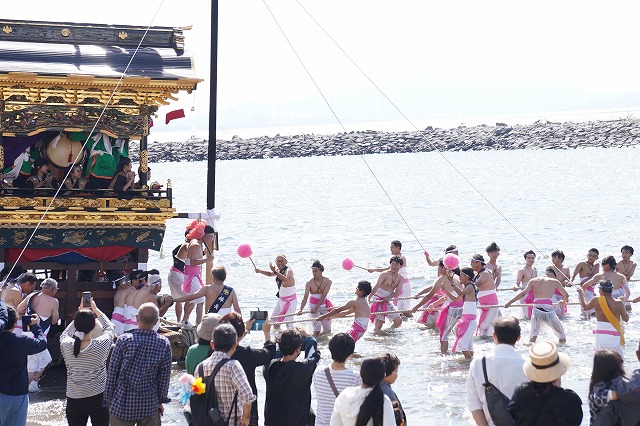
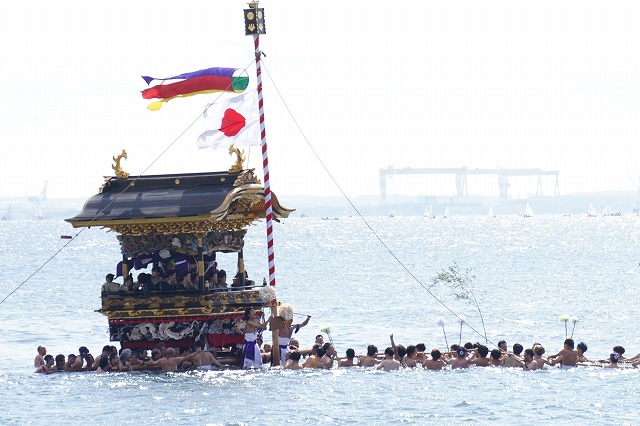
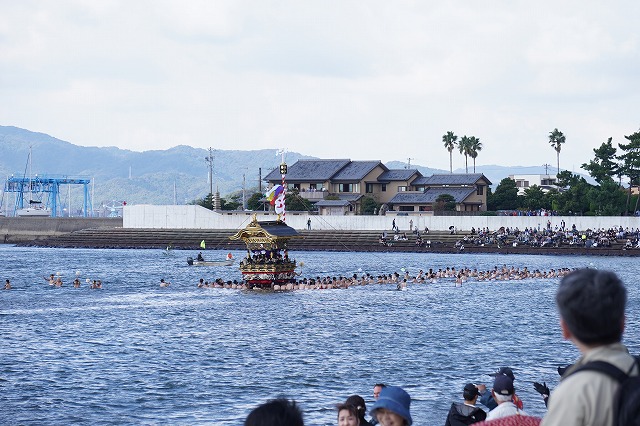
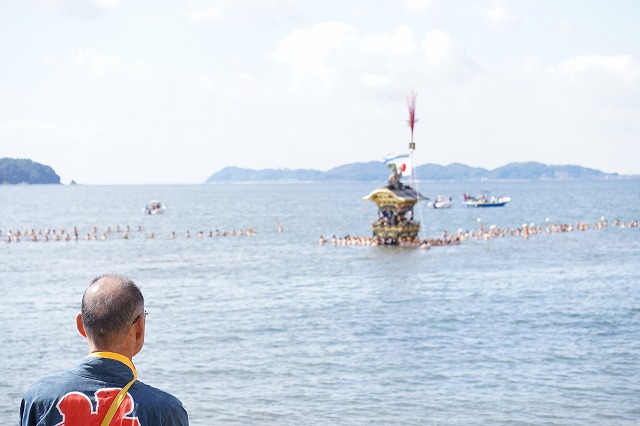
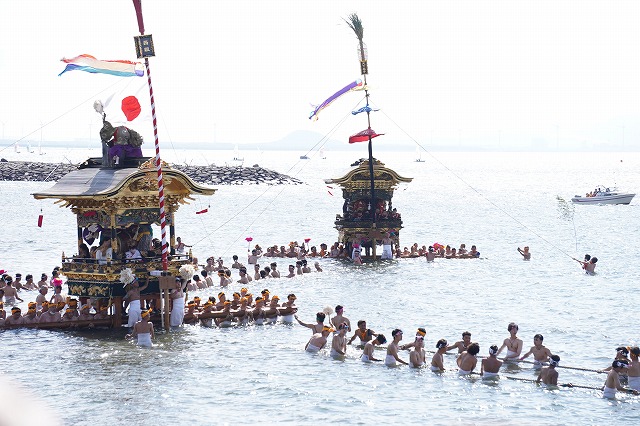
For this maritime procession, the schedule may shift to the second or third weekend, depending on the tides.
At last, the masked characters are entering the shrine
After completing the maritime procession, the group heads next to Wakamiya Shrine. At this point, each district performs the traditional arts they have passed down through the generations.
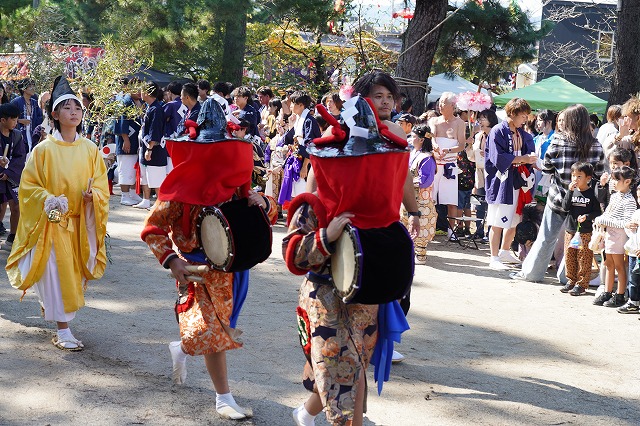
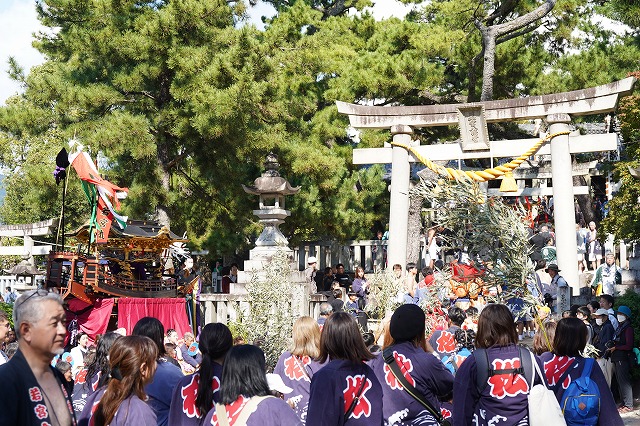
They will perform twice in front of the shrine and once more inside the grounds. There are six districts in total. Since the next one is coming up, each district will perform for about 10 minutes before moving on to the next.
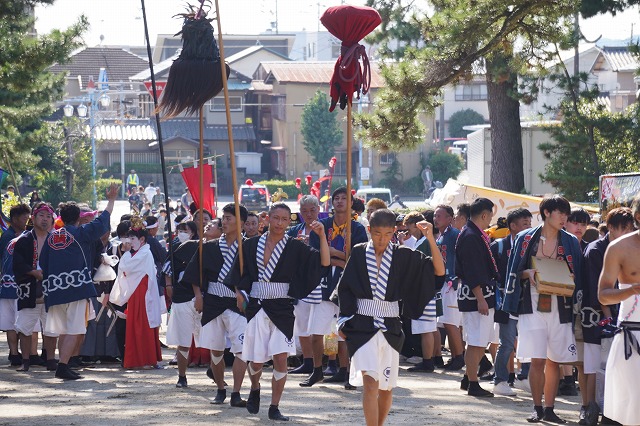
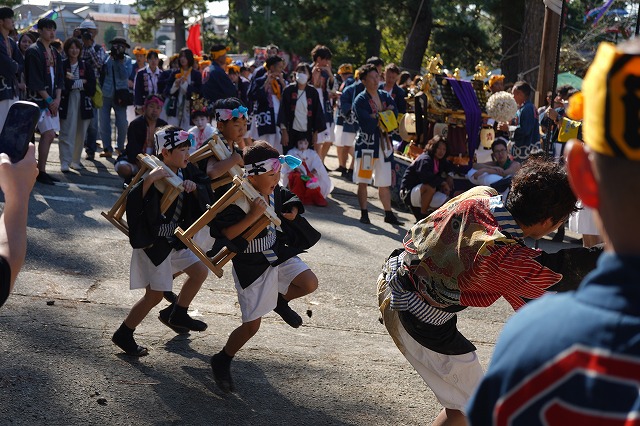
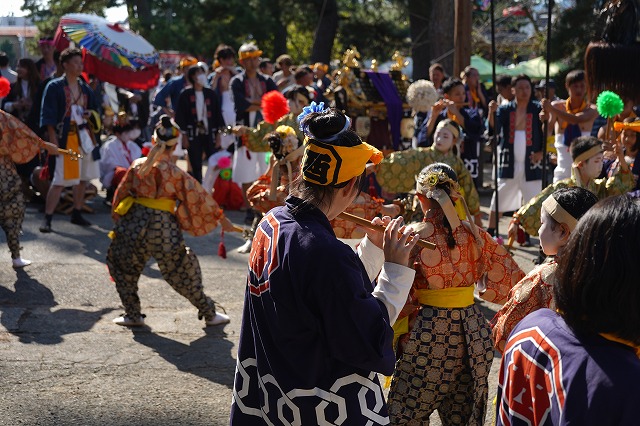
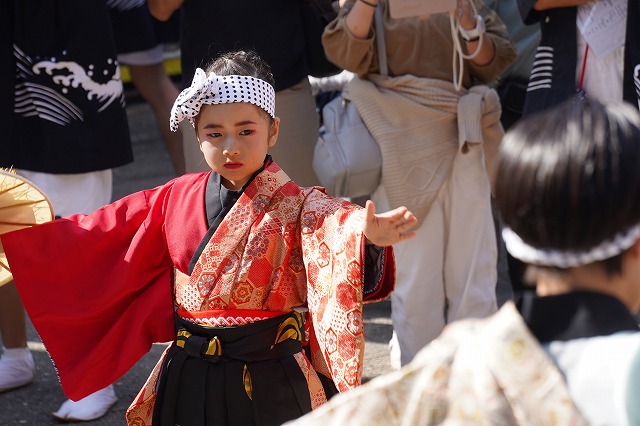
For example, Nishi Ward stages a reenactment of a feudal lord’s procession, and children, looking nervous as they take the stage, show off the results of their daily practice.
Dance of Susano
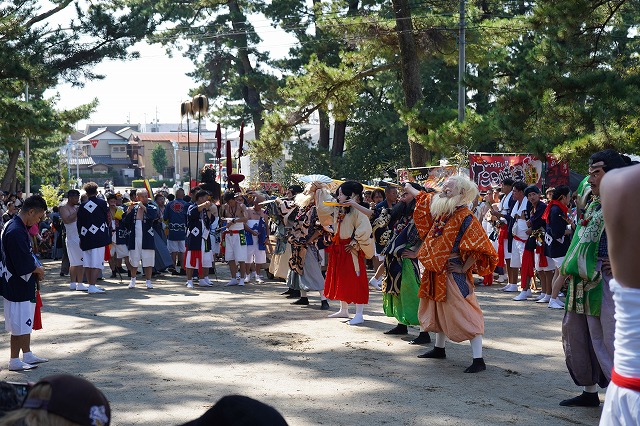
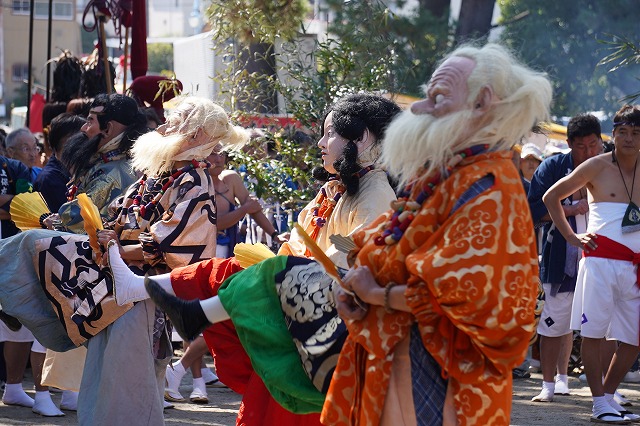
The Age Ward will perform the “Dance of Susanoo.” Susanoo is one of the most famous deities in Japanese mythology, known for his wild nature—which led to his expulsion from the heavenly realm—and for slaying the eight-headed serpent, Orochi.
https://discoverdeeperjapan.com/reference/japan-mythorogy/amano-iwatobirakithe-revival-of-the-deity-of-sun/
https://discoverdeeperjapan.com/defeating-orochi/
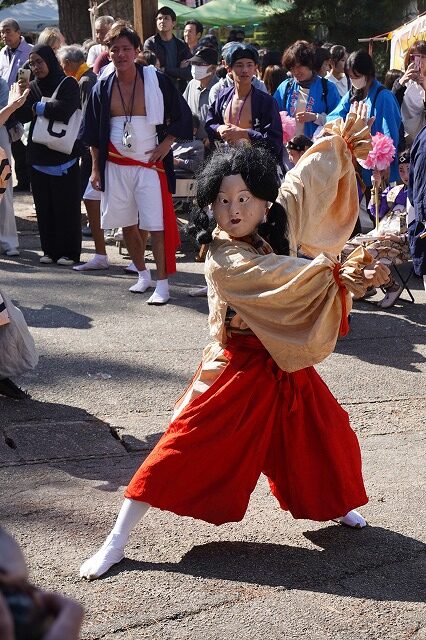
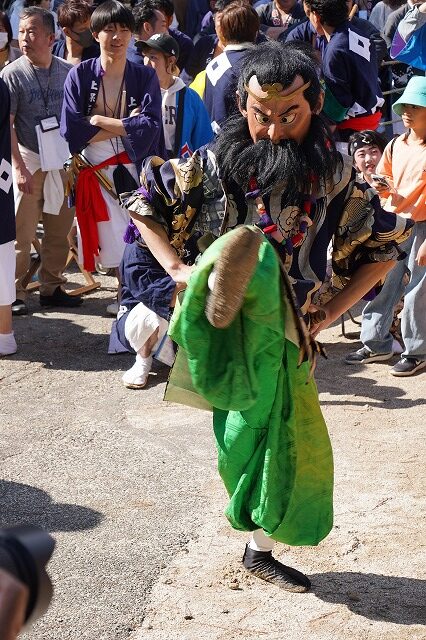
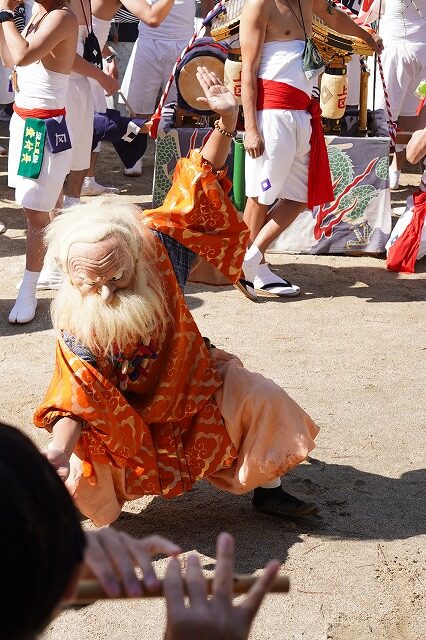
There are six characters in total. A distinctive feature here is that the masks are strangely lifelike, and since they are the type that cover the entire head, they create a peculiar sense of realism. They dance along to the melody of the flute. Dance
Dance of Shitifukujin (seven deities )
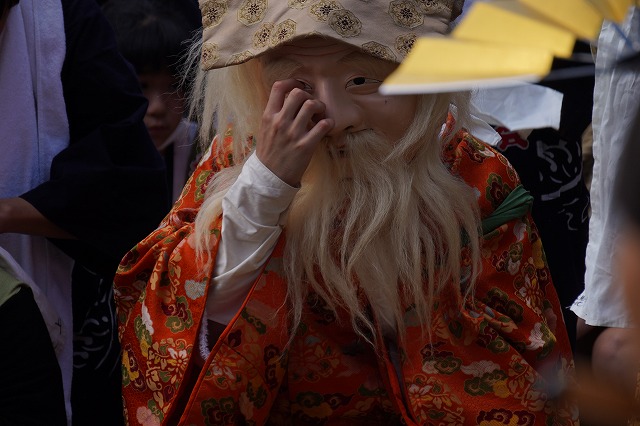
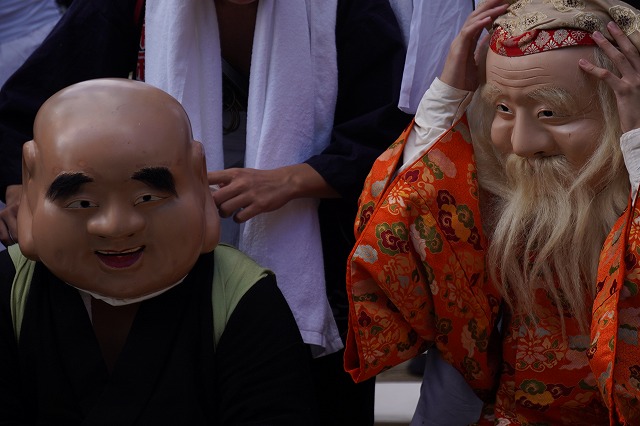
The Seven Lucky Gods are Japan’s most famous deities—a group of seven deities who bring happiness to people. They often appear during auspicious occasions such as the New Year. https://discoverdeeperjapan.com/2021/04/05/seven-deities-of-good-fortune-parade-celebrating-the-new-year-at-the-center-of-tokyo/
This is a traditional performing art preserved by Kita Ward. And since this is the type that covers its head completely with a strangely realistic mask, viewers might feel as if they can actually hear a normal conversation taking place. “It’s finally our turn. I’m starting to feel a little nervous.” “Me too.”
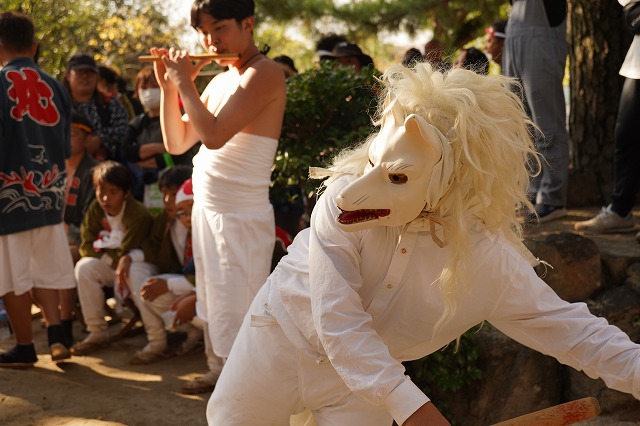
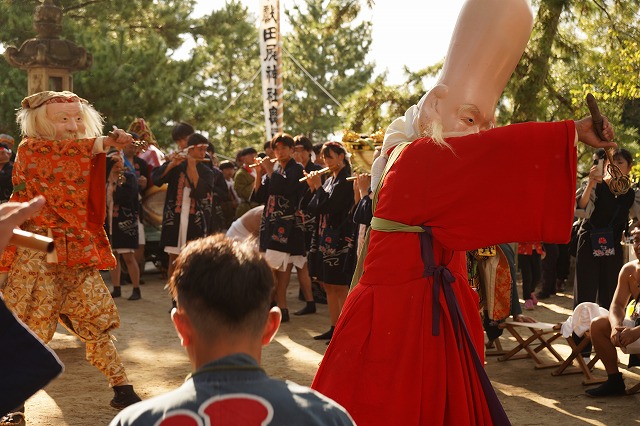
In the original Seven deities of good fortune, there is a female deity named Benzaiten who presides over the arts, but here she is replaced by a fox. The story revolves around the deities being beguiled by the fox and made to dance under its control.
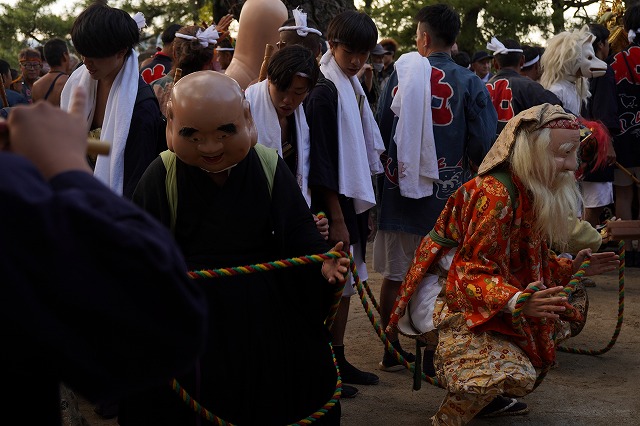
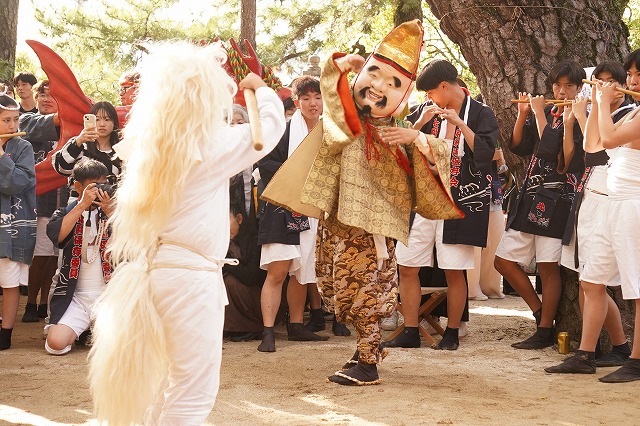
“Come on, come on, dance properly,”—don’t you find it strangely comical to imagine the Seven Lucky Gods dancing as if a fox were telling them that?
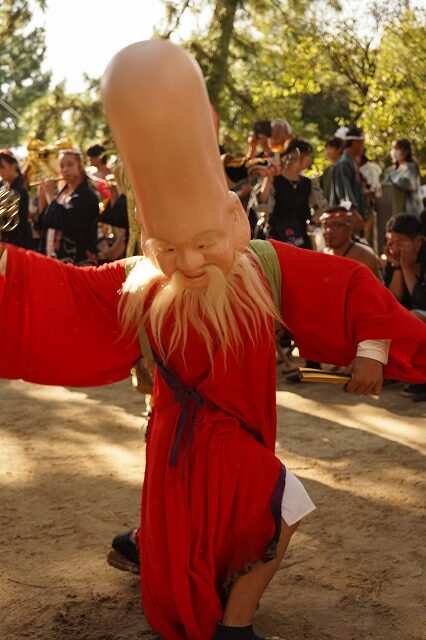
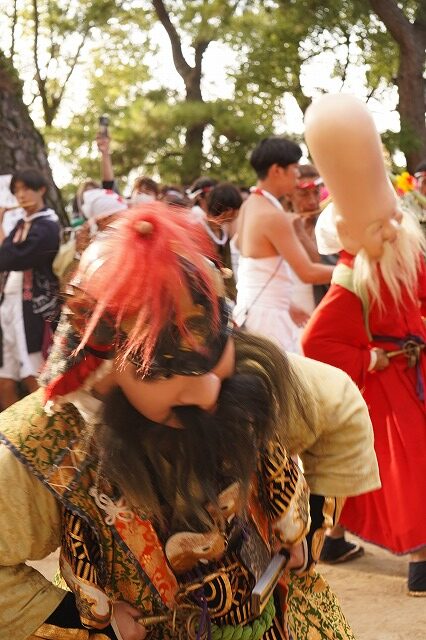
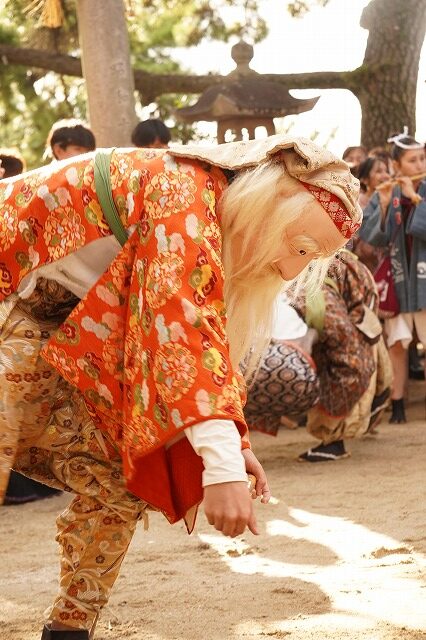
“Give me a break, I can’t dance anymore.”
“For some reason, my body just won’t listen to me.”
Renjishi Dance
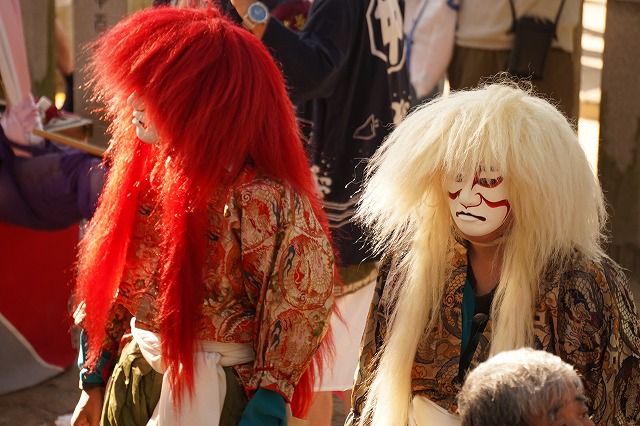
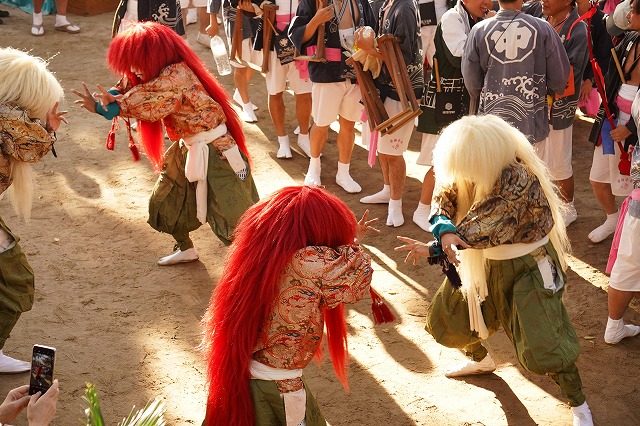
“Renjishi” originates from a Kabuki play. It is a dance depicting two lions dancing wildly, and the highlight is the scene where they swing their long hair around vigorously. The performing arts of Naka Ward are modeled after this; at first glance, they look like makeup, but they are actually masks.
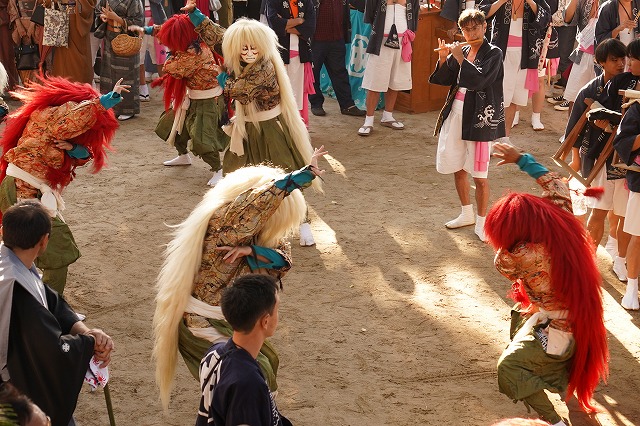
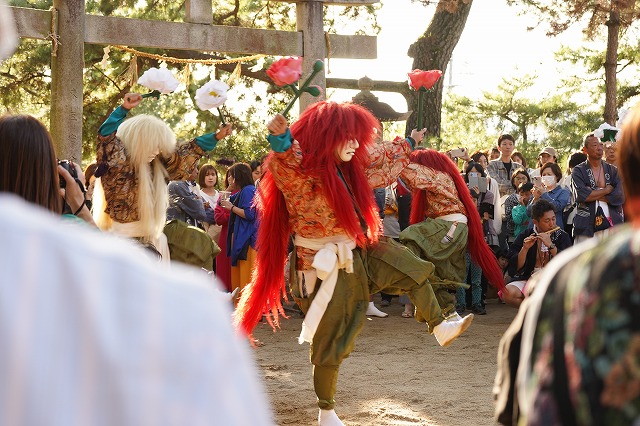
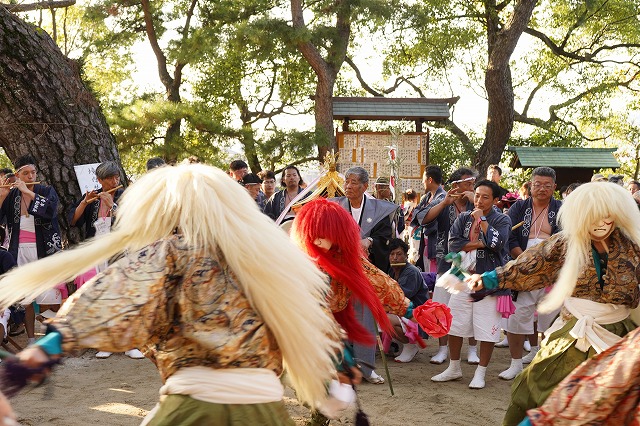
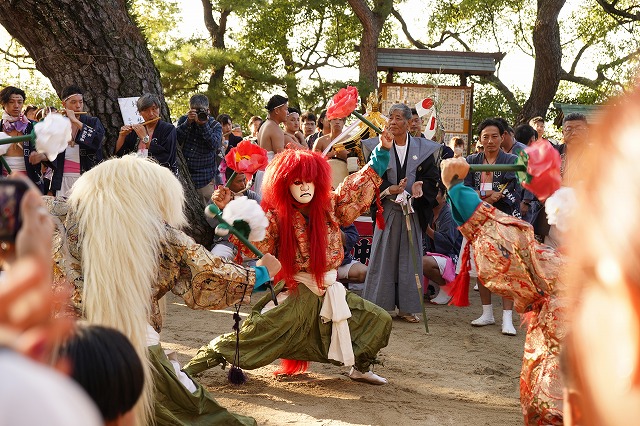
Of course, just like in the original, there are scenes where they swing their long hair around. Many fans come to see just that.
The festivities wrap up for the time being around 4:00 p.m., and the festival floats make their way from Wakamiya Shrine to Yatsurugi Shrine.
The festival continues late into the night
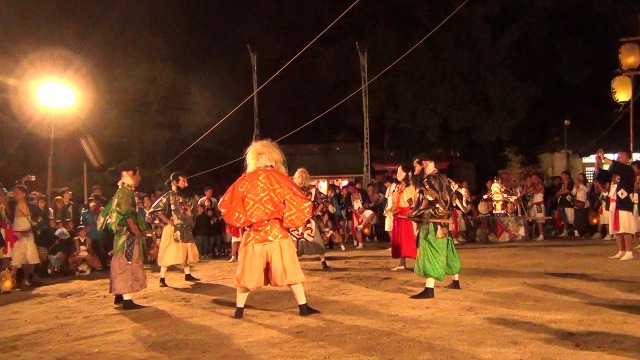
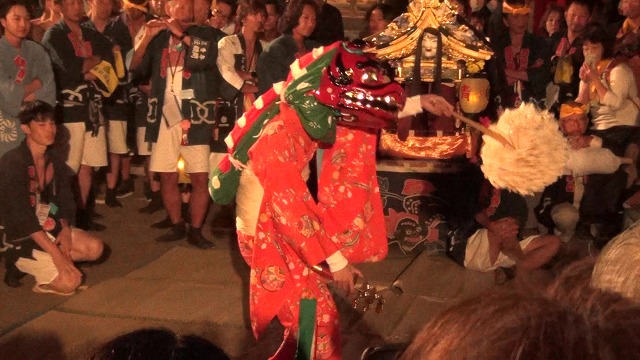
By around 5:30, Yatsurugi Shrine was packed with spectators. However, since the shrine grounds are spacious, everyone gathered in a circle around the shrine.
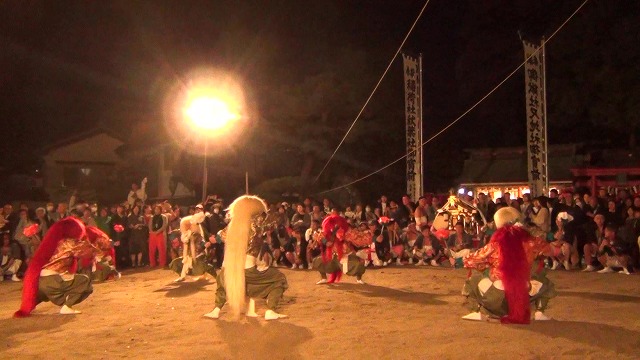
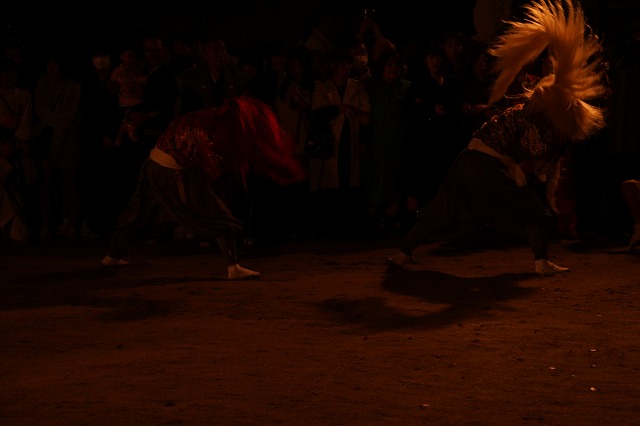
Since the temple grounds are so spacious, you can see performances and activities that are different from those during the day.
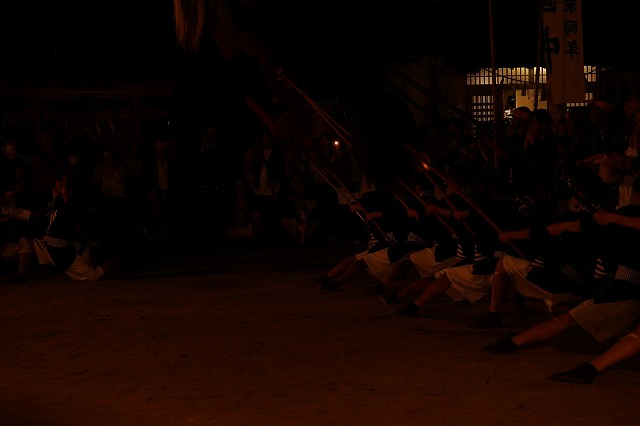
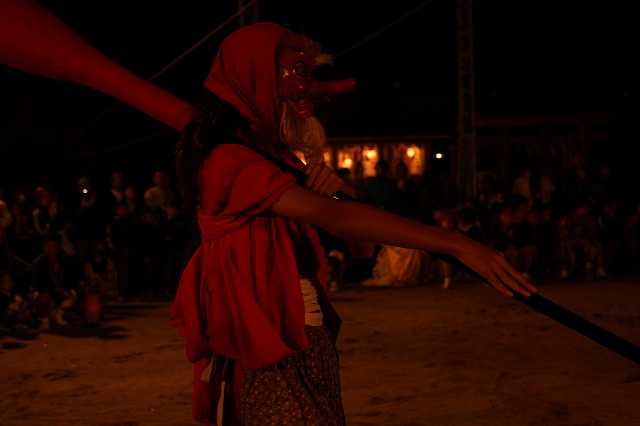
And so, the town continues to buzz with a festive atmosphere until nearly 9:00 p.m.
Official site https://38fes.jp/
Aichi Now https://aichinow.pref.aichi.jp/en/events/detail/155/