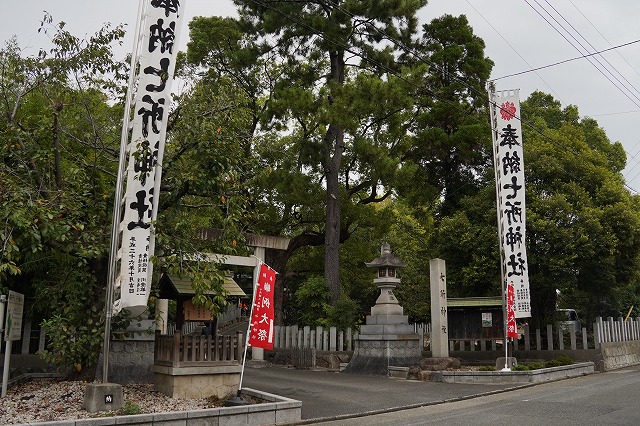
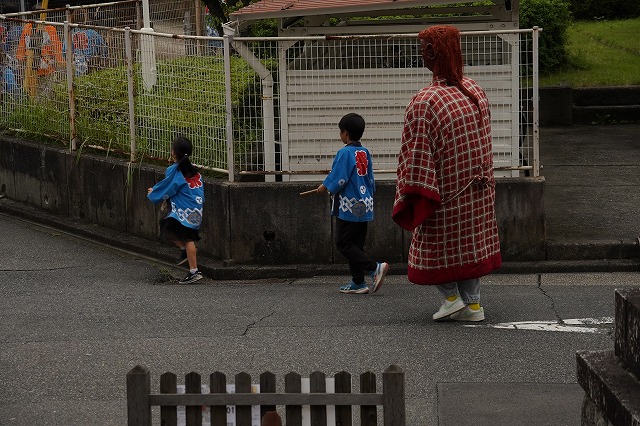
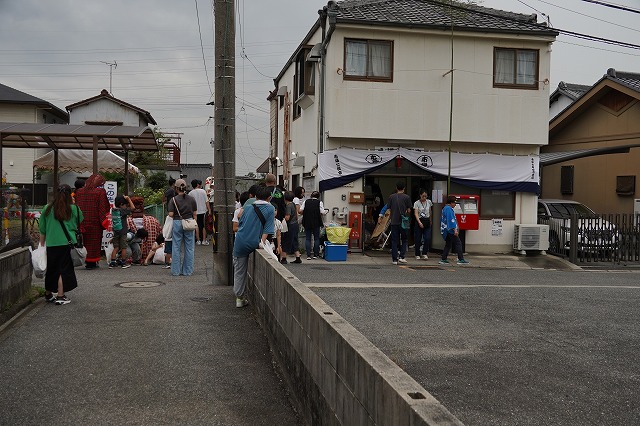
Watch an Ancient Mask Parade in the Historic Capital ~ Gigaku parade at Yakushiji temple 薬師寺伎楽
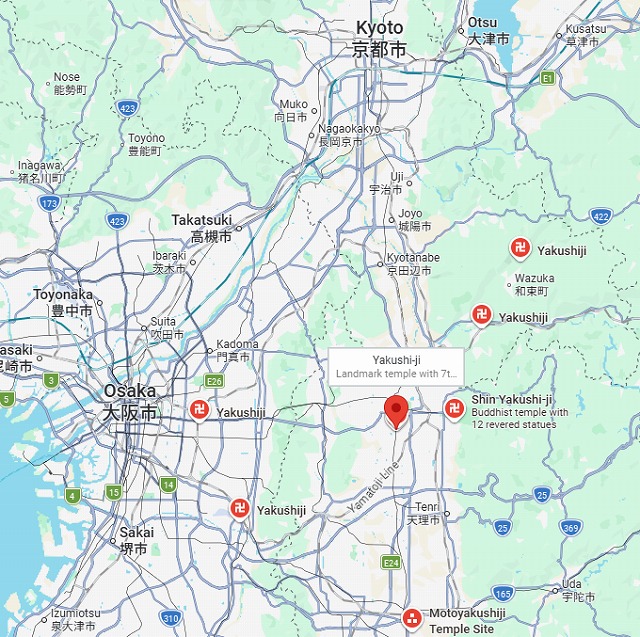


Date; Every year on May 5
Location; 457 Nishinokyo-cho, Nara City, Nara Prefecture
Access; A 1-minute walk from Kintetsu Nishinokyo Station
Approximately 40 minutes from Kintetsu Kyoto Station or Kintetsu Osaka-Namba Station to Nishinokyo Station via Yamato-Saidaiji
Kintetsu Yamato-Saidaiji Station
—Bound for Kashihara Jingu-mae / Tenri—
Nishinokyo Station

Yakushiji temple official https://yakushiji.or.jp/en/
about Gigaku mask https://discoverdeeperjapan.com/2020/06/07/the-most-detailed-japanese-traditional-mask/

This article is based on information as of May 5, 2018.

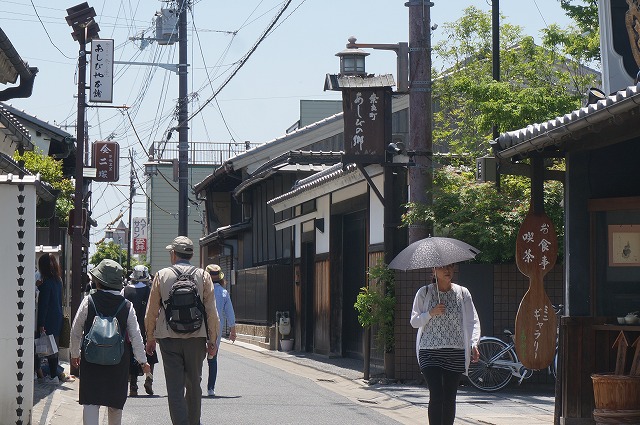
Nara, the Ancient Capital
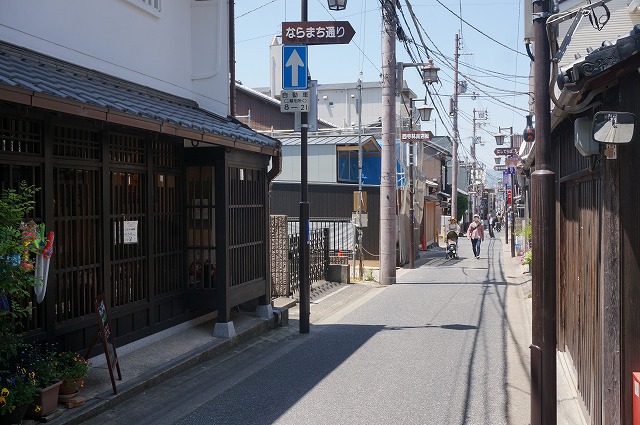
奈良町
Naramachi

奈良町

Nara is a curious place. Although it boasts a history even longer than Kyoto’s, it lags far behind in terms of its current presence. People from Kyoto casually remark to residents of other cities, “Our history is in a league of its own,” yet they seem to completely overlook Nara. That said, Nara doesn’t go out of its way to assert itself on this point either. While Osaka, Kyoto, and Kobe see fierce competition among the Hankyu, Hanshin, Nankai, and Keihan railways, in Nara—aside from JR—only Kintetsu seems willing to operate.
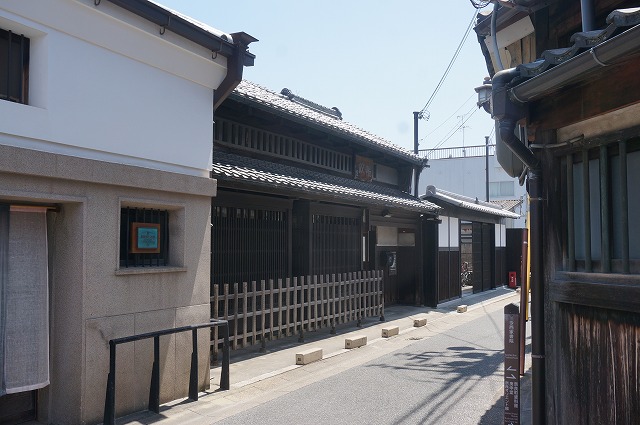
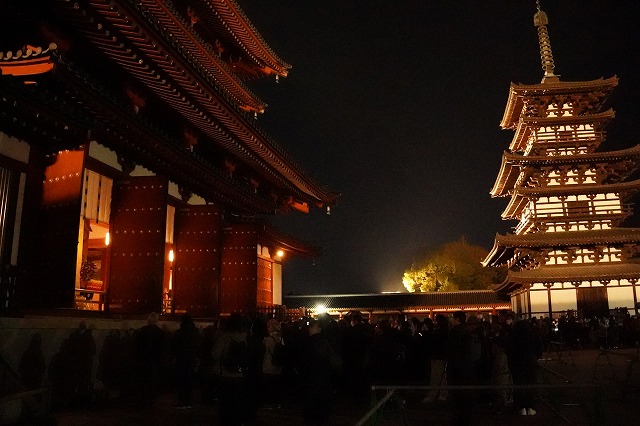
Nara—a town where, as you turn a corner, you might just expect to see an ancient figure appear

Yakushiji temple

There’s a certain mid-afternoon languor in the air, and it almost seems as if the city has forgotten all about tourism. It’s a place so laid-back that it wouldn’t be surprising to see deer leisurely grazing right in the middle of the city. What’s more, it’s surprising to learn that those deer are actually wild—they have no connection whatsoever to Nara Prefecture, Nara City, or even temples like Tōdai-ji or Kōfuku-ji.

Gigaku Mask Parade

One reason might be that, unlike Kyoto, the city center is concentrated around Nara Station, while other areas are scattered farther away, and there is no hub connecting them. To reach Yakushi-ji Temple, the setting for today’s event, you have to take a train from Nara Station.
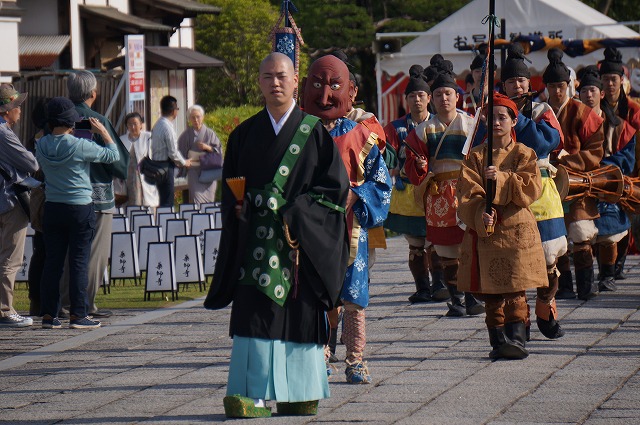
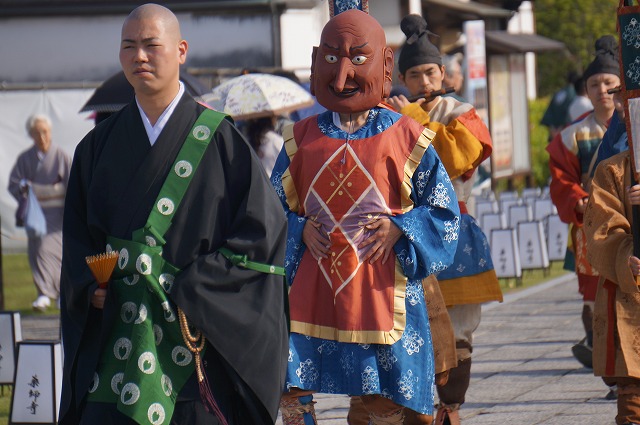
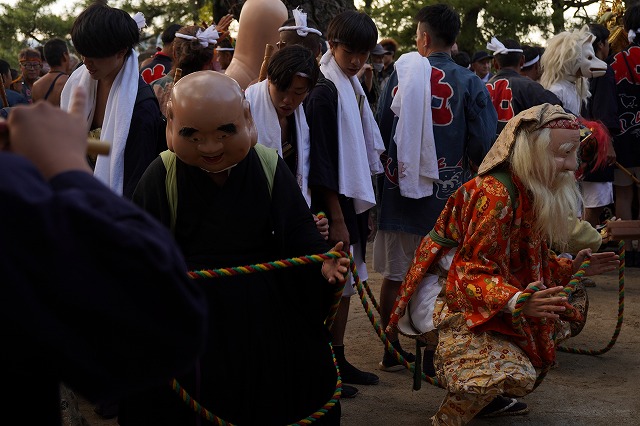
Chidō—A guide on the Way

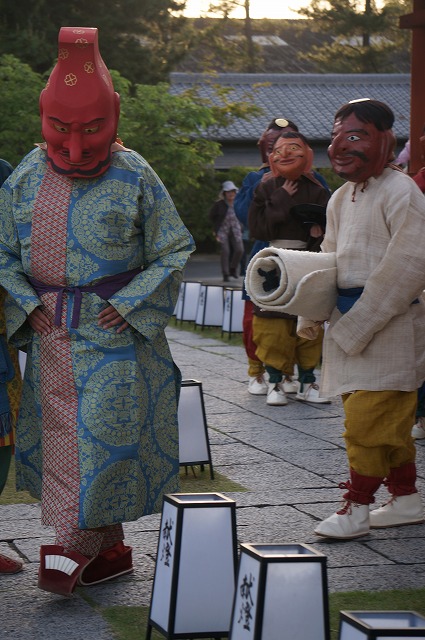
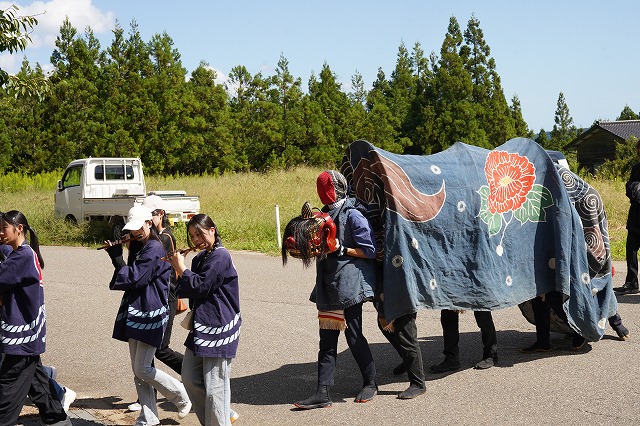
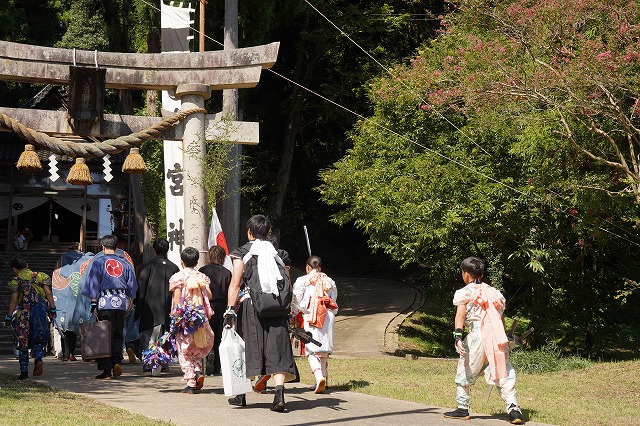
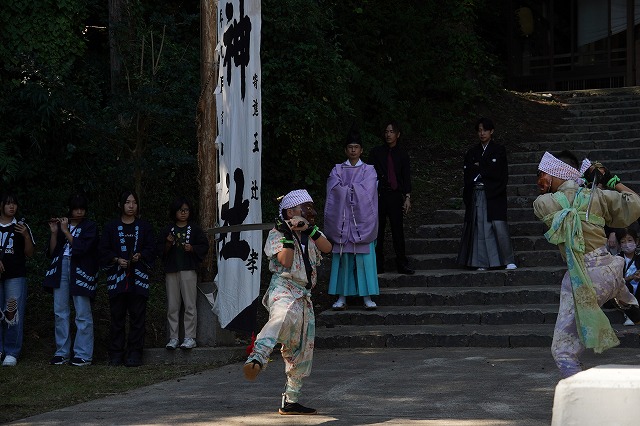
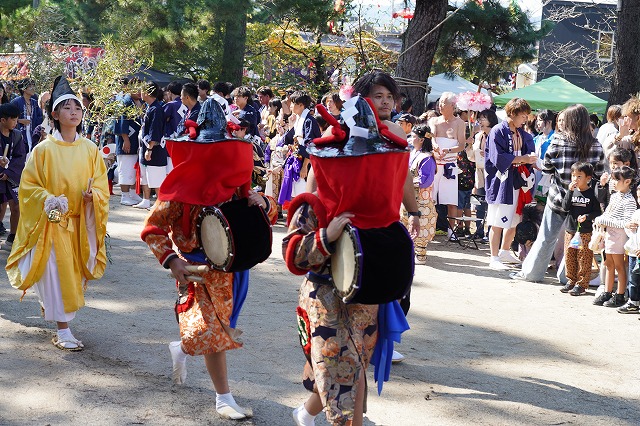
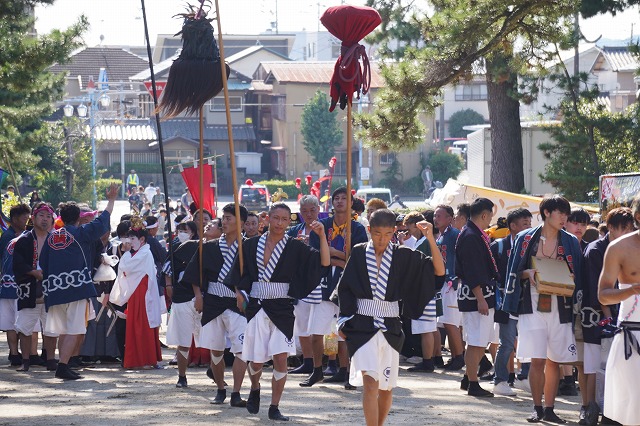
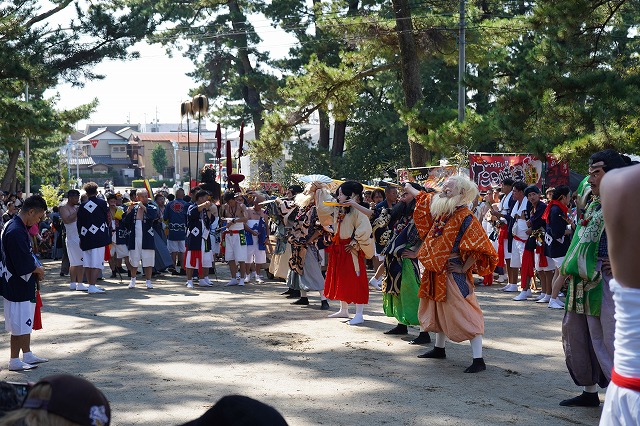
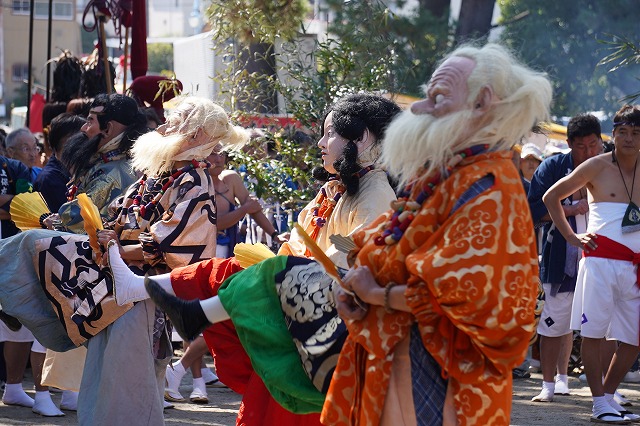
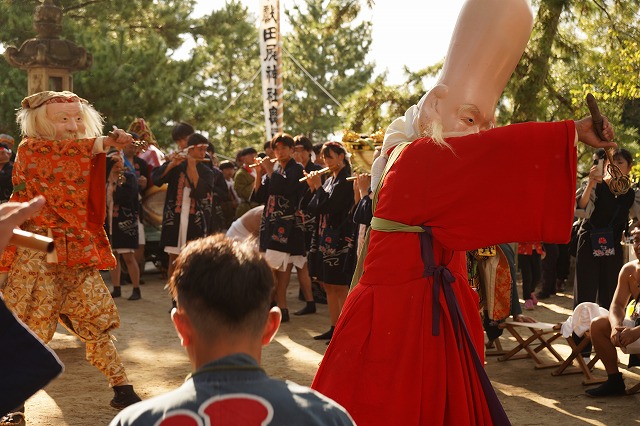
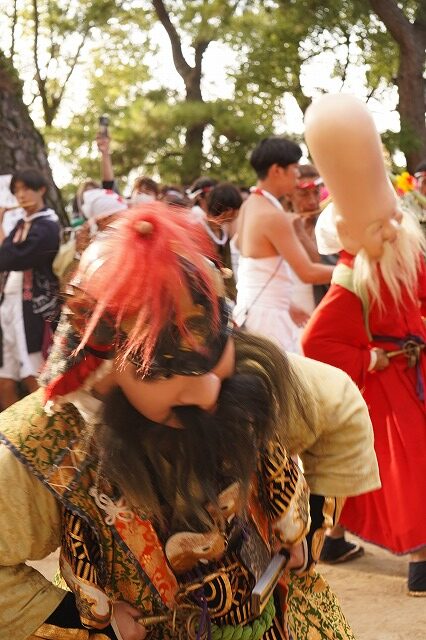
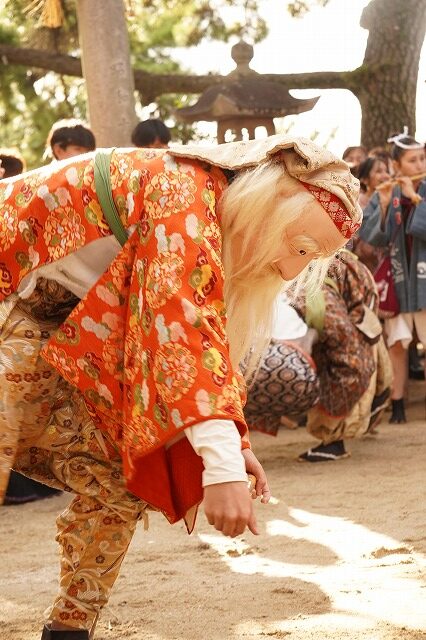
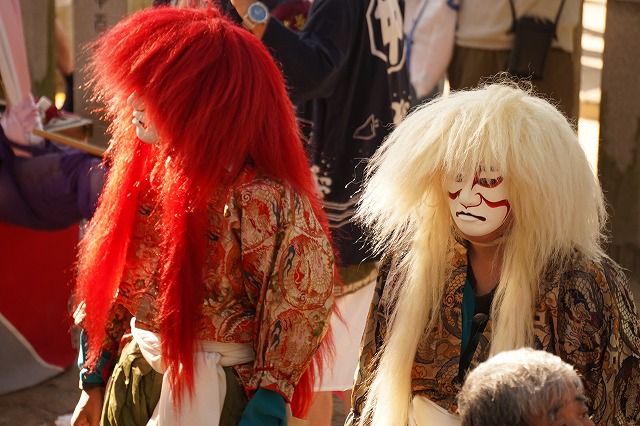
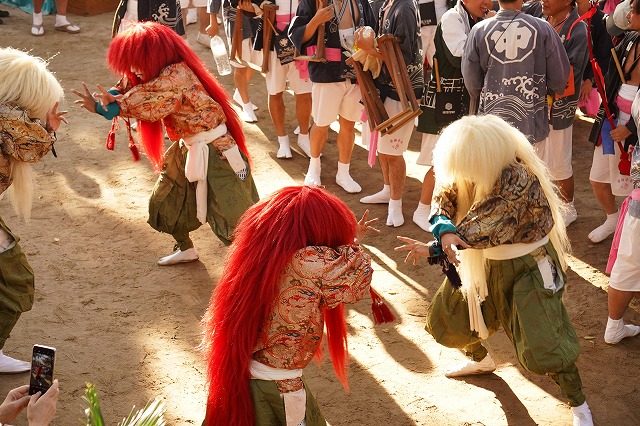
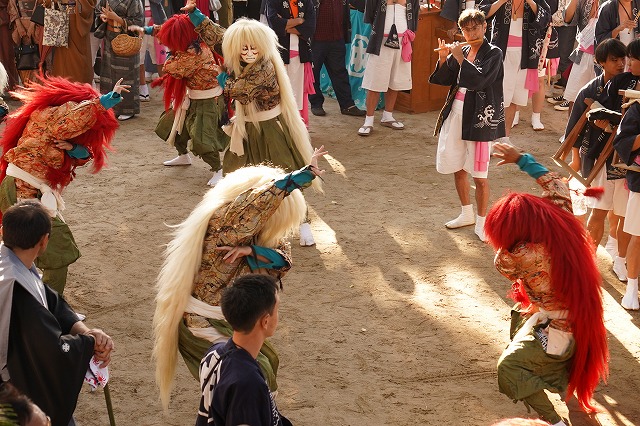
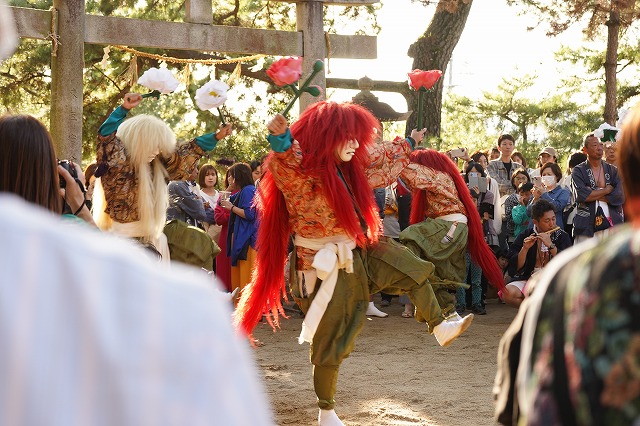
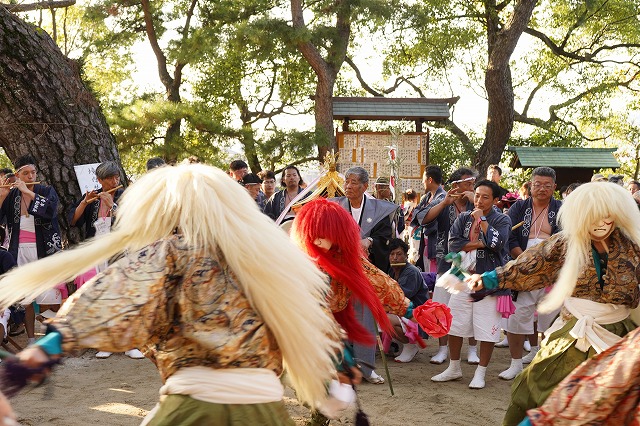
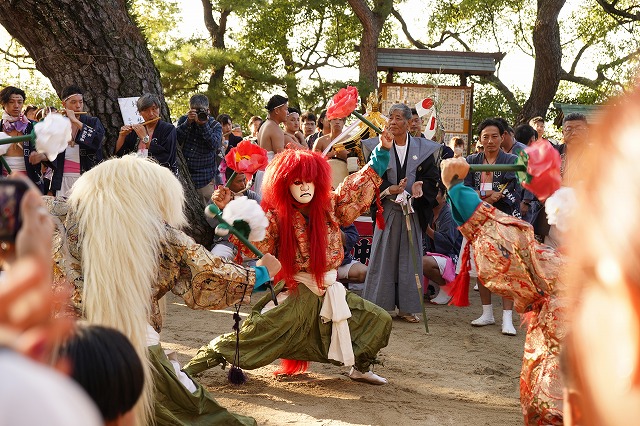
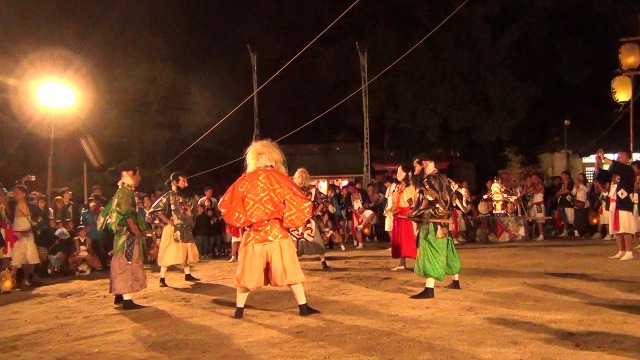
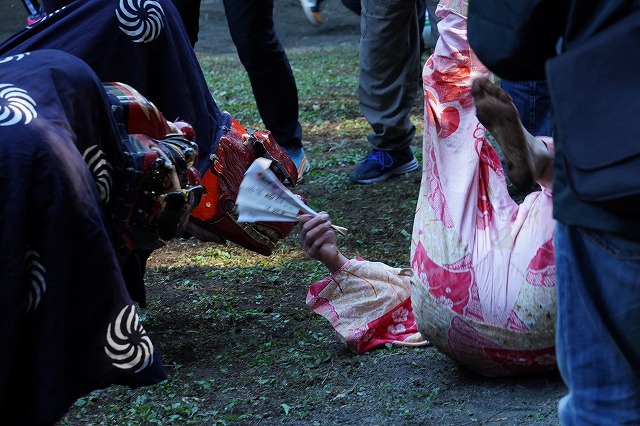
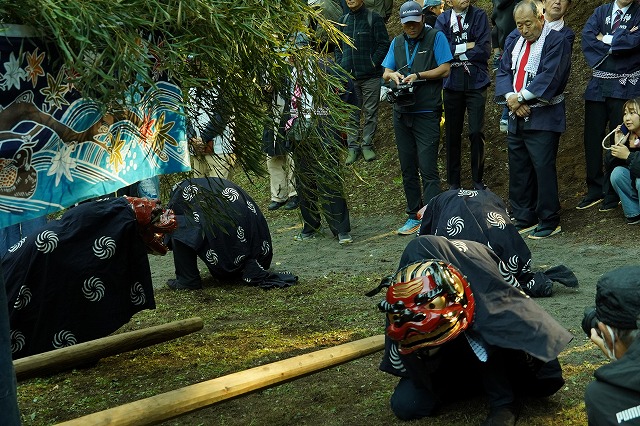
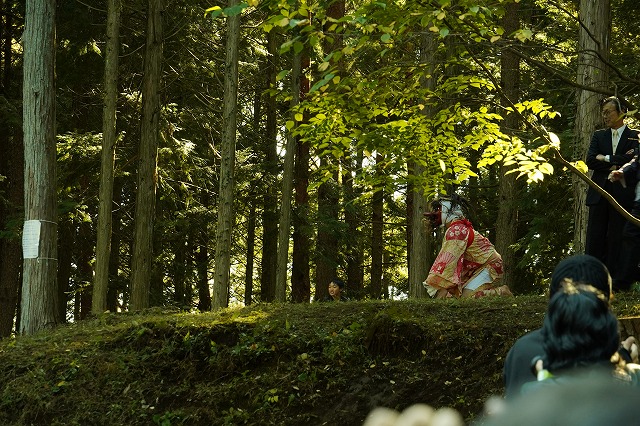
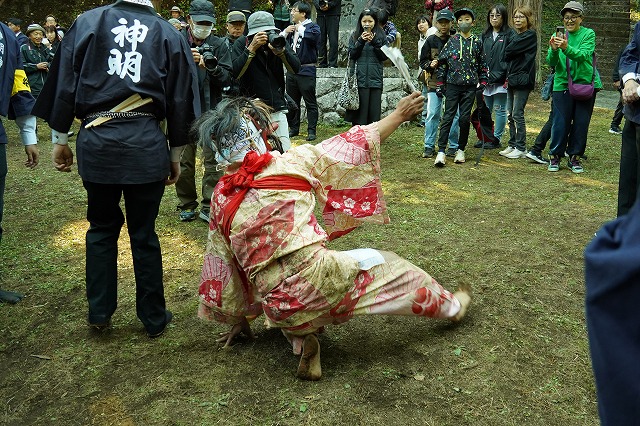
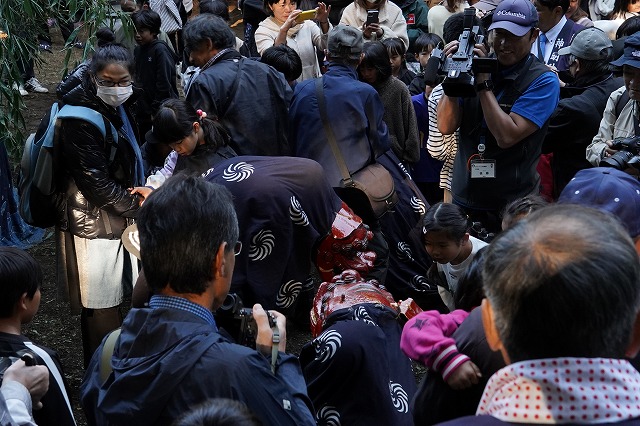
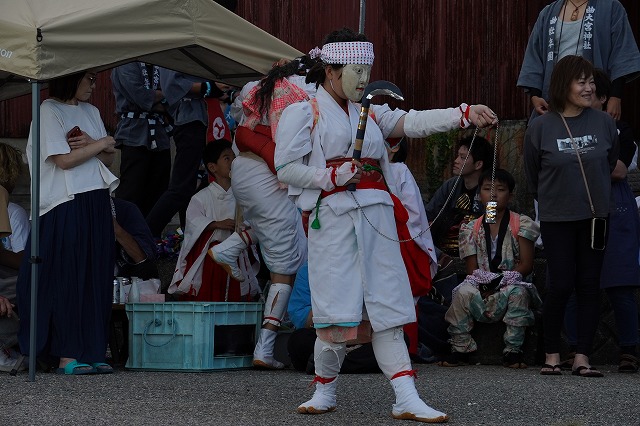
At 4:00 p.m., the Gigaku mask parade finally begins.
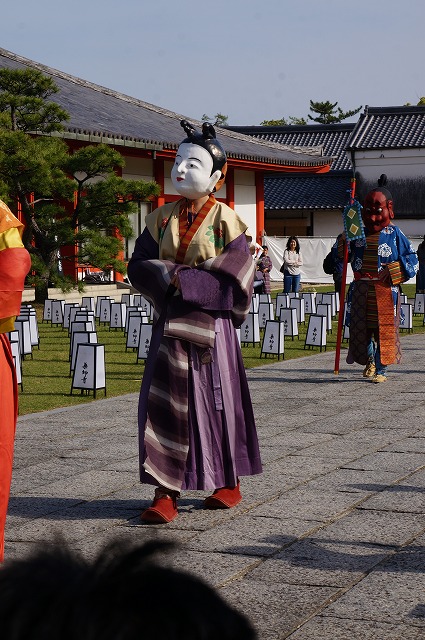
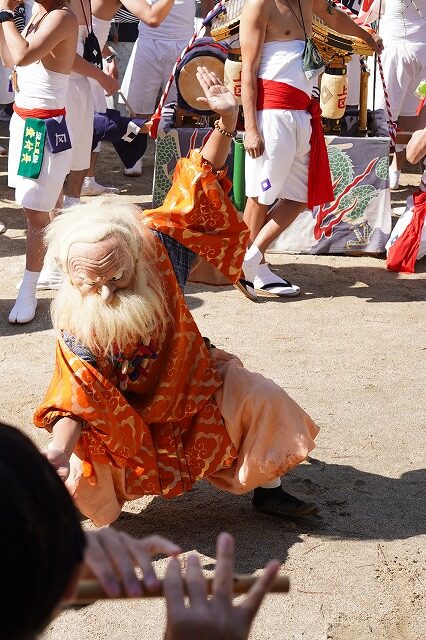
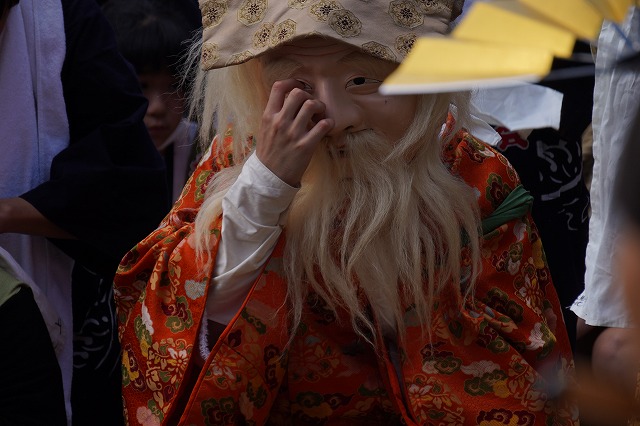
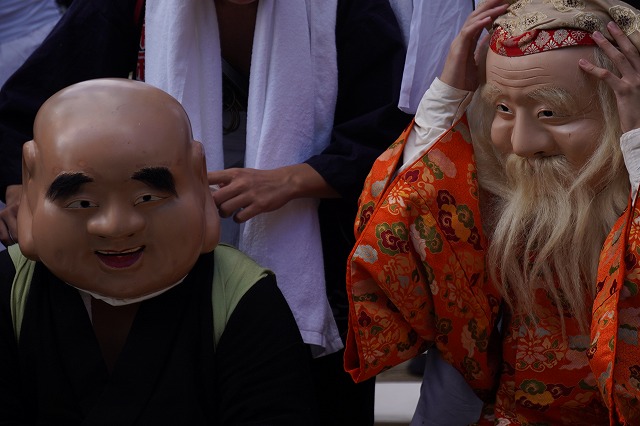
Gigaku is a performing art that was introduced from the continent along with the arrival of Buddhism in ancient times; it is thought to have been used to convey Buddhist teachings in an understandable way.
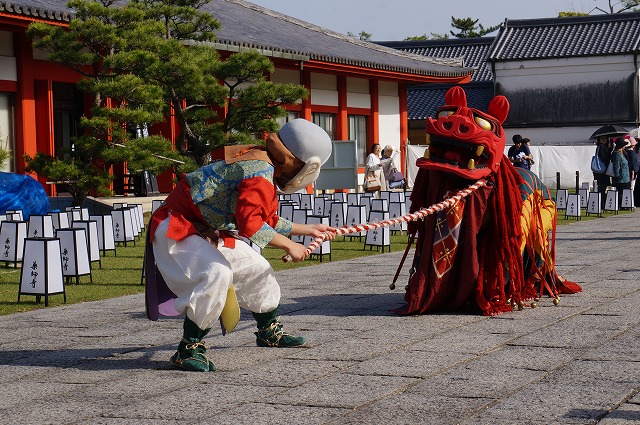
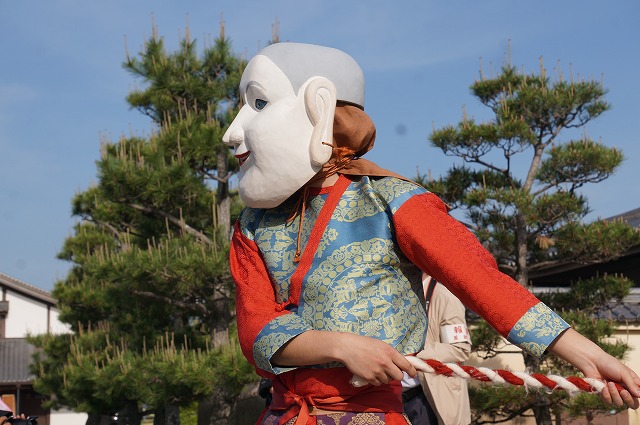
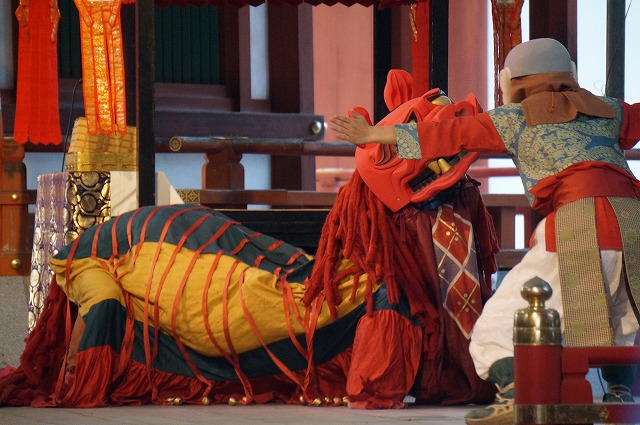
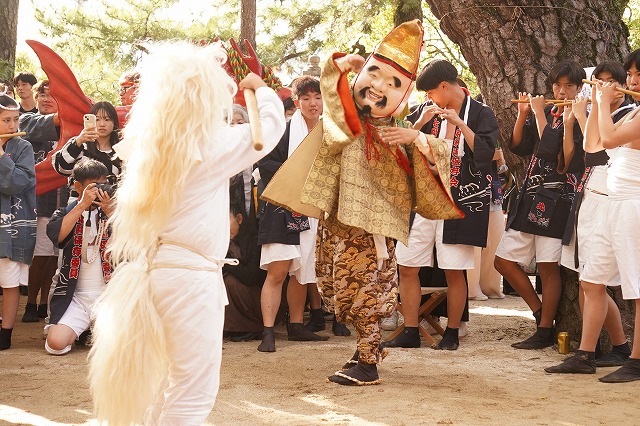
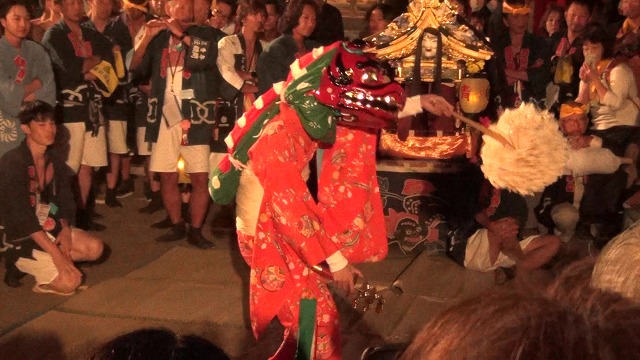
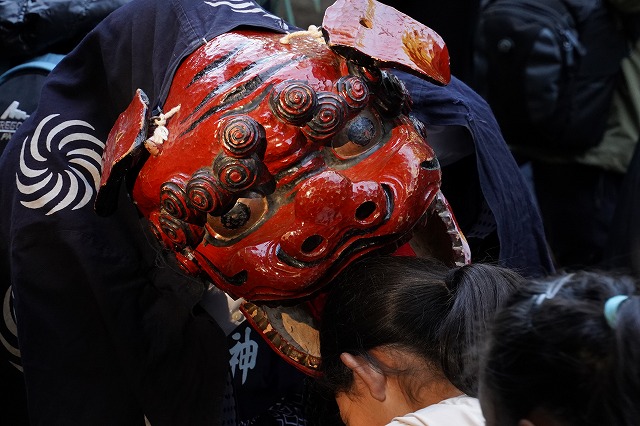
Shishiko and Shishi—Shishiko is the one who controls Shishi

The reason it is thought that way is that, in fact, only the masks of Gigaku have survived, while the art form itself ceased to exist in ancient times. Furthermore, there are very few records of it, and not even a mask remains on the original continent from which it came. For this reason, its true nature remains unknown.
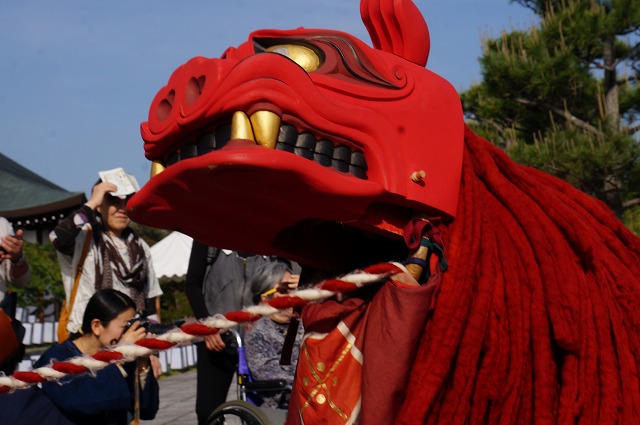
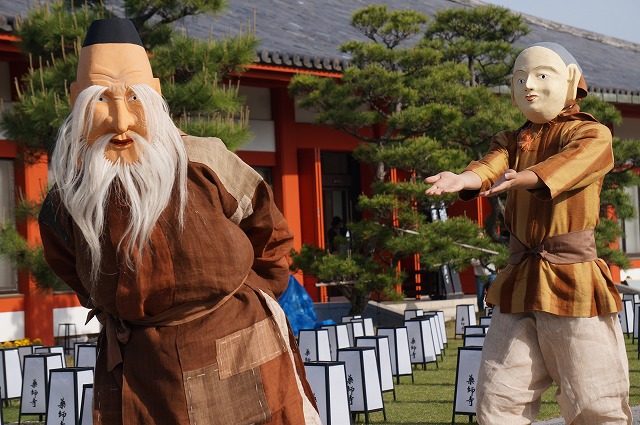
Taiko-fu and Taiko-ji (Taiko family)

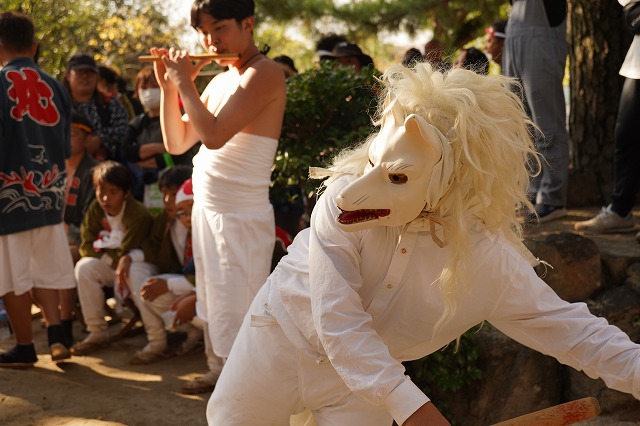
The precursor to the modern lion dance. Known as the “lion walking the road,” it appears very simple and strongly animal-like when compared to the modern lion dance.
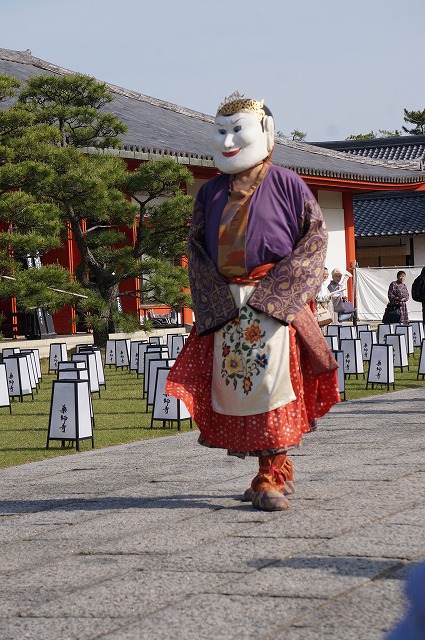
Go-o

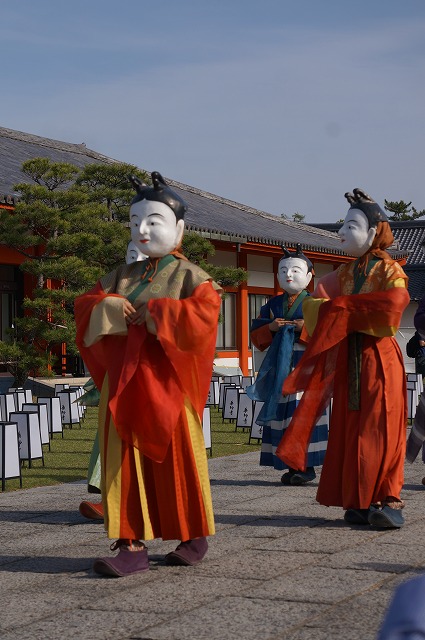
Go-jo

Go-jo

Go-ō and Go-jo. Go was one of the states that once existed in China. Its Chinese name is Wu.
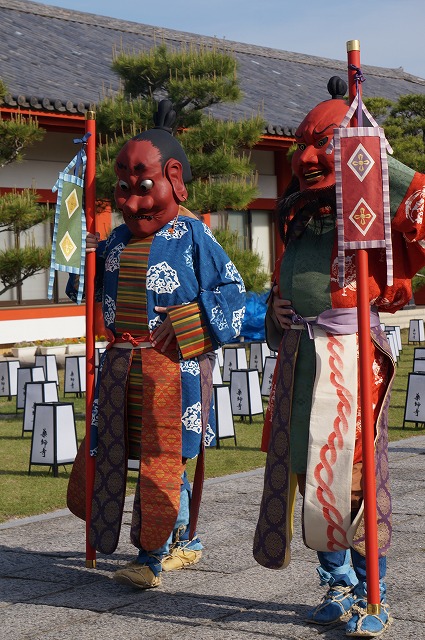
Kongo and Rikishi

Konron

Baramon

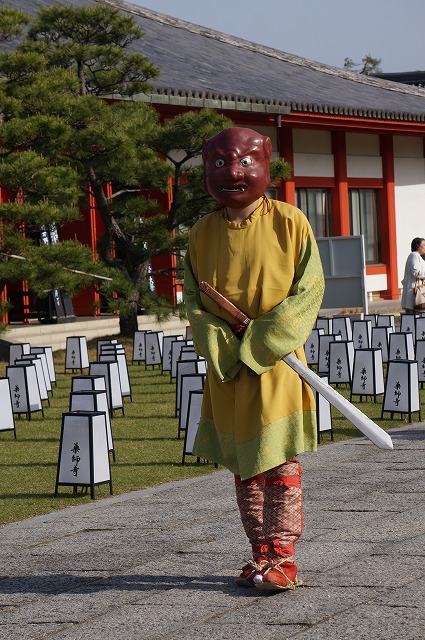
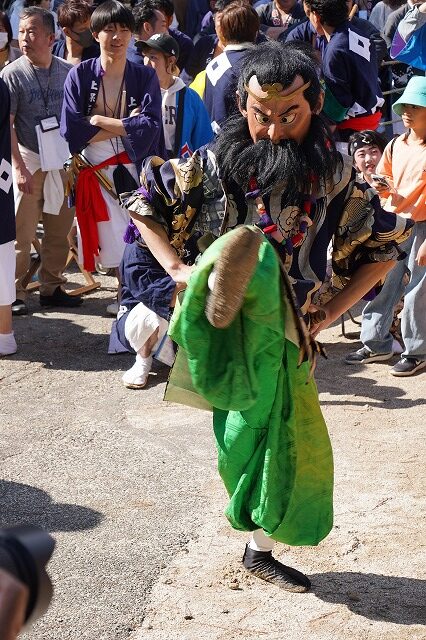
Both the Kongō and the Rikishi are guardians of Buddhism. Even today, it is common to find two statues of Kongō Rikishi enshrined at the entrance to Japanese temples.
Konron (known as Kunlun in China), on the other hand, is portrayed as an enemy of Buddhism. It is said to have originally represented barbarian tribes. The practice of denigrating foreign peoples by depicting them in beast-like forms was common in various regions throughout ancient times.
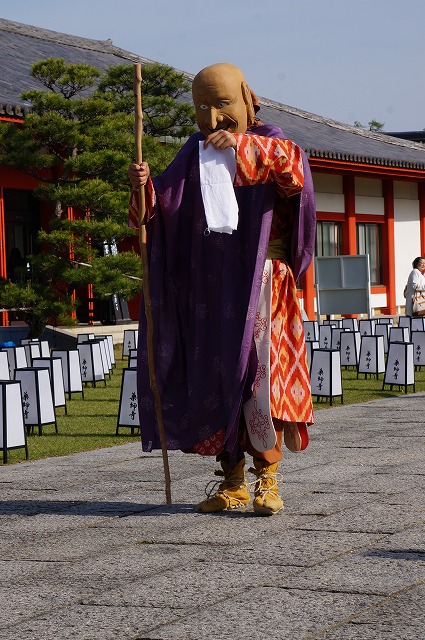
A Brahmin is a high-ranking Buddhist monk in India.
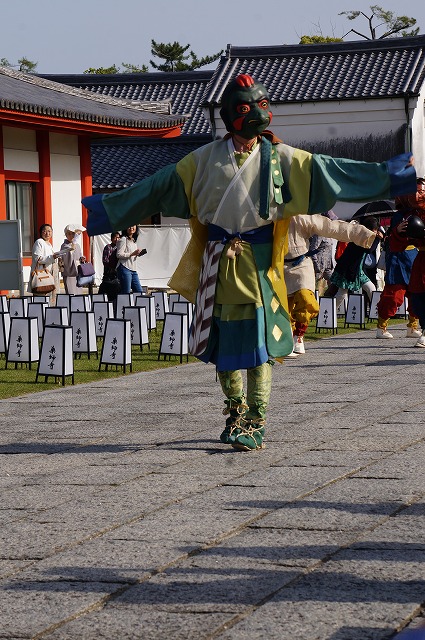
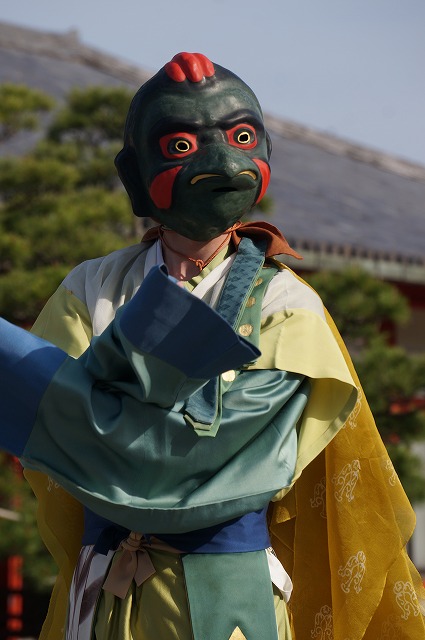
Karura

The name “Karura” is derived from the Garuda bird that appears in Indian folklore. In Japan, it is also said to be the prototype of the crow tengu.
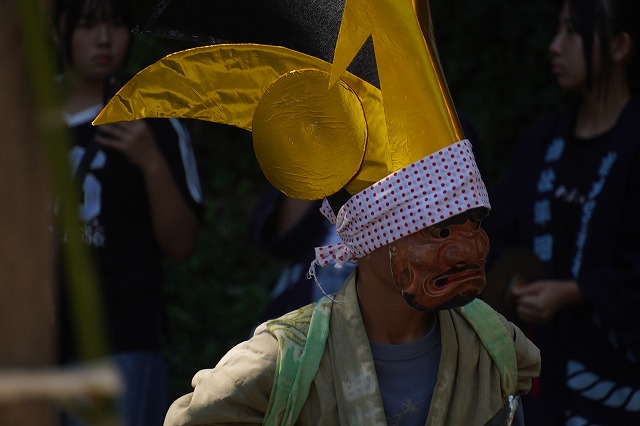
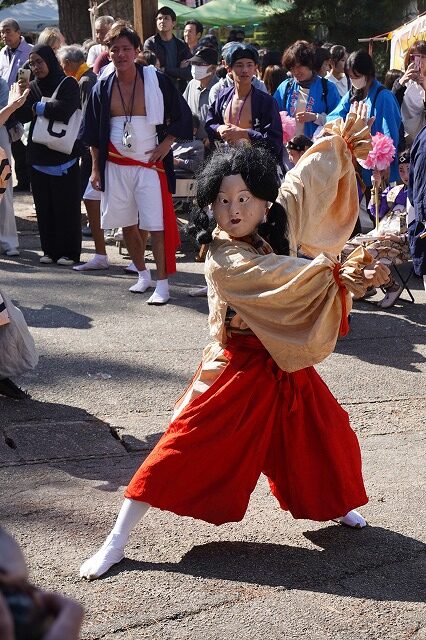
The costumes and masks were reconstructed by experts in their respective fields based on surviving artifacts. Since Tenri University played a central role in the project, the parade is performed by Tenri University students.
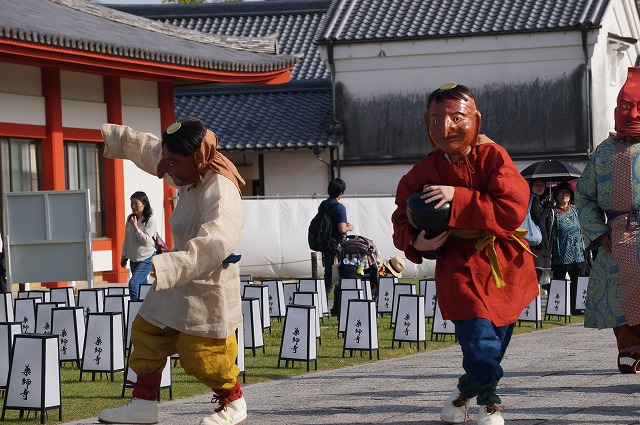
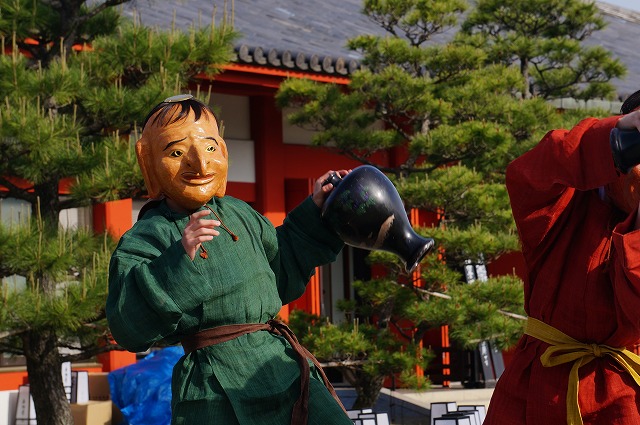
Suiko-ju

“Suikojū” means “a servant who is drunk.” It is also said that the term originally referred to a people from the west.
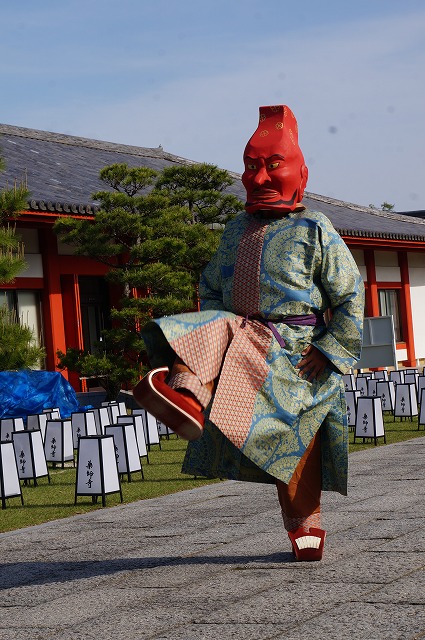
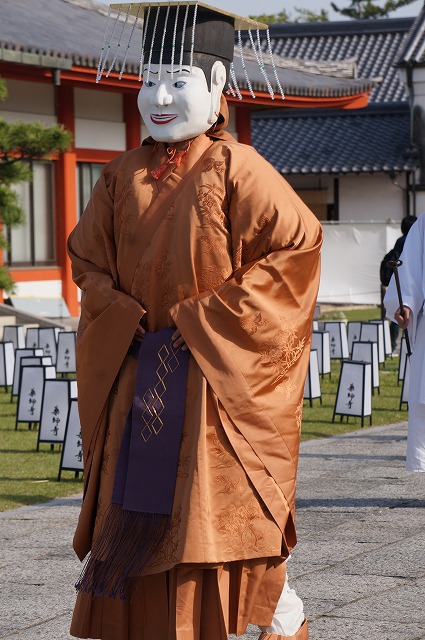
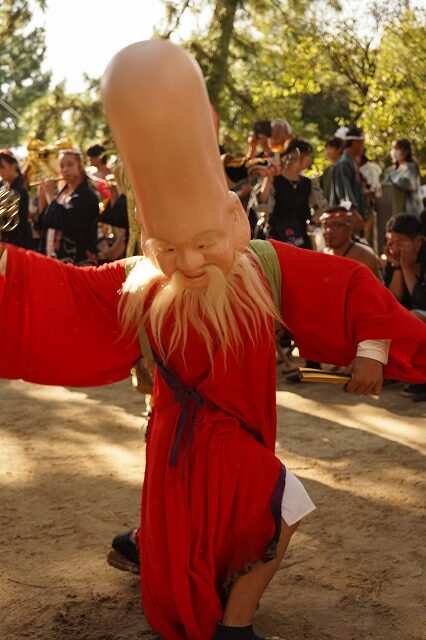
Suiko-o

Emperor

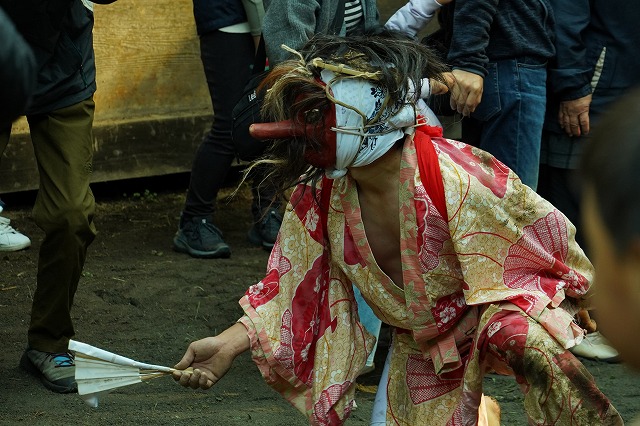
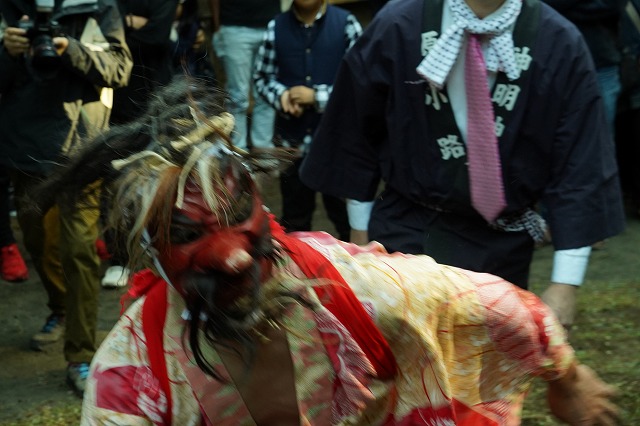
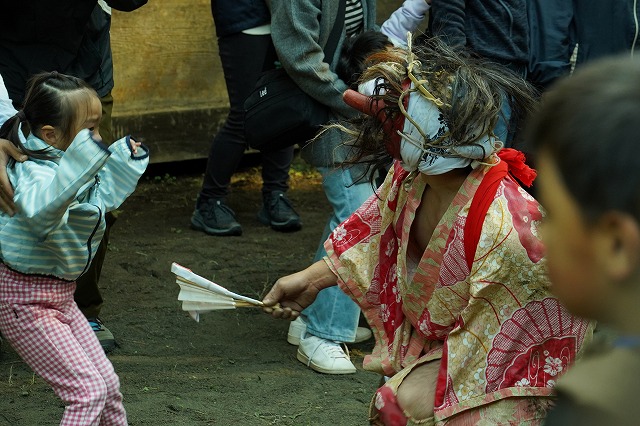
That king is the “Suiko-o King.” His face is bright red. Unlike modern masks, this one covers his entire head, which makes him look comical, but he isn’t actually being silly—it’s simply the mask as it has been preserved.

Grand festival of Genjo Sanzo
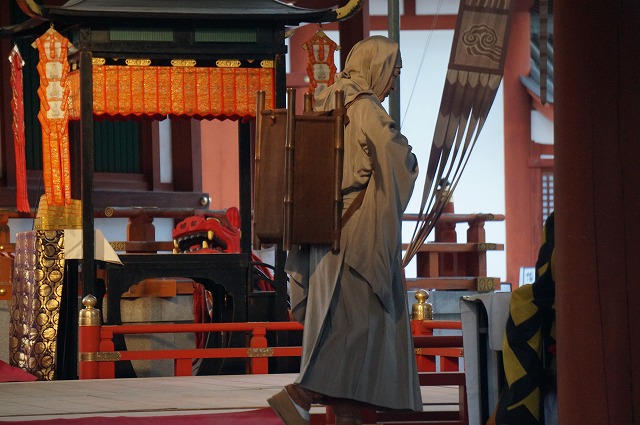
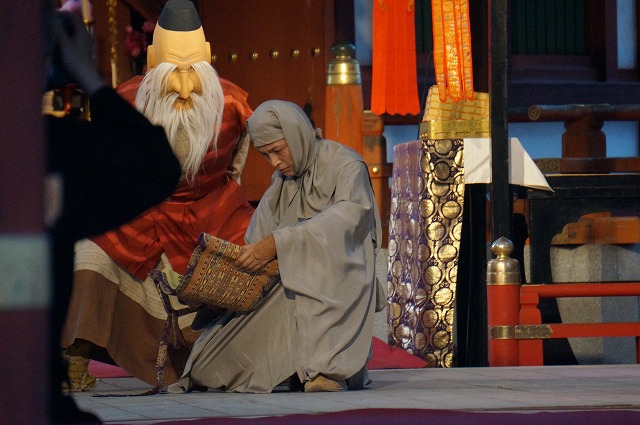
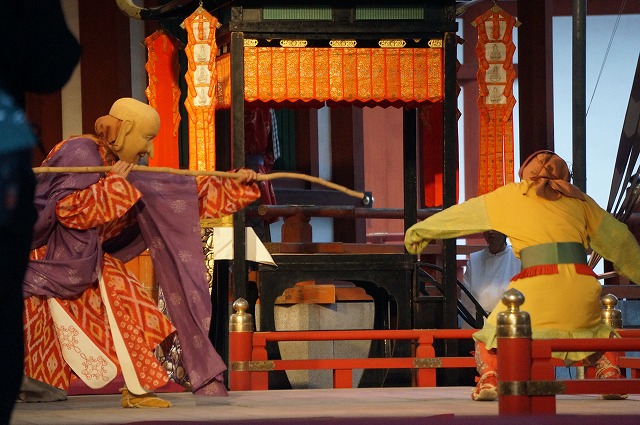
Actually, this is part of a religious ceremony called the “Genjō Sanzo Grand Festival.” In Chinese, Xuanzang
Xuanzang was a monk who once traveled to India in search of Buddhist scriptures. He is famous from the Chinese story Journey to the West.
After the parade, an original story depicting Xuanzang’s hardships will be performed inside. However, only those involved are allowed inside.
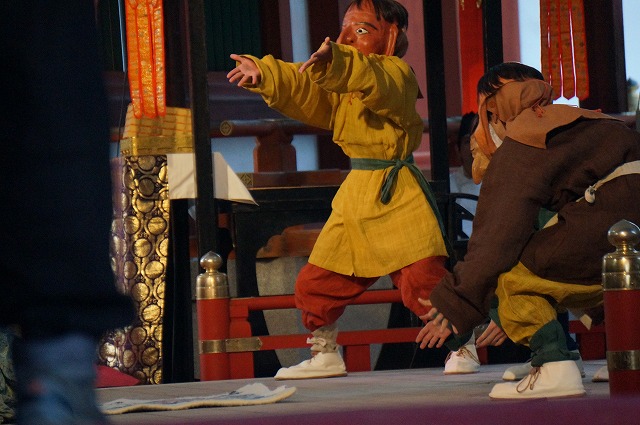
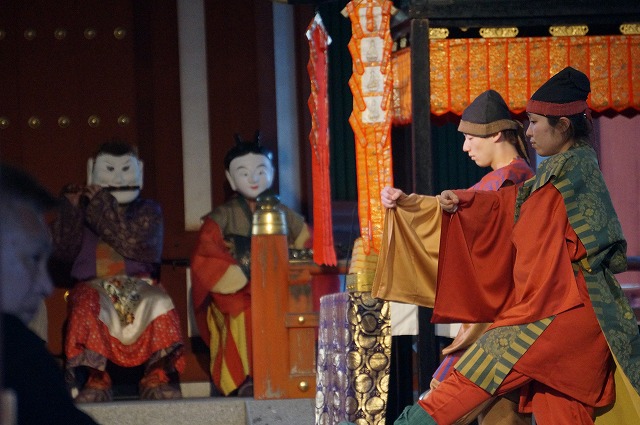
Outsiders can look in from the outside. It used to be held in a large venue set up outside, but now it takes this form.

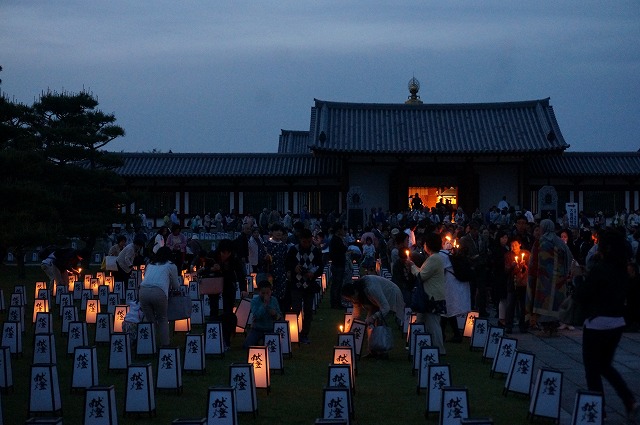
Mandou-e 万灯会 ~Evening of Many Lanterns
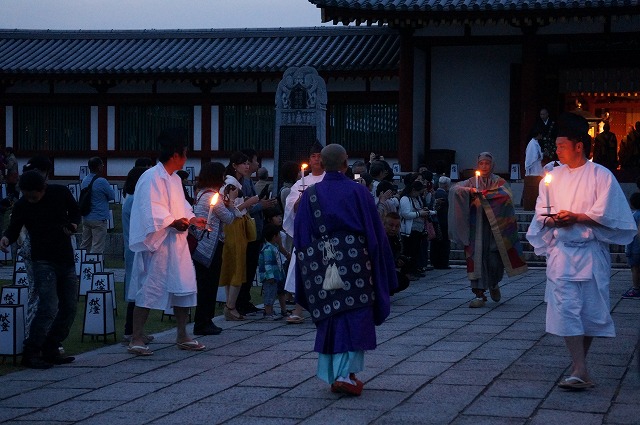
It was already past 7:00, and it was beginning to get dark. The actor playing Xuanzang lit the first fire, and the participants followed suit, each lighting their own.
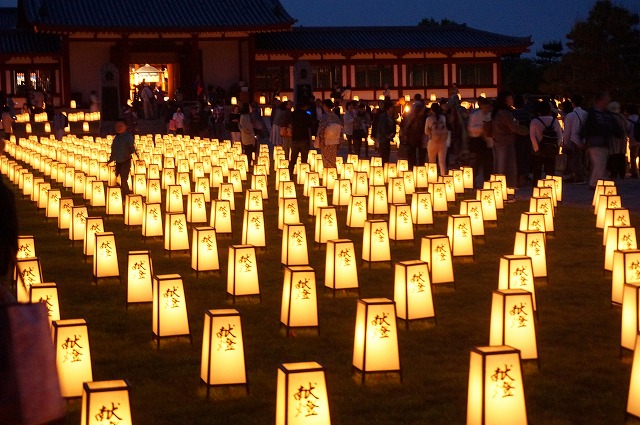
As people loses theirselves in the fantasy of the masks, peoples thought drift to ancient times, and the night in Nara draws to a close.
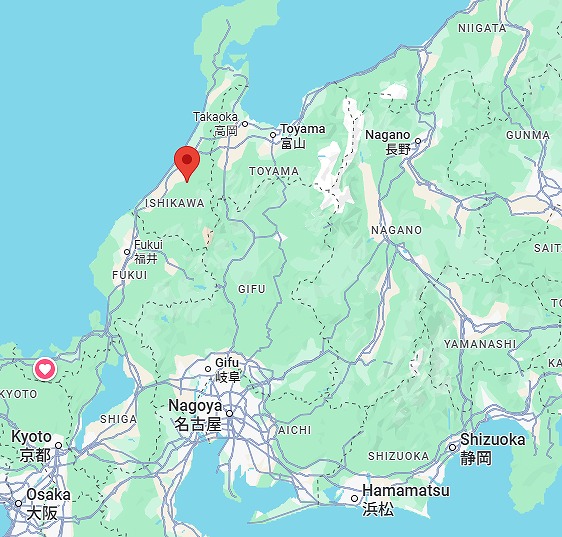
Shishi , artificial objects and wild masked characters ~Hourai festival ほうらい祭り


Date; Saturday and Sunday in early October
Location; Kinkengu Hizume-cho, Hakusan City, Ishikawa Prefecture
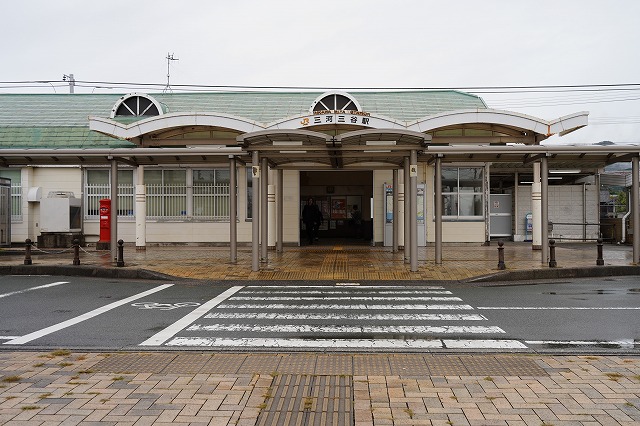
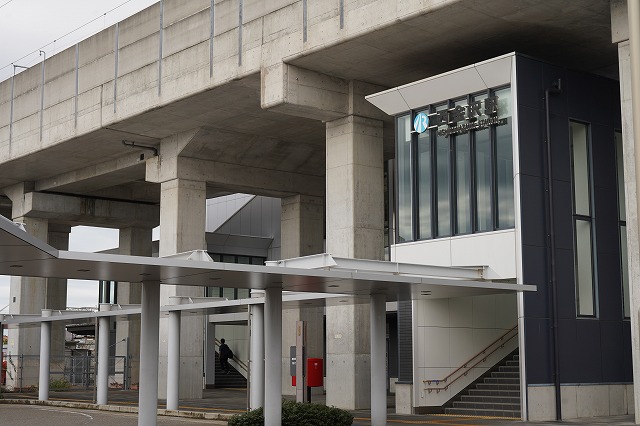
Access; Take the Ishikawa Railway train bound for Komatsu from Kanazawa to Nishi-Kanazawa. It’s a 5-minute walk to the Hokuriku Railway’s Shin-Nishi-Kanazawa Station. From there, take the train bound for Tsurugi—the ride takes about 30 minutes. It’s about a 10-minute walk from the station to Kinken-gu Shrine.

Hakusan city official https://www.urara-hakusanbito.com/festival/detail_1004.html

This article is based on 4th, October, 2025

From Nishi-Kanazawa Station toward Shin-nishi-Kanazawa

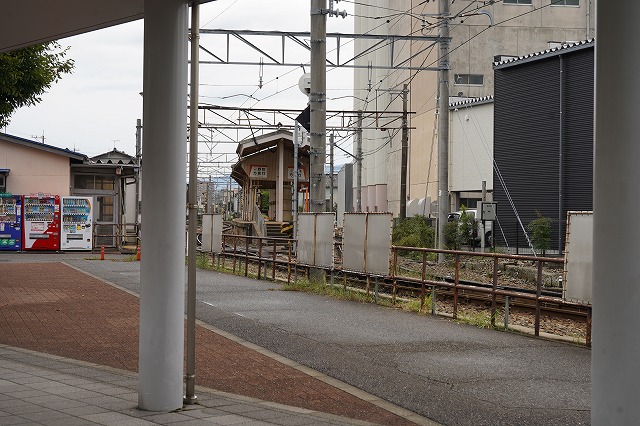
After one stop from Kanazawa Station, when you arrive at Nishi-Kanazawa Station, you’ll see the Hokuriku Railway station a short distance ahead.

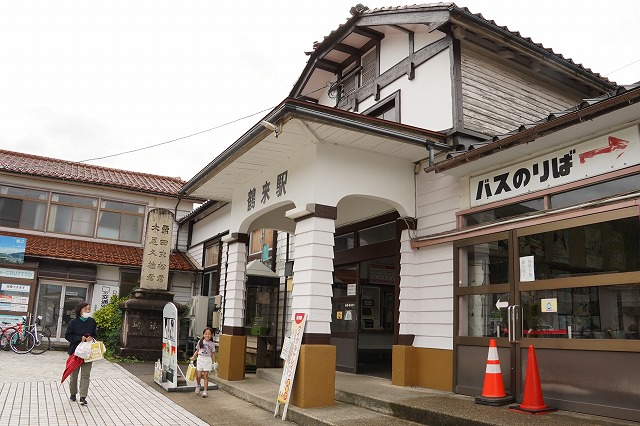
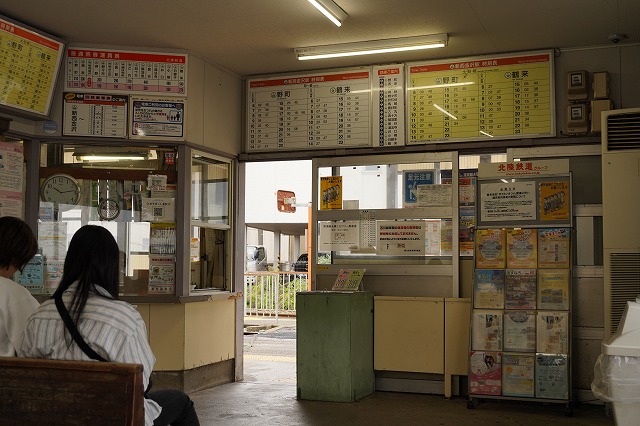
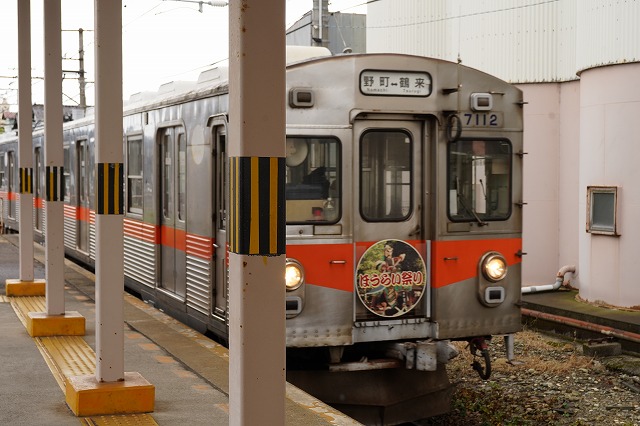
As you wait at the small station, a train pulls in. It’s bound for Tsurugi Station—your destination for today.

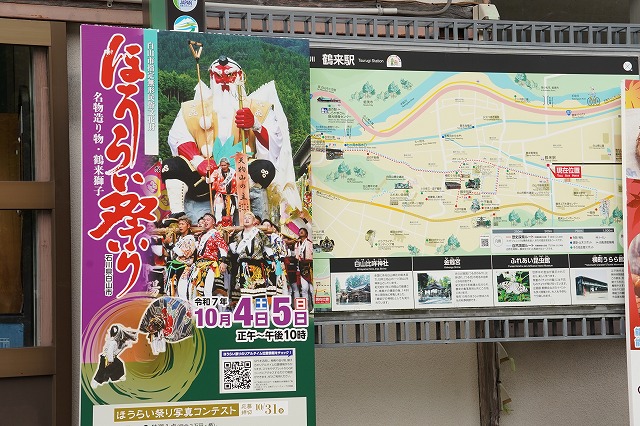
There was a large festival sign at the station. Other than that, however, it seemed quite quiet.

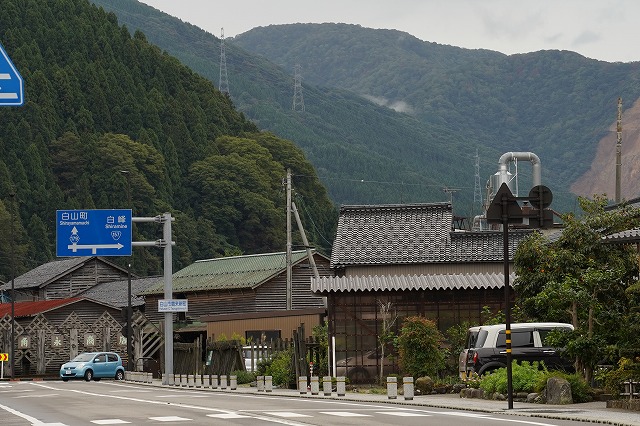
A small town nestled in the mountains. A quiet town that still retains its old-fashioned streetscape.

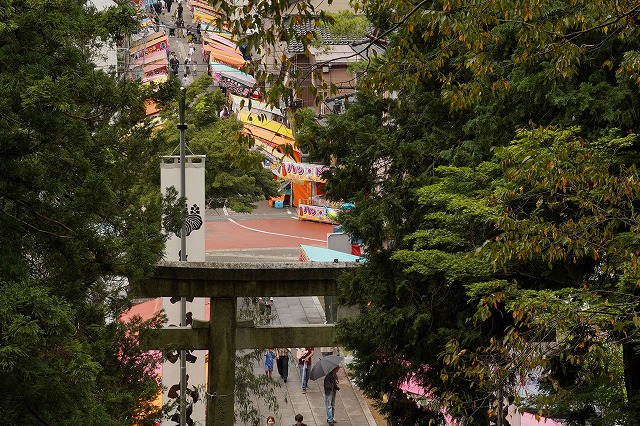
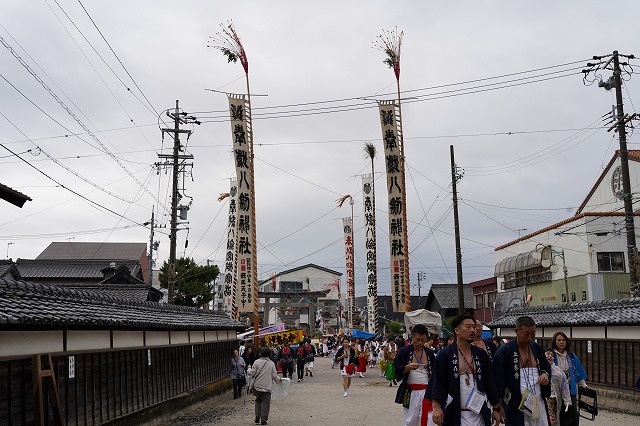
It’s still early, so the festival hasn’t started yet, but you can see decorations all over town. Kinken-gu Shrine. Today is the festival at this shrine. The approach is already lined with many stalls and crowded with people.

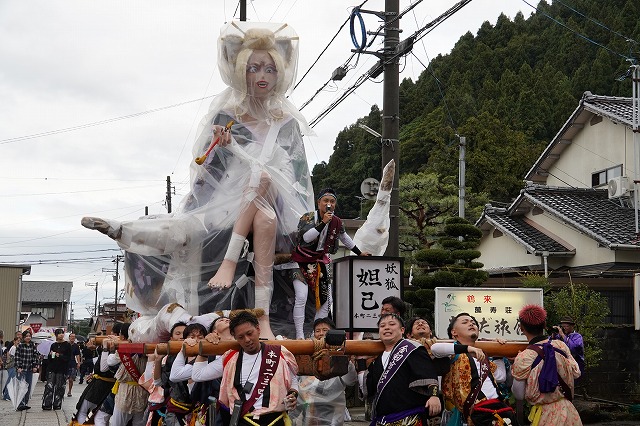
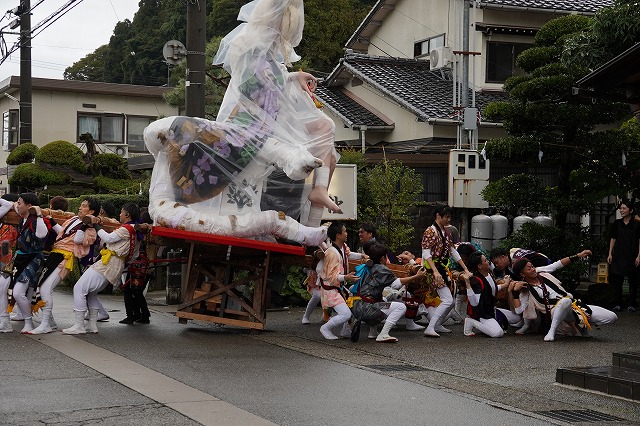
Around 12:30, the festival finally began. Unfortunately, it was raining, so the decorations were covered with tarps.

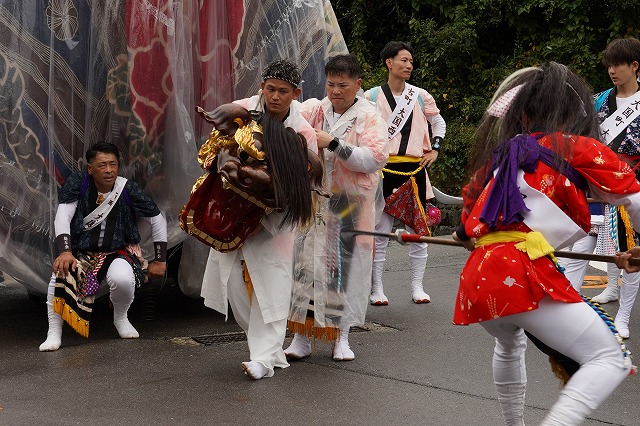
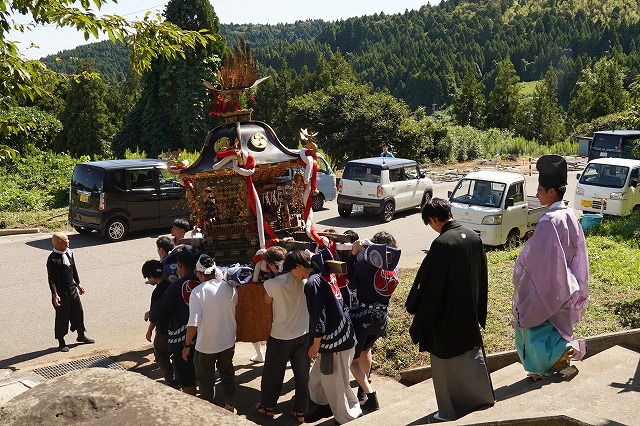
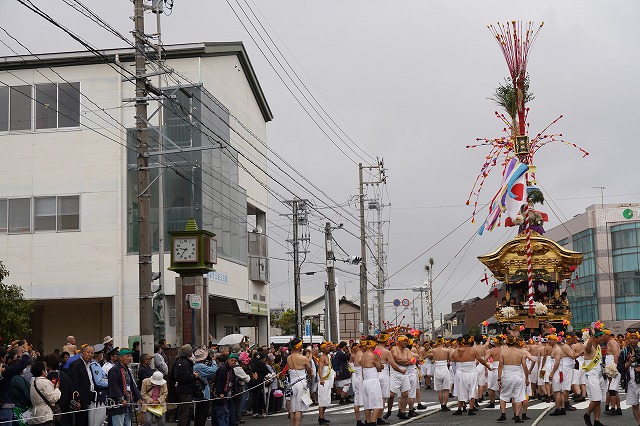
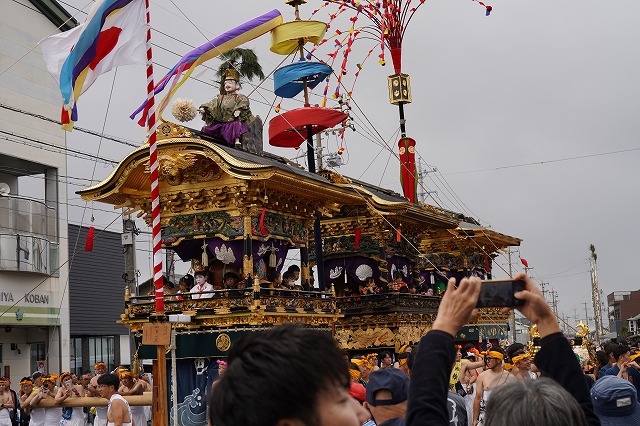
The festival has three main attractions: the mikoshi, the decorated floats, and the Kaga lions. It is said that they create something unique every time and have never made the same thing twice in 850 years. The creations are displayed at facilities throughout the city for one year, until the next festival.

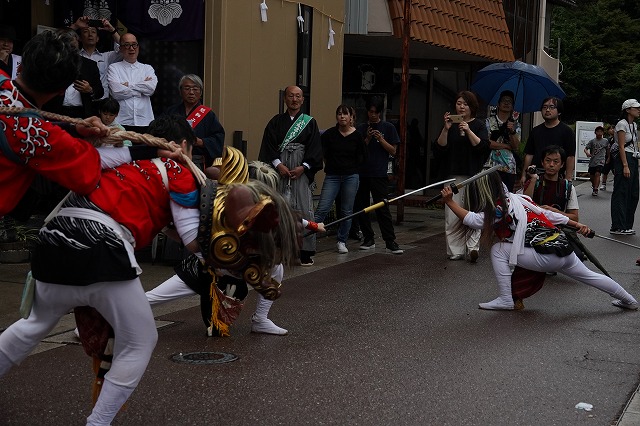
You can see lion dances based on the “Lion Slayer” story from northern Gifu Prefecture through Ishikawa Prefecture and on to Toyama Prefecture. However, unlike the narrative-driven performances in Toyama and Gifu, the Kaga Lion Dance here is known for being purely action-oriented.

It is said that the Maeda clan, which once ruled this region, encouraged lion dances to promote martial arts. Perhaps that is why.

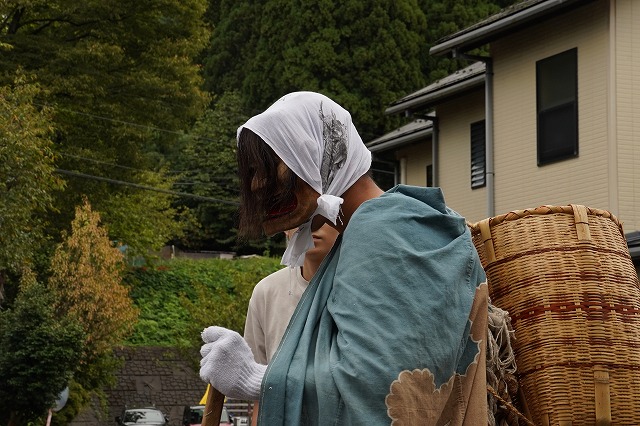
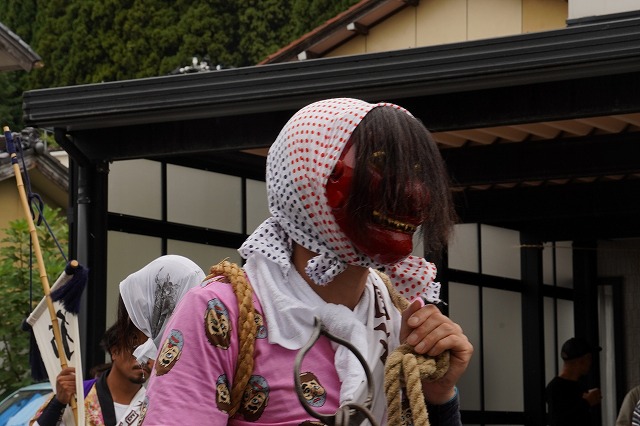
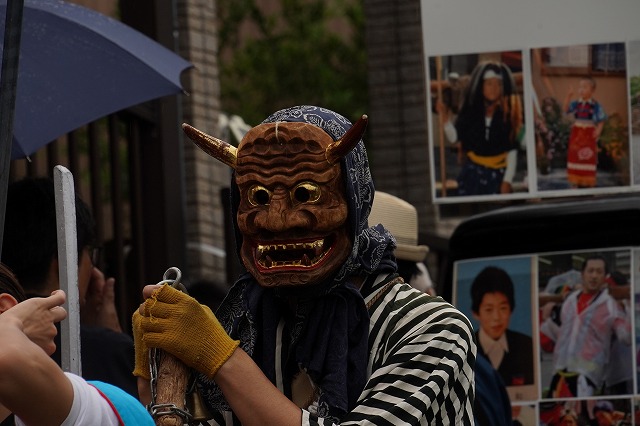
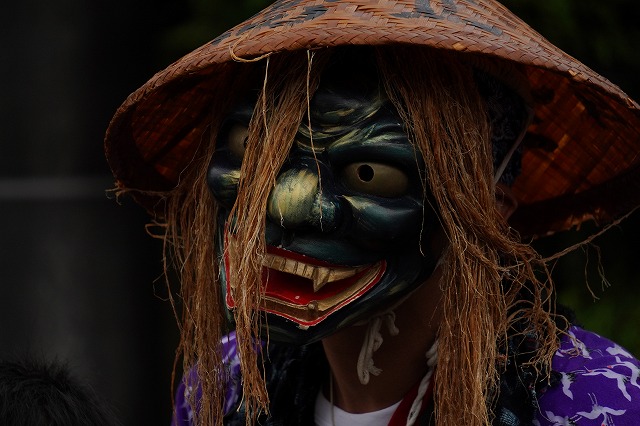
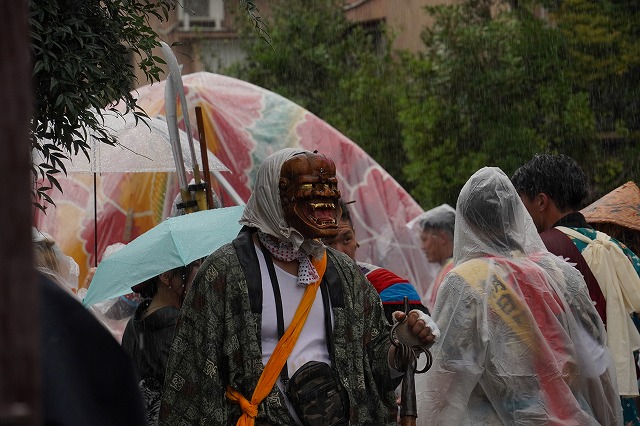
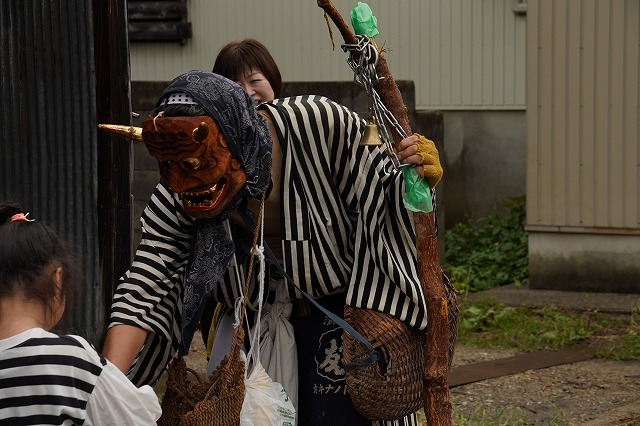
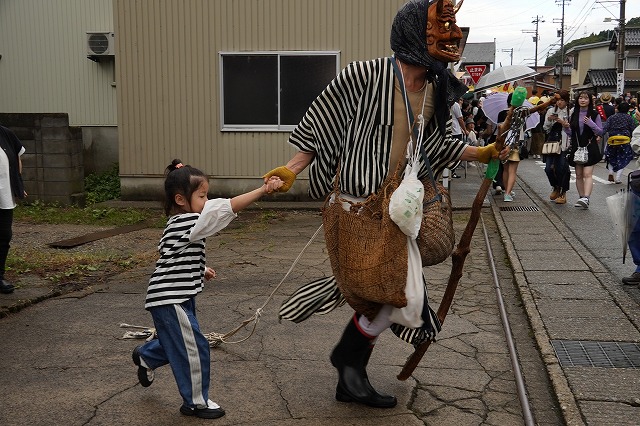
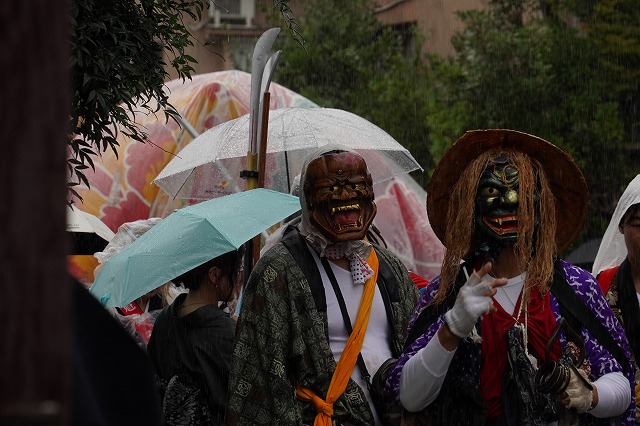
And tagging along with those groups are a mysterious bunch—the main characters of this story.

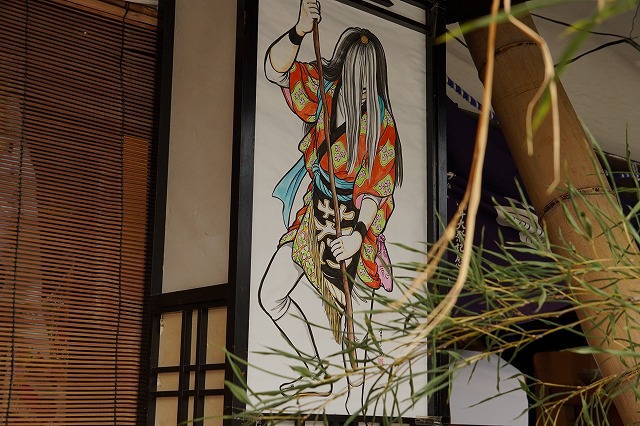
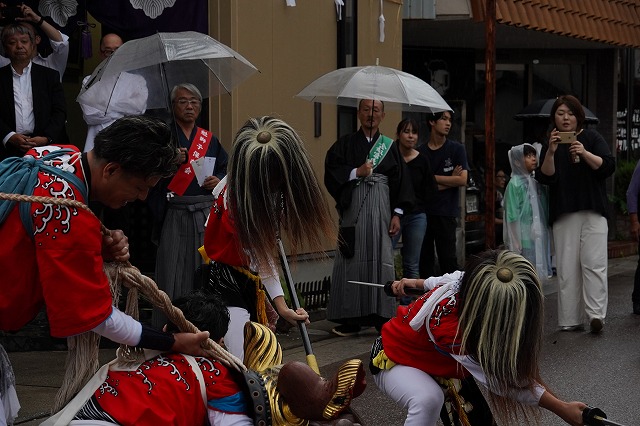
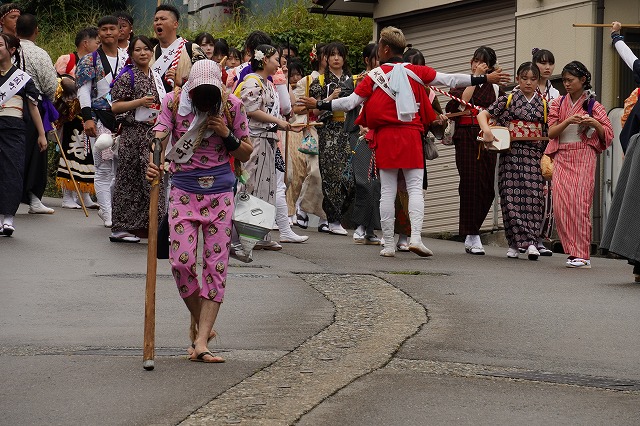
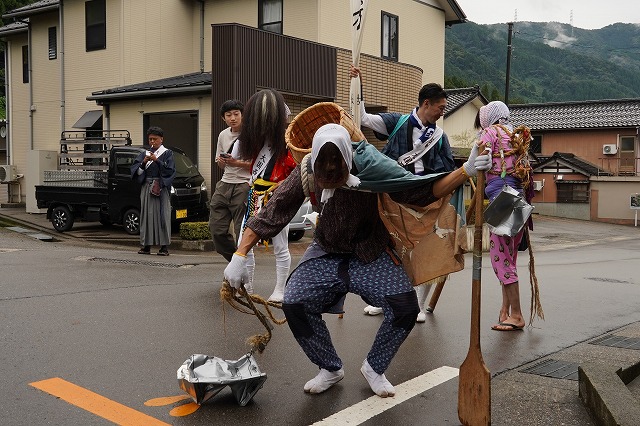
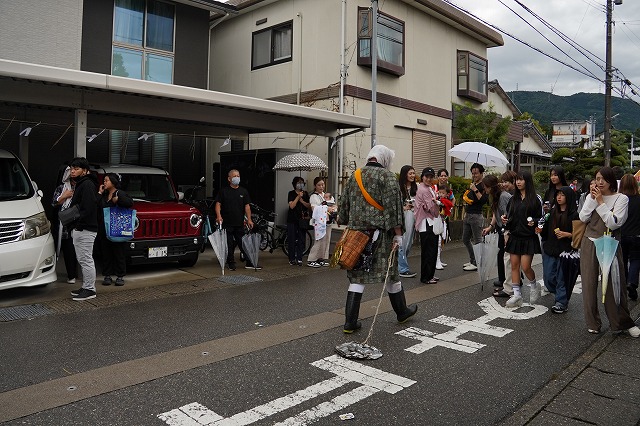
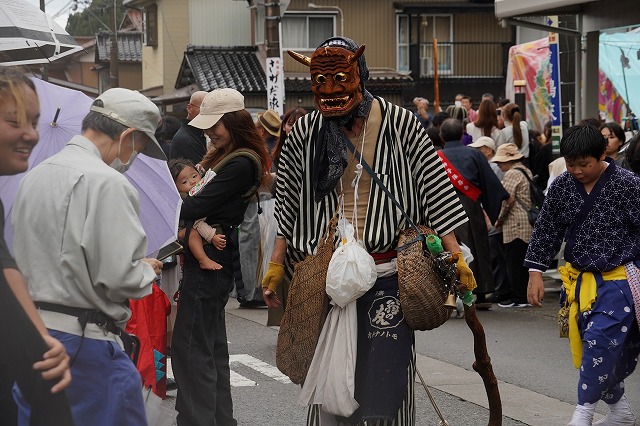
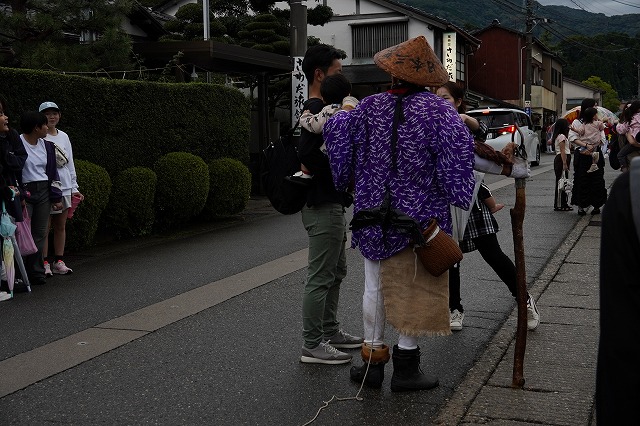
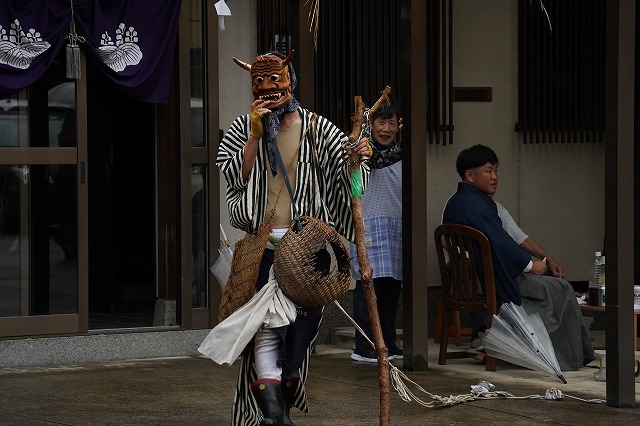
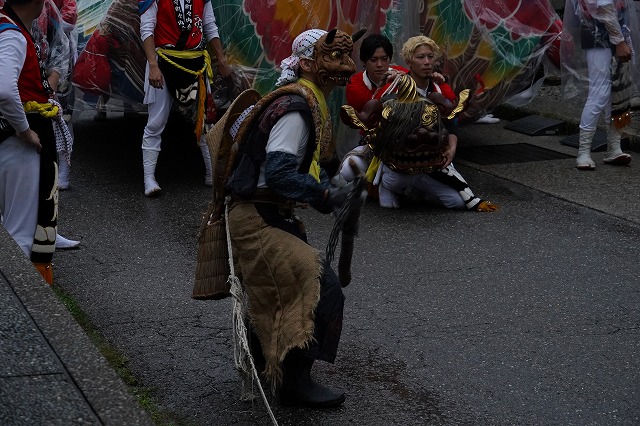
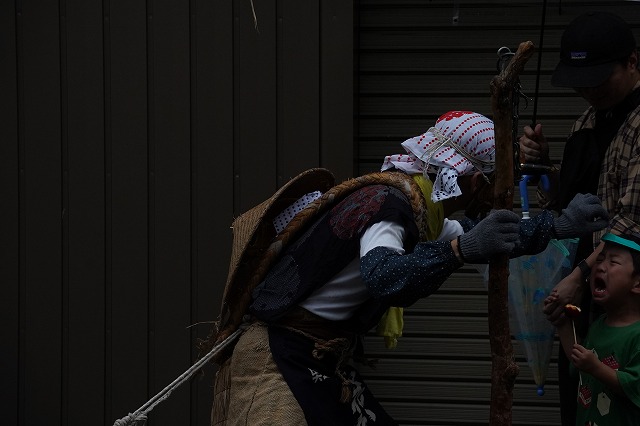
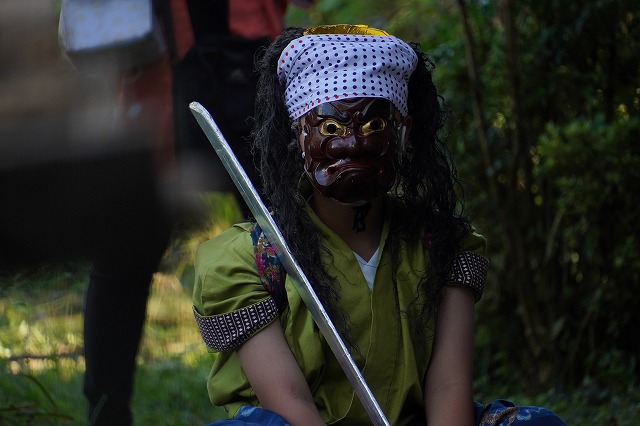
It’s called “Bakumen.” Dressed in casual attire, they tie a crushed five-gallon drum to a rope and drag it along as they walk. They glare at their surroundings and clear the path.

Various “Baku-men”

Rain or shine, it doesn’t matter. The townspeople gaze at Bakumen with a mixture of fear and respect. There are no specific rules regarding costumes. Sometimes they wear different costumes depending on the year.

獏面

獏面

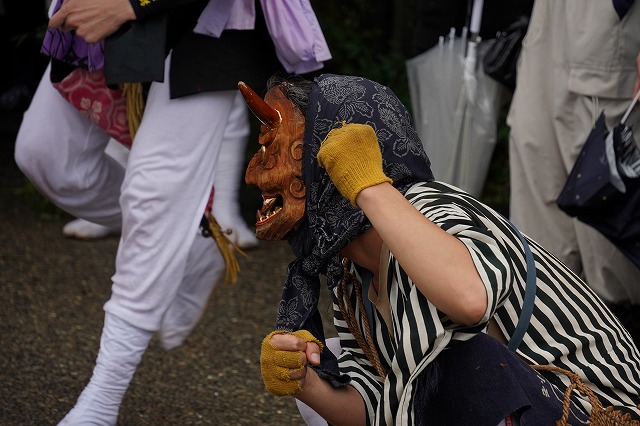
Sometimes gentle, sometimes terrifying. Sometimes they intimidate people, and other times they imitate the lion dance. In any case, they’re the stars of the festival. In a sense, they’re the main attraction.

獏面

獏面

獏面

獏面の写真

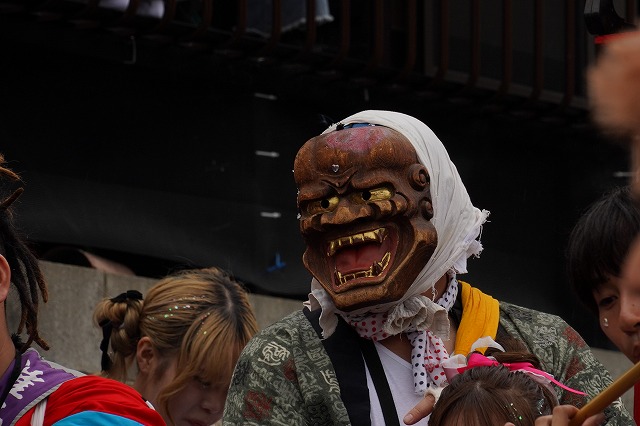
In this “bakumen,” for example, the lower jaw of the mask is missing. Even so, this mask has been cherished and used over the years.

獏面の写真

獏面の写真

Even so, what’s scary to a child is still scary.
The festival goes on late into the night for two days.
If you have some free time during your trip to Kanazawa, be sure to check it out and see for yourself that a festival like this exists.


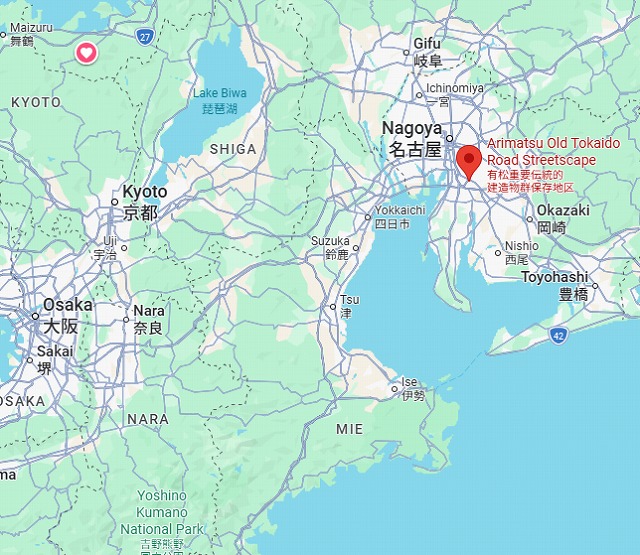
Arimatsu 有松 ~A post town along a highway that flourished thanks to the dyeing industry


Location:Arimatsu, Midori Ward, Nagoya, Aichi prefecture
Access:Take the Meitetsu Main Line from Nagoya to Arimatsu Station. It takes about 20 minutes.
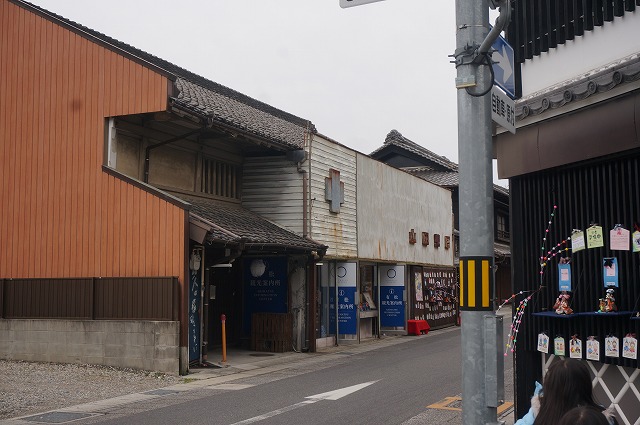
It has been designated as an Important Preservation District for Groups of Traditional Buildings.

Nagoya city https://city-nagoya.j-server.com/LUCNGYC/ns/tl.cgi/https://www.city.nagoya.jp/kankou/rekishi/1017254/1017261.html?SLANG=ja&TLANG=en&XMODE=0&XCHARSET=utf-8&XJSID=0
Aichi Now https://aichinow.pref.aichi.jp/en/spots/detail/18/
Arimatsu town https://www.arimatsunomachi.com/

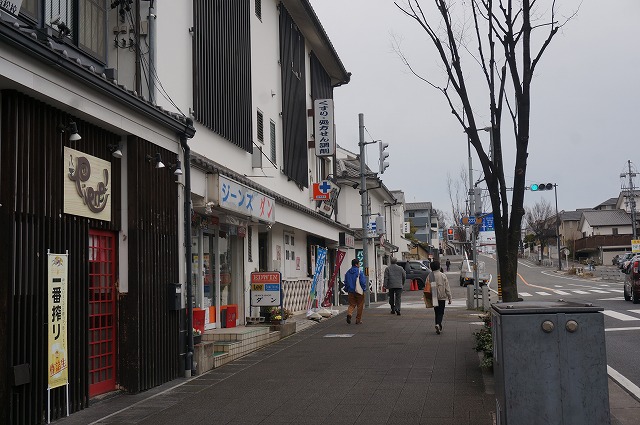
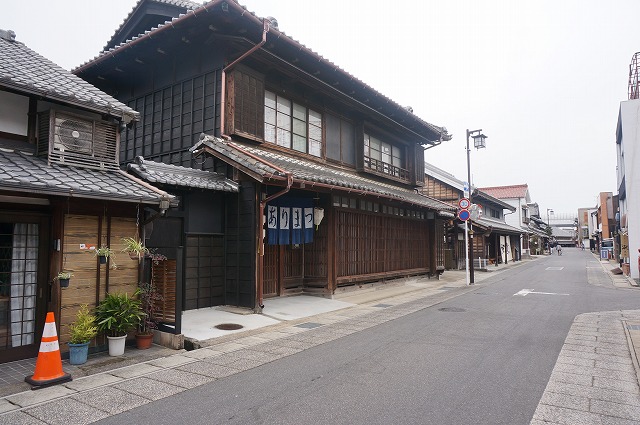
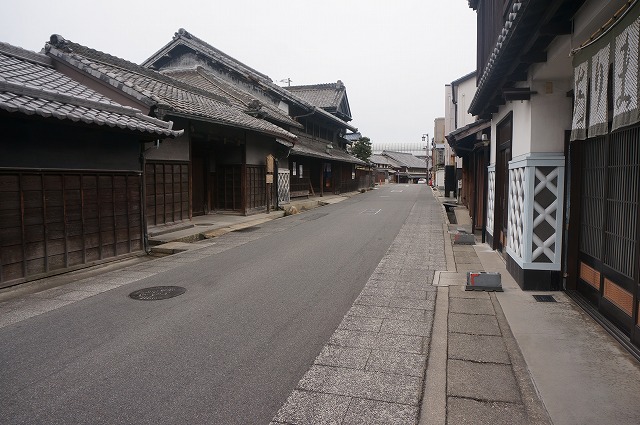
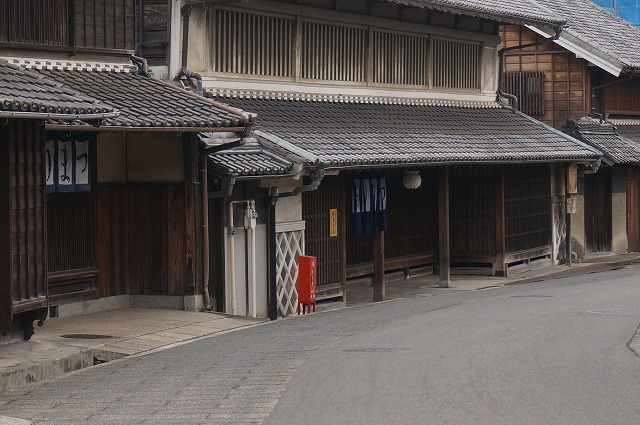
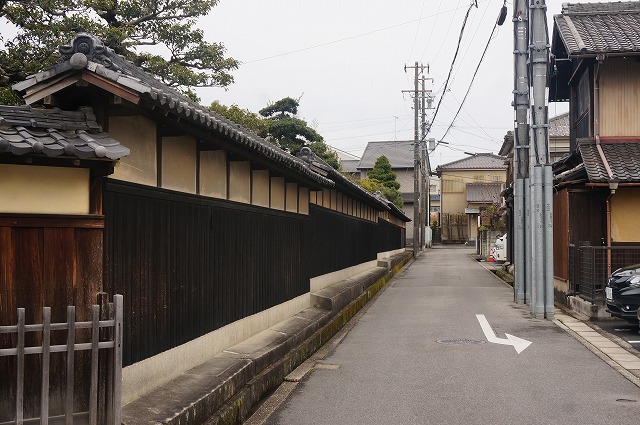
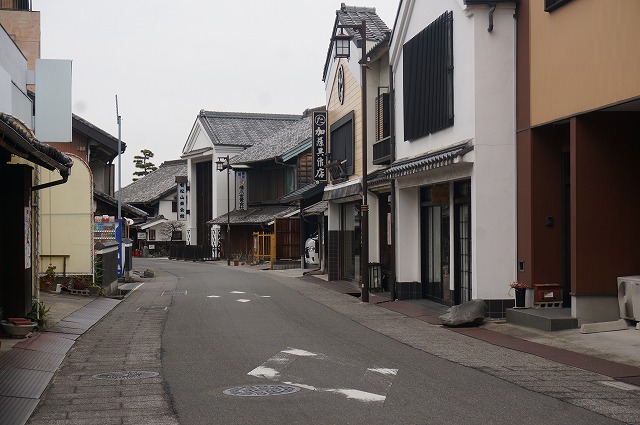
Just a 3-minute walk from the station will take you to the entrance of the Arimatsu Historic District.

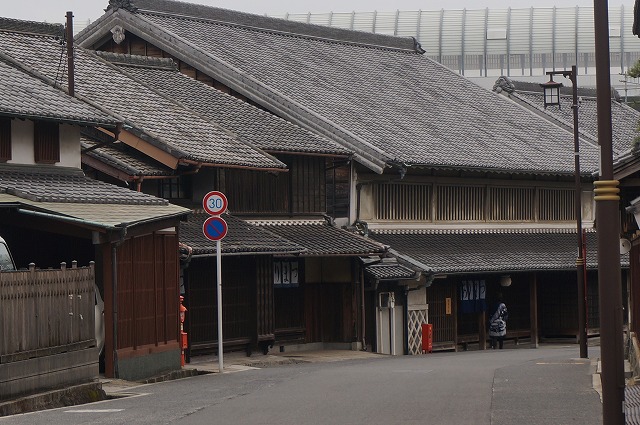
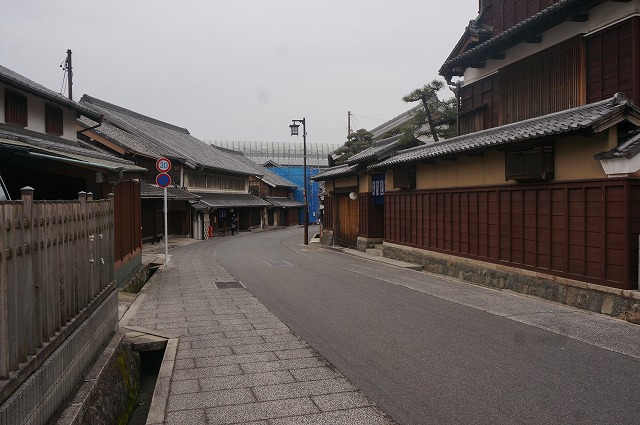
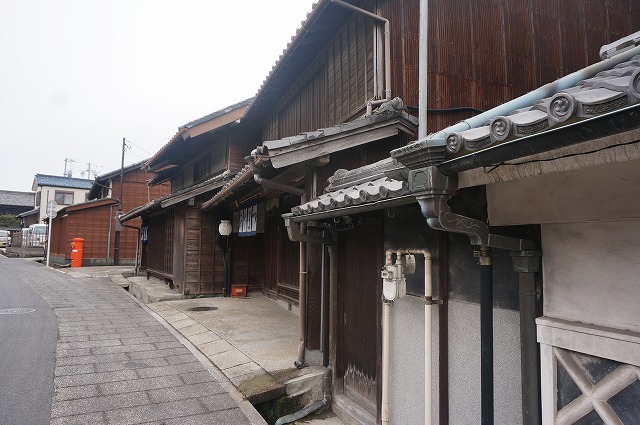
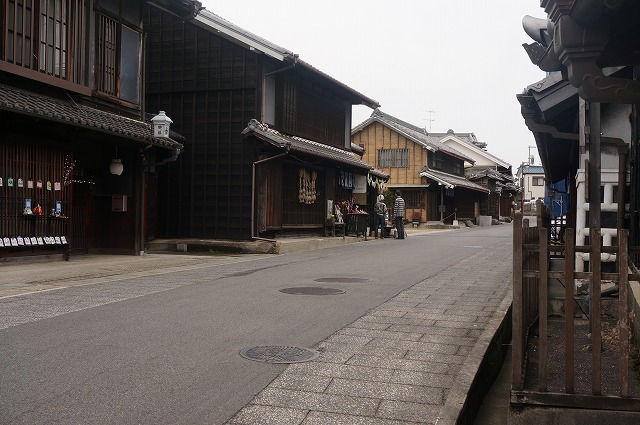
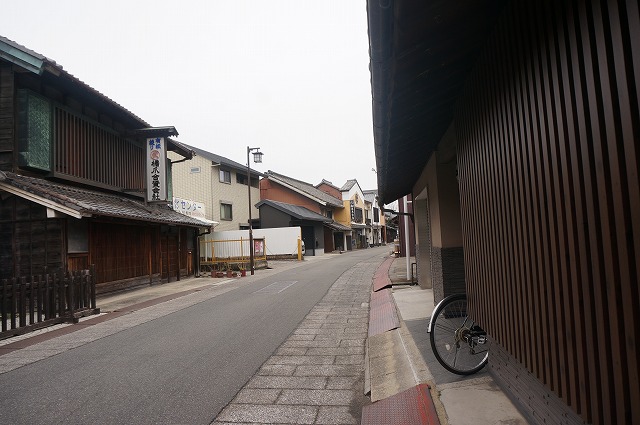
A post town situated along a main road flanked by railroad tracks running along the river on one side and National Route 1 (the Tōkaidō*) on the other.
*This was once the most important highway connecting Edo (the former name of Tokyo) and Kyoto. While its importance remains unchanged today as National Route 1, the old highway is unsuitable for vehicular traffic, so a new road has been built.

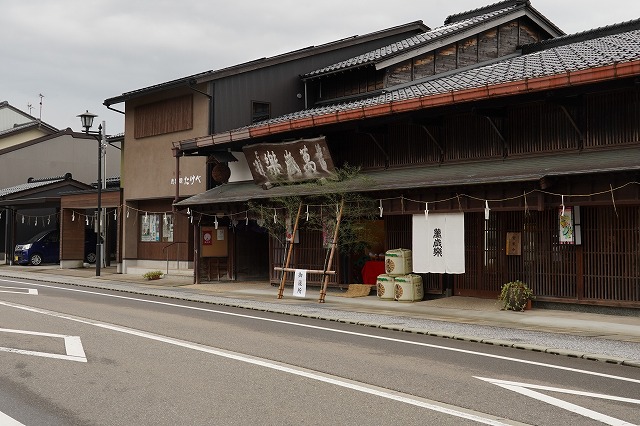
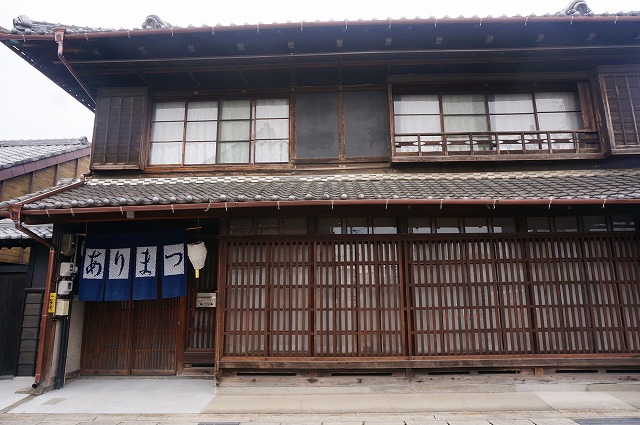
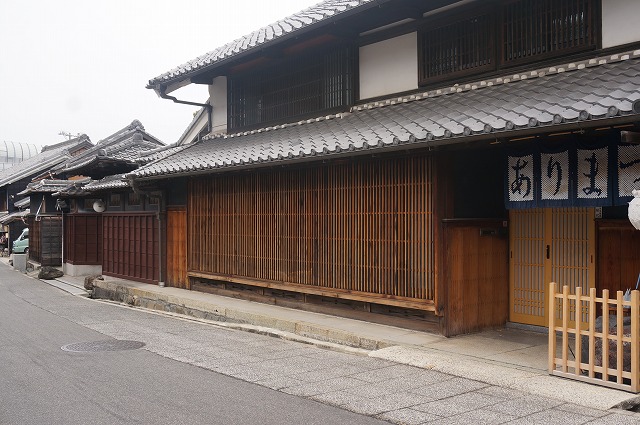
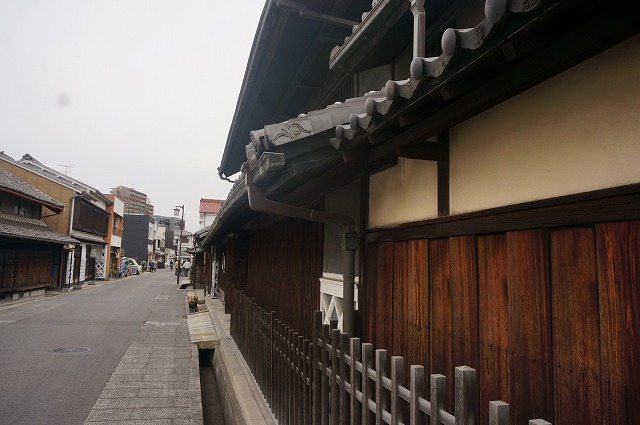
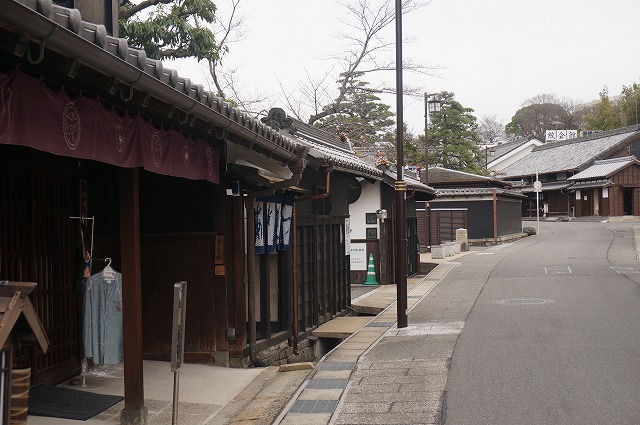
Since this town was once famous for a type of tie-dyeing called “Arimatsu-zome,” you can still see “noren” curtains and other items made using this technique all over the place.

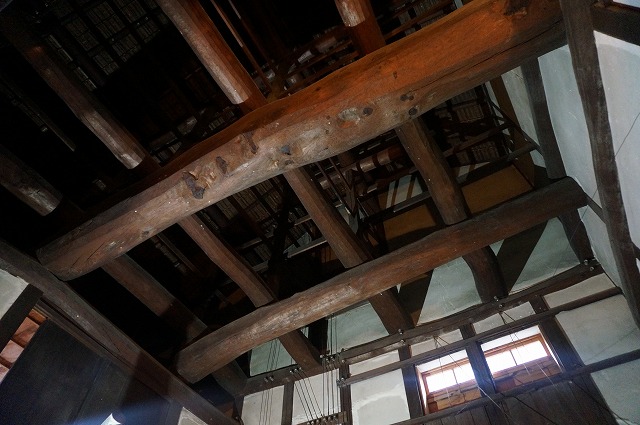
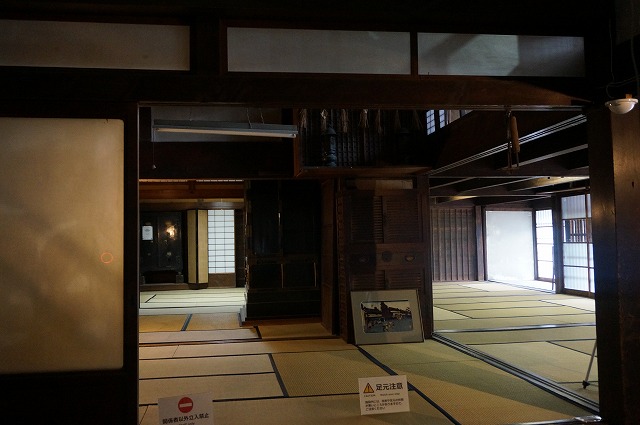
This is one of the best-preserved buildings along the old highway. Visitors can tour the interior of what was once a merchant’s house. It is a valuable historical site where you can observe its unique architectural features, such as the reception room and special rooms set aside for samurai.
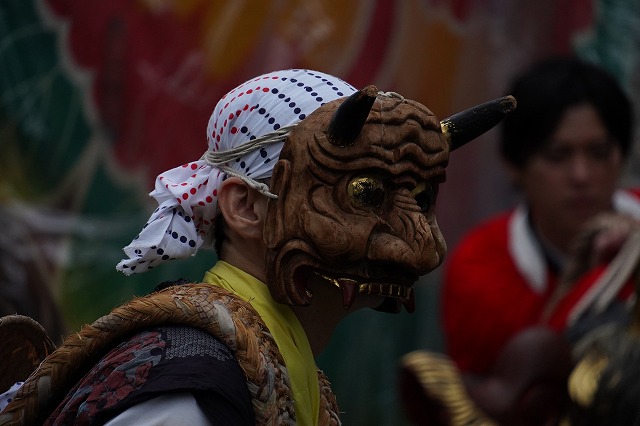


The Battle of the Masked Swordsmen on Noto Island 能登島曲


Date; The last Saturday in September every year

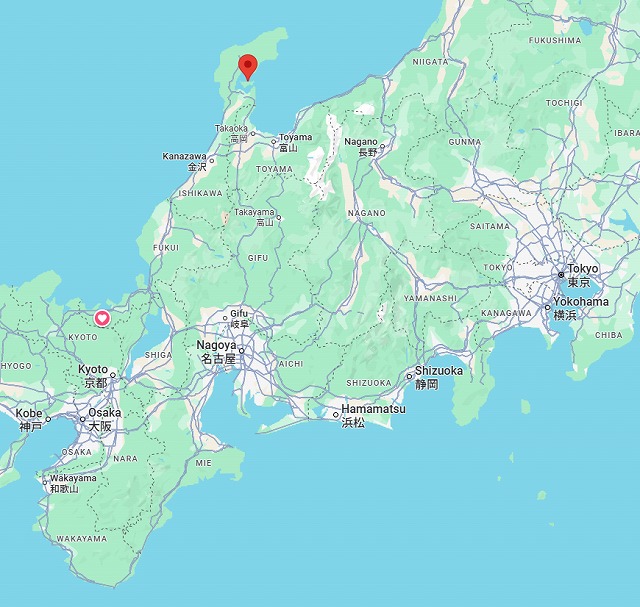
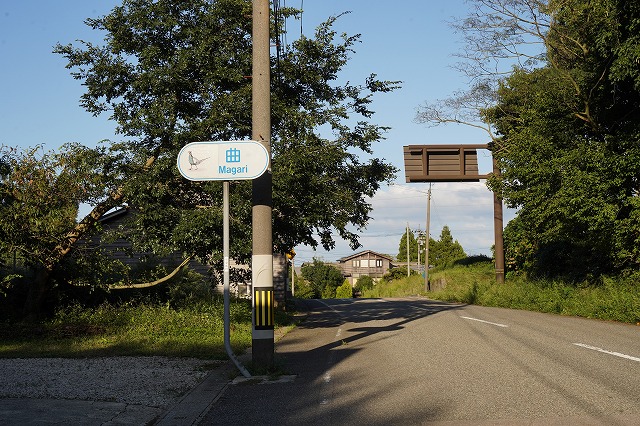
Location; 9-32-B, Magari-cho, Notojima, Nanao City, Ishikawa Prefecture
Access; Take the limited express train from Kanazawa to Wakura Onsen Station (about 1 hour). From there, it’s about a 10-minute ride by local bus or taxi. Local buses run about once every two hours. The trip to Kanazawa from both Tokyo and Osaka takes a little over 2.5 hours by Shinkansen or limited express train.

Noto island

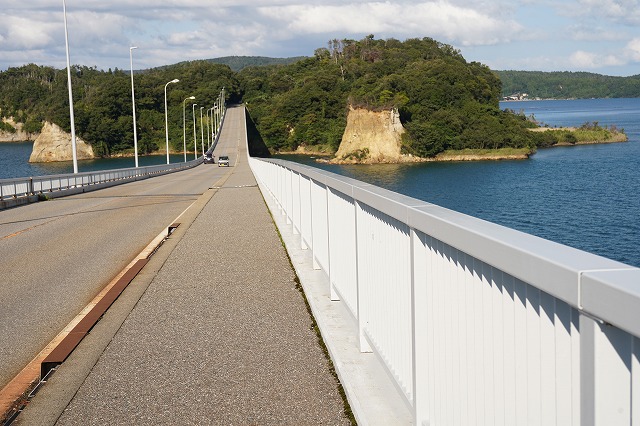
The Noto Bridge, connecting Wakura Onsen in Nanao City to Noto Island

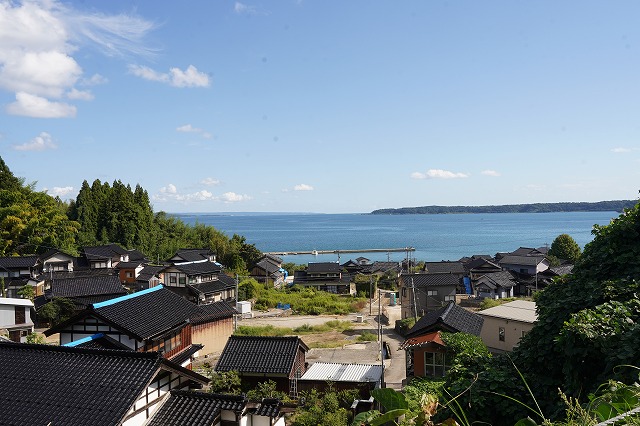
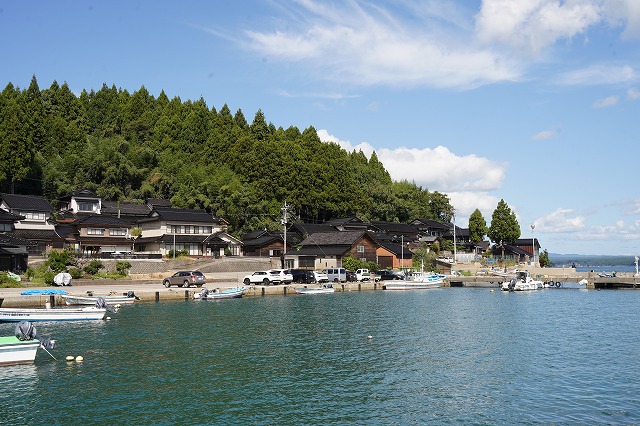
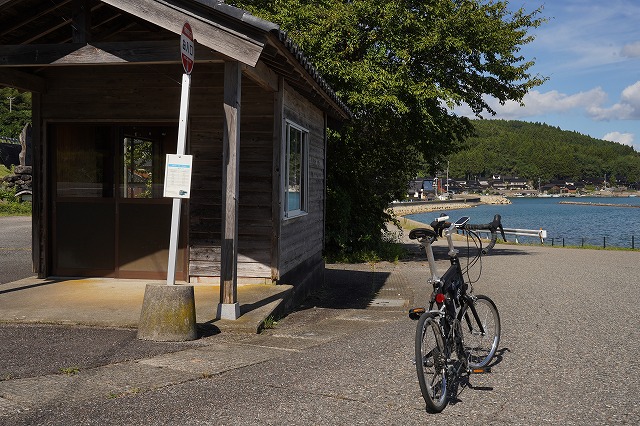
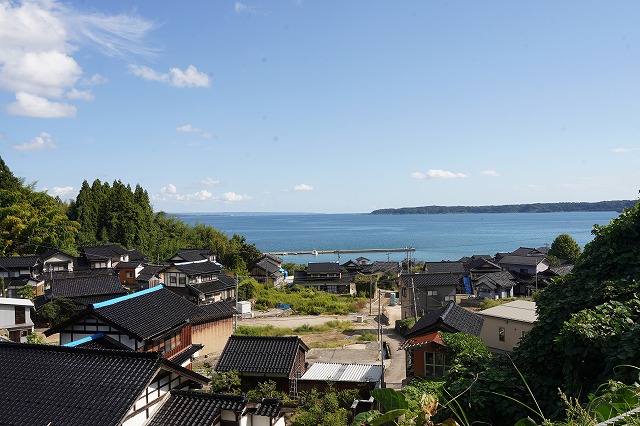
Noto Island, nestled at the entrance to the Noto Peninsula, is a small island with a circumference of about 70 km. Transportation isn’t very convenient. As for public transportation, there are only six local bus routes running per day. Cars are the main mode of transportation. There are convenience stores, but they close around 7:00 p.m. Restaurants and other eateries follow a similar schedule.
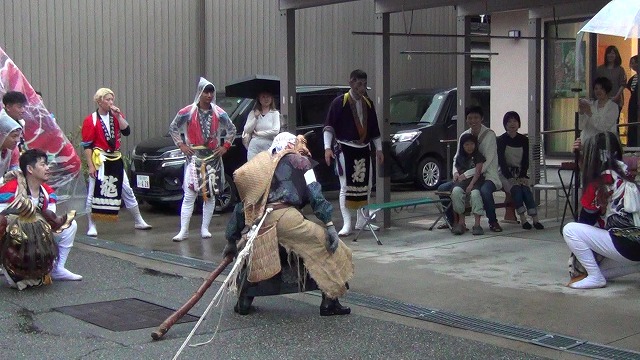
However, this place has even more to offer. Each community on this island has its own unique festival. Today, I’d like to introduce one of them: the festival held in the community of Magari 曲.
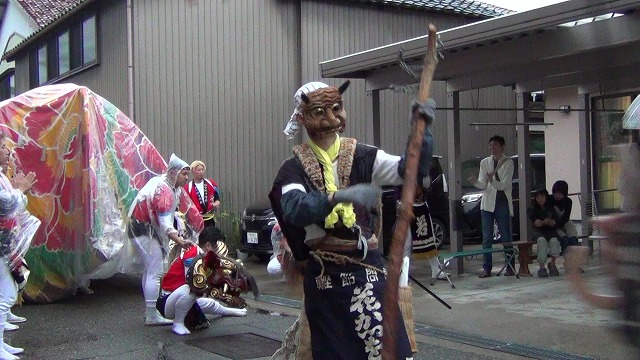
Oomiya shrine

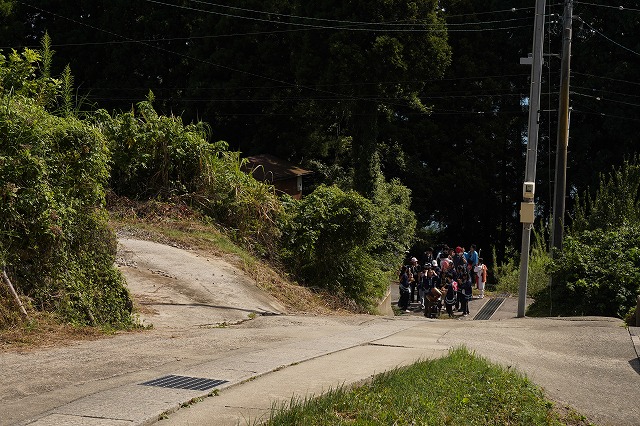
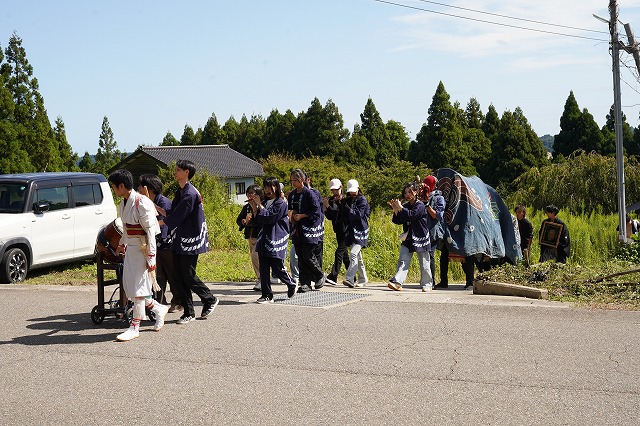
After gathering at the community center, the group first makes its way to Omiya Shrine. Today is the shrine’s festival.
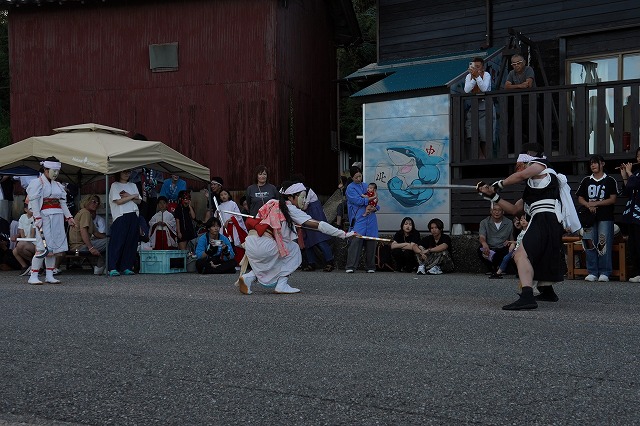
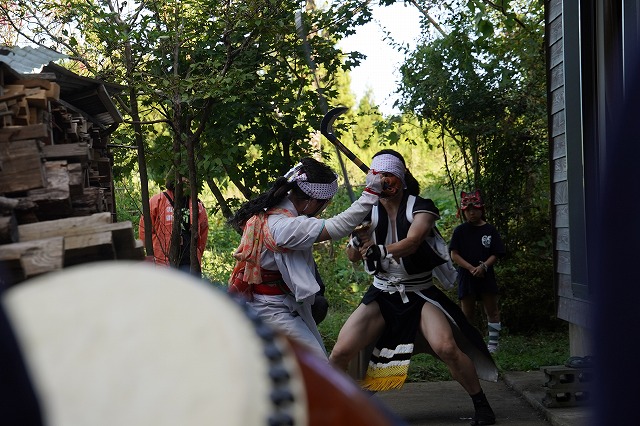
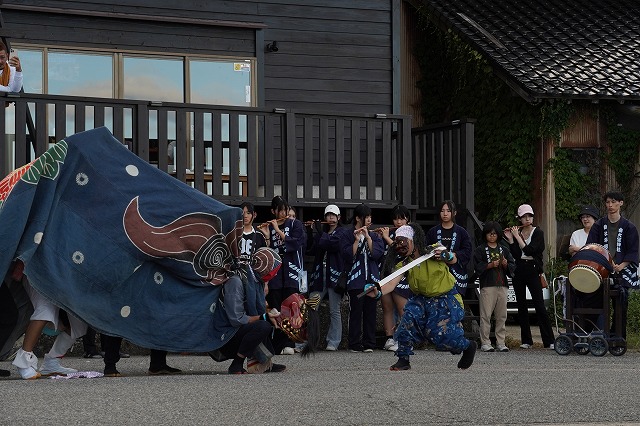
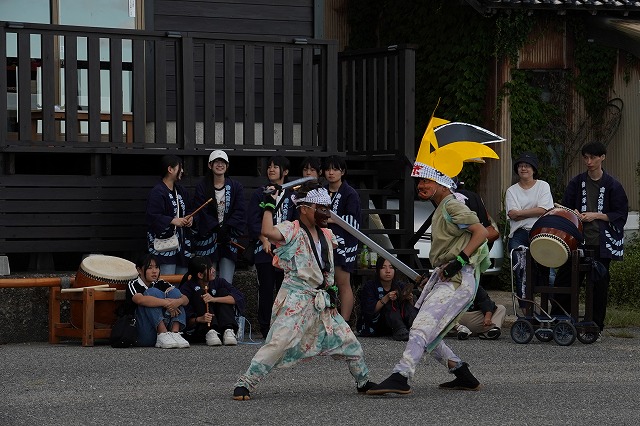
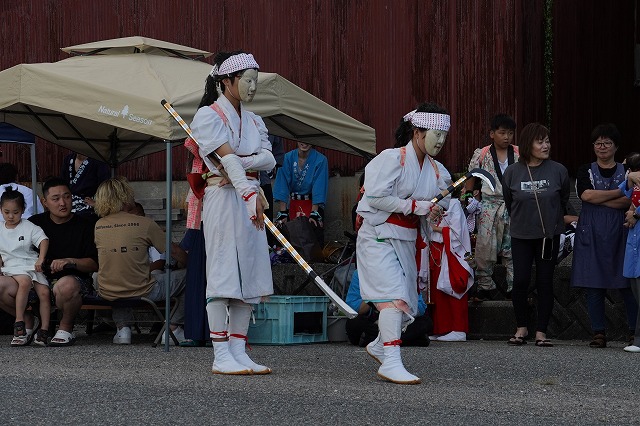
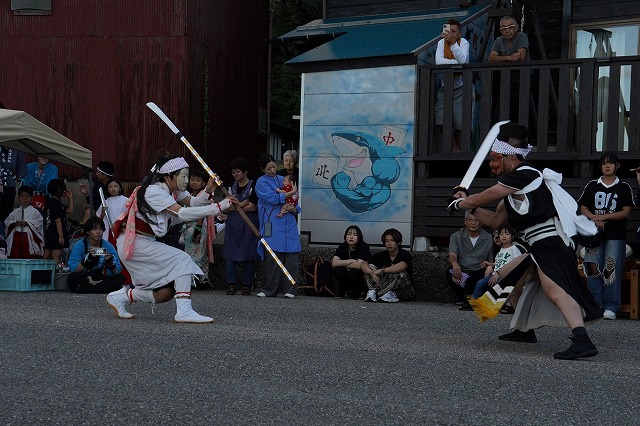
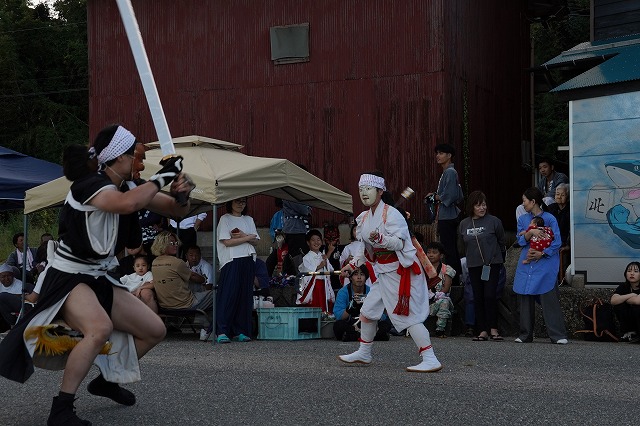
Then, a skit performed by masked characters begins. The main attraction of this festival is these skits, which are performed at various locations throughout the town. According to the schedule, it was supposed to start at 11:00, but it had already begun a little after 10:30.

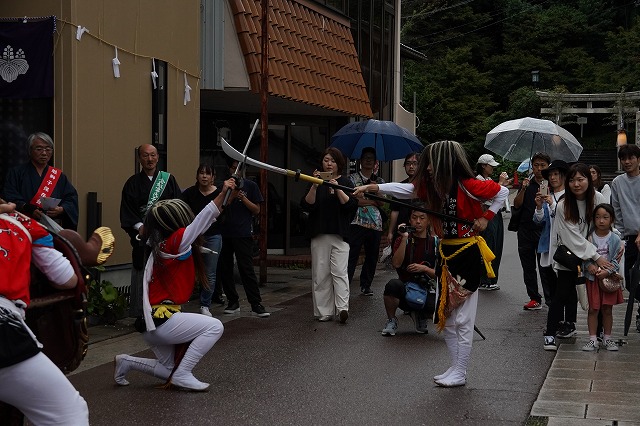
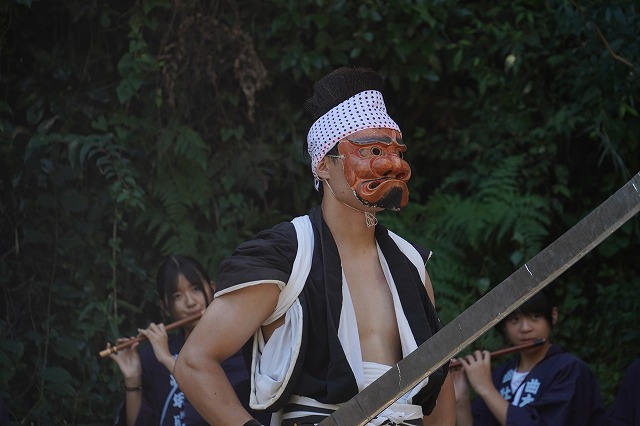
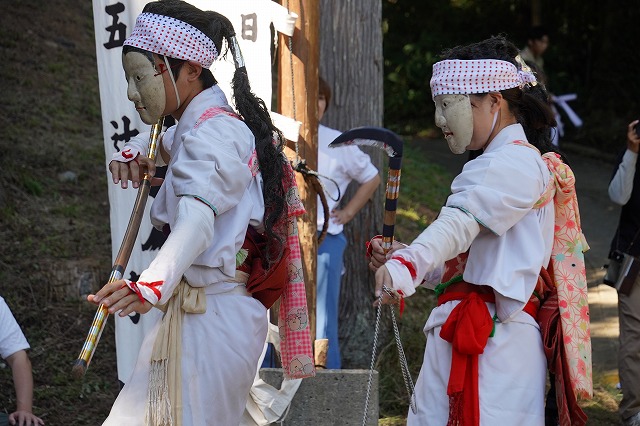
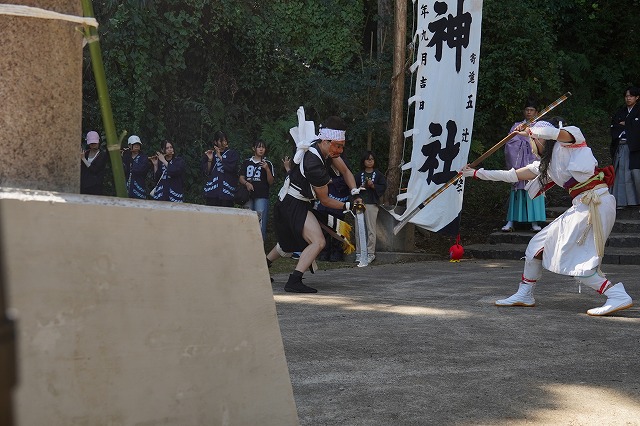
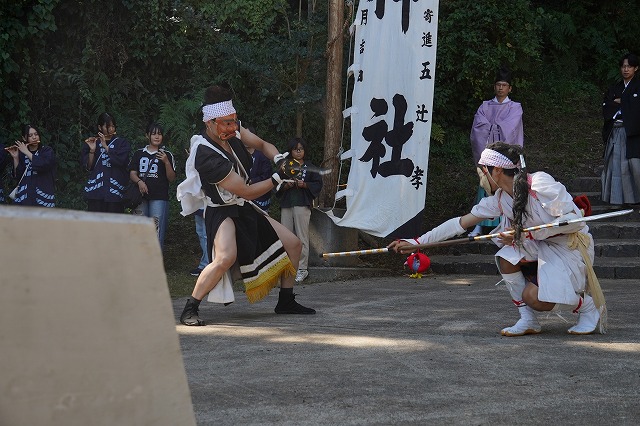
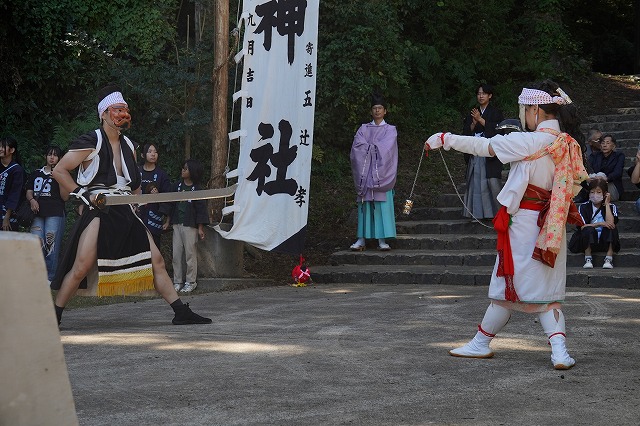
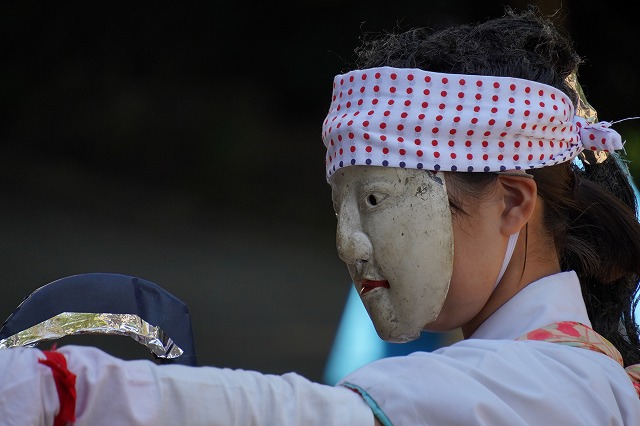
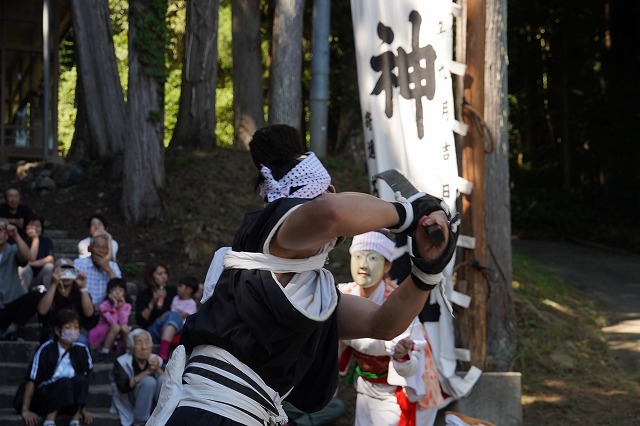
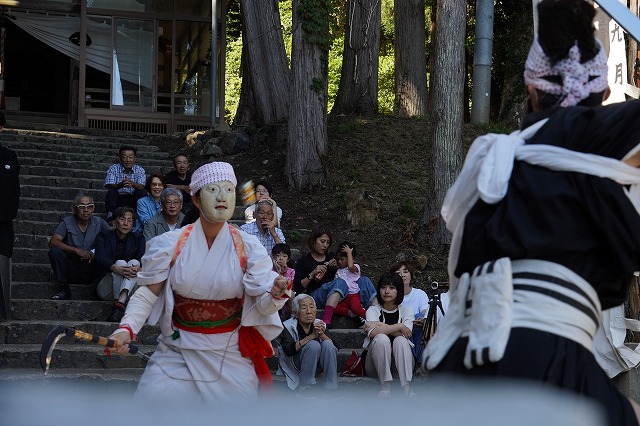
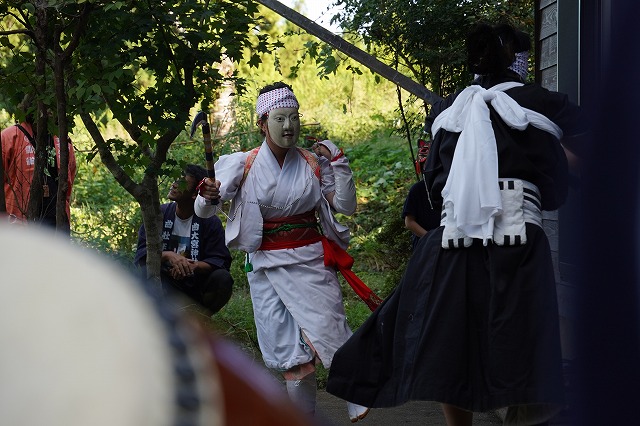
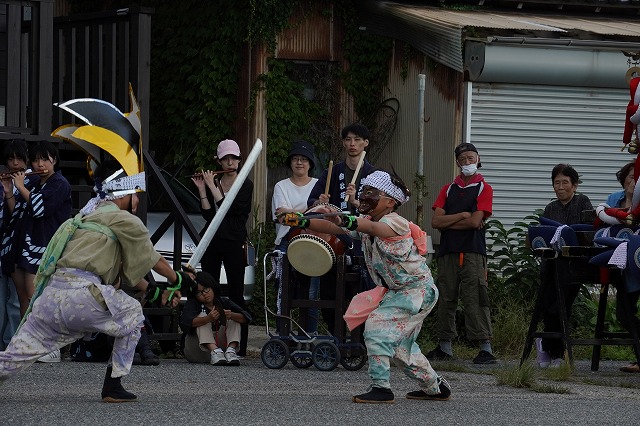
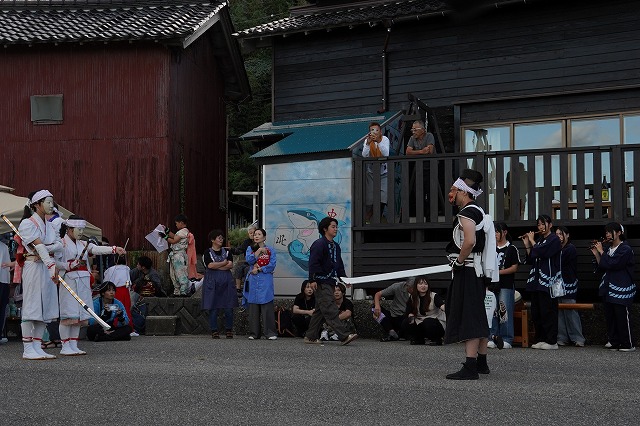
This is the highlight of the performance, known as the “Dan-shichi Dance.” The story originates from a peasant who was unjustly killed by a samurai, and his daughters, who avenge his death. It’s interesting that they use weapons like kusarigama, which is rare in this kind of entertainment. By the way, a kusarigama is a weapon with a chain attached to the end of the handle and a sickle at the tip.

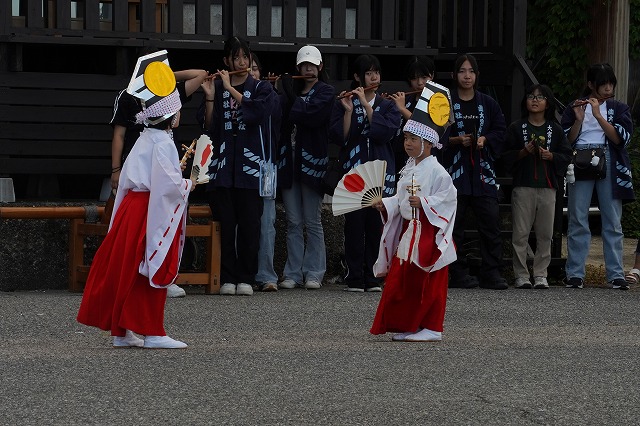
These short skits are called “niwaka.” The festival essentially consists of performing these “niwaka” skits at various locations, accompanied by flutes and drums.
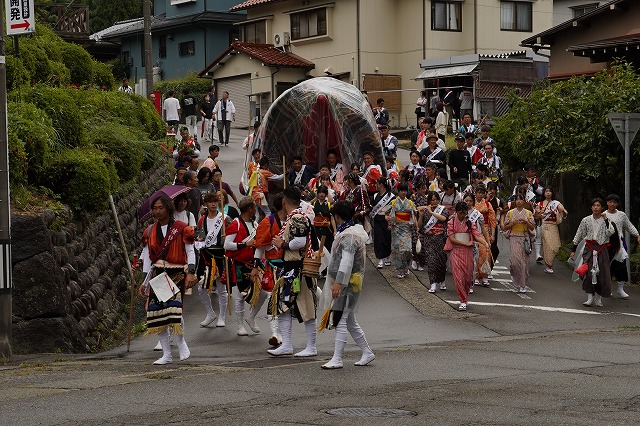
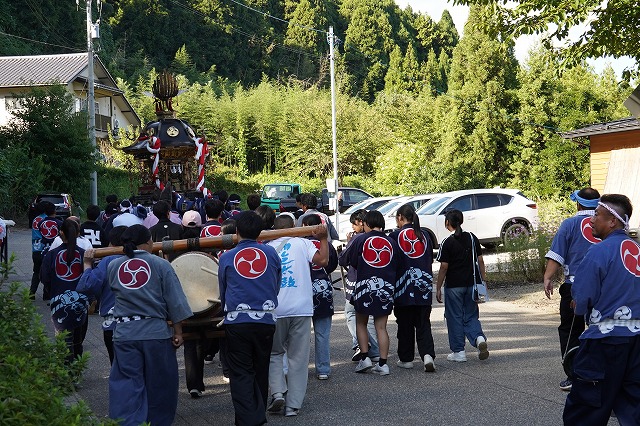
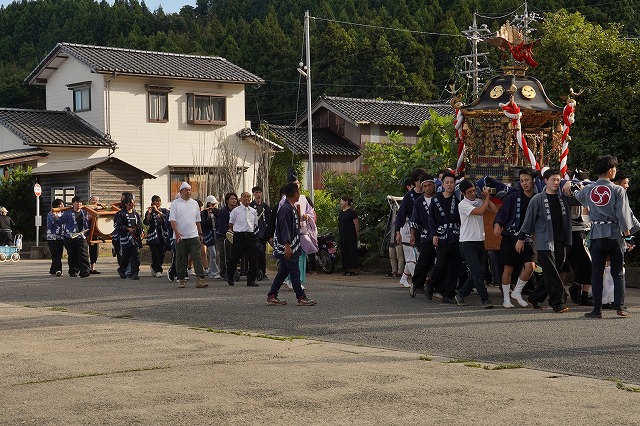
Around noon, once the dedication ceremony at the shrine is over, the procession makes its way around the town.

At a Certain House, Part 1

After finishing their visit to one house, the group headed to another house in the afternoon. There, in the front yard, they performed a “niwaka” skit. Of course, the festival participants were treated to food and drinks.

At a Certain House, Part 2

The festival group made its way through the neighborhood and arrived at the seaside square at 3:30 p.m. This spot serves as the harbor and is where the largest crowd gathers. That said, this event is also being hosted by a private home.

Apparently, in a showdown with a lion, it’s really tough because while the opponents keep changing, the actor playing the lion never does.

And here, too, the performance concludes with the “Dan-shichi Dance.”
When the sisters declare, “We’re here to avenge our father’s death—we’re ready for anything,” Dan-shichi laughs wickedly, saying, “Ha ha ha, how ridiculous. I’ll turn the tables on you.” This is the only one with dialogue.

When children see this, they all imitate Dan-shichi, so even though he’s a villain, he might be something of a hero they look up to here.
And so, after a full hour, the festival becomes a cherished memory for the islanders.

In Closing

Actually, after that—with a break in between—they still had three more stops scheduled until around 8:30 p.m.
Here on Noto Island, unique festivals are held almost every week in various villages from September through October. It’s a bit of a hassle to get there, but once you go, you’ll find that even though there’s “nothing” there, you’ll leave with something truly special.

Ishikawa prefecture official https://www.hot-ishikawa.jp/spot/detail_6106.html


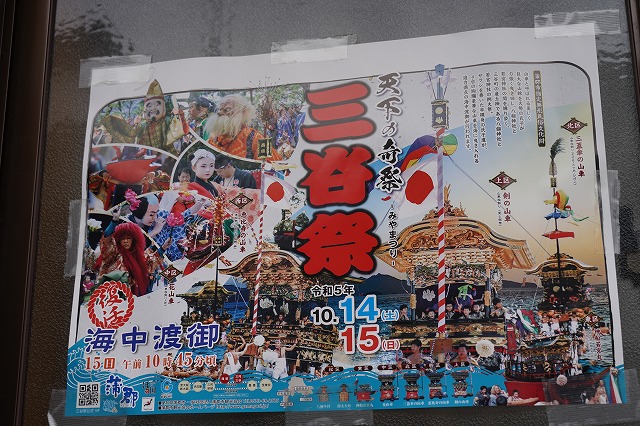
Competition Featuring Traditional Performing Arts from Each Town ~Miya festival 三谷祭


Location; Within Mitani-cho, Gamagori City, Aichi Prefecture Wakamiya shrine, Yatsurugi shrine

Date; Weekends in mid-October (see the official website for details → https://38fes.jp/en/

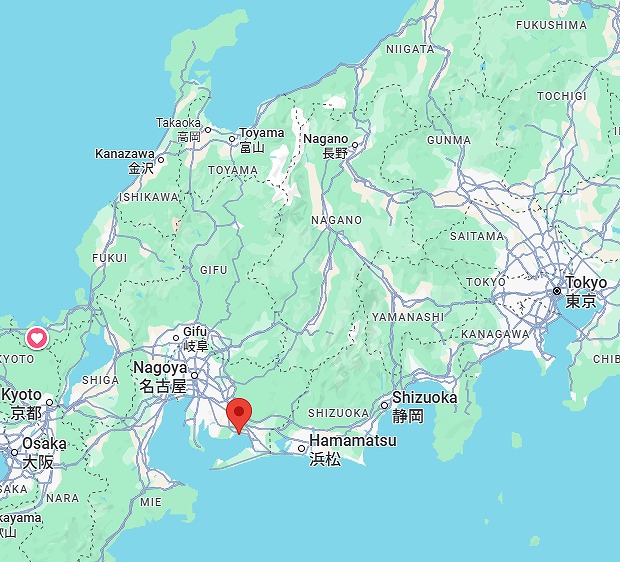
Access; From the Tokyo area, take the Shinkansen to Toyohashi—about two hours. From there, it’s about 15 minutes on the local line (Tokaido Main Line) to Mikawa-Miya. From Osaka, take the Shinkansen or a limited express train to Nagoya—about an hour—and then take the local line for about an hour.

based on 10th (Sunday) October, 2023

One could call it a small town. Located between Japan’s three major economic hubs—Tokyo, Osaka, and Nagoya—Gamagori City is known for its fruit and hot springs. The station right next to it is Miya, the focus of this story. That small town has something that can rival even Nagoya. That is this year’s Miya Festival. And many masked characters appear at the festival. The festival has many charms. Let’s take a closer look.

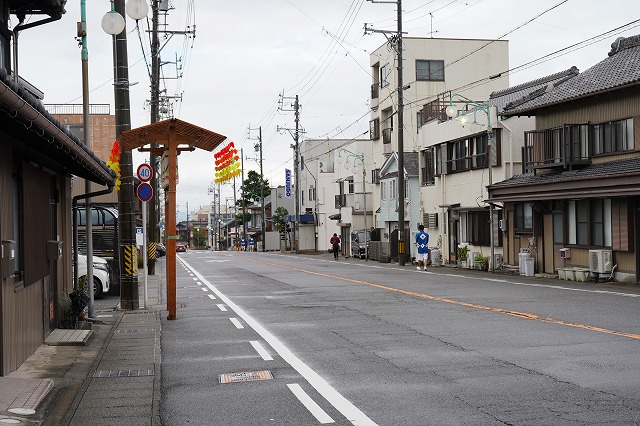
When you get off at the small station, there’s a road stretching straight ahead. The atmosphere there is already buzzing with festival excitement.
This festival is held over two days—a Saturday and Sunday—in mid-October.
On Saturday, planning meetings are held starting in the morning, and at noon, the floats from each district set out to visit the shrine. Then, around 7:00 p.m., everyone finishes the procession and heads home.
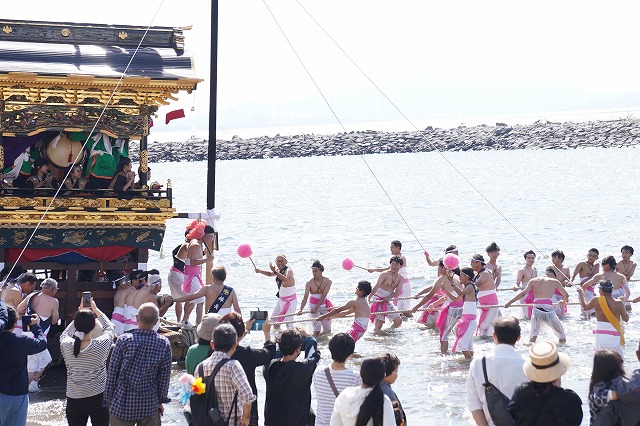
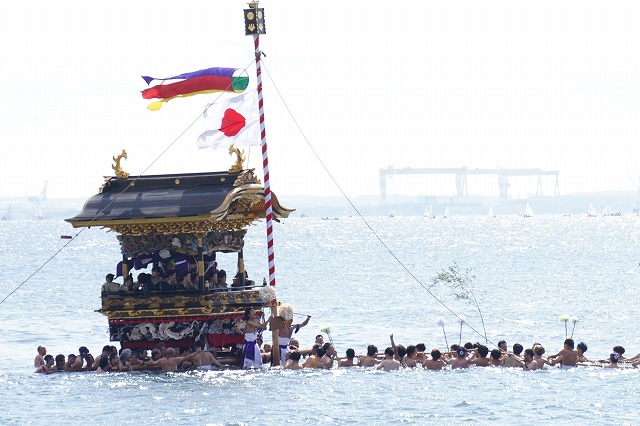
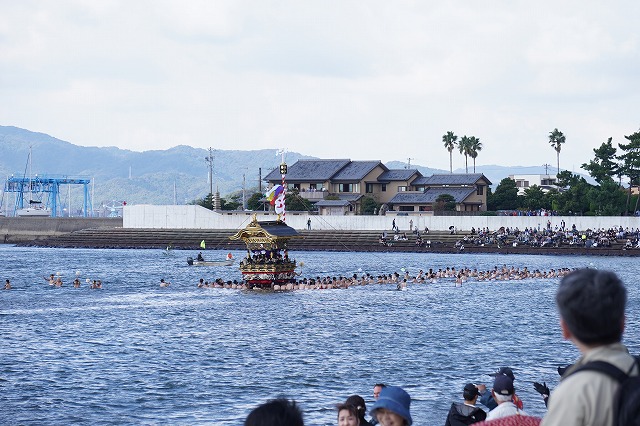
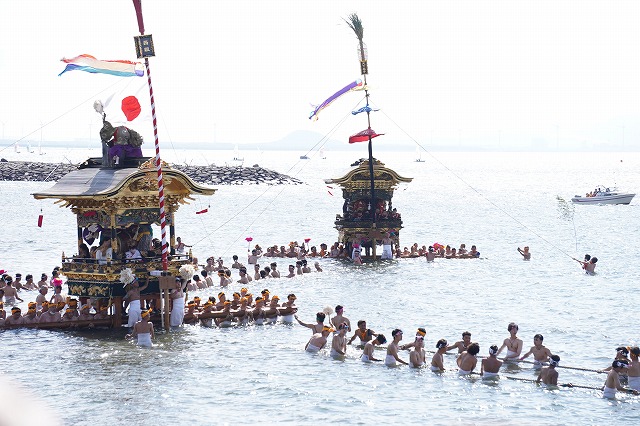
Sunday is no different—the event starts early, at 8:00 a.m. After the procession through the ocean, traditional performances from each district are presented one after another at two shrines. The entire event doesn’t wrap up until after 9:00 p.m.

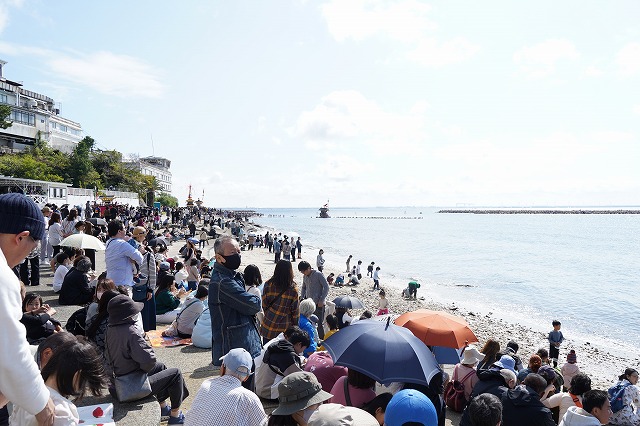
Magnificent, ornate festival floats—said to be modeled after those of Kyoto—parade through the town. Since this festival is held in honor of both Wakamiya and Yatsurugi Shrines, each district visits the shrines at different times. And during that time, the festival’s biggest highlight—the maritime procession—takes place.

For this maritime procession, the schedule may shift to the second or third weekend, depending on the tides.

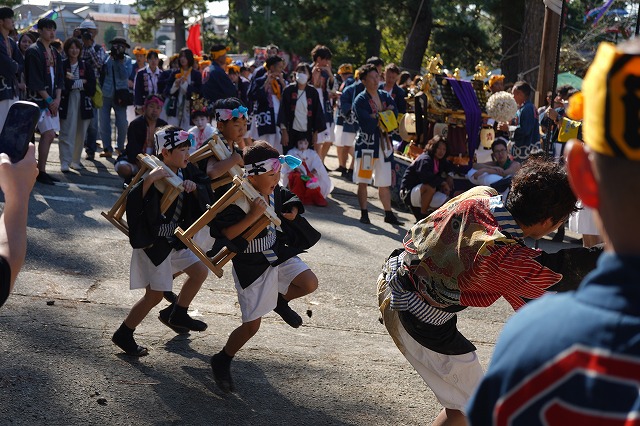
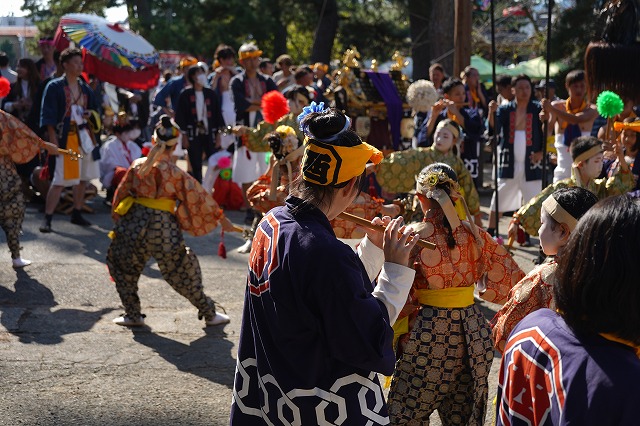
After completing the maritime procession, the group heads next to Wakamiya Shrine. At this point, each district performs the traditional arts they have passed down through the generations.

They will perform twice in front of the shrine and once more inside the grounds. There are six districts in total. Since the next one is coming up, each district will perform for about 10 minutes before moving on to the next.

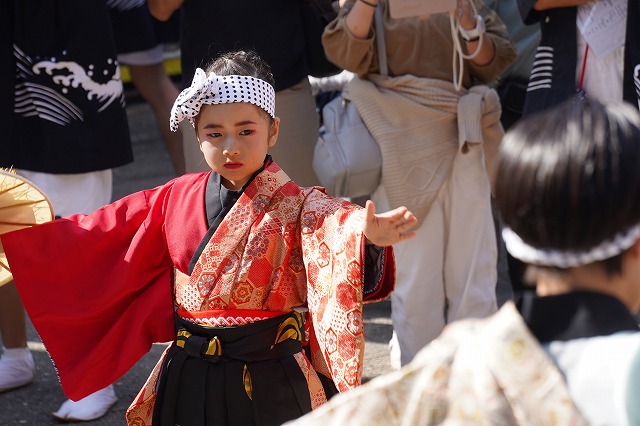
For example, Nishi Ward stages a reenactment of a feudal lord’s procession, and children, looking nervous as they take the stage, show off the results of their daily practice.

Dance of Susano

The Age Ward will perform the “Dance of Susanoo.” Susanoo is one of the most famous deities in Japanese mythology, known for his wild nature—which led to his expulsion from the heavenly realm—and for slaying the eight-headed serpent, Orochi.
https://discoverdeeperjapan.com/reference/japan-mythorogy/amano-iwatobirakithe-revival-of-the-deity-of-sun/
https://discoverdeeperjapan.com/defeating-orochi/

There are six characters in total. A distinctive feature here is that the masks are strangely lifelike, and since they are the type that cover the entire head, they create a peculiar sense of realism. They dance along to the melody of the flute. Dance

Dance of Shitifukujin (seven deities )

The Seven Lucky Gods are Japan’s most famous deities—a group of seven deities who bring happiness to people. They often appear during auspicious occasions such as the New Year. https://discoverdeeperjapan.com/2021/04/05/seven-deities-of-good-fortune-parade-celebrating-the-new-year-at-the-center-of-tokyo/
This is a traditional performing art preserved by Kita Ward. And since this is the type that covers its head completely with a strangely realistic mask, viewers might feel as if they can actually hear a normal conversation taking place. “It’s finally our turn. I’m starting to feel a little nervous.” “Me too.”

In the original Seven deities of good fortune, there is a female deity named Benzaiten who presides over the arts, but here she is replaced by a fox. The story revolves around the deities being beguiled by the fox and made to dance under its control.

“Come on, come on, dance properly,”—don’t you find it strangely comical to imagine the Seven Lucky Gods dancing as if a fox were telling them that?

“Give me a break, I can’t dance anymore.”
“For some reason, my body just won’t listen to me.”

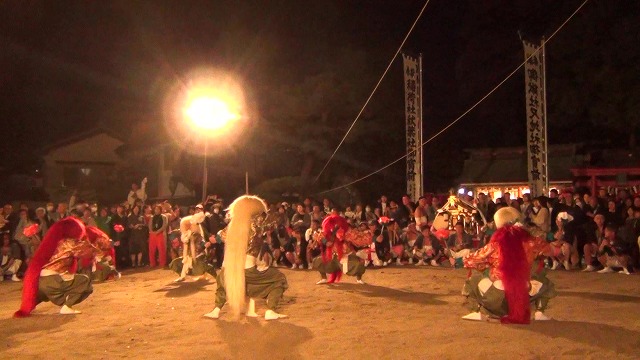
Renjishi Dance

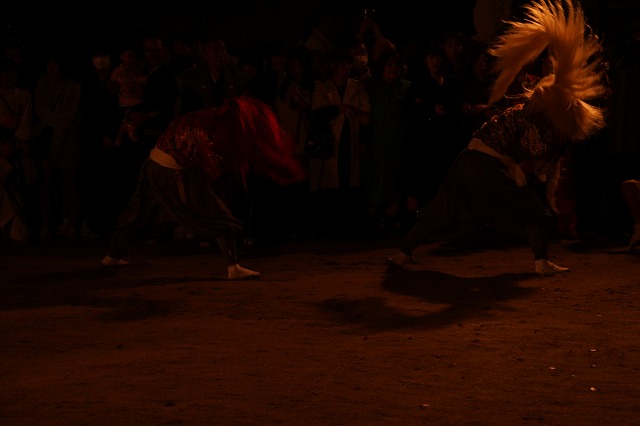
“Renjishi” originates from a Kabuki play. It is a dance depicting two lions dancing wildly, and the highlight is the scene where they swing their long hair around vigorously. The performing arts of Naka Ward are modeled after this; at first glance, they look like makeup, but they are actually masks.

Of course, just like in the original, there are scenes where they swing their long hair around. Many fans come to see just that.

The festivities wrap up for the time being around 4:00 p.m., and the festival floats make their way from Wakamiya Shrine to Yatsurugi Shrine.

By around 5:30, Yatsurugi Shrine was packed with spectators. However, since the shrine grounds are spacious, everyone gathered in a circle around the shrine.

Since the temple grounds are so spacious, you can see performances and activities that are different from those during the day.

And so, the town continues to buzz with a festive atmosphere until nearly 9:00 p.m.

Official site https://38fes.jp/
Aichi Now https://aichinow.pref.aichi.jp/en/events/detail/155/


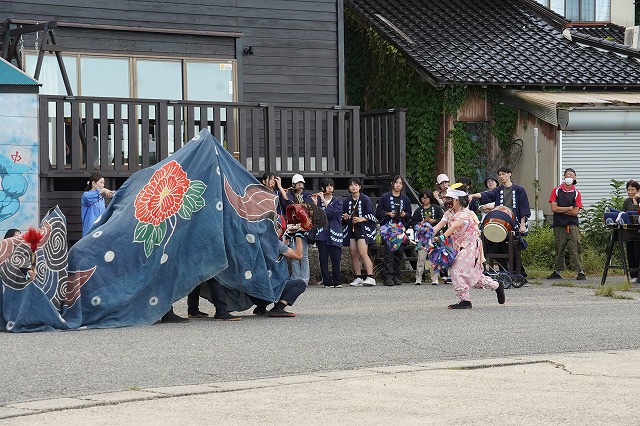
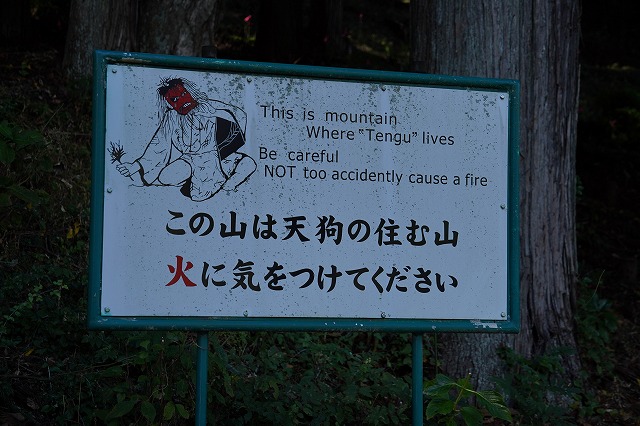
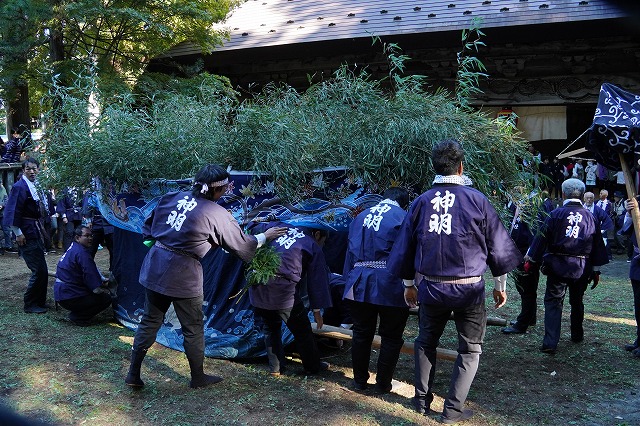
Warning: Tengu appear on this mountain. ~The ship festival at Tatsuno 辰野


Date; The third Sunday in October every year
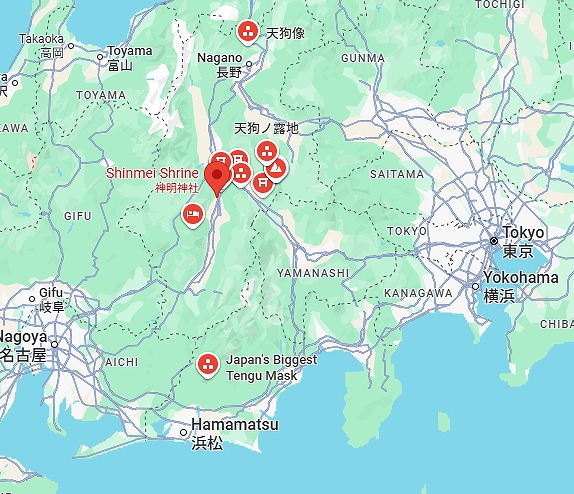
Location; 9610 Inafu, Tatsuno Town, Kamiina District, Nagano Prefecture
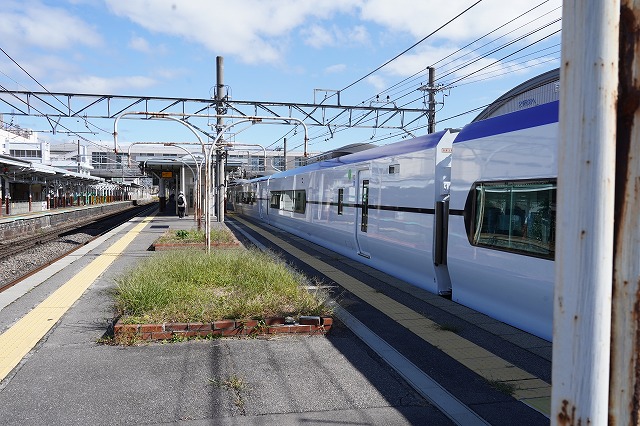
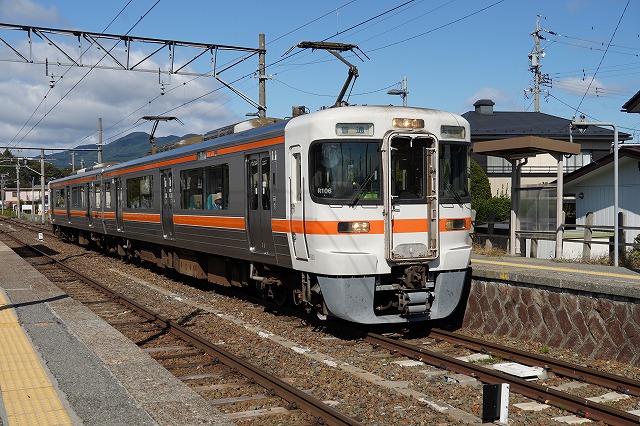
Access; If you’re coming from the Tokyo area, take the Azusa Limited Express from Shinjuku to Okaya (about 2.5 hours), then take the Iida Line for just under 20 minutes to Haba. It’s about a 15-minute walk from the station.
From the Osaka or Nagoya area, take the Limited Express Shinano to Shiojiri (about 2 hours), then take the Chuo Line to Okaya, transfer to the Iida Line, and get off at Haba. By bus, take the express bus and get off at Ina Bus Terminal, then take the Iida Line from Ina City Station to Haba.

This article is based on 20th October 2024

Why a sailing ship, even though the place is in the mountains?

The Azusa Limited Express, with a transfer to a local line, takes about 3 hours

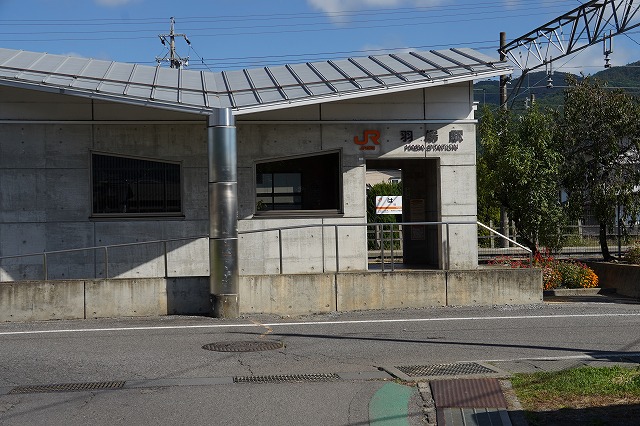
After arriving at a small station deep in the mountains, there was a festival here called “the Boat Festival.”

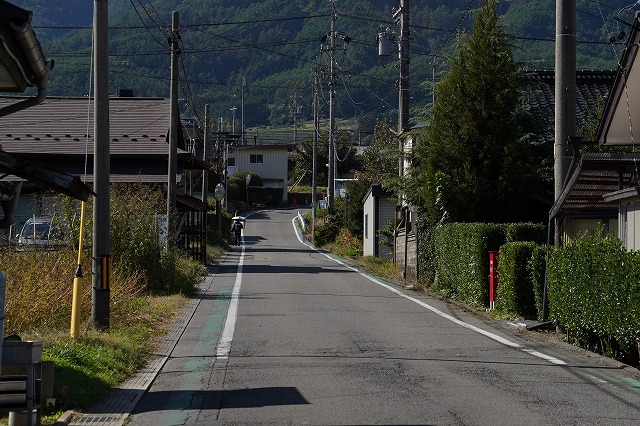
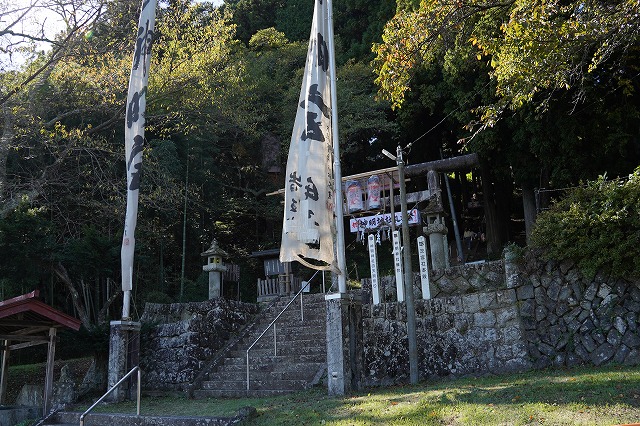
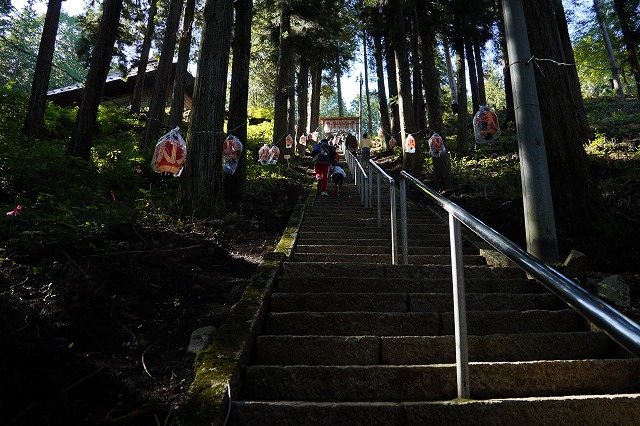
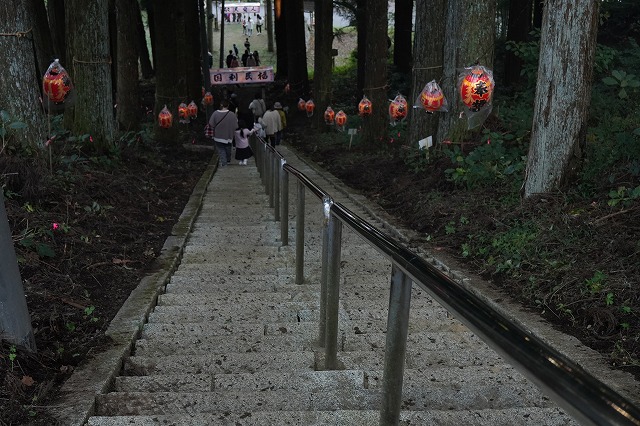
After walking for about 15 minutes, a small shrine finally comes into view. Then, visitors must climb a long, long flight of stairs to reach the top. But just before that, there’s a sign that catches one’s eye…

“This is mountain where ” Tengu” lives !?” A mysterious message… Yet the people who have gathered here seem to be having a good time. It’s a festival full of mysteries.

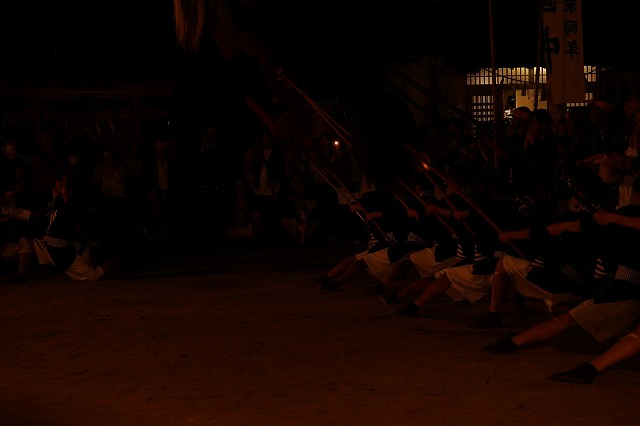
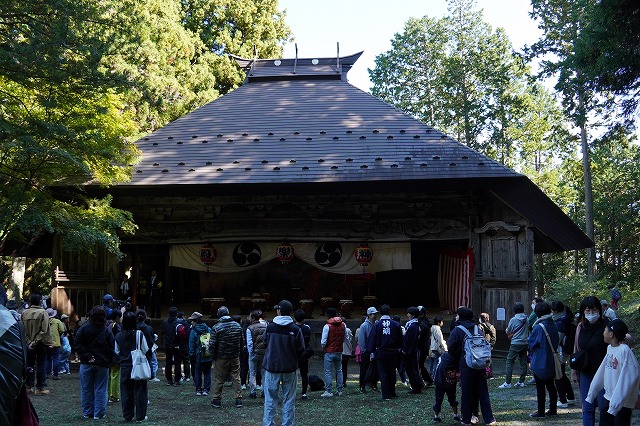
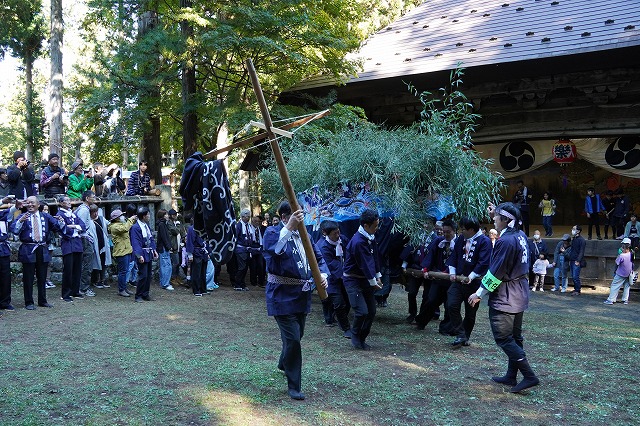
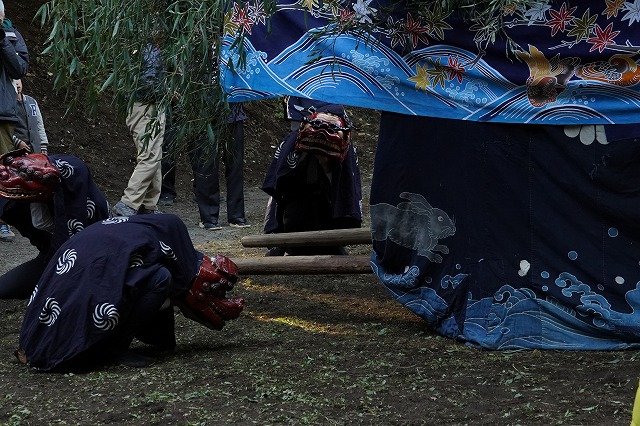
Around 1:30 in the afternoon, the “boat” finally arrives at the square. The people carrying it spin it round and round, and

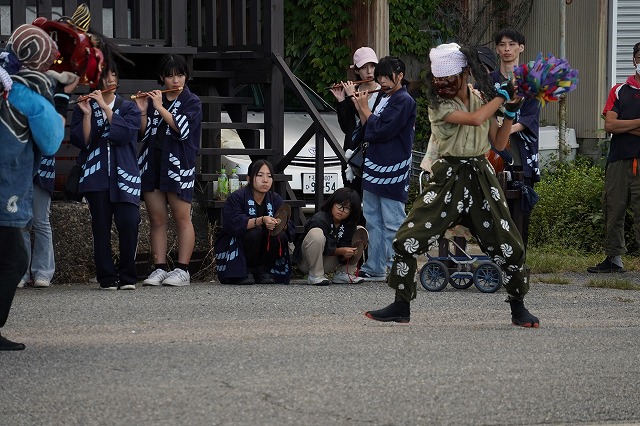
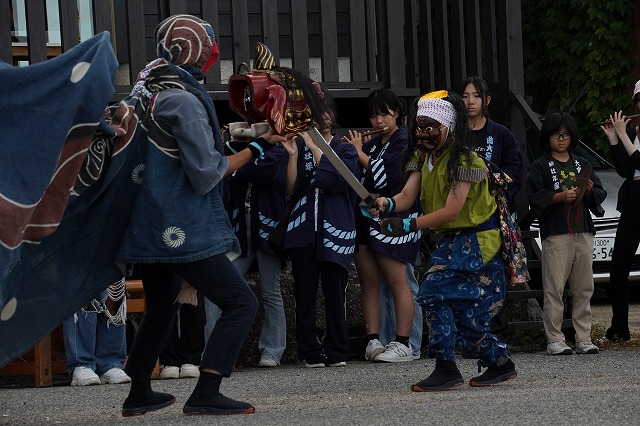
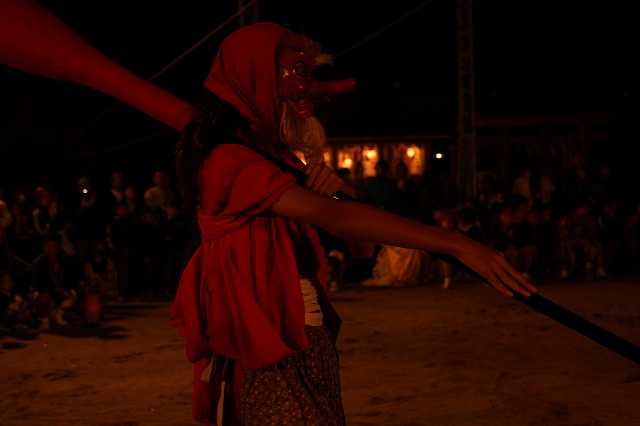
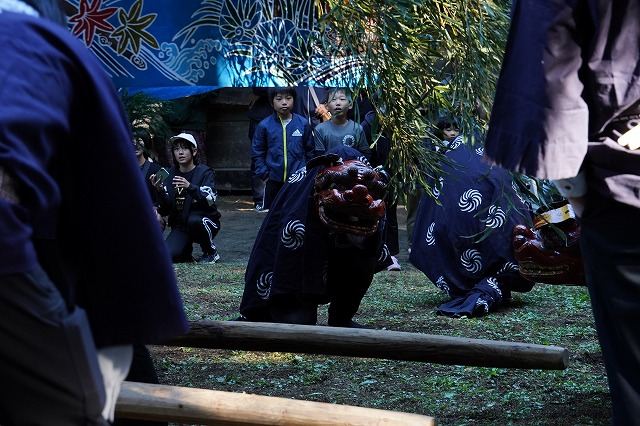
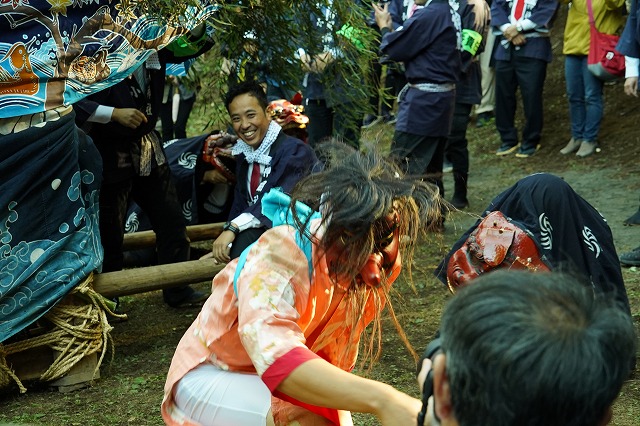
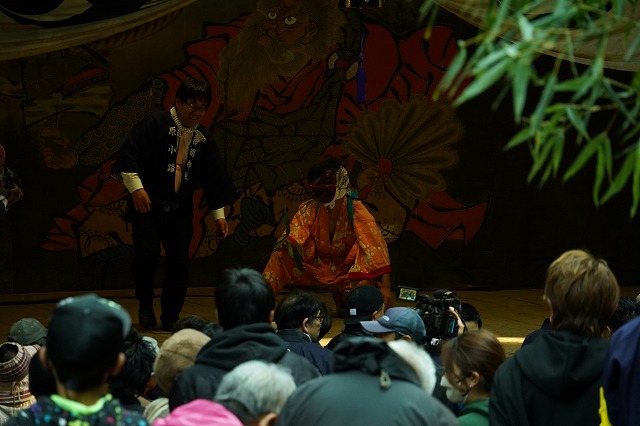
While the crowd was making a commotion over the ship’s arrival, a lion—and even a tengu—suddenly appeared from inside the ship. This is No.1 Tengu.

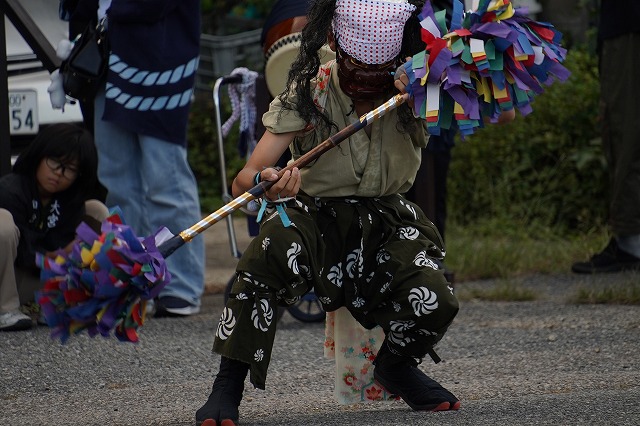
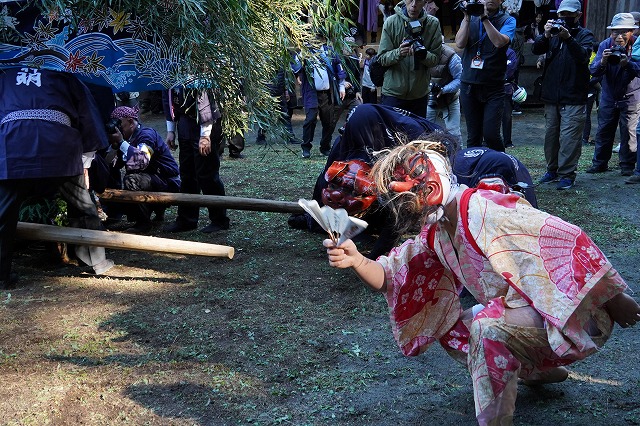
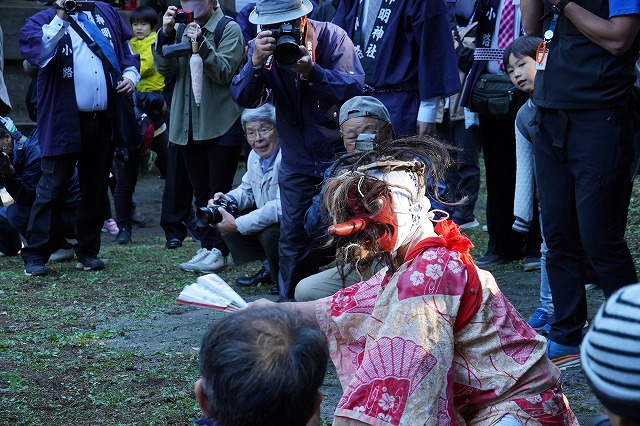
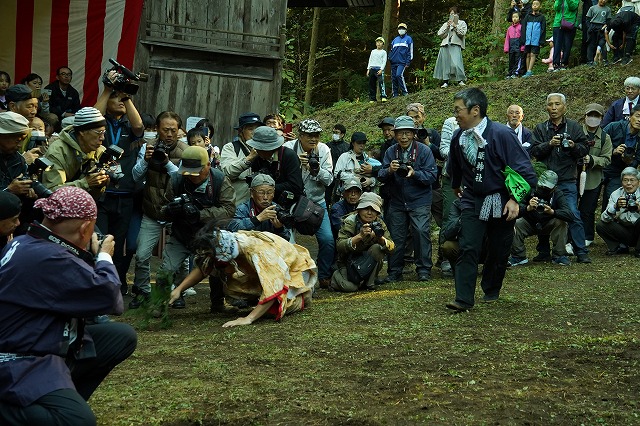
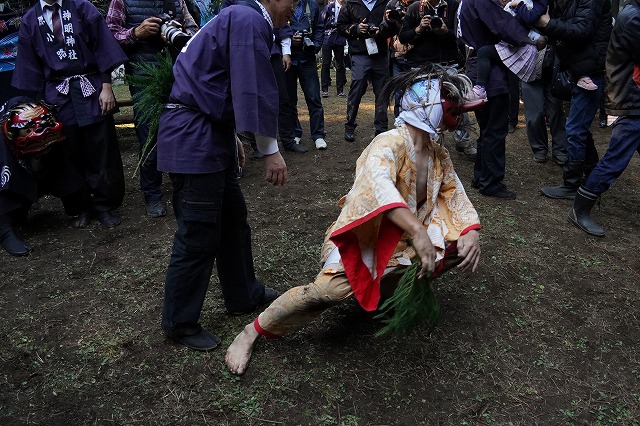
Tengu make strange “Ho-ho” sounds, wrestle with the lion, and roll around among the crowd. That’s right—this tengu doesn’t walk; instead, it runs on all fours and rolls around.

The Mountain Where Tengu Run Amok

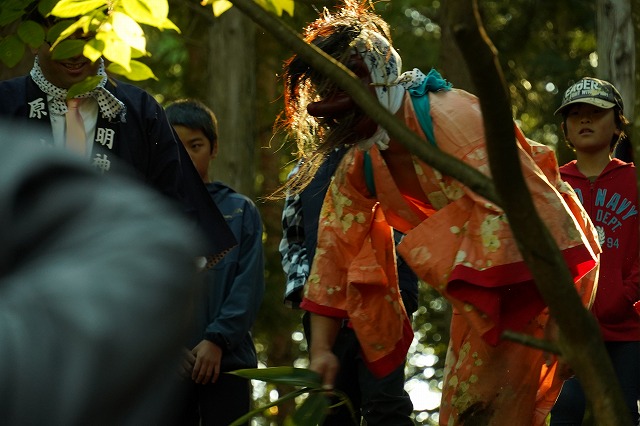
Just as one wonders, “Did the tengu disappear somewhere?”, it suddenly appears from the top of the mountain. It’s the second tengu making its entrance.

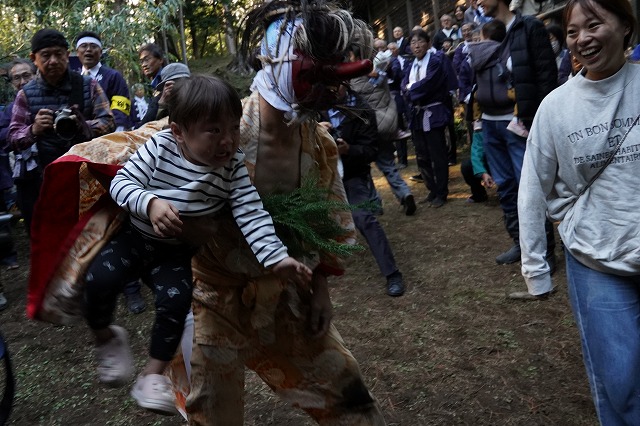
“Oh, I found something.” If children aren’t careful, they’ll get caught by a tengu. Will the kids be thrilled? No.
Come to think of it, they say that tengu run around barefoot without ever getting hurt. Is this another feat of their supernatural powers?

The Last Tengu Flys Out

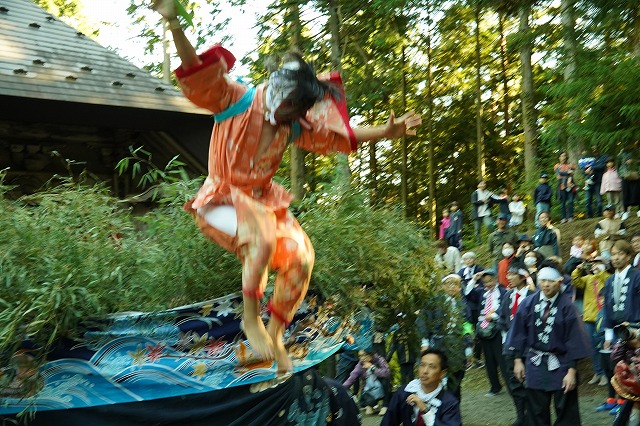
And finally, the last tengu leaped out of the “boat.” They say the tengu become more and more aggressive as they emerge, in the order they appear.

One moment the tengu was at the temple, and the next he was dashing around the mountaintop,

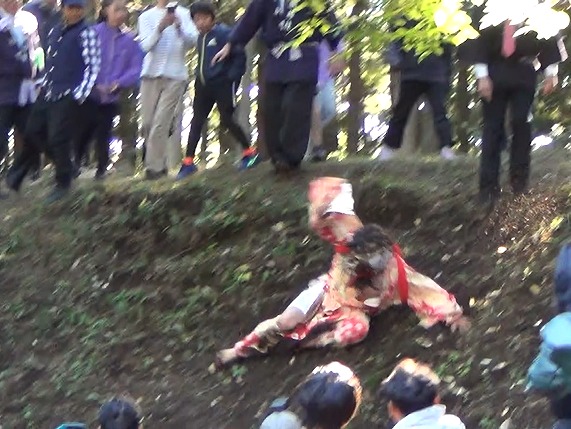
or tumbling down the mountainside. It’s a muddy struggle.

Ending

Once the commotion caused by the tengu subsides, people begin to gather around the lion. Then, the lion takes a big bite out of its head…

This is a common sight at lion dance performances; it is a custom based on the legend that having the lion bite your head brings good health and happiness.

It’s a strange festival to have a boat appear in the mountains, but there’s a legend behind it. The lions were outsiders who demanded to be allowed to live in this land. The tengu were the ones who dealt with them. It is said that an agreement was reached during the third round of negotiations, and the lions came to dwell in this land. Hearing this, many people are reminded of the Izumo myth. In that myth, a messenger from Amaterasu visits Okuninushi to demand that he cede his land; after three rounds of negotiations, Okuninushi finally agrees, and Amaterasu gains possession of the land.
https://discoverdeeperjapan.com/reference/japan-mythorogy/okuninushi-hnded-over-his-own-country-to-amaterasukuni-yuzuri-%e5%9b%bd%e8%ad%b2%e3%82%8a/
Simply put, it’s a memory of invasion by a powerful force. Perhaps something similar happened in this land in the past. I don’t know any specific details. Memories of certain things linger on like this in people’s minds forever.

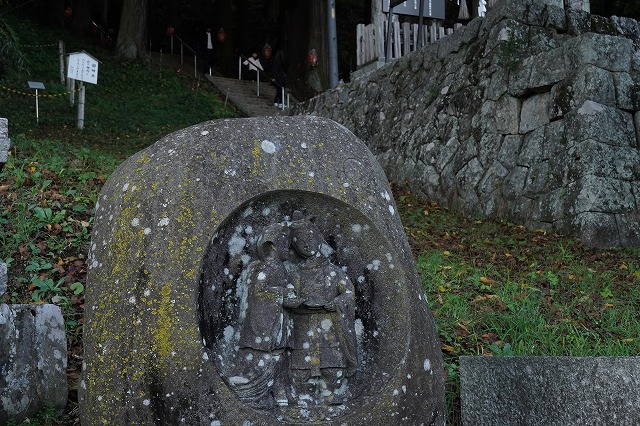
Just past 3:00 p.m., the chaos and commotion subsided, and the mountain regained its usual tranquility. At the foot of the shrine, a pair of deities, praying for the people’s peace and well-being, watched us leave.

Tatsuno town https://www.town.tatsuno.lg.jp/gyosei/soshiki/sangyoshinkoka/kankosite/4/1144.html


A Supporting Role in a Slightly Odd, Mysterious Festival That Continues in a Major City?—The Shōjō of Kasadera 笠寺の猩々


Date; The second Saturday and Sunday of October every year
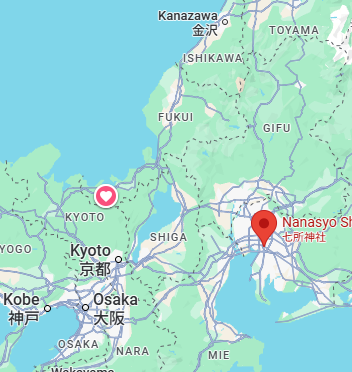
Location; 12 Tenma, Kasadera-cho, Minami Ward, Nagoya City, Aichi Prefecture
Access; Get off at “Honkasadera” Station on the Meitetsu Nagoya Main Line; 11-minute walk
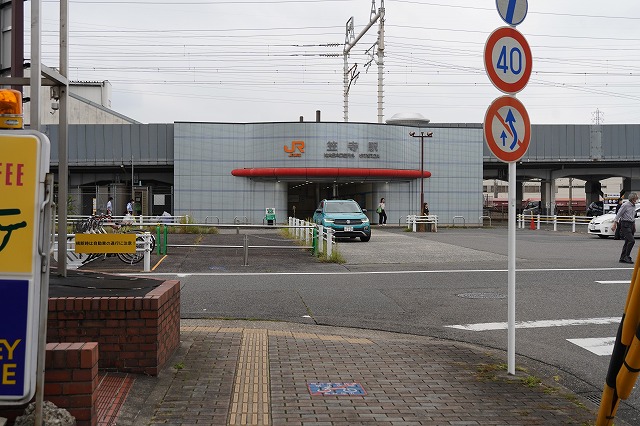
Get off at “Kasadera” Station on the JR Tokaido Line; 15-minute walk
All of these stations are about 20 minutes from Nagoya Station.
Nagoya Station is accessible via the Shinkansen, which takes about an hour and a half from Tokyo and about an hour from Osaka.

That creature appears in the big city of Nagoya

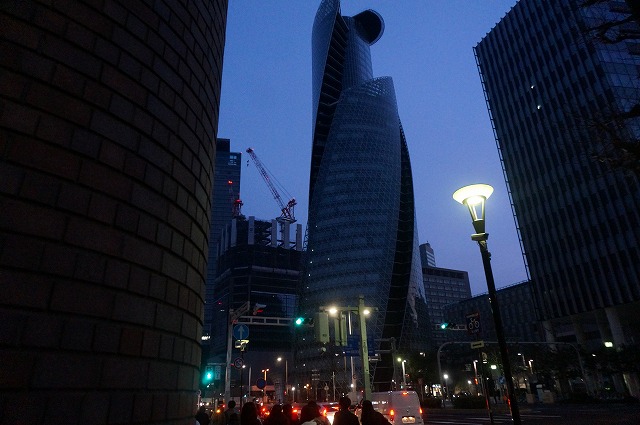
Around Nagoya Station

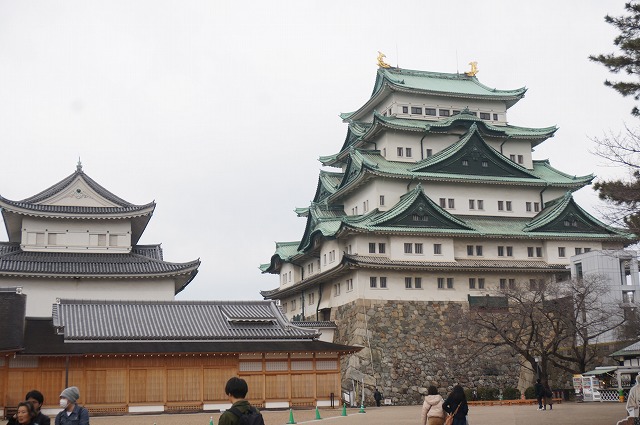
Nagoya Castle

Nagoya is the capital of Aichi Prefecture and a major city with a population of approximately 2.3 million, making it the fourth-largest city in Japan after Tokyo, Yokohama, and Osaka. It is the core city of the Chubu region, Japan’s third-largest metropolitan area after the Tokyo metropolitan area and the Kansai region centered on Osaka. Aichi Prefecture is also home to Toyota.
Typically, traditional performing arts tend not to be preserved very well in urban areas with high population turnover. However, here in the Nagoya area, it is said that mysterious creatures parade through the streets during festivals. What’s more, the records date back about 250 years.
So, I headed straight to a place called Kasadera, where I heard there was a festival.

The name “Kasadera” comes from a temple and is located along the Old Tōkaidō (a historic highway that was once the busiest in the region). It is also close to Nagoya and features venues such as a concert hall, so the station sees a high volume of passengers during events.
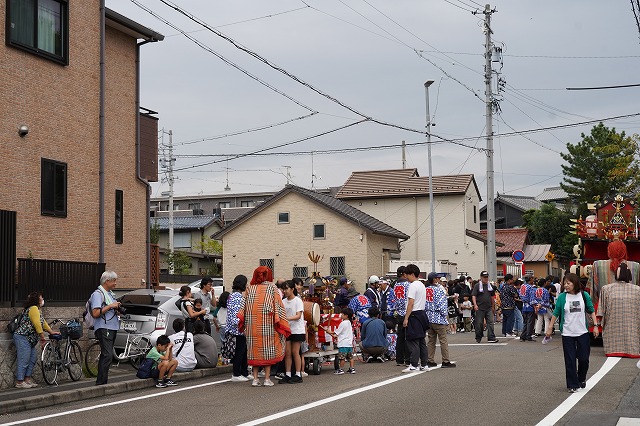
This time, it’s not a temple, but a festival at a shrine called Nanasho Shrine. When I headed in that direction from the station…

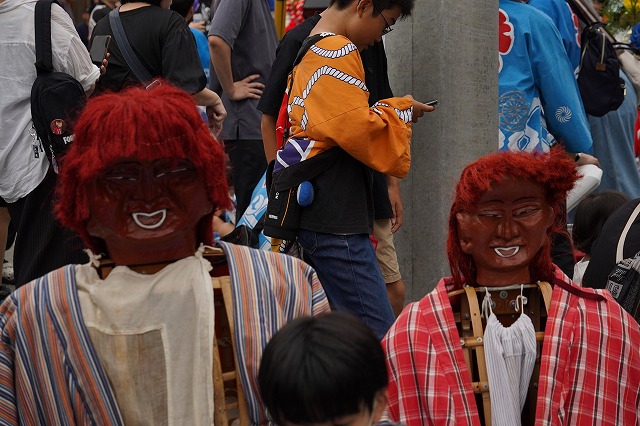
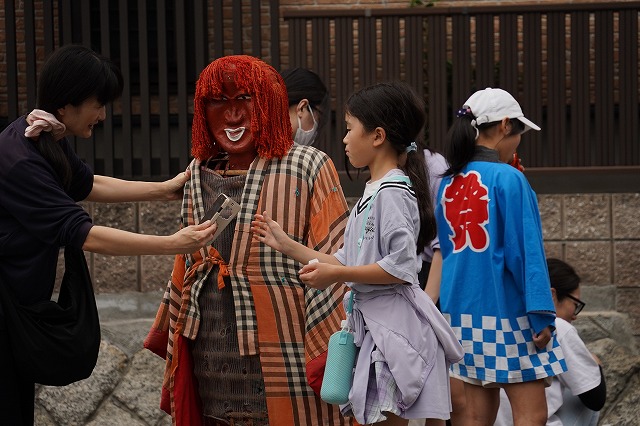
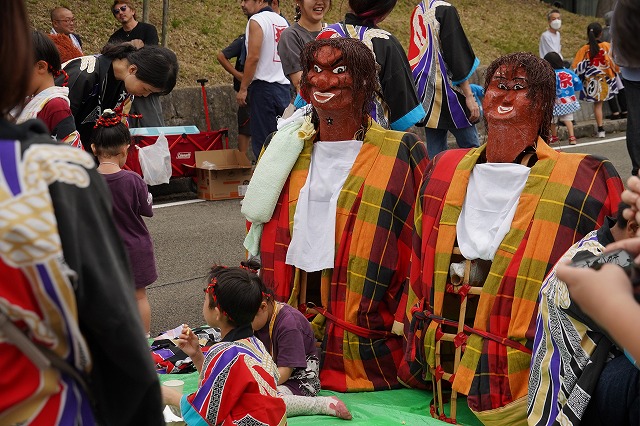
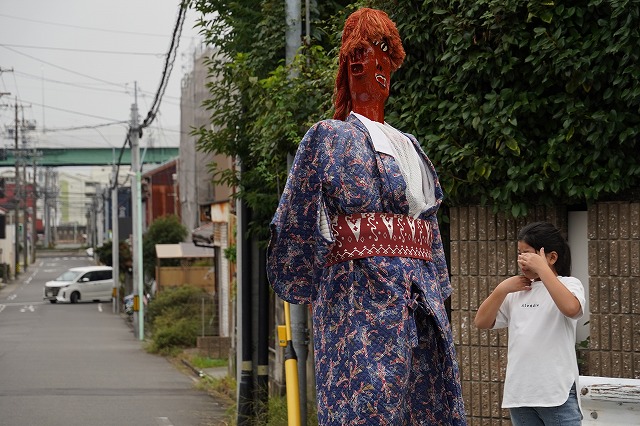
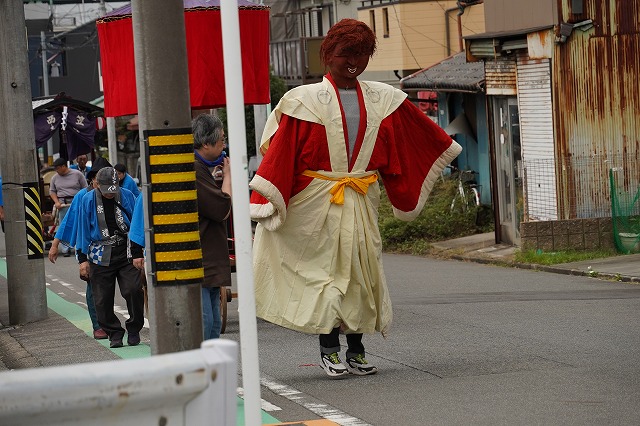
There it was. A mysterious creature, the Shōjō.

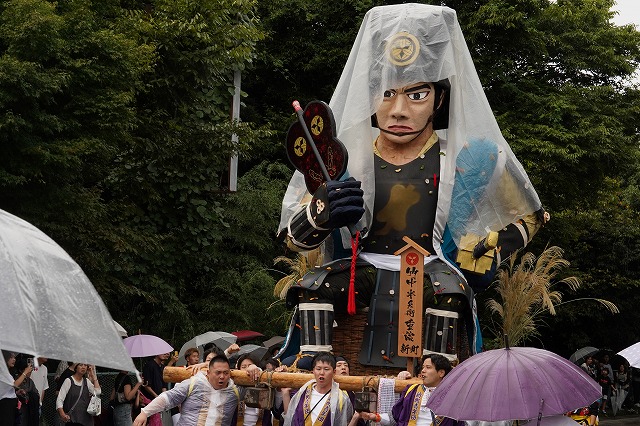
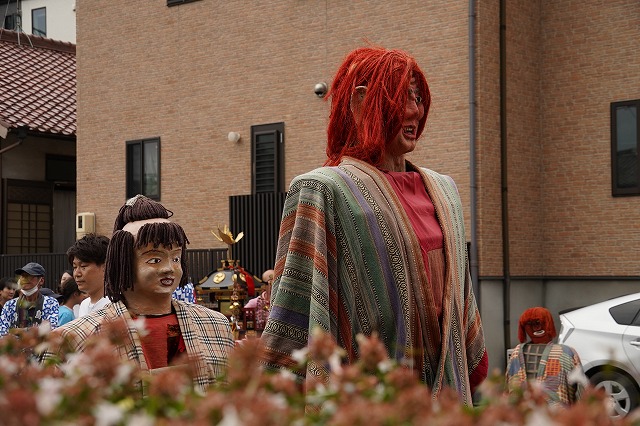
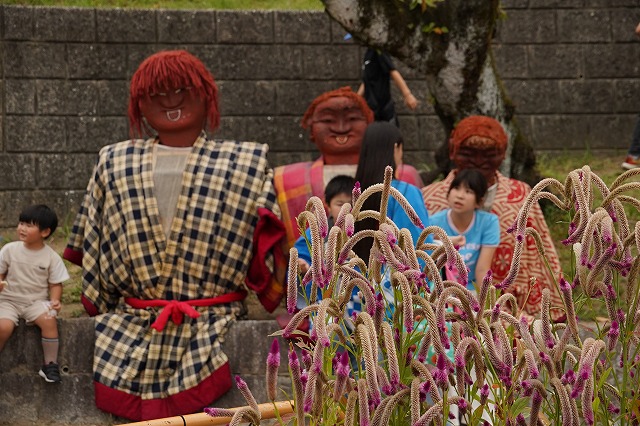
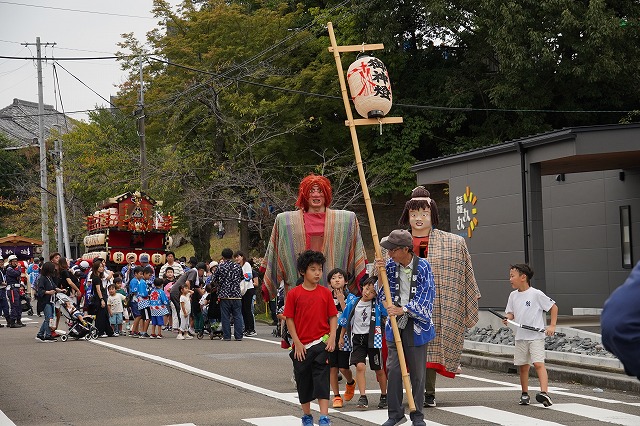
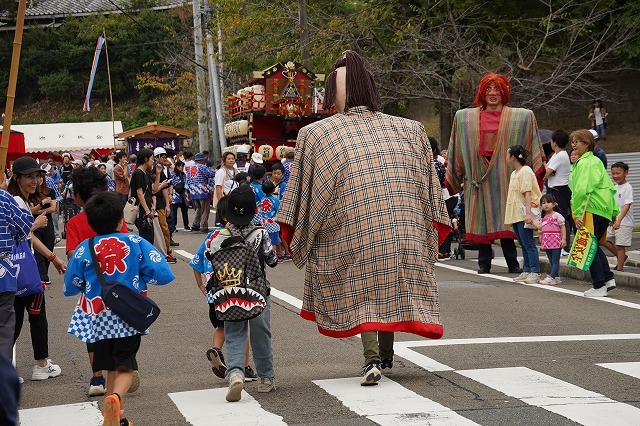
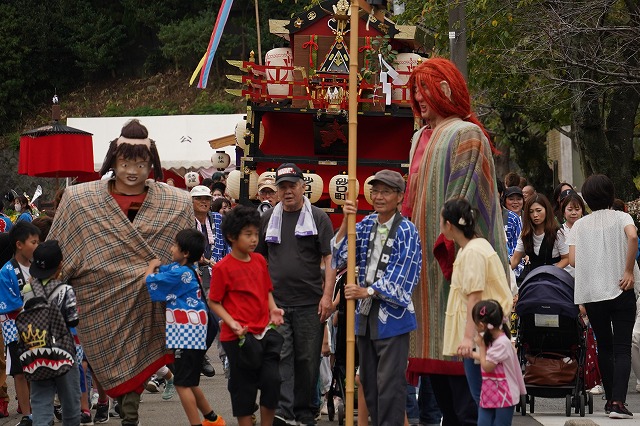
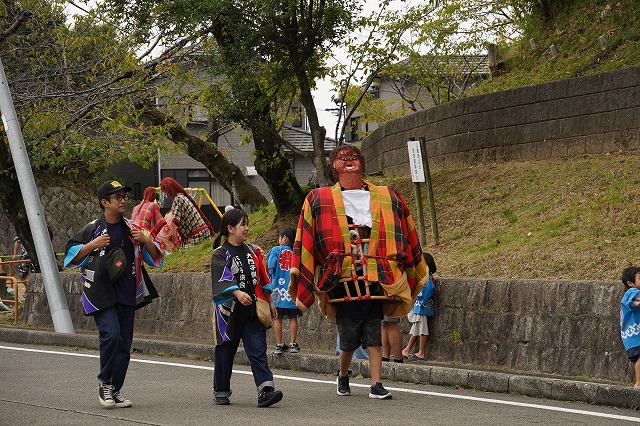
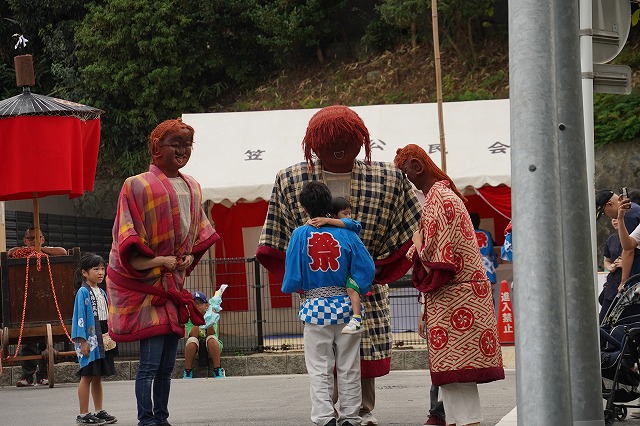
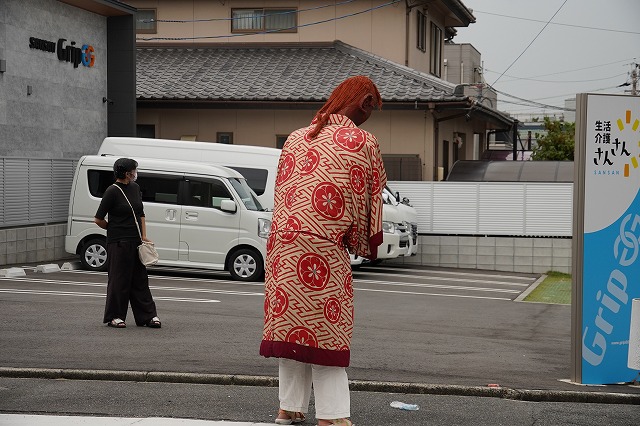
Here stands Shōjō, a mysterious giant who really catches the eye.
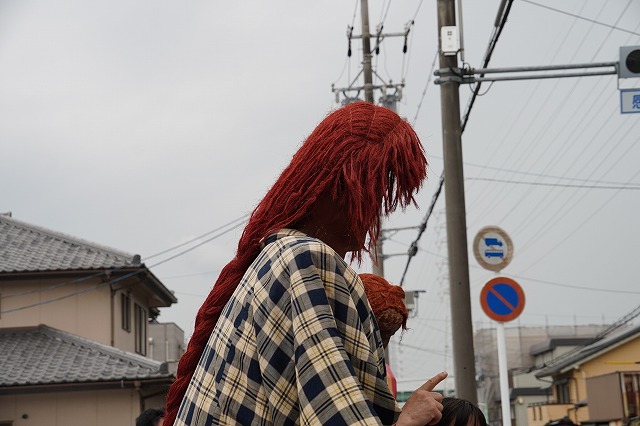
A shōjō is a type of supernatural creature originating in China; it is said to be covered in red fur, speak human language, and have a particular fondness for alcohol. It is said to bring happiness to people and has been featured in Noh plays.

Records indicate that the Shōjō first appeared at festivals in this area around the 18th century, but it is unclear why they began to make appearances.
It is said that the current Shōjō are ones made by artisans during the Meiji era (1861~1912), which are still in use today after undergoing repairs.Still, it’s a strange and somehow humorous creature.

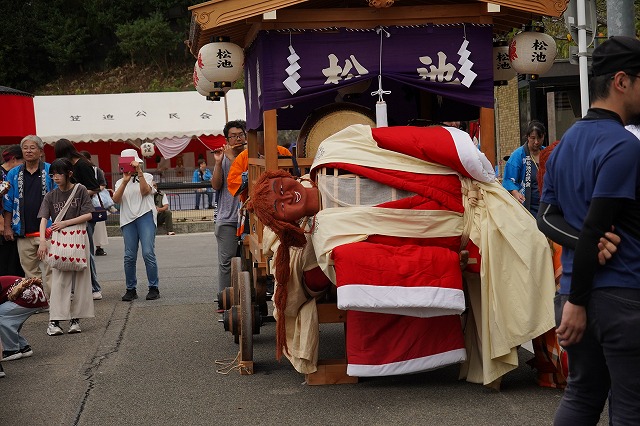
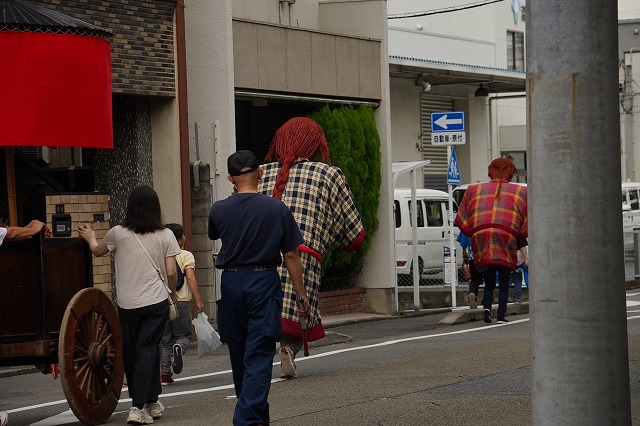
Some are sleeping, while others are spending time with their children. Still others have been invited to a party.
When this moves, it becomes even funnier.

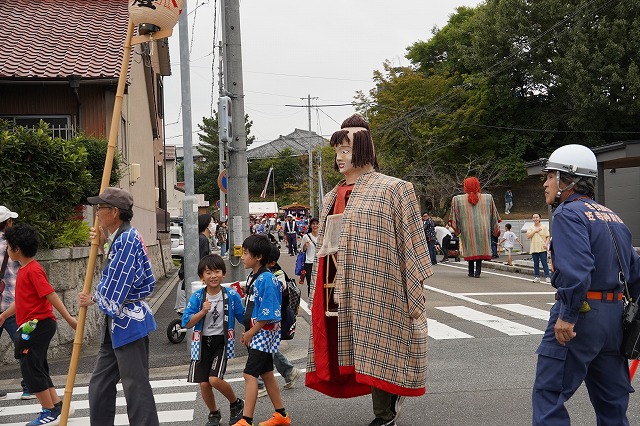
The body is large. Plus, its legs are short relative to its body.

Thank you for your hard work, security guard.

As you’ve probably noticed, the giant body is made of woven bamboo and is worn like a costume. The face is right around the belly area. So when a child wears it, it looks small, but when an adult puts it on, they become a giant.

Shōjō are very popular with children. During breaks and other times, children put on small Shōjō to take memorable photos.

“Huh? Did I get lost?” “Is this the right way?” They even make audience imagine a conversation like that.

The group will first pay their respects at Nanasho Shrine before heading to the community center.

Due to certain circumstances, my visit this time took place in the afternoon—from 2:00 to about 3:30—so it was a short visit, but I thoroughly enjoyed myself. Anyway, you’ll really understand just how strange and quirky this is when you see it with your own eyes.
The Shōjō appear not only here but in other places as well, so if you get the chance, be sure to check them out at least once.

Reference

For your reference, here’s a brief overview of some of the festivals featuring the Shōjō.

Nagakusa Tenjin Shrine Doburoku Festival
44 Hongo, Nagakusa-cho, Obu City From “Nagoya” Station on the JR Tokaido Main Line, get off at “Kyowa” Station. February 25 or the Sunday immediately preceding it
Funatsu Shrine Festival
1 Funatsu, Nawa-cho, Tokai City The fourth Sunday of September and the day before, every year Get off at “Nawa Station” on the Meitetsu Tokoname Line; 11-minute walk https://www.tokaikanko.com/event/syoujyoumetta/
Arimatsu Tenman Shrine Autumn Festival
10 Yonezuka, Narumi-chō, Midori Ward, Nagoya the first Sunday in October Get off at Arimatsu Station on the Meitetsu Nagoya Main Line (approx. 10-minute walk)
Approx. 20 minutes from Nagoya Station

Hikami anego shrine
1-3 Hishikami-yama, Takata-cho Midori Ward, Nagoya City First Sunday in October

others

Hoshimiya shrine (4th, October) , Nanasho shrine in Okehazama (10th~11th October)
https://www.mc.ccnw.ne.jp/tatami/syoujyo-photo.midori.htm